What I’m Drinking 1686 B.C.

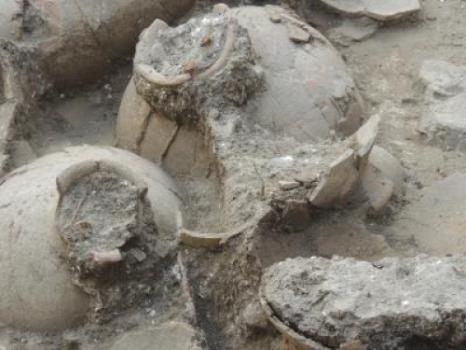
Photo Courtesy: E. H. Cline  G.W.U.

Photo Courtesy: E. H. Cline G.W.U.

I have often asked my friends if they thought the quality of wines produced now have improved with the advent of modern technology or if the wines of centuries ago made by monks and kings were superior.  Since the ancient wines have disappeared long ago we can only speculate on their taste profiles.  With the discovery of a Canaanite palace in Israel we now have a glimpse into the chemical composition of ceremonial wines reserved for the select few within the palace walls.  The findings of a team from George Washington University suggests through careful lab analysis that a sophisticated process was used in the production of the wine that once filled the 40 thirteen gallon ceramic jars found.  Signs of a wine that was blended with honey, mint, cedar, tree resin and cinnamon bark were found in the jars although no liquid remained.  A program of quality control must have been followed because the results remained consistent for all 40 vessels tested.  This discovery sheds new light on the development of winemaking in Canaan, which then spread to Egypt and across the Mediterranean.  This finding also vindicates my opinion that wine should be enjoyed now and not be saved for some special occasion because look at what happened in Canaan.  What a waste of good wine!

Beausoleil at SummerSounds


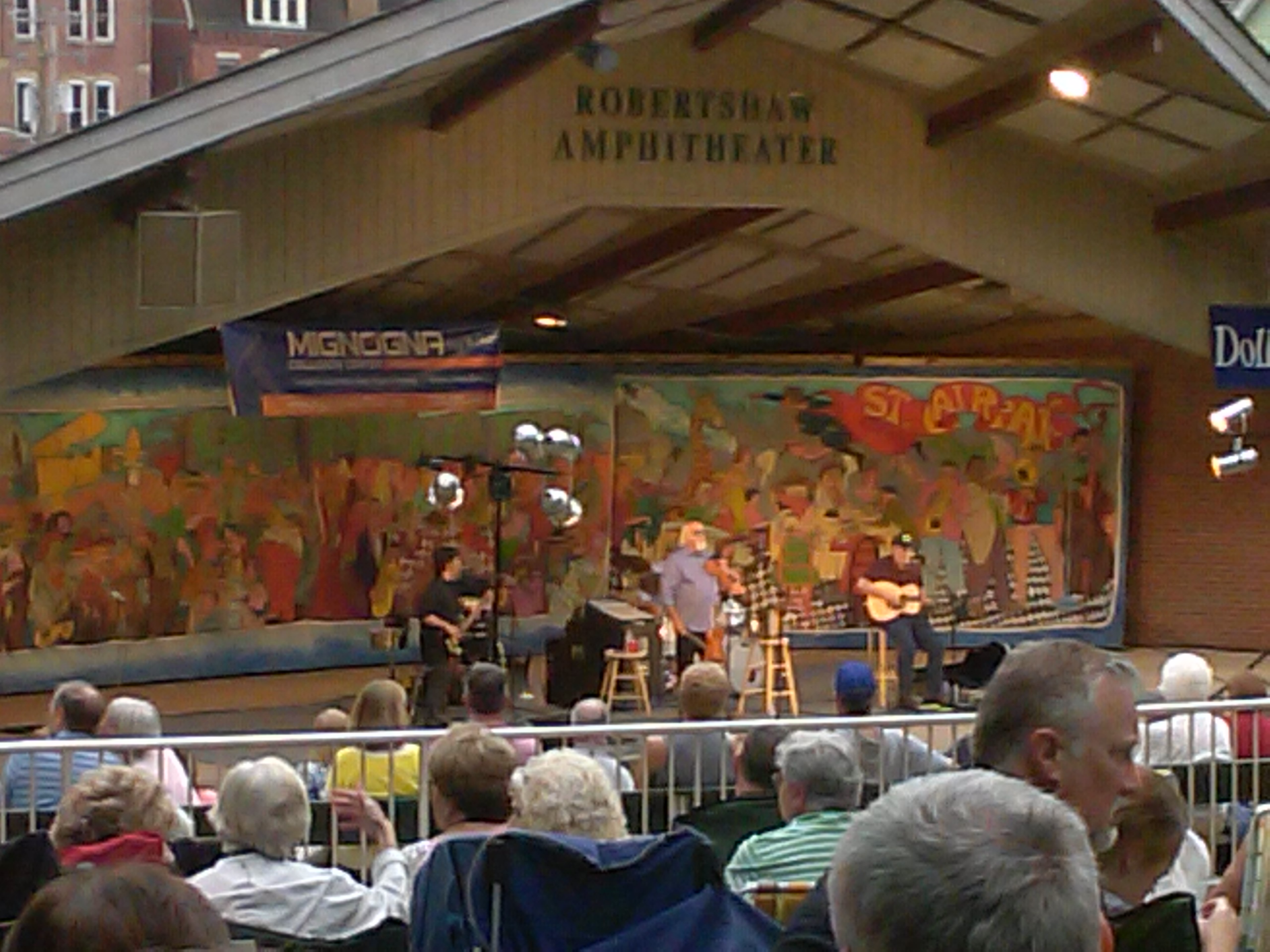
Beausoleil on stage at SummerSounds in Greensburg, Pa

Beausoleil on stage at SummerSounds in Greensburg, Pa

     The legendary band Beausoleil came to Greensburg, Pennsylvania Friday night bringing with them the true spirit and sound of the Louisiana low country.  Their SummerSounds performance on the Robertshaw Amphitheater in St.Clair Park conjured up the feeling of being out in the parish at a Creole festival somewhere way back in the bayou.  As the band played selections that ranged from Cajun, zydeco, jazz, bluegrass and swamp pop you could almost smell the shrimp and crawdads boiling!  Being north of the Mason-Dixon Line clearly confused fiddler/vocalist Michael Doucet when he said he was glad to be in Ohio, much to the amusement of the crowd.  He also seemed fascinated by the small “graveyard’ as he called it that is located in the park.  Beausoleil delivered a high energy show with their trademark friendly down home style that sent the crowd home with smiles on their faces and a toe tapping spring in their step.  Laizzez le bon temps rouler!!!

Lavender Festival at C.W.Klay Winery


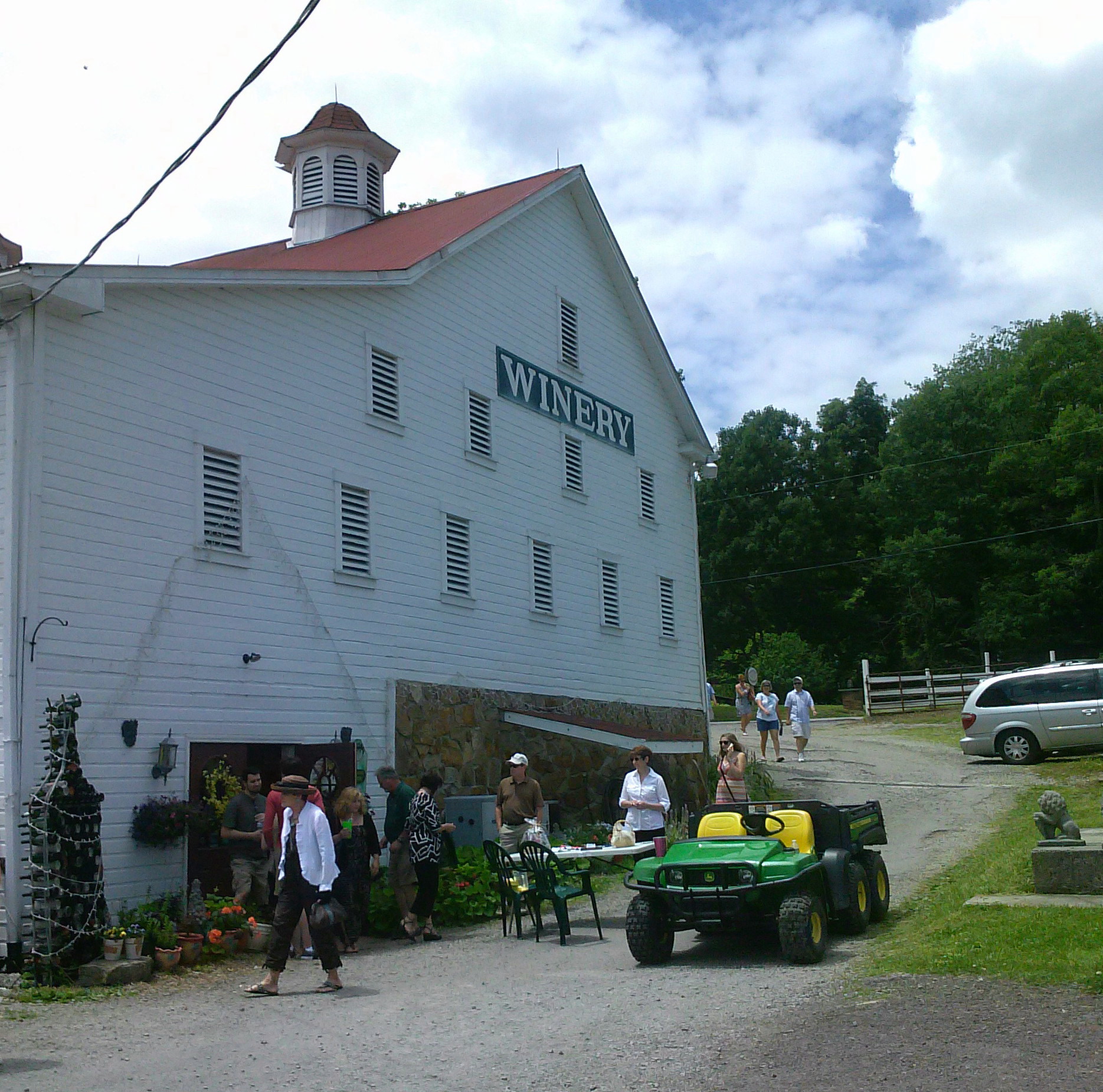
Sharon Klay's "Gator" sits outside the tasting room

Sharon Klay’s “Gator” sits outside the tasting room

     The 3rd Annual Lavender Festival at the C.W.Klay Winery in Farmington, Pa was held on one of the most beautiful days of the year.  Blue skies and warm breezes greeted guests as they arrived to stunning views of the winery and the surrounding Laurel Highlands.  C.W.Klay owner and winemaker Sharon Klay was on hand, as well as her friendly and knowledgable staff, to welcome visitors to the tasting room where they were served plentiful and free samples of the C.W.Klay wines that were available for purchase. The tasting room also has a collection of wine themed merchandise so you can find the perfect gift for the wine lover on your list.  The cool jazz sounds of Harold Betters filled the air on the lawn along with the scent of lavender coming from the vendor tents.  Most of the offerings included lavender in them and ranged from hair care produces, soaps, chocolate, lavender plants and of course C.W.Klay’s very own speciality lavender wine.  The Klay Winery has a list of events that varies from their weekly “Pavilion Music Series” to a Lobster Clambake and Murder Mystery Dinner Theaters that can be found on their website http://www. cwklaywinery.com.  C.W.Klay wines will be at the Westmoreland Arts & Heritage Festival in Twin Lakes Park  Greensburg, Pa from Thursday, July 3rd through Sunday, July 6th, 2014. 

Exploding Wine Bottle Alert!!!!

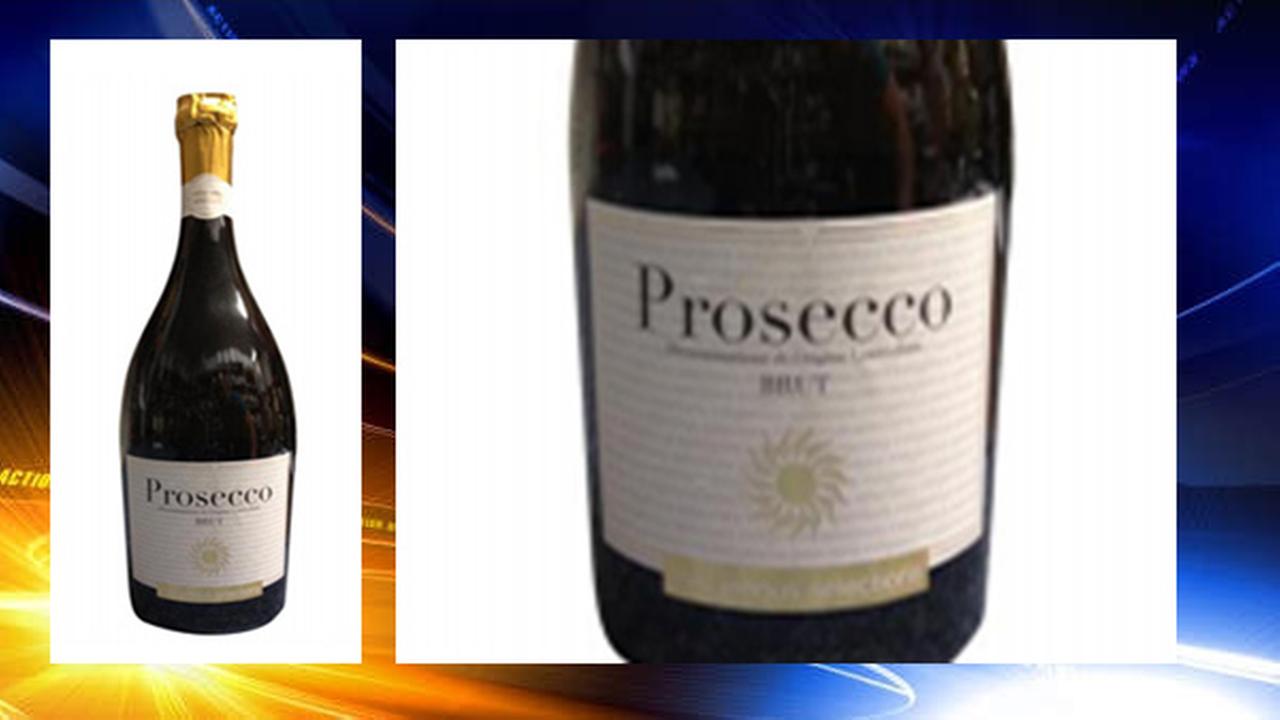
Prosecco     The Pennsylvania Liquor Control Board has issued a safety alert for indigenous selection Prosecco Brut 2013 because of insufficient packaging, A.K.A. weak bottles, that has lead to some bottles spontaneously exploding.  Anyone who purchased this “Chairman Selection” wine should carefully dispose of it and can get a full refund at the P.L.C.B. store without a receipt because the refunds will be conducted on the honor system.  The State bought 19,000 bottles of indigenous selection Prosecco 2013 from an Italian producer and sold just under 2000 bottles starting in June through the “Chairman Selection” discounting program.


It’s Wine Time at the Colony

wine time     It’s Wine Time at the Colony wine festival returns to 365 Saxonburg Blvd Saxonburg, Pa on June 21st and September 6th, 2014.  The event has expanded and will feature 13 Pennsylvania wineries spanning three of the states most popular wine-producing regions.  Food purveyors will provide you with a taste of Pennsylvania cuisine using fresh and wholesome ingredients to prepare creations not found on a typical festival menu.  A wide range of artisans will be on hand to display their creative wares.  The tasting admission is $20 gets you wine-tasting and a souvenir wine glass while the non-tasting admission is $10 and is good for admission only.  Check their website for ticket specials.  winetimeatthecolony.com

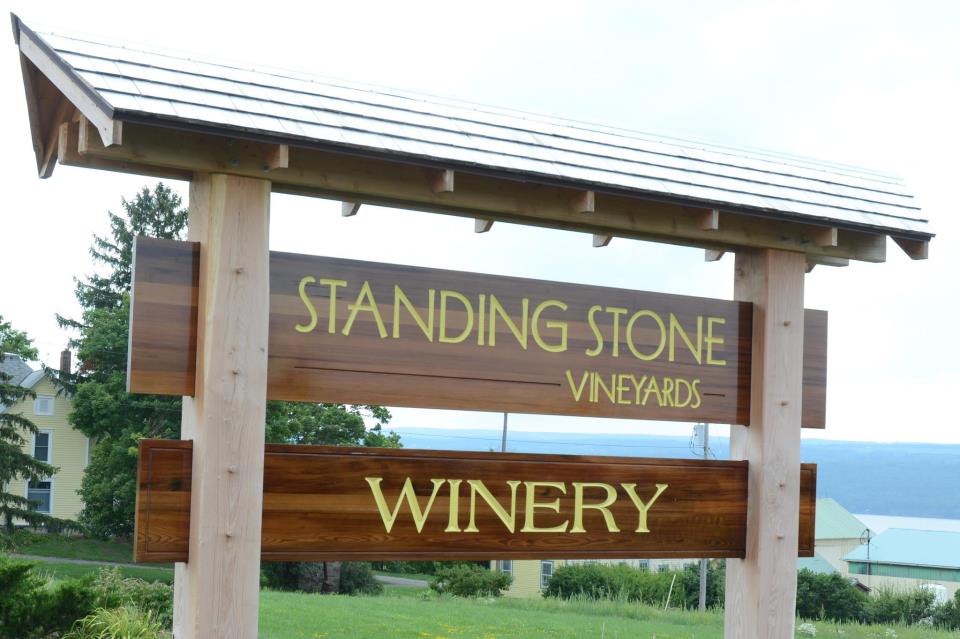
Standing Stone Vineyards Releases 2012 Saperavi


Photo Courtesy: Standing Stone Winery

Photo Courtesy: Standing Stone Winery

Standing Stone Vineyards “Officially” releases 2012 Saperavi.  Standing Stone becomes the first winery in the U.S. to bottle and release the newly classified Saperavi grape under its newly recognized and rightful name.  In conjunction with the iconic Dr. Konstantin Frank Cellars, Standing Stone Winery filed a petition with the Federal Alcohol and Tobacco Tax and Trade Bureau in late December 2013 to have the Saperavi grape recognized as an approved wine grape variety.  The Saperavi grape is a cold weather grape that originated in Georgia, Russia.  Owner and winemaker Marti Macinski has always had a fondness for this grape said “We’ve been growing Saperavi for 20 years and we’ve been using it in blends and bottling it under different names.  But now that Saperavi is again an officially recognized grape, we are thrilled to be able to put it on our label.  And I’ve got to tell you this 2012 vintage is unbelievable.  The vines have really grown to maturity and we have 20 years experience of working with the grape and understanding how to bring out its characteristic in the bottle”.  This grape has grown well in the Finger Lakes “Banana Belt” and is believed to be able to grow anywhere Riesling thrives.  Saperavi grapes produce a deep red wine with good structure and texture that is rich but not overly tannic.  This could be the grape that elevates the reds of the Finger Lakes to a level that would provide a nice complement to the world-class whites of this region.  

Glenora Egg Update


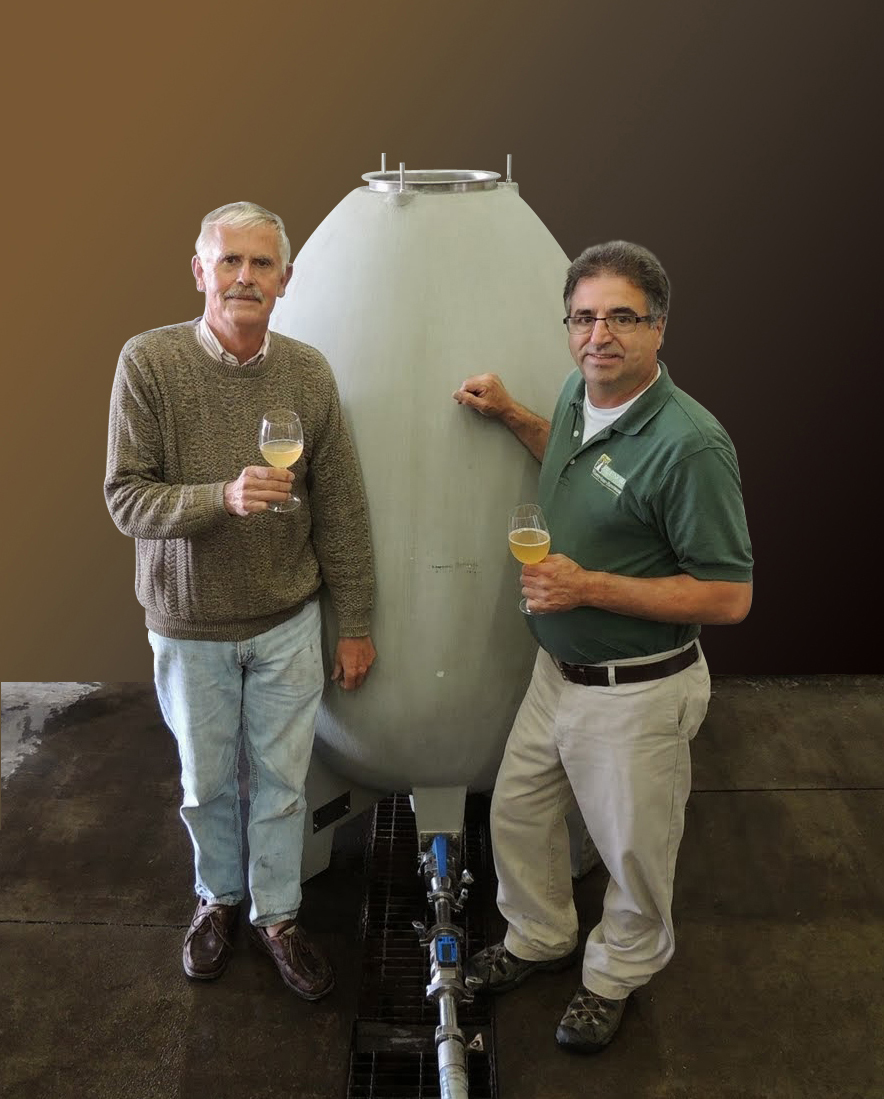
Gene Pierce & Steve DiFrancesco with "The Egg" Courtesy: G.W.

Gene Pierce & Steve DiFrancesco with “The Egg” Courtesy: G.W.

     A little while ago I reblogged a post from Glenora Winery on Seneca Lake in the Finger Lakes that dealt with their newest acquisition, a concrete fermentation tank A.K.A. “The Egg”.  I was curious how things were going with their venture into this rediscovered method of winemaking that has long been used in Europe but is now catching on here.  One reason that it took so long for the idea to take hold here was that the only producers of these vessels were in Europe and it was cost prohibitive to ship.  Now that there are manufacturers on this side of the pond the idea has more appeal to winemakers because of the more manageable prices making them comparable to oak.  Wine Spectator published a short article on concrete fermenters in last months edition or visit my original reblog of January, 2014 “Great Egg-spectations” if you would like to read more about them.  I would attempt to summarize what the winemakers at Glenora Winery told me but I wanted to be totally accurate on their experience so I am posting their response as follows verbatim “The project is still in progress, but we anticipate an early July release of the three Pinot Blancs.  During fermentation, the wine began to take on personalities of their own.  The micro-oxygenation that occurred using the egg and barrels helped to open up and develop flavors from both the fruit as well as the yeast interaction during fermentation. However, the concrete egg contributed no additional flavors to the wine the way the oak did.  The stainless steel is very inert, contributing little to the wine.  However, dead corners in the stainless steel tank slowed down aging and development of the fruit derived flavors.”  

     Thank You to the winemaking team at Glenora Winery for your help and I will continue to post updates about the “Egg Wine”.

Greenhouse Winery

     My wife and I made our first visit to the Greenhouse Winery a few days ago.  As the name would suggest the tasting room and winery are located next to the impressive Hazuza greenhouse that is filled to overflowing with an amazing selection of flowers and vegetables.  I talked with Gregg Hazuza, owner and winemaker of Greenhouse Winery, about the progress of his planned expansion. Gregg explained the project has been stalled due to problems getting all the permits approved by several different agencies.  He said his contractor is ready to start construction as soon as all the permits are approved.  He is planning to add ten jobs when the project is complete and is really happy about the prospect of having more space for the very popular weekly concerts that are now being restricted by the limited parking available at the current site.  All the grapes used for winemaking at the Greenhouse Winery are sourced from Pennsylvania vineyards.  When asked Gregg confirmed what winemaker Paul Vezzetti of The Vineyard at Hershey had told me earlier this spring about the need to have an established relationship with a grower to ensure access to wine grapes this year.  Gregg said he has a good relationship with his supplier and that should guarantee that he will be able to get the grapes he needs for his winemaking operation.  His producer also told him that the shortage of grapes will likely extend for two or three years because there was damage to the vines.  Gregg will eventually complete his expansion and the grape crop will eventually recover to normal levels because in the wine business patience is a virtue and all good things come to those who are patient enough to wait. Greenhouse Winery 10828 Guffy-Rillton Rd Rillton, PA   724-446-9750  greenhousewinery.com

Wagner Vineyards 2011 Chardonnay


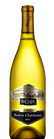
Wagner's 2011 Chardonnay

Wagner’s 2011 Chardonnay

     I am not a huge Chardonnay fan but I do like the style made in the Finger Lakes.  They tend to be dry but not the bone dry examples that are so popular in California.  We had a bottle of Wagner’s Vineyards 2011 Chardonnay and decided to pair it with our Easter dinner.  It paired well with the sugar-cured ham that was the centerpiece of the meal.  This dry Chardonnay has a full and solid mouth feel that allowed it to stand up to the flavors of the meal.  Since it is fermented in small oak barrels it has an aroma of vanilla and the flavors of pear and melons which can be tasted throughout its smooth finish.  Wagner’s Vineyards offers several different styles of Chardonnay that I had the opportunity to sample during my last visit to their tasting room in 2012. Each one was distinctly different in style , flavor and dryness.  This wine is a good value at $13.99 from the Wagner Vineyards website. wagnervineyards.com

Winter Damage


Much of my childhood was spent growing up on my mother’s family farm just across the road from our house. Many of my relatives live nearby in houses built on land that was carved out of the original tract of land that my Grandfather began farming in the very early 1900’s.  The number one lesson I learned about the agriculture business was that no
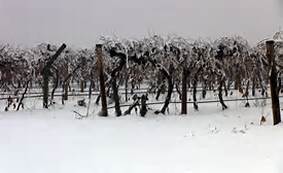
Winter in The Vineyard

Winter in The Vineyard

matter how well prepared and thought out your plans were you are always at the mercy of Mother Nature.  Whether it is corn, wheat or grapes you will always have to be able to cope with constant change and overwhelming problems or you will not succeed.  The vintners in Southwestern and Northwestern Pennsylvania along with their counterparts in the Finger Lakes Region of New York are dealing with the effects of one of the coldest winters in recent memory.  The real damage in Pennsylvania occurred in the Northwest , especially the area around Lake Erie, while the Southwest corner of the state received above average but manageable damage.  I have talked with several winemakers about how this winter effected their vineyards and the following is a summary of what they told me. 

Rich Ripepi of Ripepi Winery in Monongahela, Pa said that they were leaving on extra buds when they pruned to be safe but should have gotten through in “relatively” good shape.   Ray Matthews, the vineyard manager at Christian W. Klay Winery in Chalk Hill, Pa is still accessing his vines but signs are good that the damage isn’t too severe.  Ray told me of a study that he read that noted statistically a vineyard in the Northeast will be devastated on average once every ten years but he has been lucky to have been spared so far.  Tod Manspeaker of Briar Valley Vineyard & Winery in Bedford, Pa grows only vinifera vines in his vineyard.  Tod has observed that certain varieties have suffered more than others with the average bud loss in the 50% range.  To compensate for the loss Tod is leaving secondary and tertiary buds by pruning less and leaving four canes instead of two.  This makes more work this year and much more work next year to clean up but by doing this Tod is expecting a normal crop.  Paul Vezzetti from The Vineyard at Hershey in Middletown, Pa tells me that South Central Pennsylvania was on the border of the coldest weather this winter.  He attributes the many cultural practices implemented before their initial planting in 2009 for mitigating much of this years temperature issues.  By postponing pruning until after the worst winter weather had passed Paul was able to adjust his pruning plan to compensate for any winter damage found in the vineyard.  Paul also predicts that anyone that hasn’t been as fortunate as he was to experience only small losses can expect to face a substantial rise in cost when they have to buy grapes from another vineyard with whom they don’t already have an established relationship. 

Marti Macinski of Standing Stone Winery & Vineyard in Hector, NY tells me the Finger Lakes Region was hit very hard with many vineyards losing 100% of this years crop.  She is fortunate that her vineyard is on the southeastern shore of Seneca Lake and benefits from a temperature moderating effect that has led to the area being nicknamed the “Banana Belt”.  The Standing Stone Vineyard has received some damage but the damage can be offset by leaving extra buds to produce a nearly normal crop.  Marti has to wait until the growing season gets underway before she can tell if there is any vine damage. 

     Marti and all winemakers know that maintaining a vineyard can be a brutal and unforgiving undertaking but one that does come with great satisfaction and sense of accomplishment when everything goes right.  I wish all the producers my very best and want them to know that I have the utmost respect for their perseverance and passion with which they pursue their craft.