Winter 2026: “One Battle After Another”

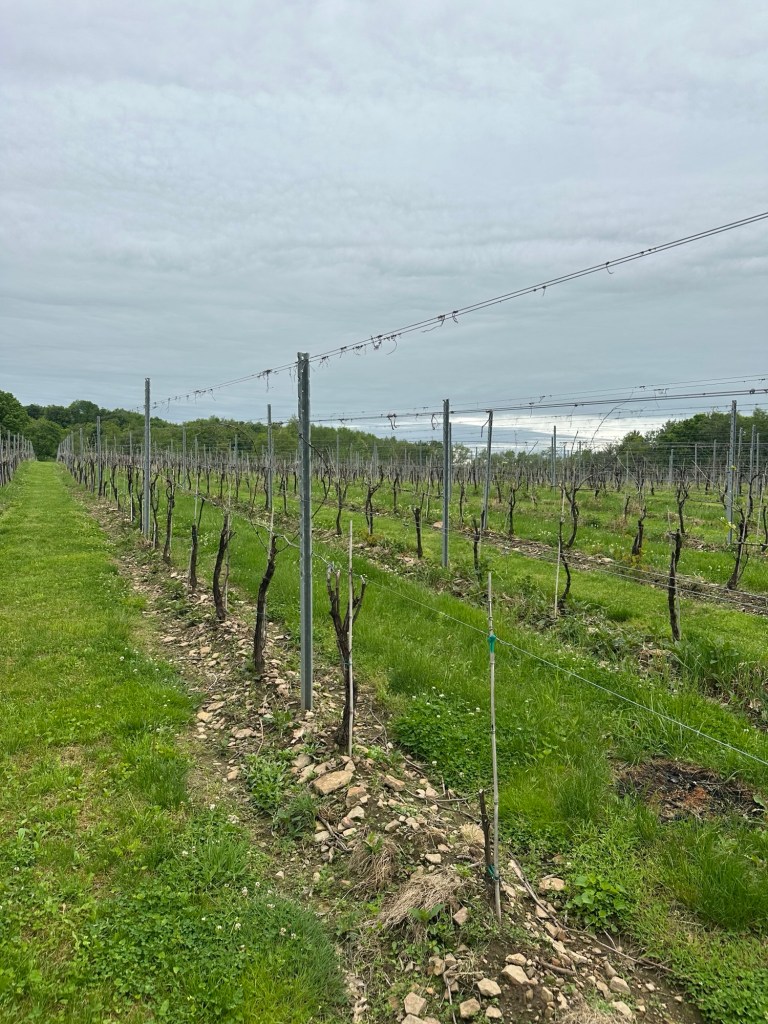
The Winter of 2026 was on for the record books, not in a good way. The weather from January through late May was dominated by extreme swings in both temperature and precipitation that culminated with a freeze on April 21st when the temperatures fell into the low 20’s. 

I was curious as to what extent these environmental factors had on the vineyards here in the northeastern United States. The only way I could collect honest and insightful information on this subject was to go directly to the people who had experienced it personally. The following are the firsthand accounts of vintners telling what they and their vineyards endured during the destructive Winter of 2026. The guests graciously provided supporting material that appears at the end of this article. Thank you. 

Dr. Chuck Zaleski is the owner/winemaker of Fero Vineyards & Winery in Lewisburg, Pennsylvania. Chuck makes wine from grapes grown on his 13.5-acre vineyard that features Riesling, Grüner Veltliner, Pinot Gris, Lemberger, Pinot Noir, and a favorite of mine, Saperavi. Like for many in the Northeast, this past winter was challenging. Here’s what Chuck told me. 

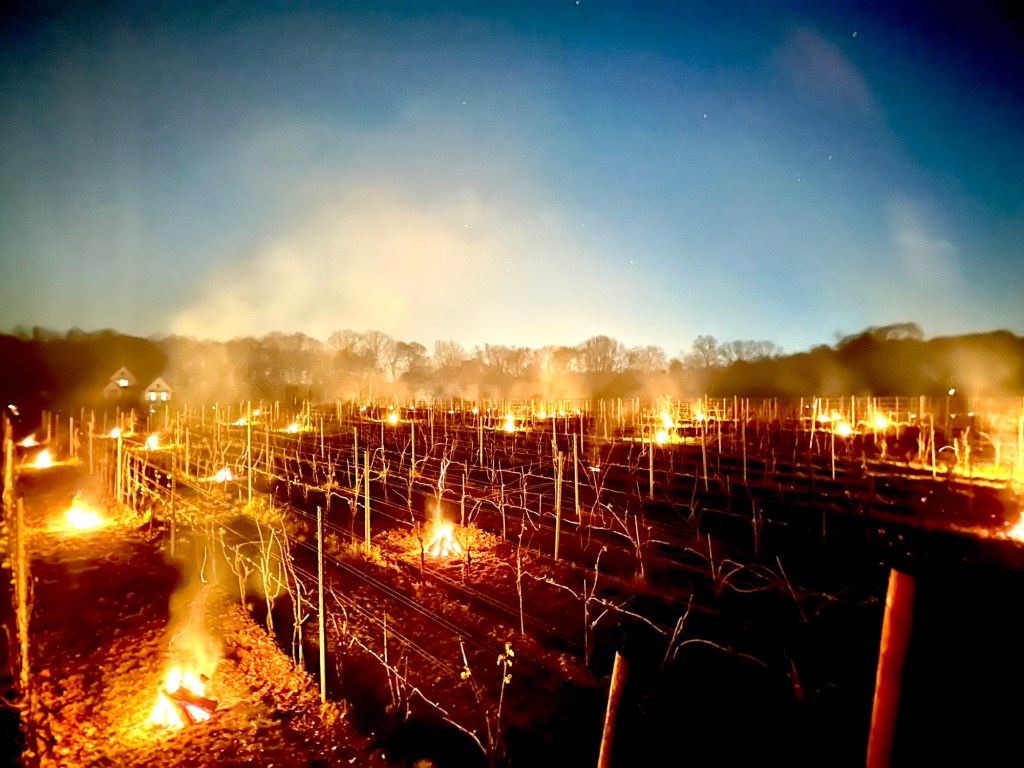
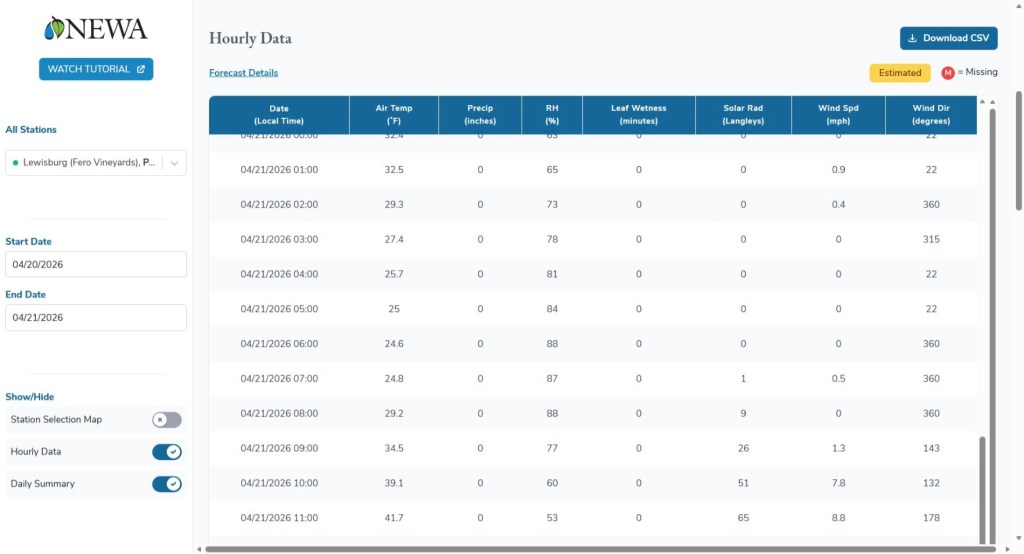
“Like most vineyards in the Mid-Atlantic region, we were impacted by the April 21, 2026, freeze. We have a NEWA weather station in the vineyard, and I attached a page recording the temperatures. The attempted mitigation effort of burning the prior year’s pruning in the vineyard was no match for the extreme cold. On that infamous day, we were still early in the growth season, at bud swell stage, with the exception of some of the smaller shoots and the row edges that had 1″ of green tissue. Our vineyard sustained significant damage to greater than 90% of the buds. Since the freeze, there has been some growth on vines, but only 30% of the normal shoot density. I expect to see some crop this year, but likely a fraction of normal yields. I also expect some vine loss, but it is too early to know the extent. This 2010 vineyard has weathered numerous frost events and deep winter cold to negative 12 degrees in its history, but this was the worst damage I’ve seen.  

The 2026 Freeze was a major disruptor to vineyards and orchards in the surrounding states. Economic losses will be significant. We will have to look at purchasing grapes for some of this year’s wine production. We will also need to replace damaged vines in the vineyard. The crop that we get will require more extensive hands-on management to get high-quality fruit. As bad as this weather event was, it came on the heels of one of the best vintages ever, 2025. Wines made from those grapes will be a real treat for wine lovers and are available now. We bottled our whites and rose wines this spring and will get the reds done next year. This summer is a great time to get out and support your local vineyards and wineries.”

J. Stephen Casscles is the leading authority on 19th-century Heritage grape varieties of the Hudson Valley and New England. He is a well-regarded author and writer, as well as a viticulturist, vintner, and winemaker. Steve resides in the Hudson Valley of New York, where he maintains a vineyard of rare grape varieties. Steve also provided me with a link to an article he recently published entitled “A Late Spring Freeze Slams Hudson Valley Fruit Farms” for us to gain a better understanding of the extent of the damage to the local economy. https://www.ediblehudsonvalley.com/a-late-frost-slams-hudson-valley-fruit-farms/

“My farm is near the banks of the Hudson River in Athens, NY. I grow 85 Cool Climate and Heritage grape varieties. What I have done for the past few weeks is record the bud break of my varieties and this year, the percentage of freeze damage. I think you will find that some buds/shoots were OK, and some got singed, but came out of this, some were damaged pretty well, and some were killed. I also noticed that some varieties have secondary buds, so there will still be a crop, but a reduced one. Observations: Some Heritage varieties, like the Hudson Valley Heritage varieties and Cape Ann Varieties, did OK because they tend to bud out late, so they did not have the length of green growth that got frozen out. Of the late-budding varieties that did OK were Jefferson, Empire State, Eumelan (Hudson Valley hybrids), and Agawam, Salem, and Lindley for the Cape Ann Rogers hybrids. I noticed that a Hudson Valley hybrid Bacchus, which is a Riparia variety, while it budded out early, still did OK. It must have some kind of antifreeze in it, as some spring plants do, like Glory of the Snow or tulips. So, my Bacchus (JH Ricketts hybrid) was good. My Seyval Blanc, Vidal, and Vignoles did OK, and they have a secondary crop. The Foch also got hit a bit and buds out early, but survived OK. It is in a higher place in the vineyard, so that helped.  My chance seedlings Palmer and Lynwood, both bud out late, so they managed well. Freeze damage was worse at the bottom of the vineyard hill than at the top.  Compared to other vineyards, we did OK, mostly because I do not grow vinifera.”

Jay Bell is the owner/winemaker of Bella Terra Vineyards in Hunker, Pennsylvania. He also grows grapes for his operation in his vineyards located in Westmoreland and Bedford counties. Jay gave me this comprehensive review of the damage his vines sustained. 

“We were also hit hard in both vineyard locations. Bedford County and Westmoreland County. Some vines are starting to rebound with suckers coming up from the vine base where we had them hilled up. (We cover up the graft unions with dirt in the winter to protect part of the trunk from freezing.) On the 21 of April, we made fire on just 3 acres of chardonel vines, and that really helped. We wish we had the resources to do more fires or other frost/freeze mitigation. Those 3 acres, along with our small block at the winery in Hunker, did well. The remaining 17 acres will have little to no crop this year. The varieties that took the hardest hit and will have to be a total replant or retrain from vine base were Gruner Veltliner (3 acres), Pinot Noir (2.5 acres), Malbec (.5 Acre) Merlot (1.5acre) Chardonnay (1 acre). Petite Verdot, on the other hand, was not quite out, so it did fairly well with only about 20% bud loss.”

Alfredo “Alfie” Alcántara is co-owner of dear native grapes Winery & Vineyard in the picturesque Catskill Mountains town of Walton, New York.  Alfie and dear native grapes are focused on propagating and producing wine from Heritage and seldom-used native grape varieties. Here’s what Alfie shared with me about the Winter and Spring of 2026 in the western Catskills. 

“We faced a severe winter in the western Catskills, with lows hitting-15°F and wind chills plunging to -30°F. Thankfully, steady snow cover insulated our vines and root systems. Local growers note that these extreme freezes can actually suppress overwintering bark diseases, and we’ve already seen a significant drop in vole damage this year. Our primary concern shifted to the late-spring frosts of April and May. A major freeze on April 21st devastated large portions of the Northeast, but because our bud break naturally occurs a few weeks later than in the Hudson Valley or Finger Lakes, our tight buds escaped the worst of it. After tracking the vineyard closely through a few additional early-May frosts, we are optimistic. We see some minor frost damage, but 70–80% of our vines look healthy and are actively pushing out shoots. Still, these close calls keep us thinking about the future, reinforcing our interest in late-budding varieties like Petite Pearl that can naturally escape these unpredictable spring frost events.”

At the end of the day, growing grapes for winemaking is no different than any other agricultural venture. It is a risky business where most of the factors determining your success or failure are beyond your control. I learned this at a very young age while growing up across the road from my grandparents’ western Pennsylvania farm, which my uncle, aunt, and cousins tirelessly worked. I greatly admire all who labor in this ancient profession where success is measured in small victories, and acknowledgement is very rarely received. 
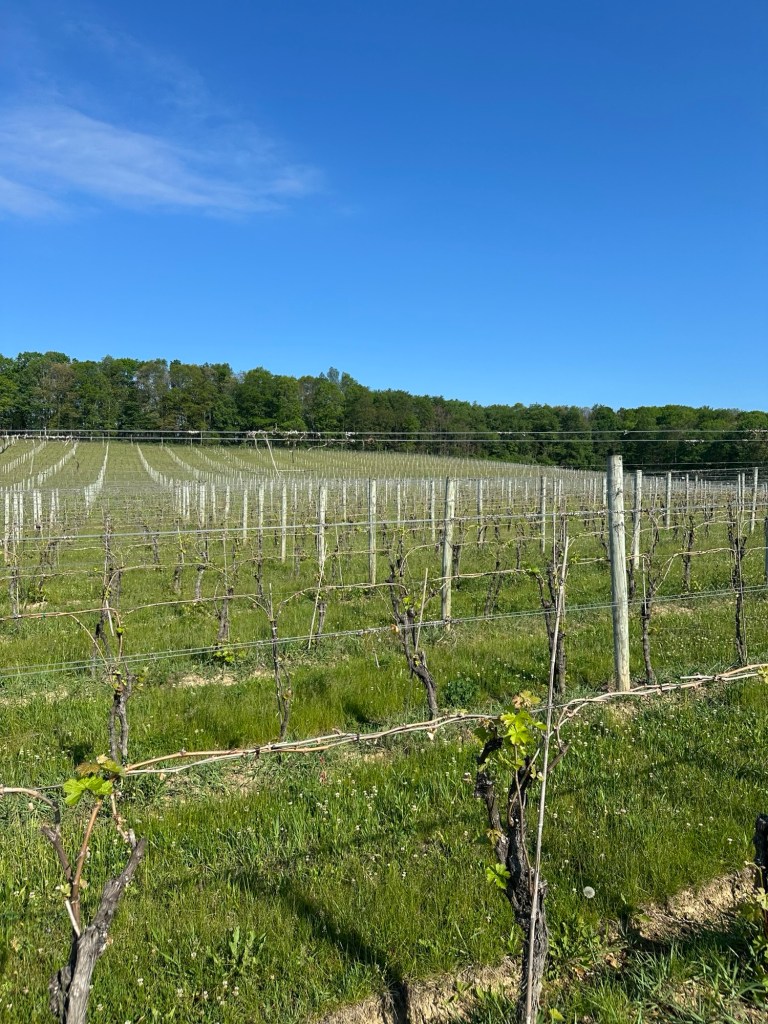
Grüner Veltliner Betta Terra Vineyard
Fires in Chardonel vineyard, Bella Terra, Hunker, PA
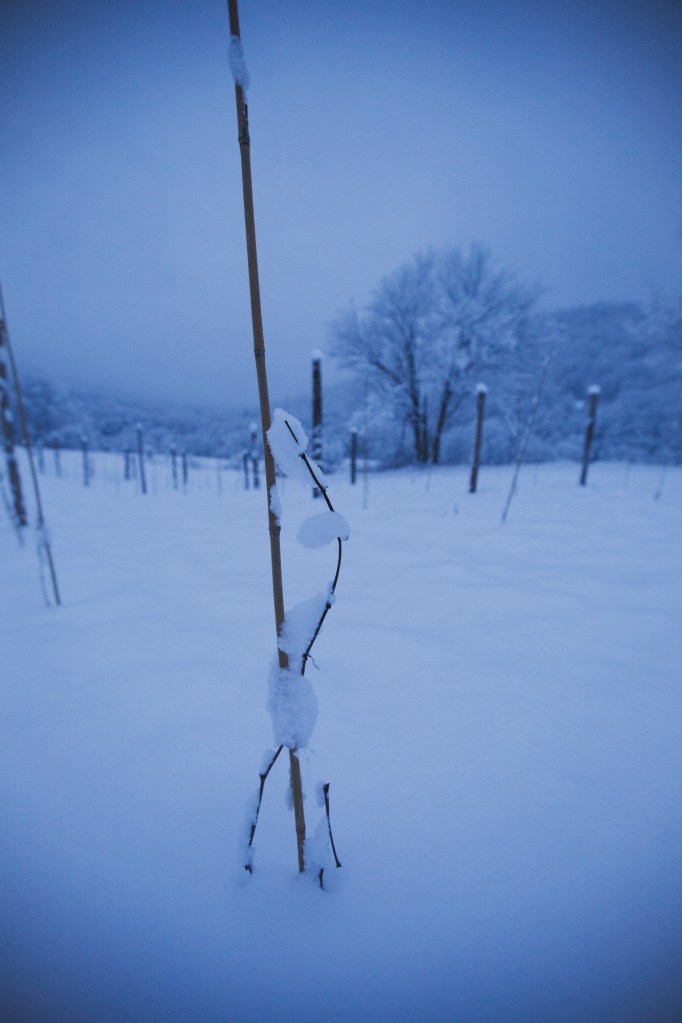
First Snow Winter 2026, dear native grapes Walton, New York
Weather Information from Fero Vineyard, Lewisburg, Pennsylvania
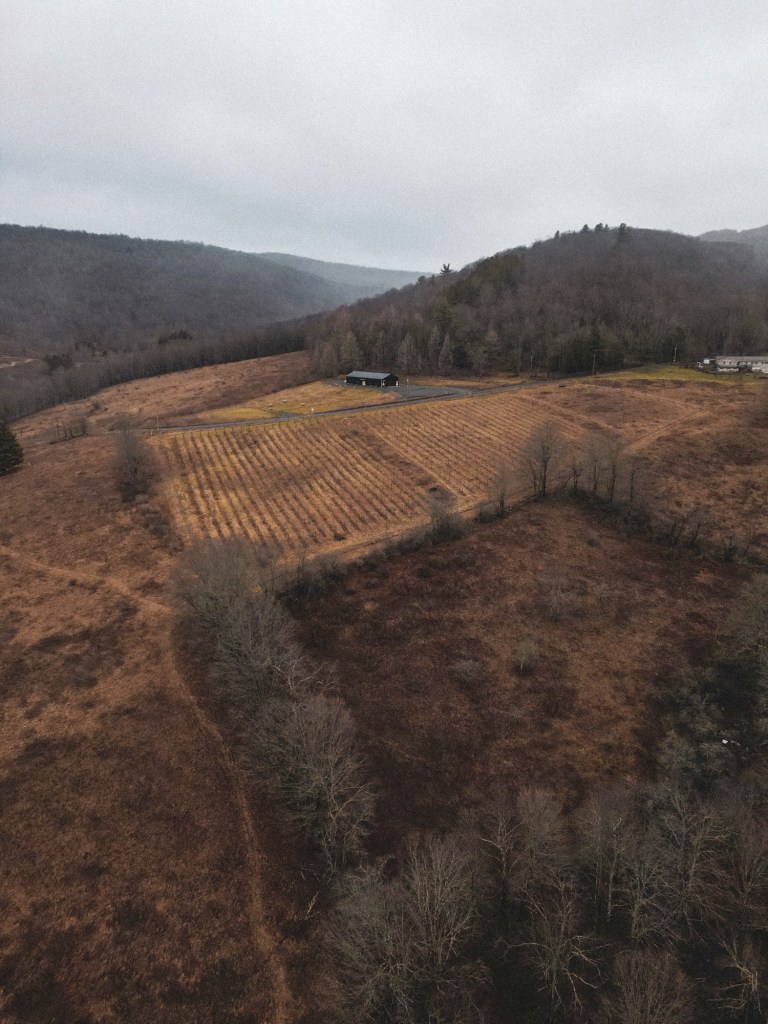
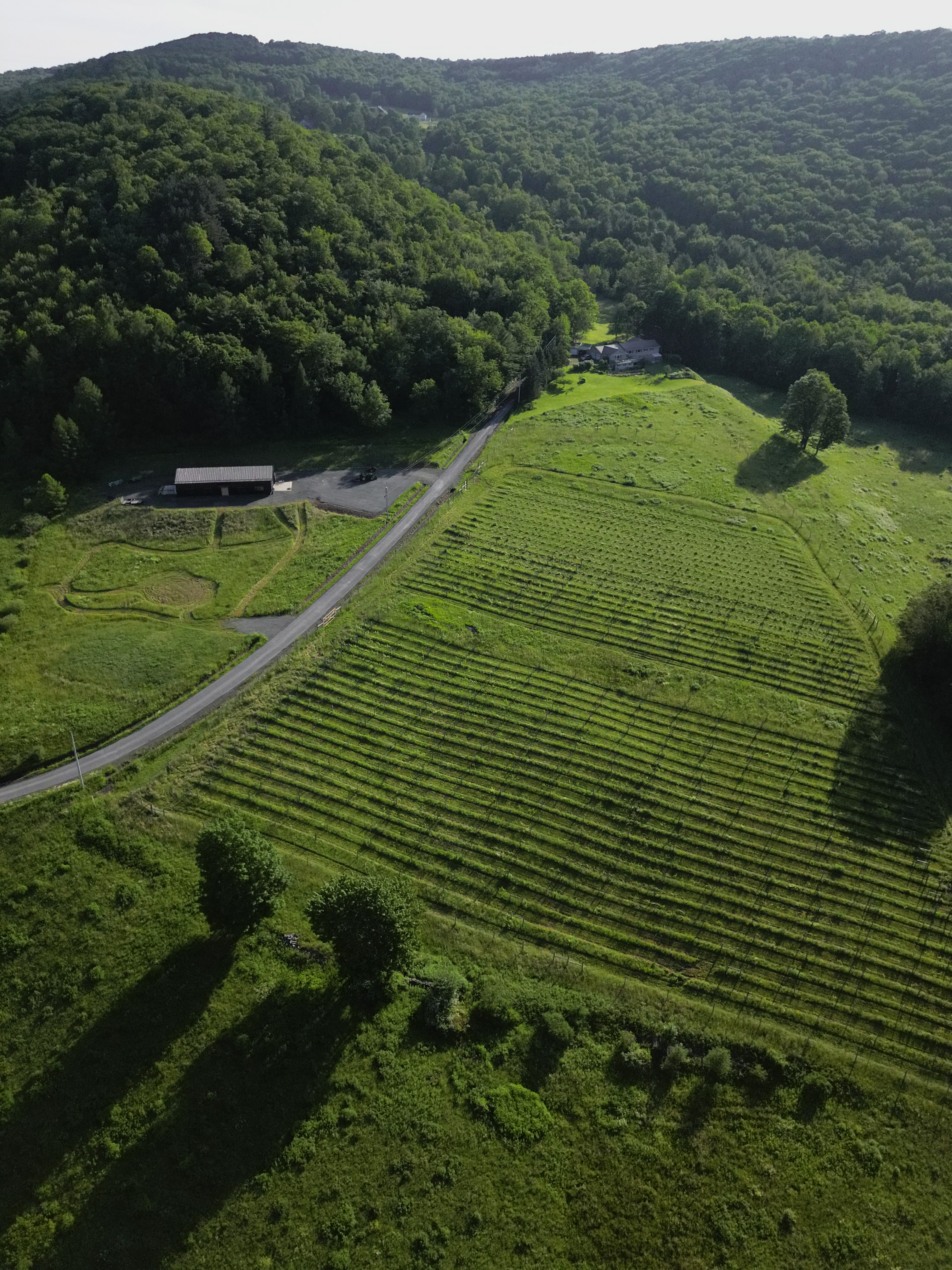
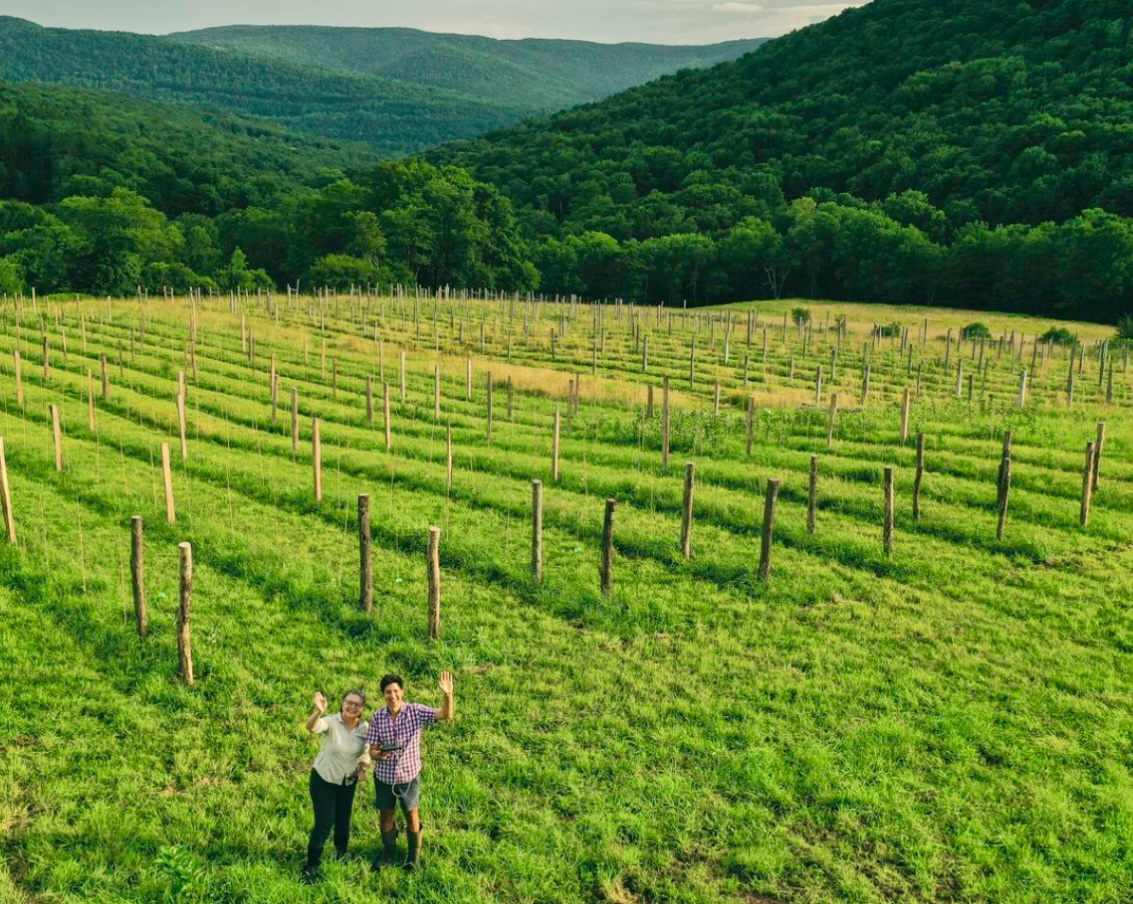
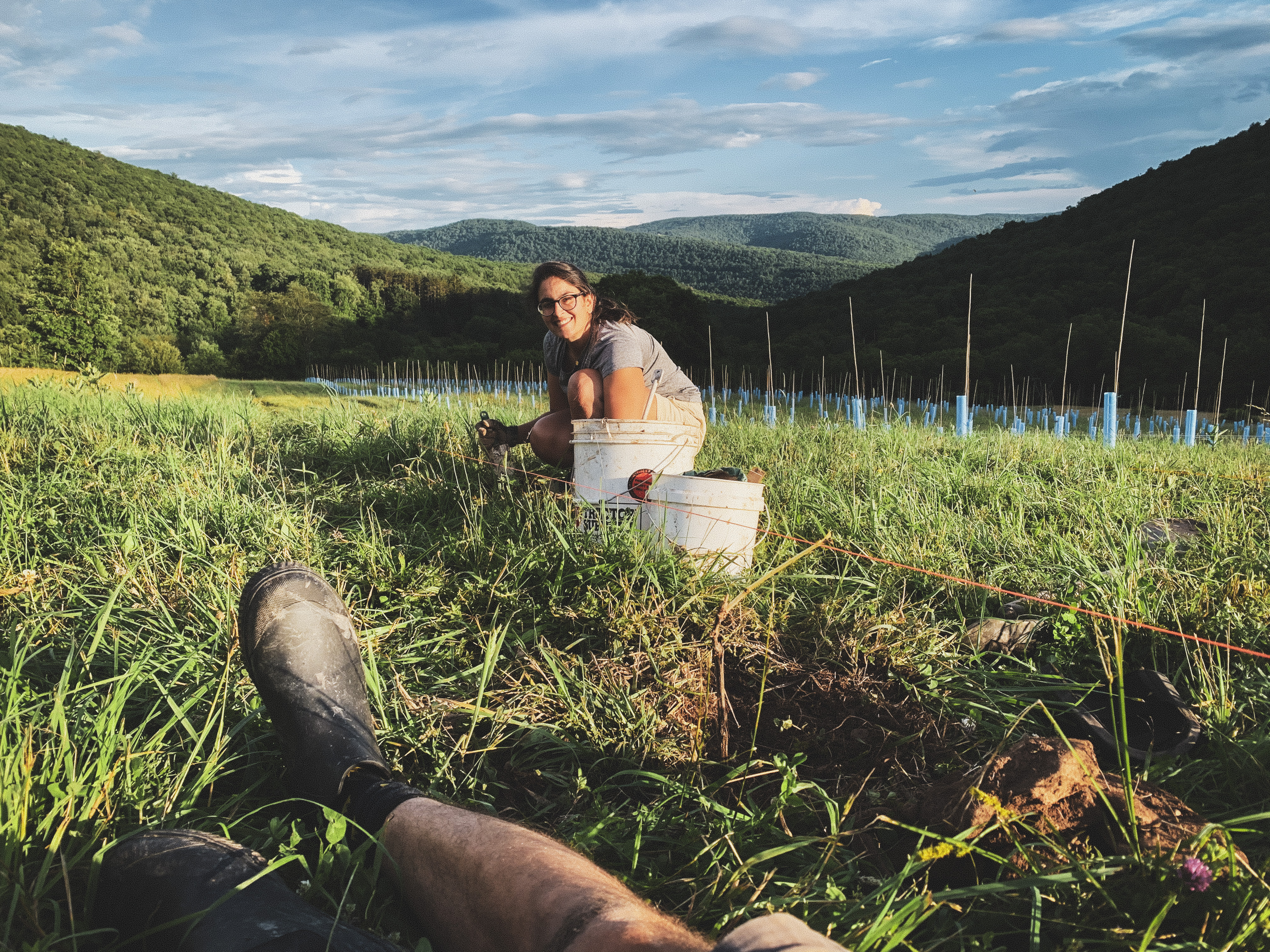
dear native grapes vineyard, Walton, New York

Interview Part 3: Alfredo “Alfie” Alcantara, dear native grapes Winery & Vineyard

It was July of 2025 when I published my first interview with Alfredo “Alfie” Alcantara on the eve of the grand opening of his and co-owner Deanna Urciuoli’s winery, dear native grapes Interview: Alfredo “Alfie” Alcantara, Winemaker, Vigneron, Emmy Award-Winning Producer, Director & Cinematographer. I checked in with him again in December to get an update on how the first few months had gone. Interview: Alfredo “Alfie” Alcantara, dear native grapes Winery & Vineyard. As his operation enters its second year of welcoming guests to the Western Catskill location, I was curious to hear what he has planned for the upcoming season and beyond. 

The following is my third interview with Alfredo “Alfie” Alcántara published verbatim and unedited for length. 

Rich wpawinepirate: 

Hello Alfie. I’m happy to hear that dear native grapes is an overwhelming success, not only for you but also for the community. Please tell us what has been happening since we last talked in December and what new and exciting plans you have for the upcoming season. 

Alfie Alcántara:

“Rich, it’s great to chat with you again as this brutal winter finally seems to be subsiding (albeit a little too slowly!). It’s currently snowing in the Catskills, and I’m debating whether or not to brave the cold for a few hours to catch up on our pruning.

When we last spoke, we discussed the experience of opening our tasting room to the public. We’ve had such a heartwarming response from the community; even in frigid temperatures, people come out to enjoy the wine, the snowy mountain views, and the general coziness of the season. Of course, winter has posed its own challenges. I’ve spent countless hours on the tractor plowing snow so folks can access the parking lot, and the natural ebb and flow of visitors has taught us valuable lessons in cash flow and managing a business during the slower months.

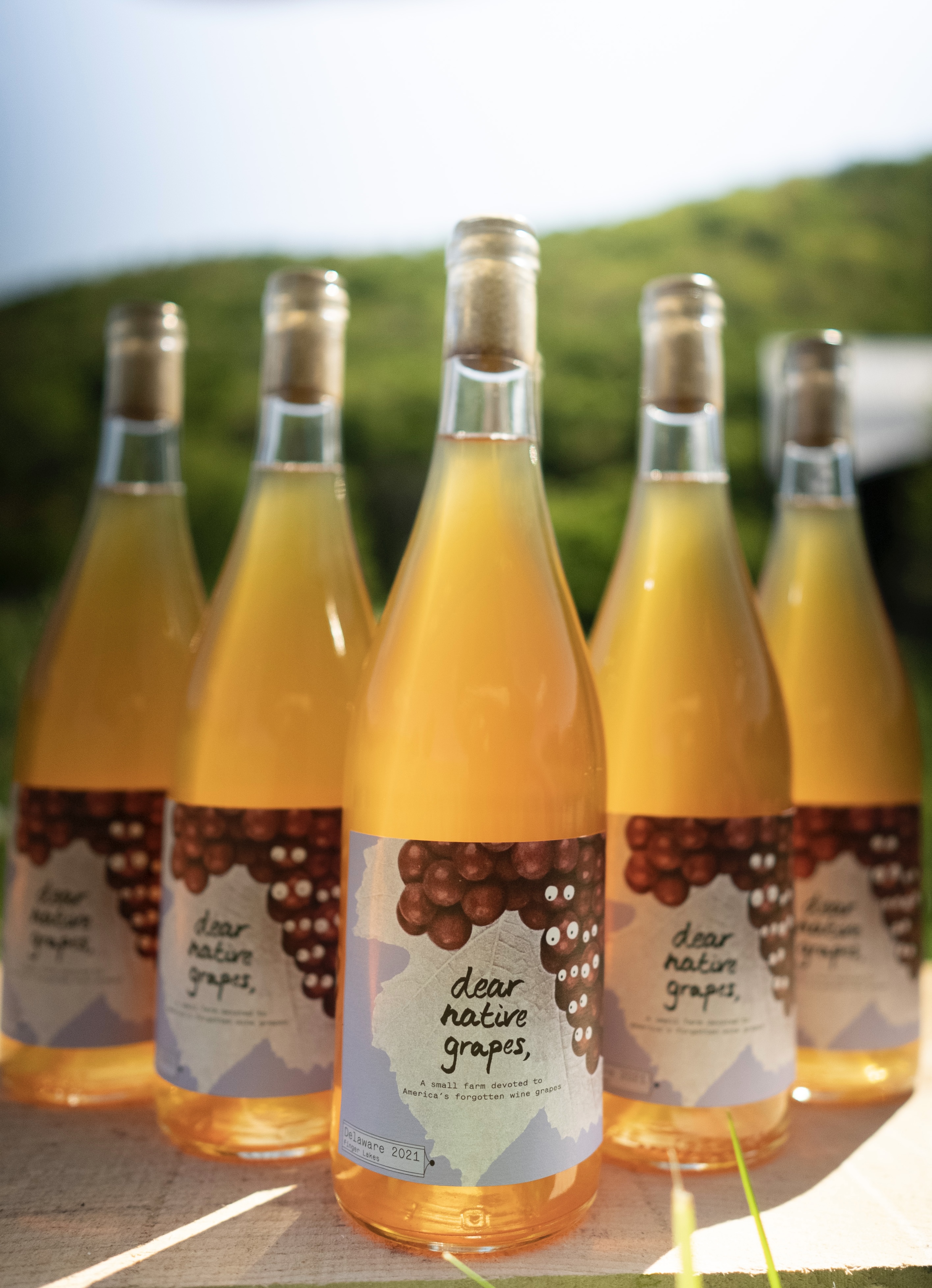
On the production side, we’ve been hard at work. We have some exciting new wines in the bottle, including a sparkling Delaware made from organic grapes and carbonated with local honey; a Lambrusco-style dry red made from Vincent, an incredibly inky and fruit-forward Canadian grape; and a Catawba Rosé that tastes like refreshing pink lemonade.

I can also give you a preview of a special collaboration we’re doing with Strickland Hollow, a local distillery in Delhi, NY. We are producing a vintage port-style wine using native varieties. Jerry Pellegrino, the distillery’s co-owner, distilled three barrels of Concord wine from our cellar into a base spirit. We then added that spirit to the freshly fermenting Vincent must just as it reached 10 Brix. We’ve been tasting it over the past few months, and it is delicious and warming. We plan to age it for another year and release it next fall.

As I look out the window, I still see snowflakes in the wind, but signs of spring are appearing. Our hills, dotted with maple trees, are beginning to turn red as the buds swell. The grapevines, however, are still dormant—which is lucky for us, as we’re always playing catch-up with vineyard management. The altitude here slows the warming of the soil, so April essentially acts as an extension of March for dormant pruning. Since it’s just Deanna and me, it takes about a month to finish the vineyard, but it’s truly one of my favorite times to be outside. We get to see the results of last year’s pruning decisions—our successes as well as our mistakes. It’s a quiet time, save for the robins singing as they hunt for worms in the thawing soil.

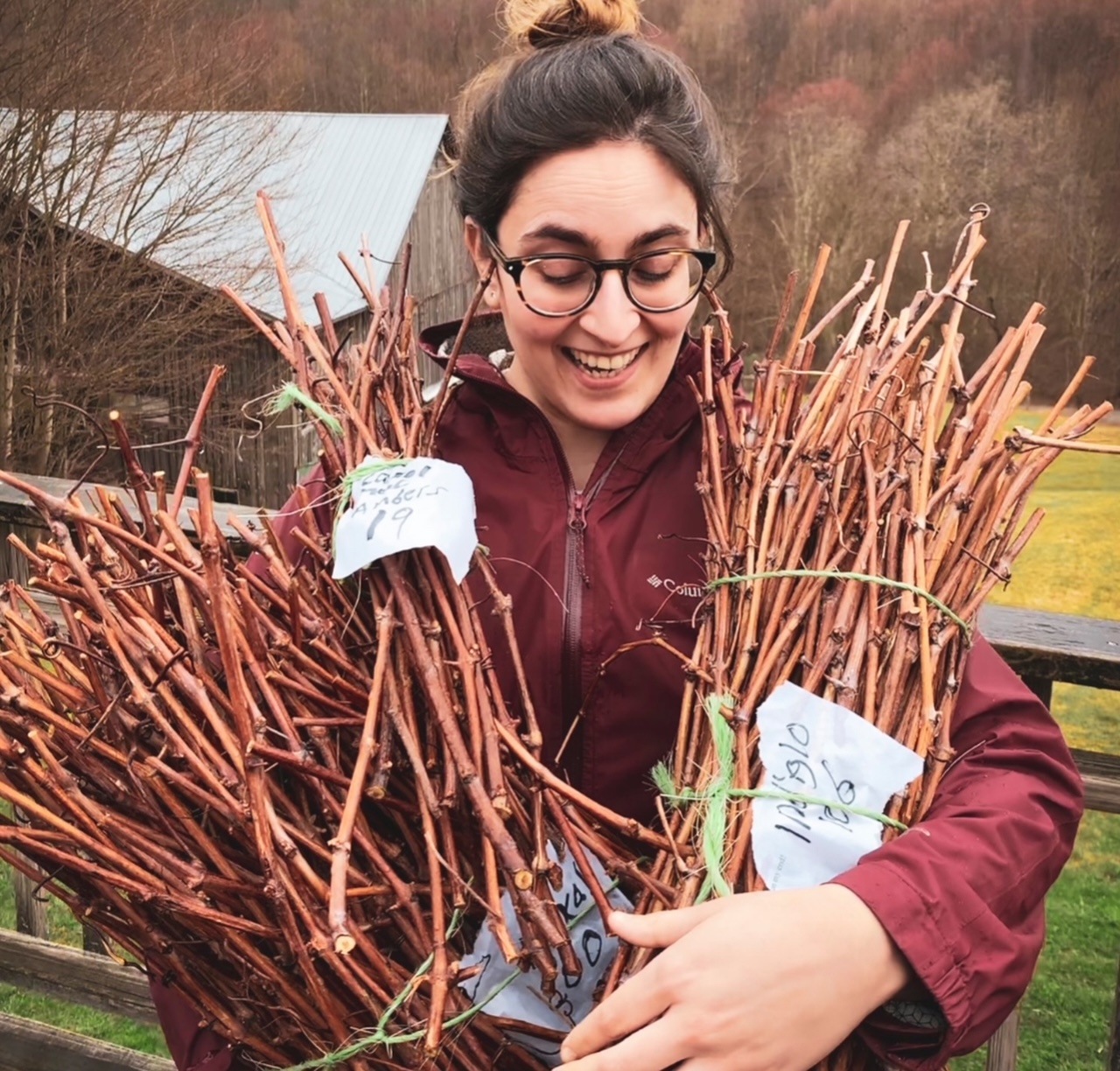
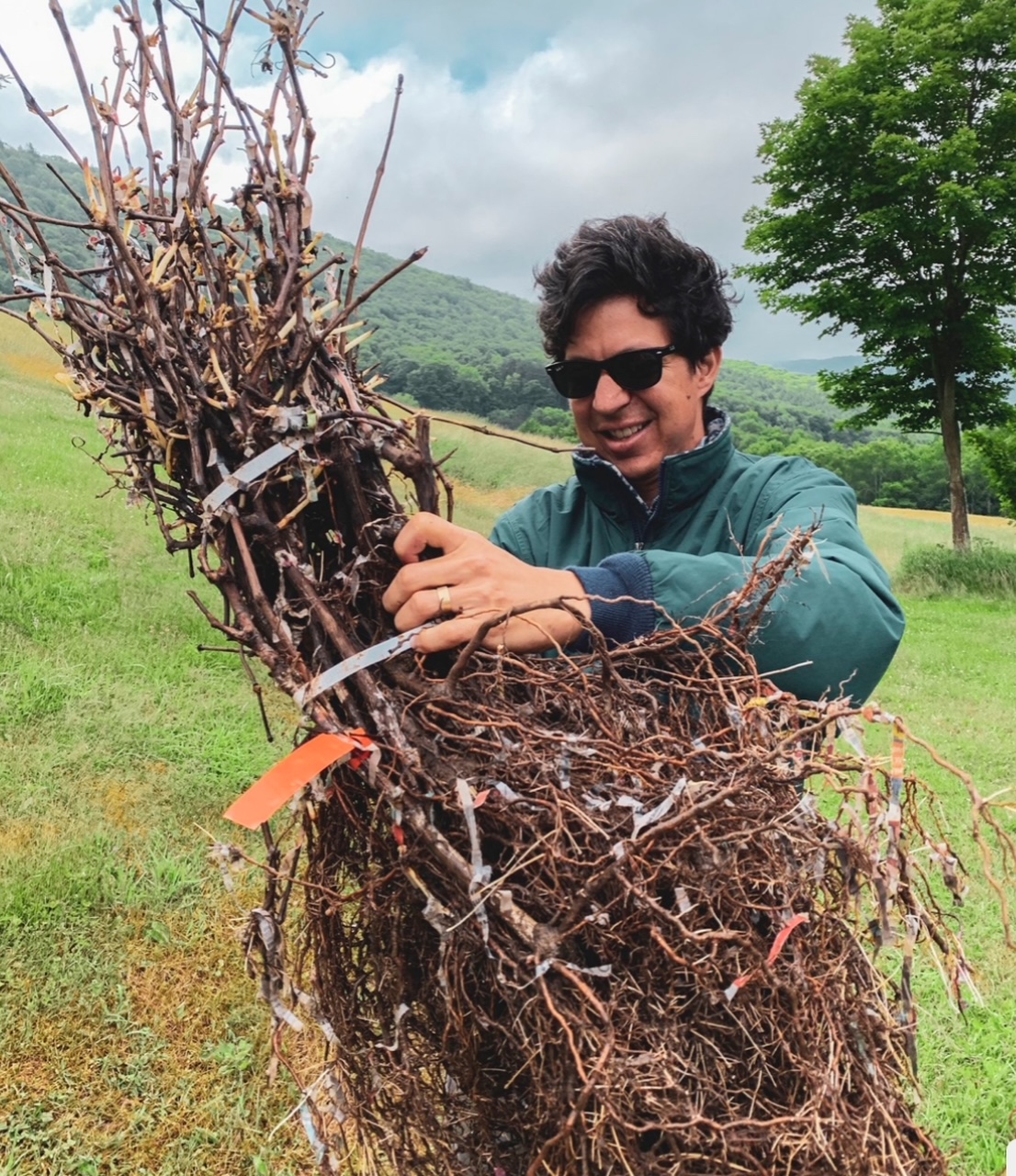
This year, we look forward to planting several heritage varieties from our nursery. These cuttings came from our friend and mentor, Steve Casscles, who maintains a repository of heritage varieties at his vineyard in Athens, NY. Over the last few years, we’ve been slowly propagating his cuttings, and this season we’ll be planting Cottage, Leon Millot, Bacchus, Palmer, and Empire State. We are particularly excited about Cottage; it’s a sister to the Concord but is much more balanced in flavor and aroma. We sampled some of Steve’s Cottage wine, and it was lovely, with distinct cherry notes, nice minerality, and the same extreme resilience as its sister variety.

To make room for the Cottage, we’ll actually be removing our Itasca vines. This was a tough decision—the first time we’ve had to pull vines—but after six years of observation, we decided they weren’t suited for our regenerative management practices. We use Neem oil and plant-based ferments from the farm, only turning to Cueva (a light copper fungicide) during extremely wet periods. The Itasca vines have struggled with fungal issues like Phomopsis and black rot. Meanwhile, in the very next row, our Petite Pearl is showing incredible disease resistance. This is the heart of our experiment: as farmers, we have to select what actually thrives on our specific site.

We are so looking forward to warmer days when the tasting room and outdoor picnic areas come fully alive again. We have a great lineup of events in the works, including workshops on plant medicine, foraging, and watercolor landscapes, as well as birding walks and a rotating cast of food vendors. This is our sixth year farming in the Catskills; more and more, we feel woven into this community and in tune with the rhythms of Mother Nature. She always makes it an exciting ride!

Please check out the Dear Native Grapes website for upcoming events and wine releases. We’ve got several events lined up for the summer, including an Appalachian musical performance and a special tasting and talk by the heritage grape maestro himself, Steve Casscles.” 

We’d love to host you and your readers soon!

https://dearnativegrapes.com

Photo Credit: Heaven McArthur

Interview: Alfredo “Alfie” Alcantara, Winemaker, Vigneron, Emmy Award-Winning Producer, Director & Cinematographer

In the town of Walton, nestled in the Catskill Mountains of New York, reside a couple of forward-thinking winemakers and vineyard owners who are looking to the past to chart a possible path forward that could help the wine industry survive in a world facing the uncertainty of climate change and other challenges. 

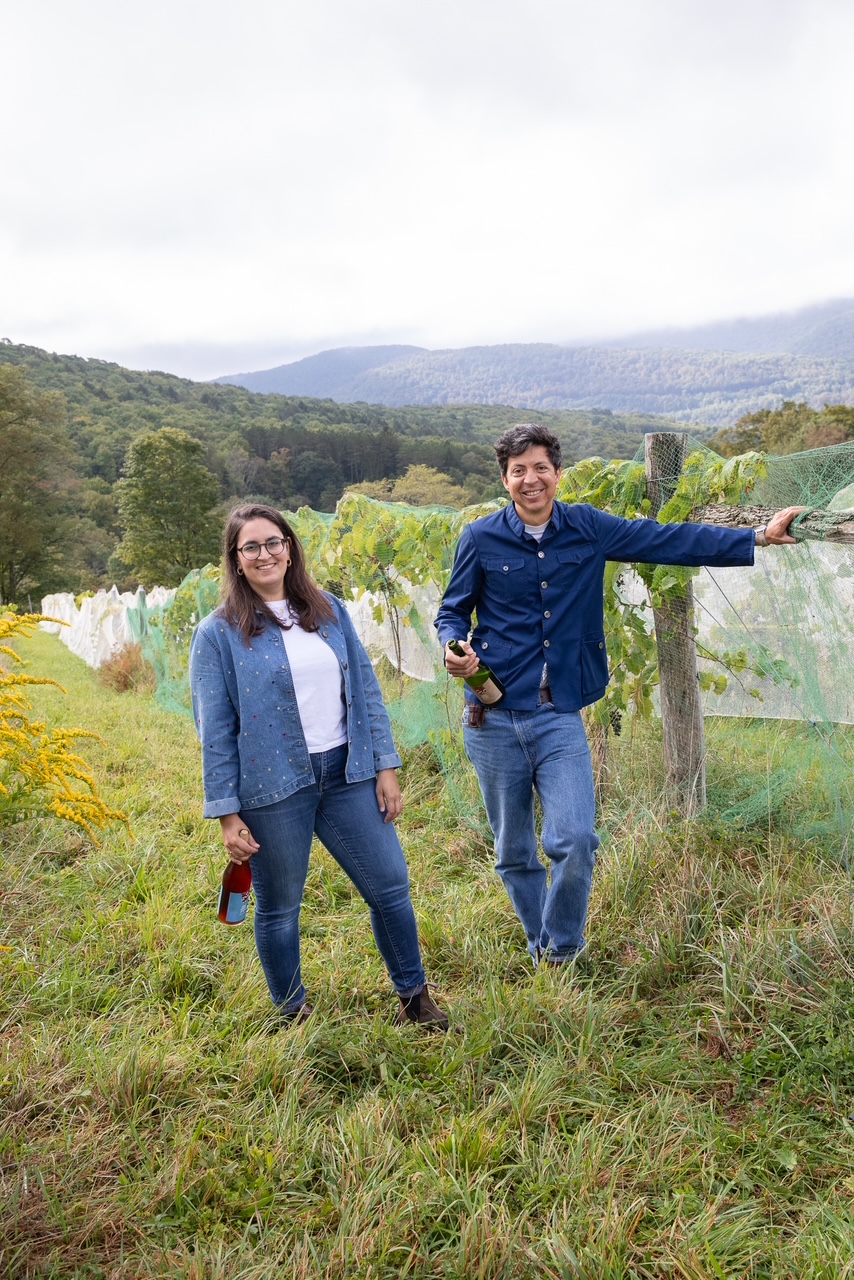
Alfredo “Alfie” Alcántara and Deanna Urciuoli, co-owners of Dear Native Grapes, are members of a small but growing vanguard of winemakers who are reviving forgotten and seldom-used native grapes to produce natural wines. These resurrected wines not only display distinctive flavors but also serve as a vehicle to expand the diversity of the vines that are being planted in vineyards.

Alfie is an Emmy award-winning documentary producer, director, and cinematographer whose latest critically acclaimed film, “The Age of Water,” delves into the human toll that Mexico’s water crisis is exacting on its people. The “Age of Water” will air on September 28th, 2025, on PBS. I was able to catch up with Alfie and ask him about the grand opening of dear native grapes tasting room and what else he has been up to. The following is my unedited and verbatim interview with Alfredo Alcántara.

1. Congratulations on the grand opening of your tasting room. What can your guests look forward to when they visit ‘dear native grapes’ on opening day and in the future?

“Thank you! We are beyond excited to finally open our doors and welcome visitors.

It’s been five years since we started ‘dear native grapes’ in the garage of our home. In that time, Deanna and I got used to navigating a tight maze of fermenters, barrels, and packaging material that we stuffed into our small space, and somehow we were able to launch our little winery. Producing wine in the garage was a romantic idea, but we knew we had to scale up to grow our business. 

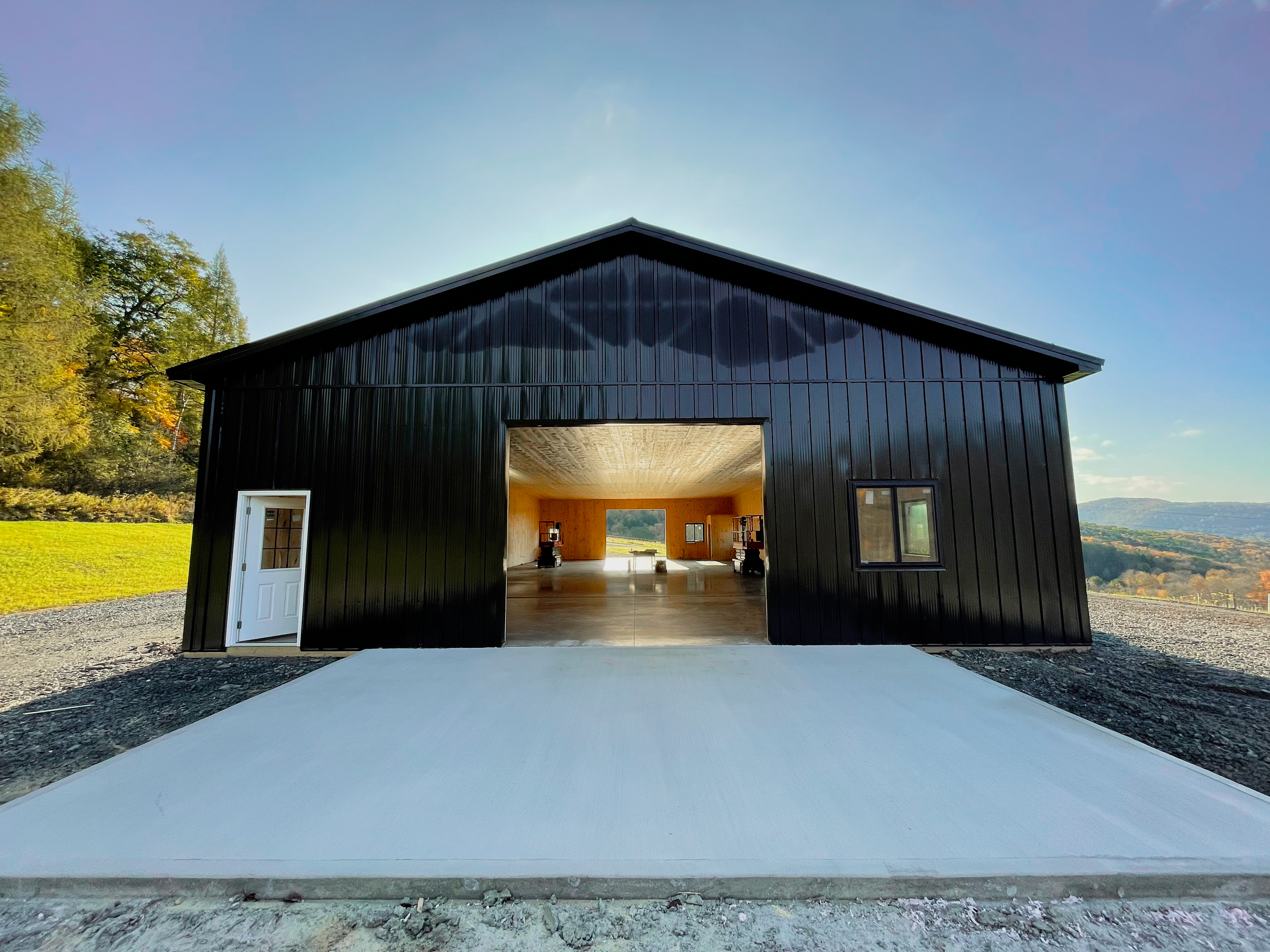
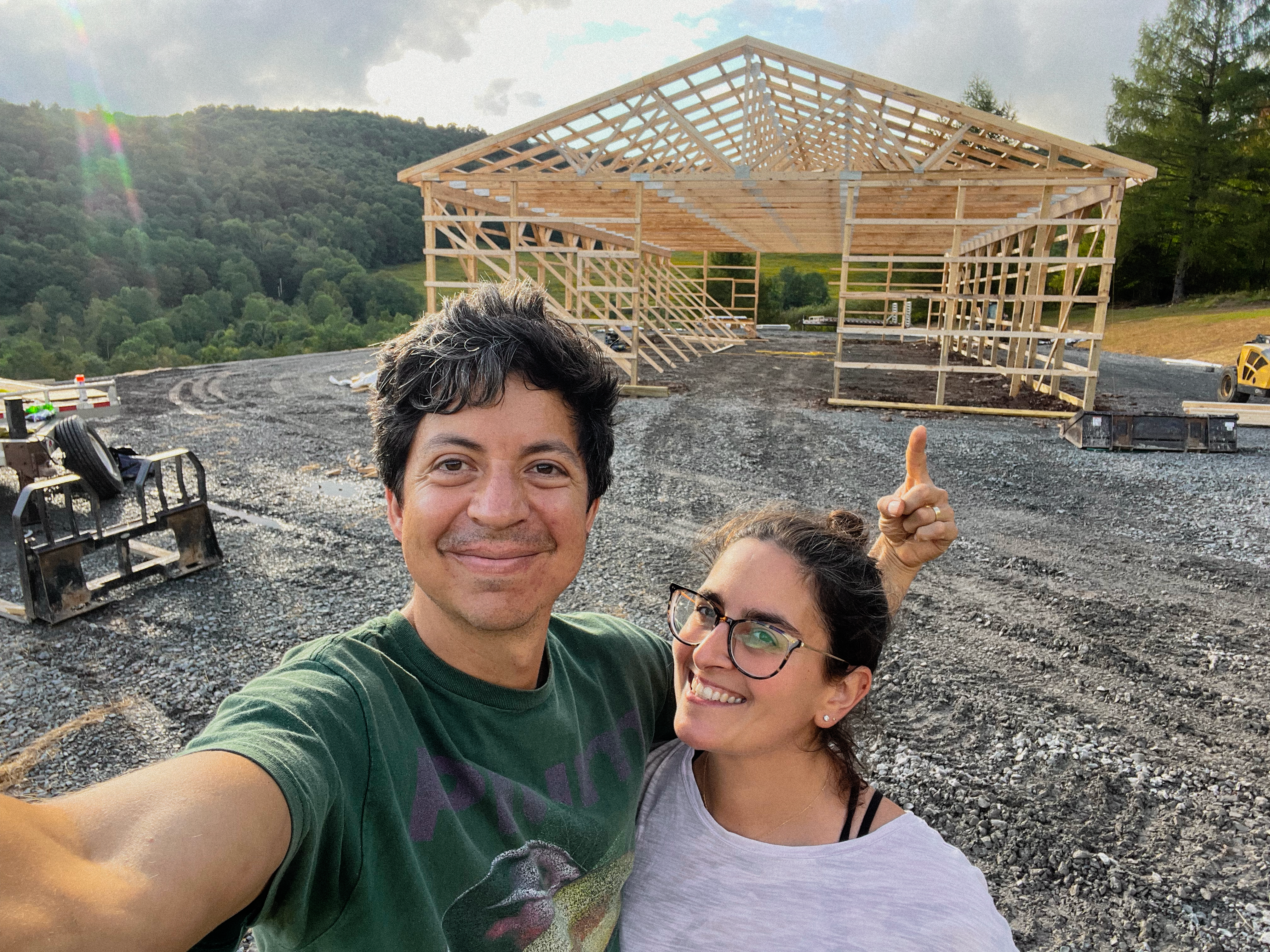
In 2023, we pooled our savings to pay for the construction of a pole barn that would one day house our production area as well as a small tasting room to host visitors to the farm. Since then, we’ve been hard at work getting the space ready. 

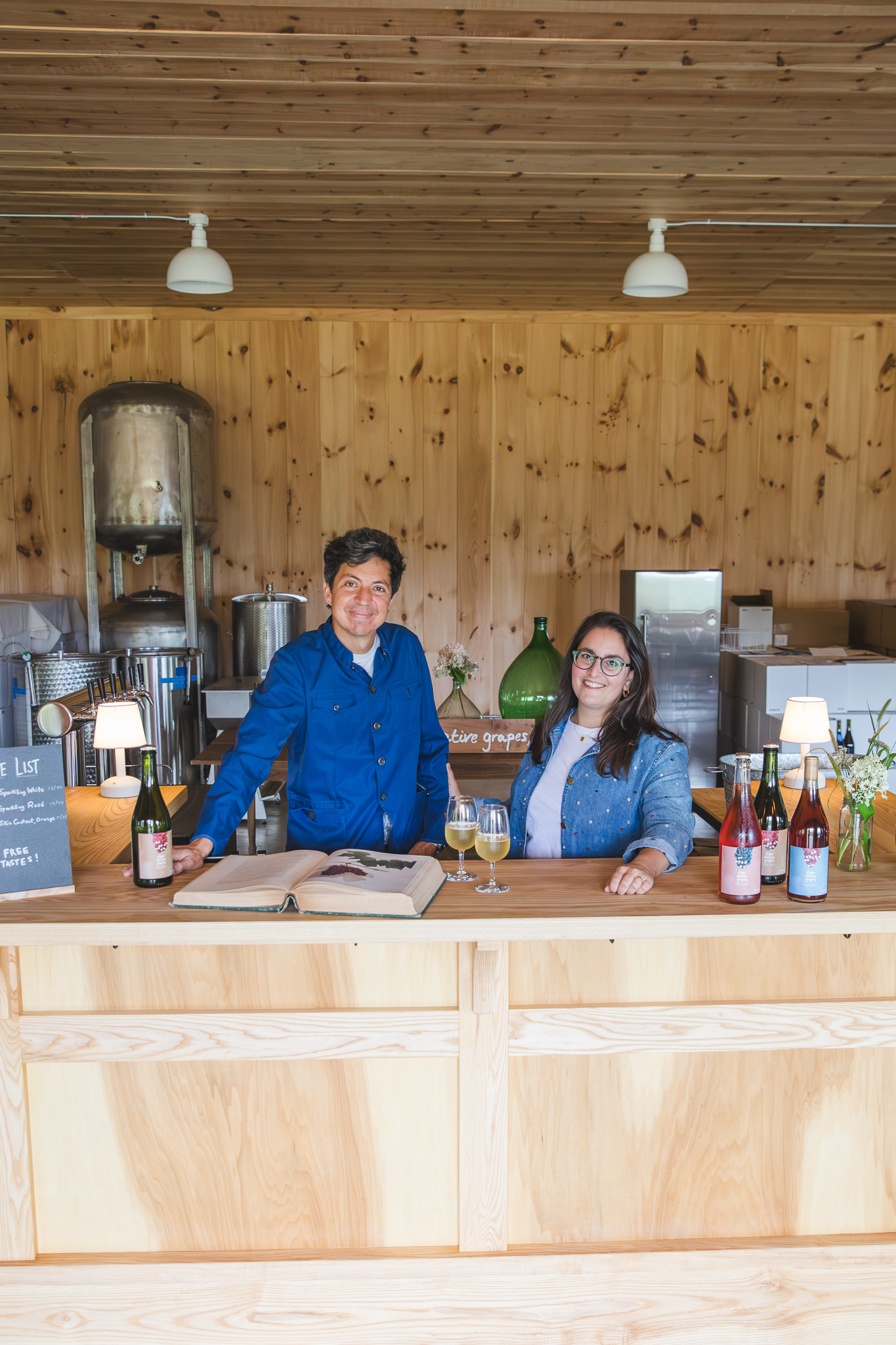
We’ve always felt passionate about sharing the story of America’s wine grapes, and we believe folks might feel equally inspired to see these grapes actually growing and thriving at our site. It’ll be even more exciting to have visitors taste the unique and expressive wines that these grapes can produce. We hope that experience will inspire more ideas and conversations around the potential of American grape varieties. 

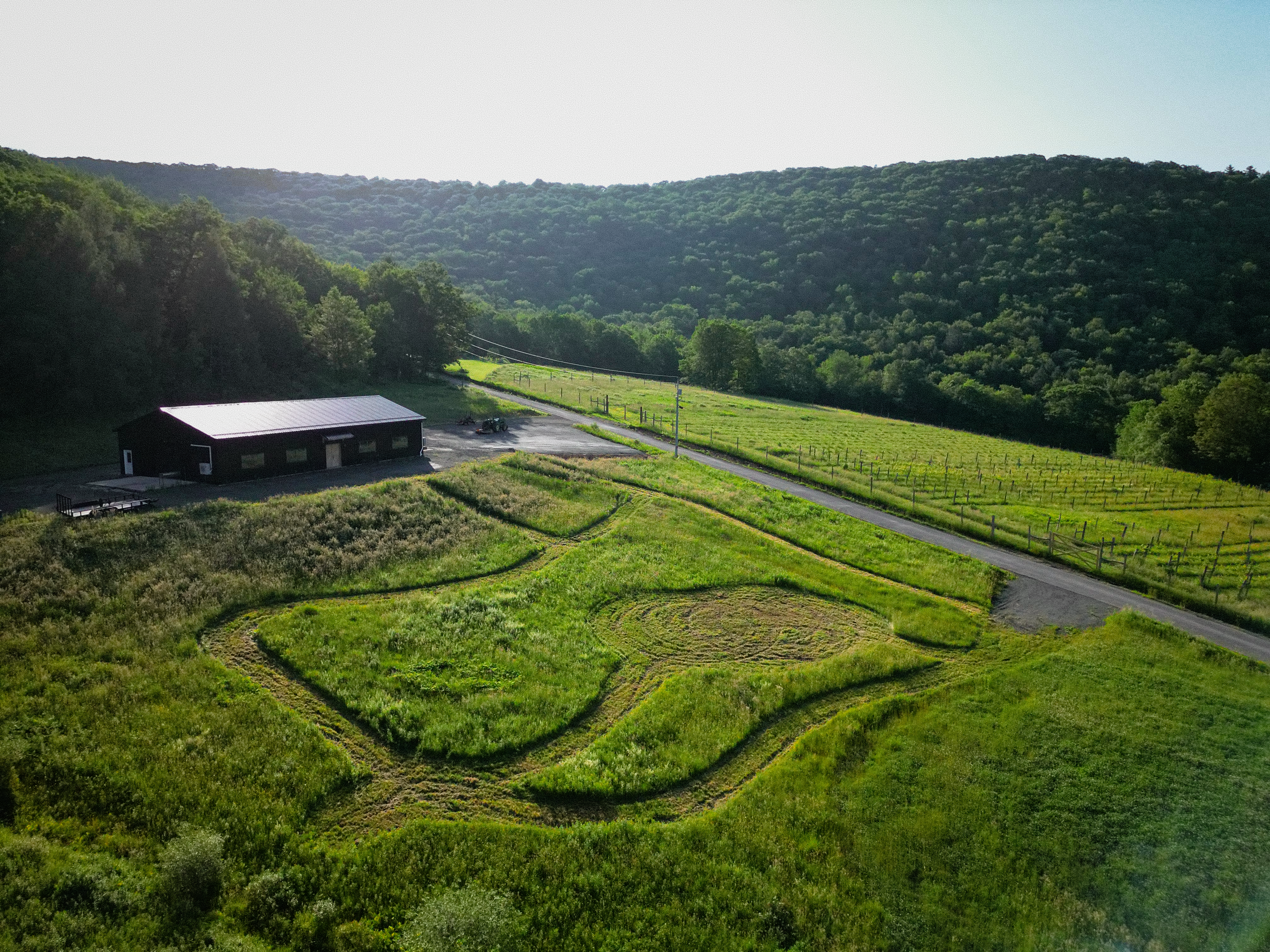
The winery is situated at the top of our vineyard and is surrounded by the beautiful Catskill Mountains. We hope it serves as a space for community building, inspiration, and relaxation in nature. We’ll also be featuring local food vendors and food pop-ups that showcase the culinary diversity of our region. 

Our opening day is July 19th, 2025, and we’ll be open every Saturday from 12pm to 7pm.”

2. You have chosen to grow and craft your wines from non-traditional native and hybrid grape varieties. What is your vision for dear native grapes?

“At its core, dear native grapes is an educational project designed to shed light on valuable grape varieties that could pave the way for more diverse, climate-resilient winemaking, energizing local economies in the process.

Our vineyard is an experimental plot meant to test the resilience of several dozen varieties. Since planting in 2020, we’ve already begun to see some really exciting results. A handful of varieties–both heritage and newer cultivars– have stood out as promising for our region. Our site is on a windy ridge top that gets pummelled with all sorts of weather throughout the year. The growing season is short, the winter is very cold, and there’s a danger of frost at each end of the season. So being able to successfully get these grapes through harvest is really encouraging. Among the heritage and heirloom varieties that have performed well are Delaware, Wine King, and Empire State. Among the newer varieties, Petite Pearl and Brianna are becoming the clear winners in terms of growth, disease resistance, and overall resilience.” 

3. Tell us about your wine journey, how it brought you to where you are today, and your plans for the future. 

“I think I may have some weird past-life connection to winegrowing. Since I was a kid, I dreamed of growing grapes. For some reason, it has always resonated with me. I met Deanna in college, and we lived in Brooklyn for ten years. During that time, we fell in love with natural wine. We got to taste wines that felt alive and vibrant. Many were made from indigenous grapes grown in regions we had never heard of. We were truly inspired each time we experienced a different bottle. And so that really got our gears turning. 

During that time, we stumbled upon the history of America’s native grapes and how we had lost so many varieties during Prohibition. We learned about the rich history of New York winegrowing and its steep decline during that time period. How could such an important face of American viticulture fade away into obscurity? We were instantly hooked. I would talk to Deanna non-stop about the possibility of pursuing this as a serious business: we could bring some of these grapes back into production, and help restore value back into long forgotten varieties. 

Deanna pushed me to volunteer at farms and wineries, and we took business planning courses. She’s a great financial planner, and so she put us on an aggressive savings plan for a few years. In 2019, we had saved enough money for a down payment on some farmland, and we decided to make the jump. We bought our place that same year, and in 2020, with the invaluable help of friends and family, we planted our 5-acre vineyard. In 2021, we had the opportunity to make wine from old vines grown at Buzzard Crest Vineyard on Keuka Lake, and we released our first vintage in 2023. That same year, we had the opportunity to work with Stephen Casscles, author and grape historian, who has cultivated a vineyard of rare and nearly-extinct heritage varieties. Steve has become one of our wine mentors, and we’ve made wine from his grapes for the past two years. This year, we hope our home vineyard yields a significant harvest. 

We feel like the past five years have flown by… We’ve been on the steepest learning curve we’ve ever experienced, constantly challenged by the realities of rural living and farming, and constantly humbled by Mother Nature. However, we feel so grateful each day to have the opportunity to pursue this project. It’s brought so much richness to our lives in terms of the community we’ve been able to foster around us. As we gear up to open the winery to visitors, we feel like another chapter is about to begin: one where we can finally start sharing the story of American grape varieties with a wider community. That’s our ultimate goal!”

Make plans to attend the grand opening on Saturday, July 29th 2025, from noon to 7pm, or visit any following Saturday, noon to 7pm

Thank you, Alfie, for taking time from your busy schedule to give us a heartfelt glimpse into Deanna and your quest to make dear native grapes a reality. dear native grapes is truly an example of a “Labor of Love”

dear native grapes

17 Crawford Rd

Walton, New York 13856

alfie@dearnativegrapes.com

dearnativegrapes.com

Photo Credit: dear native grapes