Interview: Alfredo “Alfie” Alcantara, dear native grapes Winery & Vineyard

The last time I checked in with Alfredo “Alfie” Alcántara was in July, just before he and co-owner Deanna Urciuoli celebrated the grand opening of their vineyard and winery in Walton, New York. Situated in the Catskill Mountains, dear native grapes is dedicated to reviving American heritage grape varieties that have been largely overlooked by the modern wine industry after being a mainstay of winemaking during the pre-prohibition era. To say the least, dear native grapes has been a resounding success, so I decided to see what “Alfie” has been up to and what’s next for these fearless wine romantics. 

The following is my interview with Alfredo Alcántara verbatim and unedited for length.

Rich wpawinepirate:

First, I would like to congratulate you and Deanna on the successful launch of your groundbreaking vineyard and winery, dear native grapes. I appreciate you taking the time to talk with me because I know you have also been busy with the premiere of your latest documentary, “The Age of Water.” 

Can you share some of your experiences and candid thoughts, both personal and professional, about the events of the last few months and your plans for dear native grapes?

Alfredo “Alfie” Alcántara:

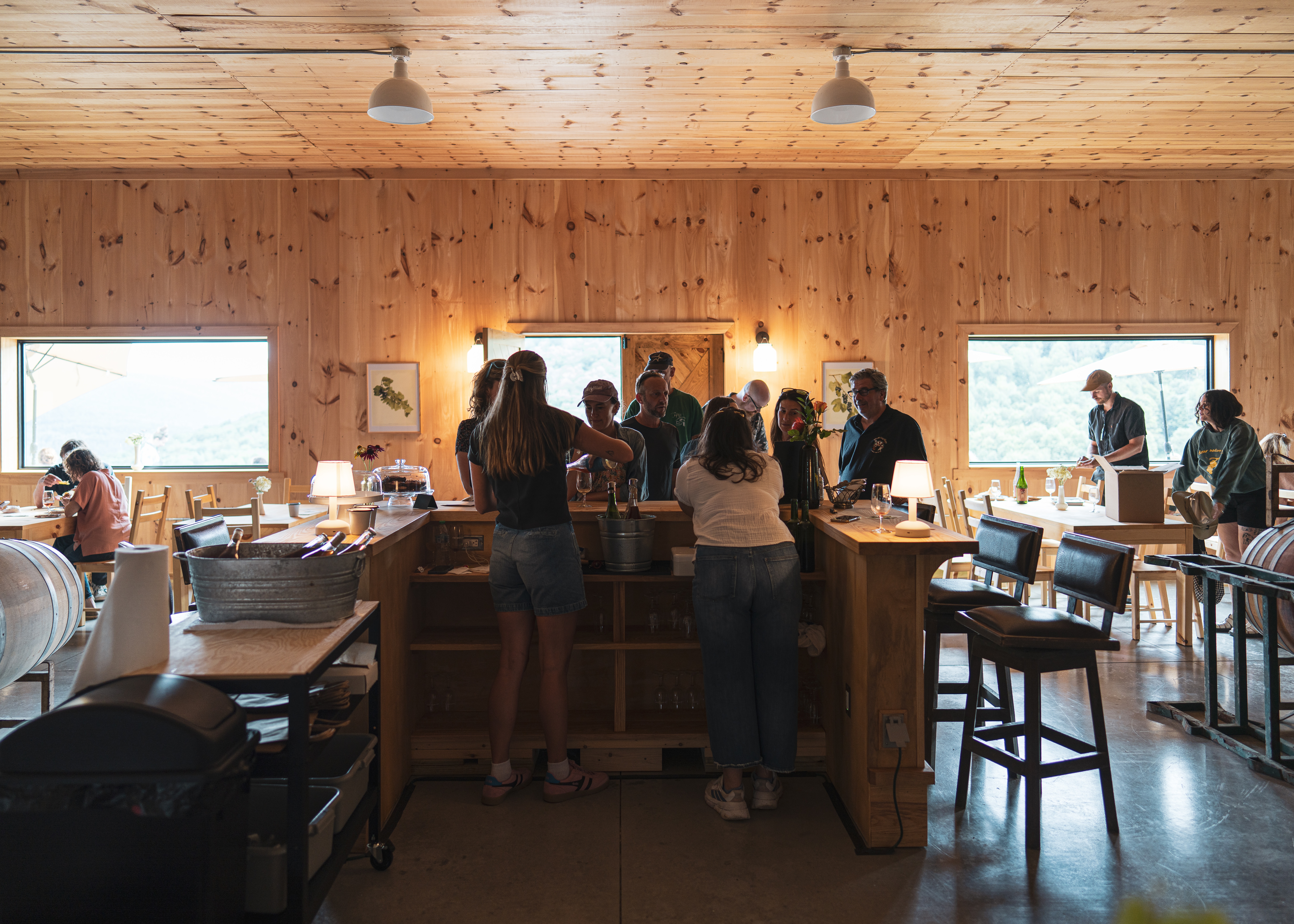
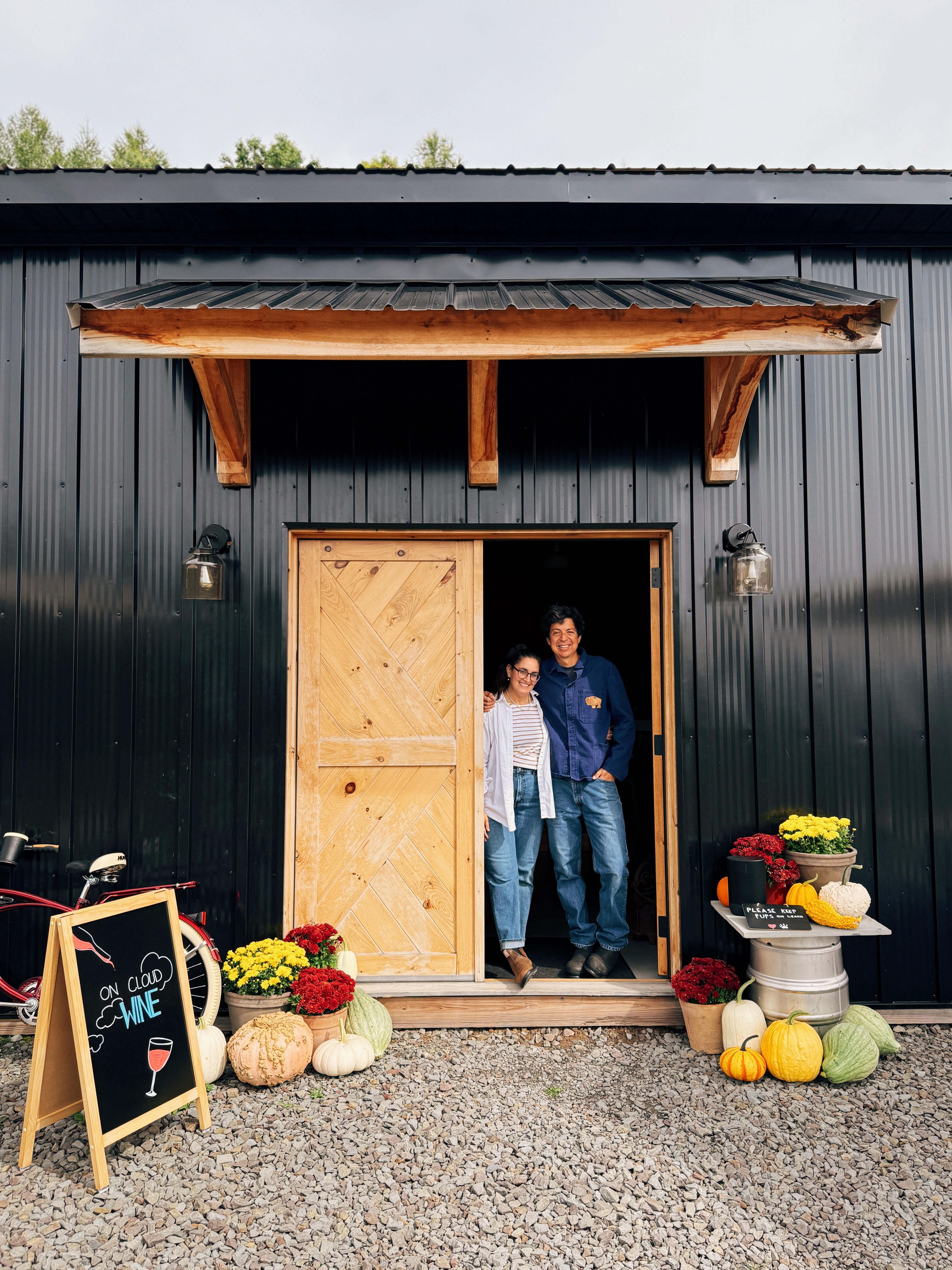
Thank you, Rich! We feel so fortunate to have reached this milestone and finally share it with others. We opened our winery doors to the public in July, and we feel like time has flown by. Opening day was an absolute party. It almost felt like our own wedding, with so many friends and family, as well as visitors from all over, gathering to celebrate. Everyone was so excited to see and experience this project, taste the wines, and learn about the history of American grapes. We got lucky with the weather that day; the sun was shining, our friend was spinning records, a local Mexican restaurant was making delicious tacos on site, and everyone had a great time. Of course, Deanna and I were running around trying to make sure everyone had a glass of wine and keeping up with dirty dishes and glassware…that we barely got to sit and chat with folks! We’ve been open every Saturday since then, and every weekend has brought a new set of rich and enlightening experiences. 

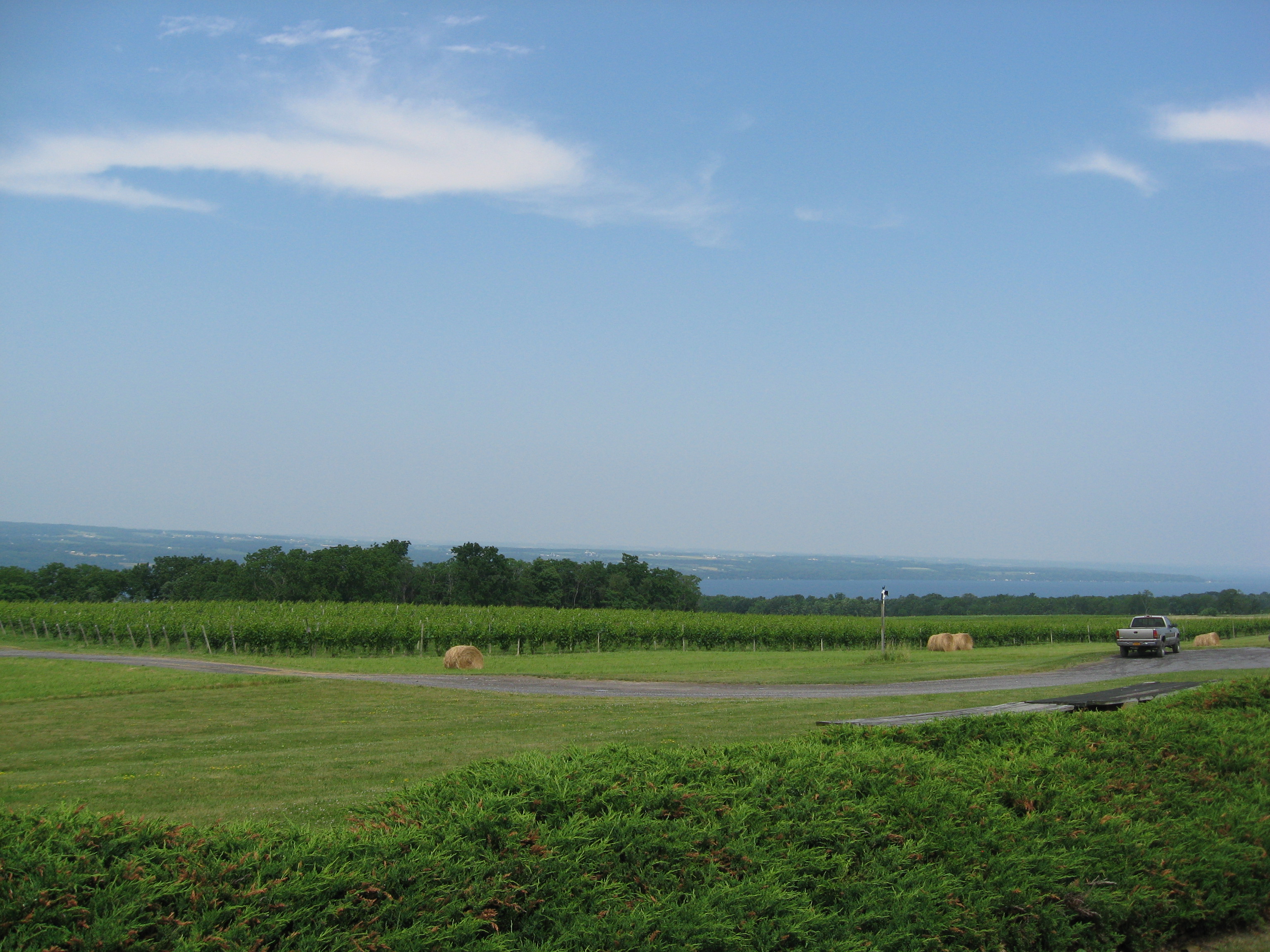
One of the coolest things we’ve seen is how the space has evolved from being a dream that only Deanna and I had into a shared community space that now belongs to many. We love it when guests arrive, they order their wine, and sometimes they sit with their book and blanket somewhere out in our fields, or they bring their families and set up a picnic for the day. The winery is situated at the top of our vineyard and is surrounded by the beautiful Catskill mountains, so many folks see it as a place to commune with nature and relax. Every Saturday, we’ve hosted a local food pop-up or food vendor. Initially, our goal was to increase our offerings, but we’ve also noticed how each food vendor has elevated the winery space by sharing their heritage and cooking background. Folks now look forward to trying different cuisines and we are blessed to have so much culinary diversity in our Catskills region. 

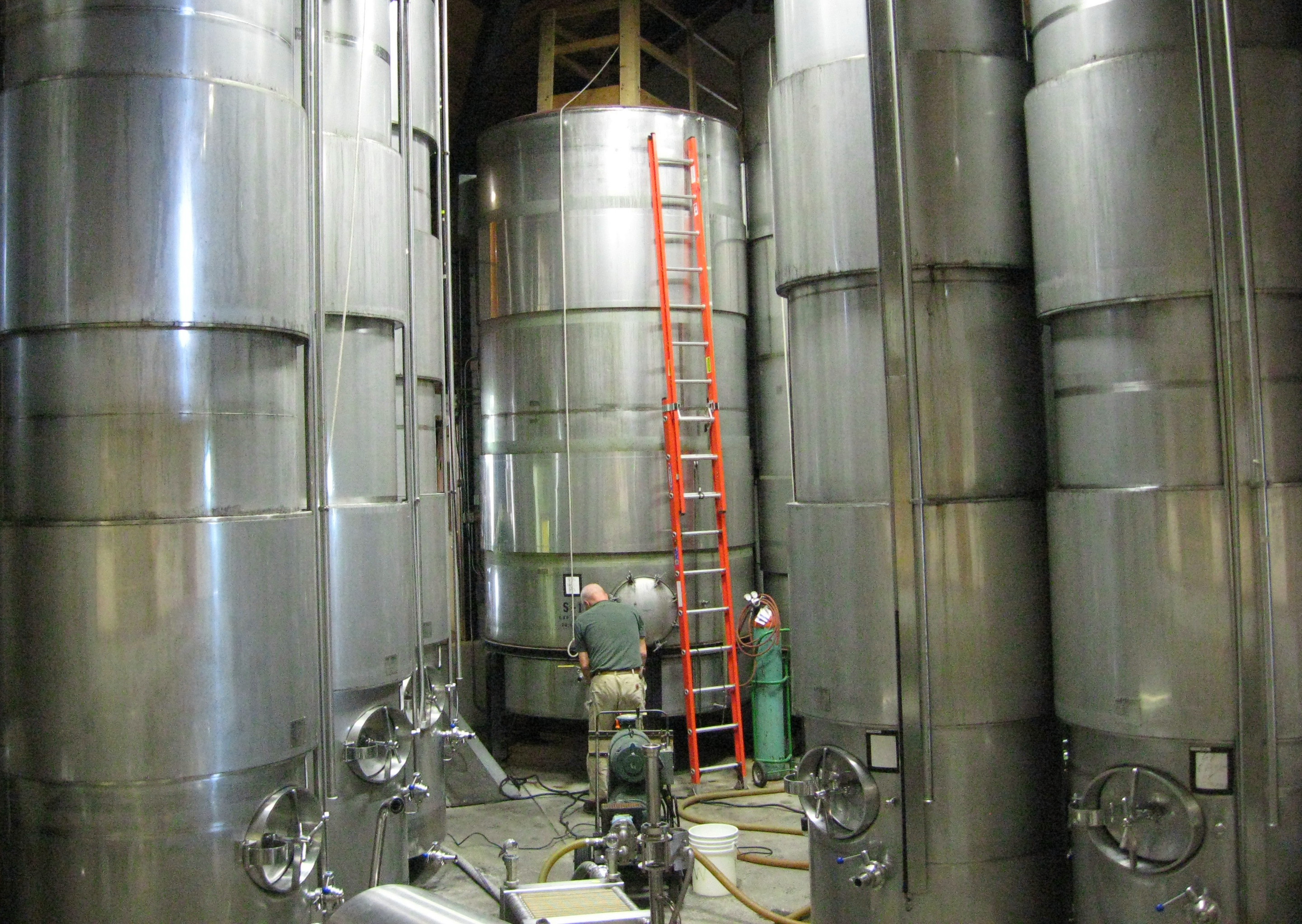
We’ve also hosted a basket-weaving workshop, a live music event, and a special Friday evening dinner party. All this to say that we feel so excited to see the space come to life, and at the same time so exhausted. Even though we only open on Saturdays, both Deanna and I still hold our day jobs during the week, and the management of the winery and the prep before each weekend has been rigorous. We’ve also struggled to manage and maintain both the winery and the vineyard, since it’s just the two of us at the moment. We’ve gotten really good at making to-do lists at the beginning of each week. I can’t say we’ve ever been able to cross everything off, but it definitely helps! The winery tasting room is also our production space, and as you can imagine, wine production can at times be very messy and unsightly, so we’ve had to be even more aware of our organization and cleanliness. However, many guests have told us they really like to see the production area. They feel closer to the wine and where it comes from. 

The main takeaway from these past few months is the realization that we’re now making wine for our community, and that’s a really cool feeling. And more and more, our guests are casually enjoying wine made from little-known American varieties without hesitation. It’s becoming totally normal for them to drink wine made from Delaware, Steuben, or Catawba grapes. That’s literally the goal of the project, and it’s been amazing to see in action. We’ll be taking a small hiatus in January to recharge, dream up future events, and oh yeah..make more wine! 

If your readers are interested in visiting us, the winery is located at 17 Crawford Rd, Walton, NY 13856. We keep our website updated with upcoming events, so feel free to check that out too! dearnativegrapes.com

Thank you again, Alfie, for sharing your unique perspective and candid insights about your wine journey. Wishing you all the best and continued success!

Photo Credit: Jason Martin Photo Credit: Katie Gregoire

Travel Guide: Finger Lakes Wine Country of New York

In the upstate region of New York, encircling the beautiful deep glacial lakes, the Finger Lakes Wine Country (FLX) has been the epicenter of New York winemaking for nearly two centuries. The vineyards and wineries around the eleven narrow (finger) but deep lakes benefit from them acting as heat sinks and as a result moderating the temperature close to their shores, most notably the eastern shores due to the prevailing westerly winds. 

Seneca is the largest and deepest lake and has the most wineries around it. Keuka is west of Seneca, and Cayuga is to the east. Both are short drives and shouldn’t be overlooked when visiting, as they both feature outstanding wineries that will enhance your wine-tasting and scenic FLX experience. You can’t see all of Finger Lakes Wine Country in one visit, and even if you could, you would be cheating yourself out of many exciting and entertaining return visits. I recommend planning to spend two full days on your first visit to acquaint yourself with the area and learn how to efficiently navigate around the lakes. There are no bridges to cross the lakes, so you must drive around them to reach the other side. A good starting point for your adventure through this enchanting area is to stay in Watkins Glen at the southern tip of Seneca Lake or in Geneva at the northern tip to make your itinerary planning easier. A GPS or navigation app, like WAZE, is your best bet when traveling between points of interest in this rural area. They can provide valuable information about the availability of food, fuel, and other necessities. It is important to have a plan mapped out with the activities you want to do in the order you will arrive at them, while following your plotted travel path to avoid needless driving. Finger Lakes Wine Country is a wine lover’s paradise, but safety must come first when driving and wine tasting. Having a designated driver or hiring a wine tour company are your best options, but if that’s not possible, please use your common sense to keep everyone safe. 

Here are a few suggestions for your consideration. 

Seneca Lake (western shore):

In my opinion, Herman J. Wiemer Vineyards is the best Riesling producer in North America, and doing a tasting there is a master class in terroir. 

Belhurst Estate Winery has three hotels, two restaurants, craft beer, a spa, and a castle. 

Anthony Road Wine Company is a landmark winery in the FLX. 

Seneca Lake (eastern shore):

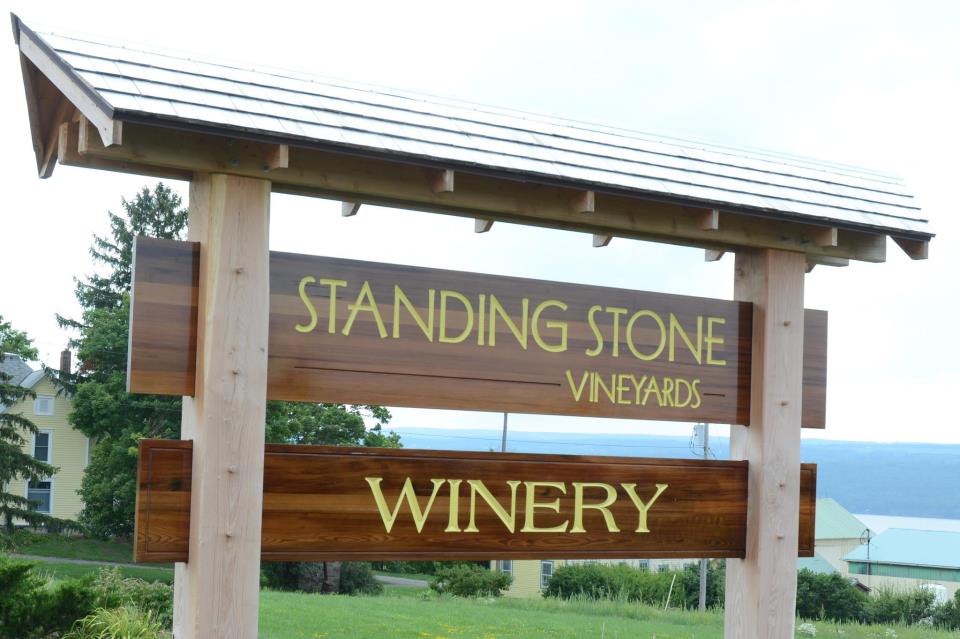
The Standing Stone Vineyards story begins as a Gold Seal property with the famous wine visionaries Charles Fournier and Guy DeVaux planting Riesling and Chardonnay there in 1972 and 1974. Standing Stone continues to make excellent wines today as the sister winery to Herman J. Wiemer Vineyards.

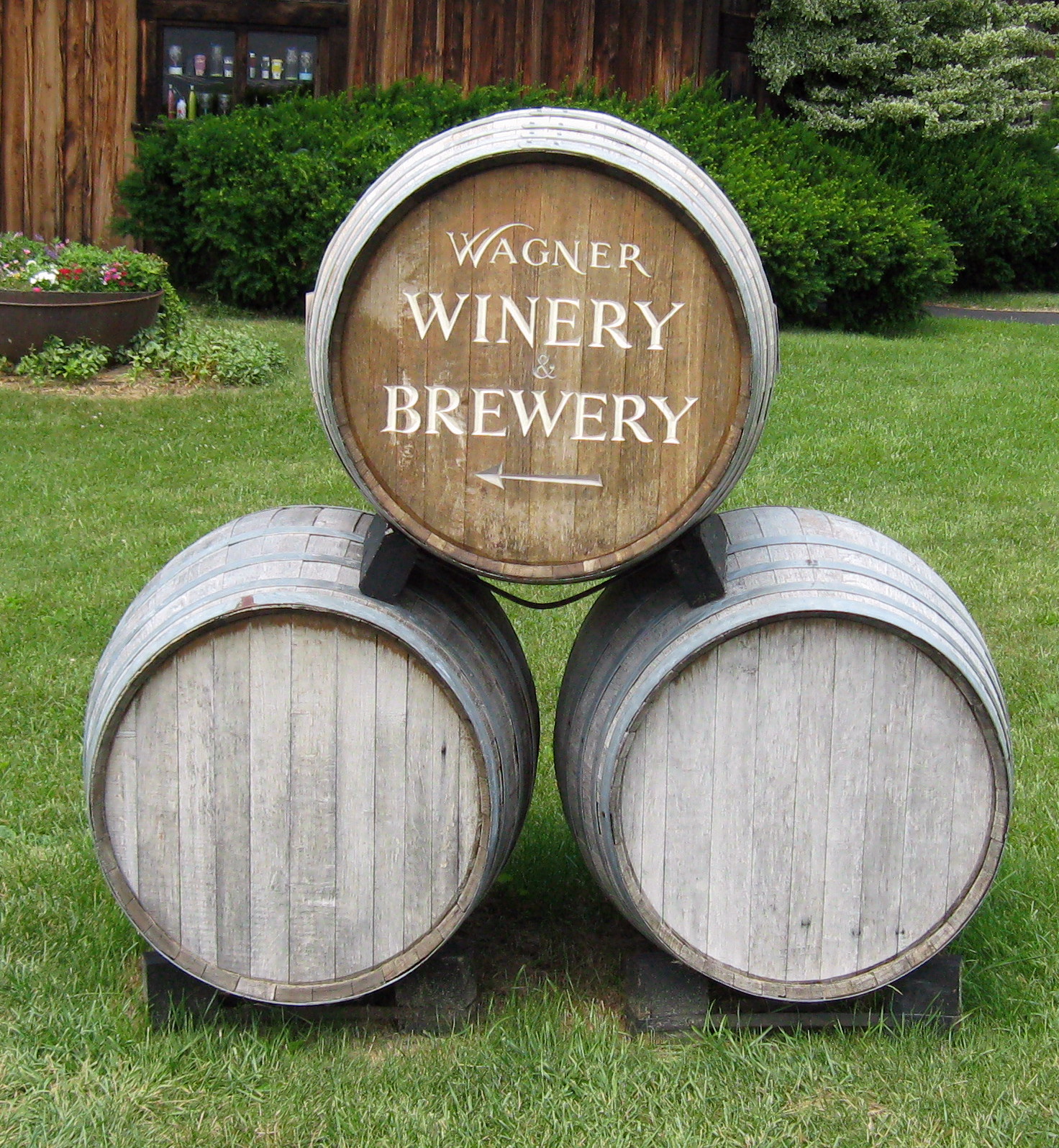
Wagner Vineyards Estate Winery is a decades-old Seneca Lake tradition featuring a winery, gift shop, cafe, and craft brewery. 

Keuka Lake:

Dr. Konstantin Frank Winery is the former home of the legendary Dr. Konstantin Frank, whose pioneering work growing vinifera wine grapes in the region transformed winemaking in the eastern United States into what it is today. This is an absolute must-visit winery. 

Domaine LeSeurre Winery is a French winery in the FLX, enough said. 

Cayuga Lake:

Hosmer Winery offers a relaxed setting with a casual tasting room. 

Sheldrake Point Winery has its vineyards and tasting room on the water’s edge of Cayuga Lake. 

These are only a few of the many wonderful vineyards and wineries that you will find in Finger Lakes Wine Country. I have written several articles about our trips to the area, which can be found on this blog by searching “Finger Lakes”. I hope this post has piqued your interest in the Finger Lakes because there is so much to see and do there, especially for wine lovers. Happy hunting!

Finger Lakes Saperavi Festival May 14, 2022

The wine made from Saperavi grapes being grown in the eastern United States has been a secret shared by a small but growing group of wine lovers. It isn’t a secret anymore as Saperavi plantings have aggressively expanded throughout the East Coast. As a varietal or in any of its unique blends Saperavi is gaining fans and increasing its vineyard acreage as forward-thinking winemakers join a movement to explore the possibilities this ancient grape from the “Far side of the world” has to offer.

I recently had the pleasure of talking with Lasha Tsatava the Georgian Gastronomy Ambassador, Director @ Boston Sommelier Society, and co-founder of the non-profit Saperica about its upcoming Saperavi Festival in the New York Finger Lakes on Saturday, May 14th, 2022 at the Dr. Konstantin Frank Winery 9683 Middle Rd Hammondsport, NY.

My first question to Lasha was concerning what activities and attractions would be available to festival guests? Lasha told me that the entertaining and educational slate of attractions focuses on the food, wine, and culture of Georgia including:

  • Walkaround tasting of Saperavi & Rkatsiteli wines from the country of Georgia, the Finger Lakes of New York and beyond
  • Authentic Georgian cuisine created by Chama Mama restaurant from New York City (food included in ticket price)
  • Cooking demonstrations and educational seminars
  • Saperavi festival swag

My next question was why he and Erika Frey decided to start their nonprofit SAPERICA and what their mission was? Their reason for starting: SAPERICA saperica.org

“Saperavi has been growing in Finger Lakes, NY for about 50 years now. 

It’s a traditional grape variety for the region but not many people know about it.

Since June 2021, Erika and I had several trips to FLX and we would visit Saperavi and Rkatsiteli producers to learn more about them and discover their stories and their future plans with these grape varieties. At the same time, we were introducing the idea that these grape varieties have tremendous history and culture behind them including Georgian gastronomy. Every time we discussed these ideas with producers, people’s eyes lit up with excitement and there was a feeling that we needed to take the next step. So we did!” Their reason for starting Saperica and their mission statement complement each other perfectly!

http://SAPERICA.org mission statement: To promote Saperavi and other Georgian grape varieties along with Georgian gastronomy and culture in the Finger Lakes, NY, and around the U.S., by organizing and facilitating educational seminars and exchange programs between the regions, for wine and culinary professionals, and enthusiasts.

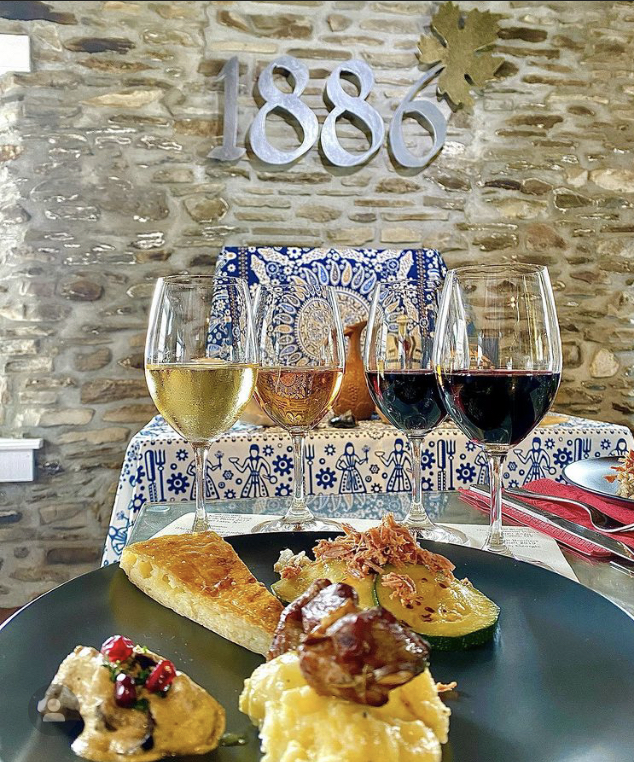
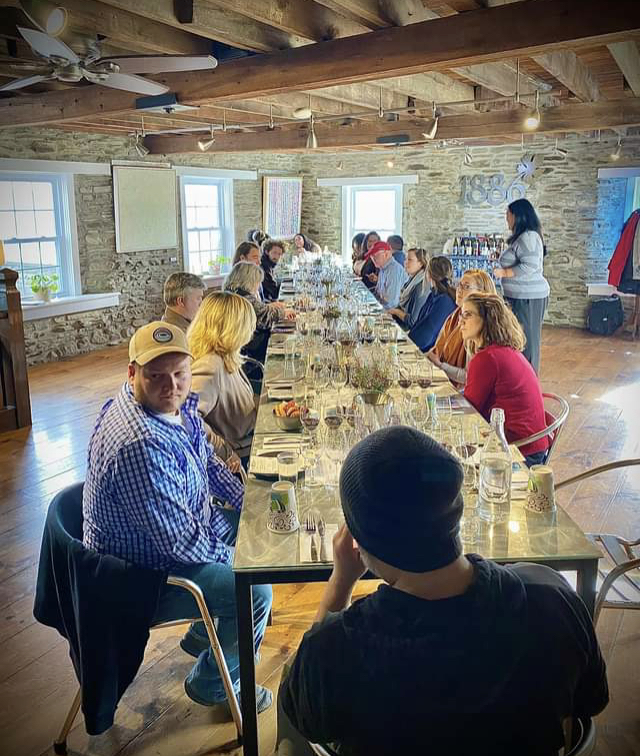
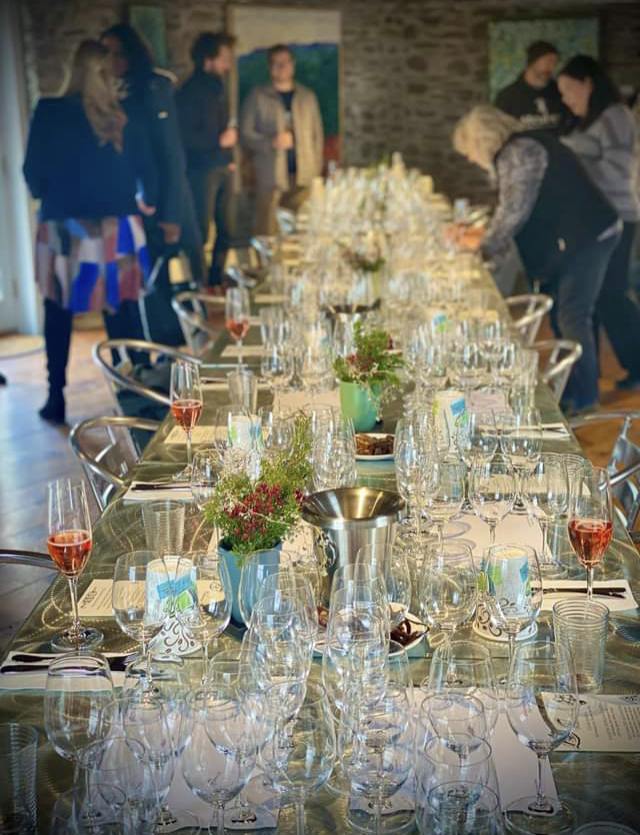
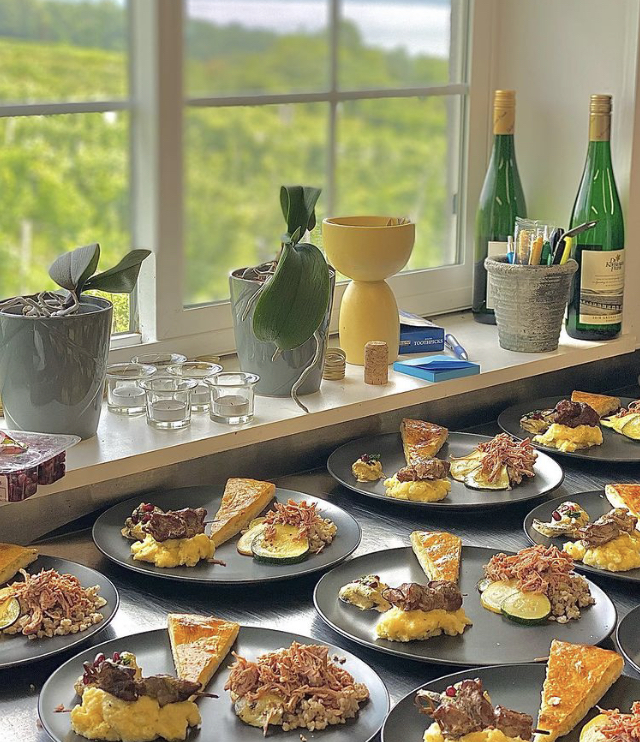
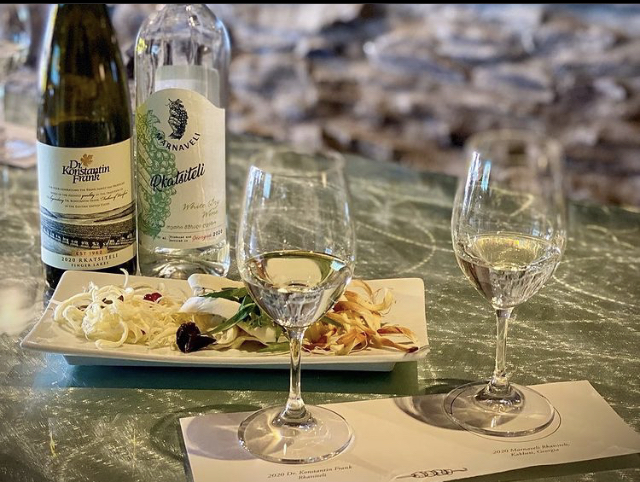
Lasha and Erika have worked closely with Meaghan Frank (Dr. Konstantin Frank’s great-granddaughter) of Dr. Konstantin Frank Winery and her team on this festival and prior events called “Finger Lakes Meet Georgia Experience”. These events were held conducted in a fully immersive environment where Erika, Lasha, and Meaghan educated, interacted, and guided their guests through the history and culture of Georgian wine before leading them back to the 1886 Reserve Tasting Room at the Frank Winery for a paired food and wine experience. One of the attendees told Lasha “This is why we fly to France and Italy to have experiences like this”

The first annual Saperavi Festival in the Finger Lakes will be held on Saturday, May 14th, 2022 from 2PM-5PM EDT at the Dr. Konstantin Frank Winery 9683 Middle Rd Hammondsport NY. Tickets can be purchased at http://eventbrite.com or click this link to go to the event page https://www.eventbrite.com/e/saperavi-festival-tickets-274172135237

The following photos are of a previous “Finger Lakes Meet Georgia Experience” at the Dr. Konstantin Frank Winery when Lasha and Erika collaborated with Meaghan and her team to highlight and explore the food, wine, and culture of Georgia.

Tips For Choosing Wine From A Wine List

If you lack confidence when ordering wine from a restaurant’s wine list you are not alone. You should never be intimidated by wine because wine should be fun and an opportunity to learn. Keep it simple and don’t get caught up in what you don’t know but have an open mind to any interesting suggestions that are offered. While many people fall back on the same old selections or point to a bottle and hope for the best, you can do better with a little preparation. Here are a few tips I learned from a sommelier that will help them find you the best wine for your dining experience.

First and foremost, be honest and engaging when asked about your preferences. Tell them the body and style you like because a restaurant invests a lot of money to have a sommelier help you make the wine selection process more enjoyable so take advantage of their knowledge. Here’s a tip that will get the best wine available for the price you want to pay. Simply point to a bottle on the list with the price you are willing to pay and say “I have had (wine name) before but I would like to try something different”. This will let the somm know what you are willing to spend and they can guide you to a bottle in that price range. After you make your selection the somm will retrieve your bottle from the cellar and open it tableside. They will present the cork to you but this is purely ceremonial and there is no need for you to either touch or smell it. Next, they will pour a small sample for you to taste. This sample is for you to check for flaws not to see if you like the wine. If it is acceptable give them a small nod and they will begin serving your dining companions with you being served last. One last tip, during your initial exchange ask your sommelier if there are any wines they are excited about. This allows them to share hidden gems now that they know you share their love of wine.  

Photo by Ray Piedra on Pexels.com

The Sun Also Rises

Campo Viejo Rioja Garnacha 2017

When you think of wine grapes grown in Rioja, Spain you naturally think of Tempranillo. While Tempranillo is the predominant grape by far in acreage planted in Rioja, Garnacha plays a crucial supporting role in most of the wonderful Tempranillo-Garnacha Rioja blends coming out of that wine region. This enjoyable red grape is called Garnacha in Spain and Grenache in France. Celebrity chef Curtis Stone presented a candid view of Rioja on his television show “Field Trip with Curtis Stone” which airs on the PBS Create TV channel. Stone visits artisanal producers of food and wine around the world to get inspiration for new dishes at his Beverly Hills restaurant “Maude”. During his visit to Rioja, he was invited to supper at the home of a winemaker where he is treated to wine from the host’s 100-year-old Garnacha vineyard. Check your local listings for this insightful glimpse into some of the most storied food and wine regions on Earth.

Campo Viejo Rioja Garnacha 2017 received a 90 pts rating from James Suckling and has also been well reviewed by many other notable wine critics. This is a great introductory Rioja with subtle oak notes, good acidity, and structure at a value price. On the palate, it is smooth and soft with dynamic fruit flavors. Don’t overlook this varietal just because of all the luscious Tempranillo- Garnacha blends that Rioja offers. Please be open to exploring wine from Rioja because you will be pleasantly surprised by what you will find in your glass. 

Here’s a fun fact if you are curious about the exact location where this wine is made checkout the longitude and latitude coordinates on the top of the label.

Longitude & Latitude Coordinates

Link to Field Trip with Curtis Stone below


http://www.fieldtripwithcurtisstone.com 


Invitation to my The Vintner Project Article

I am happy to announce that I am the newest contributor to The

Photo courtesy The Vintner Project

Vintner Project. http://vintnerproject.com The Vintner Project is an effort to make the sometimes confusing world of wine more approachable to consumers globally by offering a personal look at wineries, their wine, and the people that make them unique. It is a diversified collection of voices and points of view that bring all the wine regions and winemakers stories together so readers can explore and learn about segments of the winemaking community that might not be covered by the mainstream media.

Founded in 2018 by Nelson Gerena and Kiril Kirilow, The Vintner Project has developed into a dynamic cutting edge media outlet

The Vintner Project founders Nelson Gerena and Kiril Kirilow Photo courtesy vintnerproject.com

for news and insightful content for wine lovers worldwide.

Check out my article about the intriguing Austrian red wine grape Zweigelt and the versatile wine it makes. See why Zweigelt is often called the “Ultimate picnic wine”. Click here to go to my profile and my article vintnerproject.com/learn/zweigelt-austrias-little-known-signature-red-grape/


Dancing the Zweigelt Waltz

When a vintner is considering adding a new variety of wine grape to their vineyard the thought process involved in choosing which vines they eventually plant can be very tedious and time-consuming. The most important consideration when making that decision is the vine’s compatibility with their growing conditions but it’s not the only factor to study when making a selection. Of all the other variables probably the most important influence on a winemaker’s decision to grow a particular grape is their belief they can make a premium wine from it. Winemakers often begin their search for that “perfect” match in wine regions around the world that are similar to their own and are producing quality wines from the grape under consideration so they can use them as a guide.

Zweigelt (pronounced TSVYE-gelt) is beginning to attract attention from growers in the northeastern United States and a few Canadian vineyards in British Columbia and Ontario’s Niagara Peninsula. Zweigelt is a cool-climate Austrian hybrid red grape developed in 1922 by the hybridization of two Austrian grapes, Blaufrankisch (Lemberger) and St. Laurent. Zweigelt is the most extensively planted red wine grape in Austria. It is a very fertile grape that requires intensive leaf control and yield regulation because of its prolific yields. Zweigelt is a good choice for growers as an insurance grape because it’s bud break is later in the spring than many other varieties when the danger of a killing frost has passed and it ripens mid-season before most of the bad weather that damages the crop later in the harvest. These are some of the reasons why the acreage of this red grape has increased substantially in Austria between 1999-2015 but has now stabilized in recent years. Zweigelt displays characteristics from both of its parents. Blaufrankisch makes a bigger, bolder and deeper wine while St. Laurent is described as being fresh, agile, and akin to a Pinot Noir but with more muscle. Zweigelt is generally made into a dry, medium/light-bodied wine with low tannins and medium/high acidity but can also be made in a sweet style or ice wine. In the glass, it has a violet/reddish color and flavors of red cherry, raspberry, black pepper, and chocolate with a spicy floral aroma.

Zweigelt is a fresh light wine that pairs well with a wide range of food, making it a great picnic wine. It is common to find Zweigelt as a varietal but it is also widely used in blends with Cabernet Sauvignon and Merlot to yield an Austrian spin on the classic Bordeaux blend. It is frequently blended with Blaufrankisch to double down on its Austrian lineage.

The great thing about wine is that there are so many completely different wines to explore. With that in mind, I suggest when judging a new wine grape don’t base your impression on a single bottle because with these unusual wines every winemaker has their own vision for the wine. It is a good idea to try as many samples as possible before forming your opinion. If you would like to taste an American Zweigelt consider trying one made in the Finger Lakes Wine Region of New York by Rob and Kate Thomas at their Shalestone Vineyards. http://shalestonevineyards.com

We Will Rise

Fero Vineyards Lewisburg, Pennsylvania Photo Courtesy of Fero Vineyards & Winery

I wake up every morning only to realize that it isn’t a reoccurring bad dream I keep having but a new day and the new reality of a world suffering through the Covid-19 pandemic, I struggle to believe that the images and commentary from around the world are actually taking place and isn’t the plot from a futuristic sci-fi novel. I take comfort in knowing while most of the country is safe at home under a “Stay at home” order Nature is moving forward at its own pace unaffected by the current state of human affairs. That won’t last long because crops will need to be planted and vineyards will need to be tended. Those jobs will take labor and labor will be hard to find now that the flow of migrant workers has been severely restricted to mitigate the spread of the virus.The biggest question yet to be answered is if the virus will peak and recede soon enough to allow work to start or will it linger causing a catastrophic interruption of all food and material commerce. That is a question that no one can answer while we’re in the midst of this unprecedented disaster. My best advice would be to explore some of those bottles you have been saving for a special occasion and enjoy them now because when will you be experiencing a more memorable event that this? Stay Strong, Stay Safe and Stay Home

My Article in Michigan Uncorked

I would like to invite you to view my article about Saperavi in the Spring 2020 issue of Michigan Uncorked. An online version of the magazine can be accessed by going to http://michiganuncorked.com and clicking on the Spring issue link on the home page to read the free flip-page edition (I’m on page 6 + 7) or use this link to go directly to the front cover of the magazine http://online.fliphtml5.com/hllky/gjob/#=6This is an edited version of an article that appears in the Spring 2020 issue of the American Wine Society Wine Journal.

Thanks to Michigan Uncorked’s Editor-in-Chief Jim Rink for the opportunity to share my story with the readers of Michigan Uncorked. I hope you enjoy the article and it provides you a bit of relief from the uncertainty and stressful times we are experiencing. Be prudent and stay safe! 


Bohemian Rhapsody

If you like Sauvignon Blanc but sometimes want a wine with a little more body and complexity then you should try Grüner Veltliner. Grüner Veltliner is the signature grape of Austria and has evolved almost entirely as the result of natural hybridization over time in the region. It is a white Vitis vinifera grape also called Grûner Mushateller but is better known by the colloquial name “Grūner”. Grüner Veltliner is a versatile grape that can be made into a wide variety of wines ranging from light and easy-drinking to rich and packed with varietal character. Grüner vines have medium-sized leaves with 5-7 lobes. It’s grape clusters are medium to very large conical clusters of medium density with round or oval greenish-yellow berries. These vines have adapted perfectly to the wet mineral-rich loess and loam soils of the lower vineyard sites near the Danube River. The lots higher up the hill are planted with Riesling. The rocky soils of these sites force the Riesling to struggle to survive but result in a wine that has concentrated flavors and complex taste profile. This farming practice utilizes the attributes of the land and yields the best grapes possible from the prevailing conditions. Although the largest plantings of Grüne Veltliner are in Austria and surrounding countries it has been dispersed throughout many of the wine regions of the world. While most Austrian Grüners are dry, full-bodied and acidic with flavors of citrus fruit, spice, and white pepper you can easily find others that are weightier with a more structured body that requires years to reach maturity in the bottle.

If you haven’t tasted Grüne Veltliner and you’re curious about where to start I would suggest trying a few from Austria first then expand your search to

The United States and Italy to find good Grūner at very reasonable prices. Here are a

South Shore Wine Company Gruner Veltliner 2015

Gruner Veltliner 2018 Photo Courtesy: Fero Vineyards & Winery

few to get you started on your journey.

AUSTRIA: Singing Grūner Veltliner 2017 Niederösterreich, Austria or Domane Krems Grüner Veltliner 2018 Kremstal, Austria 

ITALY: Eisacktaler Kellerei Cantina Valle Isarco Grüner Veltliner 2018 Alto Adige, Italy


The United States of America: Grüner Veltliner Fero Vineyards & Winery

Lewisburg, Pennsylvania,  Grûner Veltliner South Shore Wine Company North East, Pennsylvania or Grüner Veltliner Hosmer Winery Ovid, New York (FLX)

Hosmer Estate Winery 2017 Gruner Veltliner