Interview: Alison Morris Roslyn Francey Not Fancy wine consultancy

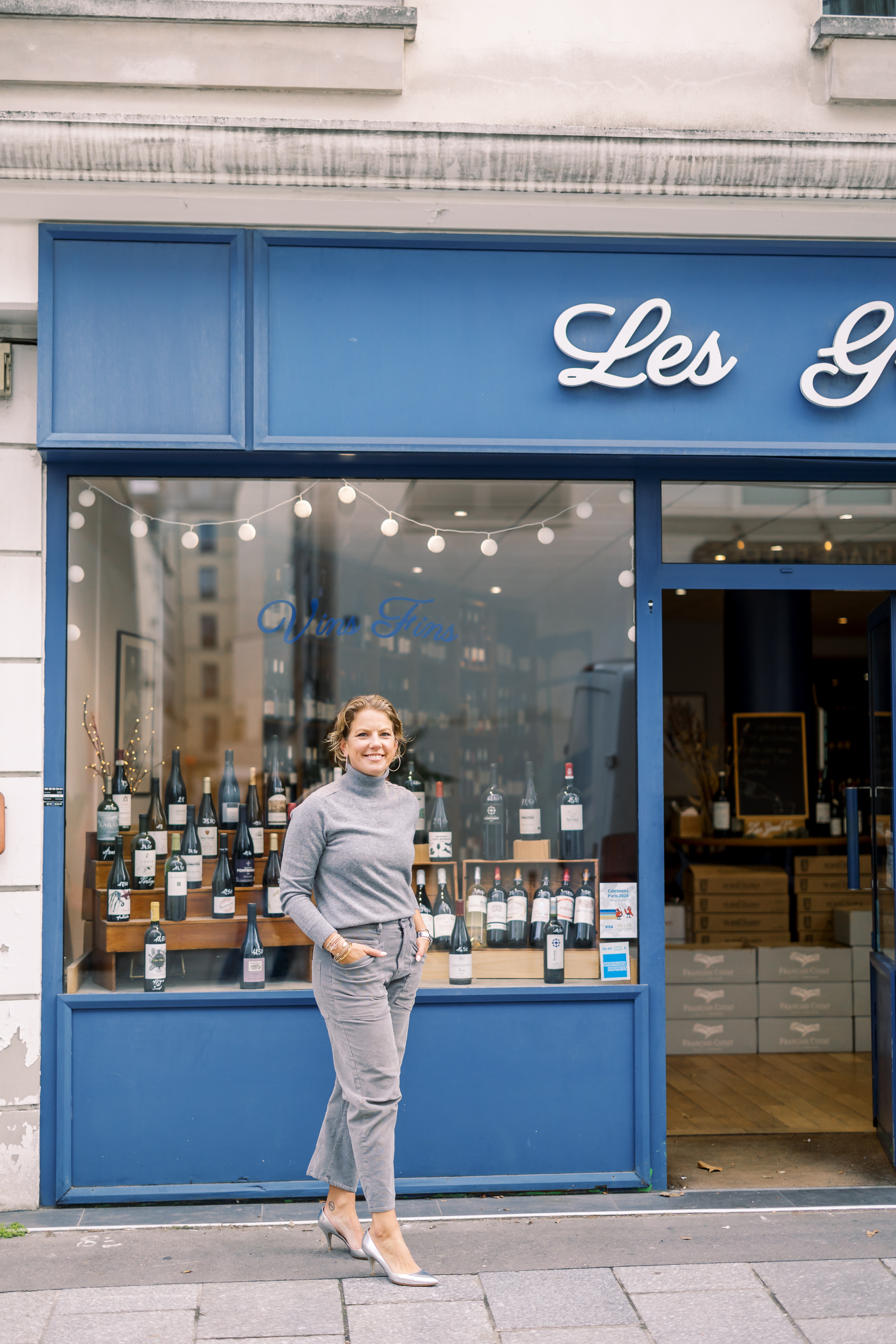
It may seem trite to say that Alison Morris Roslyn starting her wine consulting business Francey Not Fancy was her destiny, but trite or not, it is the truth. Alison was born into a family with a heritage of wine appreciation. It would also be true to say wine is ingrained in her DNA because a pair of her grandparents are from France. Alison has always believed that wine is meant to be shared with friends and family. The lasting memories and personal connections made while sharing life’s most cherished moments with loved ones never require an in-depth knowledge of wine or an expensive wine in your glass, all you need is to be drinking a wine you like. 

She didn’t take a direct path to being a wine professional but was coaxed from her successful career by the gravitational pull of the “wine life” into her current career. At first glance, her two professions appear to be polar opposites but upon closer examination, they share similar characteristics. 

No one can tell the story of Alison Morris Roslyn’s wine journey better than Alison herself. She graciously accepted my invitation to share her candid thoughts and observations with me. The following is a complete verbatim and unedited account of our interview. Thank you Alison for your honest and sincere responses. 

1. Tell us about yourself and your wine journey. 

“I’m a journalist who used to enjoy wine after work, now wine is my work. 

I grew up in a family of wine drinkers, who enjoyed mostly reds and mostly Napa Cabernets. My uncle introduced our family to Silver Oak when it wasn’t nearly as popular or expensive as it is today. That was probably our first favorite fine wine.

When I graduated from college in 2001, I moved to Paris, where I met my dear friend, Georges Nony, whose family owned a château in Bordeaux, Château Caronne Ste Gemme (they sold it to Bernard Magrez in 2022). Georges taught me so much about French wines and fine wines, even though I was too young to truly appreciate it at first.

For the next few decades, wine was a hobby for me. I enjoyed keeping a small collection in a few wine refrigerators in our apartment and then our home.

My interest and collection grew pretty steadily, and for my 42nd birthday, my husband gave me a wine cellar (we converted the trash and recycling room in our basement)!

As my love of wine grew, my passion for the news was starting to fade. Two decades of hard work and Covid-19 did me in, and I decided it was time to make a change. I quit TV news and went back to school, got wine certificates from Cornell and Le Cordon Bleu, and got my Level 3 Sommelier Certification from the National Wine School. Now wine is my day job.”

2. How did your philosophy about wine lead to you starting your wine consulting business Francey Not Fancy?

“I spent 20 years in journalism before getting into wine, and while they seem like really different businesses, they have a lot in common. I was a reporter, covering mostly business, in both print (The Wall Street Journal, The Hartford Courant) and on TV (CNBC, KDKA, FoxCT, Fox 5 NY, NBC News) and one of the things that always bothered me about the business world was how exclusive it could feel. I would constantly hear from people that they didn’t understand business, finance, or taxes because it was all too complicated. Business isn’t necessarily complicated if someone is willing to explain it to you in basic terms. There just aren’t enough people doing that.

The wine world is very similar. People think you need to know a lot about wine to talk about wine or that you need to spend a lot on wine for it to be good wine. Neither of those things is true. But here’s the problem: the more people learn about wine, the less they’re able to talk about it like a regular person. Wine critics describe wines with words the average person would never use. They often give really high ratings to wines most people can’t afford and they often don’t even review the wines that most people have access to. A regular person doesn’t want to hear about mouthfeel and the flavor of mirabelles. They want to know what might taste good with that meatloaf they’re making on a Friday night or the BBQ they’re having next Sunday afternoon. (I’d go with a Syrah from the Northern Rhône in France in both situations, by the way.)

I got into news and wines for the same reason: to make them more accessible. I like connecting with people and finding common ground. Wine just happens to be a much more fun ground to connect on.

So at Francey Not Fancy we talk about wines without being snobby or taking ourselves too seriously. I call it a “welcoming wine consultancy” because I want everyone to feel welcome to pull up a glass at our table and talk about wine, whatever your level of knowledge. I hope we can help people learn more about wines, discover wines they love, and figure out how to buy and order wines they love to drink.

I love wine at all different price points. My favorite Pinot Noir that we drink nonstop in my house is Au Bon Climat’s Santa Barbara County Pinot Noir, and you can get it online for $21. Sure, it’s nice to splurge on special bottles, but you don’t need to spend a fortune to drink something delicious.”

3. Your business Francey Not Fancy takes a unique approach to wine consulting, can you give us an idea of what services you offer your customers?

“For starters, we have a website with a ton of great write-ups on wine. They’re all free, so check out the site: franceynotfancy.com and learn some more about grapes and wines you might want to try. We also send out a free newsletter every Wednesday that takes less than a minute to read and will teach you something new about wine every week. You can sign up for that on the website too. And we have a ton of great wine content on our Instagram: @franceynotfancy. So please give that a follow.”

As for our client services, we offer wine classes and tastings (both in-person- in the NYC area- and on Zoom).

We consult people to help them find wines they like, whether that’s a case for a special occasion or several cases to start their own collection or to fill out their wine cellar.

We do corporate events for groups of all sizes, whether that’s a wine tasting, a wine education class, or wine training for a professional sales team that needs to know more about wine to entertain clients.

We can also help with travel itineraries and wine visits, particularly in France!”

4. What are some of your favorite wine regions, grape varieties, and winemaking styles?

“If the name Francey Not Fancy didn’t already give it away, I’m a big French wine fan. My mom’s side of the family is French and the wines and regions there are top of my list.

My grandfather was from Corsica, so let’s start there. Corsican wines are tough to find in the US; I will drink any Corsican wine I can find stateside, red or white. The whites have this fabulous salty quality from the sea, and the reds have this dry earthiness from the mountains. You can really taste the flavor of the island in your glass.

I’m also a huge Champagne drinker. I prefer Champagne-method or traditional-method sparkling wine (which means the second fermentation happens in the bottle not in a big vat), so I absolutely love bubbly from Champagne, especially Chardonnay-dominant blends or blanc de blancs (100% Chardonnay Champagne). If we’re venturing outside of France, I like Franciacorta sparkling wines from Italy and Cava from Spain—both are traditional-method sparkling wines.

For reds, I love Syrah from the Northern Rhône in France, especially the region of Saint-Joseph. They’re fabulous and more affordable than Côte Rôtie or Hermitage.

I’ve also recently gotten into red wines from Sancerre, which are made from Pinot Noir. Most people think of Sancerre as the home of Sauvignon Blanc, but they are making some fantastic reds there that can rival Burgundies but at much better prices.

For white wines, I love love love Saint Aubin. It’s in Burgundy and is home to beautiful Chardonnays that are rich, but also precise. I love those contrasting qualities and that you can find better bargains here than in neighboring Meursault or Puligny-Montrachet.

And if we’re talking rosé, it absolutely has to be French, preferably from Provence. 

I could keep going, but I think you get the idea.” 

If you are considering retaining the services of a wine consultant I would highly recommend contacting Francey Not Fancy and discussing your needs with Alison. Scroll down for contact information. 

Website: http://franceynotfancy.com

email: bonjour@franceynotfancy.com

Instagram: @franceynotfancy

LinkedIn: https://www.linkedin.com/in/alison-morris-roslyn-453081a

See Alison’s interview on KDKA TV from Paris http://www.cbsnews.com/pittsburgh/video/catching-up-with-former-kdka-tv-reporter-alison-morris/?intcid=CNM-00-10abd1h

You can also get a message to Alison via this website’s (http://wpawinepirate.com) email wpawinepirate@gmail.com 

How To Propagate Grapevines From Cuttings

The following article is a collaborative effort between myself and Stephen Casscles, a leading authority on the propagation and cultivation of cool climate and heritage grapevines. It is a detailed account of the procedures for propagating new grapevines from the cuttings of an existing vine. Thank you Steve for being so generous with your time and knowledge. All photos in this article are courtesy of Stephen Casscles. If you need more information about how to propagate vines, consult older books written by Philip Wagner, which are still available, or contact your local cooperative extension agent who can direct you to excellent brochures that have been produced by your local agricultural state university.

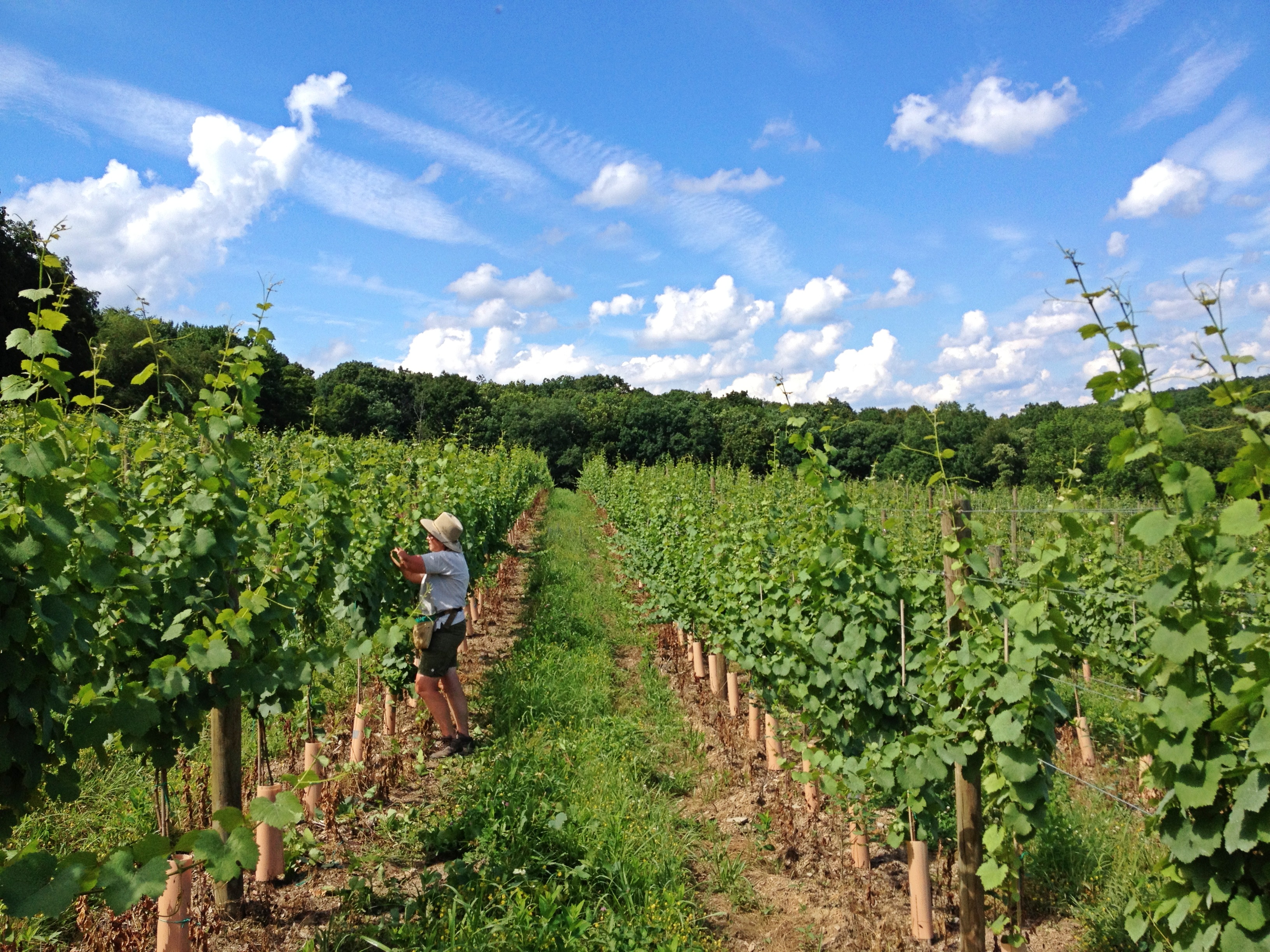
If you have or can obtain clippings from a grapevine that produces excellent fruit, it is easy to reproduce as many vines/clones of that vine as you want. Starting new vines from the clippings of a mother vine ensures you will grow an exact copy of the vine and it will crop the same quality grapes as the original vine. Be sure that the mother vine that you select for your cuttings is a strong vine, that exhibits no indications of viruses or diseases. Vines that have curled leaves, odd-looking clusters, or off-leaf colors could have been contaminated with a virus. Do not use these vines as you are simply propagating diseased and virus-laden vines and not the strong virus-free vines that you want.

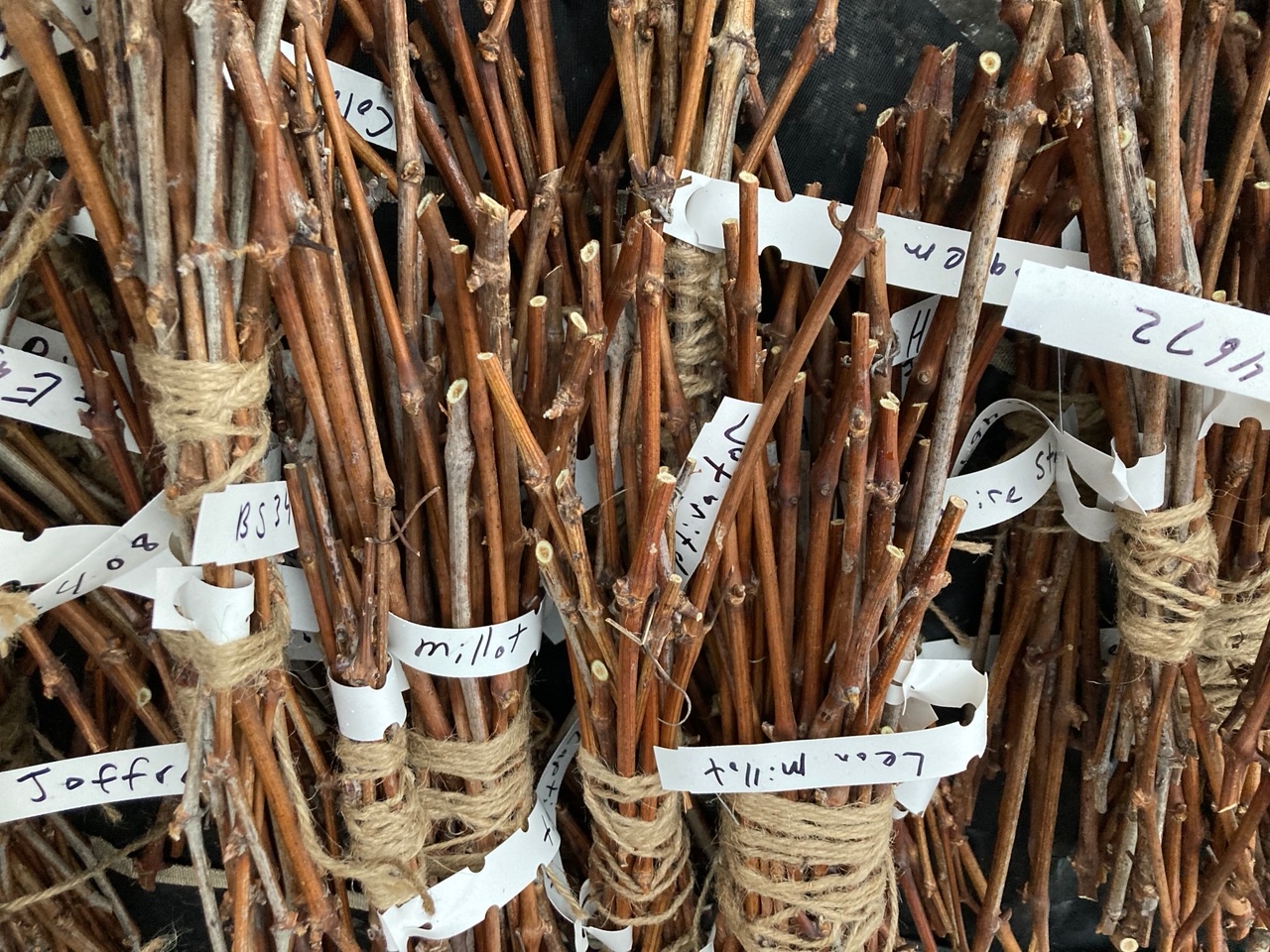
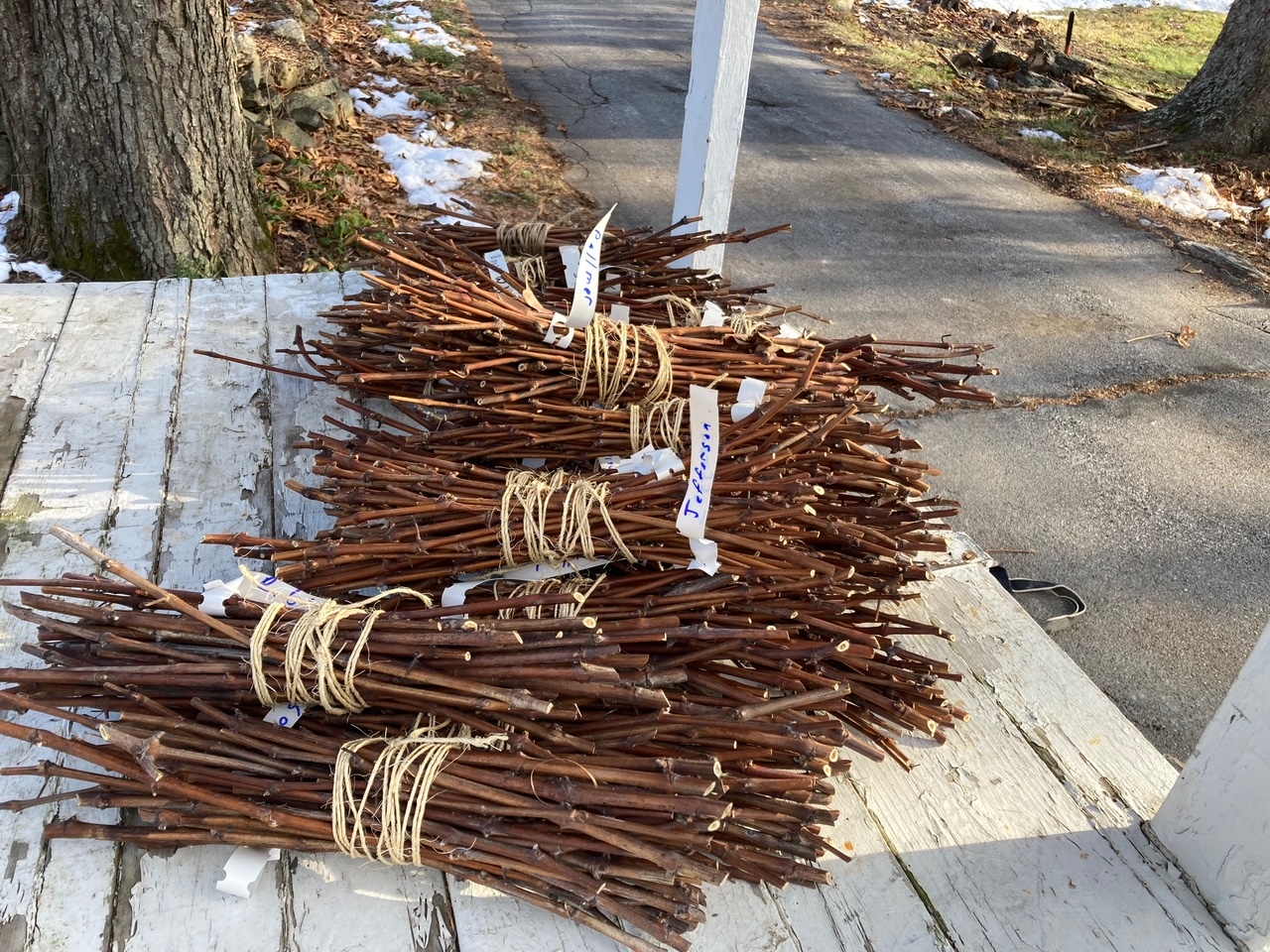
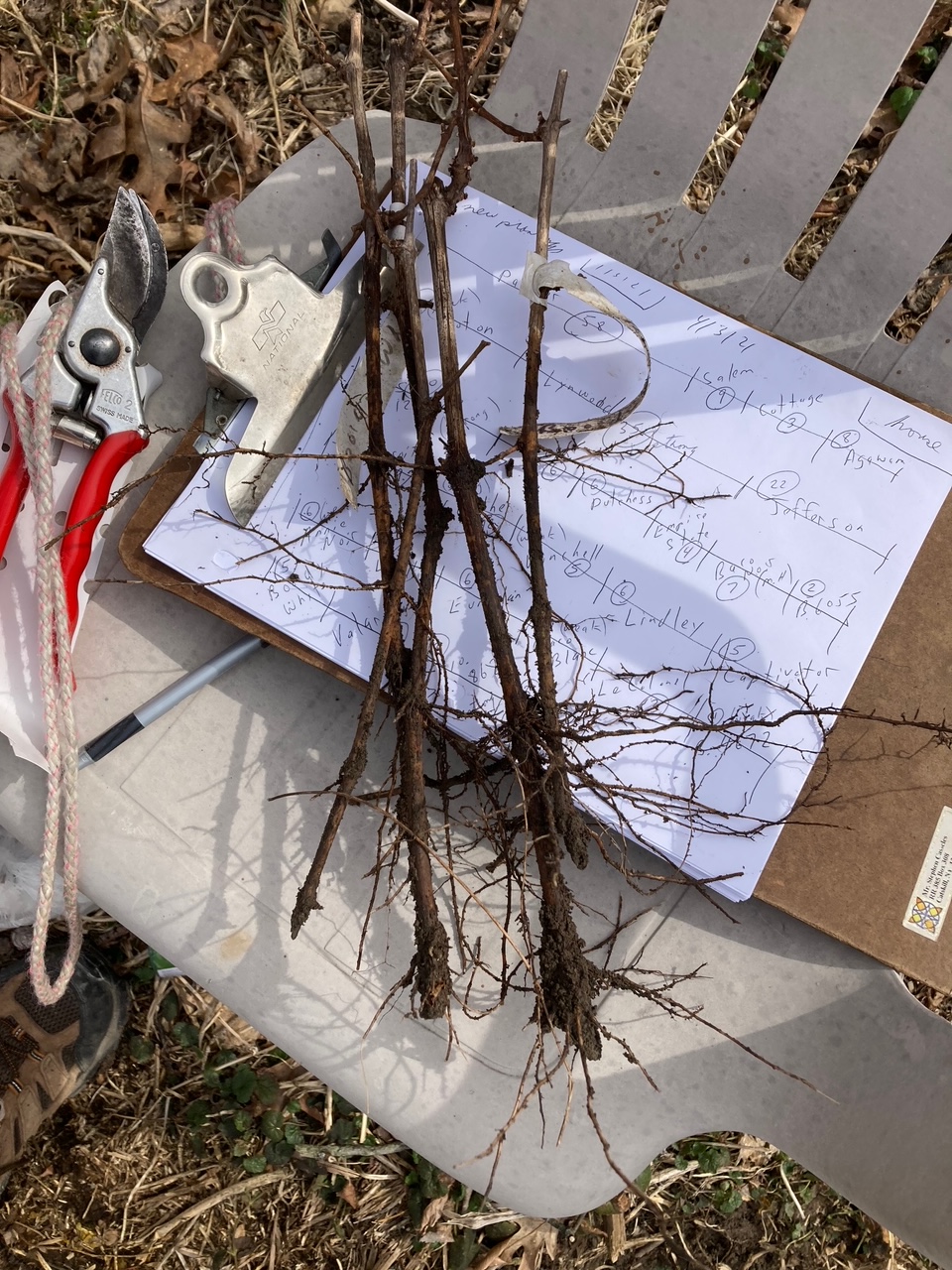
Propagating new grapevines from cuttings is an easy project. First, you must gather your propagating wood in early Spring while the vines remain dormant. Cut 12-18 inch sections from one-year-old wood that is about the thickness of a pencil and has a minimum of at least four leaf bud nodes on it. Ideally, having five or six bud nodes per cutting offers the best chance of success. A leaf bud node will look like a small bump on the stem.

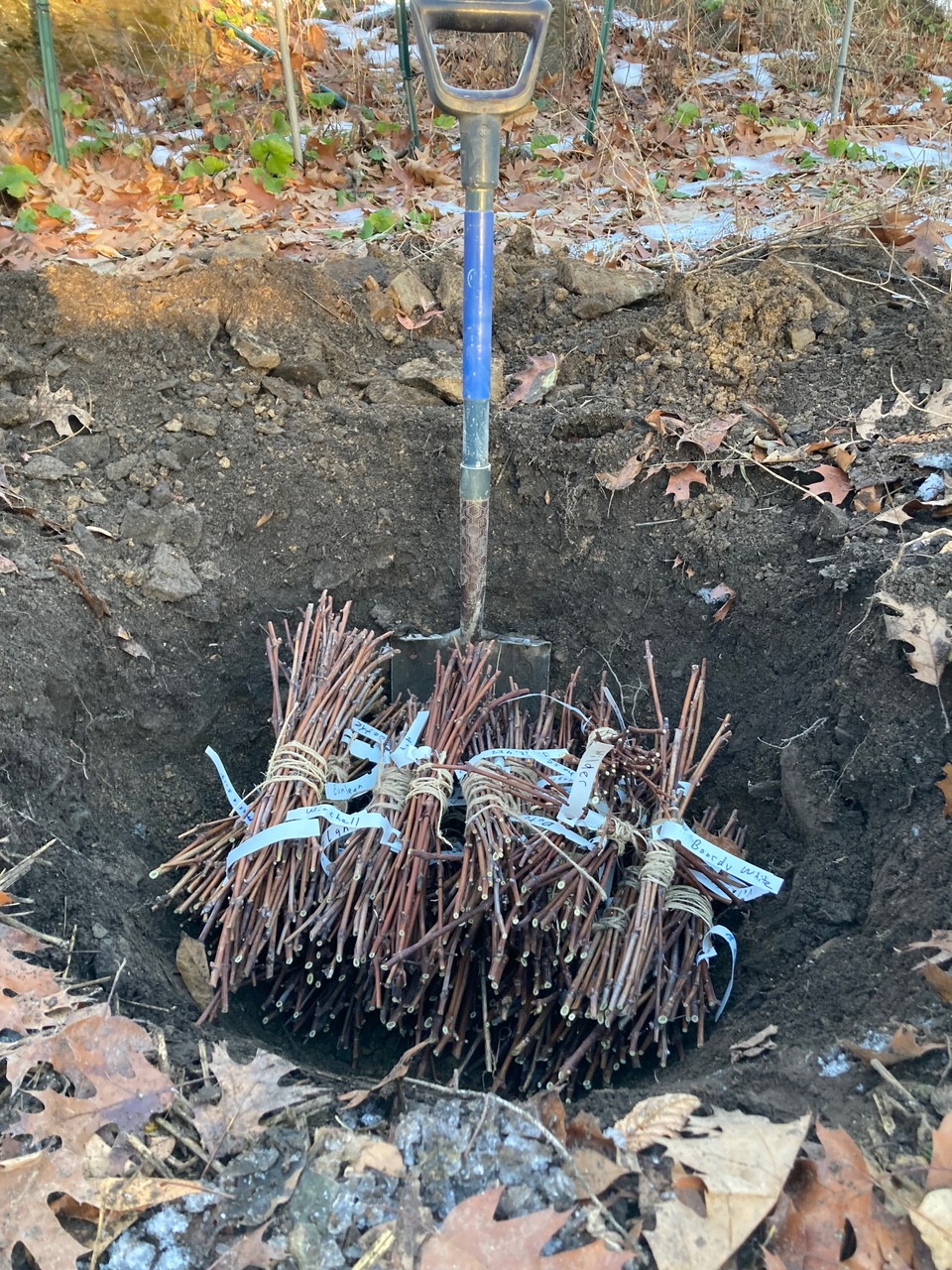
The next step is up to the propagator, but Steve said he was taught to nip off a straight cut one inch above the top bud and make an angled cut at the bottom of the cane just below the bud node. Making your angled cut at the bottom of the stem easily shows where the top of the cutting is from the bottom which makes it easier when setting out your nursery cuttings, it also allows the cutting to be easily planted in the soil. No matter how you cut your ends, make sure you are consistent so that you will always plant your cuttings correctly, bottom side down in the soil. Dipping the bottom end of the stem into rooting hormones is helpful in promoting root growth, but is not necessary. You can find rooting hormones at your local garden center or nursery. If you are only rooting a few cuttings, fill a potting container with your local soil, if it is good well-drained loam soil, if it isn’t mix it with potting soil to improve its drainage.  Make sure your container is deep enough to accommodate your clippings, but if you are propagating a lot of material consider digging a shallow trench and reserving enough loose soil to fill in around your stems.

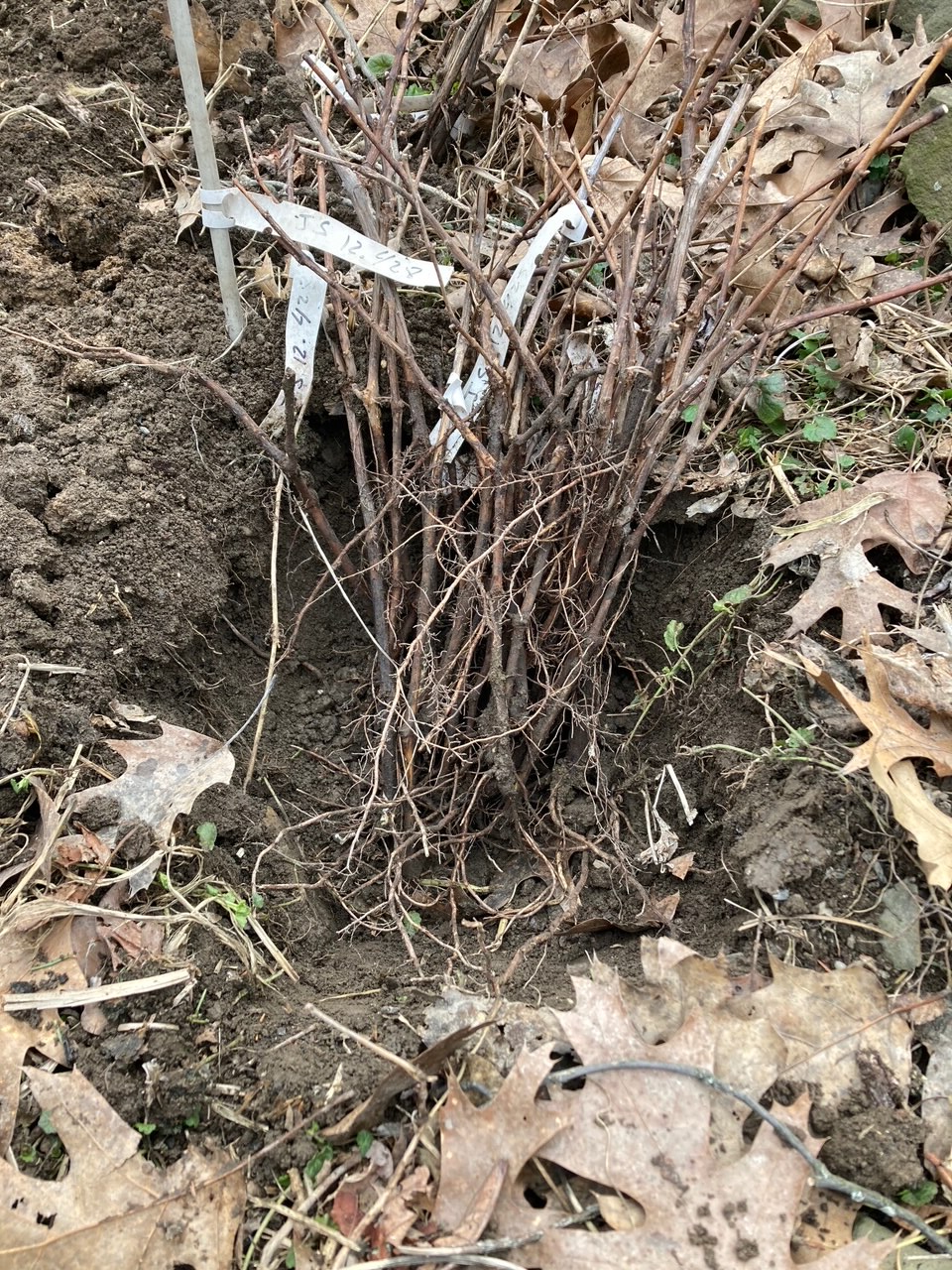
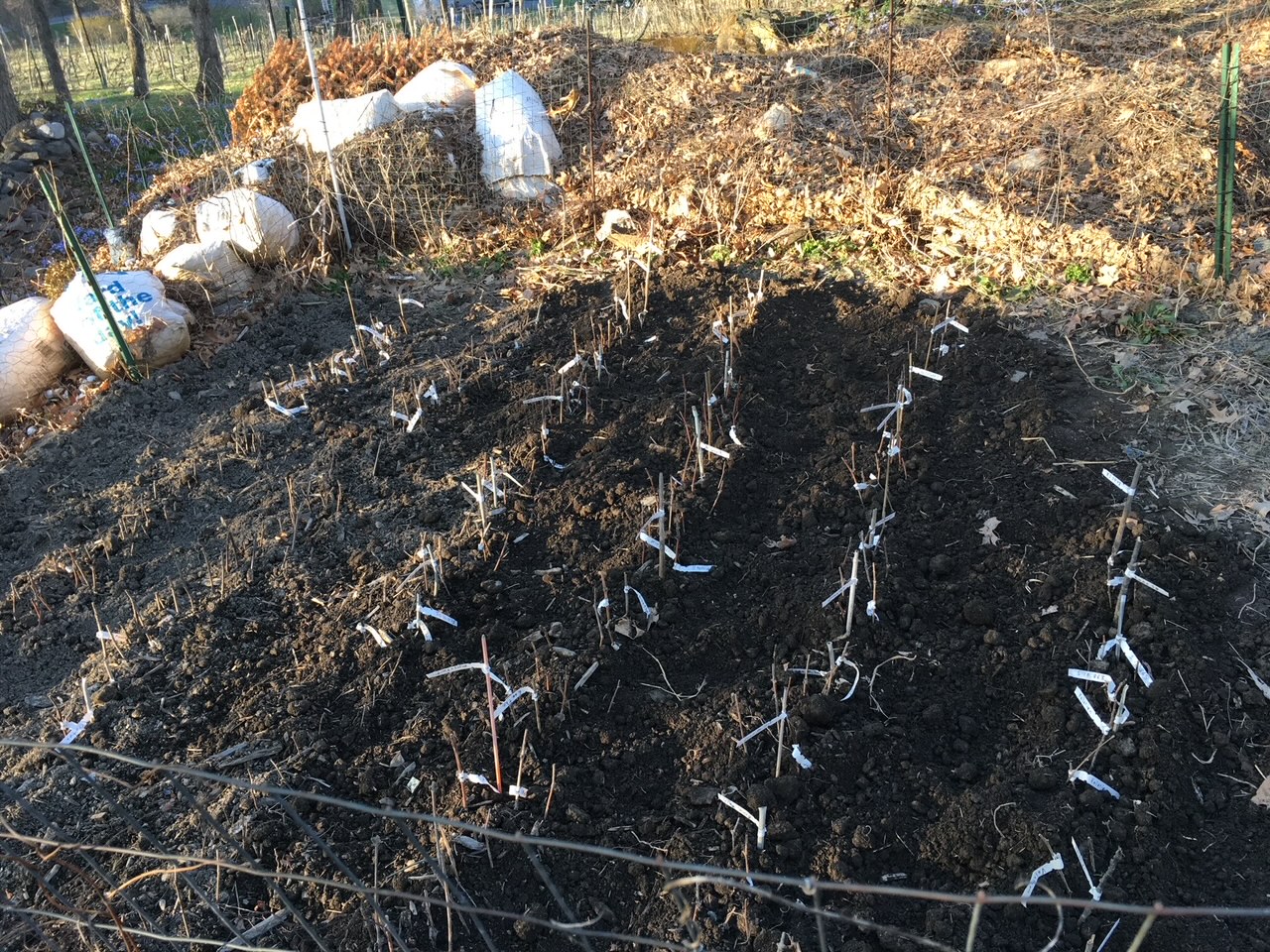
  These trenches can be located in your vegetable garden, since this soil has been worked up for many years, and often has a fence around it to keep out the wildlife that may like to browse on your newly installed cuttings. When planting your cuttings, bury them vertically three to four nodes deep with the bottom side down into the ground, leaving the remaining nodes exposed above the soil level. Remember to plant the bottom of the stem down with the straight-cut end above the ground.

    Keep the soil well watered, but not soggy throughout the first year when your cuttings are establishing themselves. For those in potted containers, the cuttings should be placed in a frost-free location with bright indirect sunlight. If you have more than one row of nursery cuttings in your nursery, it is recommended to mulch the cuttings with straw (not hay) to keep down the weeds and retain soil moisture.

Steve explained the difference between taking cuttings from your vine and propagating them as a single project and cloning in which you separate individual canes that have a certain desirable mutation to create an entirely new variety of the original grapevine. Steve gave me an excellent example that was easy to understand. “My understanding is that cloning would be finding an abnormal sport of a vine that is different and you cut that unique cane off to propagate it. For example, Frontenac Gris is only a regular Frontenac when it was noticed that a separate cane had bronze-colored grapes and not red.  So cloning would be separating and propagating that “clone”, but if you are propagating wood, you just collect your wood and go at it.”

    It is essential that you plant more cuttings than you need to compensate for some not surviving. As a dear departed friend of Steve’s, Joel Fry of the Bartrams Garden in Philadelphia used to say, “Plant two of everything, and one will die”.  How many to plant is the question? Steve offered his advice based on years of experience in this area of viticulture. “I find that different varieties propagate at different rates. For example, Baco Noir, which is a part Riparia variety tends to have a higher success rate because it is a Riparia. Even with Riparia, I would plan for a 20% non-success rate for varieties such as Delaware, which is a part Bourquinian species hybrid, do not take as readily, so I would expect a 40% death rate.”  I would recommend propagating as many cuttings as possible using only the strongest ones to satisfy your needs and giving the extras away. Vines can also be rooted in water, but you will need to change the water regularly to prevent disease. Once you see the stems/cuttings rooting, you must transplant them into the soil.

    Whether you set out a nursery in your home garden or place them in pots in the spring, you need to wait an entire year to ensure that your cuttings have sufficient roots before they are set out in the field the following spring. After your cuttings have developed a strong root system they can be transplanted to their permanent location. 

    You probably have heard vintners say the clone number for a specific variety of grapes planted in their vineyard. An example of this would be the Pinot Noir Dijon clones 114, 115, 667, and 777 which are the most widely planted Pinot Noir clones because of their reliability and productivity. When you drink any mass-produced Pinot Noir you are likely drinking wine made from these clones. It is easy to go down a “rabbit hole” when looking for clones of just about any grape variety when researching which clones to plant in your vineyard. Don’t let the sheer number of options overwhelm you. The answer to this question is a simple one, treat a clone like a different variety. Pick a clone you like and propagate that clone.

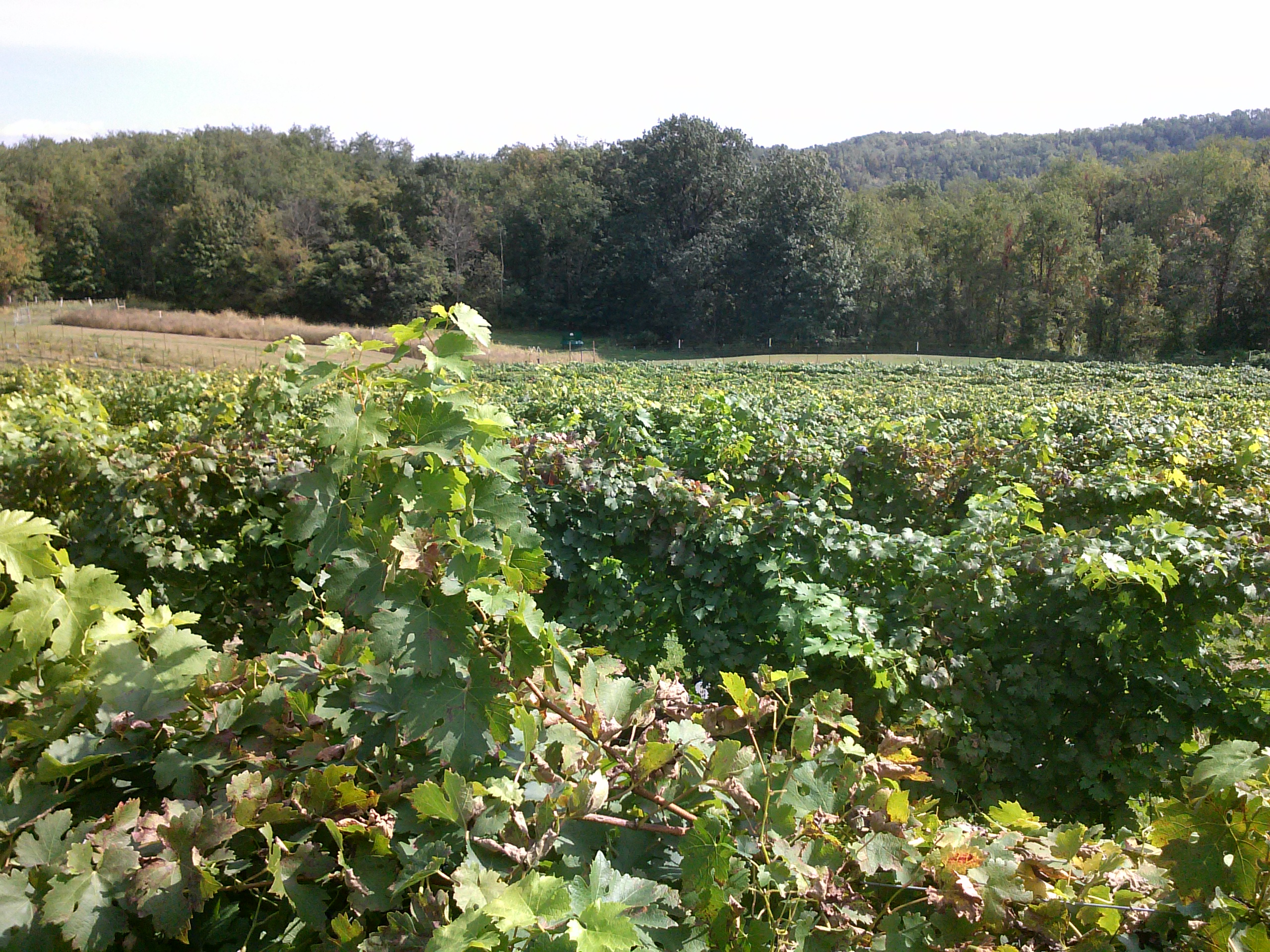
    Growing your own vines from cuttings is a rewarding venture both financially and from the sense of personal accomplishment you will feel when you harvest your first grapes. With the adverse effects of climate change being documented in vineyards around the world and the increased number of adverse weather events plaguing vintners, the answer to a  consistent and economically sustainable fruit crop may lie in the past with heritage grape varieties, older cool climate hybrids, and new hybrids that are being developed. Growing heritage and cool climate hybrid grape vines that have adapted to survive many weather-related challenges over time could be a critical puzzle piece in the future viability of our vineyards, for both hobby and commercial grape growers. In addition, these varieties tend to be more productive and can be grown more sustainably with fewer pesticide/fungicide applications. They are direct producers that do not need to be planted on a rootstock. This means that if we witness a very cold winter or late spring frost, which kills that part of the vine above the ground, canes will come up from the ground to produce a crop in the same growing season.

    With that objective in mind, Stephen Casscles continues to labor on his long-term project, the Cedar Cliff Vineyards Heritage Grape\Wine Project, aimed at preserving heritage and lesser-known cool climate grape varieties in Northern America. If you have any questions about his work at Cedar Cliff Vineyards please contact Stephen Casscles cassclesjs@yahoo.com  To further his work, Stephen has established a set of three cooperating nurseries in Marlboro, NY, Fonda, NY, and Ipswich, MA where you can purchase already rooted vines and/or grape cuttings. If you are interested in obtaining vines or cuttings of these unique varieties, please feel free to contact Stephen Casscles cassclesjs@yahoo.com.  Sadly, most of these cuttings or vines are not available at commercial nurseries, hence we need to propagate them on our own to increase the availability of these unique virus-free/ disease-free grape varieties. For additional information on these heritage and cool climate grape hybrids, the 2nd edition of Steve’s book “Grapes of the Hudson Valley and Other Cool Climate Regions of the US and Canada”  is available at http://www.flintminepress.com .  
The Long and Winding Road

Wine has become one of the most popular beverages in the world, and the wine industry continues to grow in complexity and diversity. As a result, there is an increasing demand for knowledgeable professionals in the field of winemaking. Earning a degree in winemaking can open up a multitude of opportunities for individuals looking to pursue a career path in this dynamic industry.

There are several educational opportunities available for individuals interested in earning a degree in winemaking.

Everyone has a different motivation for wanting to expand their knowledge of winemaking and there are plenty of options to achieve your goal, no matter what it is. Depending on what your goals are you may find that informal education through conventions, conferences, and online forums will provide the information and expertise you need. But sometimes, pursuing a formal education will provide the necessary resources to advance your ambitions in the wine industry. 

An online program is a good, low-cost alternative to starting your wine education at a college or university. A good starting point might be considering the entry-level VESTA (Viticulture Enology Science and Technology Alliance) program administered by the National Science Foundation http://vesta-USA.org You can earn a certificate that can help you move to the next level of your education, whether that is college or elsewhere. 

Those looking for a career outside of the production side may want to consider exploring the possibilities in the hospitality industry. The Wine & Spirit Educational Trust is a leader in the field of online courses and certifications. WSET certifications can be earned in relation to your increasing level of competency and ability. Someone seeking to acquire an in-depth understanding of wine and seeking job opportunities where they can share their passion for wine should seriously consider this option. 

Crafting a long and prosperous life in the wine industry involves as much hands-on experience and formal education as you can obtain. Enrolling in a college or university wine education program can provide you with the skills and guidance you will need to succeed by exposing you to the appropriate course work, as well as hands-on internships with industry professionals. I have listed a few links below to the better-known institutions in different regions of the United States. There are many more viable options out there that you should research and compare. 

Before you decide on a path to pursue your dreams make sure you have done your research as to all the ways to get there and don’t be afraid to reconsider your plans if other opportunities arise along the way. Earning a degree in winemaking can lead to a variety of career paths, such as winemaker, vineyard manager, wine marketer, or wine educator. Depending on your professional aspirations and interests, you can pursue advanced degrees or enroll in specialized programs such as wine tourism, wine retail, and wine journalism. I have never talked with a winemaker that said they traveled a straight line to get where they are today. Be open to change and embrace the journey.

Cornell University Ithaca, NY http://grapesandwine.cals.cornell.edu/undergraduate

The University of California Davis Davis, CA http://cpe.ucdavis.edu/winemakingcert

Michigan State University East Lansing, MI https://canr.msu.edu/iat/viticulture

Washington State University Pullman, WA http://wine.wsu.edu/education

Virginia Tech Blacksburg, VA http://www.vtwines.info/

Spotted Lanternfly: Vineyard Enemy

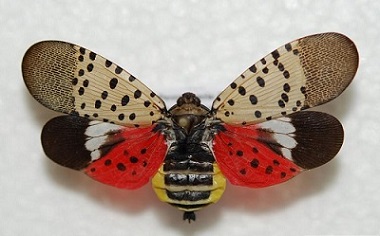
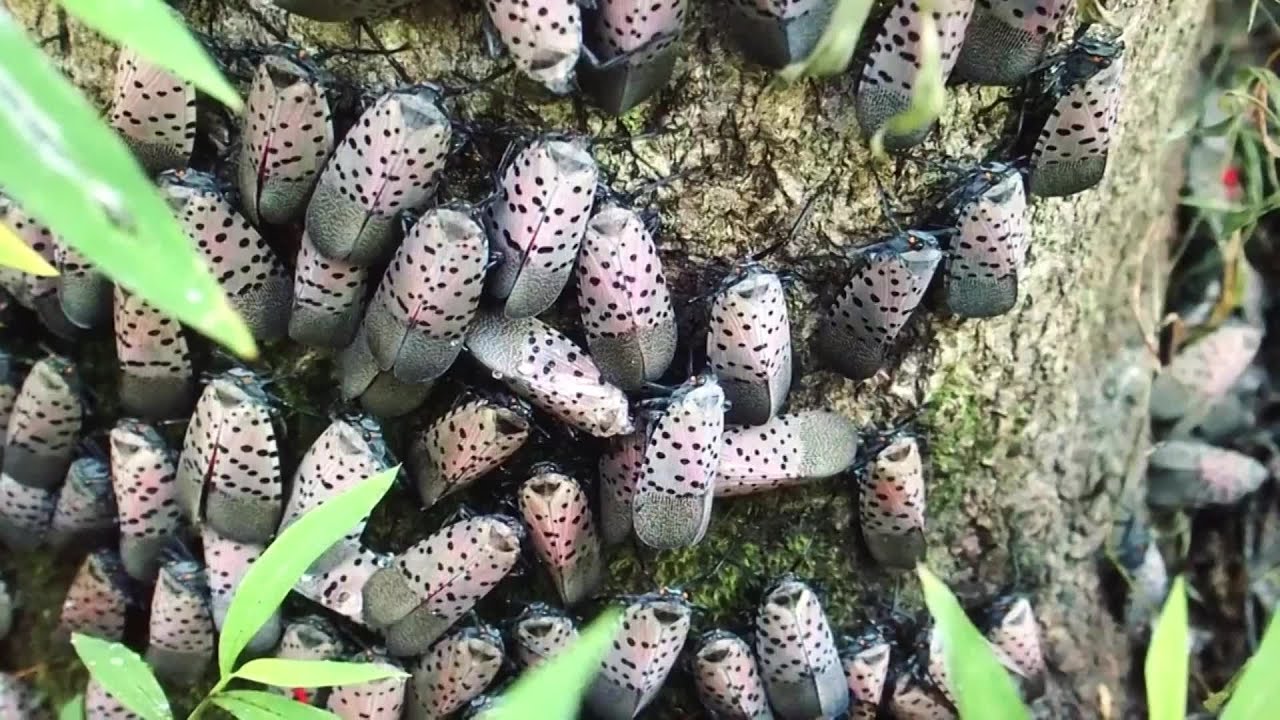
Everyone’s help is needed in controlling the latest threat to agriculture, not only in Pennsylvania but everywhere this pest is detected. The spotted lanternfly (Lycorma delicatula) is a destructive invasive species that is having a significant impact on Pennsylvania vineyards. Native to Southeast Asia, the lanternfly was first detected in Pennsylvania in 2014, and since then, it has rapidly spread to 51 counties throughout the state. The insect is known to feed on the sap of a wide variety of plants, including grapevines, and is considered a major threat to the agriculture industry. In this article, I will focus on the spotted lanternfly’s impact on Pennsylvania vineyards.

One of the most significant ways that spotted lanternfly affects Pennsylvania vineyards is by feeding on grapevines. The insect has piercing-sucking mouthparts that it uses to extract sap from the vines, which can weaken them and cause stunted growth, reduced yield, and even death. The sap that the insects feed on also attracts other pests and fungi, which can further damage the vines. The damage caused by spotted lanternflies can result in significant economic losses for vineyard owners, as well as reduced wine production.
In addition to the direct damage caused by the insect, spotted lanternfly also poses a threat to the indirect damage due to vineyard management practices. Vineyard owners and managers must take measures to control the spread of the insect, which can be costly and time-consuming. Some management strategies include removing host trees and plants, trapping and killing the insect, and using insecticides. However, many of these measures require specialized equipment and expertise and can have negative environmental impacts, not to mention the additional expense of labor and material to the grower.

The impact of spotted lanternflies on Pennsylvania vineyards also has broader implications for the state’s agriculture industry. The insect threatens other crops besides grapevines, including hops, apples, and hardwood trees. The cost of managing the insect and the economic losses associated with crop damage can have a significant impact on the state’s economy with an estimated loss of production well over 300 million dollars a year.

To mitigate the impact of spotted lanternflies on Pennsylvania vineyards, it is essential to develop effective management strategies. The Pennsylvania Department of Agriculture has provided broad recommendations for vineyard owners and managers, including monitoring for the presence of the insect, removing the tree of heaven (a common host plant for the spotted lanternfly), and using insecticides targeted at the insect’s life cycle. Other research initiatives aim to develop biological control methods, such as the use of natural predators to keep the insect population in check. Pennsylvania’s U.S  Senators John Fetterman and Bob Casey have co-introduced bipartisan legislation they say would stop the spread of the spotted lanternfly. The Spotted Lanternfly Research and Development Act would designate the spotted lanternfly as an invasive species and high-priority research target for the National Institute of Food and Agriculture. 

Until we get any help from the government with this problem it will be up to all of us to slow the spread of the spotted lanternfly. The best and most ecologically friendly way to destroy this insect is to smash, stomp, squish, swat, crush, and spray them with vinegar, or neem oil to name a few methods to kill this pest. If you find a spotted lanternfly please report it to the Pennsylvania Dept. of Agriculture by calling 888-4BADFLY  Thank You! 

Photo Credit: Pennsylvania Dept of Agriculture 

Book Release: Grapes of the Hudson Valley 2nd Edition

I heard from Steve Casscles the other day. He told me his authoritative book about cool climate grapes of the Hudson Valley and other regions of North America has been published in a revised and updated Second Edition that includes two new chapters on rarely covered 19th-century Heritage grape varieties developed in New England. Steve gave me a peek at a couple of interesting facts he uncovered in his extensive research.

Catawba is 1/2 vinifera, and Concord comes from Catawba and is 1/4 vinifera !! There are many Catawba and Concord hybrids so what we thought was all labrusca is really 1/4 or so vinifera.

Also that the ES Rogers hybrids have been forgotten and are really good grape varieties that were used by TV Munson for his many grape breeds, and Winchell, a chance seedling from VT is the basis of all the Cornell white wine grapes.

Steve also provided me with an in-depth look at what you can expect to find in his latest publication. 

I am very pleased to announce that the newly revised second edition of Grapes of the Hudson Valley and Other Cool Climate Regions of the United States and Canada, 2nd Edition, Revised & Updated to Include New England Grapes is NOW IN PRINT AND AVAILABLE at  http://www.flintminepress.com 

This second edition contains two new chapters on rarely-covered 19th-century Heritage grape varieties developed in New England. I grow many of these varieties, such as the E. S. Rogers hybrids, Agawam, Salem, Massasoit, and Lindley, and grapes bred by E. Bull, Captain Moore, Diane Crehore (one of the few women grape breeders in the US). These New England heritage varieties are hardy, fungus disease resistant, & productive in the field, and make quality wines in the cellar and co-ferments in the brewery.  These New England heritage grape varieties are now finding their way into co-ferment beer/wines.  Many of the Rogers’ hybrids found their way into the grape varieties bred by TV Munson.  

The book includes new revelations about the true genetic ancestry of grape varieties such as Catawba, Concord, Chambourcin, and Vignoles.  It updates the genetic history of Catawba and Concord now that it is clear that Catawba is one-half vinifera (Semillion) in its parentage and that Concord is an offspring of Catawba, which means it is one-quarter vinifera in its genetic ancestry. This is a significant revelation because there are many Concord and Catawba heritage hybrids such as Iona, Jefferson, Diamond, Diana, and Dutchess, which have now conclusively been determined to have significant European vinifera heritage. Further, it conclusively delineates the ancestry of the French-American winemaking grape varieties Chambourcin and Vignoles (thanks to Dr. Bruce Reisch for pointing out the new genetic information about Vignoles).

It evaluates over 200 cool climate grape varieties with an eye towards assisting fruit growers and winemakers across the United States, Canada, Northern Europe, and Northeast Asia to identify grape varieties that are hardy, fungus disease resistant, and productive so that they can be grown either in a sustainable manner with minimal pesticide applications, and in some cases organically.

This second edition will offer guidance to our struggling growers and wineries going forward as we jointly face our increasingly changing climate. The Cool Climate grape varieties that this book covers could help our local growers to identify and grow grape varieties that can be grown more sustainably, are productive and make quality wines, beer/wines, cider/wines, and distilled products.  

  Copies can be purchased at http://www.flintminepress.com.  

Thank you Steve for your tireless efforts to provide us with this important information. The answer to the threat of a changing climate poses to our vineyards may lay in these long-forgotten grape varieties.

Photos Courtesy: Steve Casscles

2nd Annual Saperavi Festival Trade & Media Event Finger Lakes Press Release

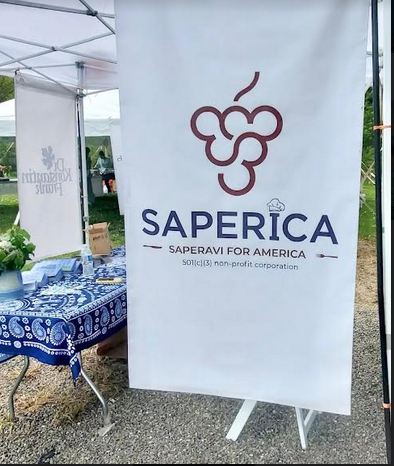
I wanted to share this press release I received from the co-founder of Saperica, Erika Frey. The 2nd Annual Saperavi Festival in the Finger Lakes will be held on May 12-13, 2023. For more details see the following press release.

March 23, 2023,

2nd Annual Saperavi Festival in the Finger Lakes Press Release

Saperica, Inc., Dr. Konstantin Frank Winery, Chama Mama Restaurant, and the National Wine Agency of Georgia presents the 2nd annual Saperavi Festival in the Finger Lakes region of New York.

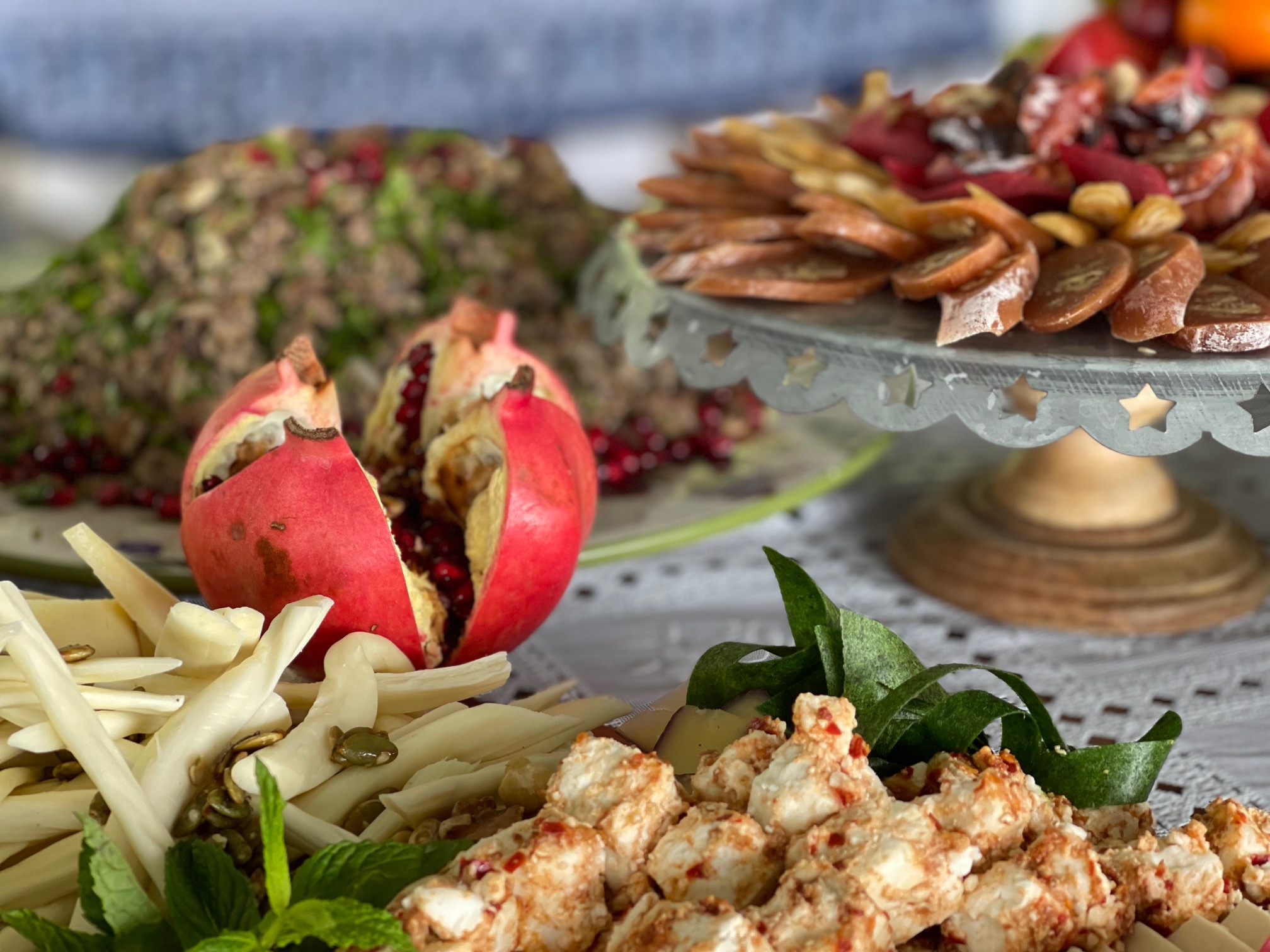
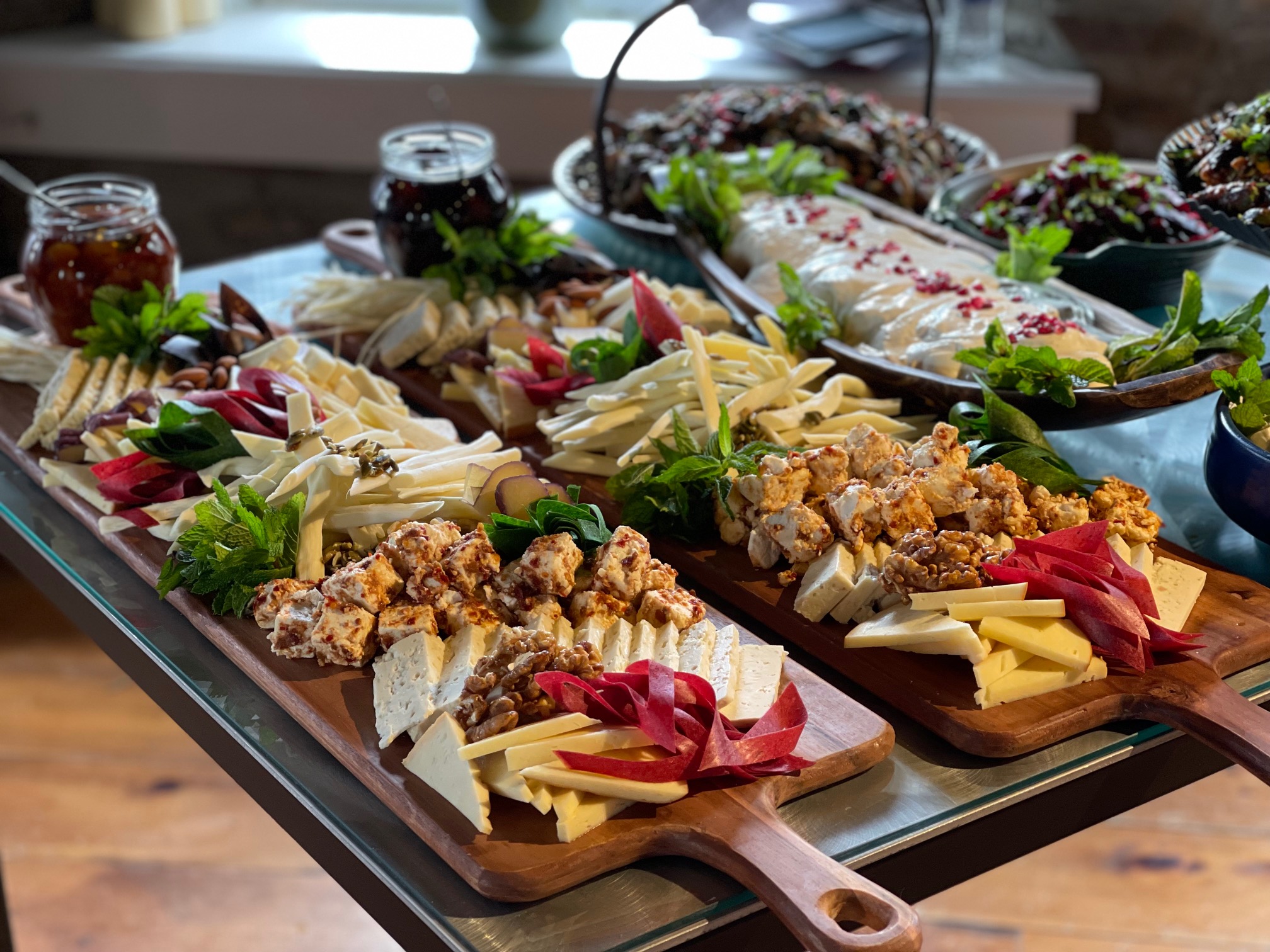
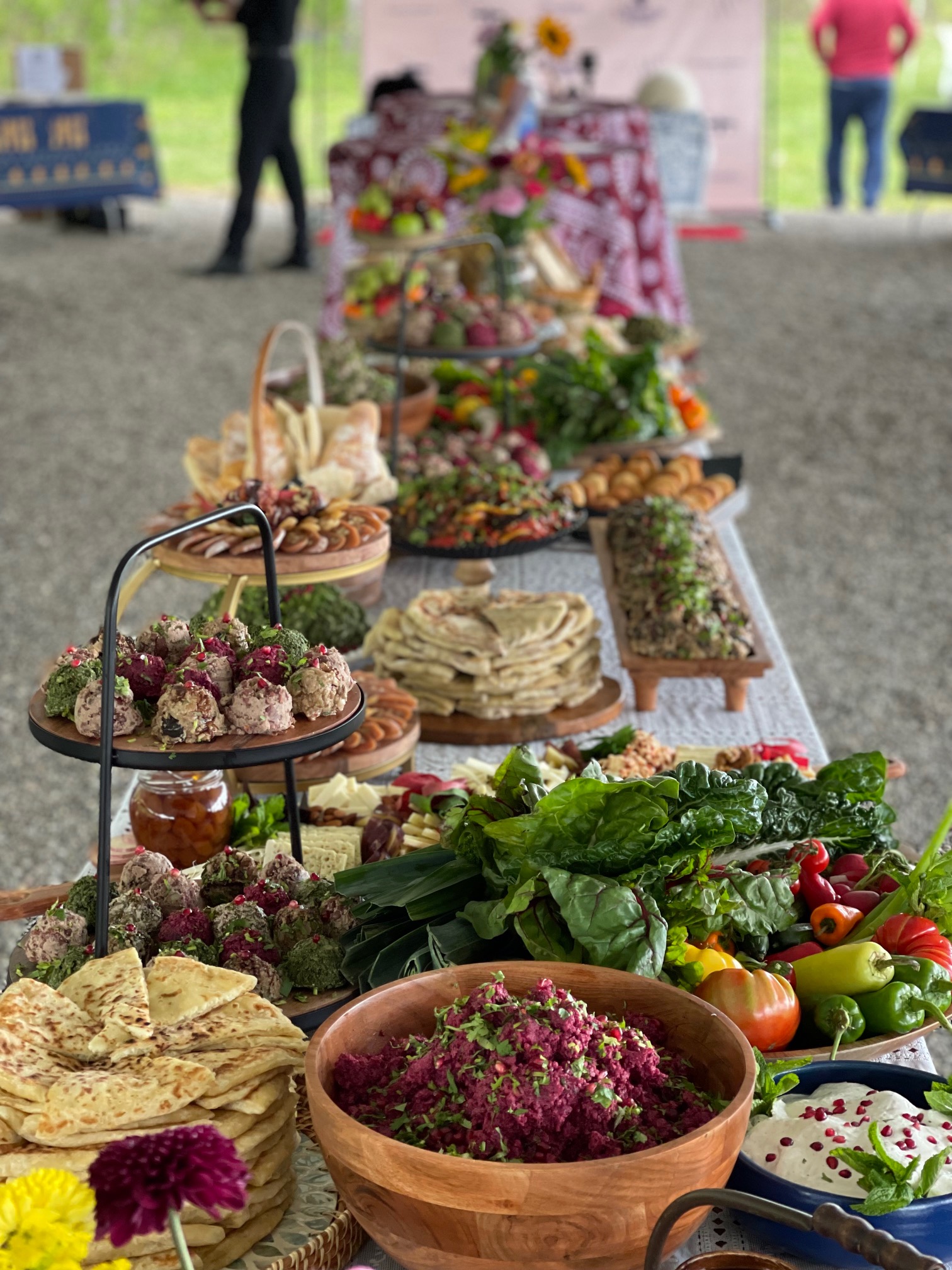
Hammondsport, New York – Saperica, Inc., is pleased to announce that the 2nd annual Saperavi Festival will take place at Dr. Konstantin Frank Winery in Hammondsport, New York on Saturday, May 13, 2023. The festival will bring together producers of Saperavi and Rkatsiteli wines from the Finger Lakes region of New York along with their counterparts from the country of Georgia and throughout the USA. Authentic Georgian cuisine with a modern twist will be featured from New York City restaurant, Chama Mama. Sponsorship will be provided by the National Wine Agency of Georgia.

Saperavi Festival attendees will have the opportunity to taste a wide variety of wines crafted from the Saperavi and Rkatsiteli grape varieties which are native to the country of Georgia and have been grown in the Finger Lakes region for over 60 years. The wines will be paired with Georgian food specialties like Khachapuri, Khinkali, and Chakapuli. Cooking demonstrations will be presented throughout the afternoon.

The Saperavi Festival will take place on Saturday, May 13, 2023, from 12pm to 4pm, on the grounds of Dr. Konstantin Frank Winery located at 9683 Middle Rd, Hammondsport, NY 14840. More detail and tickets are available for purchase at Eventbrite via this link: http://eventbrite.com/e/2nd-annual-saperavi-festival-tickets-577274843597

The event can also be found on Eventbrite by using the search words “saperavi festival”.

Members of the trade and media are invited to participate in educational seminars and events which will occur on Friday, May 12, 2023, from 12pm to 4pm on the grounds of Dr. Konstantin Frank Winery located at 9683 Middle Rd, Hammondsport, NY 14840.  For more information about attending as a member of trade or media, please send an email to saperavi@saperica.org.

The 2nd annual Saperavi Festival is organized by Saperica Inc, a 501(c)(3) non-profit corporation. Saperica’s mission is to promote Saperavi and other Georgian grape varieties along with Georgian gastronomy and culture in the Finger Lakes, NY, and around the U.S., by organizing and facilitating educational seminars and exchange programs between the regions, for wine and culinary professionals and enthusiasts. Any proceeds from the festival will help to fund future Saperica programs.

For additional info, please visit www.saperica.org.

Email questions to http://saperavi@saperica.org.

We hope to see you at the festival!

Days of Wine and Cheeses: Finale

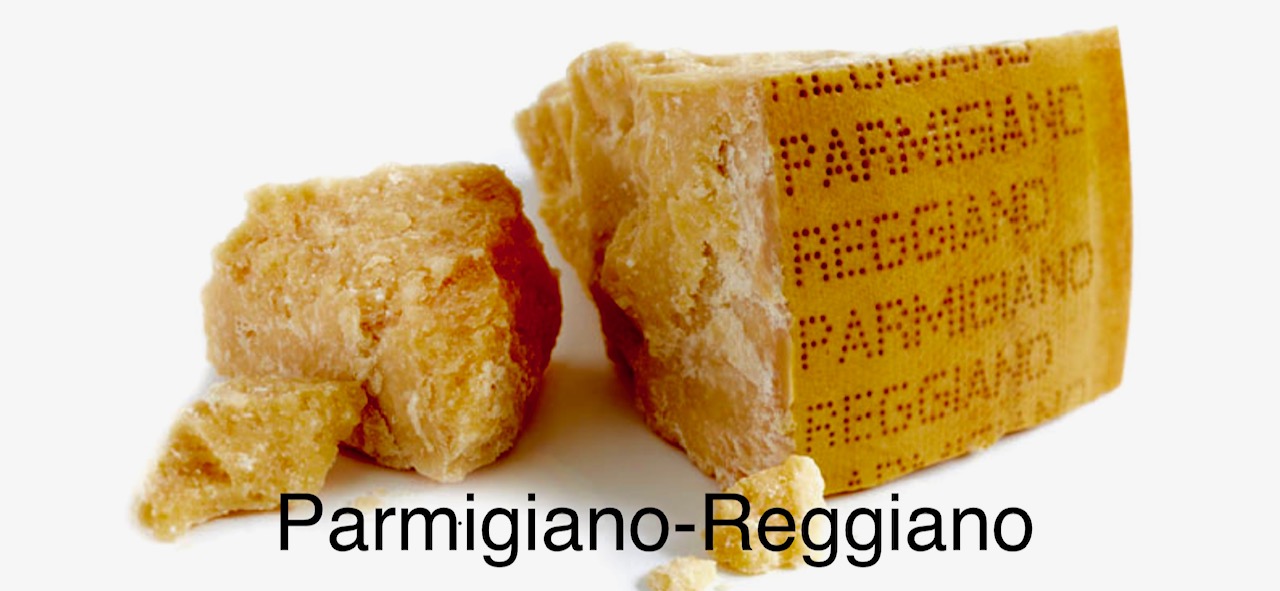
Parmigiano-Reggiano is called by some “The finest cheese in the world.” Parmigiano-Reggiano is made in Italy from raw cow milk under strict adherence to a prescribed procedure. To harden the young cheese’s rind, it is left in brine for three weeks or more before being allowed to age from twelve months to three years. A wheel of Parmigiano-Reggiano weighs eighty-five pounds and goes from an ivory paste color when young to an amber gold when mature. Don’t cut this cheese, use a blunt knife that will break it into chunks thus preserving its signature texture. You will need a medium to full-bodied red to pair with this cheese. Brunello di Montalcino, Cabernet Sauvignon, or Zinfandel would be a great pairing.

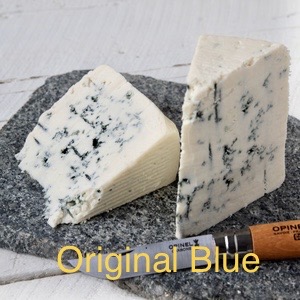
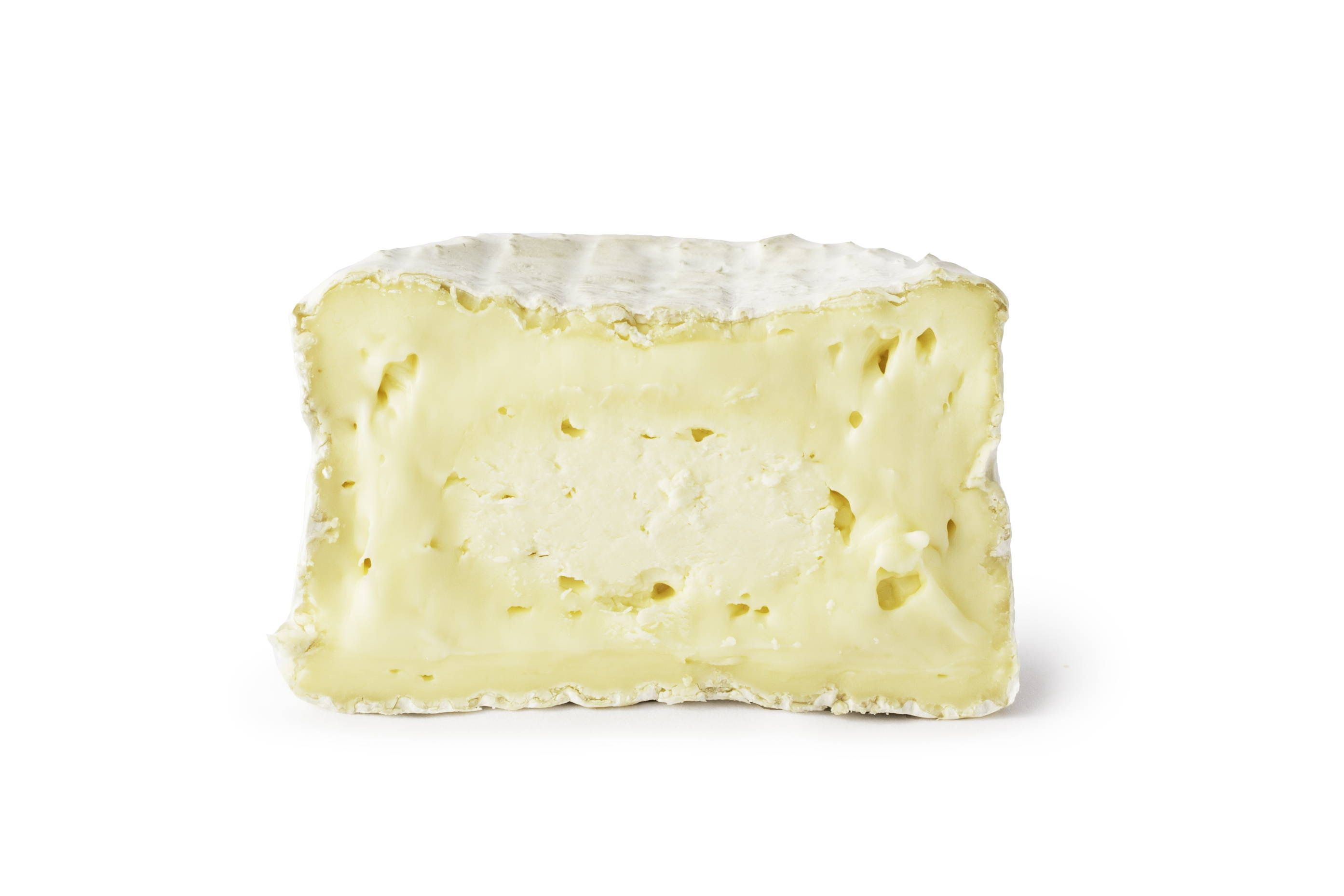
Original Blue is a raw cow milk aged blue cheese made by the Point Reyes Farmstead Cheese Company and is the only blue cheese made in California. The morning milk is taken directly from the milking parlor to the cheesemaker where it is cultured, coagulated with rennet, and inoculated with Penicillium roqueforti. As the cheese ages, it develops the characteristic blue-gray veins that give blue cheese its name and distinctive taste. Pair a French Pinot Gris or dry Riesling from the Finger Lakes of New York. I have also found Champagne is an excellent pairing because it cleanses your palate. 

Manchego is Spain’s most famous cheese. It is made from raw or pasteurized sheep milk but most of Manchego today is made on an industrial scale using pasteurized sheep milk. You can find year-old Manchego at cheese shops in the U.S.  This aged version of Manchego has a firm dry interior that is ivory to light yellow in color. It is best served with something sweet to contrast its tangy salty bite. Quince paste is usually served as the sweet accompaniment. Manchego pairs well with a Rioja from its homeland of Spain. Think tapas on a beautiful evening in Barcelona when selecting a wine.   

I hope you enjoyed my posts on pairing wine and cheese as much as I enjoyed writing them. Cheers!

Photo Credit: Gourmetfoodstore.com, PointReyesCheese.com, and almagourmet.com

Days of Wine And Cheeses Part 2

Miles and Lillian Cahn bought an abandoned dairy farm north of New York City in the early 1980’s. Two years later they sold Coach Leatherware and became full-time goat farmers. A curious turn of events for the Cahans but a blessing for the cheese world. Coach Farm makes several kinds of goat cheese, both fresh and aged but is best known for its Green Peppercorn Cone. Green Peppercorn Cone is a bloomy rind pasteurized goat milk cheese with a soft interior that is impregnated with fresh green peppercorns. Bloomy rind cheeses ripen from the outside in as the cheese develops. Coach Farm Green Peppercorn Cone is soft, off-white, and creamy with flavors of pepper and lemon curd. 

Since this is a delicate cheese it calls for a light, crisp and clean wine that won’t dominate your palate. A couple of good choices are a dry Rosé like Chateau ď Esclan Whispering Angel Rosé 2020 or a dry Traminette from the Hudson Valley of New York, as they say, “What grows together goes together”. I asked Russell Moss, General Manager at Milea Family Wines Staatsburg, New York if he thought their 2021 Milea Estate Traminette would pair well with this cheese. Russ said, “The 2021 Traminette will pair excellently with the cheese. The spicy character of the wine will compliment the peppercorn well and the fat in the cheese will harmonize with the structure of the wine.” www.mileaestatevineyard.com 

When you talk about cheese from the American Heartland you must feature a cheese from Wisconsin and that cheese is Pleasant Ridge Reserve from the Uplands Cheese Company. http://www.uplandscheese.com

Pleasant Ridge Reserve is made in a style of French alpine cheese. It is a rarity among American cheese because it is made with unpasteurized milk from a single herd of cows only during pasture season. Pleasant Ridge Reserve is made to very exacting standards so if the pasture conditions produce milk that doesn’t meet the cheesemakers’ expectations no cheese is made and the milk is sold. Pleasant Ridge Reserve has a hard thin rind over a smooth firm golden body with savory nutty flavors and light saltiness that lingers on your tongue.

Pleasant Valley Reserve has enough character to pair well with a Gruner Veltliner or Chateau Niagara DuMonde 2021, a Chardonnay/Riesling blend from the Niagara Plain near Lake Ontario in New York. http://www.chateauniagarawinery.com If you are looking to try a red any Cune (CVNE) Gran Reserva is an intriguing option.

My next post will be on a pair of popular types of cheese and the wine I serve with them.

Days of Wine and Cheeses

You may have surmised from the name of this blog and my social media handle (wpawinepirate) that I am a Jimmy Buffett fan, a Parrothead, if you will. I have been a member of the Phlock for a long time, making some good friends and beautiful memories along the way. Jimmy’s lyrics “Warm summer breezes and French wine and cheeses” from his song “He went to Paris” was the inspiration for a series of posts I will be writing about wine and cheese pairing

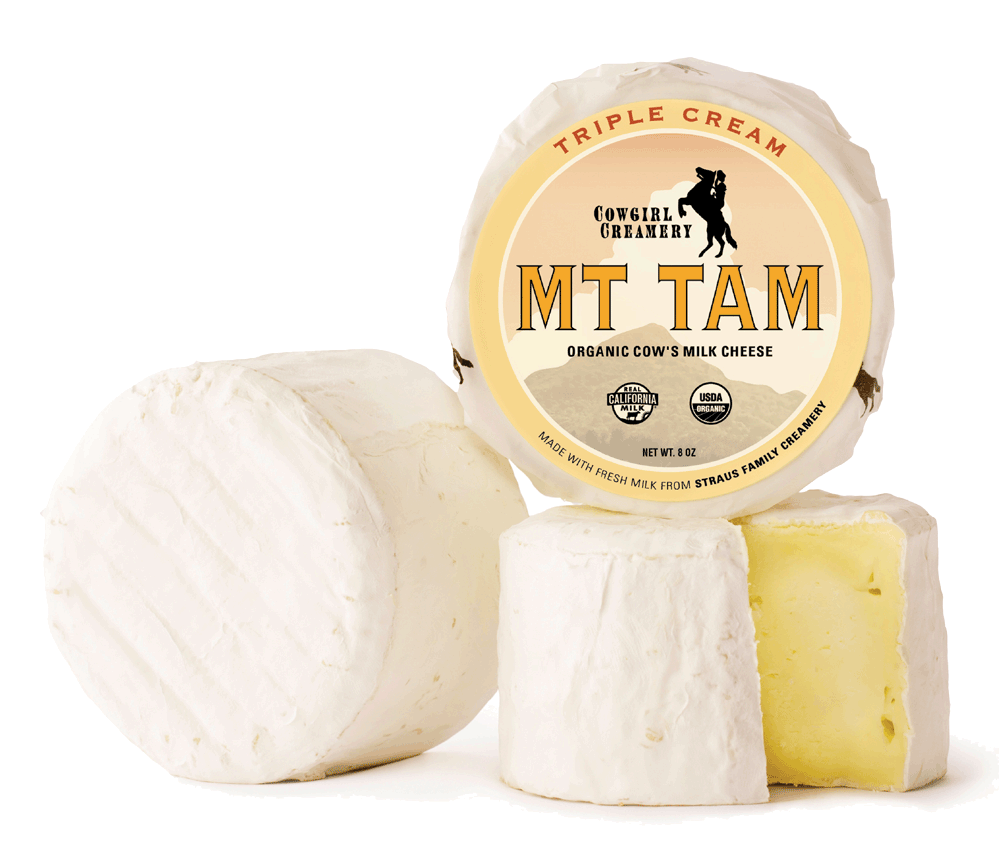
I will never forget the first time I tasted Cowgirl Creamery Mt. Tam. It was at their shop in the Ferry Building in San Francisco. Mt. Tam is a triple cream bloomy rind American recipe cheese made from pasteurized organic pasture-based cow milk that is produced by farm partners using sustainable farming practices. Mt. Tam is made in Marin County near San Francisco, as if you had any doubt it was a California product after that lead-in. Cowgirl Creamery describes their Mt. Tam as “At room temperature, features a dense fudgy core enveloped in an evolving pudgy creamline.” This cheese is both creamy and buttery but also displays earthy flavors. http://cowgirlcreamery.com Mt. Tam pairs well with sparklers like Prosecco and Cava or a California Chardonnay that will cleanse your palate. Freixenet Cordon Negro Cava Brut or Trefethen Family Vineyards 2018 Chardonnay Oak Hill District Napa Valley work nicely with Mt. Tam.

Staying on the coast of California, my next cheese is Humboldt Fog from Cypress Grove Chevre in rural Humboldt County. Humboldt Fog is a unique soft-ripened goat cheese. It is made from high-quality goat milk sourced from local farms. This is a pasteurized goat milk cheese. The quality of the milk used in the making of Humboldt Fog is reflected in its clean and balanced flavors while muted acidity and salt levels prevent the potent goaty taste that turns some people off to goat cheese. http://cypressgrovecheese.com Enjoy Humboldt Fog with the iconic New Zealand Sauvignon Blanc Cloudy Bay, or Sokol Blosser Redland Cuvee Estate Willamette Valley 2018, a medium-bodied Pinot Noir from Oregon.           

I will be exploring cheeses from America’s Heartland and the East Coast in my next post.                                  

Review: Saperica 1st Annual Saperavi Festival Finger Lakes

On May 14, 2022, an event took place in the Finger Lakes Wine Region of New York that was a landmark moment in the history of Saperavi, not only for the future direction of Saperavi in the northeastern U.S. but for all of North America. While Saperavi has been on a steadily ascending arc for several years this gathering of Saperavi winemakers, growers, and enthusiasts will prove to be the catalyst that fuels Saperavi’s meteoric rise into the conscience of the American wine lovers.

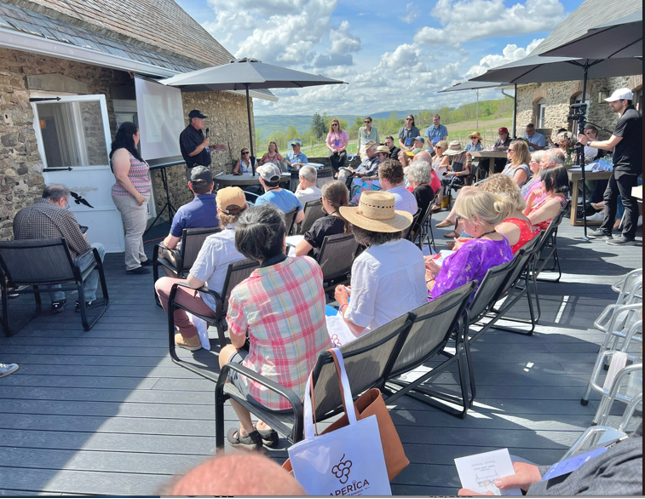
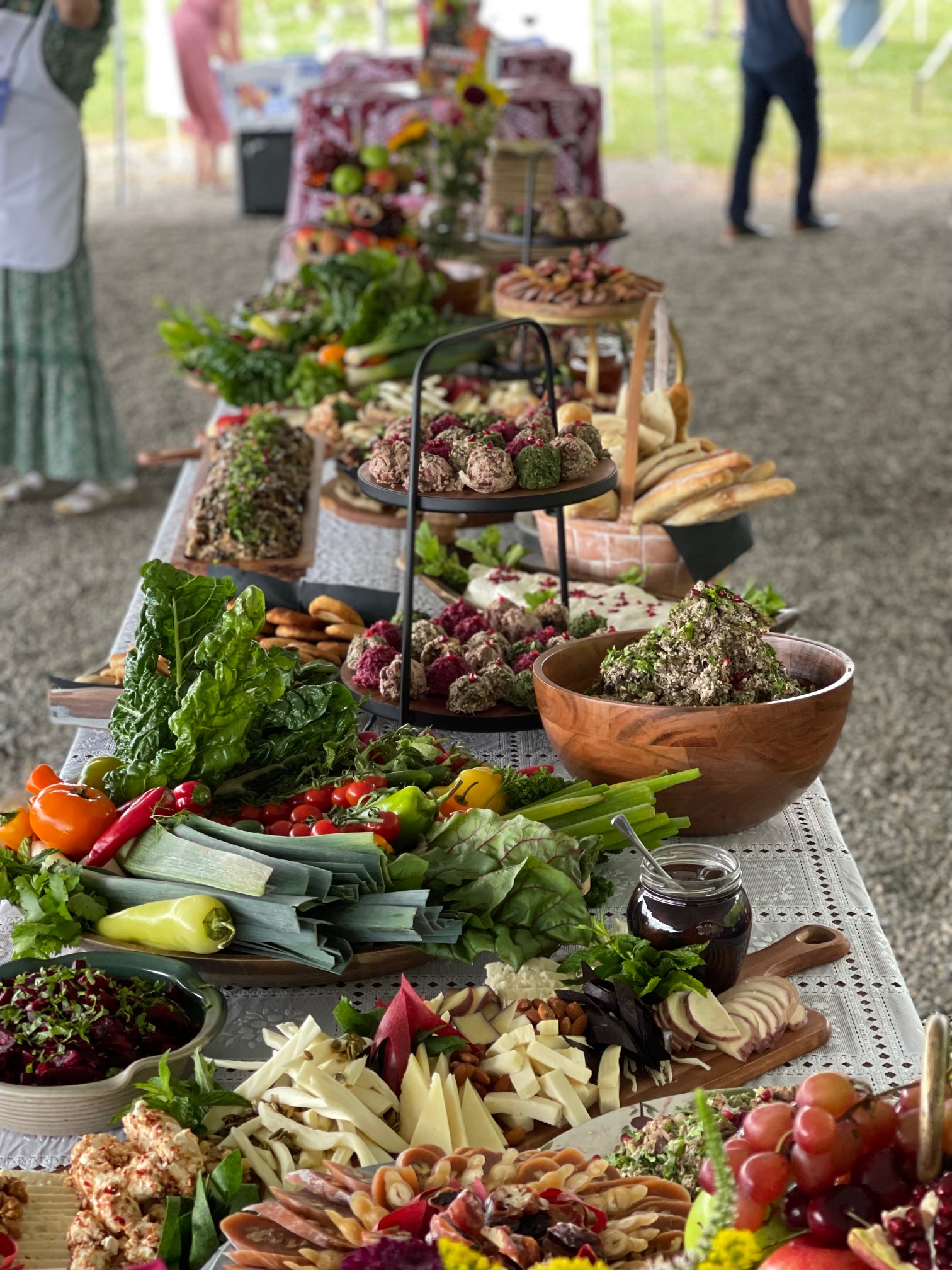
Saperica http://saperica.org, the nonprofit founded by Lasha Tsatava and Erika Frey, held its inaugural Saperavi Festival at the iconic Dr. Konstantin Frank Winery overlooking Keuka Lake in Hammondsport, New York. The one-day event was a sellout with more than three hundred guests enjoying winetastings and delicious traditional Georgian cuisine prepared by Chama Mama, a Georgian-themed restaurant from New York City. The trade and media portion of the festival drew over fifty participants that were greeted with opening remarks from Fred Frank and Saperica co-founder Erika Frey. Keynote speaker Lado Uzunashvili delivered a live virtual presentation on the importance of Saperavi that was followed by guest speaker Darra Goldstein (Flavors of Georgia). Both presentations can be viewed on Saperica’s YouTube channel https://www.youtube.com/watch?v=MUb_6pPRupQ Closing remarks were presented by Saperica co-founder Lasha Tsatava with a special thank you to Meaghan Frank for her tireless efforts to make the Festival a resounding success.

I ask some of the contributors to share thoughts and impressions about the festivities and their vision for Saperavi in North America.

Lasha Tsatava, Director @ Boston Sommelier Society and co-founder of Saperica Inc.

When we first started to tell the story of Saperavi and its connection to Georgian culture and the history of wine, we saw how people’s eyes lit up and we wanted to grow that feeling in FLX and beyond. At the Saperavi Festival’s Trade & Media event, I made it clear in the closing remarks, that our organization’s goals are, as a minimum, to make Saperavi a premier red grape variety in the Finger Lakes region and the ultimate goal is to build a Georgian Cultural Center with Marani (Georgian traditional cellar with qvevris) in Finger Lakes, NY. The 1st annual Saperavi Festival has reconfirmed the sensibility of these goals.

Fred Frank, President, and CEO of Dr. Frank’s Vinifera Wine Cellars, grandson of wine legend Dr. Konstantin Frank & Meaghan Frank’s father

We were honored to host this first Saperavi Festival at our historic winery. I am sure Konstantin was looking down from the heavens with pride to see all the attention and acceptance that his beloved Saperavi was receiving from the hundreds in attendance. Konstantin was the first to plant Saperavi in the United States in the late 1950s in his vineyard above Keuka Lake. He was a big fan of this variety for its historic pedigree originating in Georgia and believed it would have a great future in the Eastern United States. Saperavi vines are cold hardy and the wines are of high quality with deep color. We look forward to the next Saperavi Festival and continued acceptance of this historic grape variety.  

Jim Baker, owner/winemaker of Chateau Niagara Winery, located on the Niagara Lake Plain, Newfane New York

My thoughts on the festival are quite positive. The media section contained two presentations featuring my good friend Lado Uzunashvili, and Darra Goldstein. Lado is an old friend and did a great overview of Saperavi in Georgia and the world, including history and all sorts of technical information on the grape in several world locations. He did a comparison of our winery and a Georgian location. Darra Goldstein presented a history of Georgian food and culture. Food was served up from Chamma Mama, a Georgian restaurant in NYC. It was truly a Georgian feast. We got to taste wines from a number of American and Georgian producers. It was surprising how well we held our own against some stunning Georgian producers. The afternoon consisted of more Georgian feasting and public tastings of wine. All in all a great celebration of Saperavi and Georgian culture.

Phil Plummer, Head winemaker at all three Martin Family Wineries in the Finger Lakes.

I attended the festival, but mostly on the technical/trade end of the schedule. I can’t speak to marketing impact and the like, but the viticultural and enological information shared in the trade sessions was really compelling. Saperavi is a very exciting grape variety for us in the Finger Lakes, but I think winemakers should be excited about this one on a global level, too. Saperavi exists at the intersection of past, present, and future winemaking. As one of the earliest-cultivated grape varieties, working with Saperavi gives winemakers an opportunity to connect to the past–walking in the footsteps of the countless generations of winemakers who came before us. At present, Saperavi’s unique versatility allows winemakers to experiment, making wines in a widening array of styles. Looking forward, Saperavi’s resilience and versatility position it as a grape variety to embrace in the wake of a changing climate. As a blending component or varietal, Saperavi rarely disappoints. From a culinary standpoint, its rich phenolic profile, bright acid, and unmistakable aromatics present exciting opportunities for wine and food pairing, particularly with the Georgian cuisine available at the festival.

Erika Frye, co-founder of Saperica Inc., CS, CWE & Diploma WSET

When I started discovering Saperavi in the Finger Lakes several years ago, I could feel that there was something special about this grape variety in this region.  There is a buzz that surrounds Saperavi which started off whisper-like but has now grown into a conversation that cannot be ignored.  The 1st annual Saperavi Festival came at just the right time to give this grape variety a clear voice to tell the story of its past, present, and future.  It comes at a time when Saperavi plantings are increasing in the Finger Lakes region.  We hope that these new producers will be able to use the Saperica organization and the Saperavi Festival as resources to find information about the Saperavi grape variety, learn about its Georgian heritage and connect with other Saperavi producers.

The most exciting thing about the festival for me was the ability to build connections.  We had a great partnership between the three festival hosts – Saperica, Dr. Konstantin Frank, and Chama Mama.  An impressive group of wine producers and wine importers were present from both the USA and Georgia.  Two experts in their fields shared their knowledge of Saperavi winemaking and Georgian cuisine.  Most importantly, there were about 250 festival attendees who were connecting with the wines, the food, the environment, and the people.  When I was able to stop for a moment and survey the amazing crowd of people who had come together to celebrate Saperavi, that is what made me feel truly proud – proud of the community that we are starting to build and what we will all be able to accomplish together in the future.

John McGregor, Vice President of McGregor Vineyard

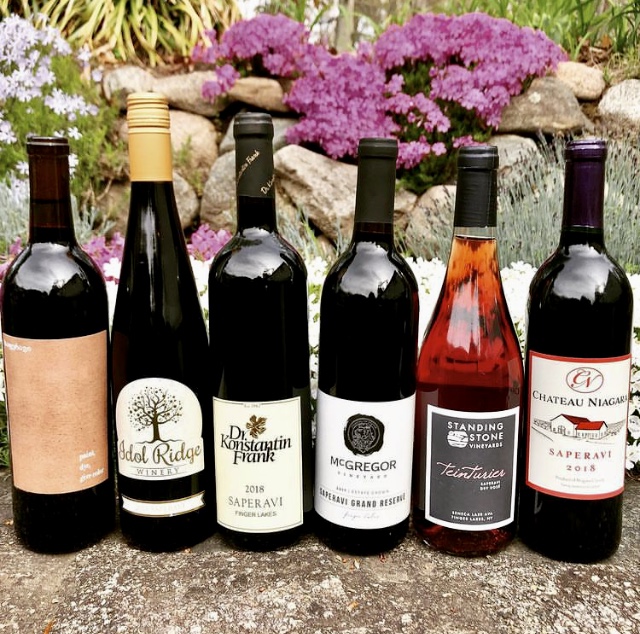
The Saperavi Festival was a great introduction to Saperavi for many.  Its Georgian roots were presented wonderfully!  McGregor Vineyard was the sole producer of Saperavi in the United States for decades. Now the Finger Lakes is home to numerous Saperavi producers, and more are sure to come in the near future. This festival really felt like a validation of my late father, Bob McGregor’s steadfast belief that Saperavi was perfectly suited to grow in the Finger Lakes and could make some of the region’s finest and most respected wines.

Bryanna Cramer, Assistant Winemaker Standing Stone Vineyards

I felt like the event was a huge success for the region, seeing as it was the first annual and it sold out and had additional tickets added on. It felt like the overall vibe was excitement about the variety as well as a general curiosity about its potential here in the FLX. It was really beneficial to have vendors pouring various Saperavi from Georgia to have as a reference, as well as Georgians giving their genuine feedback on the wines being made here in the Finger Lakes. I think they were pleasantly surprised by the quality and authenticity that can be achieved. From the customer perspective, I think the majority are still discovering the variety, its characteristics, and its history but I see that as an opportunity to continue educating not only at events like this but also on-site at Standing Stone and the other wineries working with Saperavi. 

This event and those all involved proved that Saperavi has progressed from being viewed as a grape variety with the potential to make outstanding varietal wine here in North America to being acknowledged as a proven producer of high-quality wine in various styles. Saperavi will continue to evolve as new winemakers add their interpretations of how it can be made and the newly planted Saperavi vineyards come into production expressing the terroir of their increasingly diverse geographic locations.

Congratulations to everyone involved in Saperica’s Saperavi Festival in the Finger Lakes on its successful endeavor to gather Saperavi lovers and promote this ancient grape. A special thank you to Lasha, Erika, Fred, Phil, John, Bryanna, and Jim for taking the time to share their thoughts and insights about Saperavi.

Photos Courtesy: Saperica Inc.