Wine Review: The Federalist Zinfandel Lodi 2019

The latest entry in my ongoing series of reviews featuring enjoyable and affordable wines that are widely available highlights a Lodi, California Zinfandel. The Federalist Zinfandel Lodi is not the Zinfandels of folklore that were rendered from zinfandel grapes shipped from the Cucamonga Valley of California in crates adorned with colorful labels depicting the cultural heritage of the region. Those wines were big, bold, “over the top” wines with high alcohol content. What made those wines unforgettable wasn’t their high quality but the physical link they provided to the immigrant communities, which made them feel connected to their homelands and the cherished memories of people and places they left behind in search of a better life in America.

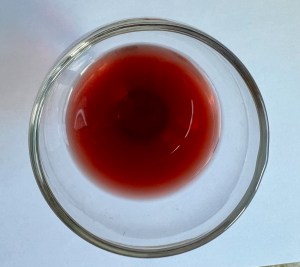
The Federalist Zinfandel Lodi 2019 is a good example of a Zinfandel from Lodi, California. It displays a bold but restrained body with flavors of dark fruit and cherries that complement its tannins, leading to a surprisingly smooth finish. It can be easily found for less than $20 a bottle and at that price point represents a good “QPR” (Quality-Price Ratio) value buy.

Interview: Alfredo “Alfie” Alcantara, Winemaker, Vigneron, Emmy Award-Winning Producer, Director & Cinematographer

In the town of Walton, nestled in the Catskill Mountains of New York, reside a couple of forward-thinking winemakers and vineyard owners who are looking to the past to chart a possible path forward that could help the wine industry survive in a world facing the uncertainty of climate change and other challenges. 

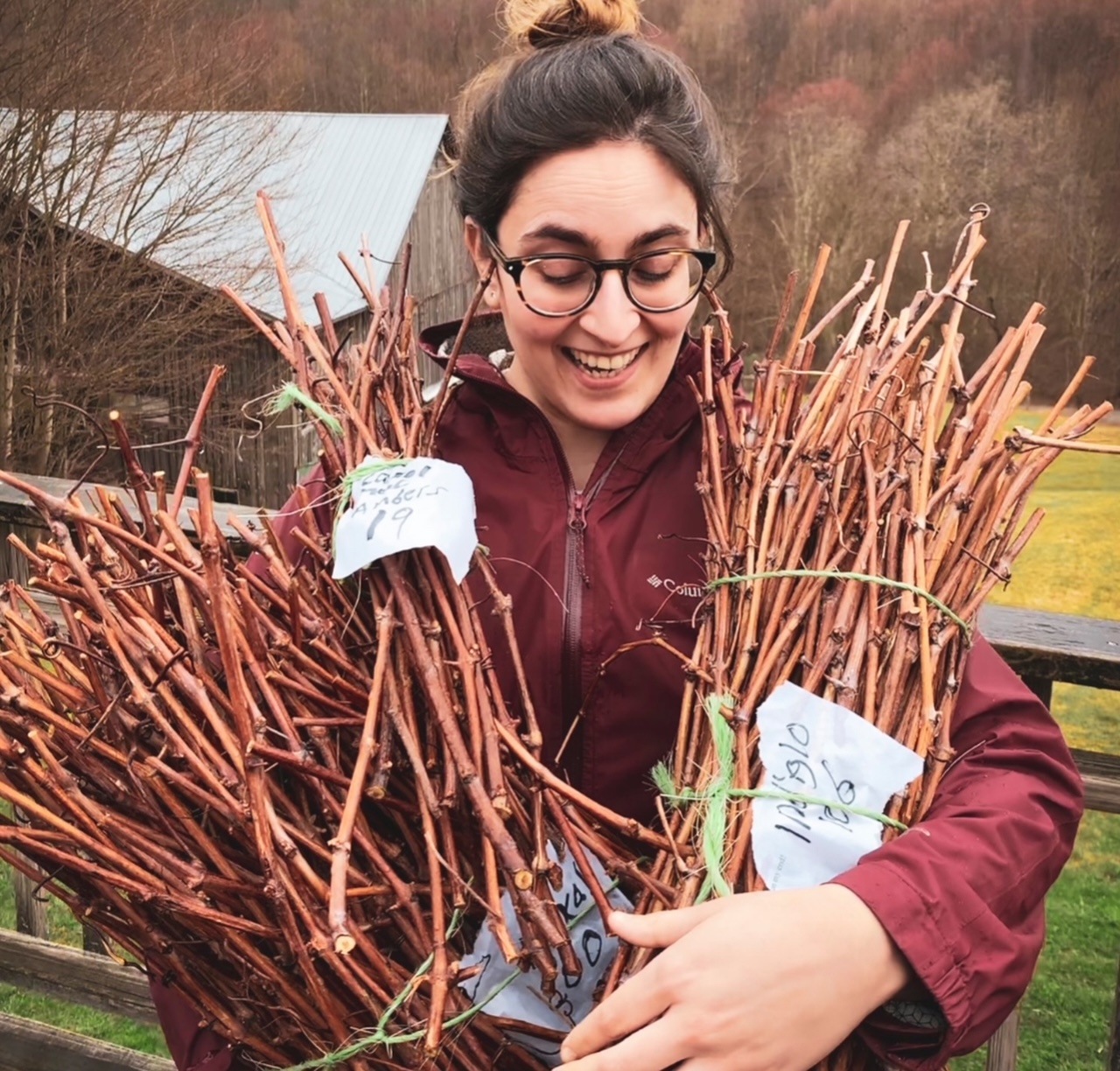
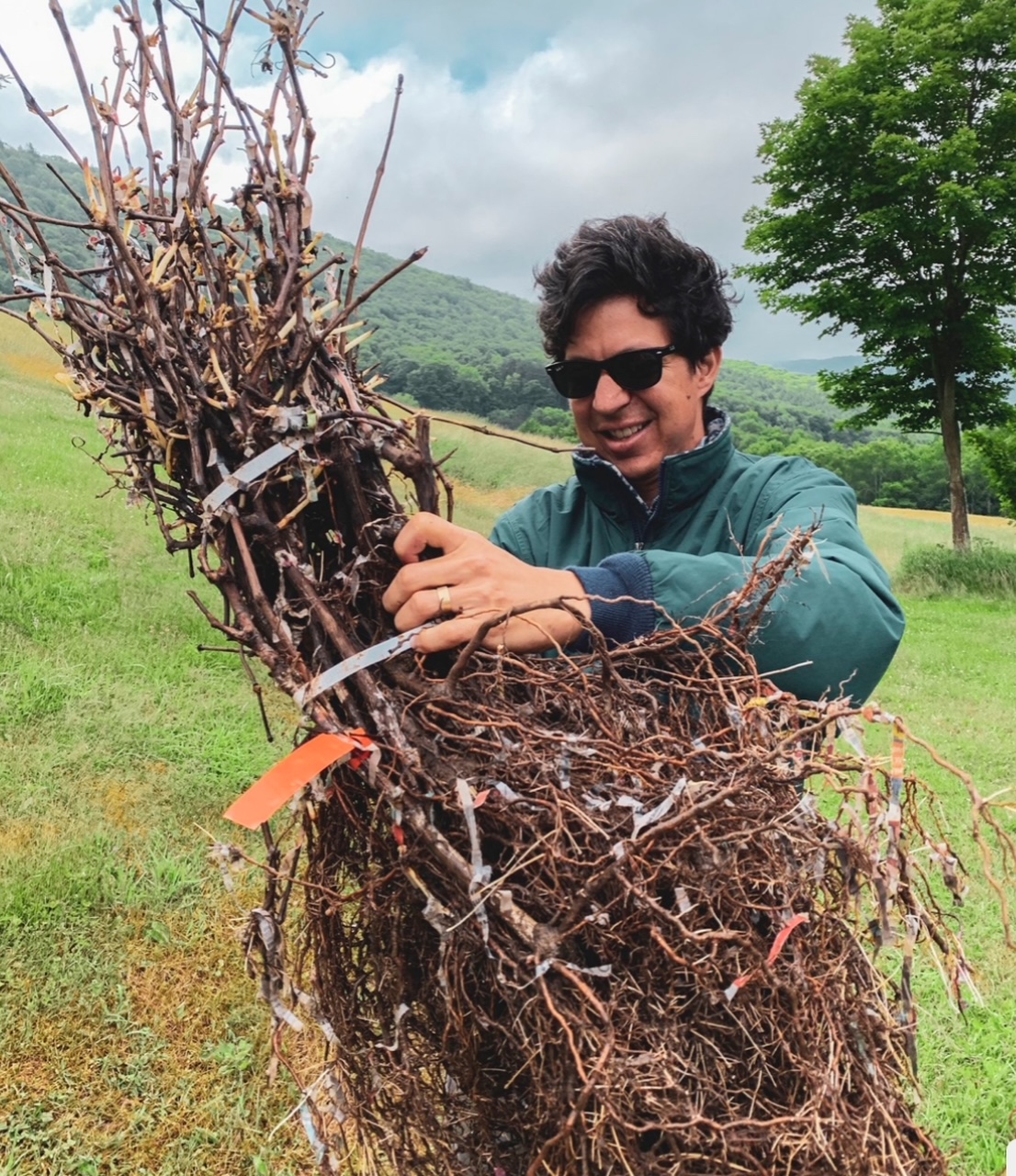
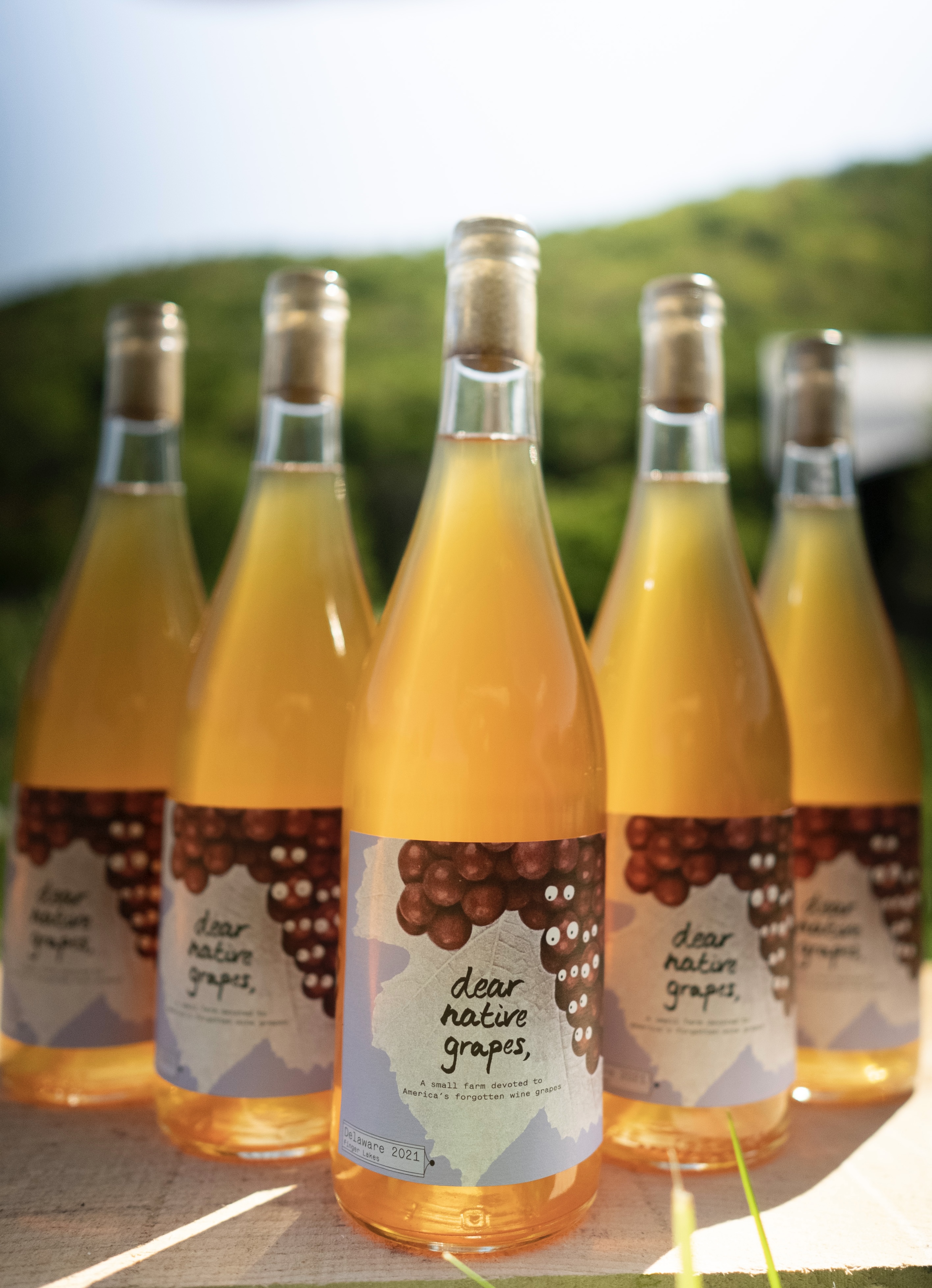
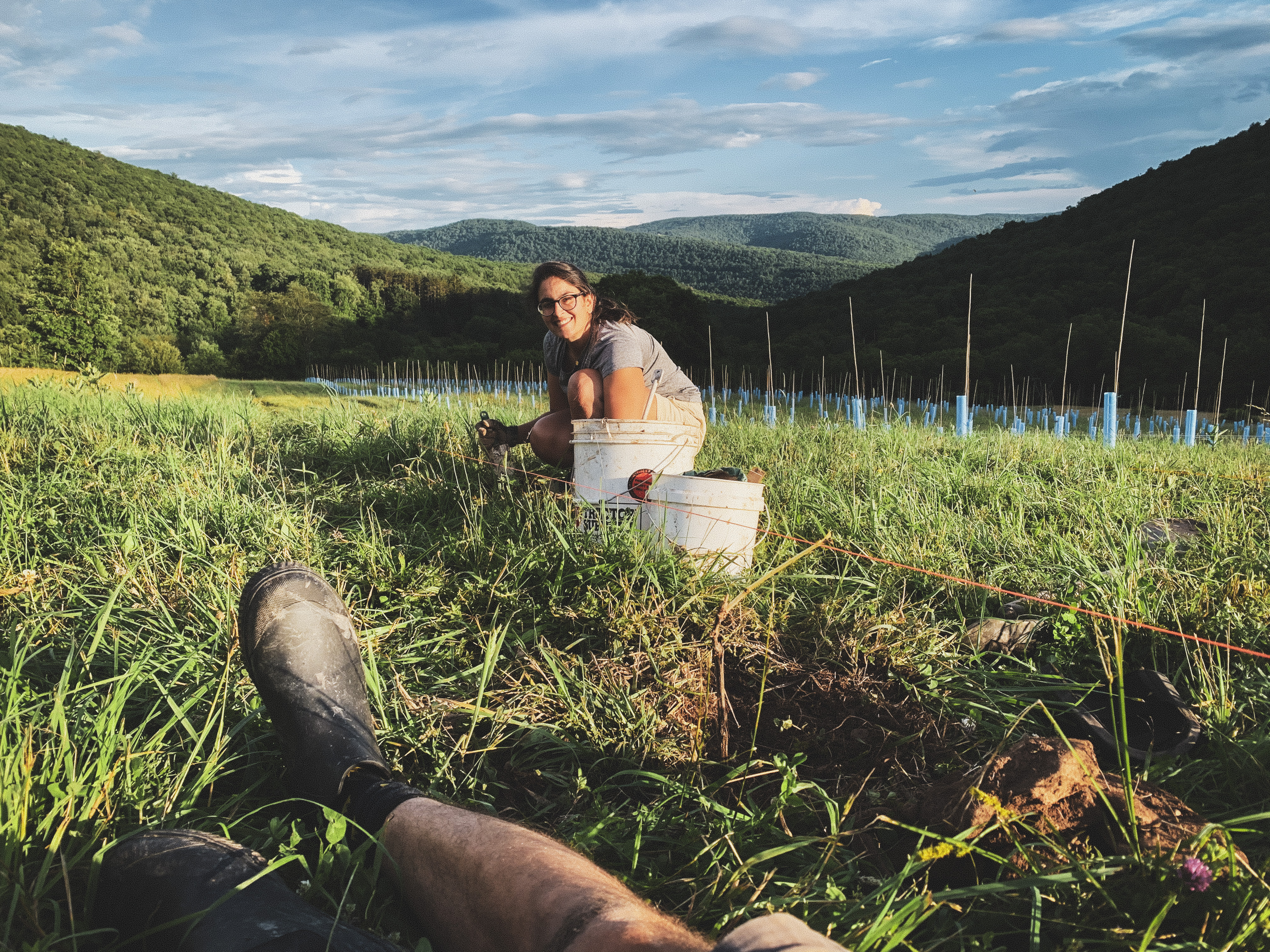
Alfredo “Alfie” Alcántara and Deanna Urciuoli, co-owners of Dear Native Grapes, are members of a small but growing vanguard of winemakers who are reviving forgotten and seldom-used native grapes to produce natural wines. These resurrected wines not only display distinctive flavors but also serve as a vehicle to expand the diversity of the vines that are being planted in vineyards.

Alfie is an Emmy award-winning documentary producer, director, and cinematographer whose latest critically acclaimed film, “The Age of Water,” delves into the human toll that Mexico’s water crisis is exacting on its people. The “Age of Water” will air on September 28th, 2025, on PBS. I was able to catch up with Alfie and ask him about the grand opening of dear native grapes tasting room and what else he has been up to. The following is my unedited and verbatim interview with Alfredo Alcántara.

1. Congratulations on the grand opening of your tasting room. What can your guests look forward to when they visit ‘dear native grapes’ on opening day and in the future?

“Thank you! We are beyond excited to finally open our doors and welcome visitors.

It’s been five years since we started ‘dear native grapes’ in the garage of our home. In that time, Deanna and I got used to navigating a tight maze of fermenters, barrels, and packaging material that we stuffed into our small space, and somehow we were able to launch our little winery. Producing wine in the garage was a romantic idea, but we knew we had to scale up to grow our business. 

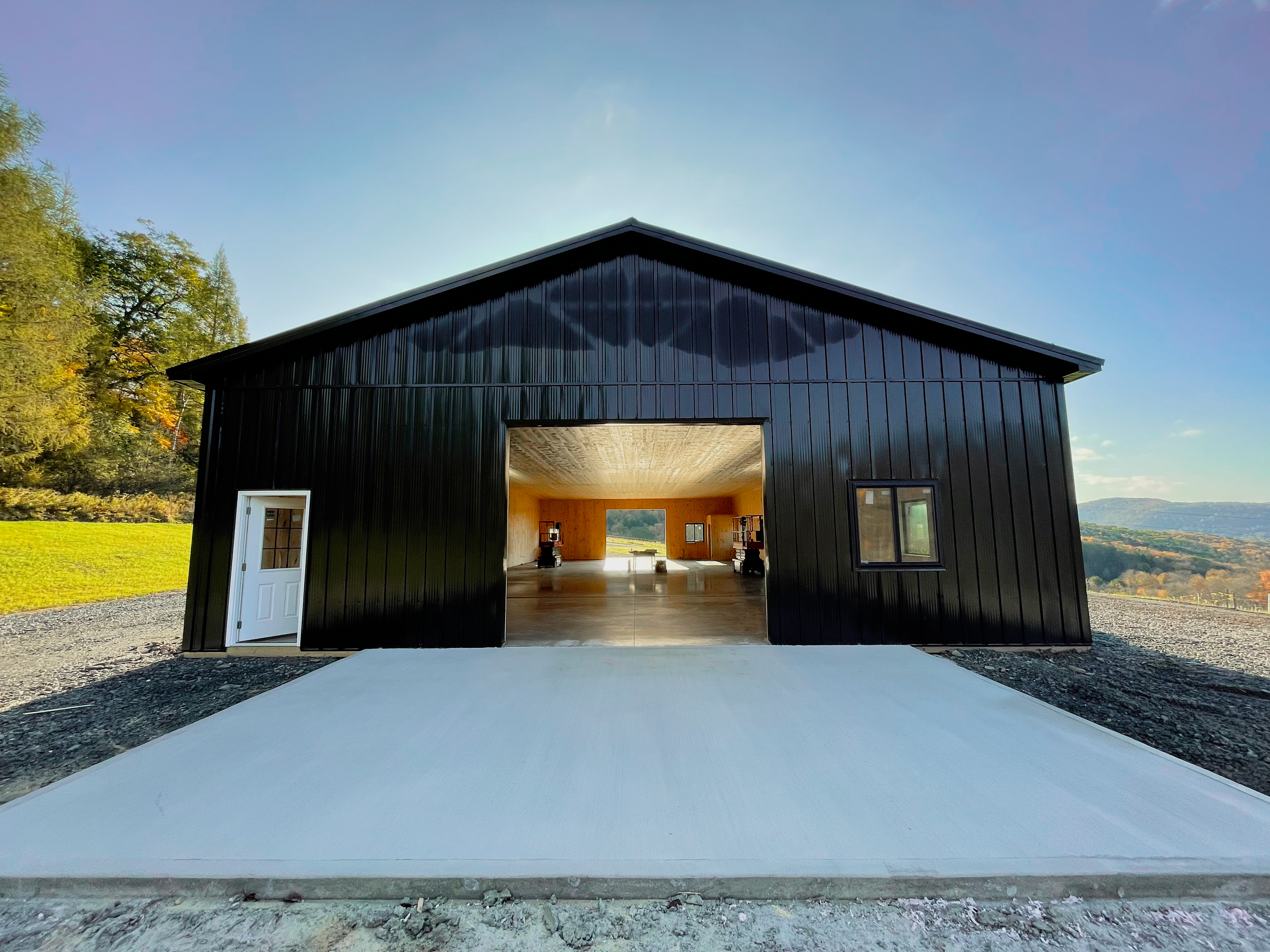
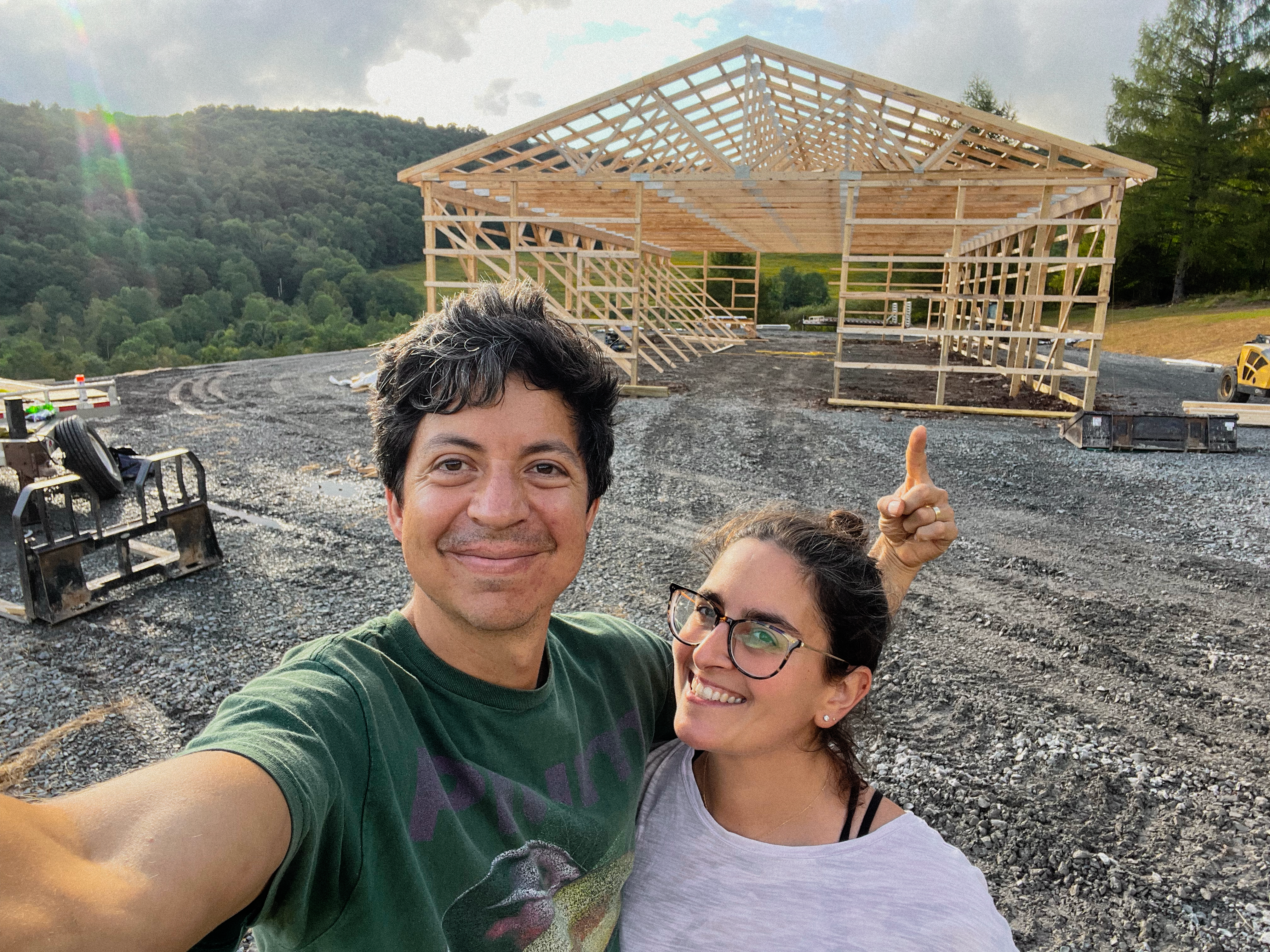
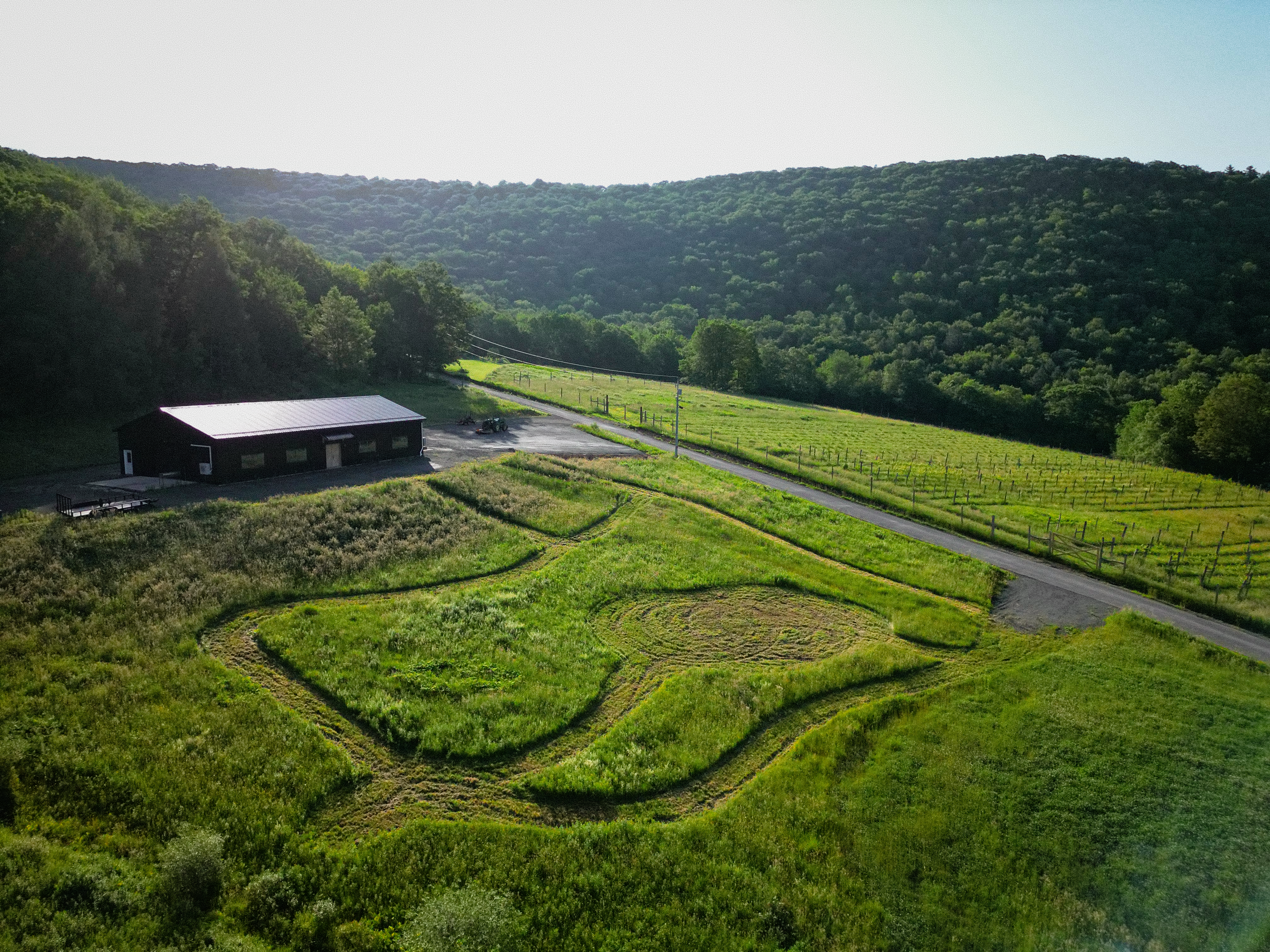
In 2023, we pooled our savings to pay for the construction of a pole barn that would one day house our production area as well as a small tasting room to host visitors to the farm. Since then, we’ve been hard at work getting the space ready. 

We’ve always felt passionate about sharing the story of America’s wine grapes, and we believe folks might feel equally inspired to see these grapes actually growing and thriving at our site. It’ll be even more exciting to have visitors taste the unique and expressive wines that these grapes can produce. We hope that experience will inspire more ideas and conversations around the potential of American grape varieties. 

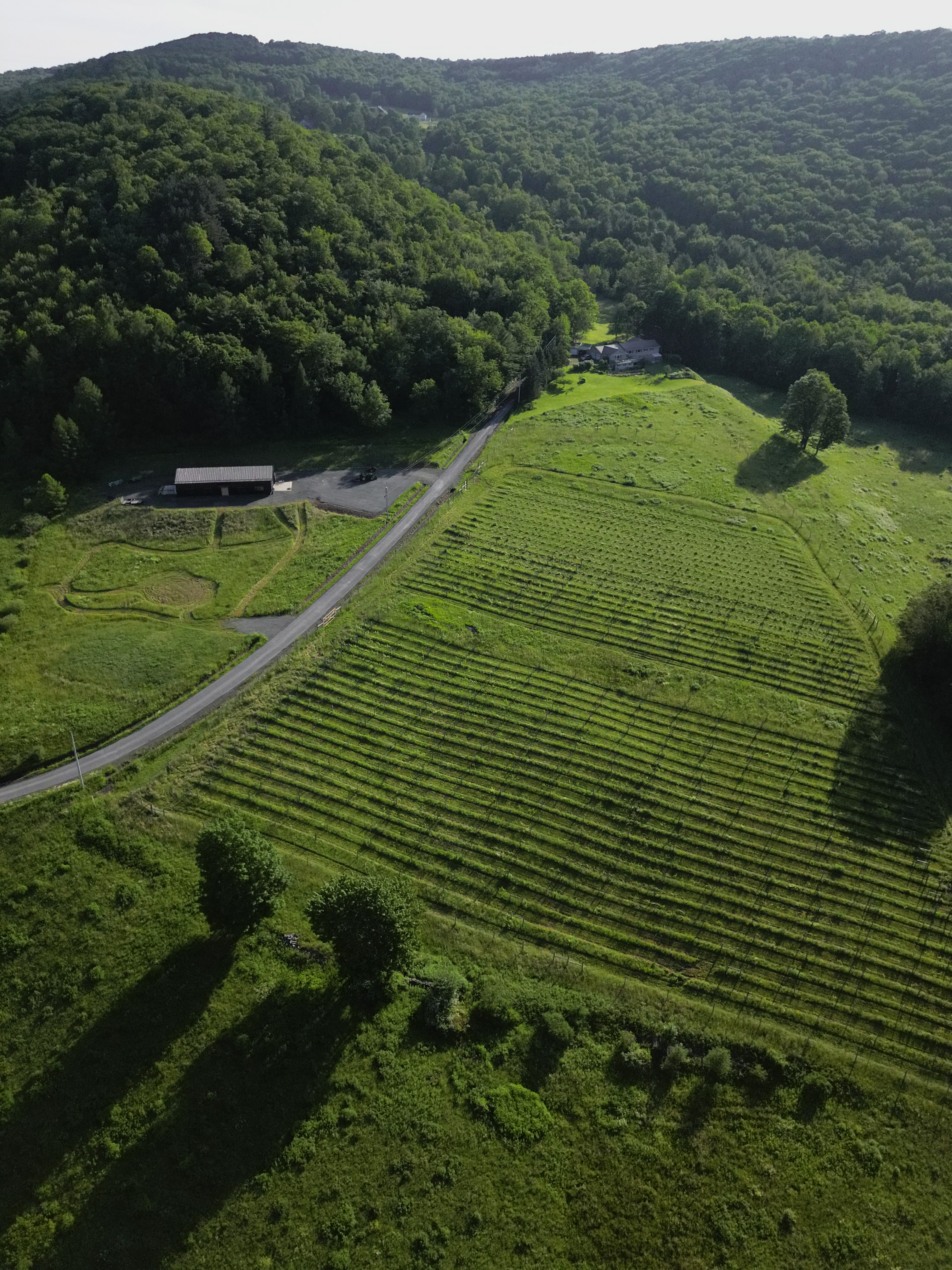
The winery is situated at the top of our vineyard and is surrounded by the beautiful Catskill Mountains. We hope it serves as a space for community building, inspiration, and relaxation in nature. We’ll also be featuring local food vendors and food pop-ups that showcase the culinary diversity of our region. 

Our opening day is July 19th, 2025, and we’ll be open every Saturday from 12pm to 7pm.”

2. You have chosen to grow and craft your wines from non-traditional native and hybrid grape varieties. What is your vision for dear native grapes?

“At its core, dear native grapes is an educational project designed to shed light on valuable grape varieties that could pave the way for more diverse, climate-resilient winemaking, energizing local economies in the process.

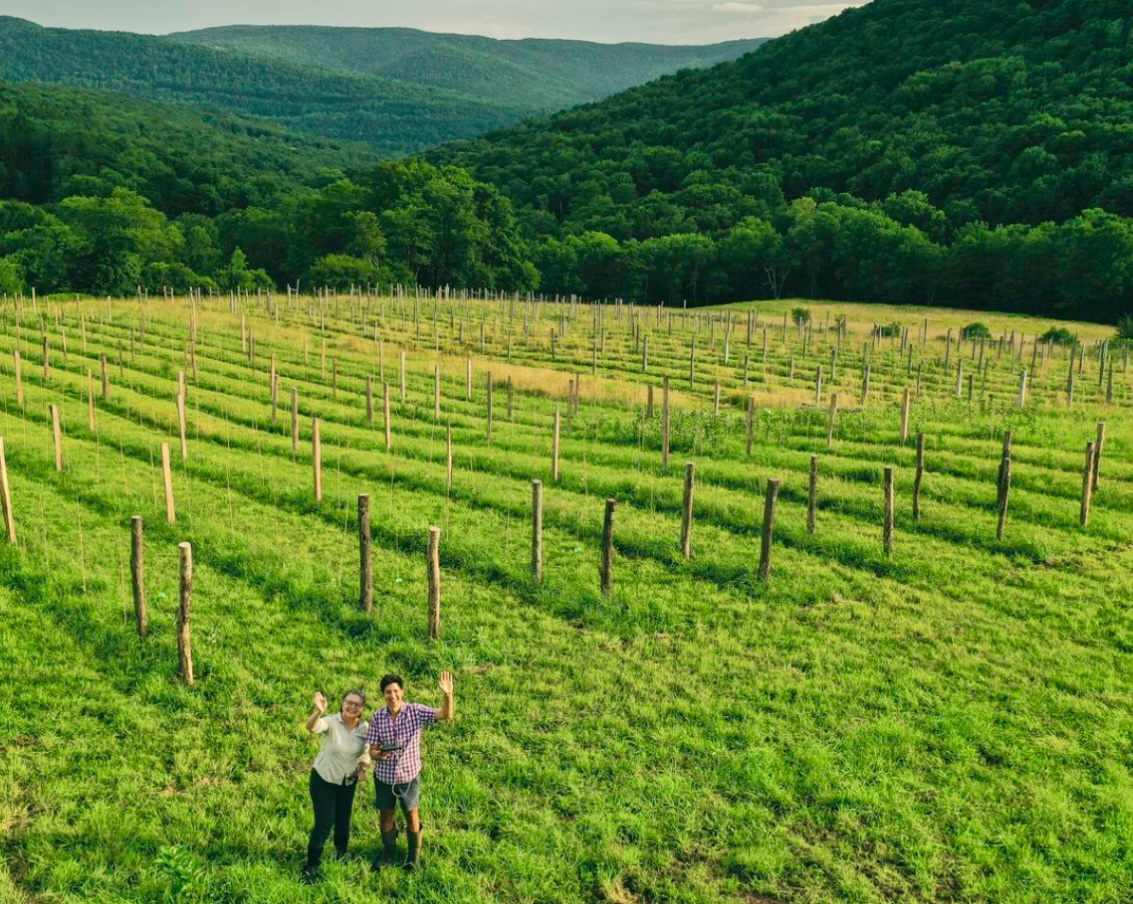
Our vineyard is an experimental plot meant to test the resilience of several dozen varieties. Since planting in 2020, we’ve already begun to see some really exciting results. A handful of varieties–both heritage and newer cultivars– have stood out as promising for our region. Our site is on a windy ridge top that gets pummelled with all sorts of weather throughout the year. The growing season is short, the winter is very cold, and there’s a danger of frost at each end of the season. So being able to successfully get these grapes through harvest is really encouraging. Among the heritage and heirloom varieties that have performed well are Delaware, Wine King, and Empire State. Among the newer varieties, Petite Pearl and Brianna are becoming the clear winners in terms of growth, disease resistance, and overall resilience.” 

3. Tell us about your wine journey, how it brought you to where you are today, and your plans for the future. 

“I think I may have some weird past-life connection to winegrowing. Since I was a kid, I dreamed of growing grapes. For some reason, it has always resonated with me. I met Deanna in college, and we lived in Brooklyn for ten years. During that time, we fell in love with natural wine. We got to taste wines that felt alive and vibrant. Many were made from indigenous grapes grown in regions we had never heard of. We were truly inspired each time we experienced a different bottle. And so that really got our gears turning. 

During that time, we stumbled upon the history of America’s native grapes and how we had lost so many varieties during Prohibition. We learned about the rich history of New York winegrowing and its steep decline during that time period. How could such an important face of American viticulture fade away into obscurity? We were instantly hooked. I would talk to Deanna non-stop about the possibility of pursuing this as a serious business: we could bring some of these grapes back into production, and help restore value back into long forgotten varieties. 

Deanna pushed me to volunteer at farms and wineries, and we took business planning courses. She’s a great financial planner, and so she put us on an aggressive savings plan for a few years. In 2019, we had saved enough money for a down payment on some farmland, and we decided to make the jump. We bought our place that same year, and in 2020, with the invaluable help of friends and family, we planted our 5-acre vineyard. In 2021, we had the opportunity to make wine from old vines grown at Buzzard Crest Vineyard on Keuka Lake, and we released our first vintage in 2023. That same year, we had the opportunity to work with Stephen Casscles, author and grape historian, who has cultivated a vineyard of rare and nearly-extinct heritage varieties. Steve has become one of our wine mentors, and we’ve made wine from his grapes for the past two years. This year, we hope our home vineyard yields a significant harvest. 

We feel like the past five years have flown by… We’ve been on the steepest learning curve we’ve ever experienced, constantly challenged by the realities of rural living and farming, and constantly humbled by Mother Nature. However, we feel so grateful each day to have the opportunity to pursue this project. It’s brought so much richness to our lives in terms of the community we’ve been able to foster around us. As we gear up to open the winery to visitors, we feel like another chapter is about to begin: one where we can finally start sharing the story of American grape varieties with a wider community. That’s our ultimate goal!”

Make plans to attend the grand opening on Saturday, July 29th 2025, from noon to 7pm, or visit any following Saturday, noon to 7pm

Thank you, Alfie, for taking time from your busy schedule to give us a heartfelt glimpse into Deanna and your quest to make dear native grapes a reality. dear native grapes is truly an example of a “Labor of Love”

dear native grapes

17 Crawford Rd

Walton, New York 13856

alfie@dearnativegrapes.com

dearnativegrapes.com

Photo Credit: dear native grapes

A Winelovers Guide to Western Pennsylvania Wineries Part 2

This is Part 2 in my series featuring Western Pennsylvania wineries. All the wineries from previous posts will be included for reference at the end of each post. If you are new to my blog, Welcome and I invite you and everyone to subscribe to this blog for free using the subscription box at the top of this page. You will receive an email when I publish a new article. Thanks. 

Pennsylvania is home to over four hundred wineries and over fourteen thousand acres of vineyards. Some of the very best are located on the western side of the state. The wineries are as unique as the wines they make. The following suggestions are just a starting point. The real fun comes in exploring all this region has to see and do. 

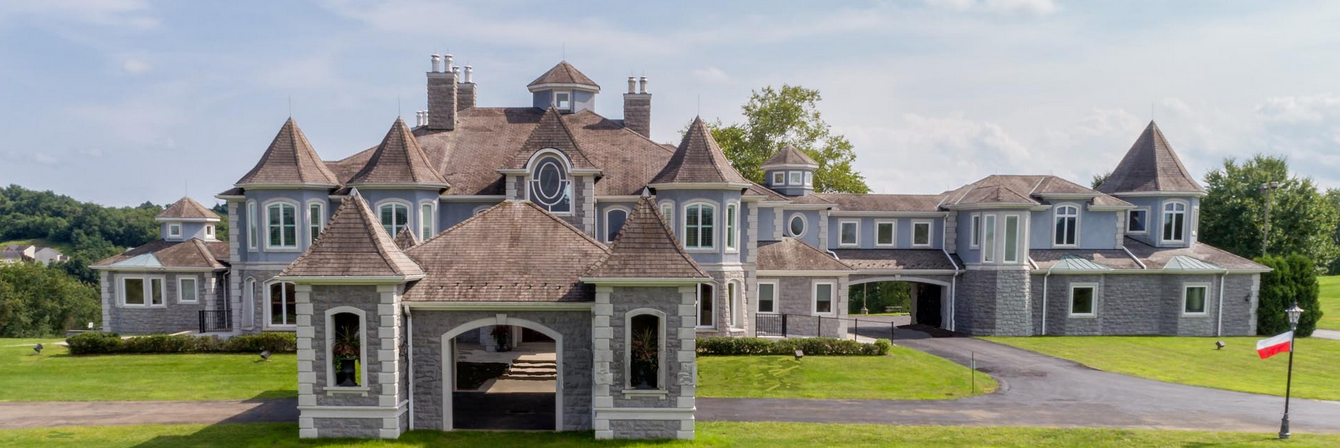
We’re off to see “The Castle”. The Vinoski Winery is located in the magnificent Rostraver mansion built by Jay and Sherry Lustig. Jay was the long-time manager of The Rolling Stones, financial advisor to Prince Rupert Loewenstein, and later became a minority owner of the Pittsburgh Pirates. Walt and Roxanne Vinoski bought the sprawling property in 2017 and turned it into the breathtaking home of the Vinoski Winery. They offer two wine tasting options: $10 for 5 sweet wines or a Premium tasting for $20 that includes their dry California wines. Check their website for the event calendar which is always full of concerts and events. http://vinoskiwinery.com 724-872-3333

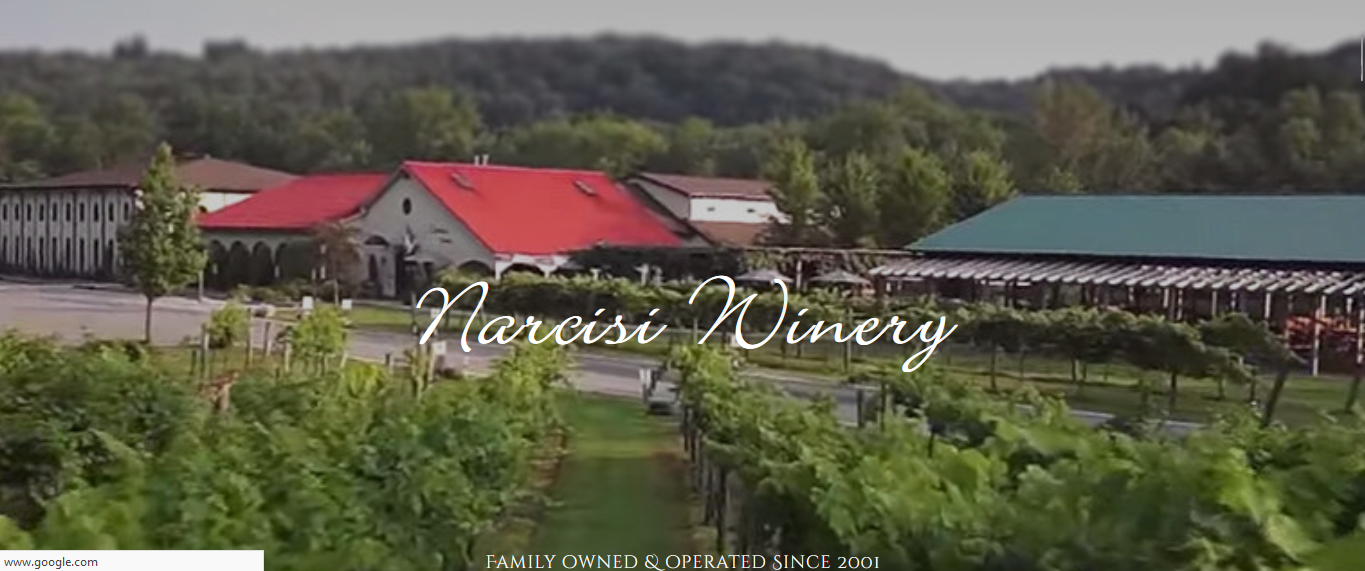
Let’s not forget about our friends north of Pittsburgh. The next stop is the picturesque Tuscan-inspired winery and restaurant of Narcisi Winery. A short ten-mile drive north of the city will bring you to Narcisi Winery in Gibsonia. Set on an enchanting property, this Italian-themed winery and restaurant will satisfy anyone’s longing to spend a “Bella Giornata” (Beautiful Day) in Tuscany.  http://narcisiwinery.com  724-444-4744

Any time of year is a good time to take a leisurely drive to Glades Pike Winery near Somerset on Pa State Rte 31. It will take you past several notable attractions for the outdoor enthusiast.  The Seven Springs and Hidden Valley ski resorts plus Laurel Hill and Kooser state parks are easily accessible from Glades Pike Winery. Glade Pike Winery makes a diverse selection of wines that will intrigue any wine aficionado. Malbec, Baco Noir, and Tempranillo are some of the unusual wines offered that are not readily found at other local wineries. http://gladespikewinery.com 814-445-3753 

The Original Pittsburgh Winery is an urban winery and as such it can make its wines year-round because they source their grapes from vineyards in California and Chile. Swing by the winery on Liberty Avenue in Pittsburgh’s Strip District to taste their wines, grab a bite to eat, and enjoy live music in an intimate setting. http://pittsburghwinery.com  412-566-1000

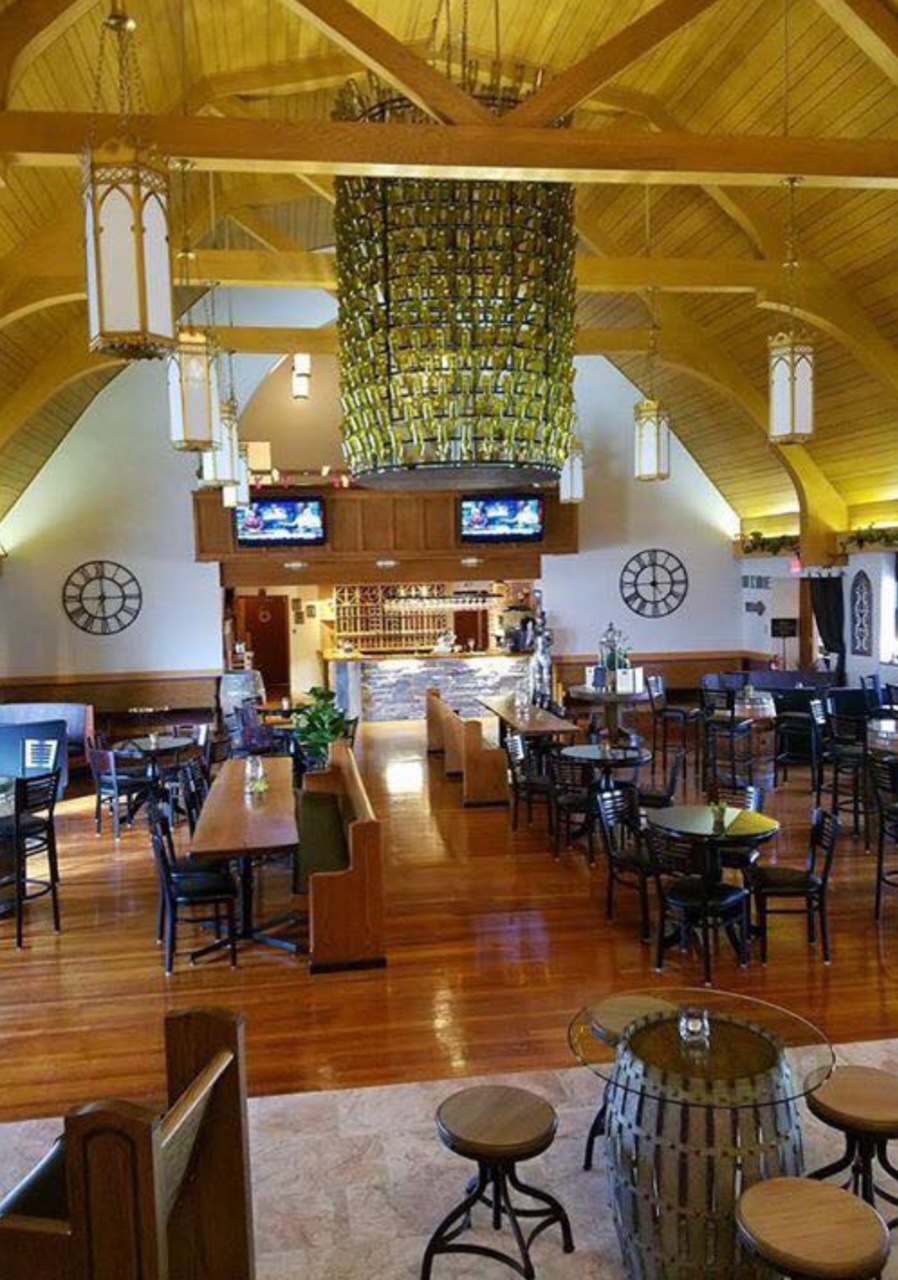
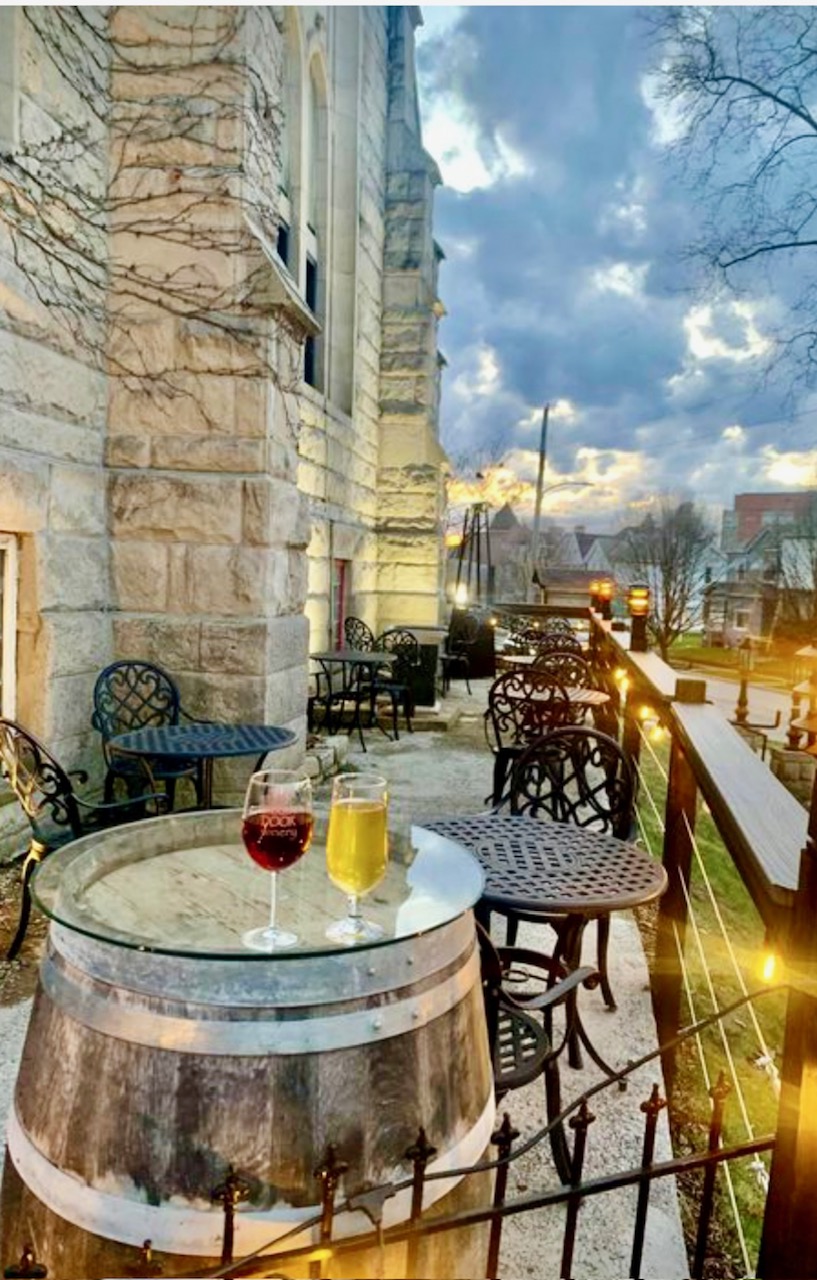
Wooden Door Winery is located in a painstakingly renovated 1896 church in Vandergrift. Explore their diverse lineup of wines while sampling a menu of appetizers and lighter fare in the spacious tasting room or the al fresco seating during the warmer weather. http://woodendoorwinery.com 724-889-7244

Photo Credit: Vinoski Winery, Narcici Winery, and Wooden Door Winery 

Scroll down after photos for wineries listed in Part 1

Guests at Ripepi Winery & Vineyard in Monongahela can enjoy a tranquil ten-acre vineyard from the Tuscan-inspired winery as you savor a glass of their estate-made wine.  Owner/winemaker Rich Ripepi founded his landmark winery in 1987. Today, it is a family legacy he shares with his winemaker/sommelier daughter Janelle Ripepi D’Eramo, and winemaker son Dr. Daniel Ripepi. They host a fun “Happy Hour” event every second Friday of the month. http://ripepiwine.com 724-292-8351

Traveling to Mount Pleasant you will find Greendance The Winery at Sand Hill. Greendance Winery is part of Sand Hill Berries, a small family-owned business specializing in different types of berries, especially raspberries. You might recognize them from their raspberry specialty desserts booth at festivals. The winery and its grounds are set in the idyllic Laurel Highlands countryside. Stop by anytime to enjoy the rural ambiance but if you visit on a summer weekend you will be treated to live music as you unwind with a bottle of their wine. http://greendancewinery.com 724-547-6500

Into the Allegheny Mountains, we go to Chalk Hill where we arrive at Christian K. Klay Winery. A visit to Christian K. Klay Winery and its adjacent Ridge Runner Distillery is guaranteed to include wine, spirits, and beautiful vistas. http://christianklaywinery.com 724-439-3424

Bella Terra Vineyards in Hunker is easily accessible and has ample parking plus plenty of inside and outside areas making it a favorite meeting place for friends and family. Check their website for the many special events on the calendar. http://bellaterravineyards.com 724-635-3658

If you are looking for a twist on your usual night out then the City Winery is the place for you. Unlike the other wineries mentioned, City Winery is on Smallman St in the “Strip District” of Pittsburgh. It is a winery, restaurant, and event center that promotes live music, comedy shows, and wine events. http://citywinery.com/pittsburgh 412-246-1000

These are only a few suggestions to pique your interest. I will add new wineries for you to try in future posts. I urge you to do a little research on the Internet and I’m sure you will be surprised by the number of interesting options that you will discover in your area. Have fun and always drink responsibly. Cheers!

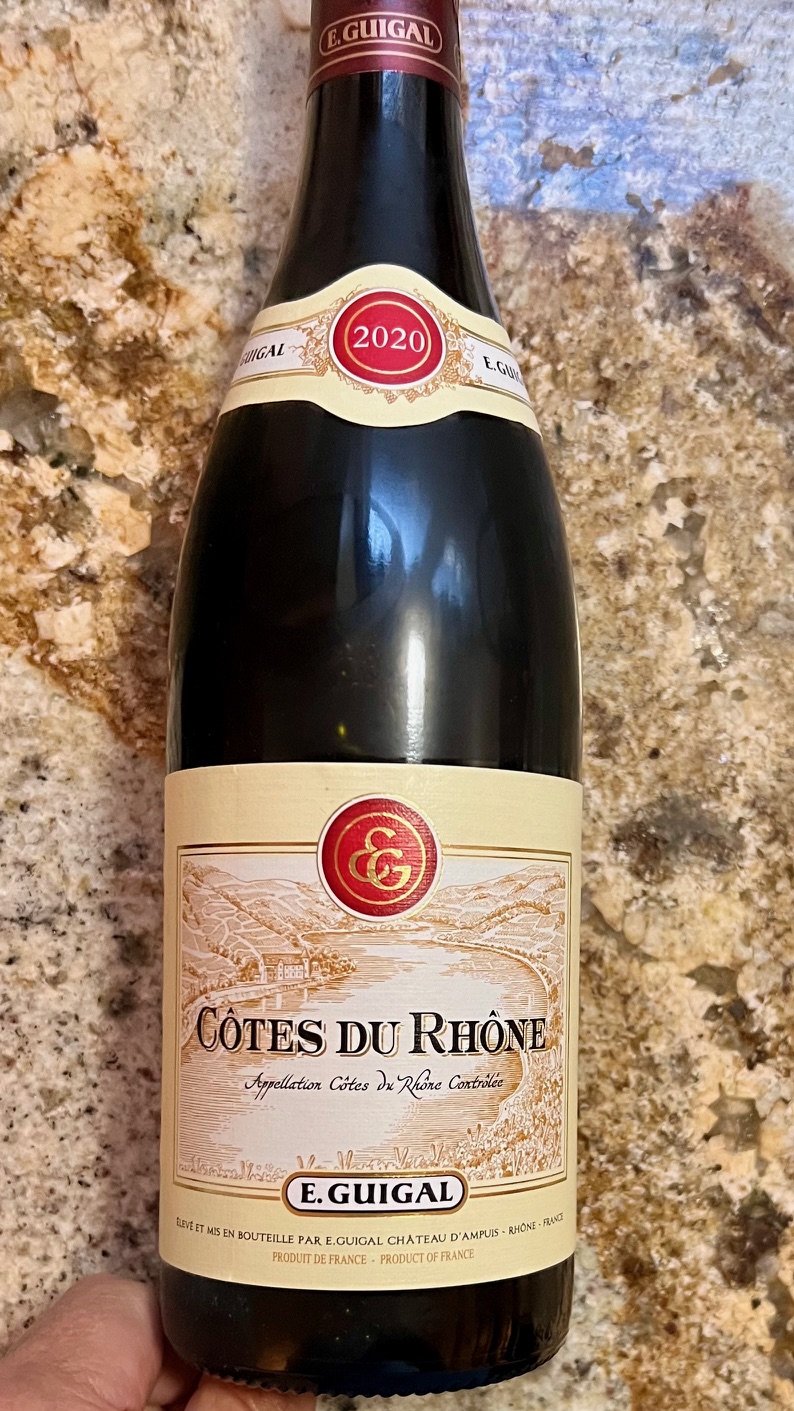
Review: E. Guigal Côte du Rhône Rouge 2020

This wine reminds me of a lyric from the Jimmy Buffett song “He went to Paris.” It goes “ But warm summer breezes. The French wines and cheeses. Put his ambitions at bay.” He Went To Paris (YouTube)

It is easy to imagine sitting in a bistro in the south of France savoring delicate French cheese and sipping E. Guigal Côte du Rhône Rouge 2020 while watching the world pass by. 

Even though, E. Guigal is known for making high-end offerings; they continue to produce this very well-made mass-market example of a Rhône GSM blend (Grenache, Syrah, Mourvèdre). 

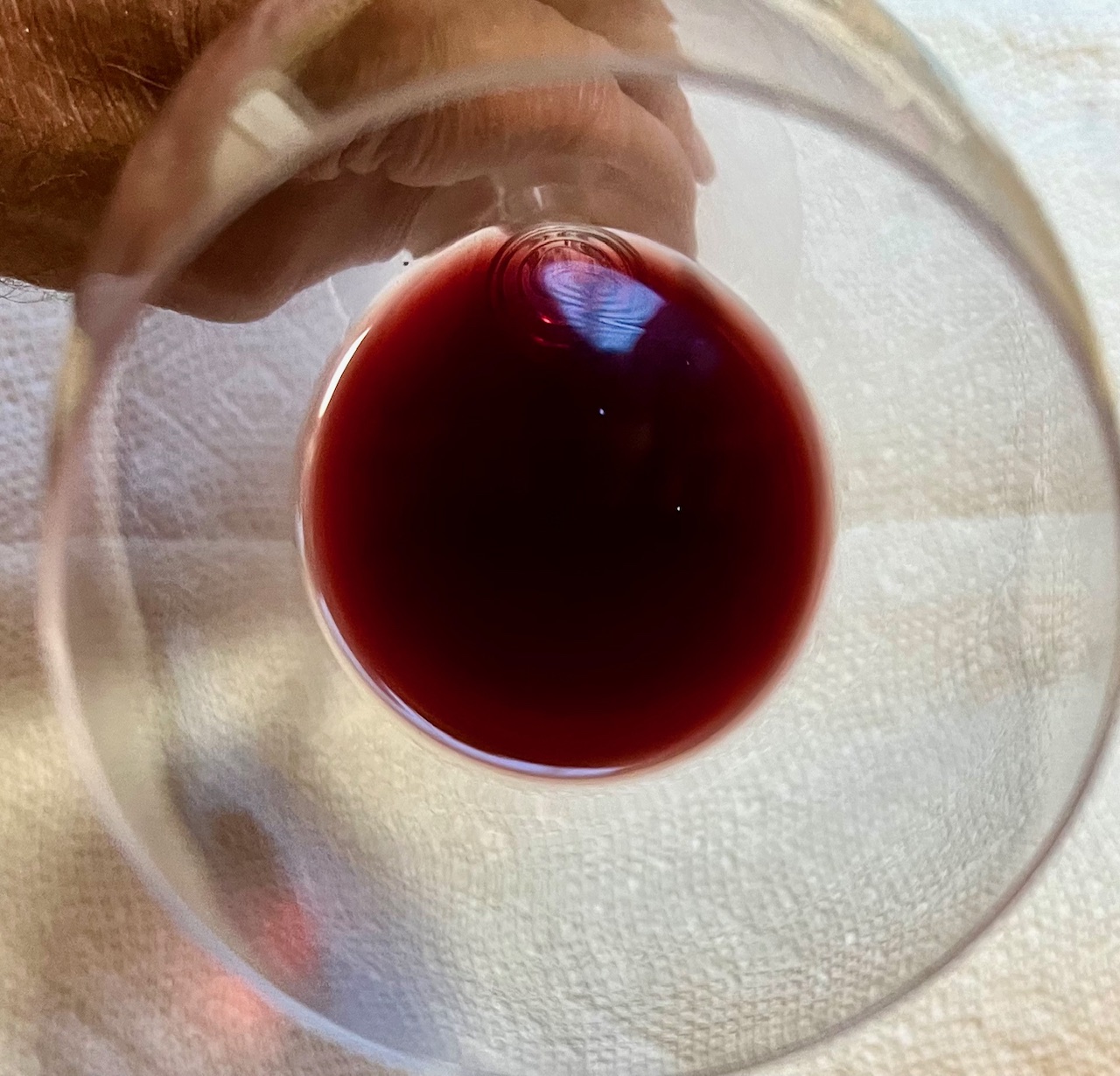
This is a well-balanced wine with supple tannins and subdued but pleasant acidity. Blueberry and blackberry flavors are accented with a hint of cherry from the Grenache. It is all carried on a medium body that leads to a lush finish making this wine a great introduction to the wines of the southern Rhône Valley of France. It is a bargain at less than $20 a bottle for a wine of this quality.

Bloom Where You Are Planted

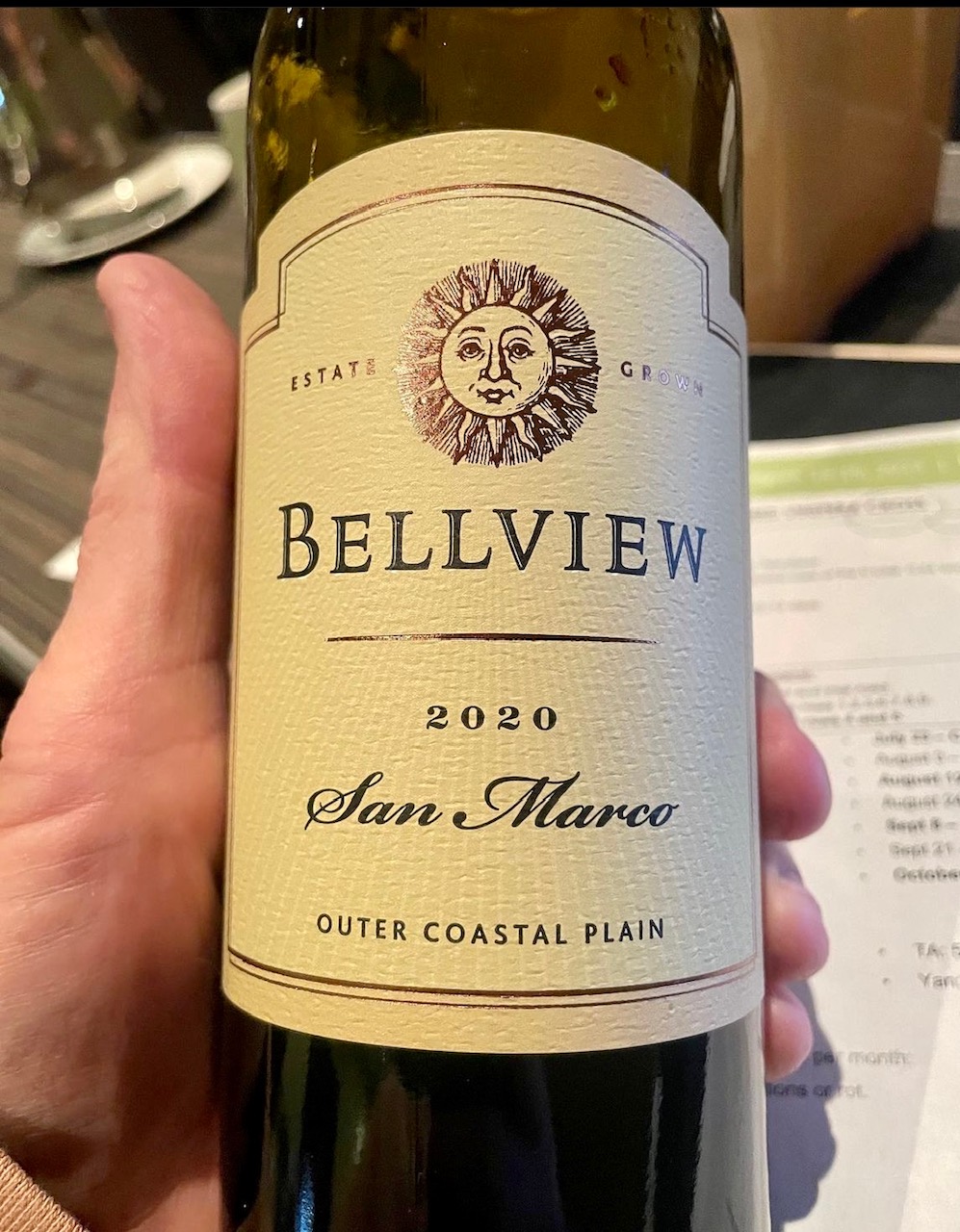
San Marco, a new vinifera wine grape cross variety has been generating plenty of buzz in the eastern United States since the Quarella family, owners of Bellview Winery imported vines from Italy and planted them in their Landisville, New Jersey vineyard more than ten years ago. 

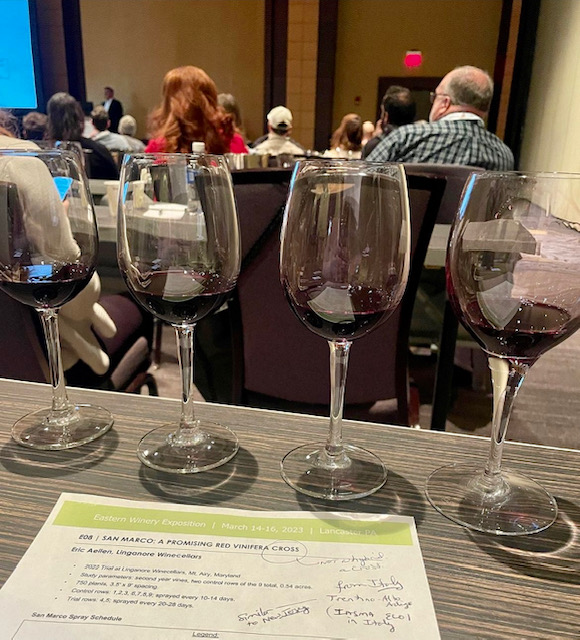
My friend and winemaker Jerry Pompa (Instagram: @jerrypompa) piqued my interest in this promising grape after he attended a Quarella family presentation at the Eastern Winery Expo 2023. 

San Marco was created in 1993 by Marco Stefanini at Trentino’s Foundation Edmund Mach. Trentino-Alto Adige is Italy’s northernmost region. It has weather conditions similar to those found on the East Coast of the United States with its temperature extremes, both hot and cold. 

San Marco is a cross between two grapes of the Alto Adige, Teroldego and Lagrien. You can find my review of Castel Sallegg Lagrein 2019 and my interview with Castel Sallegg Director, Ulrike Platter by scrolling down this blog page. 

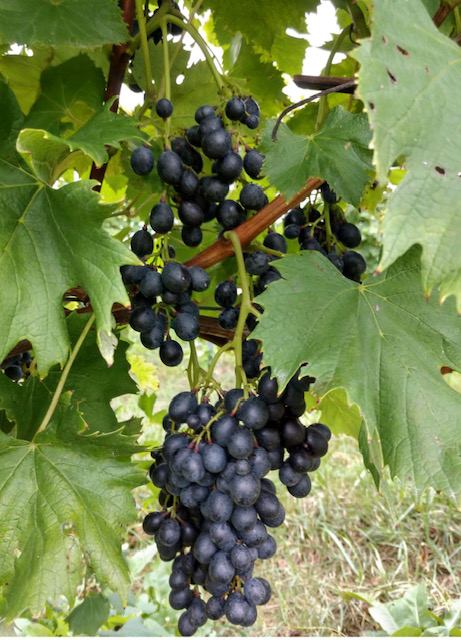
San Marco has loose, medium-sized oval berries with deep pigmentation of skin and flesh, like another teinturier favorite of mine, Saperavi. Cane pruning is required and training on a VSP (vertical shoot position) trellis provides the best results in the U.S., as opposed to the pergola method used in Italy. One thing holding this variety back in the U.S. is the discovery of Grapevine Pinot Gris Virus (GPGV) and Grapevine red blotch-associated Virus (GPBaV) on some vines. Growers in Italy have experienced this same issue but say it has yet to affect the quality of their fruit or spread to neighboring vines. Virus-free vines should be available from Double A Vineyards doubleavineyards.com for $13.50 but are currently sold out. Jerry’s tasting notes for Bellview San Marco Outer Coastal Plain 2020 mention a dense plum color, black fruit, spice, cherries, and chocolate. 

It is exciting to see a new red wine grape emerge with the potential that San Marco has. The wine culture in America continues to evolve and improve, albeit slowly but the future of this grape and others look bright.

Photo Credit: Jerry Pompa and winemaking.com

Tips For Choosing Wine From A Wine List

If you lack confidence when ordering wine from a restaurant’s wine list you are not alone. You should never be intimidated by wine because wine should be fun and an opportunity to learn. Keep it simple and don’t get caught up in what you don’t know but have an open mind to any interesting suggestions that are offered. While many people fall back on the same old selections or point to a bottle and hope for the best, you can do better with a little preparation. Here are a few tips I learned from a sommelier that will help them find you the best wine for your dining experience.

First and foremost, be honest and engaging when asked about your preferences. Tell them the body and style you like because a restaurant invests a lot of money to have a sommelier help you make the wine selection process more enjoyable so take advantage of their knowledge. Here’s a tip that will get the best wine available for the price you want to pay. Simply point to a bottle on the list with the price you are willing to pay and say “I have had (wine name) before but I would like to try something different”. This will let the somm know what you are willing to spend and they can guide you to a bottle in that price range. After you make your selection the somm will retrieve your bottle from the cellar and open it tableside. They will present the cork to you but this is purely ceremonial and there is no need for you to either touch or smell it. Next, they will pour a small sample for you to taste. This sample is for you to check for flaws not to see if you like the wine. If it is acceptable give them a small nod and they will begin serving your dining companions with you being served last. One last tip, during your initial exchange ask your sommelier if there are any wines they are excited about. This allows them to share hidden gems now that they know you share their love of wine.  

Photo by Ray Piedra on Pexels.com

Gervasi Vineyard = Tuscany in Ohio

Recently my wife and I had the pleasure of enjoying an overnight visit to Gervasi Vineyard in Canton, Ohio. If you are looking to escape to a little piece of Italy for a day or two this is an excellent “No passport required” option. All the buildings and amenities at Gervasi fit

The Crush House

effortlessly into the 55-acre Tuscan-themed property. This premier destination winery

resort boasts fine Italian dining ranging from the “The Bistro” located in the meticulously restored original barn to the trendy “Crush House” with its casual dining choices and views of the winemaking operations. We did our wine tasting at the Crush House where we sat at the bar which afforded us the added entertainment of watching the chefs in the open kitchen work their magic. The small plates we ordered to accompany our flights were excellent.

Gervasi Vineyard makes three very good estate wines from the grapes harvested from the

Tanks in the Crush House

five acres of vineyards located on the property. The other wines they offer are made from grapes sourced mainly from California and the Finger Lakes of New York. We found these wines to be very well-made and enjoyable to drink. The menu also includes craft beer, select imported wines and distilled spirits made on site in “The Still House”. The Still House is a café  with a coffee bar by day then transforms into a cocktail lounge by night with live music, Gervasi signature spirits, draft beer, wine and snack food.

“The Piazza” delivers an alfresco dining venue where guests can savor the relaxing view of the lake. We chose to dine at “The Bistro” which offers patrons a rustic upscale Italian

North Vineyard

dining experience. We ordered Chef Jerry’s Famous Tuscan Beef Short Ribs and paired them with a Barolo from the Italian Piedmont. Everything at The Bistro was upscale, plentiful and presented in a friendly and helpful atmosphere. I found this attention to detail and customer service a constant in all of my interactions at Gervasi. 

We stayed in the newly opened boutique hotel appropriately named “The Casa”. The Casa has 24 individual suites with king-sized beds, gas fireplaces that light with the press of a button, heated floors and a covered patio overlooking the pond and courtyard. A complimentary Italian-style continental breakfast is available each morning and will be delivered to your room. 

“The Villas at Gervasi Vineyard” has been named “Best Wine Country Hotel” by USAToday

The Lake at Gervasi Vineyard

two years running and is a Four Diamond hotel. Each villa has four suites with fireplaces. A complimentary breakfast is also included at the villas. The villas can be reserved as an individual suite or as an entire villa. These accommodations are just a short walk from all that Gervasi has to offer. 

“The Farmhouse” is the property’s original 1830 farmhouse that has been completely restored and modernized. The Farmhouse sleeps 7-8 guests with four bedrooms, two bathrooms, and a large wrap-around porch. 

Gervasi Vineyard is the perfect option for someone looking for a break from the daily routine of life. Whether it is a romantic getaway, girl’s weekend or even a business meeting Gervasi will leave you with “bei ricordi”.  The NFL Football Hall of Fame is only a short 15-minute drive from, Gervasi. One last thing, be sure to pick up a bottle of Gervasi’s very

Gervasi”s Courtyard Fire Pit

own imported Italian olive oil. “Delizios”

Gervasi Vineyard 1700 55th St NE Canton, OH 44721  (330) 497-1000  http://Gervasivineyard.com

Harvest Report 2018

     The 2018 growing season in the Northeastern United States turned out to be one of the most challenging in recent years. I contacted several of the top winemakers/vintners to get their thoughts and opinions about the 2018 season. After reading their responses I decided I couldn’t tell their stories with the same insight and emotions as they did so I am publishing their experiences in their own words. I hope these personal and candid  accounts of a difficult year gives you a better understanding of what it takes to grow grapes and make wine in Pennsylvania and New York.

Chuck Zaleski is owner/winemaker of Fero Vineyards & Winery Lewisburg, PA (Central Pennsylvania). Chuck has always been willing to help me with my blog and I have found him to be honest and straight-forward with his assessments. Thank you Chuck for your guidance and insight.  http://ferovineyards.com

The 2018 grape season in Pennsylvania will be one for the ages, not in a good way. Every grower I know had difficulties this season unlike they had seen before. The flooding, often daily, rains and high humidity started in July and never let up. The direct effects were delayed ripening, higher levels of powdery and downy mildew, and more fruit rot. Yields were down dramatically. The effort required in the vineyard this season was extreme. In our vineyard, the white varieties were more susceptible to mildew and rot. The reds held up a little better but did not ripen as well as usual. As winemaker and vintner, I directed our crew to selectively hand-harvest only the best fruit. We were able to process it in a more favorable style for this vintage. The winemaker’s adjustments in the cellar can really help the final product. We went with more blush production from our red wine grapes. We had a little Saperavi that got ripe enough for red wine. The white varieties were able to mature with good sugars and aroma but in much lower quantities.

Extreme weather like this is a learning opportunity to the attentive vintner. There are limits to the effects of different techniques in managing a vineyard. This season demonstrated those limits. We have developed a plan for the vineyard that will allow us to better handle a year like this and improve the crop in better years. We survived and will be stronger because of it. 

Fred Frank is President of Dr. Konstantin Frank Wine Cellars and third generation winemaker at Dr. Frank’s Winery on the western shore of Kueka Lake Hammondsport, N.Y. (Finger Lakes Wine Region). Fred has always been willing to help me and our conversations have given me a greater understanding of winemaking in the FLX and for that I will always be grateful.     http://drfrankwines.com

This has been a challenging harvest for the later ripening varieties. The early varieties did well and we are pleased with their quality. We started our harvest with the sparkling grapes which included Chardonnay, Pinot Noir and Pinot Meunier. All were picked by hand and we were able to sort while picking to insure that we would only harvest high quality grapes. The next grapes to be picked were Gruner Veltliner and Chardonnay that came in with excellent quality. We picked several of our red varieties early for Rose production. This included Pinot Noir, Blaufrankisch and Cabernet Franc. We are excited to be increasing our Dry Rose production to match the increased consumer demand. The most challenging variety later in the season was Riesling due to abundant rainfall. We were able to pick some blocks earlier and also do some sorting and dropping of bad fruit prior to harvest. I will keep you updated as we finish our fermentations with the quality assessment later in the year.

Rich Ripepi owner/winemaker at Ripepi Vineyard Monongahela, PA  (Western Pennsylvania) planted his vineyard on property just a short walk over the hill from his home when a vineyard in this region was unheard of. We have all heard that old real estate adage “Location, Location, Location” being the key to success and it was as true for Rich Ripepi’s vineyard this year as it is for a property’s value. His vines are planted on a steep southeastern facing hillside virtually in sight of the Monongahela River. Thanks to Rich and all the Ripepi Winery family for always greeting me with a warm welcome and making me feel like one of the family when I visit.     http://ripepiwine.com

The harvest this year was the biggest surprise in 30 years of our vineyard. The excess rain increased the juice quantity of our grapes. However, because the rain came from the south, almost all the nights were above 70 degrees, and this made maturity of the grapes the best in 30 years. We are very optimistic about the 2018 vintage.

Tod and Jean Manspeaker have overcome many obstacles to get to the point where their Briar Valley Vineyard & Winery consistently produces award-winning dry wines with premium Vinifera grapes from their own vinifera only vineyard. The Briar Valley Vineyard is on a southeastern facing slope at an elevation of 1200 feet in the foothills of the Allegheny mountains. Briar Valley Vineyard & Winery Bedford, PA  (South Central Pennsylvania). Thanks to Tod and Jean for all the support and friendship you have shown me over the years.   http://briarvalleywinery.com 

As for the harvest and vintage overall, all I can say is I hope we never experience another one like it in my lifetime. It was rain, rain and more rain. The vineyard lay wet most of the season. We sprayed more often than normal. It seemed a vicious cycle of spray, leaf pull, hedge and repeat. We harvested some of the varieties early because the brix weren’t moving and we were worried about rot. Fortunately, we had little rot. The acids and ph in most of the varieties were good, but the brix in all varieties was low. We were careful to reduce crop yield to aid in ripening. We harvested the whites earlier than normal. The reds we allowed to hang in an attempt to tweak a bit more ripeness from them. We harvested our last variety, Cab Franc, on October 12th. The Chardonnay and Riesling are showing well early on. They will have a little less mouthfeel than the 2017 vintage, but have nice flavors. Of all red varieties, the Lemberger will be the star. The other varieties are rounding out and coloring up nicely. They will be leaner than the 2017 vintage, but will each have their own personality. I suppose, all in all, for the challenges presented in 2018, we are fortunate that our wines are developing as well as they are.

I got to know Steve Casscles after reading his book “Grapes of the Hudson Valley and Other Cool Climate Regions of the United States and Canada”, available on Amazon at http://amazon.com/Grapes-Hudson-Valley-Climate-Regions/dp/0982520832 You might know Steve for his pioneering work with French-American hybrids and his preservation effort with Hudson Valley heirloom varieties not to mention his encyclopedic knowledge of wine grapes. Thanks to Steve for his detailed account of this years growing season at Hudson-Chatham Winery and all the other help he has provided me. Hudson-Chatham Winery Ghent, N.Y. (Hudson Valley).

It was an average Spring, but a bit hot and dry (which is generally abnormal), but lately has not been abnormal at all. For the past few years, I have set out new vines in the early spring to 80 plus temperatures and dry soil conditions. This year I planted about 40 new vines of Palmer, Chelois, Valerian and other old heirlooms like Diana, Winchell and Banc Blanc. While it was not a completely inhospitable Spring, it was relatively dry, but with enough spurts of rain, so all of my new vines did well and my new nursery stock did OK with some watering. 

In later June, it was pretty dry and by early July it rained and rained and rained and continues to rain to this day. So on average, not so warm due to the rain and clouds, but lots of rain. I have never in my 40 years of growing grapes seen so much rain.

Different grape varieties handled the rain differently. My Hudson Valley Heirlooms such as Iona, Jefferson and Empire State did not do so well and lots of black rot. In the Hudson Valley we tend to get more black rot than powdery or downy mildew. These varieties did not fair well at all this time of year. My E.S Rogers hybrids (Salem, MA) also did not fair well at all this year except for Agawam. French-American hybrids did OK even with all the rain. I sprayed a lot, about ever 10 days and used light not hot stuff. Surprisingly not a lot of fungus disease hit the Foch, Baco,Burdin, Chelois or Chambourcin. I had very good production from all of these varieties. Due to the higher than average rainfall, high production levels and cool temperatures our sugars were low. Most years we pick at 21 or 22. This year we picked 18 and were glad to have taken off the crop. In September the sugar levels did  not move after 9/10 so we cried “Uncle” and picked our grapes. In the end our Foch and Leon Millot (Wagner clone) was very productive and surprisingly good acids  (19-20 brix). Our Baco Noir, very productive and did sugars no higher than 18 to 19. Our Palmer red variety (a chance hybrid that I grow here that tastes more like a Malbec or a Chianti) was pretty productive and came in low in sugars at 18 by the 3rd week of September. Some powdery mildew. Our Concord, a bell weather for the Northeast, was not so good with lots of rot, low sugars and it came in late.

We are evaluating our wines now and surprisingly deep colors and acid levels are OK. In the cellar it will be an OK year.

Jim Baker and I became friends when he reached out to let me know that he was growing and making Saperavi. Jim and Cathy Baker are owners/winemakers of Chateau Niagara Winery New Fane, N.Y. (Niagara Lake Plain). Saperavi isn’t the only grape that has proven to be an award-winner from Jim’s vineyard. The Bakers have planted and meticulously cared for a dynamic and diverse vineyard that keeps improving every year. Thank you Jim for your in-depth account of this year’s harvest, a year none of us will ever forget.  http://chateauniagarawinery.com

The 2018 harvest was one of the best in Chateau Niagara’s history. We had a few ups and downs, but overall a great harvest. The fruit quality was the best we have ever had. This is due largely to the addition of a mechanical leaf picker and mechanical hedger, and improved spay protocol. We added a mechanical leaf plucker which allows us to remove the leaves in the fruiting zone in a cost effective, and most importantly, timely method. We are able to do our entire 7 acres of vines in two days, versus one month of hand pulling. The addition of the hedger helped us keep the growth and vigor that we experienced in check. We moved to a 7 day spray schedule compared to the 14 day spray schedule we have used in the past. This showed much better results. We were able to add in a late season spray of Hydrogen Peroxide, a very benign spray that readily breaks down in the environment. This had the effect of halting any late season rots that have plagued us in the past with Fall rains.

The weather this year was interesting. We had a cool, wet start to the year that was followed by a hot, dry summer. We checked on the heat accumulation season and found that we had exceeded 3100 growing degree days (GDD). Our historical average is about 2500 GDD. This extra heat should have made this a superior year. What we found at harvest was an interesting result. This should have been a year with impressive sugars, but turned out to be rather lackluster. Our first fruit came in about 20 brix, or 20% sugar. Expected results in a year like this would have been 24-26 brix. That was however, the only downside. Harvest levels hit their targets, except for the Riesling, which turned in a bumper crop. Ph levels were spot on in 3.3-3.5 levels in the reds and 3.2-3.4 in the whites. Fruit flavors are magnificent and TA levels are within target for the fruit, All in all, a very good year. The initial sampling of the wines so far indicate deep flavors with varietal character.

John McGregor and his McGregor Vineyard are probably best know for his Black Russian Red wine but he also offers a selection of award-winning wines made from his vineyard that dates back to the trailblazing days of Vinifera in the Finger Lakes Wine Region of New York. I have found John to be refreshingly outspoken and passionate when it comes to his desire to make the best wine possible from his grapes.    http://mcgregorwinery.com

It would be an understatement to say that 2018 was an interesting year for weather here in the Finger Lakes. The cool winter air lingered around right up to May. In fact, I believe we experienced the second coldest April on record. This was immediately followed by the second warmest May on record! Early summer was quite hot and dry we had 90+ degrees for over 20 days in June alone. It stayed hot right into early fall and we were “treated” to excessive precipitation and to humidity that just wouldn’t quit. Ultimately, we ended up with greater problems with sour rot in the vineyards. Pinot Noir and Riesling seemed to be hit hardest in our vineyard, along with the Sereksiya Rose (the variety we blend with Rkatsiteli). In fact we left the entire crop of Sereksiya Rose on the vines, the sour rot just took it over. We ended up dropping more fruit to the ground than typical and instructed our pickers to leave much more behind on the vines than I can ever recall doing. All in all, we finished harvest early and yields in our vineyard were fairly average. This by no means was a disastrous year and much of what came into our cellar was really nice. Surprisingly, our Gewurztraminer was on the side of spectacular. Our Cab Franc, Cab Sauvignon and Saperavi did well. I expect some really solid wines to be produced from this vintage…time will tell!!!

Greendance – The Winery at Sand Hill is the closest winery to my home. It’s synergy with Sand Hill Berries is just too perfect to be a coincidence. In fact, it was the end result of visionary thinking and flawless execution of a plan. In 1982 Rick & Susan Lynn and Rob & Amy Schilling bought and revived an abandon farm near Mt. Pleasant, PA  (Western Pennsylvania) Turning it into a thriving business through determination and hard work. I am thankful to have had the opportunity to spend time with them this year and I’m looking forward to spending more time with them at Greendance in 2019.  http://greendancewinery.com 

We will end up with nearly 75-80 inches of rain this calendar year which is extreme and was reflected in our harvest and in the harvest quality and even the harvestable fruit in nearly all vineyards where we acquire fruit. The best grape quality of all the four vineyards we used this year was our own. where there was very little rot or unusable fruit. The other vineyards include Equivine Vineyard near Coatesville, Pennsylvania where we got Cabernet Sauvignon and Chardonnay grapes. We could not let the fruit hang long enough to get ripe because of the continuously wet fruit. Subsequently, these grapes needed sorted and could have a more “green” character than is typical for these varietals and this is a challenge for wine makers. (i.e. overcoming sour rot, botrytis and under ripeness.) We picked Sauvgnon Blanc and Pinot Gris in the rain at Stag and Thistle Vineyard near Marshallton, Pennsylvania just to salvage them before the hurricane. Our Gruner was picked at a vineyard in Kennett Square, Pennsylvania and it suffered the same problems and is a winemaker’s challenge. As is our usual practice, but even more important this year, we maintain a cold chain from the vineyard we picked into 28 degree reefer (refrigerator) trucks all the way to our press to reduce microbial problems. It is understandable with these harvest conditions why here and the rest of the Eastern U.S. this is called a “winemaker’s year”. On a better and more optimistic note our estate wines that contain varietals: Marquette, Frontenac Gris, Frontenac,  Chamboursin, Foch and the newcomer Petite Pearl are coming along exceptionally well and the quality now is definitely elevated above the anticipated quality for this type of year. A very bright spot is the new Petite Pearl grape. It is a hybrid from the Minnesota program but is quite distinct in appearance, quality and the malic/tartaric ratio which is very similar to vinifera. The clusters were small and tight and the fruits are barely pea sized with a high skin/pulp ratio. We barrel fermented the whole Petite Pearl berries in new French oak which was a challenge that required barrel rolling scheduled three times/day until fermentation was complete. We expect to plant a larger block of this based on our early experience. 

I count Greg Winslow as one of my newest friends and I’m anxious to watch as his vineyard in Perryopolis, PA  (Western Pennsylvania) develops it’s personality. The Winslow Winery boasts 16 varieties of grapes and currently five Estate grown releases. Thanks for the help Greg and I look forward to seeing you soon.

One thing that seemed very different this year versus years past, aside from the copious amounts of rain was the transition of seasons. I believe our last measurable snow was April 17th. Even when it wasn’t snowing in April it was cool and dreary. As a result, budbreak didn’t occur until the beginning of May for us. This is a little later for some of our varieties. We thought the late budbreak would work in our favor as far as frosts go, but that didn’t happen. We still had a light frost event mid-May that caused some damaged to the new buds, but it wasn’t catastrophic.

After that frost it went straight into Summer, or at less it seemed like it. We had a lot of heat and humidity all summer. It seemed that the leaves and grape bunches were constantly wet through out the summer, from either rain or humidity. We deleafed almost 100% around the fruit zone to try to keep the bunches as dry as possible. I sprayed religiously every 7-10 days trying to keep diseases at bay and I think I was successful. Insect pressure was not a problem through out the summer.

I thought the fruit looked pretty clean going into the month of September considering how wet the summer was. We were a little lighter on crop load than I wanted but the fruit looked good. Then harvest started. We were able to pick a few white varieties that were ready before the remnants of Hurricane Gordon pasted through the area. I could have picked more varieties but I was taking a chance in hopes that the fruit would develop more and that we wouldn’t get hit too hard, but I was wrong. We got about 6 1/2 inches of rain from that episode. Some of the varieties did OK with the rain. Chardonel and Traminette, some did not. Riesling in particular. After that event we kept a watchful eye out for berry splitting and bunch rot. The remaining grapes did mature further but I think that massive amount of rain stunted their growth right in the critical time of their development. We did a field sort on almost all the remaining grapes to try to keep the quality as high as possible. The bulk of the remaining grapes were harvested within two weeks after Gordon came through. The last grapes Cabernet Sauvignon and Chambourcin were harvested the second week of October. The decision was made due to a forecasted temperature drop. This was too early in my opinion. In the past we usually pick these the end of October, even into the first week of November. It was a difficult year, a character builder for sure. I should be pleased that we were fortunate to get some fruit. I estimate that we lost 30% due to frost damage and late season rot. As for the quality that comes from this fruit, time will tell. I have talked to a few growers from Virginia and it seems that they had it much worse. I have been told that they chose not to harvest a lot of their reds due to quality issues. The Erie Pennsylvania area on the other hand I was told had been spared most of the late season rain.    http://winslowwinery.com 

     Please share this post. I wouldn’t want to see all the hard lessons learned this seasons lost before they can help winemakers in the future. Please tell me your thoughts and experiences.



Rockin’ Down the Highway

     Just off Exit 146 of the Pennsylvania Turnpike at the foot of the Allegheny mountains lays the little town of Bedford. Nothing along the quaint business district in the center of town would give you any clue that something extraordinary is happening at 107 E. Pitt Street. That is the address of the tasting room for Briar Valley Vineyard & Winery, one of the best wineries in Pennsylvania. You might think that’s only my opinion of their classic European-style vinifera wines but I have a second opinion from someone with creditability greater than my own, Mr. James Suckling! Yes, you heard right, that James Suckling the world-famous wine critic.

     At a recent tasting of more than 800 non-West Coast wines Mr. Suckling gave Briar Valley Chardonnay 2016

Briar Valley Vineyard & Winery Chardonnay 2016

a score of 92 points calling it “Concentrated and fresh, this is an elegant cool-climate Chardonnay with bright lemon and herbal notes. Very long mineral finish.” Quite a coup for Tod & Jean Manspeaker owners/wine makers at B.V. Mr. Suckling went on to award B.V. Lemberger 2016 an 89 point score and B.V. Cabernet Franc 2016 87 points. These two Reds are among my favorite Pennsylvania wines. It is easy to see why Tod & Jean have recently expanded their winery with a new production facility because when you make wine this good you will need extra capacity.

You can find these wines and all the other quality wines that Briar Valley offers at their tasting room in Bedford, Pa, online at http://briarvalleywinery.com or at many fine dining restaurants around the state.

One Way Or Another

     Riesling has long been a stalwart for anyone frantically searching a wine list to pick a bottle that would pair well with everyone’s dinner. Riesling is hard to beat when you need a versatile food-friendly wine that can be easily found in styles ranging from sweet to bone-dry. In the past this varietal has labored under the misconception that the lower-quality sweet offerings that filled store shelves was the best this grape had to offer. This

Riesling Grapes

view of Riesling has begun to change as world-class Riesling are being added to restaurant wine lists, websites and store shelves worldwide.

     Riesling is a cool climate grape that has excels in rocky soils, like the ones found in the Rhine Valley and Mosel Region of Germany and the Alsace region of Northern France for centuries. Wine makers in the Columbia Valley of Washington, the Willamette Valley of Oregon and the Finger Lakes Wine Region of New York have found great success with their Riesling vineyards. All three regions produce very good Riesling, each with its own special personality that is sure to please any wine lovers palate.

You could make a strong case that Riesling with its many incarnations is the most food-friendly of all wines, either red or white. It is the safe choice when following the rules for white wine by pairing it with seafood, chicken and salads. My favorite twist is to pair a sweet Riesling with spicy Mexican, Chinese or Thai cuisine. The extra sweetness cuts through the heat to give balance to your meal.

Here are a few suggestions to get you started.

Dry: Dr. Konstantin Frank Dry Riesling 2016. (From a legendary FLX winery that received a Robert Parker Wine Advocate 90pt rating)

Off-Dry: Charles Smith Kung Fu Girl Riesling (A trendy favorite with a Wine Spectator 89pts)

Sweet: Chateau Ste. Michelle Harvest Select Riesling 2016 (Wine Spectator 87 pts and a bargain at $10.00 or less)