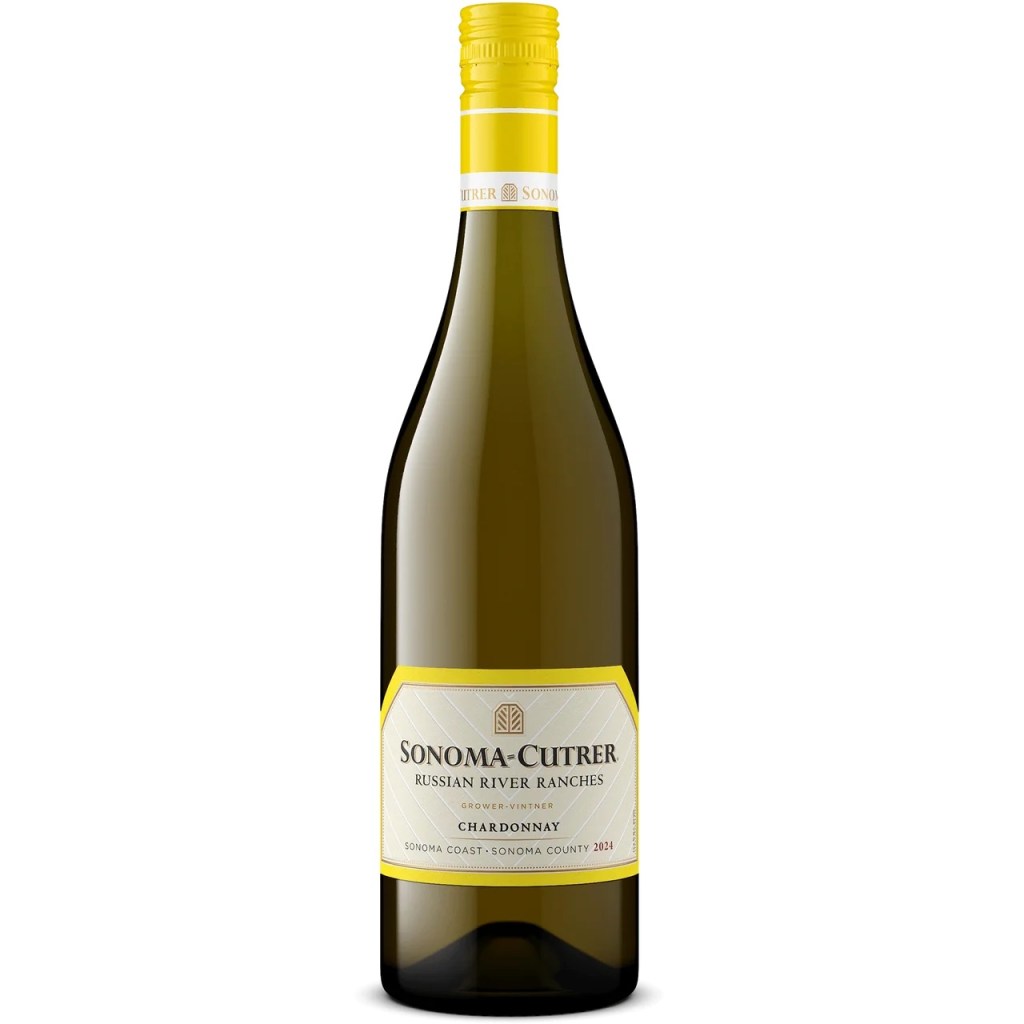
Sonoma-Cutrer Sonoma Coast Russian River Ranches Chardonnay is made from 100% Chardonnay grapes, has an ABV of around 14%, and typically retails for around $30.
It has a beautifully clear, bright pale straw color in the glass, reflecting its cool-climate origins. Aromas of apple and pear give way to complex scents of citrus peel and floral notes. On the palate, it walks a fine line between California richness and restrained elegance. Featuring a medium body, it delivers flavors of lime curd, baked pear, and baking spices. Its trademark lively acidity and a creamy, light mid-palate are a result of being aged in French oak barrels. The finish is remarkably clean and persistent.
For over thirty years, this bottling has remained the benchmark for premium, accessible, and approachable California Chardonnays. Sonoma-Cutrer Vineyards consistently delivers a wine that satisfies both lovers of classic oaked styles and contemporary aficionados seeking high-acid freshness. The bright acidity makes this Chardonnay a perfect pairing for grilled salmon, buttery crab-inspired fare, or rich mushroom risotto.
Sonoma-Cutrer Russian River Ranches Chardonnay is a solid choice when you want a Chardonnay that you can count on and never disappoints. Rated 90 pts by James Suckling
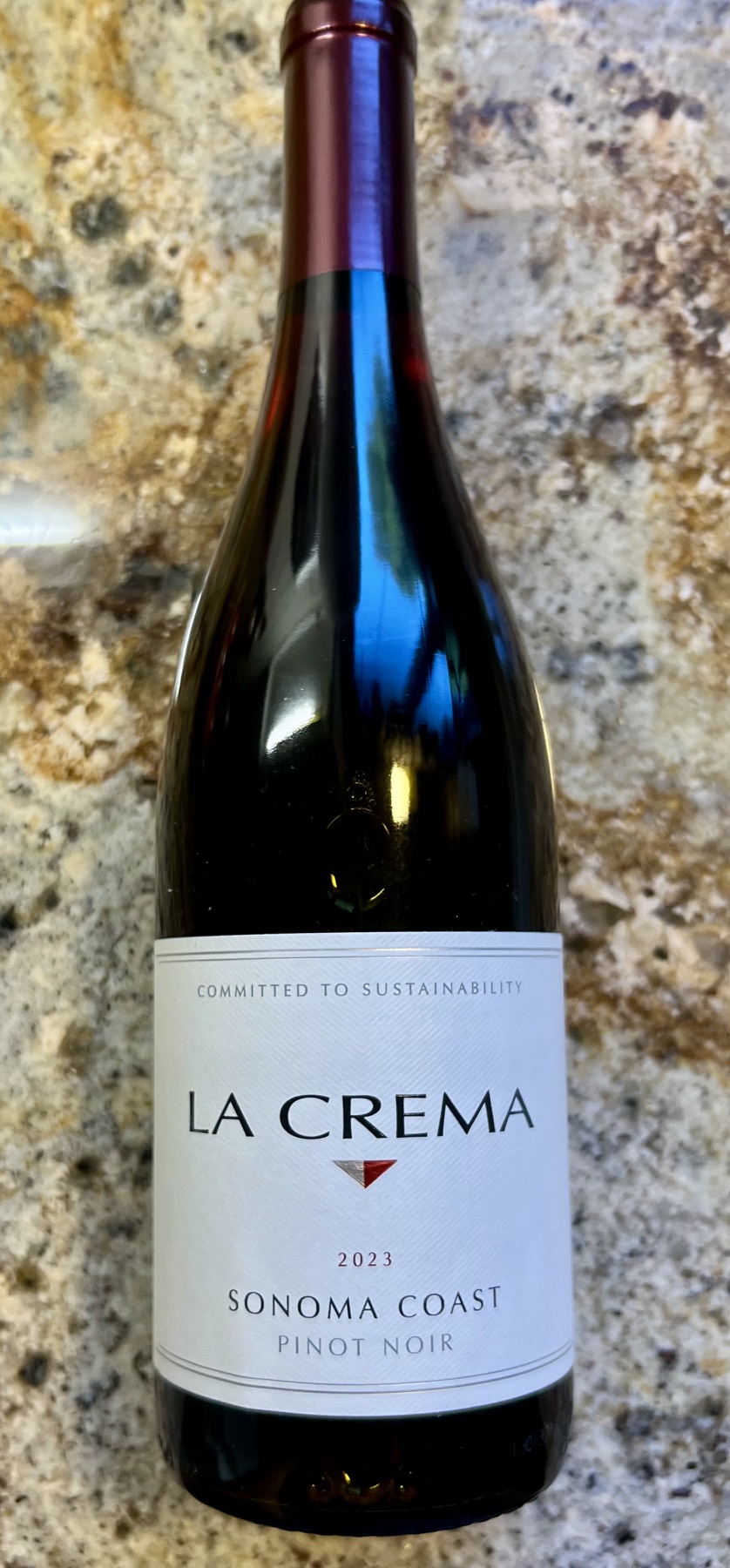
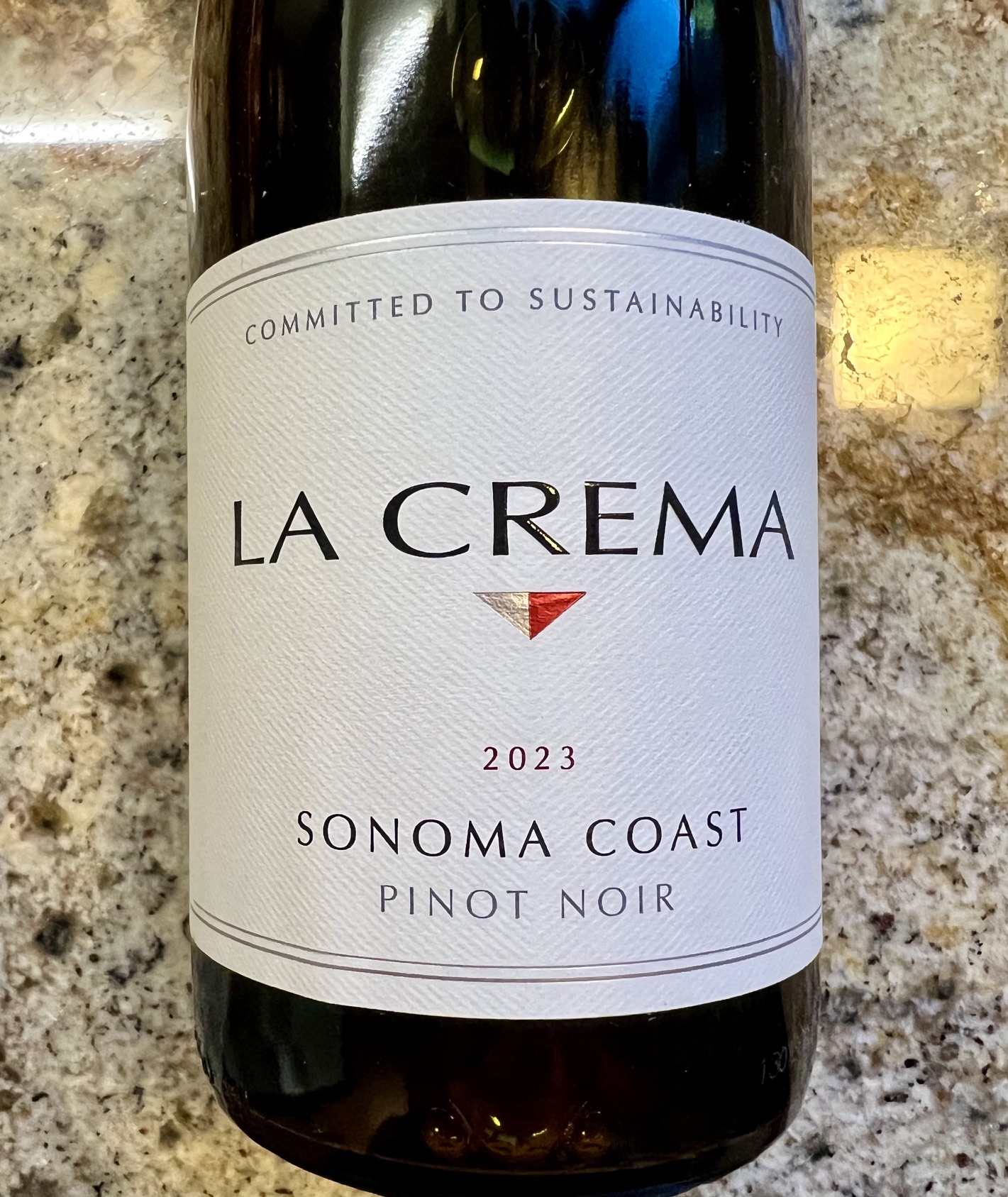
The 2023 La Crema Sonoma Coast Pinot Noir is a strong example of California cool-climate Pinot Noir and cool-climate winemaking. The Sonoma Coast AVA has warm days and cool nights, leading to tranquil, foggy mornings. It is these diurnal shifts that develop the complex and nuanced Pinot Noirs we have come to know as hallmarks of this region.
La Crema Sonoma Coast Pinot Noir 2023 is very approachable now but has the structure to evolve over the next five years.
A translucent ruby-red color in the glass with a delicate garnet rim hints at it being a young wine. Aromas of red cherry, strawberry, and cranberry dominate. Silky and medium-bodied, this wine is well-balanced, featuring plenty of juicy fruit flavors, gentle tannins, and lively acidity that frame its profile as being both fresh and food-friendly.
La Crema Sonoma Valley Pinot Noir 2023 is versatile and pairs well with a variety of food choices. It is an enjoyable pairing with roasted chicken, grilled pork chops, roasted lamb, and earthy mushroom dishes.
It is a good buy at around $28, and with a 90-point rating from Wine Enthusiast magazine, I think this is a wine you should consider when adding a California Pinot Noir to your wine rack.
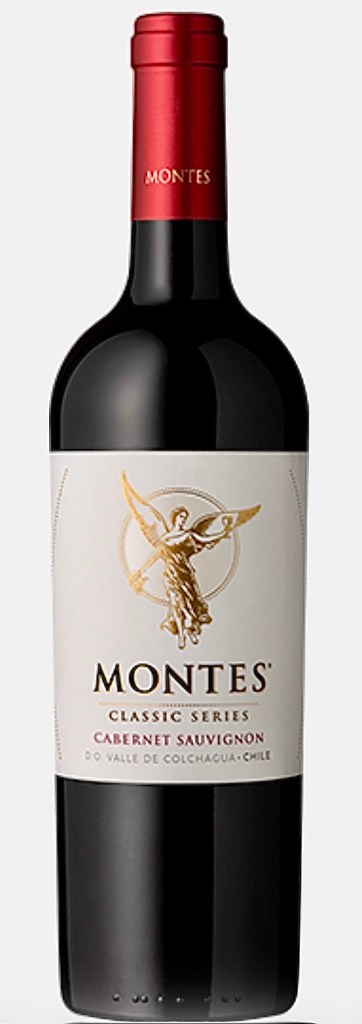
Montes’ Cabernet Sauvignon is Chile’s most recognizable red wine produced by the celebrated Viña Montes’ estate in the Colchagua Valley. This winery is credited with bringing premium Chilean winemaking to wine lovers globally. Their Cabernet Sauvignon is offered in two tiers: the approachable “Classic” series and the more robust premium “Alpha” series.
Montes’ Classic Cabernet Sauvignon features aromas of ripe red and black fruit- think strawberry, plum, and fig carried on a medium body with flavors of red fruit and dark chocolate. Balanced acidity, silky tannins, and a touch of French oak support its easy-drinking profile. It’s a blend of 85% Cabernet Sauvignon and 15% Merlot with a 14% ABV, making it a natural fit for grilled steak, as well as beef short ribs, lamb chops, and, surprisingly, those gourmet burgers that you see on just about every menu lately.
If you are looking to add an affordable weeknight Cab to your wine rack that delivers dependable quality without the intense concentration and complexity of much higher-priced Cabs, then you should take a closer look at Montes’ Classic Cabernet Sauvignon. It is easy to find, and at around $10- $15 a bottle, it is a good value for a Cabernet Sauvignon rated 90 pts by James Suckling.
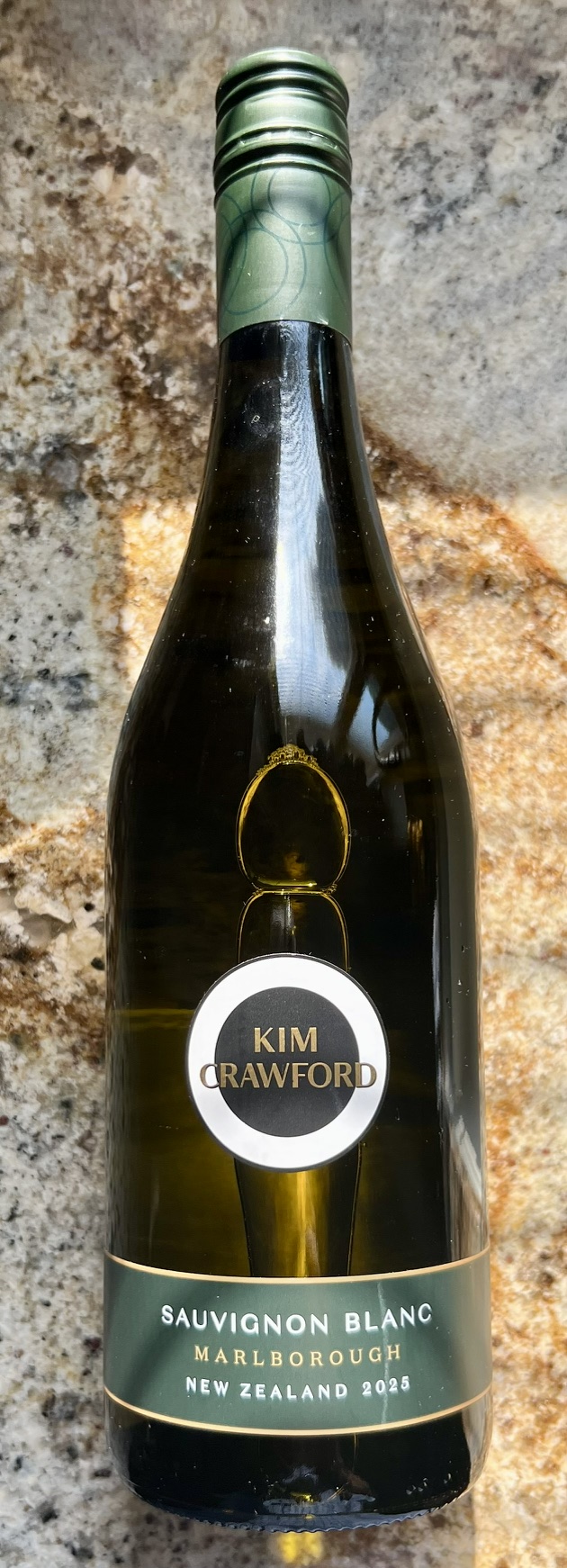
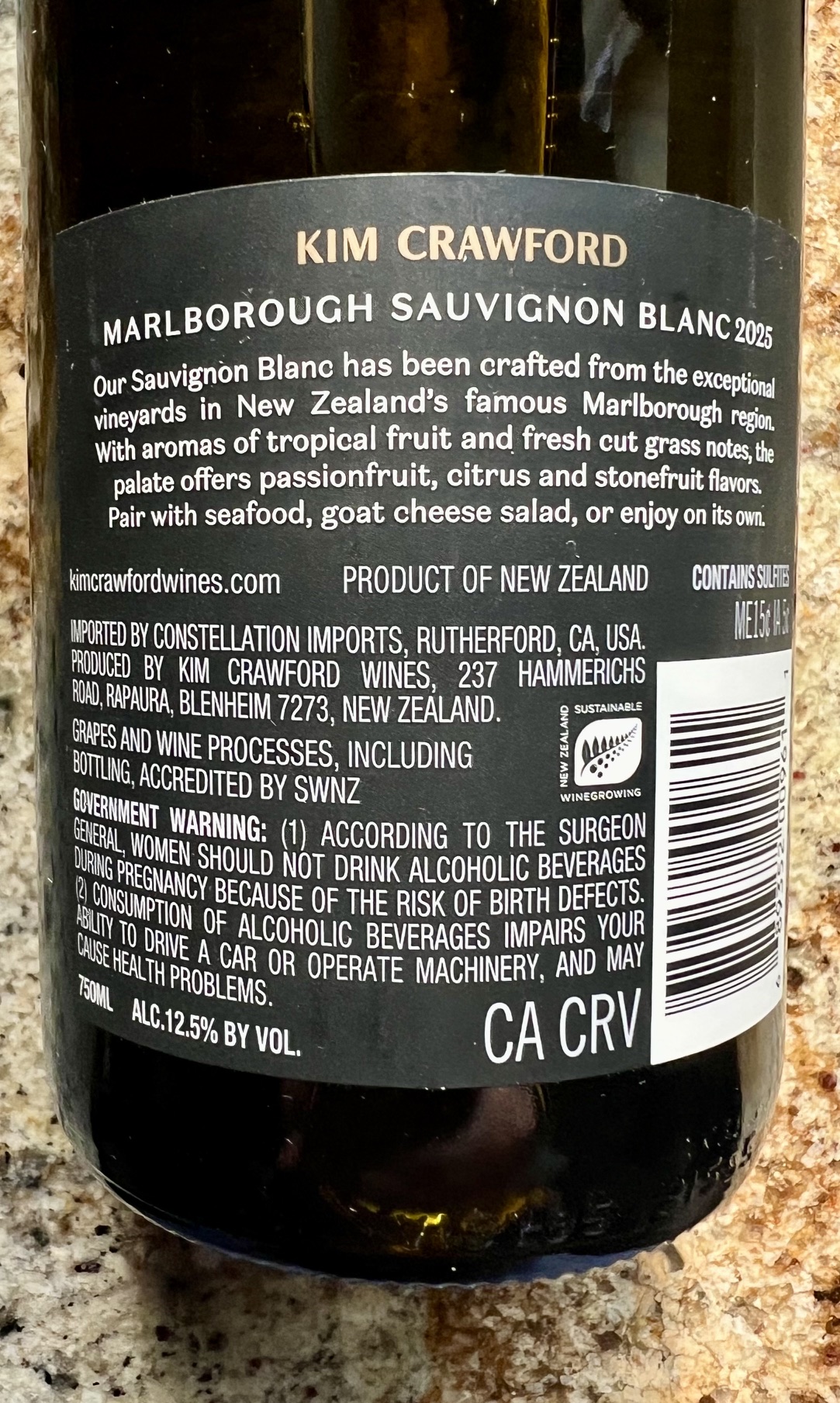
Kim Crawford Sauvignon Blanc Marlborough New Zealand 2025 is the poster child for a widely distributed budget-priced summertime wine that checks all the boxes. This New Zealand Sauvignon Blanc is made from 100% Marlborough region-grown grapes. It opens with aromas of grapefruit and melon, followed by citrus and tropical fruit flavors. Crisp and light with bright acidity, it makes a perfect match for summer fare. It pairs nicely with seafood, especially shellfish, but also works well with summer salads, goat cheese, and grilled vegetables. We paired it with pasta and basil pesto made from our own organically grown basil and a tomato salad made from our Sun Sugar cherry tomatoes, which we also grow organically. Rated at 90 pts by James Suckling and 94 pts by Decanter magazine. You can easily find it for $15 a bottle, often for much less.
This is a story about how generations can be connected by something as timeless as a simple bottle of homemade wine.
My Uncle John Traversari (1910-1991) was a devoted husband to my father’s sister Violet Mae (Rocca) Traversari (Aunt Mae) and a dedicated father to their two loving daughters.
John was a master gardener and accomplished winemaker who crafted his wine from the grapes he grew in his own vineyard, fashioning them into a variety of styles. After his passing in 1991, 6 carboys of his last vintage (1978) remained untouched for the next 34 years until his grandson Tom Mehalek took on the challenging task of getting his grandfather’s wine properly bottled and labeled, then proudly gifting it to the family at our 71st Rocca Family Reunion. Yes, I did say 71st family reunion. We take great pride in the fact that we have continued to preserve the family that Saverio and Maria brought to and grew in Newell, Pennsylvania, from Nocera Terinese, Province of Catanzaro, Italy. The fact that the family Saverio and Maria started so many years ago has taken root and thrived in America is a true testament to the values this country was founded on. The continuity of family and its connection to the past can always be strengthened by objects that tell a story and hold a cherished place in one’s memory. This is especially true when it can be tasted in a wine that was last touched so long ago by a beloved family member.
A young John B. Traversari in Washington, D.C., with cherry blossoms in the background
I recently checked in with Jim Baker, owner, winemaker, and vintner of Chateau Niagara Winery on the Niagara Lake Plain in Newfane, New York, to find out what’s new.
Wpawinepirate:
Hi Jim, I know that there is never a dull moment at Chateau Niagara. On that note, can you bring us up to date on what has been happening since we last talked? I also understand that you have embarked on a new nonprofit project, the “Bio-Regenerative Agricultural Institute,” and the Smart System (Systemic Management for Agricultural Regenerative Therapy), which is such an integral component of the Institution’s current research focus. Can you tell us about it and its mission?
The following is the complete, in-depth response Jim Baker gave me on exactly what the Bio-Regenerative Agricultural Institute is, the reason for its formation, its mission, and the tools and practices it is developing to achieve its goals.
Jim Baker:
Rebuilding Agriculture from the Soil Up
The Regenerative Vision of Chateau Niagara and the Bio-Regenerative Agricultural Institute
In February 2026, the Bio-Regenerative Agricultural Institute was formally incorporated in Western New York with a mission that is both ambitious and urgently needed: to help rebuild agricultural systems that work with biology instead of against it.
The Institute emerged from years of practical experimentation at Chateau Niagara Winery, where regenerative viticulture practices have been quietly evolving into a broader ecological framework for agriculture. What began as an effort to improve vineyard resilience has expanded into a research and demonstration initiative focused on soil biology, biodiversity, reduced chemical dependency, and the restoration of natural ecosystem function.
At the heart of this effort is a simple belief: healthy agriculture begins beneath our feet.
For decades, modern farming systems have largely treated soil as an inert growing medium requiring continual chemical intervention. Yet healthy soil is not dead matter. It is a living biological economy composed of fungi, bacteria, insects, roots, organic matter, and mineral cycles interacting continuously. A single teaspoon of healthy soil contains billions of microorganisms forming one of the most complex living systems on Earth.
The challenge facing agriculture today is that many of these biological systems have been degraded through repeated tillage, synthetic chemical dependency, erosion, and the simplification of agricultural landscapes. The result has been declining resilience, increased disease pressure, rising input costs, water pollution, and reduced ecosystem stability.
The Bio-Regenerative Agricultural Institute was created to pursue another path.
Rather than focusing solely on yield maximization through chemical inputs, the Institute seeks to develop farming systems that mimic natural ecological processes. These systems are intended to become increasingly self-sustaining over time — reducing dependence on synthetic inputs while improving soil health, biodiversity, water retention, and long-term agricultural resilience.
The organization combines practical field trials with open-source educational outreach. Its goal is not only to conduct research, but also to make regenerative systems accessible and economically realistic for growers.
Chateau Niagara: A Living Demonstration Site
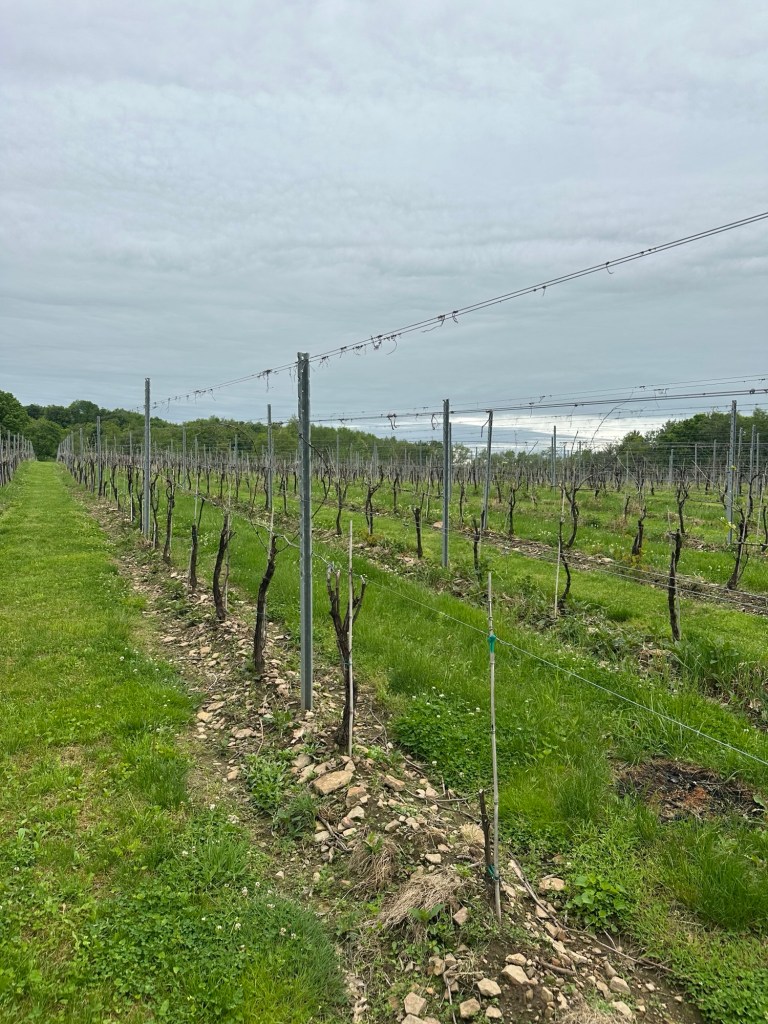
The primary demonstration site for the Institute is Chateau Niagara Winery in Niagara County, New York.
The vineyard itself has become an experimental landscape where regenerative principles are tested under real-world commercial conditions. Unlike many research plots that exist only in controlled environments, Chateau Niagara operates as a functioning agricultural business. This allows regenerative methods to be evaluated not merely by theory, but by practical outcomes involving labor, economics, disease management, ecosystem stability, and crop quality.
Over recent years, the vineyard has transitioned toward practices designed to restore biological function within the soil ecosystem. Cover crops, perennial understory systems, compost integration, reduced herbicide dependency, fungal-supportive practices, and biodiversity enhancement have all become central elements of the evolving management philosophy.
One of the guiding concepts behind this work is that perennial crops such as grapevines and fruit trees evolved within highly biological forest-edge ecosystems. Their natural environment was never sterile; bare soil was maintained through repeated chemical suppression. Instead, these plants coexisted with fungal networks, decomposing organic matter, pollinators, insects, and diverse understory vegetation.
Modern agriculture often strips away these supporting ecological relationships. The Institute’s work seeks to restore them.
This restoration is not simply philosophical. It has practical implications for soil structure, nutrient cycling, water retention, disease resistance, and long-term sustainability.
The SMART System
A major component of the Institute’s current research involves what has become known as the SMART system, Systematic Management for Agricultural Regenerative Therapy.
The SMART approach combines biologically informed spray strategies with biologically active mulch systems designed to support soil ecology rather than disrupt it.
The SMART spray component is intended to reduce reliance on conventional high-impact agricultural chemistry by using targeted biological and mineral-based approaches that work with natural plant and microbial processes. The system incorporates ecological timing models, biological stimulants, and materials selected to minimize disruption of beneficial organisms while still addressing disease pressure.
At the same time, the SMART mulch system focuses on rebuilding the soil environment itself.
Traditional orchard systems frequently maintain bare ground beneath trees through repeated herbicide applications or cultivation. While effective for weed suppression, these approaches also eliminate much of the living biological interface that naturally supports perennial plants.
The SMART mulch concept attempts to recreate something closer to the forest floor environment in which apple trees originally evolved.
In a forest ecosystem, the soil surface is protected by layers of decomposing organic matter rich in fungi, microbial life, minerals, and carbon compounds. This living layer moderates temperature fluctuations, conserves moisture, feeds microbial communities, and continuously cycles nutrients back into the ecosystem.
The Institute believes that restoring these conditions beneath orchard systems may significantly improve long-term tree health and resilience.
The Honeycrisp Demonstration Orchard
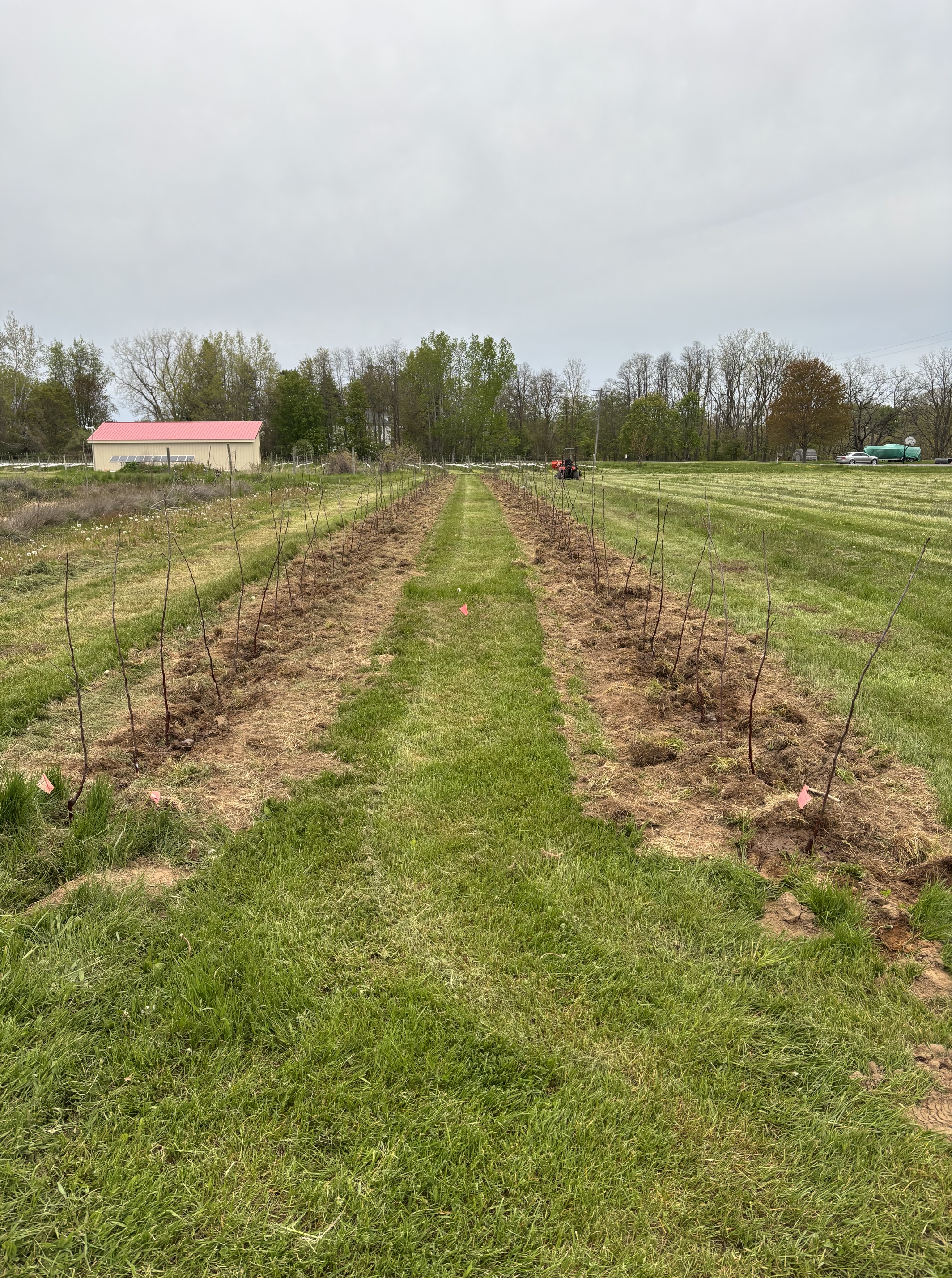
This year marks the beginning of the Institute’s first major orchard demonstration project: the planting of 238 Honeycrisp apple trees managed under the SMART spray and SMART mulch system.
Honeycrisp was selected intentionally.
Although one of the most commercially successful apple varieties in North America, Honeycrisp is also known to be highly sensitive to nutritional imbalance, stress, and physiological disorders such as bitter pit. These challenges make the variety an excellent test platform for regenerative orchard management systems.
The demonstration orchard is designed not simply as a production block, but as a long-term ecological experiment. The goal is to observe how biologically active soil systems influence tree establishment, nutrient balance, disease resistance, vigor regulation, water dynamics, and ultimately fruit quality.
Particular attention is being given to fungal ecology.
Research increasingly suggests that perennial crops may benefit substantially from fungal-dominant soil systems, especially in comparison to annual agricultural crops that often favor bacterial-dominant soils. Forest ecosystems naturally contain extensive fungal networks that facilitate nutrient exchange, carbon cycling, and communication between plants and microorganisms.
The Institute’s working hypothesis is that restoring fungal biological function beneath orchard systems may improve overall resilience while reducing external inputs over time.
Compost integration, organic surface residues, reduced soil disturbance, and biologically compatible management practices are all being used to encourage this transition.
The project also serves another important purpose: education.
Growers throughout the Northeast are facing increasing economic and environmental pressures. Input costs continue to rise while weather variability, disease pressure, and soil degradation create additional uncertainty. Many farmers are interested in regenerative methods but remain understandably cautious about adopting systems that appear risky or unproven.
The demonstration orchard is intended to provide a transparent, practical example of what regenerative perennial agriculture may look like under commercial conditions in Western New York.
Agriculture as Ecosystem Restoration
The Institute’s broader philosophy extends beyond individual crops.
Regenerative agriculture is increasingly being viewed not simply as a farming technique, but as a form of ecosystem restoration. Healthy agricultural systems have the potential to rebuild soil carbon, improve water quality, support pollinators, increase biodiversity, and strengthen rural resilience.
This is particularly important in perennial systems such as vineyards and orchards, where permanent root structures allow long-term biological relationships to develop within the soil.
The Institute views farms not as isolated industrial production units, but as living ecosystems connected to surrounding landscapes, watersheds, pollinator populations, and communities.
This perspective is influencing everything from cover crop selection to biodiversity planning and long-term soil management strategies.
The organization also places strong emphasis on accessibility and open-source knowledge sharing. Rather than treating regenerative methods as proprietary systems available only to large operations, the Institute hopes to make its findings widely available so that growers of varying scales can adapt and refine them within their own regions.
Looking Forward
The Bio-Regenerative Agricultural Institute is still in its infancy. Yet the urgency behind its mission continues to grow.
Agriculture stands at a crossroads. Rising environmental pressures, climate instability, declining soil health, and increasing input dependency are challenging the long-term sustainability of conventional systems. At the same time, farmers are searching for practical pathways that allow them to remain economically viable while restoring the ecological foundations upon which agriculture ultimately depends.
The work underway at Chateau Niagara represents one small but determined effort to explore those pathways.
The newly planted Honeycrisp orchard will require years of observation before definitive conclusions can be drawn. Regenerative systems operate on biological timeframes, not quarterly reporting cycles. Soil ecosystems develop gradually. Fungal networks mature slowly. Ecological resilience is built season by season.
But there is growing optimism that agriculture can move beyond extractive models toward systems that regenerate rather than deplete.
The Institute’s vision is not to return agriculture to the past, but to combine modern scientific understanding with ecological principles that nature has refined over millions of years.
In doing so, the Bio-Regenerative Agricultural Institute hopes to demonstrate that productive agriculture and ecosystem restoration do not have to be opposing goals.
Thank you, Jim, for providing us with this valuable information. Please feel free to distribute this information (post/article) to anyone or any group you think would benefit from this groundbreaking project.
Newly planted Honeycrisp apple trees at Chateau Niagara Winery will be managed under the SMART spray and SMART mulch system.
The Winter of 2026 was on for the record books, not in a good way. The weather from January through late May was dominated by extreme swings in both temperature and precipitation that culminated with a freeze on April 21st when the temperatures fell into the low 20’s.
I was curious as to what extent these environmental factors had on the vineyards here in the northeastern United States. The only way I could collect honest and insightful information on this subject was to go directly to the people who had experienced it personally. The following are the firsthand accounts of vintners telling what they and their vineyards endured during the destructive Winter of 2026. The guests graciously provided supporting material that appears at the end of this article. Thank you.
Dr. Chuck Zaleski is the owner/winemaker of Fero Vineyards & Winery in Lewisburg, Pennsylvania. Chuck makes wine from grapes grown on his 13.5-acre vineyard that features Riesling, Grüner Veltliner, Pinot Gris, Lemberger, Pinot Noir, and a favorite of mine, Saperavi. Like for many in the Northeast, this past winter was challenging. Here’s what Chuck told me.
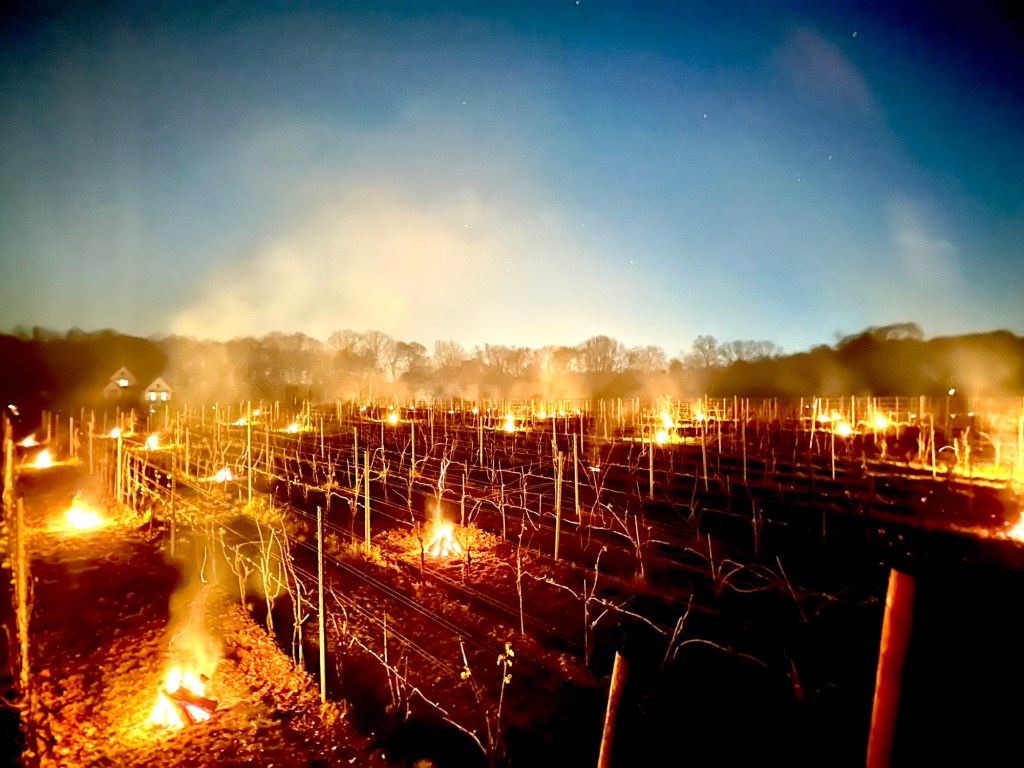
“Like most vineyards in the Mid-Atlantic region, we were impacted by the April 21, 2026, freeze. We have a NEWA weather station in the vineyard, and I attached a page recording the temperatures. The attempted mitigation effort of burning the prior year’s pruning in the vineyard was no match for the extreme cold. On that infamous day, we were still early in the growth season, at bud swell stage, with the exception of some of the smaller shoots and the row edges that had 1″ of green tissue. Our vineyard sustained significant damage to greater than 90% of the buds. Since the freeze, there has been some growth on vines, but only 30% of the normal shoot density. I expect to see some crop this year, but likely a fraction of normal yields. I also expect some vine loss, but it is too early to know the extent. This 2010 vineyard has weathered numerous frost events and deep winter cold to negative 12 degrees in its history, but this was the worst damage I’ve seen.
The 2026 Freeze was a major disruptor to vineyards and orchards in the surrounding states. Economic losses will be significant. We will have to look at purchasing grapes for some of this year’s wine production. We will also need to replace damaged vines in the vineyard. The crop that we get will require more extensive hands-on management to get high-quality fruit. As bad as this weather event was, it came on the heels of one of the best vintages ever, 2025. Wines made from those grapes will be a real treat for wine lovers and are available now. We bottled our whites and rose wines this spring and will get the reds done next year. This summer is a great time to get out and support your local vineyards and wineries.”
J. Stephen Casscles is the leading authority on 19th-century Heritage grape varieties of the Hudson Valley and New England. He is a well-regarded author and writer, as well as a viticulturist, vintner, and winemaker. Steve resides in the Hudson Valley of New York, where he maintains a vineyard of rare grape varieties. Steve also provided me with a link to an article he recently published entitled “A Late Spring Freeze Slams Hudson Valley Fruit Farms” for us to gain a better understanding of the extent of the damage to the local economy. https://www.ediblehudsonvalley.com/a-late-frost-slams-hudson-valley-fruit-farms/
“My farm is near the banks of the Hudson River in Athens, NY. I grow 85 Cool Climate and Heritage grape varieties. What I have done for the past few weeks is record the bud break of my varieties and this year, the percentage of freeze damage. I think you will find that some buds/shoots were OK, and some got singed, but came out of this, some were damaged pretty well, and some were killed. I also noticed that some varieties have secondary buds, so there will still be a crop, but a reduced one. Observations: Some Heritage varieties, like the Hudson Valley Heritage varieties and Cape Ann Varieties, did OK because they tend to bud out late, so they did not have the length of green growth that got frozen out. Of the late-budding varieties that did OK were Jefferson, Empire State, Eumelan (Hudson Valley hybrids), and Agawam, Salem, and Lindley for the Cape Ann Rogers hybrids. I noticed that a Hudson Valley hybrid Bacchus, which is a Riparia variety, while it budded out early, still did OK. It must have some kind of antifreeze in it, as some spring plants do, like Glory of the Snow or tulips. So, my Bacchus (JH Ricketts hybrid) was good. My Seyval Blanc, Vidal, and Vignoles did OK, and they have a secondary crop. The Foch also got hit a bit and buds out early, but survived OK. It is in a higher place in the vineyard, so that helped. My chance seedlings Palmer and Lynwood, both bud out late, so they managed well. Freeze damage was worse at the bottom of the vineyard hill than at the top. Compared to other vineyards, we did OK, mostly because I do not grow vinifera.”
Jay Bell is the owner/winemaker of Bella Terra Vineyards in Hunker, Pennsylvania. He also grows grapes for his operation in his vineyards located in Westmoreland and Bedford counties. Jay gave me this comprehensive review of the damage his vines sustained.
“We were also hit hard in both vineyard locations. Bedford County and Westmoreland County. Some vines are starting to rebound with suckers coming up from the vine base where we had them hilled up. (We cover up the graft unions with dirt in the winter to protect part of the trunk from freezing.) On the 21 of April, we made fire on just 3 acres of chardonel vines, and that really helped. We wish we had the resources to do more fires or other frost/freeze mitigation. Those 3 acres, along with our small block at the winery in Hunker, did well. The remaining 17 acres will have little to no crop this year. The varieties that took the hardest hit and will have to be a total replant or retrain from vine base were Gruner Veltliner (3 acres), Pinot Noir (2.5 acres), Malbec (.5 Acre) Merlot (1.5acre) Chardonnay (1 acre). Petite Verdot, on the other hand, was not quite out, so it did fairly well with only about 20% bud loss.”
Alfredo “Alfie” Alcántara is co-owner of dear native grapes Winery & Vineyard in the picturesque Catskill Mountains town of Walton, New York. Alfie and dear native grapes are focused on propagating and producing wine from Heritage and seldom-used native grape varieties. Here’s what Alfie shared with me about the Winter and Spring of 2026 in the western Catskills.
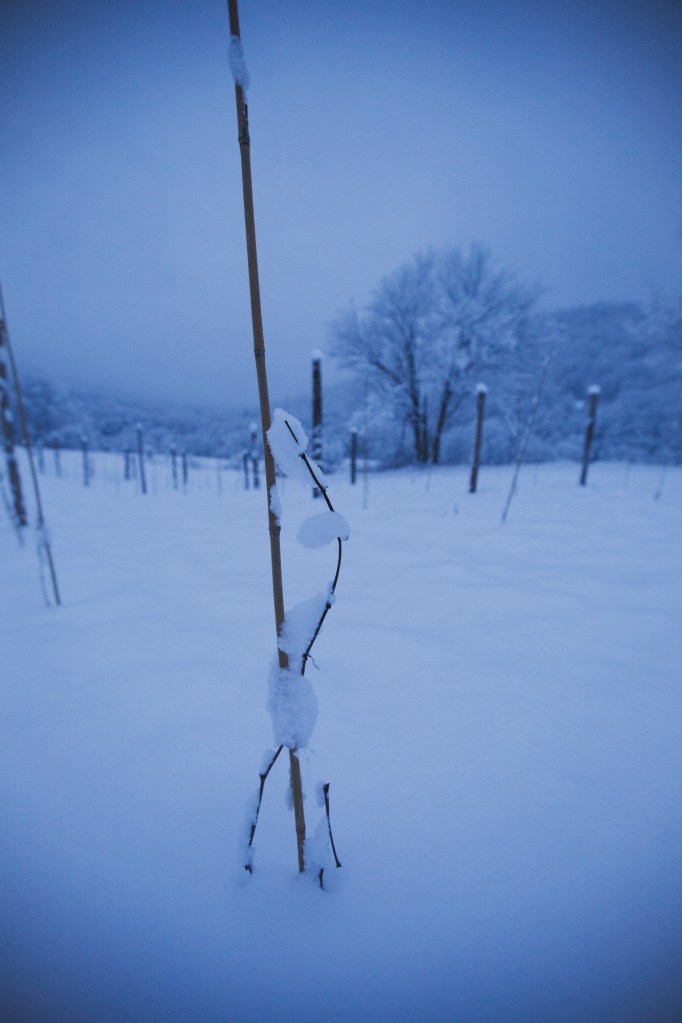
“We faced a severe winter in the western Catskills, with lows hitting-15°F and wind chills plunging to -30°F. Thankfully, steady snow cover insulated our vines and root systems. Local growers note that these extreme freezes can actually suppress overwintering bark diseases, and we’ve already seen a significant drop in vole damage this year. Our primary concern shifted to the late-spring frosts of April and May. A major freeze on April 21st devastated large portions of the Northeast, but because our bud break naturally occurs a few weeks later than in the Hudson Valley or Finger Lakes, our tight buds escaped the worst of it. After tracking the vineyard closely through a few additional early-May frosts, we are optimistic. We see some minor frost damage, but 70–80% of our vines look healthy and are actively pushing out shoots. Still, these close calls keep us thinking about the future, reinforcing our interest in late-budding varieties like Petite Pearl that can naturally escape these unpredictable spring frost events.”
At the end of the day, growing grapes for winemaking is no different than any other agricultural venture. It is a risky business where most of the factors determining your success or failure are beyond your control. I learned this at a very young age while growing up across the road from my grandparents’ western Pennsylvania farm, which my uncle, aunt, and cousins tirelessly worked. I greatly admire all who labor in this ancient profession where success is measured in small victories, and acknowledgement is very rarely received.
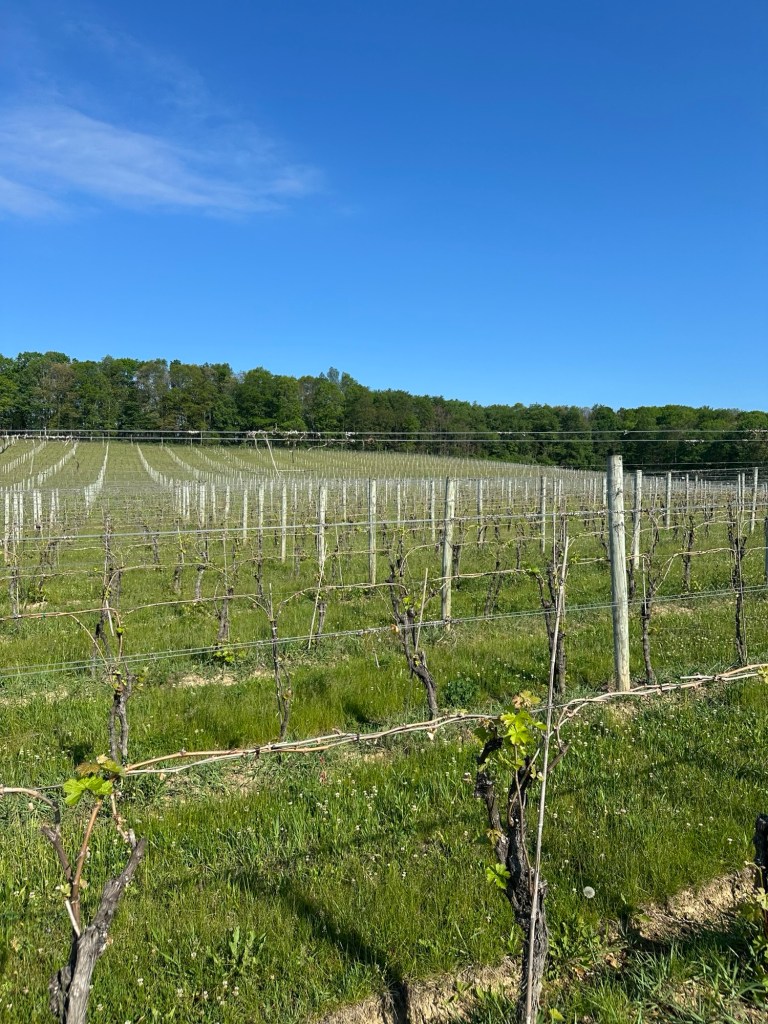
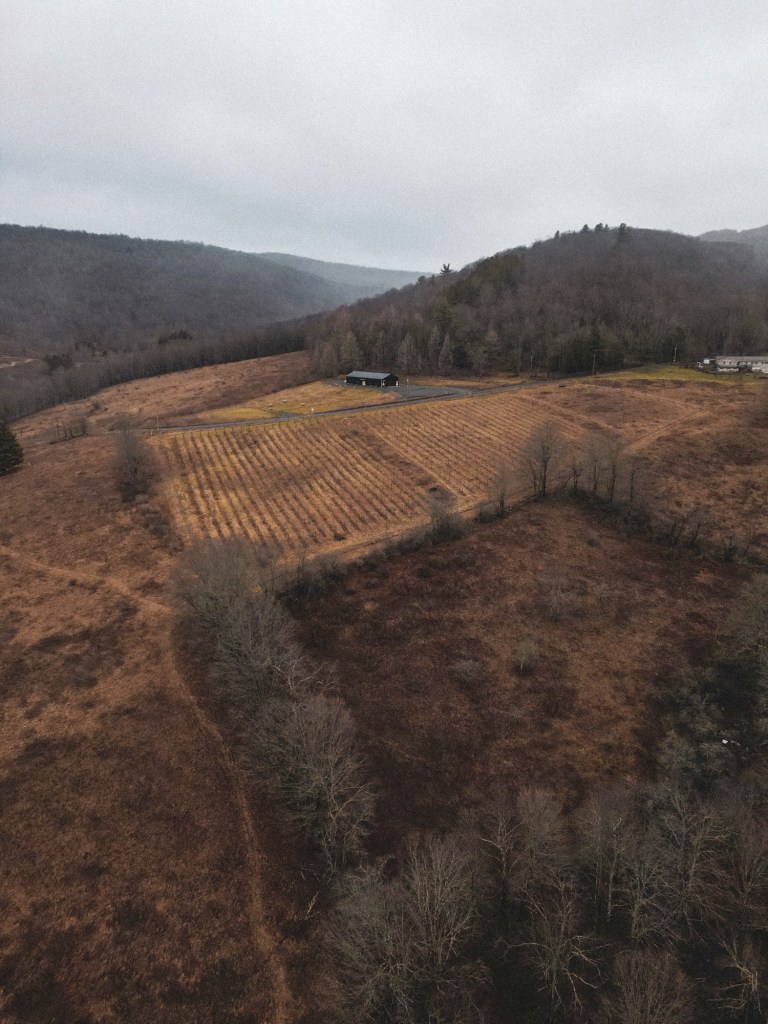
Grüner Veltliner Betta Terra Vineyard Fires in Chardonel vineyard, Bella Terra, Hunker, PAEverett Vineyard on May 20. Typically, shoots are almost to the second wire. Bella Terra vineyards.First Snow Winter 2026, dear native grapes Walton, New YorkWeather Information from Fero Vineyard, Lewisburg, Pennsylvaniadear native grapes vineyard, Walton, New York
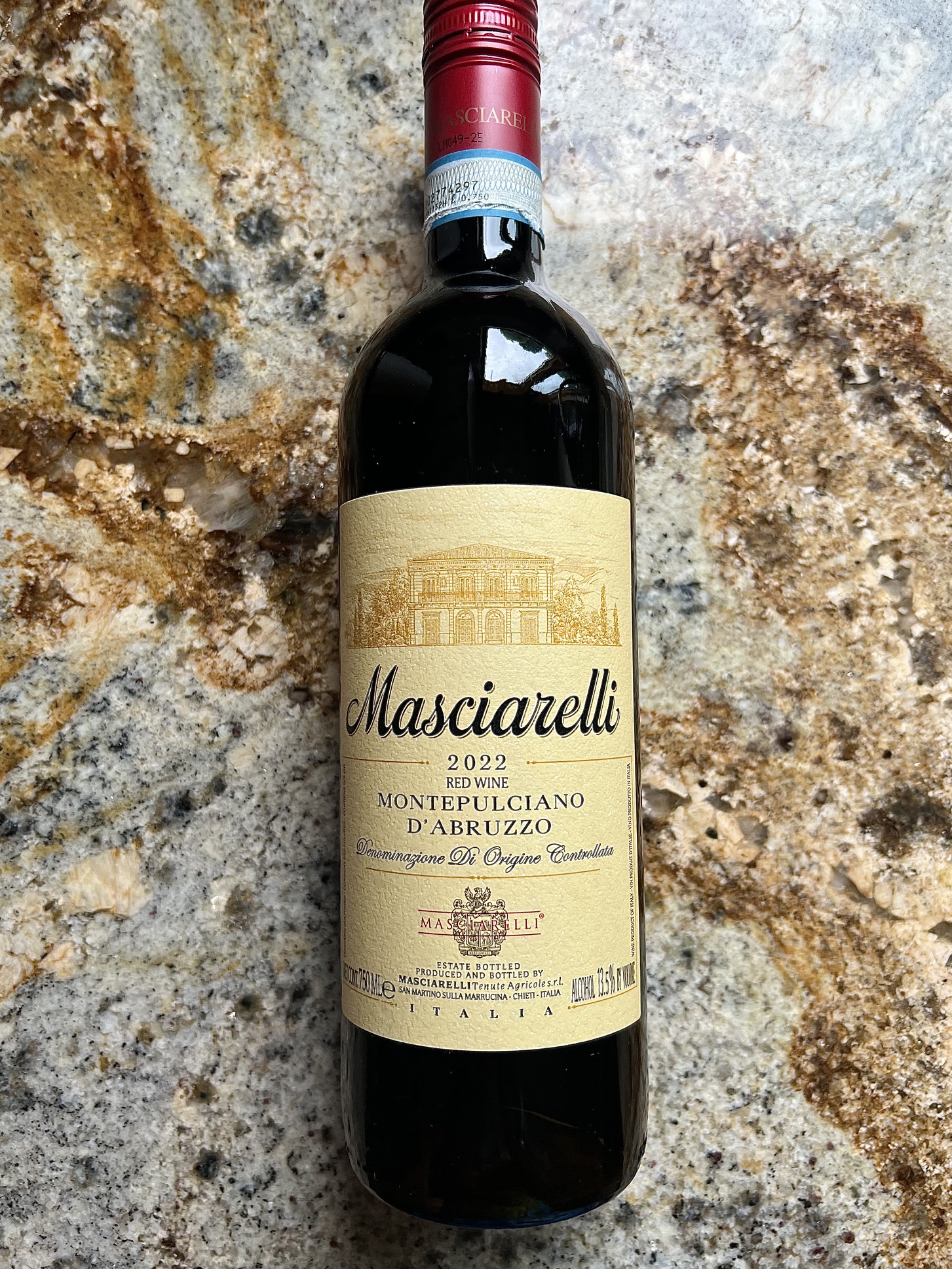
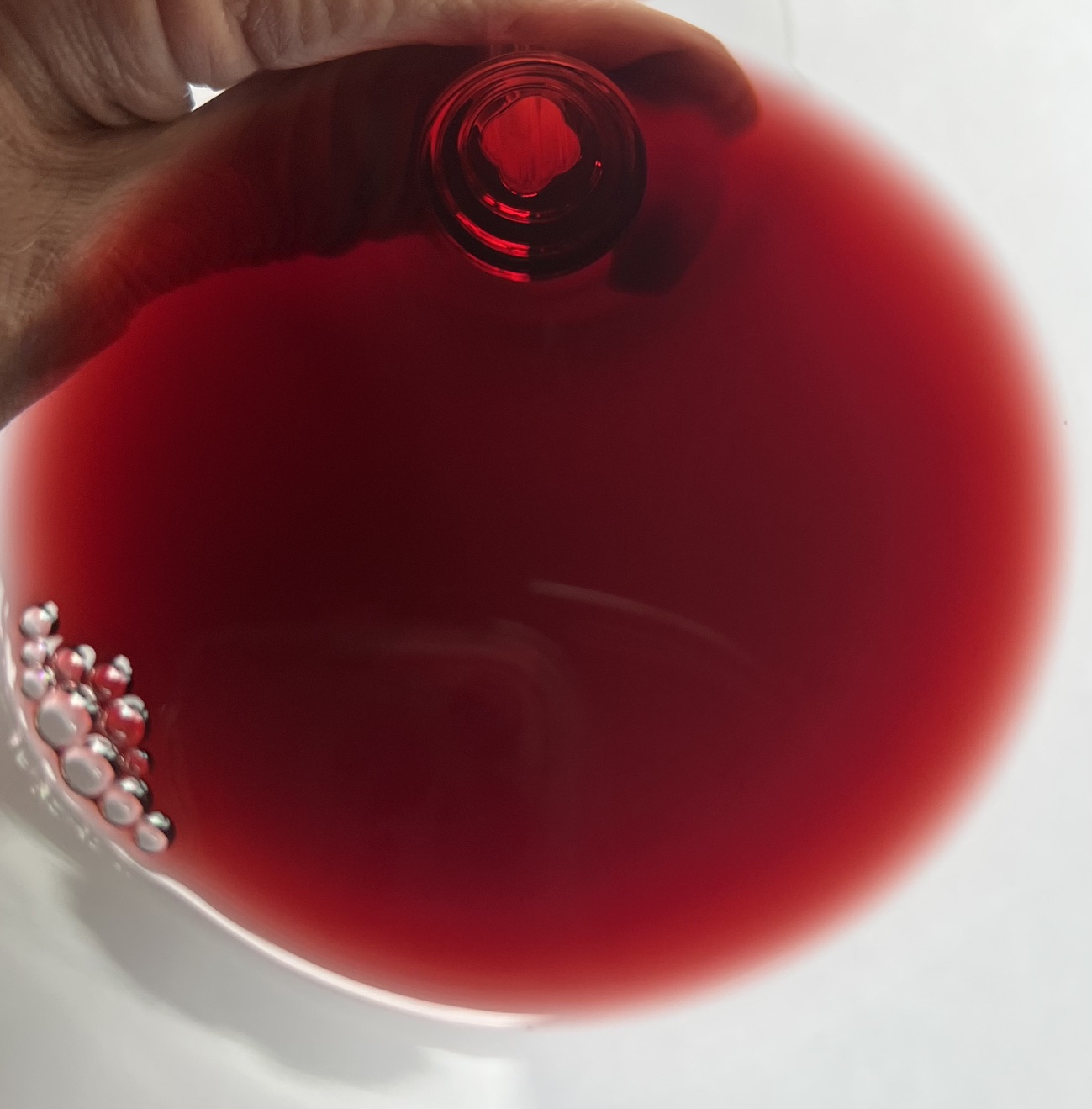
Masciarelli 2022 Montepulciano D’ Abruzzo is a popular and affordable red wine made from 100% estate grown Montepulciano grapes in the Abruzzo Region of Central Italy. A beautiful ruby red color in the glass leads to a medium body and smooth tannins that are nicely balanced with the flavors of black cherry and blackberries, plus a hint of spice. It is very food-friendly and pairs well with pasta, pizza, and red meat, both grilled or roasted. Masciarelli 2022 Montepulciano D’ Abruzzo is aged in stainless steel to preserve its freshness because it is meant to be enjoyed while it is young. An excellent introduction to wine from this region, and it can be easily found for less than $12 a bottle, making it a great value for a wine of this quality.
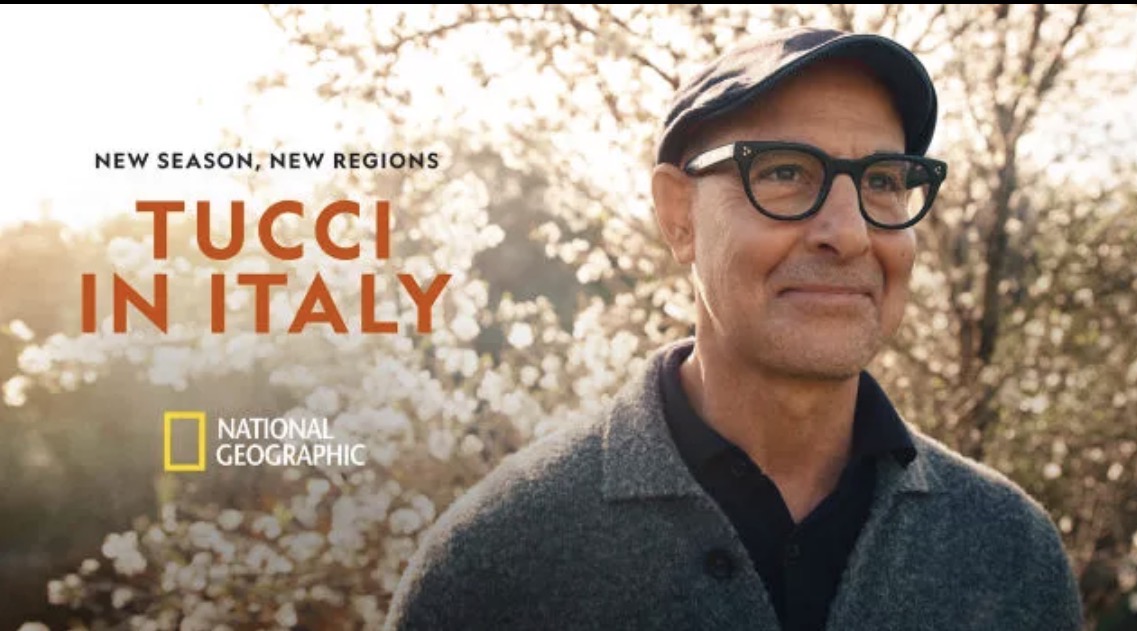
Stanley Tucci is back! Season 2 “Tucci in Italy” Episode 1: Naples & Campania premieres Monday, May 11, 2026, 9:00 pm EDT (US), followed immediately at 10:00 pm EDT (US) by Episode 2: Sicily on National Geographic TV (NGEO). This season, Stanley visits Naples, Campania, Sicily, Le Marche, Sardinia, and Veneto. Set a reminder on your phone or record it so you don’t miss a chance to escape to Italy, even if it’s only for a little while.
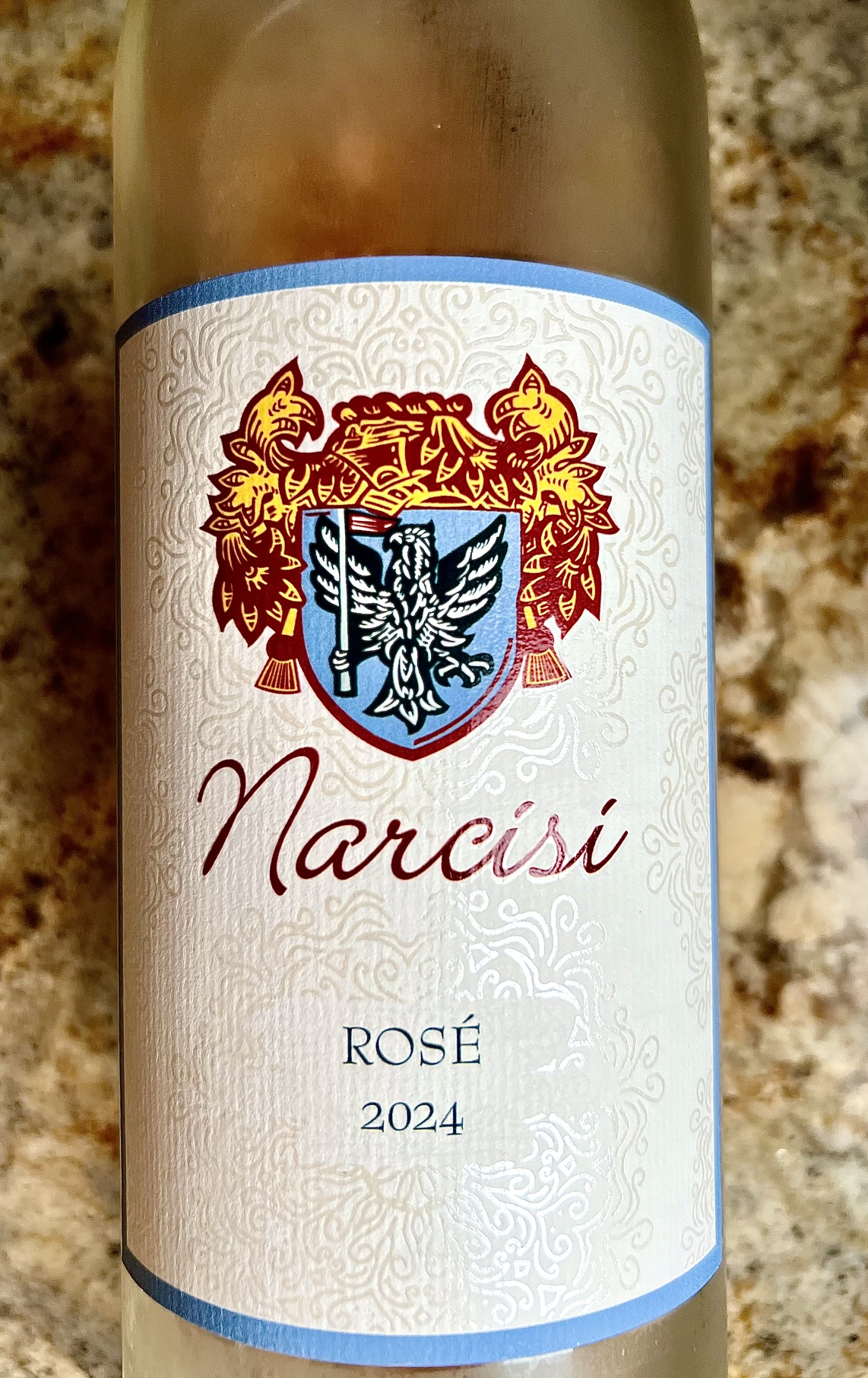
You may remember Narcisi Winery from a post I published last year. It is a winery, restaurant, and entertainment venue built on the theme of being a Tuscan Villa in Gibsonia, Pennsylvania. We are frequent visitors there and returned last week to enjoy a relaxing lunch and a bottle of their Rośe.
Narcisi Rośe 2024 is a Sangiovese-based Rośe that is lighter in body and tannins with floral notes plus ample acidity. It paired well with our salads on mixed greens, cherry tomatoes, red onions, dried cranberries, candied walnuts, Feta, and citrus vinaigrette. Next was the Fig & Goat Pie from their artisanal pizza menu. A Fig & Goat Pie is both sweet and savory, topped with fig jam, goat cheese, caramelized onions, crispy prosciutto, and a drizzling of balsamic fig glaze. Drop the mic! What else can I say?