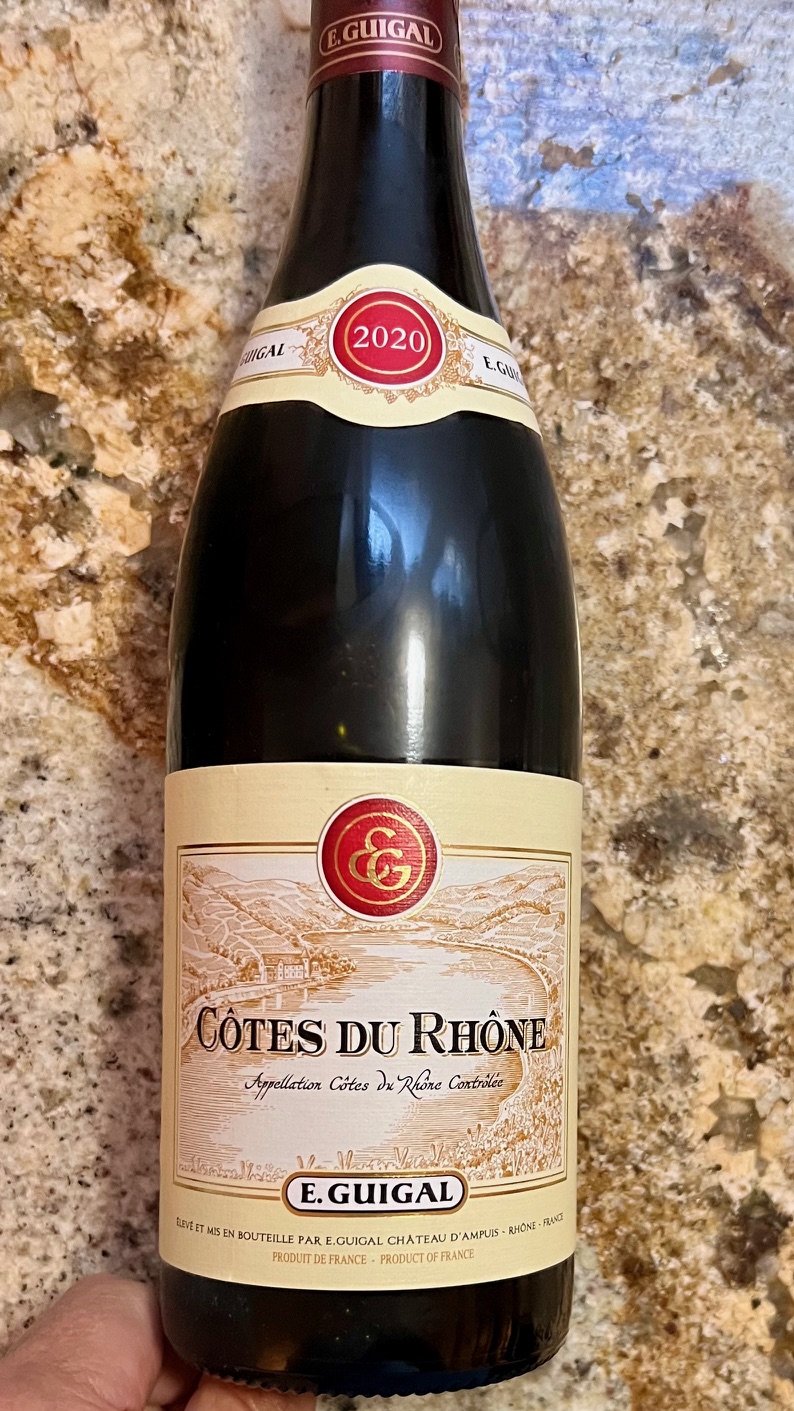
Review: E. Guigal Côte du Rhône Rouge 2020

This wine reminds me of a lyric from the Jimmy Buffett song “He went to Paris.” It goes “ But warm summer breezes. The French wines and cheeses. Put his ambitions at bay.” He Went To Paris (YouTube)

It is easy to imagine sitting in a bistro in the south of France savoring delicate French cheese and sipping E. Guigal Côte du Rhône Rouge 2020 while watching the world pass by. 

Even though, E. Guigal is known for making high-end offerings; they continue to produce this very well-made mass-market example of a Rhône GSM blend (Grenache, Syrah, Mourvèdre). 

This is a well-balanced wine with supple tannins and subdued but pleasant acidity. Blueberry and blackberry flavors are accented with a hint of cherry from the Grenache. It is all carried on a medium body that leads to a lush finish making this wine a great introduction to the wines of the southern Rhône Valley of France. It is a bargain at less than $20 a bottle for a wine of this quality.

Interview: Emily Dockery, Executive Director: Michigan Wine Collaborative

I recently had the pleasure of interviewing Emily Dockery, Executive Director of The Michigan Wine Collaborative. She explained what The Michigan Wine Collaborative is, its mission, and how they are achieving those goals. I also took the opportunity to have her tell me about what we can expect when visiting Michigan Wine Country.

The Michigan Wine Collaborative was formed in 2016 when the news became official that the Michigan Grape & Wine Industry Council would be dissolved and transition into the Michigan Craft Beverage Council. The Michigan Grape and Wine Industry Council was the grape and wine industry’s only state-funded resource that provided marketing, research, support, and more to the state’s winegrowers and wine producers. Facing this loss many in the grape and wine industry saw a need to form a statewide, industry-funded group to supplement losses that the industry would face as the funding, which previously came from the Council, would now be dedicated to the four sectors of Michigan craft beverage including beer, spirits, cider, and wine. A group of winemakers, producers, and growers came together to form the Michigan Wine Collaborative. 

The mission of the MWC is to enhance the sustainability and profitability of the Michigan wine industry by supporting wineries, growers, and other businesses and individuals connected to the industry – today and for future generations. We are passionate about filling the role of the flagship ambassador for the Michigan wine industry by amplifying the Michigan brand, providing resources, and fostering connections for the wine community. It is important to us to consider sustainability not only in the sense of the environment but also for the industry as a whole, so we work hard in the areas of workforce development, marketing, inclusion, and diversity to expand the industry, and grassroots outreach to increase awareness for Michigan agriculture, viticulture, and of course winemaking. 

Our committees within the MWC are dedicated to establishing and executing programs to provide resources, support, and access to those ingrained in our industry and also to those entering the industry. 

Our Sustainability Committee is working on launching a Michigan-focused vineyard certification program called VineBalance along with the Sustainable Ag App created in collaboration with Michigan State University that empowers Michigan grape growers with the tools to farm responsibly and with longevity. The VineBalance program is currently piloting with vineyards and growers across the state. 

Our Inclusion & Expansion Committee is focused on cultivating safe and reward-driven entry points for those historically excluded from the wine industry, especially people of color, to participate and thrive in the Michigan grape and wine industries. In 2023, we launched our DREAM wine collaboration which helped to fund the first year of the official MWC Inclusion & Expansion Educational Fund. This allowed us to offer educational rewards to individuals of color looking to expand their careers in Michigan wine in the areas of production and hospitality. We have been recognized for these efforts through organizations and publications such as:

VESTA Recognizes MWC for Diversity & Inclusion Efforts – Michigan Wine Collaborative

Emerging U.S. Wine Regions with Centuries of Winemaking History (sommtv.com)

We have also been the first in the country to develop a 4-H Viticulture Club in collaboration with our Inclusion & Expansion Committee and our Education & Research Committee with our partners at Michigan State University. This project is known as the MWC Talent Pipeline and connects to our Inclusion & Expansion Recruitment Pipeline which works in tandem to create a sustainable pool of talent for the Michigan grape and wine industries to pull from. We are hoping to be able to spark interest in agriculture, and specifically viticulture for youths throughout the state with our 4-H Viticulture Club. However, a major focus of the program was to establish educational vineyards within the city of Detroit to tap into populations often left out of agriculture and viticulture in addition to increasing urban green spaces and expanding Michigan wine country east. More on this program and our video library can be found below…

Michigan Viticulture is Growing Strong in the State | Michigan Ag Today

Five Youth Programs in Viticulture | Wine Enthusiast

4-H viticulture pilot pairs youth with wineries – Brownfield Ag News

MWC Talent Pipeline 4-H Viticulture Video Curriculum – YouTube

Our Marketing Committee has been steadfast towards the goal of solidifying the image and culture of Michigan wine by forming a statewide wine brand to bring new consumers to the Michigan wine table. Taste Michigan, funded by a USDA Specialty Crop Block Grant, was a project spanning over 2 years. In 2023 the brand launched the Cool is Hot Campaign which encouraged Michigan wine drinkers to learn about and enjoy cool climate grapes that thrive in the state. Earlier this year the brand and campaign were recognized at the Wine Industry Network Marketing Awards for Association Marketing awarding the Taste Michigan™ brand and the Cool is Hot campaign.

Taste Michigan: Cool is Hot – YouTube

This is honestly a very brief preview of the work and projects the MWC is invested in and executing. We stay VERY busy and achieve an exponential amount of things with extremely limited resources. We are always looking for sponsors and donors for us to be able to continue our important work as Michigan Wine’s only statewide nonprofit industry group. You can learn more about how to contribute, join, or sponsor below…

Sponsors & Partners – Michigan Wine Collaborative

Membership – Michigan Wine Collaborative

Michigan Wine Collaborative – Donate (wildapricot.org)

Michigan has 5 AVAs, each with a distinct terroir, culture, and offerings. I encourage all wine lovers to explore each one and indulge in their individualistic identities. Our AVAs along the west side of the state and Lake Michigan (Fennville, Lake Michigan Shore, Old Mission Peninsula, and Leelanau Peninsula) offer a vast range of wine styles and varieties including Cabernet Franc, Riesling, Pinot Blanc, Chardonnay, and dozens of more vinifera and hybrid offerings. Michigan thrives on tourism whether it is during the warmer summer months when visitors can enjoy our beaches, water sports, hiking, fine and casual dining, and more…the fall when the harvest is peaking, the colors are incredible, and the air starts to crisp, or the winter where water sports are traded for things like snowshoeing and snowmobiling…all seasons and activities pair with Michigan wine as you are sure to find a winery very close to you at almost all times. Our newest AVA, Tip of the Mitt, is pioneering growing the newest and most innovative grape varieties including Marquette, Itasca, Frontenac, and other cool and funky hybrids. There is just so much the state has to offer when it comes to wines…within the official AVAs and across both peninsulas. We have over 190 wineries in the state and so many stories to share. 

I admit that my knowledge of Michigan wine is limited. But after hearing what Emily had to say about the exciting things happening in the vineyards and wineries of Michigan, my interest has been piqued. I will be exploring the possibilities Michigan wines offer and I hope you will too!

Photo Credit: Michigan Wine Collaborative

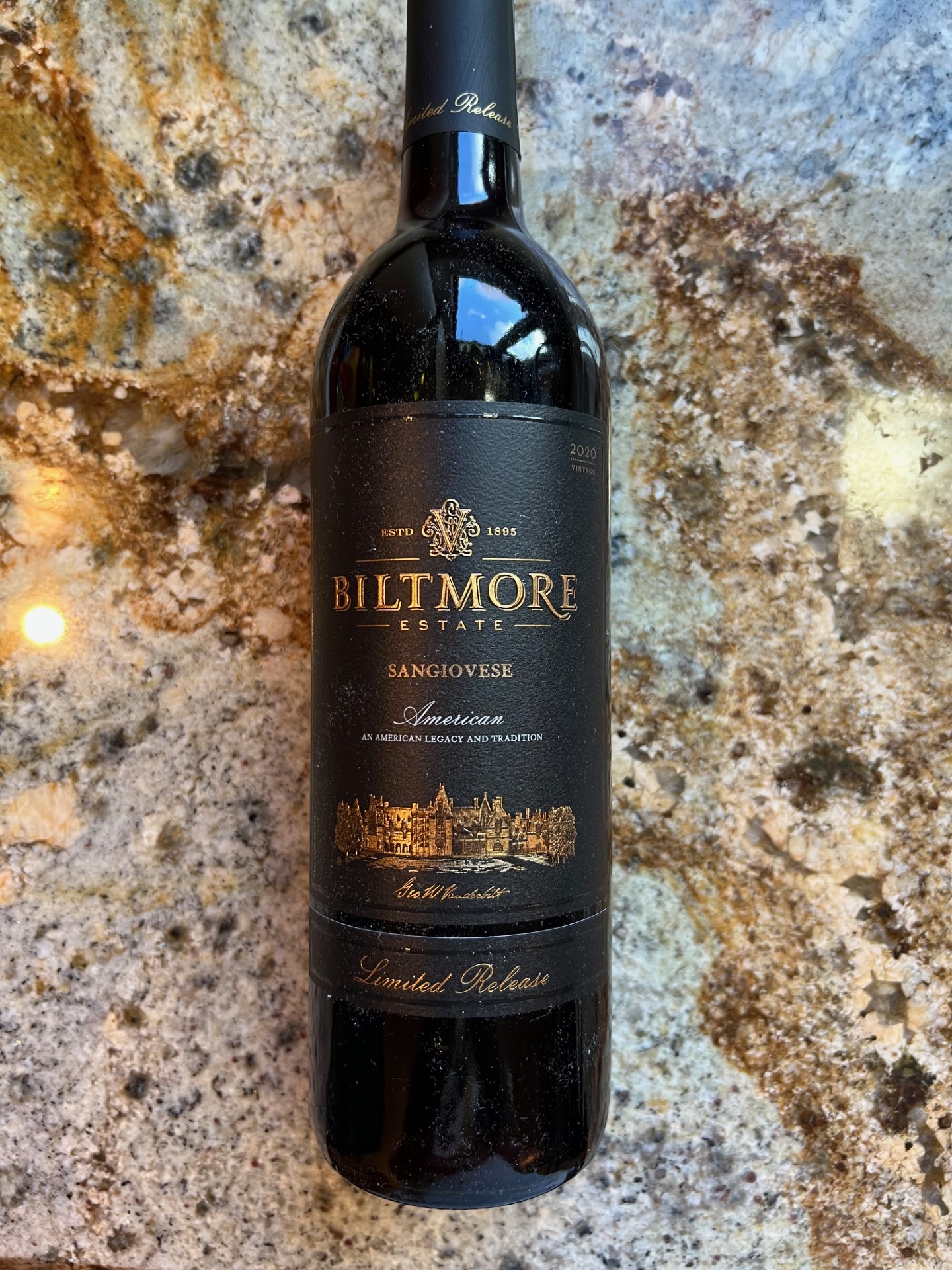
Biltmore Estate Sangiovese Limited Release 2020

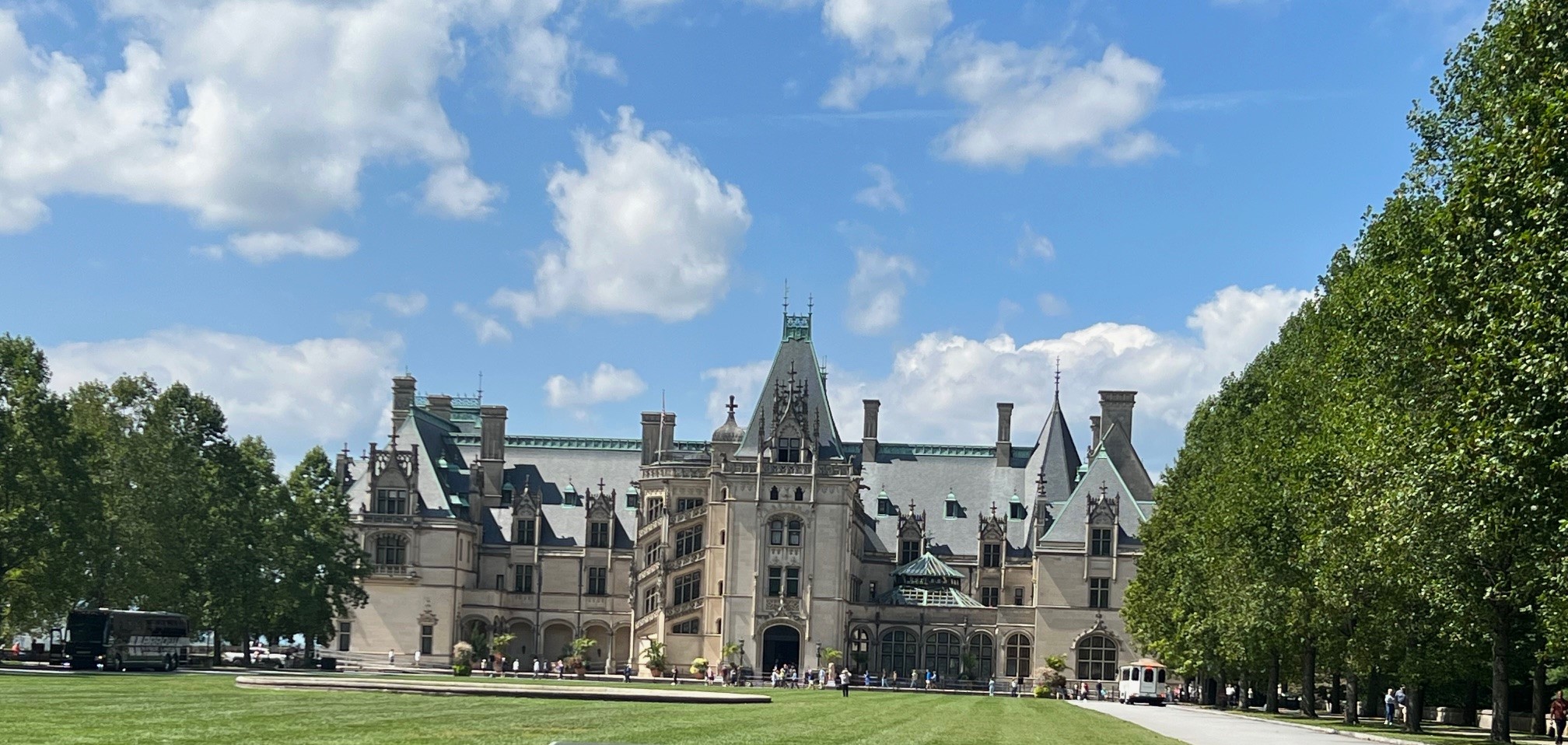
On a visit to Asheville, North Carolina we toured the Biltmore Estate. Biltmore was the home of the Industrialist, George Vanderbilt. I highly recommend experiencing this remarkable piece of American history and learning about how it was on the cutting edge of many things we take for granted today. With the price of admission to the mansion and grounds you also receive a complimentary wine tasting at the winery. The winery at the Biltmore Estate is the most visited winery in North America. We enjoyed our tasting and purchased several bottles. Their wines are well made, good quality, and fairly priced. 

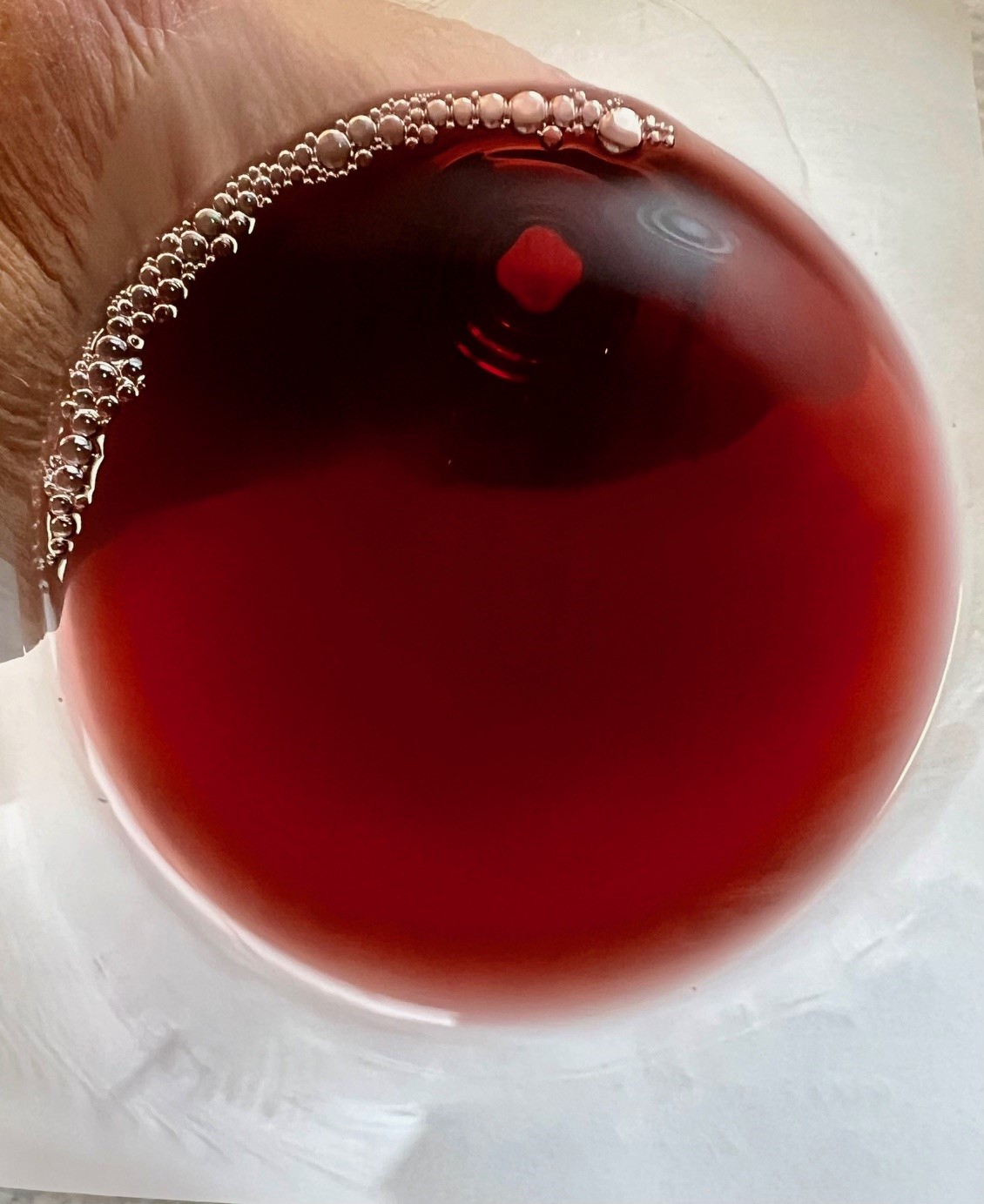
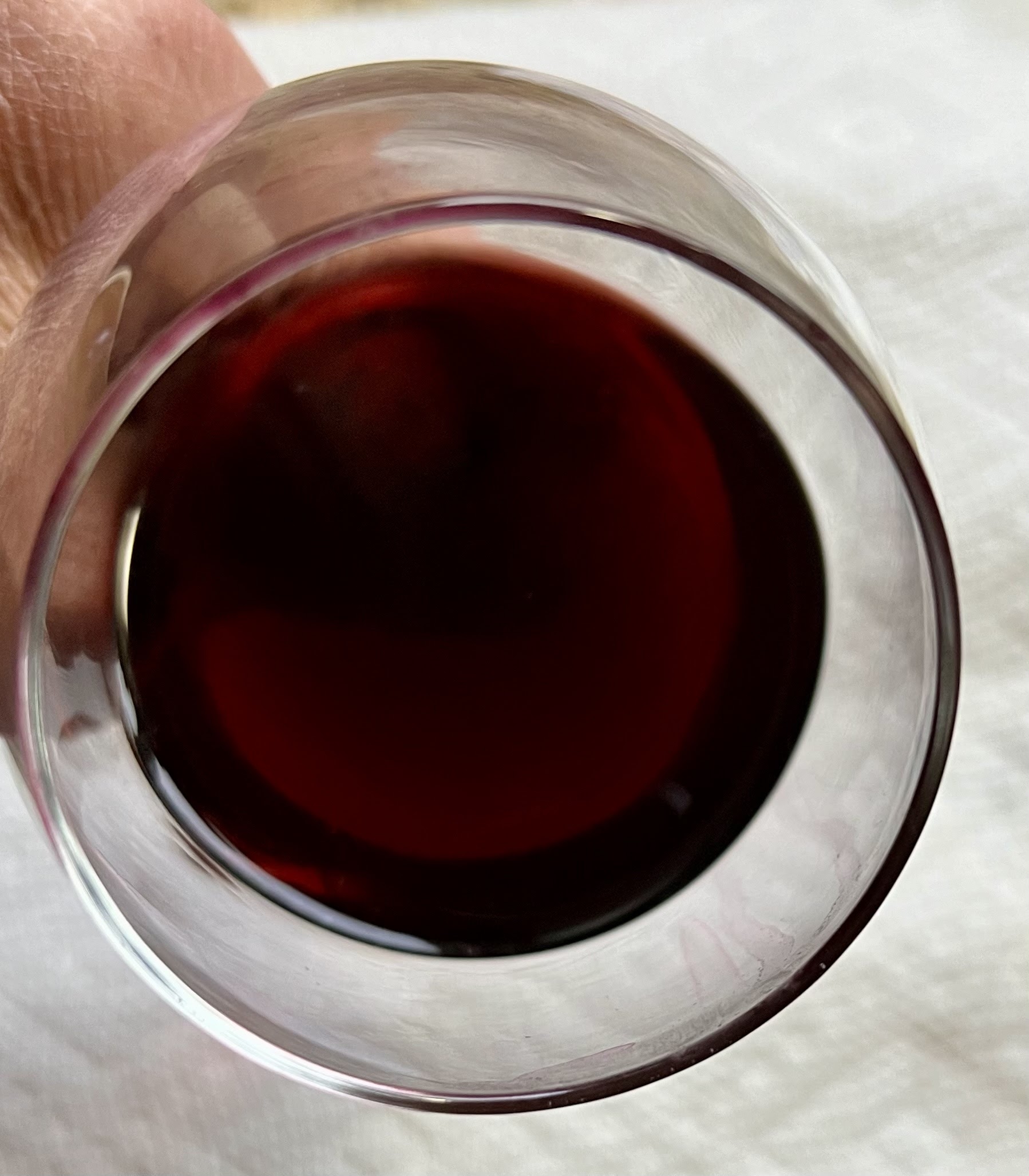
One of the bottles we bought was their Biltmore Estate Sangiovese Limited Release 2020. It is a ruby-colored wine with a medium body displaying more than ample acidity to pair with food while not overpowering its fruit flavors. Biltmore Estate Sangiovese Limited Release 2020 pairs perfectly with pasta in a hearty red sauce or grilled meat.

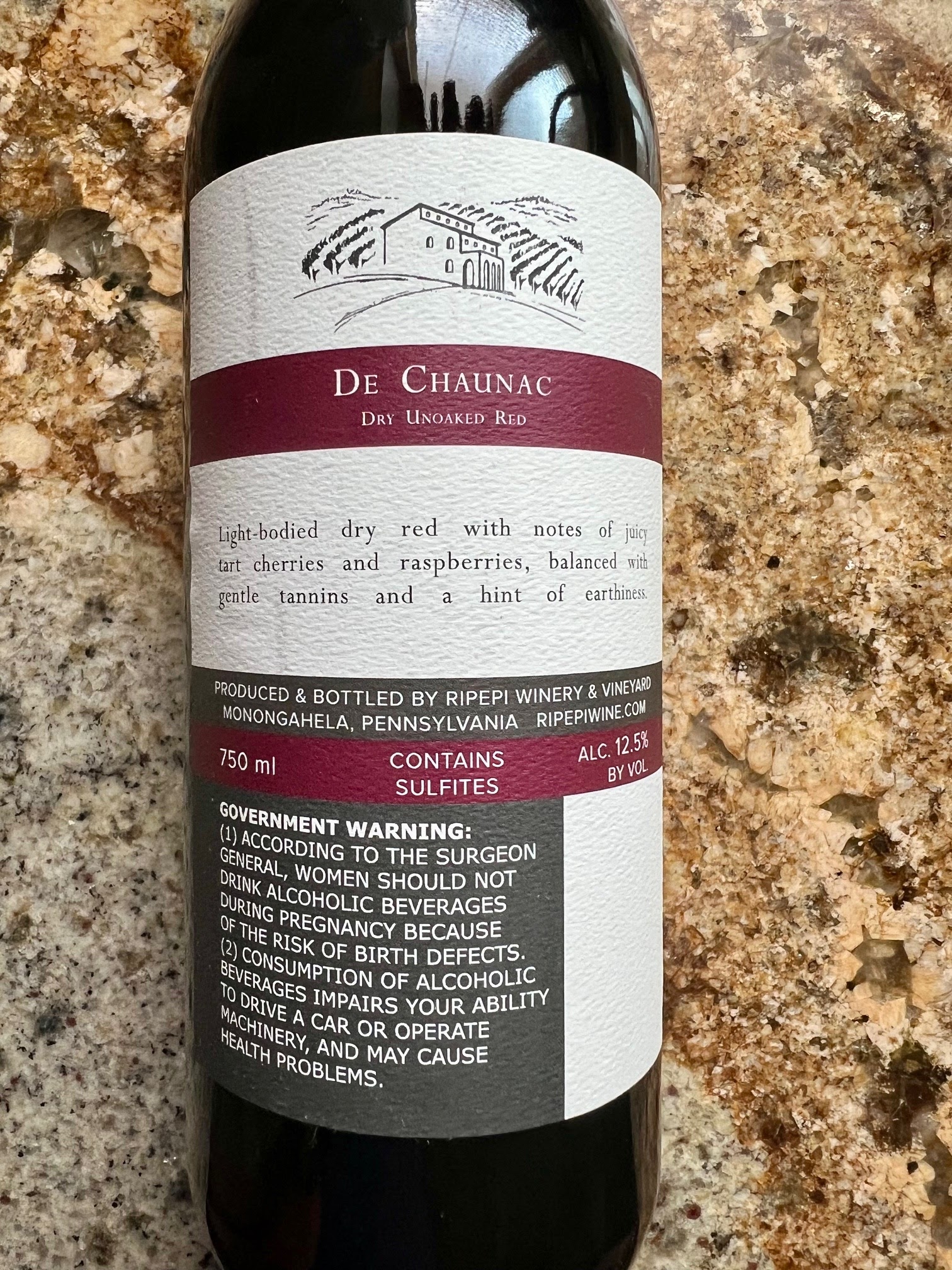
Ripepi De Chaunac Nouveau-Style

Ripepi Winery and Vineyard is a 10-acre estate vineyard and boutique winery in the southwestern Pennsylvania town of Monongahela founded by Rich Ripepi in 1987. It has produced handcrafted artisanal wines for over 30 years. 

Ripepi De Chaunac Nouveau-Style is a light-bodied, garnet-colored, unoaked dry red wine displaying distinctive cranberry, raspberry, and slightly earthy with a tart finish.

http://ripepiwine.com  724-292-8351 call for hours. 

How To Propagate Grapevines From Cuttings

The following article is a collaborative effort between myself and Stephen Casscles, a leading authority on the propagation and cultivation of cool climate and heritage grapevines. It is a detailed account of the procedures for propagating new grapevines from the cuttings of an existing vine. Thank you Steve for being so generous with your time and knowledge. All photos in this article are courtesy of Stephen Casscles. If you need more information about how to propagate vines, consult older books written by Philip Wagner, which are still available, or contact your local cooperative extension agent who can direct you to excellent brochures that have been produced by your local agricultural state university.

If you have or can obtain clippings from a grapevine that produces excellent fruit, it is easy to reproduce as many vines/clones of that vine as you want. Starting new vines from the clippings of a mother vine ensures you will grow an exact copy of the vine and it will crop the same quality grapes as the original vine. Be sure that the mother vine that you select for your cuttings is a strong vine, that exhibits no indications of viruses or diseases. Vines that have curled leaves, odd-looking clusters, or off-leaf colors could have been contaminated with a virus. Do not use these vines as you are simply propagating diseased and virus-laden vines and not the strong virus-free vines that you want.

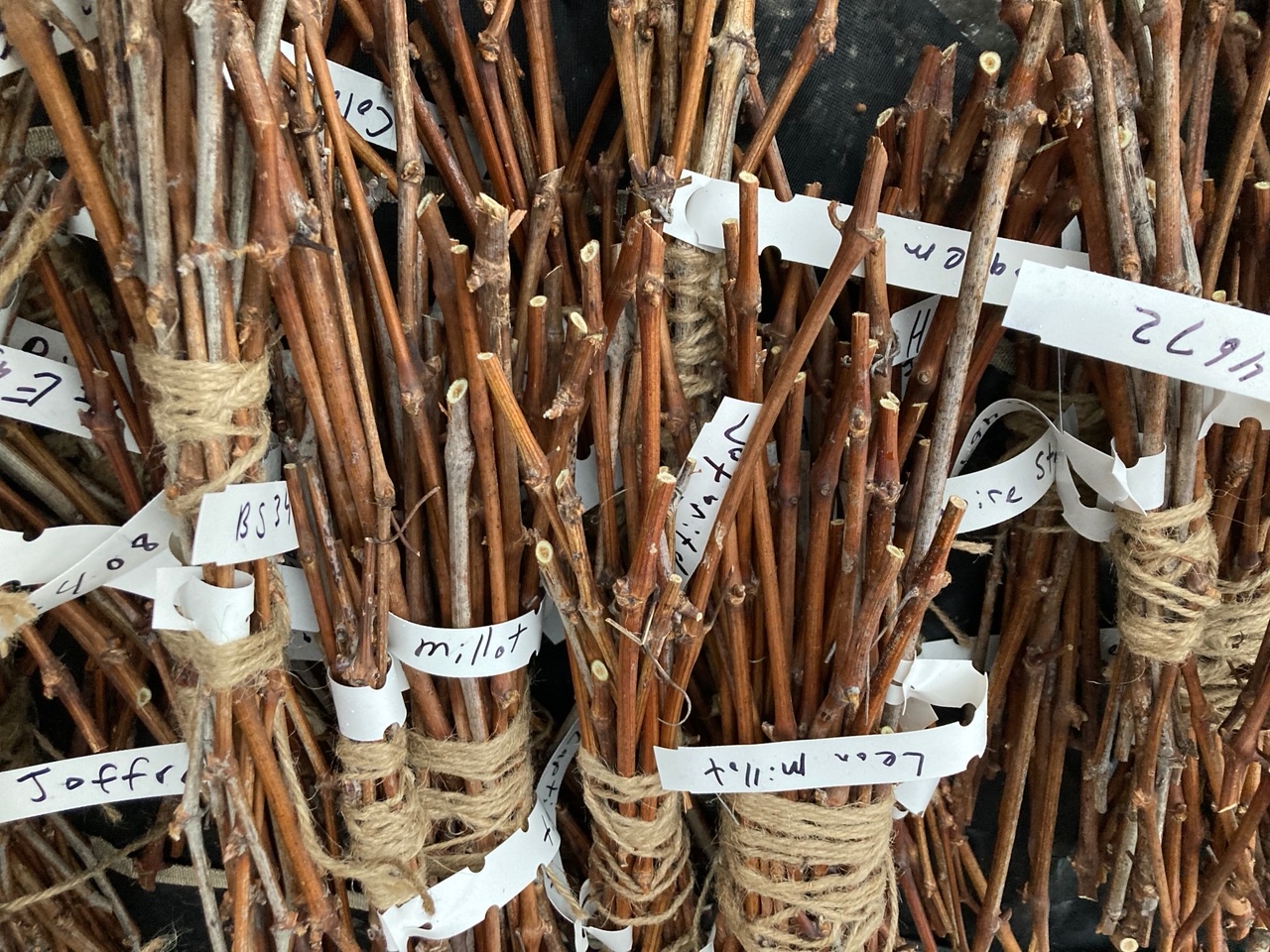
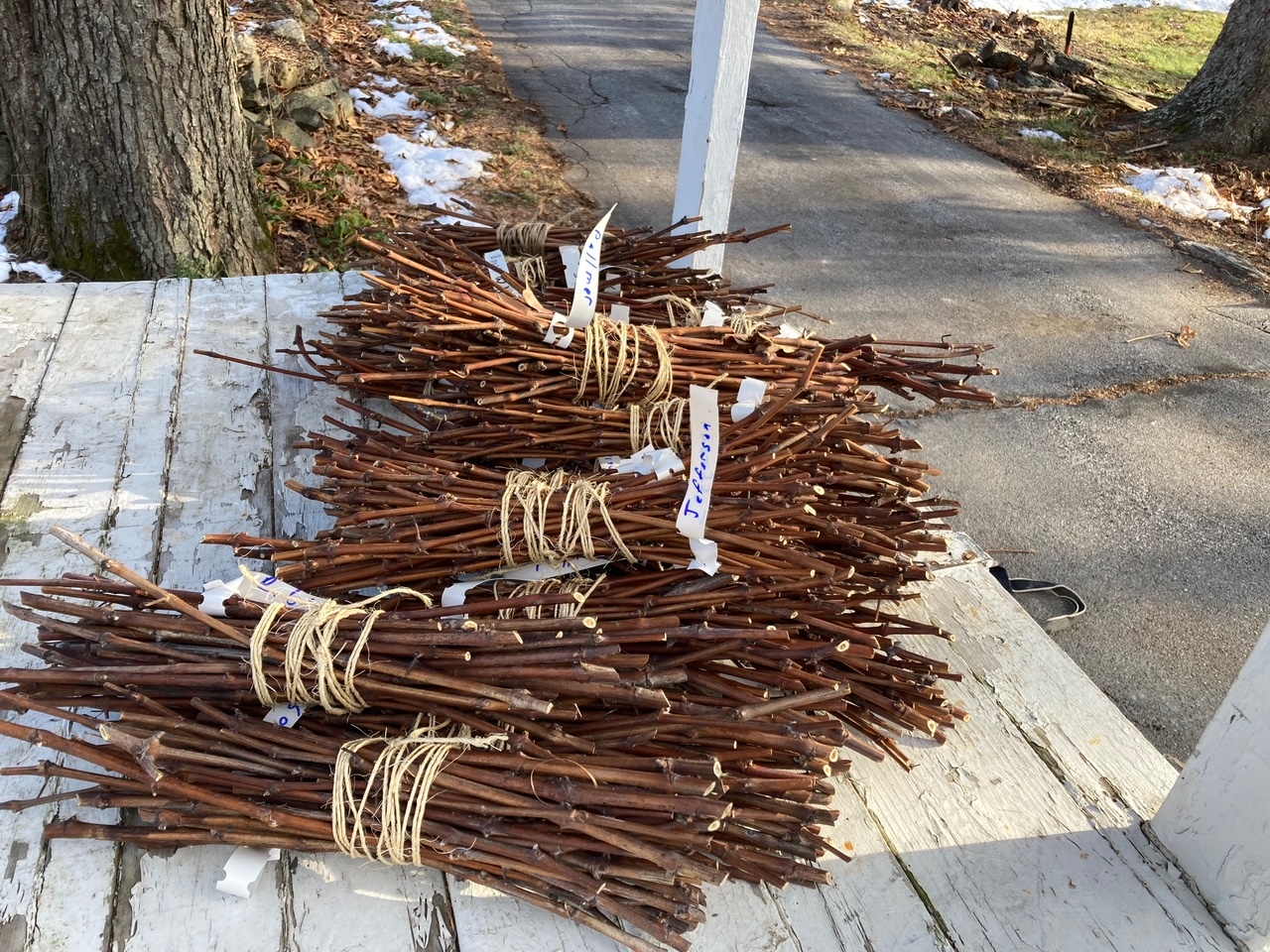
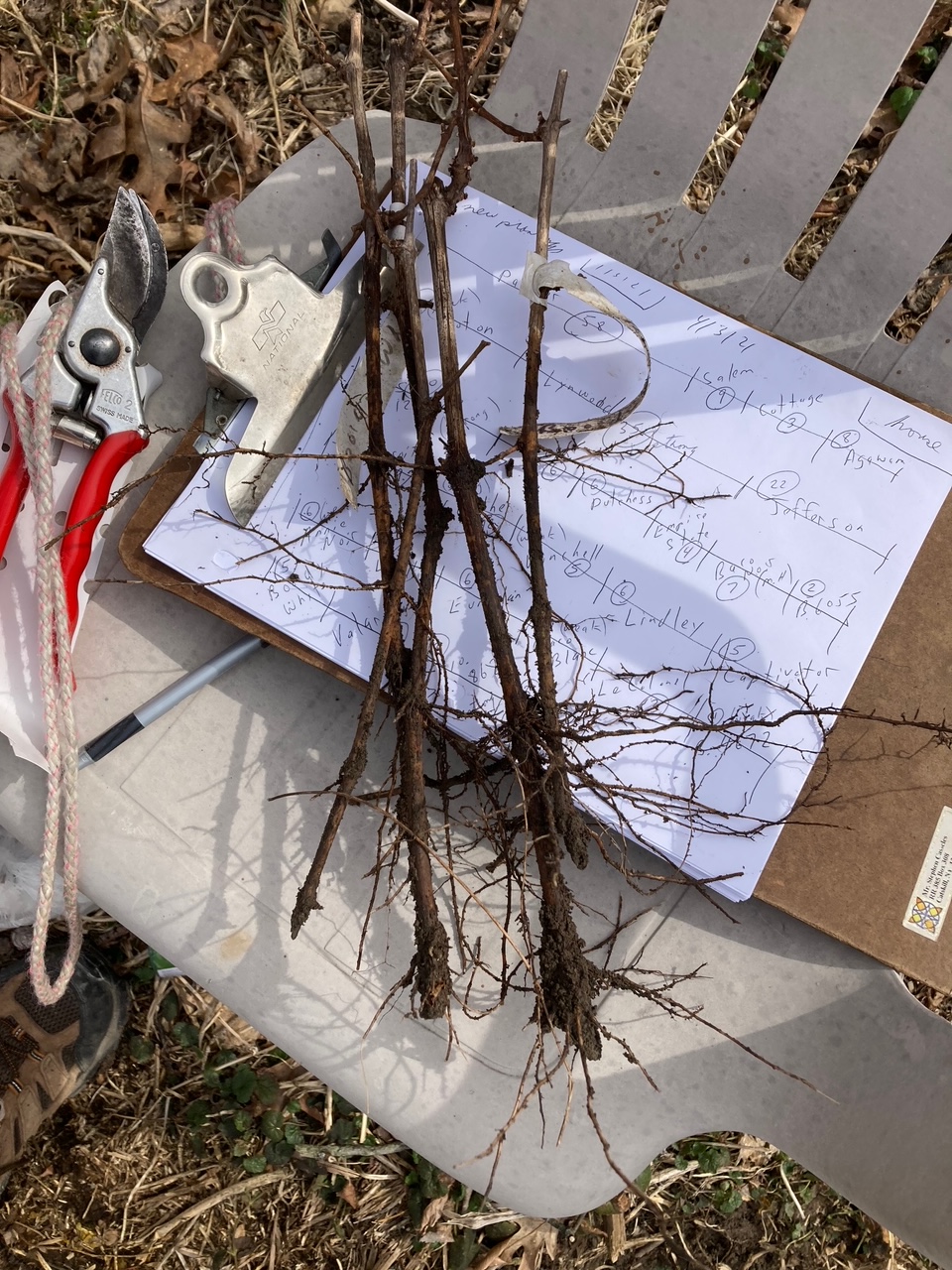
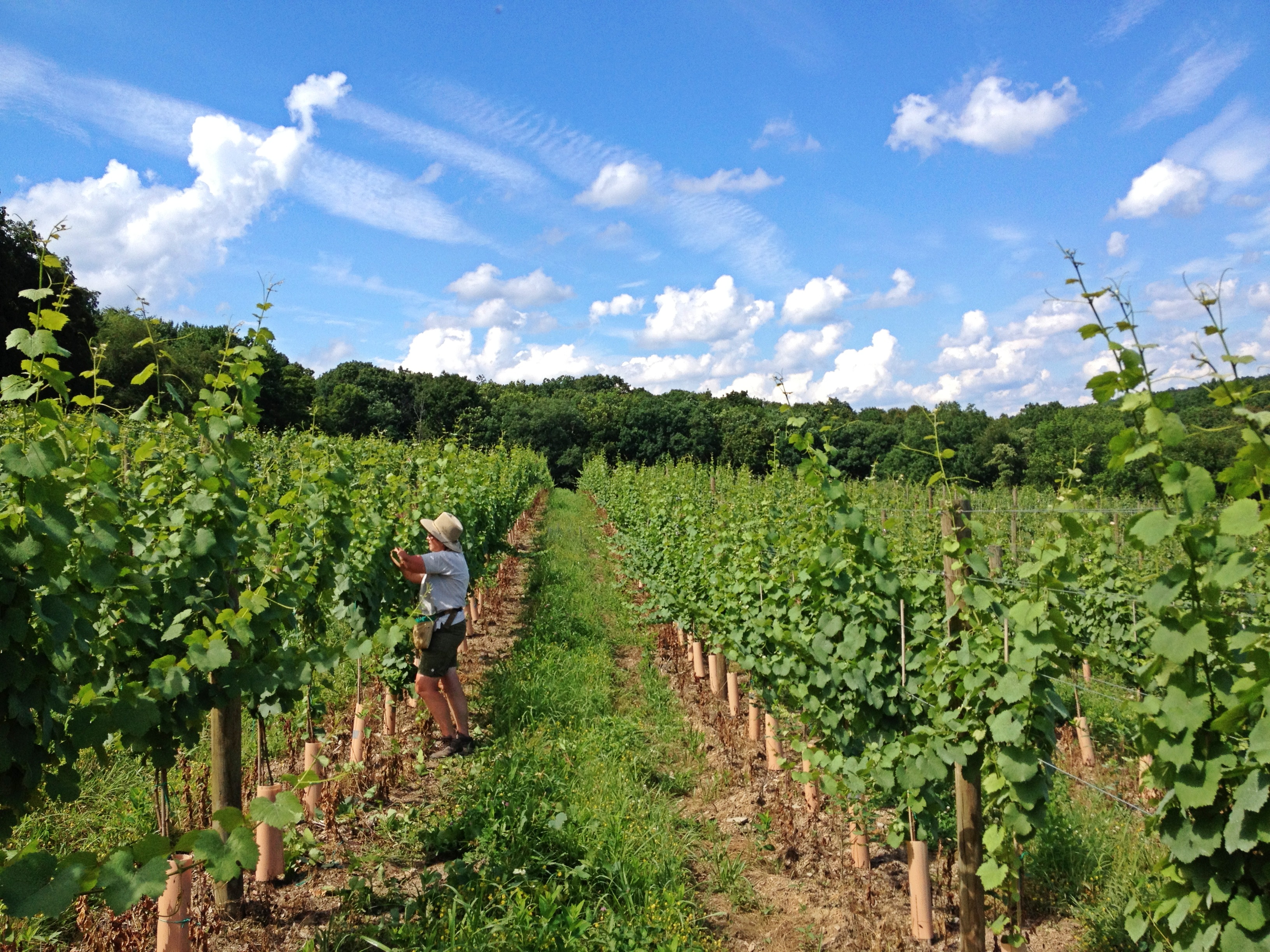
Propagating new grapevines from cuttings is an easy project. First, you must gather your propagating wood in early Spring while the vines remain dormant. Cut 12-18 inch sections from one-year-old wood that is about the thickness of a pencil and has a minimum of at least four leaf bud nodes on it. Ideally, having five or six bud nodes per cutting offers the best chance of success. A leaf bud node will look like a small bump on the stem.

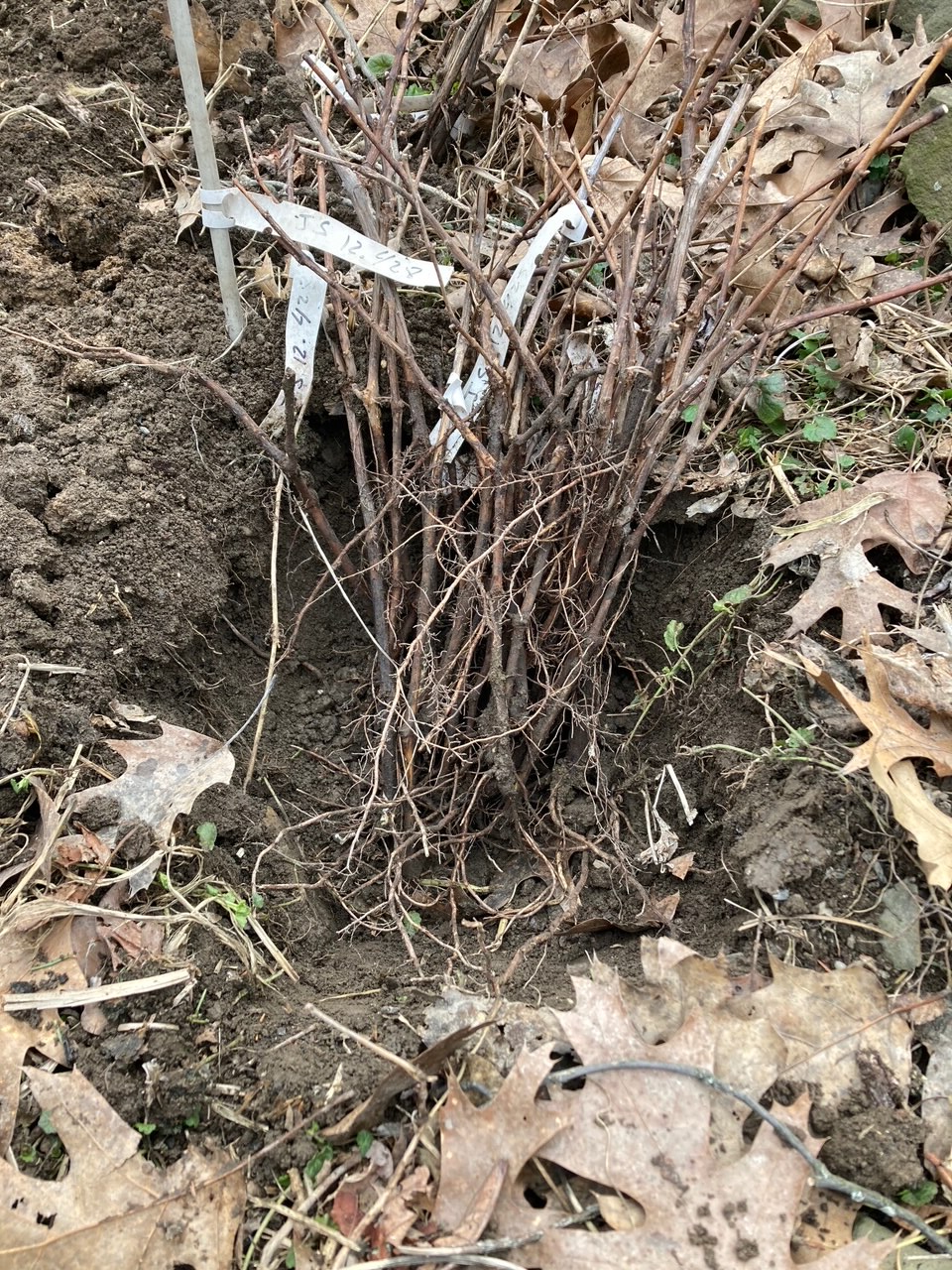
The next step is up to the propagator, but Steve said he was taught to nip off a straight cut one inch above the top bud and make an angled cut at the bottom of the cane just below the bud node. Making your angled cut at the bottom of the stem easily shows where the top of the cutting is from the bottom which makes it easier when setting out your nursery cuttings, it also allows the cutting to be easily planted in the soil. No matter how you cut your ends, make sure you are consistent so that you will always plant your cuttings correctly, bottom side down in the soil. Dipping the bottom end of the stem into rooting hormones is helpful in promoting root growth, but is not necessary. You can find rooting hormones at your local garden center or nursery. If you are only rooting a few cuttings, fill a potting container with your local soil, if it is good well-drained loam soil, if it isn’t mix it with potting soil to improve its drainage.  Make sure your container is deep enough to accommodate your clippings, but if you are propagating a lot of material consider digging a shallow trench and reserving enough loose soil to fill in around your stems.

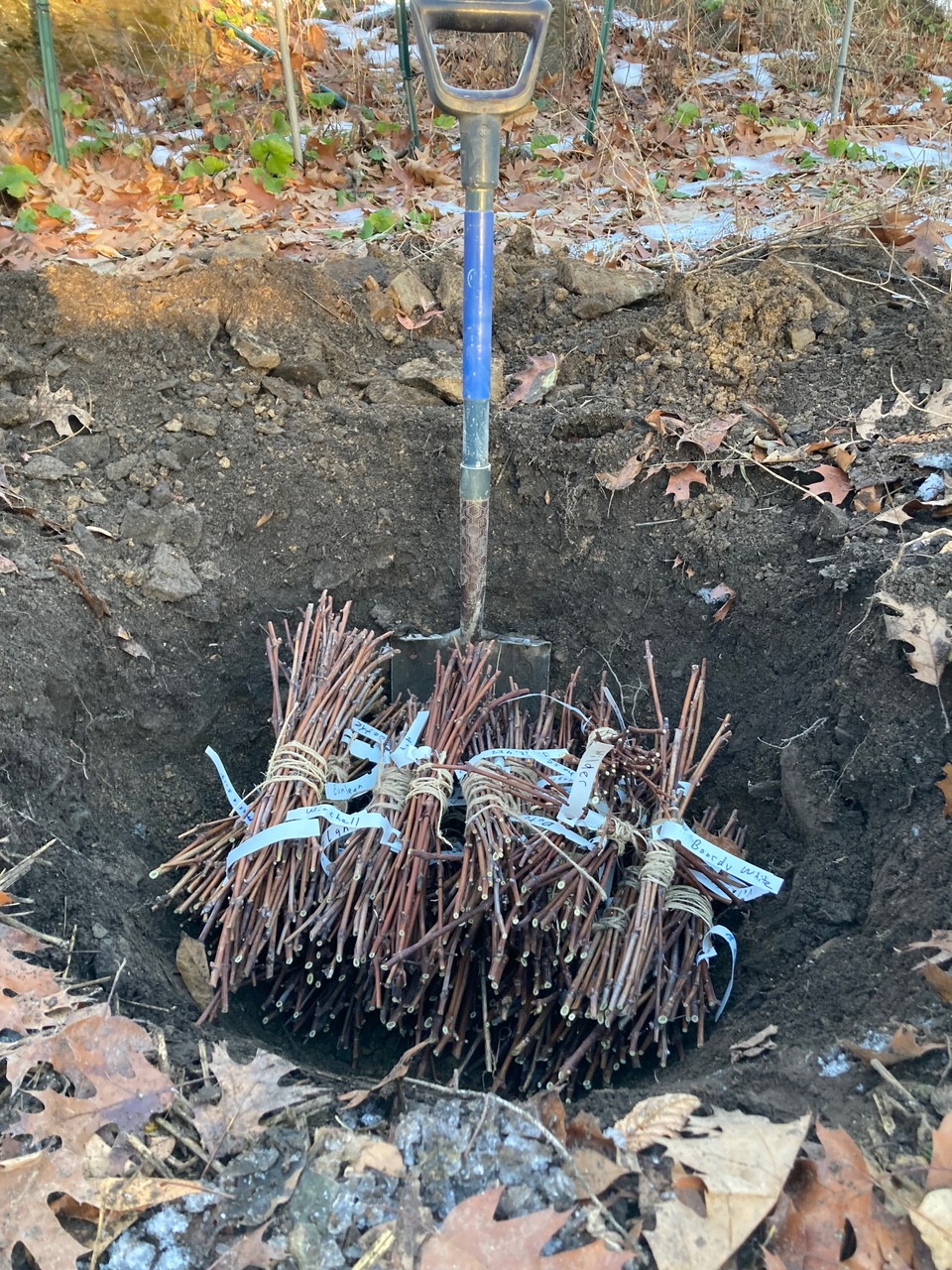
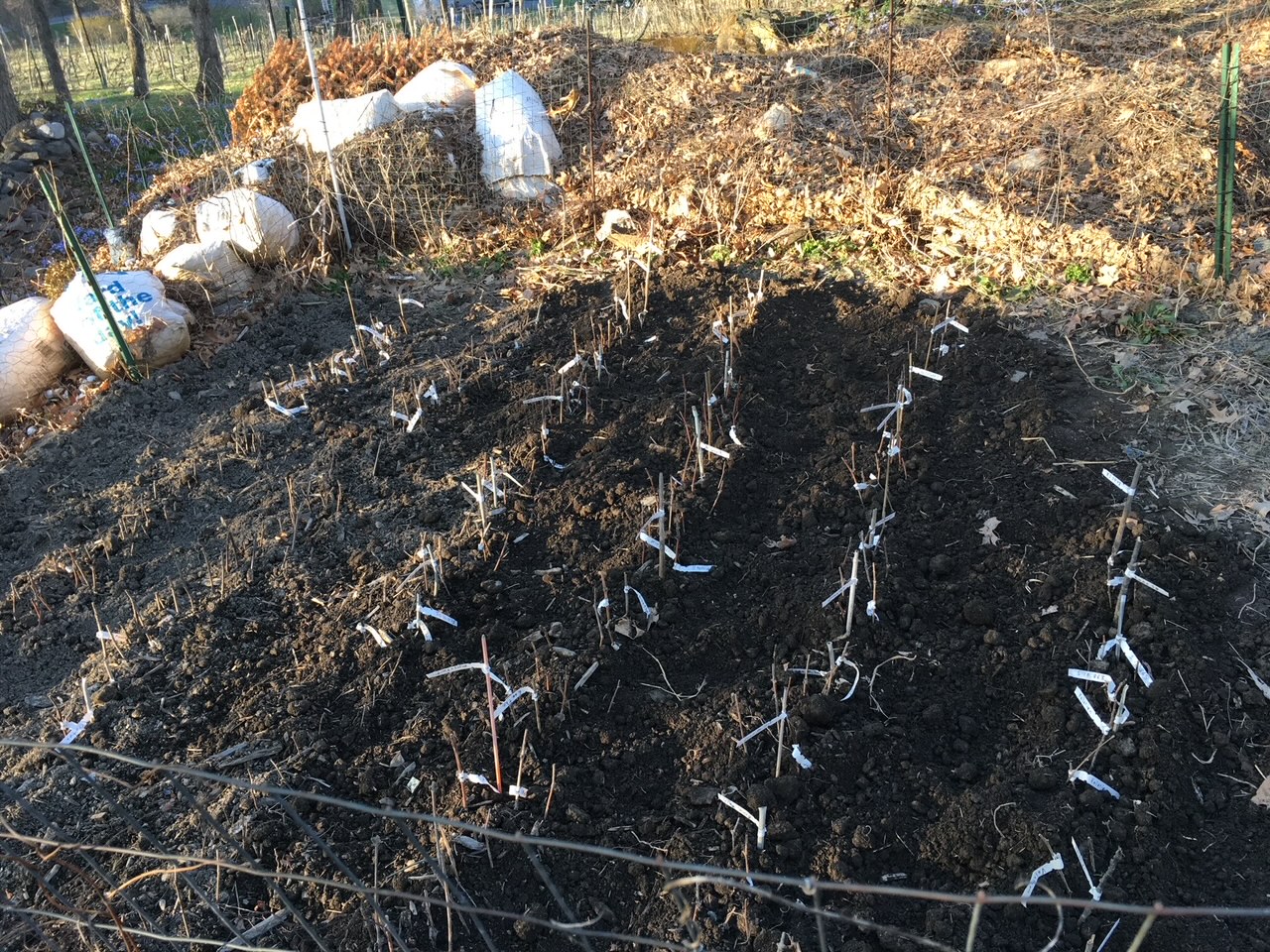
  These trenches can be located in your vegetable garden, since this soil has been worked up for many years, and often has a fence around it to keep out the wildlife that may like to browse on your newly installed cuttings. When planting your cuttings, bury them vertically three to four nodes deep with the bottom side down into the ground, leaving the remaining nodes exposed above the soil level. Remember to plant the bottom of the stem down with the straight-cut end above the ground.

    Keep the soil well watered, but not soggy throughout the first year when your cuttings are establishing themselves. For those in potted containers, the cuttings should be placed in a frost-free location with bright indirect sunlight. If you have more than one row of nursery cuttings in your nursery, it is recommended to mulch the cuttings with straw (not hay) to keep down the weeds and retain soil moisture.

Steve explained the difference between taking cuttings from your vine and propagating them as a single project and cloning in which you separate individual canes that have a certain desirable mutation to create an entirely new variety of the original grapevine. Steve gave me an excellent example that was easy to understand. “My understanding is that cloning would be finding an abnormal sport of a vine that is different and you cut that unique cane off to propagate it. For example, Frontenac Gris is only a regular Frontenac when it was noticed that a separate cane had bronze-colored grapes and not red.  So cloning would be separating and propagating that “clone”, but if you are propagating wood, you just collect your wood and go at it.”

    It is essential that you plant more cuttings than you need to compensate for some not surviving. As a dear departed friend of Steve’s, Joel Fry of the Bartrams Garden in Philadelphia used to say, “Plant two of everything, and one will die”.  How many to plant is the question? Steve offered his advice based on years of experience in this area of viticulture. “I find that different varieties propagate at different rates. For example, Baco Noir, which is a part Riparia variety tends to have a higher success rate because it is a Riparia. Even with Riparia, I would plan for a 20% non-success rate for varieties such as Delaware, which is a part Bourquinian species hybrid, do not take as readily, so I would expect a 40% death rate.”  I would recommend propagating as many cuttings as possible using only the strongest ones to satisfy your needs and giving the extras away. Vines can also be rooted in water, but you will need to change the water regularly to prevent disease. Once you see the stems/cuttings rooting, you must transplant them into the soil.

    Whether you set out a nursery in your home garden or place them in pots in the spring, you need to wait an entire year to ensure that your cuttings have sufficient roots before they are set out in the field the following spring. After your cuttings have developed a strong root system they can be transplanted to their permanent location. 

    You probably have heard vintners say the clone number for a specific variety of grapes planted in their vineyard. An example of this would be the Pinot Noir Dijon clones 114, 115, 667, and 777 which are the most widely planted Pinot Noir clones because of their reliability and productivity. When you drink any mass-produced Pinot Noir you are likely drinking wine made from these clones. It is easy to go down a “rabbit hole” when looking for clones of just about any grape variety when researching which clones to plant in your vineyard. Don’t let the sheer number of options overwhelm you. The answer to this question is a simple one, treat a clone like a different variety. Pick a clone you like and propagate that clone.

    Growing your own vines from cuttings is a rewarding venture both financially and from the sense of personal accomplishment you will feel when you harvest your first grapes. With the adverse effects of climate change being documented in vineyards around the world and the increased number of adverse weather events plaguing vintners, the answer to a  consistent and economically sustainable fruit crop may lie in the past with heritage grape varieties, older cool climate hybrids, and new hybrids that are being developed. Growing heritage and cool climate hybrid grape vines that have adapted to survive many weather-related challenges over time could be a critical puzzle piece in the future viability of our vineyards, for both hobby and commercial grape growers. In addition, these varieties tend to be more productive and can be grown more sustainably with fewer pesticide/fungicide applications. They are direct producers that do not need to be planted on a rootstock. This means that if we witness a very cold winter or late spring frost, which kills that part of the vine above the ground, canes will come up from the ground to produce a crop in the same growing season.

    With that objective in mind, Stephen Casscles continues to labor on his long-term project, the Cedar Cliff Vineyards Heritage Grape\Wine Project, aimed at preserving heritage and lesser-known cool climate grape varieties in Northern America. If you have any questions about his work at Cedar Cliff Vineyards please contact Stephen Casscles cassclesjs@yahoo.com  To further his work, Stephen has established a set of three cooperating nurseries in Marlboro, NY, Fonda, NY, and Ipswich, MA where you can purchase already rooted vines and/or grape cuttings. If you are interested in obtaining vines or cuttings of these unique varieties, please feel free to contact Stephen Casscles cassclesjs@yahoo.com.  Sadly, most of these cuttings or vines are not available at commercial nurseries, hence we need to propagate them on our own to increase the availability of these unique virus-free/ disease-free grape varieties. For additional information on these heritage and cool climate grape hybrids, the 2nd edition of Steve’s book “Grapes of the Hudson Valley and Other Cool Climate Regions of the US and Canada”  is available at http://www.flintminepress.com .  

The Climate Times They Are A Changing: South Africa

Next, my series of articles exploring the effects of climate change on the wine vineyards of the world takes us to the southern hemisphere. World-renowned winemaker Duncan Savage, owner of Savage Wines in Salt River, Cape Town, South Africa, shares his thoughts and observations regarding this important issue. I hope you are as curious as I am to hear what Duncan has to say about events in and around 33 South Latitude. Here’s what Duncan told me is happening in his vineyards.

“Climate change is obviously of major concern to everyone, particularly those of us in agriculture. The biggest concern is the extremes we are experiencing, the blurring of seasons, and general unpredictability. 

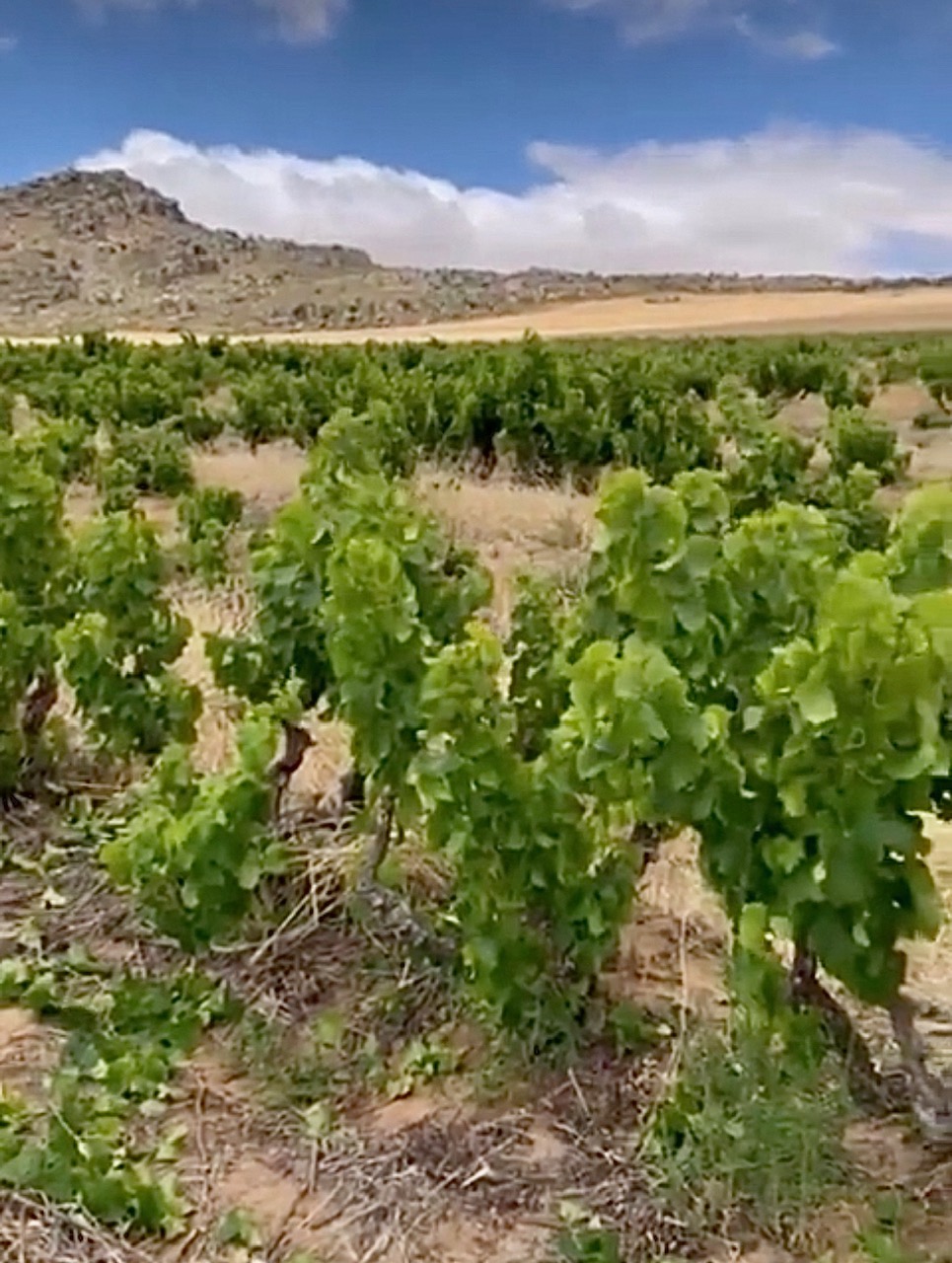
In South Africa heat has always been a factor and I think we have become fairly good at managing vines with this in mind. The real challenge is water. We are a dry country and it seems the trend is a drying one. That being said we are having one of our wettest winters in a long time after the experts said it was going to be dry, so who knows?

A lot of SA’s quality wine production is made possible due to our proximity to the cold Atlantic which has a massive moderating effect. While Europe has been really hot of late we have been experiencing some quite moderate summers. 2021 and 2023 for example yielded no heat waves in the growing season which is obviously tremendous for freshness, purity, and balance in the wines. Our only really hot years of the last few have been 2016 and 2022. 

At Savage Wines we are also quite fortunate as many of our plots of land are relatively close to the ocean, some being just a few kms away. The wind can be a  factor as it dries the soil out and challenges the plants but it is fortunately our aircon off the Atlantic. 

The long and short is that change is upon us and we need to adapt. Will be interesting to see the dynamic in the coming years.”

My deepest thanks to Duncan for taking the time and effort to share his insightful knowledge of this global concern that is also very local in its impact.

— 

Photos Courtesy: Savage Wines

The Long and Winding Road

Wine has become one of the most popular beverages in the world, and the wine industry continues to grow in complexity and diversity. As a result, there is an increasing demand for knowledgeable professionals in the field of winemaking. Earning a degree in winemaking can open up a multitude of opportunities for individuals looking to pursue a career path in this dynamic industry.

There are several educational opportunities available for individuals interested in earning a degree in winemaking.

Everyone has a different motivation for wanting to expand their knowledge of winemaking and there are plenty of options to achieve your goal, no matter what it is. Depending on what your goals are you may find that informal education through conventions, conferences, and online forums will provide the information and expertise you need. But sometimes, pursuing a formal education will provide the necessary resources to advance your ambitions in the wine industry. 

An online program is a good, low-cost alternative to starting your wine education at a college or university. A good starting point might be considering the entry-level VESTA (Viticulture Enology Science and Technology Alliance) program administered by the National Science Foundation http://vesta-USA.org You can earn a certificate that can help you move to the next level of your education, whether that is college or elsewhere. 

Those looking for a career outside of the production side may want to consider exploring the possibilities in the hospitality industry. The Wine & Spirit Educational Trust is a leader in the field of online courses and certifications. WSET certifications can be earned in relation to your increasing level of competency and ability. Someone seeking to acquire an in-depth understanding of wine and seeking job opportunities where they can share their passion for wine should seriously consider this option. 

Crafting a long and prosperous life in the wine industry involves as much hands-on experience and formal education as you can obtain. Enrolling in a college or university wine education program can provide you with the skills and guidance you will need to succeed by exposing you to the appropriate course work, as well as hands-on internships with industry professionals. I have listed a few links below to the better-known institutions in different regions of the United States. There are many more viable options out there that you should research and compare. 

Before you decide on a path to pursue your dreams make sure you have done your research as to all the ways to get there and don’t be afraid to reconsider your plans if other opportunities arise along the way. Earning a degree in winemaking can lead to a variety of career paths, such as winemaker, vineyard manager, wine marketer, or wine educator. Depending on your professional aspirations and interests, you can pursue advanced degrees or enroll in specialized programs such as wine tourism, wine retail, and wine journalism. I have never talked with a winemaker that said they traveled a straight line to get where they are today. Be open to change and embrace the journey.

Cornell University Ithaca, NY http://grapesandwine.cals.cornell.edu/undergraduate

The University of California Davis Davis, CA http://cpe.ucdavis.edu/winemakingcert

Michigan State University East Lansing, MI https://canr.msu.edu/iat/viticulture

Washington State University Pullman, WA http://wine.wsu.edu/education

Virginia Tech Blacksburg, VA http://www.vtwines.info/

Book Release: Grapes of the Hudson Valley 2nd Edition

I heard from Steve Casscles the other day. He told me his authoritative book about cool climate grapes of the Hudson Valley and other regions of North America has been published in a revised and updated Second Edition that includes two new chapters on rarely covered 19th-century Heritage grape varieties developed in New England. Steve gave me a peek at a couple of interesting facts he uncovered in his extensive research.
Catawba is 1/2 vinifera, and Concord comes from Catawba and is 1/4 vinifera !! There are many Catawba and Concord hybrids so what we thought was all labrusca is really 1/4 or so vinifera.

Also that the ES Rogers hybrids have been forgotten and are really good grape varieties that were used by TV Munson for his many grape breeds, and Winchell, a chance seedling from VT is the basis of all the Cornell white wine grapes.
Steve also provided me with an in-depth look at what you can expect to find in his latest publication. 

I am very pleased to announce that the newly revised second edition of Grapes of the Hudson Valley and Other Cool Climate Regions of the United States and Canada, 2nd Edition, Revised & Updated to Include New England Grapes is NOW IN PRINT AND AVAILABLE at  http://www.flintminepress.com 

This second edition contains two new chapters on rarely-covered 19th-century Heritage grape varieties developed in New England. I grow many of these varieties, such as the E. S. Rogers hybrids, Agawam, Salem, Massasoit, and Lindley, and grapes bred by E. Bull, Captain Moore, Diane Crehore (one of the few women grape breeders in the US). These New England heritage varieties are hardy, fungus disease resistant, & productive in the field, and make quality wines in the cellar and co-ferments in the brewery.  These New England heritage grape varieties are now finding their way into co-ferment beer/wines.  Many of the Rogers’ hybrids found their way into the grape varieties bred by TV Munson.  

The book includes new revelations about the true genetic ancestry of grape varieties such as Catawba, Concord, Chambourcin, and Vignoles.  It updates the genetic history of Catawba and Concord now that it is clear that Catawba is one-half vinifera (Semillion) in its parentage and that Concord is an offspring of Catawba, which means it is one-quarter vinifera in its genetic ancestry. This is a significant revelation because there are many Concord and Catawba heritage hybrids such as Iona, Jefferson, Diamond, Diana, and Dutchess, which have now conclusively been determined to have significant European vinifera heritage. Further, it conclusively delineates the ancestry of the French-American winemaking grape varieties Chambourcin and Vignoles (thanks to Dr. Bruce Reisch for pointing out the new genetic information about Vignoles).

It evaluates over 200 cool climate grape varieties with an eye towards assisting fruit growers and winemakers across the United States, Canada, Northern Europe, and Northeast Asia to identify grape varieties that are hardy, fungus disease resistant, and productive so that they can be grown either in a sustainable manner with minimal pesticide applications, and in some cases organically.

This second edition will offer guidance to our struggling growers and wineries going forward as we jointly face our increasingly changing climate. The Cool Climate grape varieties that this book covers could help our local growers to identify and grow grape varieties that can be grown more sustainably, are productive and make quality wines, beer/wines, cider/wines, and distilled products.  

  Copies can be purchased at http://www.flintminepress.com.  

Thank you Steve for your tireless efforts to provide us with this important information. The answer to the threat of a changing climate poses to our vineyards may lay in these long-forgotten grape varieties.

Photos Courtesy: Steve Casscles

The Climate Times They Are A Changing

The debate over whether changes in our environment are the consequence of human activity or the product of natural forces that have been shaping the Earth’s weather since the dawn of time has thrust itself into the global conversation like never before. Scientists have documented the shrinking of the ice shields globally, an ever-increasing number of record-high temperatures, and the toll of prolonged droughts are inflicting on all life on this planet. Life on Earth is persistent and will adapt over time to long-term fluctuations that threaten its existence.

After hearing numerous reports of how vineyard managers are adjusting to preserve the production and quality of their vines I wanted to hear from the winemakers themselves why they are moving proactively to stay ahead of climate change related problems and exactly what measures they were implementing now in hopes of being successful in the long run. Vineyards are our proverbial “Canary in the coal mine” and they are signaling a warning of problems to come. 

For this article, I had the unique good fortune to draw on the expertise of individuals who are not only well-known winemakers, growers, and wine media authorities but also good friends whose opinions I trust. The following are their personal observations and first-hand accounts of how climate change is affecting winemaking operations in their area.

J.Stephen Casscles is a renowned vintner, horticulturist, and author that is currently working in partnership with the Milea Estate Vineyard in the Hudson Valley of New York to produce their Hudson Valley Heritage Wines. You can purchase the rare wines made with their estate-grown heirloom grapes from the Milea Estate website http://mileaestatevineyard.com. Here’s what Steve told me about how climate change is impacting vineyards in the Hudson Valley.

“The 2022 grape growing season was very difficult for the Hudson Valley and Eastern Massachusetts. In varying degrees, we had a drought that started in April and ended in late September in Eastern Massachusetts. For us in the Hudson Valley, our drought started in May and lasted until the middle of August.  Our temperatures were on average 3 to 4 degrees warmer than usual (and our norms in the summer have been going up for some time), In the Hudson Valley, we had a very wet September with 50 to 60 percent more rain as we were starting the earliest harvest season I have ever witnessed. With the ground so dry and sun-baked, all of the September rains (which can in 3 torrential downpours, so that much of the rain could not be absorbed in the soil, so we had flooding, which encouraged soil erosion.  Our Fall was warmer than average by 3 to 4 degrees so while my interspecific hybrids hardened off, many vinifera did not harden off as well. Hence, when we had our Christmas Eve Bomb Cyclone, where temperatures fell from 53 F to 9 F in about 12 hours, we had some vine damage.  After 3 days of fridge temperatures, we then experienced above-normal temperatures.  While, this seems to be a uniquely hard growing season, with climate change, this may be the “new norm”.  That is warmer Springs with sudden last Spring frosts, warmer and wetter summers, and falls, that end abruptly with our now fairly common Christmas time polar vortex or cyclone bomb (I see this in reverse too as a bomb cyclone).  Hence, I am expecting that the weather patterns that we saw in 2022 will become more common.  At my vineyard and at the Milea Estate Vineyard Heritage Grape/Wine Project, I have been shifting my work to not only find suitable interspecific hybrids that are cold hardy, fungus disease resistant, and make quality wine…. also include grapes that in addition to the above goals, also can produce a secondary crop with secondary buds when we get more commonly late spring frosts. In addition, because of our increasingly warmer falls, our grape wood is not hardening off to face our more commonly occurring Christmas-time polar vortex or cyclone bomb.  In association with the Milea Estate Vineyard Heritage Grape/Wine Program, we are now making wines out of these heritage varieties that can roll with the punches that Mother Nature is sending our way.   ***** Grape varieties that meet all 5 criteria listed above to better face our changing climate are Chelois, Pallmer, Burdin 6055 (reds), and Jefferson (a pink grape that makes a white wine).”

To get a glimpse into how climate change is altering the environment south of the equator in Australia I contacted Dan Traucki, acclaimed journalist, wine consultant, and Director of WineAssist http://wineassist.com.au. for his candid insights on this subject. 

“The biggest single thing that growers are doing to combat global warming in the vineyard, is experimenting with and planting new (emerging) varieties.

From the coolest areas through to the warmest they are looking at what they grow and moving towards more heat and drought-tolerant varieties.

Australia has gone from growing around 80-90 varieties prior to the turn of the century, to currently growing 156 varieties and rising.

The charge is being led by the growers in the warmest areas such as South Australia’s Riverland, due to its hot climate and from time to time the restrictions the government places on irrigation (due to drought). Many growers are experimenting or have adopted Mediterranean varieties that are much more suited to this climate than the traditional Chardonnay, Semillon, Cabernet Sauvignon, Shiraz, and Merlot. Sure they still make a Shiraz and Cabernet but their focus and emphasis is on the “new” warmer climate varieties.

When I was the CEO of a grape growing company (1,500 acres) up there in 2001-2004, the region was mainly a bulk wine-producing region producing no more than 15-25 varieties (the classics), whereas today there are a number of excellent small/ish producers producing an array of interesting and exciting varieties, for example, Bassham Wines produces 24 different varieties- having just recently launched Arinto, Fiano, Montepulciano and Nero d’Avola to mention but a few. Whilst out of the 13 wines that 919Wines produces only three are “traditional” or classic varieties.

The Barossa, the traditional home of mighty Aussie Shiraz, is now becoming well known for other big and interesting reds such as Durif & Zinfandel- in fact, in my opinion, Australia’s best Zin’s come from the Barossa.

Right across the country regions are exploring new more heat-tolerant varieties suitable for their particular region. Thus Australia now has over 400 Tempranillo growers amongst its 2,600 wineries, compared with 60 in 1990.

The other development is the rising number of vineyards that are converting to either Organic or Biodynamic. Whilst mainly done for environmental reasons, I have been told that there are climate change benefits in that these practices make for a more natural vineyard that requires slightly less irrigation, thereby helping with the upcoming and ongoing challenge of water availability. 

The Mighty Murray River upon which South Australia depends for almost all its water for humans and irrigation, which has been in drought for several years is currently flooding and is expected to peak at a new record- even higher than the devastating 1956 flood- many vineyards are underwater and I saw images of one where only the crowns of the vines were visible above the water!!

Meanwhile, within 50 kilometers of the flood zone, there are catastrophic bushfires raging.

Half the emergency services are battling floods and the other half raging bushfires all within the one county, for the first time in recorded history!!!”

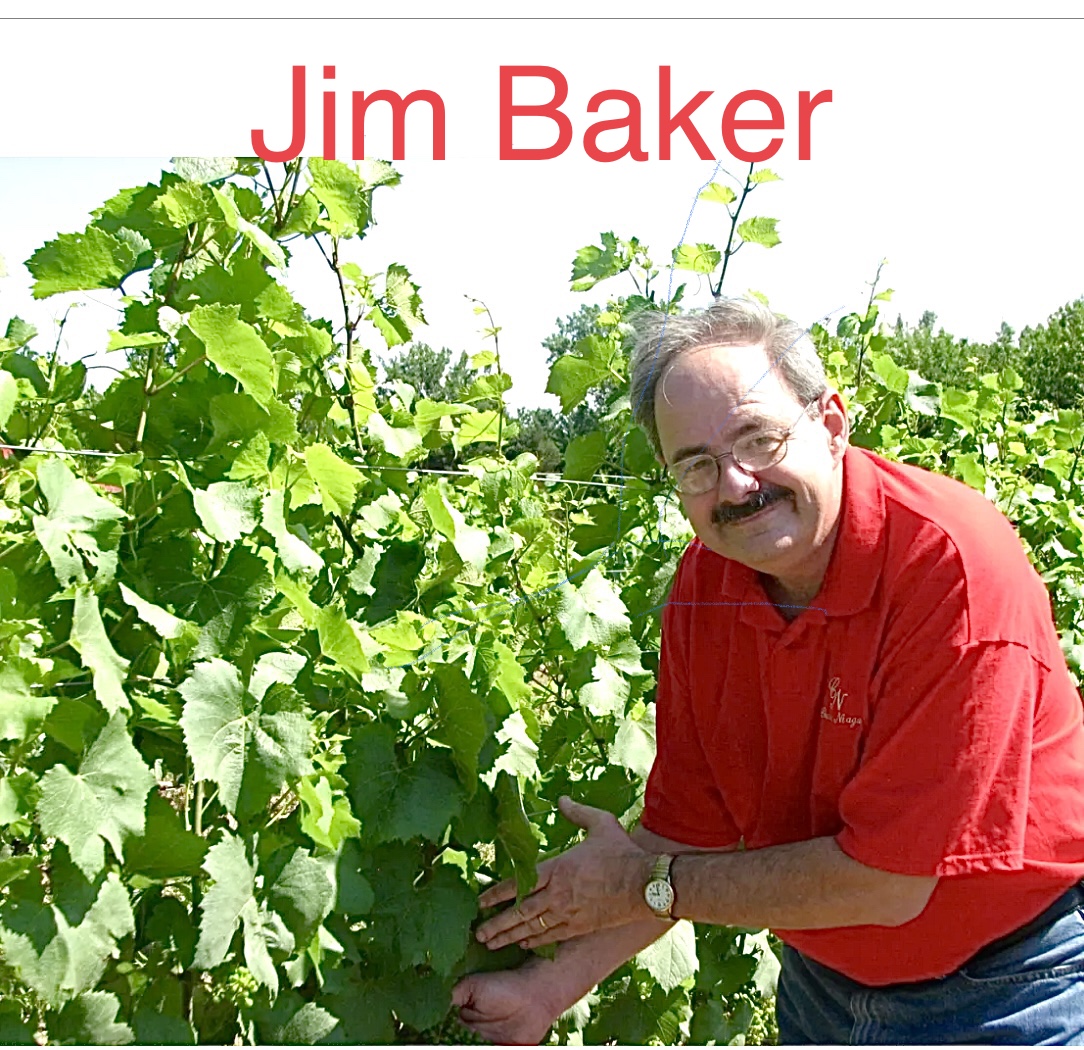
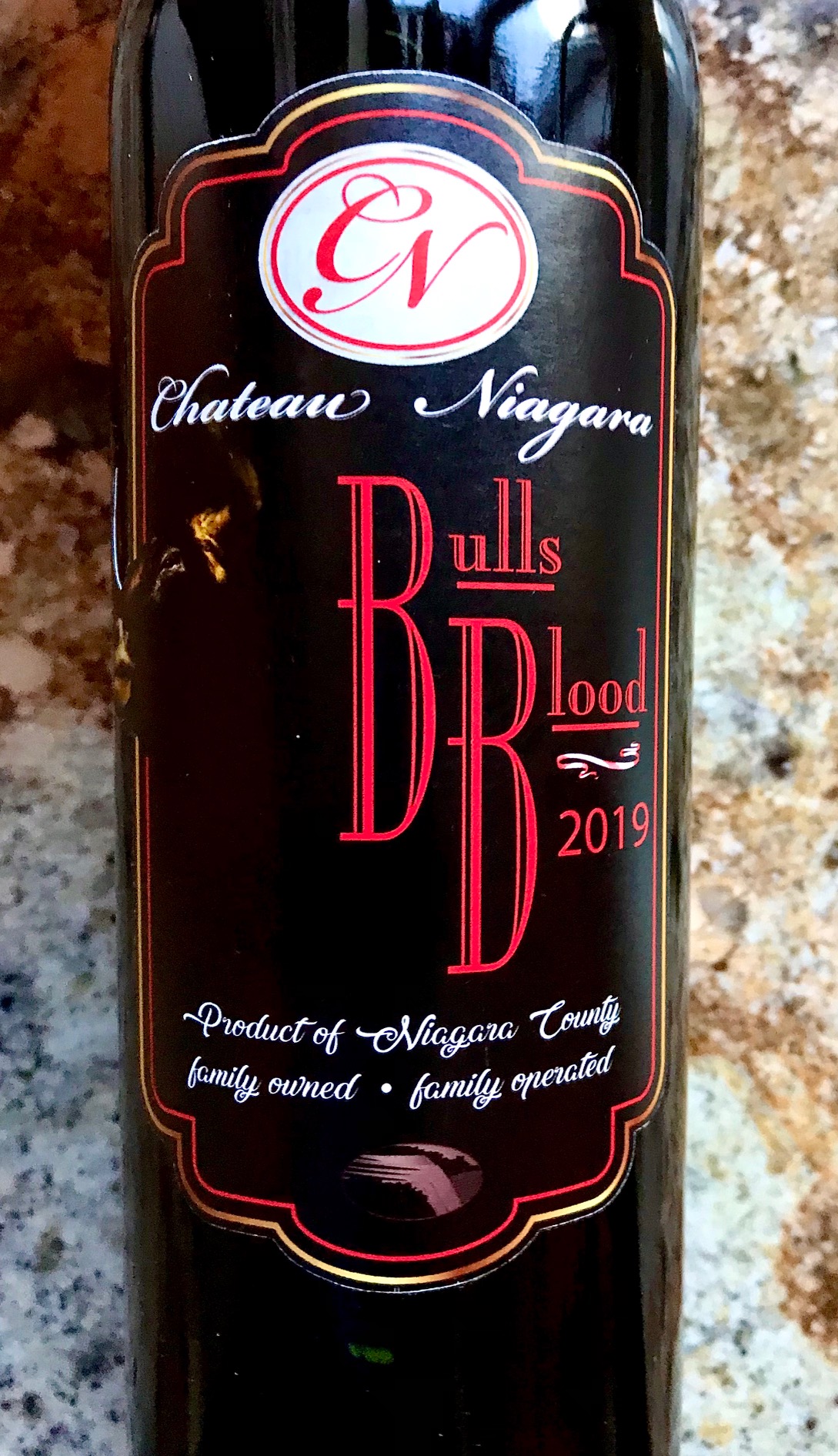
Award-winning winemaker, grower, and owner of Chateau Niagara, Jim Baker gives us his take on how climate change has altered his winemaking operation on the Niagara Plain in Newfane, New York. http://Chateauniagarawinery.com

“We had a devastating cold snap in the third week of January 2022. As a result, our vineyard died back to the ground. As part of the farming culture in cool climates, we hilled up our vines, basically plowing a mound of soil up onto the plant. This allows us to use the soil as insulation from sudden, deep cold snaps. This protected the dormant buds at the graft union and when spring hit, after we de-hilled the vines, these buds sprang into action. We spent the summer regrowing them but alas, had no harvest. 

So one of the effects of climate change is more extremes. Our summers have been generally a bit longer, our winters shorter, and overall milder. I noticed the shoreline of lake Ontario had no ice built up this year. Another observation is that the high-humidity disease of downy and powdery mildew has been tougher to deal with. The effect has been subtle on the insect population as well, with more Japanese beetles overwintering as grubs and emerging to feed on the grapes. On a more positive note, the number of growing degree days is increased,  resulting in riper fruit with improvements in the Bordeaux reds in particular. Overall it seems positive for us, at least that is the view from Niagara.”

The following are excerpts from an interview I did recently with Ulrike Platter, Director of Castel Sallegg in the Alto Adige region of northern Italy. You can read the interview in its entirety in an earlier post on this blog. http://castelsallegg.it

In addition, 80% of our vines are 30-50 years old, which means that the roots are growing very deep to get enough water for themselves even in a very hot season. These vines are stable.

“Our vineyard manager noticed the changes, especially this year, which was hot and dry. Since Castel Sallegg is more of a red wine winery (we produce 58% of red wines) and we often had difficulties in the past years, with the red grapes, such as Lagrein, Merlot, and Cabernet Sauvignon fully ripening, so 2022 was a great year for us.

Problems can be seen in younger plants or new plants.

For this purpose, we invested in a project for the next few years, which will digitize needs-based irrigation. This means that the humidity of the soil is measured by soil sensors and the wines in different places were partially watered by a targeted system.

Since we have some vineyards on a slope and the vines get less water at the top by draining and the vines at the foot get more water we can irrigate more targeted and water-saving.

We have also noticed increased hail in recent years. For this reason, we will place our most important vineyards under hail nets in the next 2-3 years.”

The following is an excerpt from a recent interview I did with Andrea Moser, Chief Enologist at Erste+Neue a winery and vineyard located in the Alto Adige region of northern Italy. http://erste-neue.it

“Facing the challenges of climate change is becoming increasingly important in every wine-growing region of the globe, and in South Tyrol, too, it is no different.

However, Alto Adige and specifically our area benefits greatly with respect to this issue, in fact, our orographic situation is very particular. The vineyards start in fact with the red varieties at about 230 m.a.s.l. and arrive in just a few kilometers to elevations of about 700 m.a.s.l. where the white varieties find excellent ripening conditions. This large elevation range, combined with a constant south-to-north wind “the Garda Hour” and strong temperature fluctuations between day and night due to the mountains that surround us (Mendola range), allows us to consistently obtain high qualities on both red and white grape varieties.

Ripe but fresh and elegant reds and whites with low ph, good acidity, crisp and fresh that perfectly embody the spirit of our territory and our vineyards located in the middle of the Alps.”

It doesn’t matter which side of the climate change debate you favor, there is no denying that the environmental forces in the vineyards of the world have changed and continue to do so. The grapes in northern vineyards are ripening more fully as the growing degree days increase and the growing zone edges further north each year. The vineyard managers and winemakers whose vineyards are located in the traditionally ideal spots for growing wine grapes are being forced to adapt to earlier and earlier harvest dates. One of the options being explored is to seek higher ground and the advantages that come with planting at altitude now affords. The rise in air and ground temperatures aren’t the only danger we have to worry about. Historic droughts, huge storms, floods of biblical proportions, and freakish weather events have become the new normal that must be endured and prepared for as we enter an era of unprecedented climate uncertainty. 

These are immense problems that must be addressed universally but solved locally. In a world facing such extraordinary challenges, you might be wondering what you can do to help. The only thing any of us can do is to be thoughtful of how our actions affect the environment and all living in it because we can only control what we do and that is what really matters. You can help by sharing a link to this post http://wpawinepirate.com on your social media to raise awareness and sensitivity to our current situation.

Thank you for your time and attention.

Wine Review: Castel Sallegg Lagrein 2019

Here’s an opportunity to experience a little taste of the Alto Adige region of Northern Italy through their native grape Lagrein. Lagrein is the oldest indigenous grape variety of the Alto Adige region and a relative of Syrah and Teroldego. Alto Adige is Italian for South Tyrol (Südtriol in German). It is Italy’s northernmost district and is also one of its smallest. The landscape is punctuated by the peaks and valleys of the Dolomites and Italian Alps. The producers in this area focus on quality over quantity. Most, if not all, of their wine, is terroir-driven. Castel Sallegg Lagrein D.O.C. 2019 is one of those wines. Made with 100% Lagrein grapes manually harvested from their humus-rich clay soil vineyards in the vicinity of Lake Caldaro.The grapes are then selected, destemmed, mashed, and, malolactic fermented at a controlled temperature in stainless tanks. It is aged in stainless steel (80%) and French oak for twelve months. It is blended for two to three months and bottle aged for an additional six months.

Castel Sallegg Lagrein 2019 has a very dark ruby color with faint floral aromas. Flavors of mixed black fruits are carried on a structured medium body with mild tannins appearing mid-palate. More than ample acidity throughout. Pairs well with any grilled or roasted red meat or pasta in a hearty red sauce.