The Climate Times They Are A Changing

The debate over whether changes in our environment are the consequence of human activity or the product of natural forces that have been shaping the Earth’s weather since the dawn of time has thrust itself into the global conversation like never before. Scientists have documented the shrinking of the ice shields globally, an ever-increasing number of record-high temperatures, and the toll of prolonged droughts are inflicting on all life on this planet. Life on Earth is persistent and will adapt over time to long-term fluctuations that threaten its existence.

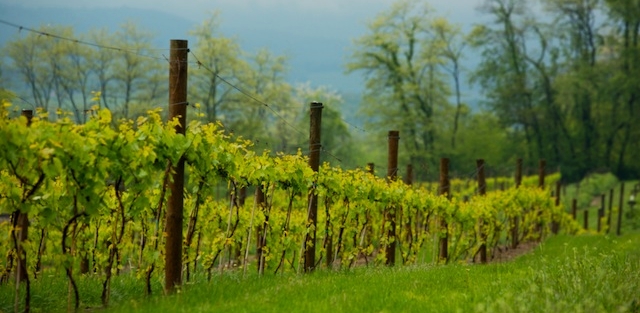
After hearing numerous reports of how vineyard managers are adjusting to preserve the production and quality of their vines I wanted to hear from the winemakers themselves why they are moving proactively to stay ahead of climate change related problems and exactly what measures they were implementing now in hopes of being successful in the long run. Vineyards are our proverbial “Canary in the coal mine” and they are signaling a warning of problems to come. 

For this article, I had the unique good fortune to draw on the expertise of individuals who are not only well-known winemakers, growers, and wine media authorities but also good friends whose opinions I trust. The following are their personal observations and first-hand accounts of how climate change is affecting winemaking operations in their area.

J.Stephen Casscles is a renowned vintner, horticulturist, and author that is currently working in partnership with the Milea Estate Vineyard in the Hudson Valley of New York to produce their Hudson Valley Heritage Wines. You can purchase the rare wines made with their estate-grown heirloom grapes from the Milea Estate website http://mileaestatevineyard.com. Here’s what Steve told me about how climate change is impacting vineyards in the Hudson Valley.

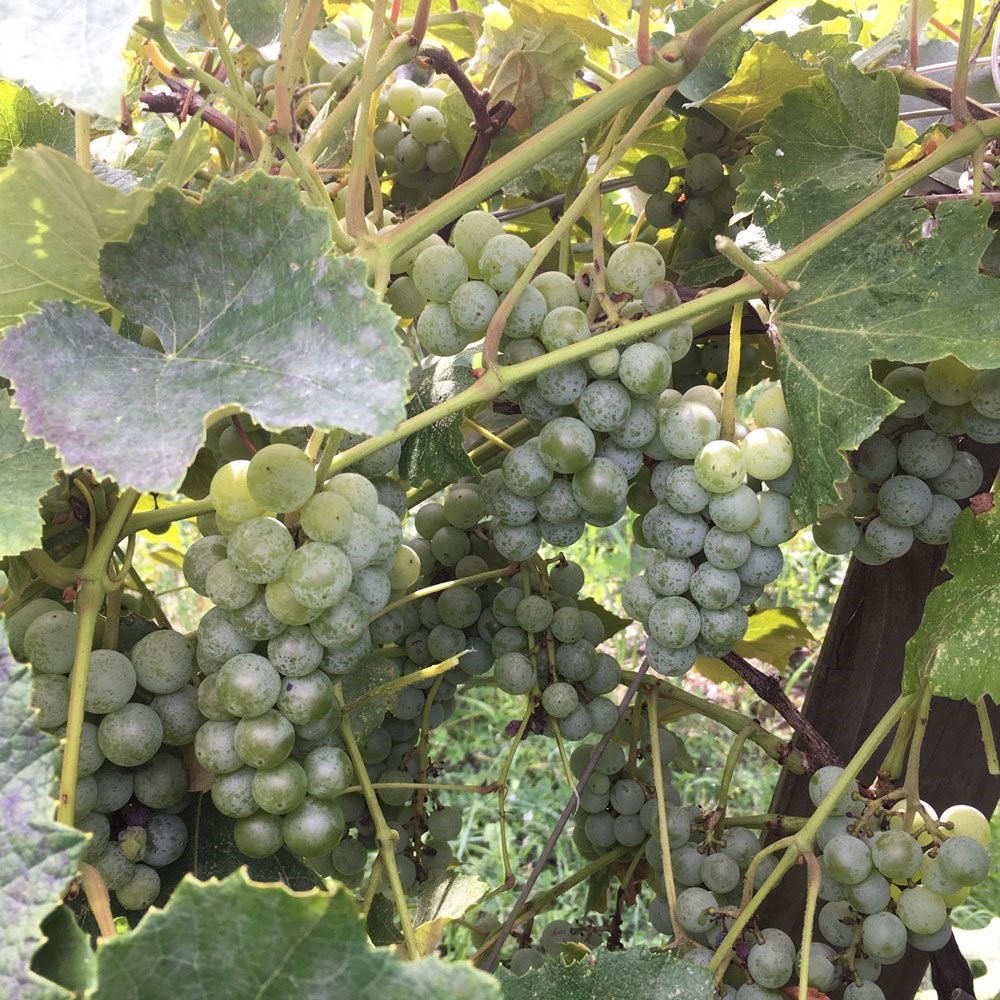
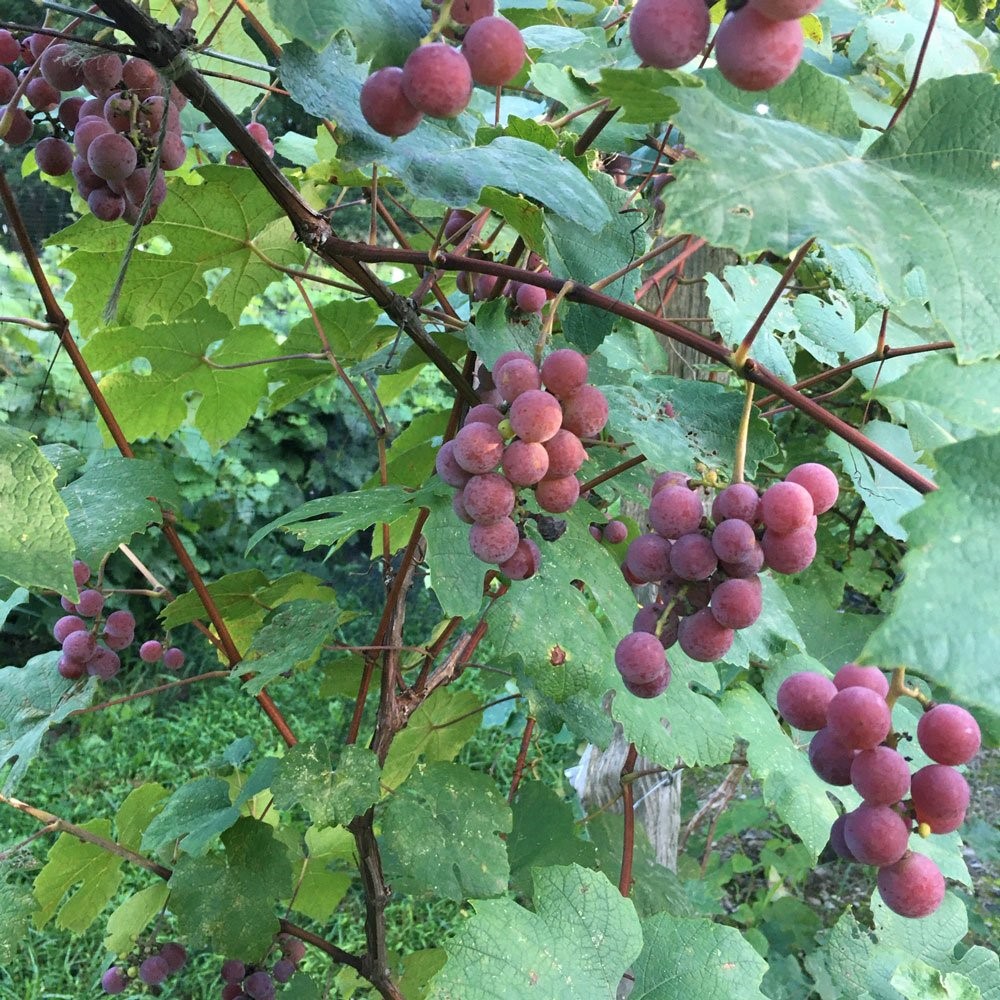
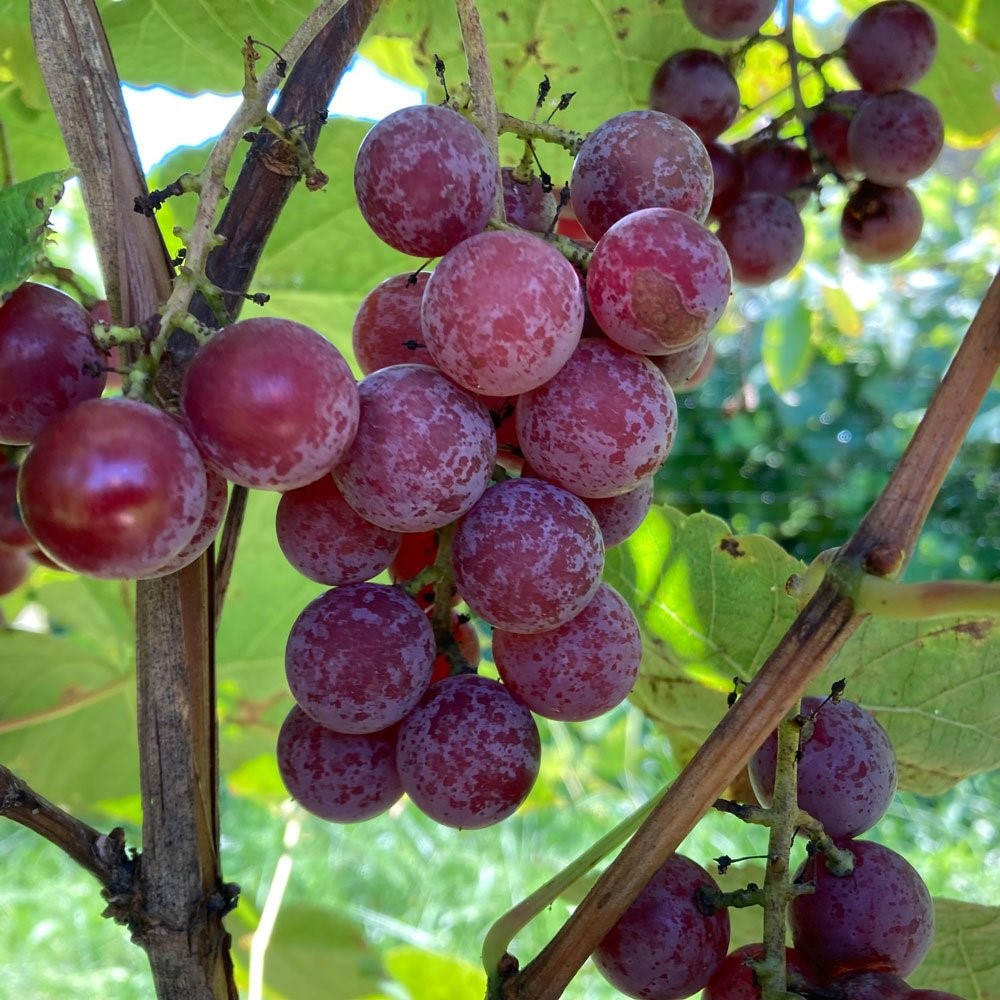
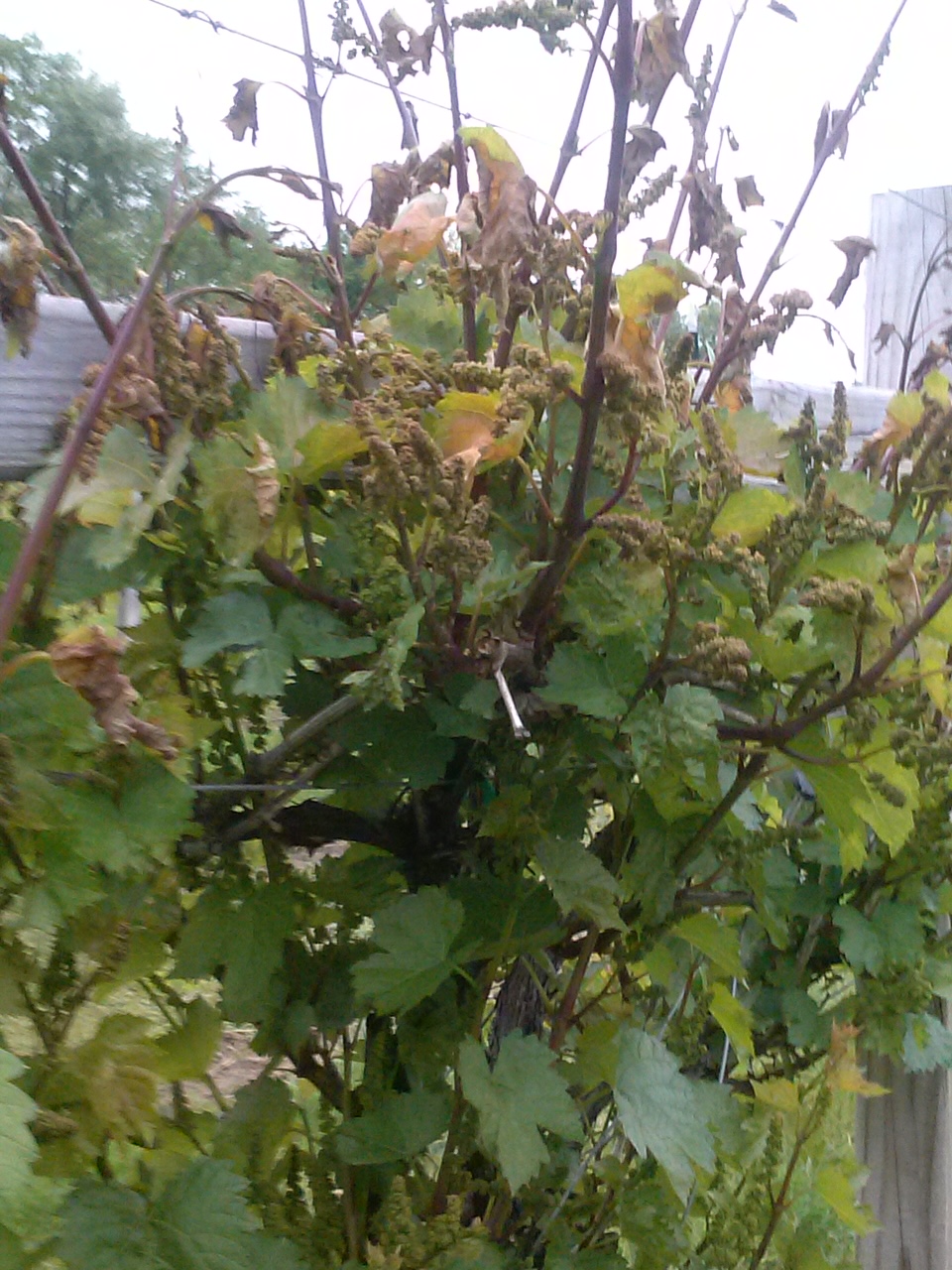
“The 2022 grape growing season was very difficult for the Hudson Valley and Eastern Massachusetts. In varying degrees, we had a drought that started in April and ended in late September in Eastern Massachusetts. For us in the Hudson Valley, our drought started in May and lasted until the middle of August.  Our temperatures were on average 3 to 4 degrees warmer than usual (and our norms in the summer have been going up for some time), In the Hudson Valley, we had a very wet September with 50 to 60 percent more rain as we were starting the earliest harvest season I have ever witnessed. With the ground so dry and sun-baked, all of the September rains (which can in 3 torrential downpours, so that much of the rain could not be absorbed in the soil, so we had flooding, which encouraged soil erosion.  Our Fall was warmer than average by 3 to 4 degrees so while my interspecific hybrids hardened off, many vinifera did not harden off as well. Hence, when we had our Christmas Eve Bomb Cyclone, where temperatures fell from 53 F to 9 F in about 12 hours, we had some vine damage.  After 3 days of fridge temperatures, we then experienced above-normal temperatures.  While, this seems to be a uniquely hard growing season, with climate change, this may be the “new norm”.  That is warmer Springs with sudden last Spring frosts, warmer and wetter summers, and falls, that end abruptly with our now fairly common Christmas time polar vortex or cyclone bomb (I see this in reverse too as a bomb cyclone).  Hence, I am expecting that the weather patterns that we saw in 2022 will become more common.  At my vineyard and at the Milea Estate Vineyard Heritage Grape/Wine Project, I have been shifting my work to not only find suitable interspecific hybrids that are cold hardy, fungus disease resistant, and make quality wine…. also include grapes that in addition to the above goals, also can produce a secondary crop with secondary buds when we get more commonly late spring frosts. In addition, because of our increasingly warmer falls, our grape wood is not hardening off to face our more commonly occurring Christmas-time polar vortex or cyclone bomb.  In association with the Milea Estate Vineyard Heritage Grape/Wine Program, we are now making wines out of these heritage varieties that can roll with the punches that Mother Nature is sending our way.   ***** Grape varieties that meet all 5 criteria listed above to better face our changing climate are Chelois, Pallmer, Burdin 6055 (reds), and Jefferson (a pink grape that makes a white wine).”

To get a glimpse into how climate change is altering the environment south of the equator in Australia I contacted Dan Traucki, acclaimed journalist, wine consultant, and Director of WineAssist http://wineassist.com.au. for his candid insights on this subject. 

“The biggest single thing that growers are doing to combat global warming in the vineyard, is experimenting with and planting new (emerging) varieties.

From the coolest areas through to the warmest they are looking at what they grow and moving towards more heat and drought-tolerant varieties.

Australia has gone from growing around 80-90 varieties prior to the turn of the century, to currently growing 156 varieties and rising.

The charge is being led by the growers in the warmest areas such as South Australia’s Riverland, due to its hot climate and from time to time the restrictions the government places on irrigation (due to drought). Many growers are experimenting or have adopted Mediterranean varieties that are much more suited to this climate than the traditional Chardonnay, Semillon, Cabernet Sauvignon, Shiraz, and Merlot. Sure they still make a Shiraz and Cabernet but their focus and emphasis is on the “new” warmer climate varieties.

When I was the CEO of a grape growing company (1,500 acres) up there in 2001-2004, the region was mainly a bulk wine-producing region producing no more than 15-25 varieties (the classics), whereas today there are a number of excellent small/ish producers producing an array of interesting and exciting varieties, for example, Bassham Wines produces 24 different varieties- having just recently launched Arinto, Fiano, Montepulciano and Nero d’Avola to mention but a few. Whilst out of the 13 wines that 919Wines produces only three are “traditional” or classic varieties.

The Barossa, the traditional home of mighty Aussie Shiraz, is now becoming well known for other big and interesting reds such as Durif & Zinfandel- in fact, in my opinion, Australia’s best Zin’s come from the Barossa.

Right across the country regions are exploring new more heat-tolerant varieties suitable for their particular region. Thus Australia now has over 400 Tempranillo growers amongst its 2,600 wineries, compared with 60 in 1990.

The other development is the rising number of vineyards that are converting to either Organic or Biodynamic. Whilst mainly done for environmental reasons, I have been told that there are climate change benefits in that these practices make for a more natural vineyard that requires slightly less irrigation, thereby helping with the upcoming and ongoing challenge of water availability. 

The Mighty Murray River upon which South Australia depends for almost all its water for humans and irrigation, which has been in drought for several years is currently flooding and is expected to peak at a new record- even higher than the devastating 1956 flood- many vineyards are underwater and I saw images of one where only the crowns of the vines were visible above the water!!

Meanwhile, within 50 kilometers of the flood zone, there are catastrophic bushfires raging.

Half the emergency services are battling floods and the other half raging bushfires all within the one county, for the first time in recorded history!!!”

Award-winning winemaker, grower, and owner of Chateau Niagara, Jim Baker gives us his take on how climate change has altered his winemaking operation on the Niagara Plain in Newfane, New York. http://Chateauniagarawinery.com

“We had a devastating cold snap in the third week of January 2022. As a result, our vineyard died back to the ground. As part of the farming culture in cool climates, we hilled up our vines, basically plowing a mound of soil up onto the plant. This allows us to use the soil as insulation from sudden, deep cold snaps. This protected the dormant buds at the graft union and when spring hit, after we de-hilled the vines, these buds sprang into action. We spent the summer regrowing them but alas, had no harvest. 

So one of the effects of climate change is more extremes. Our summers have been generally a bit longer, our winters shorter, and overall milder. I noticed the shoreline of lake Ontario had no ice built up this year. Another observation is that the high-humidity disease of downy and powdery mildew has been tougher to deal with. The effect has been subtle on the insect population as well, with more Japanese beetles overwintering as grubs and emerging to feed on the grapes. On a more positive note, the number of growing degree days is increased,  resulting in riper fruit with improvements in the Bordeaux reds in particular. Overall it seems positive for us, at least that is the view from Niagara.”

The following are excerpts from an interview I did recently with Ulrike Platter, Director of Castel Sallegg in the Alto Adige region of northern Italy. You can read the interview in its entirety in an earlier post on this blog. http://castelsallegg.it

In addition, 80% of our vines are 30-50 years old, which means that the roots are growing very deep to get enough water for themselves even in a very hot season. These vines are stable.

“Our vineyard manager noticed the changes, especially this year, which was hot and dry. Since Castel Sallegg is more of a red wine winery (we produce 58% of red wines) and we often had difficulties in the past years, with the red grapes, such as Lagrein, Merlot, and Cabernet Sauvignon fully ripening, so 2022 was a great year for us.

Problems can be seen in younger plants or new plants.

For this purpose, we invested in a project for the next few years, which will digitize needs-based irrigation. This means that the humidity of the soil is measured by soil sensors and the wines in different places were partially watered by a targeted system.

Since we have some vineyards on a slope and the vines get less water at the top by draining and the vines at the foot get more water we can irrigate more targeted and water-saving.

We have also noticed increased hail in recent years. For this reason, we will place our most important vineyards under hail nets in the next 2-3 years.”

The following is an excerpt from a recent interview I did with Andrea Moser, Chief Enologist at Erste+Neue a winery and vineyard located in the Alto Adige region of northern Italy. http://erste-neue.it

“Facing the challenges of climate change is becoming increasingly important in every wine-growing region of the globe, and in South Tyrol, too, it is no different.

However, Alto Adige and specifically our area benefits greatly with respect to this issue, in fact, our orographic situation is very particular. The vineyards start in fact with the red varieties at about 230 m.a.s.l. and arrive in just a few kilometers to elevations of about 700 m.a.s.l. where the white varieties find excellent ripening conditions. This large elevation range, combined with a constant south-to-north wind “the Garda Hour” and strong temperature fluctuations between day and night due to the mountains that surround us (Mendola range), allows us to consistently obtain high qualities on both red and white grape varieties.

Ripe but fresh and elegant reds and whites with low ph, good acidity, crisp and fresh that perfectly embody the spirit of our territory and our vineyards located in the middle of the Alps.”

It doesn’t matter which side of the climate change debate you favor, there is no denying that the environmental forces in the vineyards of the world have changed and continue to do so. The grapes in northern vineyards are ripening more fully as the growing degree days increase and the growing zone edges further north each year. The vineyard managers and winemakers whose vineyards are located in the traditionally ideal spots for growing wine grapes are being forced to adapt to earlier and earlier harvest dates. One of the options being explored is to seek higher ground and the advantages that come with planting at altitude now affords. The rise in air and ground temperatures aren’t the only danger we have to worry about. Historic droughts, huge storms, floods of biblical proportions, and freakish weather events have become the new normal that must be endured and prepared for as we enter an era of unprecedented climate uncertainty. 

These are immense problems that must be addressed universally but solved locally. In a world facing such extraordinary challenges, you might be wondering what you can do to help. The only thing any of us can do is to be thoughtful of how our actions affect the environment and all living in it because we can only control what we do and that is what really matters. You can help by sharing a link to this post http://wpawinepirate.com on your social media to raise awareness and sensitivity to our current situation.

Thank you for your time and attention.

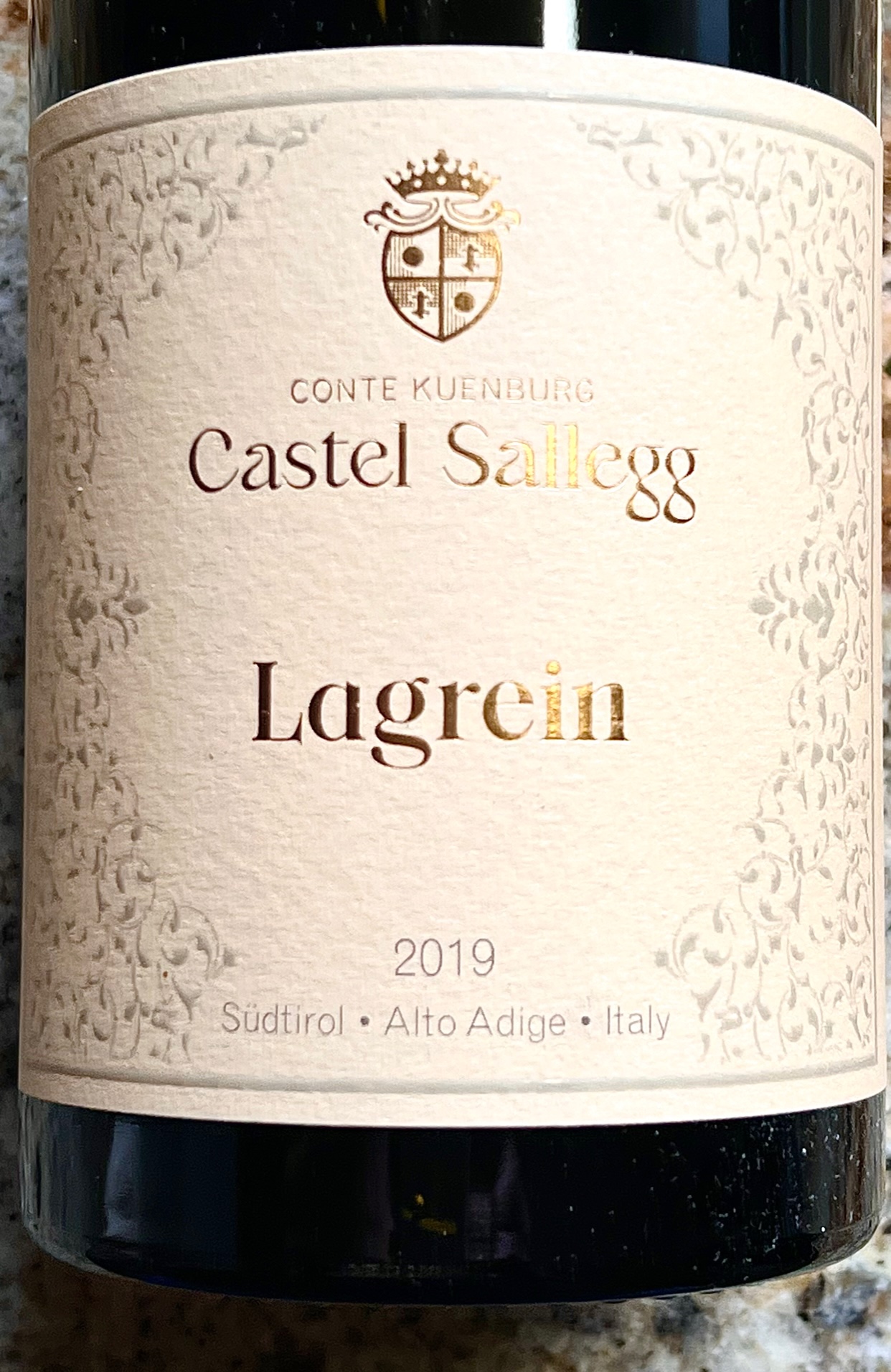
Wine Review: Castel Sallegg Lagrein 2019

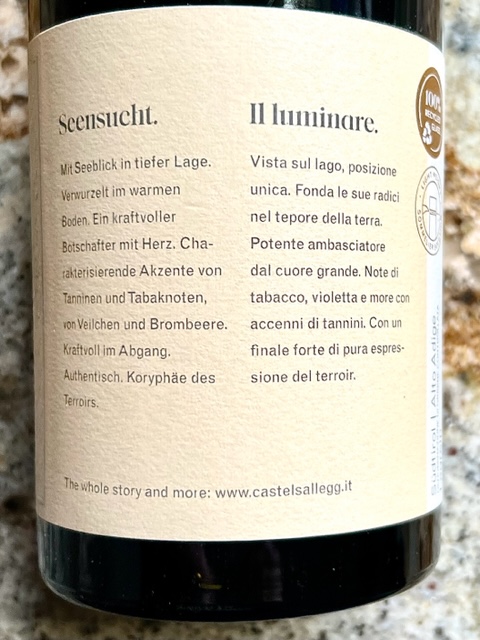
Here’s an opportunity to experience a little taste of the Alto Adige region of Northern Italy through their native grape Lagrein. Lagrein is the oldest indigenous grape variety of the Alto Adige region and a relative of Syrah and Teroldego. Alto Adige is Italian for South Tyrol (Südtriol in German). It is Italy’s northernmost district and is also one of its smallest. The landscape is punctuated by the peaks and valleys of the Dolomites and Italian Alps. The producers in this area focus on quality over quantity. Most, if not all, of their wine, is terroir-driven. Castel Sallegg Lagrein D.O.C. 2019 is one of those wines. Made with 100% Lagrein grapes manually harvested from their humus-rich clay soil vineyards in the vicinity of Lake Caldaro.The grapes are then selected, destemmed, mashed, and, malolactic fermented at a controlled temperature in stainless tanks. It is aged in stainless steel (80%) and French oak for twelve months. It is blended for two to three months and bottle aged for an additional six months.

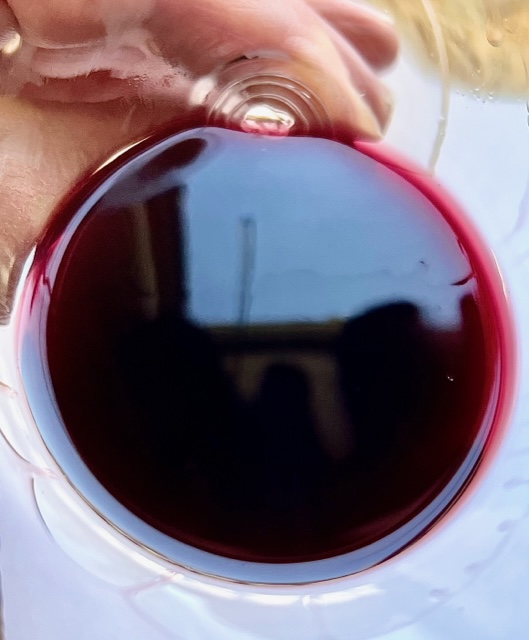
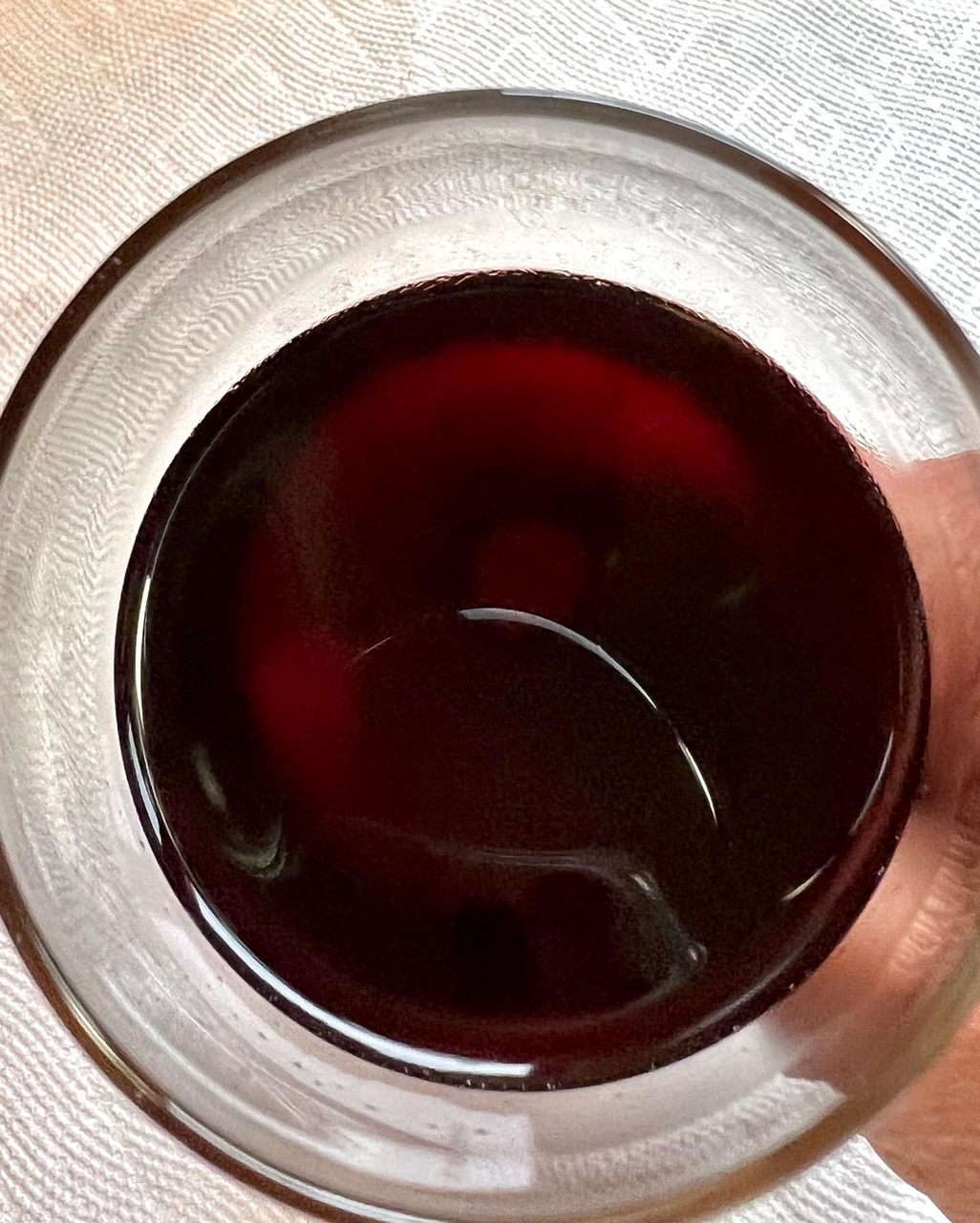
Castel Sallegg Lagrein 2019 has a very dark ruby color with faint floral aromas. Flavors of mixed black fruits are carried on a structured medium body with mild tannins appearing mid-palate. More than ample acidity throughout. Pairs well with any grilled or roasted red meat or pasta in a hearty red sauce.

CIAO! Stanley Tucci

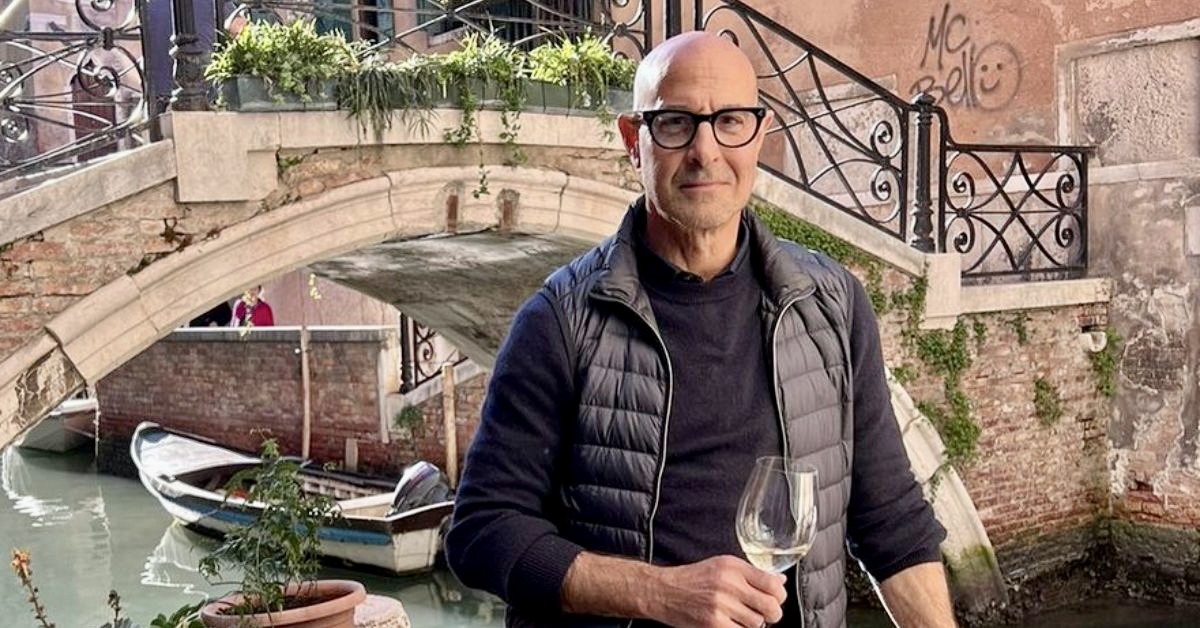
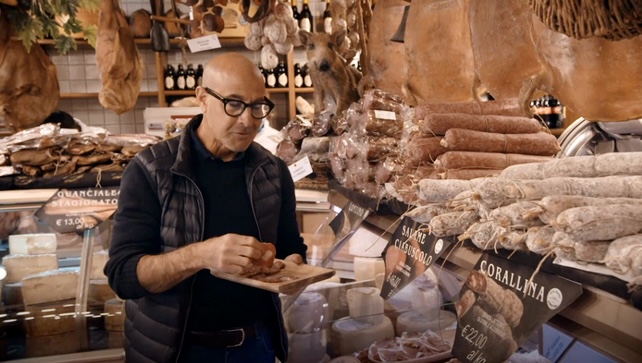
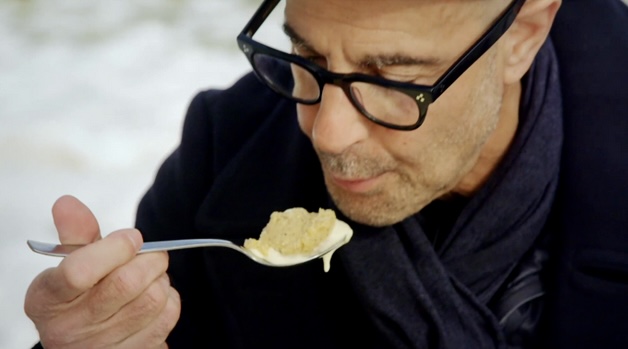
CNN has canceled Stanley Tucci: Searching for Italy and all of its original programming. But all is not lost because I heard Stanley tell Jimmy Fallon on The Tonight Show that he was exploring the possibility of reviving the show on another network, whether it be broadcast, cable, or streaming. This was more than just a travel show that featured the traditional tourist attractions, and scenic vistas of the Italian countryside and coastline. This production had that special feeling one gets when traveling with a friend who knows all the best spots and interesting locals that really allows you to immerse yourself into the culture of each region you visit. Tagging along with Stanley Tucci I experienced the Italy that only Stanley could show me with his adventurous palate, wry smile, and that all-knowing look of his.

When I heard CNN wouldn’t be renewing a new season of Stanley Tucci: Searching for Italy I got that same feeling you get when the plane lifts off the runway on your return home from a great vacation. You know that feeling of joy in the memories you made but a hint of sadness because there was more to see and do.

With that said, I am thankful to have had the opportunity to see Italy through Stanley’s eyes. If you are wondering where he went here’s a recap. Season One: Naples and the Amalfi Coast, Rome, Bologna, Tuscany, Milan, and Sicily. Season Two: Venice, Liguria, Piedmont, Puglia, Sardinia, Umbria, London, and Calabria.

Luckily for anyone who may have missed any or all of the episodes they are available through a number of media outlets that can be easily found with an internet search. If you have a cable subscription you can access all of the Stanley Tucci: Searching for Italy episodes from both seasons for free by going to go.CNN.com/vod (http://go.cnn.com/vod) and find Stanley Tucci: Searching for Italy, click on it, and log in using your cable provider when prompted. I have found the Microsoft Edge browser works better for this site than Mozilla does for streaming its content.

All that is left to say now is Grazie di tutto, Stanley! 

Photos Credit: CNN Stanley Tucci: Searching for Italy

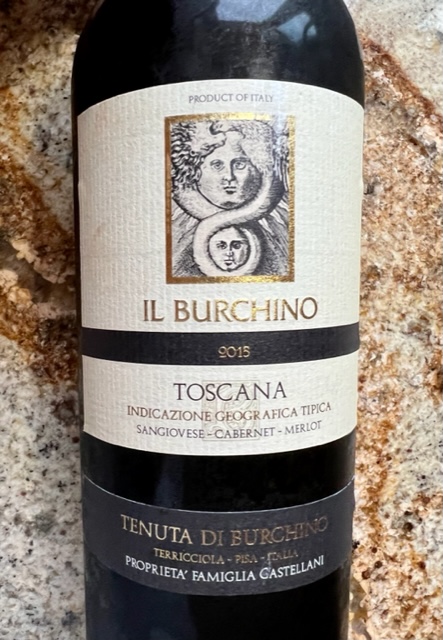
IL Burchino Toscana 2015

Tenuta di Burchino IL Burchino Toscana 2015 is a red blend of 85% Sangiovese 10% Cabernet Sauvignon & 5% Merlot from the hills of Pisa in Tuscany, Italy. 

James Suckling gave it 92 points saying it was “Perfumed with dark fruits, orange blossoms, and cherries following through to a medium body. Integrated tannins and just a hint of vanilla. Long and linear.” 

Quoted initially at $40 it is now available at P.L.C.B. stores in Pennsylvania as a “Chairman’s Selection” for $12.99. This is a bargain price for a wine of this quality. IL Burchino Toscana 2015 pairs perfectly with grilled red meat and pasta in a red sauce.

Campo Viejo Tempranillo 2019

Spanish wines offer some of the best values that you can find in the market today. Good quality and well priced Spanish wine can be found in both red and white if you do some research and are open to try something new. Campo Viejo Tempranillo 2019 is a perfect example of a very drinkable Spanish wine that is both widely distributed and very inexpensive. This red is certainly worth trying when you consider that it can be purchased for around $10 a bottle.

Campo Viejo Tempranillo 2019 is made in Rioja, Spain. Tempranillo is the most widely planted red grape variety in Spain but is not produced as a varietal often. Tempranillo is commonly used as a blending grape due to its neutral profile and ability to enhance the wines it is blended with. This wine is a balanced lighter red wine with no single dominating characteristic but that is not to say it doesn’t have enough structure, acidity, and flavor to be enjoyable. This Tempranillo pairs with tapas, grilled chicken, charcuterie, and of course Pizza.

There is no need for overkill when picking a wine for a meal or event. I try to match the type of wine with the type of event, meal, or group of friends and family I will be sharing it with.

Food Truck Wine Pairings


After reading an article recently about pairing wine with food truck fare I suddenly realized the perfect synergy that food trucks have with the wineries they visit. The eclectic menu items provided by the ever-changing food truck line up at wineries offer a unique opportunity to experiment with wine and food pairings that is simply impossible to achieve in a brick and mortar restaurant.

The following suggestions are only a starting point so I urge you to be creative when composing your pairings. The mind-boggling variety of food choices offered by these vendors provide winery goers an exciting range of dishes and cuisine to explore.

Every item will be accompanied by a Pennsylvania-made wine and one that is widely available and value-priced because remember you are being served your food through a window of a food truck.

BBQ & Grilled Meats: Without question these are the menu items on which the food truck industry was built. When you order from these trucks you need a wine with some backbone to stand up to the flavors of grilled meat, smoke, and sauce. These two bottles fit the bill nicely.

Fero Vineyards & Winery Estate Lemberger http://ferovineyards.com or Zuccardi Q Malbec

Pierogies: This Polish specialty is a comfort food favorite in Western Pennsylvania. Pierogies are most commonly filled with either potato, sauerkraut, or cheese but they can be filled with any number of unusual stuffings. A sweet option to the traditional savory ones is Prune Lekvar. A testament to how beloved pierogies are in the fabric of the community is that the Pittsburgh Pirates hold a pierogie race at every home game. I suggest pairing them with South Shore Wine Company Grűner Veltliner http://enjoymazza.com or Chateau Ste. Michelle Gewűrztraminer

Pizza: You can get anything from an authentic Neapolitan pie to the latest trendy gourmet creations seen on Instagram from a food truck these days. High temperature brick ovens have become the norm in food trucks so it calls for an equally impressive wine to complete your pizza adventure. Try Ripepi Winery & Vineyard Zinfandel http://ripepiwine.com or Menage-A-Trios Pinot Noir

Tacos: A mainstay of the food truck culture on the West Coast, taco trucks have developed a loyal following in Pennsylvania. When it comes to variety and originality you can always find something good at taco truck. I recommend selecting a Rosé or Blush. Consider these wines when doing your pairings. Greendance Isabella http://greendancewinery.com or Château ď Esclan Whispering Angel Rosé

Mac & Cheese: These trucks have filled a niche that has blossomed into one that provides choices not found in the mainstream trucks. When you have the chance please try some of what they are serving up because I think you will be happy you did. My wine picks here would be Narcisi Riesling http://narcisiwinery.com and Cloudy Bay Sauvignon Blanc.

Chicken: Chicken is a blank canvas for the chefs in a food truck. They paint masterpieces using broad strokes of flavor and style. To keep up with their always evolving flavor palates you must pair them with wines that can handle a broad spectrum of spices and preparation methods. These wines are well-suited for that challenge. Winslow Winery Vidal Blanc http://winslowwinery.com and Bogle Vineyards Merlot

Seafood: Seafood themed food trucks offer more than just fish sandwiches. They run the gambit from lobster rolls to sushi. While not as numerous as other cuisine focused trucks, when you find one it will likely be a memorable alternative to standard food truck grub. These two wines are sure to please. Bella Terra Chardonnay http://bellaterravineyards.com and Cantina Zaccagnini Pinot Grigio

My last word to you about pairing wine with any food, not just food truck food, is to trust your instincts because you just can’t make a mistake. So get out there and get the most out of what the wine world has to offer.

I Regret Nothing!

After seeing how well a couple of my posts on Instagram (@rich_wpawinepirate_ ) were received I realized a lot of people were just as curious as I was about the wine they sell on QVC. I posted a bottle pix of Kevin O’Leary’s Malbec and Rosé. Like me, everyone had seen his wines being presented and wondered after listening to him hype the virtues of his wine if they might be an interesting wine to try. I know all too well the risks of buying “processed wines” as they are now being called. You might remember them as “industrial wine.” With that being said, this type of wine is widely distributed, readily available, and enjoyed by millions.

I ordered the Kevin O’Leary Fine Wines Reserve Series Malbec Argentina 2020 and the Kevin O’Leary Fine Wines Reserve Series Rosé Vintage 2019, to be exact. O’Leary wine is sold as groupings or as three bottles of a single variety. The wine arrived promptly, well-packed, and cost about $15 a bottle when purchased from QVC.

The Malbec has a light/medium body and wasn’t overly dry with “middle of the road” acidity. This wine is best suited for an evening of grilling on the deck with family and friends. Rosé was my favorite. It is a very drinkable wine with a lighter body and a touch of sweetness. The most noticeable feature of this Rosé is its inviting vivid color. Kevin mentioned in his sales pitch that it is a blend of seven grape varieties and you can taste that because no one variety stands out, it is truly a blend.

If you are feeling adventurous and want to try some of “Mr. Wonderful” wine I would suggest starting with his Rosé. It is not a serious wine and can be enjoyed either alone as you relax at the end of the day or paired with lighter fare on a picnic in the country. You don’t have to over think these wines.

Take Me To Church

Kagor is traditionally a fortified dessert wine made from Cabernet Sauvignon, Saperavi, and other varieties of red grapes in the coastal area surrounding the Black Sea. Kagor was originally made for the Russian Orthodox Church as a sacramental wine. Finding American-made Kagor can be very challenging and finding a well-made one is like finding the proverbial “Needle in a haystack”.

Jim Baker owner/winemaker at Chateau Niagara is making an award-winning Kagor from his estate-grown Saperavi. When I say award-winning, I mean that Jim brought home a medal for his Kagor from the prestigious Saperavi World Prize competition held in the Black Sea city of Tbilisi, Georgia plus numerous other awards. While Jim doesn’t fortify his Kagor, he does ferment it up to 15% ABV.

Opening the bottle is just the beginning of enjoying your Chateau Niagara Kagor, there is a method to tasting this unusual and extraordinary wine. I could attempt to explain it but I think there is no one better suited for the job than Jim Baker, so here is how to experience all that Chateau Niagara Kagor has to offer in Jim’s own words.

“Take a taste and swirl around once or twice in your mouth, coating all the taste buds and then stop. Let the wine take over. It will take you a journey, with flavors rising and falling. You want to go until they stop changing, and for most people it’s more than a minute. After that take a bite of a good chocolate truffle and when that is partially melted, taste the wine again, swallowing both together. They effect will be almost immediate with a burst of cherry cordial flavors.”

I asked Jim why he decided to grow grape varieties that are associated with Eastern Europe and make classic Eastern European wines from them. Here is what he said:

“We decided to make the Kagor as part of our Eastern European wine series. We discovered a number of little know Eastern European wines that we thought were pretty cool, and would allow us a little niche to specialize in. This includes a Hungarian Bulls Blood, our Saperavi, a Georgian style skin-fermented Riesling Chardonnay blend called Du Monde, and our Kagor. We planted a new Romanian grape last fall called Feteasca Neagra, but we will be calling it by the way cooler English translation of “Black Maiden”!”

Chateau Niagara will be doubling the size of their Saperavi vineyard to just over an acre of this versatile grape.

If you are interested in trying Jim’s Kagor or any of his other wines they can be found on his website http://chateauniagarawinery.com or by visiting the winery at 2466 West Creek Rood Newfane, NY. Please call before visiting. (716) 778-7888

Kagor 2017 Photo Credit: Chateau Niagara Winery
Saperavi Rose 2019 Photo Credit: Chateau Niagara Winery
Saperavi 2018 Photo Credit: Chateau Niagara Winery

Far From The Shallow Interview: Karoline Walch

Let’s play a game. Close your eyes and imagine your favorite Italian winemaking region. Next, conjure up images of its beautiful landscapes, vineyards, and signature architecture. Finally, remember how wonderfully the wine reflects its terroir and expresses the true characteristics of the land. Now, open your eyes and tell me was it Alto Adige? No, then let me tell you about this spectacularly grand alpine province which includes parts of the Dolomites and is also known as South Tyrol. This enchanting Italian wine region is nestled between Switzerland to the west, Germany to the north, and Austria to the east.

 Alto Adige is home to Elena Walch wine estate. The Elena Walch wine estate is among the elite of Italian

IMG_3840_Original

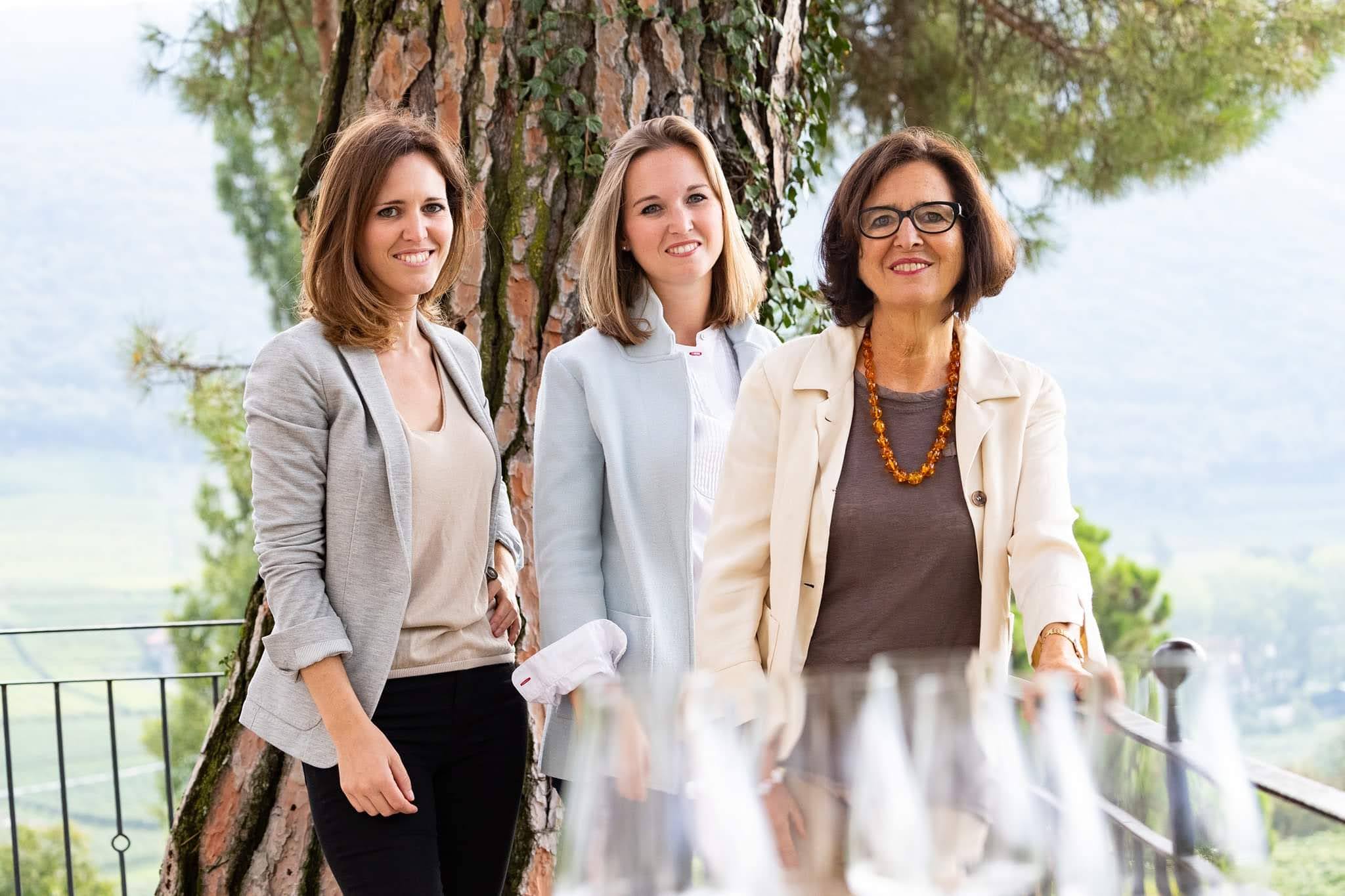
wine producers and has been the standard-bearer for quality and innovation under the guidance of Elena Walch and now her daughters Julia and Karoline. The estate’s philosophy toward winemaking has always been defined by its dedication to the land and terroir. Elena Walch wines are a direct expression of their soil, climate, and care in the vineyard. The disciplines of sustainability and care for the land are strictly adhered to and passed down to future generations. Julia and Karoline Walch have steadily advanced and evolved the viewpoint of their mother since taking over as General Managers of the estate in 2015. 

I recently had the opportunity to ask Karoline Walch about how they are carrying on that commitment to excellence and how you can taste it in their wines.

Elena Walch wines have always been faithful to the ideology of respecting the land and the environment so your wines are a direct reflection of the terroir. How do you see your commitment to that principle manifest itself in your wines?

Since the beginning, my mother wanted to produce wines that are a true reflection of a single site. Our two most important single vineyards are the Vigna Castel Ringberg and the Vigna Kastelaz, both very distinct and unique sites. With a combination of limestone soils and its microclimate given the lake influence, the vineyard Vigna Castel Ringberg is farmed sustainably to best adapt to the characteristics of the site. It is finally the salinity and depth that distinguishes it from many other wines within that category. The Vigna Kastelaz, on the other hand, is one of the very few vineyards facing completely South, and hence, benefitting from very sunny and dry growing conditions. Not only, it is extremely steep and due to its proximity to the Mendola mountain ridge, the temperature fluctuations are huge. This allows us to develop the primary aromas to the full spectrum, yet retaining the acidity. Not surprisingly, this is our icon site for Gewürztraminer. Finally, to further highlight the importance of those two vineyards, since 2014 our wines that grow on those two sites, carry the prestigious denomination of Vigna –  It is an additional mention of a smaller geographical origin and designs the smallest historical/geographical unit of a vineyard. Every single Vigna must be officially admitted and registered within the regional government. It expresses the ultimate thought of terroir philosophy with the idea of a parcel wine from an exact plot and hence having a historical or traditional name.

How does your state-of-the-art fermentation cellar help you in accentuating all the unique terroirs of your diverse vineyard sites?

Our estate’s philosophy is inherently connected to terroir – the idea that the wines are an individual expression of the vineyard’s soil, climate, and cultivation. We start with quality in the vineyard, but the way the grapes are handled at the winery is an important step in how the finished wine expresses its sense of place. Our new, high-tech cellar allows us to be flexible and adjust to the requirements of both single vineyards and individual varieties. 

With the new cellar, there are three important changes: the option between whole-berry or whole-bunch fermentation; the strict use of gravity to process the grapes as gently as possible; and four different points of quality control before the grapes reach the fermentation tanks. The aim is to create wines that have more structure, more fruit, and soft, supple tannins with great aging potential while being more elegant and refined at the same time. KW

Elena Walch set sail into uncharted waters when she built her winery on the idea of producing the highest quality wines that are terroir-driven and sustainably grown. Her daughters, Julia and Karoline, are continuing the journey she started but are always adding their own contemporary interpretation to their winemaking.

We can talk about how Elena Walch wines express their terroir and how producing wine sustainably can be tasted and experienced in a tangible way but it is impossible to truly understand what Elena Walch wines are like without tasting them for yourself. I feel quite confident that after reading Karoline Walch’s perspective on how she approaches making wine that you have a desire to taste her wine just to see for yourself why it is so special. The only question that remains is which one to try first. Luckily for us, Elena Walch wines are superior wines so you can’t make a mistake. Since Alto Adige is the northernmost region in Italy the Germanic grape varieties tend to be prevalent but that is to be expected since it is so close to Germany that 70% of its population speak German while only 25% speak Italian. Elena Walch is known for its white wine, which includes their popular Gewürztraminer and “Beyond The Clouds” but their reds are also top-notch.

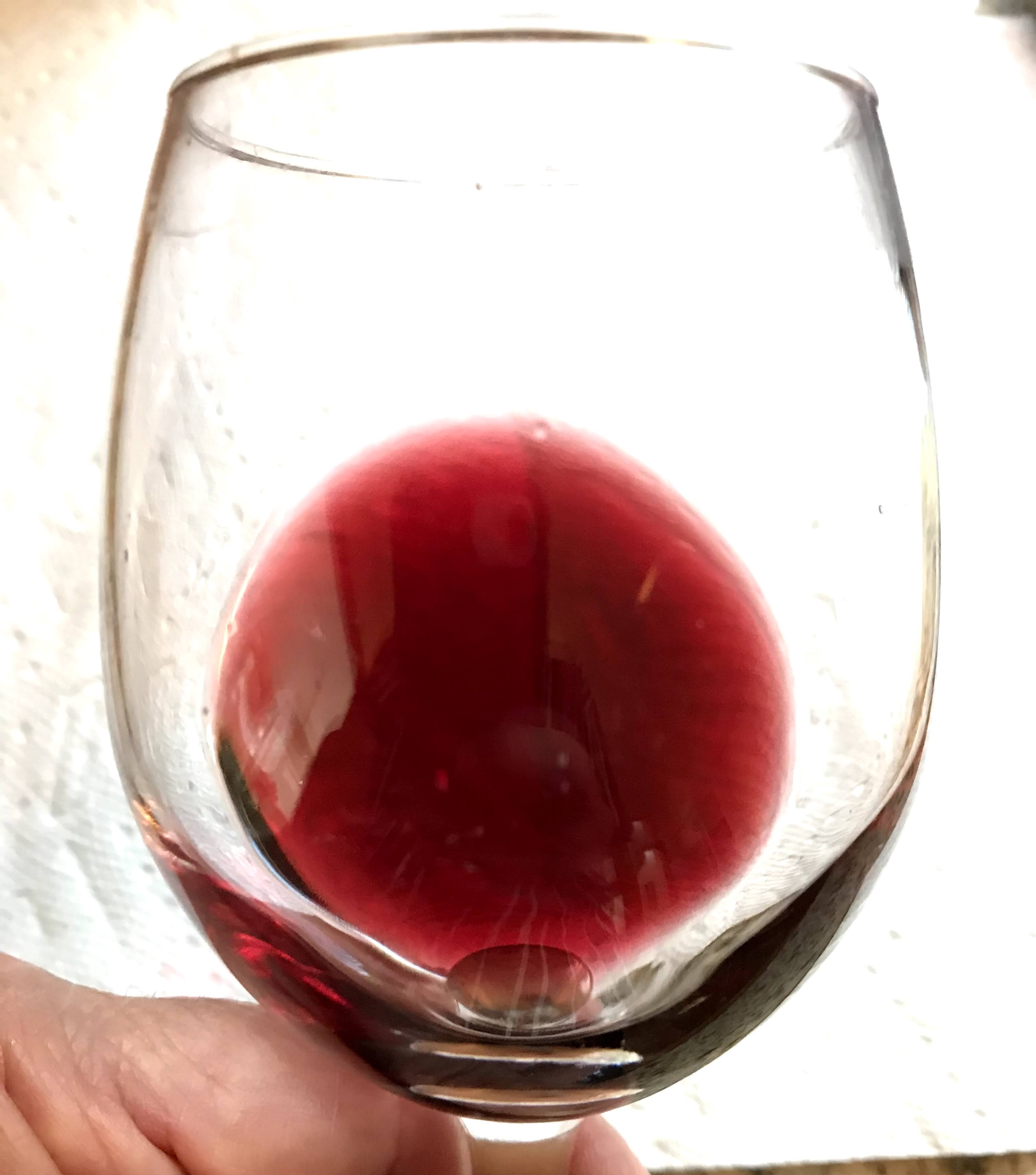
When I explore a wine region I am always curious about the wine made from its indigenous grape IMG_3843_Originalvarieties. When I looked at Alto Adige, Schiava caught my eye. Schiava is an indigenous grape varietal often associated with the region. Schiava typically produces an aromatic light but acidic red wine that is highly versatile when it comes to food pairings. Elena Walch Schiava is a solid choice because it ranks high in quality and taste for this varietal. Elena Walch Schiava 2019 has a cranberry color, mild tannins, and bright acidity with flavors of red fruit and Schiava’s signature tinge of bitter almond on the finish. It is best when served between 60-65ͦ F/16-18ͦ C. This wine pairs well with Mediterranean fare and pasta. 

Elena Walch wine estate is only one of the extraordinary wineries in the Alto Adige region of Italy that are

eager to share their enchanting culture and remarkable wines with you.  

Photo Credit: Elena Walch

Organic, Natural, or Biodynamic?

Confused by what the difference is between natural, organic, and biodynamic wine? Well, you are not alone. The growing trend toward natural, organic, and biodynamic wines has created a marketplace in which an informed consumer stands a much better chance of buying a product that fulfills their desire to live a “greener lifestyle”.

In my opinion, the best way to feel confident that you are purchasing a natural, organic, or biodynamically produced wine is to buy it from a producer you trust. Before you decide on which production practices best suit your needs let’s look at an overview of each method. You must keep in mind that there is no clear-cut distinction between practices and there is often an overlap between terms describing them; the qualities are not interchangeable between methods. 

Organic wines are separated into two categories in the U.S. The first is wine certified organic by the United States Department of Agriculture using strict regulations. The U.S.D.A. guidelines require the grapes to be grown without the use of synthetic fertilizers and all ingredients added to the wines must be certified organic. No sulfites may be added to these wines. Only wines that meet these strict rules may display the U.S.D.A. certified organic seal. The second category contains wines made from grapes that were grown using organic farming methods. Wines in this category were made using organically grown grapes and may or may not have been made following organic winemaking methods. 

Biodynamic wine is made using the principles of Austrian philosopher Rudolf Steiner. I think of biodynamic practices as embracing a holistic approach toward viticulture. It observes farming methods based on a specific astronomic calendar. An example of this would be only harvesting grapes on days designated as “Fruit” days or only pruning on “Root” days. Biodynamic farming isn’t only dependent upon the calendar but is similar to organic in that it only allows for the use of organic fertilizers and bans the use of any type of pesticides, fungicides, herbicides, or any synthetic chemical intervention in the vineyard. Biodynamic wines are, however, permitted to contain sulfites. It is these small differences that can cause confusion when comparing whether a wine is organic, biodynamic or both. A wine designated as organic doesn’t mean it is also biodynamic or a biodynamic is always organic.

Natural wine or low-intervention wine, as it is often called, is fermented spontaneously by its native yeasts. As the name implies they are, for the most part, unmanipulated and never filtered or fined. By not filtering these wines they appear cloudy because of the solids left suspended in them. Due to the minimal amount of intervention by the winemaker these wines have limited stability and should be treated accordingly. If a winemaker doesn’t want to go through the regulatory process of having their wine certified as organic they can just skip the process and label it as “Natural”.

This is why I strongly suggest when you are looking for a wine to purchase in this segment of the market it is always a good idea to buy from a producer you know and trust.