Interview: Alfredo “Alfie” Alcantara, dear native grapes Winery & Vineyard

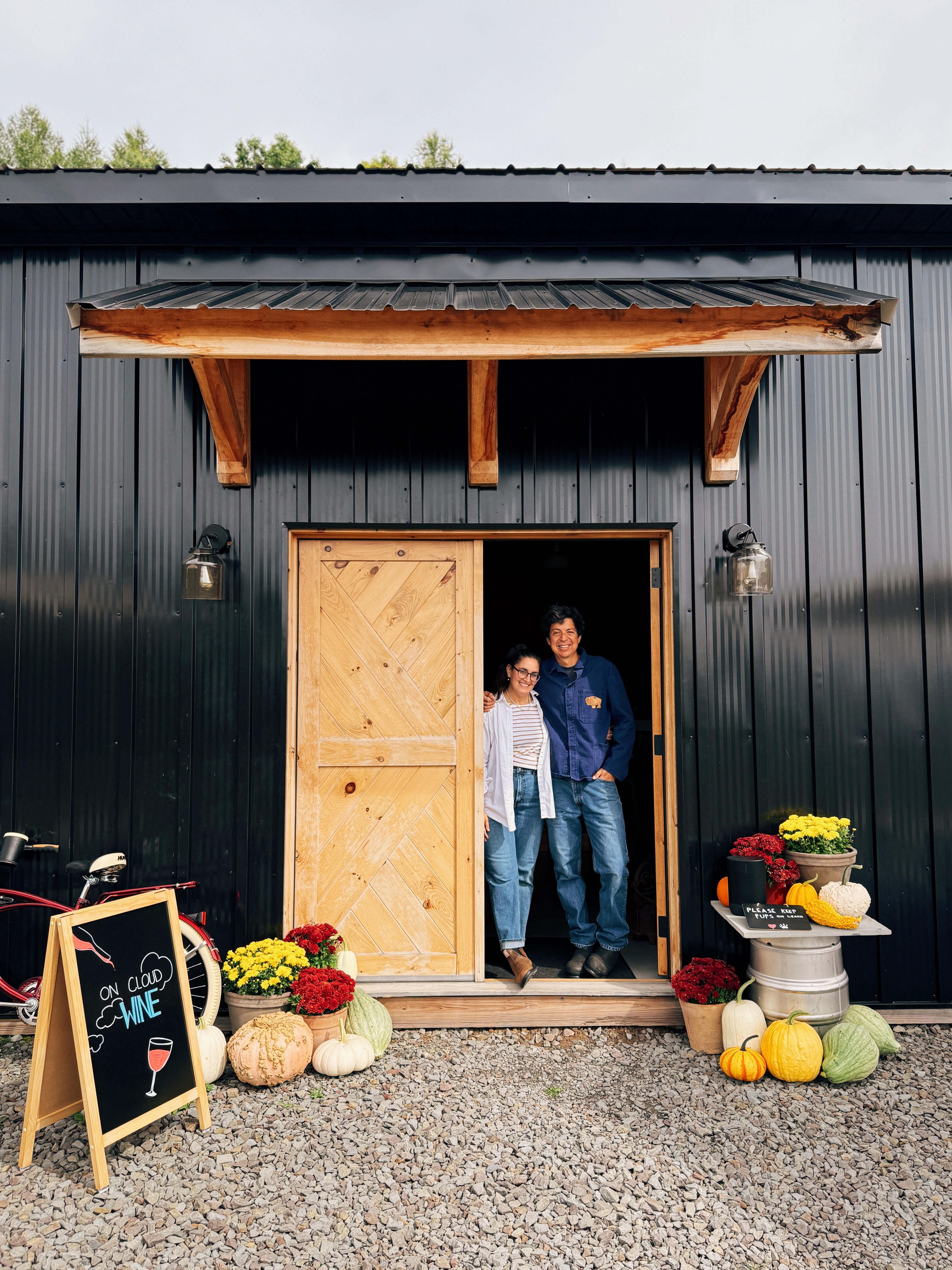
The last time I checked in with Alfredo “Alfie” Alcántara was in July, just before he and co-owner Deanna Urciuoli celebrated the grand opening of their vineyard and winery in Walton, New York. Situated in the Catskill Mountains, dear native grapes is dedicated to reviving American heritage grape varieties that have been largely overlooked by the modern wine industry after being a mainstay of winemaking during the pre-prohibition era. To say the least, dear native grapes has been a resounding success, so I decided to see what “Alfie” has been up to and what’s next for these fearless wine romantics. 

The following is my interview with Alfredo Alcántara verbatim and unedited for length.

Rich wpawinepirate:

First, I would like to congratulate you and Deanna on the successful launch of your groundbreaking vineyard and winery, dear native grapes. I appreciate you taking the time to talk with me because I know you have also been busy with the premiere of your latest documentary, “The Age of Water.” 

Can you share some of your experiences and candid thoughts, both personal and professional, about the events of the last few months and your plans for dear native grapes?

Alfredo “Alfie” Alcántara:

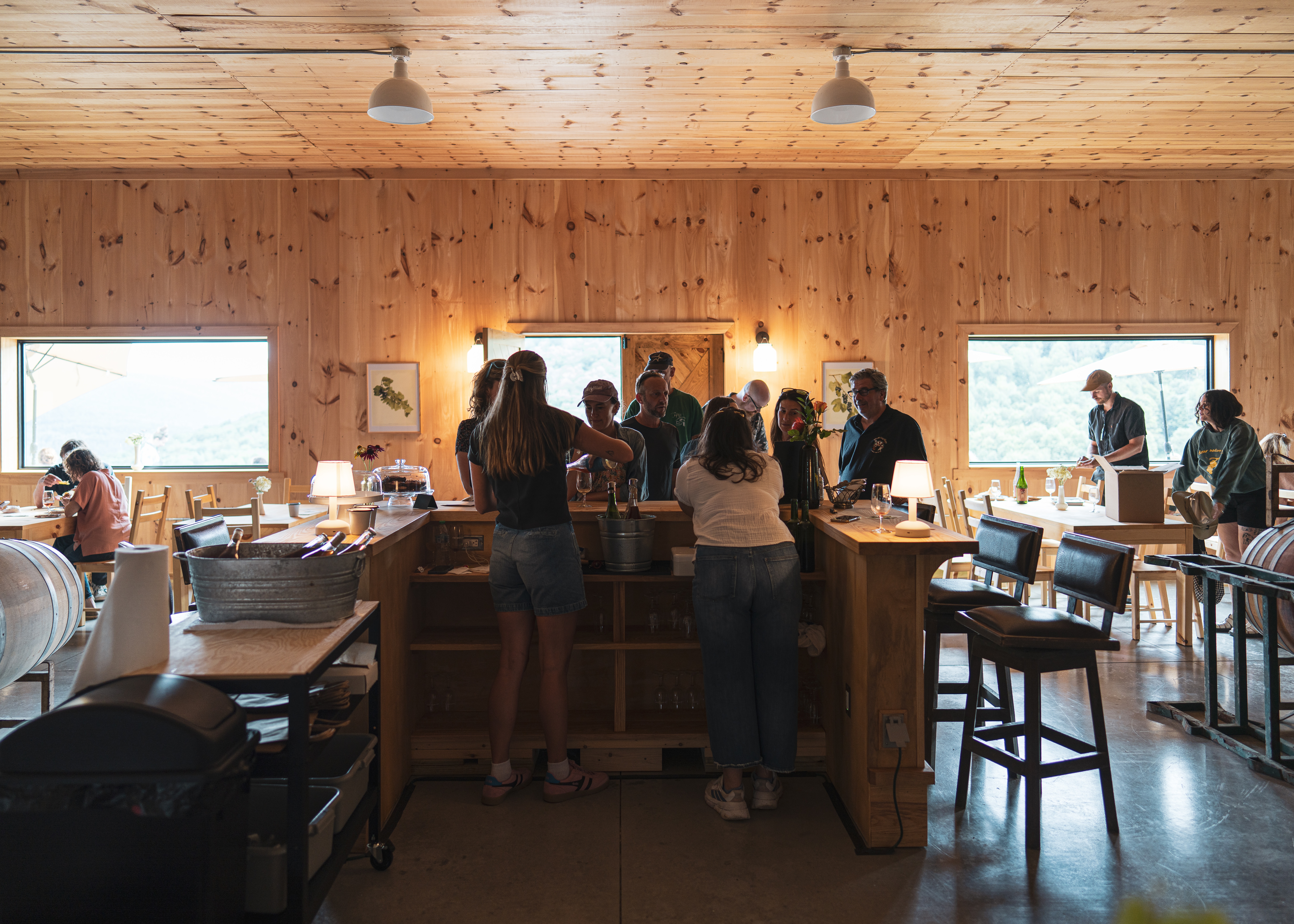
Thank you, Rich! We feel so fortunate to have reached this milestone and finally share it with others. We opened our winery doors to the public in July, and we feel like time has flown by. Opening day was an absolute party. It almost felt like our own wedding, with so many friends and family, as well as visitors from all over, gathering to celebrate. Everyone was so excited to see and experience this project, taste the wines, and learn about the history of American grapes. We got lucky with the weather that day; the sun was shining, our friend was spinning records, a local Mexican restaurant was making delicious tacos on site, and everyone had a great time. Of course, Deanna and I were running around trying to make sure everyone had a glass of wine and keeping up with dirty dishes and glassware…that we barely got to sit and chat with folks! We’ve been open every Saturday since then, and every weekend has brought a new set of rich and enlightening experiences. 

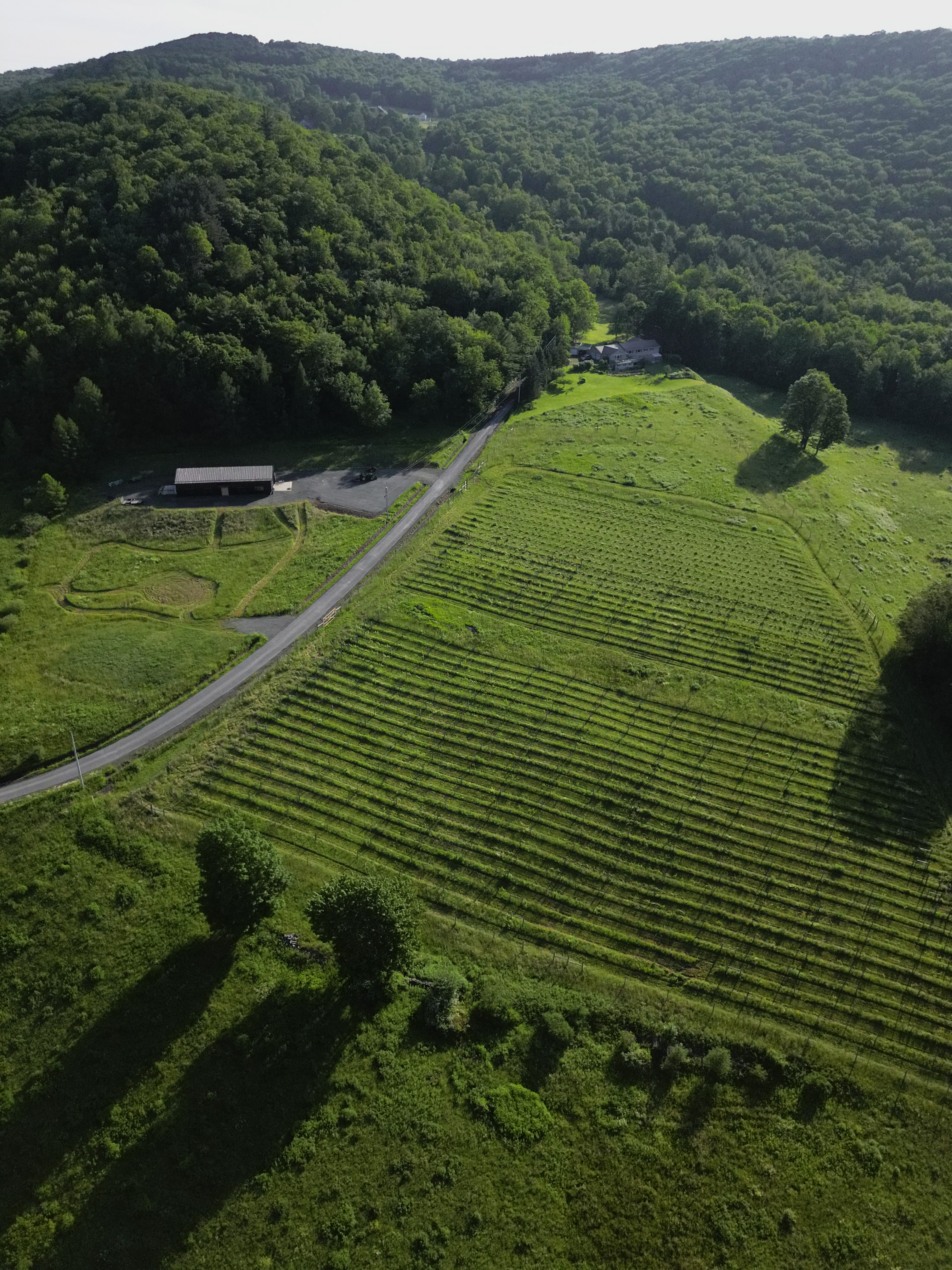
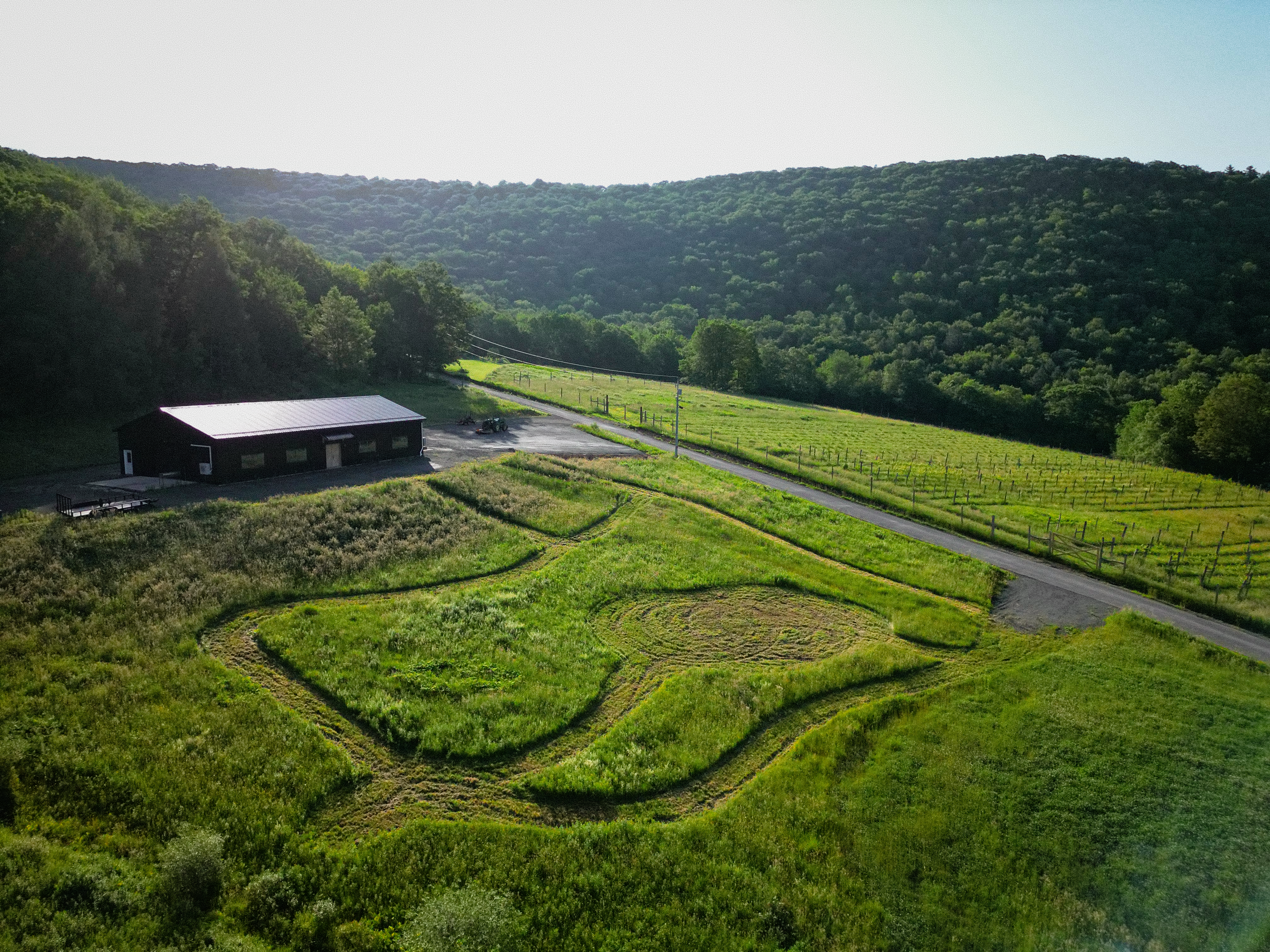
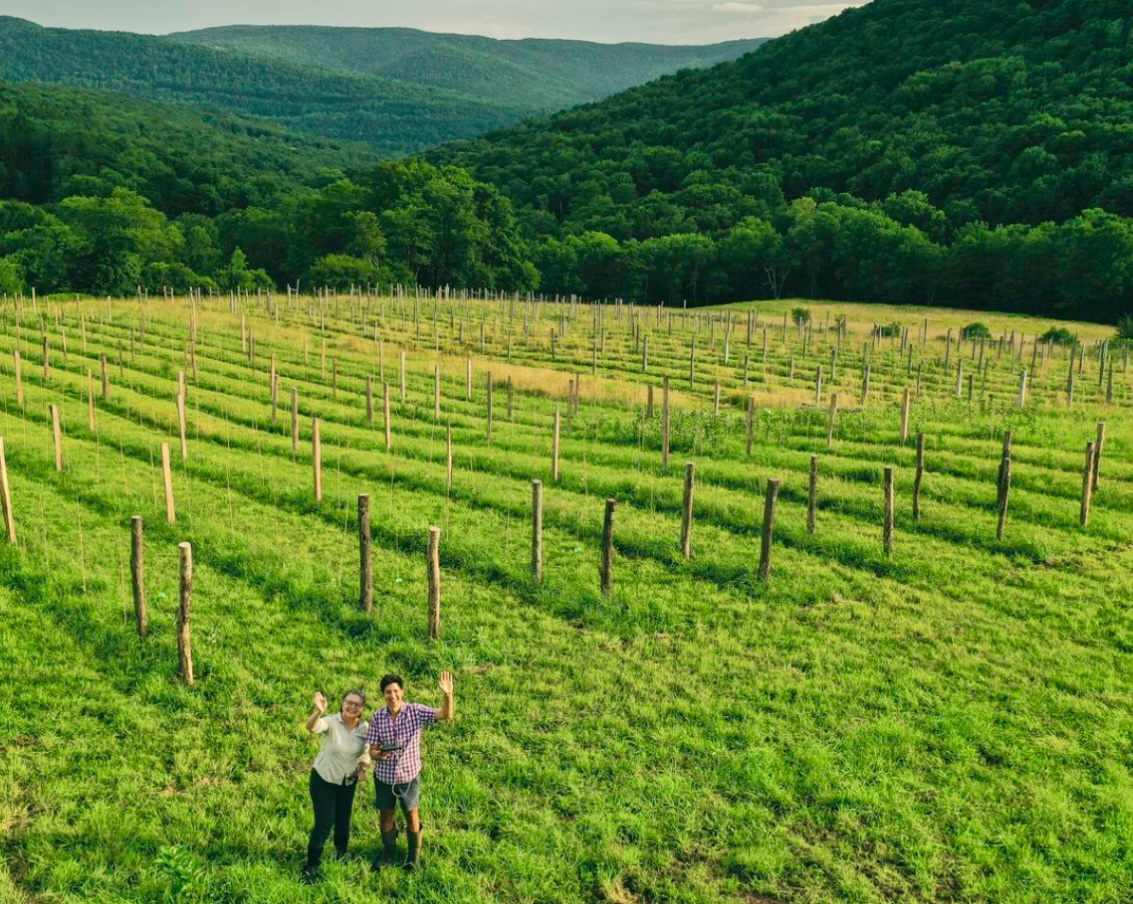
One of the coolest things we’ve seen is how the space has evolved from being a dream that only Deanna and I had into a shared community space that now belongs to many. We love it when guests arrive, they order their wine, and sometimes they sit with their book and blanket somewhere out in our fields, or they bring their families and set up a picnic for the day. The winery is situated at the top of our vineyard and is surrounded by the beautiful Catskill mountains, so many folks see it as a place to commune with nature and relax. Every Saturday, we’ve hosted a local food pop-up or food vendor. Initially, our goal was to increase our offerings, but we’ve also noticed how each food vendor has elevated the winery space by sharing their heritage and cooking background. Folks now look forward to trying different cuisines and we are blessed to have so much culinary diversity in our Catskills region. 

We’ve also hosted a basket-weaving workshop, a live music event, and a special Friday evening dinner party. All this to say that we feel so excited to see the space come to life, and at the same time so exhausted. Even though we only open on Saturdays, both Deanna and I still hold our day jobs during the week, and the management of the winery and the prep before each weekend has been rigorous. We’ve also struggled to manage and maintain both the winery and the vineyard, since it’s just the two of us at the moment. We’ve gotten really good at making to-do lists at the beginning of each week. I can’t say we’ve ever been able to cross everything off, but it definitely helps! The winery tasting room is also our production space, and as you can imagine, wine production can at times be very messy and unsightly, so we’ve had to be even more aware of our organization and cleanliness. However, many guests have told us they really like to see the production area. They feel closer to the wine and where it comes from. 

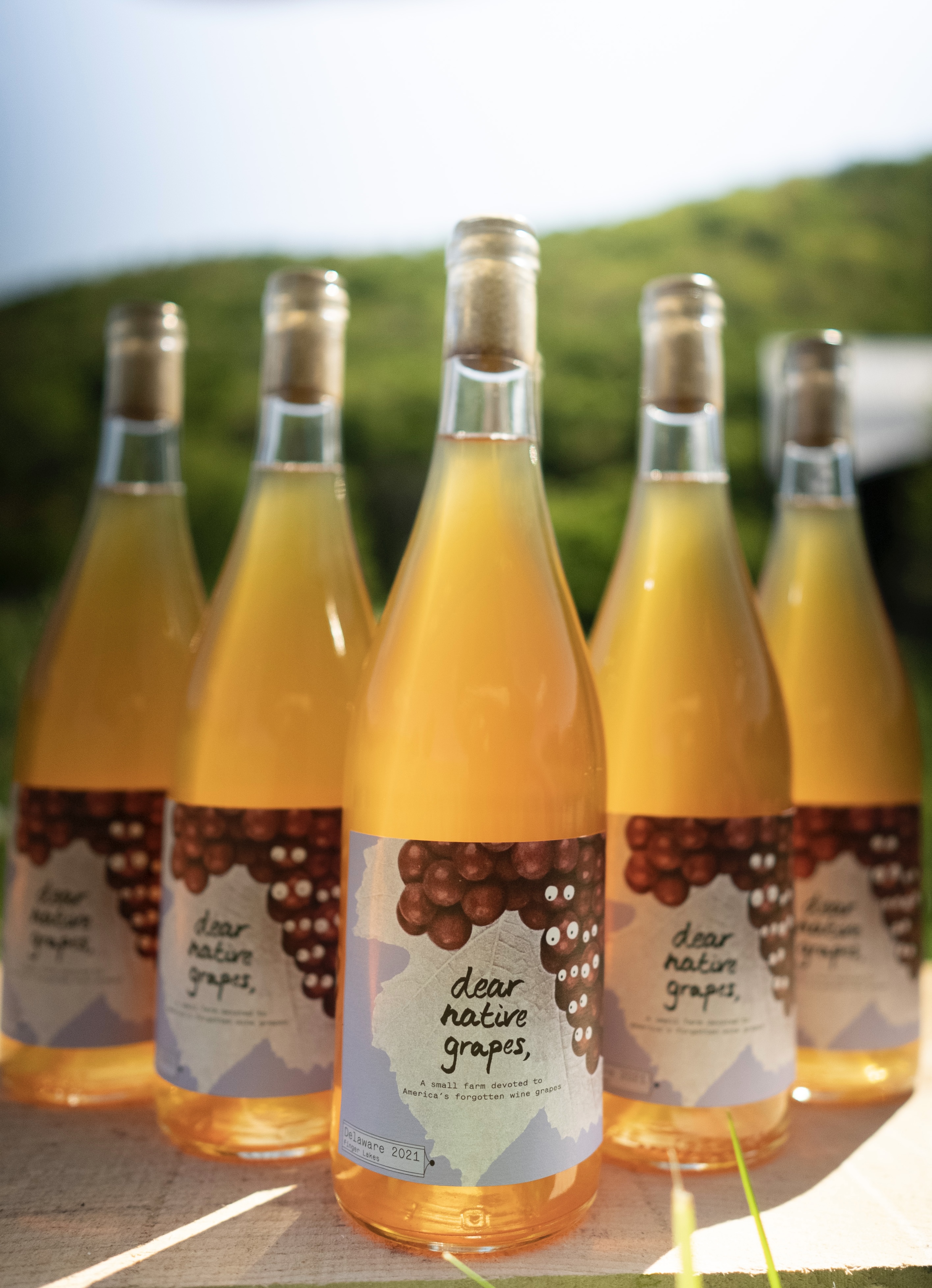
The main takeaway from these past few months is the realization that we’re now making wine for our community, and that’s a really cool feeling. And more and more, our guests are casually enjoying wine made from little-known American varieties without hesitation. It’s becoming totally normal for them to drink wine made from Delaware, Steuben, or Catawba grapes. That’s literally the goal of the project, and it’s been amazing to see in action. We’ll be taking a small hiatus in January to recharge, dream up future events, and oh yeah..make more wine! 

If your readers are interested in visiting us, the winery is located at 17 Crawford Rd, Walton, NY 13856. We keep our website updated with upcoming events, so feel free to check that out too! dearnativegrapes.com

Thank you again, Alfie, for sharing your unique perspective and candid insights about your wine journey. Wishing you all the best and continued success!

Photo Credit: Jason Martin Photo Credit: Katie Gregoire

Interview: Alfredo “Alfie” Alcantara, Winemaker, Vigneron, Emmy Award-Winning Producer, Director & Cinematographer

In the town of Walton, nestled in the Catskill Mountains of New York, reside a couple of forward-thinking winemakers and vineyard owners who are looking to the past to chart a possible path forward that could help the wine industry survive in a world facing the uncertainty of climate change and other challenges. 

Alfredo “Alfie” Alcántara and Deanna Urciuoli, co-owners of Dear Native Grapes, are members of a small but growing vanguard of winemakers who are reviving forgotten and seldom-used native grapes to produce natural wines. These resurrected wines not only display distinctive flavors but also serve as a vehicle to expand the diversity of the vines that are being planted in vineyards.

Alfie is an Emmy award-winning documentary producer, director, and cinematographer whose latest critically acclaimed film, “The Age of Water,” delves into the human toll that Mexico’s water crisis is exacting on its people. The “Age of Water” will air on September 28th, 2025, on PBS. I was able to catch up with Alfie and ask him about the grand opening of dear native grapes tasting room and what else he has been up to. The following is my unedited and verbatim interview with Alfredo Alcántara.

1. Congratulations on the grand opening of your tasting room. What can your guests look forward to when they visit ‘dear native grapes’ on opening day and in the future?

“Thank you! We are beyond excited to finally open our doors and welcome visitors.

It’s been five years since we started ‘dear native grapes’ in the garage of our home. In that time, Deanna and I got used to navigating a tight maze of fermenters, barrels, and packaging material that we stuffed into our small space, and somehow we were able to launch our little winery. Producing wine in the garage was a romantic idea, but we knew we had to scale up to grow our business. 

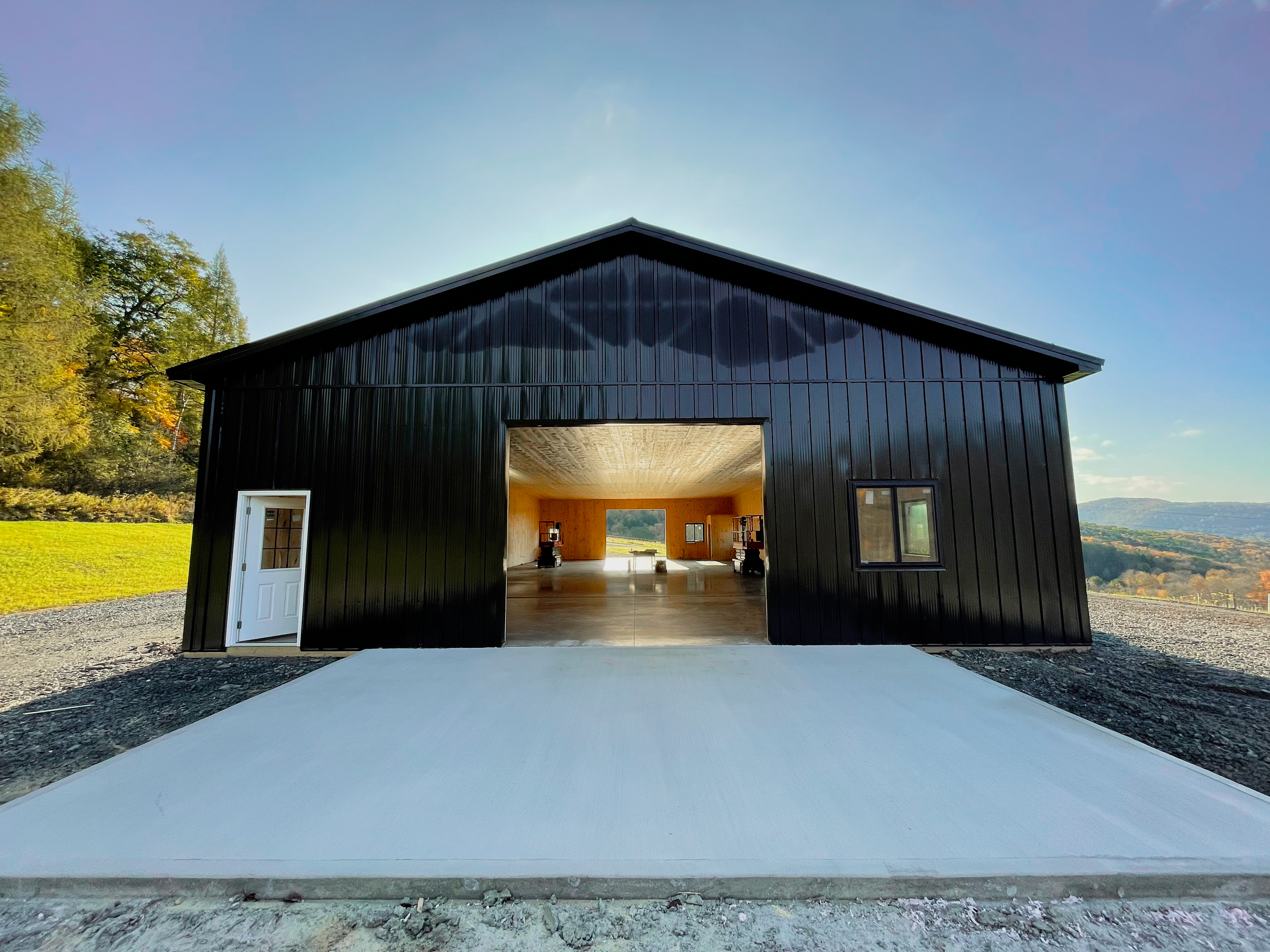
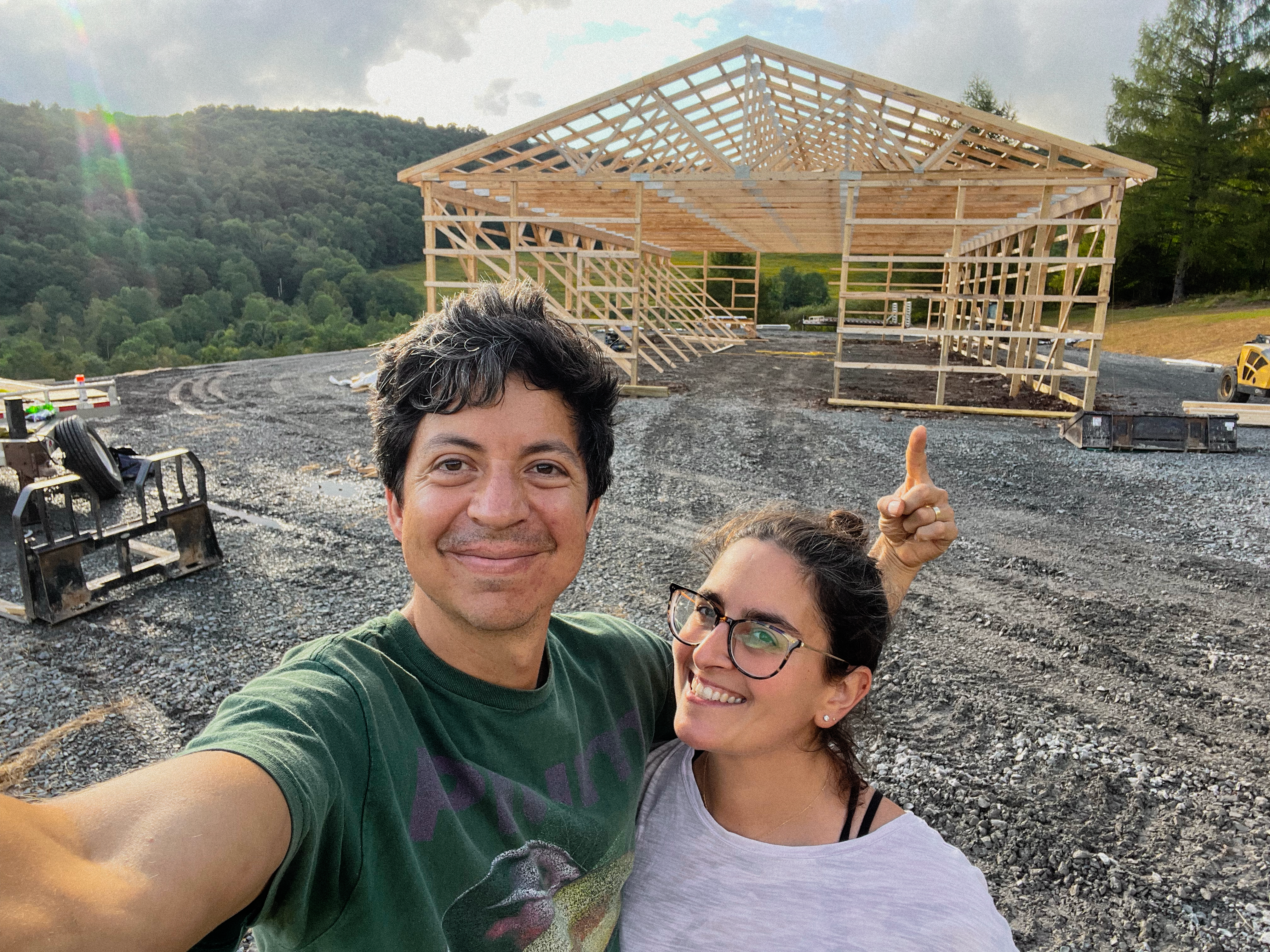
In 2023, we pooled our savings to pay for the construction of a pole barn that would one day house our production area as well as a small tasting room to host visitors to the farm. Since then, we’ve been hard at work getting the space ready. 

We’ve always felt passionate about sharing the story of America’s wine grapes, and we believe folks might feel equally inspired to see these grapes actually growing and thriving at our site. It’ll be even more exciting to have visitors taste the unique and expressive wines that these grapes can produce. We hope that experience will inspire more ideas and conversations around the potential of American grape varieties. 

The winery is situated at the top of our vineyard and is surrounded by the beautiful Catskill Mountains. We hope it serves as a space for community building, inspiration, and relaxation in nature. We’ll also be featuring local food vendors and food pop-ups that showcase the culinary diversity of our region. 

Our opening day is July 19th, 2025, and we’ll be open every Saturday from 12pm to 7pm.”

2. You have chosen to grow and craft your wines from non-traditional native and hybrid grape varieties. What is your vision for dear native grapes?

“At its core, dear native grapes is an educational project designed to shed light on valuable grape varieties that could pave the way for more diverse, climate-resilient winemaking, energizing local economies in the process.

Our vineyard is an experimental plot meant to test the resilience of several dozen varieties. Since planting in 2020, we’ve already begun to see some really exciting results. A handful of varieties–both heritage and newer cultivars– have stood out as promising for our region. Our site is on a windy ridge top that gets pummelled with all sorts of weather throughout the year. The growing season is short, the winter is very cold, and there’s a danger of frost at each end of the season. So being able to successfully get these grapes through harvest is really encouraging. Among the heritage and heirloom varieties that have performed well are Delaware, Wine King, and Empire State. Among the newer varieties, Petite Pearl and Brianna are becoming the clear winners in terms of growth, disease resistance, and overall resilience.” 

3. Tell us about your wine journey, how it brought you to where you are today, and your plans for the future. 

“I think I may have some weird past-life connection to winegrowing. Since I was a kid, I dreamed of growing grapes. For some reason, it has always resonated with me. I met Deanna in college, and we lived in Brooklyn for ten years. During that time, we fell in love with natural wine. We got to taste wines that felt alive and vibrant. Many were made from indigenous grapes grown in regions we had never heard of. We were truly inspired each time we experienced a different bottle. And so that really got our gears turning. 

During that time, we stumbled upon the history of America’s native grapes and how we had lost so many varieties during Prohibition. We learned about the rich history of New York winegrowing and its steep decline during that time period. How could such an important face of American viticulture fade away into obscurity? We were instantly hooked. I would talk to Deanna non-stop about the possibility of pursuing this as a serious business: we could bring some of these grapes back into production, and help restore value back into long forgotten varieties. 

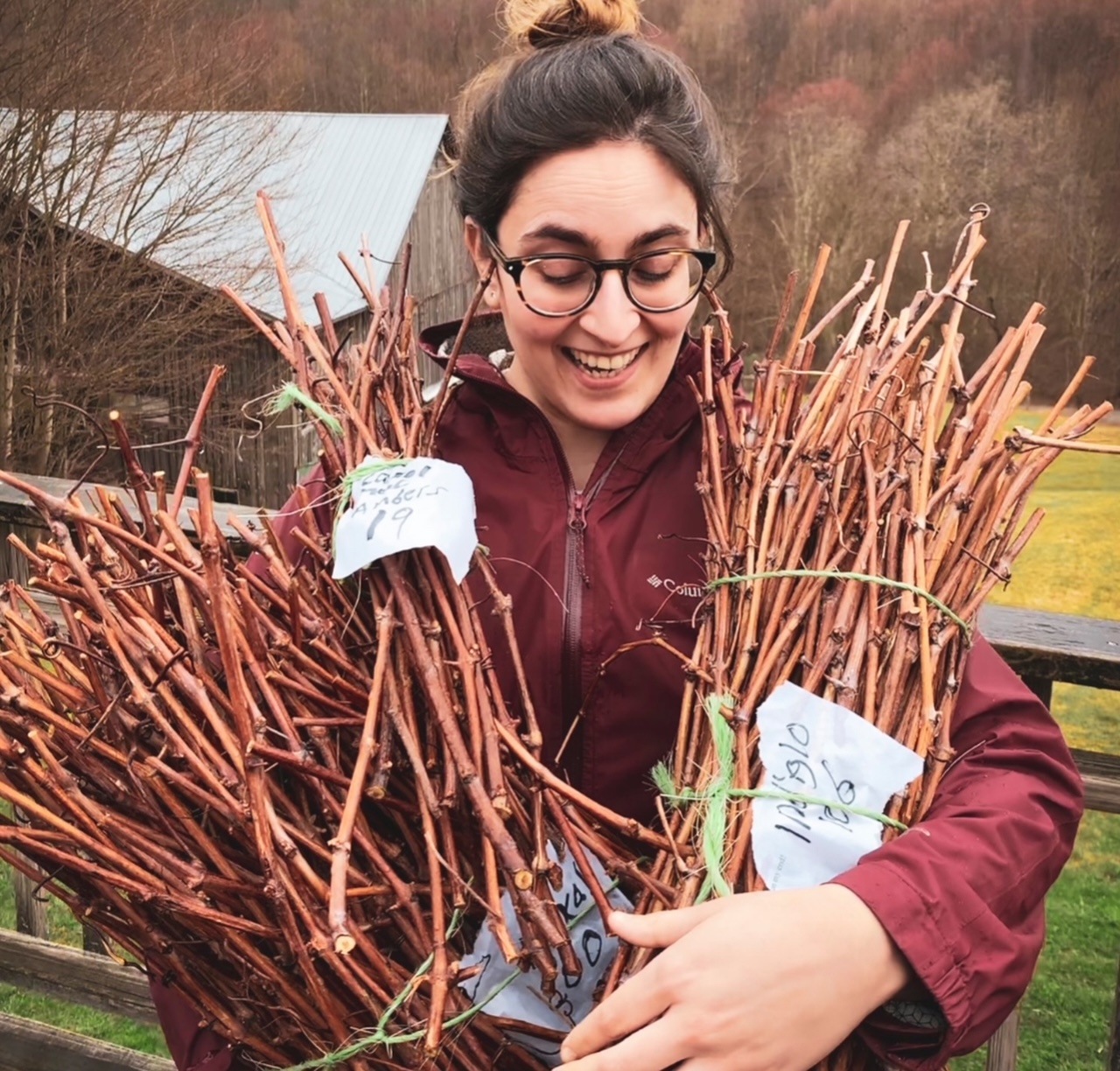
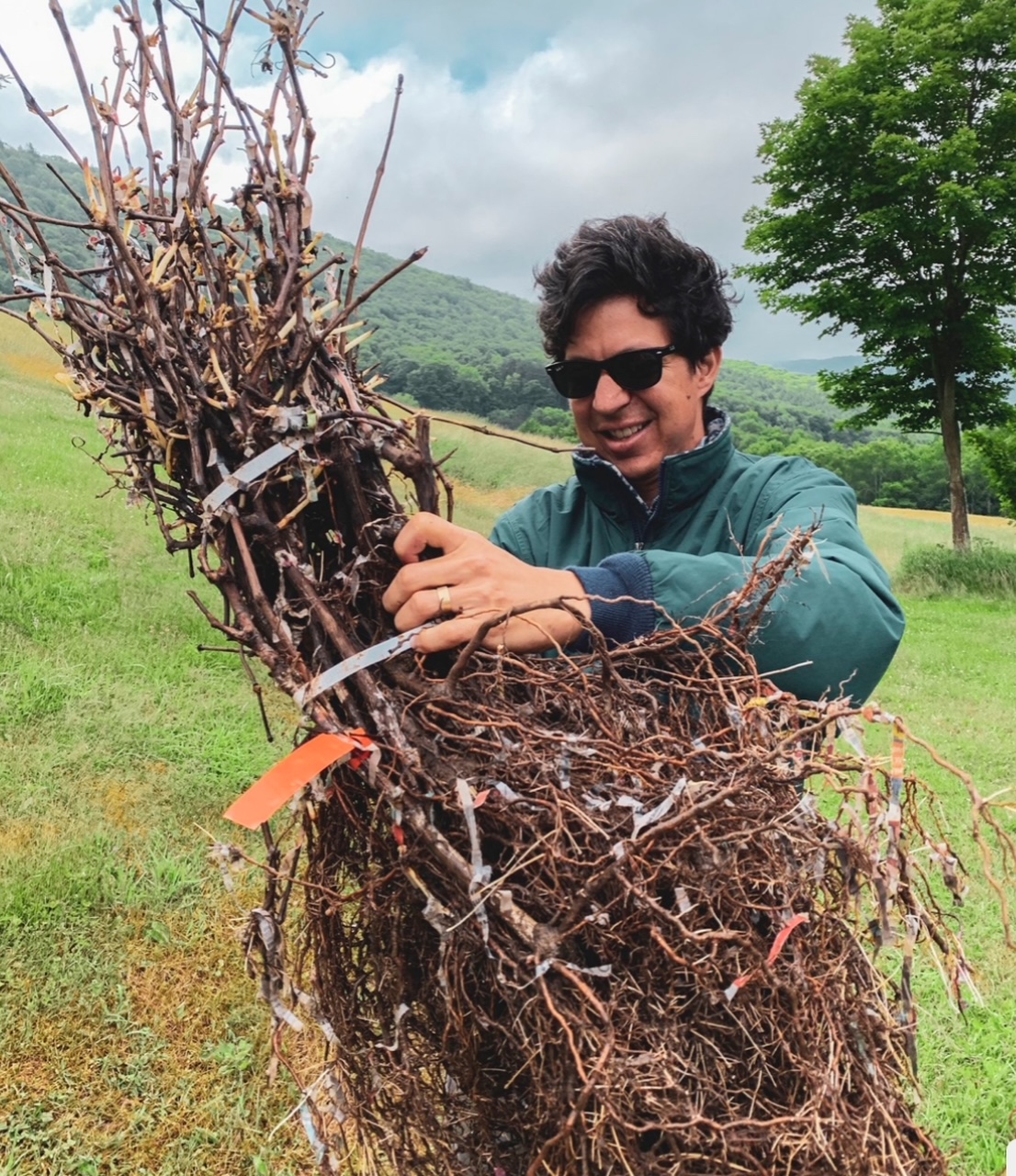
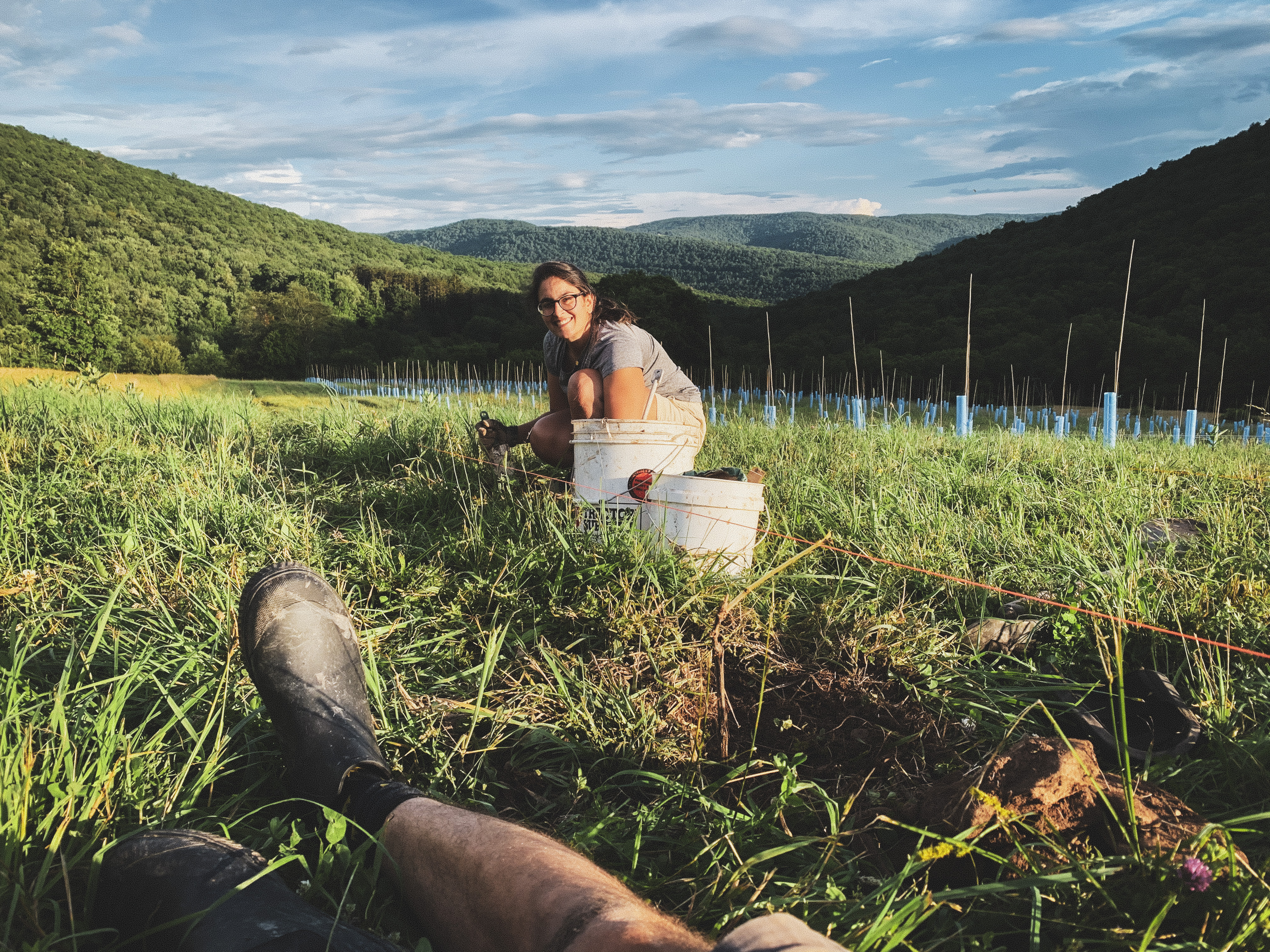
Deanna pushed me to volunteer at farms and wineries, and we took business planning courses. She’s a great financial planner, and so she put us on an aggressive savings plan for a few years. In 2019, we had saved enough money for a down payment on some farmland, and we decided to make the jump. We bought our place that same year, and in 2020, with the invaluable help of friends and family, we planted our 5-acre vineyard. In 2021, we had the opportunity to make wine from old vines grown at Buzzard Crest Vineyard on Keuka Lake, and we released our first vintage in 2023. That same year, we had the opportunity to work with Stephen Casscles, author and grape historian, who has cultivated a vineyard of rare and nearly-extinct heritage varieties. Steve has become one of our wine mentors, and we’ve made wine from his grapes for the past two years. This year, we hope our home vineyard yields a significant harvest. 

We feel like the past five years have flown by… We’ve been on the steepest learning curve we’ve ever experienced, constantly challenged by the realities of rural living and farming, and constantly humbled by Mother Nature. However, we feel so grateful each day to have the opportunity to pursue this project. It’s brought so much richness to our lives in terms of the community we’ve been able to foster around us. As we gear up to open the winery to visitors, we feel like another chapter is about to begin: one where we can finally start sharing the story of American grape varieties with a wider community. That’s our ultimate goal!”

Make plans to attend the grand opening on Saturday, July 29th 2025, from noon to 7pm, or visit any following Saturday, noon to 7pm

Thank you, Alfie, for taking time from your busy schedule to give us a heartfelt glimpse into Deanna and your quest to make dear native grapes a reality. dear native grapes is truly an example of a “Labor of Love”

dear native grapes

17 Crawford Rd

Walton, New York 13856

alfie@dearnativegrapes.com

dearnativegrapes.com

Photo Credit: dear native grapes

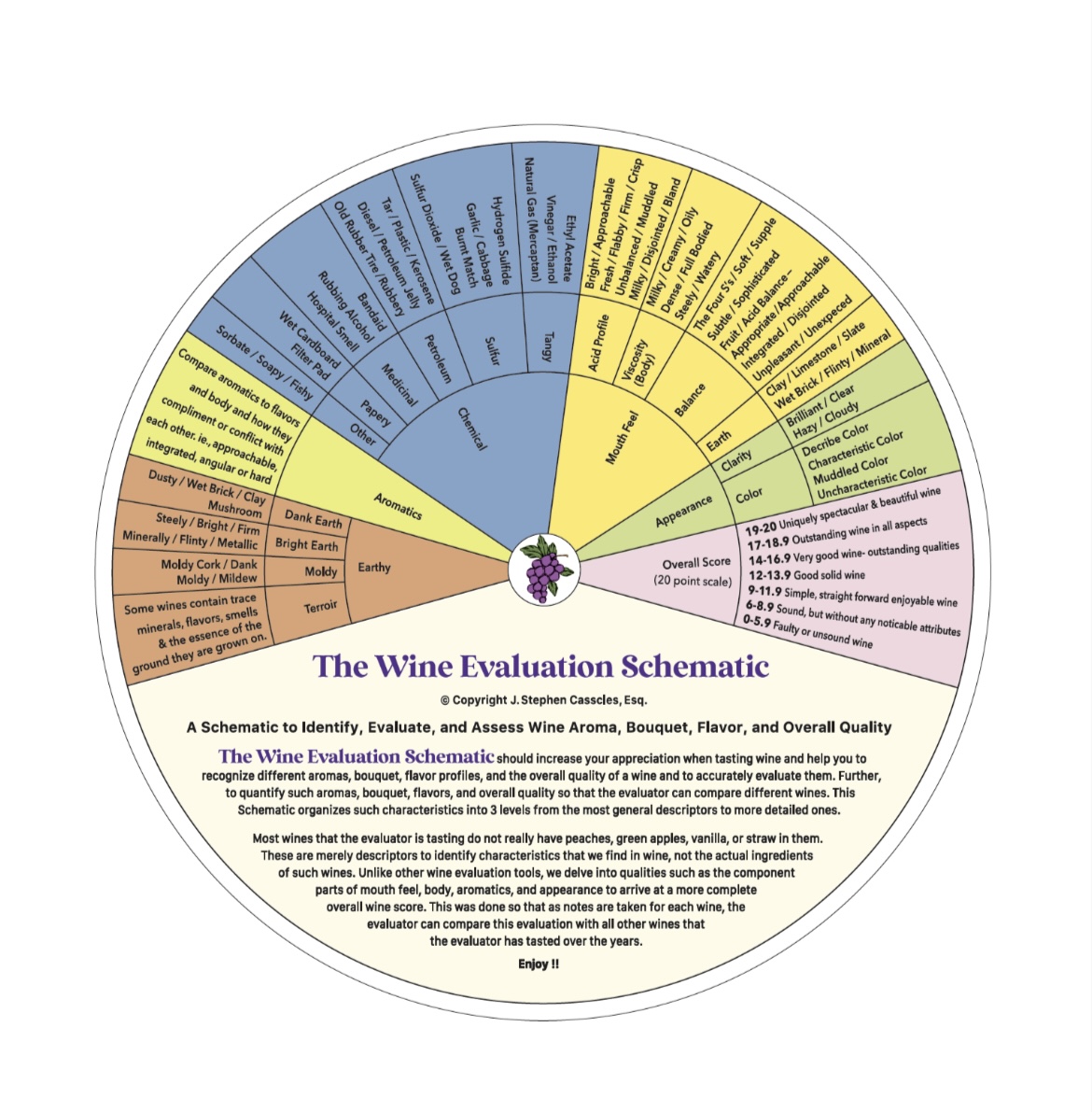
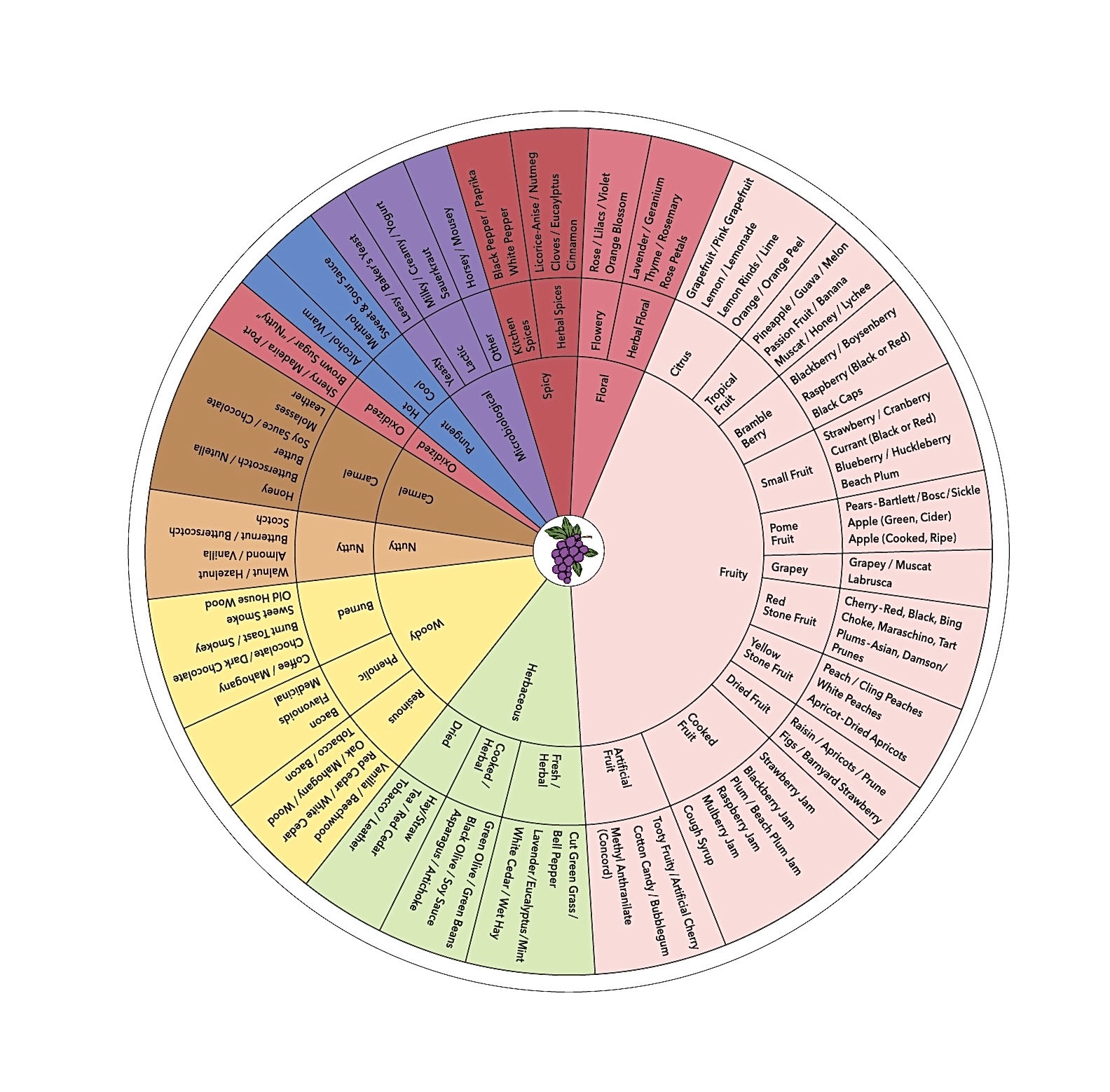
J. Stephen Casscles Releases Revolutionary “Wine Evaluation Schematic”

Internationally renowned Heritage grape authority, Steve Casscles, has released an innovative wine evaluation schematic. He has envisioned all the information you need to analyze characteristics of a wide range of wine grape varieties. The how and why Steve created this tool and how to best use it are fascinating. I asked Steve to share the story behind his creation. The following is my verbatim and unedited interview with J. Stephen Casscles. 

“About 20 years ago, when I started to seriously evaluate wines to implement my idea for writing a Cool Climate/Heritage grape book, I was searching for a methodology to accurately evaluate wine and include descriptors that readers could use to understand these wines. There were several charts or aroma wheels that were a model for a good first step to evaluating wines.  However, while good in that they set up a framework for me to evaluate and write down wine descriptors, I found that they were somewhat deficient in the descriptors to be used for wine. Further, they were not organized by the kinds of fruits that were being cited as being in the wine. So I greatly expanded the fruit descriptors. More importantly, most evaluators put too much concentration on aromas/flavors, and not enough on wine texture, and energy on the palate. This Wine Evaluation Schematic brings in considerations such as texture, body, mouth feel, appearance, body, finesse, and how the wine is integrated into one unified taste experience. Also, most charts did not give guidelines to give a wine an “overall score”, so that the evaluator could go back years later to rate that wine with other wines that the evaluator has scored.”   

“It is my goal in releasing this Wine Evaluation Schematic that this Wine Evaluation Schematic is a starting point for each evaluator.  Modify it as you like to fit your needs, and please add your own terms and descriptors. This Wine Evaluation Schematic can be used by individuals who want to appreciate wine, wine educators who want to convey a methodology or a conceptual framework to approach teaching their students about the concepts of how to approach this subject, and wine writers that want to more accurately convey to their readers the wines that they are writing about, and wine judges that evaluate wines for their wine competitions.”    

“Right now, I have approached my wine colleagues in Korea, some of whom own wineries or wine schools, to translate this into the Korean language. Many of the grape varieties grown in New York State are also grown in Korea, so the flavor profiles of our wines are similar in many ways, especially regarding body, mouthfeel, and texture.”