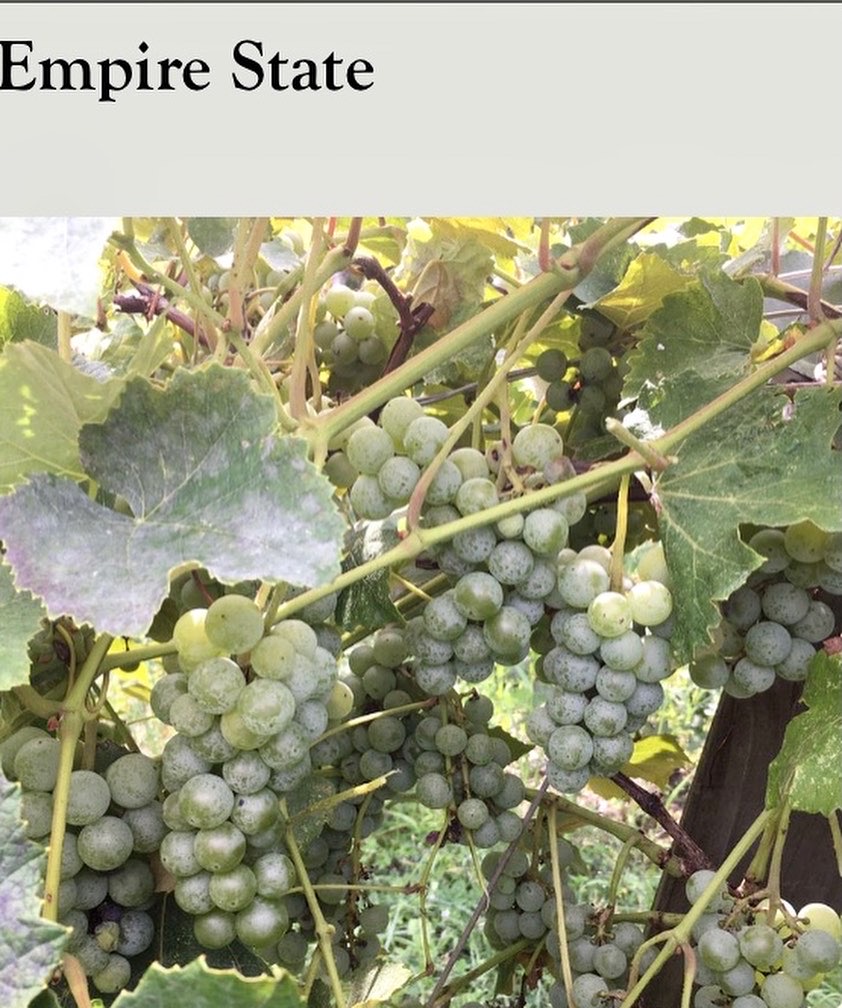
J. Stephen Casscles Releases Revolutionary “Wine Evaluation Schematic”

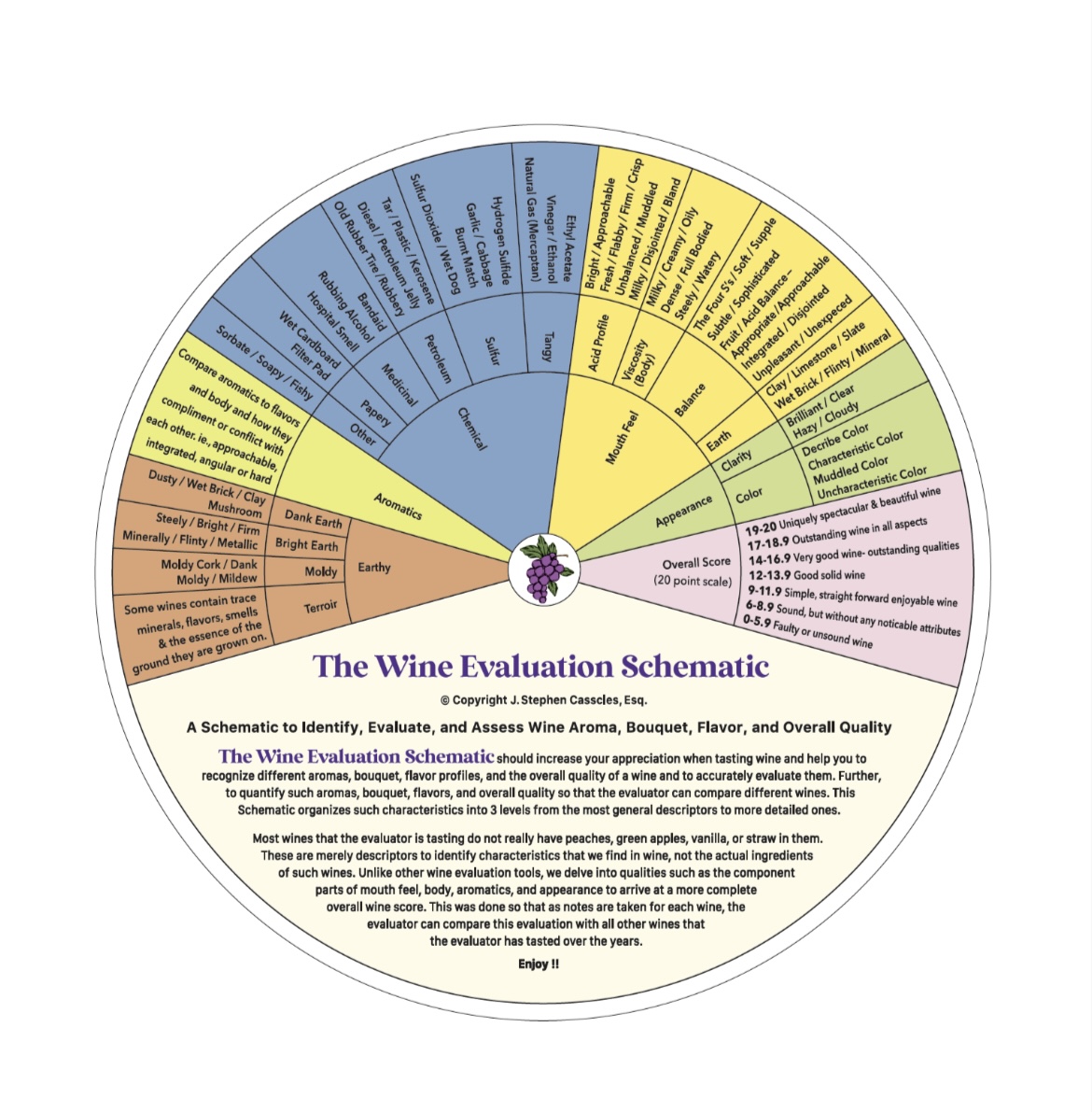
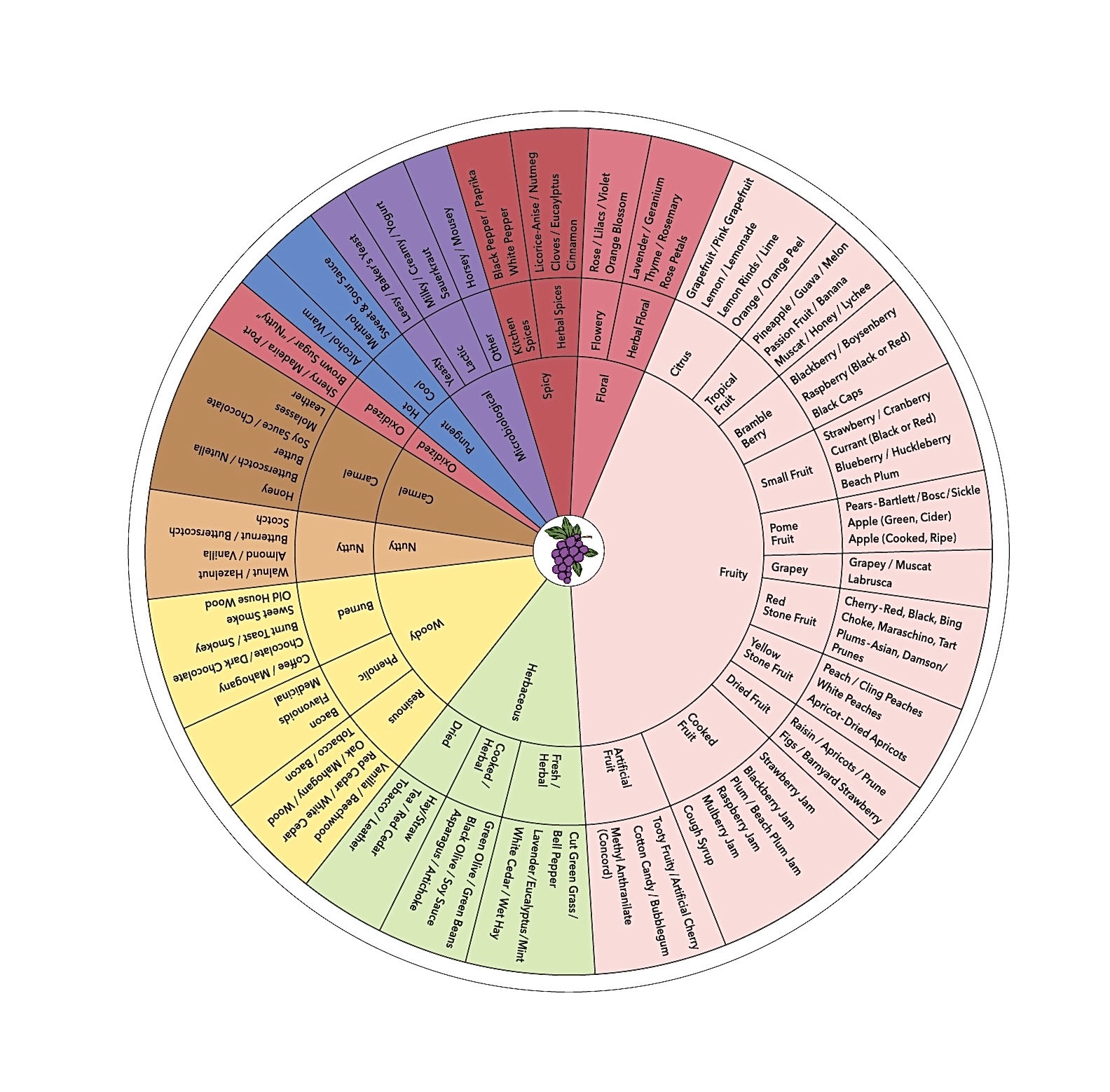
Internationally renowned Heritage grape authority, Steve Casscles, has released an innovative wine evaluation schematic. He has envisioned all the information you need to analyze characteristics of a wide range of wine grape varieties. The how and why Steve created this tool and how to best use it are fascinating. I asked Steve to share the story behind his creation. The following is my verbatim and unedited interview with J. Stephen Casscles. 

“About 20 years ago, when I started to seriously evaluate wines to implement my idea for writing a Cool Climate/Heritage grape book, I was searching for a methodology to accurately evaluate wine and include descriptors that readers could use to understand these wines. There were several charts or aroma wheels that were a model for a good first step to evaluating wines.  However, while good in that they set up a framework for me to evaluate and write down wine descriptors, I found that they were somewhat deficient in the descriptors to be used for wine. Further, they were not organized by the kinds of fruits that were being cited as being in the wine. So I greatly expanded the fruit descriptors. More importantly, most evaluators put too much concentration on aromas/flavors, and not enough on wine texture, and energy on the palate. This Wine Evaluation Schematic brings in considerations such as texture, body, mouth feel, appearance, body, finesse, and how the wine is integrated into one unified taste experience. Also, most charts did not give guidelines to give a wine an “overall score”, so that the evaluator could go back years later to rate that wine with other wines that the evaluator has scored.”   

“It is my goal in releasing this Wine Evaluation Schematic that this Wine Evaluation Schematic is a starting point for each evaluator.  Modify it as you like to fit your needs, and please add your own terms and descriptors. This Wine Evaluation Schematic can be used by individuals who want to appreciate wine, wine educators who want to convey a methodology or a conceptual framework to approach teaching their students about the concepts of how to approach this subject, and wine writers that want to more accurately convey to their readers the wines that they are writing about, and wine judges that evaluate wines for their wine competitions.”    

“Right now, I have approached my wine colleagues in Korea, some of whom own wineries or wine schools, to translate this into the Korean language. Many of the grape varieties grown in New York State are also grown in Korea, so the flavor profiles of our wines are similar in many ways, especially regarding body, mouthfeel, and texture.”

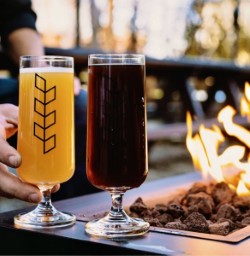
Co-Fermented Beverages: What Are They & Are They For You?

There is an old adage “What was old is new again”. This saying has never rung more true than it does today for the alcoholic beverage industry. As total wine sales revenue and volume continue to decline, producers are searching for trendy new taste profiles and production methods to entice new customers and lure back old ones. Co-fermenting grapes, grape skins, and wine with beer become a beverage the French call “Vière”. Vière is steadily gaining popularity in the Northeastern part of the United States and across the country. Our region has an abundance of high-quality fruit and talented beverage makers, making it an ideal environment for developing a thriving Co-fermenting community. An increase in demand for high-quality fruit enhances the opportunity for the expansion of vineyards, orchards, and fruit farms in our region. The economic implications of a sizable jump in agricultural production would provide more support for our local economies throughout the Northeast and beyond. An upsurge in vineyard acreage could lend itself to the planting of more Heritage grape varieties that are especially suitable to the production of Vière, such as Anne Noir, Bacchus, Delaware, Jefferson, Isabella, Marion, and others. These varieties have the added benefit of adapting to changing weather patterns and climatic conditions.

The process of Co-fermenting is when winemakers, brewers, or cider-makers merge and intermingle different production methods to make wine, beer, or cider that can display fun and unique flavor profiles. If you have tasted any of these beverages that have fruit added to them during their fermentation, you have experienced co-fermentation. The lines that define what constitutes wine, beer, and/or cider have become increasingly blurred. Those lines do not get any clearer when you factor in a producer’s willingness to readily accept the effects of wild yeasts, Brettanomyces, volatile acids, and certain bacteria that until recently would have been viewed as an imperfection. 

The question I kept asking myself was “Who is embracing this movement toward Co-fermented beverages with unusual tastes that also includes Pet-Nat, organic, low intervention, and Piquette wines?” Is it a younger consumer demographic searching for its identity to experience something different? 

For some insight into this new trend, I went to a trusted and knowledgeable source, who also happens to be a friend of mine, J. Stephen Casscles, Esq. Steve is a well-known authority on Heritage Grapes, and author of the new 2nd edition of “Grapes of the Hudson Valley and Other Cool Climate Regions of the U.S. and Canada”, which includes two new chapters on Heritage grape varieties bred in New England ( https://www.flintminepress.com/product/grapes-of-the-hudson-valley/ ) and, who has received the 2023 Atlantic Seaboard Wine Association’s prestigious Birchenall Award. 

I asked Steve — “As consumers, what should we know about and expect from the growing Co-ferment movement?” Steve’s comments were as follows:

The North American co-fermentation movement has gained a loyal following that continues to grow and broaden in its appeal to a diverse segment of the adult beverage market. Co-fermented products provide growers and producers a shorter turnaround on their investment because these offerings can be made and sold quickly. The makers of these various co-ferments will continue to evolve their skills and techniques. They will have their successes and even more failures but the reality is that they are business people and they must be profitable to keep their operations viable in the long run. It will be not only interesting but educational to watch as this sector of the industry matures. 

Thank you Steve Casscles for your invaluable contribution to this article, without it this story would not have been possible. 

Photo Courtesy: Return Brewing and Subversive Brewing

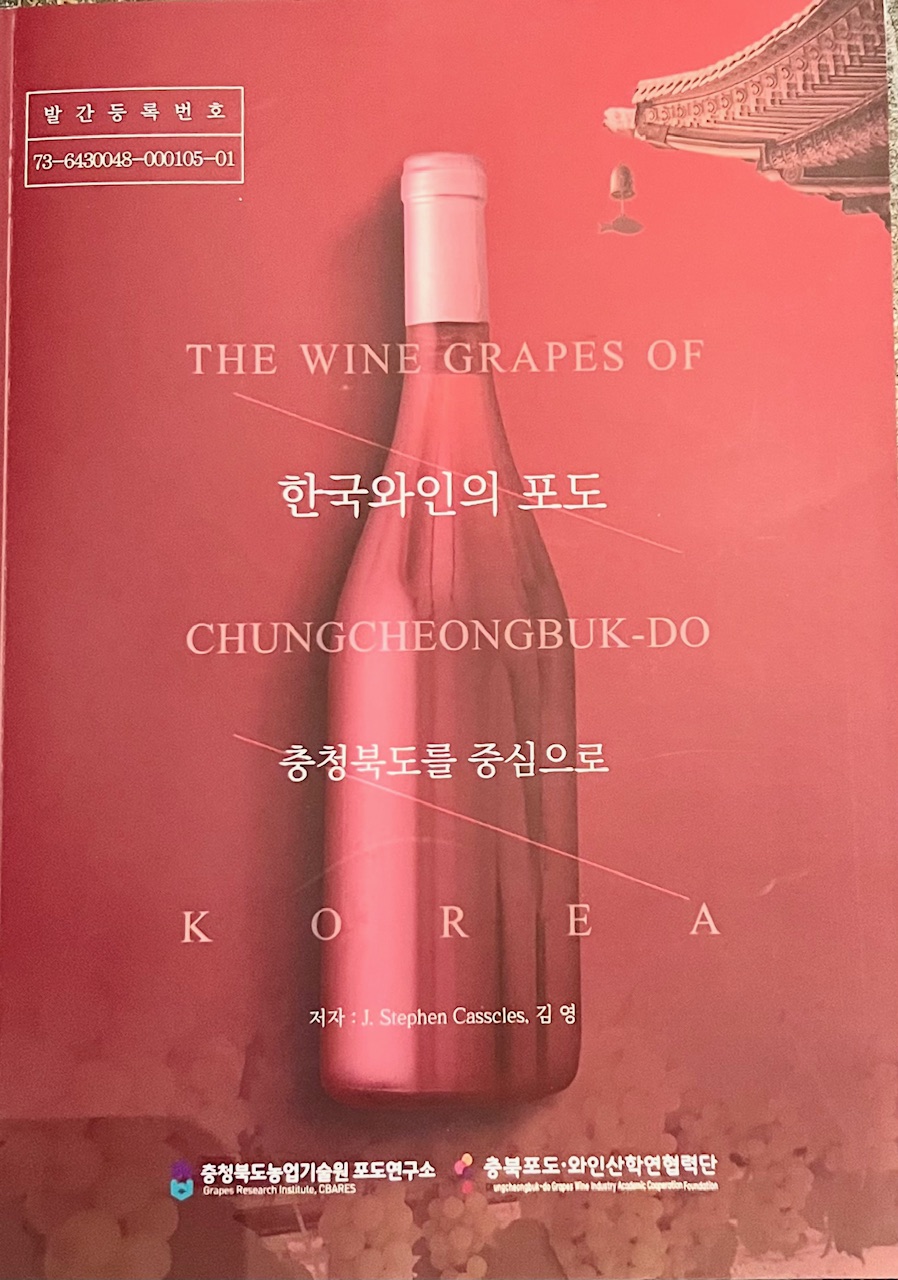
New Book Release: The Wine Grapes Of Chungcheongbuk-Do, Korea

A groundbreaking new book on Korean and North American Cool Climate grape varieties is now out! It is the first winemaking grape book devoted to Korean and American Native grape varieties published in Korea. What is truly unique and unexpected is that the book is printed with one half in Korean and the identical other half in English. 

J. Stephen Casscles Esq. and his coauthor Young Kim have just released an authoritative first-of-its-kind winemaking grape book focused on Korean and North American Native grape varieties to be published in Korea. This text will be an influential source in the selection of grape varieties for Korean winemakers and vintners seeking guidance with their decisions on which grapes are the most compatible with their terroir and the wines they can successfully craft from them. I asked Steve to tell us about his latest book  The Wine Grapes of Chungcheongbuk-Do, Korea.

​ “I have been working, for the past two years, with my very talented co-author Young Kim of Sanmac Winery in Yeongdong, Korea, to write and publish our book: The Wine Grapes of Chungcheongbuk-do, Korea. The Korean province of Chungcheongbuk-do is a centrally located area in the Republic of Korea that specializes in fruit growing and wine production. While this book concentrates on the grape and wine industry of Korea, it has many applications for cool-climate grape growers and winemakers in North America. This is because the weather in our cool climate regions of North America is very similar to the climate and growing conditions in South Korea. Hence, these quality Korean hybrids can thrive in North America as well. Many of these Korean inter-specific hybrids are dual-purpose grapes that are not only seedless table grapes, but are very fungus disease resistant, monsoon season resistant, hardy, productive, and make quality wine.

Two years ago, I was truly blessed to have spent over two weeks in Yeongdong-gun and Seoul, Korea. Here, I met many talented grape growers and winemakers (including our book’s co-author Kim Young), visited cultural sites, and tasted wonderful Korean wines. In Korea, in addition to enjoying a wide variety of Korean cuisine, I had many fine French meals as there is an affinity for French cooking and wine in Korea. For example, in the smallish city of Yeongdong, it boasts not just one, but two quality French bakeries. The purpose of writing our book, The Wine Grapes of Chungcheongbuk-do, Korea was to put in print, for the first time, a book on Korean-developed interspecific hybrids and those grapes, many of which are grown in North America, that are currently being grown in Korea. Our book was published by the Chungbuk Grape Institute and the Wine Research Institute under the umbrella of the Chungbuk Agricultural Research and Extension Services, and the government of Yeongdong-gun, Korea, with support from the Rural Development Administration and the Ministry of Agriculture, Food and Rural Affairs.

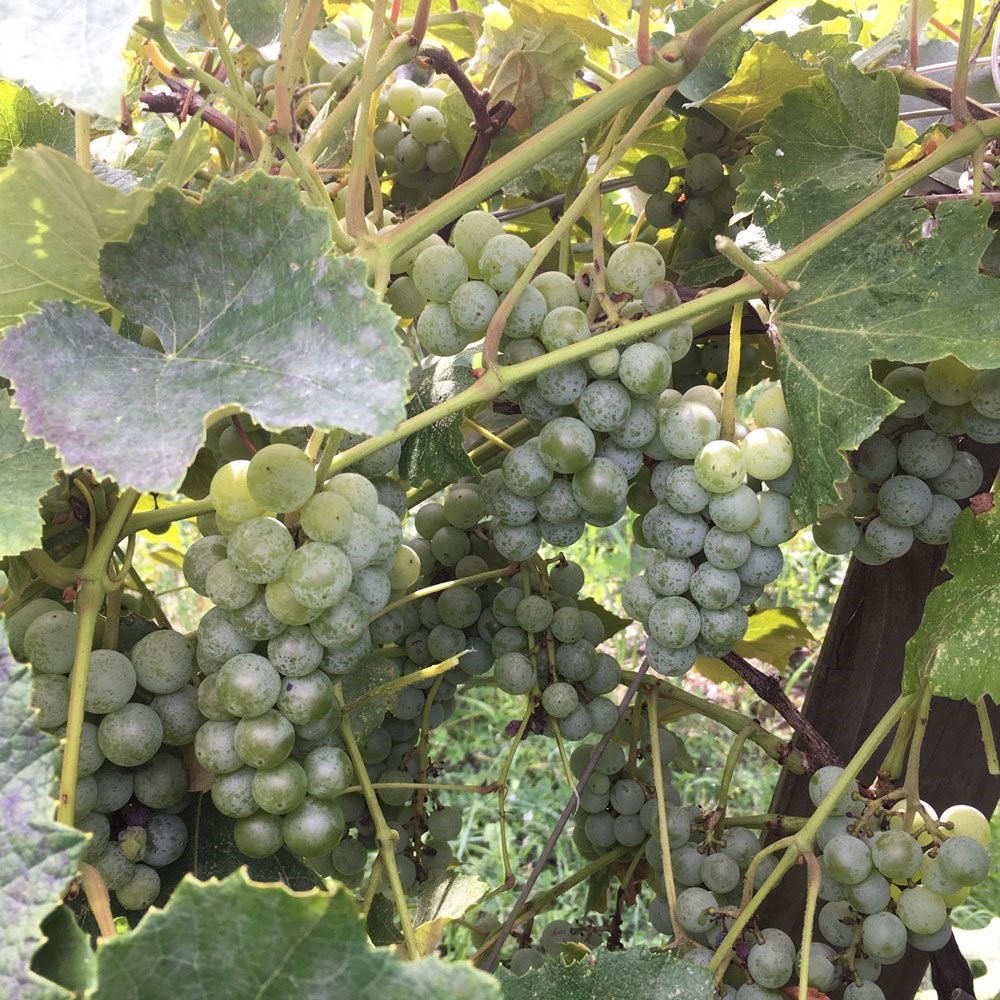
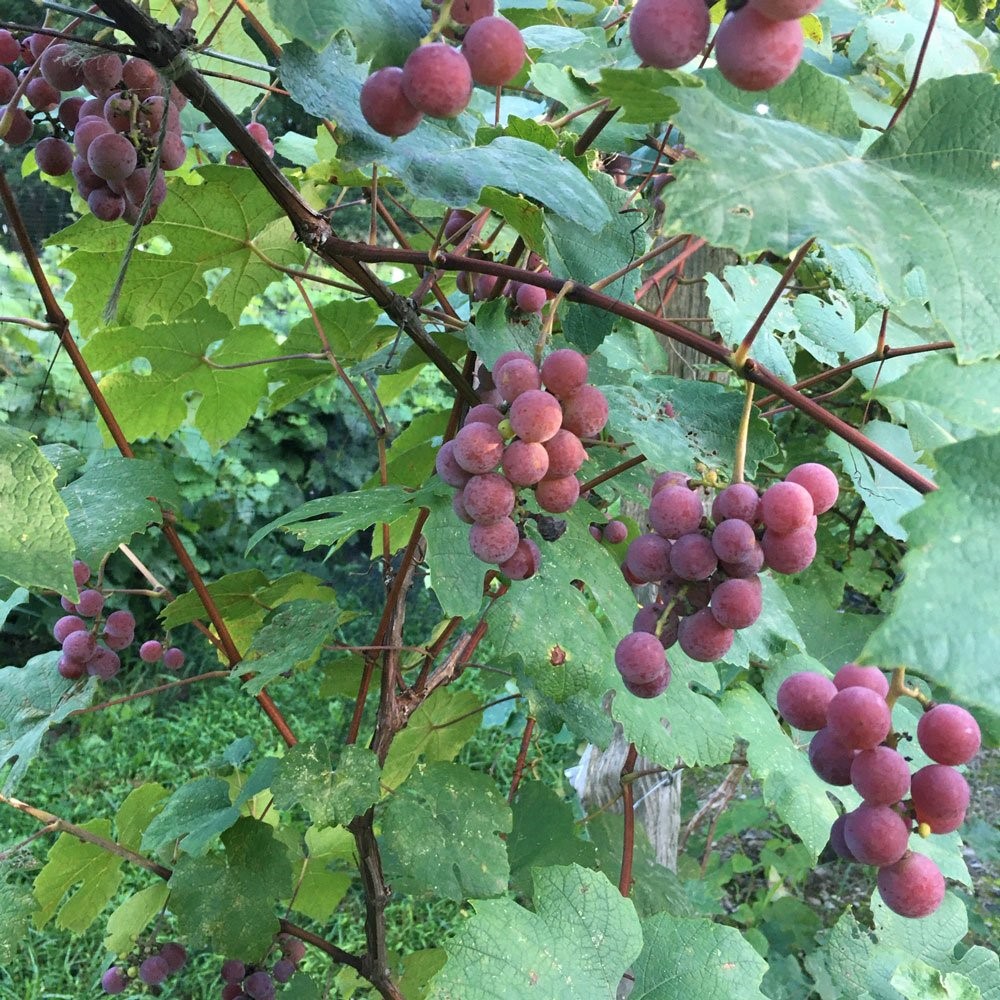
What especially attracted me to these Korean-developed hybrid grapes (that were developed by the Korean National government starting in 1963 to the present) was that many of these hybrids had “parents” that were my favorite cool climate grapes that are grown on the East Coast; grapes such as Delaware, Verdelet, Campbell Early, Himrod Seedless, and a few others. Korean grape hybrids to watch for include Cheongsoo, Cheongporang, Cheonghyang (whites) Chung Rang, and Saemaru for the reds. In addition to the Korean hybrid grapes, the book covers all of the other grape varieties used by the Korean wine industry, which are primarily American Native hybrid grape varieties such as Campbell Early, Delaware, Frontenac Gris, the NYS Geneva Experimental Station grape varieties Seneca and Sheridan, and the French-American hybrid Verdelet. In addition, the Korean industry grows several Japanese-developed hybrids, such as Kyoho, Muscat Bailey A, and Shine Muscat, which also have a preponderance of American genetic material in them, such as Campbell Early, Centennial, Eumelan, and Steuben.

If you have not been to the grape/wine regions of Korea, you should put this destination on your travel list. If you do so, I would be happy to point you in the right direction on where to go and what to see. Korea is a beautiful country with beautiful and welcoming people.

​It is our hope that this book will help Korean grape growers and winemakers understand the genetic makeup, growing characteristics, and winemaking ability of the grape varieties that are currently being grown in Korea, especially in Chungcheongbuk-do. Kim Young and I hope that our collective research and knowledge gleaned from my visit to Korea and research on these grape varieties will translate into advances not only for the Korean wine industry but also for our East Coast growers of cool climate inter-specific grape hybrids. These Korean hybrids are great in the field because they are fungus disease resistant, cold/heat tolerant, monsoon rain resistant, productive, can be grown sustainably AND they make beautiful wines, especially the whites. 

​The book is in both the Korean and English languages. Most of these books will remain in Korea to help grape growers and winemakers there. To increase access to the North American cool climate grape/wine industry, I have been distributing our books to opinion leaders in the United States, including wine writers, university and private grape breeders, agricultural colleges, university libraries, grape growers, and winemakers. The point of publicizing and distributing this book in the United States is to tell our growers and winemakers of the existence of these wonderful cool climate grape varieties that were bred in Korea. Hopefully, we will soon be able to bring these hybrid cultivars to North America after they have gone through the importation quarantine process. This book should increase the readers’ devotion to cool-climate grape hybrids because they are productive, can be grown sustainably, and make beautiful wines. Further, it sparks more interest in cool-climate grape varieties in general, be they from Korea, the United States, or Europe.

The Wine Grapes of Chungcheongbuk-do, Korea was highlighted by the Chungbuk Grape Institute and the Wine Research Institute at the Institute’s recent tenth anniversary meeting. The book was the basis of this year’s growers’ and winemakers’ seminar. It was announced at this seminar that the book was the first winemaking grape book devoted to Korean and American Native grape varieties to be published in Korea. Because of its high demand, our book is now almost sold out, hence, we plan to go to a second printing for the United States and Canadian market. Further, this book will become available as an e-book to increase its circulation for the benefit of our cool-climate grape growers in the United States and Canada, in addition to those in Korea, Japan, and Taiwan.​

​Both Kim Young and I hope that this book will increase the reader’s devotion to cool climate grape hybrids, wherever they are grown because they can be grown sustainably and make beautiful wines. Or that it sparks an interest in cool climate inter-specific grape hybrids be they from Korea, the United States, or Europe. We will announce when the e-book is to be made available in the next few months. In addition, there is now an effort to import these sustainably grown Korean wines into the United States so that they can be enjoyed by all.” 

J. Stephen Casscles, Esq. (cassclesjs@yahoo.com) has been a grape grower for over 45 years in the Hudson Valley and worked at leading wineries on the East Coast. Currently, he is a winemaker at Dear Native Grapes Winery in Walton, New York http://dearnativegrapes.com. Stephen wrote Grapes of the Hudson Valley and Other Cool Climate Regions of the United States and Canada: 2nd Ed. Revised and Updated to Include New England Grapes (2023), which details how to make wine, establish & maintain a vineyard, and the growing and winemaking characteristics of over 200 cool climate grape varieties. See https://www.flintminepress.com. His latest book is The Wine Grapes of Chungcheongbuk-do Korea. (2024). At his farm Cedar Cliff Vineyards & Nursery, in Athens, NY, he grows 88 rare French-American hybrids and 19th Century heritage grape varieties from the Hudson Valley & Massachusetts which he evaluates, makes wine from, and lectures about. He also lectures on wine, grape cultivation, 19th-century American horticulture, and landscape architecture at botanical gardens and historical societies throughout the Northeast. He is working on a new book, Grown in Queens: The Prince Nurseries of Flushing, NY, and the Birth of American Horticulture and Viticulture.

Kim Young is the owner of Sanmac Winery in Yeongdong, Korea. sanmacwinery.com She, along with her husband Youn Young-June, grows the grapes, makes and sells the wine, and is active in the Yeongdong wine industry community. She is an educator of the history of Korean wine and a certified WSET 3 Advanced Sommelier.

Thank you Steve and Kim Young for your tireless work on this book. It will be a valuable resource for winemakers everywhere.

Photo Credit: J. Stephen Casscles Esq. and wpawinepirate.com

Book Release: Grapes of the Hudson Valley 2nd Edition

I heard from Steve Casscles the other day. He told me his authoritative book about cool climate grapes of the Hudson Valley and other regions of North America has been published in a revised and updated Second Edition that includes two new chapters on rarely covered 19th-century Heritage grape varieties developed in New England. Steve gave me a peek at a couple of interesting facts he uncovered in his extensive research.

Catawba is 1/2 vinifera, and Concord comes from Catawba and is 1/4 vinifera !! There are many Catawba and Concord hybrids so what we thought was all labrusca is really 1/4 or so vinifera.

Also that the ES Rogers hybrids have been forgotten and are really good grape varieties that were used by TV Munson for his many grape breeds, and Winchell, a chance seedling from VT is the basis of all the Cornell white wine grapes.

Steve also provided me with an in-depth look at what you can expect to find in his latest publication. 

I am very pleased to announce that the newly revised second edition of Grapes of the Hudson Valley and Other Cool Climate Regions of the United States and Canada, 2nd Edition, Revised & Updated to Include New England Grapes is NOW IN PRINT AND AVAILABLE at  http://www.flintminepress.com 

This second edition contains two new chapters on rarely-covered 19th-century Heritage grape varieties developed in New England. I grow many of these varieties, such as the E. S. Rogers hybrids, Agawam, Salem, Massasoit, and Lindley, and grapes bred by E. Bull, Captain Moore, Diane Crehore (one of the few women grape breeders in the US). These New England heritage varieties are hardy, fungus disease resistant, & productive in the field, and make quality wines in the cellar and co-ferments in the brewery.  These New England heritage grape varieties are now finding their way into co-ferment beer/wines.  Many of the Rogers’ hybrids found their way into the grape varieties bred by TV Munson.  

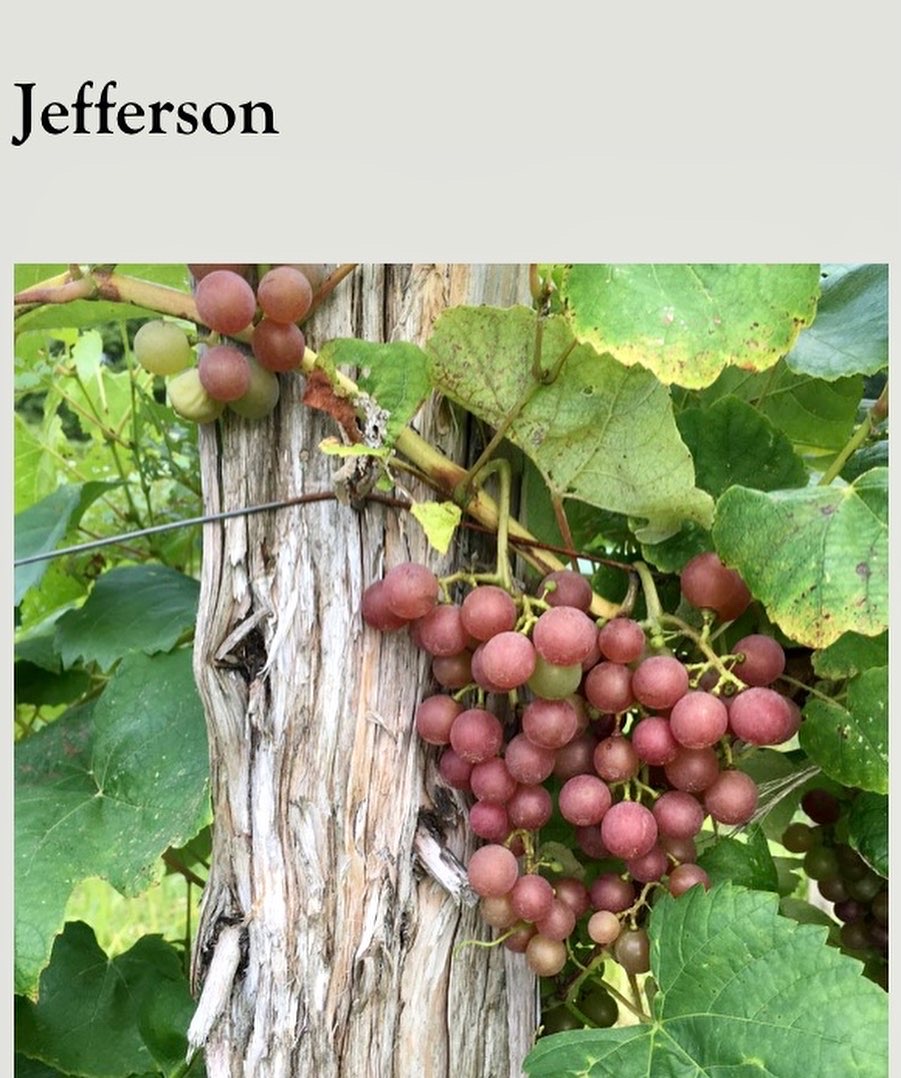
The book includes new revelations about the true genetic ancestry of grape varieties such as Catawba, Concord, Chambourcin, and Vignoles.  It updates the genetic history of Catawba and Concord now that it is clear that Catawba is one-half vinifera (Semillion) in its parentage and that Concord is an offspring of Catawba, which means it is one-quarter vinifera in its genetic ancestry. This is a significant revelation because there are many Concord and Catawba heritage hybrids such as Iona, Jefferson, Diamond, Diana, and Dutchess, which have now conclusively been determined to have significant European vinifera heritage. Further, it conclusively delineates the ancestry of the French-American winemaking grape varieties Chambourcin and Vignoles (thanks to Dr. Bruce Reisch for pointing out the new genetic information about Vignoles).

It evaluates over 200 cool climate grape varieties with an eye towards assisting fruit growers and winemakers across the United States, Canada, Northern Europe, and Northeast Asia to identify grape varieties that are hardy, fungus disease resistant, and productive so that they can be grown either in a sustainable manner with minimal pesticide applications, and in some cases organically.

This second edition will offer guidance to our struggling growers and wineries going forward as we jointly face our increasingly changing climate. The Cool Climate grape varieties that this book covers could help our local growers to identify and grow grape varieties that can be grown more sustainably, are productive and make quality wines, beer/wines, cider/wines, and distilled products.  

  Copies can be purchased at http://www.flintminepress.com.  

Thank you Steve for your tireless efforts to provide us with this important information. The answer to the threat of a changing climate poses to our vineyards may lay in these long-forgotten grape varieties.

Photos Courtesy: Steve Casscles

The Milea Heritage Grape Project

I was pleasantly surprised recently to hear from my friend and mentor Steve Casscles. Steve is known for his encyclopedic knowledge of the Heritage and hybrid grapes of the eastern United States.He is well-known in the wine community for his articles, lectures, Grapes of the Hudson Valley and other Cool Climate Regions of the United States and Canada book, and his Cedar Cliff vineyard where he cultivates over 110 Heritage grape varieties along with his own hybrids. Steve has taken a new position at Milea Estate Vineyard where he and the winemakers there have just launched the Heritage Grape Project. Steve and his colleagues are taking on the important task of identifying and promoting the production of wine from Heritage wine grape varieties and those developed during the 19th century in the Hudson Valley and Boston’s North Shore.

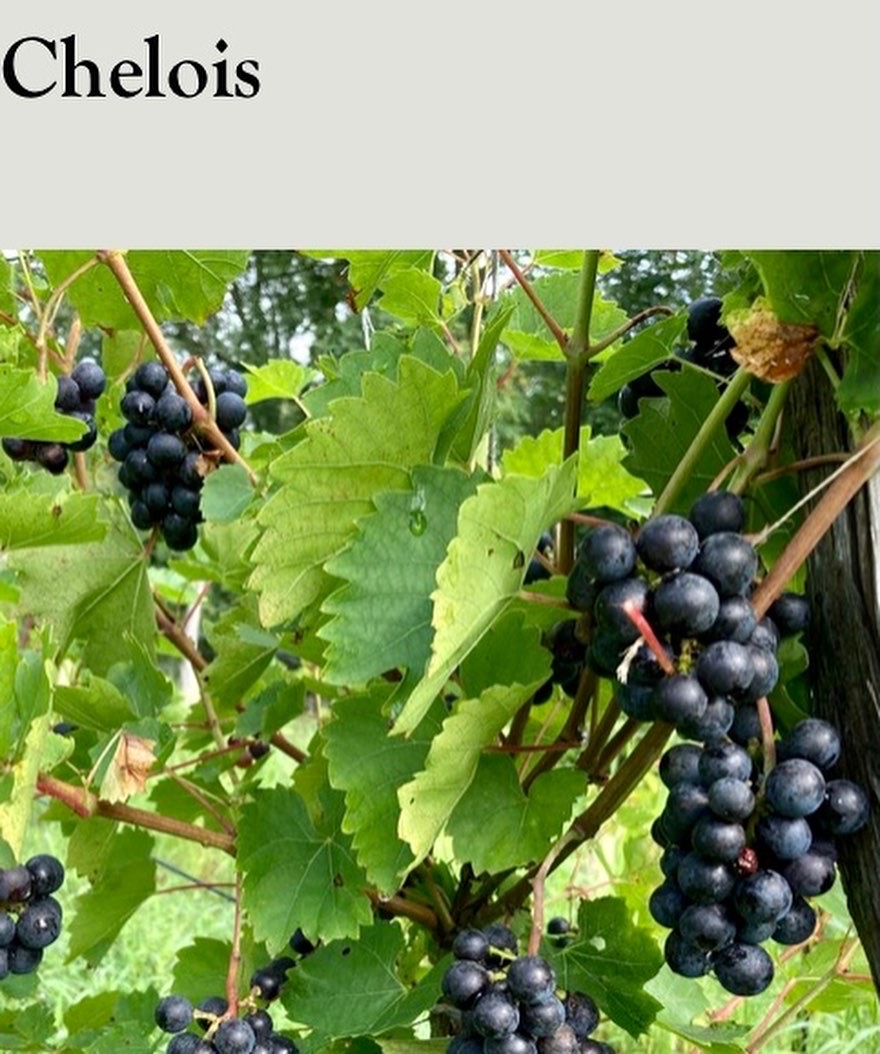
At Milea, they are also consider, at least for the Hudson Valley, that certain French-American Hybrids should be considered as Heritage grape varieties for the Milea Heritage Grape Project. This is because their introduction to the Hudson Valley in the mid-1950s by grape pioneer Philip Wagner, and his local proteges such as Everett Crosby, Mark & Dene Miller, Ben Feder, William Wetmore, Richard Eldridge, Cesar Baeza, and others fostered an explosion in the number of wineries in the area that made quality wine from these Heritage French-American hybrids. These Heritage grapes include, Baco Noir, Chelois, Leon Millot, Foch, Burdin, Le Colonel, and Chambourcin (reds) and for the whites Seyval Blanc, Vidal, Vignoles, and Verdelet.

With the effects of climate change already being felt here on the East Coast and throughout the wine growing regions of the world, the time to begin implementing long range solutions has arrived. The key to the future success of countless vintners globally may lay in these forgotten grape varieties whose adaptability could provide the answer to the dilemma of climate change in our vineyards. 

After Steve’s foreword on the goals of the Milea Heritage Project on http://www.hudsonvalleyheritagewines.com. I asked Steve to tell us about his vision and objectives for the project.

The goals of this project are to re-introduce to a national and international audience the significant contributions that the Hudson Valley has made to American horticulture and to encourage the cultivation of these heritage varieties to produce superior wines. Coupled with this effort to bring back these heritage grape varieties is the desire to promote the cultivation of such grapes because they can be grown in an environmentally sustainable manner. Steve Casscles

First, I am honored by Rich’s comments and posting about our exciting new project at Milea Estate Vineyards. I think you will soon hear more of our work to identify and promote heritage grape varieties, be they French-American hybrids, Hudson Valley or North Shore bred grape varieties of the 19th century, or new chance seedling grape varieties that we are working with to make quality wine. These quality wines will be made in a manner that is acceptable to the marketplace and which are highly fungus disease resistant, winter and summer tolerant of cold and heat, can roll with the punches that Mother Nature seems to be throwing at our growers, and are consistently productive, even in the most challenging of years. We will be posting information on our Project’s progress, and very much relying on Richard and his wonderful blog to post this information as well.  Be well.  

Thank you Steve for the kind words and for sharing this timely information with us. The Milea Heritage Grape Project is beginning its mission at a pivotal time for viticulture. It is critical to the success of this undertaking that its important message be heard and understood by the people who are most affected by the issue it seeks to address. I am including this link to the Milea Heritage Grape Project’s email sign up form at the bottom of their contact page so you can to receive news and updates from the project http://www.hudsonvalleyheritagewines.com/contact-us Please sign up. Thank you.

Photo Credit: Hudson Valley Heritage Wines

A Wrinkle in Time

I just received an interesting email from my good friend Steve Casscles. You may recognize Steve from his many articles about wine grapes or his book “Grapes of the Hudson Valley and Other Cool Climate Regions of the U.S. and Canada” available on Amazon.com. Steve is a winemaker at Sabba Vineyard in New York’s Hudson Valley. He wanted me to share the exciting news with my readers that Sabba Vineyard has embarked on a new project and is offering a very limited quantity (about 20 gallons) of wine made from heritage wine grapes. Steve and Sabba Vineyard owner Abby Youghabi have worked tirelessly at preserving these and many other heritage grapes so they can be enjoyed by future generations. Anyone interested in purchasing these unique wines can go to sabbavineyard.com and click on “Order Now” to view the wines or use this link: http://sabbavineyard.com/s/order At this time they are offering:


-Baccchus Marion –  a Ricketts Red variety developed in the Hudson Valley in the 1870s  a flinty red variety, medium body, but a true wine grape developed in the 19th century (which was unique then) $25

– Baco Blanc – as steely and flinty white with fruits of soft lemons and green apples.  The variety is used a lot in Cognac and Armanac to make brandy. $25

– Pallmer Noir – a chance hybrid Steve found at his farm.  A big Malbec kind of wine.with lots of vinifera in its genetic makeup. $25

My Article in Michigan Uncorked

I would like to invite you to view my article about Saperavi in the Spring 2020 issue of Michigan Uncorked. An online version of the magazine can be accessed by going to http://michiganuncorked.com and clicking on the Spring issue link on the home page to read the free flip-page edition (I’m on page 6 + 7) or use this link to go directly to the front cover of the magazine http://online.fliphtml5.com/hllky/gjob/#=6This is an edited version of an article that appears in the Spring 2020 issue of the American Wine Society Wine Journal.

Thanks to Michigan Uncorked’s Editor-in-Chief Jim Rink for the opportunity to share my story with the readers of Michigan Uncorked. I hope you enjoy the article and it provides you a bit of relief from the uncertainty and stressful times we are experiencing. Be prudent and stay safe! 


New Saperavi Vineyards Take Root

Saperavi is dramatically expanding its footprint in North America as more vintners add vines to their vineyards and long-term plans. Growers are taking advantage of the increase in Saperavi vines on the market as other nurseries join Amberg Grape Vines (formerly Grafted Grapevines) to boost the supply of Saperavi stock. A special thanks to Jim Baker at Chateau Niagara for helping me in my search for American Saperavi producers. If

Saperavi Grapes

you are or know of a Saperavi producer please contact me at wpawinepirate@gmail.com.

The first stop on our quest for new Saperavi vineyards takes us to Fort Defiance in the Shenandoah Valley of Virginia where Tim Jordan is planting an acre of Saperavi this Spring (2019). Tim is the former head winemaker at Barren Ridge Vineyards and a PhD. of Entomology from Virginia Tech.He is planning to add four acres of hybrids and Saperavi to the existing six acres of vinifera in his family’s vineyard. He intends is to implement as many organic and biodynamic viticulture practices as possible in his new vineyard. He has partnered with his brother, Ben Jordan who is the head wine maker at Early Mountain Vineyards. They are bonded but not producing on site yet as they are “bootstrapping” the winery as they go. So goes the “Glamorous Life” of wine making without the deep pockets of corporate investors. Isn’t this what it is all about? Having a dream of getting to make all the decisions while charting your own course even if it is uncertain at times. There is nothing more rewarding than seeing your dreams become reality. Although their stories are unique this is a shared truth for all wine makers. Tim’s 2016 block varietals are Chardonnay, Riesling, Petit Manseng, Blaufrankish, Cabernet Franc and Noiret. His 2019 plantings will be Chardonel, Regent, Chambourcin and Saperavi. Follow Tim on Instagram @valley.vines

Justin Falco is the winemaker/proprietor of Montifalco Vineyard in Ruckersville, Va and one of the ambitious growers that will be planting a Saperavi vineyard this Spring. Justin has always loved the wines of Eastern Europe, France and Switzerland. Because of all the friends and family he has abroad he wanted his winery to reflect his memories of the wine and culture there.  It is little surprise that he will be adding 2000 Saperavi vines to his Central Virginia vineyard that already boasts plantings of Sémillon, Sauvignon Blanc and Rkatsitelli.    http://montifalcovneyard.com Instagram @montifalcovineyard

I have followed the Saperavi vineyard that Dr. Rik Obiso planted three years ago at White Barrel in Christiansburg with great interest. This Fall will be the first harvest for those

Vineyards at WhiteBarrel Photo Courtesy: WhiteBarrel Winery

vines and will set the benchmark for what we can expect from Virginia Saperavi. Rik is involved with several research projects that will further the understanding of how “Old World” Saperavi can be best used in Virginia.   http://whitebarrel.com Instagram @whitebarrel

42º North latitude is ground zero for Saperavi in North America. That is exactly where the Saperavi vines of Shalestone Vineyards in Lodi, NY call home. Shalestone is on the east side of Seneca Lake in the “Banana Belt” and has a memorable tag line “RED IS

Photo Courtesy: Shalestone Vineyards

ALL WE DO”. They prove that statement to be true with the makeup of their vineyard. Rob and Kate Thomas have 6.5 acres of Cabernet Sauvignon, Merlot, Cabernet Franc, Syrah, Lemberger, Pinot Noir. Their 400 Saperavi vines occupy a 1/2 acre plot within the vineyard.  http://shalestonevineyards.com

     Jeff Sawyer is following his passion for wine making in Sterling Valley, NY. He is well on his way to seeing his vision become reality with the establishment of Wellspring Vineyards. He planted 275 Saperavi vines in 2016, less than he wanted to because his original order for 600 plants couldn’t be fulfilled because of a shortage of vines. The following year brought a change of direction with Jeff planting 300 Dornfelder and 250 Gewurztraminer. Wellspring Vineyards now has 1900 vines comprised of Riesling, Chardonnay, Pinot Noir, Grurztraminer, Dornfelder and Saperavi growing on the southeastern shore of Lake Ontario. With the first part of his plan in place Jeff is moving forward with his goal of starting a winery. He said in four or five years they will be known as Wellspring Winery. The proposed site is the perfect setting for a winery/tasting room and will have a great view for his guests. Jeff can be reached at   jsawyerstudios@aol.com


Harvest Report 2018

     The 2018 growing season in the Northeastern United States turned out to be one of the most challenging in recent years. I contacted several of the top winemakers/vintners to get their thoughts and opinions about the 2018 season. After reading their responses I decided I couldn’t tell their stories with the same insight and emotions as they did so I am publishing their experiences in their own words. I hope these personal and candid  accounts of a difficult year gives you a better understanding of what it takes to grow grapes and make wine in Pennsylvania and New York.

Chuck Zaleski is owner/winemaker of Fero Vineyards & Winery Lewisburg, PA (Central Pennsylvania). Chuck has always been willing to help me with my blog and I have found him to be honest and straight-forward with his assessments. Thank you Chuck for your guidance and insight.  http://ferovineyards.com

The 2018 grape season in Pennsylvania will be one for the ages, not in a good way. Every grower I know had difficulties this season unlike they had seen before. The flooding, often daily, rains and high humidity started in July and never let up. The direct effects were delayed ripening, higher levels of powdery and downy mildew, and more fruit rot. Yields were down dramatically. The effort required in the vineyard this season was extreme. In our vineyard, the white varieties were more susceptible to mildew and rot. The reds held up a little better but did not ripen as well as usual. As winemaker and vintner, I directed our crew to selectively hand-harvest only the best fruit. We were able to process it in a more favorable style for this vintage. The winemaker’s adjustments in the cellar can really help the final product. We went with more blush production from our red wine grapes. We had a little Saperavi that got ripe enough for red wine. The white varieties were able to mature with good sugars and aroma but in much lower quantities.

Extreme weather like this is a learning opportunity to the attentive vintner. There are limits to the effects of different techniques in managing a vineyard. This season demonstrated those limits. We have developed a plan for the vineyard that will allow us to better handle a year like this and improve the crop in better years. We survived and will be stronger because of it. 

Fred Frank is President of Dr. Konstantin Frank Wine Cellars and third generation winemaker at Dr. Frank’s Winery on the western shore of Kueka Lake Hammondsport, N.Y. (Finger Lakes Wine Region). Fred has always been willing to help me and our conversations have given me a greater understanding of winemaking in the FLX and for that I will always be grateful.     http://drfrankwines.com

This has been a challenging harvest for the later ripening varieties. The early varieties did well and we are pleased with their quality. We started our harvest with the sparkling grapes which included Chardonnay, Pinot Noir and Pinot Meunier. All were picked by hand and we were able to sort while picking to insure that we would only harvest high quality grapes. The next grapes to be picked were Gruner Veltliner and Chardonnay that came in with excellent quality. We picked several of our red varieties early for Rose production. This included Pinot Noir, Blaufrankisch and Cabernet Franc. We are excited to be increasing our Dry Rose production to match the increased consumer demand. The most challenging variety later in the season was Riesling due to abundant rainfall. We were able to pick some blocks earlier and also do some sorting and dropping of bad fruit prior to harvest. I will keep you updated as we finish our fermentations with the quality assessment later in the year.

Rich Ripepi owner/winemaker at Ripepi Vineyard Monongahela, PA  (Western Pennsylvania) planted his vineyard on property just a short walk over the hill from his home when a vineyard in this region was unheard of. We have all heard that old real estate adage “Location, Location, Location” being the key to success and it was as true for Rich Ripepi’s vineyard this year as it is for a property’s value. His vines are planted on a steep southeastern facing hillside virtually in sight of the Monongahela River. Thanks to Rich and all the Ripepi Winery family for always greeting me with a warm welcome and making me feel like one of the family when I visit.     http://ripepiwine.com

The harvest this year was the biggest surprise in 30 years of our vineyard. The excess rain increased the juice quantity of our grapes. However, because the rain came from the south, almost all the nights were above 70 degrees, and this made maturity of the grapes the best in 30 years. We are very optimistic about the 2018 vintage.

Tod and Jean Manspeaker have overcome many obstacles to get to the point where their Briar Valley Vineyard & Winery consistently produces award-winning dry wines with premium Vinifera grapes from their own vinifera only vineyard. The Briar Valley Vineyard is on a southeastern facing slope at an elevation of 1200 feet in the foothills of the Allegheny mountains. Briar Valley Vineyard & Winery Bedford, PA  (South Central Pennsylvania). Thanks to Tod and Jean for all the support and friendship you have shown me over the years.   http://briarvalleywinery.com 

As for the harvest and vintage overall, all I can say is I hope we never experience another one like it in my lifetime. It was rain, rain and more rain. The vineyard lay wet most of the season. We sprayed more often than normal. It seemed a vicious cycle of spray, leaf pull, hedge and repeat. We harvested some of the varieties early because the brix weren’t moving and we were worried about rot. Fortunately, we had little rot. The acids and ph in most of the varieties were good, but the brix in all varieties was low. We were careful to reduce crop yield to aid in ripening. We harvested the whites earlier than normal. The reds we allowed to hang in an attempt to tweak a bit more ripeness from them. We harvested our last variety, Cab Franc, on October 12th. The Chardonnay and Riesling are showing well early on. They will have a little less mouthfeel than the 2017 vintage, but have nice flavors. Of all red varieties, the Lemberger will be the star. The other varieties are rounding out and coloring up nicely. They will be leaner than the 2017 vintage, but will each have their own personality. I suppose, all in all, for the challenges presented in 2018, we are fortunate that our wines are developing as well as they are.

I got to know Steve Casscles after reading his book “Grapes of the Hudson Valley and Other Cool Climate Regions of the United States and Canada”, available on Amazon at http://amazon.com/Grapes-Hudson-Valley-Climate-Regions/dp/0982520832 You might know Steve for his pioneering work with French-American hybrids and his preservation effort with Hudson Valley heirloom varieties not to mention his encyclopedic knowledge of wine grapes. Thanks to Steve for his detailed account of this years growing season at Hudson-Chatham Winery and all the other help he has provided me. Hudson-Chatham Winery Ghent, N.Y. (Hudson Valley).

It was an average Spring, but a bit hot and dry (which is generally abnormal), but lately has not been abnormal at all. For the past few years, I have set out new vines in the early spring to 80 plus temperatures and dry soil conditions. This year I planted about 40 new vines of Palmer, Chelois, Valerian and other old heirlooms like Diana, Winchell and Banc Blanc. While it was not a completely inhospitable Spring, it was relatively dry, but with enough spurts of rain, so all of my new vines did well and my new nursery stock did OK with some watering. 

In later June, it was pretty dry and by early July it rained and rained and rained and continues to rain to this day. So on average, not so warm due to the rain and clouds, but lots of rain. I have never in my 40 years of growing grapes seen so much rain.

Different grape varieties handled the rain differently. My Hudson Valley Heirlooms such as Iona, Jefferson and Empire State did not do so well and lots of black rot. In the Hudson Valley we tend to get more black rot than powdery or downy mildew. These varieties did not fair well at all this time of year. My E.S Rogers hybrids (Salem, MA) also did not fair well at all this year except for Agawam. French-American hybrids did OK even with all the rain. I sprayed a lot, about ever 10 days and used light not hot stuff. Surprisingly not a lot of fungus disease hit the Foch, Baco,Burdin, Chelois or Chambourcin. I had very good production from all of these varieties. Due to the higher than average rainfall, high production levels and cool temperatures our sugars were low. Most years we pick at 21 or 22. This year we picked 18 and were glad to have taken off the crop. In September the sugar levels did  not move after 9/10 so we cried “Uncle” and picked our grapes. In the end our Foch and Leon Millot (Wagner clone) was very productive and surprisingly good acids  (19-20 brix). Our Baco Noir, very productive and did sugars no higher than 18 to 19. Our Palmer red variety (a chance hybrid that I grow here that tastes more like a Malbec or a Chianti) was pretty productive and came in low in sugars at 18 by the 3rd week of September. Some powdery mildew. Our Concord, a bell weather for the Northeast, was not so good with lots of rot, low sugars and it came in late.

We are evaluating our wines now and surprisingly deep colors and acid levels are OK. In the cellar it will be an OK year.

Jim Baker and I became friends when he reached out to let me know that he was growing and making Saperavi. Jim and Cathy Baker are owners/winemakers of Chateau Niagara Winery New Fane, N.Y. (Niagara Lake Plain). Saperavi isn’t the only grape that has proven to be an award-winner from Jim’s vineyard. The Bakers have planted and meticulously cared for a dynamic and diverse vineyard that keeps improving every year. Thank you Jim for your in-depth account of this year’s harvest, a year none of us will ever forget.  http://chateauniagarawinery.com

The 2018 harvest was one of the best in Chateau Niagara’s history. We had a few ups and downs, but overall a great harvest. The fruit quality was the best we have ever had. This is due largely to the addition of a mechanical leaf picker and mechanical hedger, and improved spay protocol. We added a mechanical leaf plucker which allows us to remove the leaves in the fruiting zone in a cost effective, and most importantly, timely method. We are able to do our entire 7 acres of vines in two days, versus one month of hand pulling. The addition of the hedger helped us keep the growth and vigor that we experienced in check. We moved to a 7 day spray schedule compared to the 14 day spray schedule we have used in the past. This showed much better results. We were able to add in a late season spray of Hydrogen Peroxide, a very benign spray that readily breaks down in the environment. This had the effect of halting any late season rots that have plagued us in the past with Fall rains.

The weather this year was interesting. We had a cool, wet start to the year that was followed by a hot, dry summer. We checked on the heat accumulation season and found that we had exceeded 3100 growing degree days (GDD). Our historical average is about 2500 GDD. This extra heat should have made this a superior year. What we found at harvest was an interesting result. This should have been a year with impressive sugars, but turned out to be rather lackluster. Our first fruit came in about 20 brix, or 20% sugar. Expected results in a year like this would have been 24-26 brix. That was however, the only downside. Harvest levels hit their targets, except for the Riesling, which turned in a bumper crop. Ph levels were spot on in 3.3-3.5 levels in the reds and 3.2-3.4 in the whites. Fruit flavors are magnificent and TA levels are within target for the fruit, All in all, a very good year. The initial sampling of the wines so far indicate deep flavors with varietal character.

John McGregor and his McGregor Vineyard are probably best know for his Black Russian Red wine but he also offers a selection of award-winning wines made from his vineyard that dates back to the trailblazing days of Vinifera in the Finger Lakes Wine Region of New York. I have found John to be refreshingly outspoken and passionate when it comes to his desire to make the best wine possible from his grapes.    http://mcgregorwinery.com

It would be an understatement to say that 2018 was an interesting year for weather here in the Finger Lakes. The cool winter air lingered around right up to May. In fact, I believe we experienced the second coldest April on record. This was immediately followed by the second warmest May on record! Early summer was quite hot and dry we had 90+ degrees for over 20 days in June alone. It stayed hot right into early fall and we were “treated” to excessive precipitation and to humidity that just wouldn’t quit. Ultimately, we ended up with greater problems with sour rot in the vineyards. Pinot Noir and Riesling seemed to be hit hardest in our vineyard, along with the Sereksiya Rose (the variety we blend with Rkatsiteli). In fact we left the entire crop of Sereksiya Rose on the vines, the sour rot just took it over. We ended up dropping more fruit to the ground than typical and instructed our pickers to leave much more behind on the vines than I can ever recall doing. All in all, we finished harvest early and yields in our vineyard were fairly average. This by no means was a disastrous year and much of what came into our cellar was really nice. Surprisingly, our Gewurztraminer was on the side of spectacular. Our Cab Franc, Cab Sauvignon and Saperavi did well. I expect some really solid wines to be produced from this vintage…time will tell!!!

Greendance – The Winery at Sand Hill is the closest winery to my home. It’s synergy with Sand Hill Berries is just too perfect to be a coincidence. In fact, it was the end result of visionary thinking and flawless execution of a plan. In 1982 Rick & Susan Lynn and Rob & Amy Schilling bought and revived an abandon farm near Mt. Pleasant, PA  (Western Pennsylvania) Turning it into a thriving business through determination and hard work. I am thankful to have had the opportunity to spend time with them this year and I’m looking forward to spending more time with them at Greendance in 2019.  http://greendancewinery.com 

We will end up with nearly 75-80 inches of rain this calendar year which is extreme and was reflected in our harvest and in the harvest quality and even the harvestable fruit in nearly all vineyards where we acquire fruit. The best grape quality of all the four vineyards we used this year was our own. where there was very little rot or unusable fruit. The other vineyards include Equivine Vineyard near Coatesville, Pennsylvania where we got Cabernet Sauvignon and Chardonnay grapes. We could not let the fruit hang long enough to get ripe because of the continuously wet fruit. Subsequently, these grapes needed sorted and could have a more “green” character than is typical for these varietals and this is a challenge for wine makers. (i.e. overcoming sour rot, botrytis and under ripeness.) We picked Sauvgnon Blanc and Pinot Gris in the rain at Stag and Thistle Vineyard near Marshallton, Pennsylvania just to salvage them before the hurricane. Our Gruner was picked at a vineyard in Kennett Square, Pennsylvania and it suffered the same problems and is a winemaker’s challenge. As is our usual practice, but even more important this year, we maintain a cold chain from the vineyard we picked into 28 degree reefer (refrigerator) trucks all the way to our press to reduce microbial problems. It is understandable with these harvest conditions why here and the rest of the Eastern U.S. this is called a “winemaker’s year”. On a better and more optimistic note our estate wines that contain varietals: Marquette, Frontenac Gris, Frontenac,  Chamboursin, Foch and the newcomer Petite Pearl are coming along exceptionally well and the quality now is definitely elevated above the anticipated quality for this type of year. A very bright spot is the new Petite Pearl grape. It is a hybrid from the Minnesota program but is quite distinct in appearance, quality and the malic/tartaric ratio which is very similar to vinifera. The clusters were small and tight and the fruits are barely pea sized with a high skin/pulp ratio. We barrel fermented the whole Petite Pearl berries in new French oak which was a challenge that required barrel rolling scheduled three times/day until fermentation was complete. We expect to plant a larger block of this based on our early experience. 

I count Greg Winslow as one of my newest friends and I’m anxious to watch as his vineyard in Perryopolis, PA  (Western Pennsylvania) develops it’s personality. The Winslow Winery boasts 16 varieties of grapes and currently five Estate grown releases. Thanks for the help Greg and I look forward to seeing you soon.

One thing that seemed very different this year versus years past, aside from the copious amounts of rain was the transition of seasons. I believe our last measurable snow was April 17th. Even when it wasn’t snowing in April it was cool and dreary. As a result, budbreak didn’t occur until the beginning of May for us. This is a little later for some of our varieties. We thought the late budbreak would work in our favor as far as frosts go, but that didn’t happen. We still had a light frost event mid-May that caused some damaged to the new buds, but it wasn’t catastrophic.

After that frost it went straight into Summer, or at less it seemed like it. We had a lot of heat and humidity all summer. It seemed that the leaves and grape bunches were constantly wet through out the summer, from either rain or humidity. We deleafed almost 100% around the fruit zone to try to keep the bunches as dry as possible. I sprayed religiously every 7-10 days trying to keep diseases at bay and I think I was successful. Insect pressure was not a problem through out the summer.

I thought the fruit looked pretty clean going into the month of September considering how wet the summer was. We were a little lighter on crop load than I wanted but the fruit looked good. Then harvest started. We were able to pick a few white varieties that were ready before the remnants of Hurricane Gordon pasted through the area. I could have picked more varieties but I was taking a chance in hopes that the fruit would develop more and that we wouldn’t get hit too hard, but I was wrong. We got about 6 1/2 inches of rain from that episode. Some of the varieties did OK with the rain. Chardonel and Traminette, some did not. Riesling in particular. After that event we kept a watchful eye out for berry splitting and bunch rot. The remaining grapes did mature further but I think that massive amount of rain stunted their growth right in the critical time of their development. We did a field sort on almost all the remaining grapes to try to keep the quality as high as possible. The bulk of the remaining grapes were harvested within two weeks after Gordon came through. The last grapes Cabernet Sauvignon and Chambourcin were harvested the second week of October. The decision was made due to a forecasted temperature drop. This was too early in my opinion. In the past we usually pick these the end of October, even into the first week of November. It was a difficult year, a character builder for sure. I should be pleased that we were fortunate to get some fruit. I estimate that we lost 30% due to frost damage and late season rot. As for the quality that comes from this fruit, time will tell. I have talked to a few growers from Virginia and it seems that they had it much worse. I have been told that they chose not to harvest a lot of their reds due to quality issues. The Erie Pennsylvania area on the other hand I was told had been spared most of the late season rain.    http://winslowwinery.com 

     Please share this post. I wouldn’t want to see all the hard lessons learned this seasons lost before they can help winemakers in the future. Please tell me your thoughts and experiences.


Cool Climate Grapes

     When I was in Monongahela, Pa recently I visited my friends at the Ripepi Winery & Vineyard. I couldn’t have picked a better time to visit because Rich Ripepi and Pete Abvulovic had just unpacked their new Hanna Total Acid and Ph machine for the lab and were setting it up. Rich said the vineyard had come though the winter in great shape. Today turned grape book1out to be my lucky day because Rich had a book he thought I would enjoy reading. Grapes of the Hudson Valley and Other Cool Climate Regions of the United States and Canada by J. Stephen Casscles. It is a comprehensive work covering every aspect of propagating cool climate wine grapes in the northern U.S. and Canada.

He approaches the subject from an expert’s point of view drawing upon his lifetime of experience in the Hudson Valley of New York. This publication can be viewed as the most in-depth account of the history of  hybridization of cool climate grapevines ever published. Casscles has cataloged the genetic heritage of an amazing number of hybridized grapes by the person or organization that developed them. I think you will be surprised to learn where the genetic material of your favorite grapes came from and why they exhibit the characteristics they do. You may also be disappointed to find out that there is no such thing as a pure strain of grape. The truth is they all have genes from other strains in their genetic profile. To prove this fact Casscles uses the example of the “pure” Chardonnay grape. Chardonnay is a combination of a Pinot

Title Page Signed by J. Stephen Casseles

Title Page Signed by J. Stephen Casscles

Noir clone and the bulk white wine/table grape Gouais Blanc.

This book is a must read for anyone growing or wanting to grow wine grapes in a cool climate region of North America. It provides the reader with an immense amount of information and has references to almost any information resource you may need. If you are looking for a handbook/field guide/reference publication for cool climate grapes this is the book for you.

Published by:  Flint Mine Press     http://www.flintminepress.com