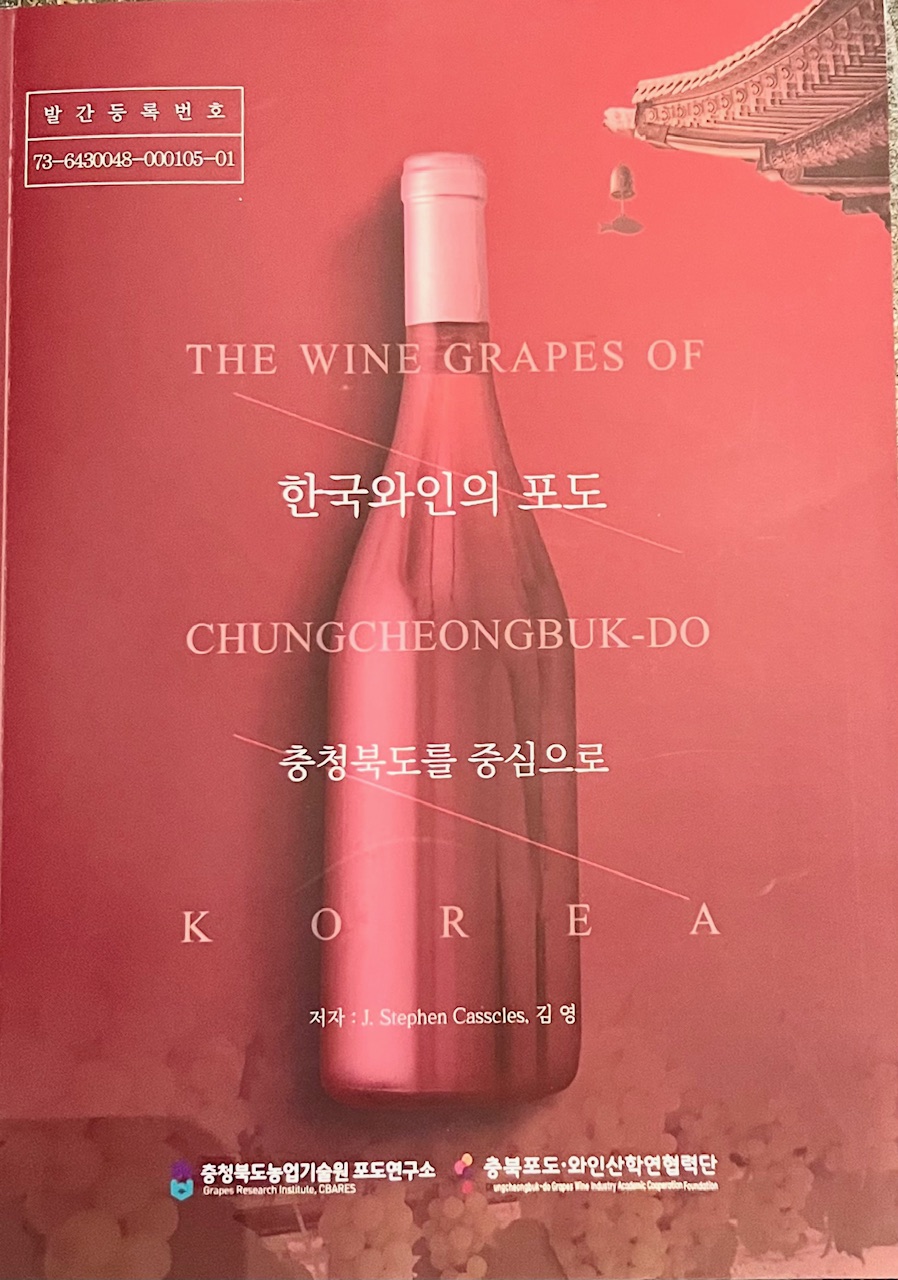
A groundbreaking new book on Korean and North American Cool Climate grape varieties is now out! It is the first winemaking grape book devoted to Korean and American Native grape varieties published in Korea. What is truly unique and unexpected is that the book is printed with one half in Korean and the identical other half in English.
J. Stephen Casscles Esq. and his coauthor Young Kim have just released an authoritative first-of-its-kind winemaking grape book focused on Korean and North American Native grape varieties to be published in Korea. This text will be an influential source in the selection of grape varieties for Korean winemakers and vintners seeking guidance with their decisions on which grapes are the most compatible with their terroir and the wines they can successfully craft from them. I asked Steve to tell us about his latest book The Wine Grapes of Chungcheongbuk-Do, Korea.
“I have been working, for the past two years, with my very talented co-author Young Kim of Sanmac Winery in Yeongdong, Korea, to write and publish our book: The Wine Grapes of Chungcheongbuk-do, Korea. The Korean province of Chungcheongbuk-do is a centrally located area in the Republic of Korea that specializes in fruit growing and wine production. While this book concentrates on the grape and wine industry of Korea, it has many applications for cool-climate grape growers and winemakers in North America. This is because the weather in our cool climate regions of North America is very similar to the climate and growing conditions in South Korea. Hence, these quality Korean hybrids can thrive in North America as well. Many of these Korean inter-specific hybrids are dual-purpose grapes that are not only seedless table grapes, but are very fungus disease resistant, monsoon season resistant, hardy, productive, and make quality wine.
Two years ago, I was truly blessed to have spent over two weeks in Yeongdong-gun and Seoul, Korea. Here, I met many talented grape growers and winemakers (including our book’s co-author Kim Young), visited cultural sites, and tasted wonderful Korean wines. In Korea, in addition to enjoying a wide variety of Korean cuisine, I had many fine French meals as there is an affinity for French cooking and wine in Korea. For example, in the smallish city of Yeongdong, it boasts not just one, but two quality French bakeries. The purpose of writing our book, The Wine Grapes of Chungcheongbuk-do, Korea was to put in print, for the first time, a book on Korean-developed interspecific hybrids and those grapes, many of which are grown in North America, that are currently being grown in Korea. Our book was published by the Chungbuk Grape Institute and the Wine Research Institute under the umbrella of the Chungbuk Agricultural Research and Extension Services, and the government of Yeongdong-gun, Korea, with support from the Rural Development Administration and the Ministry of Agriculture, Food and Rural Affairs.
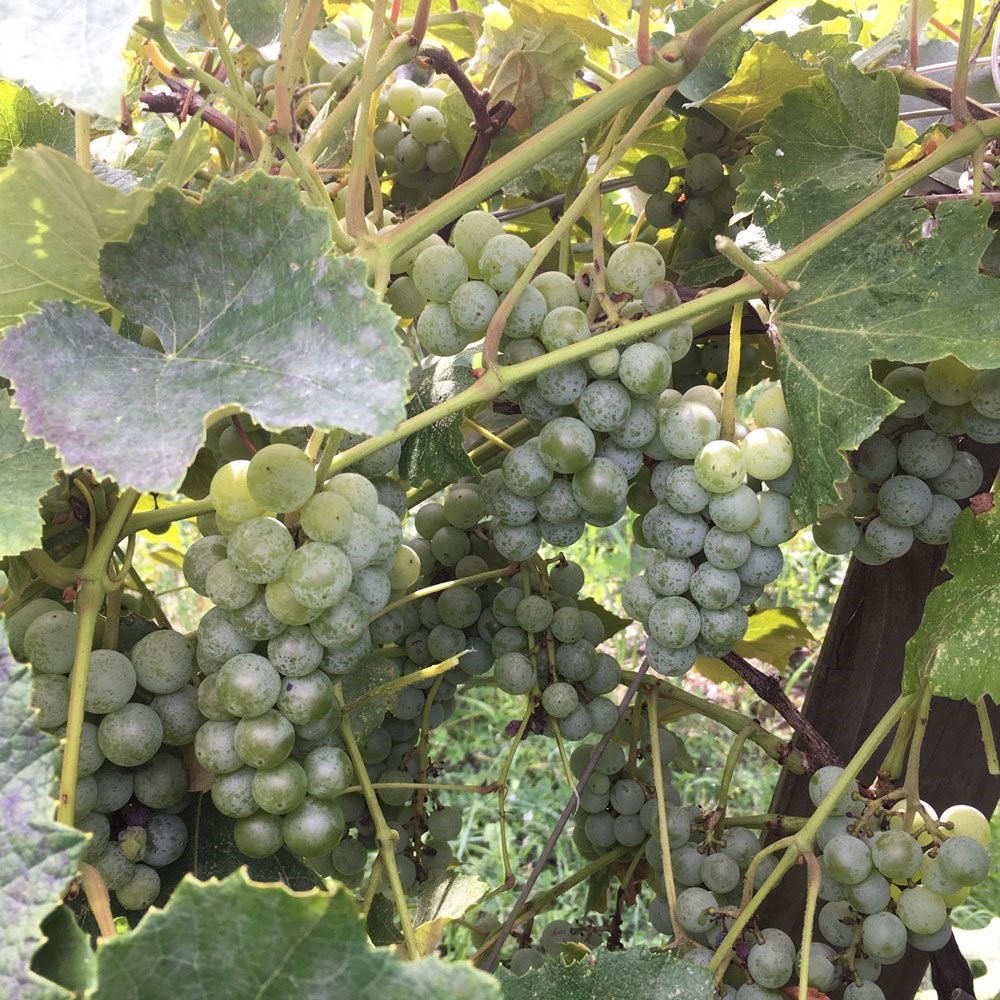
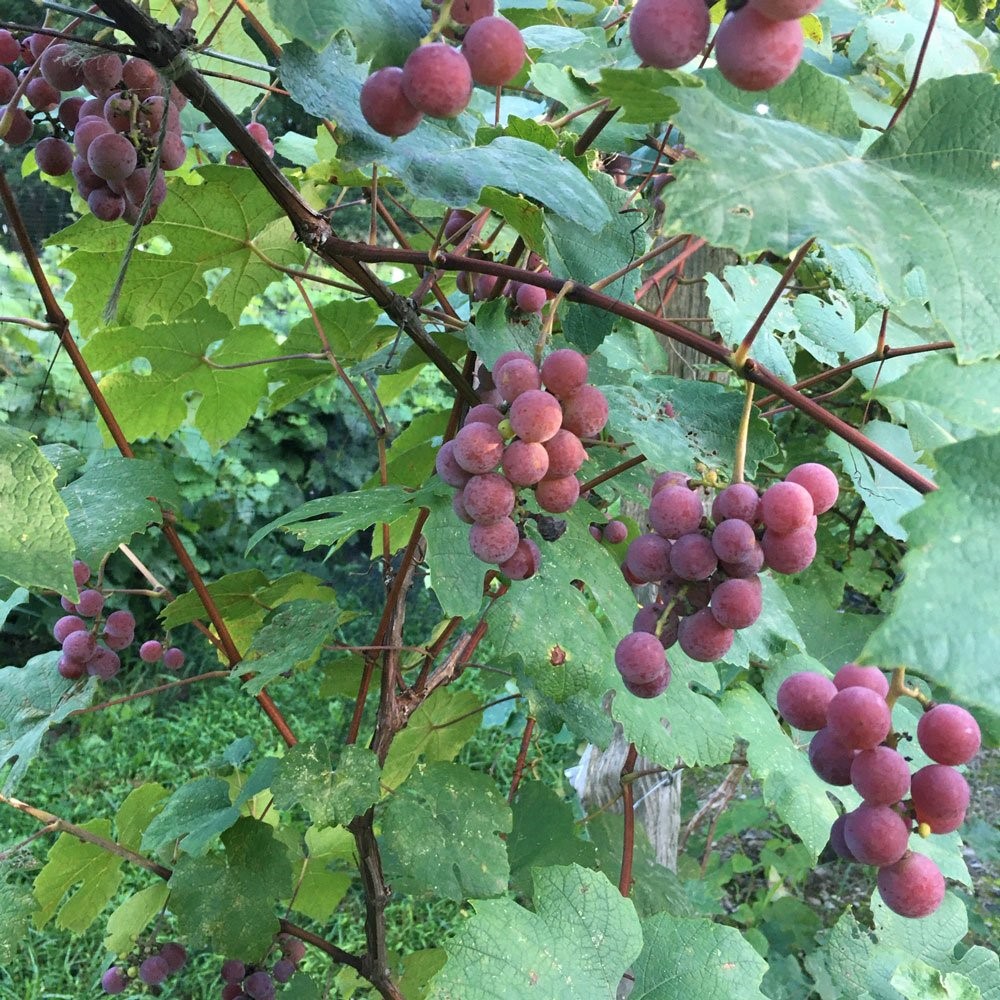
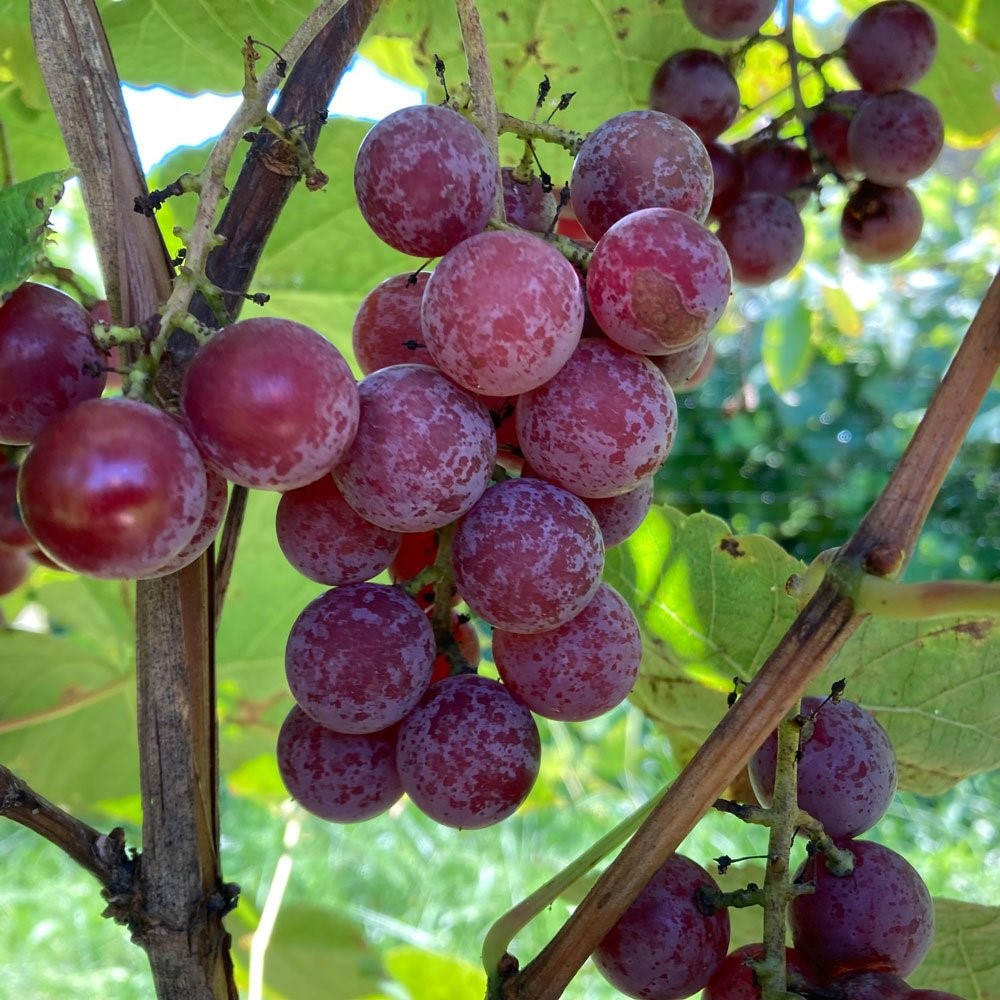
What especially attracted me to these Korean-developed hybrid grapes (that were developed by the Korean National government starting in 1963 to the present) was that many of these hybrids had “parents” that were my favorite cool climate grapes that are grown on the East Coast; grapes such as Delaware, Verdelet, Campbell Early, Himrod Seedless, and a few others. Korean grape hybrids to watch for include Cheongsoo, Cheongporang, Cheonghyang (whites) Chung Rang, and Saemaru for the reds. In addition to the Korean hybrid grapes, the book covers all of the other grape varieties used by the Korean wine industry, which are primarily American Native hybrid grape varieties such as Campbell Early, Delaware, Frontenac Gris, the NYS Geneva Experimental Station grape varieties Seneca and Sheridan, and the French-American hybrid Verdelet. In addition, the Korean industry grows several Japanese-developed hybrids, such as Kyoho, Muscat Bailey A, and Shine Muscat, which also have a preponderance of American genetic material in them, such as Campbell Early, Centennial, Eumelan, and Steuben.
If you have not been to the grape/wine regions of Korea, you should put this destination on your travel list. If you do so, I would be happy to point you in the right direction on where to go and what to see. Korea is a beautiful country with beautiful and welcoming people.
It is our hope that this book will help Korean grape growers and winemakers understand the genetic makeup, growing characteristics, and winemaking ability of the grape varieties that are currently being grown in Korea, especially in Chungcheongbuk-do. Kim Young and I hope that our collective research and knowledge gleaned from my visit to Korea and research on these grape varieties will translate into advances not only for the Korean wine industry but also for our East Coast growers of cool climate inter-specific grape hybrids. These Korean hybrids are great in the field because they are fungus disease resistant, cold/heat tolerant, monsoon rain resistant, productive, can be grown sustainably AND they make beautiful wines, especially the whites.
The book is in both the Korean and English languages. Most of these books will remain in Korea to help grape growers and winemakers there. To increase access to the North American cool climate grape/wine industry, I have been distributing our books to opinion leaders in the United States, including wine writers, university and private grape breeders, agricultural colleges, university libraries, grape growers, and winemakers. The point of publicizing and distributing this book in the United States is to tell our growers and winemakers of the existence of these wonderful cool climate grape varieties that were bred in Korea. Hopefully, we will soon be able to bring these hybrid cultivars to North America after they have gone through the importation quarantine process. This book should increase the readers’ devotion to cool-climate grape hybrids because they are productive, can be grown sustainably, and make beautiful wines. Further, it sparks more interest in cool-climate grape varieties in general, be they from Korea, the United States, or Europe.
The Wine Grapes of Chungcheongbuk-do, Korea was highlighted by the Chungbuk Grape Institute and the Wine Research Institute at the Institute’s recent tenth anniversary meeting. The book was the basis of this year’s growers’ and winemakers’ seminar. It was announced at this seminar that the book was the first winemaking grape book devoted to Korean and American Native grape varieties to be published in Korea. Because of its high demand, our book is now almost sold out, hence, we plan to go to a second printing for the United States and Canadian market. Further, this book will become available as an e-book to increase its circulation for the benefit of our cool-climate grape growers in the United States and Canada, in addition to those in Korea, Japan, and Taiwan.
Both Kim Young and I hope that this book will increase the reader’s devotion to cool climate grape hybrids, wherever they are grown because they can be grown sustainably and make beautiful wines. Or that it sparks an interest in cool climate inter-specific grape hybrids be they from Korea, the United States, or Europe. We will announce when the e-book is to be made available in the next few months. In addition, there is now an effort to import these sustainably grown Korean wines into the United States so that they can be enjoyed by all.”
J. Stephen Casscles, Esq. (cassclesjs@yahoo.com) has been a grape grower for over 45 years in the Hudson Valley and worked at leading wineries on the East Coast. Currently, he is a winemaker at Dear Native Grapes Winery in Walton, New York http://dearnativegrapes.com. Stephen wrote Grapes of the Hudson Valley and Other Cool Climate Regions of the United States and Canada: 2nd Ed. Revised and Updated to Include New England Grapes (2023), which details how to make wine, establish & maintain a vineyard, and the growing and winemaking characteristics of over 200 cool climate grape varieties. See https://www.flintminepress.com. His latest book is The Wine Grapes of Chungcheongbuk-do Korea. (2024). At his farm Cedar Cliff Vineyards & Nursery, in Athens, NY, he grows 88 rare French-American hybrids and 19th Century heritage grape varieties from the Hudson Valley & Massachusetts which he evaluates, makes wine from, and lectures about. He also lectures on wine, grape cultivation, 19th-century American horticulture, and landscape architecture at botanical gardens and historical societies throughout the Northeast. He is working on a new book, Grown in Queens: The Prince Nurseries of Flushing, NY, and the Birth of American Horticulture and Viticulture.
Kim Young is the owner of Sanmac Winery in Yeongdong, Korea. sanmacwinery.com She, along with her husband Youn Young-June, grows the grapes, makes and sells the wine, and is active in the Yeongdong wine industry community. She is an educator of the history of Korean wine and a certified WSET 3 Advanced Sommelier.
Thank you Steve and Kim Young for your tireless work on this book. It will be a valuable resource for winemakers everywhere.
Photo Credit: J. Stephen Casscles Esq. and wpawinepirate.com






 wpawinepirate