My Latest AWS Wine Journal Article

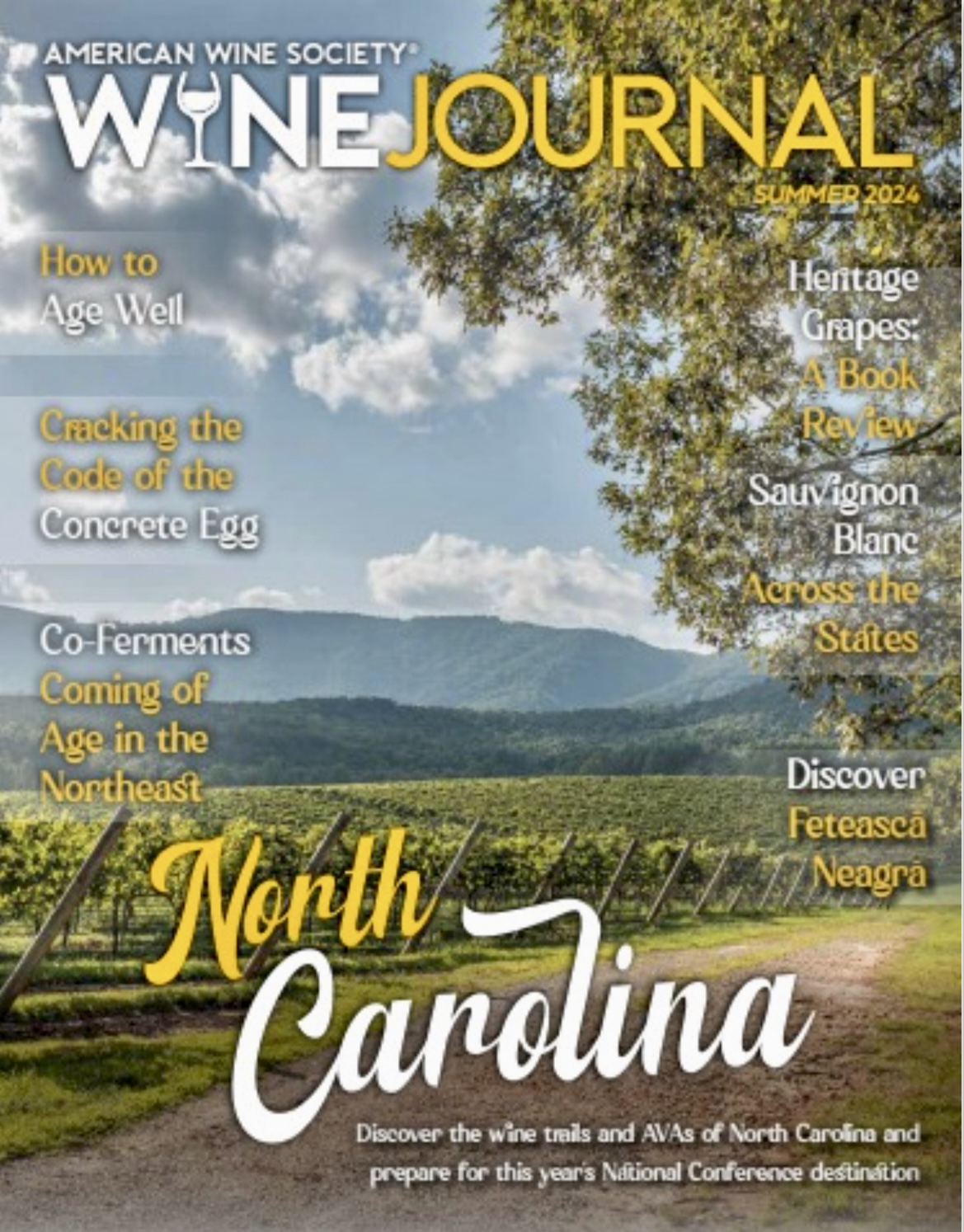
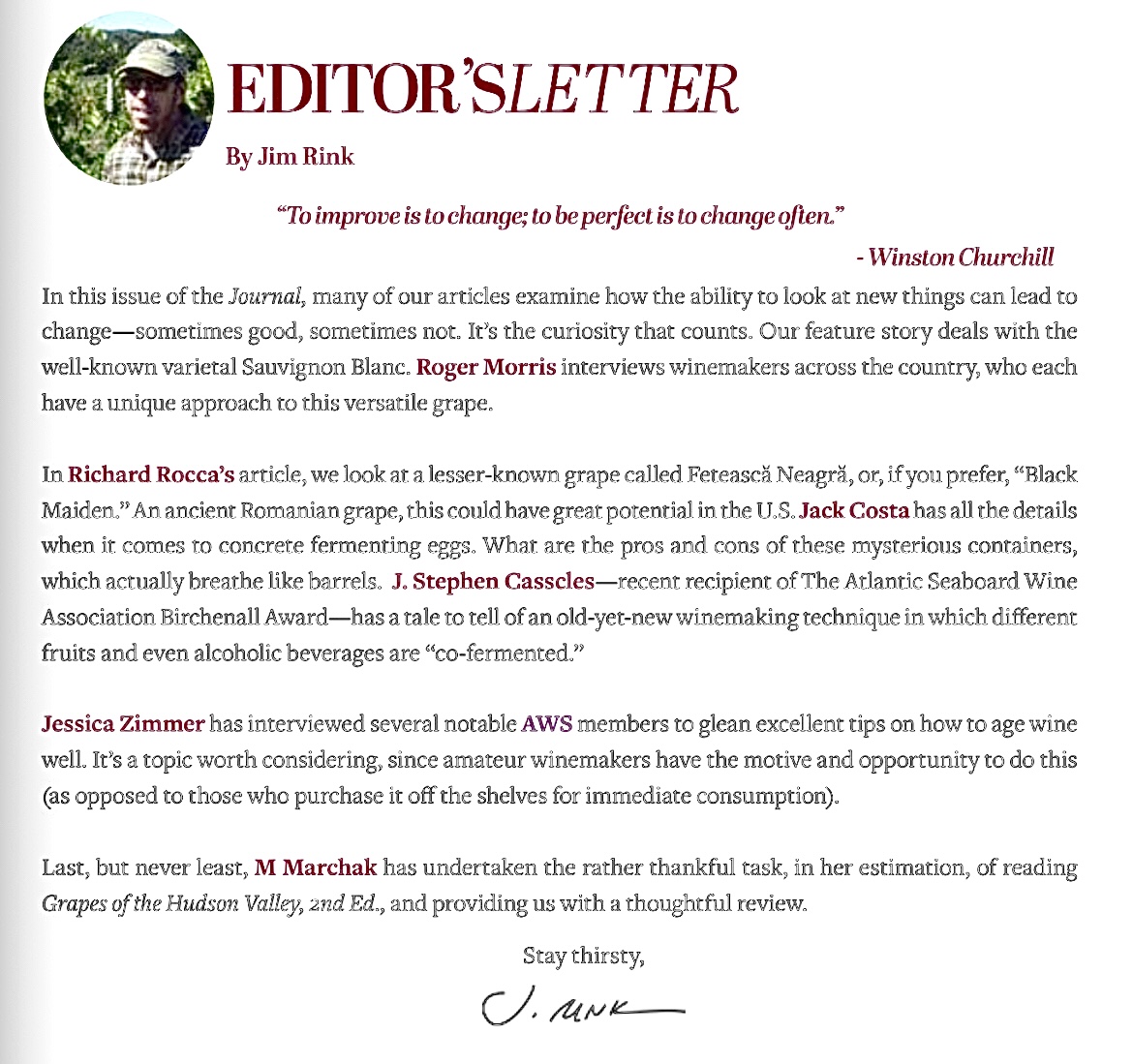
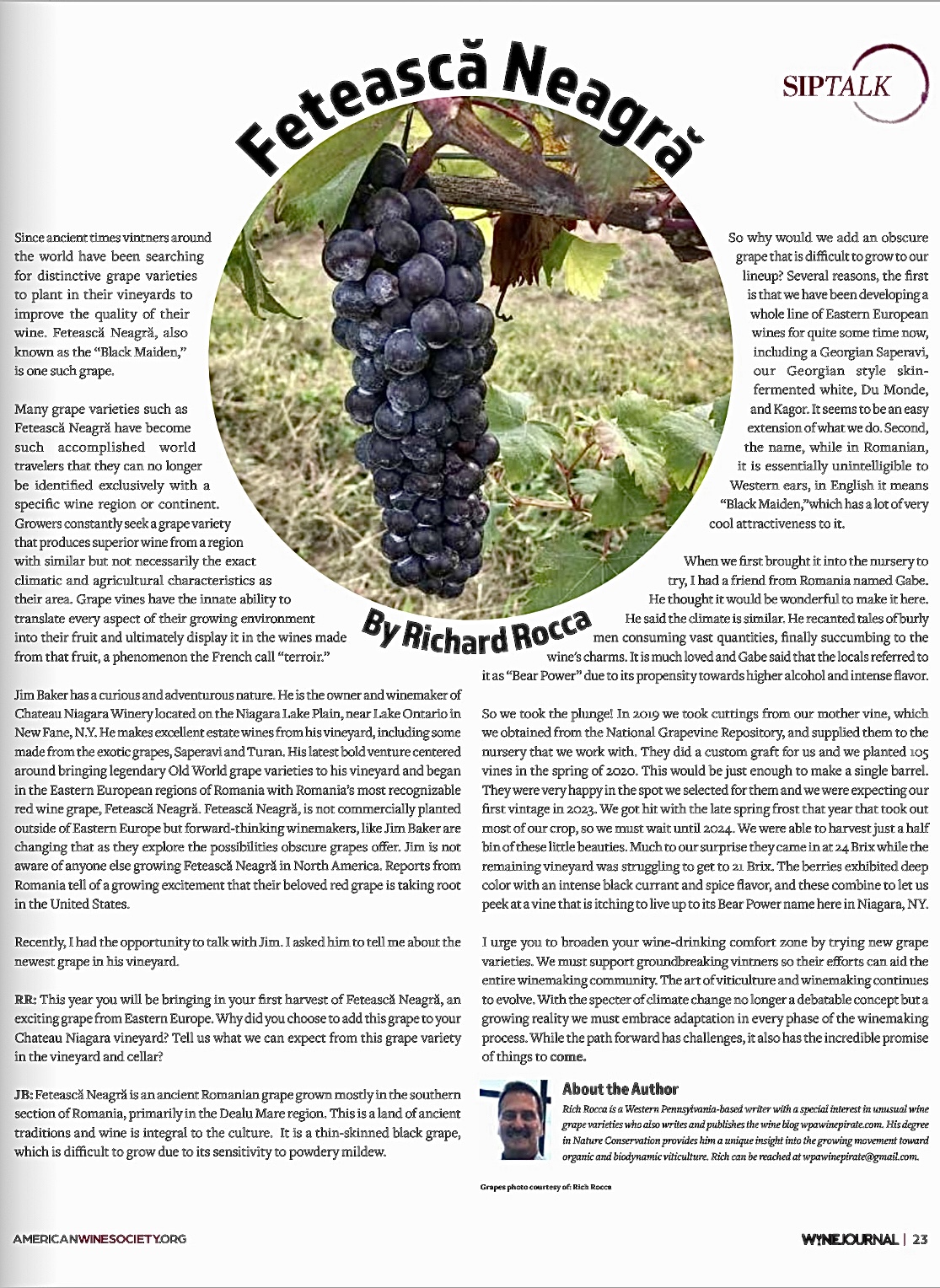
I am happy to announce my latest article to be published in the American Wine Society Wine Journal is now available to be viewed on the emagazine website https://anyflip.com/wnfp/urfm/as a flip page publication free of charge. Simply go to https://anyflip.com/wnfp/urfm/, tap on the cover of the Summer edition, and swipe left to turn the pages like a print magazine. It is easier to read using an iPad, tablet, or laptop. My article appears on page 23 and is about the only vintner in North America growing the Romanian wine grape Fetească Neagră or “Black Maiden ” as it is commonly referred to in Romania. There are a lot of interesting stories in this edition. The cover story is part 2 of a three-part series by Simone FM Spinner, in which the AVAs and wine trails of North Carolina are discussed. M. Marshal reviews the J. Stephen Casscles book “Grapes of the Hudson Valley and Other Cool Climate Regions of the United States and Canada” 2nd Edition. J. Stephen Casscles provides an in-depth look at the ancient but increasingly popular process of co-fermenting in the Northeast. These are just a few of the entertaining and informative articles that can be found in this edition. You can find all the back issues including my Saperavi story in the 2020 Spring edition by clicking on the AWS logo to the left of the https://anyflip.com/wnfp/urfm/ homepage. Enjoy!

Interview: Alison Morris Roslyn Francey Not Fancy wine consultancy

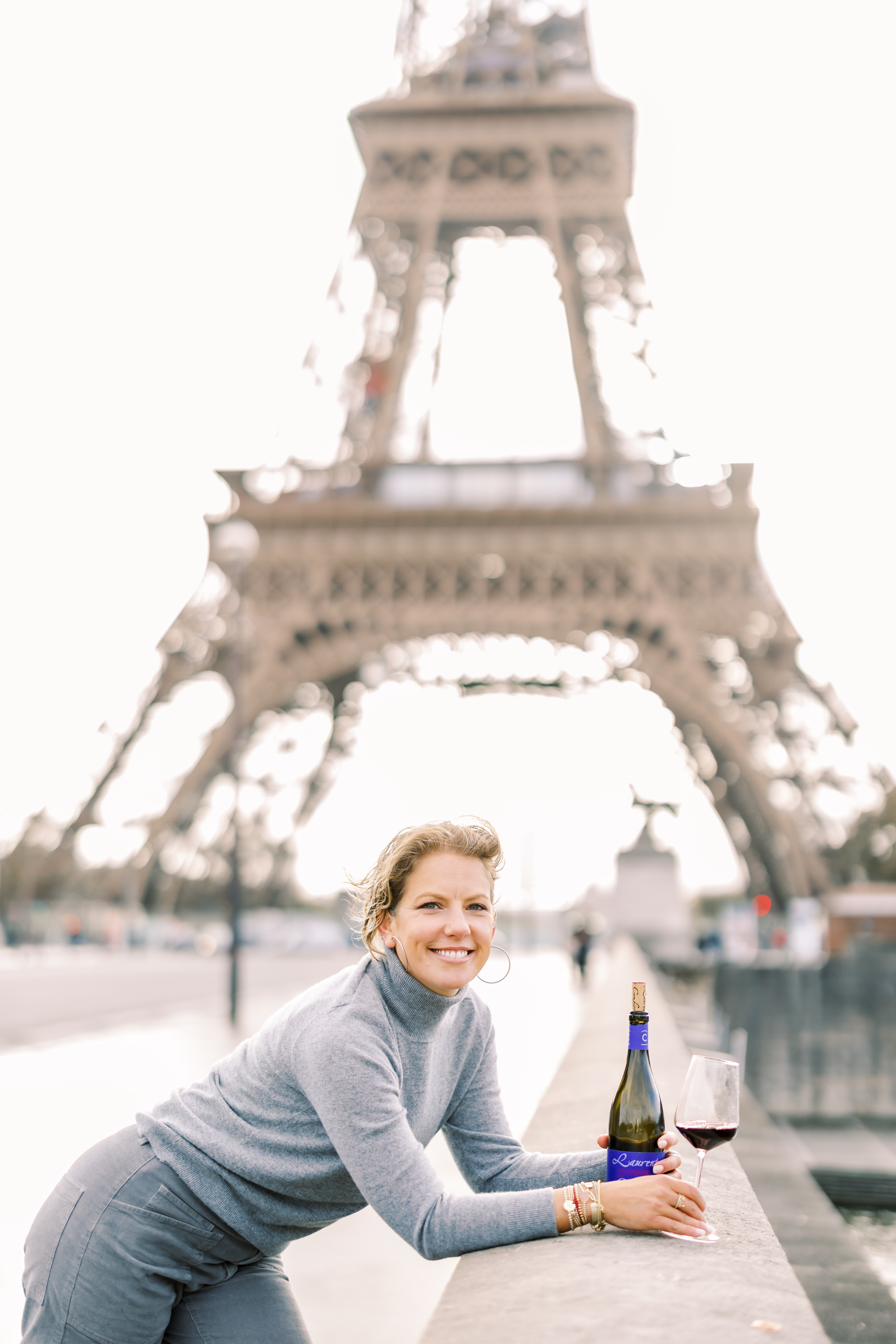
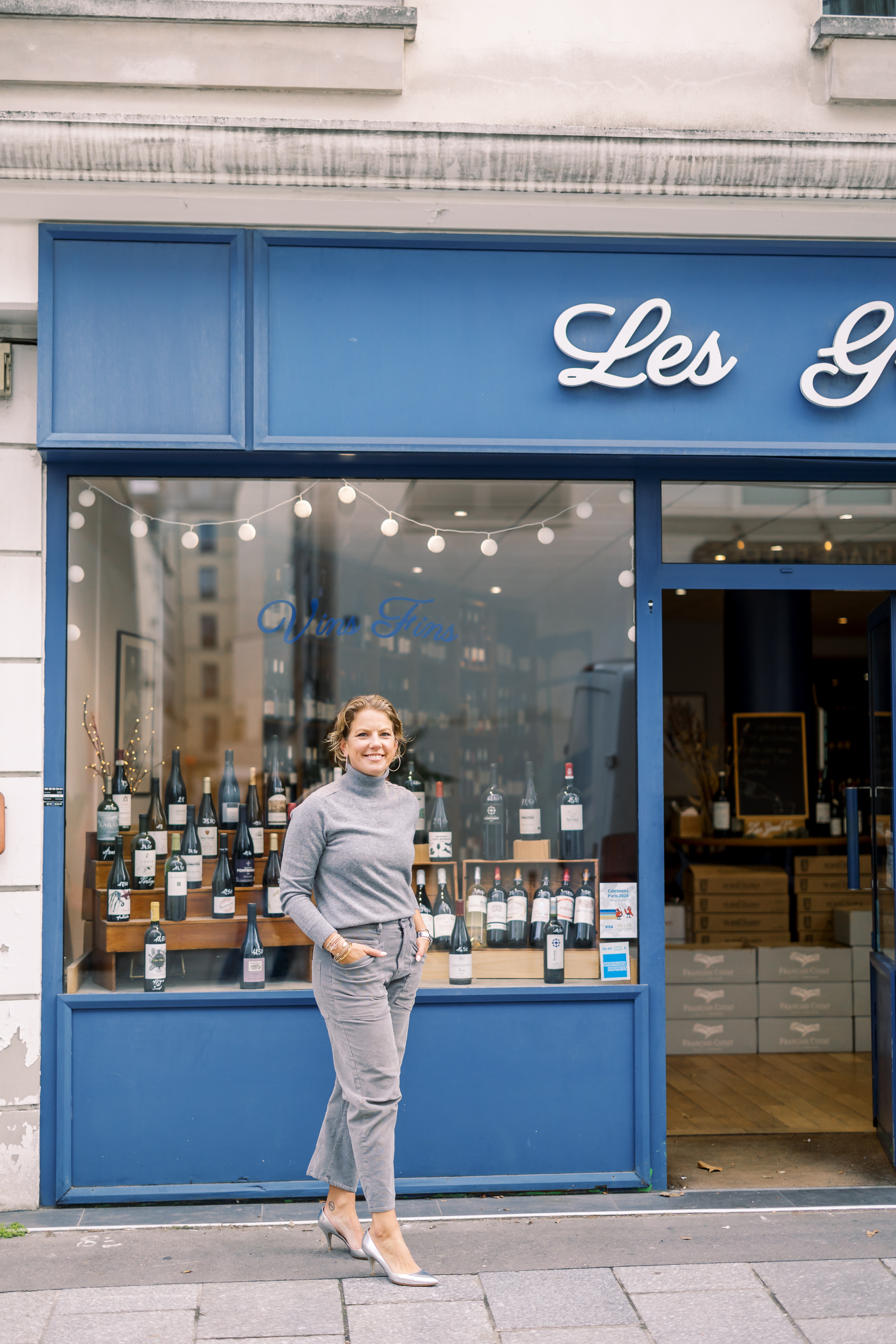
It may seem trite to say that Alison Morris Roslyn starting her wine consulting business Francey Not Fancy was her destiny, but trite or not, it is the truth. Alison was born into a family with a heritage of wine appreciation. It would also be true to say wine is ingrained in her DNA because a pair of her grandparents are from France. Alison has always believed that wine is meant to be shared with friends and family. The lasting memories and personal connections made while sharing life’s most cherished moments with loved ones never require an in-depth knowledge of wine or an expensive wine in your glass, all you need is to be drinking a wine you like. 

She didn’t take a direct path to being a wine professional but was coaxed from her successful career by the gravitational pull of the “wine life” into her current career. At first glance, her two professions appear to be polar opposites but upon closer examination, they share similar characteristics. 

No one can tell the story of Alison Morris Roslyn’s wine journey better than Alison herself. She graciously accepted my invitation to share her candid thoughts and observations with me. The following is a complete verbatim and unedited account of our interview. Thank you Alison for your honest and sincere responses. 

1. Tell us about yourself and your wine journey. 

“I’m a journalist who used to enjoy wine after work, now wine is my work. 

I grew up in a family of wine drinkers, who enjoyed mostly reds and mostly Napa Cabernets. My uncle introduced our family to Silver Oak when it wasn’t nearly as popular or expensive as it is today. That was probably our first favorite fine wine.

When I graduated from college in 2001, I moved to Paris, where I met my dear friend, Georges Nony, whose family owned a château in Bordeaux, Château Caronne Ste Gemme (they sold it to Bernard Magrez in 2022). Georges taught me so much about French wines and fine wines, even though I was too young to truly appreciate it at first.

For the next few decades, wine was a hobby for me. I enjoyed keeping a small collection in a few wine refrigerators in our apartment and then our home.

My interest and collection grew pretty steadily, and for my 42nd birthday, my husband gave me a wine cellar (we converted the trash and recycling room in our basement)!

As my love of wine grew, my passion for the news was starting to fade. Two decades of hard work and Covid-19 did me in, and I decided it was time to make a change. I quit TV news and went back to school, got wine certificates from Cornell and Le Cordon Bleu, and got my Level 3 Sommelier Certification from the National Wine School. Now wine is my day job.”

2. How did your philosophy about wine lead to you starting your wine consulting business Francey Not Fancy?

“I spent 20 years in journalism before getting into wine, and while they seem like really different businesses, they have a lot in common. I was a reporter, covering mostly business, in both print (The Wall Street Journal, The Hartford Courant) and on TV (CNBC, KDKA, FoxCT, Fox 5 NY, NBC News) and one of the things that always bothered me about the business world was how exclusive it could feel. I would constantly hear from people that they didn’t understand business, finance, or taxes because it was all too complicated. Business isn’t necessarily complicated if someone is willing to explain it to you in basic terms. There just aren’t enough people doing that.

The wine world is very similar. People think you need to know a lot about wine to talk about wine or that you need to spend a lot on wine for it to be good wine. Neither of those things is true. But here’s the problem: the more people learn about wine, the less they’re able to talk about it like a regular person. Wine critics describe wines with words the average person would never use. They often give really high ratings to wines most people can’t afford and they often don’t even review the wines that most people have access to. A regular person doesn’t want to hear about mouthfeel and the flavor of mirabelles. They want to know what might taste good with that meatloaf they’re making on a Friday night or the BBQ they’re having next Sunday afternoon. (I’d go with a Syrah from the Northern Rhône in France in both situations, by the way.)

I got into news and wines for the same reason: to make them more accessible. I like connecting with people and finding common ground. Wine just happens to be a much more fun ground to connect on.

So at Francey Not Fancy we talk about wines without being snobby or taking ourselves too seriously. I call it a “welcoming wine consultancy” because I want everyone to feel welcome to pull up a glass at our table and talk about wine, whatever your level of knowledge. I hope we can help people learn more about wines, discover wines they love, and figure out how to buy and order wines they love to drink.

I love wine at all different price points. My favorite Pinot Noir that we drink nonstop in my house is Au Bon Climat’s Santa Barbara County Pinot Noir, and you can get it online for $21. Sure, it’s nice to splurge on special bottles, but you don’t need to spend a fortune to drink something delicious.”

3. Your business Francey Not Fancy takes a unique approach to wine consulting, can you give us an idea of what services you offer your customers?

“For starters, we have a website with a ton of great write-ups on wine. They’re all free, so check out the site: franceynotfancy.com and learn some more about grapes and wines you might want to try. We also send out a free newsletter every Wednesday that takes less than a minute to read and will teach you something new about wine every week. You can sign up for that on the website too. And we have a ton of great wine content on our Instagram: @franceynotfancy. So please give that a follow.”

As for our client services, we offer wine classes and tastings (both in-person- in the NYC area- and on Zoom).

We consult people to help them find wines they like, whether that’s a case for a special occasion or several cases to start their own collection or to fill out their wine cellar.

We do corporate events for groups of all sizes, whether that’s a wine tasting, a wine education class, or wine training for a professional sales team that needs to know more about wine to entertain clients.

We can also help with travel itineraries and wine visits, particularly in France!”

4. What are some of your favorite wine regions, grape varieties, and winemaking styles?

“If the name Francey Not Fancy didn’t already give it away, I’m a big French wine fan. My mom’s side of the family is French and the wines and regions there are top of my list.

My grandfather was from Corsica, so let’s start there. Corsican wines are tough to find in the US; I will drink any Corsican wine I can find stateside, red or white. The whites have this fabulous salty quality from the sea, and the reds have this dry earthiness from the mountains. You can really taste the flavor of the island in your glass.

I’m also a huge Champagne drinker. I prefer Champagne-method or traditional-method sparkling wine (which means the second fermentation happens in the bottle not in a big vat), so I absolutely love bubbly from Champagne, especially Chardonnay-dominant blends or blanc de blancs (100% Chardonnay Champagne). If we’re venturing outside of France, I like Franciacorta sparkling wines from Italy and Cava from Spain—both are traditional-method sparkling wines.

For reds, I love Syrah from the Northern Rhône in France, especially the region of Saint-Joseph. They’re fabulous and more affordable than Côte Rôtie or Hermitage.

I’ve also recently gotten into red wines from Sancerre, which are made from Pinot Noir. Most people think of Sancerre as the home of Sauvignon Blanc, but they are making some fantastic reds there that can rival Burgundies but at much better prices.

For white wines, I love love love Saint Aubin. It’s in Burgundy and is home to beautiful Chardonnays that are rich, but also precise. I love those contrasting qualities and that you can find better bargains here than in neighboring Meursault or Puligny-Montrachet.

And if we’re talking rosé, it absolutely has to be French, preferably from Provence. 

I could keep going, but I think you get the idea.” 

If you are considering retaining the services of a wine consultant I would highly recommend contacting Francey Not Fancy and discussing your needs with Alison. Scroll down for contact information. 

Website: http://franceynotfancy.com

email: bonjour@franceynotfancy.com

Instagram: @franceynotfancy

LinkedIn: https://www.linkedin.com/in/alison-morris-roslyn-453081a

See Alison’s interview on KDKA TV from Paris http://www.cbsnews.com/pittsburgh/video/catching-up-with-former-kdka-tv-reporter-alison-morris/?intcid=CNM-00-10abd1h

You can also get a message to Alison via this website’s (http://wpawinepirate.com) email wpawinepirate@gmail.com 

2nd Annual Saperavi Festival Trade & Media Event Finger Lakes Press Release

I wanted to share this press release I received from the co-founder of Saperica, Erika Frey. The 2nd Annual Saperavi Festival in the Finger Lakes will be held on May 12-13, 2023. For more details see the following press release.

March 23, 2023,

2nd Annual Saperavi Festival in the Finger Lakes Press Release

Saperica, Inc., Dr. Konstantin Frank Winery, Chama Mama Restaurant, and the National Wine Agency of Georgia presents the 2nd annual Saperavi Festival in the Finger Lakes region of New York.

Hammondsport, New York – Saperica, Inc., is pleased to announce that the 2nd annual Saperavi Festival will take place at Dr. Konstantin Frank Winery in Hammondsport, New York on Saturday, May 13, 2023. The festival will bring together producers of Saperavi and Rkatsiteli wines from the Finger Lakes region of New York along with their counterparts from the country of Georgia and throughout the USA. Authentic Georgian cuisine with a modern twist will be featured from New York City restaurant, Chama Mama. Sponsorship will be provided by the National Wine Agency of Georgia.

Saperavi Festival attendees will have the opportunity to taste a wide variety of wines crafted from the Saperavi and Rkatsiteli grape varieties which are native to the country of Georgia and have been grown in the Finger Lakes region for over 60 years. The wines will be paired with Georgian food specialties like Khachapuri, Khinkali, and Chakapuli. Cooking demonstrations will be presented throughout the afternoon.

The Saperavi Festival will take place on Saturday, May 13, 2023, from 12pm to 4pm, on the grounds of Dr. Konstantin Frank Winery located at 9683 Middle Rd, Hammondsport, NY 14840. More detail and tickets are available for purchase at Eventbrite via this link: http://eventbrite.com/e/2nd-annual-saperavi-festival-tickets-577274843597

The event can also be found on Eventbrite by using the search words “saperavi festival”.

Members of the trade and media are invited to participate in educational seminars and events which will occur on Friday, May 12, 2023, from 12pm to 4pm on the grounds of Dr. Konstantin Frank Winery located at 9683 Middle Rd, Hammondsport, NY 14840.  For more information about attending as a member of trade or media, please send an email to saperavi@saperica.org.

The 2nd annual Saperavi Festival is organized by Saperica Inc, a 501(c)(3) non-profit corporation. Saperica’s mission is to promote Saperavi and other Georgian grape varieties along with Georgian gastronomy and culture in the Finger Lakes, NY, and around the U.S., by organizing and facilitating educational seminars and exchange programs between the regions, for wine and culinary professionals and enthusiasts. Any proceeds from the festival will help to fund future Saperica programs.

For additional info, please visit www.saperica.org.

Email questions to http://saperavi@saperica.org.

We hope to see you at the festival!

My Latest Michiganuncorked.com Article

I invite you to read my latest article “Field of Dreams” which was just published by michiganuncorked.com. It is about starting a vineyard and winery from scratch. It can be viewed by going to their website and clicking the “Read all about it” link under the “Winter Collaboration” heading. It will take you to their flip-page magazine https://issuu.com/userg123/docs/mu_-_winter_2022. It begins on page 8 or scroll down the page below the viewer window and it is also featured as an individual story just click on it. I hope you enjoy it. 

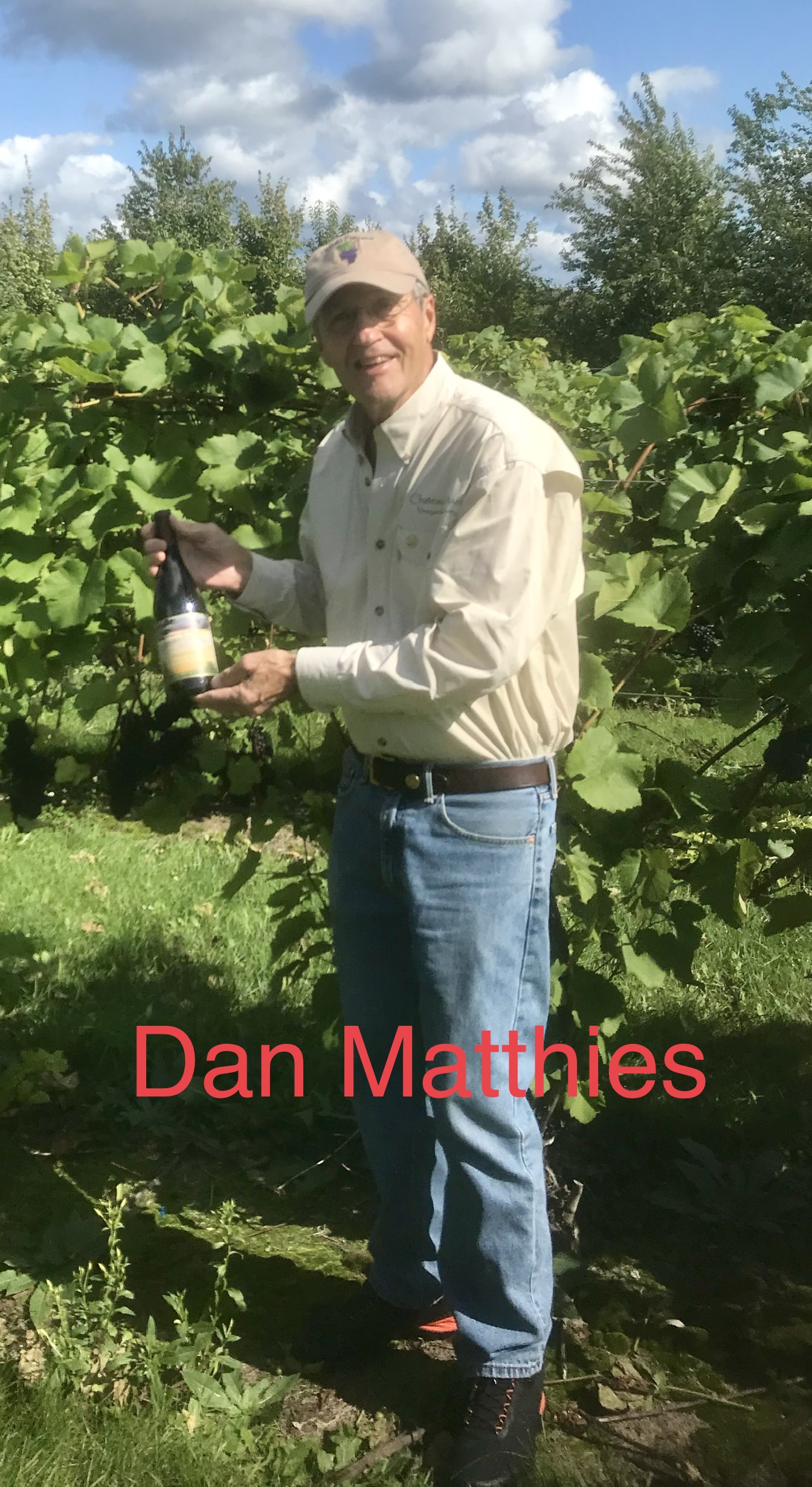
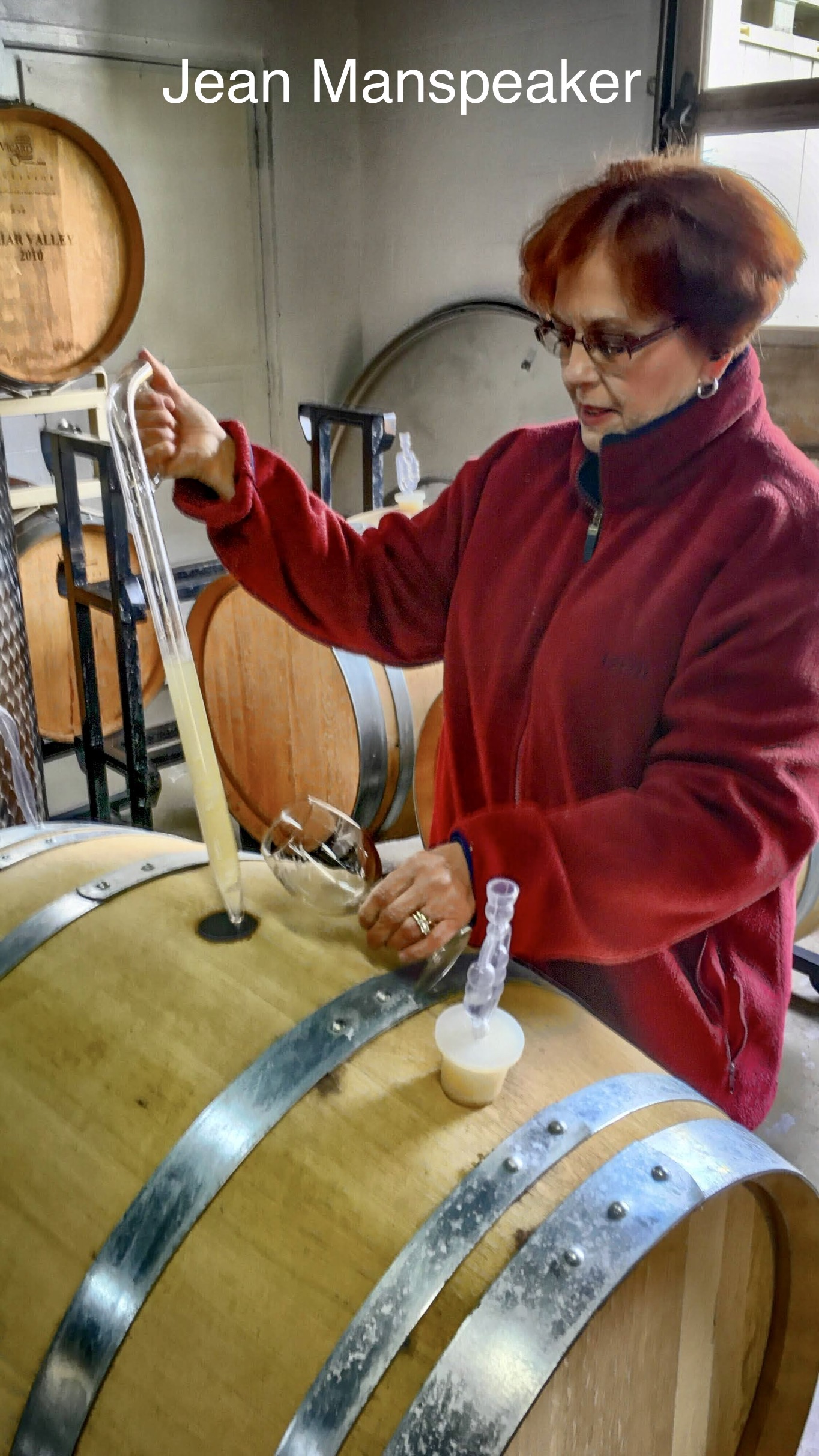
I wouldn’t have been able to write this story without the help of three successful winemakers that somehow found time to share their priceless advice on this subject. To Jim Baker Chateau Niagara, Jean Manspeaker, former owner of Briar Valley Vineyards & Winery, and Dan Matthies Chateau Fontaíne, I am truly grateful for your kindness and generosity. 

Review: Saperica 1st Annual Saperavi Festival Finger Lakes

On May 14, 2022, an event took place in the Finger Lakes Wine Region of New York that was a landmark moment in the history of Saperavi, not only for the future direction of Saperavi in the northeastern U.S. but for all of North America. While Saperavi has been on a steadily ascending arc for several years this gathering of Saperavi winemakers, growers, and enthusiasts will prove to be the catalyst that fuels Saperavi’s meteoric rise into the conscience of the American wine lovers.

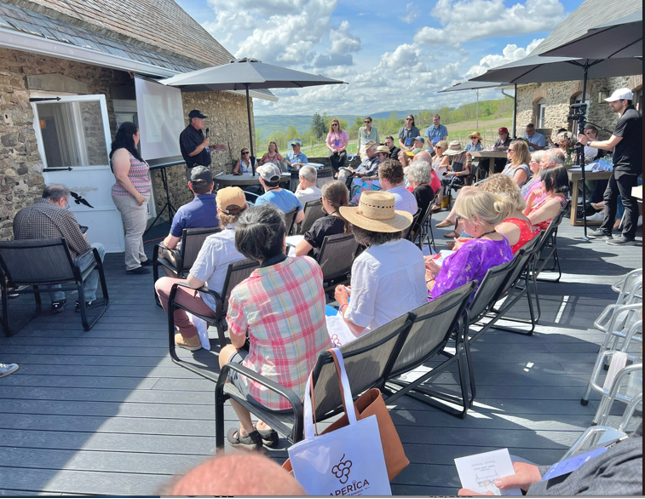
Saperica http://saperica.org, the nonprofit founded by Lasha Tsatava and Erika Frey, held its inaugural Saperavi Festival at the iconic Dr. Konstantin Frank Winery overlooking Keuka Lake in Hammondsport, New York. The one-day event was a sellout with more than three hundred guests enjoying winetastings and delicious traditional Georgian cuisine prepared by Chama Mama, a Georgian-themed restaurant from New York City. The trade and media portion of the festival drew over fifty participants that were greeted with opening remarks from Fred Frank and Saperica co-founder Erika Frey. Keynote speaker Lado Uzunashvili delivered a live virtual presentation on the importance of Saperavi that was followed by guest speaker Darra Goldstein (Flavors of Georgia). Both presentations can be viewed on Saperica’s YouTube channel https://www.youtube.com/watch?v=MUb_6pPRupQ Closing remarks were presented by Saperica co-founder Lasha Tsatava with a special thank you to Meaghan Frank for her tireless efforts to make the Festival a resounding success.

I ask some of the contributors to share thoughts and impressions about the festivities and their vision for Saperavi in North America.

Lasha Tsatava, Director @ Boston Sommelier Society and co-founder of Saperica Inc.

When we first started to tell the story of Saperavi and its connection to Georgian culture and the history of wine, we saw how people’s eyes lit up and we wanted to grow that feeling in FLX and beyond. At the Saperavi Festival’s Trade & Media event, I made it clear in the closing remarks, that our organization’s goals are, as a minimum, to make Saperavi a premier red grape variety in the Finger Lakes region and the ultimate goal is to build a Georgian Cultural Center with Marani (Georgian traditional cellar with qvevris) in Finger Lakes, NY. The 1st annual Saperavi Festival has reconfirmed the sensibility of these goals.

Fred Frank, President, and CEO of Dr. Frank’s Vinifera Wine Cellars, grandson of wine legend Dr. Konstantin Frank & Meaghan Frank’s father

We were honored to host this first Saperavi Festival at our historic winery. I am sure Konstantin was looking down from the heavens with pride to see all the attention and acceptance that his beloved Saperavi was receiving from the hundreds in attendance. Konstantin was the first to plant Saperavi in the United States in the late 1950s in his vineyard above Keuka Lake. He was a big fan of this variety for its historic pedigree originating in Georgia and believed it would have a great future in the Eastern United States. Saperavi vines are cold hardy and the wines are of high quality with deep color. We look forward to the next Saperavi Festival and continued acceptance of this historic grape variety.  

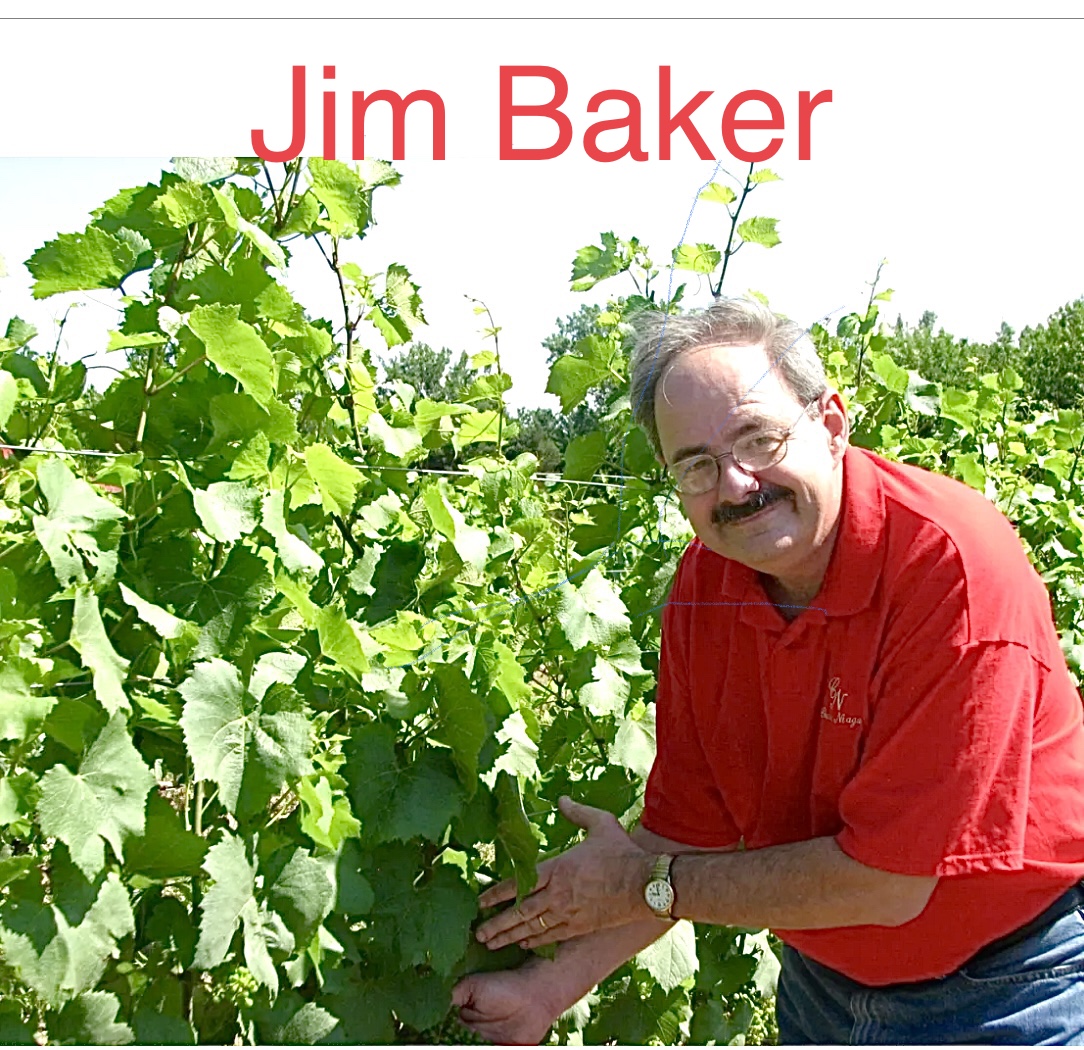
Jim Baker, owner/winemaker of Chateau Niagara Winery, located on the Niagara Lake Plain, Newfane New York

My thoughts on the festival are quite positive. The media section contained two presentations featuring my good friend Lado Uzunashvili, and Darra Goldstein. Lado is an old friend and did a great overview of Saperavi in Georgia and the world, including history and all sorts of technical information on the grape in several world locations. He did a comparison of our winery and a Georgian location. Darra Goldstein presented a history of Georgian food and culture. Food was served up from Chamma Mama, a Georgian restaurant in NYC. It was truly a Georgian feast. We got to taste wines from a number of American and Georgian producers. It was surprising how well we held our own against some stunning Georgian producers. The afternoon consisted of more Georgian feasting and public tastings of wine. All in all a great celebration of Saperavi and Georgian culture.

Phil Plummer, Head winemaker at all three Martin Family Wineries in the Finger Lakes.

I attended the festival, but mostly on the technical/trade end of the schedule. I can’t speak to marketing impact and the like, but the viticultural and enological information shared in the trade sessions was really compelling. Saperavi is a very exciting grape variety for us in the Finger Lakes, but I think winemakers should be excited about this one on a global level, too. Saperavi exists at the intersection of past, present, and future winemaking. As one of the earliest-cultivated grape varieties, working with Saperavi gives winemakers an opportunity to connect to the past–walking in the footsteps of the countless generations of winemakers who came before us. At present, Saperavi’s unique versatility allows winemakers to experiment, making wines in a widening array of styles. Looking forward, Saperavi’s resilience and versatility position it as a grape variety to embrace in the wake of a changing climate. As a blending component or varietal, Saperavi rarely disappoints. From a culinary standpoint, its rich phenolic profile, bright acid, and unmistakable aromatics present exciting opportunities for wine and food pairing, particularly with the Georgian cuisine available at the festival.

Erika Frye, co-founder of Saperica Inc., CS, CWE & Diploma WSET

When I started discovering Saperavi in the Finger Lakes several years ago, I could feel that there was something special about this grape variety in this region.  There is a buzz that surrounds Saperavi which started off whisper-like but has now grown into a conversation that cannot be ignored.  The 1st annual Saperavi Festival came at just the right time to give this grape variety a clear voice to tell the story of its past, present, and future.  It comes at a time when Saperavi plantings are increasing in the Finger Lakes region.  We hope that these new producers will be able to use the Saperica organization and the Saperavi Festival as resources to find information about the Saperavi grape variety, learn about its Georgian heritage and connect with other Saperavi producers.

The most exciting thing about the festival for me was the ability to build connections.  We had a great partnership between the three festival hosts – Saperica, Dr. Konstantin Frank, and Chama Mama.  An impressive group of wine producers and wine importers were present from both the USA and Georgia.  Two experts in their fields shared their knowledge of Saperavi winemaking and Georgian cuisine.  Most importantly, there were about 250 festival attendees who were connecting with the wines, the food, the environment, and the people.  When I was able to stop for a moment and survey the amazing crowd of people who had come together to celebrate Saperavi, that is what made me feel truly proud – proud of the community that we are starting to build and what we will all be able to accomplish together in the future.

John McGregor, Vice President of McGregor Vineyard

The Saperavi Festival was a great introduction to Saperavi for many.  Its Georgian roots were presented wonderfully!  McGregor Vineyard was the sole producer of Saperavi in the United States for decades. Now the Finger Lakes is home to numerous Saperavi producers, and more are sure to come in the near future. This festival really felt like a validation of my late father, Bob McGregor’s steadfast belief that Saperavi was perfectly suited to grow in the Finger Lakes and could make some of the region’s finest and most respected wines.

Bryanna Cramer, Assistant Winemaker Standing Stone Vineyards

I felt like the event was a huge success for the region, seeing as it was the first annual and it sold out and had additional tickets added on. It felt like the overall vibe was excitement about the variety as well as a general curiosity about its potential here in the FLX. It was really beneficial to have vendors pouring various Saperavi from Georgia to have as a reference, as well as Georgians giving their genuine feedback on the wines being made here in the Finger Lakes. I think they were pleasantly surprised by the quality and authenticity that can be achieved. From the customer perspective, I think the majority are still discovering the variety, its characteristics, and its history but I see that as an opportunity to continue educating not only at events like this but also on-site at Standing Stone and the other wineries working with Saperavi. 

This event and those all involved proved that Saperavi has progressed from being viewed as a grape variety with the potential to make outstanding varietal wine here in North America to being acknowledged as a proven producer of high-quality wine in various styles. Saperavi will continue to evolve as new winemakers add their interpretations of how it can be made and the newly planted Saperavi vineyards come into production expressing the terroir of their increasingly diverse geographic locations.

Congratulations to everyone involved in Saperica’s Saperavi Festival in the Finger Lakes on its successful endeavor to gather Saperavi lovers and promote this ancient grape. A special thank you to Lasha, Erika, Fred, Phil, John, Bryanna, and Jim for taking the time to share their thoughts and insights about Saperavi.

Photos Courtesy: Saperica Inc.

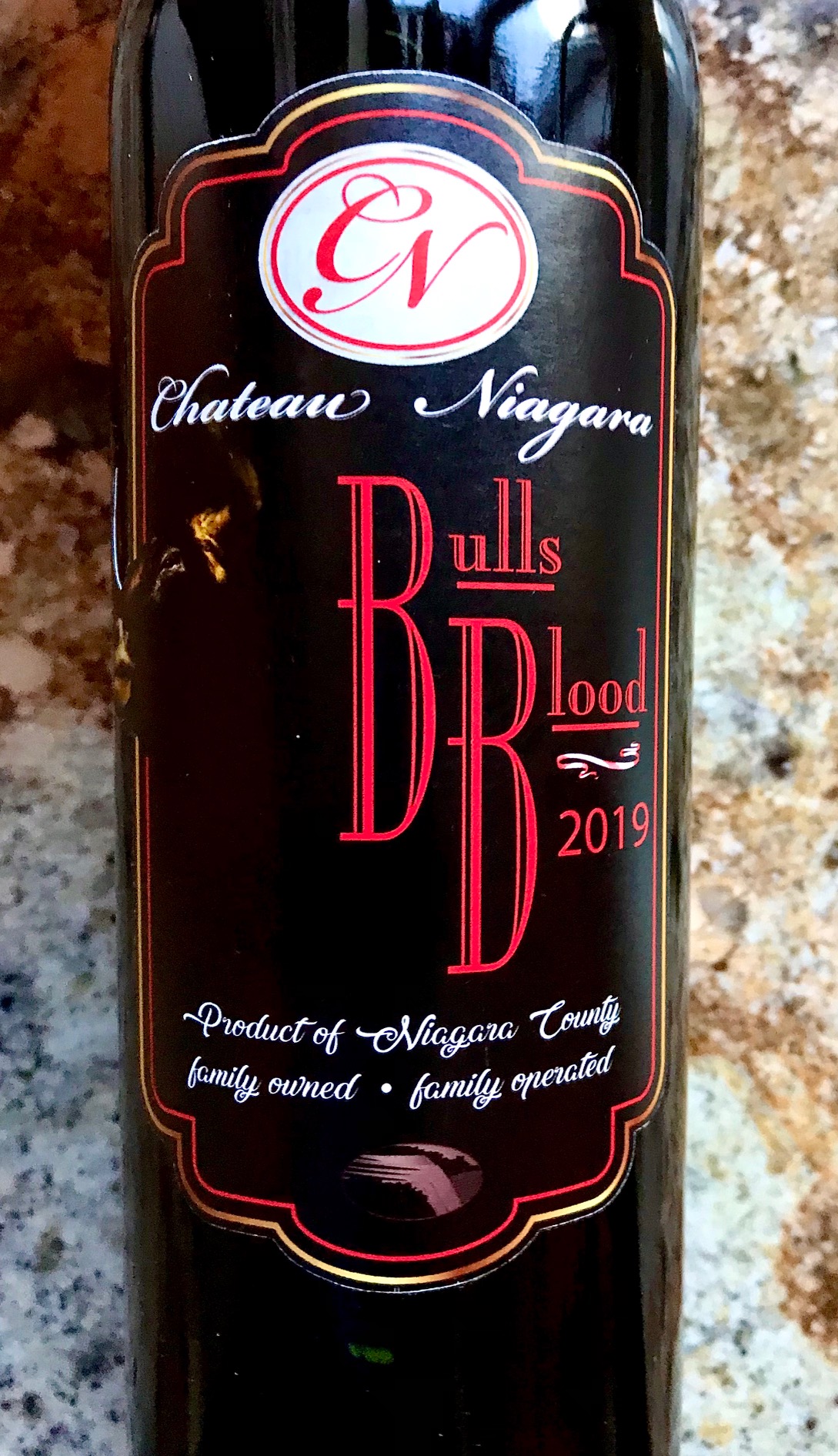
Chateau Niagara Bulls Blood 2019

Have you heard of Egri Bikavér? It is more commonly known as Bulls Blood. Egri Bikavér or Bulls Blood is the traditional dry red wine of the northern Hungary region of Eger. It is a controlled blend that must use at least three of the seventeen grape varieties that are permitted in the making of Bulls Blood. Bulls Blood is steeped in legend that dates back to a 16th century battle in which Hungarian forces were victorious over Ottoman forces.

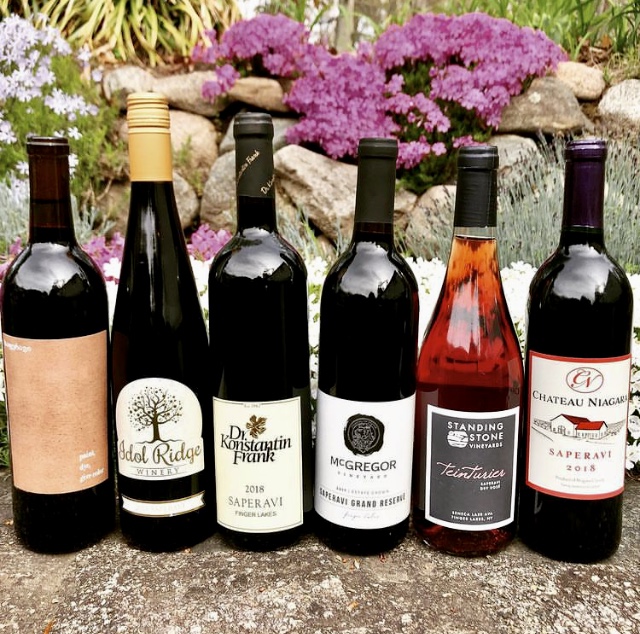
Bulls Blood being made in North America is not easily found but one exactly like the one-of-a-kind Chateau Niagara Bulls Blood would be impossible because, to my knowledge it is the only one made with a blend of Blaufrankish (Lemberger), Cabernet Franc, and the Hungarian red grape Turan (Agria). Turan is a teinturier grape, meaning like Saperavi and Chambourcin it has pigment in both its skin and pulp making for a richly colored juice when pressed. Jim Baker got his Turan as clippings for his vineyard in Newfane New York by chance when a West Coast vintner included them in a shipment of Saperavi clippings and as they say “The rest is history”.

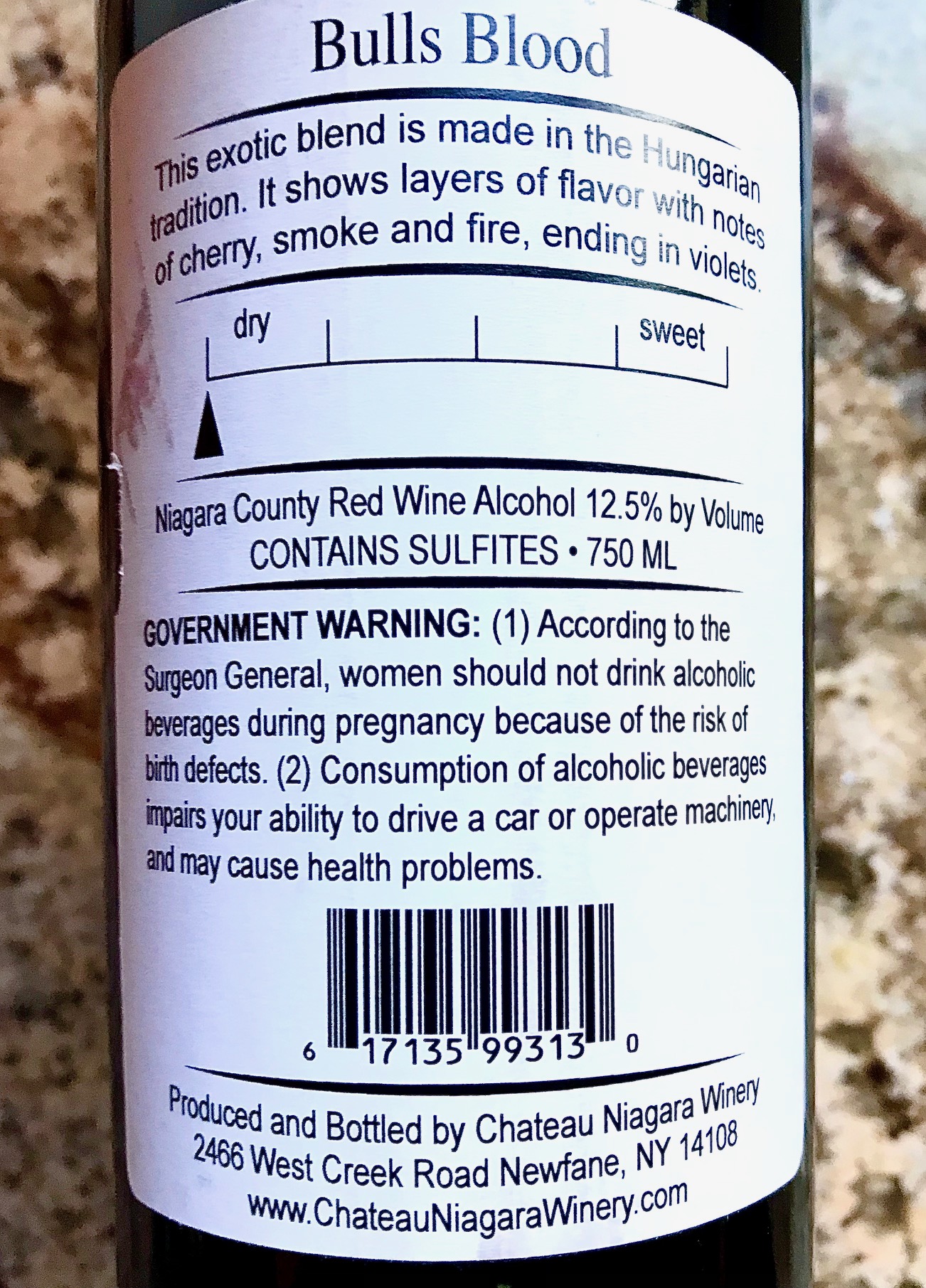
Chateau Niagara Bulls Blood 2019 is a deeply colored dry red wine blend that has a medium body with notes of smoke and flavors of dark berries. It has more than ample acidity to give it complexity. Each grape in the blend contributes something special to the finished wine. Cab Franc supplies the fruit while Lemberger adds the smoke then Turan provides the fire. I suggest decanting it and to consider adding some to your cellar to age for a few years.

This wine as well as others from Jim Baker’s award-winning Chateau Niagara Winery are are available online at http://www.chateauniagarawinery.com
 

The Milea Heritage Grape Project

I was pleasantly surprised recently to hear from my friend and mentor Steve Casscles. Steve is known for his encyclopedic knowledge of the Heritage and hybrid grapes of the eastern United States.He is well-known in the wine community for his articles, lectures, Grapes of the Hudson Valley and other Cool Climate Regions of the United States and Canada book, and his Cedar Cliff vineyard where he cultivates over 110 Heritage grape varieties along with his own hybrids. Steve has taken a new position at Milea Estate Vineyard where he and the winemakers there have just launched the Heritage Grape Project. Steve and his colleagues are taking on the important task of identifying and promoting the production of wine from Heritage wine grape varieties and those developed during the 19th century in the Hudson Valley and Boston’s North Shore.
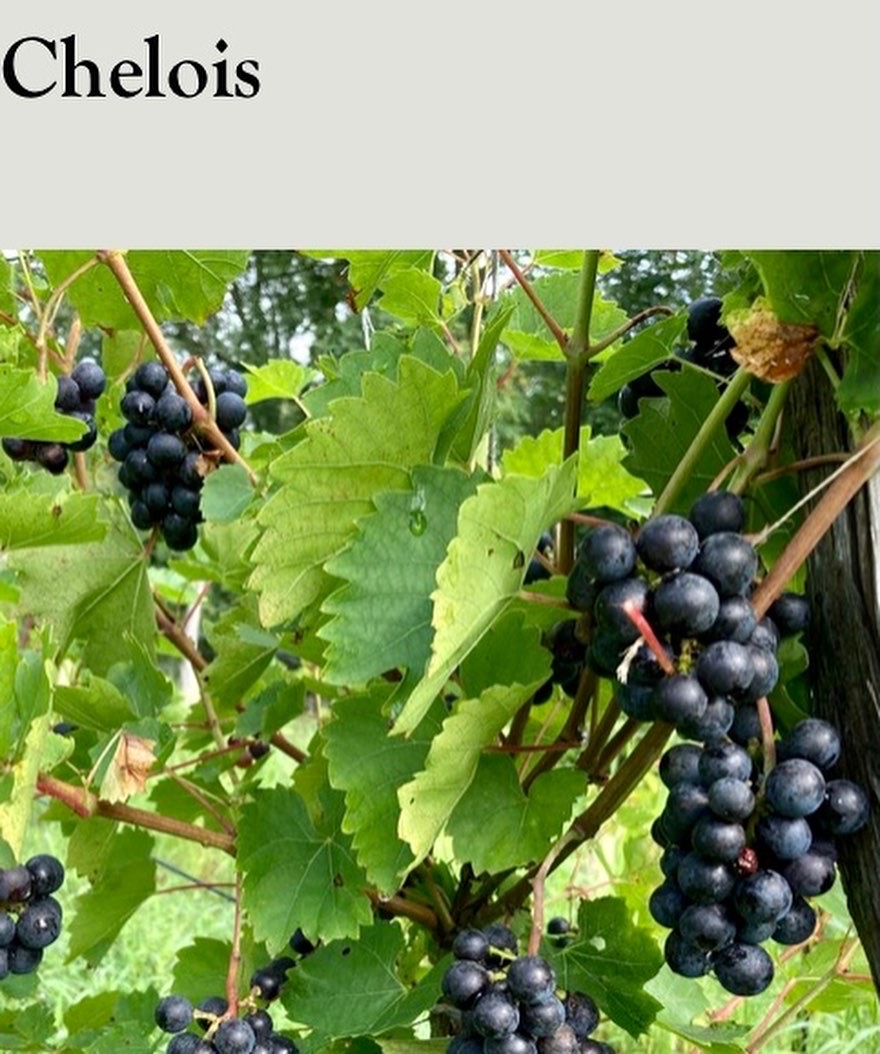
At Milea, they are also consider, at least for the Hudson Valley, that certain French-American Hybrids should be considered as Heritage grape varieties for the Milea Heritage Grape Project. This is because their introduction to the Hudson Valley in the mid-1950s by grape pioneer Philip Wagner, and his local proteges such as Everett Crosby, Mark & Dene Miller, Ben Feder, William Wetmore, Richard Eldridge, Cesar Baeza, and others fostered an explosion in the number of wineries in the area that made quality wine from these Heritage French-American hybrids. These Heritage grapes include, Baco Noir, Chelois, Leon Millot, Foch, Burdin, Le Colonel, and Chambourcin (reds) and for the whites Seyval Blanc, Vidal, Vignoles, and Verdelet.

With the effects of climate change already being felt here on the East Coast and throughout the wine growing regions of the world, the time to begin implementing long range solutions has arrived. The key to the future success of countless vintners globally may lay in these forgotten grape varieties whose adaptability could provide the answer to the dilemma of climate change in our vineyards. 

After Steve’s foreword on the goals of the Milea Heritage Project on http://www.hudsonvalleyheritagewines.com. I asked Steve to tell us about his vision and objectives for the project.

The goals of this project are to re-introduce to a national and international audience the significant contributions that the Hudson Valley has made to American horticulture and to encourage the cultivation of these heritage varieties to produce superior wines. Coupled with this effort to bring back these heritage grape varieties is the desire to promote the cultivation of such grapes because they can be grown in an environmentally sustainable manner. Steve Casscles

First, I am honored by Rich’s comments and posting about our exciting new project at Milea Estate Vineyards. I think you will soon hear more of our work to identify and promote heritage grape varieties, be they French-American hybrids, Hudson Valley or North Shore bred grape varieties of the 19th century, or new chance seedling grape varieties that we are working with to make quality wine. These quality wines will be made in a manner that is acceptable to the marketplace and which are highly fungus disease resistant, winter and summer tolerant of cold and heat, can roll with the punches that Mother Nature seems to be throwing at our growers, and are consistently productive, even in the most challenging of years. We will be posting information on our Project’s progress, and very much relying on Richard and his wonderful blog to post this information as well.  Be well.  

Thank you Steve for the kind words and for sharing this timely information with us. The Milea Heritage Grape Project is beginning its mission at a pivotal time for viticulture. It is critical to the success of this undertaking that its important message be heard and understood by the people who are most affected by the issue it seeks to address. I am including this link to the Milea Heritage Grape Project’s email sign up form at the bottom of their contact page so you can to receive news and updates from the project http://www.hudsonvalleyheritagewines.com/contact-us Please sign up. Thank you.

Photo Credit: Hudson Valley Heritage Wines

Chateau Niagara Saperavi Express 2020

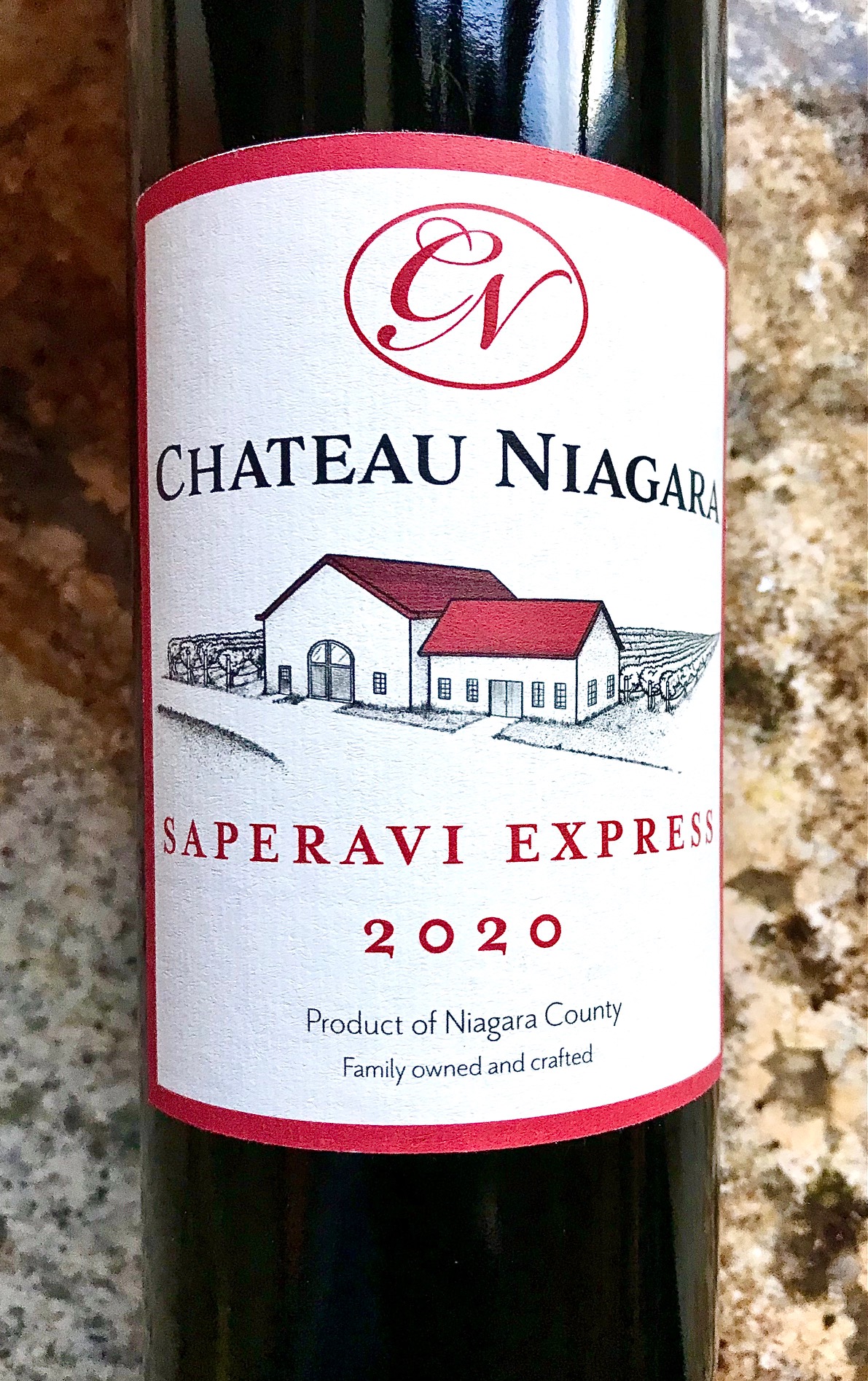
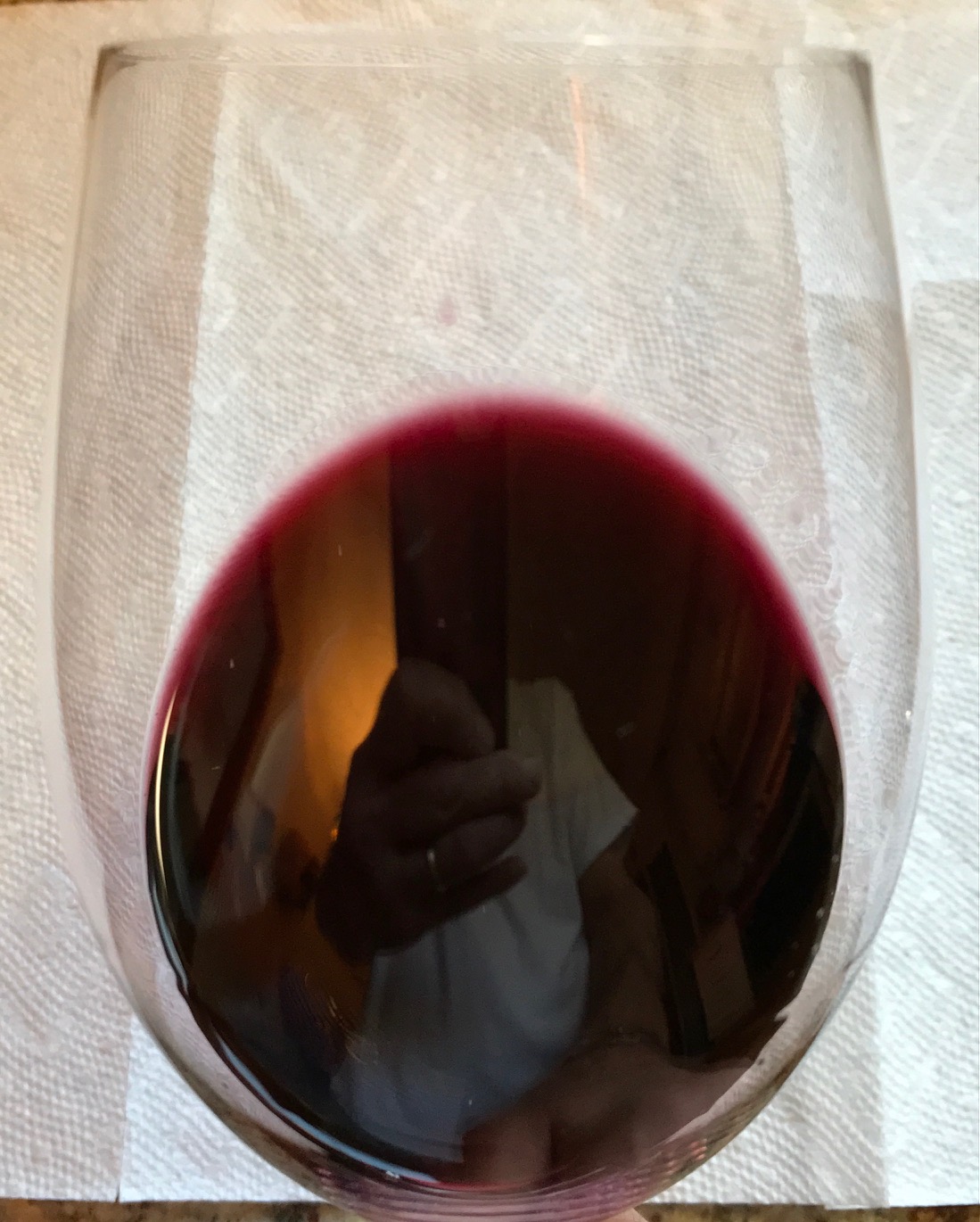
Chateau Niagara Saperavi Express 2020 checks all the boxes for what you would expect from a “New World” Saperavi and then some. Jim Baker extracts every bit of color and flavor from his estate grown Saperavi grapes by adding extra enzymes and processes in the making of his Chateau Niagara Saperavi Express. The first thing that catches your attention about Saperavi Express is it’s incredibly deep and dark color. Big in body, especially for a cool climate red wine, it displays Saperavi’s signature acidity along with flavors of plum, black currants, and black pepper complemented by supple tannins through a medium finish. I tasted it again the next day and it had opened up nicely. 

Saperavi can trace its origins back to 6000 B.C., so when you drink Saperavi you are joining a long line of wine lovers. If anyone doubts your rightful place in that line just show them your purple tongue. http://www.chateauniagarawinery.com

Take Me To Church

Kagor is traditionally a fortified dessert wine made from Cabernet Sauvignon, Saperavi, and other varieties of red grapes in the coastal area surrounding the Black Sea. Kagor was originally made for the Russian Orthodox Church as a sacramental wine. Finding American-made Kagor can be very challenging and finding a well-made one is like finding the proverbial “Needle in a haystack”.

Jim Baker owner/winemaker at Chateau Niagara is making an award-winning Kagor from his estate-grown Saperavi. When I say award-winning, I mean that Jim brought home a medal for his Kagor from the prestigious Saperavi World Prize competition held in the Black Sea city of Tbilisi, Georgia plus numerous other awards. While Jim doesn’t fortify his Kagor, he does ferment it up to 15% ABV.

Opening the bottle is just the beginning of enjoying your Chateau Niagara Kagor, there is a method to tasting this unusual and extraordinary wine. I could attempt to explain it but I think there is no one better suited for the job than Jim Baker, so here is how to experience all that Chateau Niagara Kagor has to offer in Jim’s own words.

“Take a taste and swirl around once or twice in your mouth, coating all the taste buds and then stop. Let the wine take over. It will take you a journey, with flavors rising and falling. You want to go until they stop changing, and for most people it’s more than a minute. After that take a bite of a good chocolate truffle and when that is partially melted, taste the wine again, swallowing both together. They effect will be almost immediate with a burst of cherry cordial flavors.”

I asked Jim why he decided to grow grape varieties that are associated with Eastern Europe and make classic Eastern European wines from them. Here is what he said:

“We decided to make the Kagor as part of our Eastern European wine series. We discovered a number of little know Eastern European wines that we thought were pretty cool, and would allow us a little niche to specialize in. This includes a Hungarian Bulls Blood, our Saperavi, a Georgian style skin-fermented Riesling Chardonnay blend called Du Monde, and our Kagor. We planted a new Romanian grape last fall called Feteasca Neagra, but we will be calling it by the way cooler English translation of “Black Maiden”!”

Chateau Niagara will be doubling the size of their Saperavi vineyard to just over an acre of this versatile grape.

If you are interested in trying Jim’s Kagor or any of his other wines they can be found on his website http://chateauniagarawinery.com or by visiting the winery at 2466 West Creek Rood Newfane, NY. Please call before visiting. (716) 778-7888

Kagor 2017 Photo Credit: Chateau Niagara Winery
Saperavi Rose 2019 Photo Credit: Chateau Niagara Winery
Saperavi 2018 Photo Credit: Chateau Niagara Winery

Australian & South African Winemakers Need Your Help

Winemakers in Australia and South Africa are facing a crisis. Australia is embroiled in a trade dispute with China in which China has halted the purchase of Australian barley, most beef, seafood, coal, and yes,wine. By early December 2020 Australian wineries had lost 1.2 billion in sales. South Africa has banned all alcohol sales as it battles a resurgence of Covid-19. You can help by buying a bottle or two of Australian and South African wine when you visit your wine shop. This is a perfect opportunity to revisit an old favorite from these countries or explore something new, either way it’s a win/win situation.