Interview: Alfredo “Alfie” Alcantara, dear native grapes Winery & Vineyard

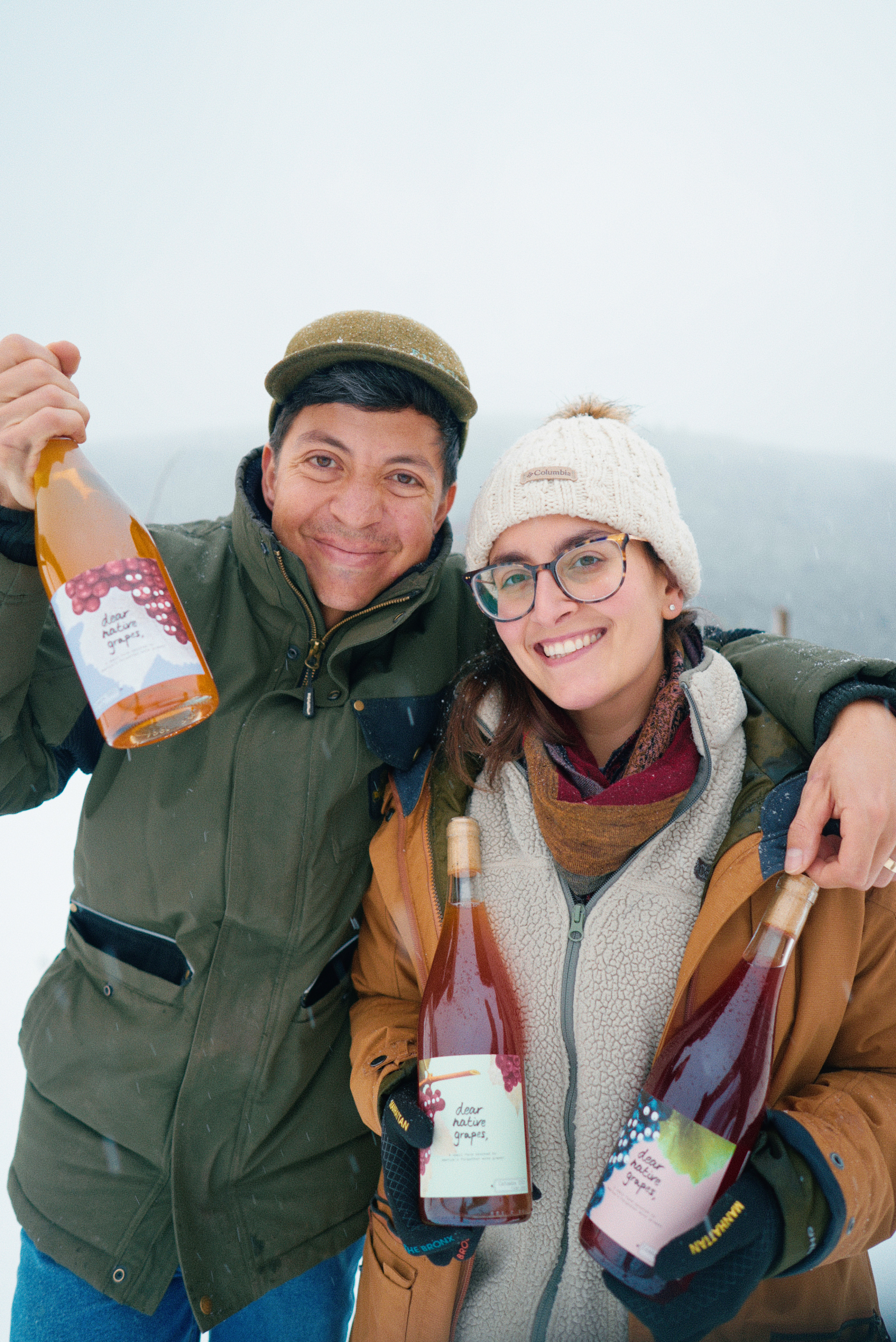
The last time I checked in with Alfredo “Alfie” Alcántara was in July, just before he and co-owner Deanna Urciuoli celebrated the grand opening of their vineyard and winery in Walton, New York. Situated in the Catskill Mountains, dear native grapes is dedicated to reviving American heritage grape varieties that have been largely overlooked by the modern wine industry after being a mainstay of winemaking during the pre-prohibition era. To say the least, dear native grapes has been a resounding success, so I decided to see what “Alfie” has been up to and what’s next for these fearless wine romantics. 

The following is my interview with Alfredo Alcántara verbatim and unedited for length.

Rich wpawinepirate:

First, I would like to congratulate you and Deanna on the successful launch of your groundbreaking vineyard and winery, dear native grapes. I appreciate you taking the time to talk with me because I know you have also been busy with the premiere of your latest documentary, “The Age of Water.” 

Can you share some of your experiences and candid thoughts, both personal and professional, about the events of the last few months and your plans for dear native grapes?

Alfredo “Alfie” Alcántara:

Thank you, Rich! We feel so fortunate to have reached this milestone and finally share it with others. We opened our winery doors to the public in July, and we feel like time has flown by. Opening day was an absolute party. It almost felt like our own wedding, with so many friends and family, as well as visitors from all over, gathering to celebrate. Everyone was so excited to see and experience this project, taste the wines, and learn about the history of American grapes. We got lucky with the weather that day; the sun was shining, our friend was spinning records, a local Mexican restaurant was making delicious tacos on site, and everyone had a great time. Of course, Deanna and I were running around trying to make sure everyone had a glass of wine and keeping up with dirty dishes and glassware…that we barely got to sit and chat with folks! We’ve been open every Saturday since then, and every weekend has brought a new set of rich and enlightening experiences. 

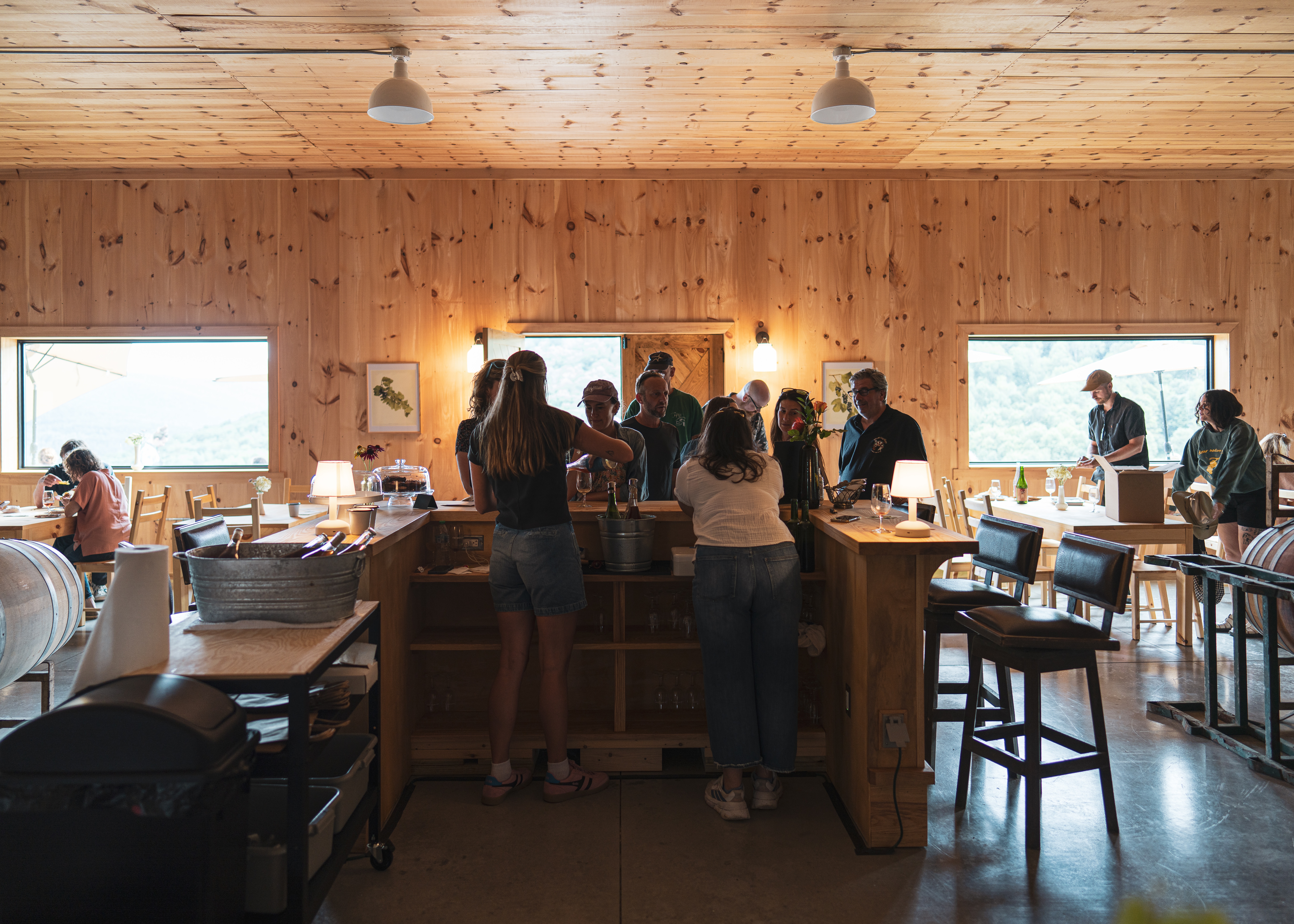
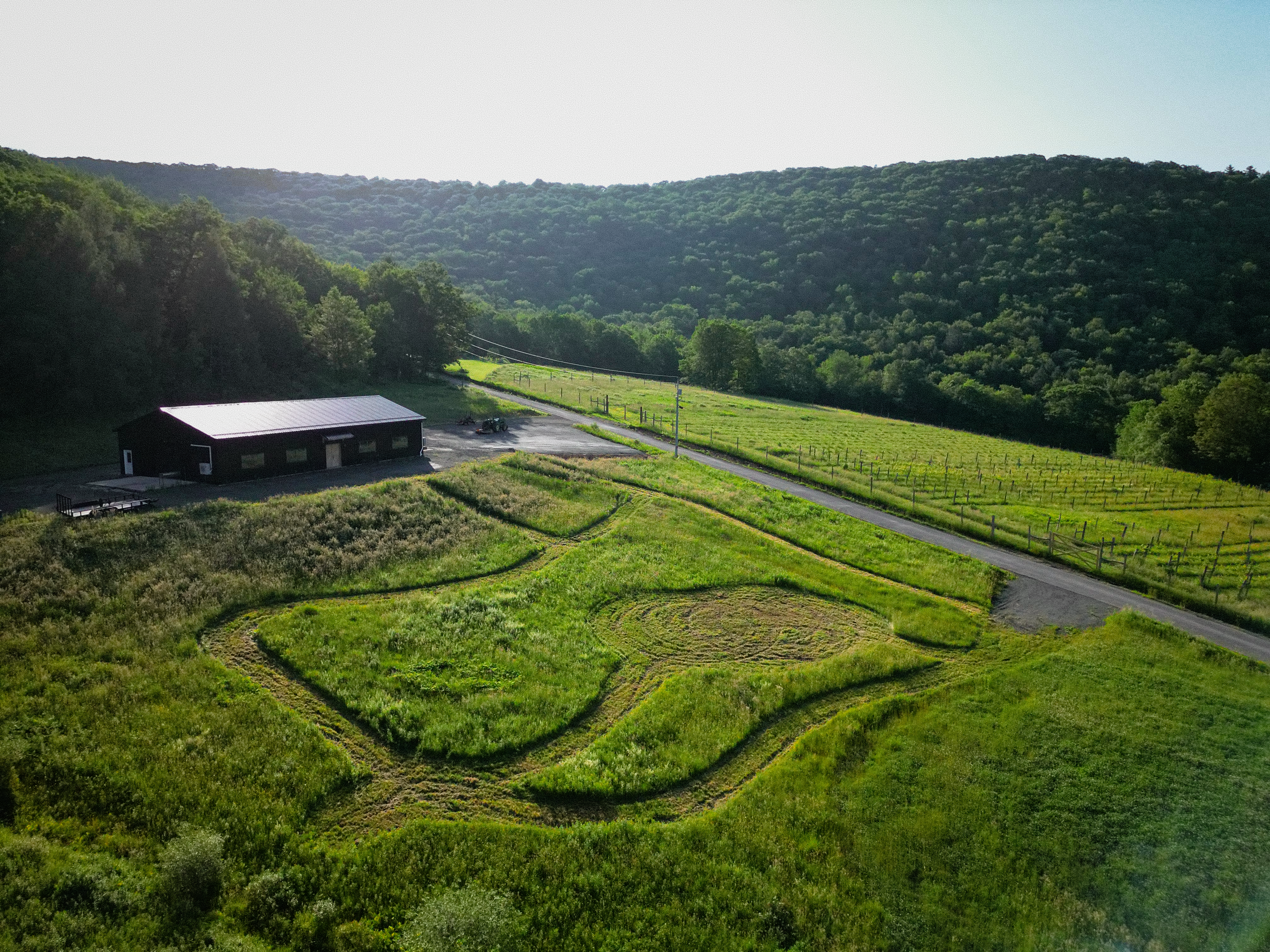
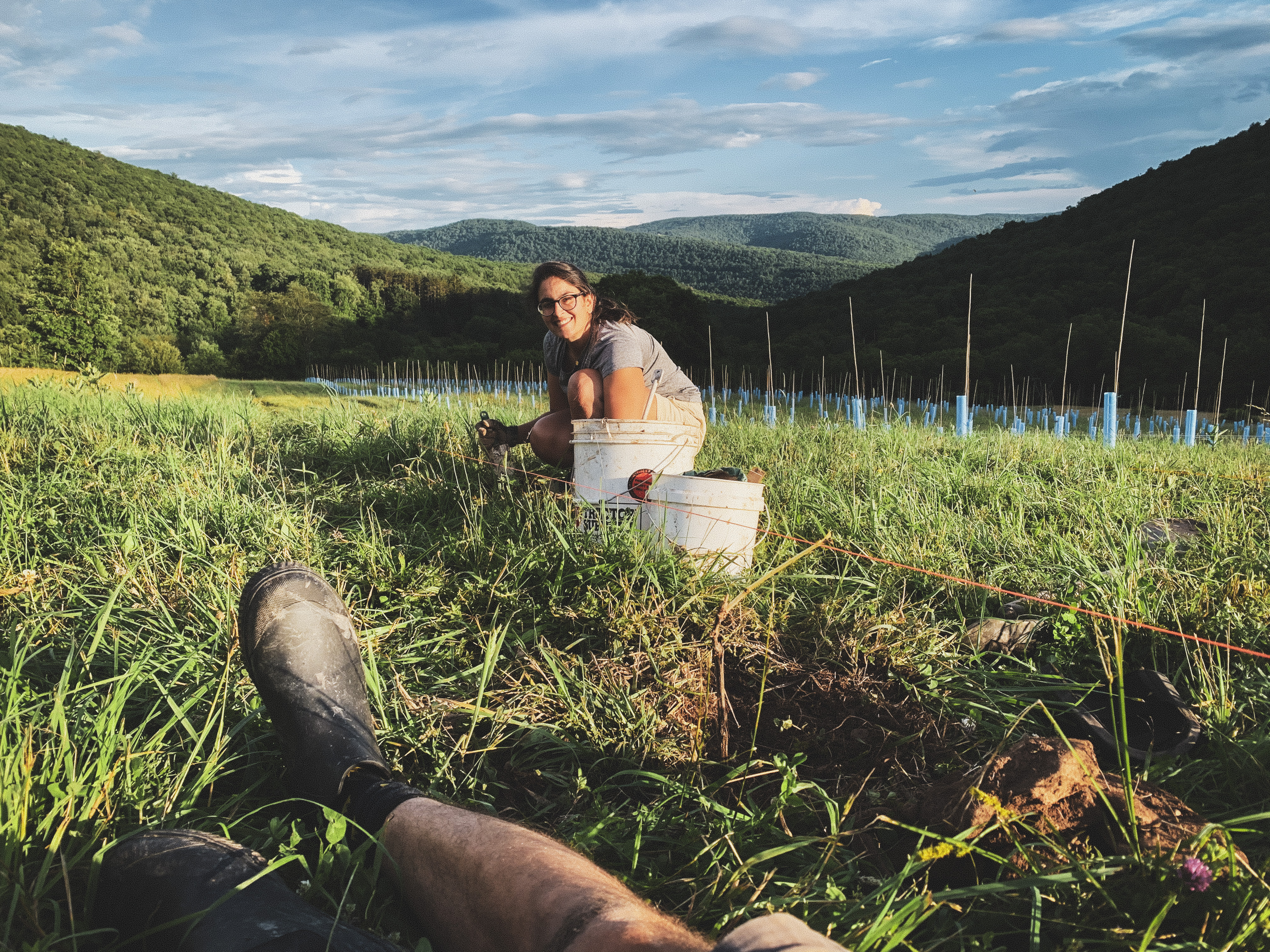
One of the coolest things we’ve seen is how the space has evolved from being a dream that only Deanna and I had into a shared community space that now belongs to many. We love it when guests arrive, they order their wine, and sometimes they sit with their book and blanket somewhere out in our fields, or they bring their families and set up a picnic for the day. The winery is situated at the top of our vineyard and is surrounded by the beautiful Catskill mountains, so many folks see it as a place to commune with nature and relax. Every Saturday, we’ve hosted a local food pop-up or food vendor. Initially, our goal was to increase our offerings, but we’ve also noticed how each food vendor has elevated the winery space by sharing their heritage and cooking background. Folks now look forward to trying different cuisines and we are blessed to have so much culinary diversity in our Catskills region. 

We’ve also hosted a basket-weaving workshop, a live music event, and a special Friday evening dinner party. All this to say that we feel so excited to see the space come to life, and at the same time so exhausted. Even though we only open on Saturdays, both Deanna and I still hold our day jobs during the week, and the management of the winery and the prep before each weekend has been rigorous. We’ve also struggled to manage and maintain both the winery and the vineyard, since it’s just the two of us at the moment. We’ve gotten really good at making to-do lists at the beginning of each week. I can’t say we’ve ever been able to cross everything off, but it definitely helps! The winery tasting room is also our production space, and as you can imagine, wine production can at times be very messy and unsightly, so we’ve had to be even more aware of our organization and cleanliness. However, many guests have told us they really like to see the production area. They feel closer to the wine and where it comes from. 

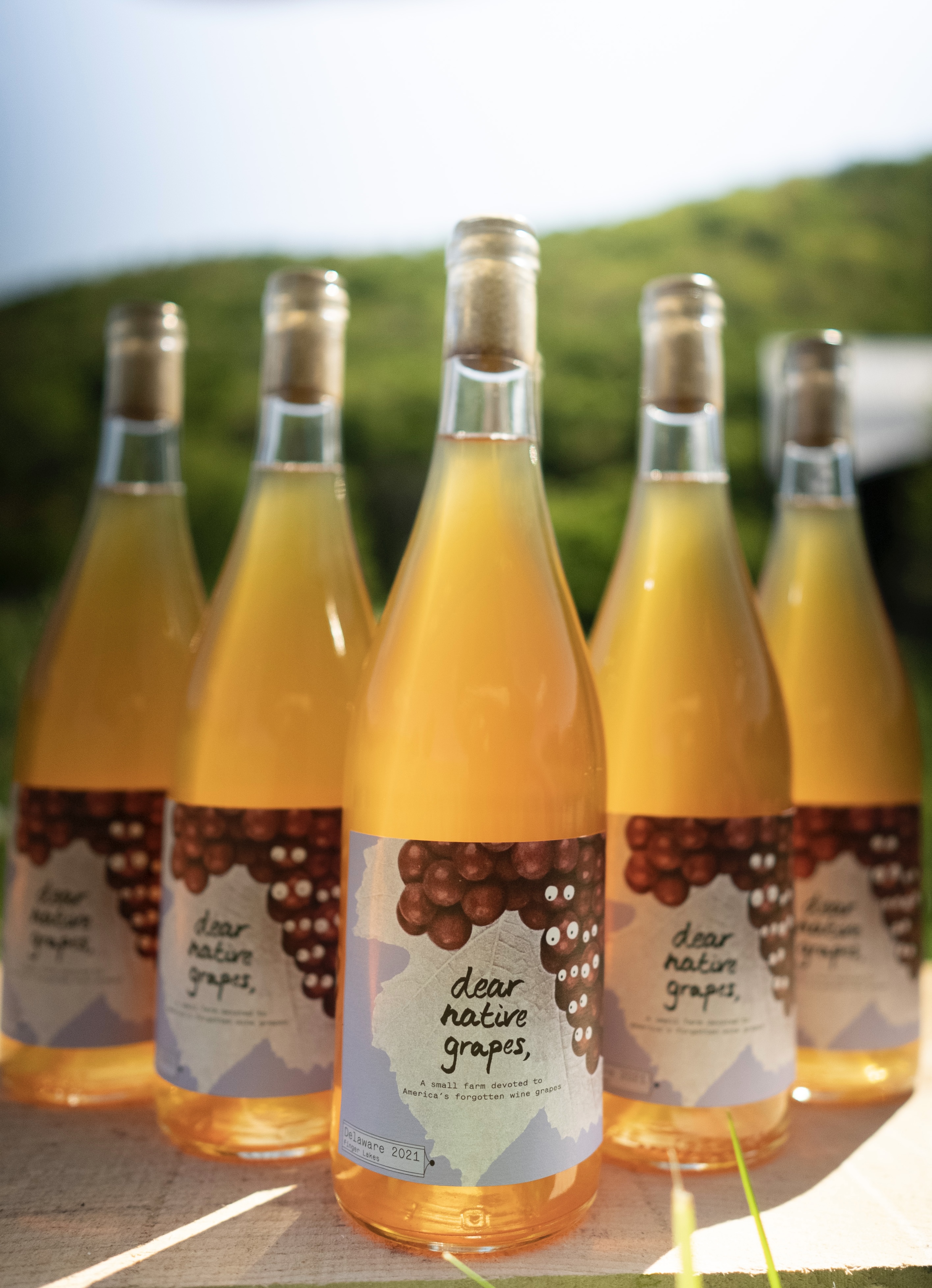
The main takeaway from these past few months is the realization that we’re now making wine for our community, and that’s a really cool feeling. And more and more, our guests are casually enjoying wine made from little-known American varieties without hesitation. It’s becoming totally normal for them to drink wine made from Delaware, Steuben, or Catawba grapes. That’s literally the goal of the project, and it’s been amazing to see in action. We’ll be taking a small hiatus in January to recharge, dream up future events, and oh yeah..make more wine! 

If your readers are interested in visiting us, the winery is located at 17 Crawford Rd, Walton, NY 13856. We keep our website updated with upcoming events, so feel free to check that out too! dearnativegrapes.com

Thank you again, Alfie, for sharing your unique perspective and candid insights about your wine journey. Wishing you all the best and continued success!

Photo Credit: Jason Martin Photo Credit: Katie Gregoire

Interview: Alfredo “Alfie” Alcantara, Winemaker, Vigneron, Emmy Award-Winning Producer, Director & Cinematographer

In the town of Walton, nestled in the Catskill Mountains of New York, reside a couple of forward-thinking winemakers and vineyard owners who are looking to the past to chart a possible path forward that could help the wine industry survive in a world facing the uncertainty of climate change and other challenges. 

Alfredo “Alfie” Alcántara and Deanna Urciuoli, co-owners of Dear Native Grapes, are members of a small but growing vanguard of winemakers who are reviving forgotten and seldom-used native grapes to produce natural wines. These resurrected wines not only display distinctive flavors but also serve as a vehicle to expand the diversity of the vines that are being planted in vineyards.

Alfie is an Emmy award-winning documentary producer, director, and cinematographer whose latest critically acclaimed film, “The Age of Water,” delves into the human toll that Mexico’s water crisis is exacting on its people. The “Age of Water” will air on September 28th, 2025, on PBS. I was able to catch up with Alfie and ask him about the grand opening of dear native grapes tasting room and what else he has been up to. The following is my unedited and verbatim interview with Alfredo Alcántara.

1. Congratulations on the grand opening of your tasting room. What can your guests look forward to when they visit ‘dear native grapes’ on opening day and in the future?

“Thank you! We are beyond excited to finally open our doors and welcome visitors.

It’s been five years since we started ‘dear native grapes’ in the garage of our home. In that time, Deanna and I got used to navigating a tight maze of fermenters, barrels, and packaging material that we stuffed into our small space, and somehow we were able to launch our little winery. Producing wine in the garage was a romantic idea, but we knew we had to scale up to grow our business. 

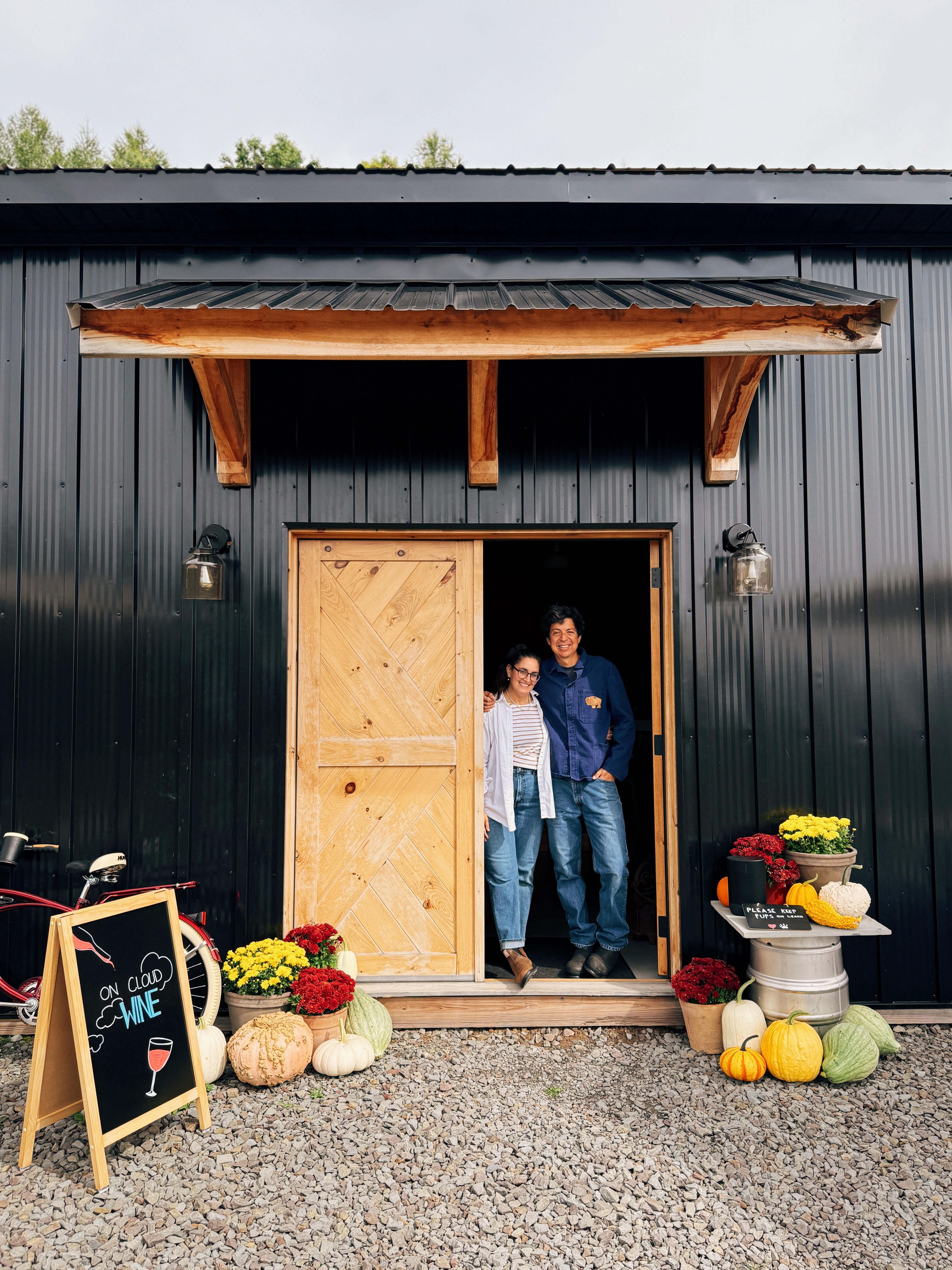
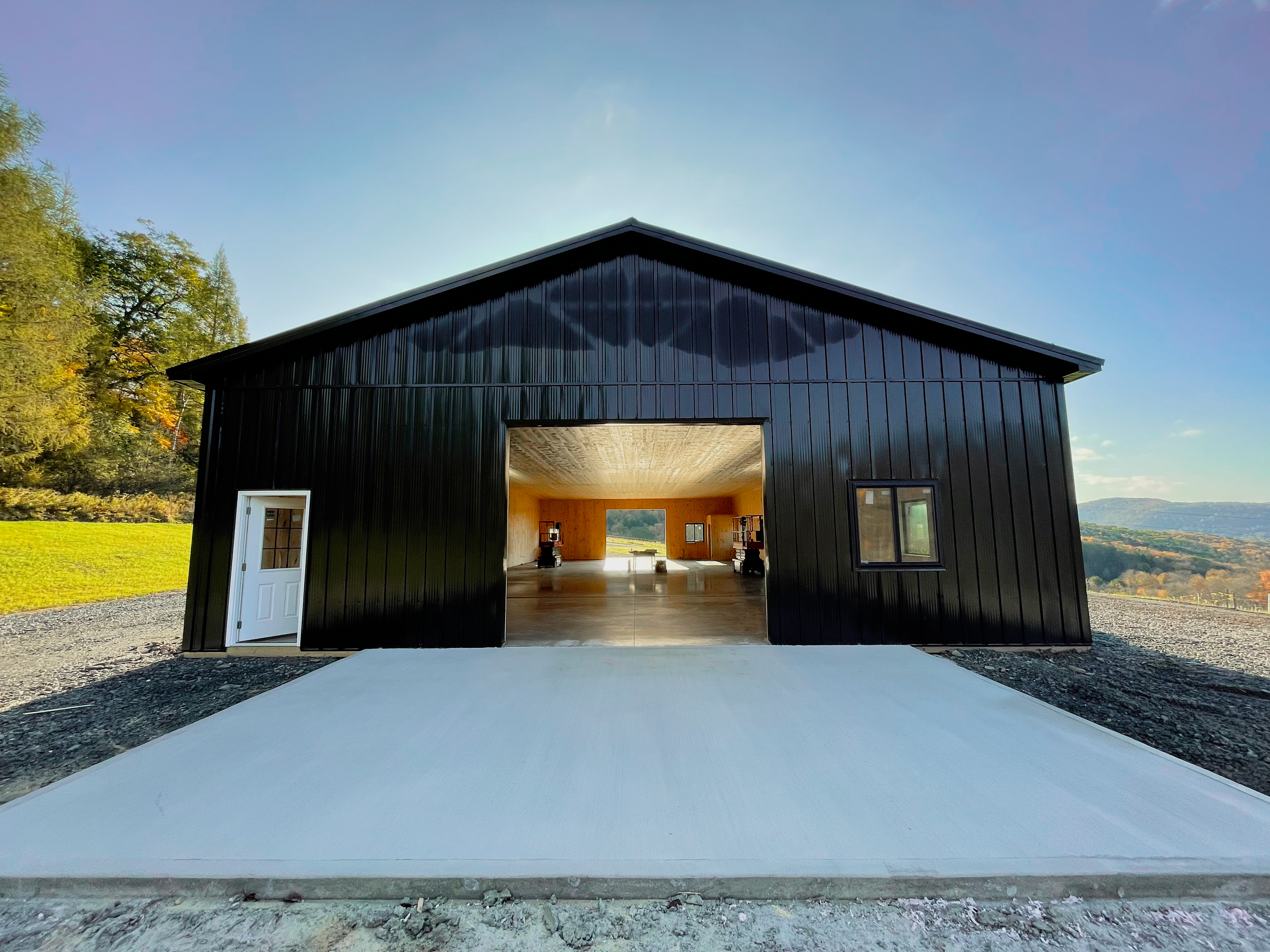
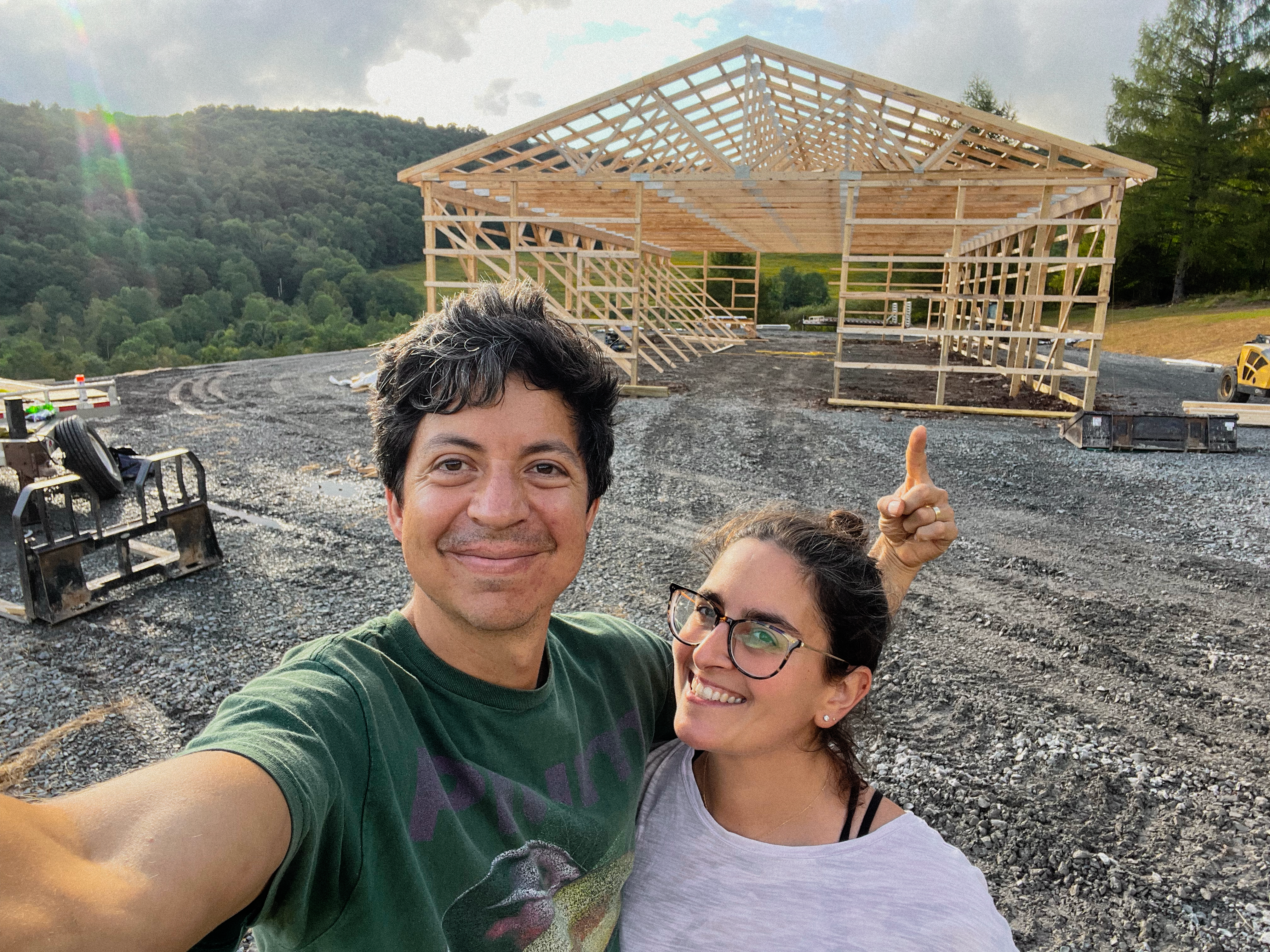
In 2023, we pooled our savings to pay for the construction of a pole barn that would one day house our production area as well as a small tasting room to host visitors to the farm. Since then, we’ve been hard at work getting the space ready. 

We’ve always felt passionate about sharing the story of America’s wine grapes, and we believe folks might feel equally inspired to see these grapes actually growing and thriving at our site. It’ll be even more exciting to have visitors taste the unique and expressive wines that these grapes can produce. We hope that experience will inspire more ideas and conversations around the potential of American grape varieties. 

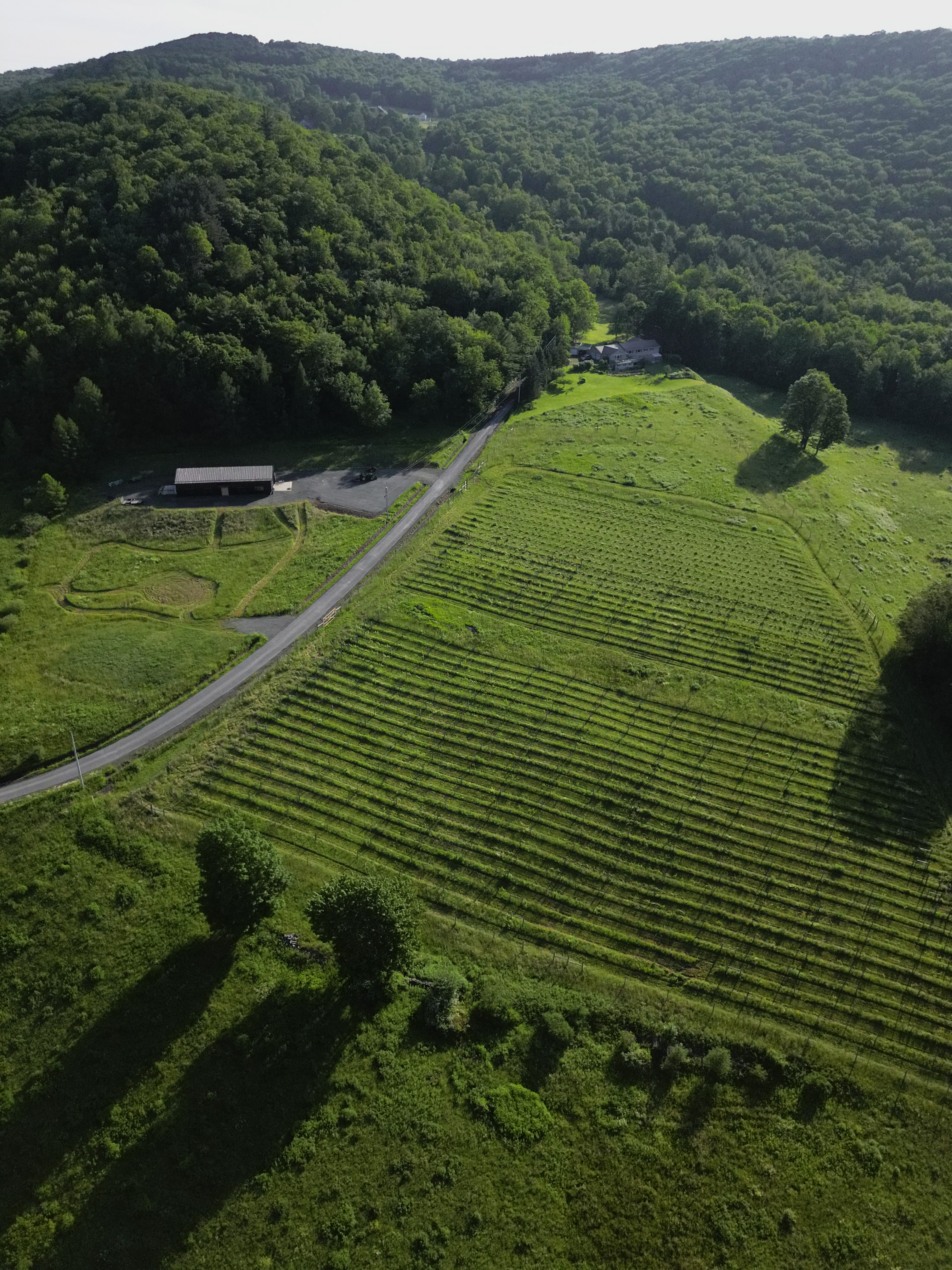
The winery is situated at the top of our vineyard and is surrounded by the beautiful Catskill Mountains. We hope it serves as a space for community building, inspiration, and relaxation in nature. We’ll also be featuring local food vendors and food pop-ups that showcase the culinary diversity of our region. 

Our opening day is July 19th, 2025, and we’ll be open every Saturday from 12pm to 7pm.”

2. You have chosen to grow and craft your wines from non-traditional native and hybrid grape varieties. What is your vision for dear native grapes?

“At its core, dear native grapes is an educational project designed to shed light on valuable grape varieties that could pave the way for more diverse, climate-resilient winemaking, energizing local economies in the process.

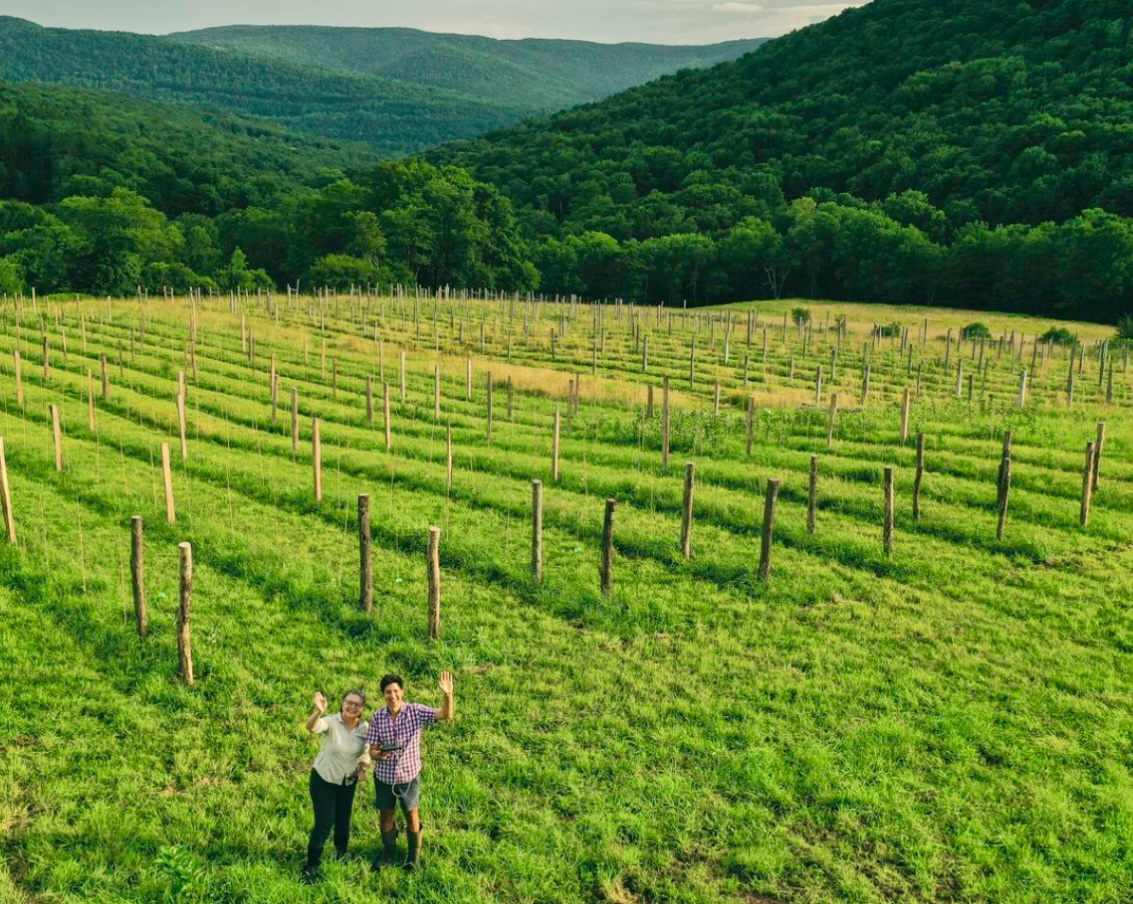
Our vineyard is an experimental plot meant to test the resilience of several dozen varieties. Since planting in 2020, we’ve already begun to see some really exciting results. A handful of varieties–both heritage and newer cultivars– have stood out as promising for our region. Our site is on a windy ridge top that gets pummelled with all sorts of weather throughout the year. The growing season is short, the winter is very cold, and there’s a danger of frost at each end of the season. So being able to successfully get these grapes through harvest is really encouraging. Among the heritage and heirloom varieties that have performed well are Delaware, Wine King, and Empire State. Among the newer varieties, Petite Pearl and Brianna are becoming the clear winners in terms of growth, disease resistance, and overall resilience.” 

3. Tell us about your wine journey, how it brought you to where you are today, and your plans for the future. 

“I think I may have some weird past-life connection to winegrowing. Since I was a kid, I dreamed of growing grapes. For some reason, it has always resonated with me. I met Deanna in college, and we lived in Brooklyn for ten years. During that time, we fell in love with natural wine. We got to taste wines that felt alive and vibrant. Many were made from indigenous grapes grown in regions we had never heard of. We were truly inspired each time we experienced a different bottle. And so that really got our gears turning. 

During that time, we stumbled upon the history of America’s native grapes and how we had lost so many varieties during Prohibition. We learned about the rich history of New York winegrowing and its steep decline during that time period. How could such an important face of American viticulture fade away into obscurity? We were instantly hooked. I would talk to Deanna non-stop about the possibility of pursuing this as a serious business: we could bring some of these grapes back into production, and help restore value back into long forgotten varieties. 

Deanna pushed me to volunteer at farms and wineries, and we took business planning courses. She’s a great financial planner, and so she put us on an aggressive savings plan for a few years. In 2019, we had saved enough money for a down payment on some farmland, and we decided to make the jump. We bought our place that same year, and in 2020, with the invaluable help of friends and family, we planted our 5-acre vineyard. In 2021, we had the opportunity to make wine from old vines grown at Buzzard Crest Vineyard on Keuka Lake, and we released our first vintage in 2023. That same year, we had the opportunity to work with Stephen Casscles, author and grape historian, who has cultivated a vineyard of rare and nearly-extinct heritage varieties. Steve has become one of our wine mentors, and we’ve made wine from his grapes for the past two years. This year, we hope our home vineyard yields a significant harvest. 

We feel like the past five years have flown by… We’ve been on the steepest learning curve we’ve ever experienced, constantly challenged by the realities of rural living and farming, and constantly humbled by Mother Nature. However, we feel so grateful each day to have the opportunity to pursue this project. It’s brought so much richness to our lives in terms of the community we’ve been able to foster around us. As we gear up to open the winery to visitors, we feel like another chapter is about to begin: one where we can finally start sharing the story of American grape varieties with a wider community. That’s our ultimate goal!”

Make plans to attend the grand opening on Saturday, July 29th 2025, from noon to 7pm, or visit any following Saturday, noon to 7pm

Thank you, Alfie, for taking time from your busy schedule to give us a heartfelt glimpse into Deanna and your quest to make dear native grapes a reality. dear native grapes is truly an example of a “Labor of Love”

dear native grapes

17 Crawford Rd

Walton, New York 13856

alfie@dearnativegrapes.com

dearnativegrapes.com

Photo Credit: dear native grapes

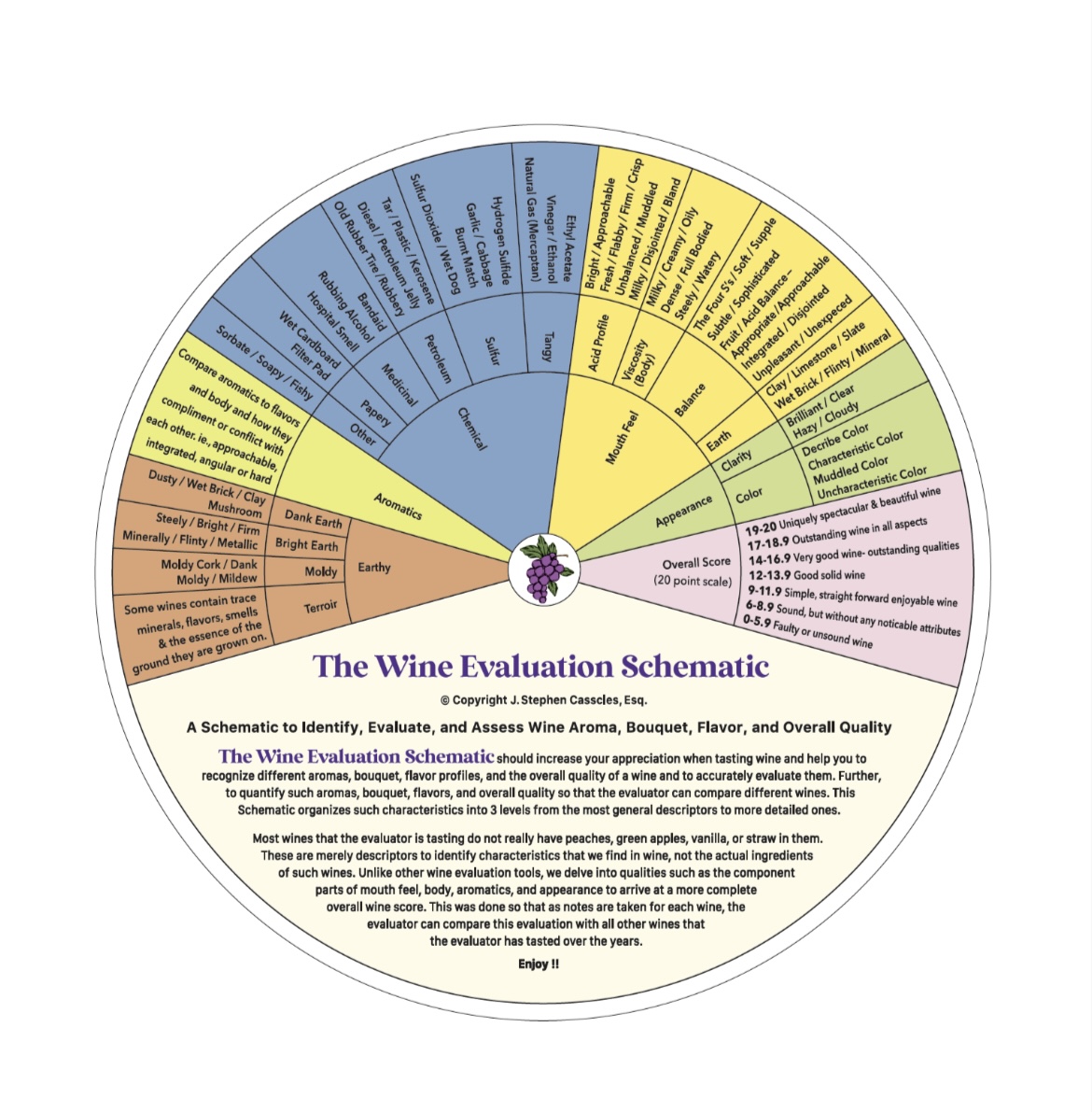
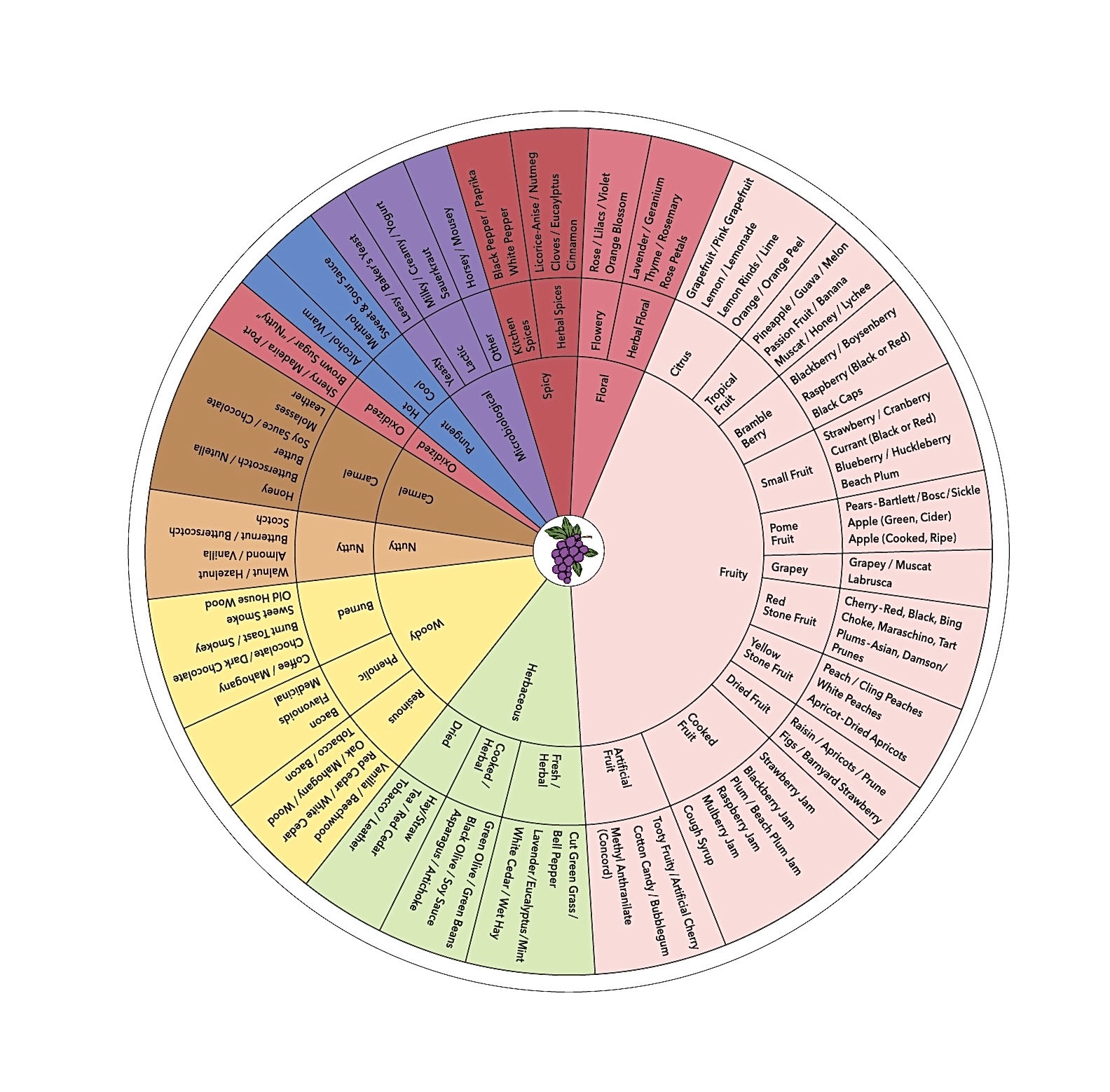
J. Stephen Casscles Releases Revolutionary “Wine Evaluation Schematic”

Internationally renowned Heritage grape authority, Steve Casscles, has released an innovative wine evaluation schematic. He has envisioned all the information you need to analyze characteristics of a wide range of wine grape varieties. The how and why Steve created this tool and how to best use it are fascinating. I asked Steve to share the story behind his creation. The following is my verbatim and unedited interview with J. Stephen Casscles. 

“About 20 years ago, when I started to seriously evaluate wines to implement my idea for writing a Cool Climate/Heritage grape book, I was searching for a methodology to accurately evaluate wine and include descriptors that readers could use to understand these wines. There were several charts or aroma wheels that were a model for a good first step to evaluating wines.  However, while good in that they set up a framework for me to evaluate and write down wine descriptors, I found that they were somewhat deficient in the descriptors to be used for wine. Further, they were not organized by the kinds of fruits that were being cited as being in the wine. So I greatly expanded the fruit descriptors. More importantly, most evaluators put too much concentration on aromas/flavors, and not enough on wine texture, and energy on the palate. This Wine Evaluation Schematic brings in considerations such as texture, body, mouth feel, appearance, body, finesse, and how the wine is integrated into one unified taste experience. Also, most charts did not give guidelines to give a wine an “overall score”, so that the evaluator could go back years later to rate that wine with other wines that the evaluator has scored.”   

“It is my goal in releasing this Wine Evaluation Schematic that this Wine Evaluation Schematic is a starting point for each evaluator.  Modify it as you like to fit your needs, and please add your own terms and descriptors. This Wine Evaluation Schematic can be used by individuals who want to appreciate wine, wine educators who want to convey a methodology or a conceptual framework to approach teaching their students about the concepts of how to approach this subject, and wine writers that want to more accurately convey to their readers the wines that they are writing about, and wine judges that evaluate wines for their wine competitions.”    

“Right now, I have approached my wine colleagues in Korea, some of whom own wineries or wine schools, to translate this into the Korean language. Many of the grape varieties grown in New York State are also grown in Korea, so the flavor profiles of our wines are similar in many ways, especially regarding body, mouthfeel, and texture.”

Heritage Wine Update Interviews: J. Stephen Casscles and Alfredo “Alfie” Alcántara

Vignerons and winemakers are adapting to the changing climate conditions in vineyards and wineries around the world. As documented in my interviews with winemakers, vineyard/winery managers, and other wine industry professionals, wine grape harvests globally occur earlier than ever before. This phenomenon is the new normal instead of the recurrent fluctuations expected over a chronicled time frame. Change in the wine world moves slowly but a small group of visionaries is leading a vanguard of growers and winemakers who are addressing the issues, not by exploring uncharted waters but by looking to the past to find answers for the future. These modern-day pioneers are resurrecting nearly forgotten grape varieties that were popular a century or more ago. They are creating exciting new wines from Heritage and Cool Climate hybrid grapes by employing unconventional winemaking methods and techniques. These strategies draw out the most favorable characteristics these grapes have to offer. 

To better understand the benefits and potential that Heritage and Cool Climate grape hybrids provide, I asked J. Stephen Casscles, the leading authority in the field, for his opinions. Steve has authored extensive research on this subject, including two books, numerous articles, and scientific papers. He is also a well-known lecturer, winemaker, and owner of Cedar Cliff Vineyard, a Heritage grape vineyard in Athens, New York. 

I also enlisted the help of Alfredo “Alfie” Alcántara, winemaker, Heritage grape vineyard owner, and cinematographer. Alfie is a Mexico City-raised, NYU Tisch School of the Arts grad, award-winning New York-based documentary producer, and cinematographer whose resume includes having his work screened at the Sundance Film Festival, Tribeca Film Festival, Mountainfilm in Telluride, SXSW, and CNN, just to name a few. Alfie is working closely with Steve Casscles growing and producing Heritage grape wine and co-ferments from his Dear Native Grapes Winery and Vineyard in the Catskill  Mountains of New York.

The following are my interviews verbatim and in their entirety with J. Stephen Casscles and Alfredo Alcántara.

Wpawinepirate: Please share your thoughts on how growing and making wine from Heritage and interspecific grape varieties is similar to traditional procedures used with vinifera grapes, but elaborate on the differences that make your forward-looking techniques so valuable to winemaking now and especially in the future.

Casscles’s Response:  “I think that growing Heritage and interspecific cool climate grape varieties are grown with the same considerations as growing vinifera.  The very large difference is that while Heritage and Cool Climate hybrids are pretty forgiving when growing them in the field, that is not the case with vinifera.  I find that hybrids are more productive than vinifera, are more hardy, cold-resistant, fungus disease-resistant, and are direct producers (they do not grow on root stock). 

Being “direct producers”, not grown on rootstock, means that when we get our more commonly occurring late spring frosts (due to the influences of Climate Change) that inflicts heavy frost damage on the vine.  The hybrids do much better. That is because since they are direct producers (not grafted) they can send shoots up from the ground THAT season and produce a crop.  Also, many hybrids were bred to have a secondary crop, to have at least 1/2 a normal crop if hit by a late spring frost. With vinifera, after an especially hard late frost, there is NO secondary crop so there is no fruit crop at all AND with an esp. hard frost, the scion (top part of the vine) can be killed completely, so that all that remains is the rootstock which cannot provide any grapes. Further, Heritage and Cool Climate hybrids roll with the punches better than vinifera with what “Mother Nature” gives us …. as we have more variable growing conditions due to climate change which is bringing with it more violent weather patterns with more rain, droughts, heat, and variable hot cold temperatures, hybrids do better.

The higher resistance of hybrids to fungus and insect damage is also reflected in MUCH lower material and labor costs to grow these varieties. Vinifera grapes require much “hotter”, i.e., poisonous spray material to protect the crop than hybrids require. Also, the number of times that you need to spray vinifera with these “hot” chemicals is two to three times as many applications as the number of times needed for hybrids AND the spray materials to be used are much cheaper than that used for hybrids. This means spraying vinifera grapes 12 times a year as opposed to the 4 times needed for hybrid grapes.  There is growing interest in growing grapes and other fruits either organically, semi-organically, and very much in a sustainable manner. It is nearly HOPELESS to grow vinifera organically and it has a much higher carbon footprint to grow than hybrids.

There are so many more hybrid and cool climate heritage grape varieties available to select from when setting out a vineyard. With vinifera, the “choices” are between the top 5 varieties, (In the Northeast, Chardonnay, Cabernet Sauvignon, Pinot Noir, Cabernet Franc, and Riesling), while with hybrids, there are scores of varieties that the grower can choose from to produce a sound and varied crop. This adds to diversity in the field, so that when the violent weather pattern hits the vineyard, if the grower has 10 different hybrid varieties (not just 1 or 2), the grower has a much higher probability of having a crop that produces a profit for the grower because maybe 5 of his/her varieties will still do fine with the adverse weather conditions that we are facing.

Possessing a diversity of grape varieties in each vineyard does add to the biodiversity of the plant material in the field. That means that the fungus and insect pests that can hit a vineyard can be muted because each variety has a different vulnerability to insects and various fungus diseases. However, if the grower has only 1 or 2 varieties, if a fungus or insect pest gets into the vineyard, it can wipe out the entire crop. Diversification is a strength. 

That was the first part of your question. The second is what are the benefits of making wine from these Heritage and Cool Climate hybrid grape varieties? Short answer — many many benefits. The exciting thing about making wines with Heritage and other Cool Climate varieties is the large variability in flavors, body, textures, and colors that a winemaker or co-ferment brewer has available to them to make their beverages.  Varieties such as Baco Noir, Verdelet, Chelois, Bacchus, Seyval Blanc, Agawam, Empire State, Jefferson, Lindley, Leon Millot, Chambourcin, Massasoit, Burdin Noir, Le Colonel, Marion, and so many more, have a broad spectrum of flavors, aromas, colors and textures which makes it very easy to make very fun wines and co-ferments. These many different grape varieties can be used in so many different ways to make very different fun wines and co-ferments.  Also, these wines tend to be fresher high acid wines that are more appealing to a new generation of consumers, with less alcohol, which is a plus for consumers both young and old.

Today’s consumers want very fruity fun wines and the Heritage and Cool Climate provide those in flavors and colors that are exciting.  Some of our Rogers hybrids developed in Salem, MA in the 1850s, have colors like electric blue, hot pink, deep purple, and other fun colors. 

Back to the economics and high productivity of growing Heritage and other Cool Climate grape varieties. Since they are more productive than vinifera AND can be grown with much fewer cost inputs of labor, chemicals, and other production costs, the cost of these varieties is MUCH less expensive than vinifera grapes …. which means that the cost to produce these fun and innovative wines is probably HALF of the cost of making a vinifera wine.  This means that these innovative products can be provided to the consumer at a much lower cost. 

It is an honor to work with both Alfie and Deanna at Dear Native Grapes to make fun wines, be it table wines, natural wines, or Pet Nats. I would rather have them speak for themselves, but I believe that we have a deep commitment to producing grapes and wines in a sustainable manner that uses far fewer pesticides and has a far lower carbon footprint. They are experimenting with making wine in many different styles for fun and for the enjoyment of our customers. I will let Alfie and Deanna talk about the grape varieties they have planted at their farm in Walton, NY, and the wines and wine styles they are striving to use to make a quality and fun product.”

Alfie’s Response: “It’s an honor to work with you, Steve! You have been our invaluable mentor throughout our journey. 

“Deanna and I started ‘Dear Native Grapes’ with the goal of renewing an appreciation for America’s forgotten wine grapes. Both of us came into this with very little knowledge of winemaking or farming. But we were instantly hooked by the story of Prohibition in the 1920s and how much we lost in both the diversity of grape varieties and knowledge in wine growing. We were really driven by the thought that we could help reinvigorate something that was once valuable and productive. 

While doing research for this project, we were inspired by the work of TerraVox winery in Missouri which has been diligently working with native varieties suited to the midwest, as well as Steve Casscles’ written works, especially his book ‘Grapes of the Hudson Valley And Other Cool Climate Regions of the United States and Canada’. Actually, one of the first wines we ever tasted from native varieties was made by Steve. He made it from a Hudson Valley heirloom variety called ‘Empire State’. It was so graceful and floral. We still remember its flavors and aromas. Our eyes were opened to the fact that we could create a sustainable farm and winery business in the Northeast by using the right grape varieties that could thrive in this region.  

So after several years of saving up, taking business planning courses online, and volunteering at local wineries, we were finally able to afford a down payment on some farmland. We ended up in Walton, NY, in the western area of the Catskills, which is not really known for its grape growing due to the harsh climate. So our whole idea really hinged on choosing the right grape varieties that could withstand the extremes of the region.

In the spring of 2020, we planted 5 acres of grapes among three different categories: 

  1. Contemporary cold-hardy, disease-resistant varieties like Petite Pearl, Crimson Pearl, Marquette, Frontenac, Brianna, and Itasca.
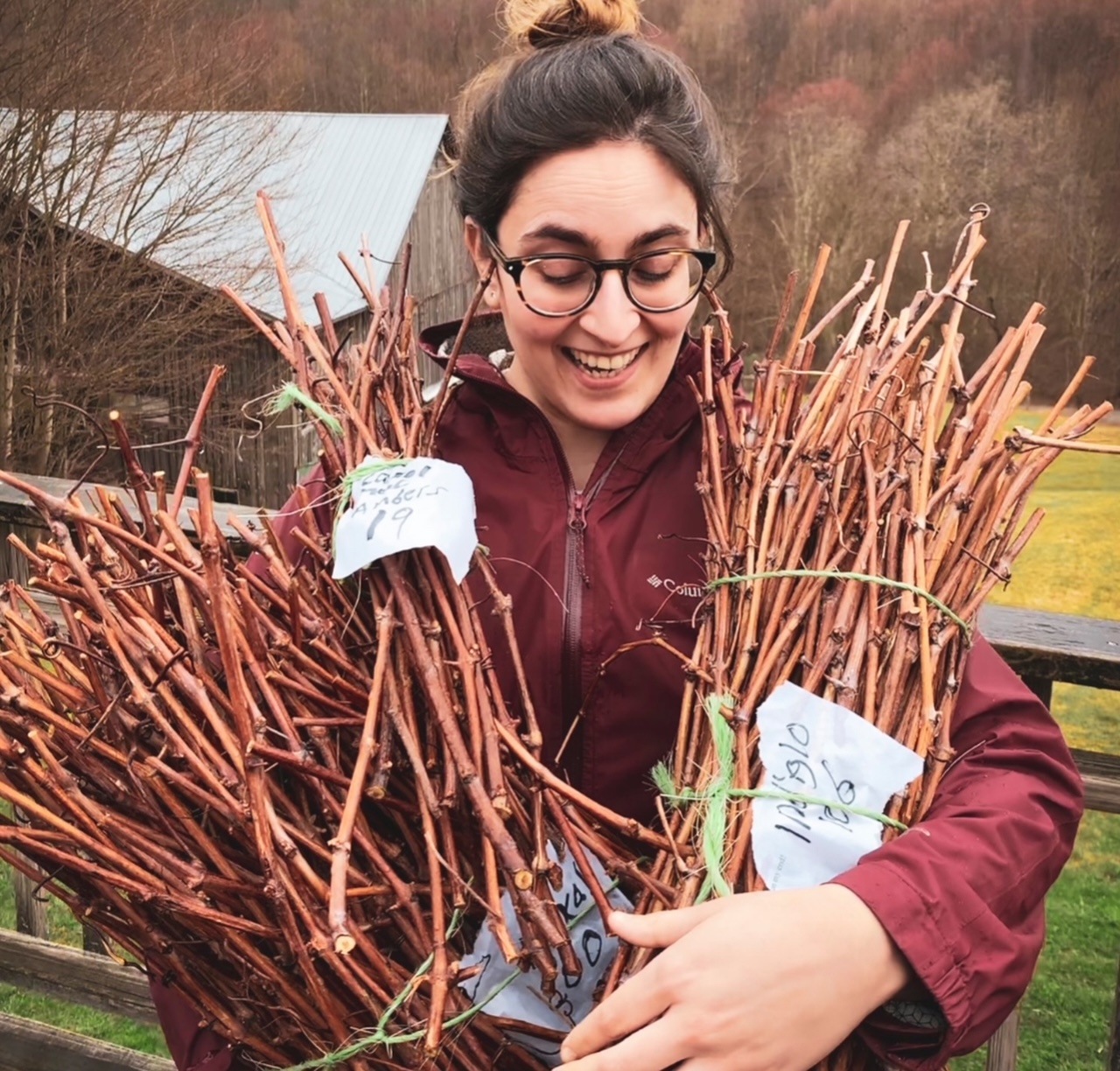
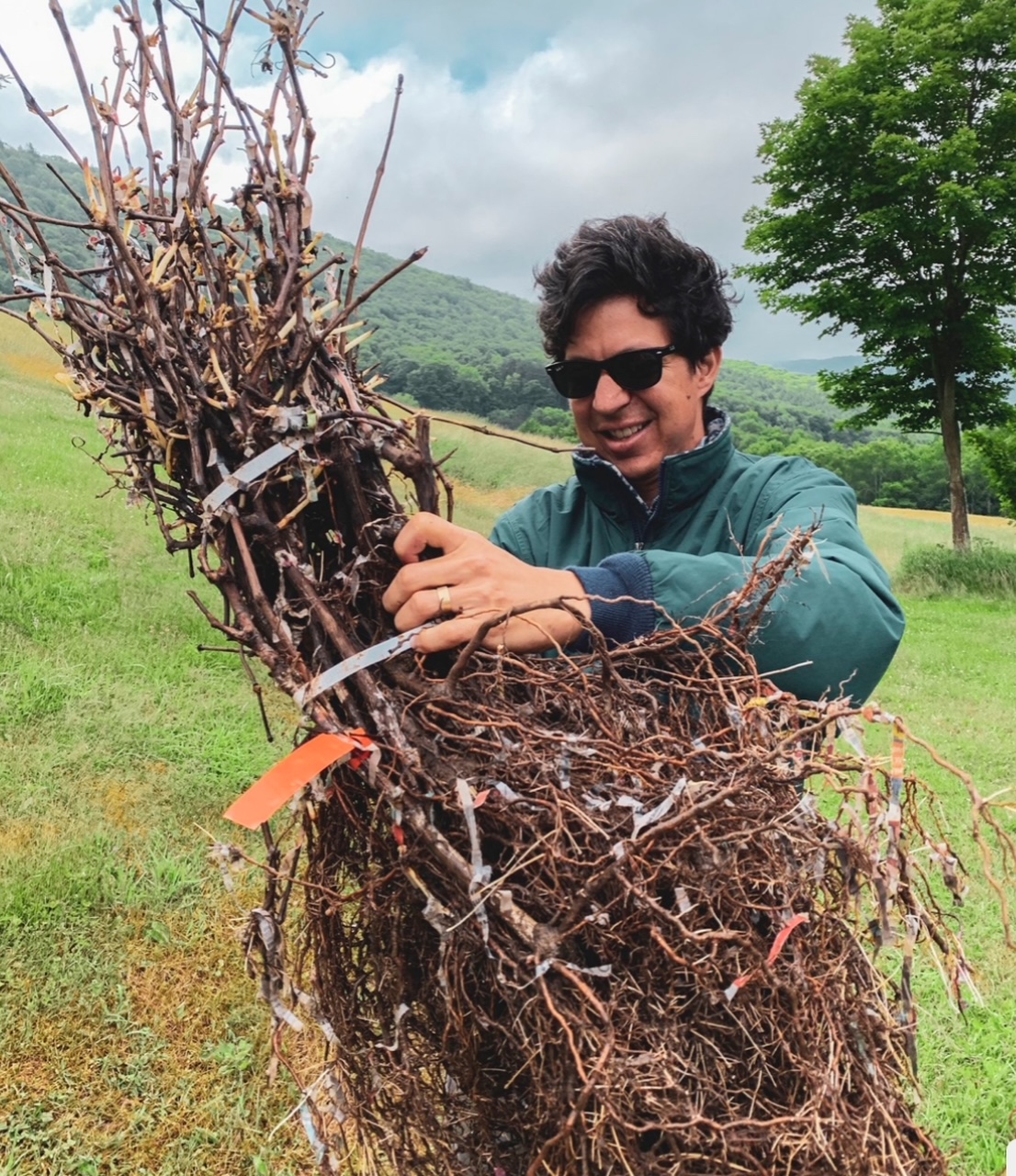
  2. Heirloom American varieties like Delaware, Empire State, Wine King. Some of these we propagated from cuttings from Steve’s vineyard. 
  3. Experimental crosses are not yet available to the public. These came from modern-day grape breeders who are working to identify little-known native species that hold promise in the Northeast. Some include crosses from grape species like Vitis aestivalis, Vitis acerifolia and Vitis bicolor. 

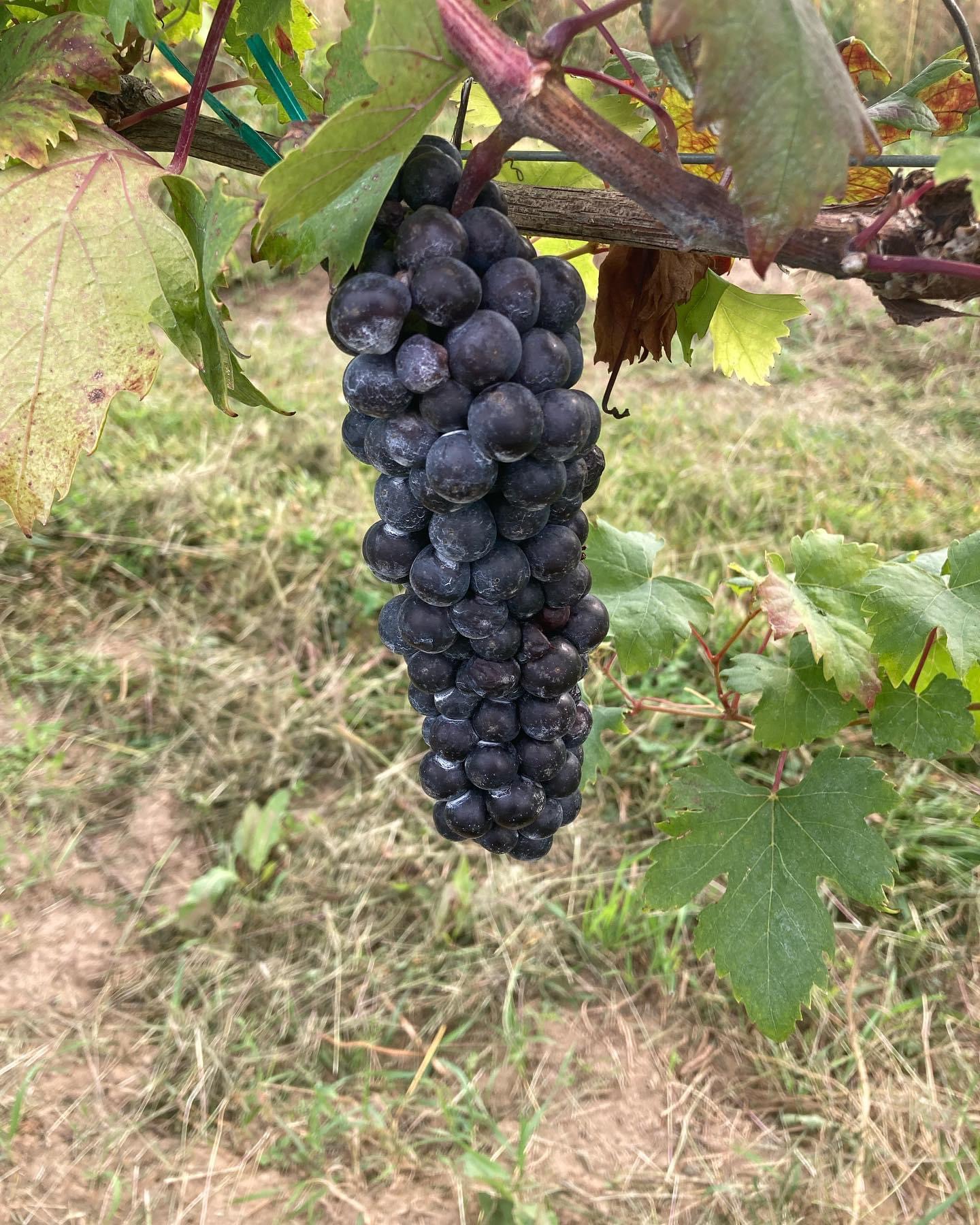
We are now four years into this project, in what seems to be a never-ending (and very sharp!) learning curve. But we’re excited to see our vines grow and we’ve already begun to identify grape varieties that have withstood the many climactic and environmental challenges we’ve experienced in the short timeline of our vineyard. An interesting variety for us has been Petite Pearl. Bred and selected in Minnesota by grape-grower Tom Plocher, this variety seems unbothered by disease pressure on our site, it’s extremely cold hardy, and most importantly, its late bud-break has managed to escape the dangerous spring frosts we’ve been having in New York. Last year we were able to produce a few gallons of wine from it, and its flavors and aromas are earthy and reminiscent of darker fruit. However, its clusters are very small, which means we’d need a much larger volume to produce a significant amount of juice. 

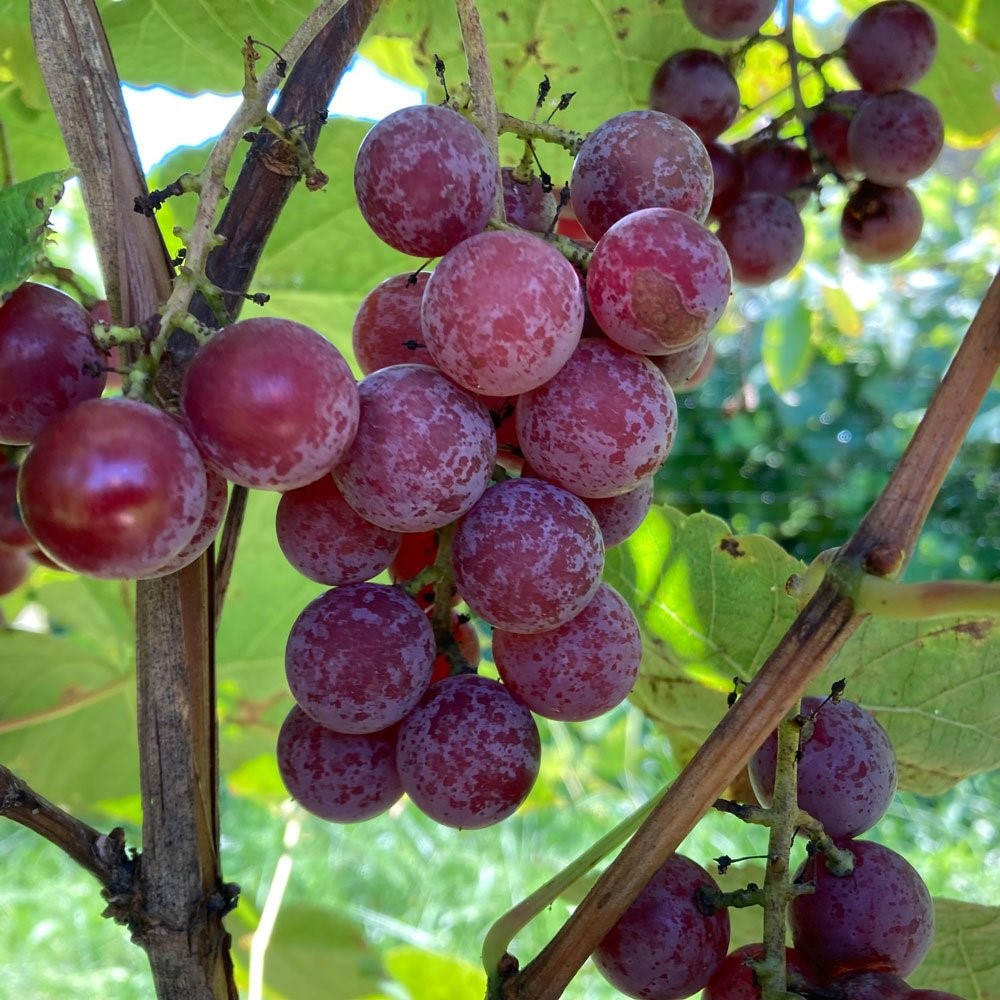
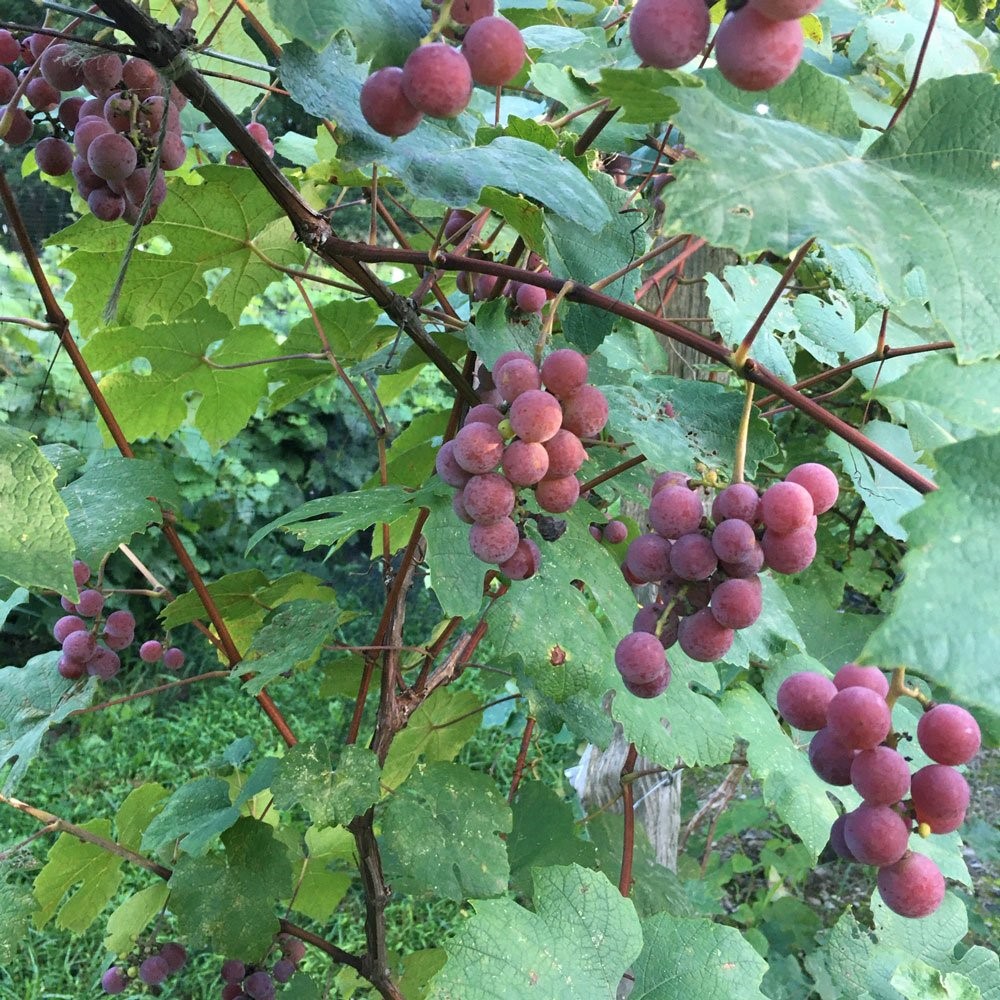
We’ve also been surprised by the qualities of Delaware, which is not nearly as vigorous as some of the Minnesota varieties, but once it becomes established, it’s easy to prune and manage, and it produces beautiful clusters of red fruit. It’s so exciting to see some of these heirloom varieties express themselves on our site.”

Wpawinepirate: Tell us about your wine journey and vision for growing and making wine from Heritage/Cool Climate hybrid grapes. 

Casscles’s Response: “How I got into grape growing is that I grew up in Marlboro, NY in the Hudson Valley, an area that has many orchards, vineyards, and berry patches.  I had the fortune of living near Benmarl Vineyards and worked in the early years of Benmarl when it was established by the Miller family (Mark, Dene, Eric, and Kim). I have kept in touch with the Miller Family and my friends the Spaccarelli Family who now own Benmarl. I learned so much from working with Eric and Kim Miller about winemaking and life. I have been truly blessed and the many people who worked at Benmarl, are and continue to be family friends. From Benmarl, I learned about many of the French-American hybrids that I continue to use today.  My favorites are Baco Noir, Chelois, Foch, Leon Millot (reds) Seyval Blanc, Vidal Blanc, Verdelet, and Vignoles (whites). 

My vision was then and continues to be to give growers the tools and grape varieties that can be grown at a profit so they can remain in farming. Further, that will be of sufficient quality and productivity so that local wineries can make quality wines at affordable prices so that everyone at the end of a long hard day can have a glass of a quality local wine at affordable prices. Doing this can help to keep more farms in operation and quality farmland in farming and not chewed up in more housing developments. Working with, studying, identifying either Heritage grape varieties or other Cool Climate grapes, and developing methods to grow these grapes more economically is part of this effort to keep farmland in farming and to preserve those who either are in farming or wish to enter into it. It is so great to work with Alfie and Deanna because they have similar goals and work ethic to make this happen. 

To advance this mission, in addition to studying such varieties, I have written, and thankfully have published, many articles to help guide those growers who want to grow hardy grape varieties that can be grown “sustainably”. In addition to Alfie and Deanna, I am so proud to work with other local grows such as Shawn Henry and his daughters Abbie and Emily of the Quimby Farm in Marlboro, NY,  Jed & Jaime Radliff of Fonda, NY, Marvin Baum of the new High Tor Vineyards in Rockland County, NY, and Doug and Mirada Russell of Russell Orchards of Ipswich, MA. Together, along with Alfie and Deanna, we are forging a pathway to plant more vineyards of these Heritage varieties, propagate them to establish even more vineyards, make wine and co-ferments from these varieties, and attract new and old customers to purchase these fun beverages that can be grown sustainably and so that family farms can remain in business.

Alfie’s Response: “We believeDear Native Grapes’ has the potential to reimagine American wine. By expanding the varieties of grapes grown and offered to consumers, we can broaden people’s imagination. Our small winery hopes to show others what American wine could be – beautifully diverse, unabashedly unique, and wonderfully approachable. 

If you think of a grape like Pinot Noir, it’s had over 600 years of human cultivation. Through slow observation and selection, the first people who farmed it started the process of shaping it to be what it is today. With American wine grapes, that process was largely halted due to historical events like Prohibition, followed by the Great Depression and WWII, and it’s just now barely restarting. We think it’s important to look at the past for answers that our ancestors have already solved and then build upon them. The Hudson Valley region in New York used to be a hotspot for horticultural innovation in the 1800s. It’s cool to think that the process of experimentation is once again alive in many other regions across the country. We might not find our American equivalent to Pinot Noir in our lifetime, but we can certainly begin to identify the great qualities in our own varieties.

We recently came across an article in the Smithsonian Magazine about Dagia Rangione, an Italian scientist who has dedicated her life to identifying and hunting down ancient varieties of fruit depicted in Renaissance paintings. Most of these heirloom varieties have long disappeared from the Italian countryside, as agriculture became industrialized over the past 200 years. The piece resonates greatly with us when she states how many of the older fruit varieties hold the keys to resilience and genetic diversity. We feel the same way about  American grapes. In the article, Rangione closes with a poignant sentiment: ‘We need these old varieties to answer for the problems of the future. Without them, without roots, we are just leaves in the wind.’

At its core, Dear Native Grapes is an educational project designed to shed light on valuable grape varieties that could pave the way for more diverse, climate-resilient winemaking, energizing local economies in the process. Every year, we host visitors to share our farming methods, which are largely based on holistic management. We’re able to farm this way because our varieties actually like to grow here and have the inherent genetics to thrive in our climate. This exchange of knowledge is key to our mission, as we try to save these varieties for future generations. Our mission is not simply to make wine from these varieties, but to offer others a viable path for doing the same.”

When growing a vineyard of wine grapes, as with any of life’s endeavors, the ready availability of options always enhances the probability of success. In the agricultural community, the ability to foresee potential problems is a skill set only honed to a fine edge with experience. Planting a crop that can survive and prosper under many adverse conditions is essential to any project’s long-term sustainability. Diversifying the varieties of grape vines planted in a vineyard has proven beneficial and has justified the old adage “Diversity is a Strength”.  

I sincerely appreciate Steve Casscles and Alfie Alcántara for taking time from their busy schedules to share this invaluable information and their unique perspectives on this timely subject. If you have any questions feel free to contact them  

(Steve) cassclesjs@yahoo.com

 (Alfie) alfie.alcantara@gmail.com

http://dearnativegrapes.com 

Photo Credit: J. Stephen Casscles, Alfredo “Alfie” Alcantara, and Dear Native Grapes
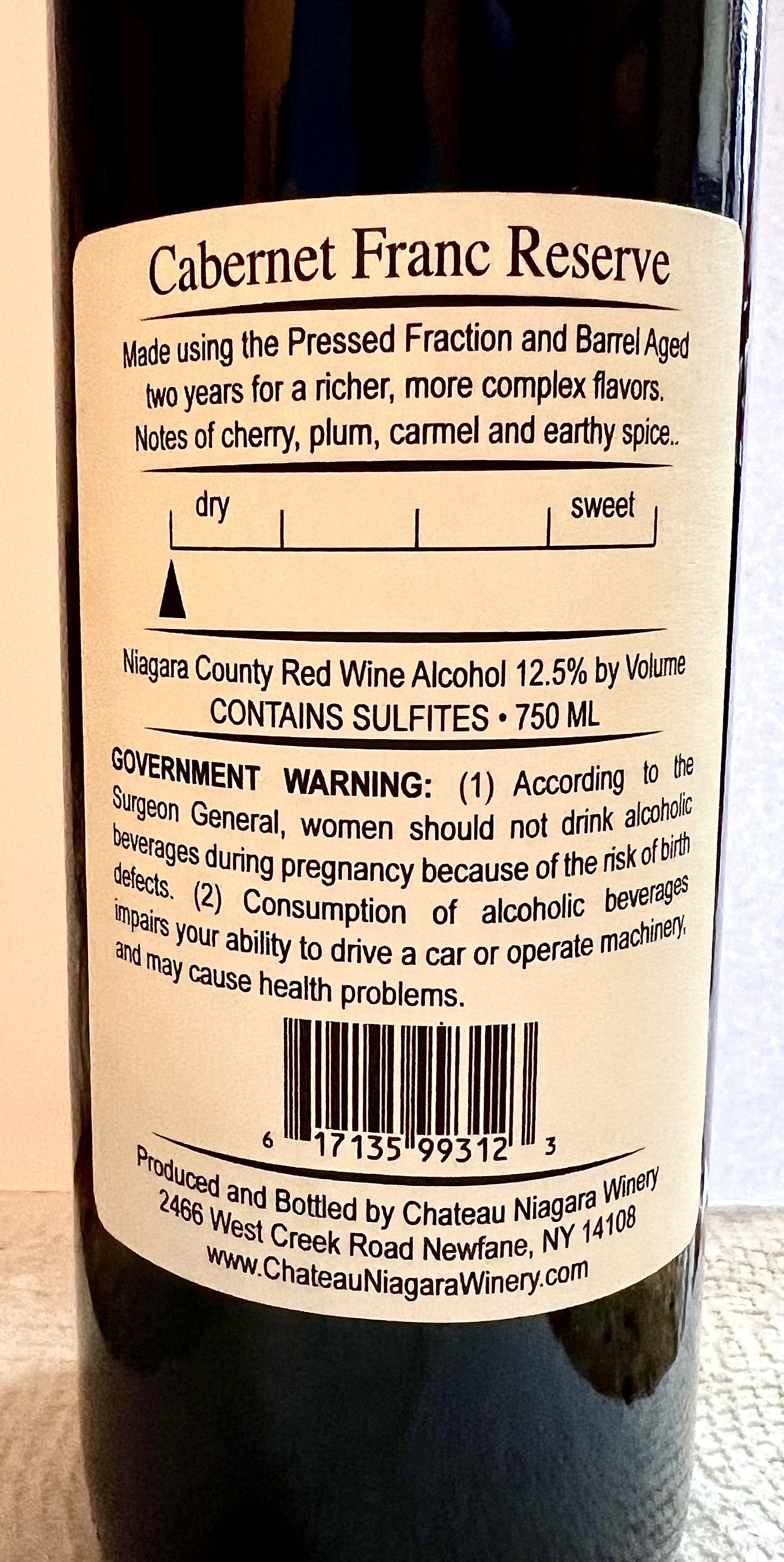
Review: Chateau Niagara Cabernet Franc Reserve 2022

Jim Baker, owner, winemaker, and vigneron of Chateau Niagara Winery Newfane, New York http://chateauniagarawinery.com has a special touch when making high-quality Cabernet Franc. His Chateau Niagara Cabernet Franc Reserve 2020 is no exception. He uses Cabernet Franc grapes grown in his vineyard and a nearby vineyard to produce his award-winning Cab Franc year after year. Jim told me “These are some of the best wines I have made.”

Chateau Niagara Cabernet Franc Reserve 2022 is a plump and juicy full-bodied dry wine that dazzles with a medium ruby red color in your glass. Bright acidity, tart red cherry, and raspberry flavors are front and center with subtle pepper background notes. Smooth tannins carry through a long finish. This Cab Franc drinks well now and should age nicely. 

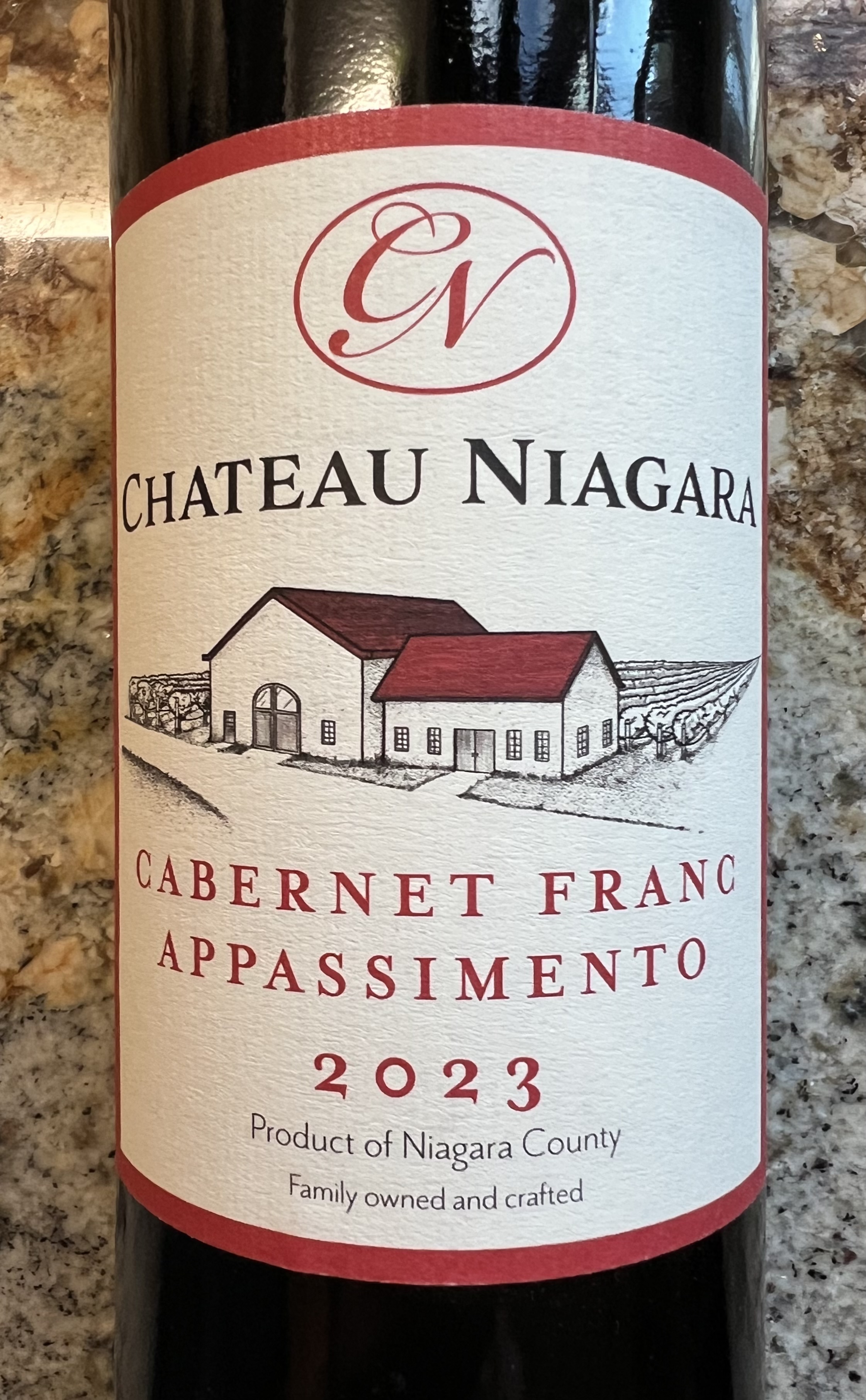
Review: Chateau Niagara Cabernet Franc Appassimento 2023

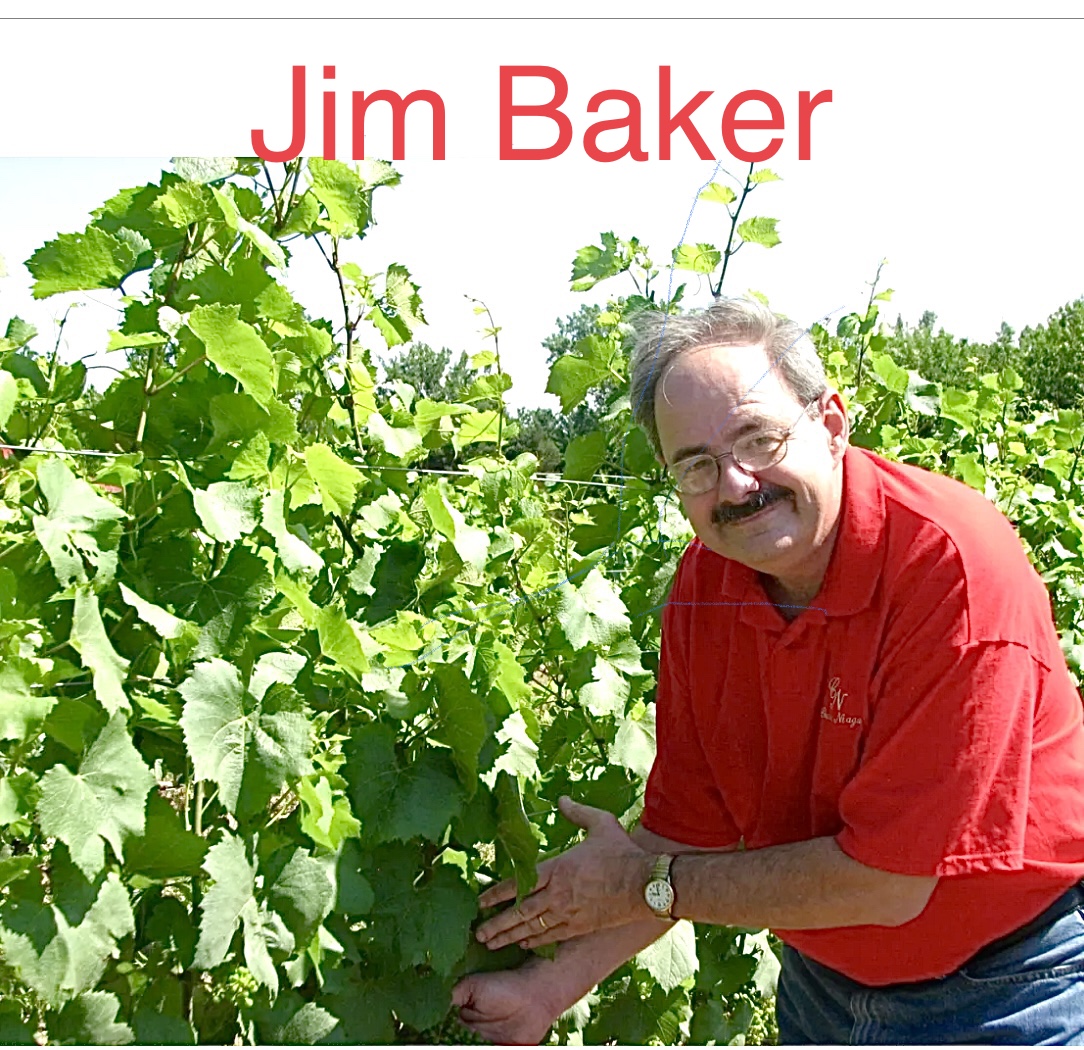
The following two posts will be my reviews of Chateau Niagara Cabernet Franc Appassimento 2023 and Chateau Niagara Cabernet Franc Reserve 2022. Jim Baker owner, winemaker, and vigneron of Chateau Niagara Winery Newfane, New York http://chateauniagarawinery.com told me “These are some of the best wines I have made.”

Chateau Niagara Cabernet Franc Appassimento 2023

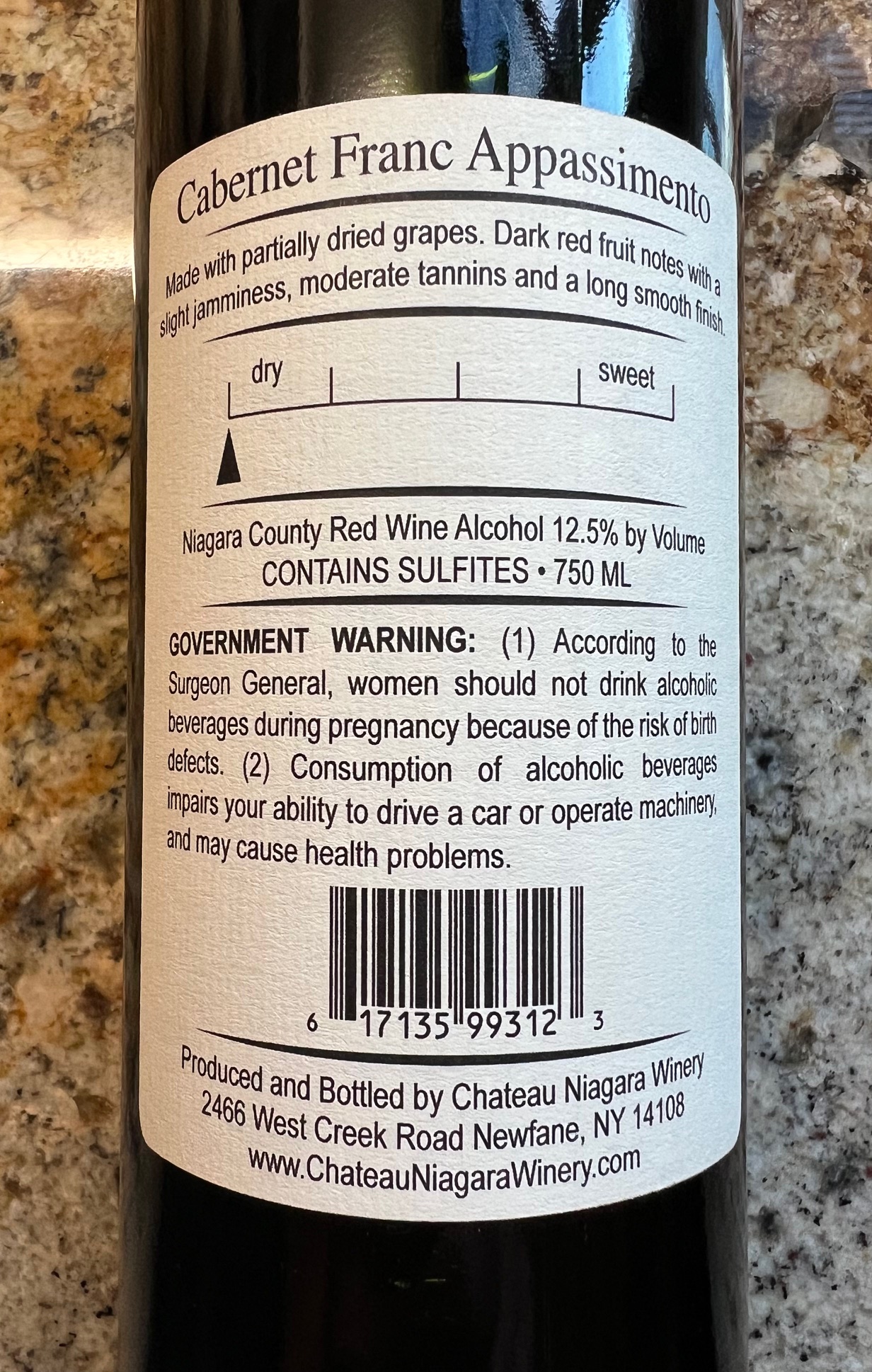
A wine made in the Appassimento style is created by using partially dehydrated grapes. It is a technique used by Italian winemakers to give Amarone di Valpolicella its signature depth and complexity. Jim applied this process to his Cabernet Franc grapes to produce his outstanding Chateau Niagara Cabernet Franc Appassimento 2023. 

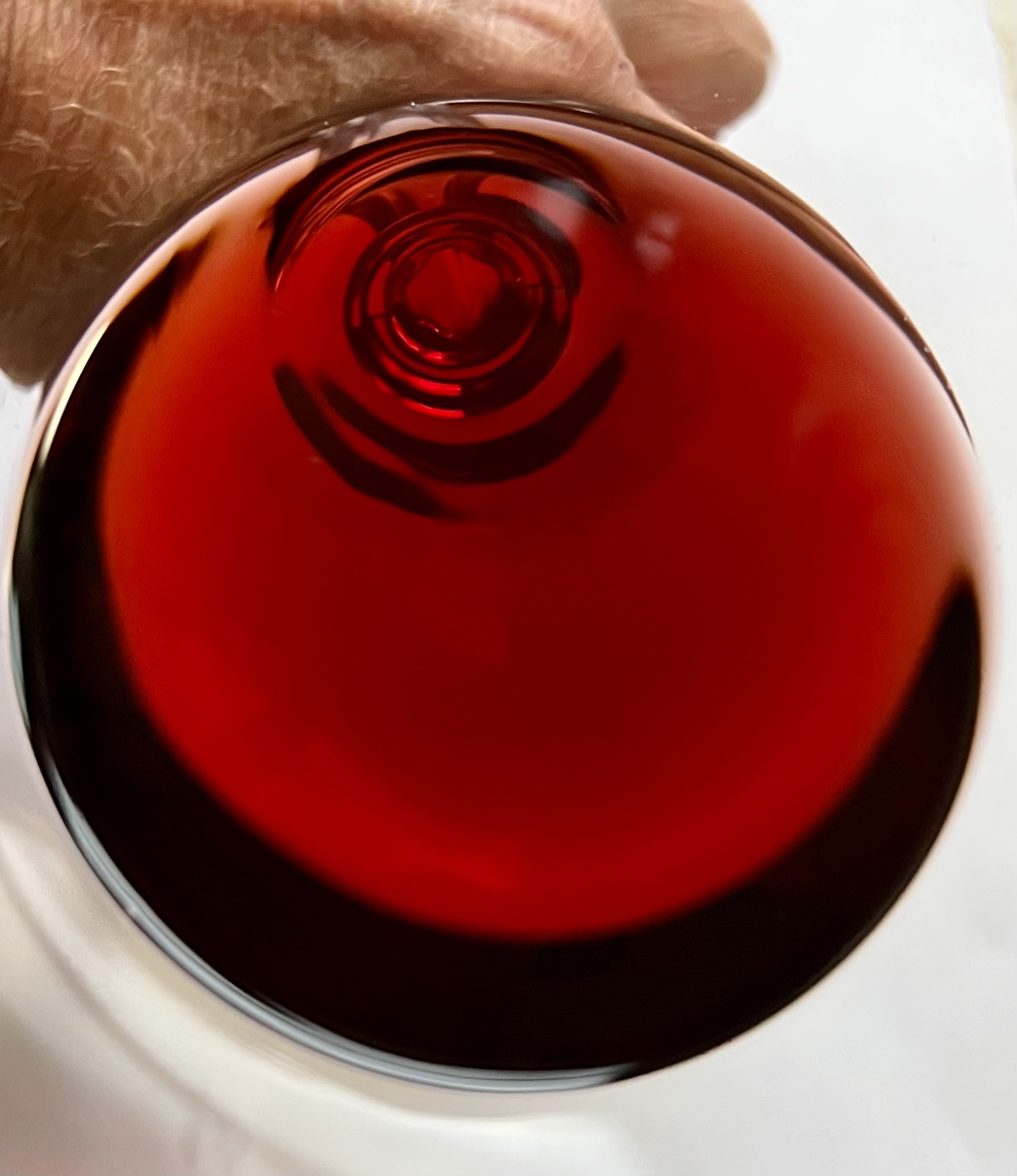
Beginning with a bewitching dark ruby red color in your glass this Cab Franc quickly opens with aromas of blueberries leading into flavors of cherry, dark berries, and plum. Supple tannins and balanced acidity carry through a long lingering finish. Consider purchasing several bottles with the intent of drinking some now and leaving some to age in your cellar. 

Harvest Report: Chateau Niagara Winery

I checked in recently with my friend Jim Baker, owner, winemaker, and vigneron of Chateau Niagara Winery Newfane, New York. http://chateauniagarawinery.com Jim’s avant-garde approach toward winemaking and the grapes in his vineyard can only be described as fascinating. Here are his candid insights into the year that was 2024 at his award-winning Chateau Niagara Winery.

“In classic cool climate viticulture, the only constant is change. We never know what the year will bring us and it creates a kind of resiliency in the vineyard managers and winemakers from these regions. It also creates some fantastic wines with incredible diversity. This year is no different. We escaped the late spring frost which hurt our neighbors in the Lake Erie region and our hearts went out to them as we got hit last year with that late frost and we lost two-thirds of our crop. We also did not have the wildfires from Quebec this year to contend with. It was a very early bud break with a wet spring and summer. This resulted in heavy downy and powdery mildew pressure. The latter half of the growing season heading to harvest was warm and dry, absolutely perfect for high-quality wine grapes. Longer hang time and good growing season with about 2800  growing degree days, which is measured by the temperatures degrees above 50 F. (A 70-degree day would therefore accumulate 70-50 or 20 growing-degree days.)  This is a measure of the total heat accumulation for the season. Harvest levels were a little under prediction and the berries were small and compact. This results in more intense aromas in whites and deeper colors and flavors in reds. We are very excited about the potential for the vintage!

In the fall we harvested our first crop of Fetească neagrǎ. We had hoped for barrels worth of wine, but the raccoons, deer, and turkey got to it first. We did harvest what we could and will likely do a very small bottling of about four cases. The grape showed me just a peek at what it can do this year. My initial tasting indicates that it falls between a Blaufrankisch and a Saperavi, with cherry, spice, black pepper, and smoke.”

Thank you, Jim, for taking the time out of your busy schedule to share your thoughts and observations about the intricate factors that influenced your vineyard and winemaking this year. We all look forward to enjoying the fruits of your labor. 

Dancing In The Dark

If you ever have the opportunity to get out into the vineyard and pick wine grapes during harvest I urge you to participate. My wife and I did just that several years ago and it is an experience we will never forget. We picked on a beautiful sunny morning but in reality, most wine grapes are harvested at night to take advantage of the cooler air lowering the temperature of the grapes. Most of the well-known wine-producing regions of the world are located in areas that not only have a climate favorable to viticulture but a phenomenon known as diurnal shifts. Diurnal shifts are when there is a significant change in the ambient air temperature between the day and night. A good example of this would be if you have been outside all day wearing only shorts and a tee shirt but need to wear a sweatshirt and long pants after dark, then you have experienced a diurnal shift. 

Sunshine allows a grape to increase its sugar content until harvest but in contrast, a grape’s acidity level decreases as it nears harvest. It can be argued that when grapes are cooled nightly sugar and acid levels are kept in balance creating a more complex wine. The diurnal shift phenomenon can be the result of different factors. In Napa Valley, it is the Pacific Ocean, the Rhone Valley has the mistral winds, and Duncan Savage proudly told me that his Cape Town, South Africa vineyards are “clapped” by winds off the Atlantic Ocean. 

Now that we know how grapes arrive at their peak to be harvested the obvious question is “What are the advantages of picking them in the cool of the night?” 

The first and foremost reason winemakers pick at night is to capitalize on the lower temperatures that are advantageous to producing superior wine by preserving the quality of the grapes that will be processed immediately after being taken to the winery. Grapes that have been cooled by the night air have more stable sugar levels, firmer texture, and less oxidation. This is very important when making white, Rosé, and sparkling wine but is also desirable when making red wine. Picking at night also enhances the grape’s fruit flavors and aromatics while giving the winemaker better control of the fermentation. The grapes are cooler when they come into the winery and don’t need to be cooled down before starting the winemaking process. 
I have included these two links on YouTube that give us a glimpse of what harvesting wine grapes at night looks like. One video is of grapes being picked by hand and the other with a mechanical method.

https://youtu.be/ujn8N6iBRng?feature=shared Hand harvesting

https://youtu.be/we5XNeuvn1c?feature=shared Machine harvesting

 You can find more videos on YouTube by searching “harvesting wine grapes at night.”

Since it is late summer and harvest is upon us, now is the time to call your local vineyards and ask if they could use help picking their grapes. For a wine lover, it is an experience you will not soon forget. 

The Finger Lakes Wine Region of New York: The Inns of Aurora Getaway

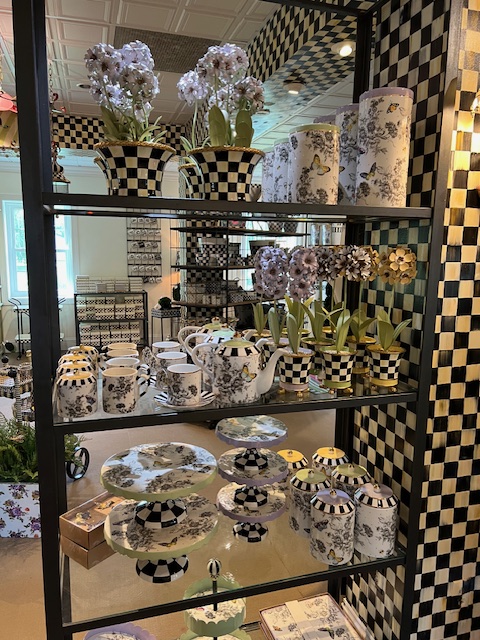
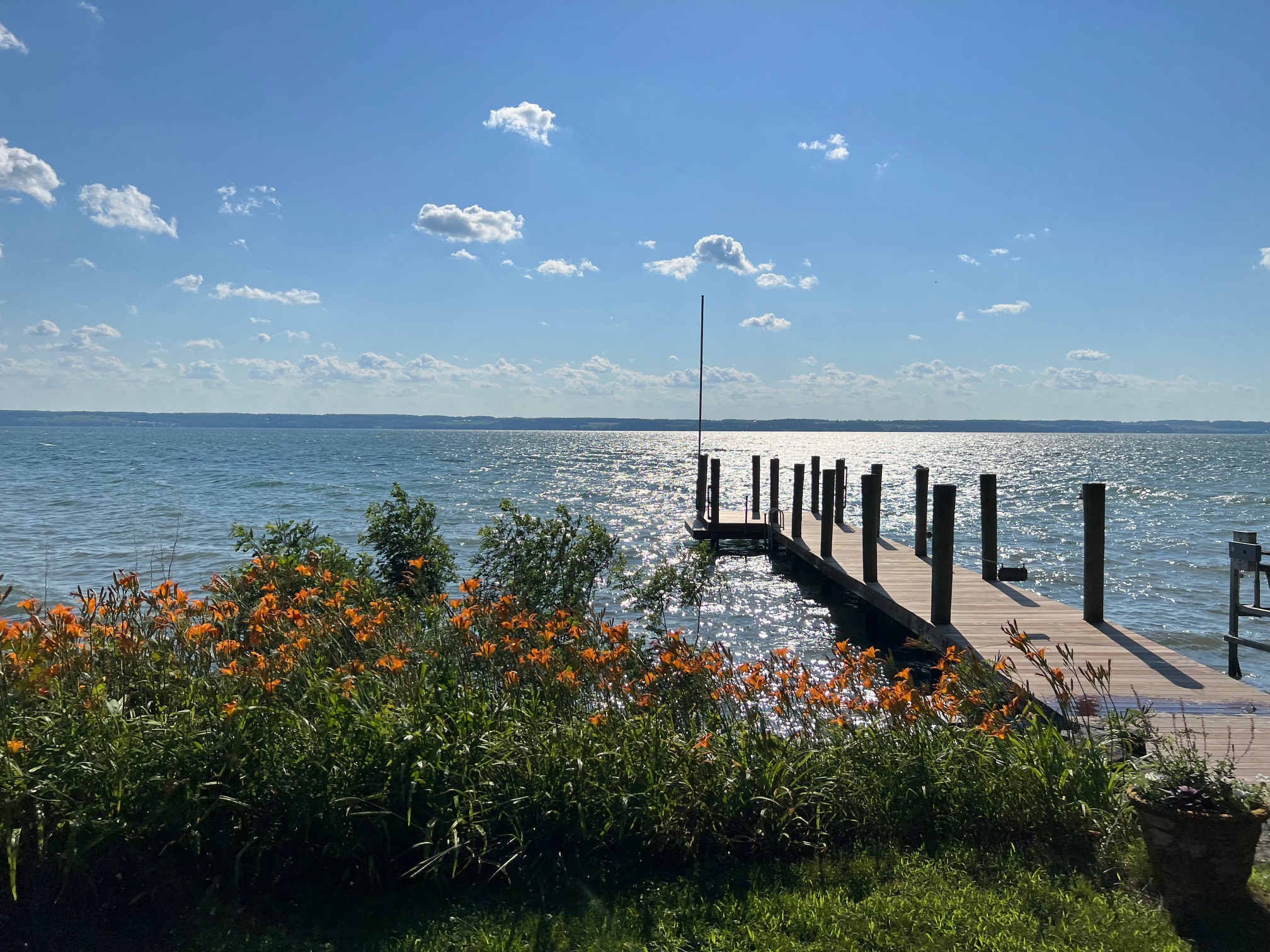
Recently my wife and I visited one of our favorite wine destinations, The Finger Lakes Wine Region of New York. We decided to stay in and explore an area new to us. Aurora, New York is on the shore of Cayuga Lake, about halfway up the lake on the eastern side. This idyllic small town is home to the now-closed Wells College and MacKenzie-Childs studio. When I am asked to describe Aurora I tell people to imagine a real-life “Hallmark Movie Channel” town. 

We stayed at the Zabriskie House. It is one of the Inns of Aurora’s (http://innsofaurora.com) spectacularly restored mansions and is located in the center of town across Main Street from the lake. The eastern shore of Cayuga Lake has only a few wineries with the majority of the Cayuga Lake Wine Trail member wineries dotting the entire length of the western side of the lake. On this trip, I used the Waze app through my car’s Apple CarPlay to navigate flawlessly to and from the region. While there, we relied on it to travel between wineries and find gas, points of interest, and dining options. You can find casual tavern food in Aurora at the Fargo Bar & Grill on Main Street or go just across the street for more upscale fare at the award-winning 1833 Kitchen & Bar at the Aurora Inn. When around Ithaca, home to Cornell University, and looking for a quick breakfast or light lunch then you should consider the Ithaca Bakery (http://ithacabakery.com) at their 400 N. Meadow location. We also enjoyed a relaxing lunch while overlooking the vineyards and Seneca Lake from the deck of the Ginny Lee Cafe at Wagner Vineyards. 

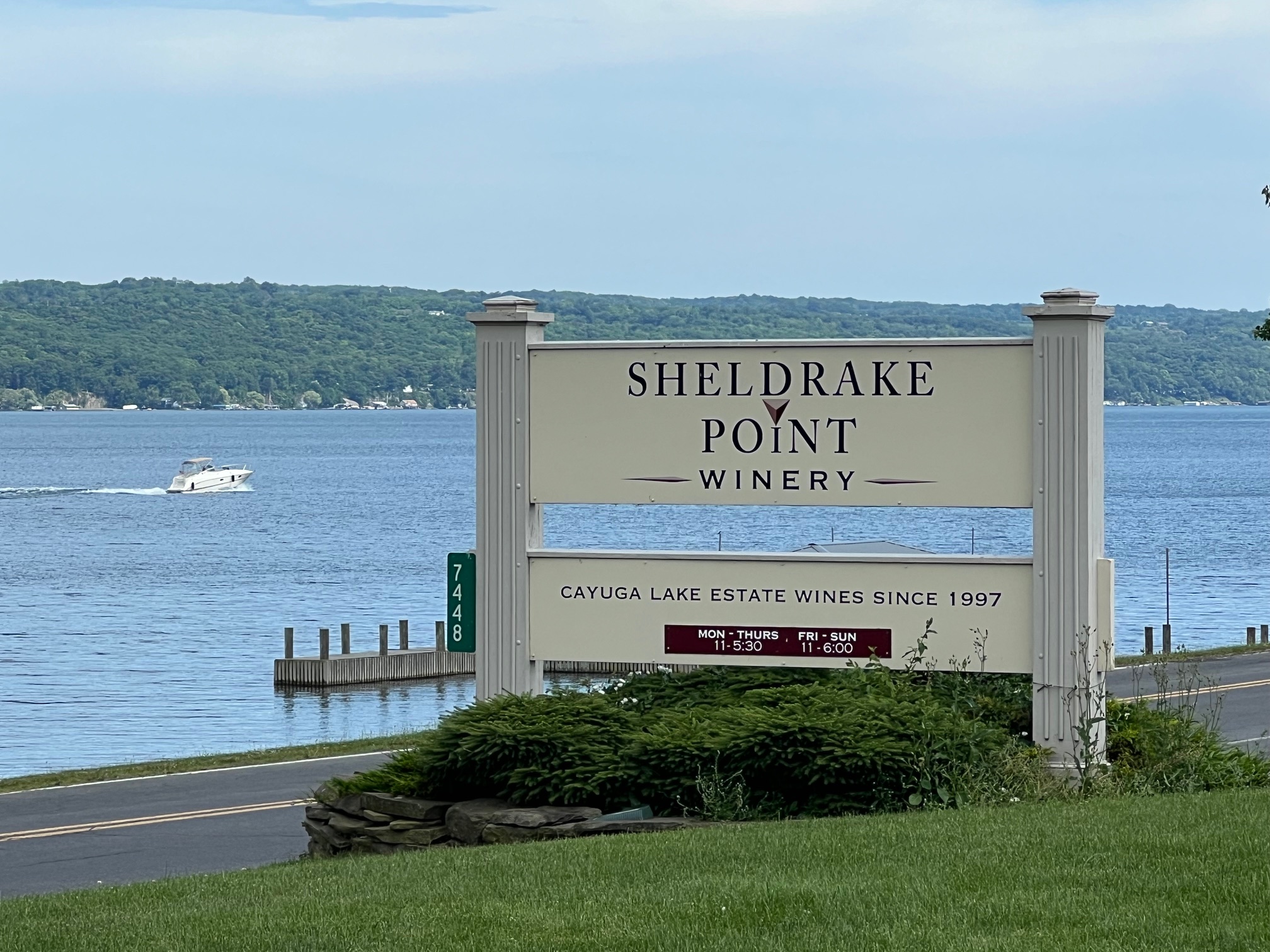
A stop at the studios and shop of world-famous designer MacKenzie-Childs is certain to be an unforgettable experience. During our three-night stay in the Finger Lakes, we stopped at several wineries that included Montezuma, Swedish Hill, Hosmer, Knapp, Buttonwood, Sheldrake Point, Standing Stone, Wagner, and Hermann J. Wiemer. 

Since we were there during the week we didn’t need to reserve a tasting time. Still, I would strongly recommend going to the website of the wineries you intend to taste at to see their protocol and make plans by booking your tasting itinerary first. This is an excellent idea on busy weekends, holidays, and during events.  

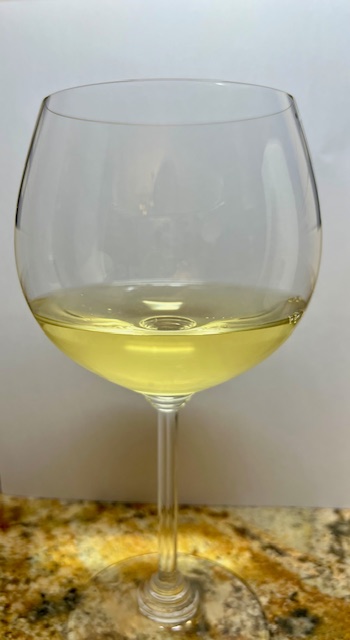
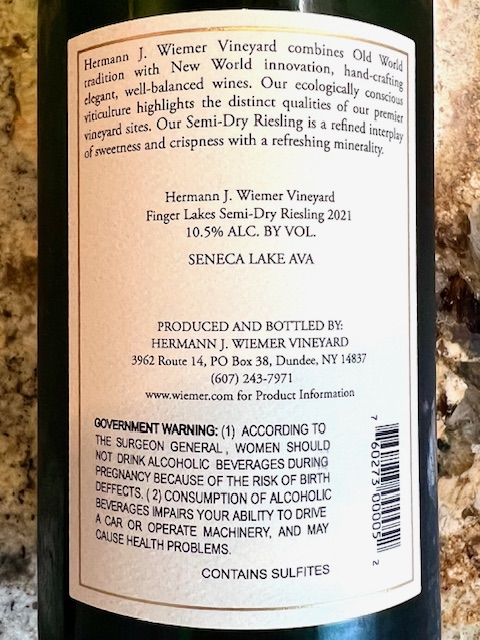
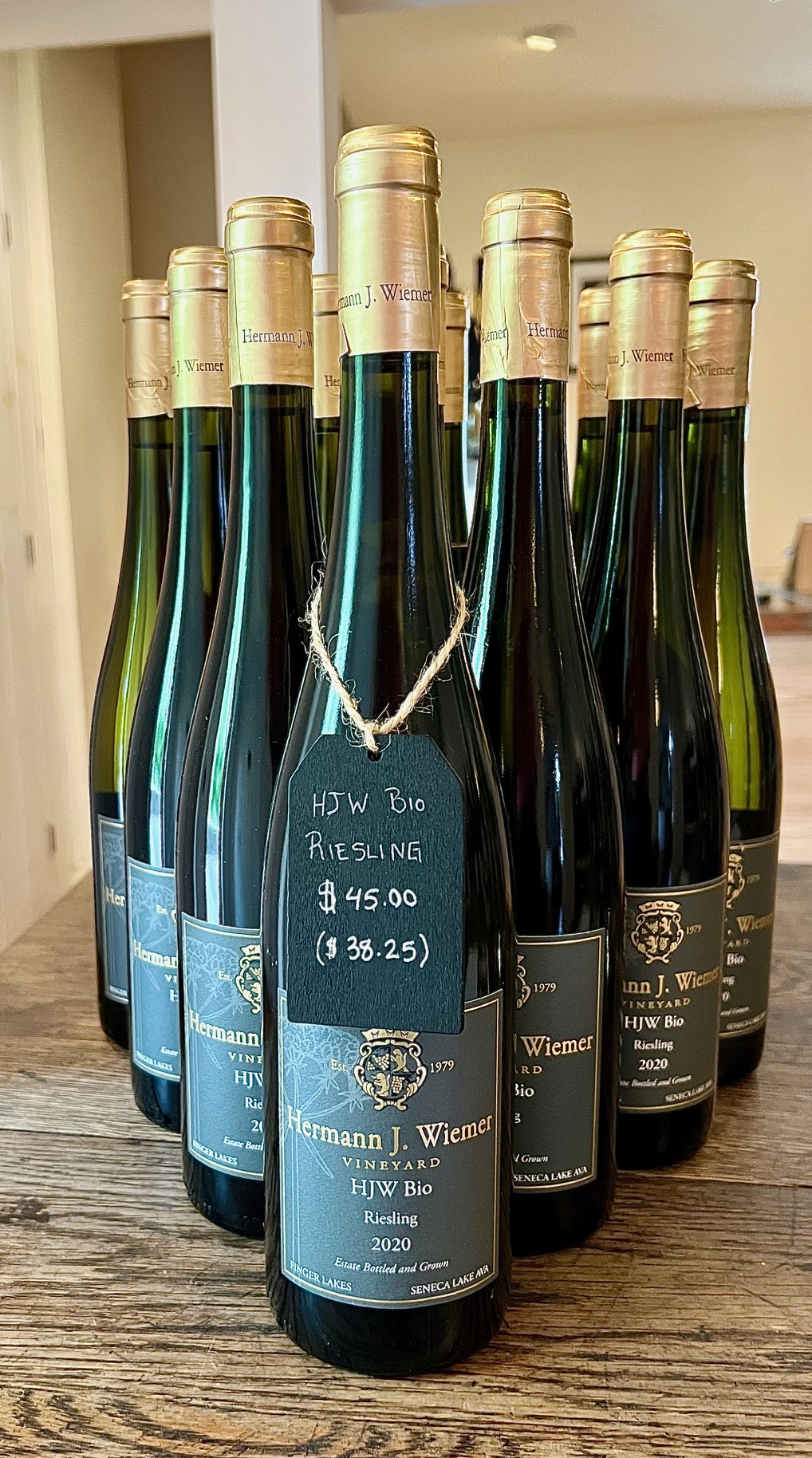
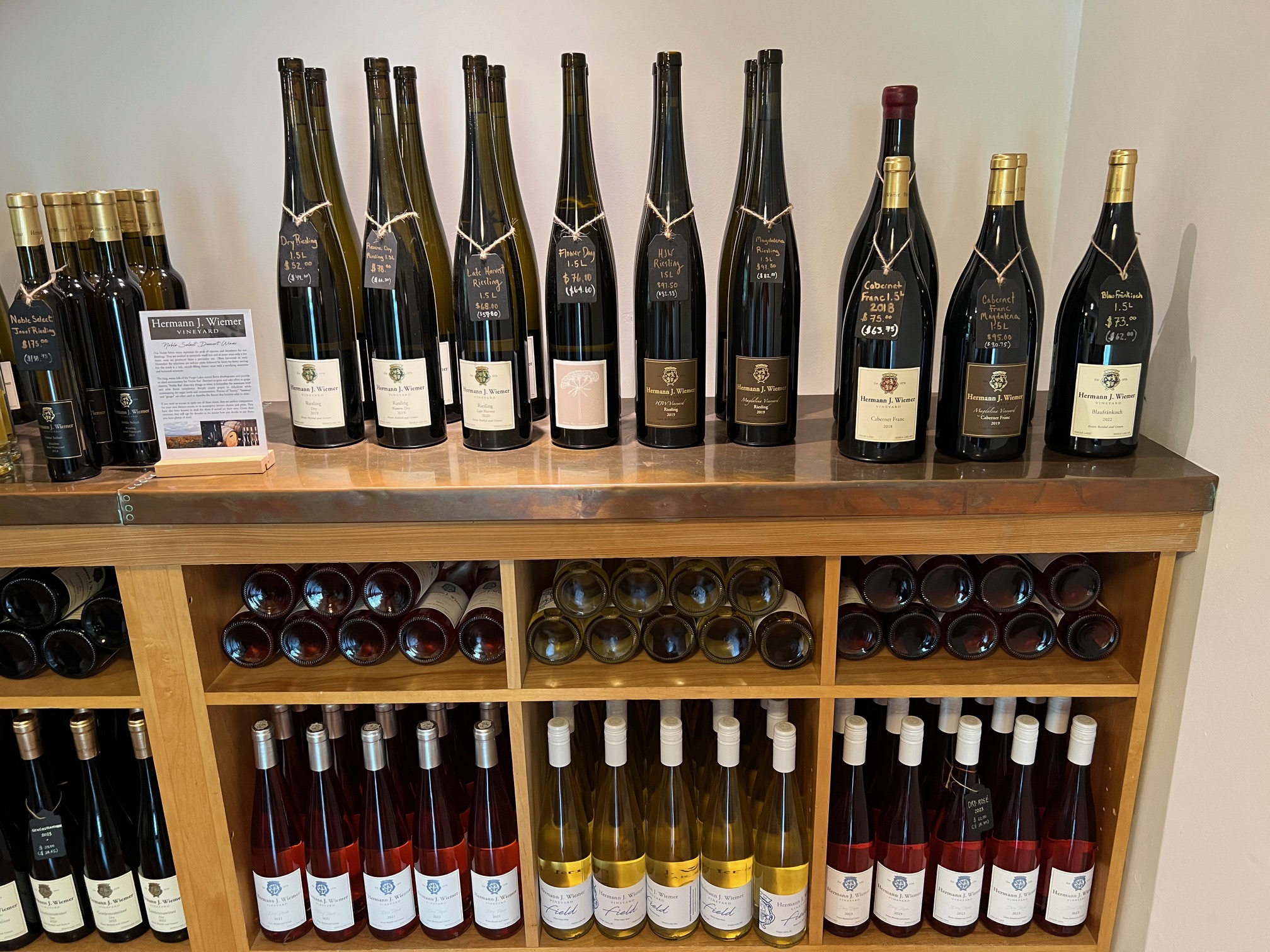
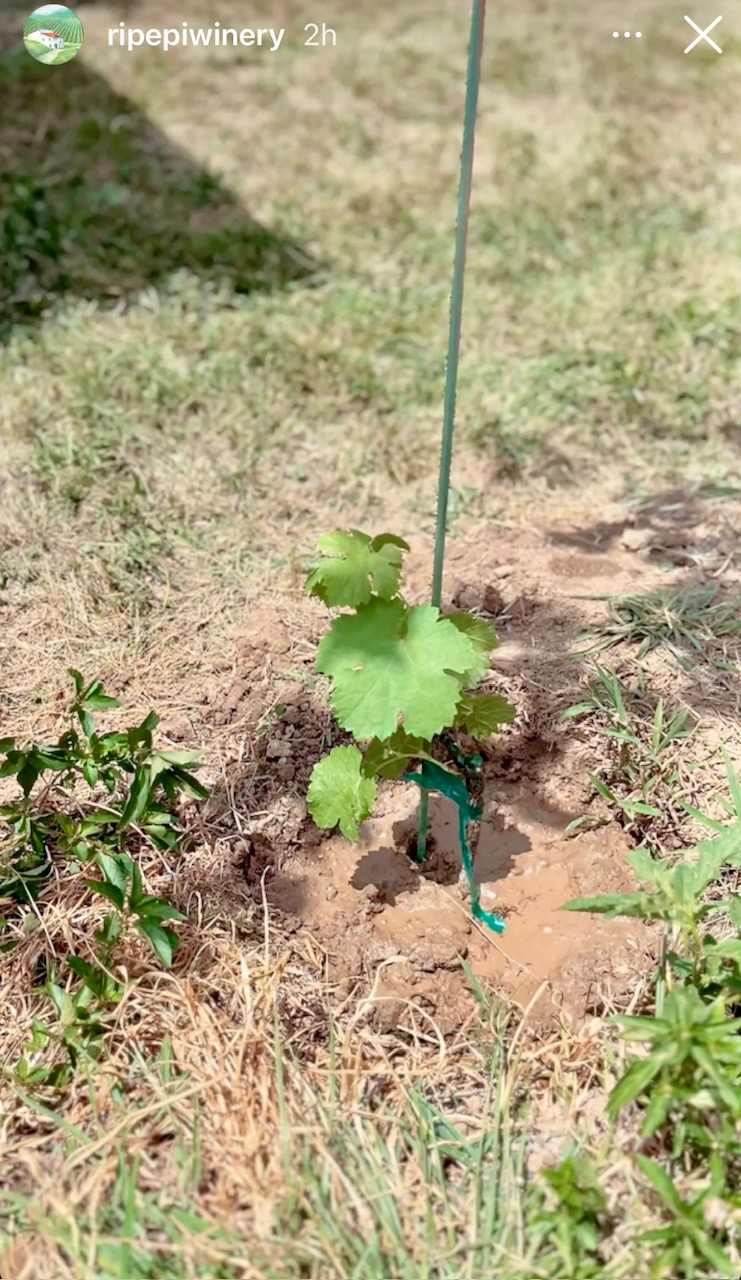
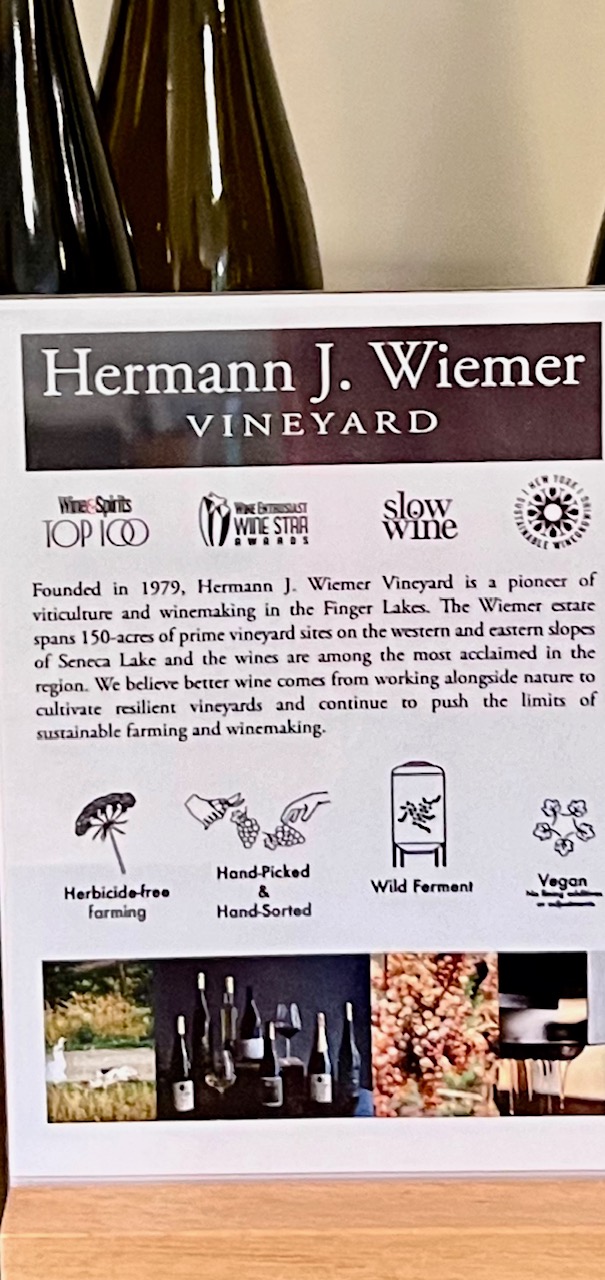
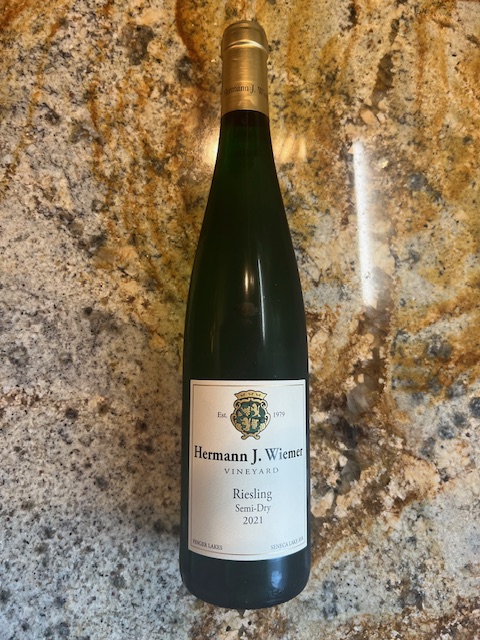
We enjoyed our tasting at Hermann J. Wiemer Vineyard. They have a well-deserved reputation for being a producer of world-class Riesling but their other wines are also very good. The tastings are à la carte and are served in small carafes that are enough for two. You choose the wines you want from a menu with each sample priced accordingly. You are seated at your own table, not standing at a tasting bar. Each table is assigned a knowledgeable attendant to provide guidance if needed and answer any questions you may have. We are big fans of Riesling and concentrated on those wines but we did sample a very well-made Blaufrankisch. Outside their tasting room, Wiemer offers their own nursery-grown grape vines for sale. As a gift for our winemaker friend, Rich Ripepi, we brought back a Riesling vine (clone 110(9) rootstock 3309) that has now found a new home in his vineyard at Ripepi Winery & Vineyard Monongahela, Pennsylvania. 

We had a wonderful time on our trip. The glacial lakes are spectacularly beautiful, the rural landscape is serene, and the residents are welcoming. If you want to take a short getaway that will leave you rested and refreshed, consider visiting The Finger Lakes Wine Region of New York. Photo Credit: wpawinepirate.com, Ripepi Winery & Vineyard, and Hermann J.Wiemer Vineyard

My Latest AWS Wine Journal Article

I am happy to announce my latest article to be published in the American Wine Society Wine Journal is now available to be viewed on the emagazine website https://anyflip.com/wnfp/urfm/as a flip page publication free of charge. Simply go to https://anyflip.com/wnfp/urfm/, tap on the cover of the Summer edition, and swipe left to turn the pages like a print magazine. It is easier to read using an iPad, tablet, or laptop. My article appears on page 23 and is about the only vintner in North America growing the Romanian wine grape Fetească Neagră or “Black Maiden ” as it is commonly referred to in Romania. There are a lot of interesting stories in this edition. The cover story is part 2 of a three-part series by Simone FM Spinner, in which the AVAs and wine trails of North Carolina are discussed. M. Marshal reviews the J. Stephen Casscles book “Grapes of the Hudson Valley and Other Cool Climate Regions of the United States and Canada” 2nd Edition. J. Stephen Casscles provides an in-depth look at the ancient but increasingly popular process of co-fermenting in the Northeast. These are just a few of the entertaining and informative articles that can be found in this edition. You can find all the back issues including my Saperavi story in the 2020 Spring edition by clicking on the AWS logo to the left of the https://anyflip.com/wnfp/urfm/ homepage. Enjoy!