A Winelovers Guide to Western Pennsylvania Wineries Part 3

This is Part 3 and the final installment in my series featuring Western Pennsylvania wineries. All the wineries from previous posts will be included for reference or if you are new to my blog. I invite everyone to subscribe for free to this blog using the subscription box at the top of this page. You will receive an email when I publish a new article. Thanks. 

Pennsylvania is home to more than four hundred wineries and over fourteen thousand acres of vineyards. Some of the very best are located on the western side of the state. The wineries are as unique as the wines they make. The following suggestions are just a starting point. The real fun comes in exploring all this region has to see and do.

Driving twenty-three miles south of Pittsburgh will bring you to Silver Mark Cellars. It is an urban-style winery in the charming town of Canonsburg. They offer an award-winning wine list complemented with food, beer, and liquor. All of their wines are handcrafted in-house from start to finish. http://silvermarkcellars.com 724-416-7447

Nestled in the picturesque rolling hills of Westmoreland County near Acme we find Stone Villa Wine Cellars. Guests can relax on the manicured lawn surrounding a tranquil lake while listening to live music. Stone Villa Wine Cellars offers a portfolio of wines ranging from classic to unique blends that are sure to satisfy everyone’s tastes. As always, the tasting bar is free. http://stonevilla.com 724-423-5604

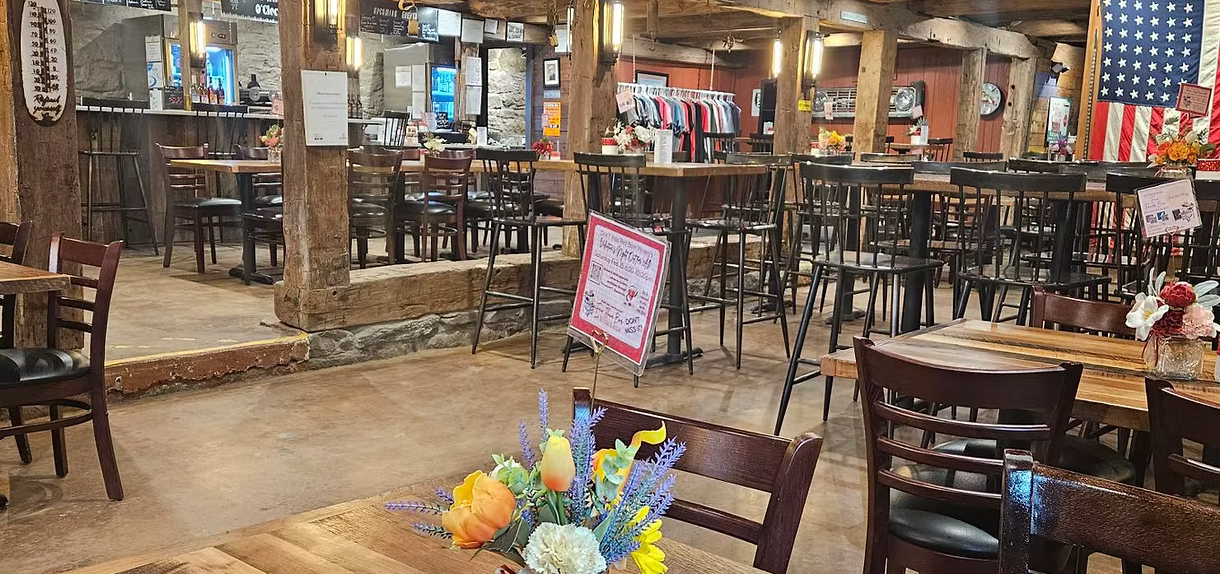
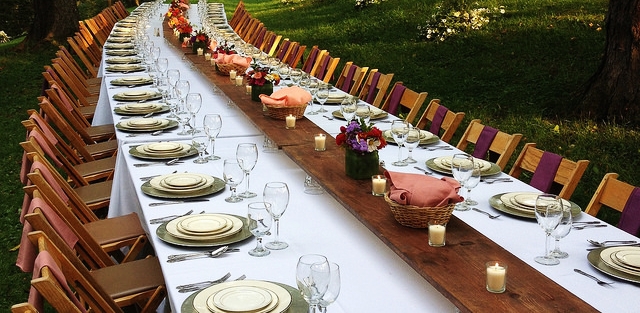
Situated on the remaining three acres of the old “Martz Family Farm” in Delmont stands a barn originally built in the 1860s that now serves as the home of Red Barn Winery. Red Barn Winery makes sweet and dry wines from grapes sourced from several regions. It also offers Pennsylvania beers and spirits, food, entertainment, and special events. http://redbarnwinerypa.com 724-461-4331

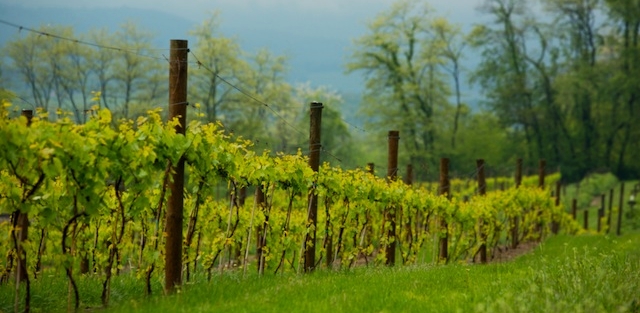
Thistlewaite Vineyards only use the French hybrid grapes they grow in their five-acre vineyard to produce their wines. They age their wine in Pennsylvania White Oak barrels or stainless steel tanks. When you are in Jefferson stop by the tasting room for a complimentary wine tasting. http://thistlegrape.com 724-883-3372

Edgewood Winery and Event Center in Spring Church is a one-stop shop for all your entertainment needs. They sell their wines by bottle or glass, have a food menu sure to please everyone, an event calendar full of live music, and plenty of options for your special event. http://edgewoodwinery.com 724-478-4373

I hope you enjoyed reading these articles as much as I enjoyed researching and writing them. Please use these suggestions to start your journey to discover the constantly evolving community of wineries in Western Pennsylvania. Cheers!

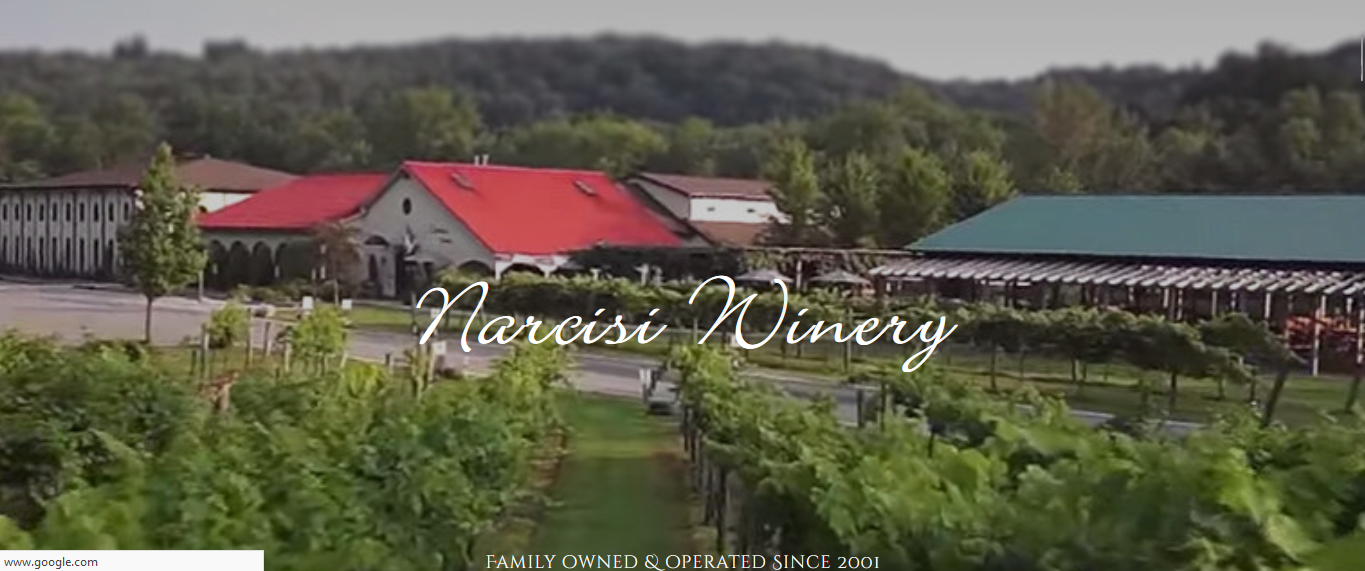
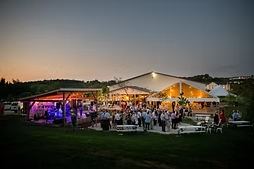
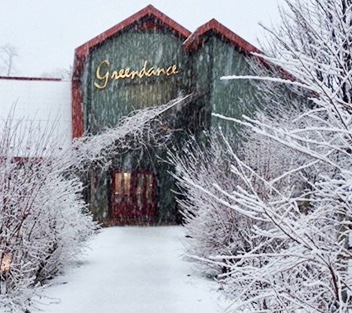
Photo Credit: L to R Silver Mark Cellars, Red Barn Winery, Thistlewaite Vineyards

We’re off to see “The Castle”. The Vinoski Winery is located in the magnificent Rostraver mansion Jay and Sherry Lustig built. Jay was the long-time manager of The Rolling Stones, financial advisor to Prince Rupert Loewenstein, and later became a minority owner of the Pittsburgh Pirates. Walt and Roxanne Vinoski bought the sprawling property in 2017 and turned it into the breathtaking home of the Vinoski Winery. They offer two wine tasting options: $10 for 5 sweet wines or a Premium tasting for $20 that includes their dry California wines. Check their website for the event calendar which is always full of concerts and events. http://vinoskiwinery.com 724-872-3333

Let’s not forget about our friends north of Pittsburgh. The next stop is the picturesque Tuscan-inspired winery and restaurant of Narcisi Winery. A short ten-mile drive north of the city will bring you to Narcisi Winery in Gibsonia. Set on an enchanting property, this Italian-themed winery and restaurant will satisfy anyone’s longing to spend a “Bella Giornata” (Beautiful Day) in Tuscany.  http://narcisiwinery.com  724-444-4744

Any time of year is a good time to take a leisurely drive to Glades Pike Winery near Somerset on Pa State Rte 31. It will take you past several notable attractions for the outdoor enthusiast.  The Seven Springs and Hidden Valley ski resorts plus Laurel Hill and Kooser state parks are easily accessible from Glades Pike Winery. Glade Pike Winery makes a diverse selection of wines that will intrigue any wine aficionado. Malbec, Baco Noir, and Tempranillo are some of the unusual wines offered that are not readily found at other local wineries. http://gladespikewinery.com 814-445-3753 

The Original Pittsburgh Winery is an urban winery and as such it can make its wines year-round because they source their grapes from vineyards in California and Chile. Swing by the winery on Liberty Avenue in Pittsburgh’s Strip District to taste their wines, grab a bite to eat, and enjoy live music in an intimate setting. http://pittsburghwinery.com  412-566-1000

Guests at Ripepi Winery & Vineyard in Monongahela can enjoy a tranquil ten-acre vineyard from the Tuscan-inspired winery as you savor a glass of their estate-made wine.  Owner/winemaker Rich Ripepi founded his landmark winery in 1987. Today it is a family legacy he shares with his winemaker/sommelier daughter Janelle Ripepi D’Eramo and winemaker son Dr. Daniel Ripepi. They host a fun “Happy Hour” event every second Friday of the month. http://ripepiwine.com 724-292-8351

Traveling to Mount Pleasant you will find Greendance The Winery at Sand Hill. Greendance Winery is part of the Sand Hill Berries, a small family-owned business that specializes in different types of berries, especially raspberries. You might recognize them from their raspberry specialty desserts booth at festivals. The winery and its grounds are set in the idyllic Laurel Highlands countryside. Stop by anytime to enjoy the rural ambiance but if you visit on a summer weekend you will be treated to live music as you unwind with a bottle of their wine. http://greendancewinery.com 724-547-6500

Up we go into the Allegheny Mountains to Chalk Hill where we arrive at Christian K. Klay Winery. A visit to Christian K. Klay Winery and its adjacent Ridge Runner Distillery is sure to include wine, spirits, and beautiful vistas. http://christianklaywinery.com 724-439-3424

Bella Terra Vineyards in Hunker is easily accessible and has ample parking plus plenty of inside and outside areas making it a favorite meeting place for friends and family. Check their website for the many special events on the calendar. http://bellaterravineyards.com 724-635-3658

If you are looking for a twist on your usual night out then the City Winery is the place for you. Unlike the other wineries mentioned, City Winery is on Smallman St in Pittsburgh’s “Strip District”. It is a winery, restaurant, and event center that promotes live music, comedy shows, and wine events. http://citywinery.com/pittsburgh 412-246-1000

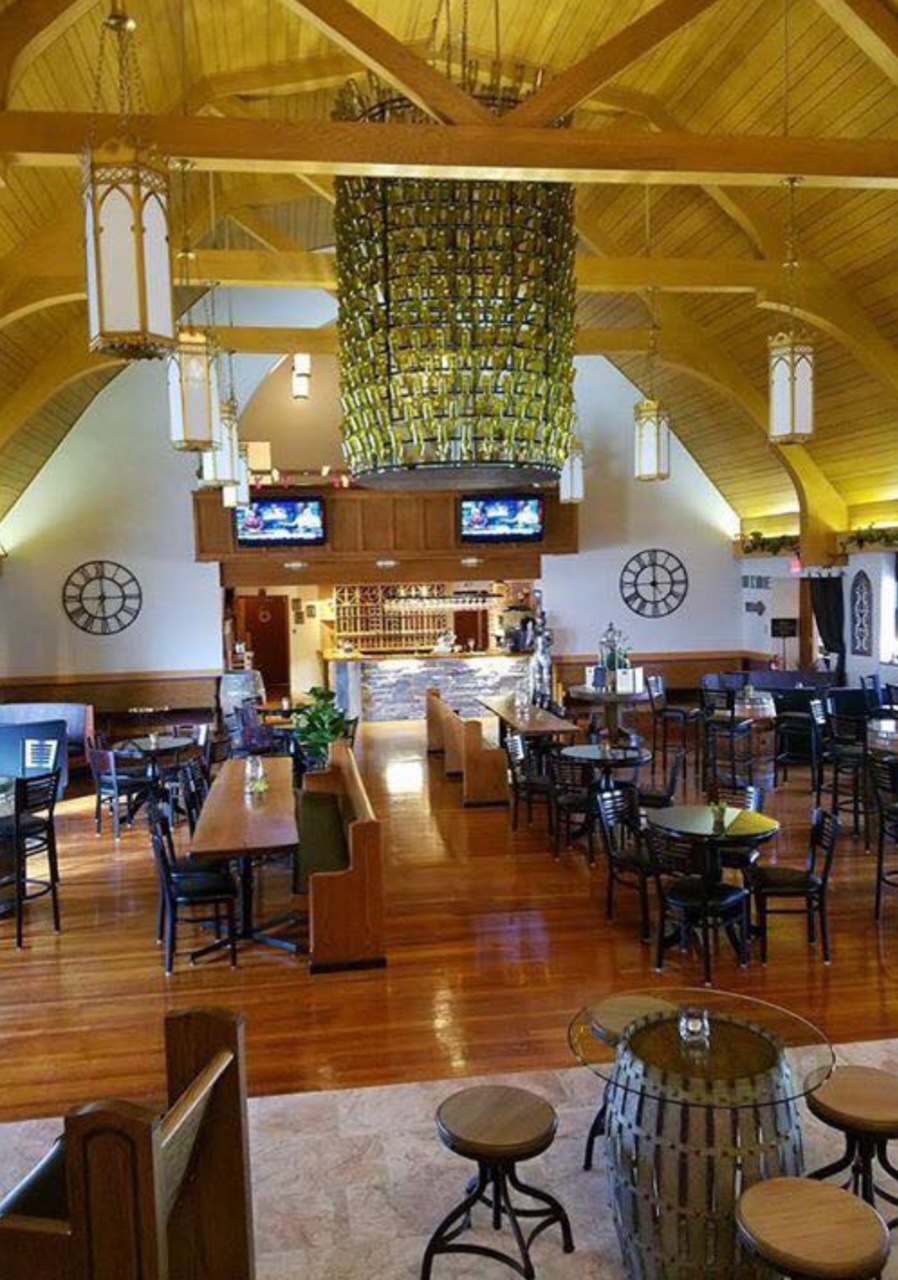
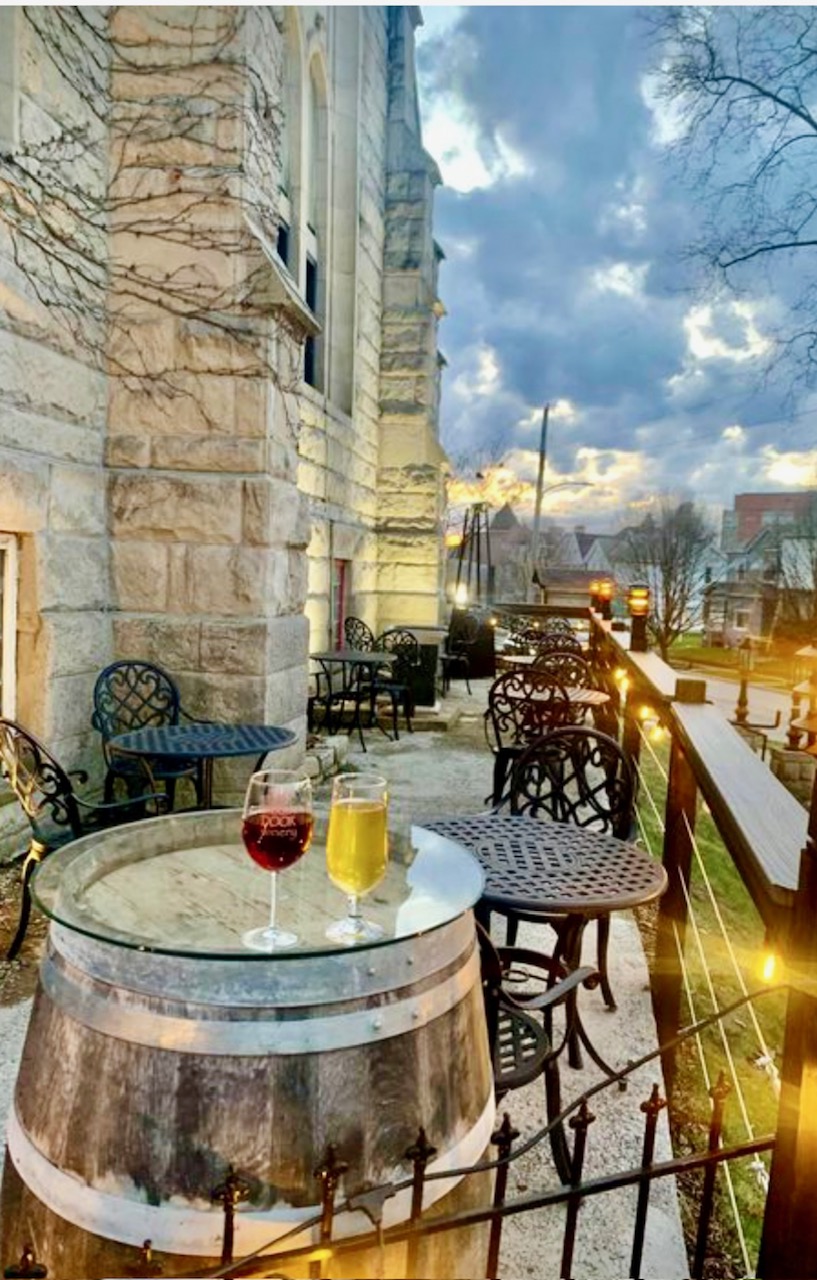
Wooden Door Winery is located in a painstakingly renovated 1896 church in Vandergrift. Explore their diverse lineup of wines while sampling a menu of appetizers and lighter fare in the spacious tasting room or the al fresco seating during the warmer weather. http://woodendoorwinery.com 724-889-7244
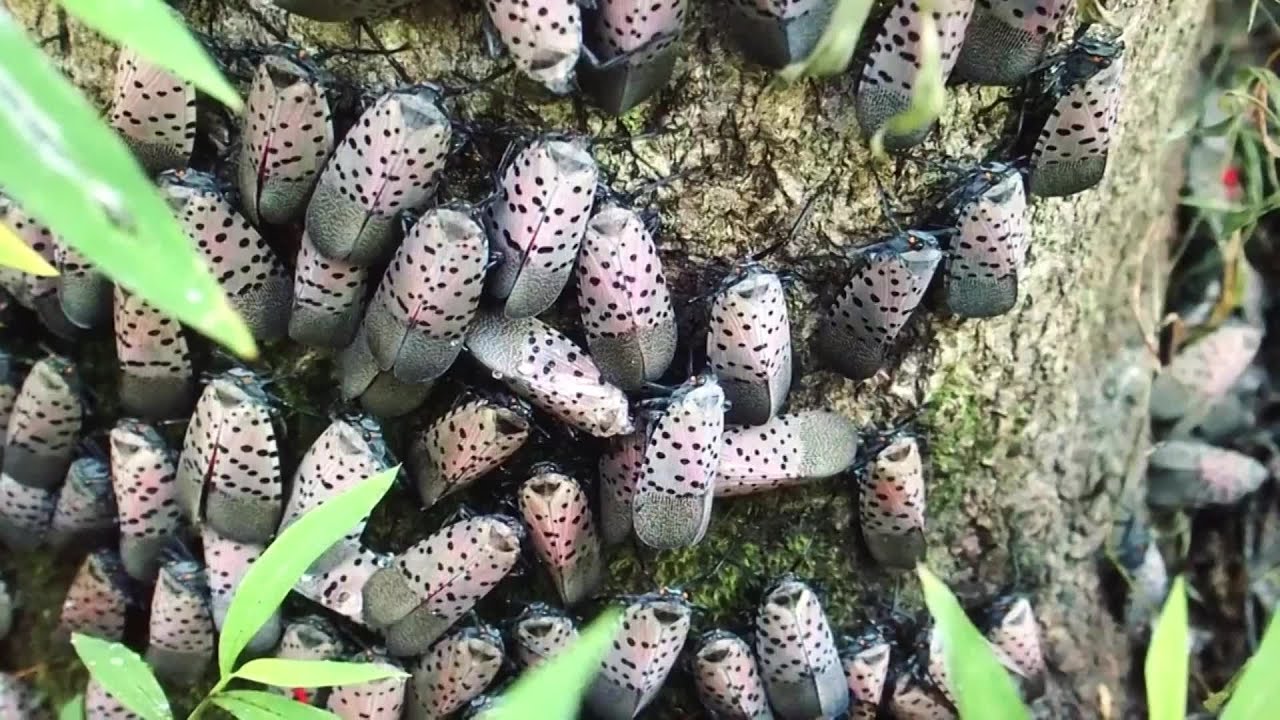
Spotted Lanternfly: Vineyard Enemy

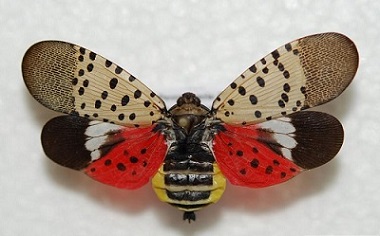
Everyone’s help is needed in controlling the latest threat to agriculture, not only in Pennsylvania but everywhere this pest is detected. The spotted lanternfly (Lycorma delicatula) is a destructive invasive species that is having a significant impact on Pennsylvania vineyards. Native to Southeast Asia, the lanternfly was first detected in Pennsylvania in 2014, and since then, it has rapidly spread to 51 counties throughout the state. The insect is known to feed on the sap of a wide variety of plants, including grapevines, and is considered a major threat to the agriculture industry. In this article, I will focus on the spotted lanternfly’s impact on Pennsylvania vineyards.

One of the most significant ways that spotted lanternfly affects Pennsylvania vineyards is by feeding on grapevines. The insect has piercing-sucking mouthparts that it uses to extract sap from the vines, which can weaken them and cause stunted growth, reduced yield, and even death. The sap that the insects feed on also attracts other pests and fungi, which can further damage the vines. The damage caused by spotted lanternflies can result in significant economic losses for vineyard owners, as well as reduced wine production.

In addition to the direct damage caused by the insect, spotted lanternfly also poses a threat to the indirect damage due to vineyard management practices. Vineyard owners and managers must take measures to control the spread of the insect, which can be costly and time-consuming. Some management strategies include removing host trees and plants, trapping and killing the insect, and using insecticides. However, many of these measures require specialized equipment and expertise and can have negative environmental impacts, not to mention the additional expense of labor and material to the grower.

The impact of spotted lanternflies on Pennsylvania vineyards also has broader implications for the state’s agriculture industry. The insect threatens other crops besides grapevines, including hops, apples, and hardwood trees. The cost of managing the insect and the economic losses associated with crop damage can have a significant impact on the state’s economy with an estimated loss of production well over 300 million dollars a year.

To mitigate the impact of spotted lanternflies on Pennsylvania vineyards, it is essential to develop effective management strategies. The Pennsylvania Department of Agriculture has provided broad recommendations for vineyard owners and managers, including monitoring for the presence of the insect, removing the tree of heaven (a common host plant for the spotted lanternfly), and using insecticides targeted at the insect’s life cycle. Other research initiatives aim to develop biological control methods, such as the use of natural predators to keep the insect population in check. Pennsylvania’s U.S  Senators John Fetterman and Bob Casey have co-introduced bipartisan legislation they say would stop the spread of the spotted lanternfly. The Spotted Lanternfly Research and Development Act would designate the spotted lanternfly as an invasive species and high-priority research target for the National Institute of Food and Agriculture. 

Until we get any help from the government with this problem it will be up to all of us to slow the spread of the spotted lanternfly. The best and most ecologically friendly way to destroy this insect is to smash, stomp, squish, swat, crush, and spray them with vinegar, or neem oil to name a few methods to kill this pest. If you find a spotted lanternfly please report it to the Pennsylvania Dept. of Agriculture by calling 888-4BADFLY  Thank You! 

Photo Credit: Pennsylvania Dept of Agriculture 

Greendance The Winery at Sand Hill Harvest Update

I recently checked in with Dr. Rick Lynn at Greendance The Winery at Sand Hill in Mount Pleasant Pennsylvania to see what was happening at his winery and vineyards. 

Greendance is home to one of the three young Saperavi plantings in Western Pa. and I was eager to hear how his young vines were progressing. Rick told me: 

“We had some early to mid-season powdery mildew on only the Saperavi and on none of others that included Kerner, Riesling, and Cab Franc, I personally used the same spray program on all and they were all in the same location.   This reduced the Saperavi crop but the plants recovered and ended the year appearing healthy. There was not a large enough quantity to make a reasonable sized batch. We had about 40# of Cab Franc with good ripening stats as were the Kerner numbers.”

I am patiently awaiting next year’s Saperavi harvest that will hopefully provide ample fruit to produce Greendance’s first vintage of Saperavi. I am also curious how Rick will be able to integrate Saperavi’s signature acidity and dark color into his wine making style to yield new and completely unique blends. 

Unlike the humans that tend to them, grape vines can’t contract Covid19 they only respond to the influences of their environment. I asked Rick to share his thoughts on this year’s harvest:

“Our overall hybrid harvest this year, as for everyone else, was exceptional and in the range of 15T. We had 2T+ of Petite Pearl and 3T+ of Frontenac Gris/Frontenac Blanc. Our farm red blend is Frontenac and Chambourcin and there were plenty of them.  Our wine for American grape lovers is Niagara softened with Louise Swensen and Aldamiina.

I addressed the recent stretch of sub-zero temperatures that had overspread the region and he had this assessment:

“Concerning of course but only for the trial vinifera planting and not the hybrids. This is a better test year for their graft and bud survival. The advantage this year is a gradual but full opportunity for deep dormancy and then steady cold to keep them there up to this point and probably at least for the next 2 weeks.” 

Every year has its own challenges and 2021 was no different but winemakers always find a way to meet those challenges and craft wines that express the very best each year has to offer. I look forward to tasting the 2021 releases from Rick and his team at Greendance Winery. For more information about Greendance The Winery at Sand Hill  please visit http://www.greendancewinery.com Photos Courtesy: Greendance The Winery at Sand Hill

What I Learned at The Symposium for Professional Wine Writers

Photo Courtesy: The Symposium for Professional Wine Writers at Meadowood Napa Valley

I recently attended The Symposium for Professional Wine Writers at Meadowood Napa Valley 2021 via zoom. The three day event was very informative and enlightening on many levels. The speakers and panel discussions were all presented by very knowledgeable and prominent members of the wine media. If you have a chance to participate in an event like this I would encourage you to do so.

I would like to share a few points the speakers emphasized that are certain to increase the likelihood of your work getting noticed and ultimately being published.

1) Keep pitches about two paragraphs long and make your case why they should publish it and why you should be the person to write it.

2) Write about what you know and be an expert concerning the area where you live.

3) After the initial pitch do one or two follow-ups and if there is no reply, move on.

4) Pitch a story that isn’t in print and is new.

5) When describing wine use references that are familiar to your readers. Example: You wouldn’t refer to cherry and blackberry flavors if you were writing an article for publication in Asia because those flavors would be unfamiliar to most of the readers there, instead use recognizable flavors like lychee, guava, mango etc.

6) Email remains the most effective way to submit a pitch and never use a DM (direct message) via social media to contact an editor and never never ever contact an editor saying “Hey, I’m going to (Tuscany or anywhere else) do you need anything?” They said that goes directly into the trash.

These are just a few things I learned over the course of the symposium. I hope these insights into the thought process of editors will help you when you are pursuing a writing career.

Organic, Natural, or Biodynamic?

Confused by what the difference is between natural, organic, and biodynamic wine? Well, you are not alone. The growing trend toward natural, organic, and biodynamic wines has created a marketplace in which an informed consumer stands a much better chance of buying a product that fulfills their desire to live a “greener lifestyle”.

In my opinion, the best way to feel confident that you are purchasing a natural, organic, or biodynamically produced wine is to buy it from a producer you trust. Before you decide on which production practices best suit your needs let’s look at an overview of each method. You must keep in mind that there is no clear-cut distinction between practices and there is often an overlap between terms describing them; the qualities are not interchangeable between methods. 

Organic wines are separated into two categories in the U.S. The first is wine certified organic by the United States Department of Agriculture using strict regulations. The U.S.D.A. guidelines require the grapes to be grown without the use of synthetic fertilizers and all ingredients added to the wines must be certified organic. No sulfites may be added to these wines. Only wines that meet these strict rules may display the U.S.D.A. certified organic seal. The second category contains wines made from grapes that were grown using organic farming methods. Wines in this category were made using organically grown grapes and may or may not have been made following organic winemaking methods. 

Biodynamic wine is made using the principles of Austrian philosopher Rudolf Steiner. I think of biodynamic practices as embracing a holistic approach toward viticulture. It observes farming methods based on a specific astronomic calendar. An example of this would be only harvesting grapes on days designated as “Fruit” days or only pruning on “Root” days. Biodynamic farming isn’t only dependent upon the calendar but is similar to organic in that it only allows for the use of organic fertilizers and bans the use of any type of pesticides, fungicides, herbicides, or any synthetic chemical intervention in the vineyard. Biodynamic wines are, however, permitted to contain sulfites. It is these small differences that can cause confusion when comparing whether a wine is organic, biodynamic or both. A wine designated as organic doesn’t mean it is also biodynamic or a biodynamic is always organic.

Natural wine or low-intervention wine, as it is often called, is fermented spontaneously by its native yeasts. As the name implies they are, for the most part, unmanipulated and never filtered or fined. By not filtering these wines they appear cloudy because of the solids left suspended in them. Due to the minimal amount of intervention by the winemaker these wines have limited stability and should be treated accordingly. If a winemaker doesn’t want to go through the regulatory process of having their wine certified as organic they can just skip the process and label it as “Natural”.

This is why I strongly suggest when you are looking for a wine to purchase in this segment of the market it is always a good idea to buy from a producer you know and trust.

Homeward Bound

If you have followed this blog you know that I’m fascinated by uncommon wine grapes and where they are being grown by innovative vintners. I usually write about grapes that originated in other parts of the world but today I’m writing about a grape that was developed in the United States and is widely planted in my home state of Pennsylvania.

Traminette was created in 1965 at the University of Illinois by crossing the Vitis vinifera grape Gewürztraminer and the French-American hybrid grape Joannes Seyve 23.416. It was originally created as a white table grape but was then found to possess qualities that make it favorable for making wine. The result was a grape with a complex flavor profile, good productivity, resistance to cold temperatures, and versatility in the cellar. Traminette produces a straw-colored wine that has an enticing floral aroma and flavors of apricot, honey, and to a lesser extent, tropical fruit. I had the pleasure of tasting Traminette juice as it flowed from the press at Ripepi Wnery & Vineyard Monongahela, PA. It was bright and had a depth of sweetness with a flavor that is hard to describe. Traminette is most often made in a dry to off-dry style. I like both styles but prefer the off-dry wine when enjoying a day at the winery with my friends.

Traminette can be found throughout Pennsylvania but is most heavily concentrated in the southeastern and northcentral regions.

Australian & South African Winemakers Need Your Help

Winemakers in Australia and South Africa are facing a crisis. Australia is embroiled in a trade dispute with China in which China has halted the purchase of Australian barley, most beef, seafood, coal, and yes,wine. By early December 2020 Australian wineries had lost 1.2 billion in sales. South Africa has banned all alcohol sales as it battles a resurgence of Covid-19. You can help by buying a bottle or two of Australian and South African wine when you visit your wine shop. This is a perfect opportunity to revisit an old favorite from these countries or explore something new, either way it’s a win/win situation.


Smoke Gets In Your Eyes

Today’s forecast for Western Pennsylvania was for sunshine and

Smoke from West Coast wildfires hazes Western Pennsylvania skies.

mild temperatures. The prospect of an extended period of sunshine and mild weather after a summer that set record high temps and a moderate drought was a welcome prospect. When I was outside doing some work around the house I suddenly noticed that while the temperature was in the ’70s the sky was not blue even though there wasn’t a cloud in the sky. Later, a meteorologist on the local news gave me the explanation for the gray overcast conditions that had overspread the region. The reason was smoke from the wildfires on the West Coast. He said the smoke had risen and was swept eastward to the point that it was passing over the area at 30,000 feet. At that altitude, it didn’t affect our air quality but did filter out some sunlight leading to lower temperatures at the surface.

The smoke from the fires proved to be a curiosity for me but for the wine industry on the West Coast, it is presenting the possibility of being a disaster. The vineyards and wineries not directly impacted by the flames are subject to having their unharvested grapes damaged by “Smoke Taint”. Smoke taint is when grapes are exposed to smoke in the vineyard. Smoke in the vineyard doesn’t necessarily mean that the grapes will be damaged by contact with it. The grapes aren’t harmed by smokey soot settling on them but are injured because the smoke can be absorbed through their skin and goes directly into the grape’s sugars. It then gives the glycosides a smokey aroma, think what your clothes and hair smell like after you stood too close to a campfire. With that is in mind, growers aren’t finding much smoke damage from the wildfires, in fact, many are hopeful that any harm will be manageable. With the testing labs experiencing substantial backlogs of grapes for testing a definitive answer to the extent of the problem remains unknown. We will have to wait for the final judgment on the wine quality from the 2020 vintage in the affected regions.  

They Shoot Horses Don’t They?

Well, if they do they would be missing out on all the hidden value this economically priced Cabernet Sauvignon from the Horse Heaven Hills A.V.A of Washington has to offer.

Columbia Crest H3 Cabernet Sauvignon has been a workhorse vintage after vintage when it comes to providing value in a varietal category that can easily become overpriced due to the hype that often surrounds some well-known producers.

Photo Courtesy: Columbia Crest

This is a bold Cab that opens with oak on the nose and follows with flavors of dark fruit and vanilla that are complemented by supple tannins in a lingering finish. Vintages of this wine have received critical acclaim from the likes of Wine Spectator and Wine Enthusiast. Its malolactic fermentation is done in stainless steel tanks and oak barrels then the wine is blended immediately after fermentation. It is aged in new and older French and American oak barrels for 12 months.

Year after year, vintage after vintage and grape variety after grape variety Washington State has moved its wine quality and value forward without fail. Columbia Crest H3 Cabernet Sauvignon has taken its place in the wine market as an enjoyable Cab that can be easily found and purchased for $15 or less.

Columbia Crest H3 Cabernet Sauvignon 2017

Invitation to my The Vintner Project Article

I am happy to announce that I am the newest contributor to The

Photo courtesy The Vintner Project

Vintner Project. http://vintnerproject.com The Vintner Project is an effort to make the sometimes confusing world of wine more approachable to consumers globally by offering a personal look at wineries, their wine, and the people that make them unique. It is a diversified collection of voices and points of view that bring all the wine regions and winemakers stories together so readers can explore and learn about segments of the winemaking community that might not be covered by the mainstream media.

Founded in 2018 by Nelson Gerena and Kiril Kirilow, The Vintner Project has developed into a dynamic cutting edge media outlet

The Vintner Project founders Nelson Gerena and Kiril Kirilow Photo courtesy vintnerproject.com

for news and insightful content for wine lovers worldwide.

Check out my article about the intriguing Austrian red wine grape Zweigelt and the versatile wine it makes. See why Zweigelt is often called the “Ultimate picnic wine”. Click here to go to my profile and my article vintnerproject.com/learn/zweigelt-austrias-little-known-signature-red-grape/