Review: Meiomi Pinot Noir 2021

The following review in my series of widely distributed wines is one with a storied lineage and a place in a controversial 2019 New York Times article. Meiomi Pinot Noir rode a wave of changing public perception and tastes as they shifted from Merlot to Pinot Noir. Started in 2006 by Joe Wagner, the son of Chuck Wagner, the proprietor of the famous Napa Valley winery Caymus Vineyards. Meiomi means “coast” in the language of the local Wappo and Yuki tribes and is a nod to the coast of California where the grapes for the wine are sourced. Meiomi was sold to Constellation Brands in 2015 and production was ramped up to meet increasing demand. 

Meiomi remains a good choice when purchasing a quality crowd-pleasing Pinot Noir for under $25. Just remember, Meiomi Pinot Noir is more of a semi-dry wine than a typically dry Pinot Noir. Colors of ruby/garnet give way to scarlet around the rim. It opens with notes of black cherry leading into jammy flavors of dark fruit and blackberry on a medium body. There are no sharp edges to this wine, from its acidity, tannins, or finish they are all rounded off by its above-average residual sugar (R.S.) content. 

The controversial New York Times article I referred to earlier was written by the world-famous wine critic Eric Asimov and in it he found Meiomi Pinot Noir the only “supermarket” wine mentioned he thought was worth drinking. As baseball legend Reggie Jackson once said “Opinions are like noses, everybody has one” and that would include you and me. When it comes to deciding whether you like a wine or not your opinion should be the only one that matters to you.

The Climate Times They Are A Changing: South Africa

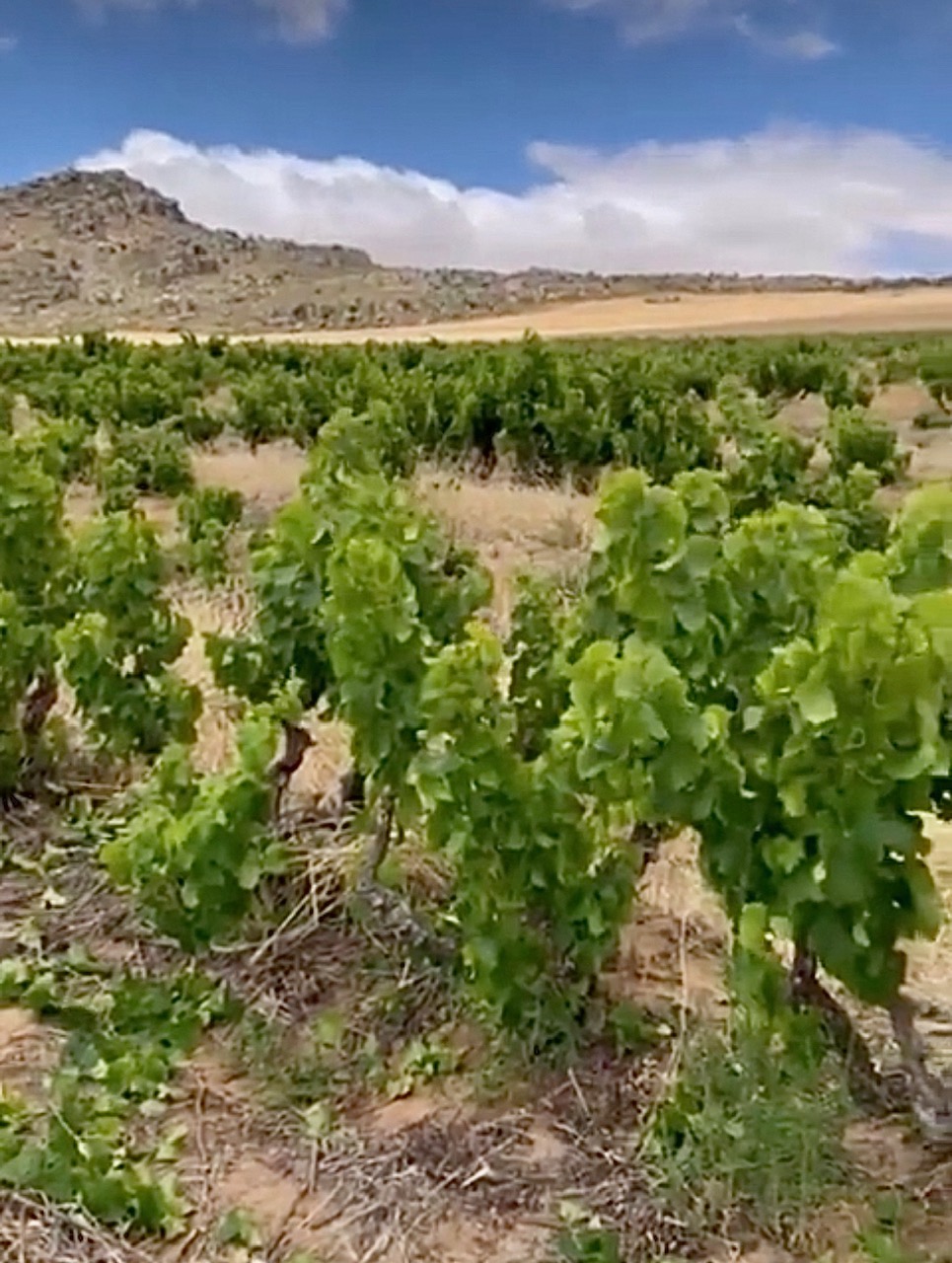
Next, my series of articles exploring the effects of climate change on the wine vineyards of the world takes us to the southern hemisphere. World-renowned winemaker Duncan Savage, owner of Savage Wines in Salt River, Cape Town, South Africa, shares his thoughts and observations regarding this important issue. I hope you are as curious as I am to hear what Duncan has to say about events in and around 33 South Latitude. Here’s what Duncan told me is happening in his vineyards.

“Climate change is obviously of major concern to everyone, particularly those of us in agriculture. The biggest concern is the extremes we are experiencing, the blurring of seasons, and general unpredictability. 

In South Africa heat has always been a factor and I think we have become fairly good at managing vines with this in mind. The real challenge is water. We are a dry country and it seems the trend is a drying one. That being said we are having one of our wettest winters in a long time after the experts said it was going to be dry, so who knows?

A lot of SA’s quality wine production is made possible due to our proximity to the cold Atlantic which has a massive moderating effect. While Europe has been really hot of late we have been experiencing some quite moderate summers. 2021 and 2023 for example yielded no heat waves in the growing season which is obviously tremendous for freshness, purity, and balance in the wines. Our only really hot years of the last few have been 2016 and 2022. 

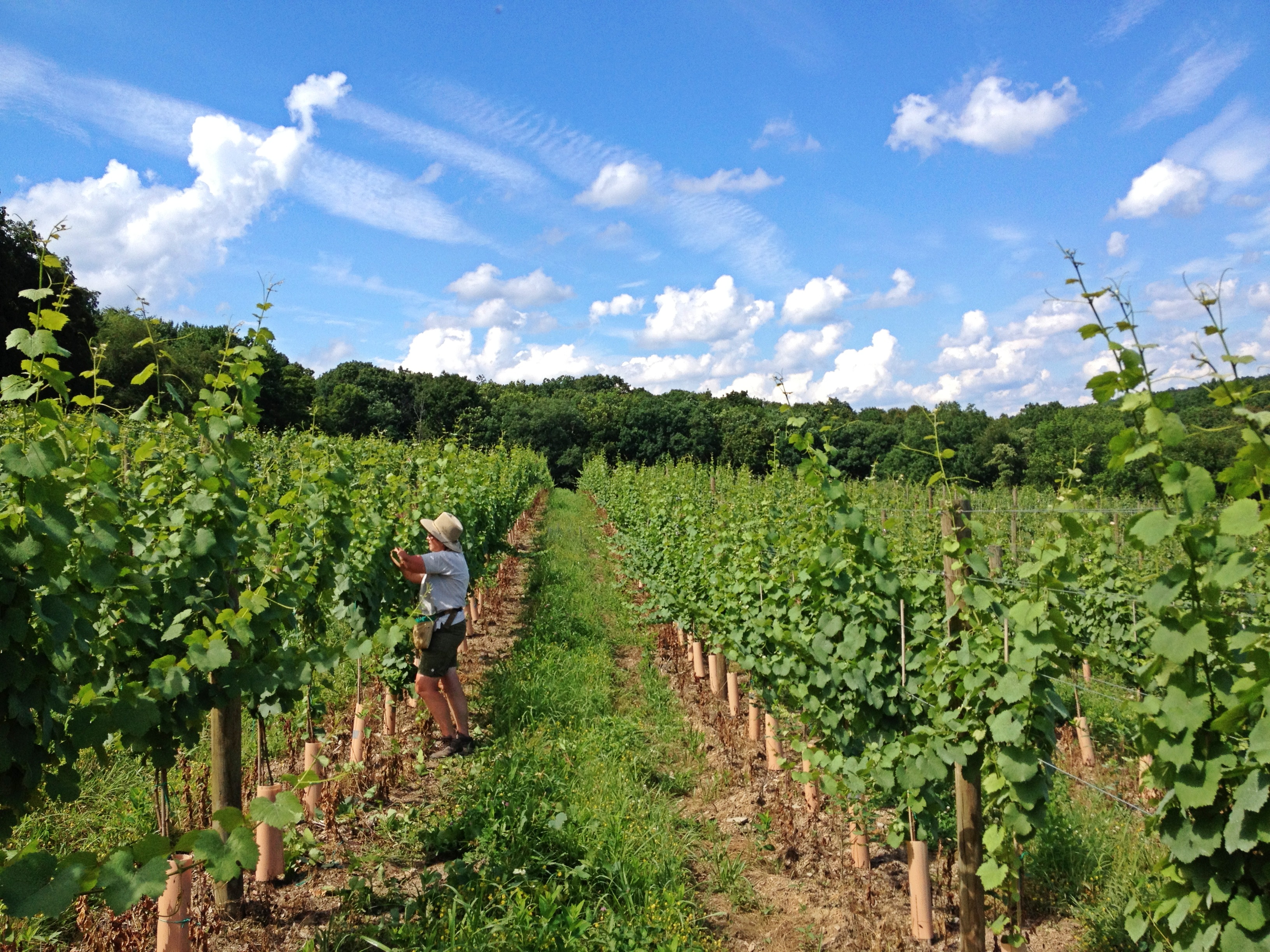
At Savage Wines we are also quite fortunate as many of our plots of land are relatively close to the ocean, some being just a few kms away. The wind can be a  factor as it dries the soil out and challenges the plants but it is fortunately our aircon off the Atlantic. 

The long and short is that change is upon us and we need to adapt. Will be interesting to see the dynamic in the coming years.”

My deepest thanks to Duncan for taking the time and effort to share his insightful knowledge of this global concern that is also very local in its impact.

— 

Photos Courtesy: Savage Wines

The Long and Winding Road

Wine has become one of the most popular beverages in the world, and the wine industry continues to grow in complexity and diversity. As a result, there is an increasing demand for knowledgeable professionals in the field of winemaking. Earning a degree in winemaking can open up a multitude of opportunities for individuals looking to pursue a career path in this dynamic industry.

There are several educational opportunities available for individuals interested in earning a degree in winemaking.

Everyone has a different motivation for wanting to expand their knowledge of winemaking and there are plenty of options to achieve your goal, no matter what it is. Depending on what your goals are you may find that informal education through conventions, conferences, and online forums will provide the information and expertise you need. But sometimes, pursuing a formal education will provide the necessary resources to advance your ambitions in the wine industry. 

An online program is a good, low-cost alternative to starting your wine education at a college or university. A good starting point might be considering the entry-level VESTA (Viticulture Enology Science and Technology Alliance) program administered by the National Science Foundation http://vesta-USA.org You can earn a certificate that can help you move to the next level of your education, whether that is college or elsewhere. 

Those looking for a career outside of the production side may want to consider exploring the possibilities in the hospitality industry. The Wine & Spirit Educational Trust is a leader in the field of online courses and certifications. WSET certifications can be earned in relation to your increasing level of competency and ability. Someone seeking to acquire an in-depth understanding of wine and seeking job opportunities where they can share their passion for wine should seriously consider this option. 

Crafting a long and prosperous life in the wine industry involves as much hands-on experience and formal education as you can obtain. Enrolling in a college or university wine education program can provide you with the skills and guidance you will need to succeed by exposing you to the appropriate course work, as well as hands-on internships with industry professionals. I have listed a few links below to the better-known institutions in different regions of the United States. There are many more viable options out there that you should research and compare. 

Before you decide on a path to pursue your dreams make sure you have done your research as to all the ways to get there and don’t be afraid to reconsider your plans if other opportunities arise along the way. Earning a degree in winemaking can lead to a variety of career paths, such as winemaker, vineyard manager, wine marketer, or wine educator. Depending on your professional aspirations and interests, you can pursue advanced degrees or enroll in specialized programs such as wine tourism, wine retail, and wine journalism. I have never talked with a winemaker that said they traveled a straight line to get where they are today. Be open to change and embrace the journey.

Cornell University Ithaca, NY http://grapesandwine.cals.cornell.edu/undergraduate

The University of California Davis Davis, CA http://cpe.ucdavis.edu/winemakingcert

Michigan State University East Lansing, MI https://canr.msu.edu/iat/viticulture

Washington State University Pullman, WA http://wine.wsu.edu/education

Virginia Tech Blacksburg, VA http://www.vtwines.info/

Spotted Lanternfly: Vineyard Enemy

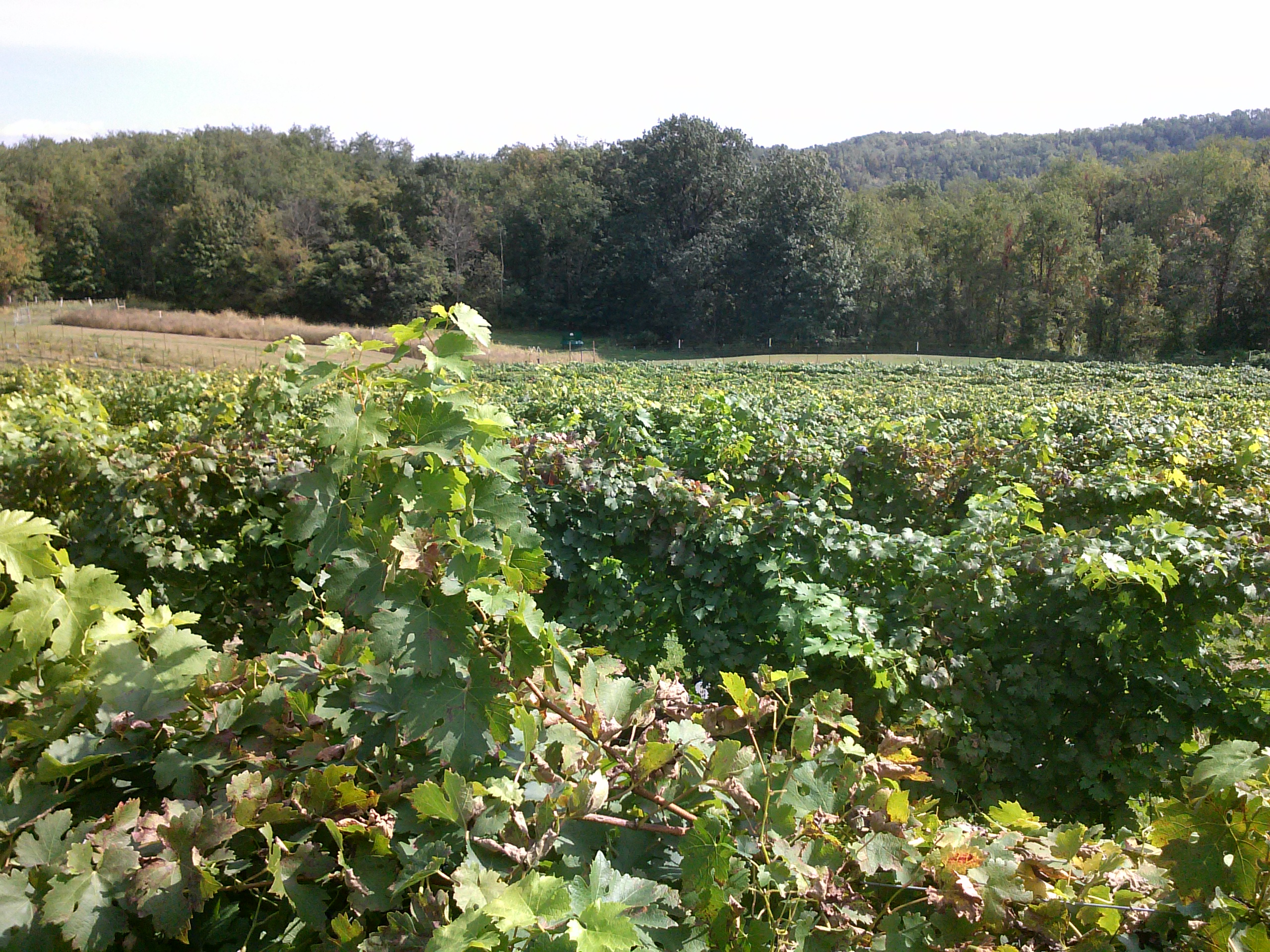
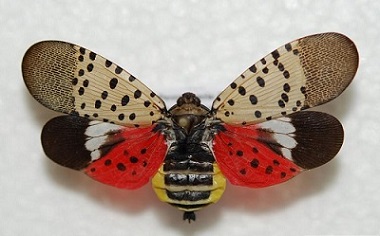
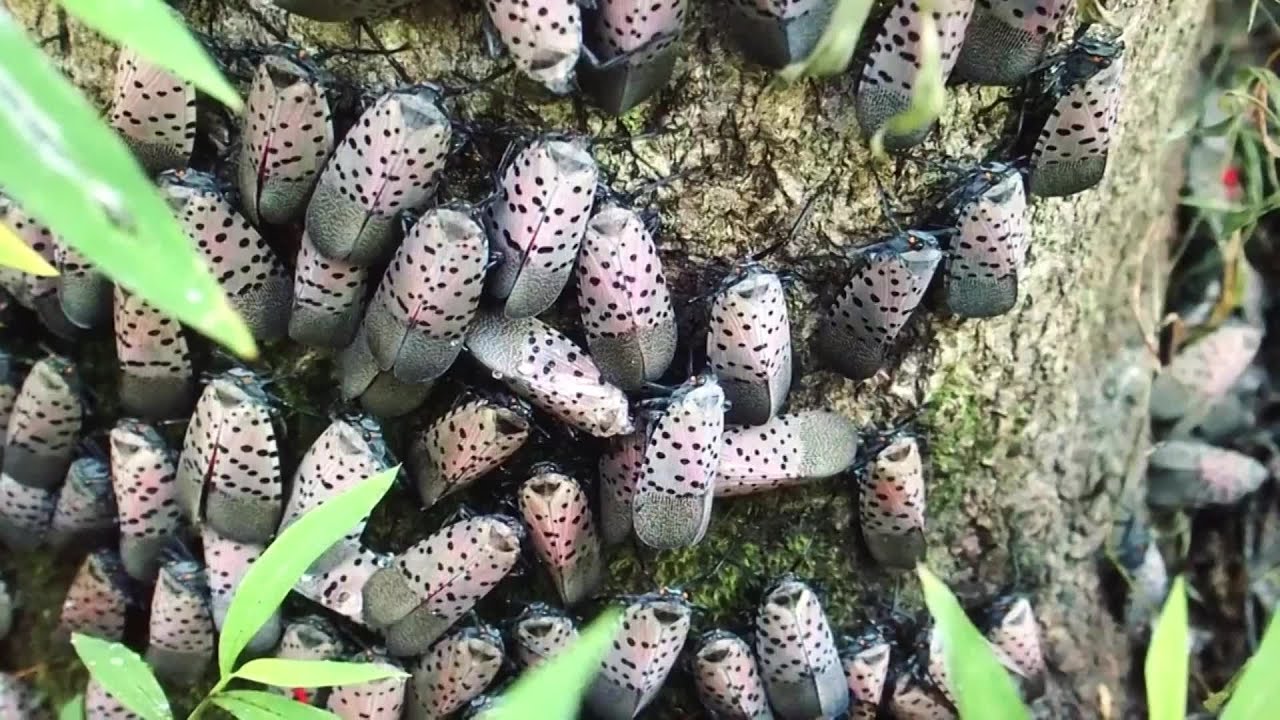
Everyone’s help is needed in controlling the latest threat to agriculture, not only in Pennsylvania but everywhere this pest is detected. The spotted lanternfly (Lycorma delicatula) is a destructive invasive species that is having a significant impact on Pennsylvania vineyards. Native to Southeast Asia, the lanternfly was first detected in Pennsylvania in 2014, and since then, it has rapidly spread to 51 counties throughout the state. The insect is known to feed on the sap of a wide variety of plants, including grapevines, and is considered a major threat to the agriculture industry. In this article, I will focus on the spotted lanternfly’s impact on Pennsylvania vineyards.

One of the most significant ways that spotted lanternfly affects Pennsylvania vineyards is by feeding on grapevines. The insect has piercing-sucking mouthparts that it uses to extract sap from the vines, which can weaken them and cause stunted growth, reduced yield, and even death. The sap that the insects feed on also attracts other pests and fungi, which can further damage the vines. The damage caused by spotted lanternflies can result in significant economic losses for vineyard owners, as well as reduced wine production.

In addition to the direct damage caused by the insect, spotted lanternfly also poses a threat to the indirect damage due to vineyard management practices. Vineyard owners and managers must take measures to control the spread of the insect, which can be costly and time-consuming. Some management strategies include removing host trees and plants, trapping and killing the insect, and using insecticides. However, many of these measures require specialized equipment and expertise and can have negative environmental impacts, not to mention the additional expense of labor and material to the grower.

The impact of spotted lanternflies on Pennsylvania vineyards also has broader implications for the state’s agriculture industry. The insect threatens other crops besides grapevines, including hops, apples, and hardwood trees. The cost of managing the insect and the economic losses associated with crop damage can have a significant impact on the state’s economy with an estimated loss of production well over 300 million dollars a year.

To mitigate the impact of spotted lanternflies on Pennsylvania vineyards, it is essential to develop effective management strategies. The Pennsylvania Department of Agriculture has provided broad recommendations for vineyard owners and managers, including monitoring for the presence of the insect, removing the tree of heaven (a common host plant for the spotted lanternfly), and using insecticides targeted at the insect’s life cycle. Other research initiatives aim to develop biological control methods, such as the use of natural predators to keep the insect population in check. Pennsylvania’s U.S  Senators John Fetterman and Bob Casey have co-introduced bipartisan legislation they say would stop the spread of the spotted lanternfly. The Spotted Lanternfly Research and Development Act would designate the spotted lanternfly as an invasive species and high-priority research target for the National Institute of Food and Agriculture. 

Until we get any help from the government with this problem it will be up to all of us to slow the spread of the spotted lanternfly. The best and most ecologically friendly way to destroy this insect is to smash, stomp, squish, swat, crush, and spray them with vinegar, or neem oil to name a few methods to kill this pest. If you find a spotted lanternfly please report it to the Pennsylvania Dept. of Agriculture by calling 888-4BADFLY  Thank You! 

Photo Credit: Pennsylvania Dept of Agriculture 

Bloom Where You Are Planted

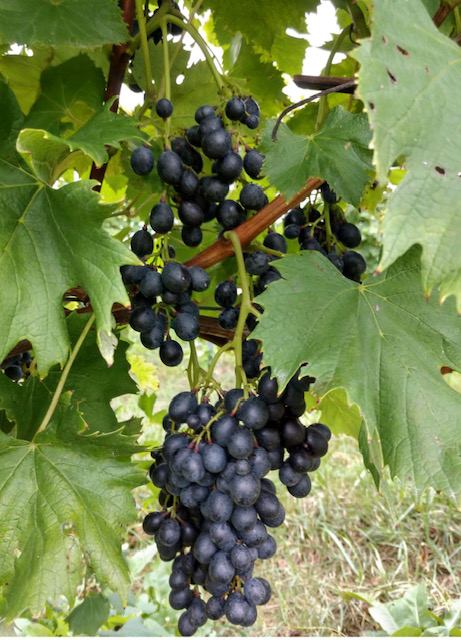
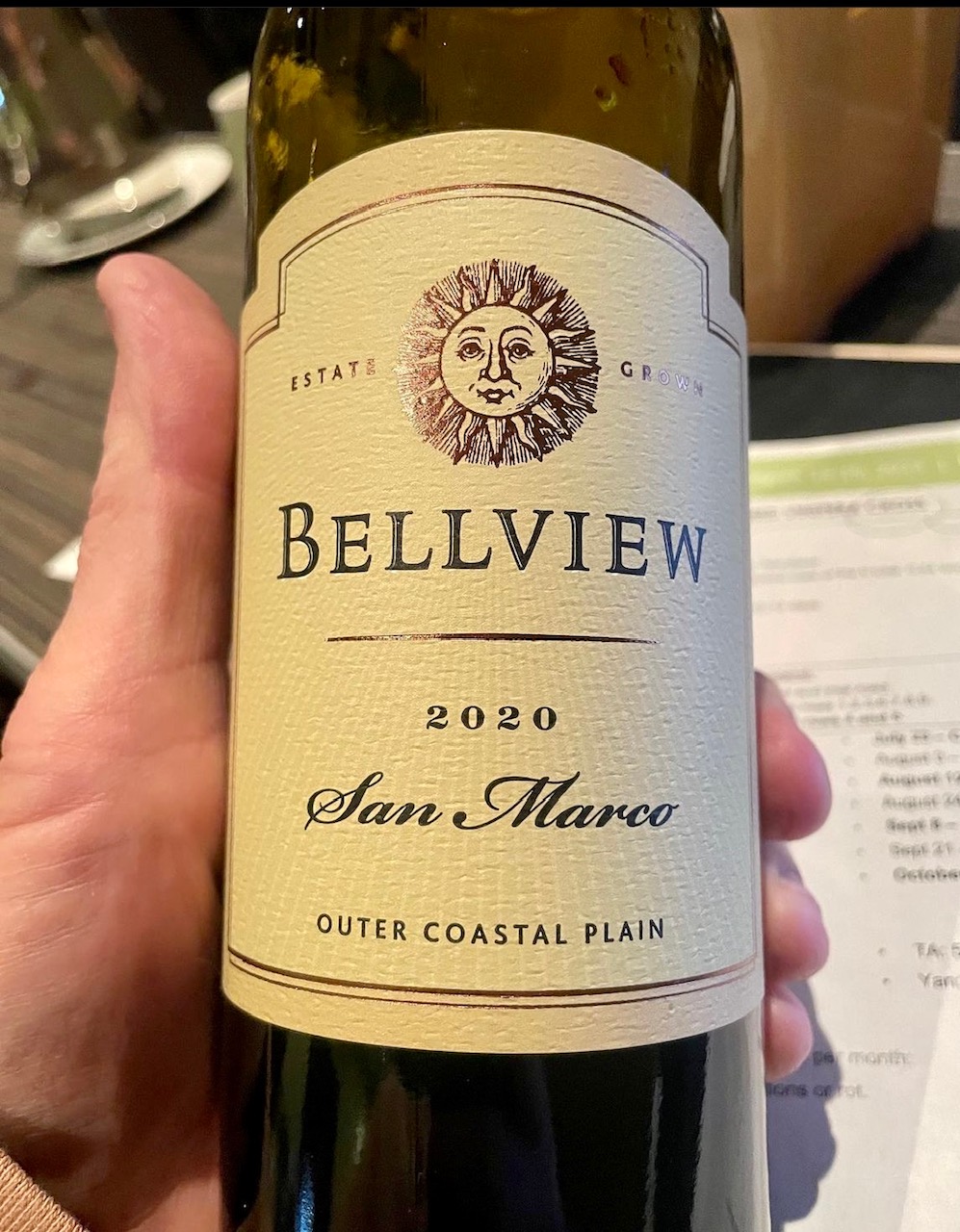
San Marco, a new vinifera wine grape cross variety has been generating plenty of buzz in the eastern United States since the Quarella family, owners of Bellview Winery imported vines from Italy and planted them in their Landisville, New Jersey vineyard more than ten years ago. 

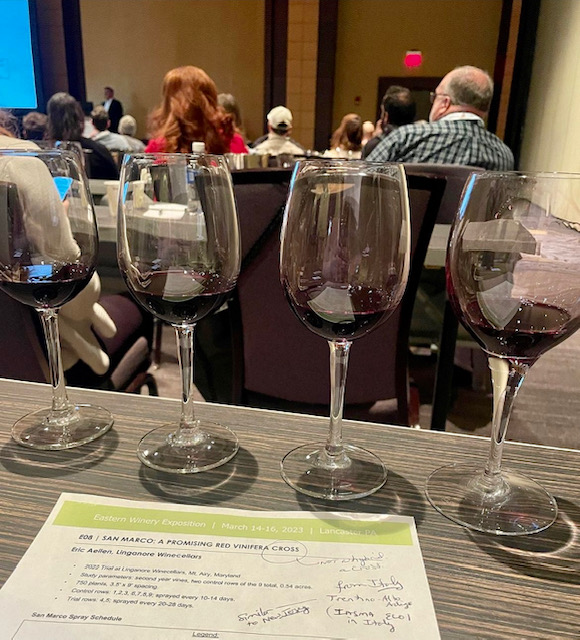
My friend and winemaker Jerry Pompa (Instagram: @jerrypompa) piqued my interest in this promising grape after he attended a Quarella family presentation at the Eastern Winery Expo 2023. 

San Marco was created in 1993 by Marco Stefanini at Trentino’s Foundation Edmund Mach. Trentino-Alto Adige is Italy’s northernmost region. It has weather conditions similar to those found on the East Coast of the United States with its temperature extremes, both hot and cold. 

San Marco is a cross between two grapes of the Alto Adige, Teroldego and Lagrien. You can find my review of Castel Sallegg Lagrein 2019 and my interview with Castel Sallegg Director, Ulrike Platter by scrolling down this blog page. 

San Marco has loose, medium-sized oval berries with deep pigmentation of skin and flesh, like another teinturier favorite of mine, Saperavi. Cane pruning is required and training on a VSP (vertical shoot position) trellis provides the best results in the U.S., as opposed to the pergola method used in Italy. One thing holding this variety back in the U.S. is the discovery of Grapevine Pinot Gris Virus (GPGV) and Grapevine red blotch-associated Virus (GPBaV) on some vines. Growers in Italy have experienced this same issue but say it has yet to affect the quality of their fruit or spread to neighboring vines. Virus-free vines should be available from Double A Vineyards doubleavineyards.com for $13.50 but are currently sold out. Jerry’s tasting notes for Bellview San Marco Outer Coastal Plain 2020 mention a dense plum color, black fruit, spice, cherries, and chocolate. 

It is exciting to see a new red wine grape emerge with the potential that San Marco has. The wine culture in America continues to evolve and improve, albeit slowly but the future of this grape and others look bright.

Photo Credit: Jerry Pompa and winemaking.com

Book Release: Grapes of the Hudson Valley 2nd Edition

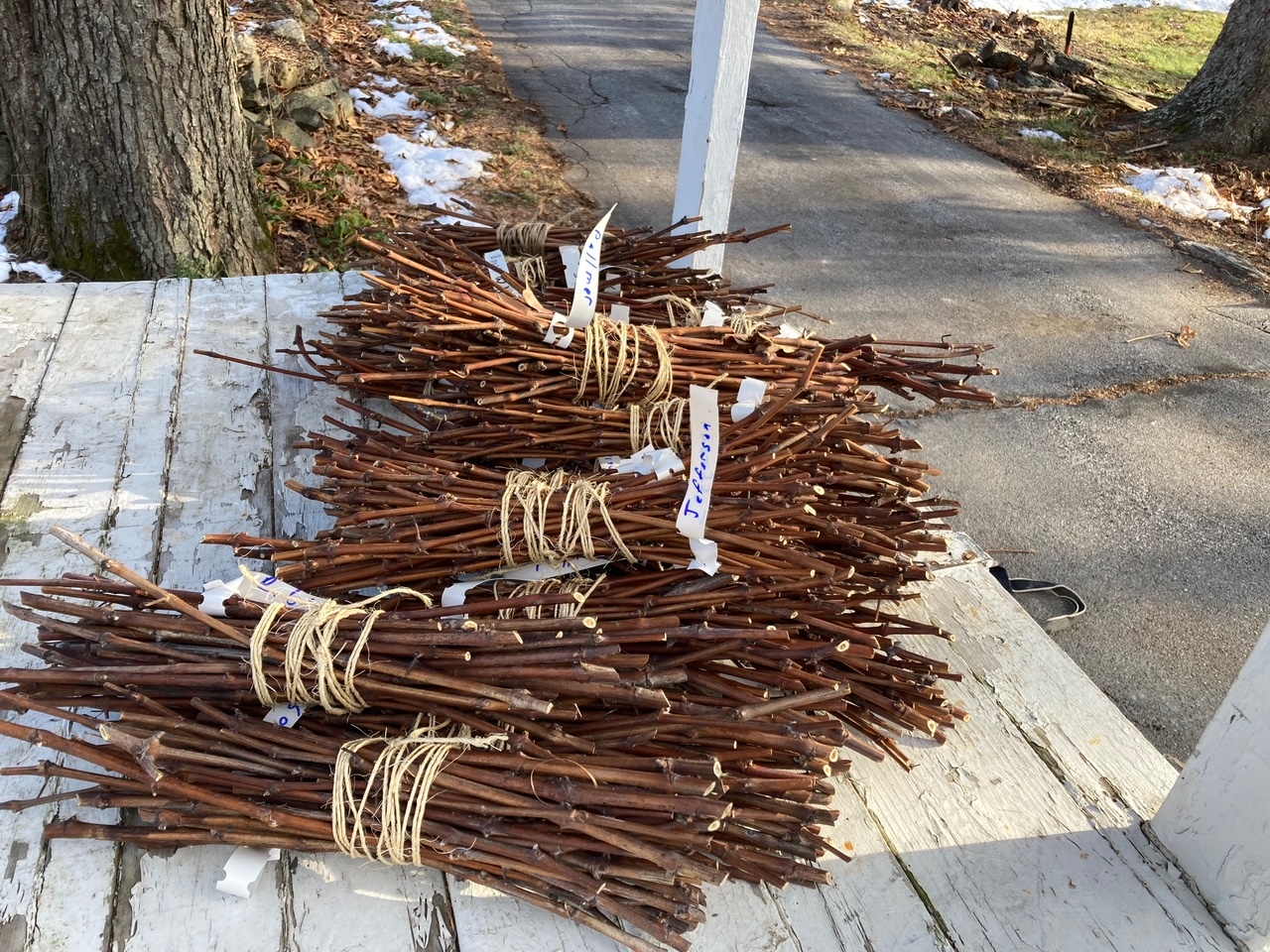
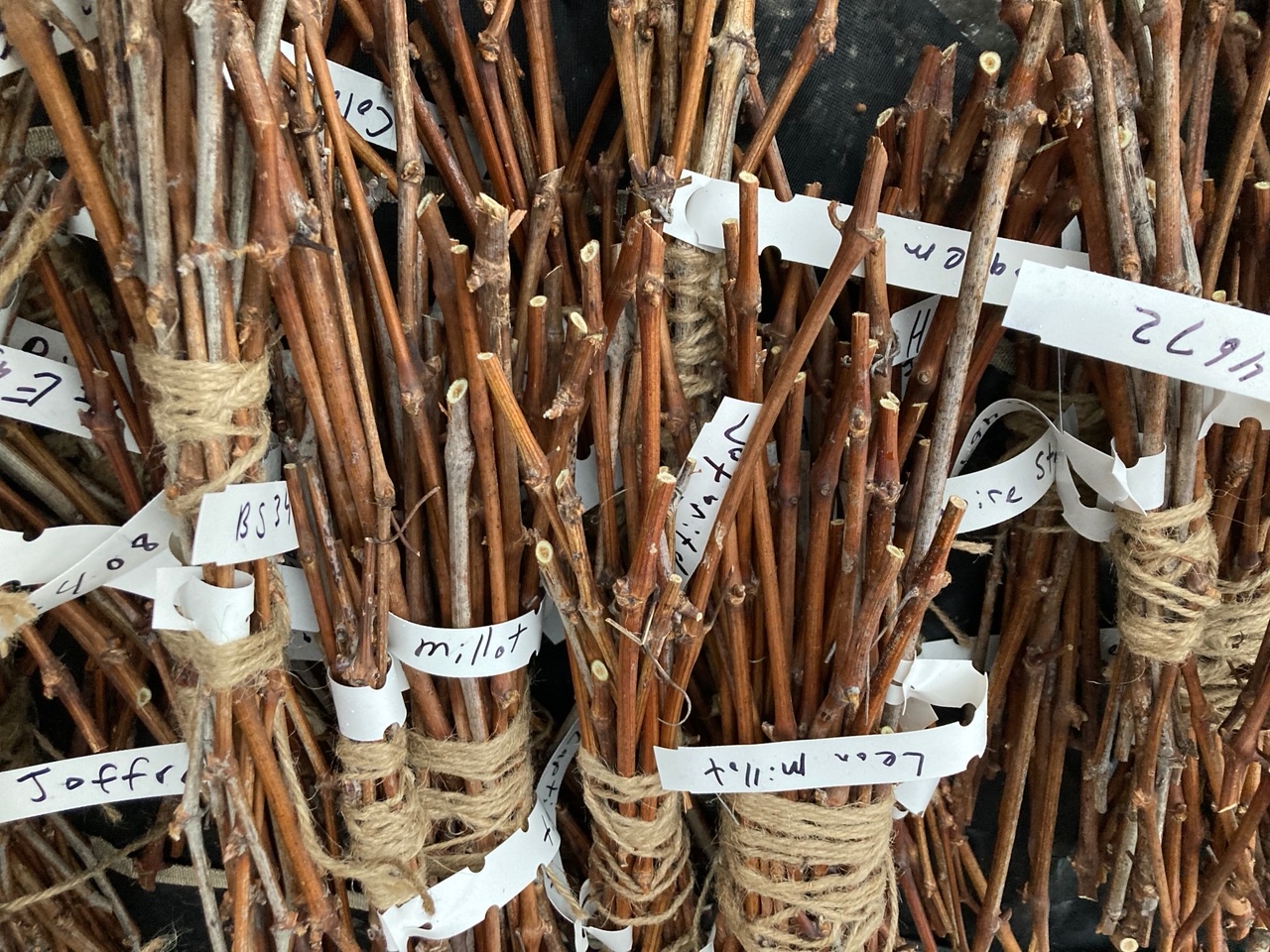
I heard from Steve Casscles the other day. He told me his authoritative book about cool climate grapes of the Hudson Valley and other regions of North America has been published in a revised and updated Second Edition that includes two new chapters on rarely covered 19th-century Heritage grape varieties developed in New England. Steve gave me a peek at a couple of interesting facts he uncovered in his extensive research.

Catawba is 1/2 vinifera, and Concord comes from Catawba and is 1/4 vinifera !! There are many Catawba and Concord hybrids so what we thought was all labrusca is really 1/4 or so vinifera.

Also that the ES Rogers hybrids have been forgotten and are really good grape varieties that were used by TV Munson for his many grape breeds, and Winchell, a chance seedling from VT is the basis of all the Cornell white wine grapes.

Steve also provided me with an in-depth look at what you can expect to find in his latest publication. 

I am very pleased to announce that the newly revised second edition of Grapes of the Hudson Valley and Other Cool Climate Regions of the United States and Canada, 2nd Edition, Revised & Updated to Include New England Grapes is NOW IN PRINT AND AVAILABLE at  http://www.flintminepress.com 

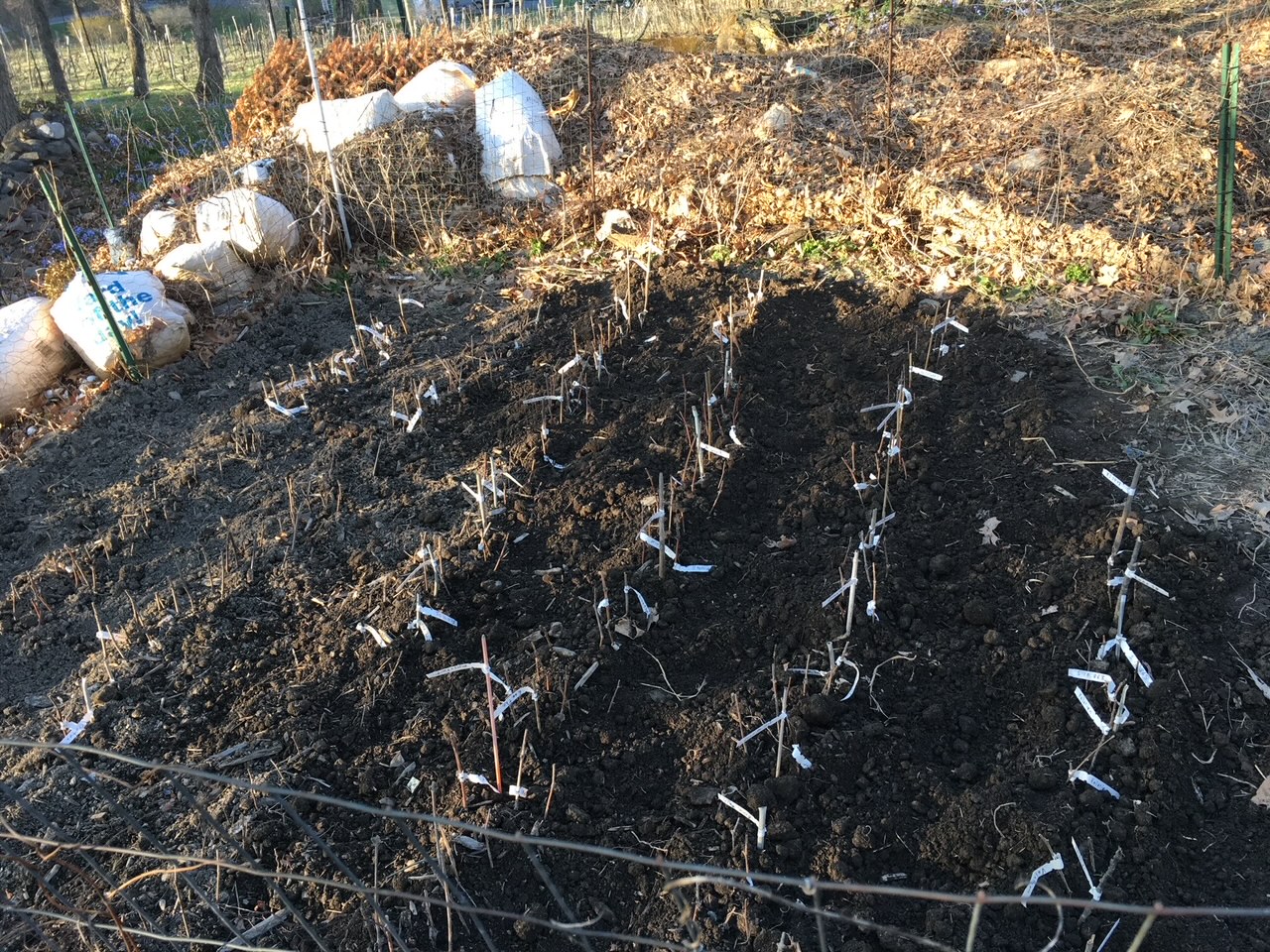
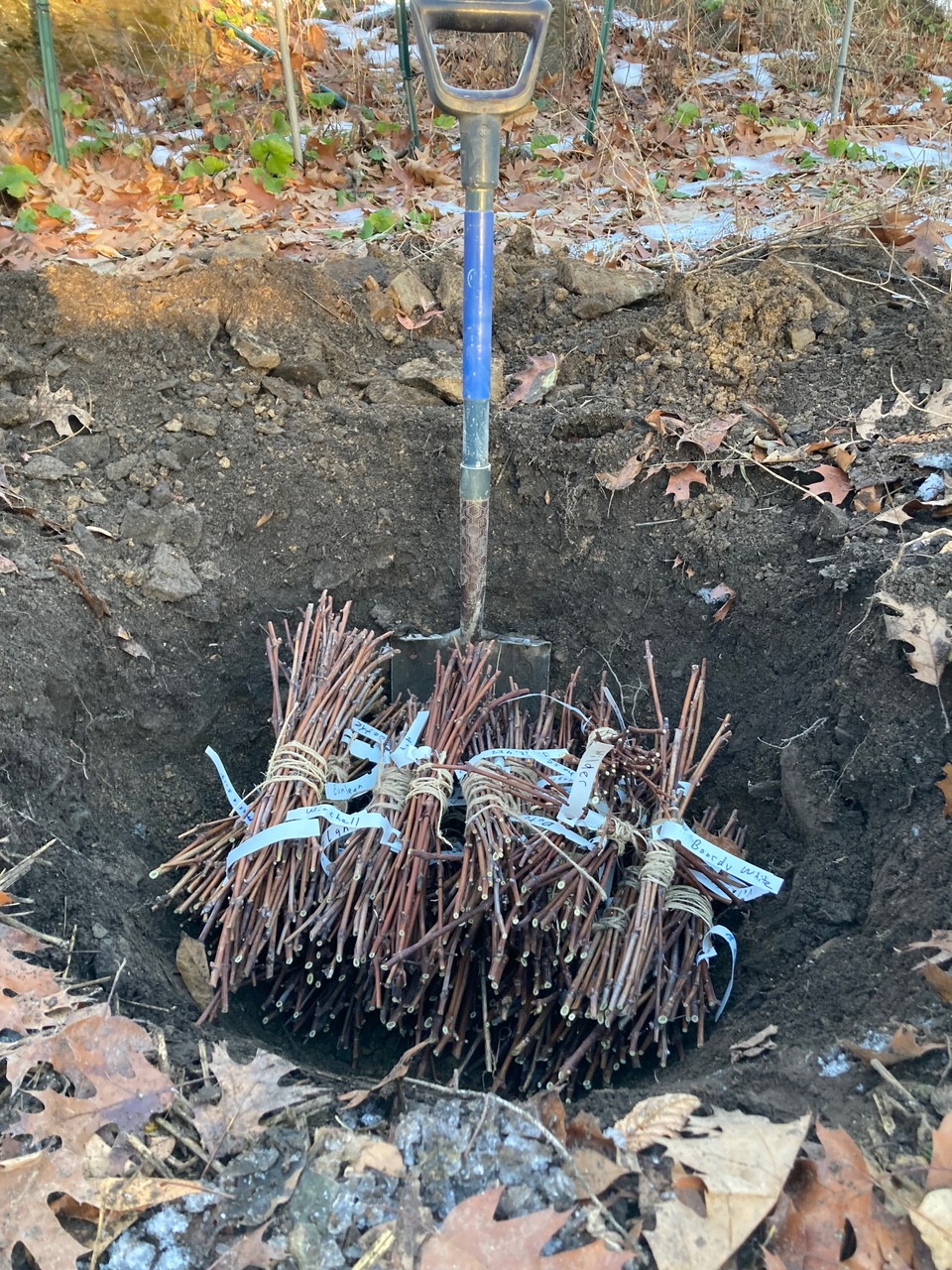
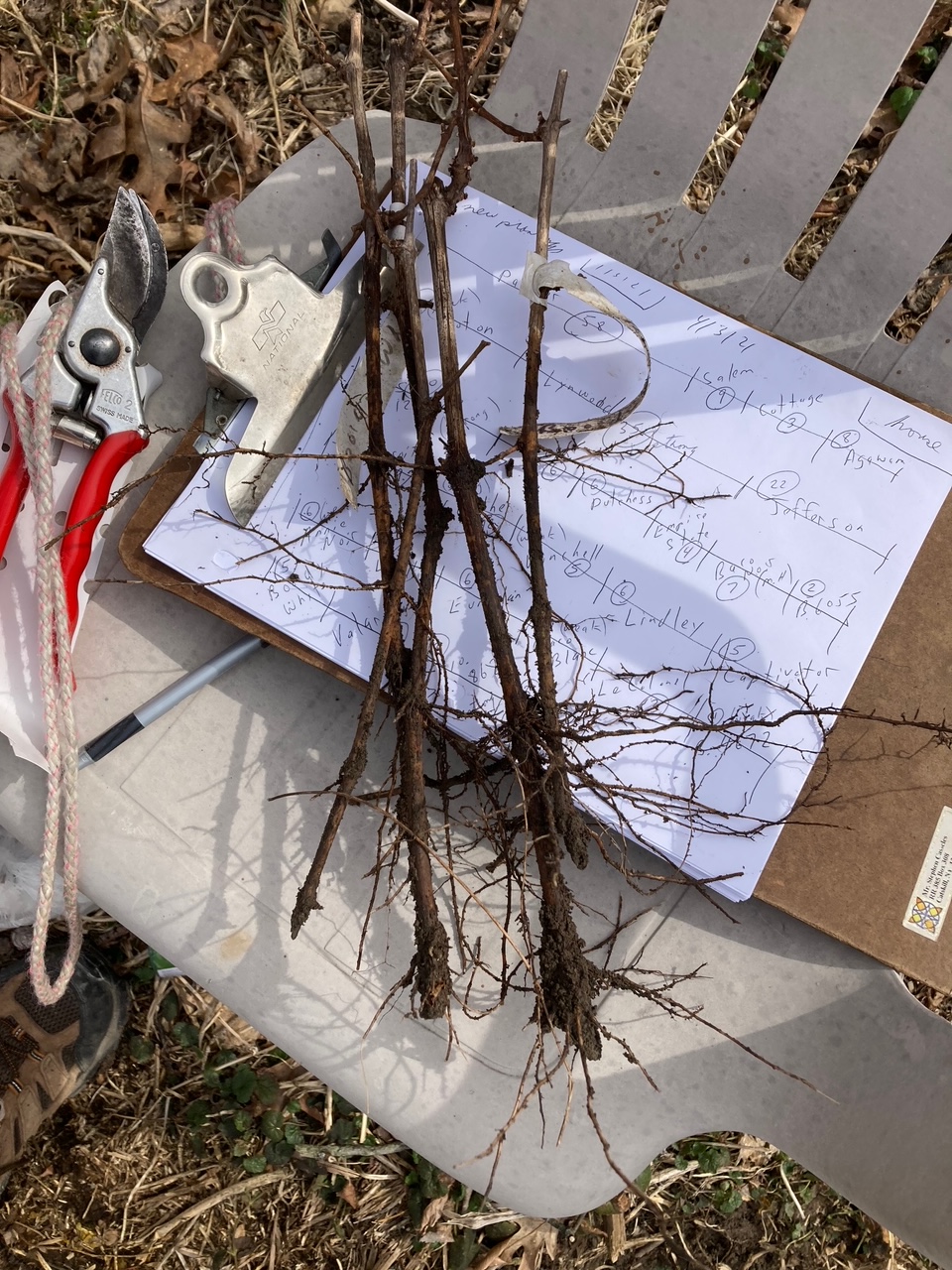
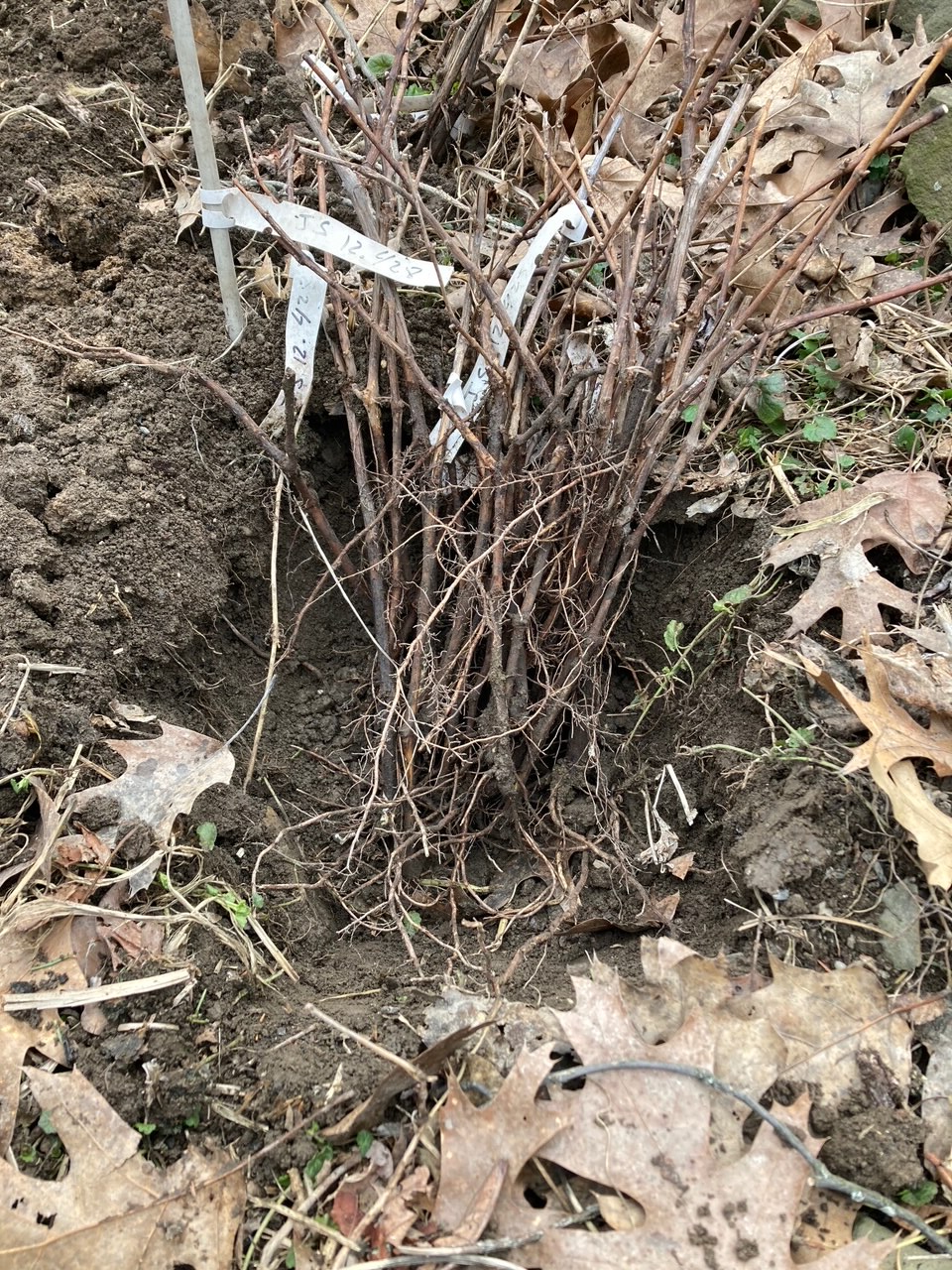
This second edition contains two new chapters on rarely-covered 19th-century Heritage grape varieties developed in New England. I grow many of these varieties, such as the E. S. Rogers hybrids, Agawam, Salem, Massasoit, and Lindley, and grapes bred by E. Bull, Captain Moore, Diane Crehore (one of the few women grape breeders in the US). These New England heritage varieties are hardy, fungus disease resistant, & productive in the field, and make quality wines in the cellar and co-ferments in the brewery.  These New England heritage grape varieties are now finding their way into co-ferment beer/wines.  Many of the Rogers’ hybrids found their way into the grape varieties bred by TV Munson.  

The book includes new revelations about the true genetic ancestry of grape varieties such as Catawba, Concord, Chambourcin, and Vignoles.  It updates the genetic history of Catawba and Concord now that it is clear that Catawba is one-half vinifera (Semillion) in its parentage and that Concord is an offspring of Catawba, which means it is one-quarter vinifera in its genetic ancestry. This is a significant revelation because there are many Concord and Catawba heritage hybrids such as Iona, Jefferson, Diamond, Diana, and Dutchess, which have now conclusively been determined to have significant European vinifera heritage. Further, it conclusively delineates the ancestry of the French-American winemaking grape varieties Chambourcin and Vignoles (thanks to Dr. Bruce Reisch for pointing out the new genetic information about Vignoles).

It evaluates over 200 cool climate grape varieties with an eye towards assisting fruit growers and winemakers across the United States, Canada, Northern Europe, and Northeast Asia to identify grape varieties that are hardy, fungus disease resistant, and productive so that they can be grown either in a sustainable manner with minimal pesticide applications, and in some cases organically.

This second edition will offer guidance to our struggling growers and wineries going forward as we jointly face our increasingly changing climate. The Cool Climate grape varieties that this book covers could help our local growers to identify and grow grape varieties that can be grown more sustainably, are productive and make quality wines, beer/wines, cider/wines, and distilled products.  

  Copies can be purchased at http://www.flintminepress.com.  

Thank you Steve for your tireless efforts to provide us with this important information. The answer to the threat of a changing climate poses to our vineyards may lay in these long-forgotten grape varieties.

Photos Courtesy: Steve Casscles

Review: Chateau Ste. Michelle Columbia Valley Rosé 2021

Next in my series featuring widely distributed wines that can be easily found in your area is one that doesn’t come to mind when you go looking for an inexpensive easy drinking wine for a relaxing evening on your deck or poolside. Chateau Ste. Michelle Columbia Valley Rosé 2021 is just one bottling in a long list of drinkable offerings that this Washington state winery group produces in large volume. This Rosé is 55% Syrah, 43% Cabernet Sauvignon, and 2% Grenache. Chateau Ste. Michelle Columbia Valley Rosé 2021 opens with notes of watermelon and strawberries followed by flavors of citrus on a light body. Priced at around $15 or less it is a good choice to pair with the lighter fare that is popular during the warmer weather. If you like to “Rosé all day” with your wine glass filled to the brim with ice then this Rosé is for you with its 12.5% ABV and crisp dry profile.

2nd Annual Saperavi Festival Trade & Media Event Finger Lakes Press Release

I wanted to share this press release I received from the co-founder of Saperica, Erika Frey. The 2nd Annual Saperavi Festival in the Finger Lakes will be held on May 12-13, 2023. For more details see the following press release.

March 23, 2023,

2nd Annual Saperavi Festival in the Finger Lakes Press Release

Saperica, Inc., Dr. Konstantin Frank Winery, Chama Mama Restaurant, and the National Wine Agency of Georgia presents the 2nd annual Saperavi Festival in the Finger Lakes region of New York.

Hammondsport, New York – Saperica, Inc., is pleased to announce that the 2nd annual Saperavi Festival will take place at Dr. Konstantin Frank Winery in Hammondsport, New York on Saturday, May 13, 2023. The festival will bring together producers of Saperavi and Rkatsiteli wines from the Finger Lakes region of New York along with their counterparts from the country of Georgia and throughout the USA. Authentic Georgian cuisine with a modern twist will be featured from New York City restaurant, Chama Mama. Sponsorship will be provided by the National Wine Agency of Georgia.

Saperavi Festival attendees will have the opportunity to taste a wide variety of wines crafted from the Saperavi and Rkatsiteli grape varieties which are native to the country of Georgia and have been grown in the Finger Lakes region for over 60 years. The wines will be paired with Georgian food specialties like Khachapuri, Khinkali, and Chakapuli. Cooking demonstrations will be presented throughout the afternoon.

The Saperavi Festival will take place on Saturday, May 13, 2023, from 12pm to 4pm, on the grounds of Dr. Konstantin Frank Winery located at 9683 Middle Rd, Hammondsport, NY 14840. More detail and tickets are available for purchase at Eventbrite via this link: http://eventbrite.com/e/2nd-annual-saperavi-festival-tickets-577274843597

The event can also be found on Eventbrite by using the search words “saperavi festival”.

Members of the trade and media are invited to participate in educational seminars and events which will occur on Friday, May 12, 2023, from 12pm to 4pm on the grounds of Dr. Konstantin Frank Winery located at 9683 Middle Rd, Hammondsport, NY 14840.  For more information about attending as a member of trade or media, please send an email to saperavi@saperica.org.

The 2nd annual Saperavi Festival is organized by Saperica Inc, a 501(c)(3) non-profit corporation. Saperica’s mission is to promote Saperavi and other Georgian grape varieties along with Georgian gastronomy and culture in the Finger Lakes, NY, and around the U.S., by organizing and facilitating educational seminars and exchange programs between the regions, for wine and culinary professionals and enthusiasts. Any proceeds from the festival will help to fund future Saperica programs.

For additional info, please visit www.saperica.org.

Email questions to http://saperavi@saperica.org.

We hope to see you at the festival!

Review: Carnivor Zinfandel 2019

In my latest look at widely distributed wines that are moderately priced and worth your consideration, I review Carnivor Zinfandel 2019. Carnivor Wines is a Gallo Winery Inc. label produced in Modesto, California. Carnivor uses Zinfandel grapes sourced from warm-weather vineyards in Lodi, California. Their winemakers give these grapes a brief cold soak to coax extra color and tannins from them. The must is fermented at a warm 88-90F. The wine is aged in French and American oak to soften its tannins and balance its structure. Finally, the Zinfandel is blended with Cabernet Sauvignon, adding color and structure plus some Merlot to impart a softened character. 

Carnivor Zinfandel 2019 is balanced on a medium body and a smooth finish. Nothing about this wine is overwhelming whether it be the aromas of toasted oak, the flavor of blackberries, tamed acidity, or a controlled finish. Everything about this wine is designed to be bold but not offend the mainstream red wine drinker. Priced at well below $13 a bottle this wine deserves serious attention when you are scanning the shelves for a dependable “everyday” wine that will please a wide range of palates. Carnivor Zinfandel 2019 pairs well with all red meat, after all, Carnivor’s tagline, is “Meat was made for Carnivor” but red meat isn’t the only thing it pairs well with. It is also a good wine to drink with your pizza or any dish that features a hearty dark red tomato sauce. The winemakers at Carnivor must be commended for producing a wine of this quality for a bargain price and doing it on such a large scale.

Review: Arrowhead Wine Cellars Riesling

Arrowhead Wine Cellars is located in North East, Pennsylvania on the southern shore of Lake Erie. Nick and Kathy Mobilia are third-generation owners of Mobilia Fruit Farms. In 1998 they started making wine from their grapes that until then they had been pressing into juice for other wineries. Today, Arrowhead Wine Cellars produces 32 varieties ranging from Red, White, Blush, Sparkling, Ice, and Fruit wine.

 
Arrowhead Wine Cellars Riesling is an off-dry, light-bodied, and very lightly colored Riesling. It is an easy-drinking wine with muted flavors of apricot and melon that would pair well with spicy Thai and Chinese dishes. $15.99   arrowheadwine.com