Interview: Andrea Moser, Chief Enologist Erste+Neue Alto Adige Region, Northern Italy & Review: E+N Pinot Nero 2021

Erste+Neue is the product of the 1986 merger of two wineries that began in the early part of the twentieth century. Erste Kellerei and Neue Kellerei combined to form Erste+Neue. The two wineries moved forward as one with a commitment and determination to stay on the cutting edge of alpine winemaking. 

In 2018, Erste+Neue was awarded the prestigious international seal for sustainable viticulture by FAIR’N GREEN. The goals and standards of FAIR’N GREEN mirror the same deeply ingrained beliefs that guide the winemaking culture at Erste+Neue. Sustainability, protecting the environment, biodiversity, natural viticulture, and the protection of natural resources are the guiding principles that drive all decisions made at Erste+Neue. 

The wines of the Alto Adige Region are famous for being terroir-driven and their bias to a specific area of the region. I was curious to hear how the vineyard managers and winemakers at Erste +Neue balance the demands of preserving and integrating the “terroir” factor into their wines while balancing the needs of the local ecosystem with the standards of producing world-class grapes and wine consistently. 

Seeking answers to these questions and others, I posed them directly to a leading viticulture professional and Chief Enologist at Erste+Neue, Andrea Moser. The following is our interview published in his own words.

How does Erste+Neue approach the unique challenges that making wine in the Alto Adige present while still being able to produce the highest quality wines that display a “sense of place?

“Facing the challenges of climate change is becoming increasingly important in every wine-growing region of the globe, and in South Tyrol, too, it is no different.”

However, Alto Adige and specifically our area are at a great benefit with respect to this issue, in fact, our orographic situation is very particular. The vineyards start in fact with the red varieties at about 230 m.a.s.l. and arrive in just a few kilometers to elevations of about 700 m.a.s.l. where the white varieties find excellent ripening conditions. This large elevation range, combined with a constant south-to-north wind “the Garda Hour” and strong temperature fluctuations between day and night due to the mountains surrounding us (Mendola range), allows us to consistently obtain high qualities on both red and white grape varieties.

Ripe but fresh and elegant reds and whites with low pH, good acidity, crisp and fresh that perfectly embody the spirit of our territory and our vineyards located in the middle of the Alps.”

How has being FAIR’N GREEN certified complemented your winemaking practices and philosophy in both the vineyard and cellar?

“For us, sustainability and especially respect for the environment has always been a key point to consider during our work from vineyard to bottle.

Since we have been working with Fair&Green we have made this commitment measurable and have strived to improve our efficiency and sustainability a little more each year.

In the first year of certification, we scored 68 percent while we are now at 82 percent on the scale that verifies, measures, and evaluates our degree of environmental commitment. Today, having reached the fifth year of certification, we have made many steps forward, such as completely eliminating some synthetic molecules for the phytosanitary defense of the vines, eliminating chemical weeding by 92%, increasing the areas under green manure thus increasing biodiversity in the field, and introducing sexual confusion in the vineyard to combat certain types of harmful insects. All our wines can be considered vegan since we have not used any clarifiers of animal origin for several years now, only yeast derivatives. By now, all the facilities for the production of cold, compressed air and nitrogen are equipped with energy recovery to produce hot water. We have equipped ourselves with photovoltaic panels that can provide us with about 40 percent of the energy we use.

In terms of packaging, the biggest step has been taken by eliminating bottles that are too heavy. In fact, we have gone from 700/750-gram bottles to 500-gram bottles, reducing our CO2 footprint by a third.

The road to true all-around sustainability is still a long one, but we are very committed and determined to get there as soon as possible.”

I would like to take this opportunity to thank Martin Klammer, Sales Director of Erste+Neue for his support because without it this article would not have been possible. I would also like to thank Andrea Moser, Chief Enologist of Erste+Neue for his time and candid insights into the ideology behind the winemaking mindset at E+N. I found his comments about how the culture at E+N and the environment are intertwined extremely informative because I hold a degree in nature conservation. The following is my review of Erste+Neue Classic Pinot Nero 2021.

Pinot Nero is known internationally as Pinot Noir. Pinot Nero is an early-ripening grape with a thick skin that has the reputation for being a “Heartbreak Grape” variety because it requires a great deal of care in the vineyard thus making it difficult to produce a successful harvest consistently. 

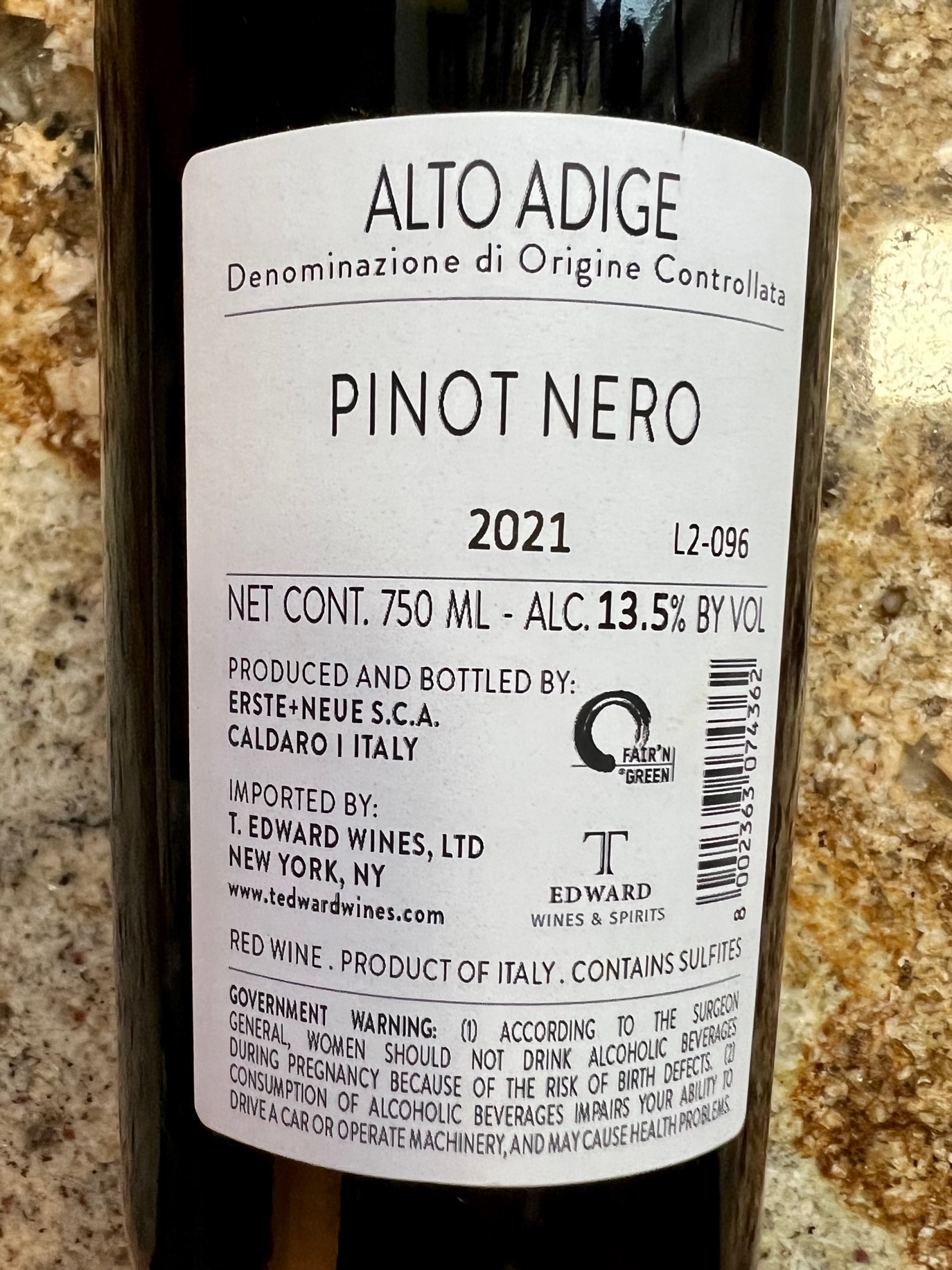
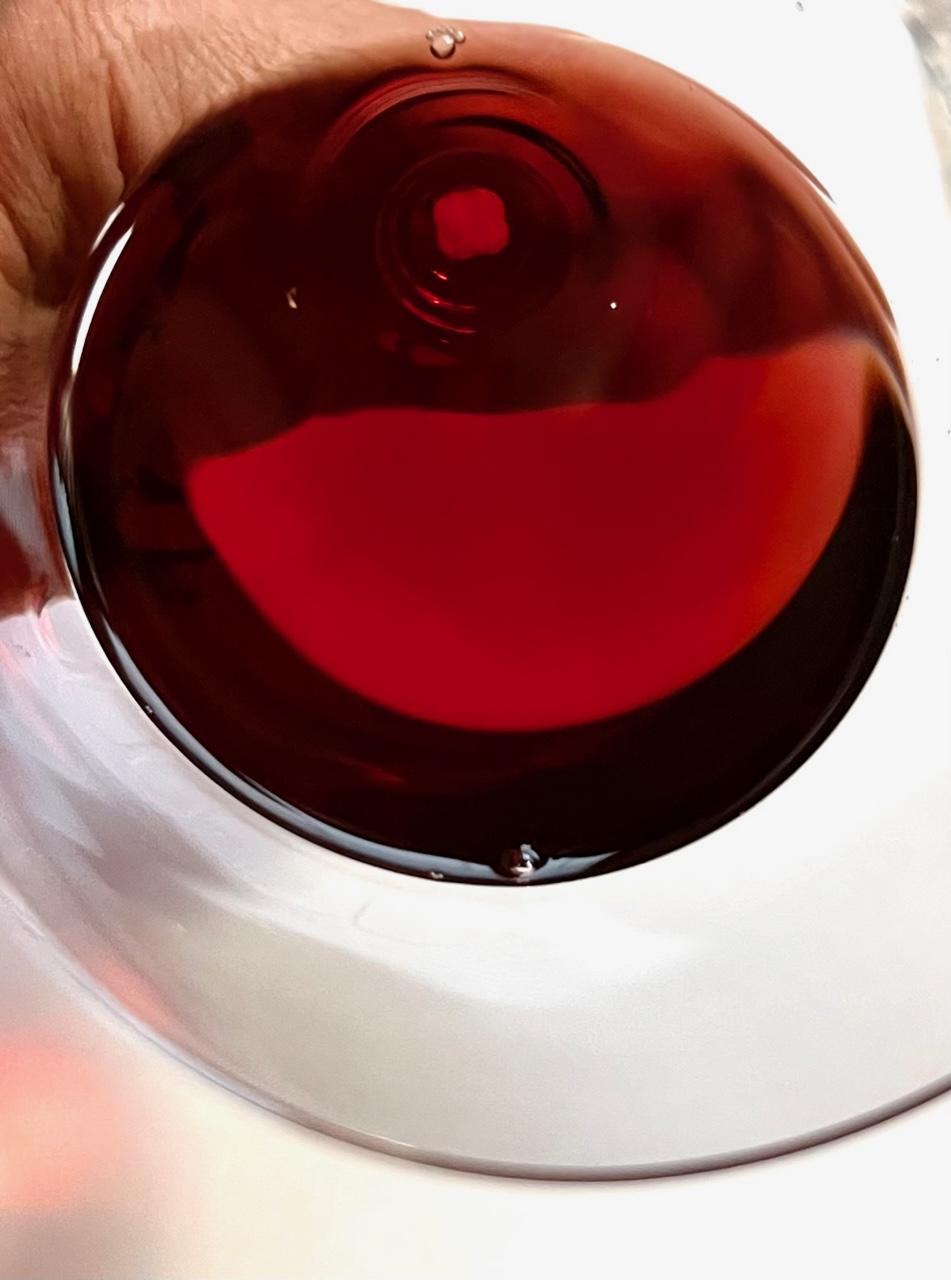
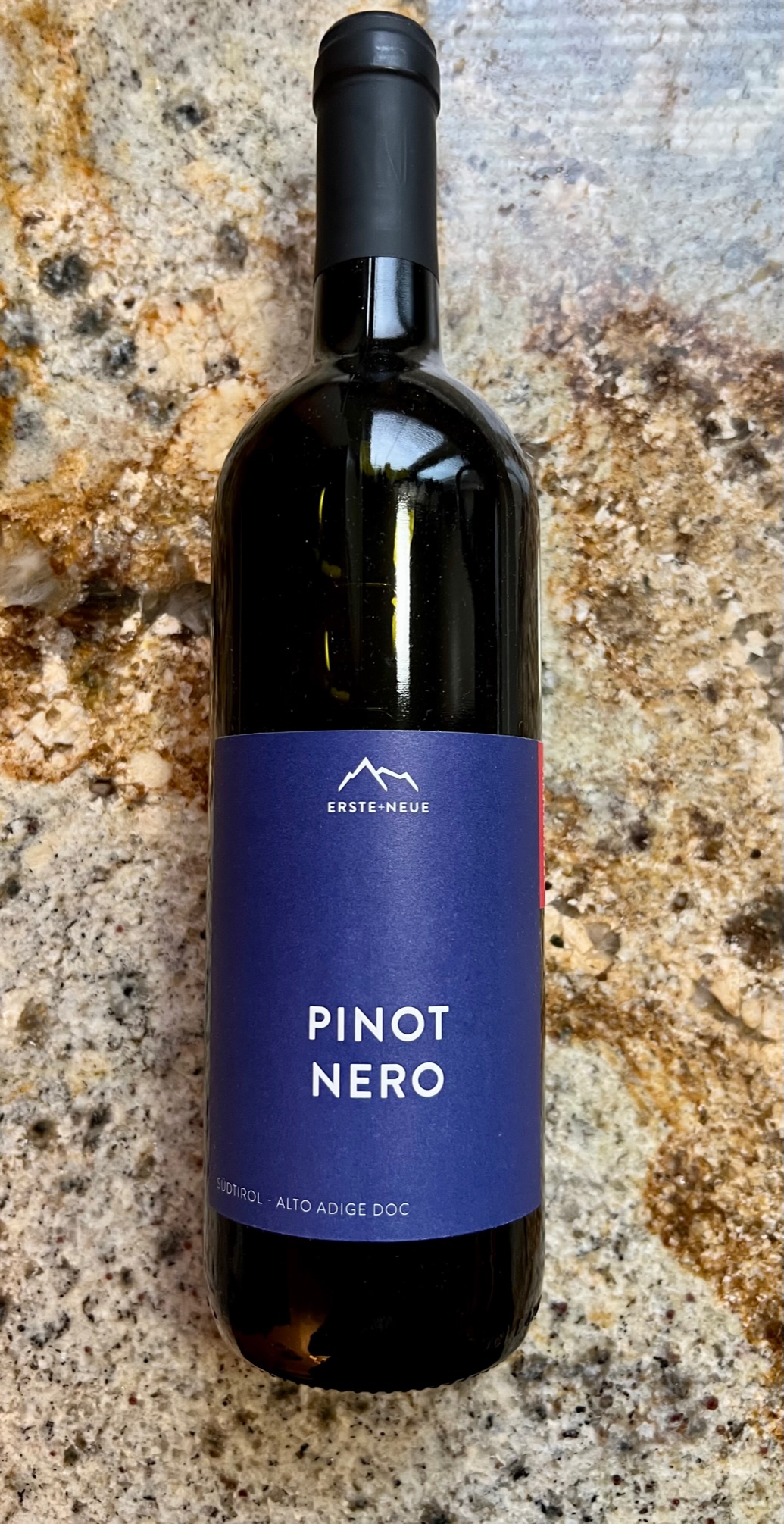
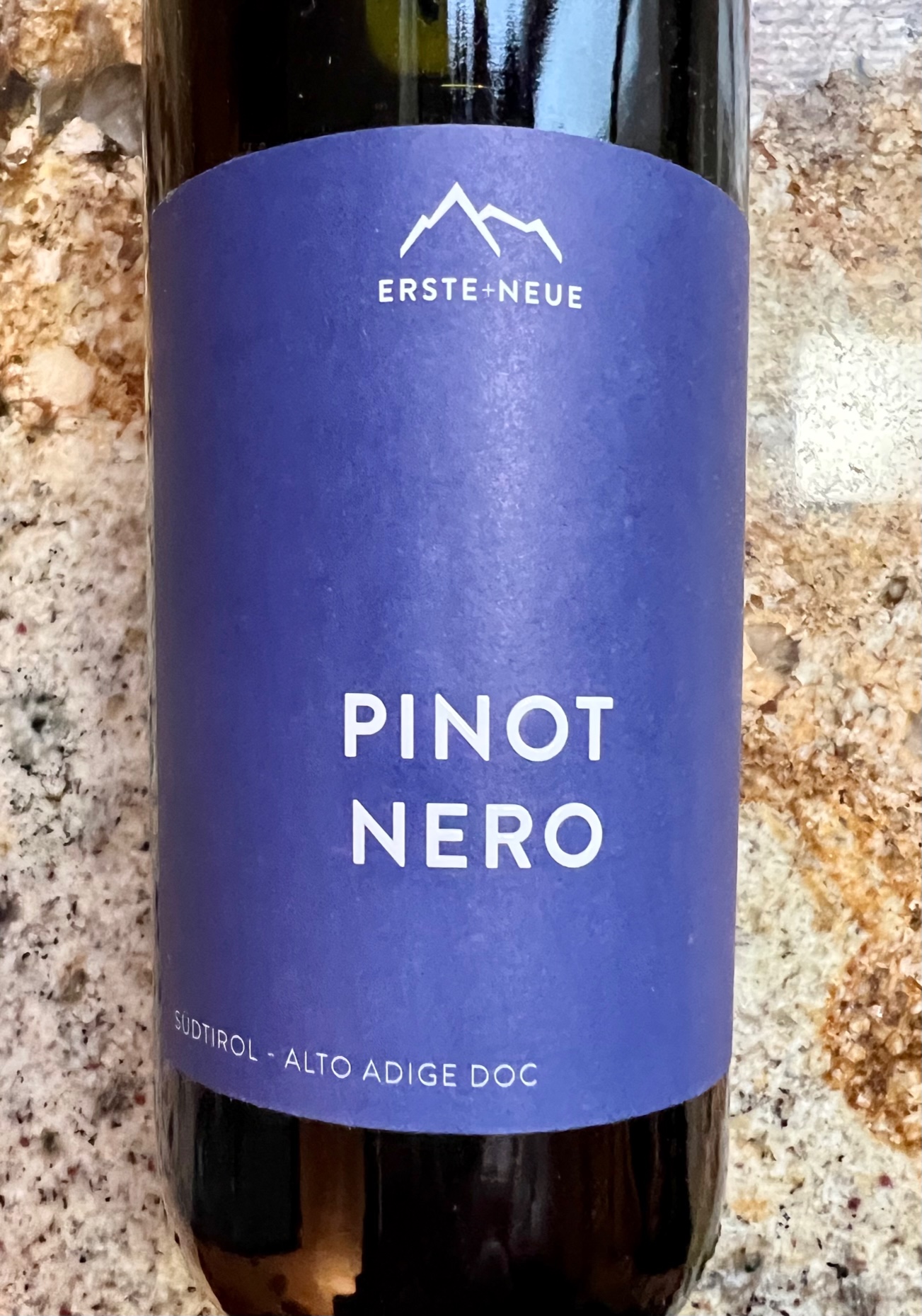
Erste+Neue Classic Pinot Nero 2021 is a sophisticated well-made wine that can be purchased at a very fair price. This Pinot Nero is ruby red in the glass and opens with the aromas of cherry & faint raspberry that is followed by the prominent flavor of cherries on the palate while smooth tannins and lively acidity are borne on the medium body of this wine. The finish is lengthy and agreeable.
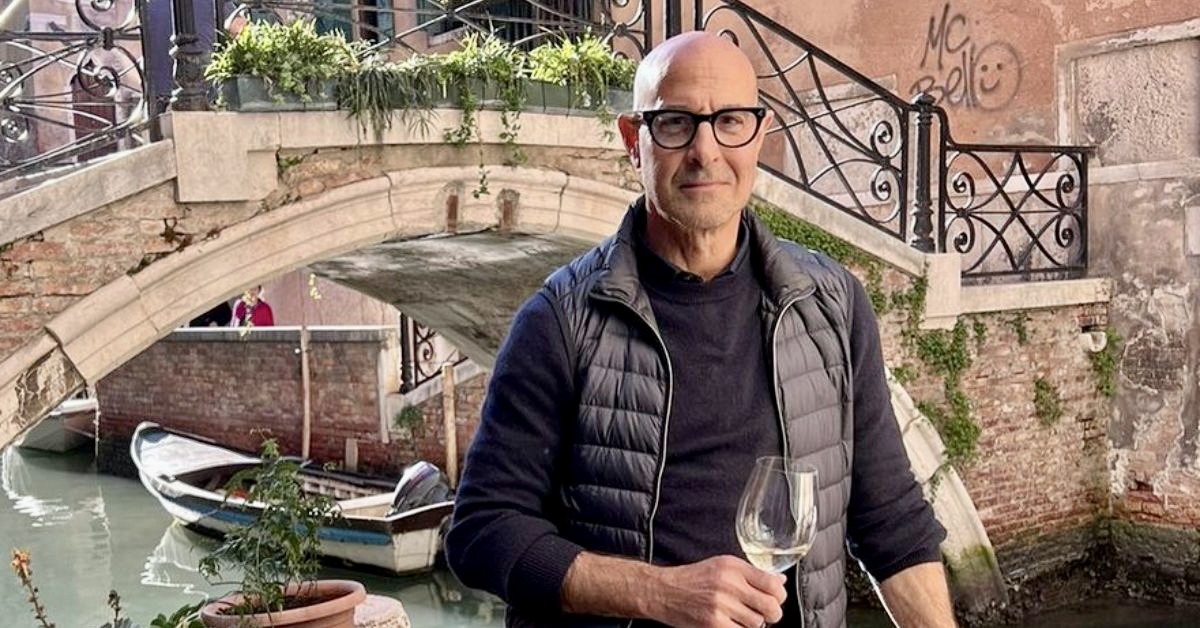
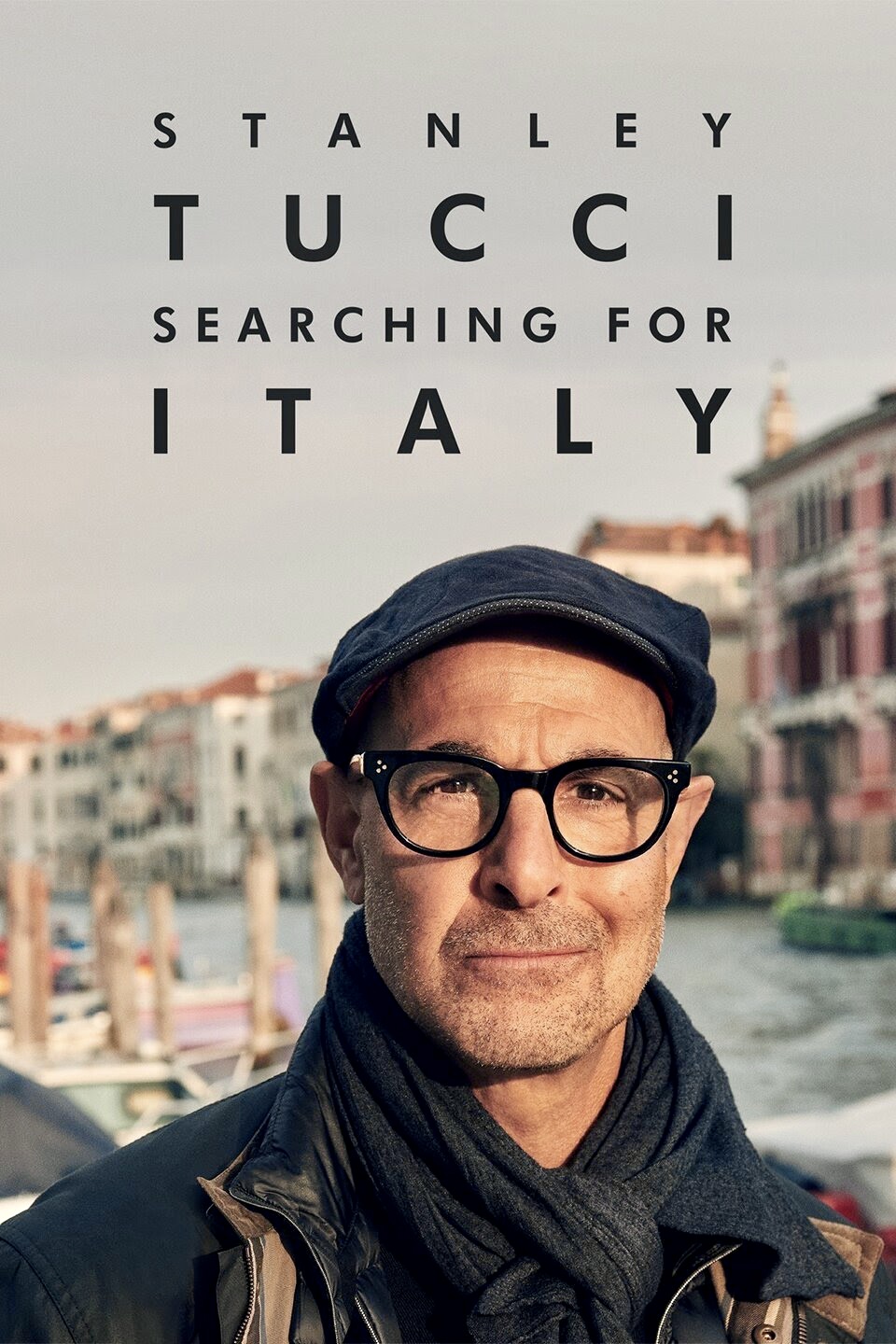
CIAO! Stanley Tucci

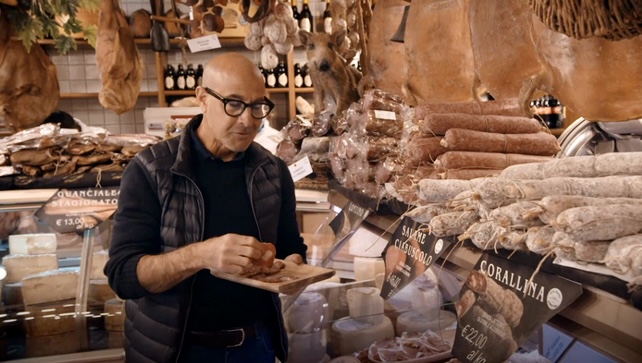
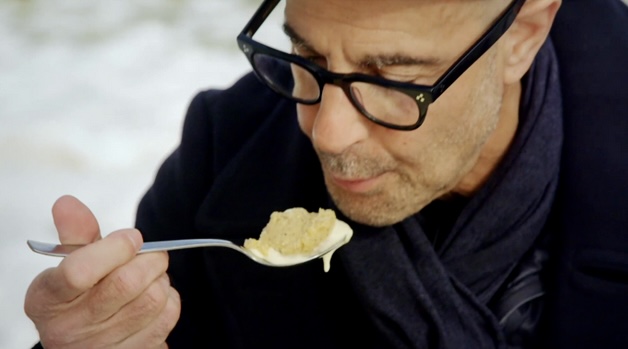
CNN has canceled Stanley Tucci: Searching for Italy and all of its original programming. But all is not lost because I heard Stanley tell Jimmy Fallon on The Tonight Show that he was exploring the possibility of reviving the show on another network, whether it be broadcast, cable, or streaming. This was more than just a travel show that featured the traditional tourist attractions, and scenic vistas of the Italian countryside and coastline. This production had that special feeling one gets when traveling with a friend who knows all the best spots and interesting locals that really allows you to immerse yourself into the culture of each region you visit. Tagging along with Stanley Tucci I experienced the Italy that only Stanley could show me with his adventurous palate, wry smile, and that all-knowing look of his.

When I heard CNN wouldn’t be renewing a new season of Stanley Tucci: Searching for Italy I got that same feeling you get when the plane lifts off the runway on your return home from a great vacation. You know that feeling of joy in the memories you made but a hint of sadness because there was more to see and do.

With that said, I am thankful to have had the opportunity to see Italy through Stanley’s eyes. If you are wondering where he went here’s a recap. Season One: Naples and the Amalfi Coast, Rome, Bologna, Tuscany, Milan, and Sicily. Season Two: Venice, Liguria, Piedmont, Puglia, Sardinia, Umbria, London, and Calabria.

Luckily for anyone who may have missed any or all of the episodes they are available through a number of media outlets that can be easily found with an internet search. If you have a cable subscription you can access all of the Stanley Tucci: Searching for Italy episodes from both seasons for free by going to go.CNN.com/vod (http://go.cnn.com/vod) and find Stanley Tucci: Searching for Italy, click on it, and log in using your cable provider when prompted. I have found the Microsoft Edge browser works better for this site than Mozilla does for streaming its content.

All that is left to say now is Grazie di tutto, Stanley! 

Photos Credit: CNN Stanley Tucci: Searching for Italy

My Latest Michiganuncorked.com Article

I invite you to read my latest article “Field of Dreams” which was just published by michiganuncorked.com. It is about starting a vineyard and winery from scratch. It can be viewed by going to their website and clicking the “Read all about it” link under the “Winter Collaboration” heading. It will take you to their flip-page magazine https://issuu.com/userg123/docs/mu_-_winter_2022. It begins on page 8 or scroll down the page below the viewer window and it is also featured as an individual story just click on it. I hope you enjoy it. 

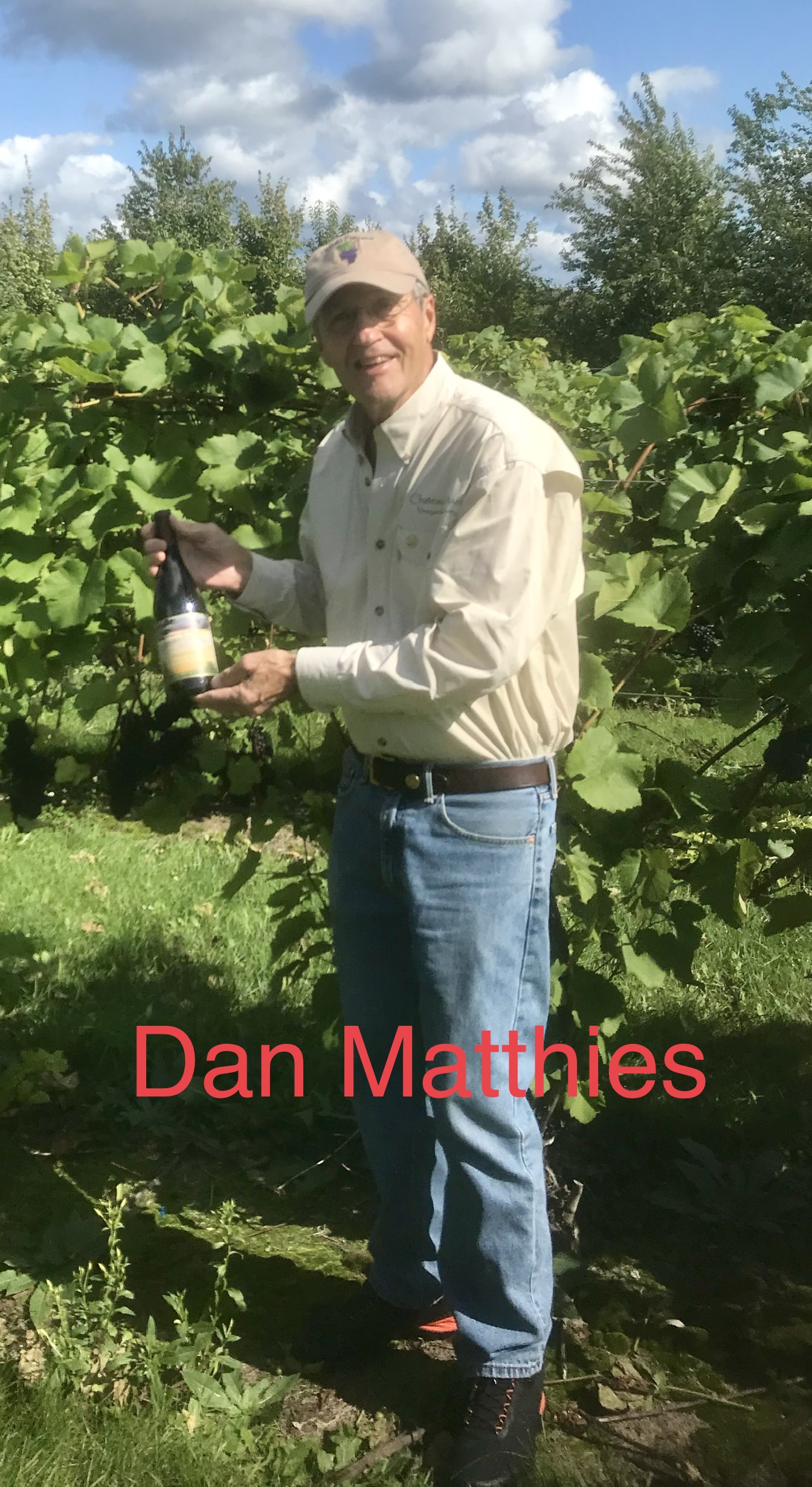
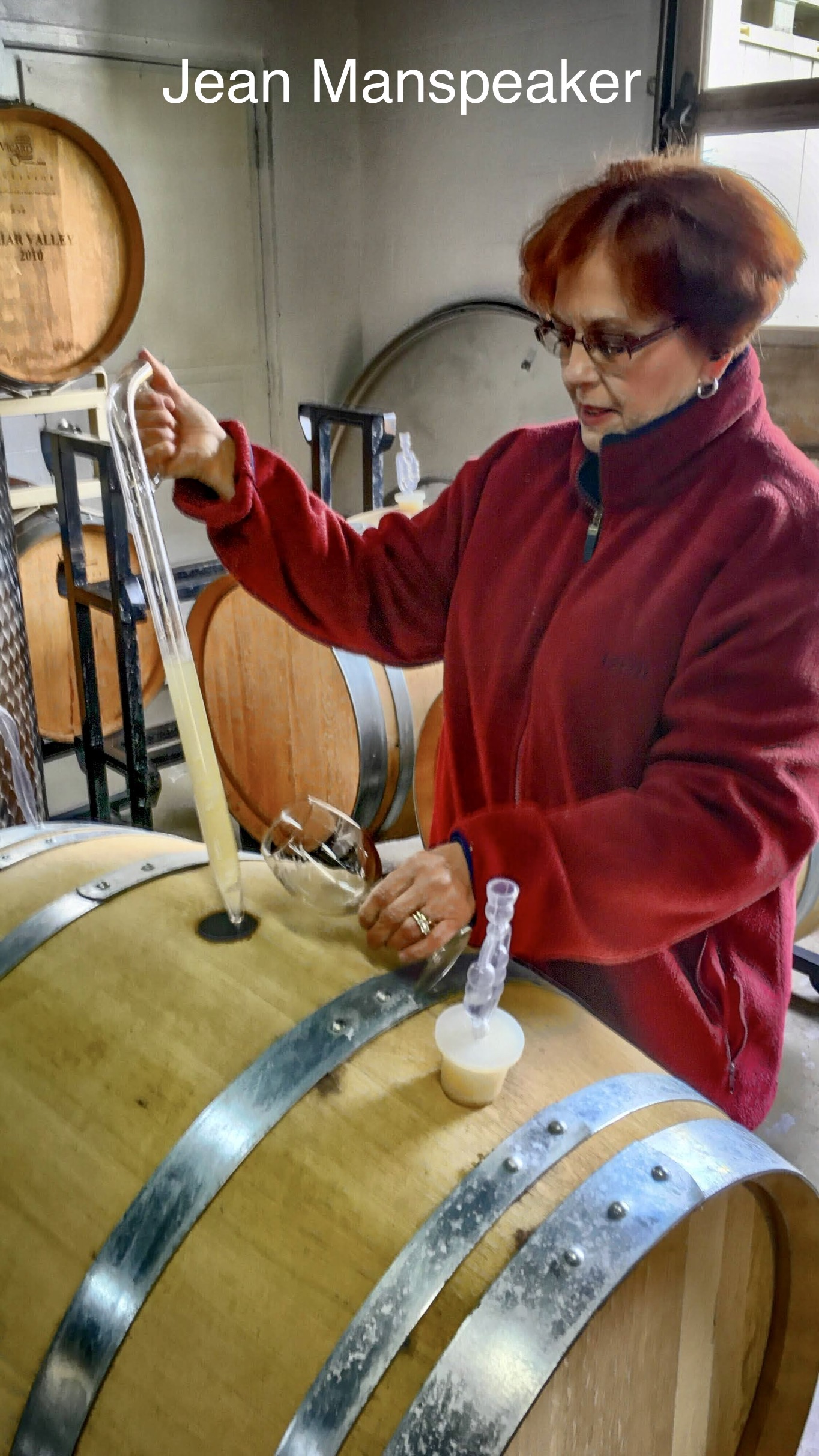
I wouldn’t have been able to write this story without the help of three successful winemakers that somehow found time to share their priceless advice on this subject. To Jim Baker Chateau Niagara, Jean Manspeaker, former owner of Briar Valley Vineyards & Winery, and Dan Matthies Chateau Fontaíne, I am truly grateful for your kindness and generosity. 

Frescobali Remole Toscana Rosso 2020

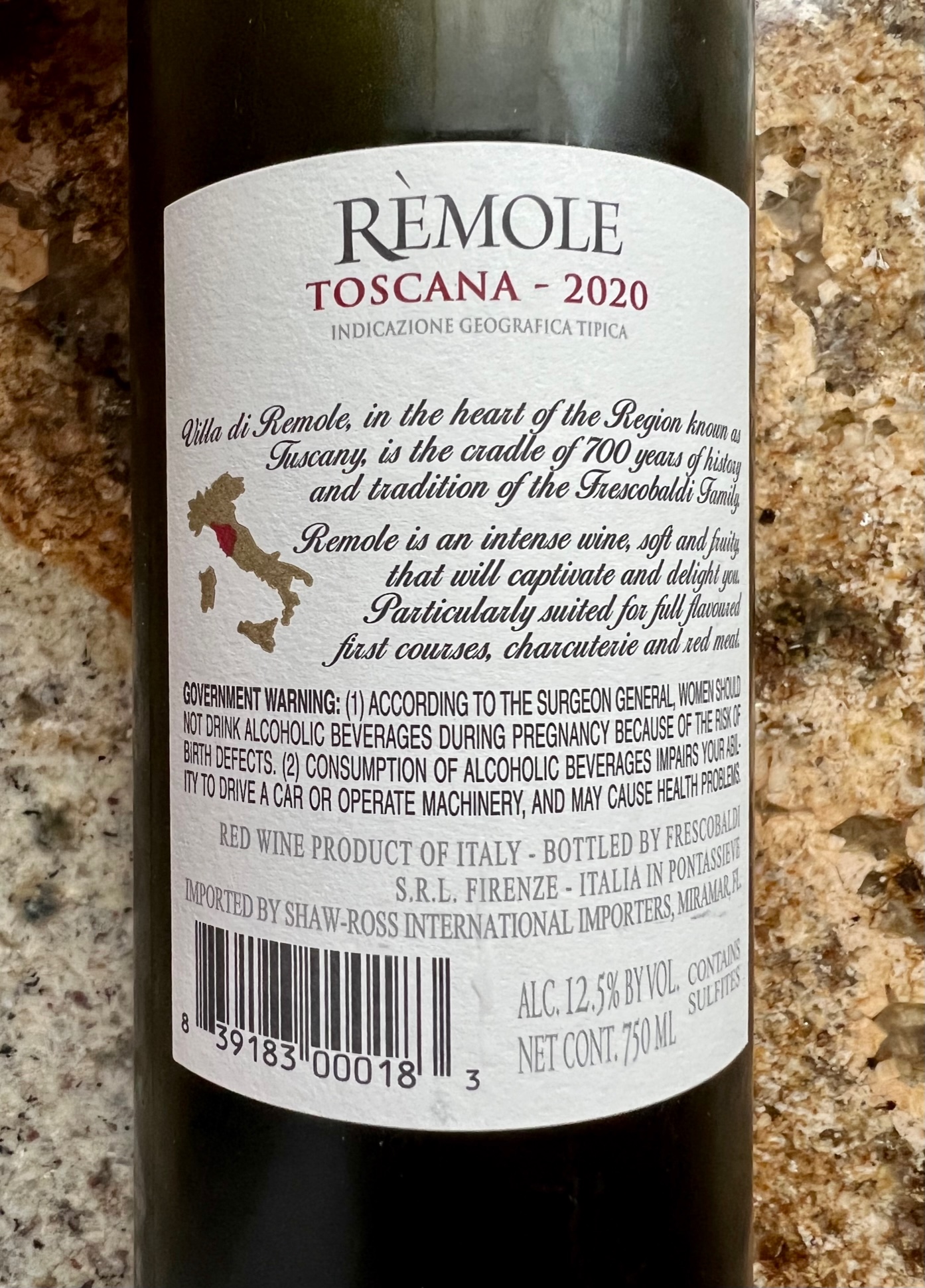
Frescobaldi Remole Toscana Rosso 2020

This Toscana is produced in Tuscany, Italy. It is a blend of 85% Sangiovese and 15% Cabernet Sauvignon. This is a lighter wine than many of the more complex and pricey Toscana bottlings from Tuscany.

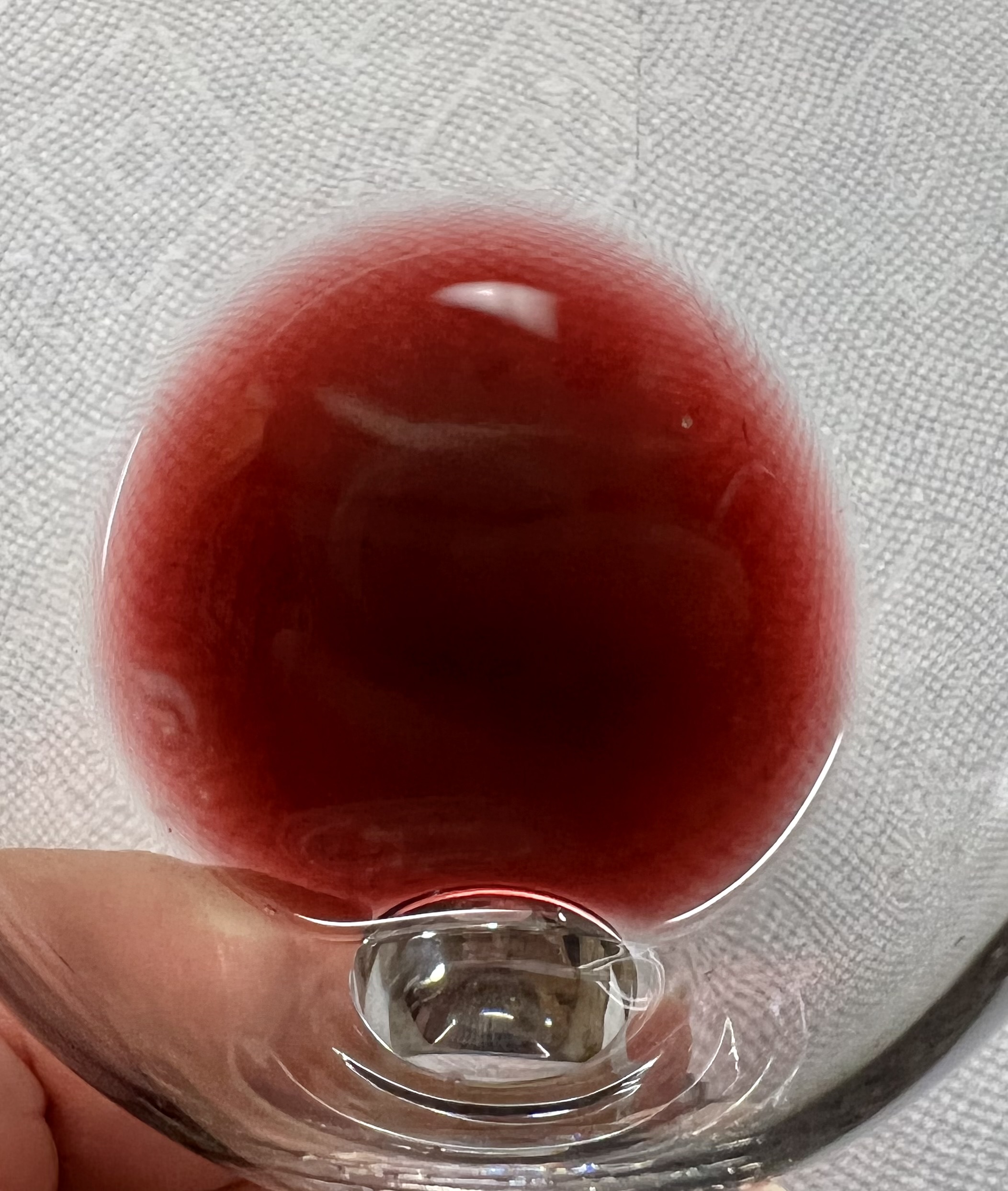
Frescobali Rèmole Toscana Rosso 2020 is a balanced wine with its “middle of the road” approach when it comes to body, acidity, and flavor profile. With an approachable 12.5% ABV and bewitching scarlet red color in the glass, the faint aroma of berries leads you into the muted flavors of cherry and raspberry on your palate. It pairs well with lean red meat and pasta dishes with red sauce. Priced at less than $10 it is an excellent choice for a “weekday wine”

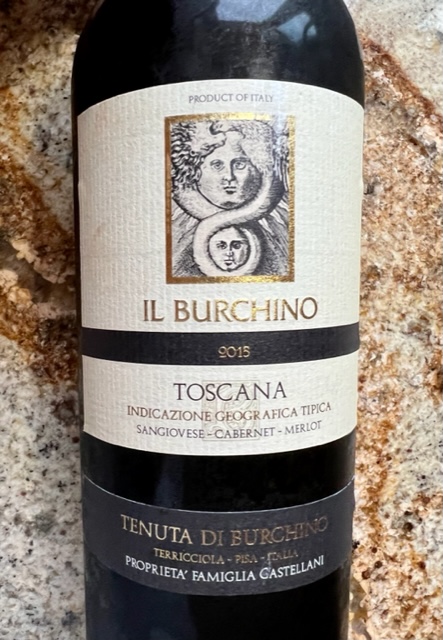
IL Burchino Toscana 2015

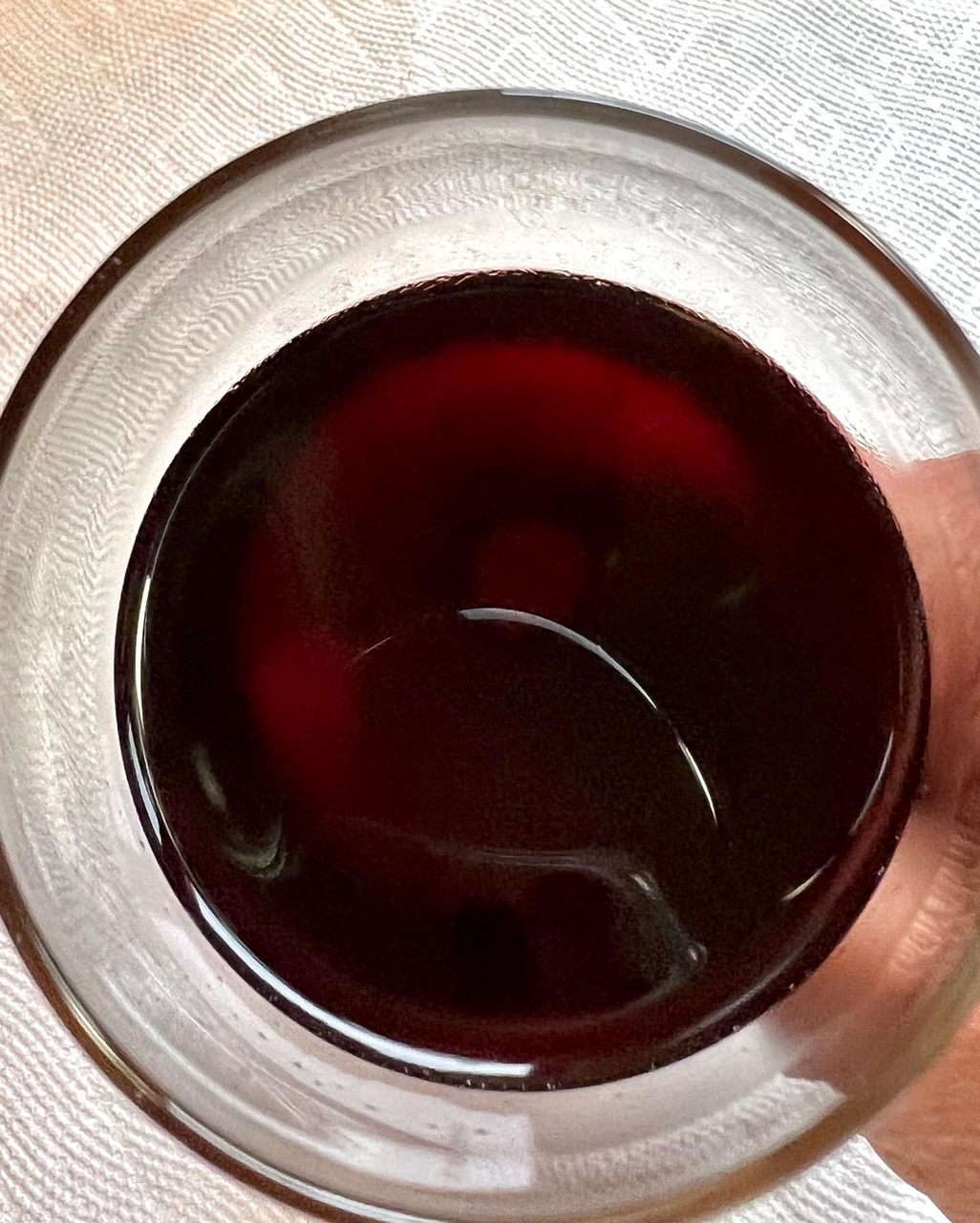
Tenuta di Burchino IL Burchino Toscana 2015 is a red blend of 85% Sangiovese 10% Cabernet Sauvignon & 5% Merlot from the hills of Pisa in Tuscany, Italy. 

James Suckling gave it 92 points saying it was “Perfumed with dark fruits, orange blossoms, and cherries following through to a medium body. Integrated tannins and just a hint of vanilla. Long and linear.” 

Quoted initially at $40 it is now available at P.L.C.B. stores in Pennsylvania as a “Chairman’s Selection” for $12.99. This is a bargain price for a wine of this quality. IL Burchino Toscana 2015 pairs perfectly with grilled red meat and pasta in a red sauce.

Days of Wine and Cheeses

You may have surmised from the name of this blog and my social media handle (wpawinepirate) that I am a Jimmy Buffett fan, a Parrothead, if you will. I have been a member of the Phlock for a long time, making some good friends and beautiful memories along the way. Jimmy’s lyrics “Warm summer breezes and French wine and cheeses” from his song “He went to Paris” was the inspiration for a series of posts I will be writing about wine and cheese pairing

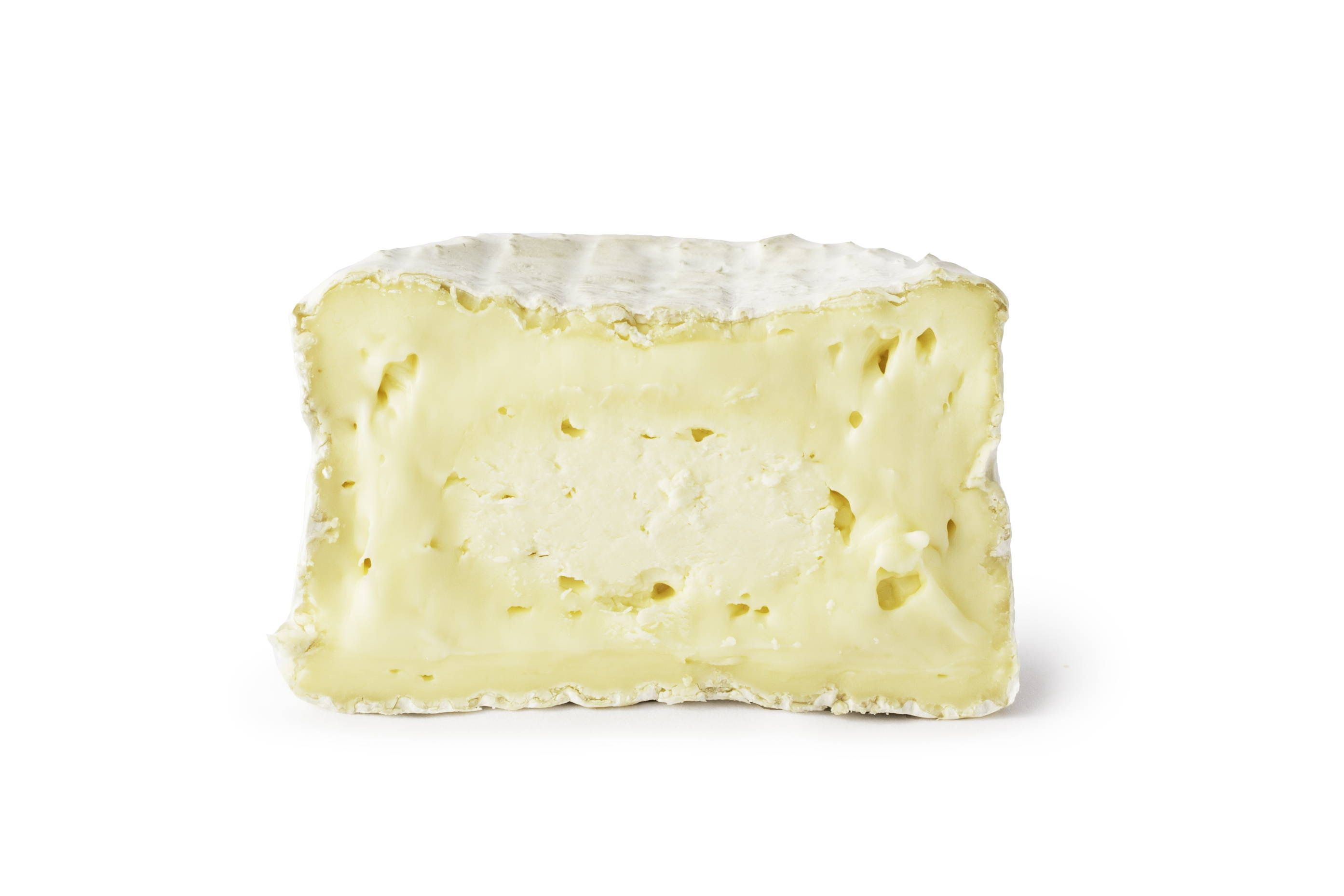
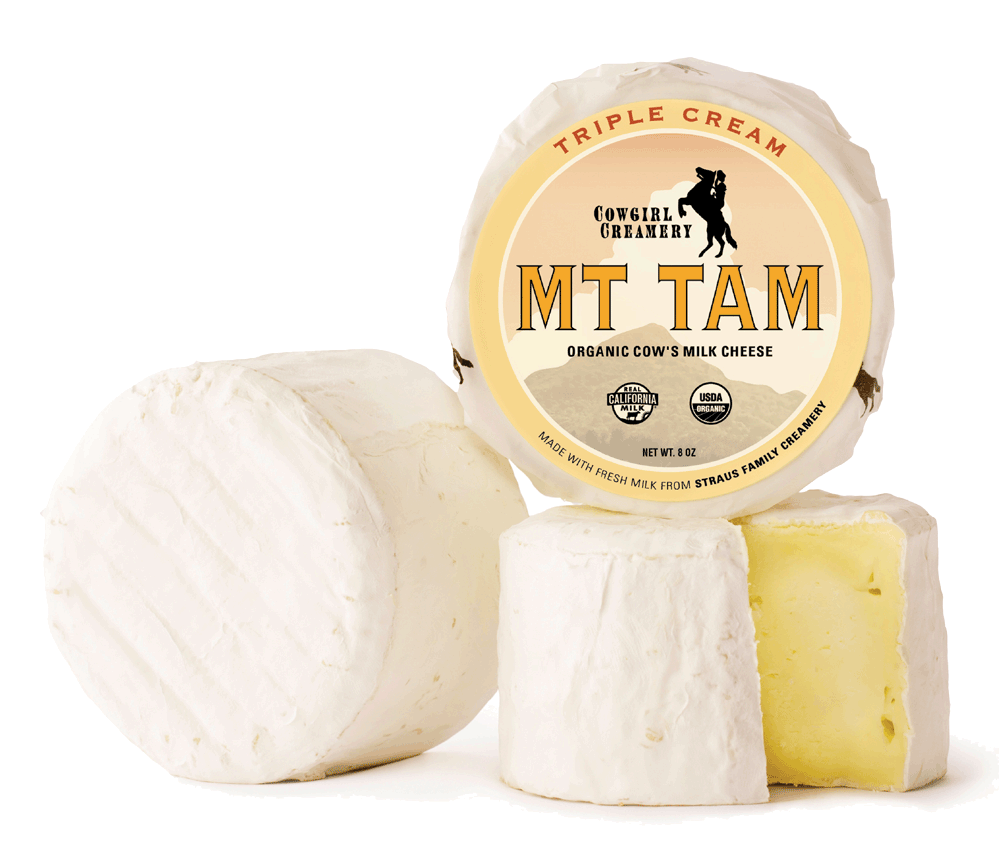
I will never forget the first time I tasted Cowgirl Creamery Mt. Tam. It was at their shop in the Ferry Building in San Francisco. Mt. Tam is a triple cream bloomy rind American recipe cheese made from pasteurized organic pasture-based cow milk that is produced by farm partners using sustainable farming practices. Mt. Tam is made in Marin County near San Francisco, as if you had any doubt it was a California product after that lead-in. Cowgirl Creamery describes their Mt. Tam as “At room temperature, features a dense fudgy core enveloped in an evolving pudgy creamline.” This cheese is both creamy and buttery but also displays earthy flavors. http://cowgirlcreamery.com Mt. Tam pairs well with sparklers like Prosecco and Cava or a California Chardonnay that will cleanse your palate. Freixenet Cordon Negro Cava Brut or Trefethen Family Vineyards 2018 Chardonnay Oak Hill District Napa Valley work nicely with Mt. Tam.

Staying on the coast of California, my next cheese is Humboldt Fog from Cypress Grove Chevre in rural Humboldt County. Humboldt Fog is a unique soft-ripened goat cheese. It is made from high-quality goat milk sourced from local farms. This is a pasteurized goat milk cheese. The quality of the milk used in the making of Humboldt Fog is reflected in its clean and balanced flavors while muted acidity and salt levels prevent the potent goaty taste that turns some people off to goat cheese. http://cypressgrovecheese.com Enjoy Humboldt Fog with the iconic New Zealand Sauvignon Blanc Cloudy Bay, or Sokol Blosser Redland Cuvee Estate Willamette Valley 2018, a medium-bodied Pinot Noir from Oregon.           

I will be exploring cheeses from America’s Heartland and the East Coast in my next post.                                  

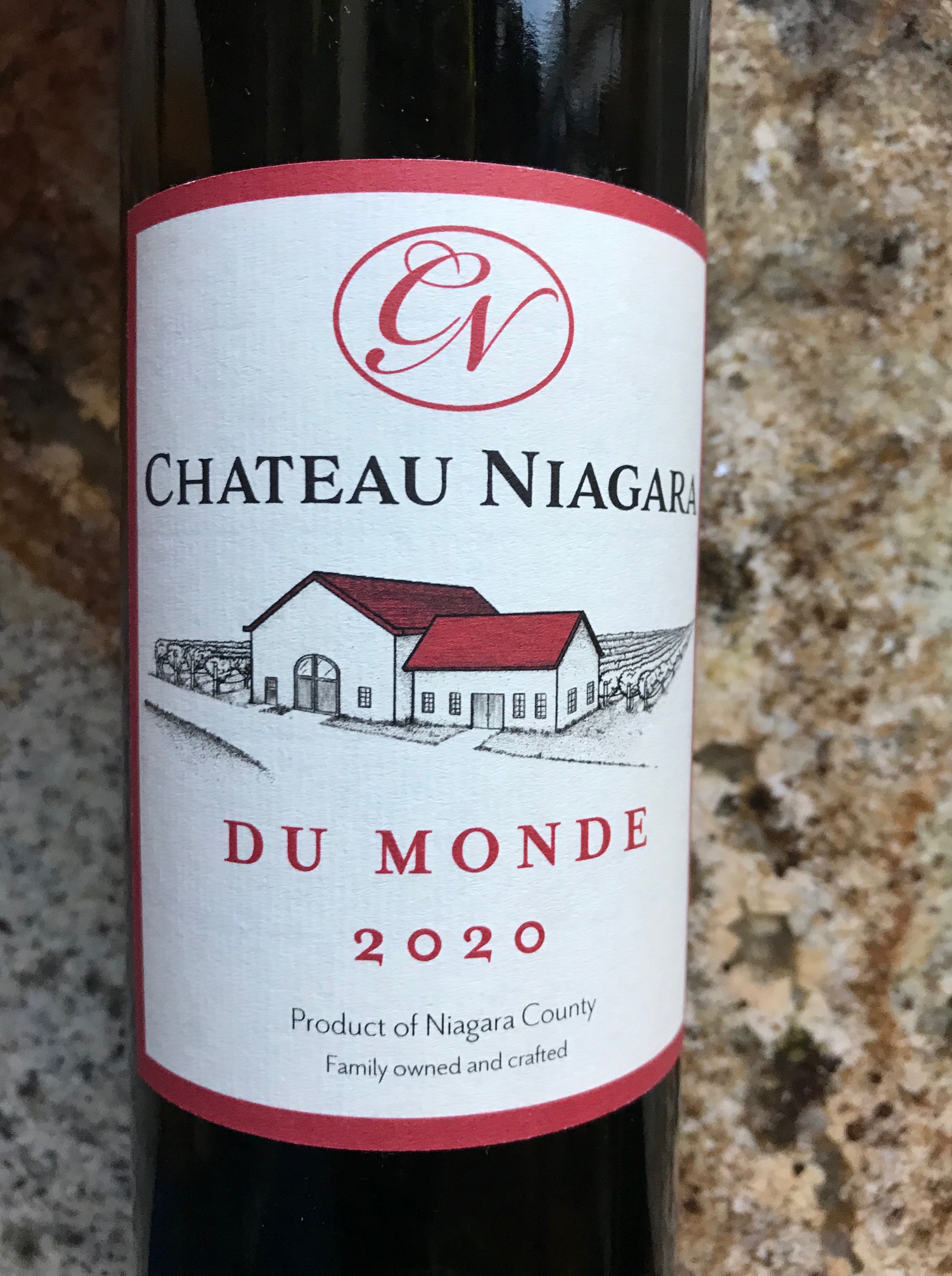
Chateau Niagara Du Monde 2020

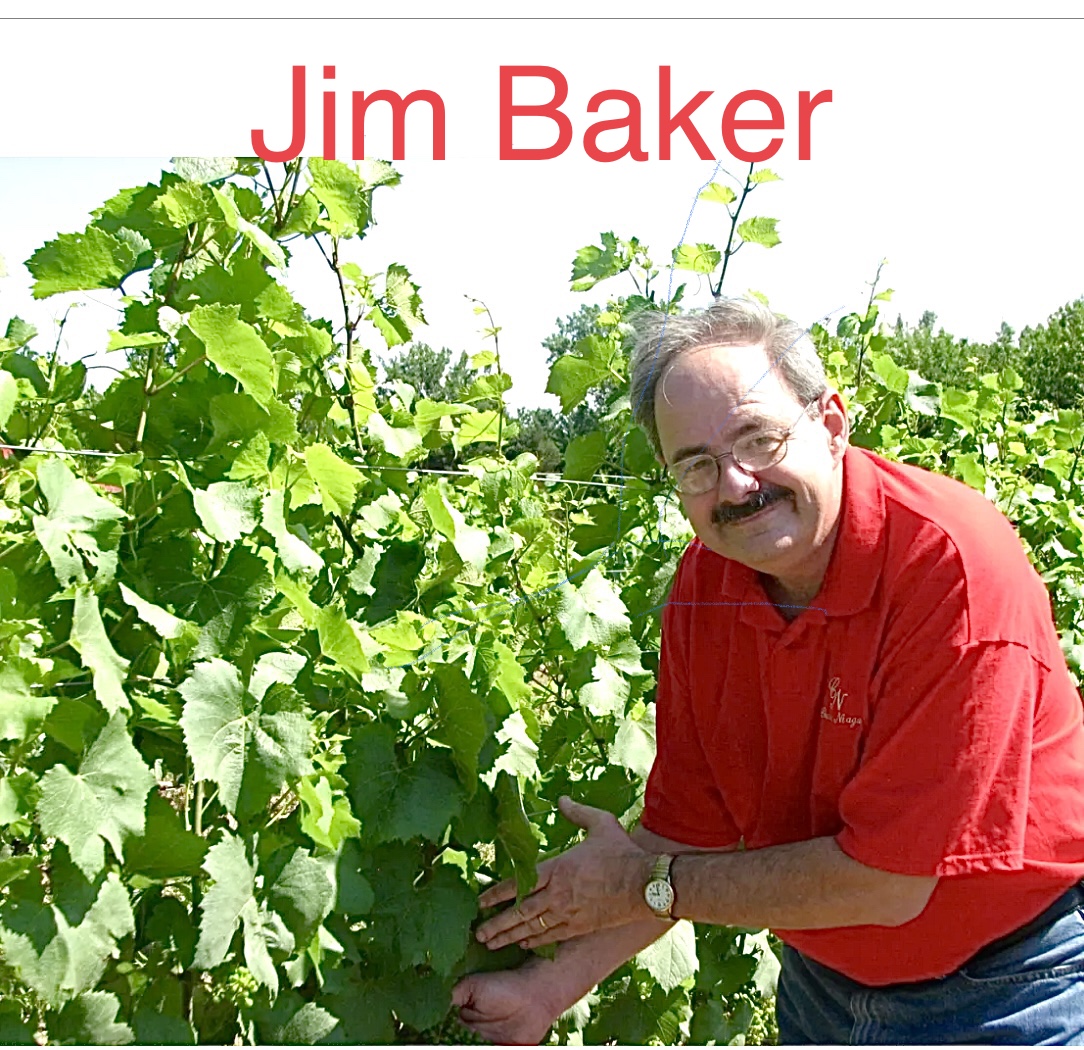
Jim Baker is a visionary when it comes to the wine he makes at his Chateau Niagara Winery located on the Niagara Plain near Lake Ontario in Newfane New York. Jim isn’t afraid to think outside the box or even outside of North America when it comes to the grapes he grows, styles of wine he makes or even the techniques he uses in the cellar. Chateau Niagara Du Monde 2020 is a perfect example of a blend of two well-known white grape varieties that yield a surprising unique wine when they are made using centuries-old methods from the fabled cradle of wine making. 

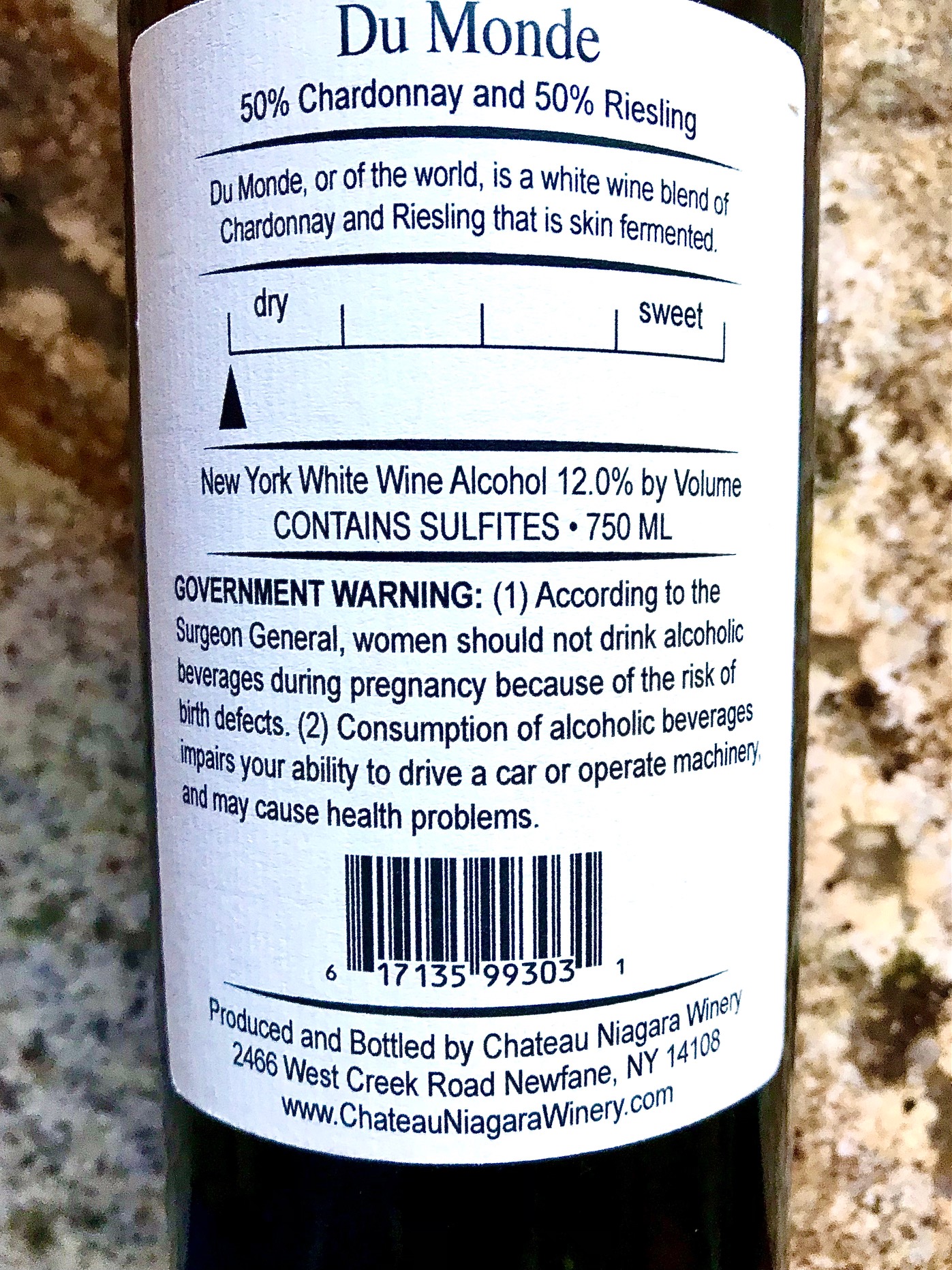
Chateau Niagara Du Monde 2020 is a blend of 50% Chardonnay and 50% Riesling with a R.S. of nominally 0 and an A.B.V. of 12%. Everything from how this wine is made, to the fascinating character these two highly stylized grapes yield when blended together using a process almost exclusively reserved for red grapes is far from the common place. Du Monde 2020 must be tasted to be understood but don’t wait because only twenty three cases were made. I asked Jim to explain how he makes Du Monde so we can appreciate the nuances of his wine.

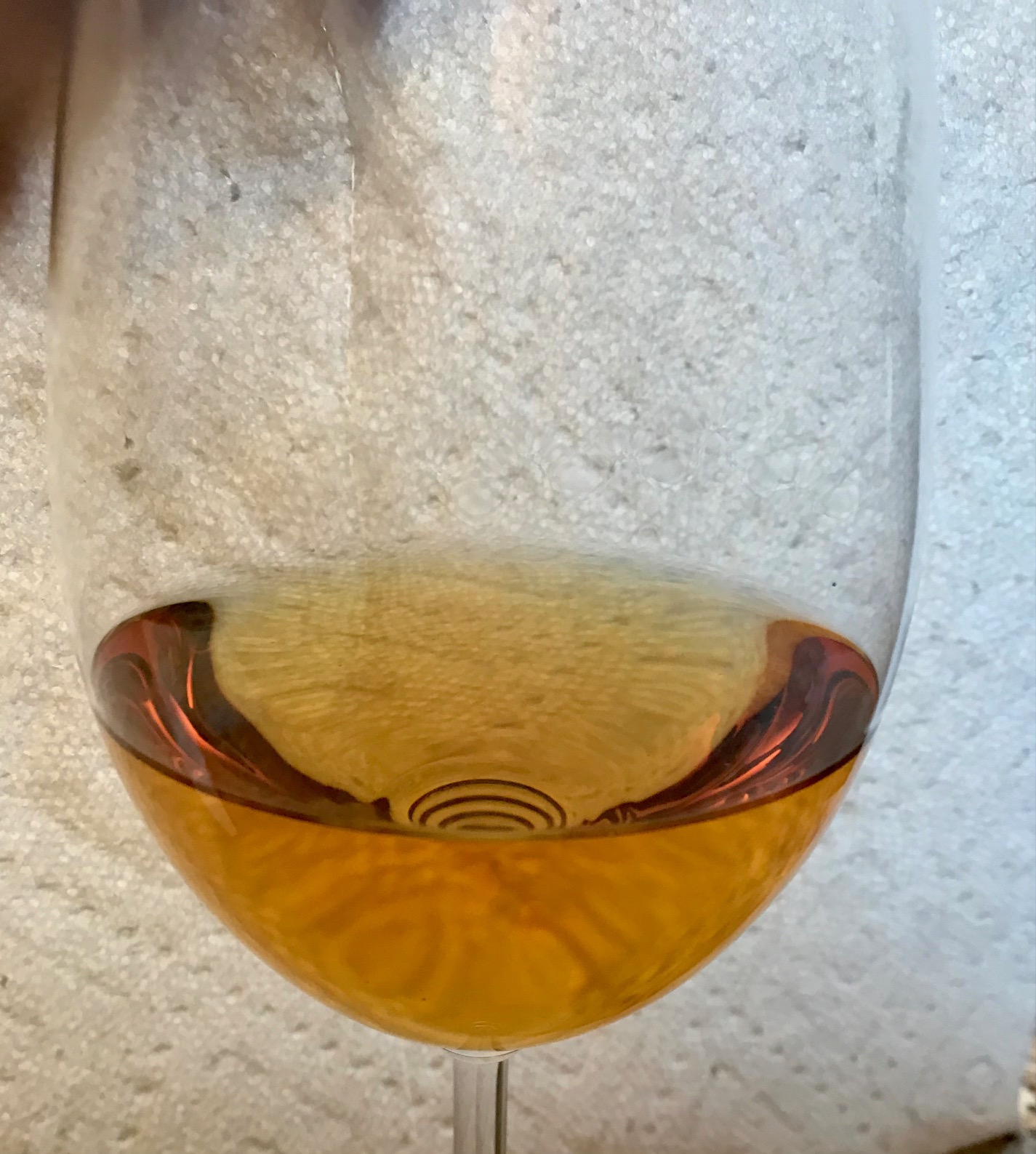
“Du Monde is a wine made as a Georgian style white. These wines are traditionally skin fermented in clay amphora called qvervi for long periods of time. We did not use a qvervi, but we did a long skin maceration of eight weeks. This is similar to red wine making technique and results in a wine with many red wine characteristics such as deep color of amber rather than red. The skin tannins and phenols that give a sense of drinking a red wine, with a white wine finish. Our Du Monde is a 50/50 blend of Riesling and Chardonnay making a unique and promising blend. The combination yields a certain spiciness that is not apparent in either grape variety. This results in Du Monde pairing fantastic with all sorts of Mexican food.”

It would be correct to say this wine is a simple 50/50 blend of Chardonnay and Riesling but that is a much too simple description. It would be better to use the analogy of two perfectly matched dance partners where neither one outshines the other so you can enjoy their performance in its entirety. Chateau Niagara Du Monde 2020 opens with notes of candied fruit leading into flavors of melon and tropical fruit followed by a medium finish with a tinge of lemon peel. This wine is perfectly balanced and displays a deep amber color in the glass. 

All of Jim Baker’s wines can be purchased online at http://chateauniagarawinery.com and by visiting or calling the winery at 2466 West Creek Road Newfane NY 716-778-7888

Tips For Choosing Wine From A Wine List

If you lack confidence when ordering wine from a restaurant’s wine list you are not alone. You should never be intimidated by wine because wine should be fun and an opportunity to learn. Keep it simple and don’t get caught up in what you don’t know but have an open mind to any interesting suggestions that are offered. While many people fall back on the same old selections or point to a bottle and hope for the best, you can do better with a little preparation. Here are a few tips I learned from a sommelier that will help them find you the best wine for your dining experience.

First and foremost, be honest and engaging when asked about your preferences. Tell them the body and style you like because a restaurant invests a lot of money to have a sommelier help you make the wine selection process more enjoyable so take advantage of their knowledge. Here’s a tip that will get the best wine available for the price you want to pay. Simply point to a bottle on the list with the price you are willing to pay and say “I have had (wine name) before but I would like to try something different”. This will let the somm know what you are willing to spend and they can guide you to a bottle in that price range. After you make your selection the somm will retrieve your bottle from the cellar and open it tableside. They will present the cork to you but this is purely ceremonial and there is no need for you to either touch or smell it. Next, they will pour a small sample for you to taste. This sample is for you to check for flaws not to see if you like the wine. If it is acceptable give them a small nod and they will begin serving your dining companions with you being served last. One last tip, during your initial exchange ask your sommelier if there are any wines they are excited about. This allows them to share hidden gems now that they know you share their love of wine.  

Photo by Ray Piedra on Pexels.com

Food Truck Wine Pairings


After reading an article recently about pairing wine with food truck fare I suddenly realized the perfect synergy that food trucks have with the wineries they visit. The eclectic menu items provided by the ever-changing food truck line up at wineries offer a unique opportunity to experiment with wine and food pairings that is simply impossible to achieve in a brick and mortar restaurant.

The following suggestions are only a starting point so I urge you to be creative when composing your pairings. The mind-boggling variety of food choices offered by these vendors provide winery goers an exciting range of dishes and cuisine to explore.

Every item will be accompanied by a Pennsylvania-made wine and one that is widely available and value-priced because remember you are being served your food through a window of a food truck.

BBQ & Grilled Meats: Without question these are the menu items on which the food truck industry was built. When you order from these trucks you need a wine with some backbone to stand up to the flavors of grilled meat, smoke, and sauce. These two bottles fit the bill nicely.

Fero Vineyards & Winery Estate Lemberger http://ferovineyards.com or Zuccardi Q Malbec

Pierogies: This Polish specialty is a comfort food favorite in Western Pennsylvania. Pierogies are most commonly filled with either potato, sauerkraut, or cheese but they can be filled with any number of unusual stuffings. A sweet option to the traditional savory ones is Prune Lekvar. A testament to how beloved pierogies are in the fabric of the community is that the Pittsburgh Pirates hold a pierogie race at every home game. I suggest pairing them with South Shore Wine Company Grűner Veltliner http://enjoymazza.com or Chateau Ste. Michelle Gewűrztraminer

Pizza: You can get anything from an authentic Neapolitan pie to the latest trendy gourmet creations seen on Instagram from a food truck these days. High temperature brick ovens have become the norm in food trucks so it calls for an equally impressive wine to complete your pizza adventure. Try Ripepi Winery & Vineyard Zinfandel http://ripepiwine.com or Menage-A-Trios Pinot Noir

Tacos: A mainstay of the food truck culture on the West Coast, taco trucks have developed a loyal following in Pennsylvania. When it comes to variety and originality you can always find something good at taco truck. I recommend selecting a Rosé or Blush. Consider these wines when doing your pairings. Greendance Isabella http://greendancewinery.com or Château ď Esclan Whispering Angel Rosé

Mac & Cheese: These trucks have filled a niche that has blossomed into one that provides choices not found in the mainstream trucks. When you have the chance please try some of what they are serving up because I think you will be happy you did. My wine picks here would be Narcisi Riesling http://narcisiwinery.com and Cloudy Bay Sauvignon Blanc.

Chicken: Chicken is a blank canvas for the chefs in a food truck. They paint masterpieces using broad strokes of flavor and style. To keep up with their always evolving flavor palates you must pair them with wines that can handle a broad spectrum of spices and preparation methods. These wines are well-suited for that challenge. Winslow Winery Vidal Blanc http://winslowwinery.com and Bogle Vineyards Merlot

Seafood: Seafood themed food trucks offer more than just fish sandwiches. They run the gambit from lobster rolls to sushi. While not as numerous as other cuisine focused trucks, when you find one it will likely be a memorable alternative to standard food truck grub. These two wines are sure to please. Bella Terra Chardonnay http://bellaterravineyards.com and Cantina Zaccagnini Pinot Grigio

My last word to you about pairing wine with any food, not just food truck food, is to trust your instincts because you just can’t make a mistake. So get out there and get the most out of what the wine world has to offer.

Take Me To Church

Kagor is traditionally a fortified dessert wine made from Cabernet Sauvignon, Saperavi, and other varieties of red grapes in the coastal area surrounding the Black Sea. Kagor was originally made for the Russian Orthodox Church as a sacramental wine. Finding American-made Kagor can be very challenging and finding a well-made one is like finding the proverbial “Needle in a haystack”.

Jim Baker owner/winemaker at Chateau Niagara is making an award-winning Kagor from his estate-grown Saperavi. When I say award-winning, I mean that Jim brought home a medal for his Kagor from the prestigious Saperavi World Prize competition held in the Black Sea city of Tbilisi, Georgia plus numerous other awards. While Jim doesn’t fortify his Kagor, he does ferment it up to 15% ABV.

Opening the bottle is just the beginning of enjoying your Chateau Niagara Kagor, there is a method to tasting this unusual and extraordinary wine. I could attempt to explain it but I think there is no one better suited for the job than Jim Baker, so here is how to experience all that Chateau Niagara Kagor has to offer in Jim’s own words.

“Take a taste and swirl around once or twice in your mouth, coating all the taste buds and then stop. Let the wine take over. It will take you a journey, with flavors rising and falling. You want to go until they stop changing, and for most people it’s more than a minute. After that take a bite of a good chocolate truffle and when that is partially melted, taste the wine again, swallowing both together. They effect will be almost immediate with a burst of cherry cordial flavors.”

I asked Jim why he decided to grow grape varieties that are associated with Eastern Europe and make classic Eastern European wines from them. Here is what he said:

“We decided to make the Kagor as part of our Eastern European wine series. We discovered a number of little know Eastern European wines that we thought were pretty cool, and would allow us a little niche to specialize in. This includes a Hungarian Bulls Blood, our Saperavi, a Georgian style skin-fermented Riesling Chardonnay blend called Du Monde, and our Kagor. We planted a new Romanian grape last fall called Feteasca Neagra, but we will be calling it by the way cooler English translation of “Black Maiden”!”

Chateau Niagara will be doubling the size of their Saperavi vineyard to just over an acre of this versatile grape.

If you are interested in trying Jim’s Kagor or any of his other wines they can be found on his website http://chateauniagarawinery.com or by visiting the winery at 2466 West Creek Rood Newfane, NY. Please call before visiting. (716) 778-7888

Kagor 2017 Photo Credit: Chateau Niagara Winery
Saperavi Rose 2019 Photo Credit: Chateau Niagara Winery
Saperavi 2018 Photo Credit: Chateau Niagara Winery