When you hear wine lovers discussing wines from Chile your first thought might be of the value-priced bottles offered by a large discount retailer that piqued your curiosity. How wouldn’t anyone be intrigued by bottles of Chilean Cabernet Sauvignon selling for less than $10 and not be tempted to buy one? This type of mass-produced wine is easy to find because 90% of Chile’s wine production is still focused on that segment of the world wine market. In the last ten years, Chile has made great strides in producing higher quality wines from a growing number of small wineries offering a diverse selection of wines. These wines are made from an increasing number of newly cultivated wine grape varieties. The explosive rise in the number of small producers has generated a keen interest in Chilean boutique wineries.
The expansion of vineyards and wineries is possible because there is a wide range of growing conditions, vineyard sites, compatible grape varieties, topography, and soil profiles just to mention a few of the factors involved. Another little-known but important variable in Chile’s success is that it has never been infected by Phylloxera, even with its close proximity to Argentina which has been.
The country of Chile on a map appears as a long thin strip of land on the western edge of South America from 17 degrees south latitude to 56 degrees south latitude with the Andes Mountains running down its eastern side. Chile’s weather is influenced by the Pacific Ocean’s cold currents (Humboldt) the Chilean Coast Range and the Andes Mountains. As a result of all of these variables, it is no surprise the styles of wine made there are varied and evolving with every vintage.
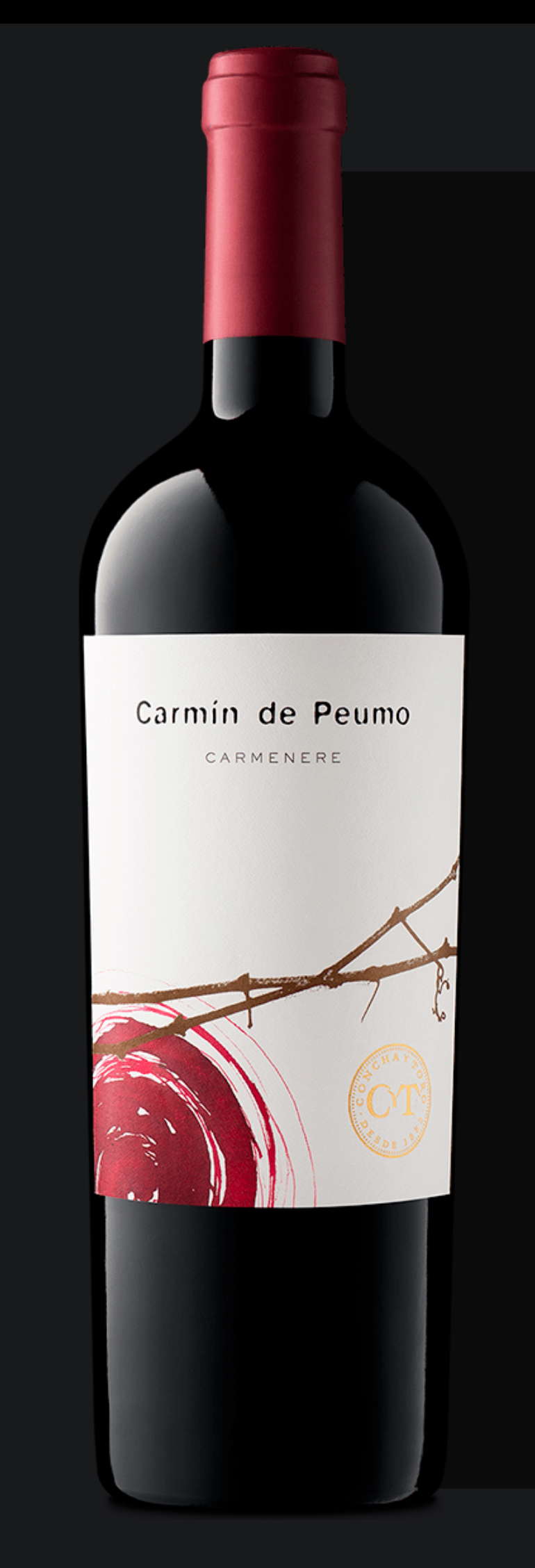
The wine grapes grown in Chile are dominated by five varieties: Cabernet Sauvignon, Chardonnay, Merlot, Sauvignon Blanc, and Carmemère with Cabernet Sauvignon being the most widely planted. Carmenère has an interesting story of how it was mistaken for Merlot for a long time, resulting in it being harvested too early and made as if it was Merlot. After DNA testing revealed its true identity Carmenère was left to ripen fully before harvesting and made using the proper methods for that grape. These changes resulted in an immense improvement in the quality of Chilean Carmenère wine.
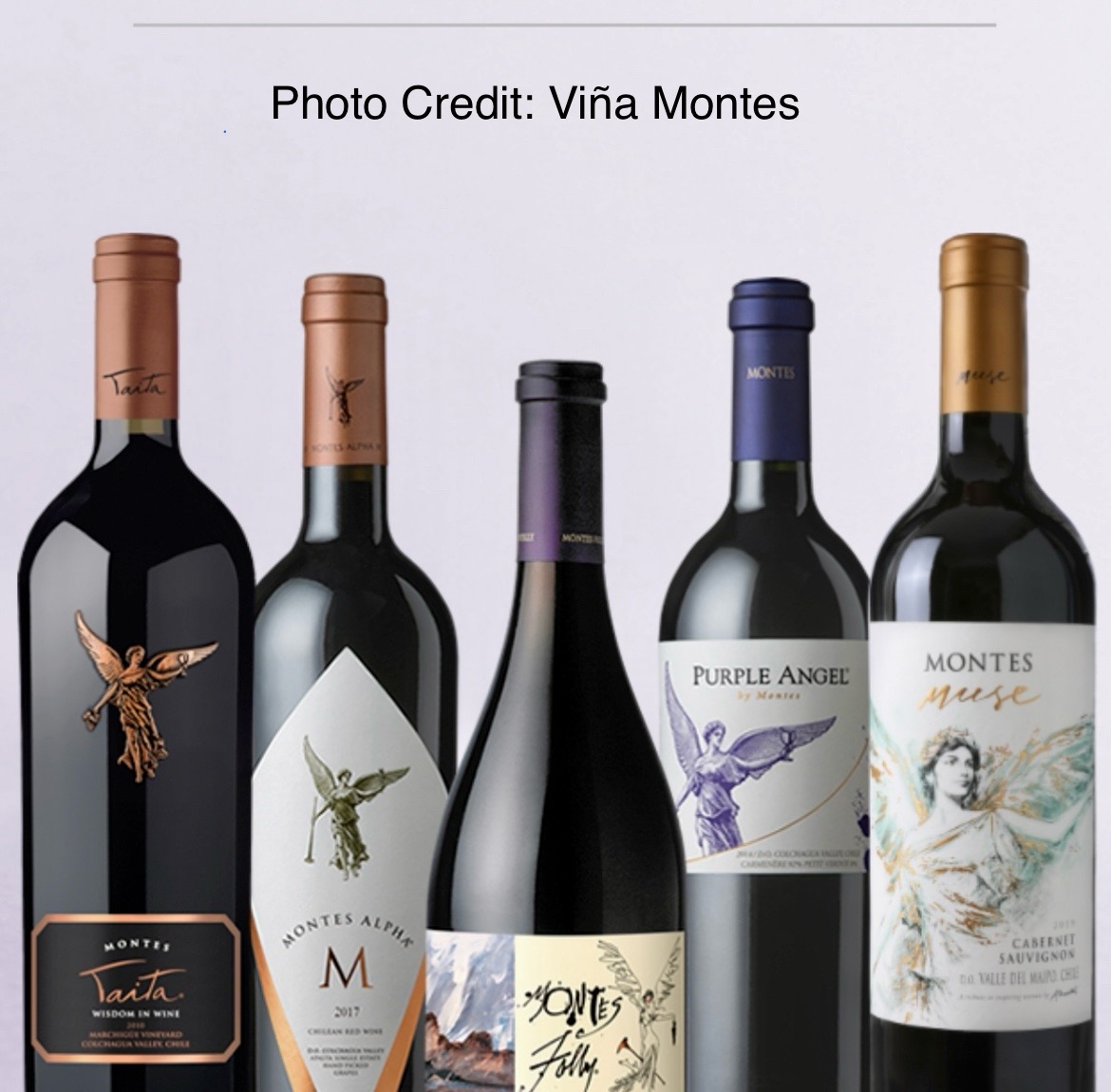
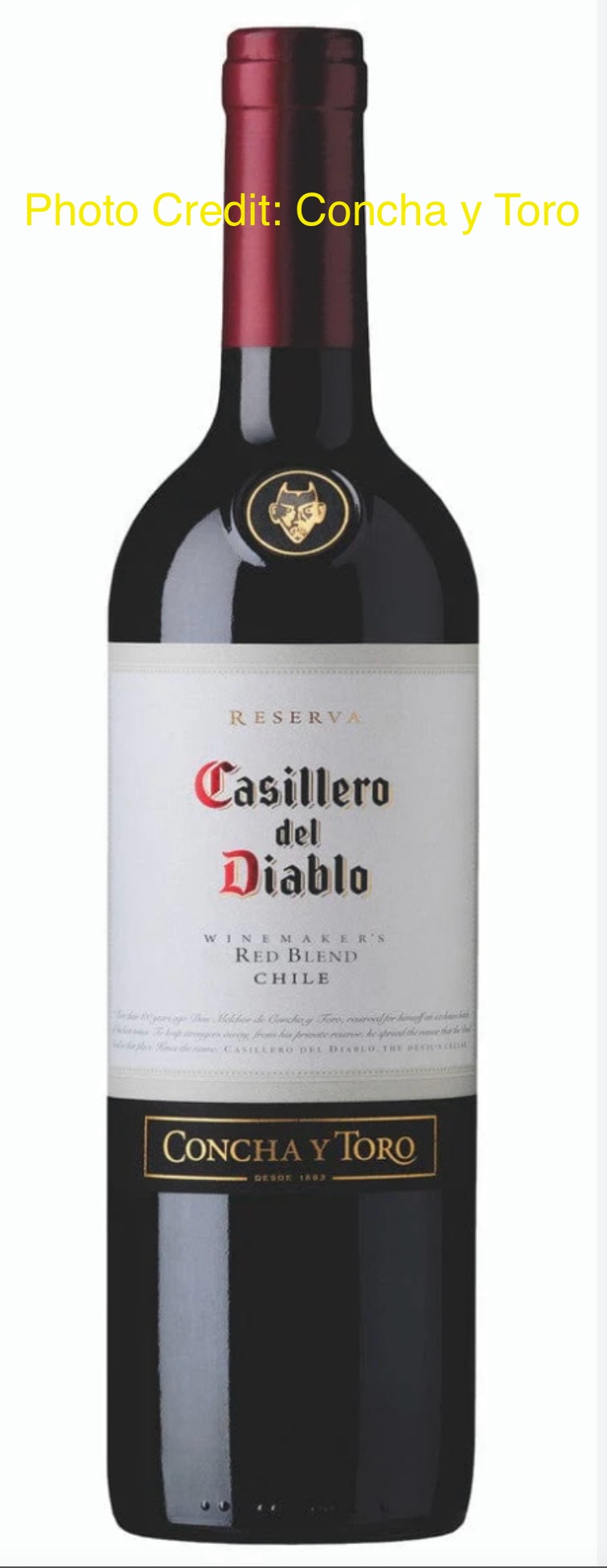
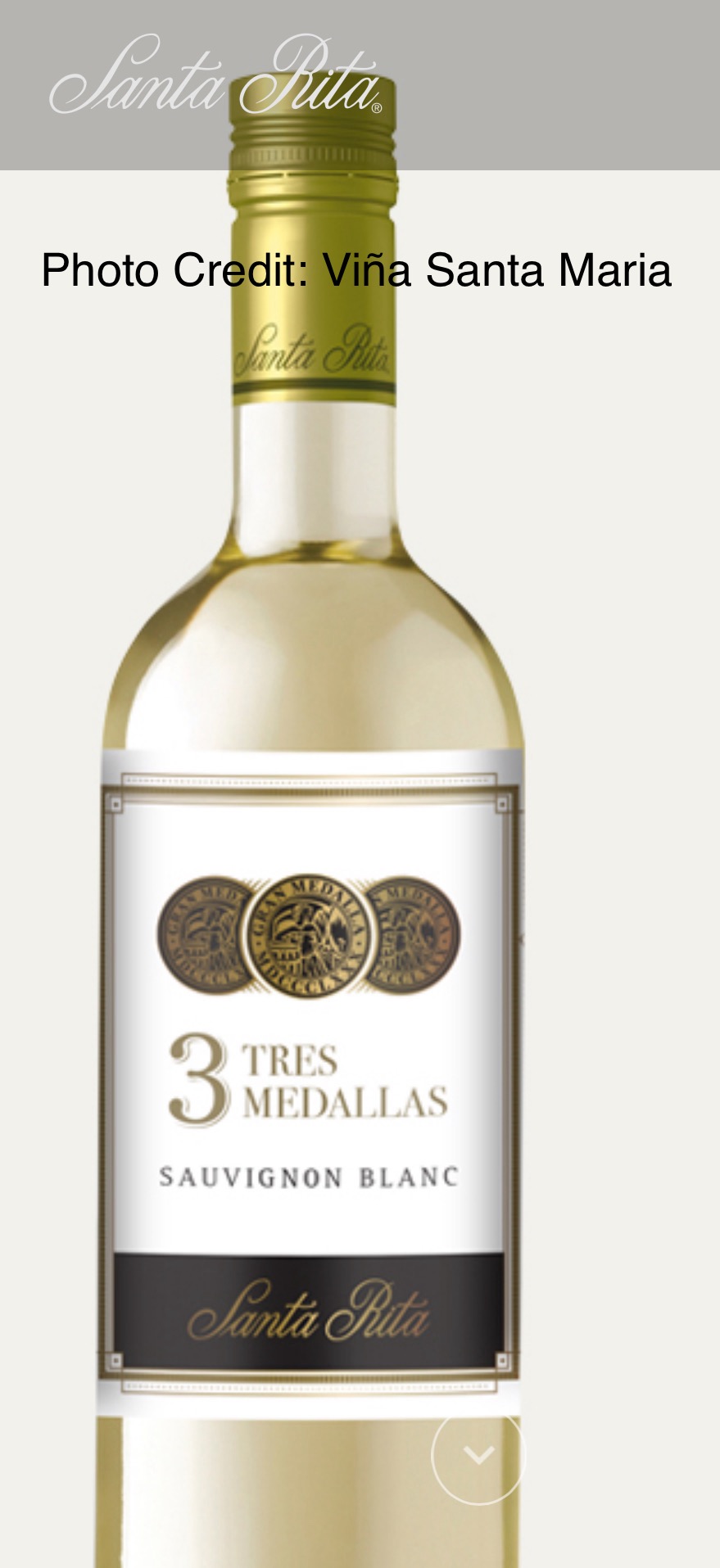
Discovering Chilean wines is a fascinating and personally satisfying venture. I recommend starting your exploration with Cabernet Sauvignon but don’t ignore the other varieties you will come across, especially that country’s signature grape Carmenère. Chile’s most recognizable wine region is the expansive Valle Central or “Central Valley” where many premiere appellations are located, most notably the Maipo Valley and Colchagua Valley. Here are a few suggestions to begin your winery search: Concha y Toro, Santa Rita, Viña Vik, and Viña Montes.
Vince Anter does an excellent job explaining and showcasing the wine and wineries of Chile in an episode of his award-winning wine, food, and travel show V is for Vino http://visforvino.com You can view it and all of his shows for free on his website or YouTube. Here’s a link to his Chile episode https://www.youtube.com/watch?v=BfHBZM7tsIQ
Visiting Chile may not be very practical or economical but buying good wine made there is. What makes Chilean wine a sensible choice when purchasing wine is that it offers you the option to take home an enjoyable bottle at a bargain price or choose one of a higher quality for just a little more money.



 wpawinepirate