Interview: Emily Dockery, Executive Director: Michigan Wine Collaborative

I recently had the pleasure of interviewing Emily Dockery, Executive Director of The Michigan Wine Collaborative. She explained what The Michigan Wine Collaborative is, its mission, and how they are achieving those goals. I also took the opportunity to have her tell me about what we can expect when visiting Michigan Wine Country.

The Michigan Wine Collaborative was formed in 2016 when the news became official that the Michigan Grape & Wine Industry Council would be dissolved and transition into the Michigan Craft Beverage Council. The Michigan Grape and Wine Industry Council was the grape and wine industry’s only state-funded resource that provided marketing, research, support, and more to the state’s winegrowers and wine producers. Facing this loss many in the grape and wine industry saw a need to form a statewide, industry-funded group to supplement losses that the industry would face as the funding, which previously came from the Council, would now be dedicated to the four sectors of Michigan craft beverage including beer, spirits, cider, and wine. A group of winemakers, producers, and growers came together to form the Michigan Wine Collaborative. 

The mission of the MWC is to enhance the sustainability and profitability of the Michigan wine industry by supporting wineries, growers, and other businesses and individuals connected to the industry – today and for future generations. We are passionate about filling the role of the flagship ambassador for the Michigan wine industry by amplifying the Michigan brand, providing resources, and fostering connections for the wine community. It is important to us to consider sustainability not only in the sense of the environment but also for the industry as a whole, so we work hard in the areas of workforce development, marketing, inclusion, and diversity to expand the industry, and grassroots outreach to increase awareness for Michigan agriculture, viticulture, and of course winemaking. 

Our committees within the MWC are dedicated to establishing and executing programs to provide resources, support, and access to those ingrained in our industry and also to those entering the industry. 

Our Sustainability Committee is working on launching a Michigan-focused vineyard certification program called VineBalance along with the Sustainable Ag App created in collaboration with Michigan State University that empowers Michigan grape growers with the tools to farm responsibly and with longevity. The VineBalance program is currently piloting with vineyards and growers across the state. 

Our Inclusion & Expansion Committee is focused on cultivating safe and reward-driven entry points for those historically excluded from the wine industry, especially people of color, to participate and thrive in the Michigan grape and wine industries. In 2023, we launched our DREAM wine collaboration which helped to fund the first year of the official MWC Inclusion & Expansion Educational Fund. This allowed us to offer educational rewards to individuals of color looking to expand their careers in Michigan wine in the areas of production and hospitality. We have been recognized for these efforts through organizations and publications such as:

VESTA Recognizes MWC for Diversity & Inclusion Efforts – Michigan Wine Collaborative

Emerging U.S. Wine Regions with Centuries of Winemaking History (sommtv.com)

We have also been the first in the country to develop a 4-H Viticulture Club in collaboration with our Inclusion & Expansion Committee and our Education & Research Committee with our partners at Michigan State University. This project is known as the MWC Talent Pipeline and connects to our Inclusion & Expansion Recruitment Pipeline which works in tandem to create a sustainable pool of talent for the Michigan grape and wine industries to pull from. We are hoping to be able to spark interest in agriculture, and specifically viticulture for youths throughout the state with our 4-H Viticulture Club. However, a major focus of the program was to establish educational vineyards within the city of Detroit to tap into populations often left out of agriculture and viticulture in addition to increasing urban green spaces and expanding Michigan wine country east. More on this program and our video library can be found below…

Michigan Viticulture is Growing Strong in the State | Michigan Ag Today

Five Youth Programs in Viticulture | Wine Enthusiast

4-H viticulture pilot pairs youth with wineries – Brownfield Ag News

MWC Talent Pipeline 4-H Viticulture Video Curriculum – YouTube

Our Marketing Committee has been steadfast towards the goal of solidifying the image and culture of Michigan wine by forming a statewide wine brand to bring new consumers to the Michigan wine table. Taste Michigan, funded by a USDA Specialty Crop Block Grant, was a project spanning over 2 years. In 2023 the brand launched the Cool is Hot Campaign which encouraged Michigan wine drinkers to learn about and enjoy cool climate grapes that thrive in the state. Earlier this year the brand and campaign were recognized at the Wine Industry Network Marketing Awards for Association Marketing awarding the Taste Michigan™ brand and the Cool is Hot campaign.

Taste Michigan: Cool is Hot – YouTube

This is honestly a very brief preview of the work and projects the MWC is invested in and executing. We stay VERY busy and achieve an exponential amount of things with extremely limited resources. We are always looking for sponsors and donors for us to be able to continue our important work as Michigan Wine’s only statewide nonprofit industry group. You can learn more about how to contribute, join, or sponsor below…

Sponsors & Partners – Michigan Wine Collaborative

Membership – Michigan Wine Collaborative

Michigan Wine Collaborative – Donate (wildapricot.org)

Michigan has 5 AVAs, each with a distinct terroir, culture, and offerings. I encourage all wine lovers to explore each one and indulge in their individualistic identities. Our AVAs along the west side of the state and Lake Michigan (Fennville, Lake Michigan Shore, Old Mission Peninsula, and Leelanau Peninsula) offer a vast range of wine styles and varieties including Cabernet Franc, Riesling, Pinot Blanc, Chardonnay, and dozens of more vinifera and hybrid offerings. Michigan thrives on tourism whether it is during the warmer summer months when visitors can enjoy our beaches, water sports, hiking, fine and casual dining, and more…the fall when the harvest is peaking, the colors are incredible, and the air starts to crisp, or the winter where water sports are traded for things like snowshoeing and snowmobiling…all seasons and activities pair with Michigan wine as you are sure to find a winery very close to you at almost all times. Our newest AVA, Tip of the Mitt, is pioneering growing the newest and most innovative grape varieties including Marquette, Itasca, Frontenac, and other cool and funky hybrids. There is just so much the state has to offer when it comes to wines…within the official AVAs and across both peninsulas. We have over 190 wineries in the state and so many stories to share. 

I admit that my knowledge of Michigan wine is limited. But after hearing what Emily had to say about the exciting things happening in the vineyards and wineries of Michigan, my interest has been piqued. I will be exploring the possibilities Michigan wines offer and I hope you will too!

Photo Credit: Michigan Wine Collaborative

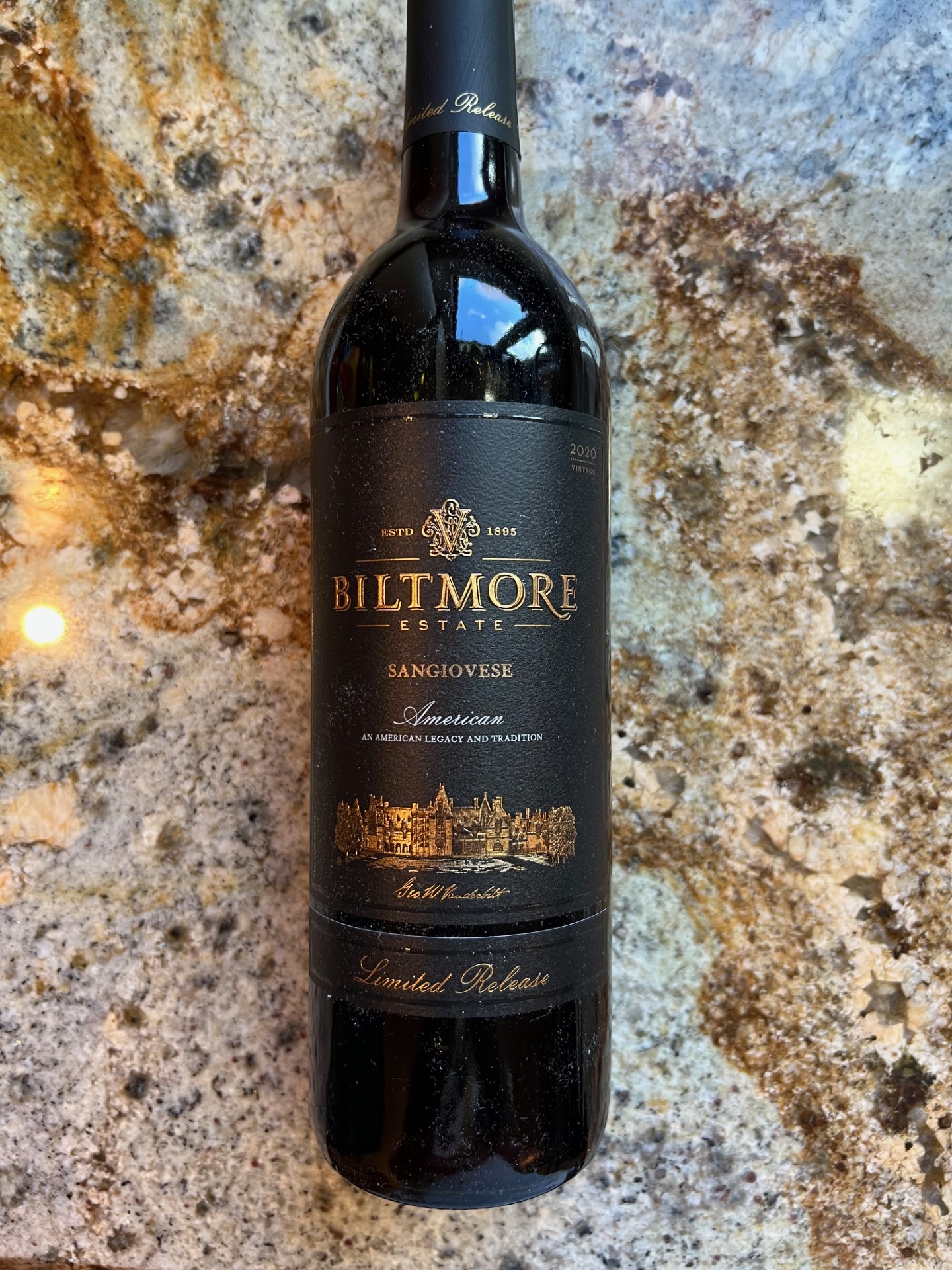
Biltmore Estate Sangiovese Limited Release 2020

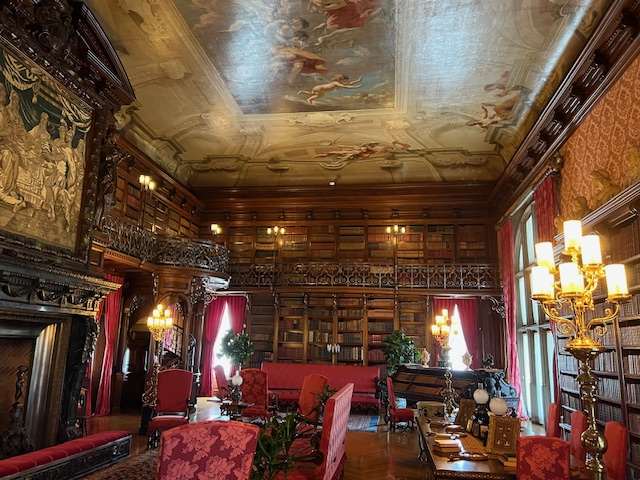
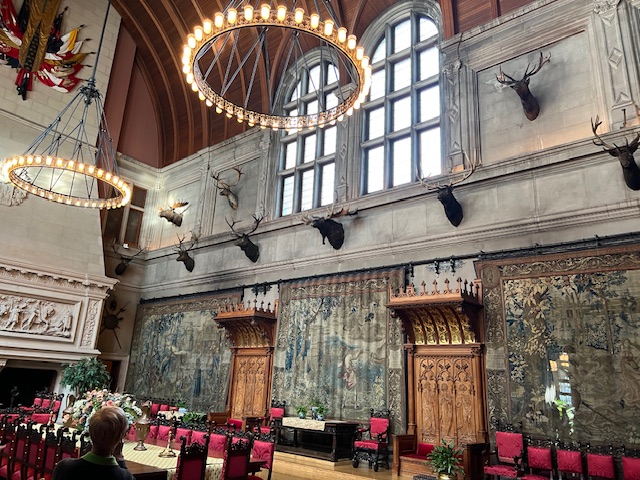
On a visit to Asheville, North Carolina we toured the Biltmore Estate. Biltmore was the home of the Industrialist, George Vanderbilt. I highly recommend experiencing this remarkable piece of American history and learning about how it was on the cutting edge of many things we take for granted today. With the price of admission to the mansion and grounds you also receive a complimentary wine tasting at the winery. The winery at the Biltmore Estate is the most visited winery in North America. We enjoyed our tasting and purchased several bottles. Their wines are well made, good quality, and fairly priced. 

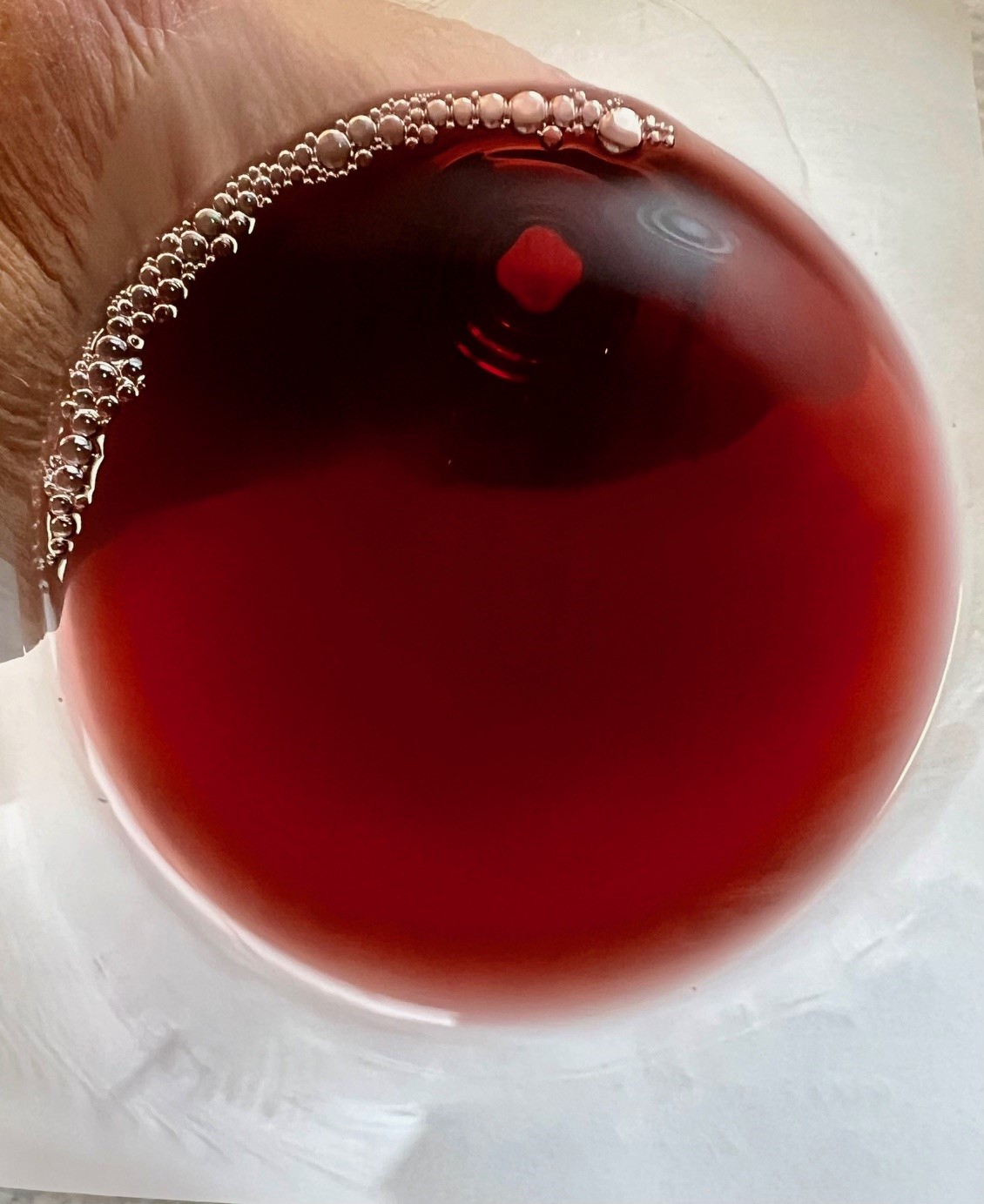
One of the bottles we bought was their Biltmore Estate Sangiovese Limited Release 2020. It is a ruby-colored wine with a medium body displaying more than ample acidity to pair with food while not overpowering its fruit flavors. Biltmore Estate Sangiovese Limited Release 2020 pairs perfectly with pasta in a hearty red sauce or grilled meat.

Bloom Where You Are Planted

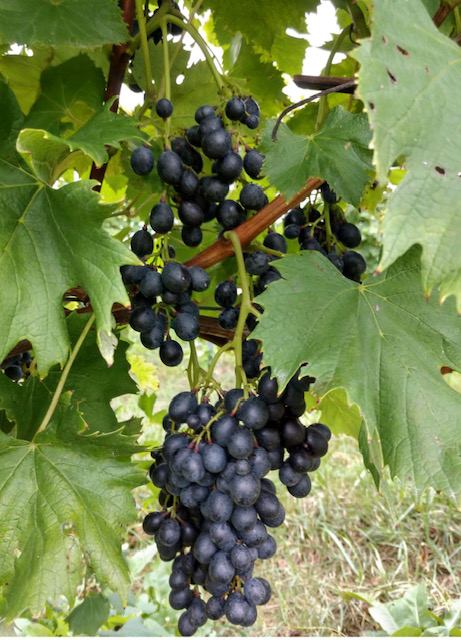
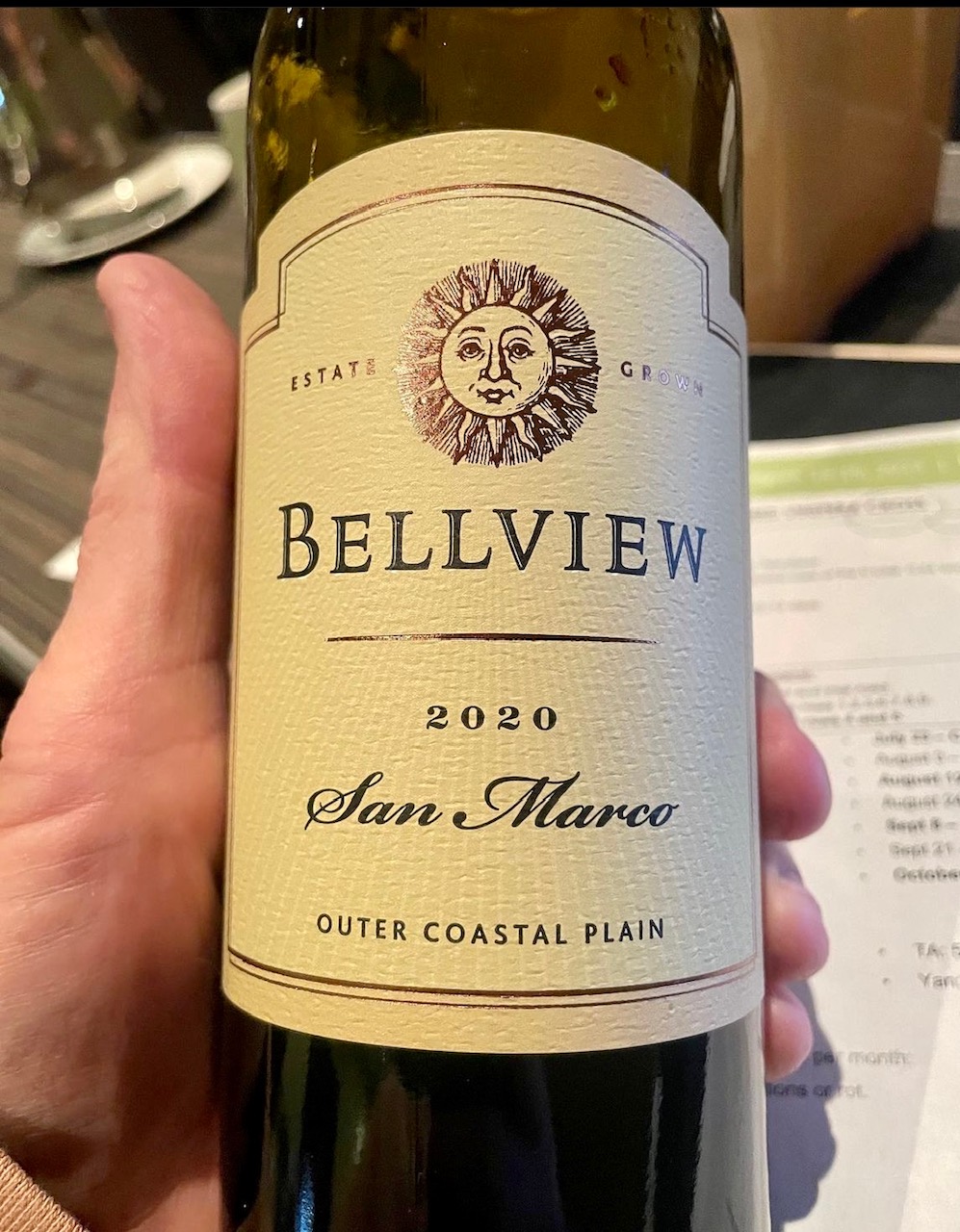
San Marco, a new vinifera wine grape cross variety has been generating plenty of buzz in the eastern United States since the Quarella family, owners of Bellview Winery imported vines from Italy and planted them in their Landisville, New Jersey vineyard more than ten years ago. 

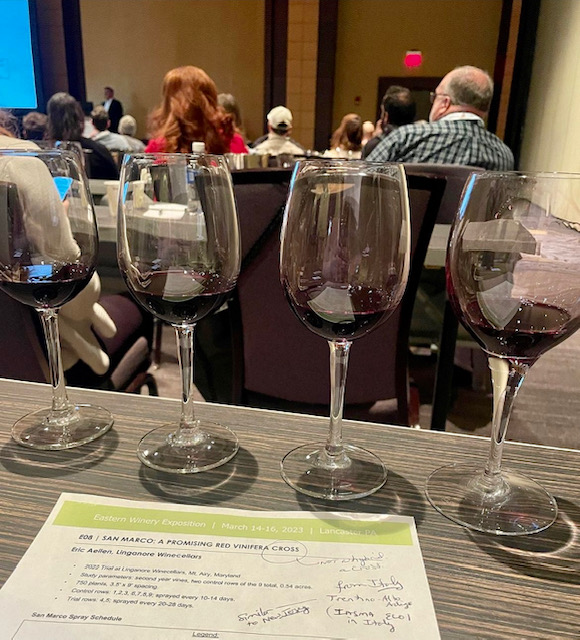
My friend and winemaker Jerry Pompa (Instagram: @jerrypompa) piqued my interest in this promising grape after he attended a Quarella family presentation at the Eastern Winery Expo 2023. 

San Marco was created in 1993 by Marco Stefanini at Trentino’s Foundation Edmund Mach. Trentino-Alto Adige is Italy’s northernmost region. It has weather conditions similar to those found on the East Coast of the United States with its temperature extremes, both hot and cold. 

San Marco is a cross between two grapes of the Alto Adige, Teroldego and Lagrien. You can find my review of Castel Sallegg Lagrein 2019 and my interview with Castel Sallegg Director, Ulrike Platter by scrolling down this blog page. 

San Marco has loose, medium-sized oval berries with deep pigmentation of skin and flesh, like another teinturier favorite of mine, Saperavi. Cane pruning is required and training on a VSP (vertical shoot position) trellis provides the best results in the U.S., as opposed to the pergola method used in Italy. One thing holding this variety back in the U.S. is the discovery of Grapevine Pinot Gris Virus (GPGV) and Grapevine red blotch-associated Virus (GPBaV) on some vines. Growers in Italy have experienced this same issue but say it has yet to affect the quality of their fruit or spread to neighboring vines. Virus-free vines should be available from Double A Vineyards doubleavineyards.com for $13.50 but are currently sold out. Jerry’s tasting notes for Bellview San Marco Outer Coastal Plain 2020 mention a dense plum color, black fruit, spice, cherries, and chocolate. 

It is exciting to see a new red wine grape emerge with the potential that San Marco has. The wine culture in America continues to evolve and improve, albeit slowly but the future of this grape and others look bright.

Photo Credit: Jerry Pompa and winemaking.com

Interview: Ulrike Platter, Director Castel Sallegg (Alto Adige, Italy)

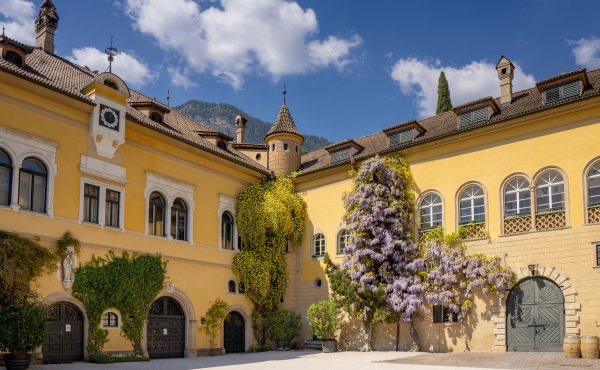
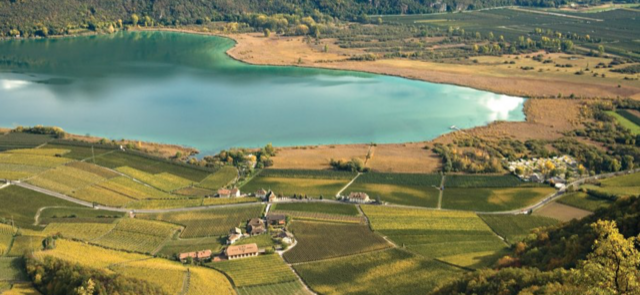
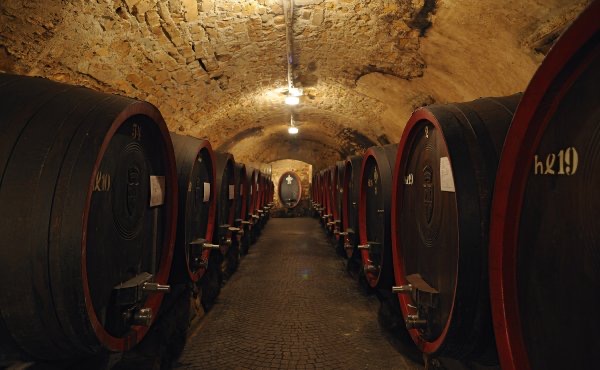
Castel Sallegg is a family-run firm of winegrowers located in Caldaro, Alto Adige (Italy) that is dedicated to maintaining and preserving the winemaking culture of the region. With a storied history and a tradition of commitment to excellence, the von Kuenburg family has ensured the production of quality wines from Castel Sallegg for over a century. While the winemaking team has great pride in its past they are focused on the future and the challenges that must be navigated to maintain its high standards in all phases of the operation. 

For answers about how they are addressing these problems and what we should know about Castel Sallegg, I asked its Director Ulrike Platter to share her thoughts with my readers and me.

1. The wines of Alto Adige are famous for being able to express their terroir. What methods and technologies does Castel Sallegg employ to ensure this “Sense of place” is preserved in your wines?

“Oltradige, the epitome of the wine-growing tradition in Alto Adige, lies at the foot of the Mendola Mountains in the hills of the western Adige Valley between Bolzano and Termeno. Vines have found ideal conditions in this delightful landscape for thousands of years. The winegrowing region of Alto Adige is one of the oldest in Central Europe and the entire German-speaking world.”Oltradige, the epitome of the wine-growing tradition in Alto Adige, lies at the foot of the Mendola Mountains in the hills of the western Adige Valley between Bolzano and Termeno. Vines have found ideal conditions in this delightful landscape for thousands of years. The winegrowing region of Alto Adige is one of the oldest in Central Europe and the entire German-speaking world.

The Alps form a protective barrier against cold winds from the north, while the southerly Ora wind from Lake Garda has a mild Mediterranean influence. Our wines benefit from the cool downslope winds coming off the Mendola Mountains. The vines flourish here thanks to an average of 1,800 hours of sunshine per year and average temperatures of almost 17 degrees Celsius during the vegetation period.

The family-owned vineyards are located in 3 historical vineyards in Caldaro:

✓ Preyhof / vineyard Prey: 550 m above sea level and situated in the Caldaro district of Paese di Mezzo.

✓ Leisenhof / vineyard Leisenpuiten: 500 m above sea level. Central location in the village of Caldaro.

✓ Seehof/vineyard VIGNA Bischofsleiten, vineyard Nussleiten: 230 – 280 m above sea level. San Giuseppe al Lago, Caldaro.

Due to the vineyards, which range from 230-550 m above sea level, Castel Sallegg identifies the best conditions for each grape variety and tries to make optimum use of this diversity.

Best practice: Our VIGNA Bischofsleiten Lago di Caldaro scelto classico superiore DOC: VIGNA (What is a Grand Cru for the French is a VIGNA for the Italians and for us South Tyroleans.) guarantees our customers that the grapes for this wine come 100% from this vineyard. In order to preserve these 50-year-old vines, the vines that fall out due to age, illness, etc., will be replanted with our own clones.

The goal is to produce top-quality wines in harmony with the terroir we have.”

2. With Alto Adige containing so many different microclimates and growing conditions in its vineyards, have the vineyard managers noticed any changes as a result of climate change? If they have, what can you tell us about them and how are you planning for your future vineyard management? 

“Our vineyard manager noticed the changes, especially this year, which was hot and dry. Since Castel Sallegg is more of a red wine winery (we produce 58% of red wines) and we often had difficulties in the past years, with the red grapes, such as Lagrein, Merlot, and Cabernet Sauvignon fully ripening, so 2022 was a great year for us.

In addition, 80% of our vines are 30-50 years old, which means that the roots are growing very deep to get enough water for themselves even in a very hot season. These vines are stable.

Problems can be seen in younger plants or new plants.

For this purpose, we invested in a project for the next few years, which will digitize needs-based irrigation. This means that the humidity of the soil is measured by soil sensors and the vines in different places were partially watered by a targeted system.

Since we have some vineyards on a slope and the vines get less water at the top by draining and the vines at the foot get more water we can irrigate more targeted and water-saving.

We have also noticed increased hail in recent years. For this reason, we will place our most important vineyards under hail nets in the next 2-3 years.”

Thank you to Ulrike for sharing her time and down-to-earth expertise in the mindset and operations at Castel Sallegg.

My review of the 2019 Castel Sallegg Lagrein will be posted soon.

All Images Photo Credit: Castel Sallegg

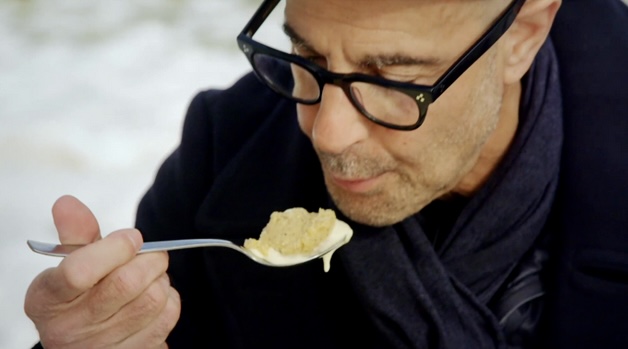
CIAO! Stanley Tucci

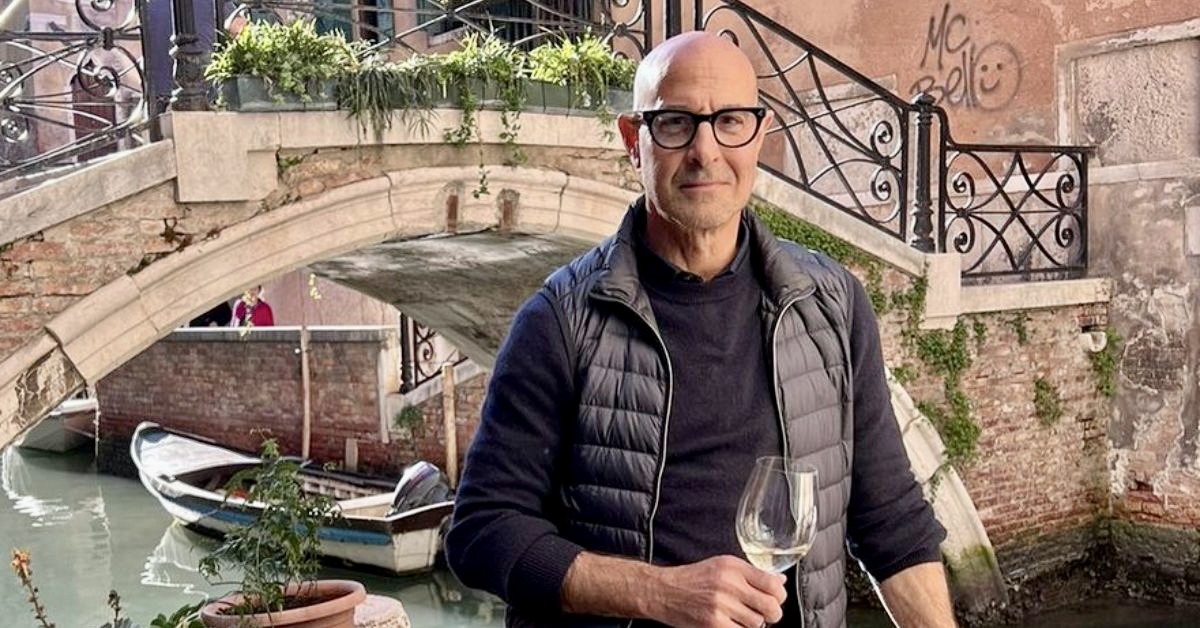
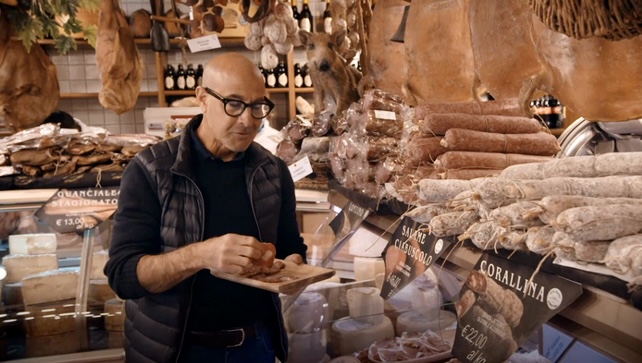
CNN has canceled Stanley Tucci: Searching for Italy and all of its original programming. But all is not lost because I heard Stanley tell Jimmy Fallon on The Tonight Show that he was exploring the possibility of reviving the show on another network, whether it be broadcast, cable, or streaming. This was more than just a travel show that featured the traditional tourist attractions, and scenic vistas of the Italian countryside and coastline. This production had that special feeling one gets when traveling with a friend who knows all the best spots and interesting locals that really allows you to immerse yourself into the culture of each region you visit. Tagging along with Stanley Tucci I experienced the Italy that only Stanley could show me with his adventurous palate, wry smile, and that all-knowing look of his.

When I heard CNN wouldn’t be renewing a new season of Stanley Tucci: Searching for Italy I got that same feeling you get when the plane lifts off the runway on your return home from a great vacation. You know that feeling of joy in the memories you made but a hint of sadness because there was more to see and do.

With that said, I am thankful to have had the opportunity to see Italy through Stanley’s eyes. If you are wondering where he went here’s a recap. Season One: Naples and the Amalfi Coast, Rome, Bologna, Tuscany, Milan, and Sicily. Season Two: Venice, Liguria, Piedmont, Puglia, Sardinia, Umbria, London, and Calabria.

Luckily for anyone who may have missed any or all of the episodes they are available through a number of media outlets that can be easily found with an internet search. If you have a cable subscription you can access all of the Stanley Tucci: Searching for Italy episodes from both seasons for free by going to go.CNN.com/vod (http://go.cnn.com/vod) and find Stanley Tucci: Searching for Italy, click on it, and log in using your cable provider when prompted. I have found the Microsoft Edge browser works better for this site than Mozilla does for streaming its content.

All that is left to say now is Grazie di tutto, Stanley! 

Photos Credit: CNN Stanley Tucci: Searching for Italy

Review: Saperica 1st Annual Saperavi Festival Finger Lakes

On May 14, 2022, an event took place in the Finger Lakes Wine Region of New York that was a landmark moment in the history of Saperavi, not only for the future direction of Saperavi in the northeastern U.S. but for all of North America. While Saperavi has been on a steadily ascending arc for several years this gathering of Saperavi winemakers, growers, and enthusiasts will prove to be the catalyst that fuels Saperavi’s meteoric rise into the conscience of the American wine lovers.

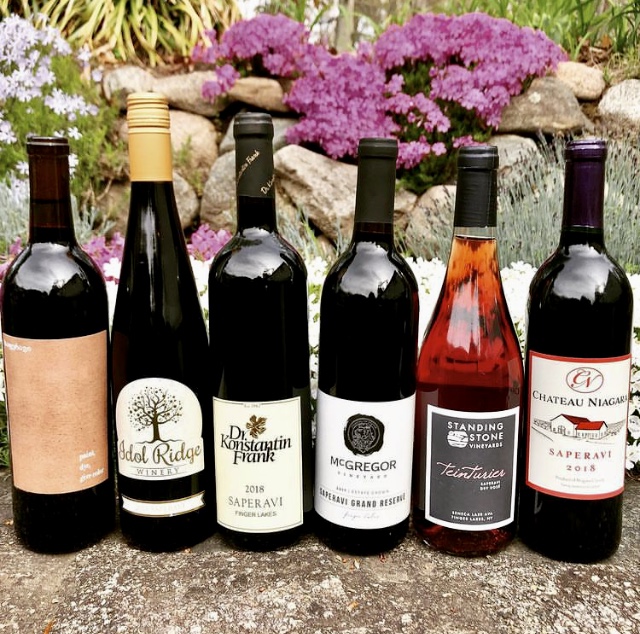
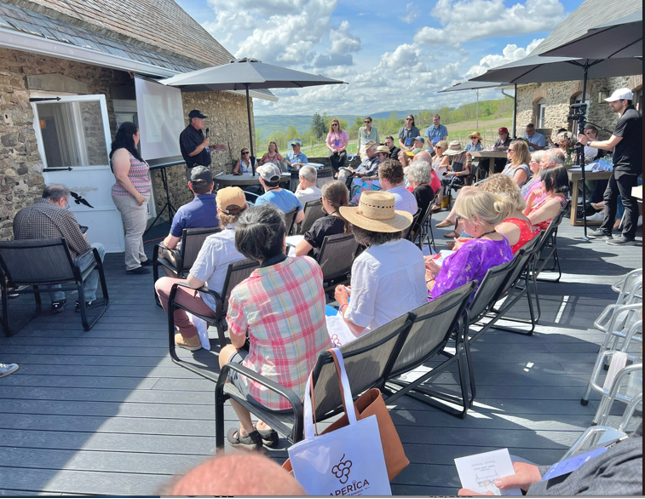
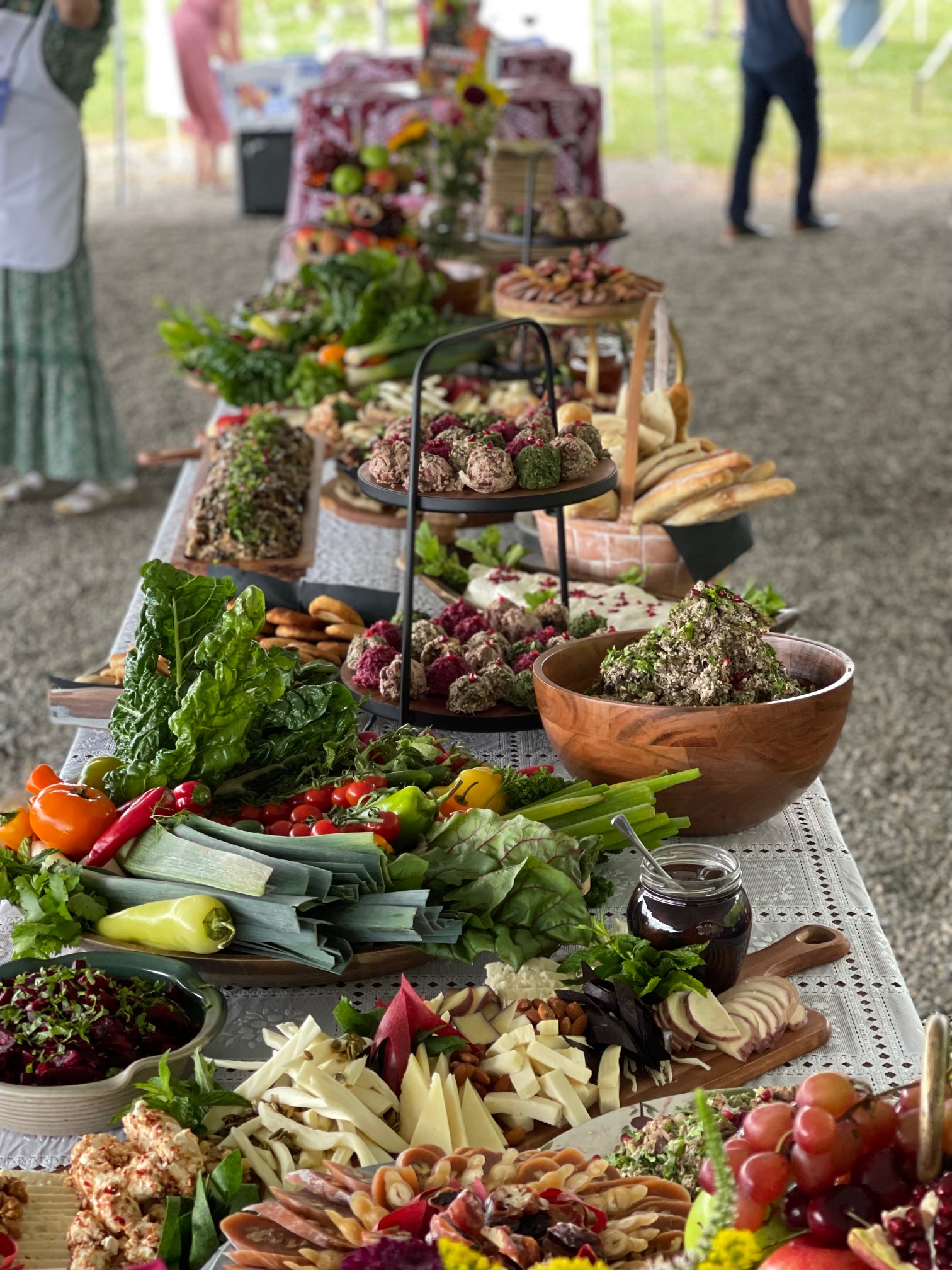
Saperica http://saperica.org, the nonprofit founded by Lasha Tsatava and Erika Frey, held its inaugural Saperavi Festival at the iconic Dr. Konstantin Frank Winery overlooking Keuka Lake in Hammondsport, New York. The one-day event was a sellout with more than three hundred guests enjoying winetastings and delicious traditional Georgian cuisine prepared by Chama Mama, a Georgian-themed restaurant from New York City. The trade and media portion of the festival drew over fifty participants that were greeted with opening remarks from Fred Frank and Saperica co-founder Erika Frey. Keynote speaker Lado Uzunashvili delivered a live virtual presentation on the importance of Saperavi that was followed by guest speaker Darra Goldstein (Flavors of Georgia). Both presentations can be viewed on Saperica’s YouTube channel https://www.youtube.com/watch?v=MUb_6pPRupQ Closing remarks were presented by Saperica co-founder Lasha Tsatava with a special thank you to Meaghan Frank for her tireless efforts to make the Festival a resounding success.

I ask some of the contributors to share thoughts and impressions about the festivities and their vision for Saperavi in North America.

Lasha Tsatava, Director @ Boston Sommelier Society and co-founder of Saperica Inc.

When we first started to tell the story of Saperavi and its connection to Georgian culture and the history of wine, we saw how people’s eyes lit up and we wanted to grow that feeling in FLX and beyond. At the Saperavi Festival’s Trade & Media event, I made it clear in the closing remarks, that our organization’s goals are, as a minimum, to make Saperavi a premier red grape variety in the Finger Lakes region and the ultimate goal is to build a Georgian Cultural Center with Marani (Georgian traditional cellar with qvevris) in Finger Lakes, NY. The 1st annual Saperavi Festival has reconfirmed the sensibility of these goals.

Fred Frank, President, and CEO of Dr. Frank’s Vinifera Wine Cellars, grandson of wine legend Dr. Konstantin Frank & Meaghan Frank’s father

We were honored to host this first Saperavi Festival at our historic winery. I am sure Konstantin was looking down from the heavens with pride to see all the attention and acceptance that his beloved Saperavi was receiving from the hundreds in attendance. Konstantin was the first to plant Saperavi in the United States in the late 1950s in his vineyard above Keuka Lake. He was a big fan of this variety for its historic pedigree originating in Georgia and believed it would have a great future in the Eastern United States. Saperavi vines are cold hardy and the wines are of high quality with deep color. We look forward to the next Saperavi Festival and continued acceptance of this historic grape variety.  

Jim Baker, owner/winemaker of Chateau Niagara Winery, located on the Niagara Lake Plain, Newfane New York

My thoughts on the festival are quite positive. The media section contained two presentations featuring my good friend Lado Uzunashvili, and Darra Goldstein. Lado is an old friend and did a great overview of Saperavi in Georgia and the world, including history and all sorts of technical information on the grape in several world locations. He did a comparison of our winery and a Georgian location. Darra Goldstein presented a history of Georgian food and culture. Food was served up from Chamma Mama, a Georgian restaurant in NYC. It was truly a Georgian feast. We got to taste wines from a number of American and Georgian producers. It was surprising how well we held our own against some stunning Georgian producers. The afternoon consisted of more Georgian feasting and public tastings of wine. All in all a great celebration of Saperavi and Georgian culture.

Phil Plummer, Head winemaker at all three Martin Family Wineries in the Finger Lakes.

I attended the festival, but mostly on the technical/trade end of the schedule. I can’t speak to marketing impact and the like, but the viticultural and enological information shared in the trade sessions was really compelling. Saperavi is a very exciting grape variety for us in the Finger Lakes, but I think winemakers should be excited about this one on a global level, too. Saperavi exists at the intersection of past, present, and future winemaking. As one of the earliest-cultivated grape varieties, working with Saperavi gives winemakers an opportunity to connect to the past–walking in the footsteps of the countless generations of winemakers who came before us. At present, Saperavi’s unique versatility allows winemakers to experiment, making wines in a widening array of styles. Looking forward, Saperavi’s resilience and versatility position it as a grape variety to embrace in the wake of a changing climate. As a blending component or varietal, Saperavi rarely disappoints. From a culinary standpoint, its rich phenolic profile, bright acid, and unmistakable aromatics present exciting opportunities for wine and food pairing, particularly with the Georgian cuisine available at the festival.

Erika Frye, co-founder of Saperica Inc., CS, CWE & Diploma WSET

When I started discovering Saperavi in the Finger Lakes several years ago, I could feel that there was something special about this grape variety in this region.  There is a buzz that surrounds Saperavi which started off whisper-like but has now grown into a conversation that cannot be ignored.  The 1st annual Saperavi Festival came at just the right time to give this grape variety a clear voice to tell the story of its past, present, and future.  It comes at a time when Saperavi plantings are increasing in the Finger Lakes region.  We hope that these new producers will be able to use the Saperica organization and the Saperavi Festival as resources to find information about the Saperavi grape variety, learn about its Georgian heritage and connect with other Saperavi producers.

The most exciting thing about the festival for me was the ability to build connections.  We had a great partnership between the three festival hosts – Saperica, Dr. Konstantin Frank, and Chama Mama.  An impressive group of wine producers and wine importers were present from both the USA and Georgia.  Two experts in their fields shared their knowledge of Saperavi winemaking and Georgian cuisine.  Most importantly, there were about 250 festival attendees who were connecting with the wines, the food, the environment, and the people.  When I was able to stop for a moment and survey the amazing crowd of people who had come together to celebrate Saperavi, that is what made me feel truly proud – proud of the community that we are starting to build and what we will all be able to accomplish together in the future.

John McGregor, Vice President of McGregor Vineyard

The Saperavi Festival was a great introduction to Saperavi for many.  Its Georgian roots were presented wonderfully!  McGregor Vineyard was the sole producer of Saperavi in the United States for decades. Now the Finger Lakes is home to numerous Saperavi producers, and more are sure to come in the near future. This festival really felt like a validation of my late father, Bob McGregor’s steadfast belief that Saperavi was perfectly suited to grow in the Finger Lakes and could make some of the region’s finest and most respected wines.

Bryanna Cramer, Assistant Winemaker Standing Stone Vineyards

I felt like the event was a huge success for the region, seeing as it was the first annual and it sold out and had additional tickets added on. It felt like the overall vibe was excitement about the variety as well as a general curiosity about its potential here in the FLX. It was really beneficial to have vendors pouring various Saperavi from Georgia to have as a reference, as well as Georgians giving their genuine feedback on the wines being made here in the Finger Lakes. I think they were pleasantly surprised by the quality and authenticity that can be achieved. From the customer perspective, I think the majority are still discovering the variety, its characteristics, and its history but I see that as an opportunity to continue educating not only at events like this but also on-site at Standing Stone and the other wineries working with Saperavi. 

This event and those all involved proved that Saperavi has progressed from being viewed as a grape variety with the potential to make outstanding varietal wine here in North America to being acknowledged as a proven producer of high-quality wine in various styles. Saperavi will continue to evolve as new winemakers add their interpretations of how it can be made and the newly planted Saperavi vineyards come into production expressing the terroir of their increasingly diverse geographic locations.

Congratulations to everyone involved in Saperica’s Saperavi Festival in the Finger Lakes on its successful endeavor to gather Saperavi lovers and promote this ancient grape. A special thank you to Lasha, Erika, Fred, Phil, John, Bryanna, and Jim for taking the time to share their thoughts and insights about Saperavi.

Photos Courtesy: Saperica Inc.

Ensenada, Mexico’s Napa Valley

V is for Vino host Vince Anter enjoys a toast to the wine of Ensenada. Photo Credit: V is for Vino

Ensenada is often called the Napa Valley of Mexico for good reason. This region has been growing grapes and producing wine for hundreds of years. The renaissance of the area began in the late 1970’s and early 1980’s when the commercial production of wine began to expand so quickly that it now boasts over one hundred wineries. When we talk about Ensenada, Mexico we are including the City of Ensenada, the major winery/vineyard area of Valle De Guadalupe, and several grape growing areas just to the south. Ensenada is less than a two hour drive from San Diego in the Mexican State of Baja California. I would strongly suggest you take the advice of the travel show V is for Vino host Vince Anter and use a tour company, local tour guide or go with someone familiar with the area until you feel comfortable enough to visit by yourself. 

Ensenada wineries offer you the opportunity to experience a wide selection of wine that is not available anywhere else in the world. The vintners are still trying to identify which grapes are the best match for their terrior. In the vineyards around Ensenada you can find the white wine grapes: Chenin Blanc, Sauvignon Blanc, Chardonnay and the red wine grapes: Cabernet Sauvignon, Grenache, Syrah, Merlot, Tempranillo, Sangiovese, Malbec, and Zinfandel. These red grapes all make big red wines because of the warm dry climate. Surprisingly, the one grape that is emerging as the region’s signature grape is Nebbbiolo. Yes, the Italian wine grape from Tuscany, Italy. The Nebbiolo that is made in Mexico is a completely different wine than is made from the same Nebbiolo grape in Italy. Since there are no commissions or governing bodies restricting winemakers there they are free to experiment with different production methods and make unusual blends that are exclusive to the region. Blends of Cabernet Sauvignon/Syrah, Cabernet Sauvignon/Tempranillo/Sangiovese, and Tempranillo/Syrah are common.

If you are interested in learning more about the food and wine culture of the Ensenada region I invite you to watch the wine and travel show V is for Vino Episode 2 Season 3 Ensenada Valle De Guadalupe Mexico. You can view all of the episodes from the first three seasons for free at http://visforvino.com, Amazon Prime, Roku, YouTube, Facebook Watch or Instagram. Here’s a link to the V is for Vino Ensenada episode. http://visforvino.com/ensenada-mexico Host/Producer Vince Anter gives you an insider’s look into the How. What, and Where when planning a trip to Mexico’s premier wine region. Salud!

Free Finger Lakes Travel Magazine

Photo Courtesy Finger Lakes Wine Country

Photo Courtesy Finger Lakes Wine Country

     Anyone considering a possible trip to the Finger Lakes Region of New York should request this informative free guide.  Simply go to the website www.fingerlakeswinecountry.com and select “Plan” from the toolbar then scroll down to the submission form or click on the picture of the magazine, if you prefer the human touch you can call Morgen, Christina, Teresa or Ginny at 800-813-2958 between 9 a.m. and 5 p.m. Monday thru Friday.  While you are on the site consider subscribing to any of the free e-newsletters offering a wide spectrum of topics that will interest any visitor.  The current 2012 digital issue of Finger Lakes Wine Country Magazine is also available for download from this site as well as a free Finger Lakes Travel app for your mobile device, which can prove to be invaluable while exploring the region.  The information that you can obtain from the magazine and website can be very helpful but the real fun begins when you visit and begin discovering something new around ever turn.
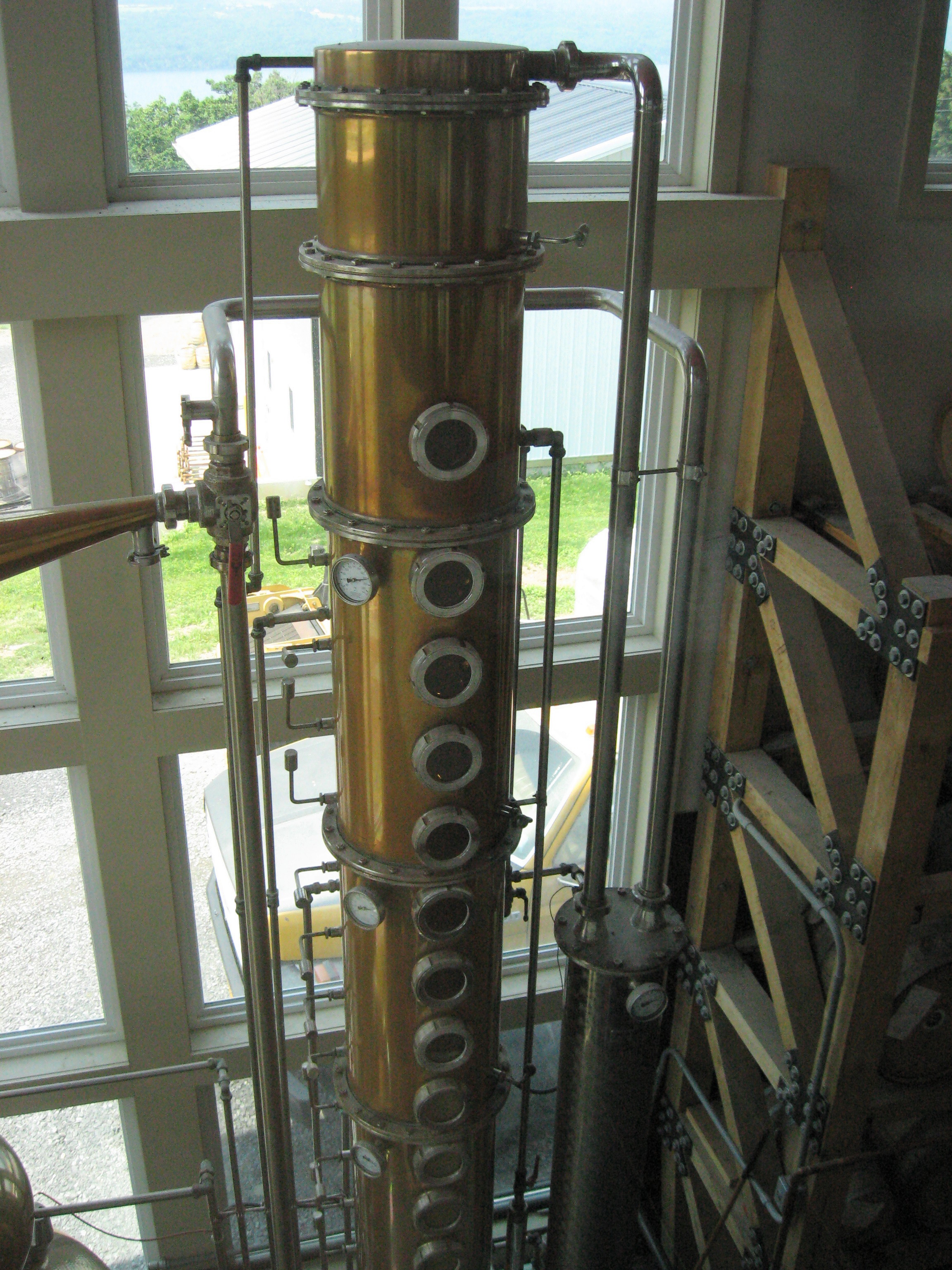
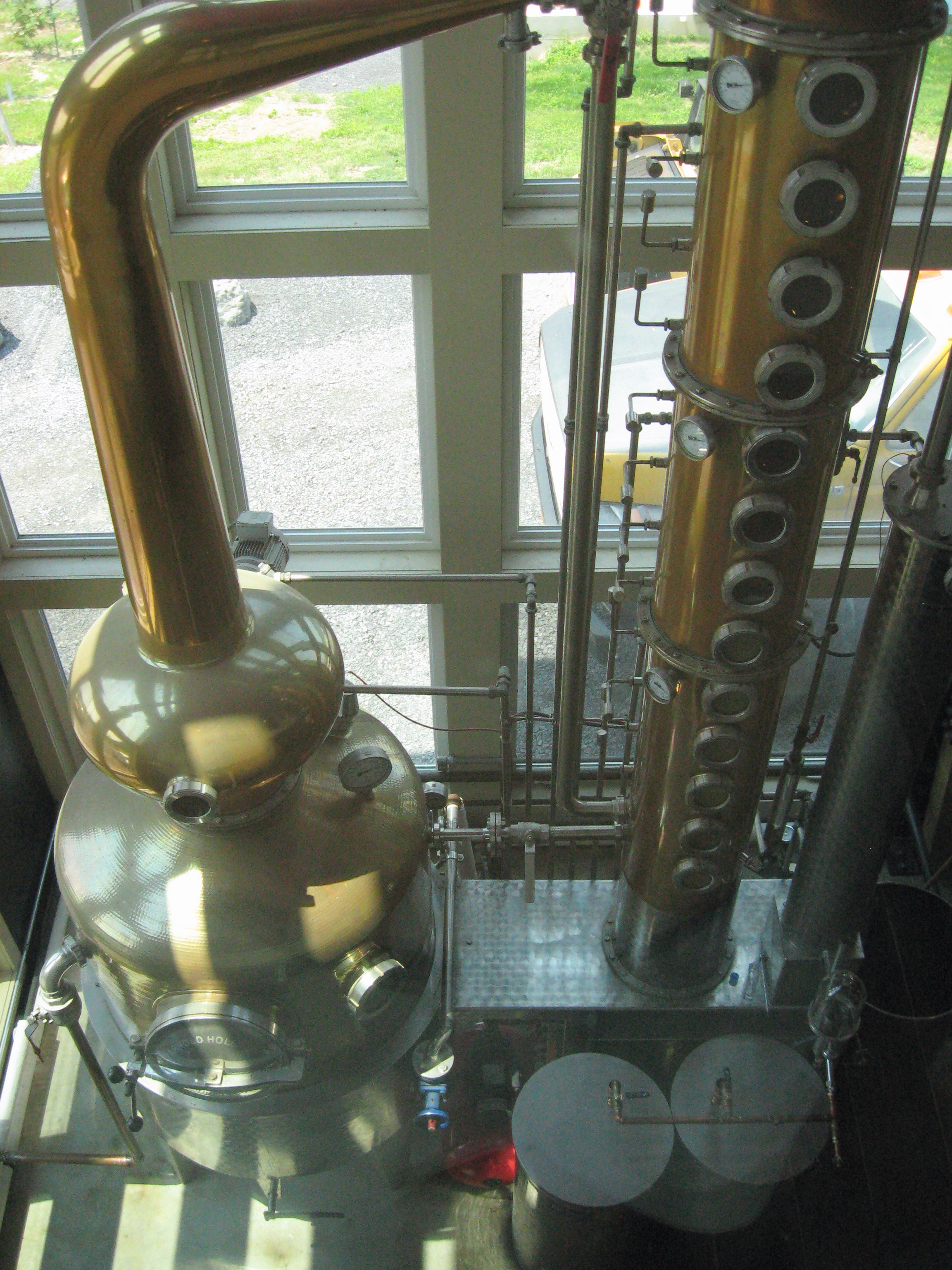
Finger Lakes Distilling Photos

     The still at the Finger Lakes Distilling distillery.

Finger Lakes Distilling Photos

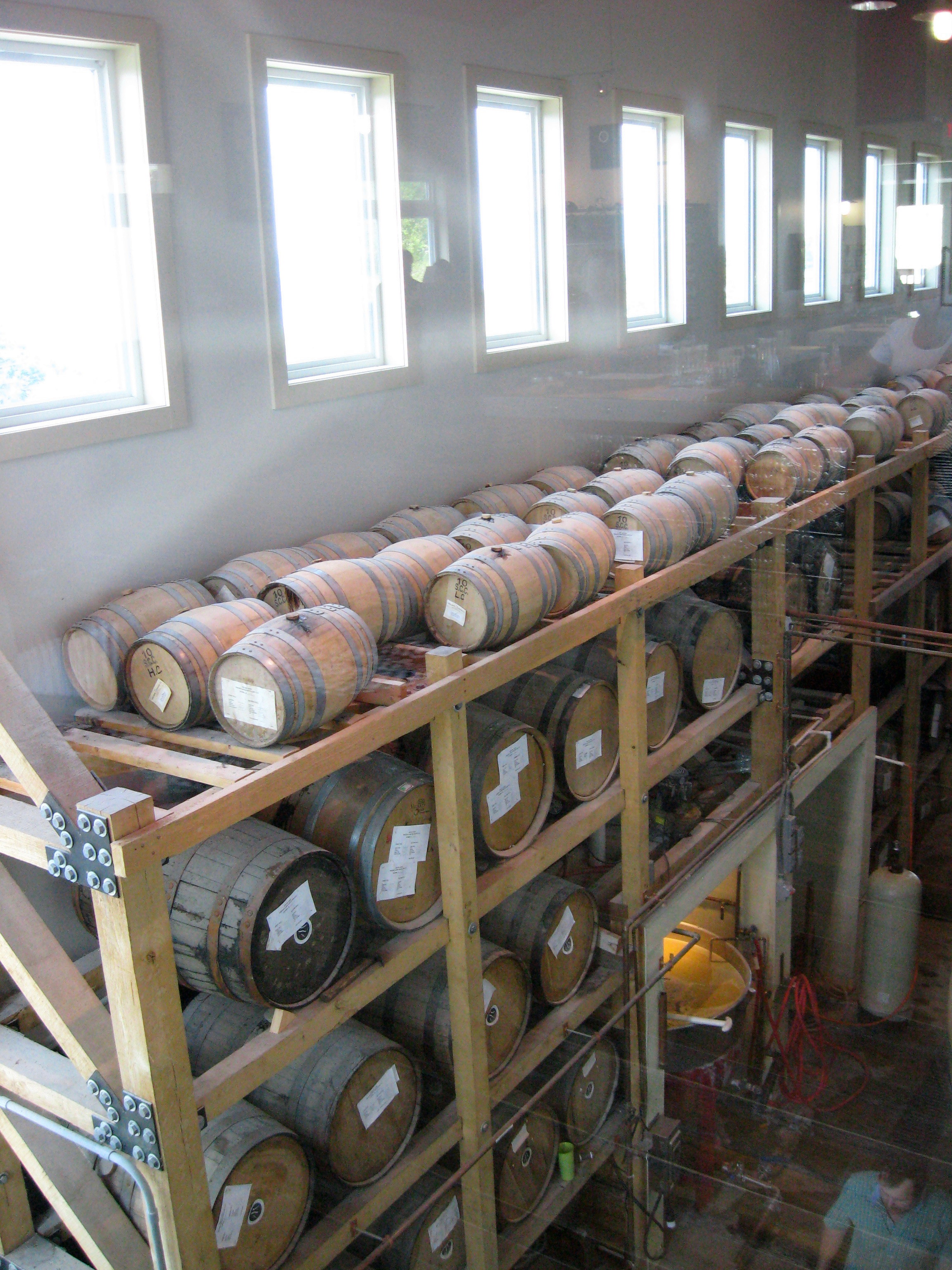
     Photos of Finger Lakes Distilling sign and barrels in distillery