Travel Guide: Finger Lakes Wine Country of New York

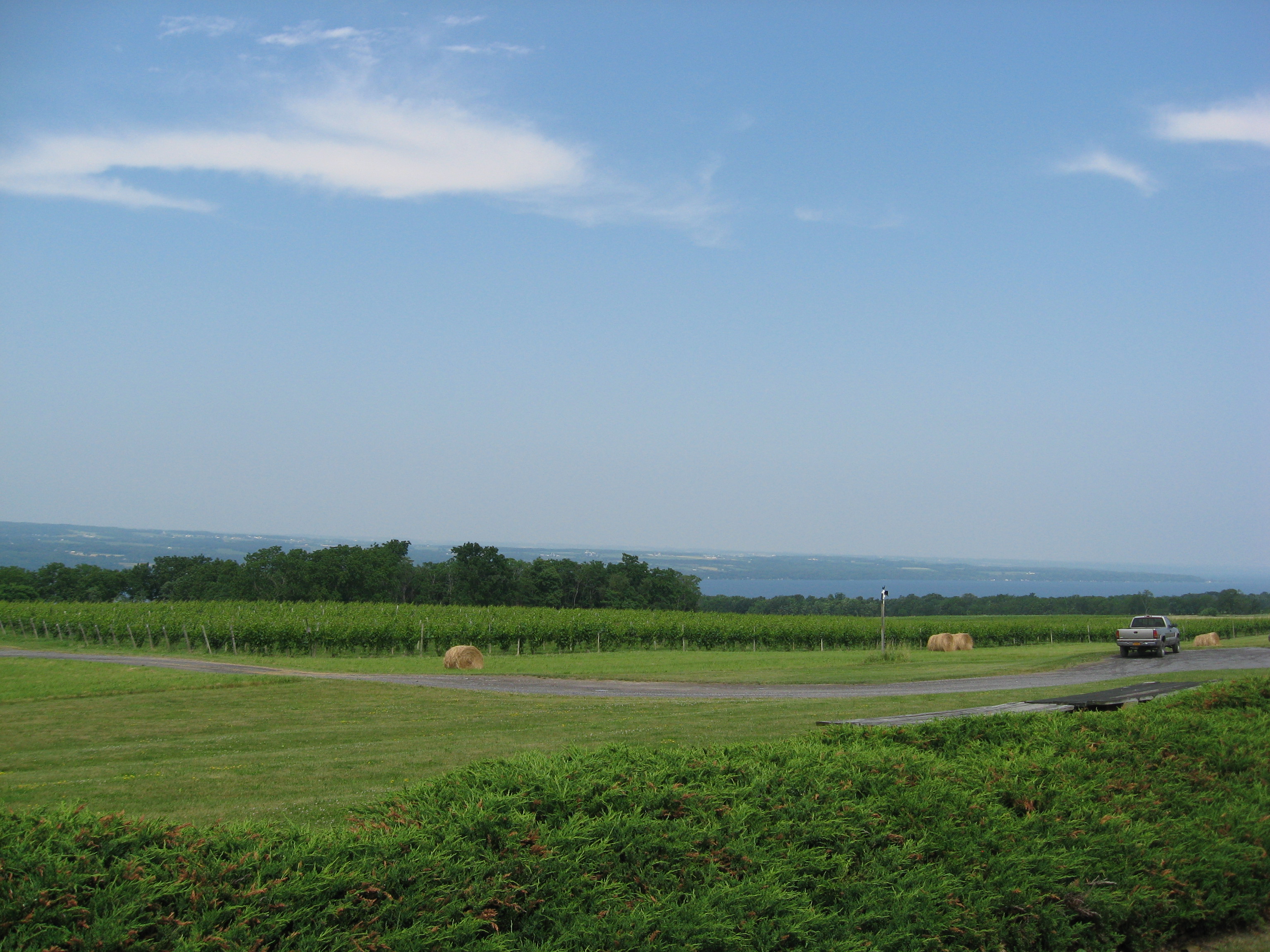
In the upstate region of New York, encircling the beautiful deep glacial lakes, the Finger Lakes Wine Country (FLX) has been the epicenter of New York winemaking for nearly two centuries. The vineyards and wineries around the eleven narrow (finger) but deep lakes benefit from them acting as heat sinks and as a result moderating the temperature close to their shores, most notably the eastern shores due to the prevailing westerly winds. 

Seneca is the largest and deepest lake and has the most wineries around it. Keuka is west of Seneca, and Cayuga is to the east. Both are short drives and shouldn’t be overlooked when visiting, as they both feature outstanding wineries that will enhance your wine-tasting and scenic FLX experience. You can’t see all of Finger Lakes Wine Country in one visit, and even if you could, you would be cheating yourself out of many exciting and entertaining return visits. I recommend planning to spend two full days on your first visit to acquaint yourself with the area and learn how to efficiently navigate around the lakes. There are no bridges to cross the lakes, so you must drive around them to reach the other side. A good starting point for your adventure through this enchanting area is to stay in Watkins Glen at the southern tip of Seneca Lake or in Geneva at the northern tip to make your itinerary planning easier. A GPS or navigation app, like WAZE, is your best bet when traveling between points of interest in this rural area. They can provide valuable information about the availability of food, fuel, and other necessities. It is important to have a plan mapped out with the activities you want to do in the order you will arrive at them, while following your plotted travel path to avoid needless driving. Finger Lakes Wine Country is a wine lover’s paradise, but safety must come first when driving and wine tasting. Having a designated driver or hiring a wine tour company are your best options, but if that’s not possible, please use your common sense to keep everyone safe. 

Here are a few suggestions for your consideration. 

Seneca Lake (western shore):

In my opinion, Herman J. Wiemer Vineyards is the best Riesling producer in North America, and doing a tasting there is a master class in terroir. 

Belhurst Estate Winery has three hotels, two restaurants, craft beer, a spa, and a castle. 

Anthony Road Wine Company is a landmark winery in the FLX. 

Seneca Lake (eastern shore):

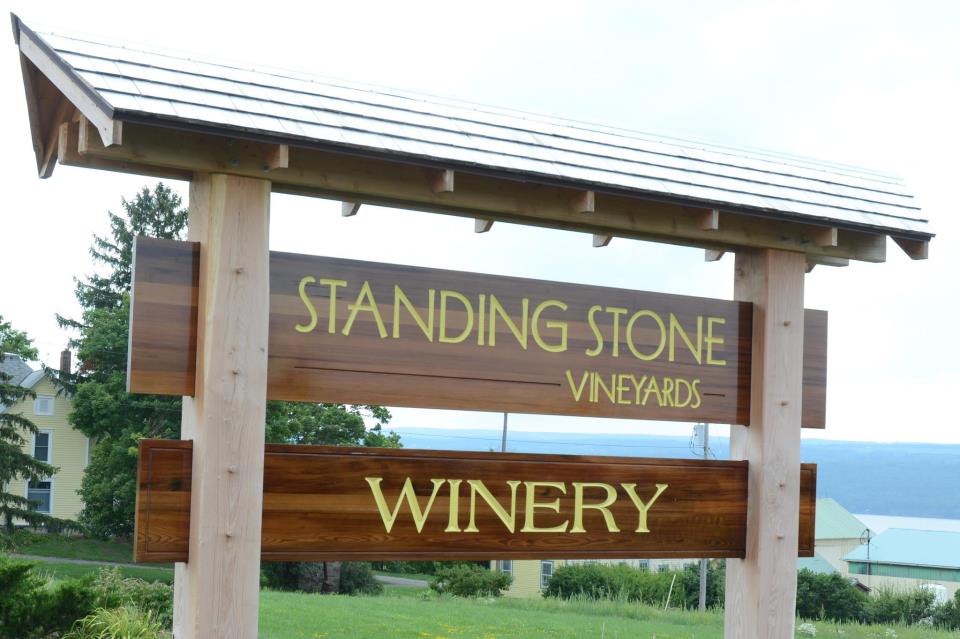
The Standing Stone Vineyards story begins as a Gold Seal property with the famous wine visionaries Charles Fournier and Guy DeVaux planting Riesling and Chardonnay there in 1972 and 1974. Standing Stone continues to make excellent wines today as the sister winery to Herman J. Wiemer Vineyards.

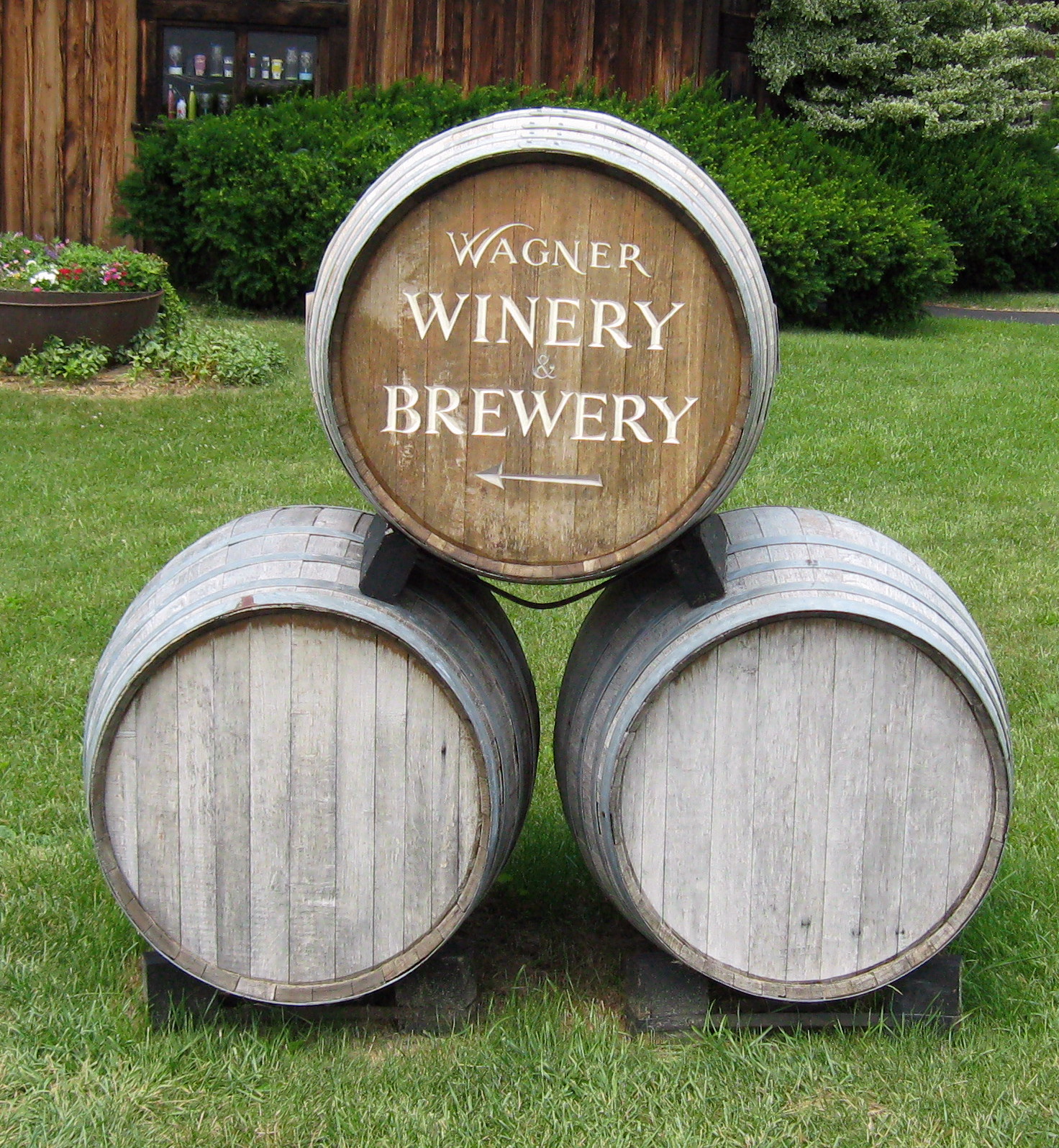
Wagner Vineyards Estate Winery is a decades-old Seneca Lake tradition featuring a winery, gift shop, cafe, and craft brewery. 

Keuka Lake:

Dr. Konstantin Frank Winery is the former home of the legendary Dr. Konstantin Frank, whose pioneering work growing vinifera wine grapes in the region transformed winemaking in the eastern United States into what it is today. This is an absolute must-visit winery. 

Domaine LeSeurre Winery is a French winery in the FLX, enough said. 

Cayuga Lake:

Hosmer Winery offers a relaxed setting with a casual tasting room. 

Sheldrake Point Winery has its vineyards and tasting room on the water’s edge of Cayuga Lake. 

These are only a few of the many wonderful vineyards and wineries that you will find in Finger Lakes Wine Country. I have written several articles about our trips to the area, which can be found on this blog by searching “Finger Lakes”. I hope this post has piqued your interest in the Finger Lakes because there is so much to see and do there, especially for wine lovers. Happy hunting!

A Winelovers Guide to Lake Erie Wine Country

Along the southern shore of Lake Erie where it borders Pennsylvania you will find the vibrant and always evolving wineries of Lake Erie Wine Country. The Lake Erie AVA is the largest grape-growing region east of the Rockies and a treasure trove of activities but for this post, I’ll highlight six wineries that will provide visitors an itinerary upon which they can build as they become more familiar with the area. 

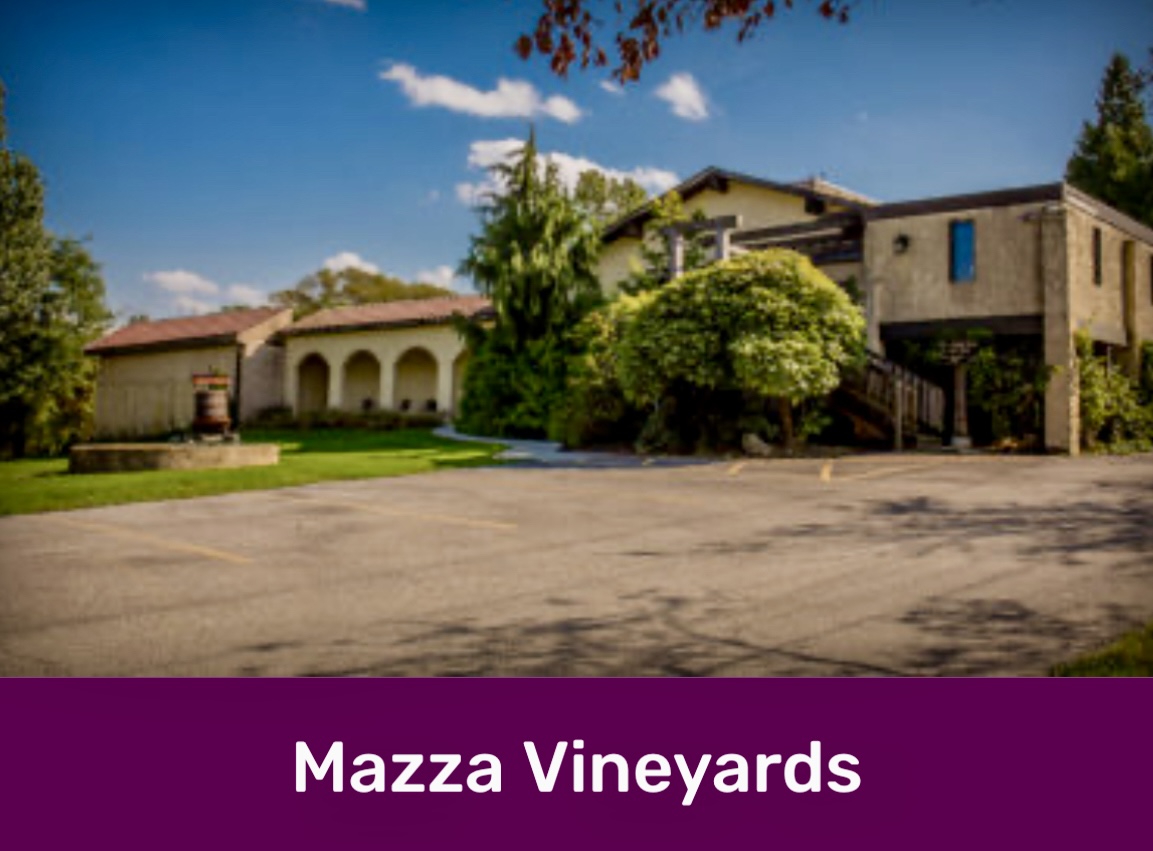
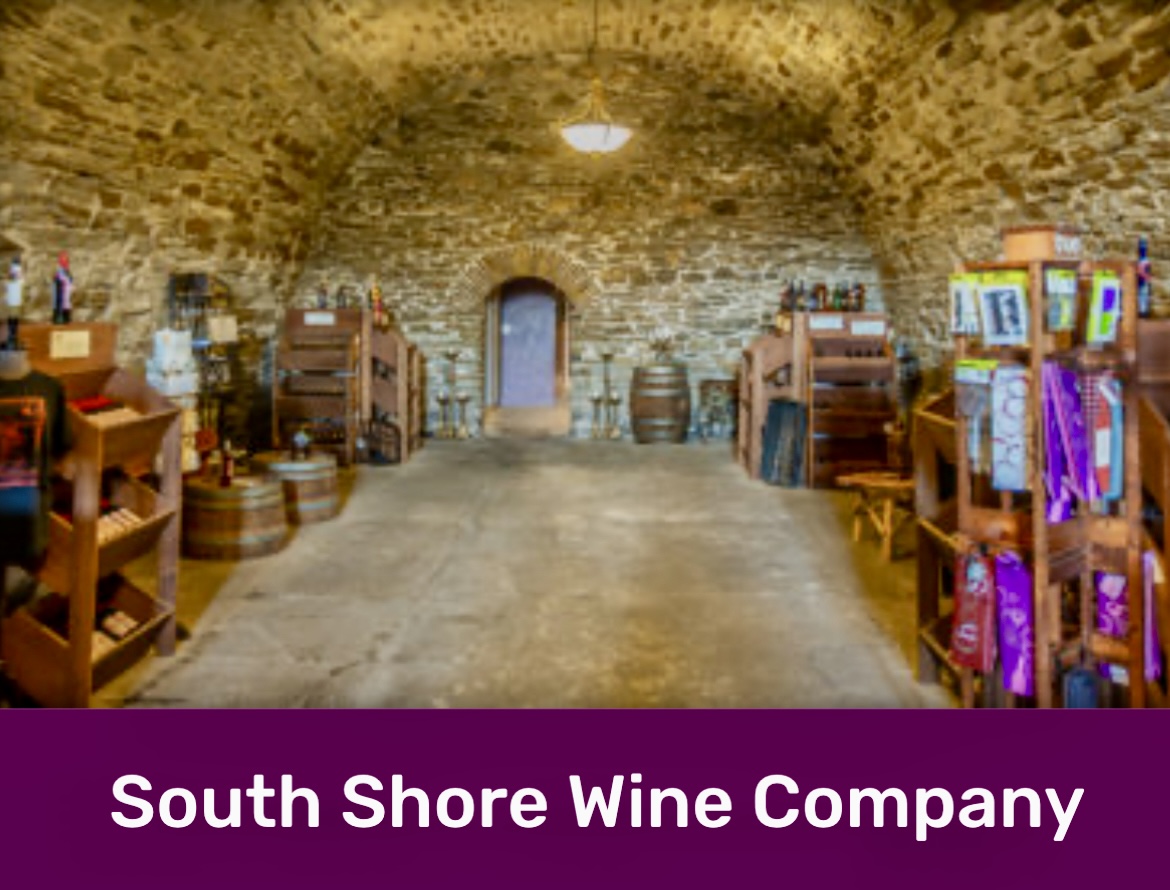
I’ll start with the winery I consider to have the most name recognition of the region’s producers. Mazza Vineyards and South Shore Wine Company are two destination wineries for first-time visitors or seasonal travelers. Both are a good starting point to explore the wines that these legacy wine companies offer. Mazza Vineyards 11815 E. Lake Rd (Rt5) North East 814-725-8695  South Shore Wine Company 1120 Freeport Rd (Rt89) North East 814-725-1585 http://enjoymazza.com

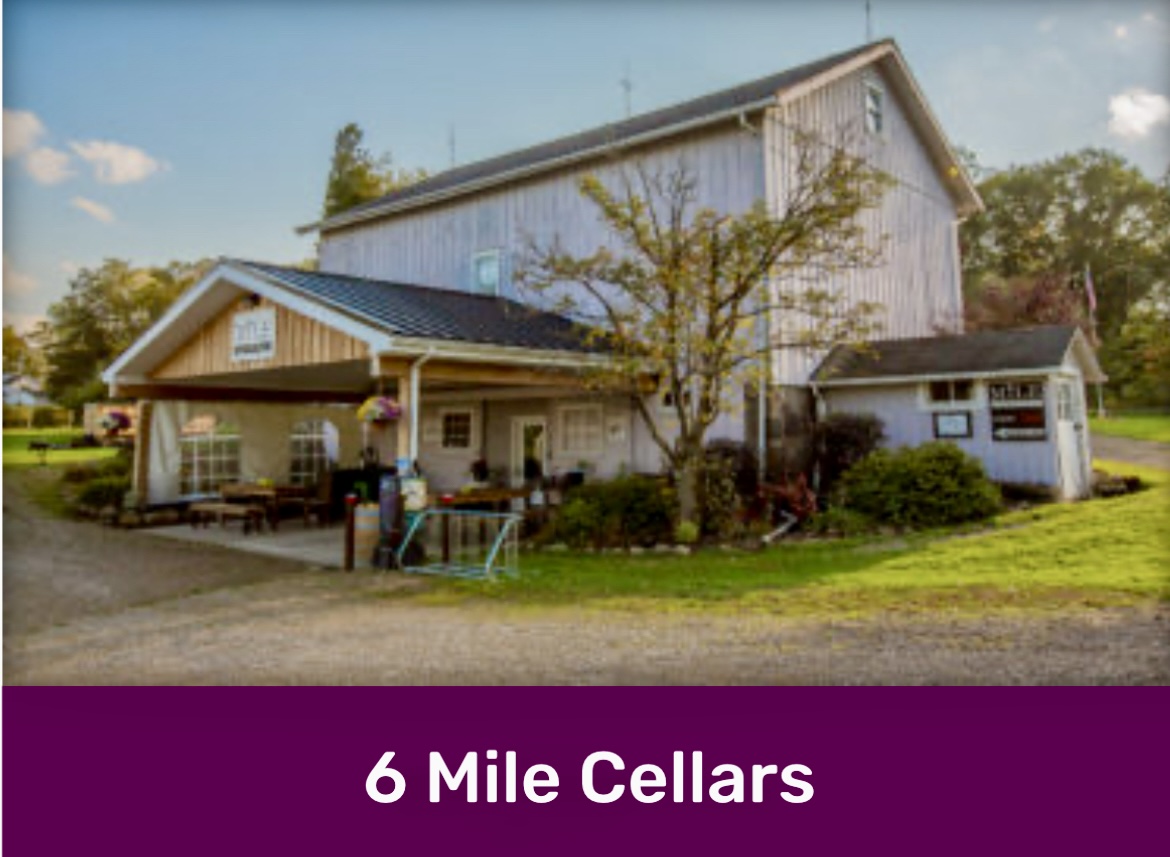
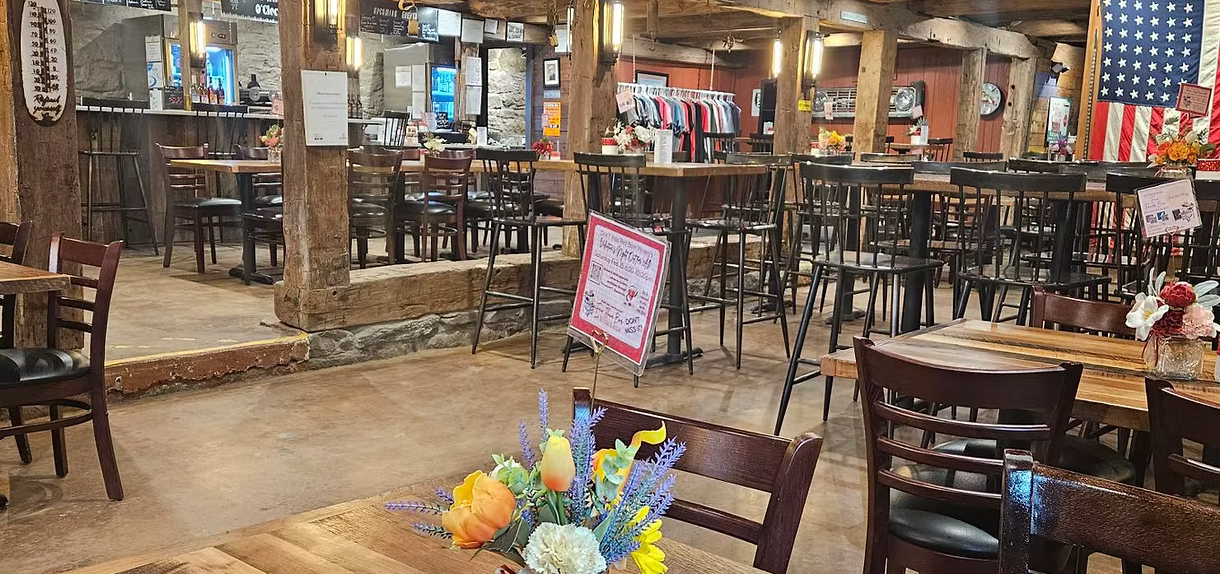
Our next stop is 6 Mile Cellars and as its name suggests it is located on 6 Mile Creek in Harborcreek. This is the closest winery to downtown Erie making it a convenient stop for visitors. This boutique winery’s tasting room is in a one hundred-year-old horse barn that has been repurposed into an inviting space to enjoy their diverse selection of wines. 5727 Firman Rd Erie 814-580-8375 http://6milecellars.com

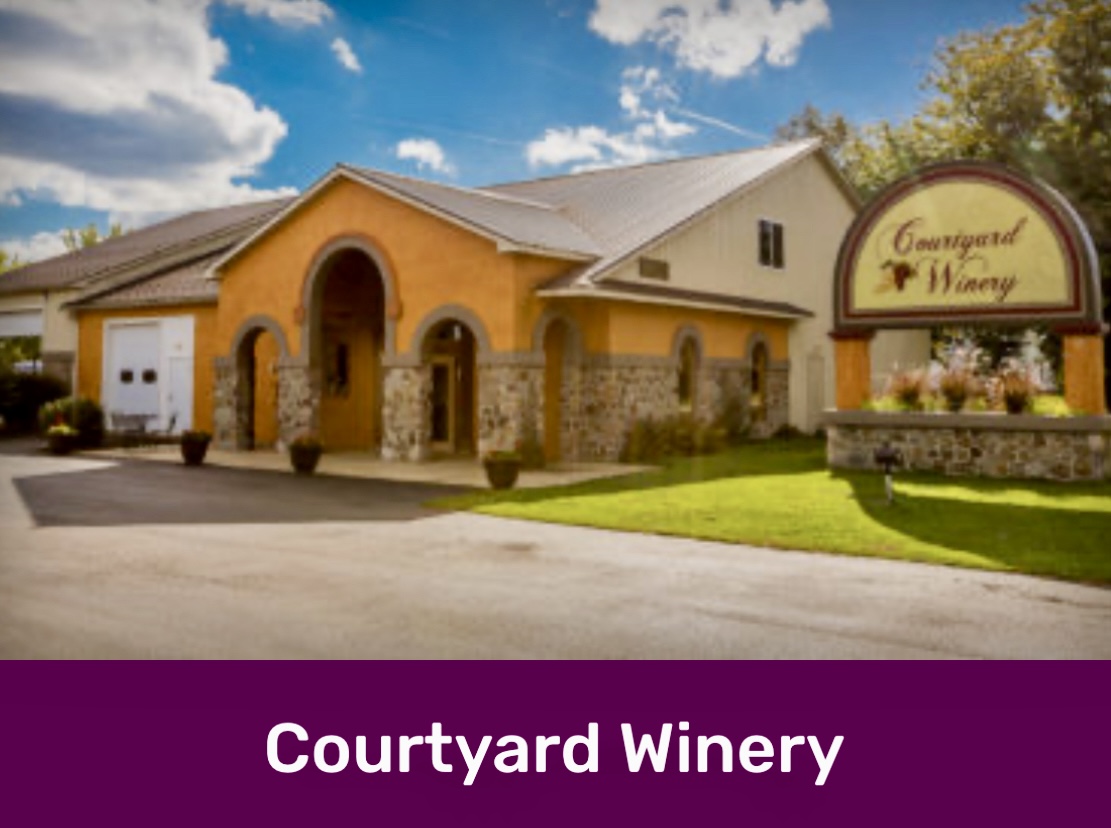
Route 20 provides easy access to the popular Courtyard Winery in North East. No tasting at Courtyard’s beautiful tasting room is complete without trying their Chambourcin.  10021 West Main Rd North East 814-725-0236  http://courtyardwinery.com

Continuing on Route 20 we arrive at Arundel Cellars & Brewing Company 11727 East Main Rd North East. This winery is a landmark in the area and is well-known to travelers on Route 20. 814-725-1079 http://arundelcellars.com

If you want to try something different but still taste distinctive wines, consider Burch Farms Country Market & Winery. You can shop at their country market for farm fresh produce, and assorted baked goods from their bakery, and taste their wines. Located at 9210 Sidehill Rd North East

http://burchfarmscountrymarketandwinery.com 

Erie, Pennsylvania offers something for everyone and is an easy drive for many in Pennsylvania, New York, and Ohio. If you haven’t given this region much thought as a day trip or getaway option please take a minute to see if it’s right for you. 

Photo credit: http://lakeeriewinecountry.org

A Winelovers Guide to Western Pennsylvania Wineries Part 3

This is Part 3 and the final installment in my series featuring Western Pennsylvania wineries. All the wineries from previous posts will be included for reference or if you are new to my blog. I invite everyone to subscribe for free to this blog using the subscription box at the top of this page. You will receive an email when I publish a new article. Thanks. 

Pennsylvania is home to more than four hundred wineries and over fourteen thousand acres of vineyards. Some of the very best are located on the western side of the state. The wineries are as unique as the wines they make. The following suggestions are just a starting point. The real fun comes in exploring all this region has to see and do.

Driving twenty-three miles south of Pittsburgh will bring you to Silver Mark Cellars. It is an urban-style winery in the charming town of Canonsburg. They offer an award-winning wine list complemented with food, beer, and liquor. All of their wines are handcrafted in-house from start to finish. http://silvermarkcellars.com 724-416-7447

Nestled in the picturesque rolling hills of Westmoreland County near Acme we find Stone Villa Wine Cellars. Guests can relax on the manicured lawn surrounding a tranquil lake while listening to live music. Stone Villa Wine Cellars offers a portfolio of wines ranging from classic to unique blends that are sure to satisfy everyone’s tastes. As always, the tasting bar is free. http://stonevilla.com 724-423-5604

Situated on the remaining three acres of the old “Martz Family Farm” in Delmont stands a barn originally built in the 1860s that now serves as the home of Red Barn Winery. Red Barn Winery makes sweet and dry wines from grapes sourced from several regions. It also offers Pennsylvania beers and spirits, food, entertainment, and special events. http://redbarnwinerypa.com 724-461-4331

Thistlewaite Vineyards only use the French hybrid grapes they grow in their five-acre vineyard to produce their wines. They age their wine in Pennsylvania White Oak barrels or stainless steel tanks. When you are in Jefferson stop by the tasting room for a complimentary wine tasting. http://thistlegrape.com 724-883-3372

Edgewood Winery and Event Center in Spring Church is a one-stop shop for all your entertainment needs. They sell their wines by bottle or glass, have a food menu sure to please everyone, an event calendar full of live music, and plenty of options for your special event. http://edgewoodwinery.com 724-478-4373

I hope you enjoyed reading these articles as much as I enjoyed researching and writing them. Please use these suggestions to start your journey to discover the constantly evolving community of wineries in Western Pennsylvania. Cheers!
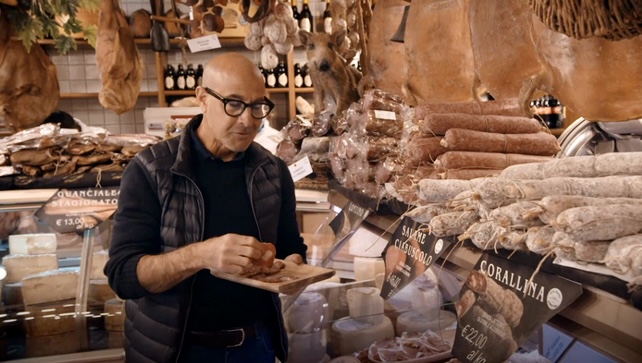
Photo Credit: L to R Silver Mark Cellars, Red Barn Winery, Thistlewaite Vineyards

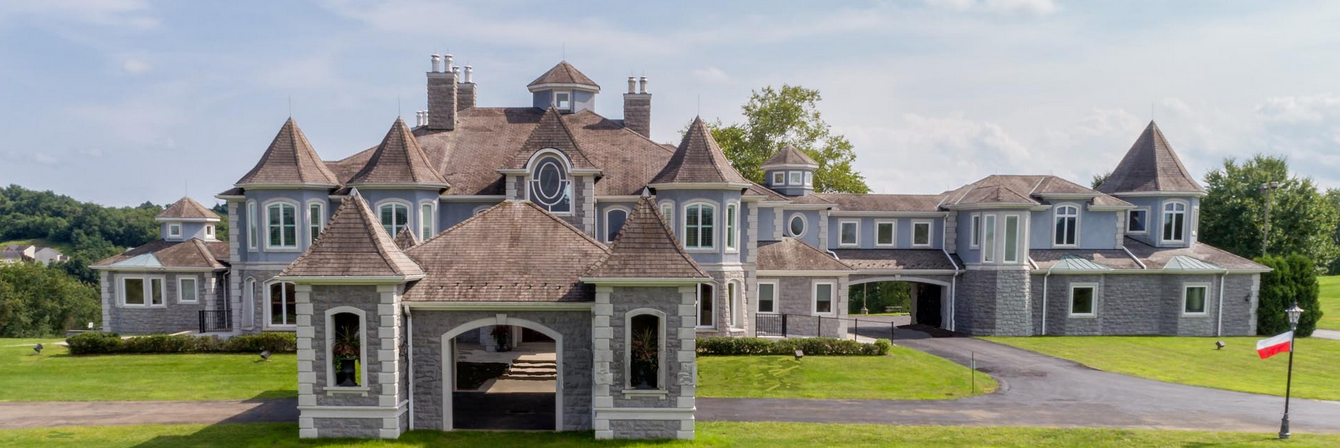
We’re off to see “The Castle”. The Vinoski Winery is located in the magnificent Rostraver mansion Jay and Sherry Lustig built. Jay was the long-time manager of The Rolling Stones, financial advisor to Prince Rupert Loewenstein, and later became a minority owner of the Pittsburgh Pirates. Walt and Roxanne Vinoski bought the sprawling property in 2017 and turned it into the breathtaking home of the Vinoski Winery. They offer two wine tasting options: $10 for 5 sweet wines or a Premium tasting for $20 that includes their dry California wines. Check their website for the event calendar which is always full of concerts and events. http://vinoskiwinery.com 724-872-3333

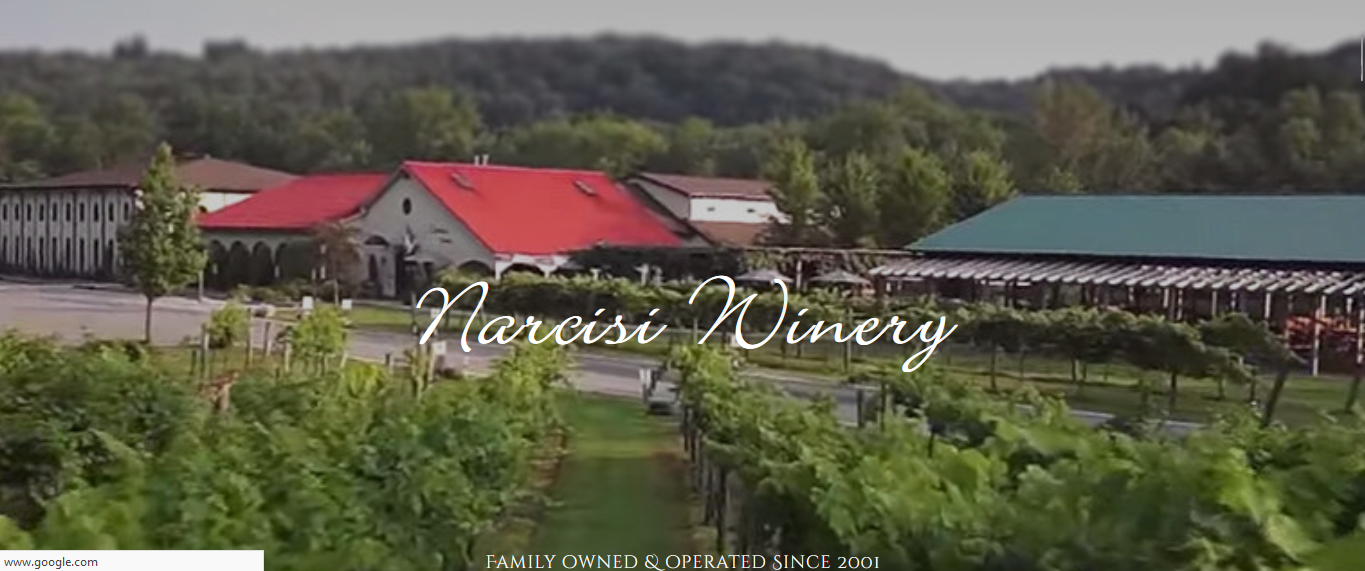
Let’s not forget about our friends north of Pittsburgh. The next stop is the picturesque Tuscan-inspired winery and restaurant of Narcisi Winery. A short ten-mile drive north of the city will bring you to Narcisi Winery in Gibsonia. Set on an enchanting property, this Italian-themed winery and restaurant will satisfy anyone’s longing to spend a “Bella Giornata” (Beautiful Day) in Tuscany.  http://narcisiwinery.com  724-444-4744

Any time of year is a good time to take a leisurely drive to Glades Pike Winery near Somerset on Pa State Rte 31. It will take you past several notable attractions for the outdoor enthusiast.  The Seven Springs and Hidden Valley ski resorts plus Laurel Hill and Kooser state parks are easily accessible from Glades Pike Winery. Glade Pike Winery makes a diverse selection of wines that will intrigue any wine aficionado. Malbec, Baco Noir, and Tempranillo are some of the unusual wines offered that are not readily found at other local wineries. http://gladespikewinery.com 814-445-3753 

The Original Pittsburgh Winery is an urban winery and as such it can make its wines year-round because they source their grapes from vineyards in California and Chile. Swing by the winery on Liberty Avenue in Pittsburgh’s Strip District to taste their wines, grab a bite to eat, and enjoy live music in an intimate setting. http://pittsburghwinery.com  412-566-1000

Guests at Ripepi Winery & Vineyard in Monongahela can enjoy a tranquil ten-acre vineyard from the Tuscan-inspired winery as you savor a glass of their estate-made wine.  Owner/winemaker Rich Ripepi founded his landmark winery in 1987. Today it is a family legacy he shares with his winemaker/sommelier daughter Janelle Ripepi D’Eramo and winemaker son Dr. Daniel Ripepi. They host a fun “Happy Hour” event every second Friday of the month. http://ripepiwine.com 724-292-8351

Traveling to Mount Pleasant you will find Greendance The Winery at Sand Hill. Greendance Winery is part of the Sand Hill Berries, a small family-owned business that specializes in different types of berries, especially raspberries. You might recognize them from their raspberry specialty desserts booth at festivals. The winery and its grounds are set in the idyllic Laurel Highlands countryside. Stop by anytime to enjoy the rural ambiance but if you visit on a summer weekend you will be treated to live music as you unwind with a bottle of their wine. http://greendancewinery.com 724-547-6500

Up we go into the Allegheny Mountains to Chalk Hill where we arrive at Christian K. Klay Winery. A visit to Christian K. Klay Winery and its adjacent Ridge Runner Distillery is sure to include wine, spirits, and beautiful vistas. http://christianklaywinery.com 724-439-3424

Bella Terra Vineyards in Hunker is easily accessible and has ample parking plus plenty of inside and outside areas making it a favorite meeting place for friends and family. Check their website for the many special events on the calendar. http://bellaterravineyards.com 724-635-3658

If you are looking for a twist on your usual night out then the City Winery is the place for you. Unlike the other wineries mentioned, City Winery is on Smallman St in Pittsburgh’s “Strip District”. It is a winery, restaurant, and event center that promotes live music, comedy shows, and wine events. http://citywinery.com/pittsburgh 412-246-1000

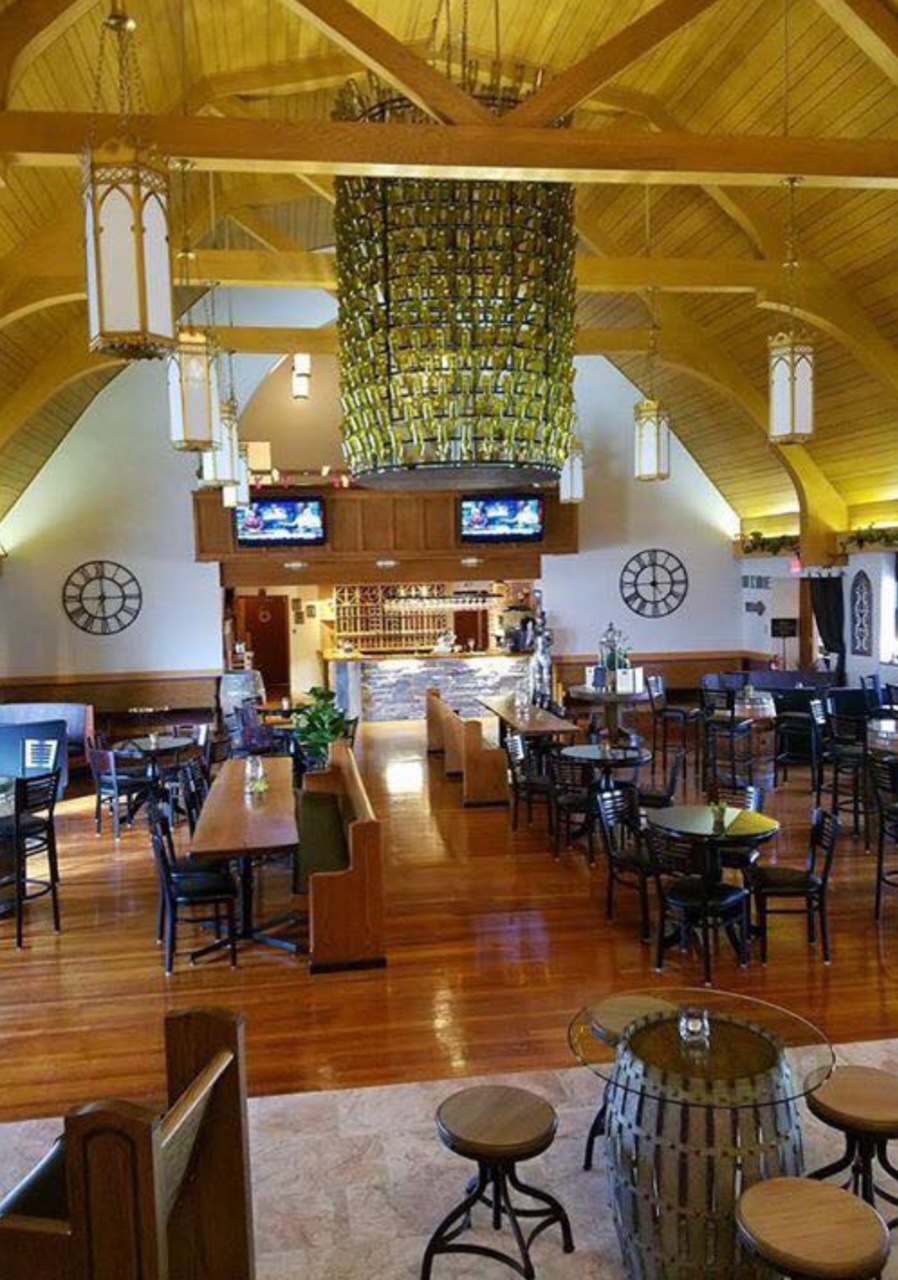
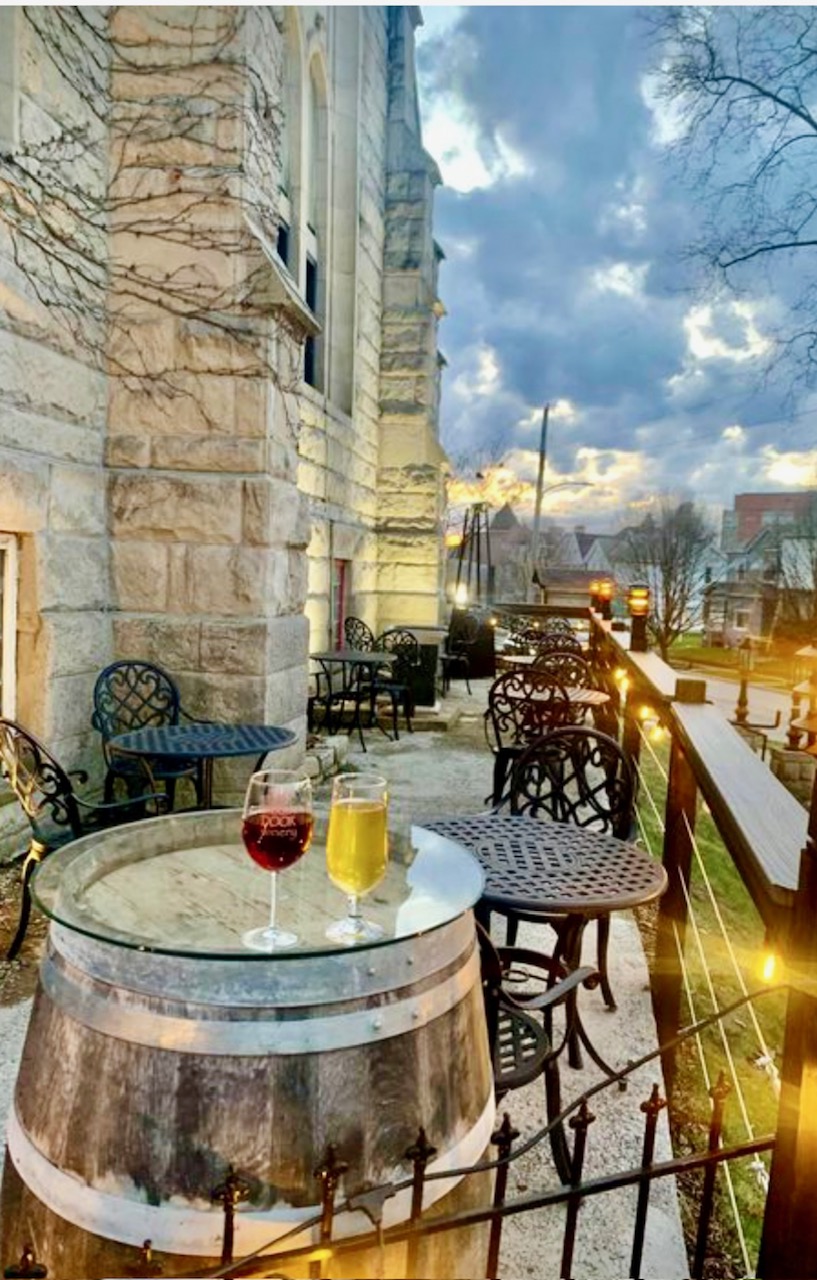
Wooden Door Winery is located in a painstakingly renovated 1896 church in Vandergrift. Explore their diverse lineup of wines while sampling a menu of appetizers and lighter fare in the spacious tasting room or the al fresco seating during the warmer weather. http://woodendoorwinery.com 724-889-7244

Changing Chile

When you hear wine lovers discussing wines from Chile your first thought might be of the value-priced bottles offered by a large discount retailer that piqued your curiosity. How wouldn’t anyone be intrigued by bottles of Chilean Cabernet Sauvignon selling for less than $10 and not be tempted to buy one? This type of mass-produced wine is easy to find because 90% of Chile’s wine production is still focused on that segment of the world wine market. In the last ten years, Chile has made great strides in producing higher quality wines from a growing number of small wineries offering a diverse selection of wines. These wines are made from an increasing number of newly cultivated wine grape varieties. The explosive rise in the number of small producers has generated a keen interest in Chilean boutique wineries. 

The expansion of vineyards and wineries is possible because there is a wide range of growing conditions, vineyard sites, compatible grape varieties, topography, and soil profiles just to mention a few of the factors involved. Another little-known but important variable in Chile’s success is that it has never been infected by Phylloxera, even with its close proximity to Argentina which has been.  

The country of Chile on a map appears as a long thin strip of land on the western edge of South America from 17 degrees south latitude to 56 degrees south latitude with the Andes Mountains running down its eastern side. Chile’s weather is influenced by the Pacific Ocean’s cold currents (Humboldt) the Chilean Coast Range and the Andes Mountains. As a result of all of these variables, it is no surprise the styles of wine made there are varied and evolving with every vintage. 

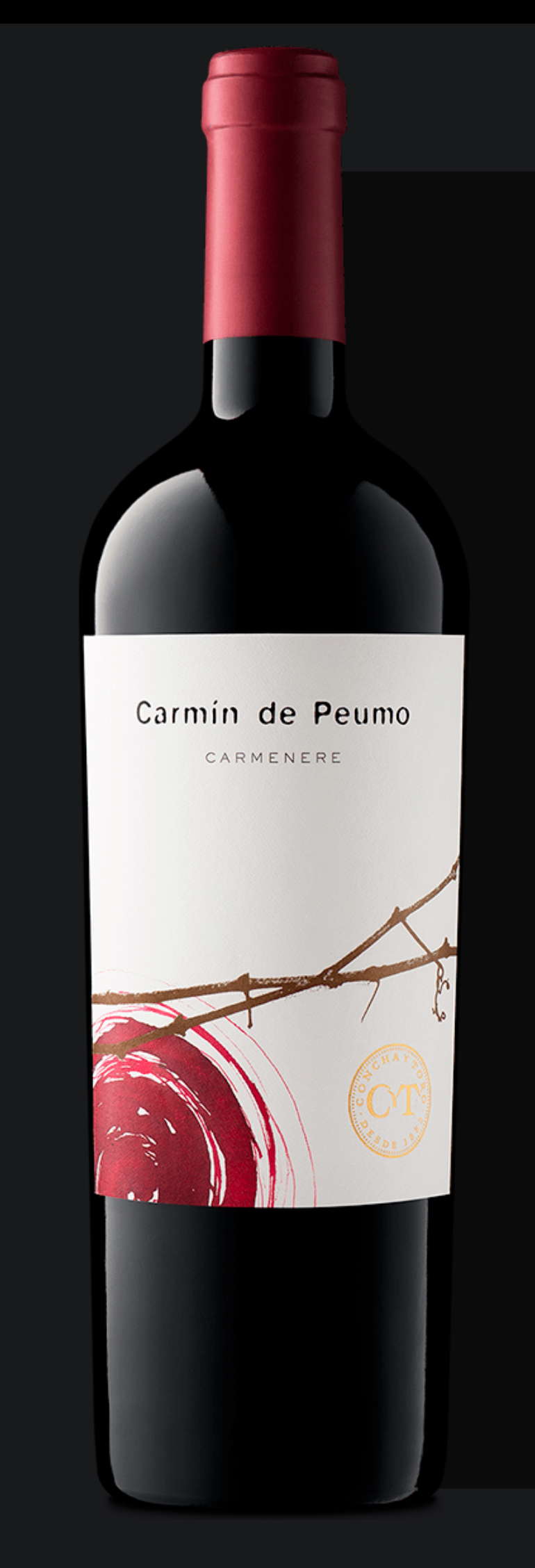
The wine grapes grown in Chile are dominated by five varieties: Cabernet Sauvignon, Chardonnay, Merlot, Sauvignon Blanc, and Carmemère with Cabernet Sauvignon being the most widely planted. Carmenère has an interesting story of how it was mistaken for Merlot for a long time, resulting in it being harvested too early and made as if it was Merlot. After DNA testing revealed its true identity Carmenère was left to ripen fully before harvesting and made using the proper methods for that grape. These changes resulted in an immense improvement in the quality of Chilean Carmenère wine. 

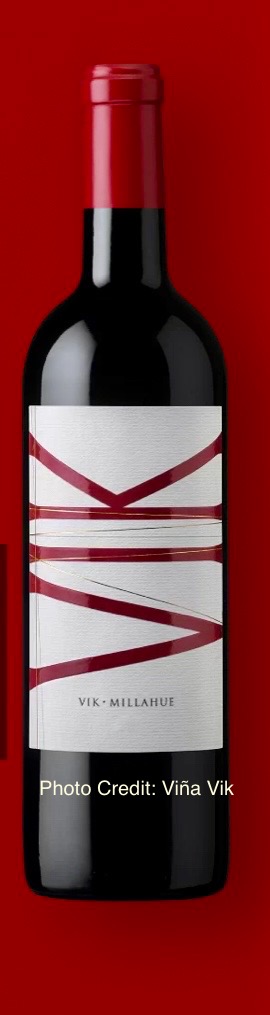
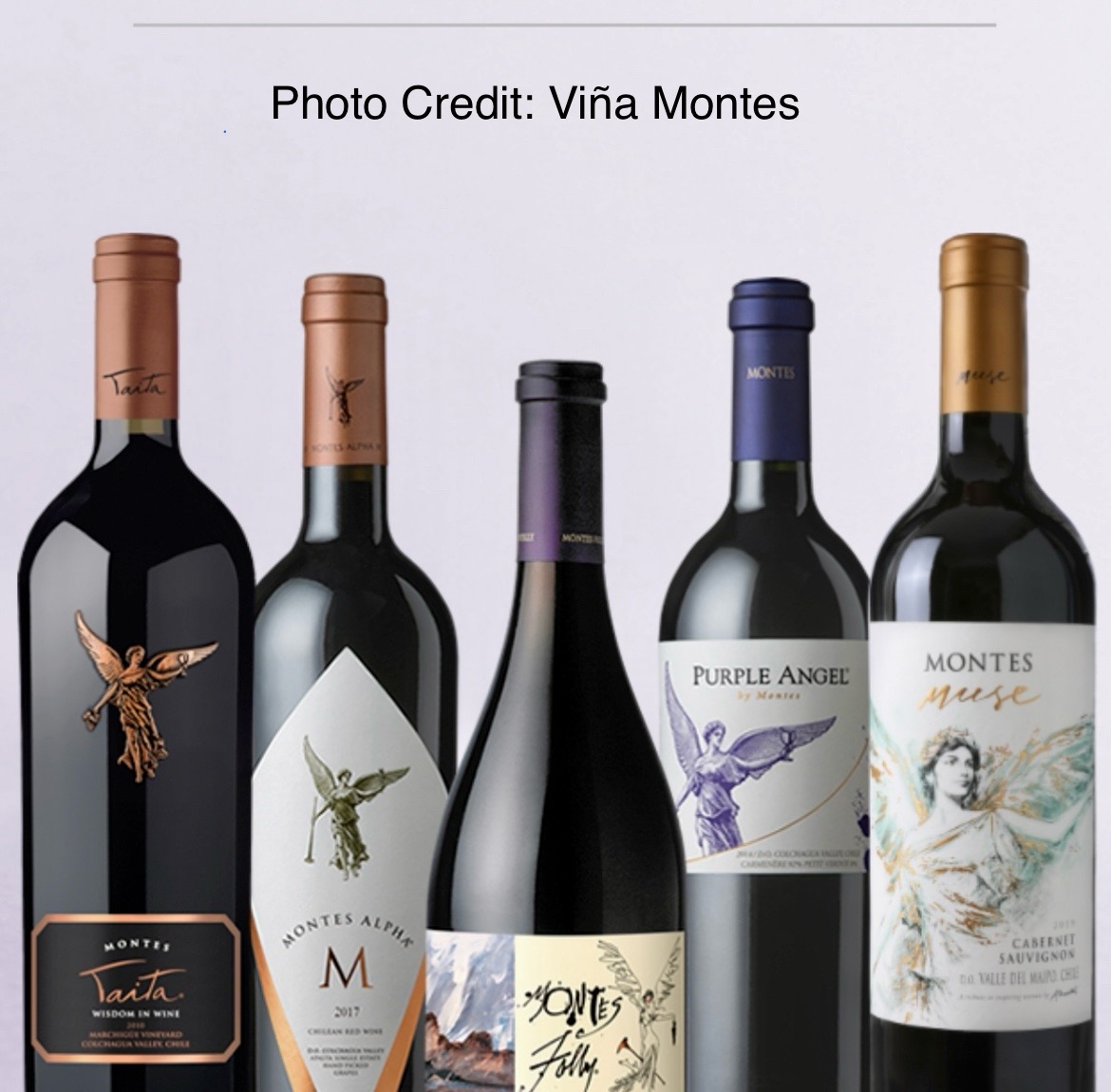
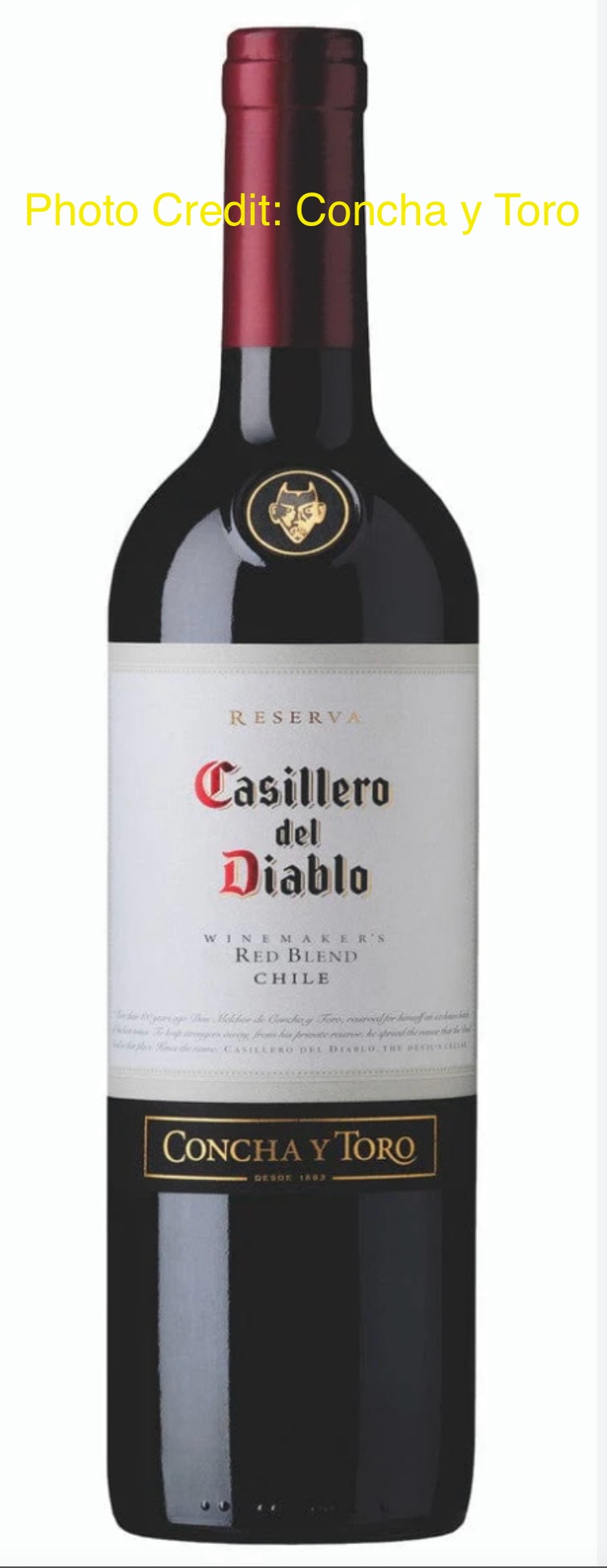
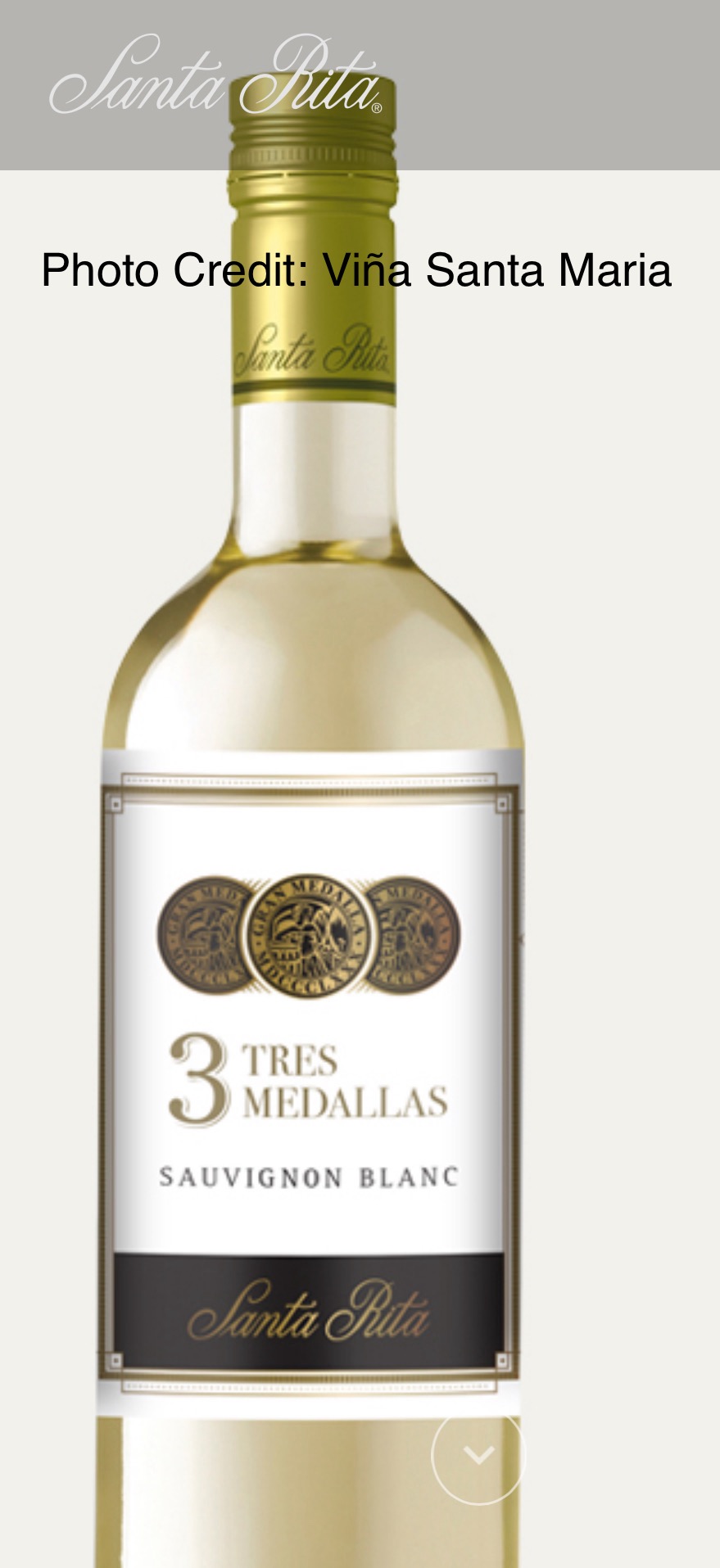
Discovering Chilean wines is a fascinating and personally satisfying venture. I recommend starting your exploration with Cabernet Sauvignon but don’t ignore the other varieties you will come across, especially that country’s signature grape Carmenère. Chile’s most recognizable wine region is the expansive Valle Central or “Central Valley” where many premiere appellations are located, most notably the Maipo Valley and Colchagua Valley. Here are a few suggestions to begin your winery search: Concha y Toro, Santa Rita, Viña Vik, and Viña Montes. 

Vince Anter does an excellent job explaining and showcasing the wine and wineries of Chile in an episode of his award-winning wine, food, and travel show V is for Vino http://visforvino.com You can view it and all of his shows for free on his website or YouTube. Here’s a link to his Chile episode https://www.youtube.com/watch?v=BfHBZM7tsIQ

Visiting Chile may not be very practical or economical but buying good wine made there is. What makes Chilean wine a sensible choice when purchasing wine is that it offers you the option to take home an enjoyable bottle at a bargain price or choose one of a higher quality for just a little more money. 

Alluring Alsace

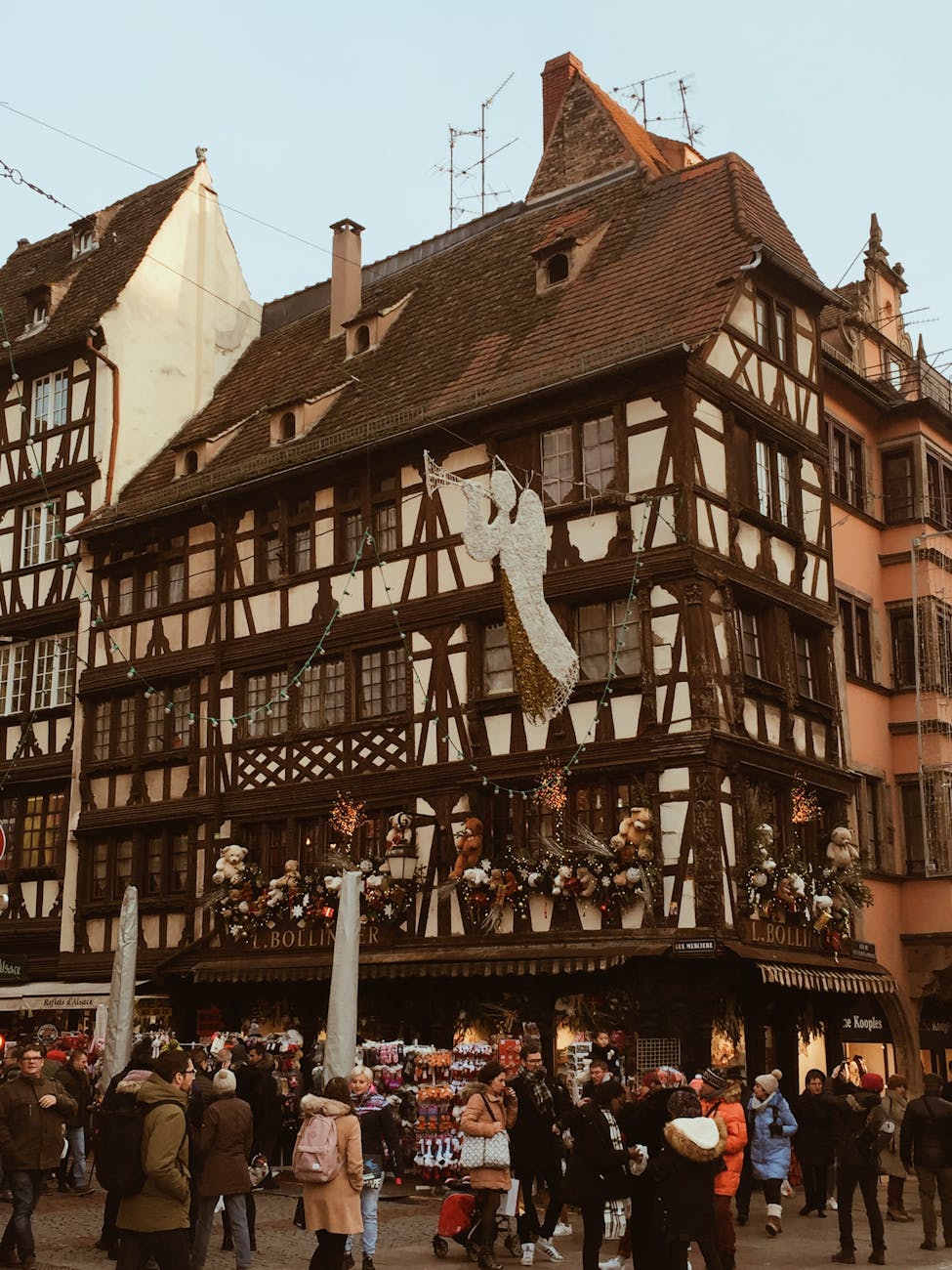
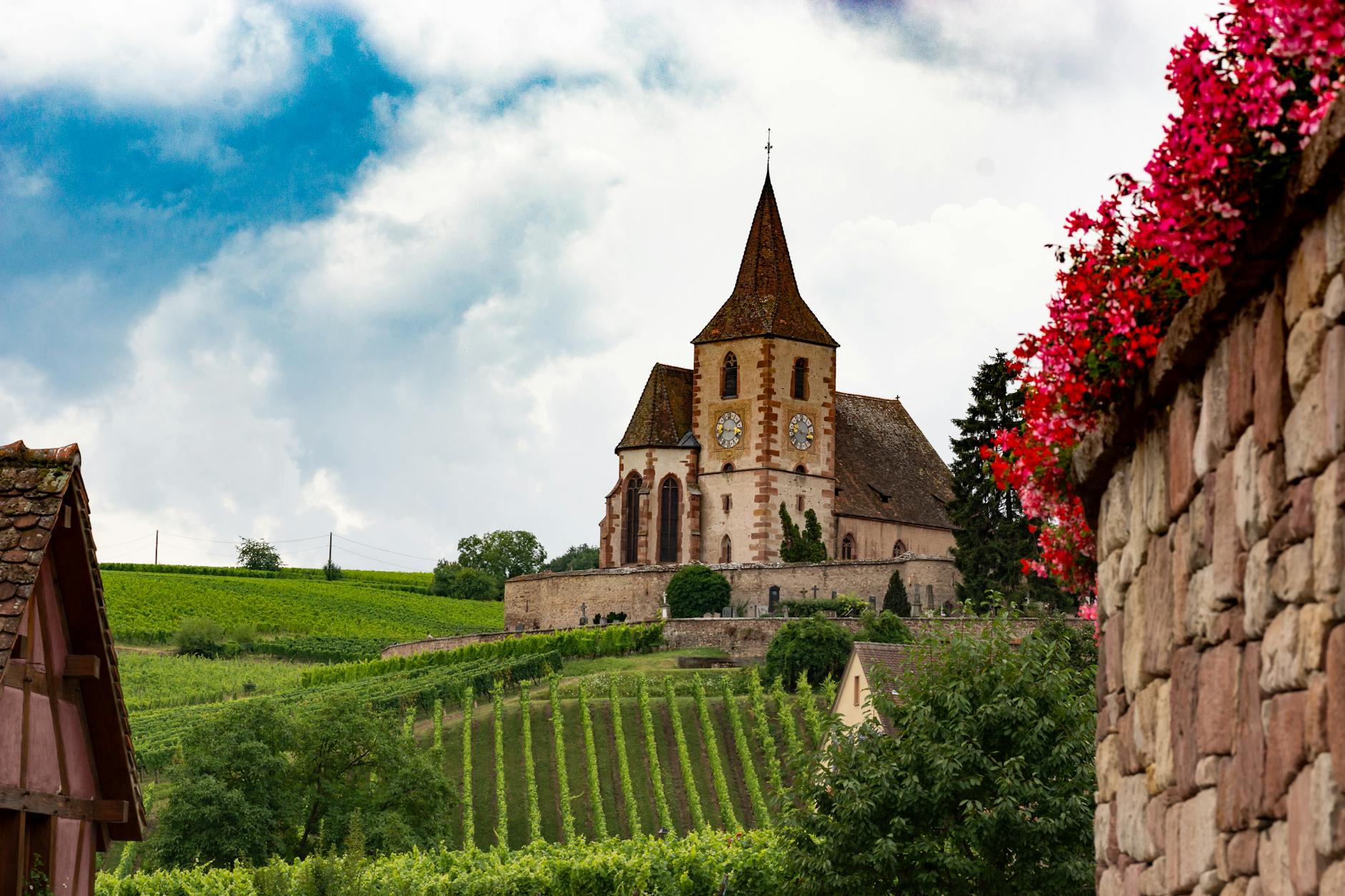
The Alsace wine region of France is situated along the French border east of Paris. The region’s wine production is almost entirely devoted to white wine, positioning it uniquely among wine-producing regions worldwide. The white wines in Alsace are rarely made in other parts of France. Alsace is French but has been part of Germany several times. The Vosges mountains and picturesque quaint villages make it more reminiscent of images from German folk tales than the wine provinces of southern France. It is easy to see why Riesling, Gewürztraminer, Pinot Gris, and Muscat dominate its winemaking identity. Pinot Noir is the only red grape of note there but is grown in limited quantities. Alsace differs in how it labels its wine from the rest of France by using the grape variety instead of the location where the grapes were grown.  

Don’t be misled into thinking the white wines of Alsace are sweet and mild. On the contrary, they have bold character and are almost always dry. The winemakers of this region believe in showcasing the attributes of the grape and not crafting a wine to conform to a predetermined taste profile. Because this conviction is so ingrained in their wine culture, blending is seldom, if ever, an option. 

Sparkling wine is also made in Alsace. It is all designated Crémant ď  Alsace and is made the same way as

Champagne. You might be wondering if they make Crémant ď Alsace in Alsace and use Chardonnay grapes why isn’t Chardonnay one of their signature white wines? The reason is that by law Chardonnay can only be used in Crémant ď Alsace and can not be used to make still wine. Crémant ď Alsace is a high-quality alternative to Champagne at a very affordable price. 

Alsatian Riesling is angular in structure and very dry with good minerality. German Rieslings are well balanced with bright acidity, low alcohol, and prominent fruit flavors. 

Alsace is said to rival Paris in the number of great restaurants, whether pretentious or grand. 

It is easy to have an excellent wine experience in Alsace because the quality of wine is exceedingly well-made and the pricing spread guarantees you will find bottles you will love at a price you can appreciate. 

Dancing In The Dark

If you ever have the opportunity to get out into the vineyard and pick wine grapes during harvest I urge you to participate. My wife and I did just that several years ago and it is an experience we will never forget. We picked on a beautiful sunny morning but in reality, most wine grapes are harvested at night to take advantage of the cooler air lowering the temperature of the grapes. Most of the well-known wine-producing regions of the world are located in areas that not only have a climate favorable to viticulture but a phenomenon known as diurnal shifts. Diurnal shifts are when there is a significant change in the ambient air temperature between the day and night. A good example of this would be if you have been outside all day wearing only shorts and a tee shirt but need to wear a sweatshirt and long pants after dark, then you have experienced a diurnal shift. 

Sunshine allows a grape to increase its sugar content until harvest but in contrast, a grape’s acidity level decreases as it nears harvest. It can be argued that when grapes are cooled nightly sugar and acid levels are kept in balance creating a more complex wine. The diurnal shift phenomenon can be the result of different factors. In Napa Valley, it is the Pacific Ocean, the Rhone Valley has the mistral winds, and Duncan Savage proudly told me that his Cape Town, South Africa vineyards are “clapped” by winds off the Atlantic Ocean. 

Now that we know how grapes arrive at their peak to be harvested the obvious question is “What are the advantages of picking them in the cool of the night?” 

The first and foremost reason winemakers pick at night is to capitalize on the lower temperatures that are advantageous to producing superior wine by preserving the quality of the grapes that will be processed immediately after being taken to the winery. Grapes that have been cooled by the night air have more stable sugar levels, firmer texture, and less oxidation. This is very important when making white, Rosé, and sparkling wine but is also desirable when making red wine. Picking at night also enhances the grape’s fruit flavors and aromatics while giving the winemaker better control of the fermentation. The grapes are cooler when they come into the winery and don’t need to be cooled down before starting the winemaking process. 

I have included these two links on YouTube that give us a glimpse of what harvesting wine grapes at night looks like. One video is of grapes being picked by hand and the other with a mechanical method.

https://youtu.be/ujn8N6iBRng?feature=shared Hand harvesting

https://youtu.be/we5XNeuvn1c?feature=shared Machine harvesting

 You can find more videos on YouTube by searching “harvesting wine grapes at night.”

Since it is late summer and harvest is upon us, now is the time to call your local vineyards and ask if they could use help picking their grapes. For a wine lover, it is an experience you will not soon forget. 

CIAO! Stanley Tucci

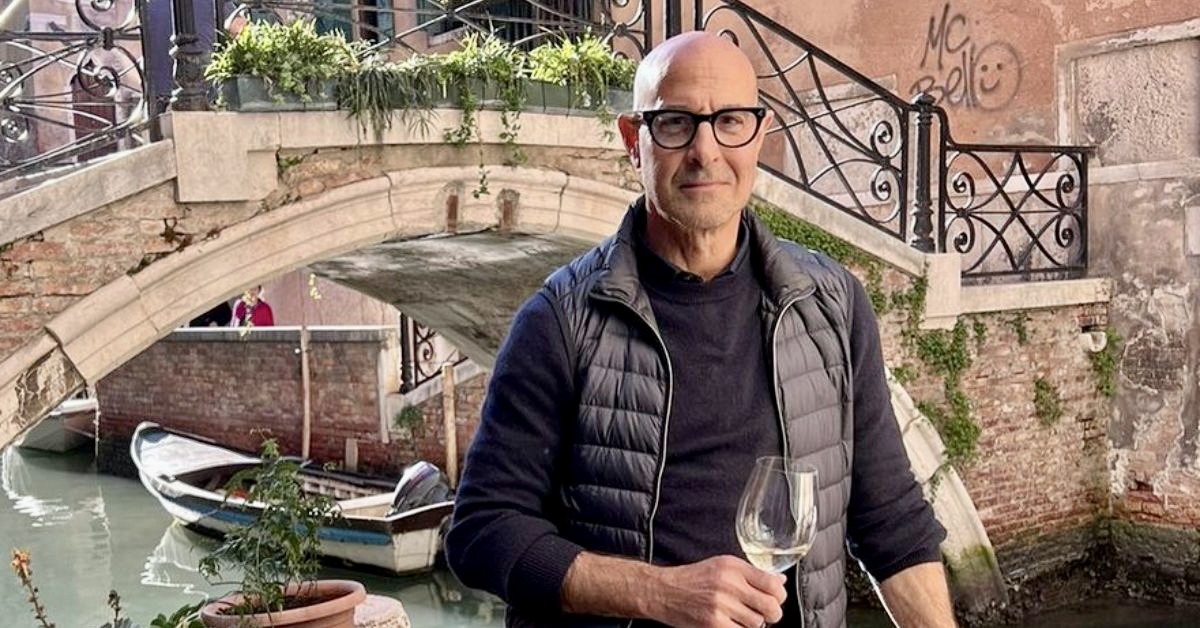
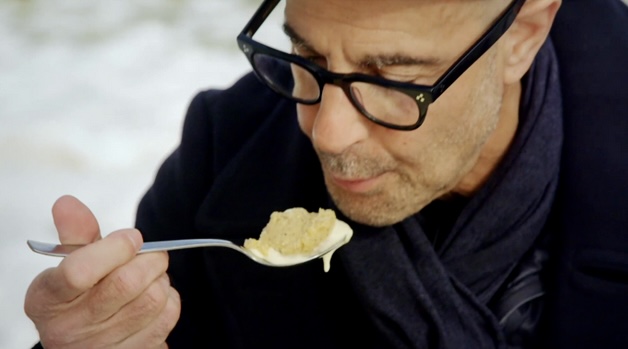
CNN has canceled Stanley Tucci: Searching for Italy and all of its original programming. But all is not lost because I heard Stanley tell Jimmy Fallon on The Tonight Show that he was exploring the possibility of reviving the show on another network, whether it be broadcast, cable, or streaming. This was more than just a travel show that featured the traditional tourist attractions, and scenic vistas of the Italian countryside and coastline. This production had that special feeling one gets when traveling with a friend who knows all the best spots and interesting locals that really allows you to immerse yourself into the culture of each region you visit. Tagging along with Stanley Tucci I experienced the Italy that only Stanley could show me with his adventurous palate, wry smile, and that all-knowing look of his.

When I heard CNN wouldn’t be renewing a new season of Stanley Tucci: Searching for Italy I got that same feeling you get when the plane lifts off the runway on your return home from a great vacation. You know that feeling of joy in the memories you made but a hint of sadness because there was more to see and do.

With that said, I am thankful to have had the opportunity to see Italy through Stanley’s eyes. If you are wondering where he went here’s a recap. Season One: Naples and the Amalfi Coast, Rome, Bologna, Tuscany, Milan, and Sicily. Season Two: Venice, Liguria, Piedmont, Puglia, Sardinia, Umbria, London, and Calabria.

Luckily for anyone who may have missed any or all of the episodes they are available through a number of media outlets that can be easily found with an internet search. If you have a cable subscription you can access all of the Stanley Tucci: Searching for Italy episodes from both seasons for free by going to go.CNN.com/vod (http://go.cnn.com/vod) and find Stanley Tucci: Searching for Italy, click on it, and log in using your cable provider when prompted. I have found the Microsoft Edge browser works better for this site than Mozilla does for streaming its content.

All that is left to say now is Grazie di tutto, Stanley! 

Photos Credit: CNN Stanley Tucci: Searching for Italy

Ensenada, Mexico’s Napa Valley

V is for Vino host Vince Anter enjoys a toast to the wine of Ensenada. Photo Credit: V is for Vino

Ensenada is often called the Napa Valley of Mexico for good reason. This region has been growing grapes and producing wine for hundreds of years. The renaissance of the area began in the late 1970’s and early 1980’s when the commercial production of wine began to expand so quickly that it now boasts over one hundred wineries. When we talk about Ensenada, Mexico we are including the City of Ensenada, the major winery/vineyard area of Valle De Guadalupe, and several grape growing areas just to the south. Ensenada is less than a two hour drive from San Diego in the Mexican State of Baja California. I would strongly suggest you take the advice of the travel show V is for Vino host Vince Anter and use a tour company, local tour guide or go with someone familiar with the area until you feel comfortable enough to visit by yourself. 

Ensenada wineries offer you the opportunity to experience a wide selection of wine that is not available anywhere else in the world. The vintners are still trying to identify which grapes are the best match for their terrior. In the vineyards around Ensenada you can find the white wine grapes: Chenin Blanc, Sauvignon Blanc, Chardonnay and the red wine grapes: Cabernet Sauvignon, Grenache, Syrah, Merlot, Tempranillo, Sangiovese, Malbec, and Zinfandel. These red grapes all make big red wines because of the warm dry climate. Surprisingly, the one grape that is emerging as the region’s signature grape is Nebbbiolo. Yes, the Italian wine grape from Tuscany, Italy. The Nebbiolo that is made in Mexico is a completely different wine than is made from the same Nebbiolo grape in Italy. Since there are no commissions or governing bodies restricting winemakers there they are free to experiment with different production methods and make unusual blends that are exclusive to the region. Blends of Cabernet Sauvignon/Syrah, Cabernet Sauvignon/Tempranillo/Sangiovese, and Tempranillo/Syrah are common.

If you are interested in learning more about the food and wine culture of the Ensenada region I invite you to watch the wine and travel show V is for Vino Episode 2 Season 3 Ensenada Valle De Guadalupe Mexico. You can view all of the episodes from the first three seasons for free at http://visforvino.com, Amazon Prime, Roku, YouTube, Facebook Watch or Instagram. Here’s a link to the V is for Vino Ensenada episode. http://visforvino.com/ensenada-mexico Host/Producer Vince Anter gives you an insider’s look into the How. What, and Where when planning a trip to Mexico’s premier wine region. Salud!

Travel Tips: Finger Lakes Wine Region New York (FLX)

     For any wine lover the chance to take a short getaway to a wine region and enjoy all that it has to offer is something that is impossible to resist. So my question to you is “What are you waiting for?” Here is your opportunity to start planning a fun trip with that someone special or a lively outing with a group of friends and family.

My favorite wine region to visit in the northeastern U.S. is the Finger Lakes Wine Region of New York (FLX). It is easily accessible to visitors from both the Northeast and Mid-Atlantic regions of the U.S., as well as the Canadian provinces located just north of the Great Lakes.

The popularity of this area has grown exponentially over the past few years. Even with this growth the region has retained its charm and welcoming spirit. Even with this growth the region has retained its charm and welcoming spirit. While the wineries, vineyards and breweries remain the big draw one must not overlook the spectacular beauty of the eleven  Finger Lakes. Deep and ice-cold these lakes were carved out by glaciers approximately two million years ago. The countryside around the lakes is mostly rural and seems to be an endless session of family farms. Adding to the rustic atmosphere of the area are the numerous small family run businesses that run the gambit from artisanal cheese shops, handmade craft stores and Amish country markets. Always remember to show courtesy when you encounter a horse-drawn buggy on the roadways and please be respectful by not photographing members of the Amish community.

I have included a few suggestions to get you started on your FLX adventure. The real fun begins when you start exploring “Lake Country” because you will be making treasured memories as you discover your own favorite spots along the way. “Cheers and Happy Hunting.”

The two things that are essential for a successful visit to the FLX are a GPS and a plan. Since there are no bridges across any of the Finger Lakes you will be driving around the perimeter stopping at wineries as you pass them. Seneca Lake is 38 miles long, making it a 76 miles round trip. This is why it is advantageous to line up your stops in the order you come to them as you circle the lake. I am only going to say this once “Don’t Drink and Drive.”

The Hampton Inn in Penn Yan is a new hotel on the northern shore of Keuka Lake. We have stayed there and I we always ask for a room on a higher floor overlooking the lake. It is a good location to begin your tour of the wineries of Seneca & Keuka Lakes.

The East side of Keuka Lake:

McGregor Vineyards is the home of John McGregor and his FLX cult wine Black Russian Red, the winner of a Grand Silver medal at the Saperavi World Prize in Tbilisi, Georgia. Ravines Wine Cellars is a landmark winery. Weis Vineyards was Limeberry Winery before a former Dr. Frank winemaker bought it and began making European-style wine. Schedule some time to look around Hammondsport ,it’s a nice little town. The scenic views from on top of the hill going up the west side of Keuka Lake are spectacular. Heron Hill Winery and Bully Hill Winery both have fantastic views from their cafés. Dr Frank’s Winery is a must stop when visiting the Finger Lakes. This is where Dr. Konstantin Frank started the Vinifera movement that changed the Finger Lakes wine industry. Dr. Frank’s grandson Fred and great granddaughter Megan run the operation. We had the pleasure to visit with Fred last summer. Fred is a genuinely nice man and if you see him please tell him Rich wpawinepirate said “Hi”.

Starting at Watkin Glen and going up the west side of Seneca Lake on Rte. 14 we have always stopped at Herman J. Wiemer Vineyards. I think they are a premier Riesling producer. Fox Run Vineyard and Café is a mainstay on the western shore. Belhurst Castle is a landmark that is also an interesting winery, restaurant and hotel.

Coming back down the East side of Seneca Lake from Geneva. Ventosa Vineyard & Café is a beautiful Italian themed winery and café. 3 Brothers Wineries and Warhorse Brewing has three wineries and a brewery on the same property. Boundary Breaks Winery is a newer winery with good Riesling and nice lake views in the middle of several vineyards. It’s a little out of the way so bring your GPS. Lamoreaux Landing Winery has a great view from its tasting room. Wagner Vineyards and Winery, Brewery, Gift Shop and Restaurant is one of the best known FLX wineries. Standing Stone Winery makes excellent Riesling, Ice Wine and Sapravi. It was purchased by Herman J. Wiemer Vineyards last year and has just released their 2017 vintages. Finger Lakes Distilling produces spirits. The vodka and Grappa are favorites of mine. They also have a large vertical still that is worth seeing. Red Newt Winery is a classic FLX winery and café.

My recommendations:

Whites: Riesling, Gruner Veltliner and Chardonnay

Reds: Cab Franc, Saperavi and Lemberger

Sparklers: Dr. Frank’s Chateau Frank offerings

del Lago Resort & Casino in Waterloo is an exciting evening after a day of wine tasting.