Interview: Emily Dockery, Executive Director: Michigan Wine Collaborative

I recently had the pleasure of interviewing Emily Dockery, Executive Director of The Michigan Wine Collaborative. She explained what The Michigan Wine Collaborative is, its mission, and how they are achieving those goals. I also took the opportunity to have her tell me about what we can expect when visiting Michigan Wine Country.

The Michigan Wine Collaborative was formed in 2016 when the news became official that the Michigan Grape & Wine Industry Council would be dissolved and transition into the Michigan Craft Beverage Council. The Michigan Grape and Wine Industry Council was the grape and wine industry’s only state-funded resource that provided marketing, research, support, and more to the state’s winegrowers and wine producers. Facing this loss many in the grape and wine industry saw a need to form a statewide, industry-funded group to supplement losses that the industry would face as the funding, which previously came from the Council, would now be dedicated to the four sectors of Michigan craft beverage including beer, spirits, cider, and wine. A group of winemakers, producers, and growers came together to form the Michigan Wine Collaborative. 

The mission of the MWC is to enhance the sustainability and profitability of the Michigan wine industry by supporting wineries, growers, and other businesses and individuals connected to the industry – today and for future generations. We are passionate about filling the role of the flagship ambassador for the Michigan wine industry by amplifying the Michigan brand, providing resources, and fostering connections for the wine community. It is important to us to consider sustainability not only in the sense of the environment but also for the industry as a whole, so we work hard in the areas of workforce development, marketing, inclusion, and diversity to expand the industry, and grassroots outreach to increase awareness for Michigan agriculture, viticulture, and of course winemaking. 

Our committees within the MWC are dedicated to establishing and executing programs to provide resources, support, and access to those ingrained in our industry and also to those entering the industry. 

Our Sustainability Committee is working on launching a Michigan-focused vineyard certification program called VineBalance along with the Sustainable Ag App created in collaboration with Michigan State University that empowers Michigan grape growers with the tools to farm responsibly and with longevity. The VineBalance program is currently piloting with vineyards and growers across the state. 

Our Inclusion & Expansion Committee is focused on cultivating safe and reward-driven entry points for those historically excluded from the wine industry, especially people of color, to participate and thrive in the Michigan grape and wine industries. In 2023, we launched our DREAM wine collaboration which helped to fund the first year of the official MWC Inclusion & Expansion Educational Fund. This allowed us to offer educational rewards to individuals of color looking to expand their careers in Michigan wine in the areas of production and hospitality. We have been recognized for these efforts through organizations and publications such as:

VESTA Recognizes MWC for Diversity & Inclusion Efforts – Michigan Wine Collaborative

Emerging U.S. Wine Regions with Centuries of Winemaking History (sommtv.com)

We have also been the first in the country to develop a 4-H Viticulture Club in collaboration with our Inclusion & Expansion Committee and our Education & Research Committee with our partners at Michigan State University. This project is known as the MWC Talent Pipeline and connects to our Inclusion & Expansion Recruitment Pipeline which works in tandem to create a sustainable pool of talent for the Michigan grape and wine industries to pull from. We are hoping to be able to spark interest in agriculture, and specifically viticulture for youths throughout the state with our 4-H Viticulture Club. However, a major focus of the program was to establish educational vineyards within the city of Detroit to tap into populations often left out of agriculture and viticulture in addition to increasing urban green spaces and expanding Michigan wine country east. More on this program and our video library can be found below…

Michigan Viticulture is Growing Strong in the State | Michigan Ag Today

Five Youth Programs in Viticulture | Wine Enthusiast

4-H viticulture pilot pairs youth with wineries – Brownfield Ag News

MWC Talent Pipeline 4-H Viticulture Video Curriculum – YouTube

Our Marketing Committee has been steadfast towards the goal of solidifying the image and culture of Michigan wine by forming a statewide wine brand to bring new consumers to the Michigan wine table. Taste Michigan, funded by a USDA Specialty Crop Block Grant, was a project spanning over 2 years. In 2023 the brand launched the Cool is Hot Campaign which encouraged Michigan wine drinkers to learn about and enjoy cool climate grapes that thrive in the state. Earlier this year the brand and campaign were recognized at the Wine Industry Network Marketing Awards for Association Marketing awarding the Taste Michigan™ brand and the Cool is Hot campaign.

Taste Michigan: Cool is Hot – YouTube

This is honestly a very brief preview of the work and projects the MWC is invested in and executing. We stay VERY busy and achieve an exponential amount of things with extremely limited resources. We are always looking for sponsors and donors for us to be able to continue our important work as Michigan Wine’s only statewide nonprofit industry group. You can learn more about how to contribute, join, or sponsor below…

Sponsors & Partners – Michigan Wine Collaborative

Membership – Michigan Wine Collaborative

Michigan Wine Collaborative – Donate (wildapricot.org)

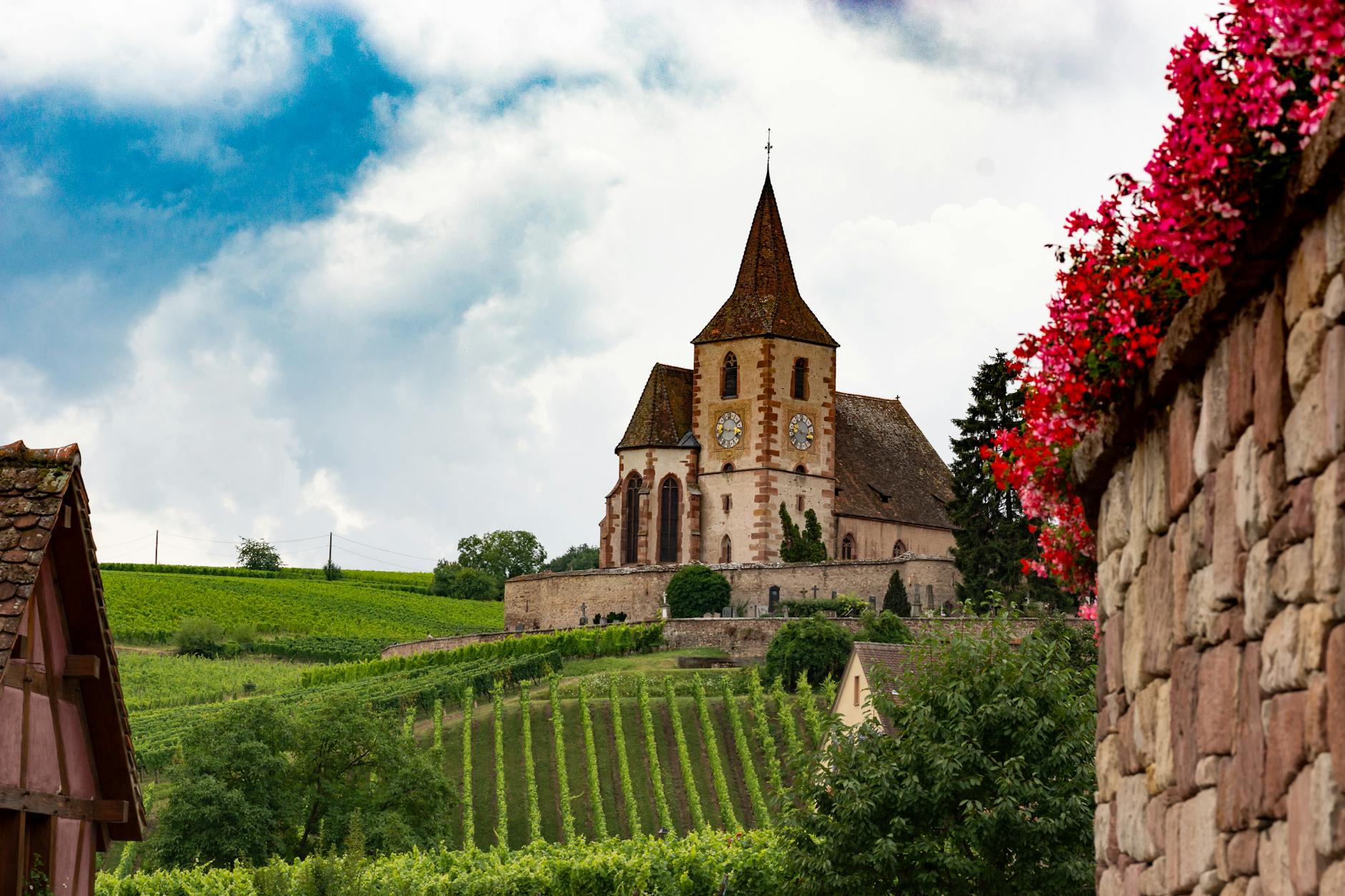
Michigan has 5 AVAs, each with a distinct terroir, culture, and offerings. I encourage all wine lovers to explore each one and indulge in their individualistic identities. Our AVAs along the west side of the state and Lake Michigan (Fennville, Lake Michigan Shore, Old Mission Peninsula, and Leelanau Peninsula) offer a vast range of wine styles and varieties including Cabernet Franc, Riesling, Pinot Blanc, Chardonnay, and dozens of more vinifera and hybrid offerings. Michigan thrives on tourism whether it is during the warmer summer months when visitors can enjoy our beaches, water sports, hiking, fine and casual dining, and more…the fall when the harvest is peaking, the colors are incredible, and the air starts to crisp, or the winter where water sports are traded for things like snowshoeing and snowmobiling…all seasons and activities pair with Michigan wine as you are sure to find a winery very close to you at almost all times. Our newest AVA, Tip of the Mitt, is pioneering growing the newest and most innovative grape varieties including Marquette, Itasca, Frontenac, and other cool and funky hybrids. There is just so much the state has to offer when it comes to wines…within the official AVAs and across both peninsulas. We have over 190 wineries in the state and so many stories to share. 

I admit that my knowledge of Michigan wine is limited. But after hearing what Emily had to say about the exciting things happening in the vineyards and wineries of Michigan, my interest has been piqued. I will be exploring the possibilities Michigan wines offer and I hope you will too!

Photo Credit: Michigan Wine Collaborative

My Latest AWS Wine Journal Article

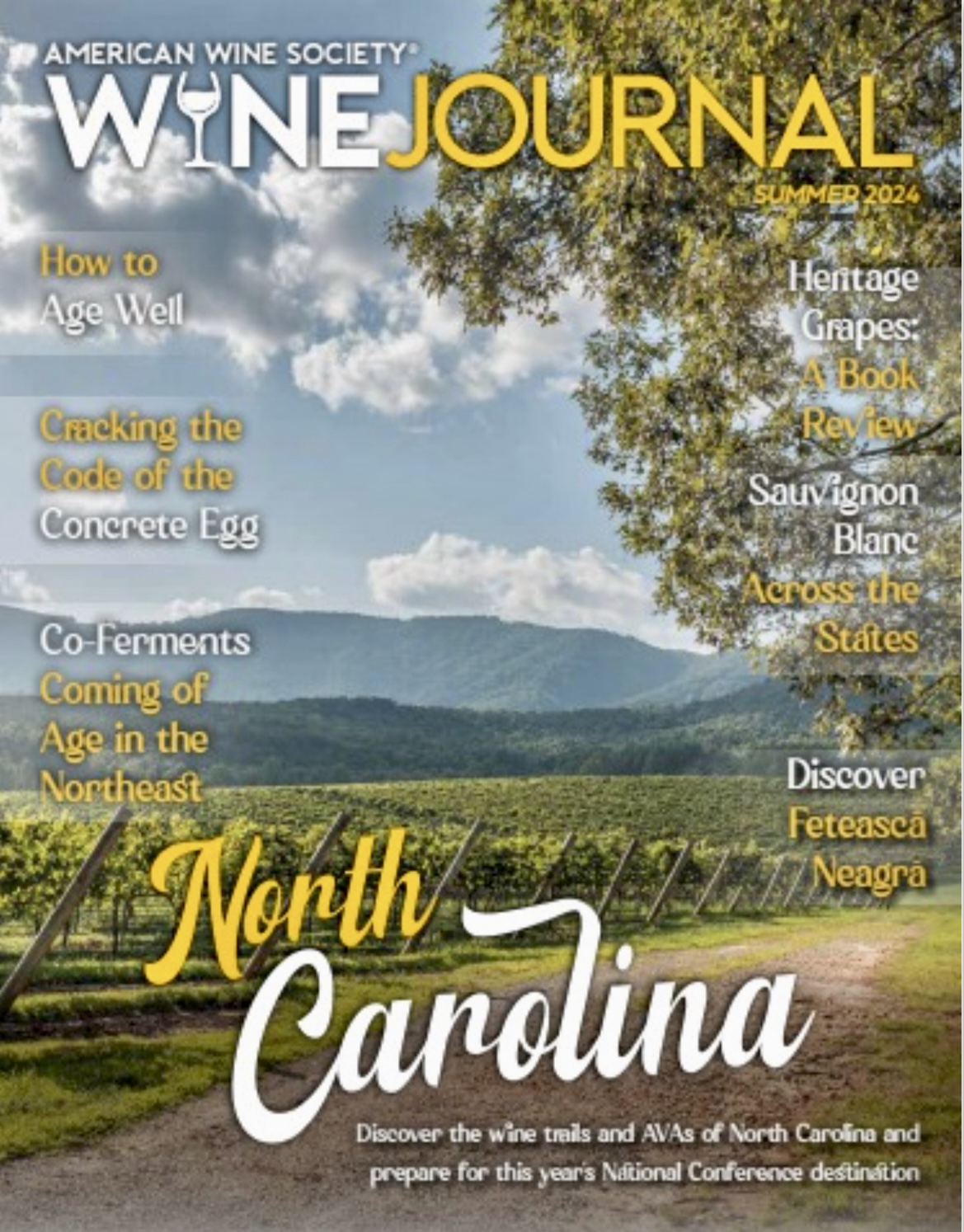
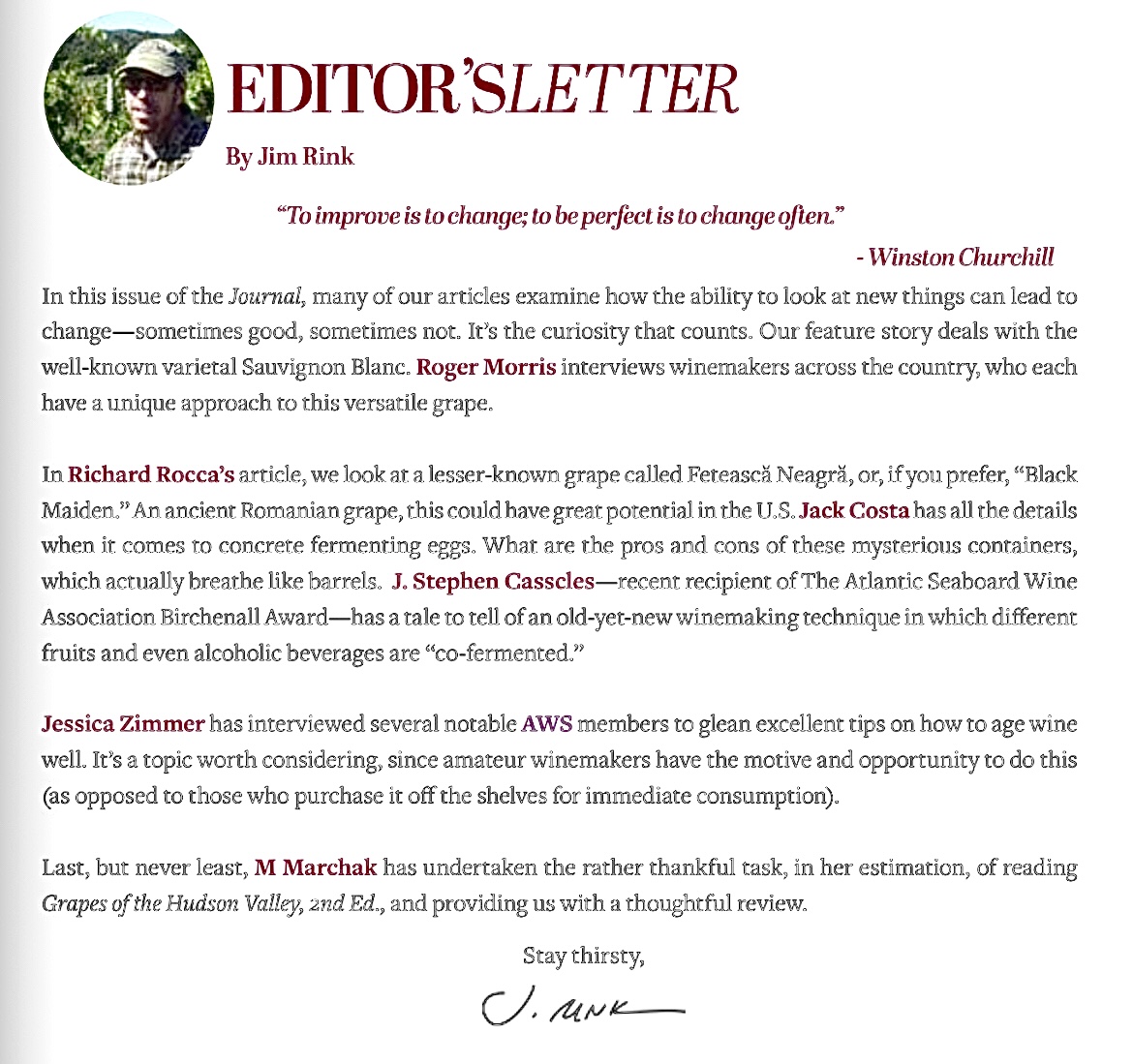
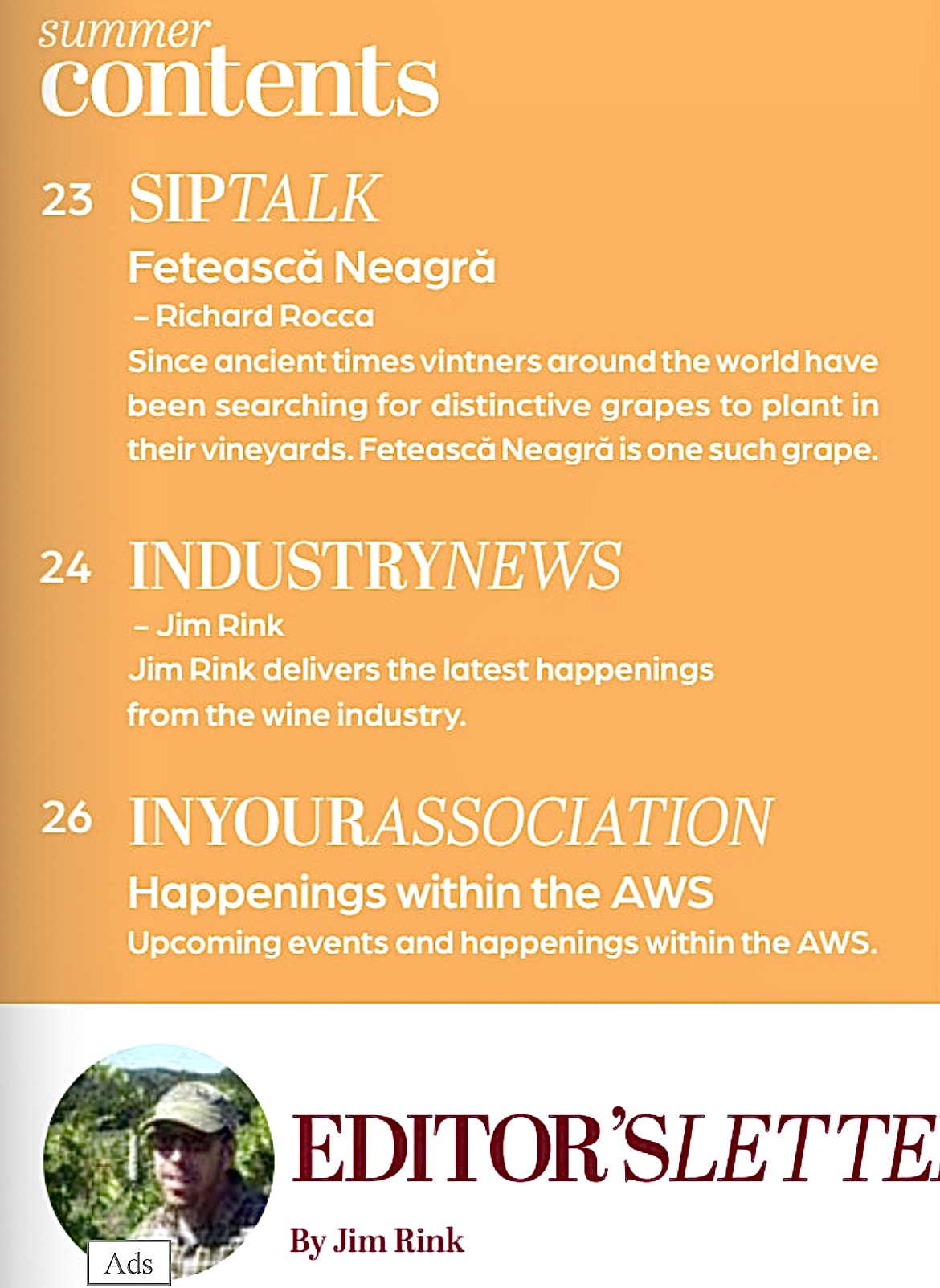
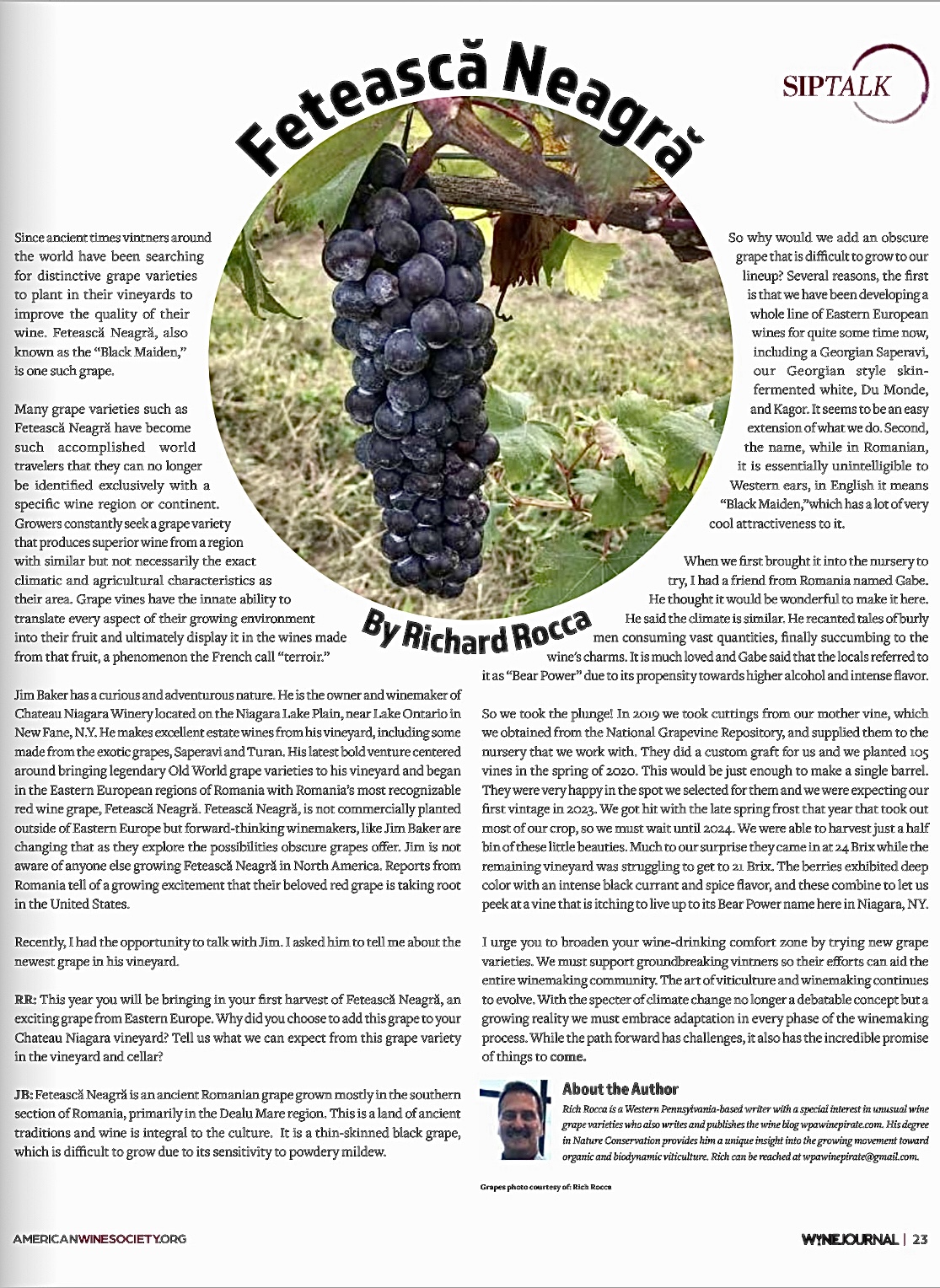
I am happy to announce my latest article to be published in the American Wine Society Wine Journal is now available to be viewed on the emagazine website https://anyflip.com/wnfp/urfm/as a flip page publication free of charge. Simply go to https://anyflip.com/wnfp/urfm/, tap on the cover of the Summer edition, and swipe left to turn the pages like a print magazine. It is easier to read using an iPad, tablet, or laptop. My article appears on page 23 and is about the only vintner in North America growing the Romanian wine grape Fetească Neagră or “Black Maiden ” as it is commonly referred to in Romania. There are a lot of interesting stories in this edition. The cover story is part 2 of a three-part series by Simone FM Spinner, in which the AVAs and wine trails of North Carolina are discussed. M. Marshal reviews the J. Stephen Casscles book “Grapes of the Hudson Valley and Other Cool Climate Regions of the United States and Canada” 2nd Edition. J. Stephen Casscles provides an in-depth look at the ancient but increasingly popular process of co-fermenting in the Northeast. These are just a few of the entertaining and informative articles that can be found in this edition. You can find all the back issues including my Saperavi story in the 2020 Spring edition by clicking on the AWS logo to the left of the https://anyflip.com/wnfp/urfm/ homepage. Enjoy!

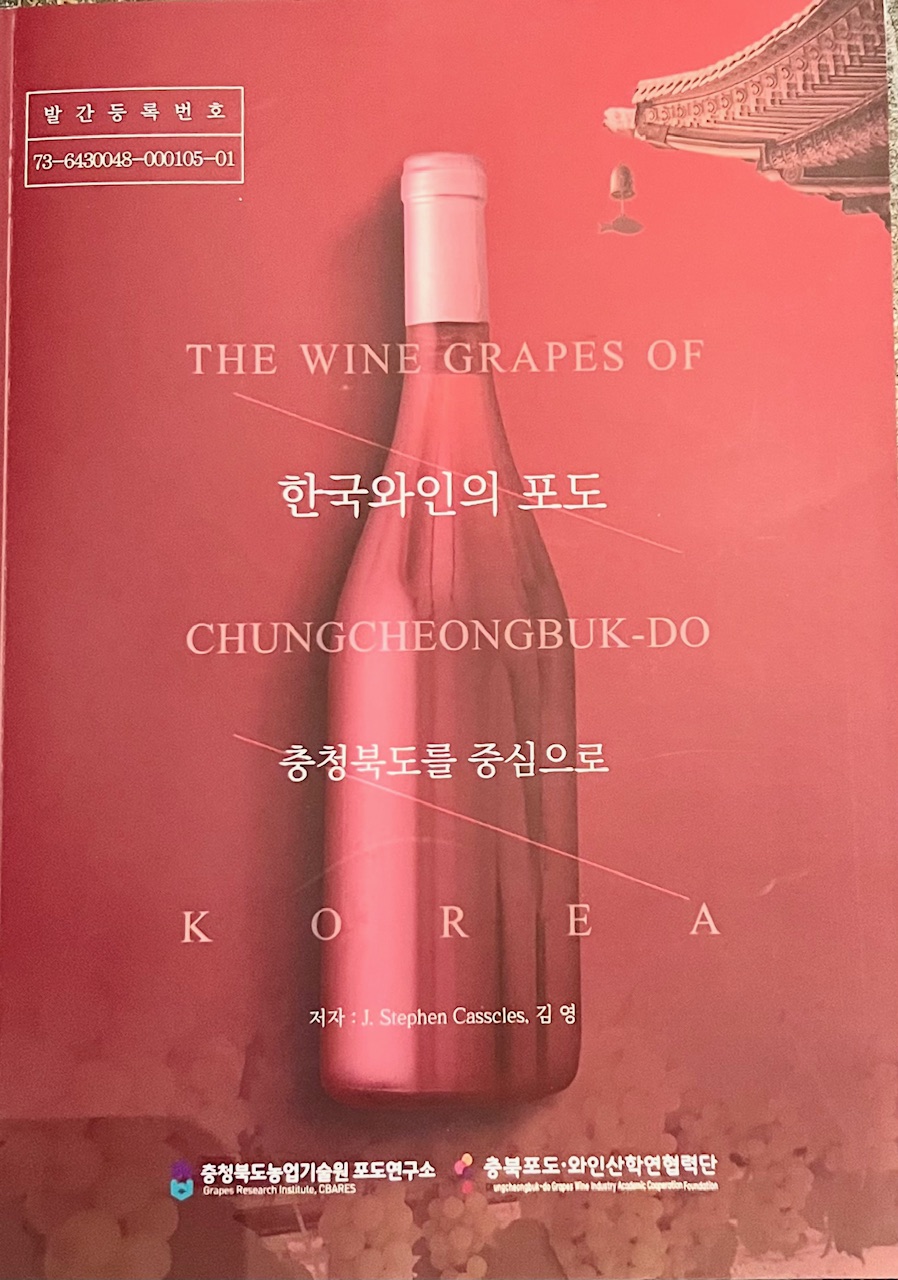
New Book Release: The Wine Grapes Of Chungcheongbuk-Do, Korea

A groundbreaking new book on Korean and North American Cool Climate grape varieties is now out! It is the first winemaking grape book devoted to Korean and American Native grape varieties published in Korea. What is truly unique and unexpected is that the book is printed with one half in Korean and the identical other half in English. 

J. Stephen Casscles Esq. and his coauthor Young Kim have just released an authoritative first-of-its-kind winemaking grape book focused on Korean and North American Native grape varieties to be published in Korea. This text will be an influential source in the selection of grape varieties for Korean winemakers and vintners seeking guidance with their decisions on which grapes are the most compatible with their terroir and the wines they can successfully craft from them. I asked Steve to tell us about his latest book  The Wine Grapes of Chungcheongbuk-Do, Korea.

​ “I have been working, for the past two years, with my very talented co-author Young Kim of Sanmac Winery in Yeongdong, Korea, to write and publish our book: The Wine Grapes of Chungcheongbuk-do, Korea. The Korean province of Chungcheongbuk-do is a centrally located area in the Republic of Korea that specializes in fruit growing and wine production. While this book concentrates on the grape and wine industry of Korea, it has many applications for cool-climate grape growers and winemakers in North America. This is because the weather in our cool climate regions of North America is very similar to the climate and growing conditions in South Korea. Hence, these quality Korean hybrids can thrive in North America as well. Many of these Korean inter-specific hybrids are dual-purpose grapes that are not only seedless table grapes, but are very fungus disease resistant, monsoon season resistant, hardy, productive, and make quality wine.

Two years ago, I was truly blessed to have spent over two weeks in Yeongdong-gun and Seoul, Korea. Here, I met many talented grape growers and winemakers (including our book’s co-author Kim Young), visited cultural sites, and tasted wonderful Korean wines. In Korea, in addition to enjoying a wide variety of Korean cuisine, I had many fine French meals as there is an affinity for French cooking and wine in Korea. For example, in the smallish city of Yeongdong, it boasts not just one, but two quality French bakeries. The purpose of writing our book, The Wine Grapes of Chungcheongbuk-do, Korea was to put in print, for the first time, a book on Korean-developed interspecific hybrids and those grapes, many of which are grown in North America, that are currently being grown in Korea. Our book was published by the Chungbuk Grape Institute and the Wine Research Institute under the umbrella of the Chungbuk Agricultural Research and Extension Services, and the government of Yeongdong-gun, Korea, with support from the Rural Development Administration and the Ministry of Agriculture, Food and Rural Affairs.

What especially attracted me to these Korean-developed hybrid grapes (that were developed by the Korean National government starting in 1963 to the present) was that many of these hybrids had “parents” that were my favorite cool climate grapes that are grown on the East Coast; grapes such as Delaware, Verdelet, Campbell Early, Himrod Seedless, and a few others. Korean grape hybrids to watch for include Cheongsoo, Cheongporang, Cheonghyang (whites) Chung Rang, and Saemaru for the reds. In addition to the Korean hybrid grapes, the book covers all of the other grape varieties used by the Korean wine industry, which are primarily American Native hybrid grape varieties such as Campbell Early, Delaware, Frontenac Gris, the NYS Geneva Experimental Station grape varieties Seneca and Sheridan, and the French-American hybrid Verdelet. In addition, the Korean industry grows several Japanese-developed hybrids, such as Kyoho, Muscat Bailey A, and Shine Muscat, which also have a preponderance of American genetic material in them, such as Campbell Early, Centennial, Eumelan, and Steuben.

If you have not been to the grape/wine regions of Korea, you should put this destination on your travel list. If you do so, I would be happy to point you in the right direction on where to go and what to see. Korea is a beautiful country with beautiful and welcoming people.

​It is our hope that this book will help Korean grape growers and winemakers understand the genetic makeup, growing characteristics, and winemaking ability of the grape varieties that are currently being grown in Korea, especially in Chungcheongbuk-do. Kim Young and I hope that our collective research and knowledge gleaned from my visit to Korea and research on these grape varieties will translate into advances not only for the Korean wine industry but also for our East Coast growers of cool climate inter-specific grape hybrids. These Korean hybrids are great in the field because they are fungus disease resistant, cold/heat tolerant, monsoon rain resistant, productive, can be grown sustainably AND they make beautiful wines, especially the whites. 

​The book is in both the Korean and English languages. Most of these books will remain in Korea to help grape growers and winemakers there. To increase access to the North American cool climate grape/wine industry, I have been distributing our books to opinion leaders in the United States, including wine writers, university and private grape breeders, agricultural colleges, university libraries, grape growers, and winemakers. The point of publicizing and distributing this book in the United States is to tell our growers and winemakers of the existence of these wonderful cool climate grape varieties that were bred in Korea. Hopefully, we will soon be able to bring these hybrid cultivars to North America after they have gone through the importation quarantine process. This book should increase the readers’ devotion to cool-climate grape hybrids because they are productive, can be grown sustainably, and make beautiful wines. Further, it sparks more interest in cool-climate grape varieties in general, be they from Korea, the United States, or Europe.

The Wine Grapes of Chungcheongbuk-do, Korea was highlighted by the Chungbuk Grape Institute and the Wine Research Institute at the Institute’s recent tenth anniversary meeting. The book was the basis of this year’s growers’ and winemakers’ seminar. It was announced at this seminar that the book was the first winemaking grape book devoted to Korean and American Native grape varieties to be published in Korea. Because of its high demand, our book is now almost sold out, hence, we plan to go to a second printing for the United States and Canadian market. Further, this book will become available as an e-book to increase its circulation for the benefit of our cool-climate grape growers in the United States and Canada, in addition to those in Korea, Japan, and Taiwan.​

​Both Kim Young and I hope that this book will increase the reader’s devotion to cool climate grape hybrids, wherever they are grown because they can be grown sustainably and make beautiful wines. Or that it sparks an interest in cool climate inter-specific grape hybrids be they from Korea, the United States, or Europe. We will announce when the e-book is to be made available in the next few months. In addition, there is now an effort to import these sustainably grown Korean wines into the United States so that they can be enjoyed by all.” 

J. Stephen Casscles, Esq. (cassclesjs@yahoo.com) has been a grape grower for over 45 years in the Hudson Valley and worked at leading wineries on the East Coast. Currently, he is a winemaker at Dear Native Grapes Winery in Walton, New York http://dearnativegrapes.com. Stephen wrote Grapes of the Hudson Valley and Other Cool Climate Regions of the United States and Canada: 2nd Ed. Revised and Updated to Include New England Grapes (2023), which details how to make wine, establish & maintain a vineyard, and the growing and winemaking characteristics of over 200 cool climate grape varieties. See https://www.flintminepress.com. His latest book is The Wine Grapes of Chungcheongbuk-do Korea. (2024). At his farm Cedar Cliff Vineyards & Nursery, in Athens, NY, he grows 88 rare French-American hybrids and 19th Century heritage grape varieties from the Hudson Valley & Massachusetts which he evaluates, makes wine from, and lectures about. He also lectures on wine, grape cultivation, 19th-century American horticulture, and landscape architecture at botanical gardens and historical societies throughout the Northeast. He is working on a new book, Grown in Queens: The Prince Nurseries of Flushing, NY, and the Birth of American Horticulture and Viticulture.

Kim Young is the owner of Sanmac Winery in Yeongdong, Korea. sanmacwinery.com She, along with her husband Youn Young-June, grows the grapes, makes and sells the wine, and is active in the Yeongdong wine industry community. She is an educator of the history of Korean wine and a certified WSET 3 Advanced Sommelier.

Thank you Steve and Kim Young for your tireless work on this book. It will be a valuable resource for winemakers everywhere.

Photo Credit: J. Stephen Casscles Esq. and wpawinepirate.com
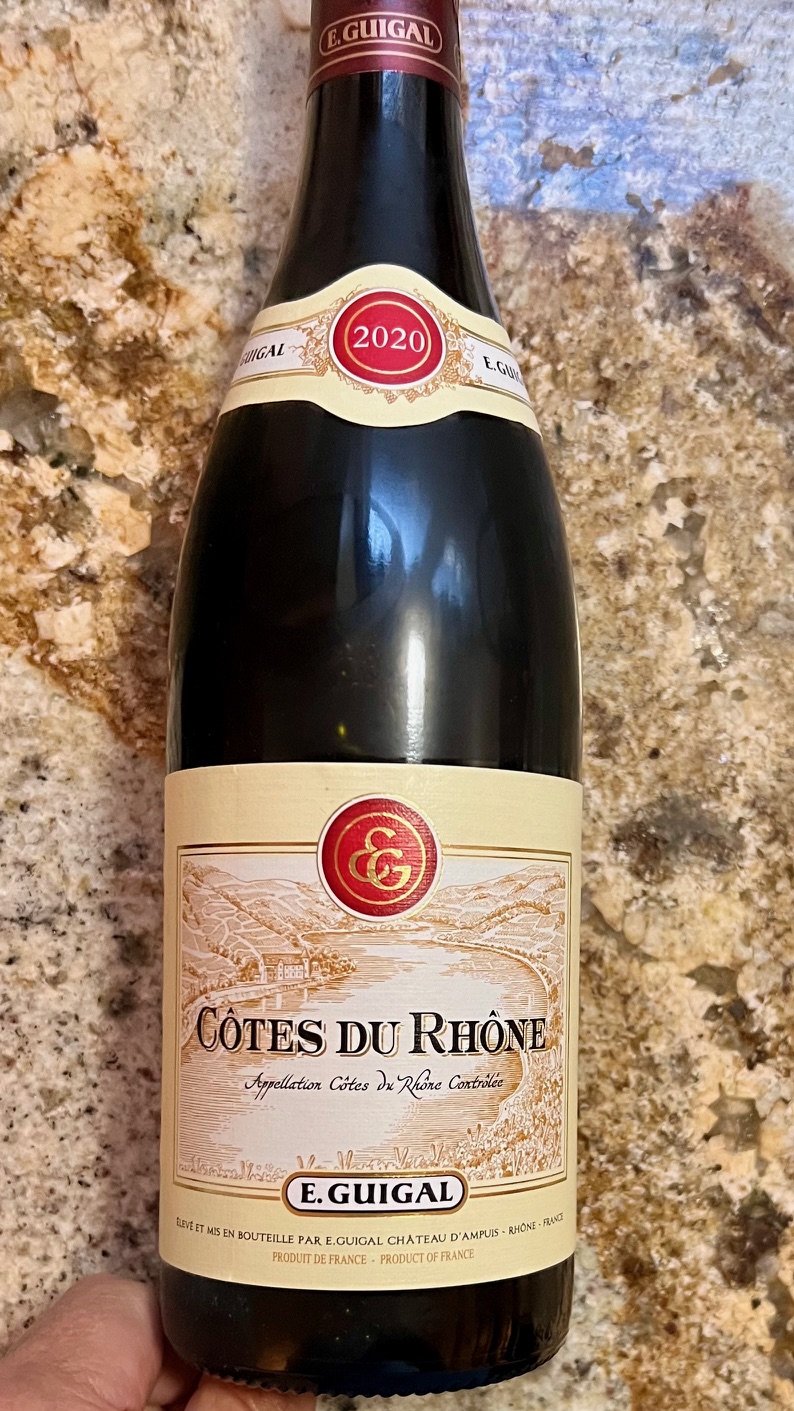
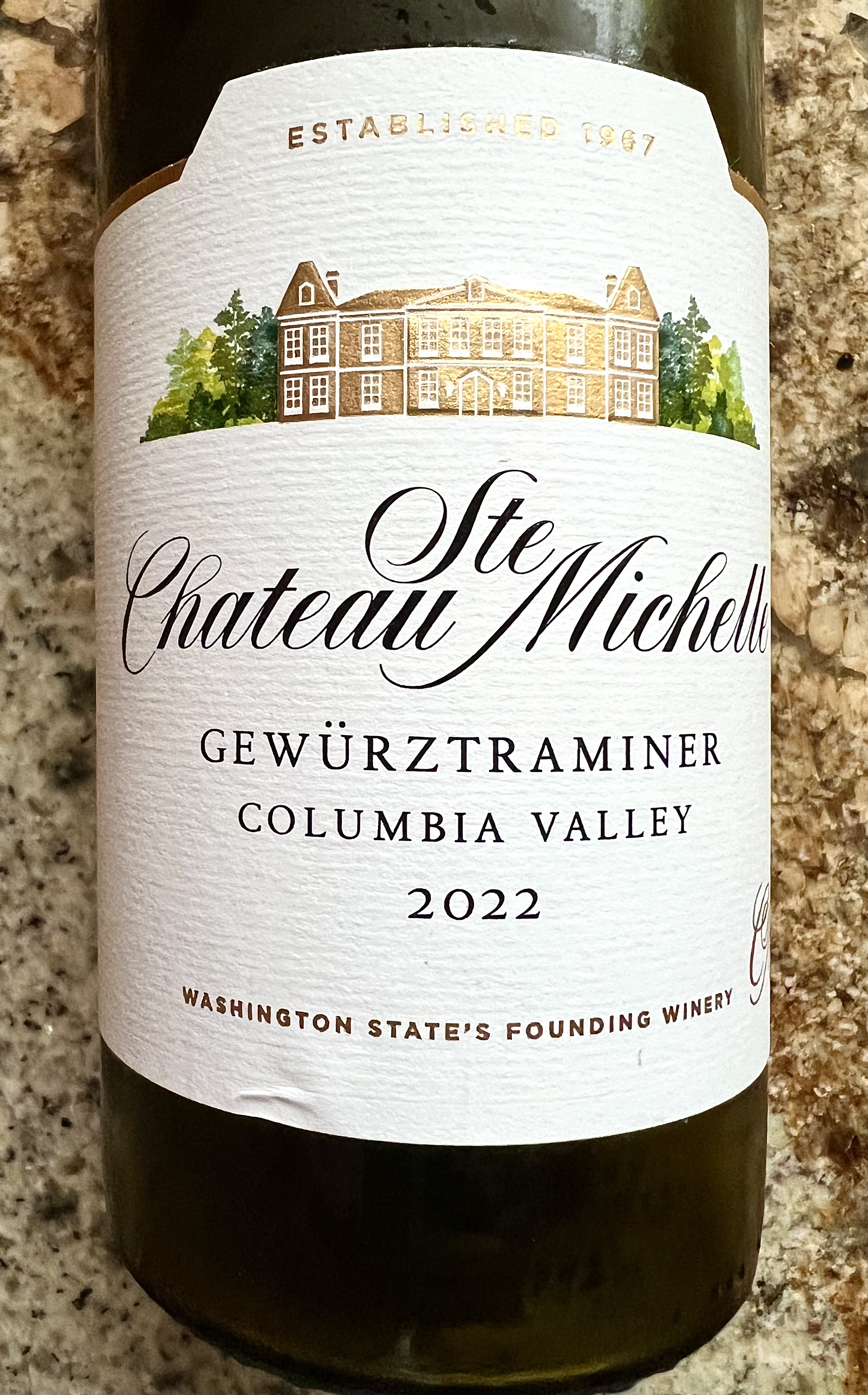
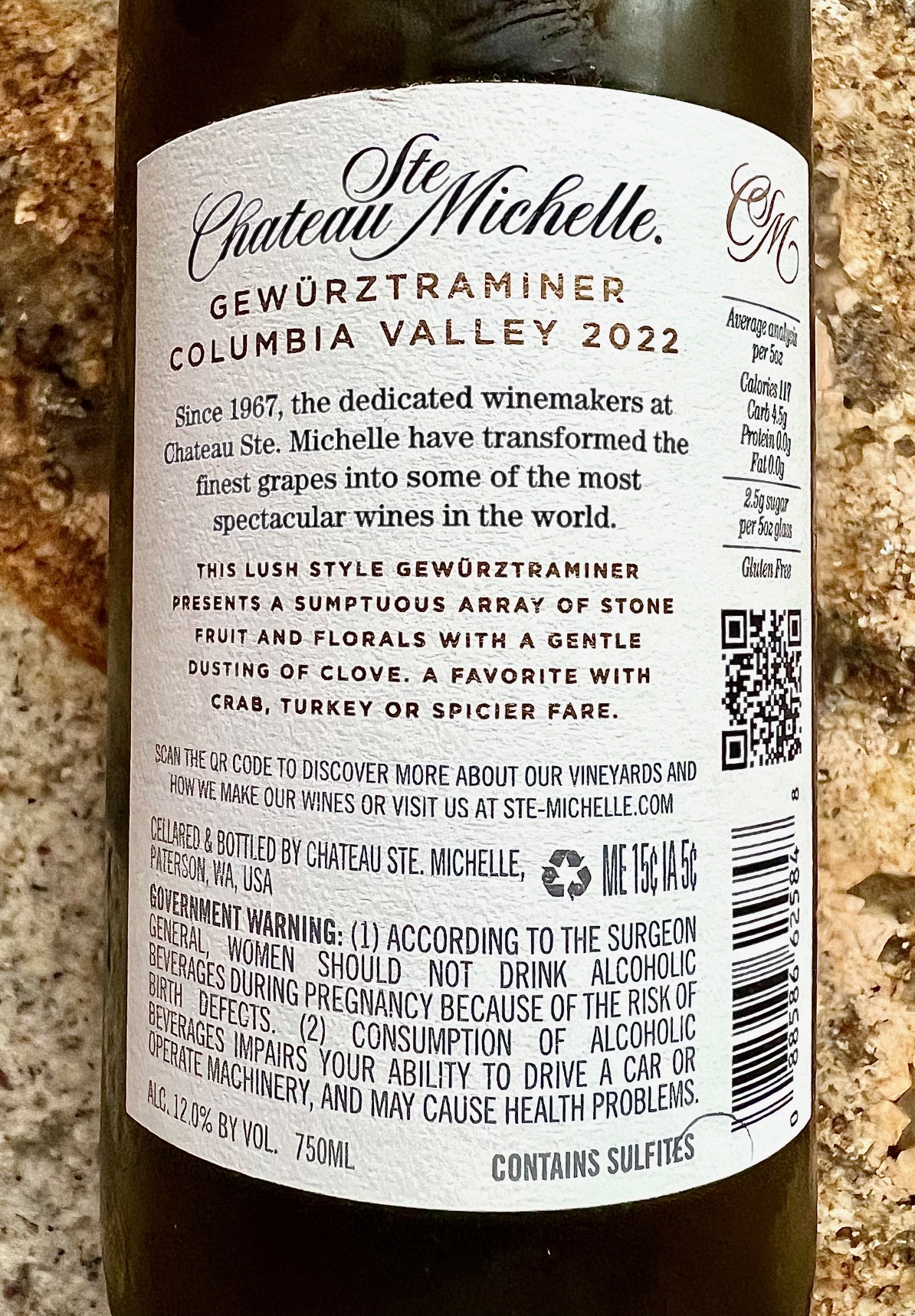
Wine Review: Chateau Ste Michelle Gewürztraminer Columbia Valley 2022

My posts featuring reviews of mass-produced and widely distributed wines have been very popular. The wines I taste for these articles can be easily found in your area. They are made to provide customers with a consistently reliable product in every bottle. 

Today’s wine is Chateau Ste Michelle Gewürztraminer Columbia Valley 2022. Chateau Ste Michelle is a mega-winery with an extensive portfolio of wines produced under several labels. Chateau Ste Michelle is again an independent entity after being a subsidiary of tobacco companies for almost forty years.

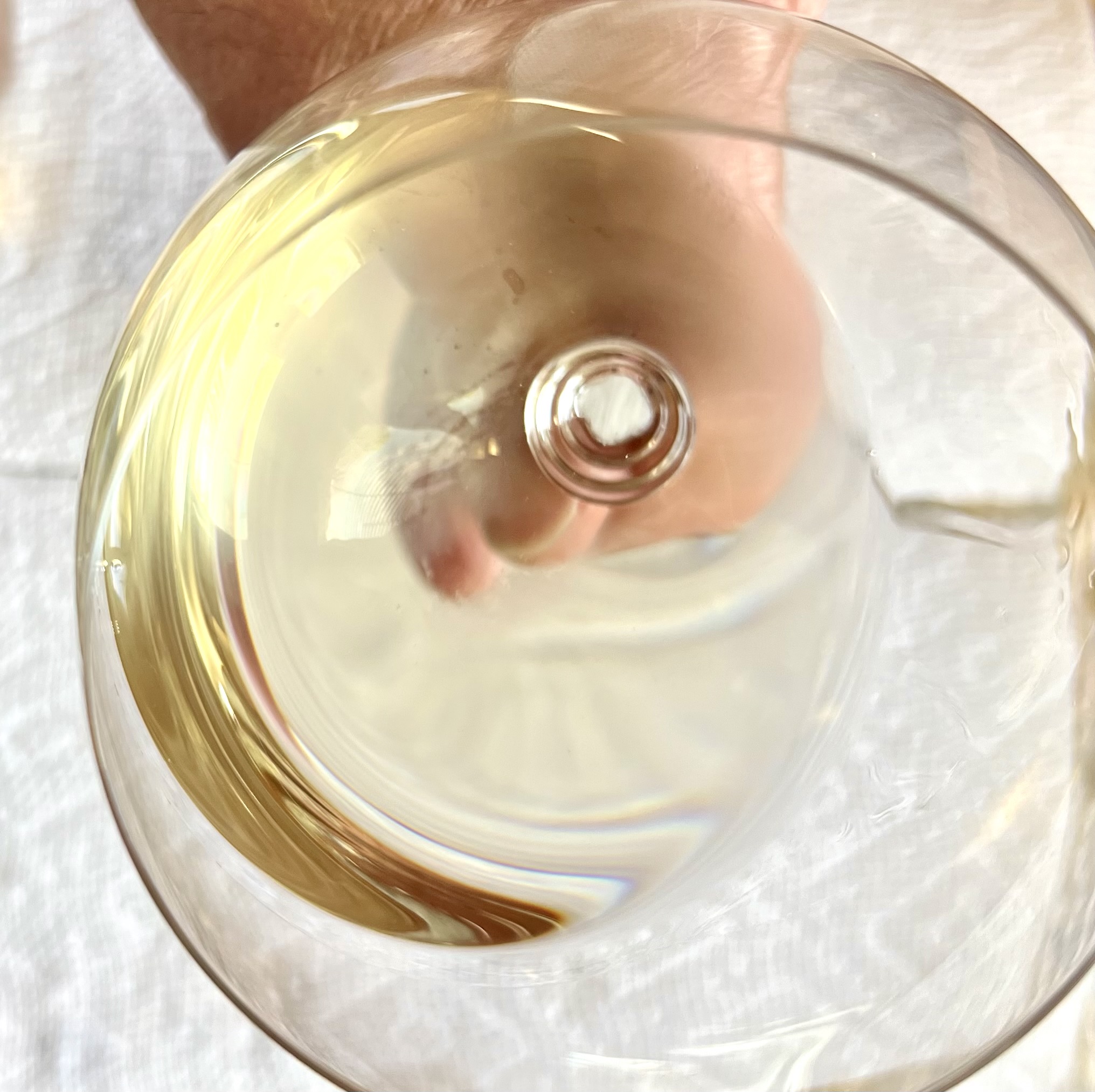
Chateau Ste Michelle Gewürztraminer Columbia Valley 2022 blends 98% Gewürztraminer and 2% Muscat Canelli. Wine Spectator gave it a rating of 88 points. It has a lush mouthfeel with a sweetness just below semi-sweet. Flavors of stone fruit dominate throughout, especially the flavors of apricots and cloves. I found it benefited from aeration. It is a perfect match for spicy Thai cuisine or similar dishes. It is a suitable companion for enjoying a quiet evening under the stars. A 750 ml bottle is usually priced at or below $13 but can be found under $10, making it a solid value choice for a weeknight wine.

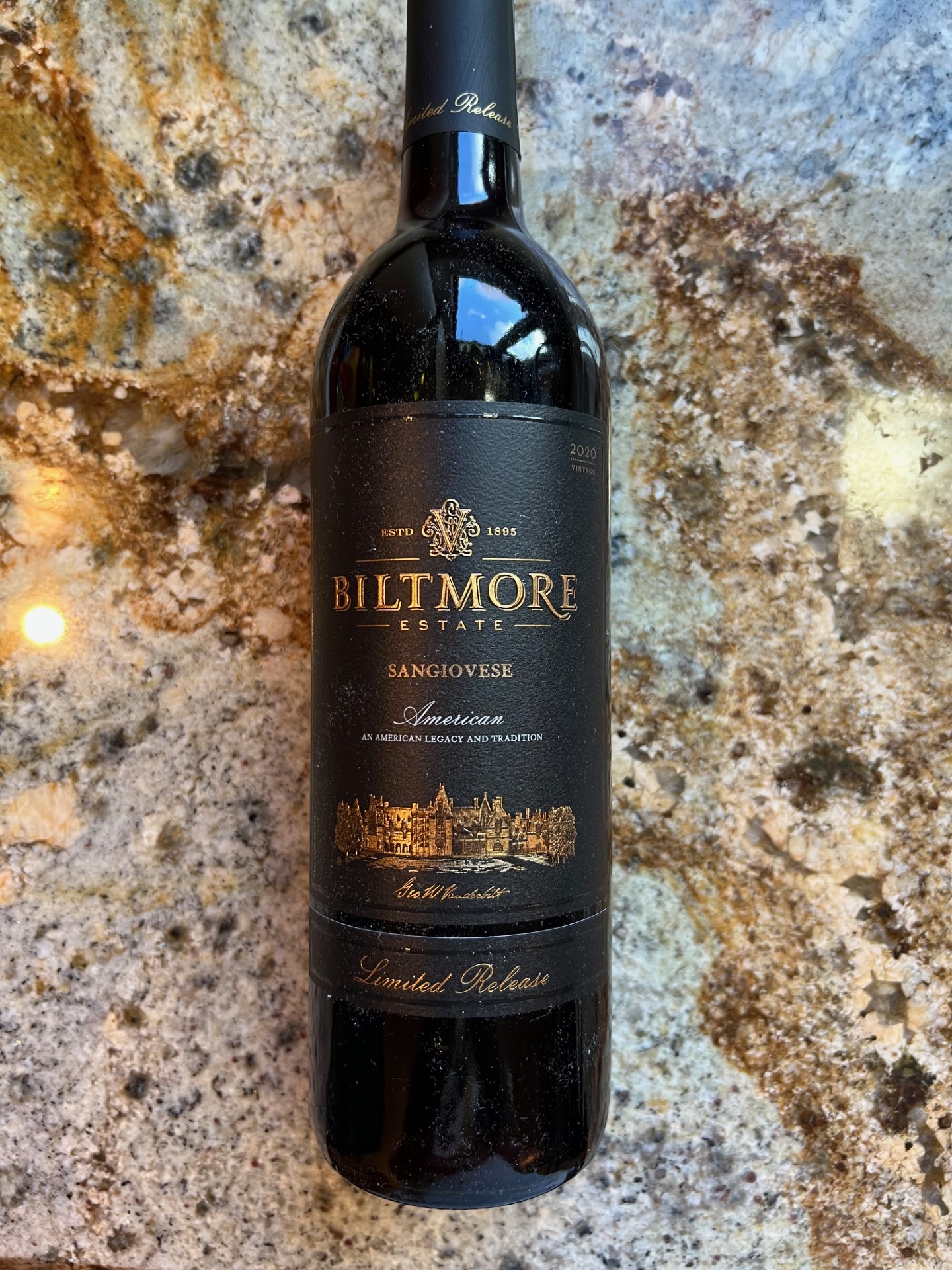
Biltmore Estate Sangiovese Limited Release 2020

On a visit to Asheville, North Carolina we toured the Biltmore Estate. Biltmore was the home of the Industrialist, George Vanderbilt. I highly recommend experiencing this remarkable piece of American history and learning about how it was on the cutting edge of many things we take for granted today. With the price of admission to the mansion and grounds you also receive a complimentary wine tasting at the winery. The winery at the Biltmore Estate is the most visited winery in North America. We enjoyed our tasting and purchased several bottles. Their wines are well made, good quality, and fairly priced. 

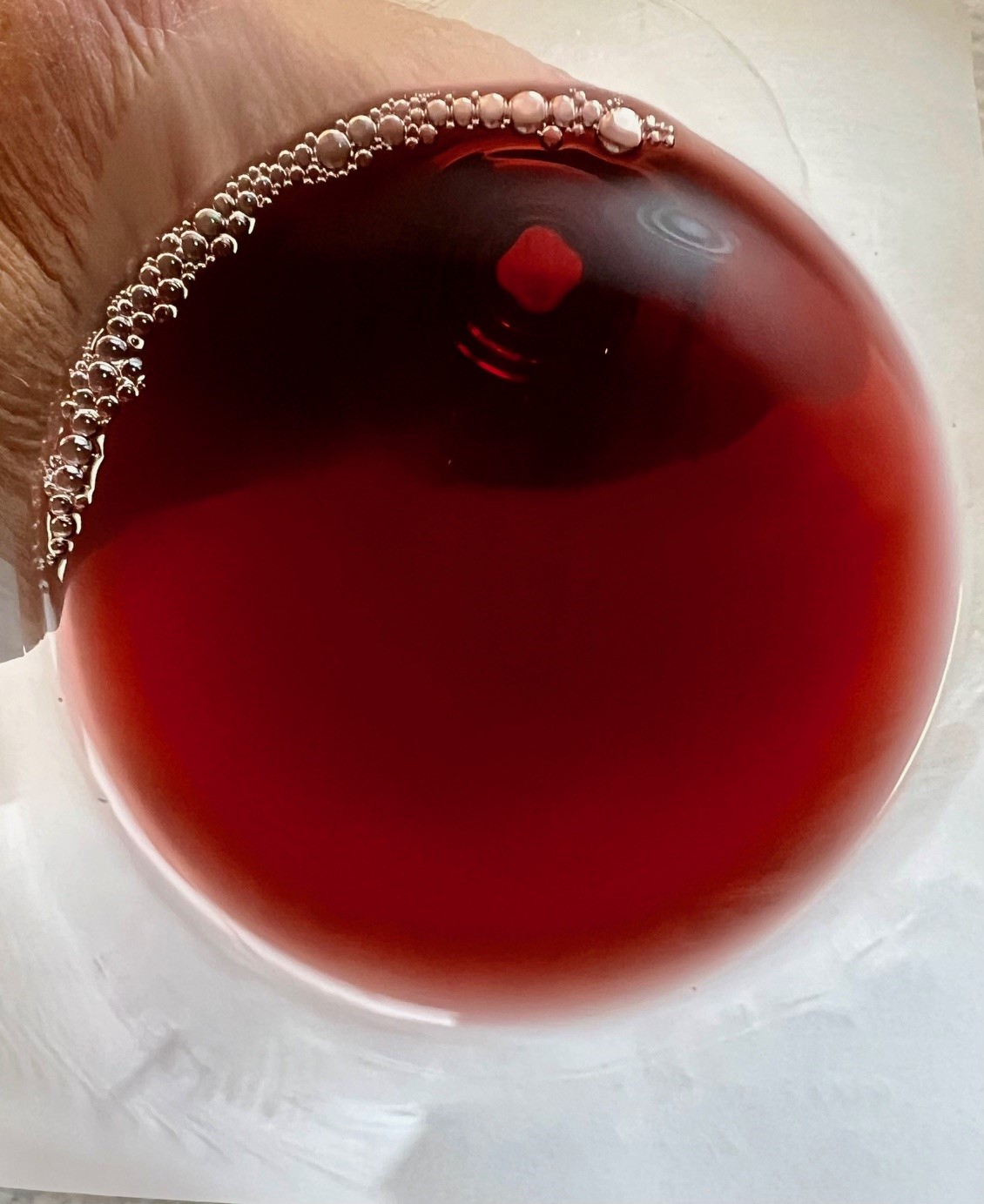
One of the bottles we bought was their Biltmore Estate Sangiovese Limited Release 2020. It is a ruby-colored wine with a medium body displaying more than ample acidity to pair with food while not overpowering its fruit flavors. Biltmore Estate Sangiovese Limited Release 2020 pairs perfectly with pasta in a hearty red sauce or grilled meat.

Ripepi De Chaunac Nouveau-Style

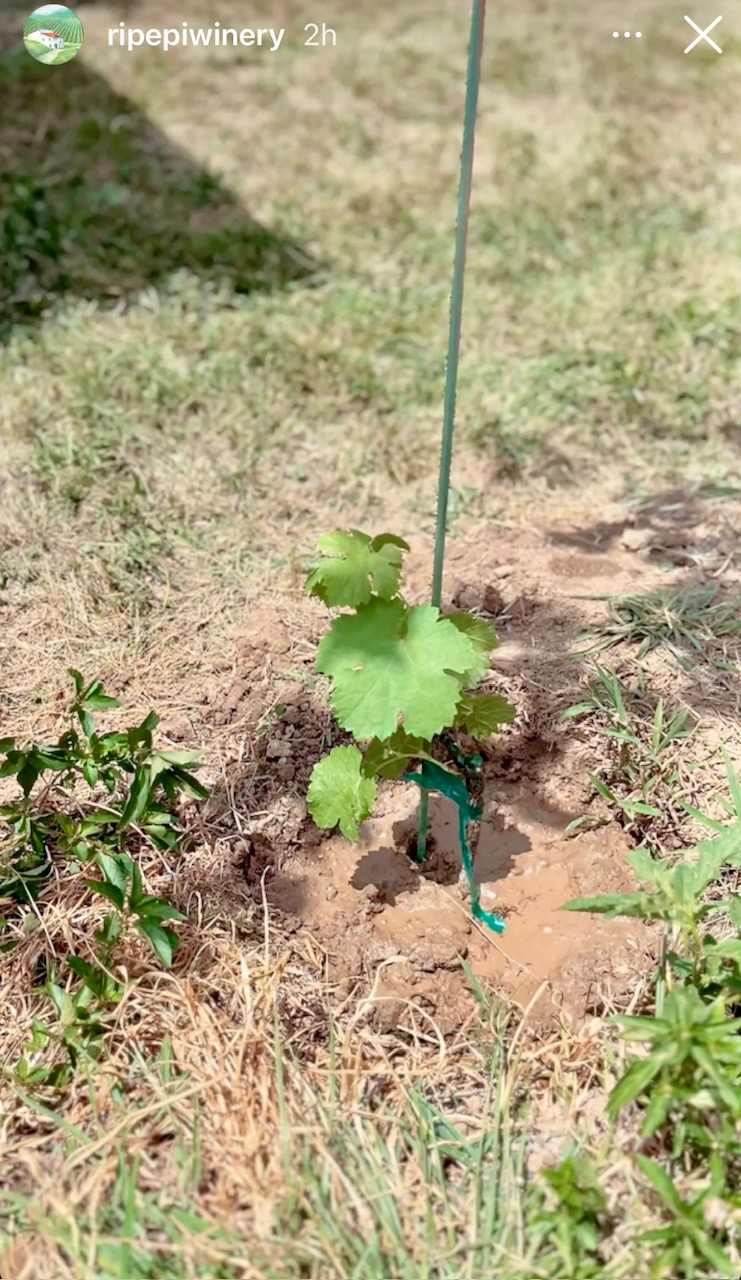
Ripepi Winery and Vineyard is a 10-acre estate vineyard and boutique winery in the southwestern Pennsylvania town of Monongahela founded by Rich Ripepi in 1987. It has produced handcrafted artisanal wines for over 30 years. 

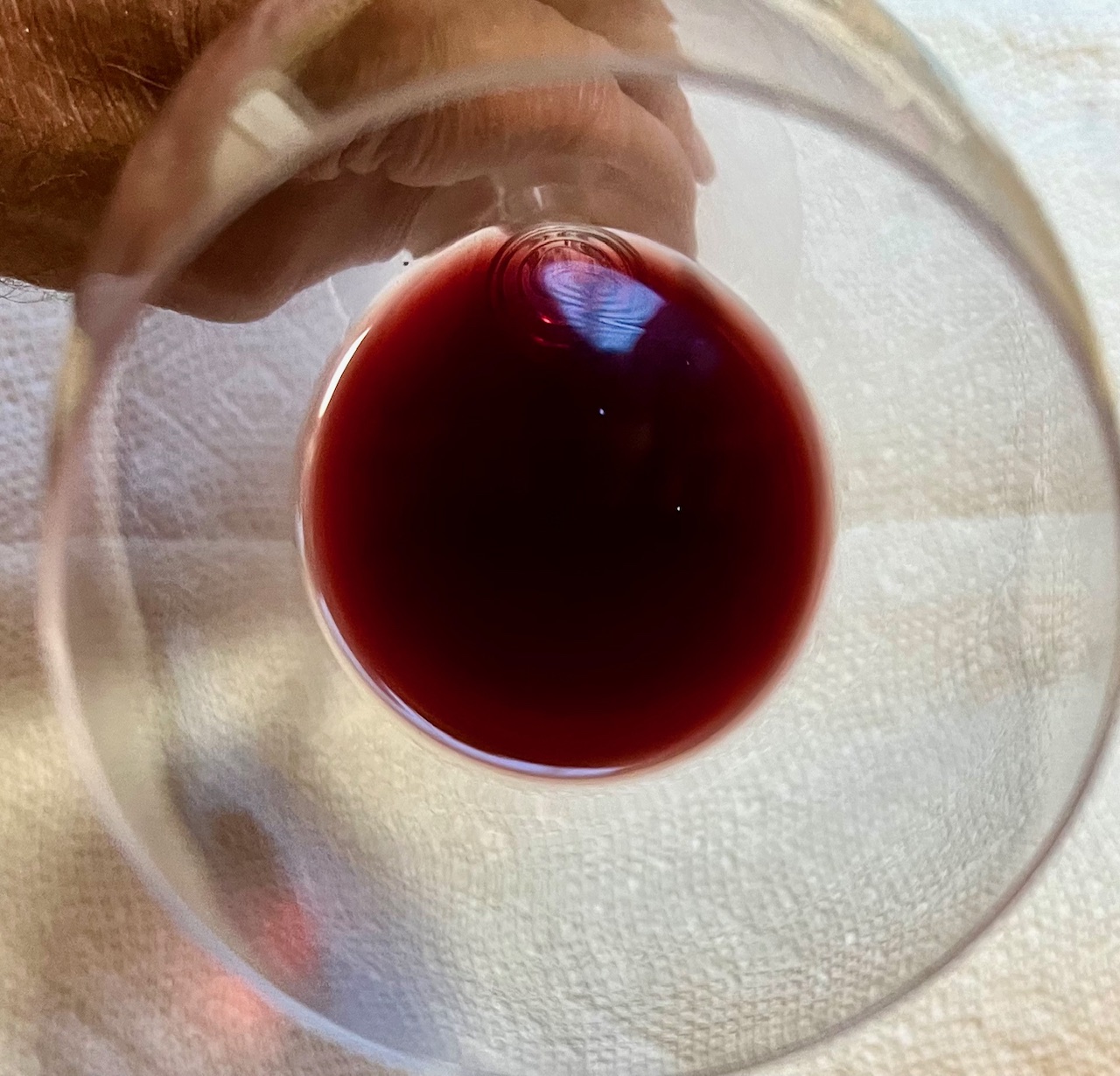
Ripepi De Chaunac Nouveau-Style is a light-bodied, garnet-colored, unoaked dry red wine displaying distinctive cranberry, raspberry, and slightly earthy with a tart finish.

http://ripepiwine.com  724-292-8351 call for hours. 
Book Review: Reflections of a Vintner by Tor Kenward

Reflections of a Vintner Stories and Seasonal Wisdom From a Lifetime in Napa Valley by Tor Kenward, Forewords by Robert M. Parker and Thomas Keller. Imagine relaxing in Adirondack chairs overlooking a lovely Napa Valley vineyard on a perfect summer evening with Tor Kenward while enjoying a glass of his award-winning wine as he recalls the people, places, and events that shaped, not only his wine journey but his life. If this sounds like an intriguing opportunity to hear the candid memories of a vintner who witnessed history, as well as making it, as an aspiring winemaker during the formative years of the current Napa Valley wine culture then this book is for you. The book is chaptered as months of the calendar year and touches upon what a vintner is thinking as each month unfolds but is predominantly the story of Tor Kenward’s life as a winemaker told in his own words.
The Climate Times They Are A Changing: South Africa

Next, my series of articles exploring the effects of climate change on the wine vineyards of the world takes us to the southern hemisphere. World-renowned winemaker Duncan Savage, owner of Savage Wines in Salt River, Cape Town, South Africa, shares his thoughts and observations regarding this important issue. I hope you are as curious as I am to hear what Duncan has to say about events in and around 33 South Latitude. Here’s what Duncan told me is happening in his vineyards.

“Climate change is obviously of major concern to everyone, particularly those of us in agriculture. The biggest concern is the extremes we are experiencing, the blurring of seasons, and general unpredictability. 

In South Africa heat has always been a factor and I think we have become fairly good at managing vines with this in mind. The real challenge is water. We are a dry country and it seems the trend is a drying one. That being said we are having one of our wettest winters in a long time after the experts said it was going to be dry, so who knows?

A lot of SA’s quality wine production is made possible due to our proximity to the cold Atlantic which has a massive moderating effect. While Europe has been really hot of late we have been experiencing some quite moderate summers. 2021 and 2023 for example yielded no heat waves in the growing season which is obviously tremendous for freshness, purity, and balance in the wines. Our only really hot years of the last few have been 2016 and 2022. 

At Savage Wines we are also quite fortunate as many of our plots of land are relatively close to the ocean, some being just a few kms away. The wind can be a  factor as it dries the soil out and challenges the plants but it is fortunately our aircon off the Atlantic. 

The long and short is that change is upon us and we need to adapt. Will be interesting to see the dynamic in the coming years.”

My deepest thanks to Duncan for taking the time and effort to share his insightful knowledge of this global concern that is also very local in its impact.

— 

Photos Courtesy: Savage Wines

The Long and Winding Road

Wine has become one of the most popular beverages in the world, and the wine industry continues to grow in complexity and diversity. As a result, there is an increasing demand for knowledgeable professionals in the field of winemaking. Earning a degree in winemaking can open up a multitude of opportunities for individuals looking to pursue a career path in this dynamic industry.

There are several educational opportunities available for individuals interested in earning a degree in winemaking.

Everyone has a different motivation for wanting to expand their knowledge of winemaking and there are plenty of options to achieve your goal, no matter what it is. Depending on what your goals are you may find that informal education through conventions, conferences, and online forums will provide the information and expertise you need. But sometimes, pursuing a formal education will provide the necessary resources to advance your ambitions in the wine industry. 

An online program is a good, low-cost alternative to starting your wine education at a college or university. A good starting point might be considering the entry-level VESTA (Viticulture Enology Science and Technology Alliance) program administered by the National Science Foundation http://vesta-USA.org You can earn a certificate that can help you move to the next level of your education, whether that is college or elsewhere. 

Those looking for a career outside of the production side may want to consider exploring the possibilities in the hospitality industry. The Wine & Spirit Educational Trust is a leader in the field of online courses and certifications. WSET certifications can be earned in relation to your increasing level of competency and ability. Someone seeking to acquire an in-depth understanding of wine and seeking job opportunities where they can share their passion for wine should seriously consider this option. 

Crafting a long and prosperous life in the wine industry involves as much hands-on experience and formal education as you can obtain. Enrolling in a college or university wine education program can provide you with the skills and guidance you will need to succeed by exposing you to the appropriate course work, as well as hands-on internships with industry professionals. I have listed a few links below to the better-known institutions in different regions of the United States. There are many more viable options out there that you should research and compare. 

Before you decide on a path to pursue your dreams make sure you have done your research as to all the ways to get there and don’t be afraid to reconsider your plans if other opportunities arise along the way. Earning a degree in winemaking can lead to a variety of career paths, such as winemaker, vineyard manager, wine marketer, or wine educator. Depending on your professional aspirations and interests, you can pursue advanced degrees or enroll in specialized programs such as wine tourism, wine retail, and wine journalism. I have never talked with a winemaker that said they traveled a straight line to get where they are today. Be open to change and embrace the journey.

Cornell University Ithaca, NY http://grapesandwine.cals.cornell.edu/undergraduate

The University of California Davis Davis, CA http://cpe.ucdavis.edu/winemakingcert

Michigan State University East Lansing, MI https://canr.msu.edu/iat/viticulture

Washington State University Pullman, WA http://wine.wsu.edu/education

Virginia Tech Blacksburg, VA http://www.vtwines.info/

Spotted Lanternfly: Vineyard Enemy

Everyone’s help is needed in controlling the latest threat to agriculture, not only in Pennsylvania but everywhere this pest is detected. The spotted lanternfly (Lycorma delicatula) is a destructive invasive species that is having a significant impact on Pennsylvania vineyards. Native to Southeast Asia, the lanternfly was first detected in Pennsylvania in 2014, and since then, it has rapidly spread to 51 counties throughout the state. The insect is known to feed on the sap of a wide variety of plants, including grapevines, and is considered a major threat to the agriculture industry. In this article, I will focus on the spotted lanternfly’s impact on Pennsylvania vineyards.

One of the most significant ways that spotted lanternfly affects Pennsylvania vineyards is by feeding on grapevines. The insect has piercing-sucking mouthparts that it uses to extract sap from the vines, which can weaken them and cause stunted growth, reduced yield, and even death. The sap that the insects feed on also attracts other pests and fungi, which can further damage the vines. The damage caused by spotted lanternflies can result in significant economic losses for vineyard owners, as well as reduced wine production.

In addition to the direct damage caused by the insect, spotted lanternfly also poses a threat to the indirect damage due to vineyard management practices. Vineyard owners and managers must take measures to control the spread of the insect, which can be costly and time-consuming. Some management strategies include removing host trees and plants, trapping and killing the insect, and using insecticides. However, many of these measures require specialized equipment and expertise and can have negative environmental impacts, not to mention the additional expense of labor and material to the grower.

The impact of spotted lanternflies on Pennsylvania vineyards also has broader implications for the state’s agriculture industry. The insect threatens other crops besides grapevines, including hops, apples, and hardwood trees. The cost of managing the insect and the economic losses associated with crop damage can have a significant impact on the state’s economy with an estimated loss of production well over 300 million dollars a year.

To mitigate the impact of spotted lanternflies on Pennsylvania vineyards, it is essential to develop effective management strategies. The Pennsylvania Department of Agriculture has provided broad recommendations for vineyard owners and managers, including monitoring for the presence of the insect, removing the tree of heaven (a common host plant for the spotted lanternfly), and using insecticides targeted at the insect’s life cycle. Other research initiatives aim to develop biological control methods, such as the use of natural predators to keep the insect population in check. Pennsylvania’s U.S  Senators John Fetterman and Bob Casey have co-introduced bipartisan legislation they say would stop the spread of the spotted lanternfly. The Spotted Lanternfly Research and Development Act would designate the spotted lanternfly as an invasive species and high-priority research target for the National Institute of Food and Agriculture. 

Until we get any help from the government with this problem it will be up to all of us to slow the spread of the spotted lanternfly. The best and most ecologically friendly way to destroy this insect is to smash, stomp, squish, swat, crush, and spray them with vinegar, or neem oil to name a few methods to kill this pest. If you find a spotted lanternfly please report it to the Pennsylvania Dept. of Agriculture by calling 888-4BADFLY  Thank You! 

Photo Credit: Pennsylvania Dept of Agriculture