The Winter of 2026 was on for the record books, not in a good way. The weather from January through late May was dominated by extreme swings in both temperature and precipitation that culminated with a freeze on April 21st when the temperatures fell into the low 20’s.
I was curious as to what extent these environmental factors had on the vineyards here in the northeastern United States. The only way I could collect honest and insightful information on this subject was to go directly to the people who had experienced it personally. The following are the firsthand accounts of vintners telling what they and their vineyards endured during the destructive Winter of 2026. The guests graciously provided supporting material that appears at the end of this article. Thank you.
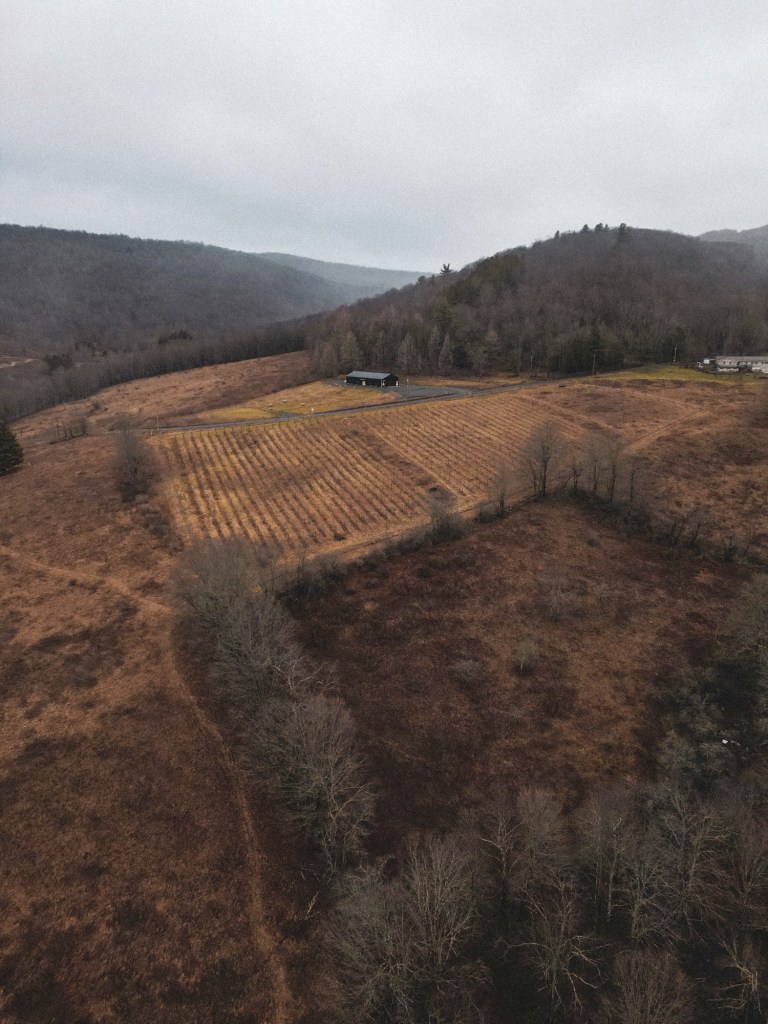
Dr. Chuck Zaleski is the owner/winemaker of Fero Vineyards & Winery in Lewisburg, Pennsylvania. Chuck makes wine from grapes grown on his 13.5-acre vineyard that features Riesling, Grüner Veltliner, Pinot Gris, Lemberger, Pinot Noir, and a favorite of mine, Saperavi. Like for many in the Northeast, this past winter was challenging. Here’s what Chuck told me.
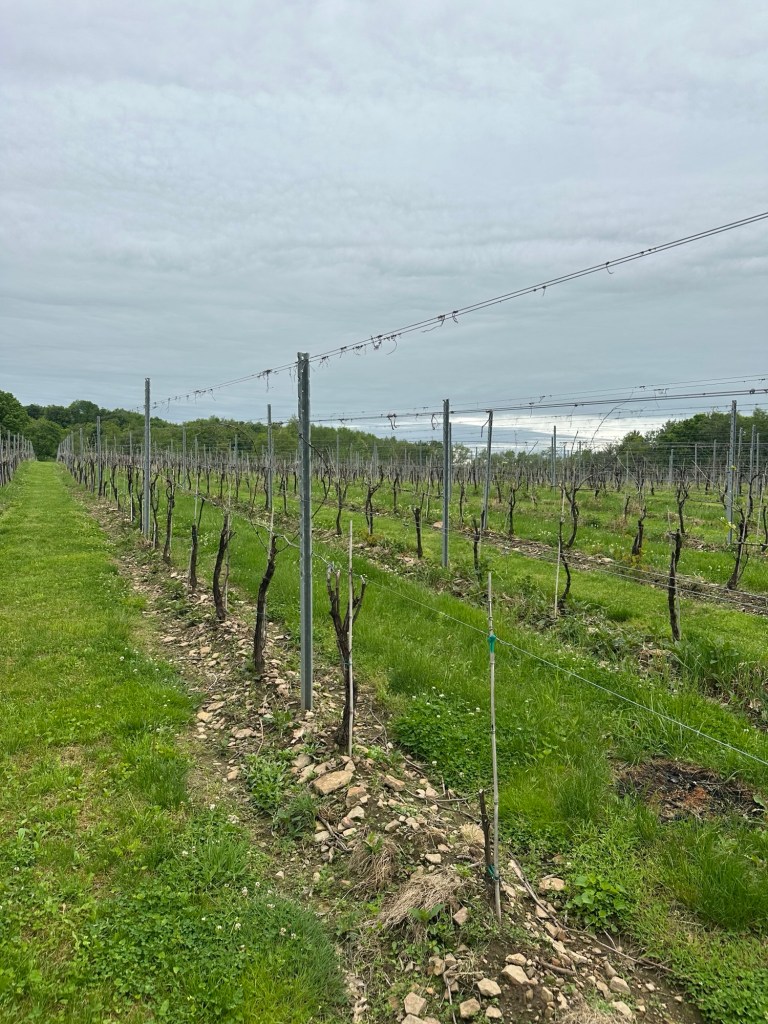
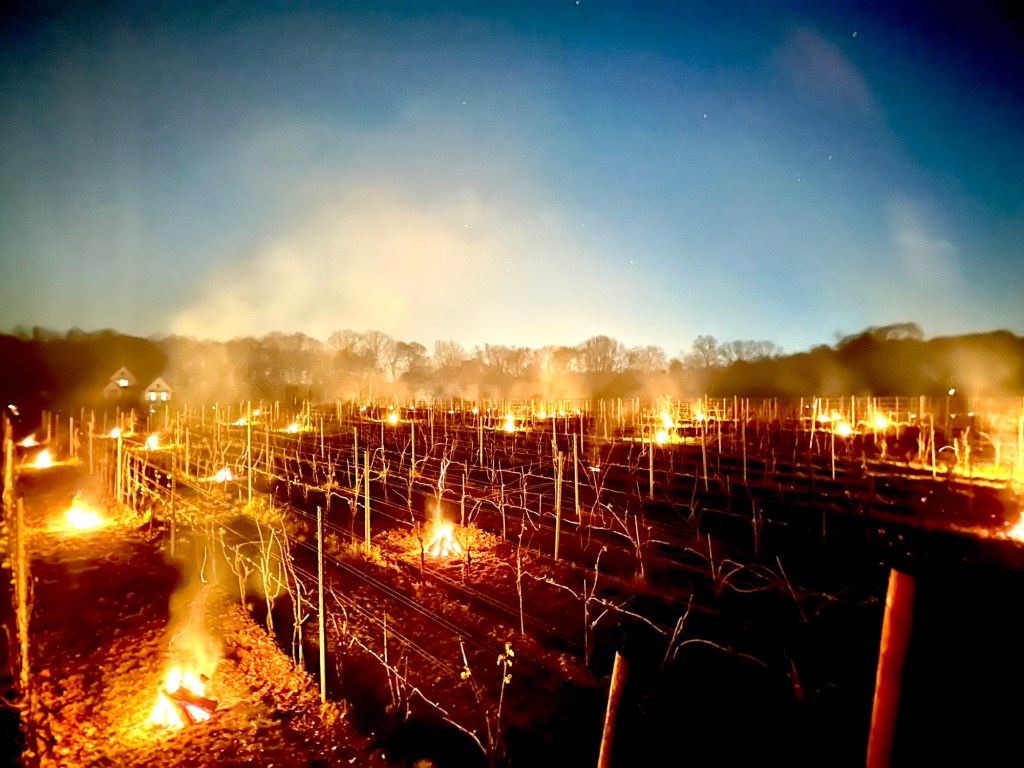
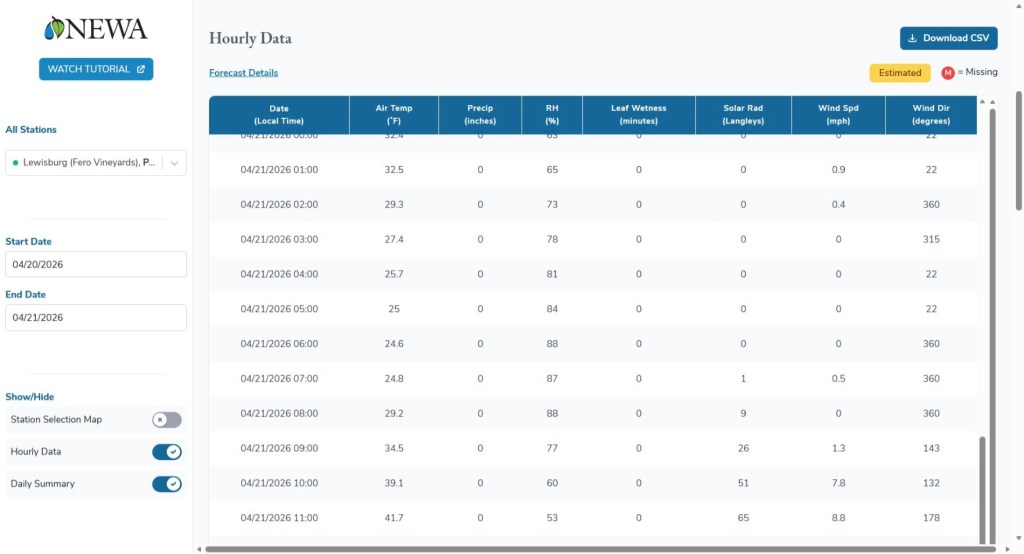
“Like most vineyards in the Mid-Atlantic region, we were impacted by the April 21, 2026, freeze. We have a NEWA weather station in the vineyard, and I attached a page recording the temperatures. The attempted mitigation effort of burning the prior year’s pruning in the vineyard was no match for the extreme cold. On that infamous day, we were still early in the growth season, at bud swell stage, with the exception of some of the smaller shoots and the row edges that had 1″ of green tissue. Our vineyard sustained significant damage to greater than 90% of the buds. Since the freeze, there has been some growth on vines, but only 30% of the normal shoot density. I expect to see some crop this year, but likely a fraction of normal yields. I also expect some vine loss, but it is too early to know the extent. This 2010 vineyard has weathered numerous frost events and deep winter cold to negative 12 degrees in its history, but this was the worst damage I’ve seen.
The 2026 Freeze was a major disruptor to vineyards and orchards in the surrounding states. Economic losses will be significant. We will have to look at purchasing grapes for some of this year’s wine production. We will also need to replace damaged vines in the vineyard. The crop that we get will require more extensive hands-on management to get high-quality fruit. As bad as this weather event was, it came on the heels of one of the best vintages ever, 2025. Wines made from those grapes will be a real treat for wine lovers and are available now. We bottled our whites and rose wines this spring and will get the reds done next year. This summer is a great time to get out and support your local vineyards and wineries.”
J. Stephen Casscles is the leading authority on 19th-century Heritage grape varieties of the Hudson Valley and New England. He is a well-regarded author and writer, as well as a viticulturist, vintner, and winemaker. Steve resides in the Hudson Valley of New York, where he maintains a vineyard of rare grape varieties. Steve also provided me with a link to an article he recently published entitled “A Late Spring Freeze Slams Hudson Valley Fruit Farms” for us to gain a better understanding of the extent of the damage to the local economy. https://www.ediblehudsonvalley.com/a-late-frost-slams-hudson-valley-fruit-farms/
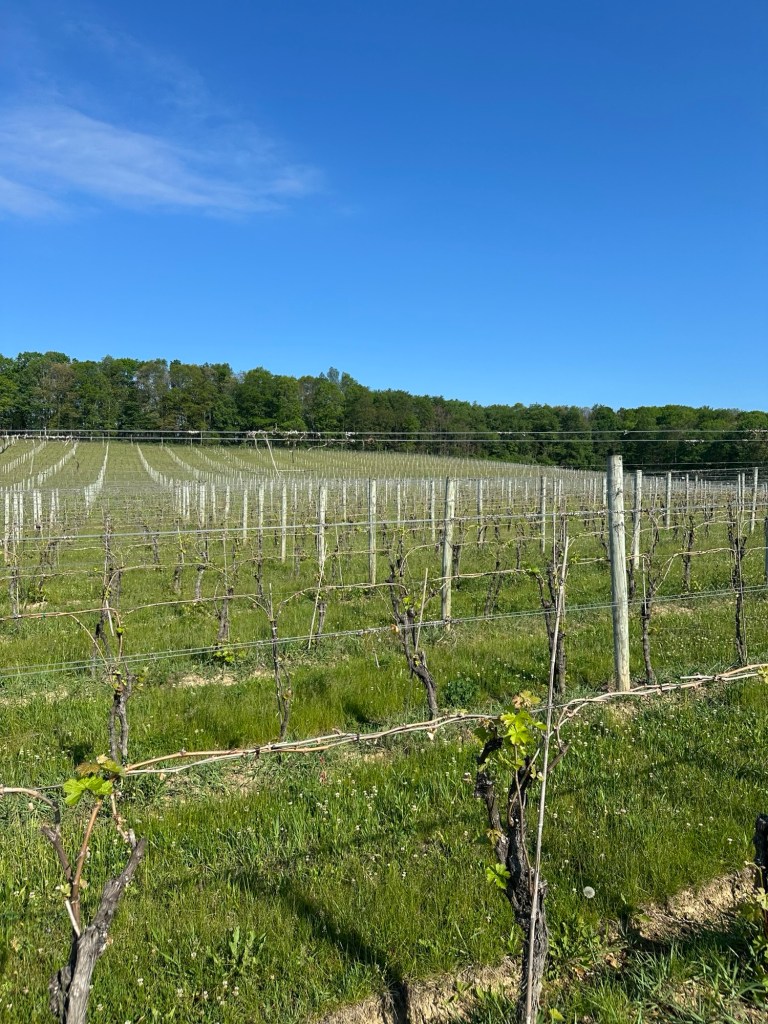
“My farm is near the banks of the Hudson River in Athens, NY. I grow 85 Cool Climate and Heritage grape varieties. What I have done for the past few weeks is record the bud break of my varieties and this year, the percentage of freeze damage. I think you will find that some buds/shoots were OK, and some got singed, but came out of this, some were damaged pretty well, and some were killed. I also noticed that some varieties have secondary buds, so there will still be a crop, but a reduced one. Observations: Some Heritage varieties, like the Hudson Valley Heritage varieties and Cape Ann Varieties, did OK because they tend to bud out late, so they did not have the length of green growth that got frozen out. Of the late-budding varieties that did OK were Jefferson, Empire State, Eumelan (Hudson Valley hybrids), and Agawam, Salem, and Lindley for the Cape Ann Rogers hybrids. I noticed that a Hudson Valley hybrid Bacchus, which is a Riparia variety, while it budded out early, still did OK. It must have some kind of antifreeze in it, as some spring plants do, like Glory of the Snow or tulips. So, my Bacchus (JH Ricketts hybrid) was good. My Seyval Blanc, Vidal, and Vignoles did OK, and they have a secondary crop. The Foch also got hit a bit and buds out early, but survived OK. It is in a higher place in the vineyard, so that helped. My chance seedlings Palmer and Lynwood, both bud out late, so they managed well. Freeze damage was worse at the bottom of the vineyard hill than at the top. Compared to other vineyards, we did OK, mostly because I do not grow vinifera.”
Jay Bell is the owner/winemaker of Bella Terra Vineyards in Hunker, Pennsylvania. He also grows grapes for his operation in his vineyards located in Westmoreland and Bedford counties. Jay gave me this comprehensive review of the damage his vines sustained.
“We were also hit hard in both vineyard locations. Bedford County and Westmoreland County. Some vines are starting to rebound with suckers coming up from the vine base where we had them hilled up. (We cover up the graft unions with dirt in the winter to protect part of the trunk from freezing.) On the 21 of April, we made fire on just 3 acres of chardonel vines, and that really helped. We wish we had the resources to do more fires or other frost/freeze mitigation. Those 3 acres, along with our small block at the winery in Hunker, did well. The remaining 17 acres will have little to no crop this year. The varieties that took the hardest hit and will have to be a total replant or retrain from vine base were Gruner Veltliner (3 acres), Pinot Noir (2.5 acres), Malbec (.5 Acre) Merlot (1.5acre) Chardonnay (1 acre). Petite Verdot, on the other hand, was not quite out, so it did fairly well with only about 20% bud loss.”
Alfredo “Alfie” Alcántara is co-owner of dear native grapes Winery & Vineyard in the picturesque Catskill Mountains town of Walton, New York. Alfie and dear native grapes are focused on propagating and producing wine from Heritage and seldom-used native grape varieties. Here’s what Alfie shared with me about the Winter and Spring of 2026 in the western Catskills.
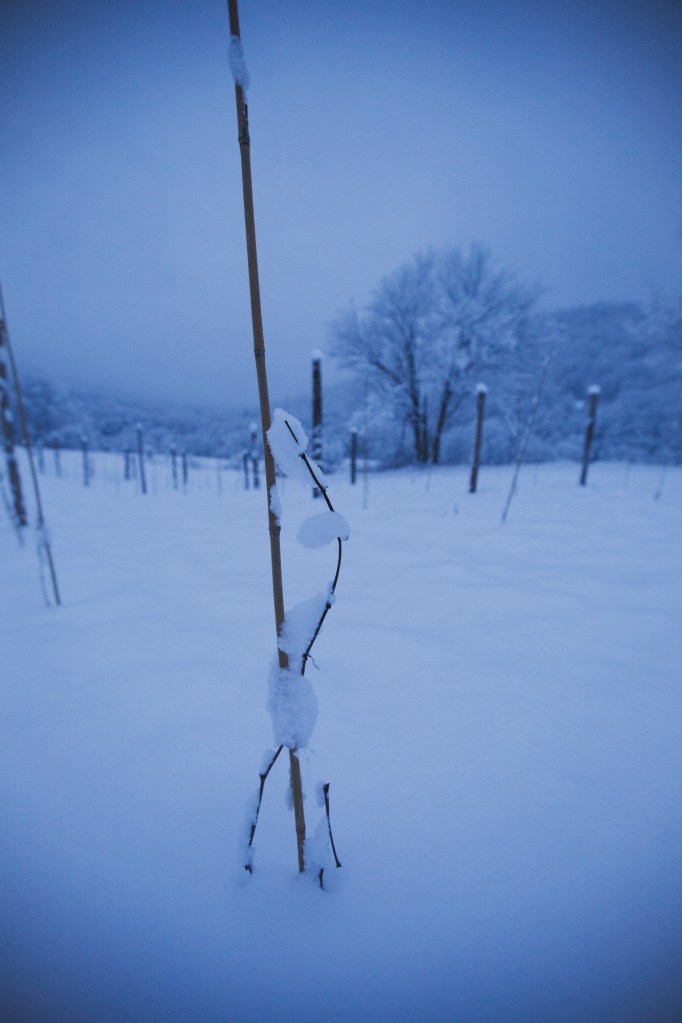
“We faced a severe winter in the western Catskills, with lows hitting-15°F and wind chills plunging to -30°F. Thankfully, steady snow cover insulated our vines and root systems. Local growers note that these extreme freezes can actually suppress overwintering bark diseases, and we’ve already seen a significant drop in vole damage this year. Our primary concern shifted to the late-spring frosts of April and May. A major freeze on April 21st devastated large portions of the Northeast, but because our bud break naturally occurs a few weeks later than in the Hudson Valley or Finger Lakes, our tight buds escaped the worst of it. After tracking the vineyard closely through a few additional early-May frosts, we are optimistic. We see some minor frost damage, but 70–80% of our vines look healthy and are actively pushing out shoots. Still, these close calls keep us thinking about the future, reinforcing our interest in late-budding varieties like Petite Pearl that can naturally escape these unpredictable spring frost events.”
At the end of the day, growing grapes for winemaking is no different than any other agricultural venture. It is a risky business where most of the factors determining your success or failure are beyond your control. I learned this at a very young age while growing up across the road from my grandparents’ western Pennsylvania farm, which my uncle, aunt, and cousins tirelessly worked. I greatly admire all who labor in this ancient profession where success is measured in small victories, and acknowledgement is very rarely received.