How To Propagate Grapevines From Cuttings

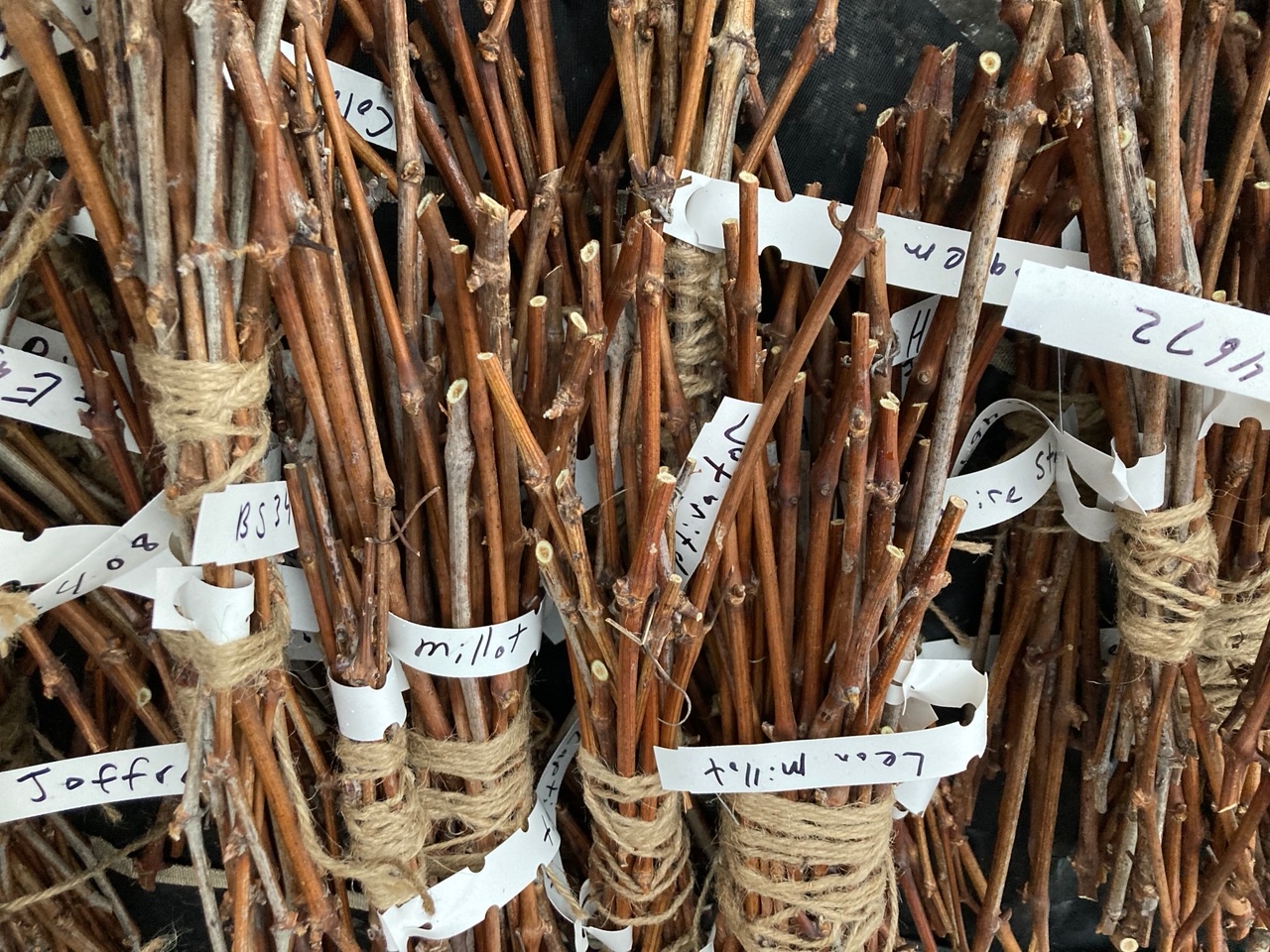
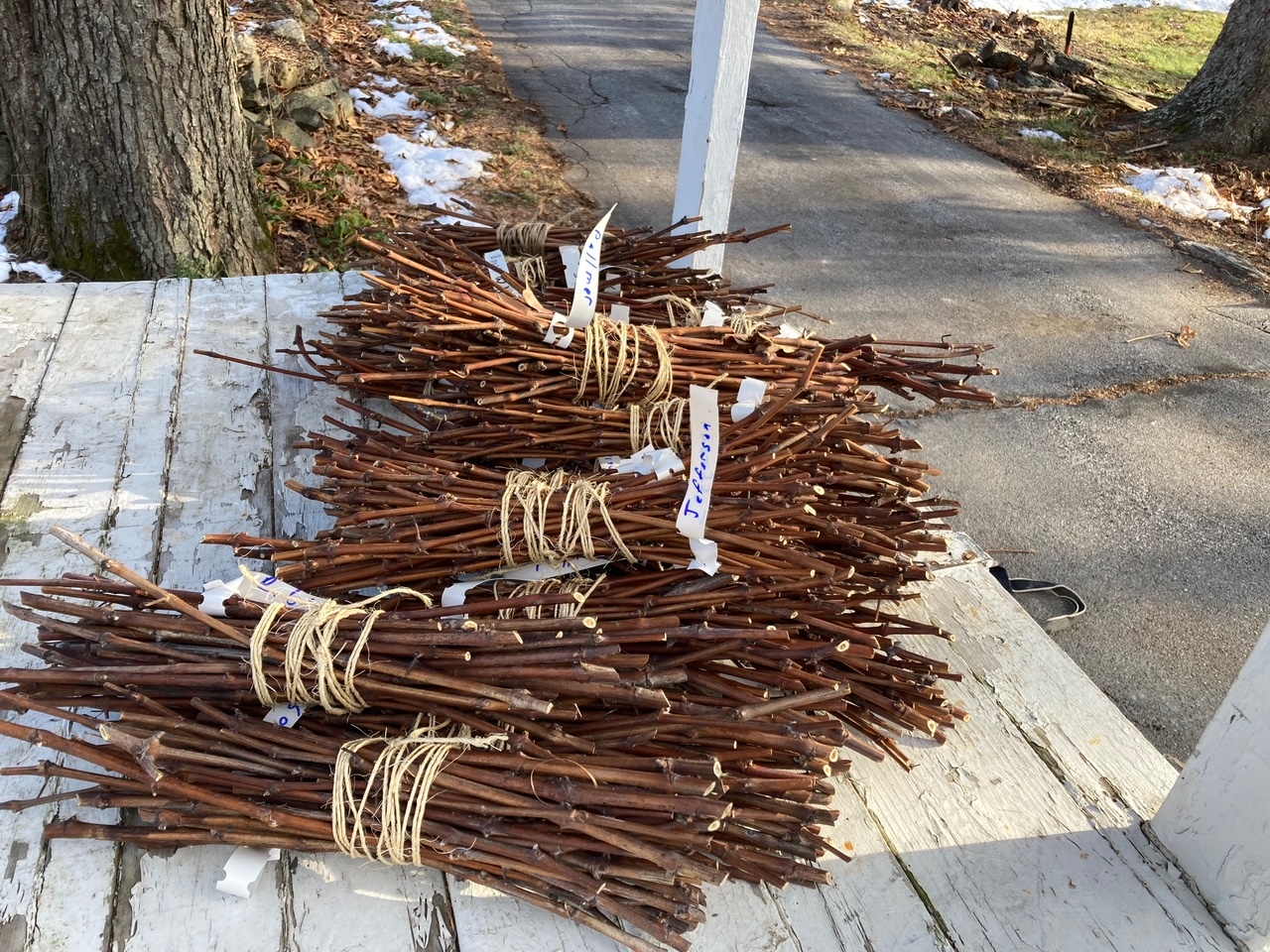
The following article is a collaborative effort between myself and Stephen Casscles, a leading authority on the propagation and cultivation of cool climate and heritage grapevines. It is a detailed account of the procedures for propagating new grapevines from the cuttings of an existing vine. Thank you Steve for being so generous with your time and knowledge. All photos in this article are courtesy of Stephen Casscles. If you need more information about how to propagate vines, consult older books written by Philip Wagner, which are still available, or contact your local cooperative extension agent who can direct you to excellent brochures that have been produced by your local agricultural state university.

If you have or can obtain clippings from a grapevine that produces excellent fruit, it is easy to reproduce as many vines/clones of that vine as you want. Starting new vines from the clippings of a mother vine ensures you will grow an exact copy of the vine and it will crop the same quality grapes as the original vine. Be sure that the mother vine that you select for your cuttings is a strong vine, that exhibits no indications of viruses or diseases. Vines that have curled leaves, odd-looking clusters, or off-leaf colors could have been contaminated with a virus. Do not use these vines as you are simply propagating diseased and virus-laden vines and not the strong virus-free vines that you want.

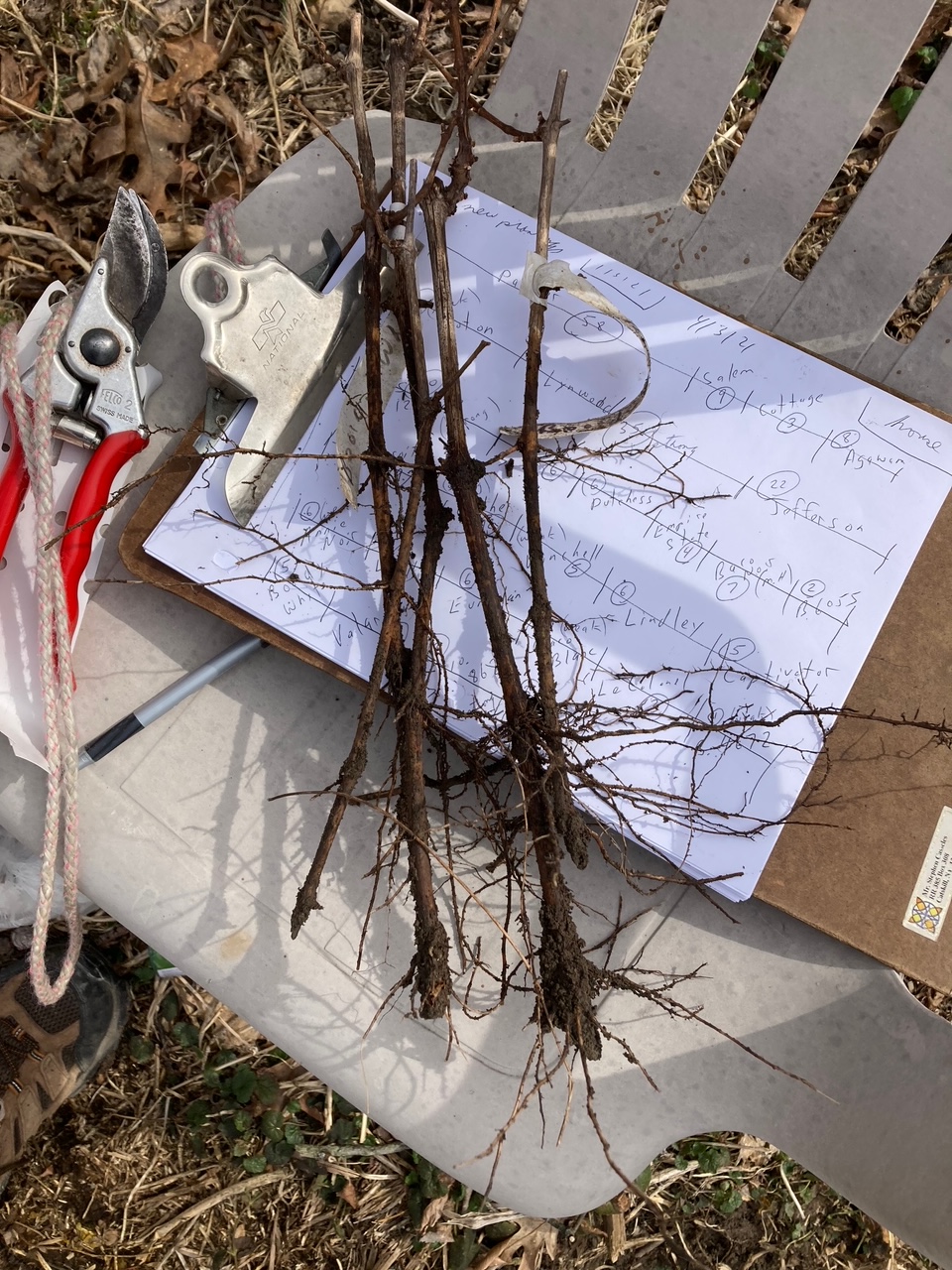
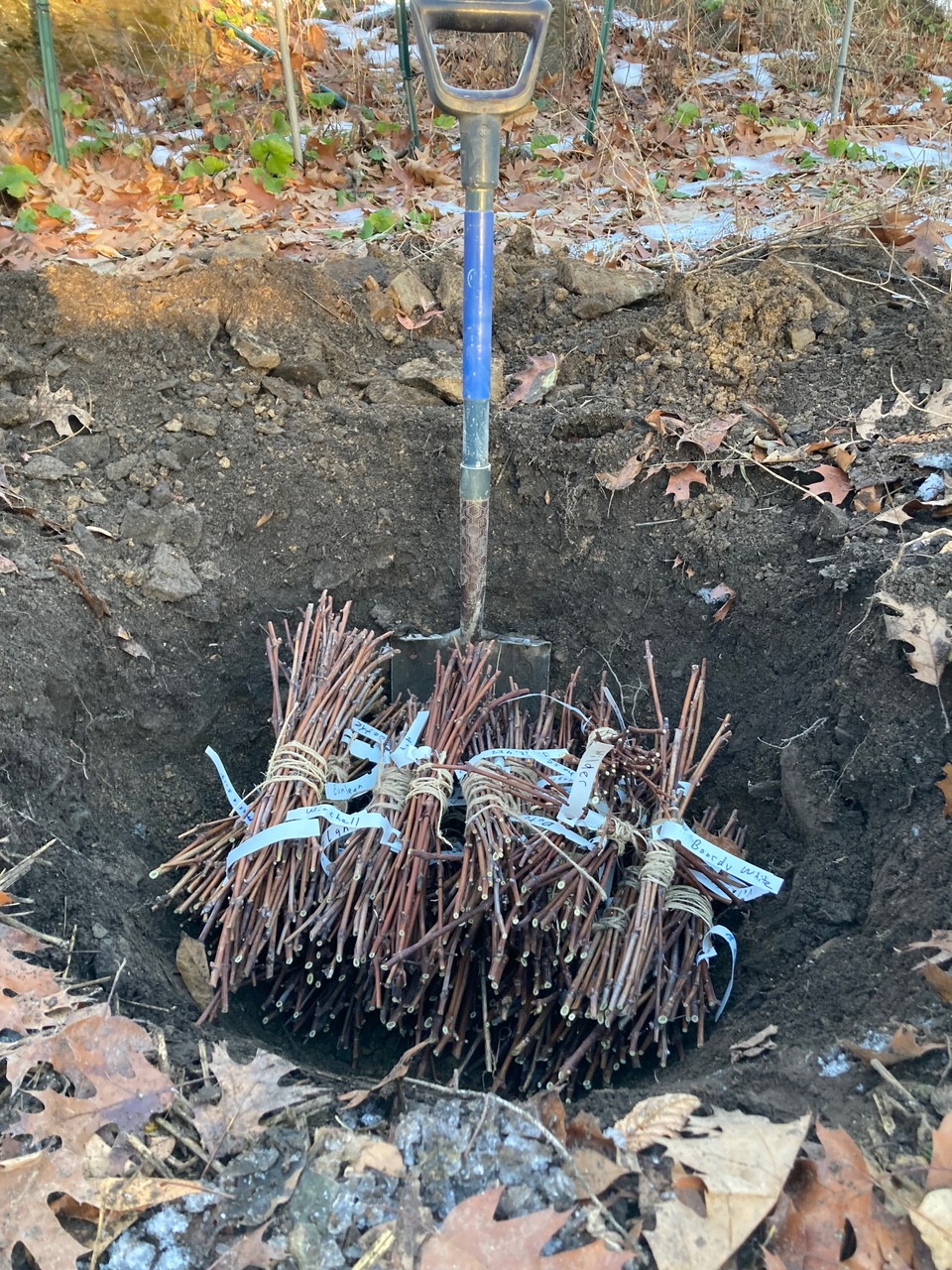
Propagating new grapevines from cuttings is an easy project. First, you must gather your propagating wood in early Spring while the vines remain dormant. Cut 12-18 inch sections from one-year-old wood that is about the thickness of a pencil and has a minimum of at least four leaf bud nodes on it. Ideally, having five or six bud nodes per cutting offers the best chance of success. A leaf bud node will look like a small bump on the stem.

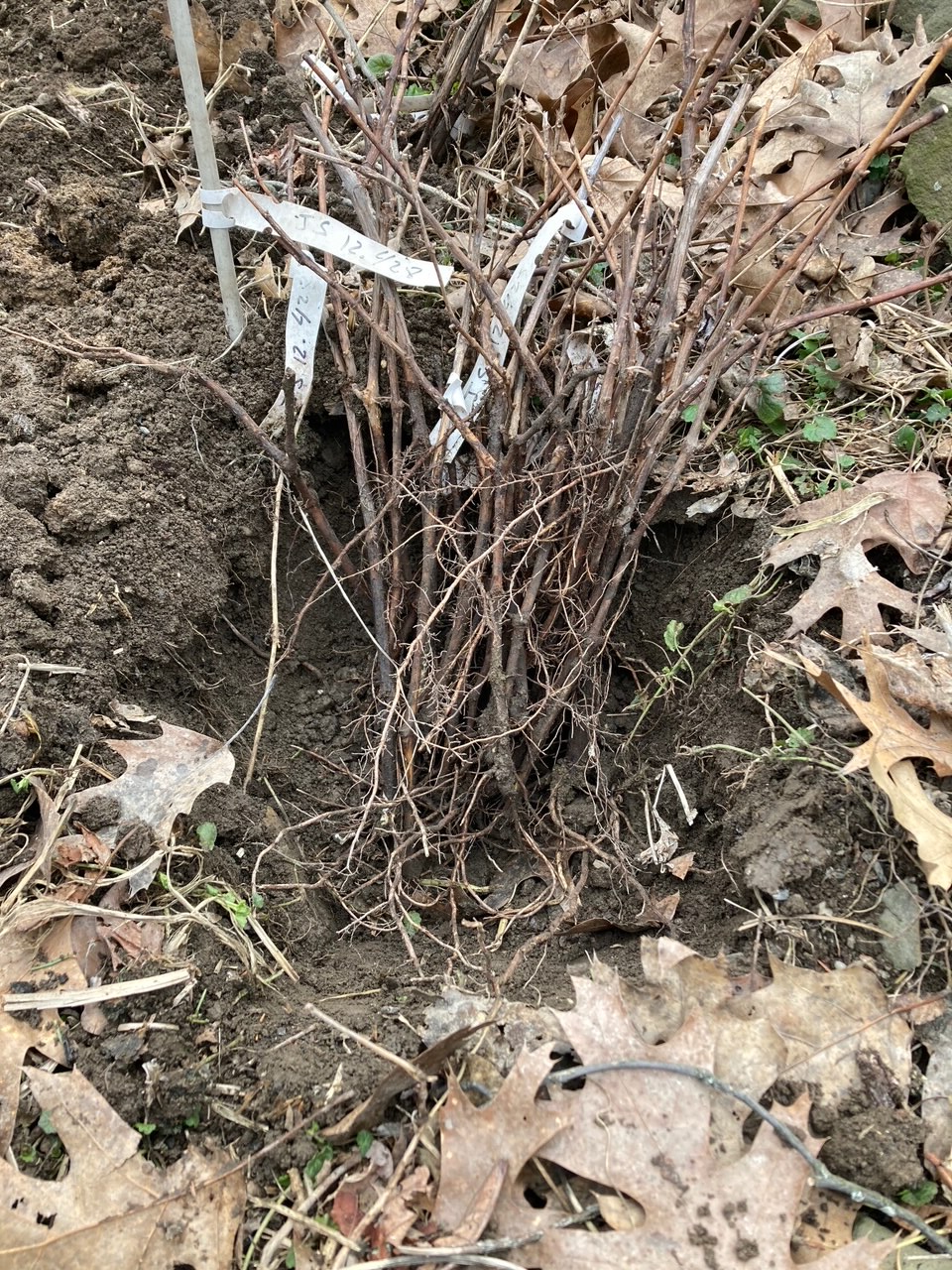
The next step is up to the propagator, but Steve said he was taught to nip off a straight cut one inch above the top bud and make an angled cut at the bottom of the cane just below the bud node. Making your angled cut at the bottom of the stem easily shows where the top of the cutting is from the bottom which makes it easier when setting out your nursery cuttings, it also allows the cutting to be easily planted in the soil. No matter how you cut your ends, make sure you are consistent so that you will always plant your cuttings correctly, bottom side down in the soil. Dipping the bottom end of the stem into rooting hormones is helpful in promoting root growth, but is not necessary. You can find rooting hormones at your local garden center or nursery. If you are only rooting a few cuttings, fill a potting container with your local soil, if it is good well-drained loam soil, if it isn’t mix it with potting soil to improve its drainage.  Make sure your container is deep enough to accommodate your clippings, but if you are propagating a lot of material consider digging a shallow trench and reserving enough loose soil to fill in around your stems.

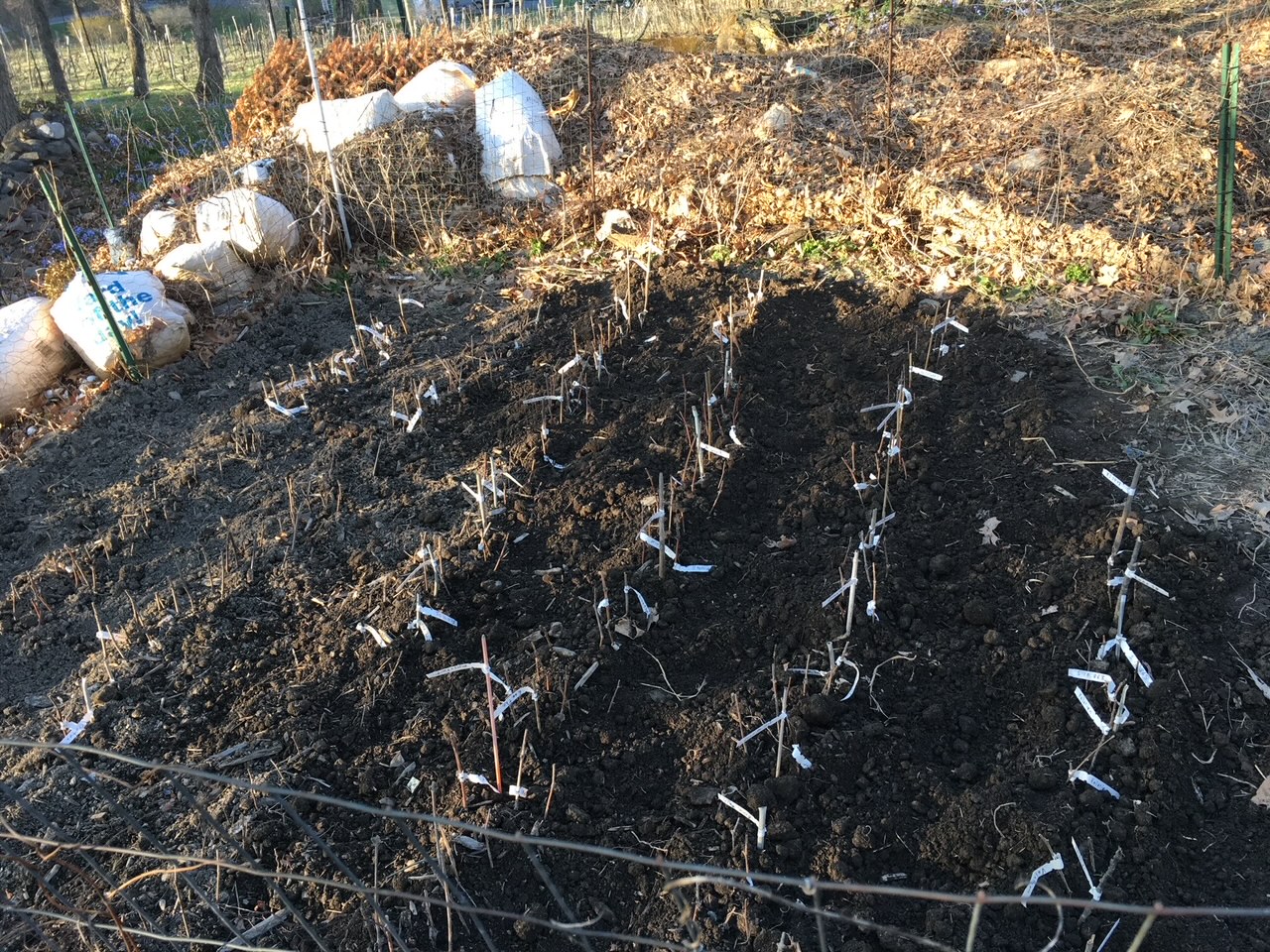
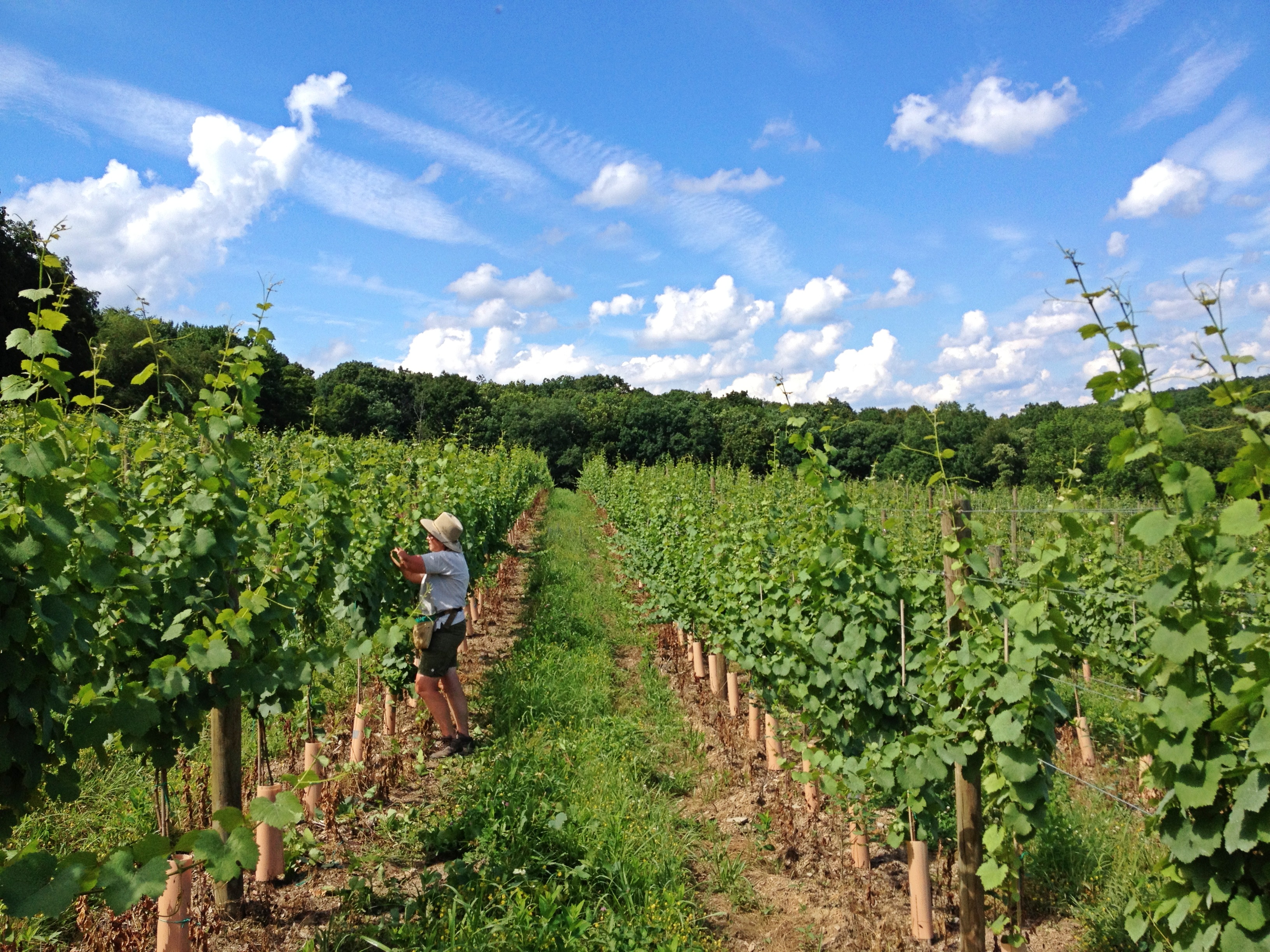
  These trenches can be located in your vegetable garden, since this soil has been worked up for many years, and often has a fence around it to keep out the wildlife that may like to browse on your newly installed cuttings. When planting your cuttings, bury them vertically three to four nodes deep with the bottom side down into the ground, leaving the remaining nodes exposed above the soil level. Remember to plant the bottom of the stem down with the straight-cut end above the ground.

    Keep the soil well watered, but not soggy throughout the first year when your cuttings are establishing themselves. For those in potted containers, the cuttings should be placed in a frost-free location with bright indirect sunlight. If you have more than one row of nursery cuttings in your nursery, it is recommended to mulch the cuttings with straw (not hay) to keep down the weeds and retain soil moisture.

Steve explained the difference between taking cuttings from your vine and propagating them as a single project and cloning in which you separate individual canes that have a certain desirable mutation to create an entirely new variety of the original grapevine. Steve gave me an excellent example that was easy to understand. “My understanding is that cloning would be finding an abnormal sport of a vine that is different and you cut that unique cane off to propagate it. For example, Frontenac Gris is only a regular Frontenac when it was noticed that a separate cane had bronze-colored grapes and not red.  So cloning would be separating and propagating that “clone”, but if you are propagating wood, you just collect your wood and go at it.”

    It is essential that you plant more cuttings than you need to compensate for some not surviving. As a dear departed friend of Steve’s, Joel Fry of the Bartrams Garden in Philadelphia used to say, “Plant two of everything, and one will die”.  How many to plant is the question? Steve offered his advice based on years of experience in this area of viticulture. “I find that different varieties propagate at different rates. For example, Baco Noir, which is a part Riparia variety tends to have a higher success rate because it is a Riparia. Even with Riparia, I would plan for a 20% non-success rate for varieties such as Delaware, which is a part Bourquinian species hybrid, do not take as readily, so I would expect a 40% death rate.”  I would recommend propagating as many cuttings as possible using only the strongest ones to satisfy your needs and giving the extras away. Vines can also be rooted in water, but you will need to change the water regularly to prevent disease. Once you see the stems/cuttings rooting, you must transplant them into the soil.

    Whether you set out a nursery in your home garden or place them in pots in the spring, you need to wait an entire year to ensure that your cuttings have sufficient roots before they are set out in the field the following spring. After your cuttings have developed a strong root system they can be transplanted to their permanent location. 

    You probably have heard vintners say the clone number for a specific variety of grapes planted in their vineyard. An example of this would be the Pinot Noir Dijon clones 114, 115, 667, and 777 which are the most widely planted Pinot Noir clones because of their reliability and productivity. When you drink any mass-produced Pinot Noir you are likely drinking wine made from these clones. It is easy to go down a “rabbit hole” when looking for clones of just about any grape variety when researching which clones to plant in your vineyard. Don’t let the sheer number of options overwhelm you. The answer to this question is a simple one, treat a clone like a different variety. Pick a clone you like and propagate that clone.

    Growing your own vines from cuttings is a rewarding venture both financially and from the sense of personal accomplishment you will feel when you harvest your first grapes. With the adverse effects of climate change being documented in vineyards around the world and the increased number of adverse weather events plaguing vintners, the answer to a  consistent and economically sustainable fruit crop may lie in the past with heritage grape varieties, older cool climate hybrids, and new hybrids that are being developed. Growing heritage and cool climate hybrid grape vines that have adapted to survive many weather-related challenges over time could be a critical puzzle piece in the future viability of our vineyards, for both hobby and commercial grape growers. In addition, these varieties tend to be more productive and can be grown more sustainably with fewer pesticide/fungicide applications. They are direct producers that do not need to be planted on a rootstock. This means that if we witness a very cold winter or late spring frost, which kills that part of the vine above the ground, canes will come up from the ground to produce a crop in the same growing season.

    With that objective in mind, Stephen Casscles continues to labor on his long-term project, the Cedar Cliff Vineyards Heritage Grape\Wine Project, aimed at preserving heritage and lesser-known cool climate grape varieties in Northern America. If you have any questions about his work at Cedar Cliff Vineyards please contact Stephen Casscles cassclesjs@yahoo.com  To further his work, Stephen has established a set of three cooperating nurseries in Marlboro, NY, Fonda, NY, and Ipswich, MA where you can purchase already rooted vines and/or grape cuttings. If you are interested in obtaining vines or cuttings of these unique varieties, please feel free to contact Stephen Casscles cassclesjs@yahoo.com.  Sadly, most of these cuttings or vines are not available at commercial nurseries, hence we need to propagate them on our own to increase the availability of these unique virus-free/ disease-free grape varieties. For additional information on these heritage and cool climate grape hybrids, the 2nd edition of Steve’s book “Grapes of the Hudson Valley and Other Cool Climate Regions of the US and Canada”  is available at http://www.flintminepress.com .  

Review: Meiomi Pinot Noir 2021

The following review in my series of widely distributed wines is one with a storied lineage and a place in a controversial 2019 New York Times article. Meiomi Pinot Noir rode a wave of changing public perception and tastes as they shifted from Merlot to Pinot Noir. Started in 2006 by Joe Wagner, the son of Chuck Wagner, the proprietor of the famous Napa Valley winery Caymus Vineyards. Meiomi means “coast” in the language of the local Wappo and Yuki tribes and is a nod to the coast of California where the grapes for the wine are sourced. Meiomi was sold to Constellation Brands in 2015 and production was ramped up to meet increasing demand. 

Meiomi remains a good choice when purchasing a quality crowd-pleasing Pinot Noir for under $25. Just remember, Meiomi Pinot Noir is more of a semi-dry wine than a typically dry Pinot Noir. Colors of ruby/garnet give way to scarlet around the rim. It opens with notes of black cherry leading into jammy flavors of dark fruit and blackberry on a medium body. There are no sharp edges to this wine, from its acidity, tannins, or finish they are all rounded off by its above-average residual sugar (R.S.) content. 

The controversial New York Times article I referred to earlier was written by the world-famous wine critic Eric Asimov and in it he found Meiomi Pinot Noir the only “supermarket” wine mentioned he thought was worth drinking. As baseball legend Reggie Jackson once said “Opinions are like noses, everybody has one” and that would include you and me. When it comes to deciding whether you like a wine or not your opinion should be the only one that matters to you.

The Long and Winding Road

Wine has become one of the most popular beverages in the world, and the wine industry continues to grow in complexity and diversity. As a result, there is an increasing demand for knowledgeable professionals in the field of winemaking. Earning a degree in winemaking can open up a multitude of opportunities for individuals looking to pursue a career path in this dynamic industry.

There are several educational opportunities available for individuals interested in earning a degree in winemaking.

Everyone has a different motivation for wanting to expand their knowledge of winemaking and there are plenty of options to achieve your goal, no matter what it is. Depending on what your goals are you may find that informal education through conventions, conferences, and online forums will provide the information and expertise you need. But sometimes, pursuing a formal education will provide the necessary resources to advance your ambitions in the wine industry. 

An online program is a good, low-cost alternative to starting your wine education at a college or university. A good starting point might be considering the entry-level VESTA (Viticulture Enology Science and Technology Alliance) program administered by the National Science Foundation http://vesta-USA.org You can earn a certificate that can help you move to the next level of your education, whether that is college or elsewhere. 

Those looking for a career outside of the production side may want to consider exploring the possibilities in the hospitality industry. The Wine & Spirit Educational Trust is a leader in the field of online courses and certifications. WSET certifications can be earned in relation to your increasing level of competency and ability. Someone seeking to acquire an in-depth understanding of wine and seeking job opportunities where they can share their passion for wine should seriously consider this option. 

Crafting a long and prosperous life in the wine industry involves as much hands-on experience and formal education as you can obtain. Enrolling in a college or university wine education program can provide you with the skills and guidance you will need to succeed by exposing you to the appropriate course work, as well as hands-on internships with industry professionals. I have listed a few links below to the better-known institutions in different regions of the United States. There are many more viable options out there that you should research and compare. 

Before you decide on a path to pursue your dreams make sure you have done your research as to all the ways to get there and don’t be afraid to reconsider your plans if other opportunities arise along the way. Earning a degree in winemaking can lead to a variety of career paths, such as winemaker, vineyard manager, wine marketer, or wine educator. Depending on your professional aspirations and interests, you can pursue advanced degrees or enroll in specialized programs such as wine tourism, wine retail, and wine journalism. I have never talked with a winemaker that said they traveled a straight line to get where they are today. Be open to change and embrace the journey.

Cornell University Ithaca, NY http://grapesandwine.cals.cornell.edu/undergraduate

The University of California Davis Davis, CA http://cpe.ucdavis.edu/winemakingcert

Michigan State University East Lansing, MI https://canr.msu.edu/iat/viticulture

Washington State University Pullman, WA http://wine.wsu.edu/education

Virginia Tech Blacksburg, VA http://www.vtwines.info/

Review: Chateau Ste. Michelle Columbia Valley Rosé 2021

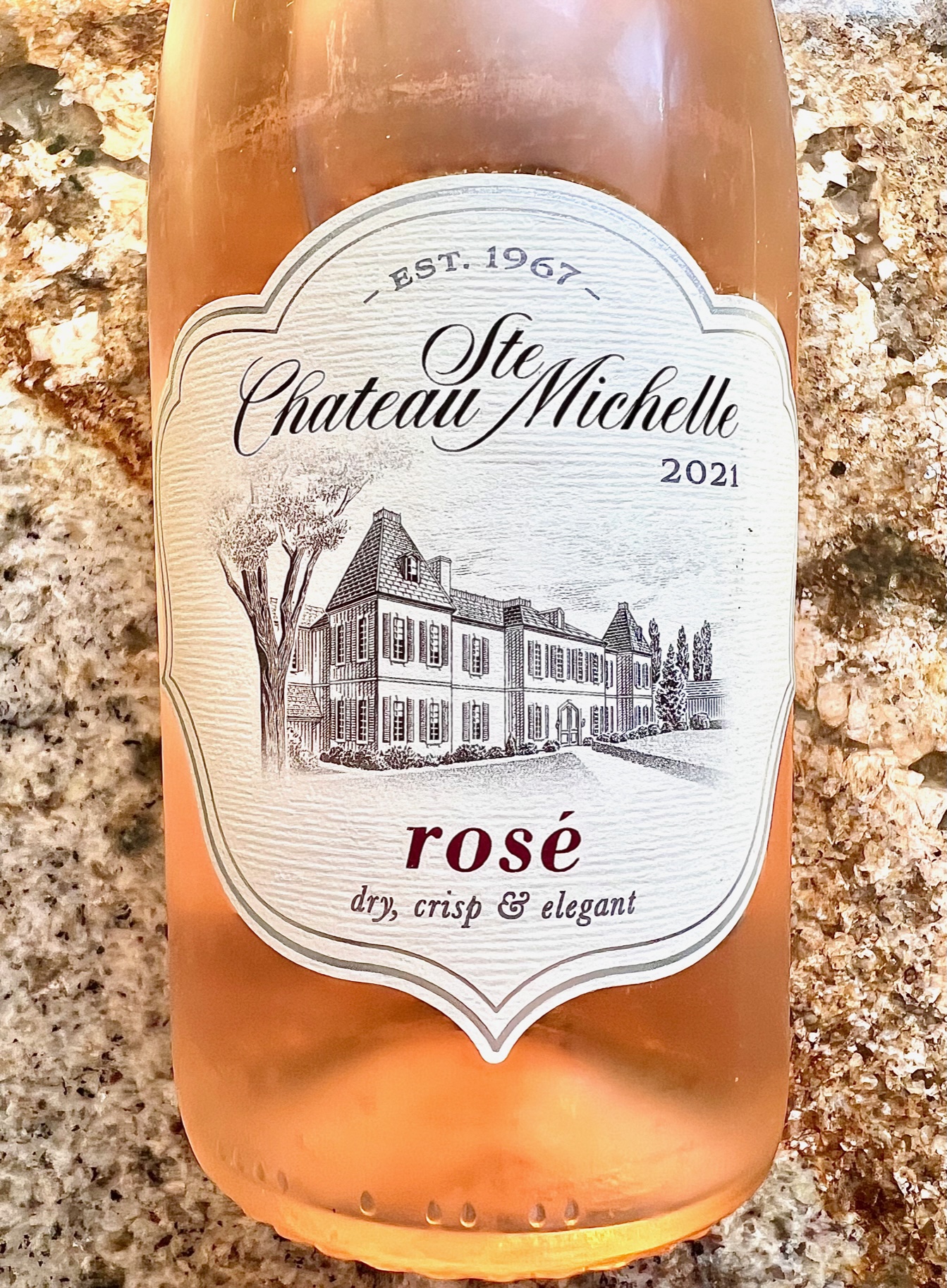
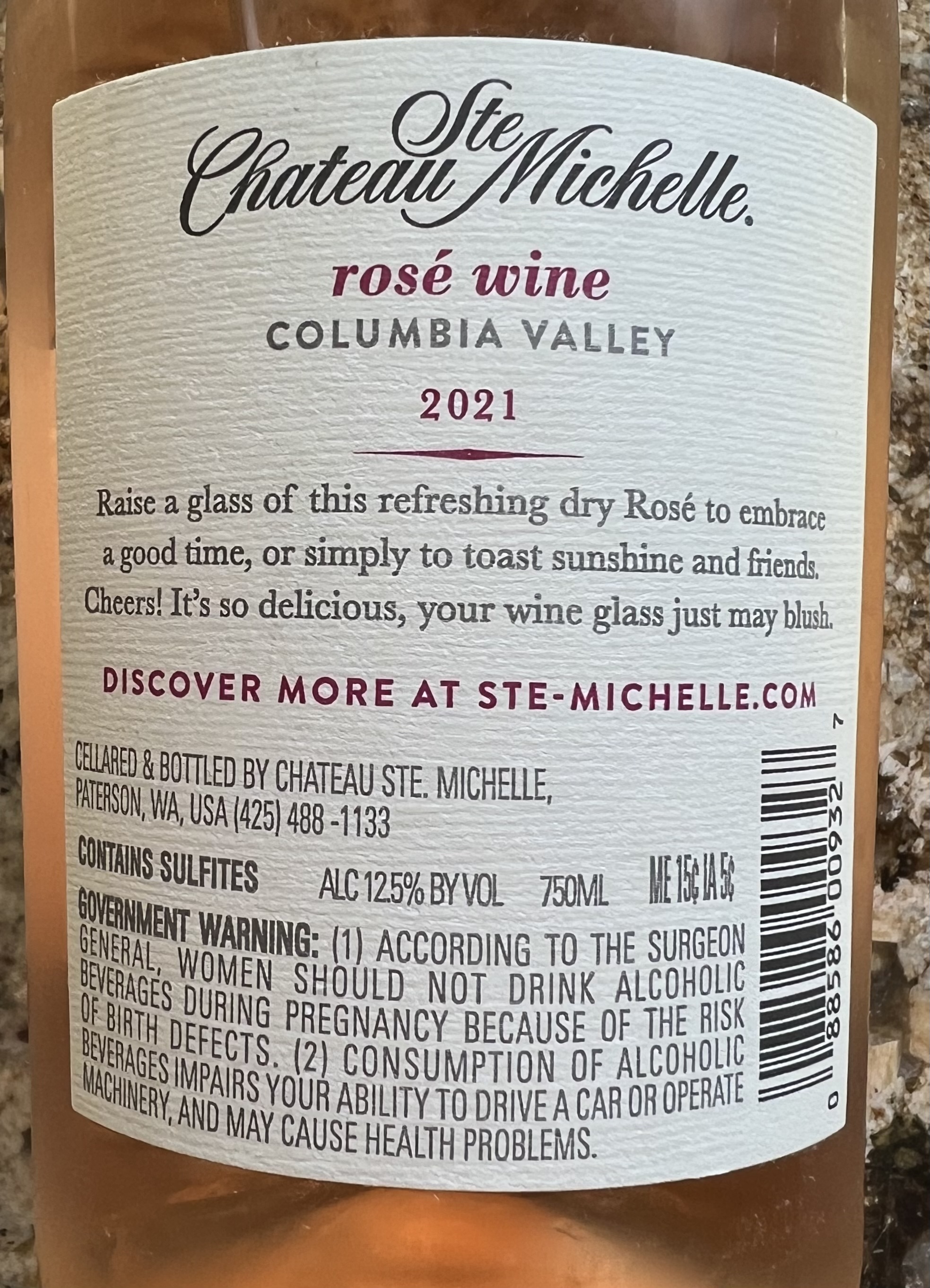
Next in my series featuring widely distributed wines that can be easily found in your area is one that doesn’t come to mind when you go looking for an inexpensive easy drinking wine for a relaxing evening on your deck or poolside. Chateau Ste. Michelle Columbia Valley Rosé 2021 is just one bottling in a long list of drinkable offerings that this Washington state winery group produces in large volume. This Rosé is 55% Syrah, 43% Cabernet Sauvignon, and 2% Grenache. Chateau Ste. Michelle Columbia Valley Rosé 2021 opens with notes of watermelon and strawberries followed by flavors of citrus on a light body. Priced at around $15 or less it is a good choice to pair with the lighter fare that is popular during the warmer weather. If you like to “Rosé all day” with your wine glass filled to the brim with ice then this Rosé is for you with its 12.5% ABV and crisp dry profile.

Review: Carnivor Zinfandel 2019

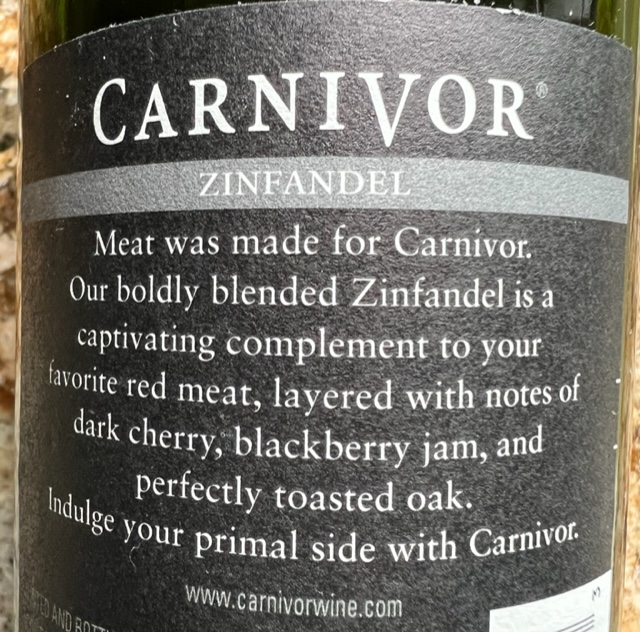
In my latest look at widely distributed wines that are moderately priced and worth your consideration, I review Carnivor Zinfandel 2019. Carnivor Wines is a Gallo Winery Inc. label produced in Modesto, California. Carnivor uses Zinfandel grapes sourced from warm-weather vineyards in Lodi, California. Their winemakers give these grapes a brief cold soak to coax extra color and tannins from them. The must is fermented at a warm 88-90F. The wine is aged in French and American oak to soften its tannins and balance its structure. Finally, the Zinfandel is blended with Cabernet Sauvignon, adding color and structure plus some Merlot to impart a softened character. 

Carnivor Zinfandel 2019 is balanced on a medium body and a smooth finish. Nothing about this wine is overwhelming whether it be the aromas of toasted oak, the flavor of blackberries, tamed acidity, or a controlled finish. Everything about this wine is designed to be bold but not offend the mainstream red wine drinker. Priced at well below $13 a bottle this wine deserves serious attention when you are scanning the shelves for a dependable “everyday” wine that will please a wide range of palates. Carnivor Zinfandel 2019 pairs well with all red meat, after all, Carnivor’s tagline, is “Meat was made for Carnivor” but red meat isn’t the only thing it pairs well with. It is also a good wine to drink with your pizza or any dish that features a hearty dark red tomato sauce. The winemakers at Carnivor must be commended for producing a wine of this quality for a bargain price and doing it on such a large scale.

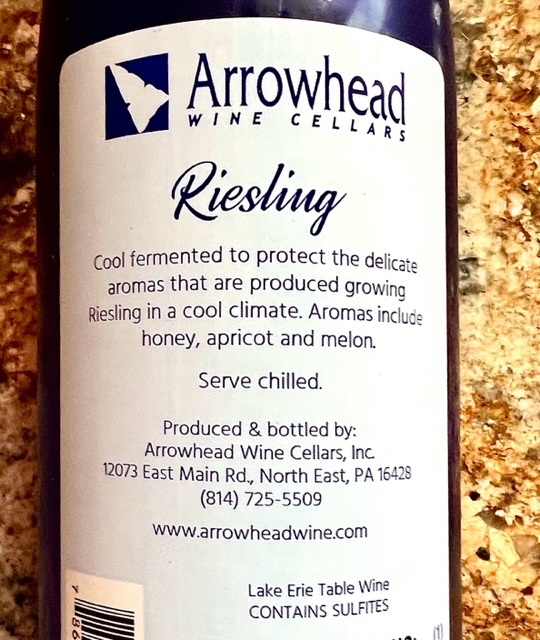
Review: Arrowhead Wine Cellars Riesling

Arrowhead Wine Cellars is located in North East, Pennsylvania on the southern shore of Lake Erie. Nick and Kathy Mobilia are third-generation owners of Mobilia Fruit Farms. In 1998 they started making wine from their grapes that until then they had been pressing into juice for other wineries. Today, Arrowhead Wine Cellars produces 32 varieties ranging from Red, White, Blush, Sparkling, Ice, and Fruit wine.

 
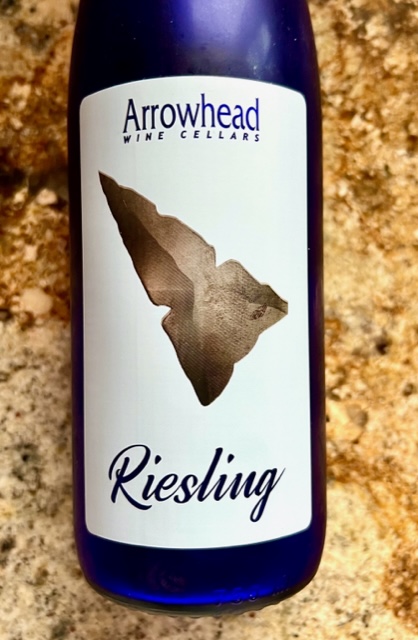
Arrowhead Wine Cellars Riesling is an off-dry, light-bodied, and very lightly colored Riesling. It is an easy-drinking wine with muted flavors of apricot and melon that would pair well with spicy Thai and Chinese dishes. $15.99   arrowheadwine.com

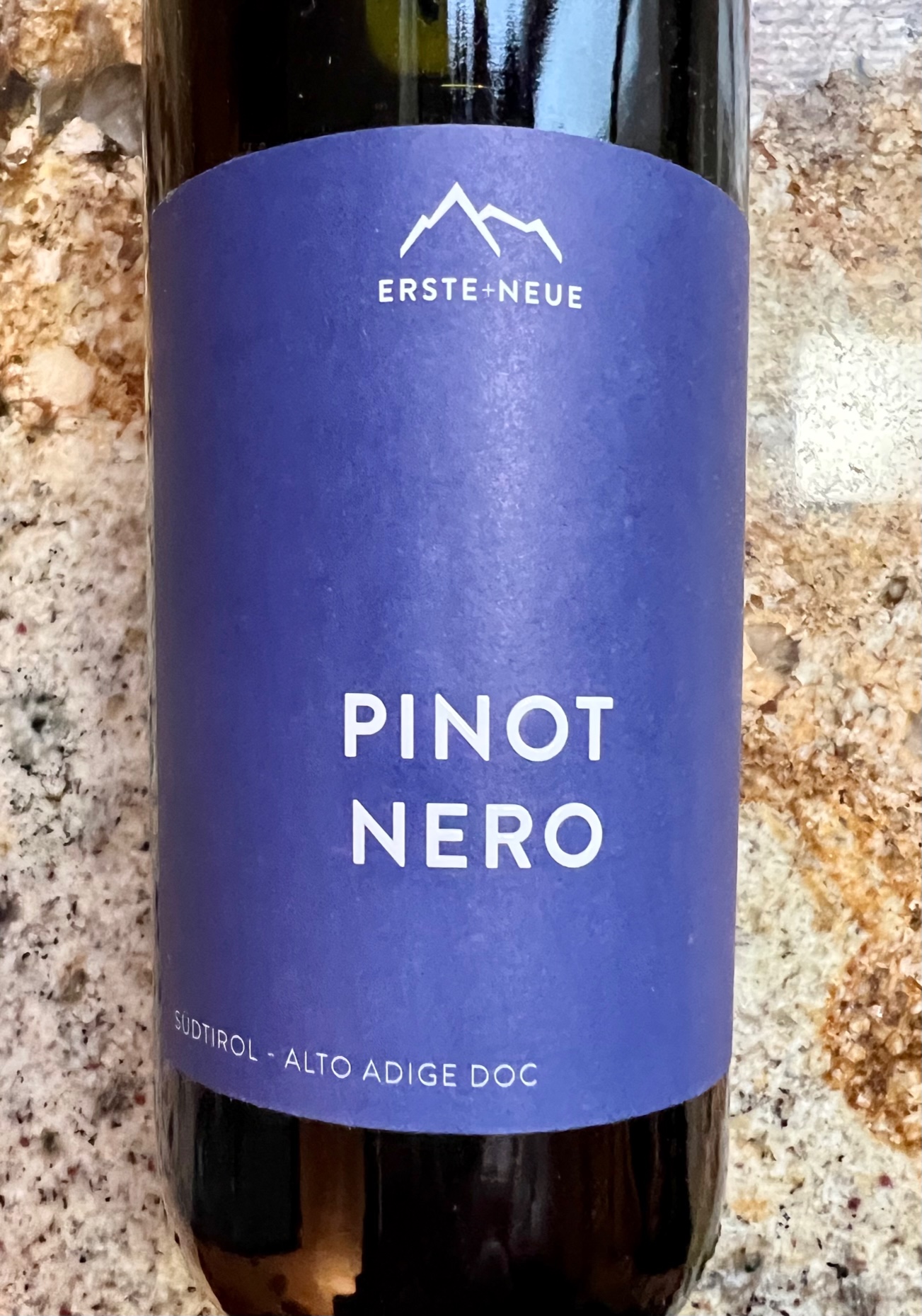
Interview: Andrea Moser, Chief Enologist Erste+Neue Alto Adige Region, Northern Italy & Review: E+N Pinot Nero 2021

Erste+Neue is the product of the 1986 merger of two wineries that began in the early part of the twentieth century. Erste Kellerei and Neue Kellerei combined to form Erste+Neue. The two wineries moved forward as one with a commitment and determination to stay on the cutting edge of alpine winemaking. 

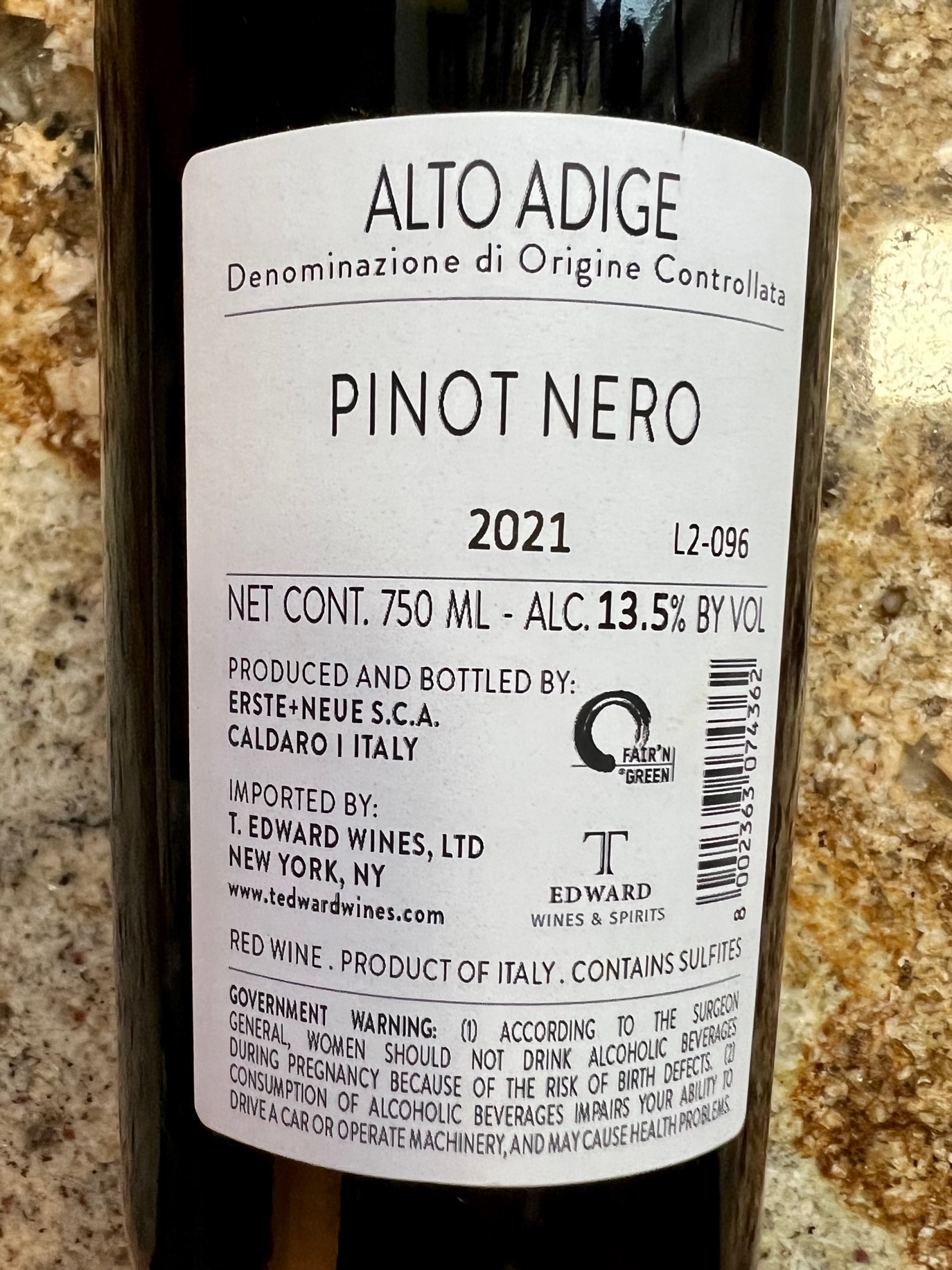
In 2018, Erste+Neue was awarded the prestigious international seal for sustainable viticulture by FAIR’N GREEN. The goals and standards of FAIR’N GREEN mirror the same deeply ingrained beliefs that guide the winemaking culture at Erste+Neue. Sustainability, protecting the environment, biodiversity, natural viticulture, and the protection of natural resources are the guiding principles that drive all decisions made at Erste+Neue. 

The wines of the Alto Adige Region are famous for being terroir-driven and their bias to a specific area of the region. I was curious to hear how the vineyard managers and winemakers at Erste +Neue balance the demands of preserving and integrating the “terroir” factor into their wines while balancing the needs of the local ecosystem with the standards of producing world-class grapes and wine consistently. 

Seeking answers to these questions and others, I posed them directly to a leading viticulture professional and Chief Enologist at Erste+Neue, Andrea Moser. The following is our interview published in his own words.

How does Erste+Neue approach the unique challenges that making wine in the Alto Adige present while still being able to produce the highest quality wines that display a “sense of place?

“Facing the challenges of climate change is becoming increasingly important in every wine-growing region of the globe, and in South Tyrol, too, it is no different.”

However, Alto Adige and specifically our area are at a great benefit with respect to this issue, in fact, our orographic situation is very particular. The vineyards start in fact with the red varieties at about 230 m.a.s.l. and arrive in just a few kilometers to elevations of about 700 m.a.s.l. where the white varieties find excellent ripening conditions. This large elevation range, combined with a constant south-to-north wind “the Garda Hour” and strong temperature fluctuations between day and night due to the mountains surrounding us (Mendola range), allows us to consistently obtain high qualities on both red and white grape varieties.

Ripe but fresh and elegant reds and whites with low pH, good acidity, crisp and fresh that perfectly embody the spirit of our territory and our vineyards located in the middle of the Alps.”

How has being FAIR’N GREEN certified complemented your winemaking practices and philosophy in both the vineyard and cellar?

“For us, sustainability and especially respect for the environment has always been a key point to consider during our work from vineyard to bottle.

Since we have been working with Fair&Green we have made this commitment measurable and have strived to improve our efficiency and sustainability a little more each year.

In the first year of certification, we scored 68 percent while we are now at 82 percent on the scale that verifies, measures, and evaluates our degree of environmental commitment. Today, having reached the fifth year of certification, we have made many steps forward, such as completely eliminating some synthetic molecules for the phytosanitary defense of the vines, eliminating chemical weeding by 92%, increasing the areas under green manure thus increasing biodiversity in the field, and introducing sexual confusion in the vineyard to combat certain types of harmful insects. All our wines can be considered vegan since we have not used any clarifiers of animal origin for several years now, only yeast derivatives. By now, all the facilities for the production of cold, compressed air and nitrogen are equipped with energy recovery to produce hot water. We have equipped ourselves with photovoltaic panels that can provide us with about 40 percent of the energy we use.

In terms of packaging, the biggest step has been taken by eliminating bottles that are too heavy. In fact, we have gone from 700/750-gram bottles to 500-gram bottles, reducing our CO2 footprint by a third.

The road to true all-around sustainability is still a long one, but we are very committed and determined to get there as soon as possible.”

I would like to take this opportunity to thank Martin Klammer, Sales Director of Erste+Neue for his support because without it this article would not have been possible. I would also like to thank Andrea Moser, Chief Enologist of Erste+Neue for his time and candid insights into the ideology behind the winemaking mindset at E+N. I found his comments about how the culture at E+N and the environment are intertwined extremely informative because I hold a degree in nature conservation. The following is my review of Erste+Neue Classic Pinot Nero 2021.

Pinot Nero is known internationally as Pinot Noir. Pinot Nero is an early-ripening grape with a thick skin that has the reputation for being a “Heartbreak Grape” variety because it requires a great deal of care in the vineyard thus making it difficult to produce a successful harvest consistently. 

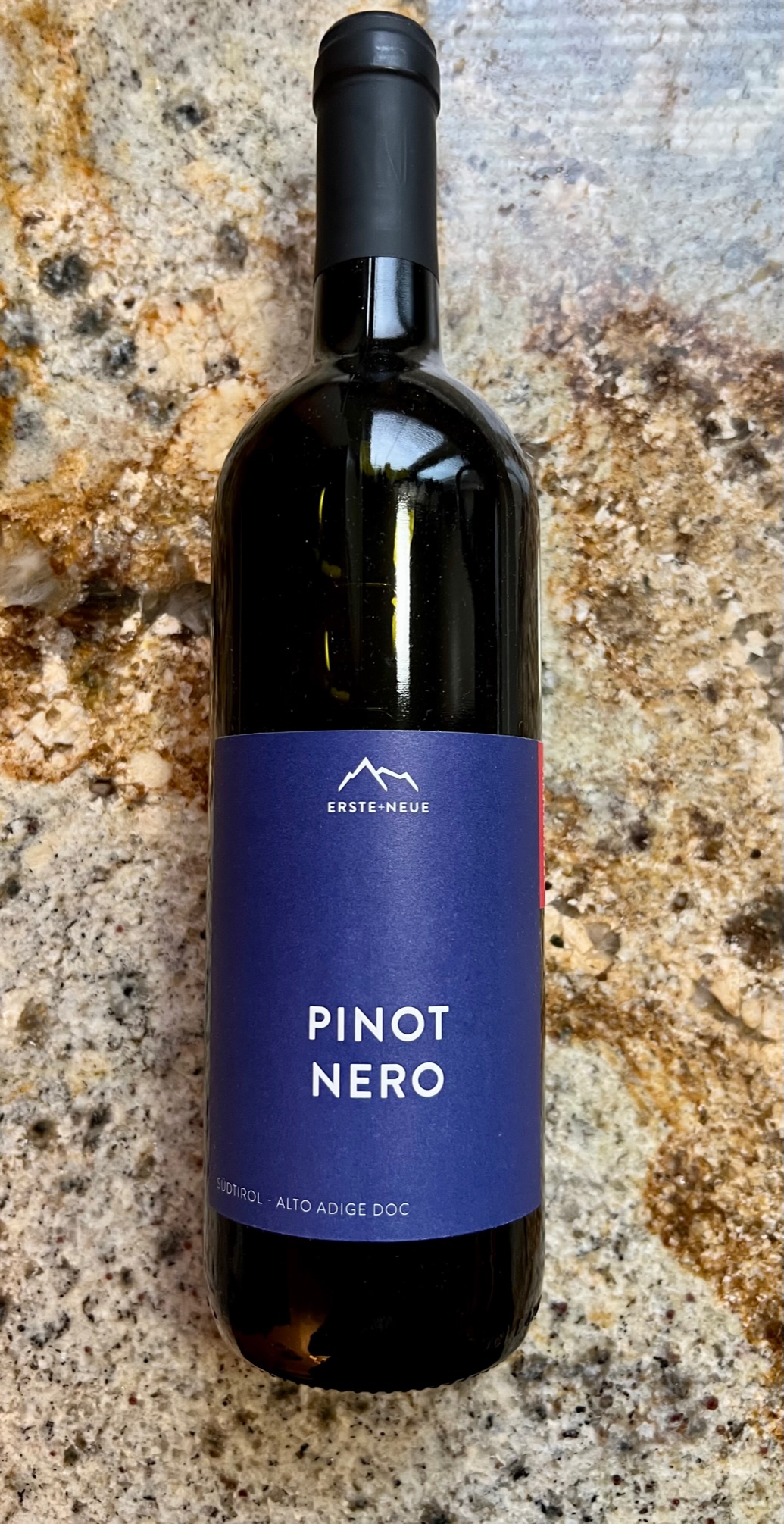
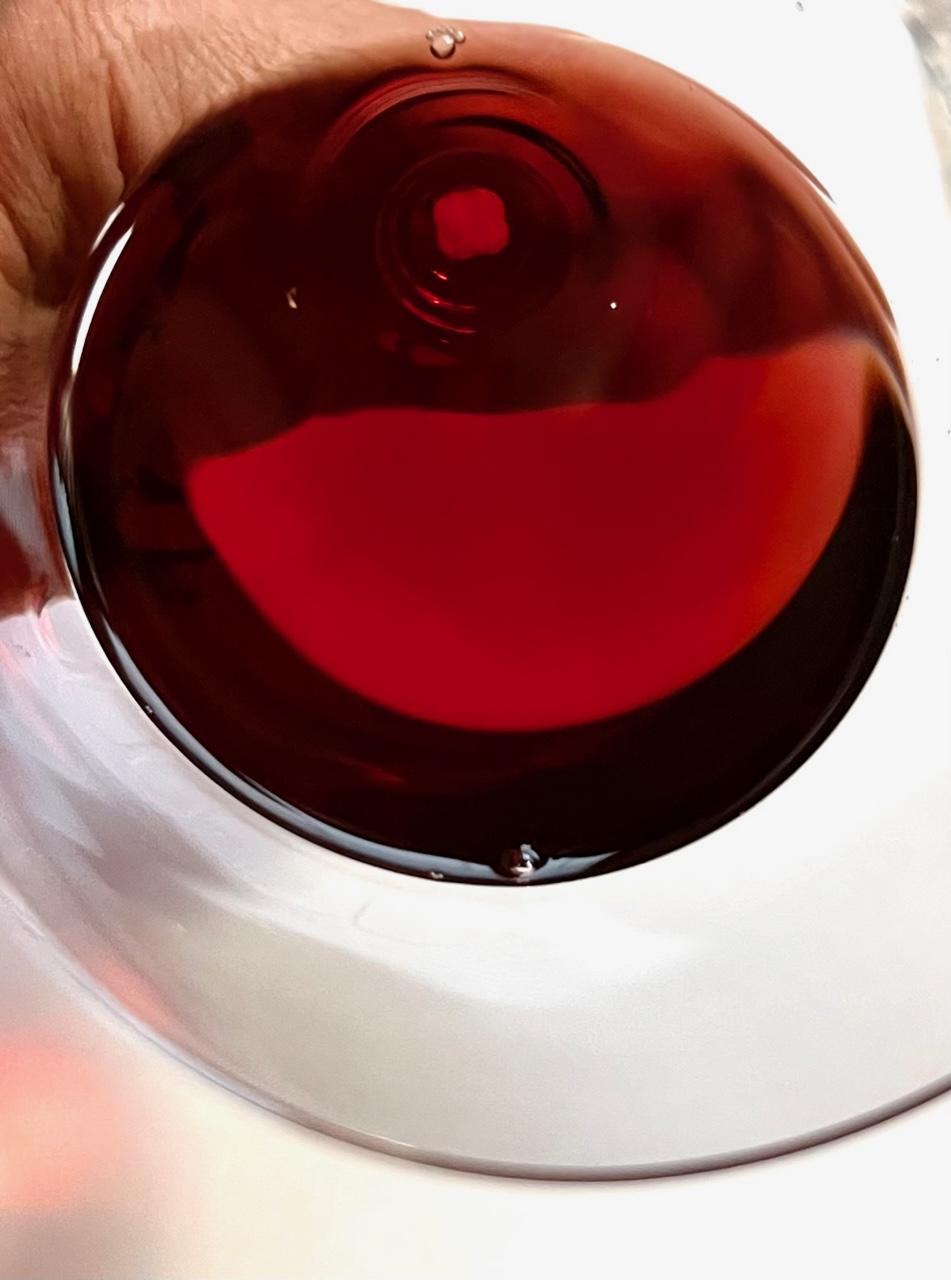
Erste+Neue Classic Pinot Nero 2021 is a sophisticated well-made wine that can be purchased at a very fair price. This Pinot Nero is ruby red in the glass and opens with the aromas of cherry & faint raspberry that is followed by the prominent flavor of cherries on the palate while smooth tannins and lively acidity are borne on the medium body of this wine. The finish is lengthy and agreeable.

CIAO! Stanley Tucci

CNN has canceled Stanley Tucci: Searching for Italy and all of its original programming. But all is not lost because I heard Stanley tell Jimmy Fallon on The Tonight Show that he was exploring the possibility of reviving the show on another network, whether it be broadcast, cable, or streaming. This was more than just a travel show that featured the traditional tourist attractions, and scenic vistas of the Italian countryside and coastline. This production had that special feeling one gets when traveling with a friend who knows all the best spots and interesting locals that really allows you to immerse yourself into the culture of each region you visit. Tagging along with Stanley Tucci I experienced the Italy that only Stanley could show me with his adventurous palate, wry smile, and that all-knowing look of his.

When I heard CNN wouldn’t be renewing a new season of Stanley Tucci: Searching for Italy I got that same feeling you get when the plane lifts off the runway on your return home from a great vacation. You know that feeling of joy in the memories you made but a hint of sadness because there was more to see and do.

With that said, I am thankful to have had the opportunity to see Italy through Stanley’s eyes. If you are wondering where he went here’s a recap. Season One: Naples and the Amalfi Coast, Rome, Bologna, Tuscany, Milan, and Sicily. Season Two: Venice, Liguria, Piedmont, Puglia, Sardinia, Umbria, London, and Calabria.

Luckily for anyone who may have missed any or all of the episodes they are available through a number of media outlets that can be easily found with an internet search. If you have a cable subscription you can access all of the Stanley Tucci: Searching for Italy episodes from both seasons for free by going to go.CNN.com/vod (http://go.cnn.com/vod) and find Stanley Tucci: Searching for Italy, click on it, and log in using your cable provider when prompted. I have found the Microsoft Edge browser works better for this site than Mozilla does for streaming its content.

All that is left to say now is Grazie di tutto, Stanley! 

Photos Credit: CNN Stanley Tucci: Searching for Italy

Review: Ménage à Trois “Silk” Soft Red Blend 2020

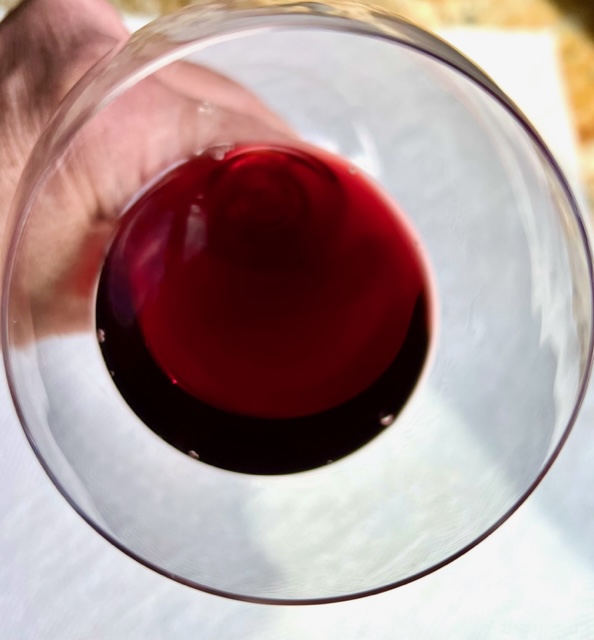
A few posts ago I wrote about mass-produced and widely distributed wines. To prove I just don’t “Talk the talk but walk the walk” I bought a bottle of Mènage à Trois “Silk” Soft Red Blend 2020 to review. This is one of the offerings from the immensely popular Ménage à Trois label of  Folie à Deux. Ménage à Trois is a St. Helena California winery. Mènage à Trois “Silk” Soft Red Blend 2020 is a blend of separately fermented Pinot Noir, Malbec, and Petite Sirah with a light oak flavor from the time it spent in French and American oak. “Silk” Soft Red Blend is a ruby red color in the glass with muted floral aromas followed by flavors of cherry and spice with both medium body and acidity. If you like a sweet light-bodied wine this wine is NOT for you. If you like a big California Cab this wine is NOT for you. If you want a red wine that is right down the middle in its body, fruit flavors, acidity, and economy priced then this wine is one you should take a close look at. I paired it with grilled steak and it was an acceptable match. I purchased it for $13.99 in Pennsylvania but it can usually be found for around $10-$15. http://menageatroiswines.com  
Review: Saperica 1st Annual Saperavi Festival Finger Lakes

On May 14, 2022, an event took place in the Finger Lakes Wine Region of New York that was a landmark moment in the history of Saperavi, not only for the future direction of Saperavi in the northeastern U.S. but for all of North America. While Saperavi has been on a steadily ascending arc for several years this gathering of Saperavi winemakers, growers, and enthusiasts will prove to be the catalyst that fuels Saperavi’s meteoric rise into the conscience of the American wine lovers.

Saperica http://saperica.org, the nonprofit founded by Lasha Tsatava and Erika Frey, held its inaugural Saperavi Festival at the iconic Dr. Konstantin Frank Winery overlooking Keuka Lake in Hammondsport, New York. The one-day event was a sellout with more than three hundred guests enjoying winetastings and delicious traditional Georgian cuisine prepared by Chama Mama, a Georgian-themed restaurant from New York City. The trade and media portion of the festival drew over fifty participants that were greeted with opening remarks from Fred Frank and Saperica co-founder Erika Frey. Keynote speaker Lado Uzunashvili delivered a live virtual presentation on the importance of Saperavi that was followed by guest speaker Darra Goldstein (Flavors of Georgia). Both presentations can be viewed on Saperica’s YouTube channel https://www.youtube.com/watch?v=MUb_6pPRupQ Closing remarks were presented by Saperica co-founder Lasha Tsatava with a special thank you to Meaghan Frank for her tireless efforts to make the Festival a resounding success.
I ask some of the contributors to share thoughts and impressions about the festivities and their vision for Saperavi in North America.

Lasha Tsatava, Director @ Boston Sommelier Society and co-founder of Saperica Inc.

When we first started to tell the story of Saperavi and its connection to Georgian culture and the history of wine, we saw how people’s eyes lit up and we wanted to grow that feeling in FLX and beyond. At the Saperavi Festival’s Trade & Media event, I made it clear in the closing remarks, that our organization’s goals are, as a minimum, to make Saperavi a premier red grape variety in the Finger Lakes region and the ultimate goal is to build a Georgian Cultural Center with Marani (Georgian traditional cellar with qvevris) in Finger Lakes, NY. The 1st annual Saperavi Festival has reconfirmed the sensibility of these goals.

Fred Frank, President, and CEO of Dr. Frank’s Vinifera Wine Cellars, grandson of wine legend Dr. Konstantin Frank & Meaghan Frank’s father

We were honored to host this first Saperavi Festival at our historic winery. I am sure Konstantin was looking down from the heavens with pride to see all the attention and acceptance that his beloved Saperavi was receiving from the hundreds in attendance. Konstantin was the first to plant Saperavi in the United States in the late 1950s in his vineyard above Keuka Lake. He was a big fan of this variety for its historic pedigree originating in Georgia and believed it would have a great future in the Eastern United States. Saperavi vines are cold hardy and the wines are of high quality with deep color. We look forward to the next Saperavi Festival and continued acceptance of this historic grape variety.  

Jim Baker, owner/winemaker of Chateau Niagara Winery, located on the Niagara Lake Plain, Newfane New York

My thoughts on the festival are quite positive. The media section contained two presentations featuring my good friend Lado Uzunashvili, and Darra Goldstein. Lado is an old friend and did a great overview of Saperavi in Georgia and the world, including history and all sorts of technical information on the grape in several world locations. He did a comparison of our winery and a Georgian location. Darra Goldstein presented a history of Georgian food and culture. Food was served up from Chamma Mama, a Georgian restaurant in NYC. It was truly a Georgian feast. We got to taste wines from a number of American and Georgian producers. It was surprising how well we held our own against some stunning Georgian producers. The afternoon consisted of more Georgian feasting and public tastings of wine. All in all a great celebration of Saperavi and Georgian culture.

Phil Plummer, Head winemaker at all three Martin Family Wineries in the Finger Lakes.

I attended the festival, but mostly on the technical/trade end of the schedule. I can’t speak to marketing impact and the like, but the viticultural and enological information shared in the trade sessions was really compelling. Saperavi is a very exciting grape variety for us in the Finger Lakes, but I think winemakers should be excited about this one on a global level, too. Saperavi exists at the intersection of past, present, and future winemaking. As one of the earliest-cultivated grape varieties, working with Saperavi gives winemakers an opportunity to connect to the past–walking in the footsteps of the countless generations of winemakers who came before us. At present, Saperavi’s unique versatility allows winemakers to experiment, making wines in a widening array of styles. Looking forward, Saperavi’s resilience and versatility position it as a grape variety to embrace in the wake of a changing climate. As a blending component or varietal, Saperavi rarely disappoints. From a culinary standpoint, its rich phenolic profile, bright acid, and unmistakable aromatics present exciting opportunities for wine and food pairing, particularly with the Georgian cuisine available at the festival.

Erika Frye, co-founder of Saperica Inc., CS, CWE & Diploma WSET

When I started discovering Saperavi in the Finger Lakes several years ago, I could feel that there was something special about this grape variety in this region.  There is a buzz that surrounds Saperavi which started off whisper-like but has now grown into a conversation that cannot be ignored.  The 1st annual Saperavi Festival came at just the right time to give this grape variety a clear voice to tell the story of its past, present, and future.  It comes at a time when Saperavi plantings are increasing in the Finger Lakes region.  We hope that these new producers will be able to use the Saperica organization and the Saperavi Festival as resources to find information about the Saperavi grape variety, learn about its Georgian heritage and connect with other Saperavi producers.

The most exciting thing about the festival for me was the ability to build connections.  We had a great partnership between the three festival hosts – Saperica, Dr. Konstantin Frank, and Chama Mama.  An impressive group of wine producers and wine importers were present from both the USA and Georgia.  Two experts in their fields shared their knowledge of Saperavi winemaking and Georgian cuisine.  Most importantly, there were about 250 festival attendees who were connecting with the wines, the food, the environment, and the people.  When I was able to stop for a moment and survey the amazing crowd of people who had come together to celebrate Saperavi, that is what made me feel truly proud – proud of the community that we are starting to build and what we will all be able to accomplish together in the future.

John McGregor, Vice President of McGregor Vineyard

The Saperavi Festival was a great introduction to Saperavi for many.  Its Georgian roots were presented wonderfully!  McGregor Vineyard was the sole producer of Saperavi in the United States for decades. Now the Finger Lakes is home to numerous Saperavi producers, and more are sure to come in the near future. This festival really felt like a validation of my late father, Bob McGregor’s steadfast belief that Saperavi was perfectly suited to grow in the Finger Lakes and could make some of the region’s finest and most respected wines.

Bryanna Cramer, Assistant Winemaker Standing Stone Vineyards

I felt like the event was a huge success for the region, seeing as it was the first annual and it sold out and had additional tickets added on. It felt like the overall vibe was excitement about the variety as well as a general curiosity about its potential here in the FLX. It was really beneficial to have vendors pouring various Saperavi from Georgia to have as a reference, as well as Georgians giving their genuine feedback on the wines being made here in the Finger Lakes. I think they were pleasantly surprised by the quality and authenticity that can be achieved. From the customer perspective, I think the majority are still discovering the variety, its characteristics, and its history but I see that as an opportunity to continue educating not only at events like this but also on-site at Standing Stone and the other wineries working with Saperavi. 

This event and those all involved proved that Saperavi has progressed from being viewed as a grape variety with the potential to make outstanding varietal wine here in North America to being acknowledged as a proven producer of high-quality wine in various styles. Saperavi will continue to evolve as new winemakers add their interpretations of how it can be made and the newly planted Saperavi vineyards come into production expressing the terroir of their increasingly diverse geographic locations.

Congratulations to everyone involved in Saperica’s Saperavi Festival in the Finger Lakes on its successful endeavor to gather Saperavi lovers and promote this ancient grape. A special thank you to Lasha, Erika, Fred, Phil, John, Bryanna, and Jim for taking the time to share their thoughts and insights about Saperavi.

Photos Courtesy: Saperica Inc.