Source: Social Media Does a Winery Good This article was posted by Kat Collins on her blog HumbleWineSnob. Kat is a manager at Blue Mountain Vineyards. This post is a good starting point for anyone considering a social media strategy plus it has ideas on continuing the development of an existing program.
Tag wine

Ripepi Diamond is Forever

Diamond Grapes Photo Courtesy: Cornell University
The white grape Diamond is a cross between the Concord and Iona (Vitis Vinifera –labrusca hybrid) grape developed in Western New York during the mid 1880’s. This grape had a major influence on winemaking in the Eastern U.S. during most of the 20th century. The high sugar content of this grape also makes it a desirable table grape as well as an excellent source of grape juice. Despite being one of the few white American grapes varieties used to produce dry wine the recent plantings of Diamond have declined with the trend toward European varietals. Although Diamond can be found in many AVA’s in the U.S. and around the world it is most prominent in New York and Pennsylvania.
 Rich Ripepi at Ripepi Winery in Monongahela, Pa has taken this traditional American grape and updated it to suit the taste of today’s wine drinkers. Ripepi Diamond is a dry wine but not so dry that the fruity taste of the Diamond grape is lost in translation. It’s body comes across as being lighter and crisper because of it’s lower residual sugar, making it a wine that is easy to drink. Stylish and balanced are the two words I would use to describe Ripepi Diamond. I have tasted plenty of Diamond, most are too sweet, one even had a large red-hot pepper in the bottle, but I can honestly say that Ripepi Dry Diamond was the best Diamond that I have tasted. I think that if the Diamond grape is going to experience a revival it will have to be made in a non-traditional style. Rich Ripepi has told me many times that when it comes to winemaking “It’s all about the style.”
Share this:

2015 Seven Springs Wine Festival

The 2015 Seven Springs Wine Festival will be held August 28th through the 30th at the Seven Springs Mountain Resort Champion, Pa. With paid admission you can enjoy complimentary tastings from 31 Pennsylvania wineries with your free souvenir wine glass along with wine-themed seminars, live musical entertainment and other interesting attractions. A 5 p.m. – 9 p.m. Friday night session has been added this year in addition to the regular 11 a.m. – 5 p.m. hours on Saturday and Sunday. More information and the option to buy tickets can be found at the Seven Springs Resort website. www.7springs.com/events/wine-festival/
Share this:

Narcisi Wine Dinner
 The wine dinner this month at Narcisi Winery will feature Italy’s often overlooked region of Marche. Centrally located on Italy’s Adriatic coast, Marche draws from rich farmland , rugged mountains and bountiful sea to mold the regions distinctive culture and unique cuisine. Dinner at the winery starts at 6:30 pm Thursday, August 27th 2015 with tickets priced @ $55 + tax. Please call for reservations because seating is limited.
Narcisi Winery 4578 Gibsonia Rd Gibsonia, Pa 724-444-4744
Share this:


Share this:

The Meadows Racetrack & Casino Presents
FLX: Epilogue

Vineyards above Keuka Lake.
My latest trip to the FLX was enjoyable, informative, surprising, relaxing and like always too short. I learned many things from the people I met and the events I observed. Here are a few things that I learned by mingling with the locals. The latest fad in the vineyards is to plant Grüner Veltliner. The east side of Seneca Lake felt cooler in summer than the west because the wind blew across the cold waters of the lake. Marti Macinski, Standing Stone’s owner/winemaker was a lawyer before she followed her dream of becoming a winemaker. Saperavi is in demand and is selling out around the lakes, even at premium prices. Wine tourism is on the rise and wineries are competing more aggressively to attract customers. I just can’t get used to mini marts with craft beer taps and growlers at the cash register.
In the FLX there are some things that never change. Some of the best Riesling in the world can be found at great prices. Scenic views of beautiful glacial lakes surrounded by vineyards that you can’t find anywhere else in this country. Welcoming and hospitable people that are happy to see you and strive to put the region’s best foot forward to visitors.
It’s not Sonoma and it’s not Napa, it’s the Finger Lakes Region of New York, a truly unique place. My suggestion to you would be not to take my word for it but to go see it for yourself.
Share this:

New York State of Mind
 The Finger Lakes Wine Region of New York (FLX) is only a 5 hour drive from my home in Southwestern Pennsylvania. Having a World-Class wine-producing region so close provides my wife and me the luxury of making a trip to the area when the mood strikes us. During our trip last week we visited old favorites Herman J. Herman Winery and Dr. Konstantin Frank Winery while adding a new favorite Standing Stone Winery. All three of these wineries produce excellent Riesling along with other notable wines. Cool-climate white wines have always been this region’s claim to fame but on this visit I was curious to see first-hand how the development of the Saperavi grape was progressing. In the following series of posts I will give you my personal take on the wine, grapevines, trends and scenic views I encountered around these glacial lakes. Come along with me and see what’s new in the FLX.
Share this:

Hollywood Stars Blind Wine Tasting
 I recently heard an interview with Billy Gardell, the star of the hit TV comedy Mike & Molly and Pittsburgh native, telling about a blind wine tasting party that he attended. Every year Louis Mustillo, who plays Vince on the show, throws a party for the cast at his home. Billy brings jazz records from his collection and Lou provides a blind tasting of wines ranging from $15 to $100. Billy said as the evening progressed everyone would sample a wine then he would play a song and they would discuss the wine. At the end of the evening they voted for their favorite wine and every year the $15 bottle has won. Then he did a great “Vince” impression saying “See, I told you the $100 bottle never wins.” I enjoyed hearing this story because it confirmed the foundation on which this blog is built. I have always said “Drink what you like because it doesn’t matter how much a wine costs if you don’t like it then it’s not a good wine for you.” I often have people say to me “I don’t know anything about wine” to which I respond “If it tastes good to you that’s all you need to know.” Billy is hoping that his wife will let him paint the Steeler end zone in his backyard and to that I say “Good Luck Billy.”
Share this:

Greg Norman’s Australian Grille

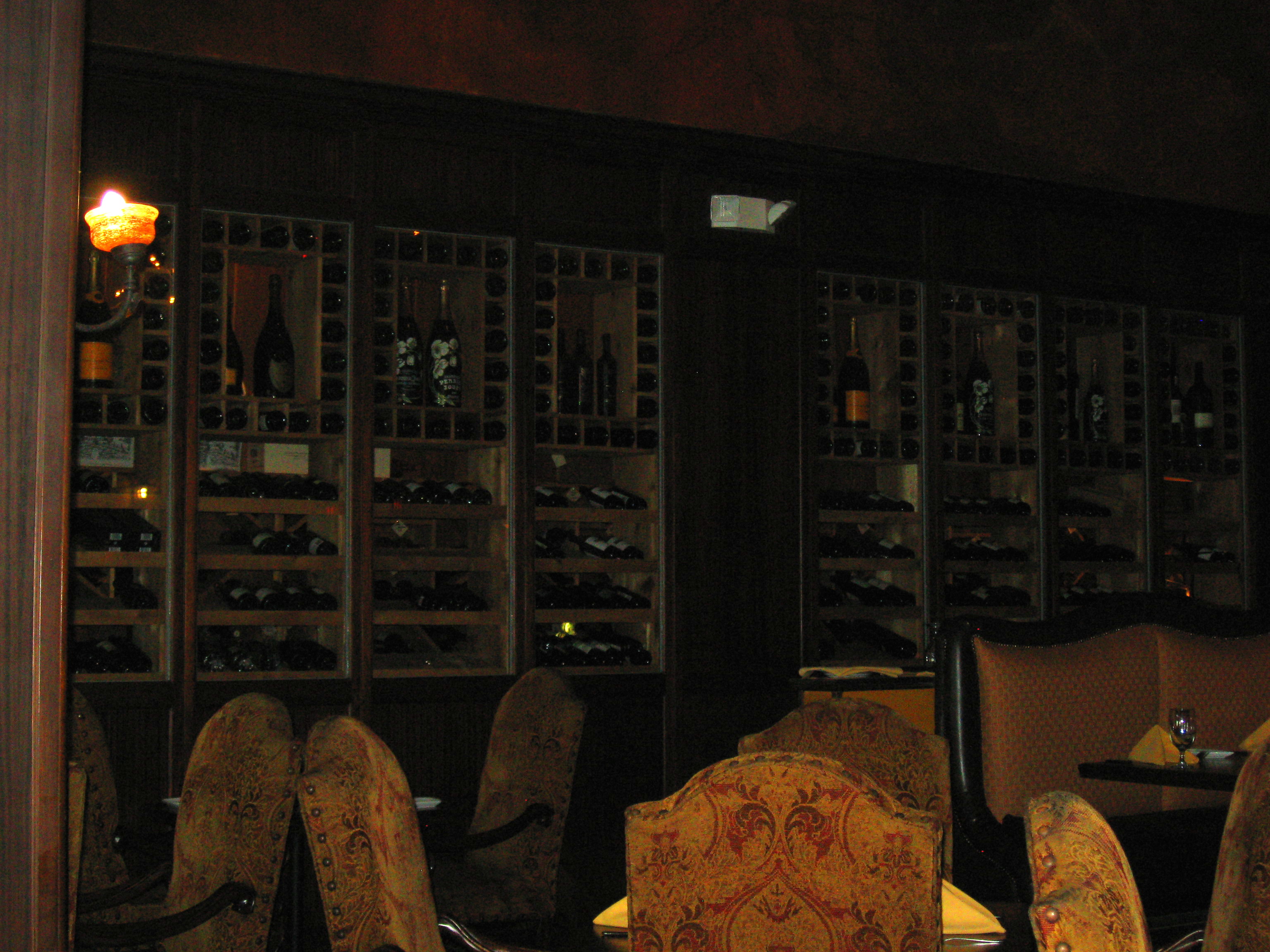
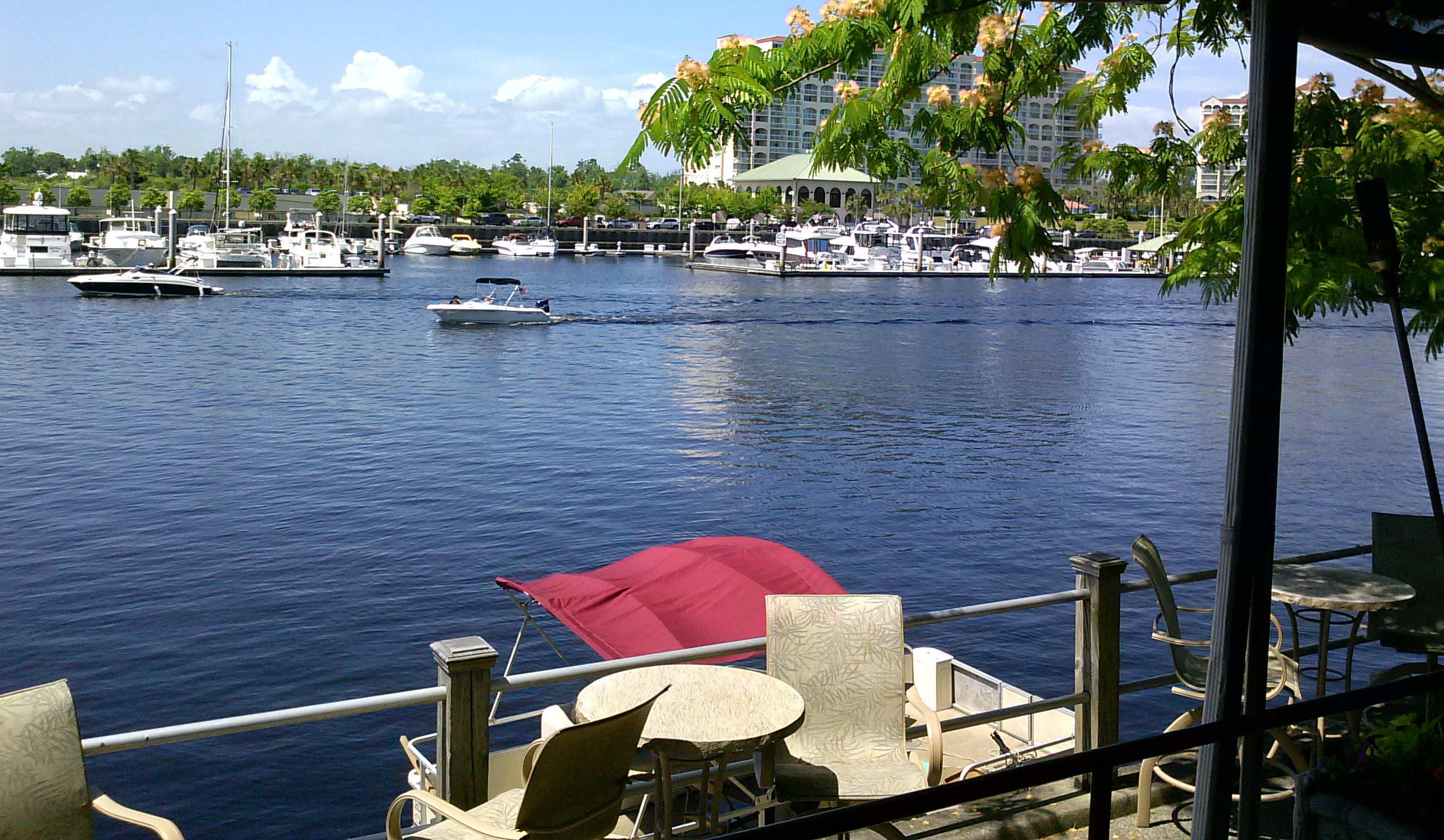 My wife and I spent the last week of May in Myrtle Beach and Charleston, South Carolina. We were fortunate to have beautiful weather during our stay. On one of those beautiful days we drove up Hwy 17 to Barefoot Landing in North Myrtle Beach to have dinner at Greg Norman’s Australian Grille. This steakhouse describes itself as ” The Upper Crust of Down Under Dining.” As we arrived I immediately took note of the building that was masterfully designed to resemble something you would expect to see in Australia. The dining room is set in rich dark wood with plush seating that creates an elegant yet inviting dining experience. We ate inside but if you prefer they offer tables on a large patio that overlooks the intercoastal waterway.
Our steaks, as are all their steaks, were 100% Premium Black Angus Beef, aged a minimum of 28 days. They were wood grilled to perfection with a variety of homemade sauces to choose from. How were they? I can’t put into words the taste and when we paired them with Greg Norman wine all I can say is “WOW.” I had a Greg Norman Estates 2012 Malbec, Mendoza, Argentina and my wife had Greg Norman Estates Cabemet ( yes, Cabemet) Sauvignon,Paso Robles, California both were reasonably priced at $9 a glass. Their exclusive wine list has received the “Award of Excellence” from Wine Spectator Magazine every year for over a decade.
When you are in North Myrtle Beach you should seriously consider Greg Norman’s Australian Grille as your choice for lunch or dinner. Greg Norman’s Australian Grille 4930 Hwy 17 S North Myrtle Beach, South Carolina. Greg Norman’s Australian Grille
Share this:

China Star Rising
Chateau Changyu, Beiyujia Vineyards, Shandong, China
I read an article recently about how China has now surpassed France for the amount of land dedicated to wine-making vineyards. China now boasts 1.9 million acres of vineyards, passing France for second place and behind the number one grower, Spain. China remains the 7th largest producer of grapes due to production inefficiencies. The increase in vineyards is in direct response to the need for more wine grapes to satisfy the explosive rise in demand for wine in China. China has experienced a cultural evolution toward drinking wine over the past 15 years that is directly tied to the increase in disposable income. Red wine is preferred by the majority of Chinese wine drinkers so it is no surprise that Cabernet Sauvignon is the most planted grape variety in the country.
China is a huge country with many sub-climates and even more micro-climates, not to mention the countless soil types and varying terrain. I believe when you have that many variables combined with an ancient culture that thrives on challenges and ingenuity the only logical outcome from Chinese wine makers will be superior and creative wines. The wine business in China will continue to focus on products and production to satisfy domestic demand. But as we have seen the Chinese do in so many other arenas, they will be constantly comparing their wine to the best in the world to judge their progress and making changes to excel.


