Interview: Alfredo “Alfie” Alcantara, dear native grapes Winery & Vineyard

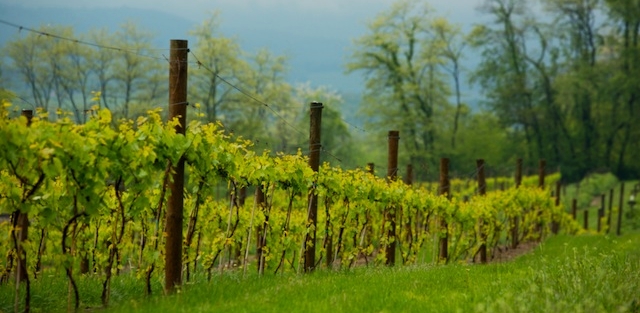
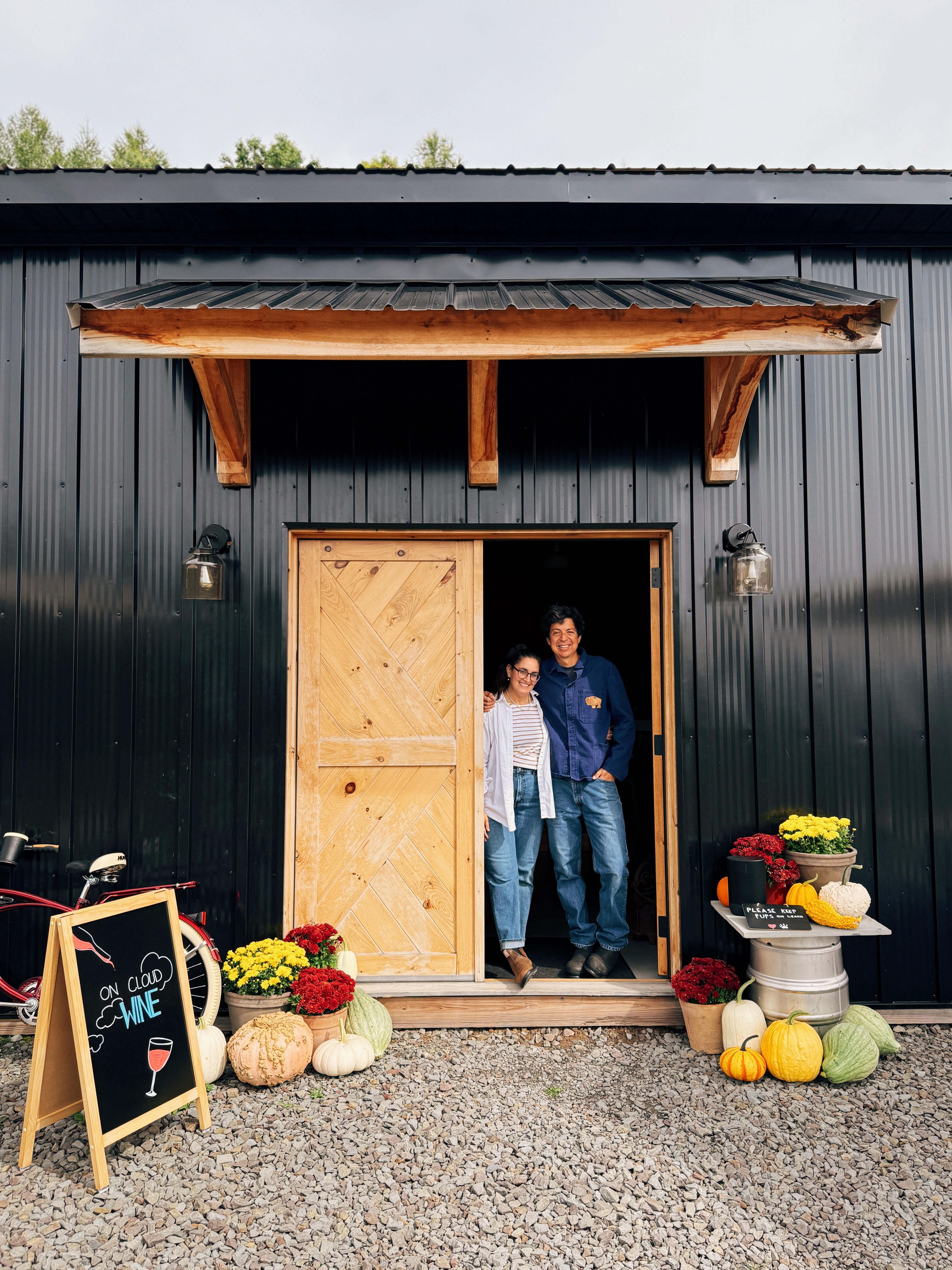
The last time I checked in with Alfredo “Alfie” Alcántara was in July, just before he and co-owner Deanna Urciuoli celebrated the grand opening of their vineyard and winery in Walton, New York. Situated in the Catskill Mountains, dear native grapes is dedicated to reviving American heritage grape varieties that have been largely overlooked by the modern wine industry after being a mainstay of winemaking during the pre-prohibition era. To say the least, dear native grapes has been a resounding success, so I decided to see what “Alfie” has been up to and what’s next for these fearless wine romantics. 
The following is my interview with Alfredo Alcántara verbatim and unedited for length.

Rich wpawinepirate:

First, I would like to congratulate you and Deanna on the successful launch of your groundbreaking vineyard and winery, dear native grapes. I appreciate you taking the time to talk with me because I know you have also been busy with the premiere of your latest documentary, “The Age of Water.” 

Can you share some of your experiences and candid thoughts, both personal and professional, about the events of the last few months and your plans for dear native grapes?

Alfredo “Alfie” Alcántara:

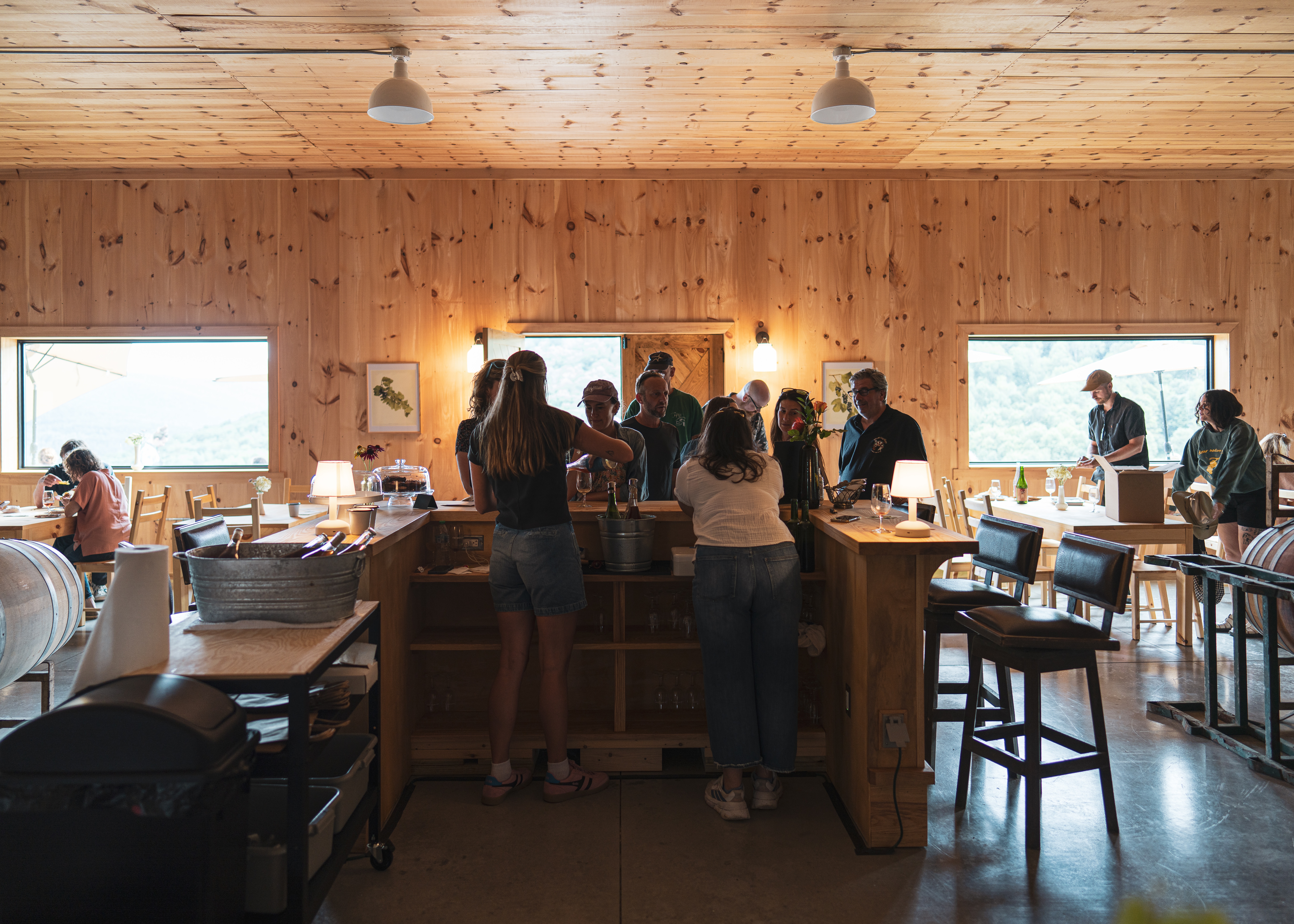
Thank you, Rich! We feel so fortunate to have reached this milestone and finally share it with others. We opened our winery doors to the public in July, and we feel like time has flown by. Opening day was an absolute party. It almost felt like our own wedding, with so many friends and family, as well as visitors from all over, gathering to celebrate. Everyone was so excited to see and experience this project, taste the wines, and learn about the history of American grapes. We got lucky with the weather that day; the sun was shining, our friend was spinning records, a local Mexican restaurant was making delicious tacos on site, and everyone had a great time. Of course, Deanna and I were running around trying to make sure everyone had a glass of wine and keeping up with dirty dishes and glassware…that we barely got to sit and chat with folks! We’ve been open every Saturday since then, and every weekend has brought a new set of rich and enlightening experiences. 

One of the coolest things we’ve seen is how the space has evolved from being a dream that only Deanna and I had into a shared community space that now belongs to many. We love it when guests arrive, they order their wine, and sometimes they sit with their book and blanket somewhere out in our fields, or they bring their families and set up a picnic for the day. The winery is situated at the top of our vineyard and is surrounded by the beautiful Catskill mountains, so many folks see it as a place to commune with nature and relax. Every Saturday, we’ve hosted a local food pop-up or food vendor. Initially, our goal was to increase our offerings, but we’ve also noticed how each food vendor has elevated the winery space by sharing their heritage and cooking background. Folks now look forward to trying different cuisines and we are blessed to have so much culinary diversity in our Catskills region. 

We’ve also hosted a basket-weaving workshop, a live music event, and a special Friday evening dinner party. All this to say that we feel so excited to see the space come to life, and at the same time so exhausted. Even though we only open on Saturdays, both Deanna and I still hold our day jobs during the week, and the management of the winery and the prep before each weekend has been rigorous. We’ve also struggled to manage and maintain both the winery and the vineyard, since it’s just the two of us at the moment. We’ve gotten really good at making to-do lists at the beginning of each week. I can’t say we’ve ever been able to cross everything off, but it definitely helps! The winery tasting room is also our production space, and as you can imagine, wine production can at times be very messy and unsightly, so we’ve had to be even more aware of our organization and cleanliness. However, many guests have told us they really like to see the production area. They feel closer to the wine and where it comes from. 

The main takeaway from these past few months is the realization that we’re now making wine for our community, and that’s a really cool feeling. And more and more, our guests are casually enjoying wine made from little-known American varieties without hesitation. It’s becoming totally normal for them to drink wine made from Delaware, Steuben, or Catawba grapes. That’s literally the goal of the project, and it’s been amazing to see in action. We’ll be taking a small hiatus in January to recharge, dream up future events, and oh yeah..make more wine! 

If your readers are interested in visiting us, the winery is located at 17 Crawford Rd, Walton, NY 13856. We keep our website updated with upcoming events, so feel free to check that out too! dearnativegrapes.com

Thank you again, Alfie, for sharing your unique perspective and candid insights about your wine journey. Wishing you all the best and continued success!

Photo Credit: Jason Martin Photo Credit: Katie Gregoire

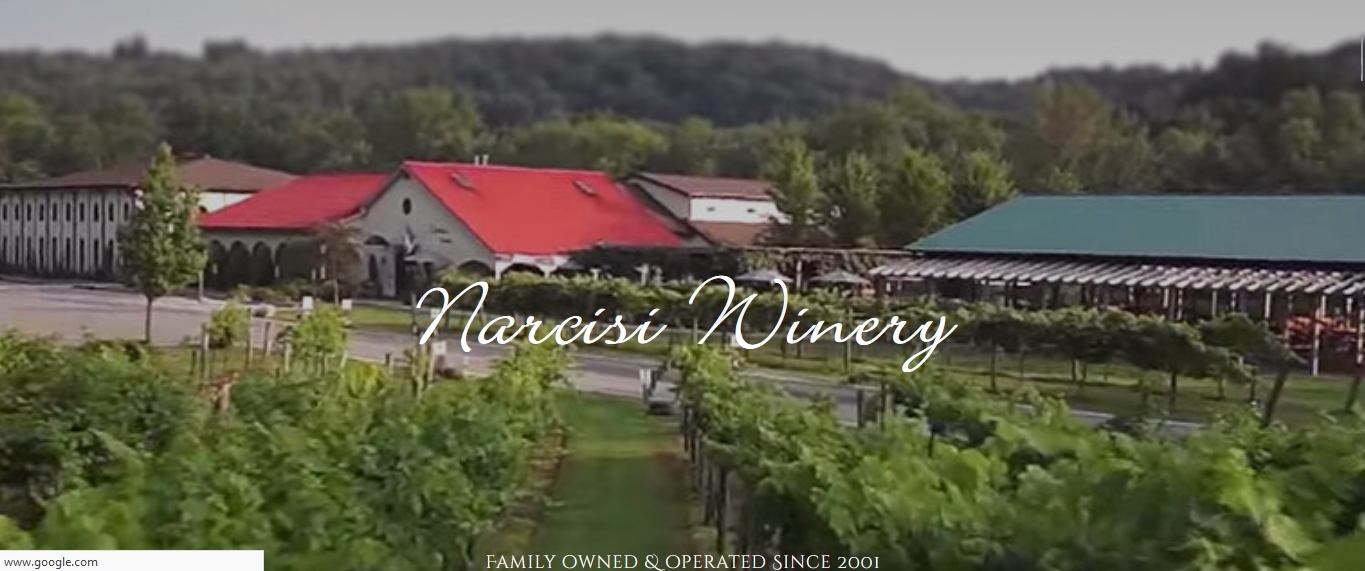
Narcisi Winery: Tuscany in Southwestern Pennsylvania

Nestled amongst the rolling hills of Southwestern Pennsylvania just eight miles north of Pittsburgh you can find a little piece of Tuscany. A visit to Narcisi Winery in Gibsonia is like taking a quick trip to Tuscany without having to use your passport. 

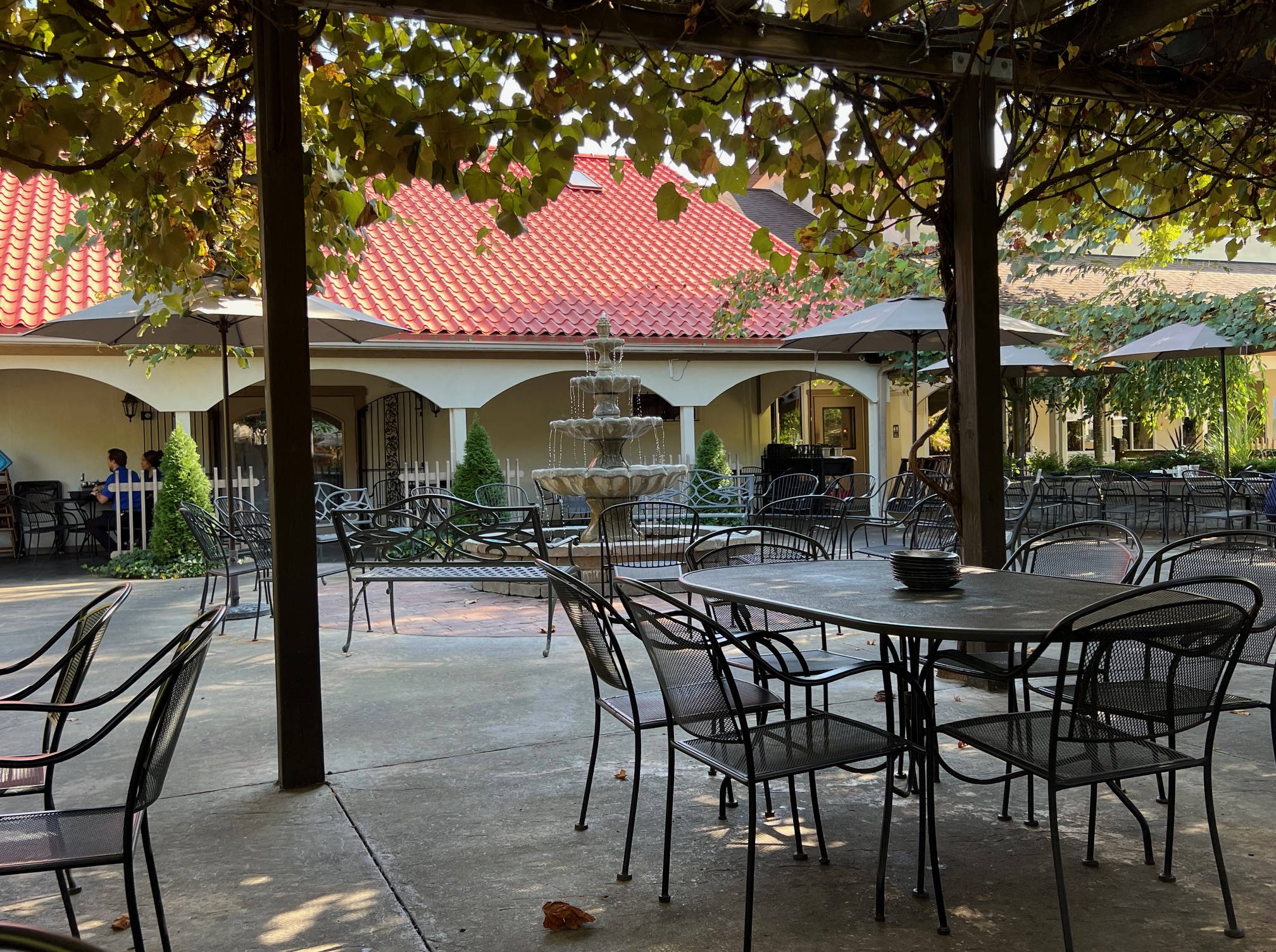
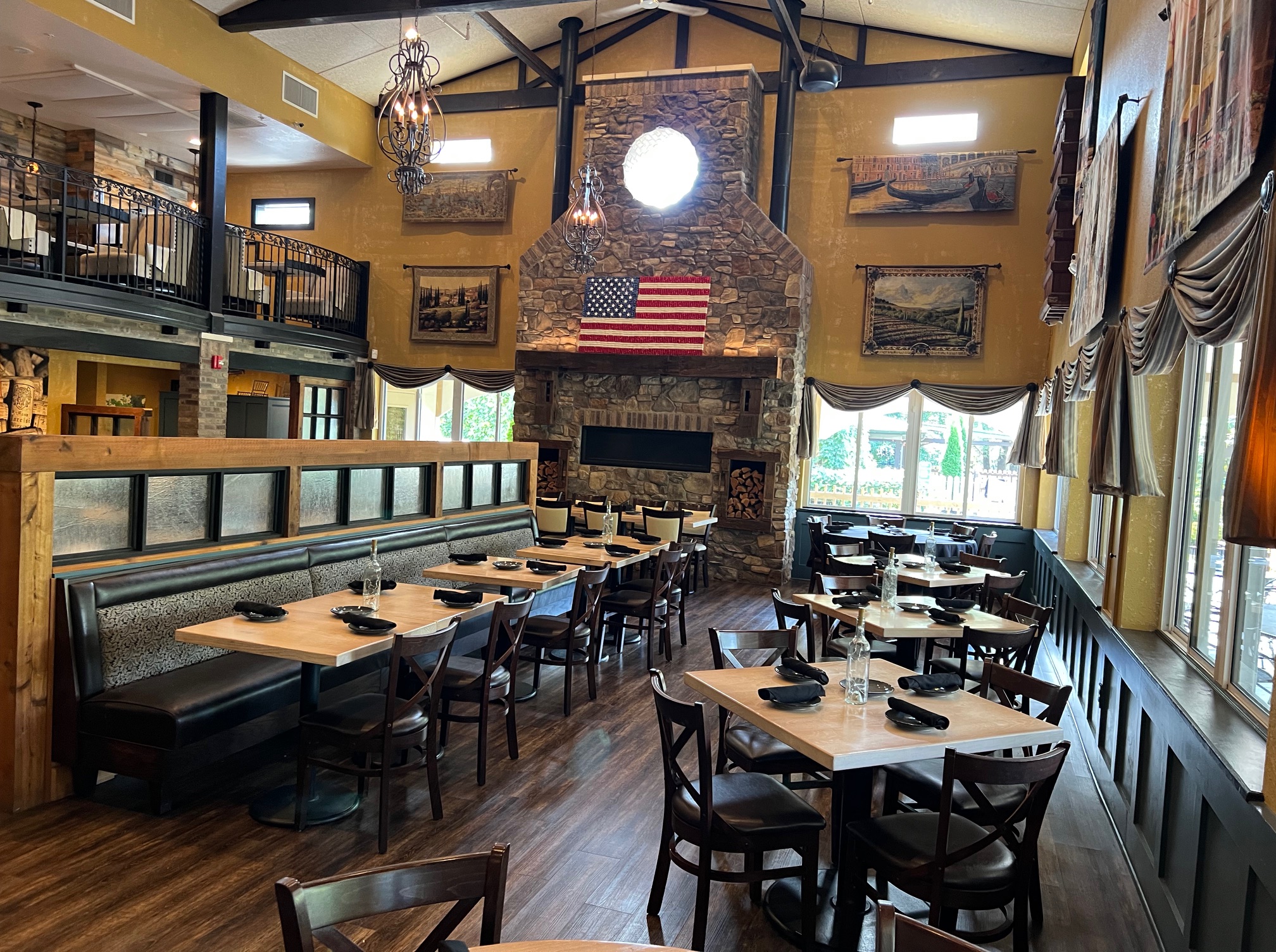
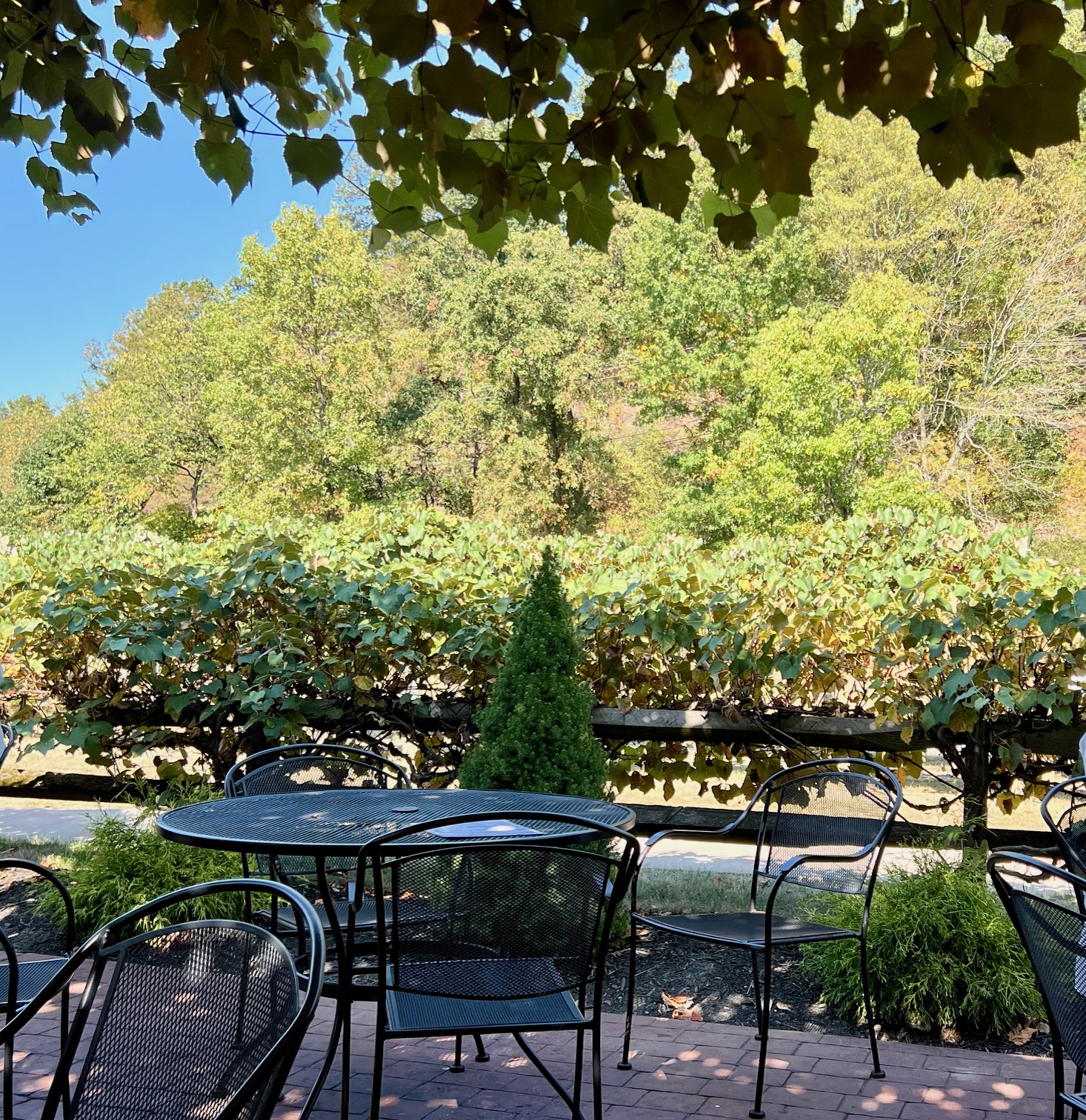
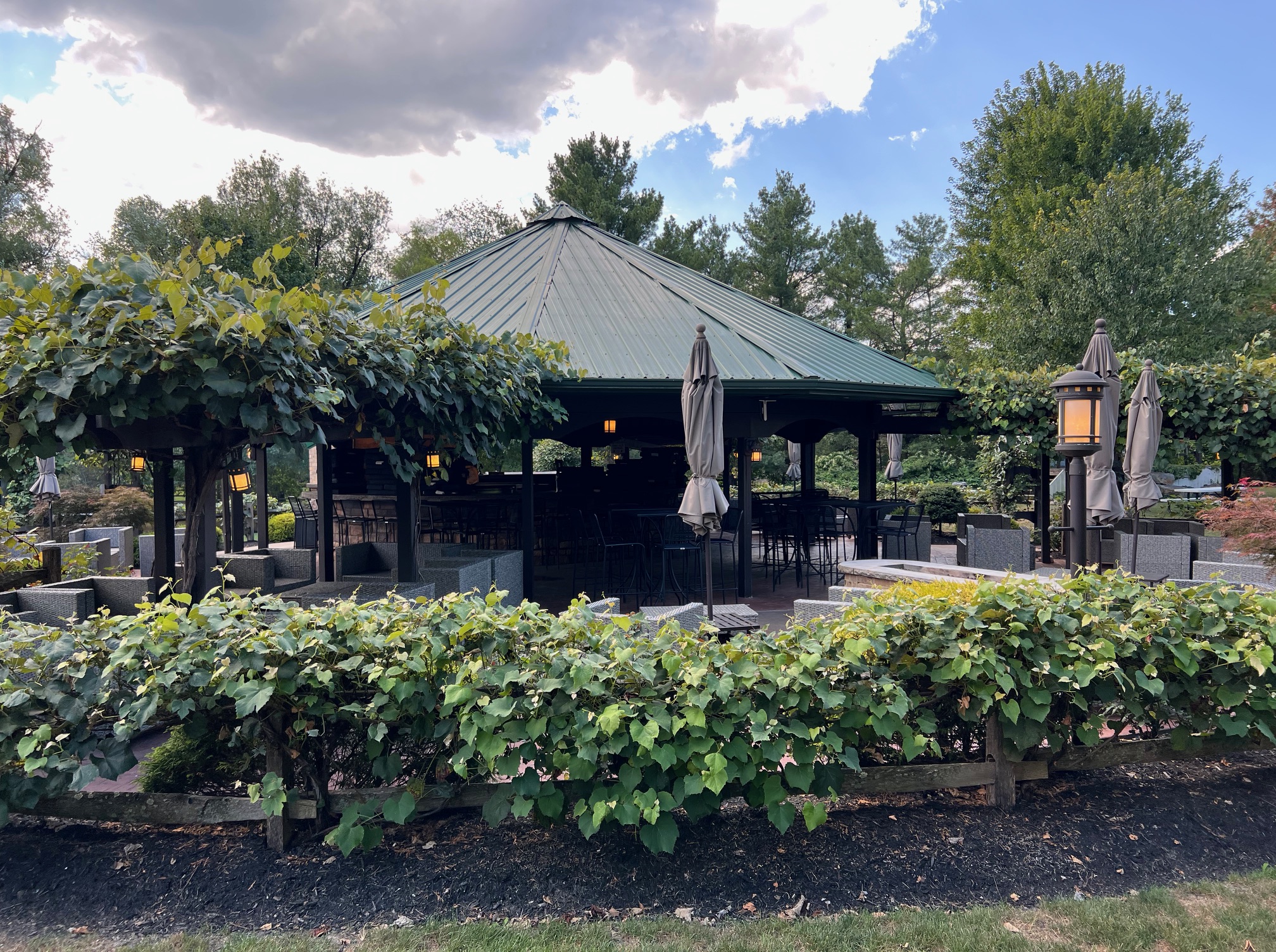
This family owned and operated winery and restaurant is built on the knowledge of generations of Italian winemakers and traditional family recipes.  Whether you are dining alfresco on the patio under the canopy of grapevines or strolling the grounds and vineyards, you can’t resist being swept up in the Italian ambiance of your surroundings. 

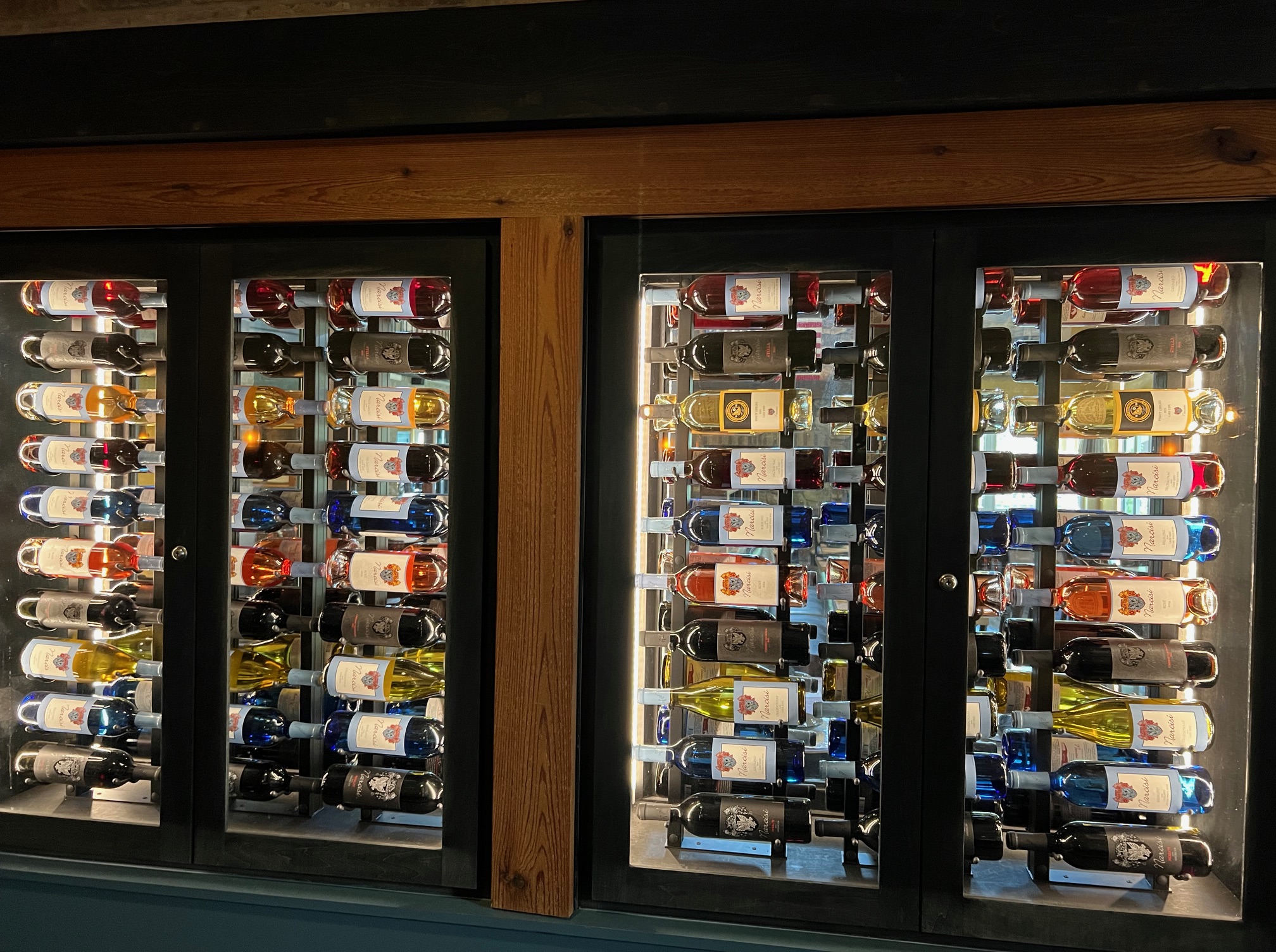
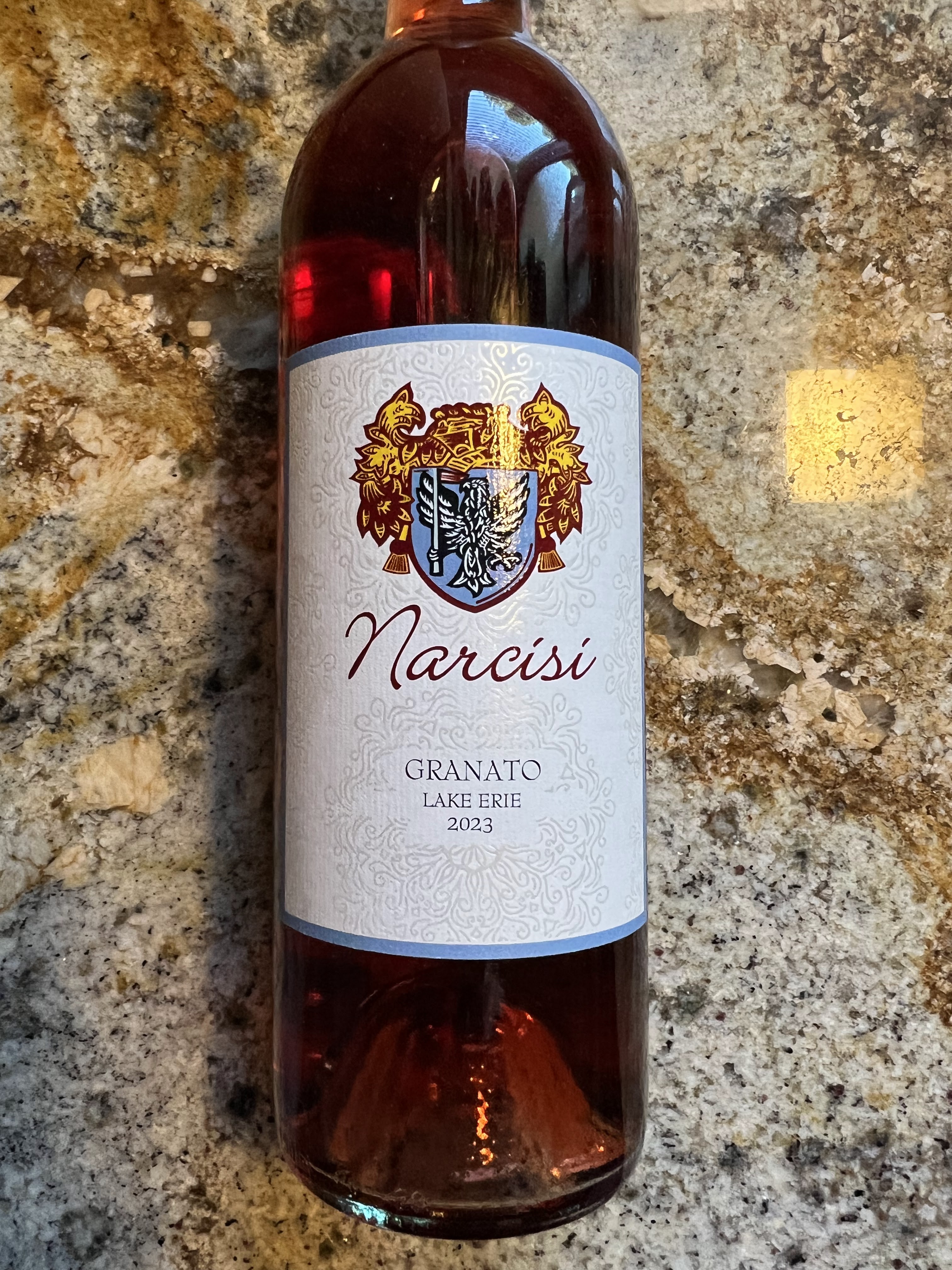
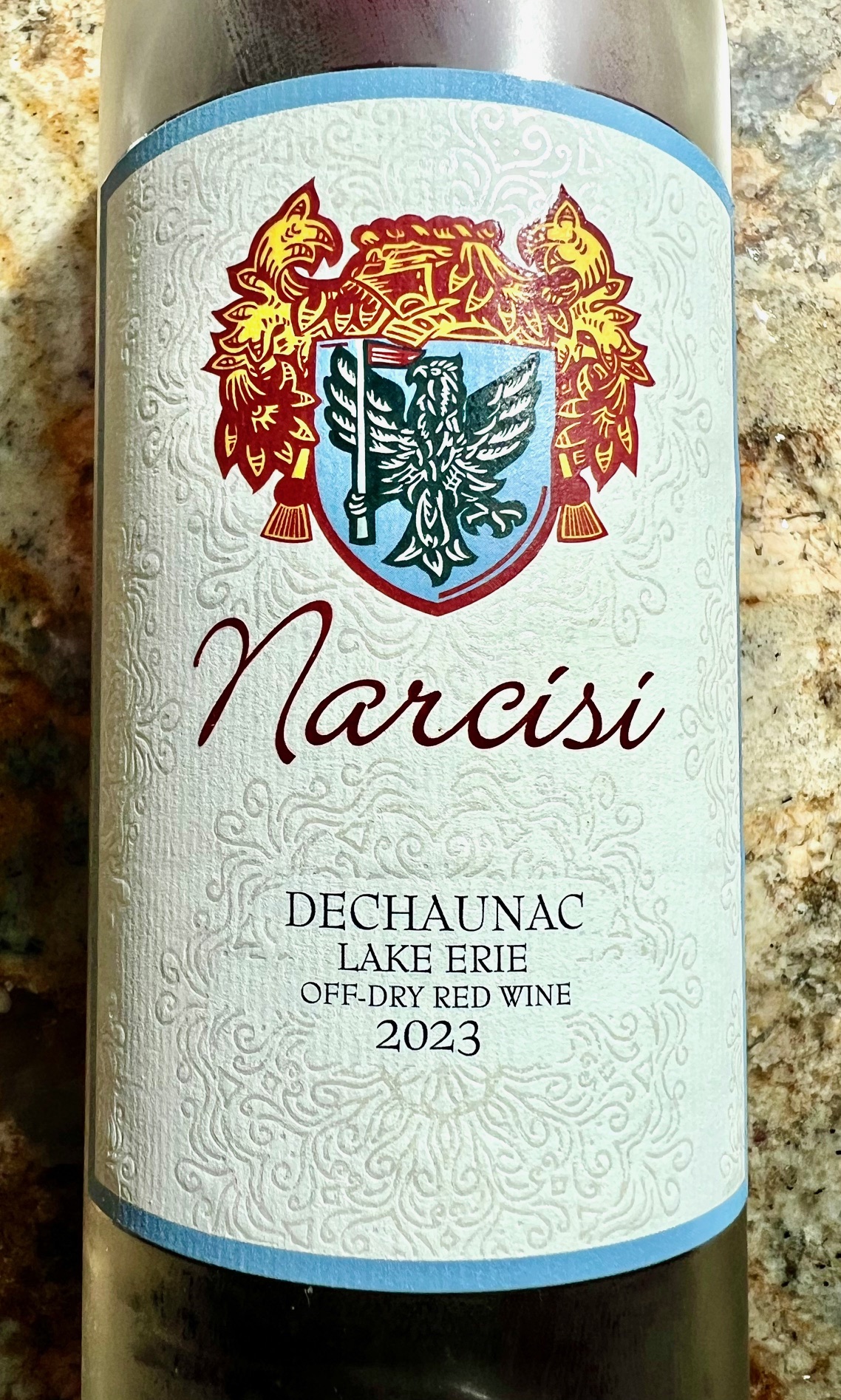
A diverse menu of wines ranging from their “Flagship” red “Stella” that is a take on a “Bordeaux blend”, through a nice lineup of reds, whites, blushes, rosés, and fruit wine, guarantees that there is something to satisfy anyone’s taste. 

In addition to the patio and outdoor wine and pizza bar that features a wood-fired pizza oven, you can also dine in the beautifully appointed restaurant. 

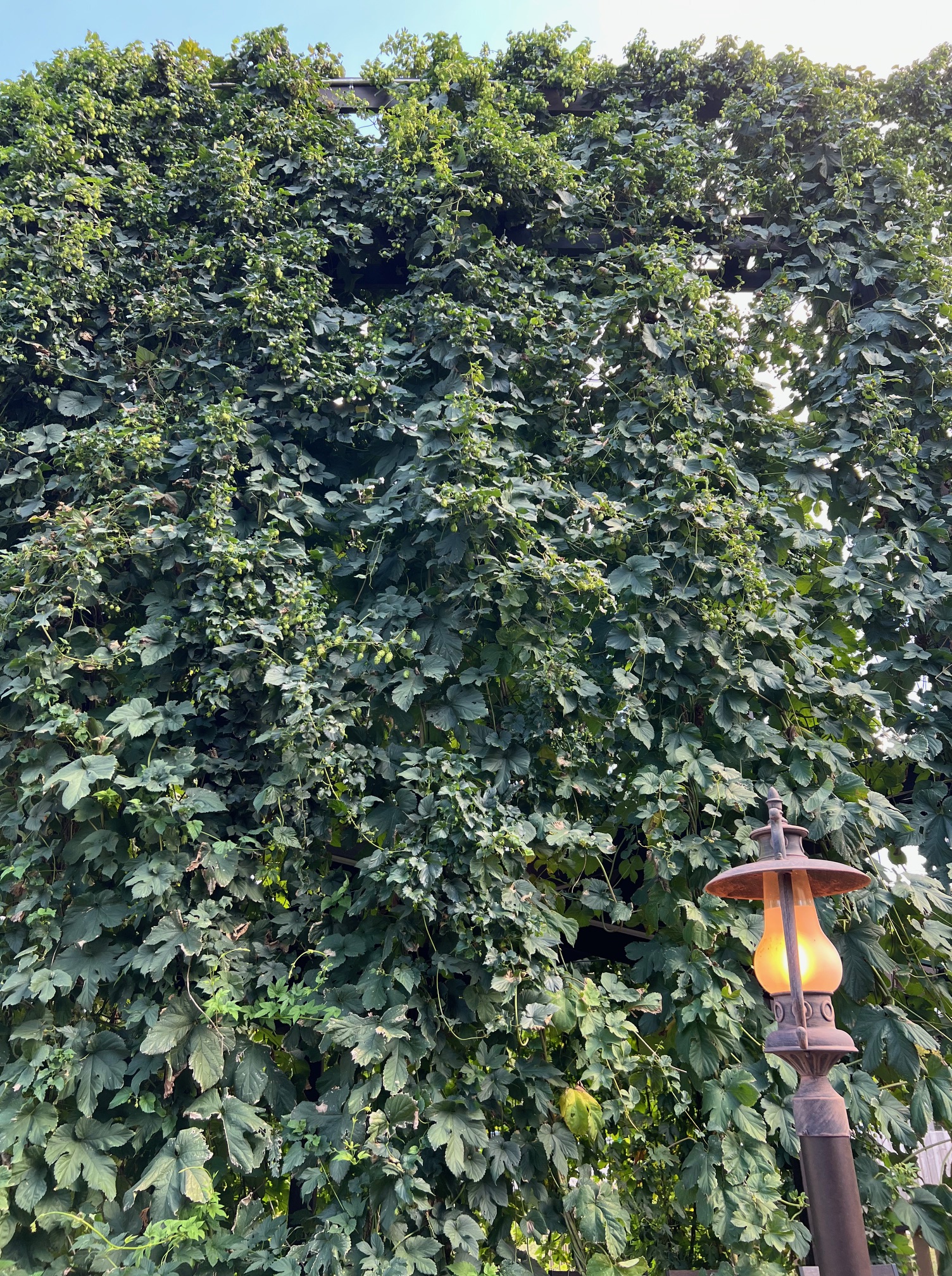
If you are in the mood for a beer they have you covered with a beer garden featuring a diverse selection of beers on draft or bottled. As you enter the beer garden area you pass between towering plantings of hop vines that enhance your experience. Check out the raised bed vegetable gardens. next to the beer garden. 

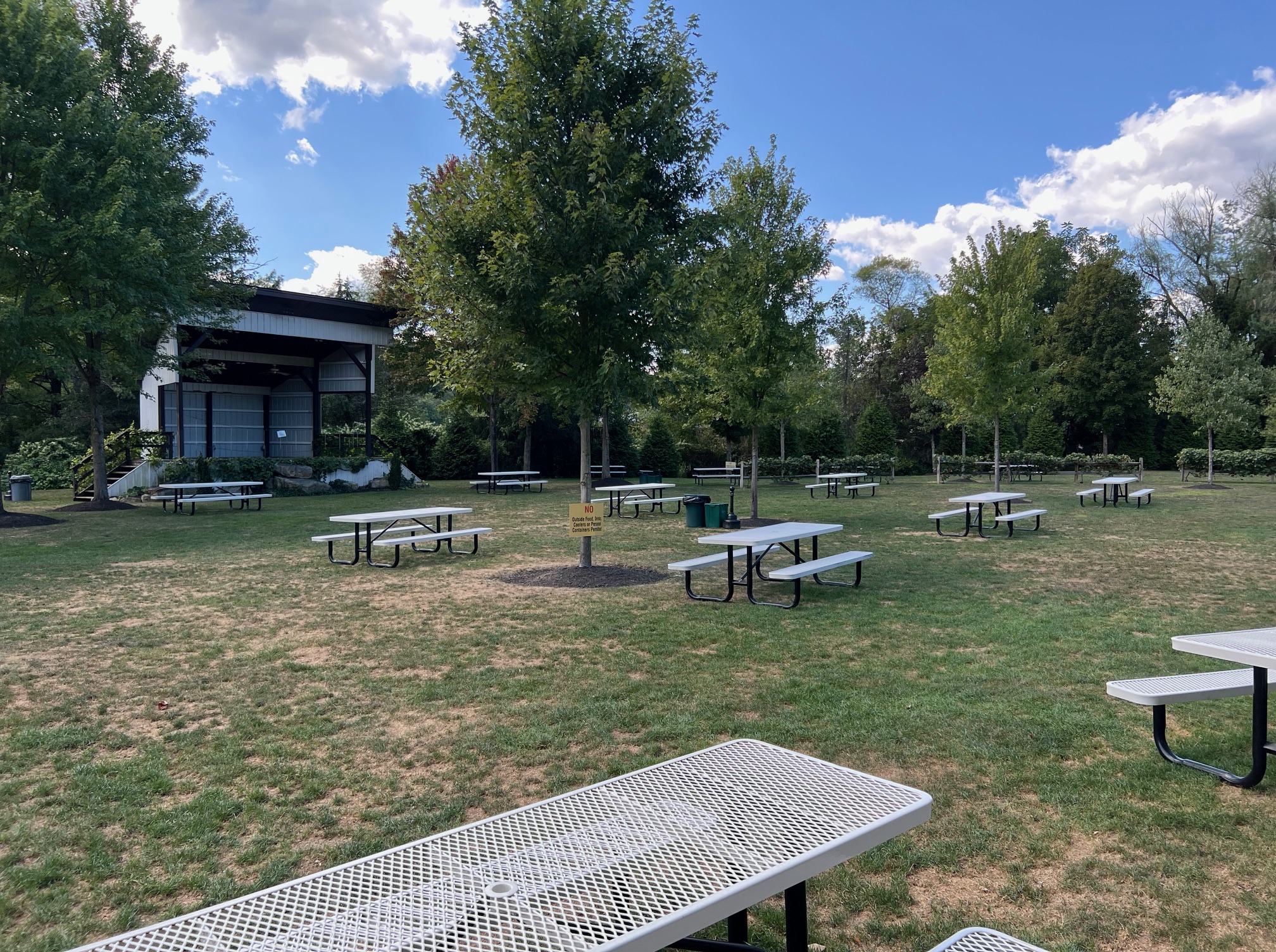
Entertainment is always front and center at Narcisi Winery. A bandstand and lawn play host to live music on a regular schedule. 

If you want or need a break to escape your normal day-to-day routine, I suggest you explore this little taste of Tuscany in Southwestern Pennsylvania. 

narcisiwinery.com 724-444-4744 Photo Credit: Narcisi Winery

Harvest Report: Chateau Niagara Winery

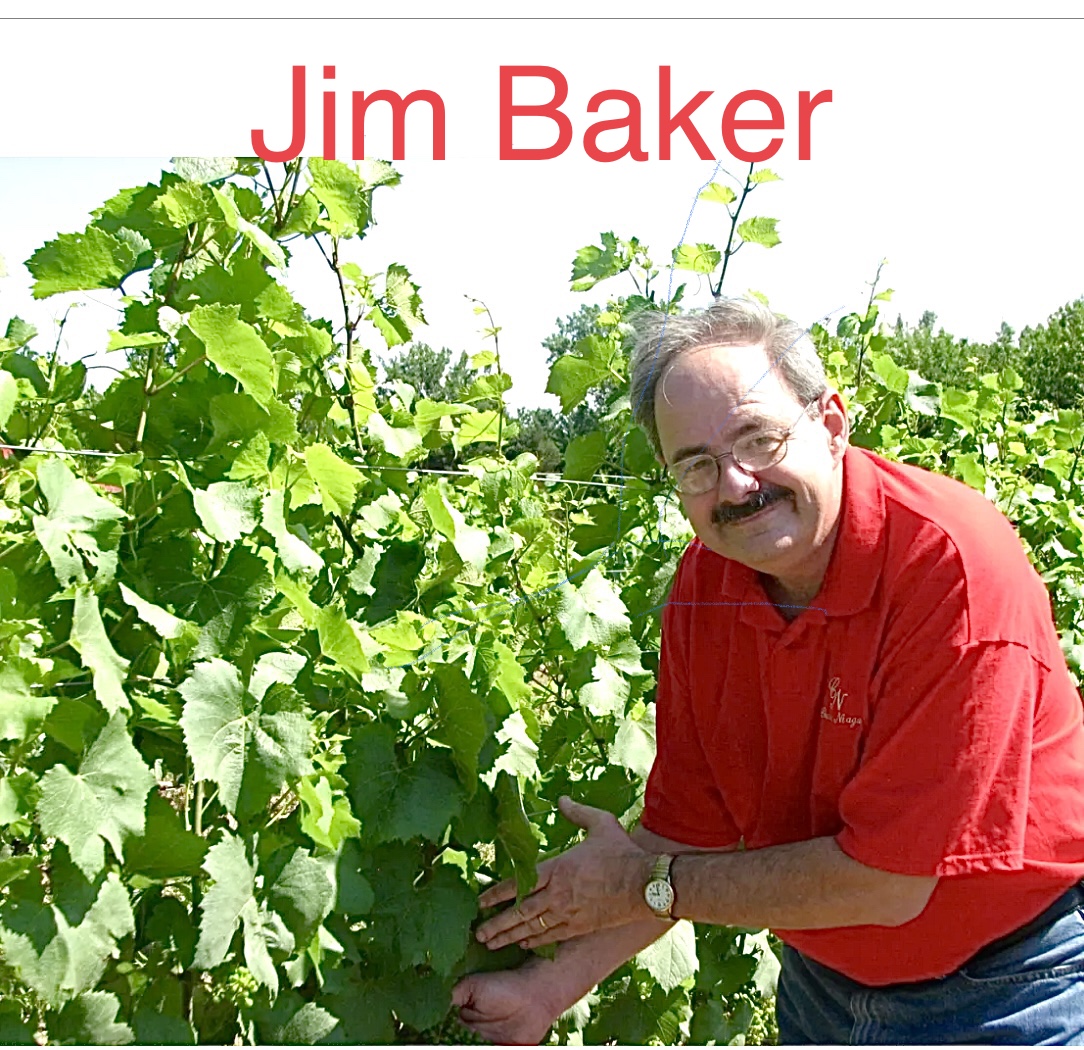
I checked in recently with my friend Jim Baker, owner, winemaker, and vigneron of Chateau Niagara Winery Newfane, New York. http://chateauniagarawinery.com Jim’s avant-garde approach toward winemaking and the grapes in his vineyard can only be described as fascinating. Here are his candid insights into the year that was 2024 at his award-winning Chateau Niagara Winery.

“In classic cool climate viticulture, the only constant is change. We never know what the year will bring us and it creates a kind of resiliency in the vineyard managers and winemakers from these regions. It also creates some fantastic wines with incredible diversity. This year is no different. We escaped the late spring frost which hurt our neighbors in the Lake Erie region and our hearts went out to them as we got hit last year with that late frost and we lost two-thirds of our crop. We also did not have the wildfires from Quebec this year to contend with. It was a very early bud break with a wet spring and summer. This resulted in heavy downy and powdery mildew pressure. The latter half of the growing season heading to harvest was warm and dry, absolutely perfect for high-quality wine grapes. Longer hang time and good growing season with about 2800  growing degree days, which is measured by the temperatures degrees above 50 F. (A 70-degree day would therefore accumulate 70-50 or 20 growing-degree days.)  This is a measure of the total heat accumulation for the season. Harvest levels were a little under prediction and the berries were small and compact. This results in more intense aromas in whites and deeper colors and flavors in reds. We are very excited about the potential for the vintage!

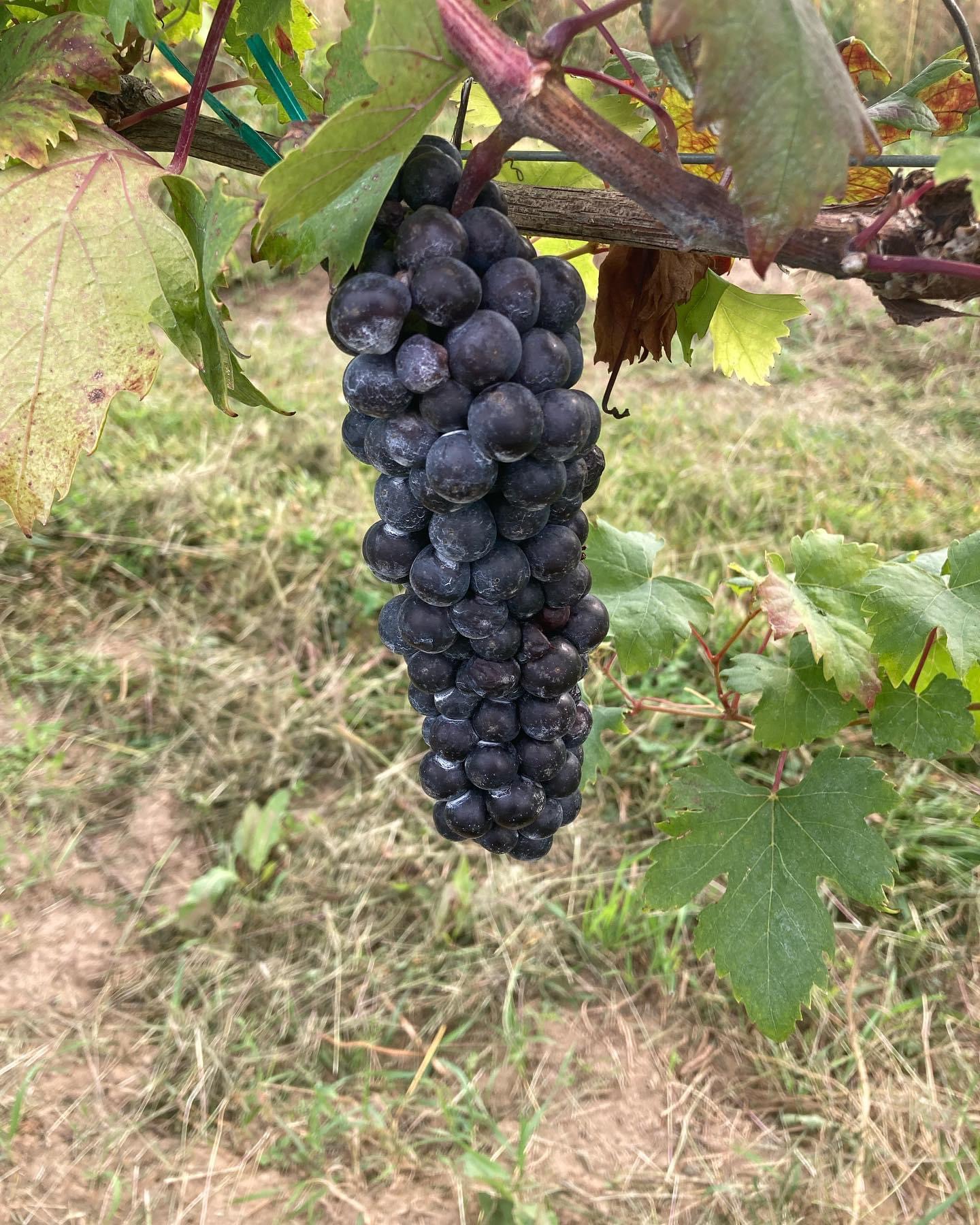
In the fall we harvested our first crop of Fetească neagrǎ. We had hoped for barrels worth of wine, but the raccoons, deer, and turkey got to it first. We did harvest what we could and will likely do a very small bottling of about four cases. The grape showed me just a peek at what it can do this year. My initial tasting indicates that it falls between a Blaufrankisch and a Saperavi, with cherry, spice, black pepper, and smoke.”

Thank you, Jim, for taking the time out of your busy schedule to share your thoughts and observations about the intricate factors that influenced your vineyard and winemaking this year. We all look forward to enjoying the fruits of your labor. 

Changing Chile

When you hear wine lovers discussing wines from Chile your first thought might be of the value-priced bottles offered by a large discount retailer that piqued your curiosity. How wouldn’t anyone be intrigued by bottles of Chilean Cabernet Sauvignon selling for less than $10 and not be tempted to buy one? This type of mass-produced wine is easy to find because 90% of Chile’s wine production is still focused on that segment of the world wine market. In the last ten years, Chile has made great strides in producing higher quality wines from a growing number of small wineries offering a diverse selection of wines. These wines are made from an increasing number of newly cultivated wine grape varieties. The explosive rise in the number of small producers has generated a keen interest in Chilean boutique wineries. 

The expansion of vineyards and wineries is possible because there is a wide range of growing conditions, vineyard sites, compatible grape varieties, topography, and soil profiles just to mention a few of the factors involved. Another little-known but important variable in Chile’s success is that it has never been infected by Phylloxera, even with its close proximity to Argentina which has been.  

The country of Chile on a map appears as a long thin strip of land on the western edge of South America from 17 degrees south latitude to 56 degrees south latitude with the Andes Mountains running down its eastern side. Chile’s weather is influenced by the Pacific Ocean’s cold currents (Humboldt) the Chilean Coast Range and the Andes Mountains. As a result of all of these variables, it is no surprise the styles of wine made there are varied and evolving with every vintage. 

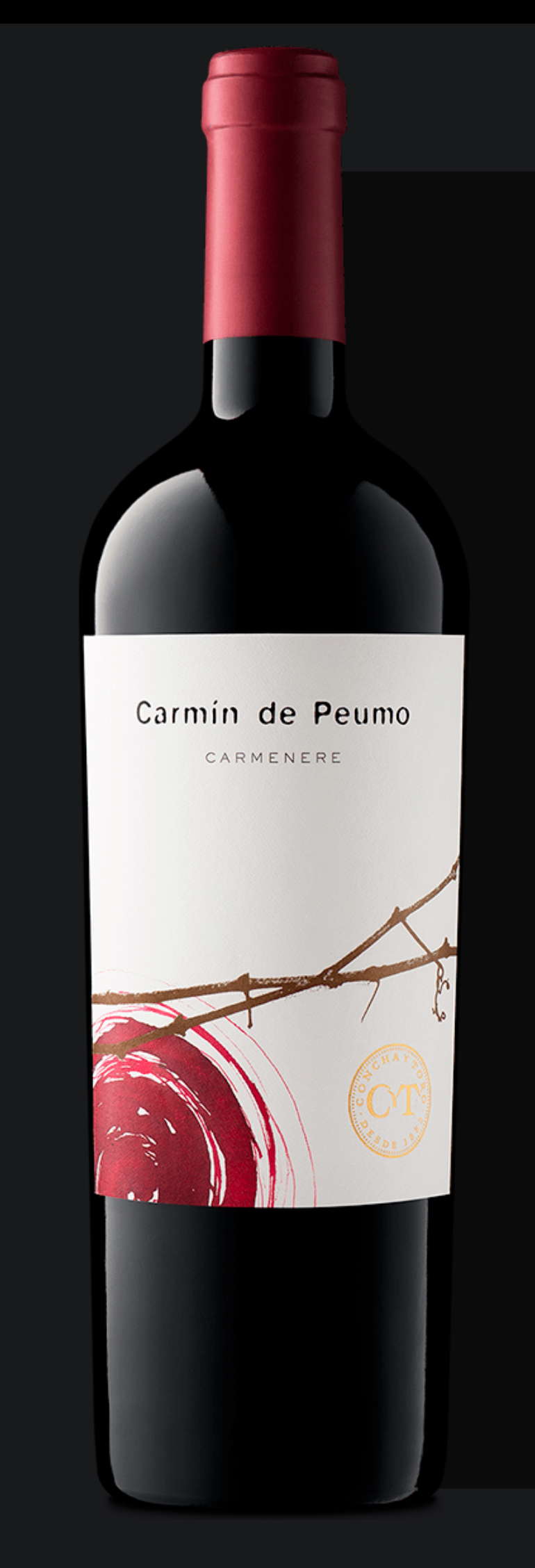
The wine grapes grown in Chile are dominated by five varieties: Cabernet Sauvignon, Chardonnay, Merlot, Sauvignon Blanc, and Carmemère with Cabernet Sauvignon being the most widely planted. Carmenère has an interesting story of how it was mistaken for Merlot for a long time, resulting in it being harvested too early and made as if it was Merlot. After DNA testing revealed its true identity Carmenère was left to ripen fully before harvesting and made using the proper methods for that grape. These changes resulted in an immense improvement in the quality of Chilean Carmenère wine. 

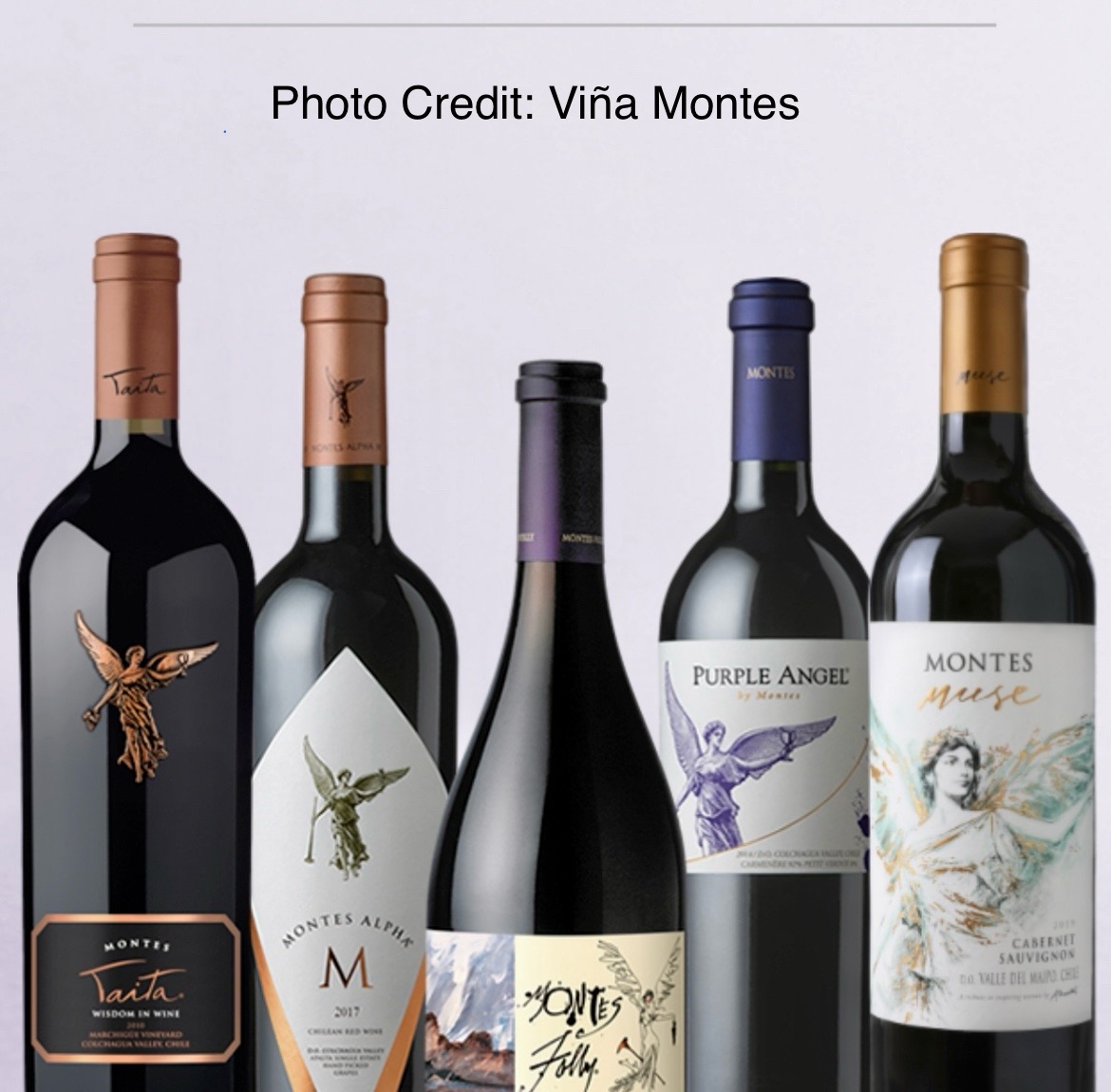
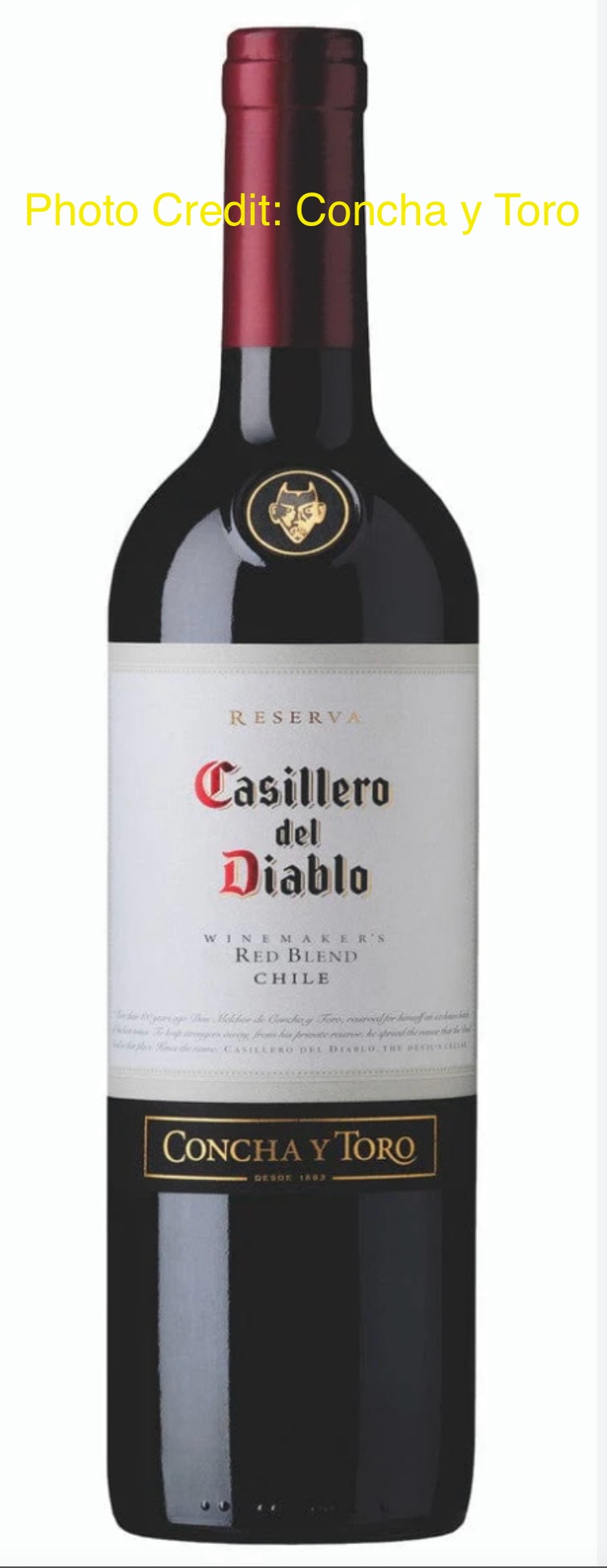
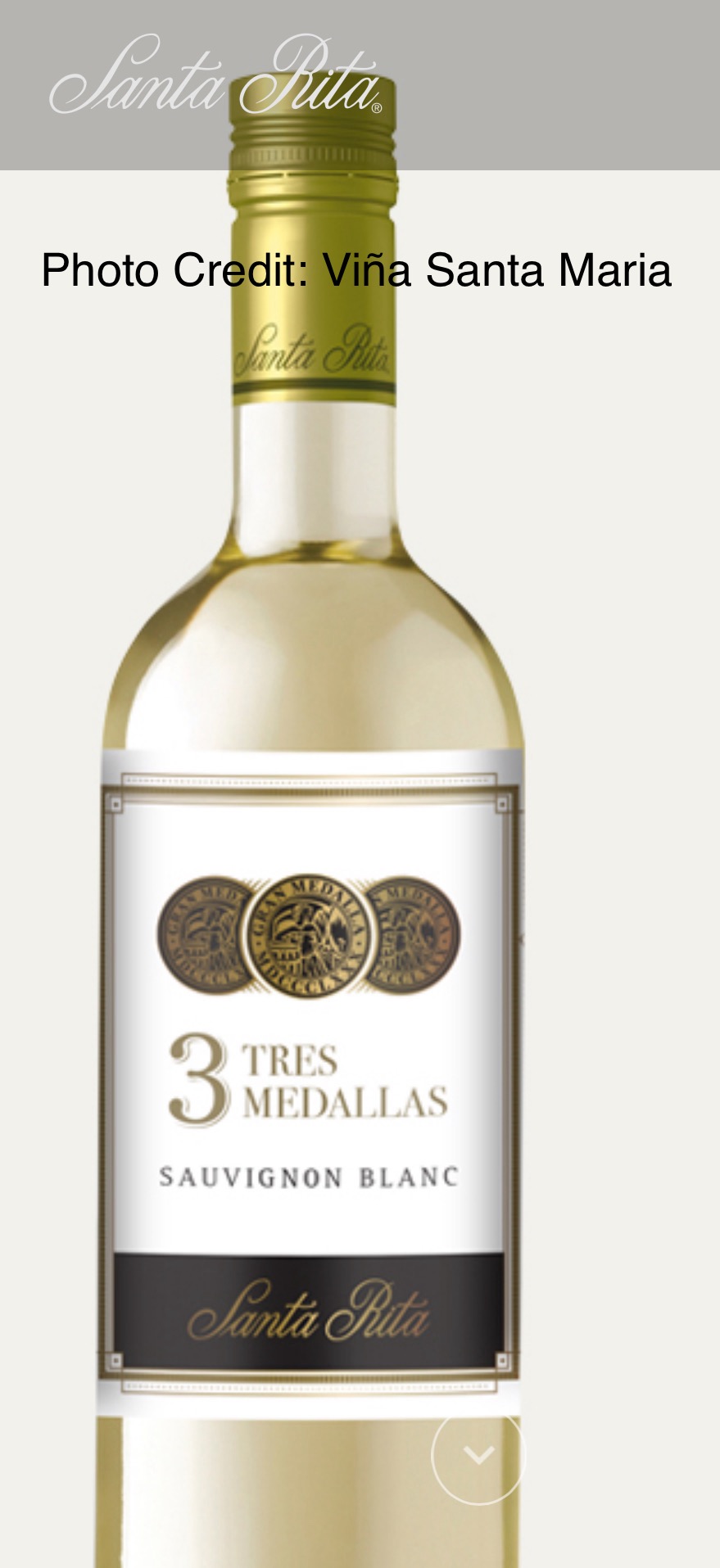
Discovering Chilean wines is a fascinating and personally satisfying venture. I recommend starting your exploration with Cabernet Sauvignon but don’t ignore the other varieties you will come across, especially that country’s signature grape Carmenère. Chile’s most recognizable wine region is the expansive Valle Central or “Central Valley” where many premiere appellations are located, most notably the Maipo Valley and Colchagua Valley. Here are a few suggestions to begin your winery search: Concha y Toro, Santa Rita, Viña Vik, and Viña Montes. 

Vince Anter does an excellent job explaining and showcasing the wine and wineries of Chile in an episode of his award-winning wine, food, and travel show V is for Vino http://visforvino.com You can view it and all of his shows for free on his website or YouTube. Here’s a link to his Chile episode https://www.youtube.com/watch?v=BfHBZM7tsIQ

Visiting Chile may not be very practical or economical but buying good wine made there is. What makes Chilean wine a sensible choice when purchasing wine is that it offers you the option to take home an enjoyable bottle at a bargain price or choose one of a higher quality for just a little more money. 

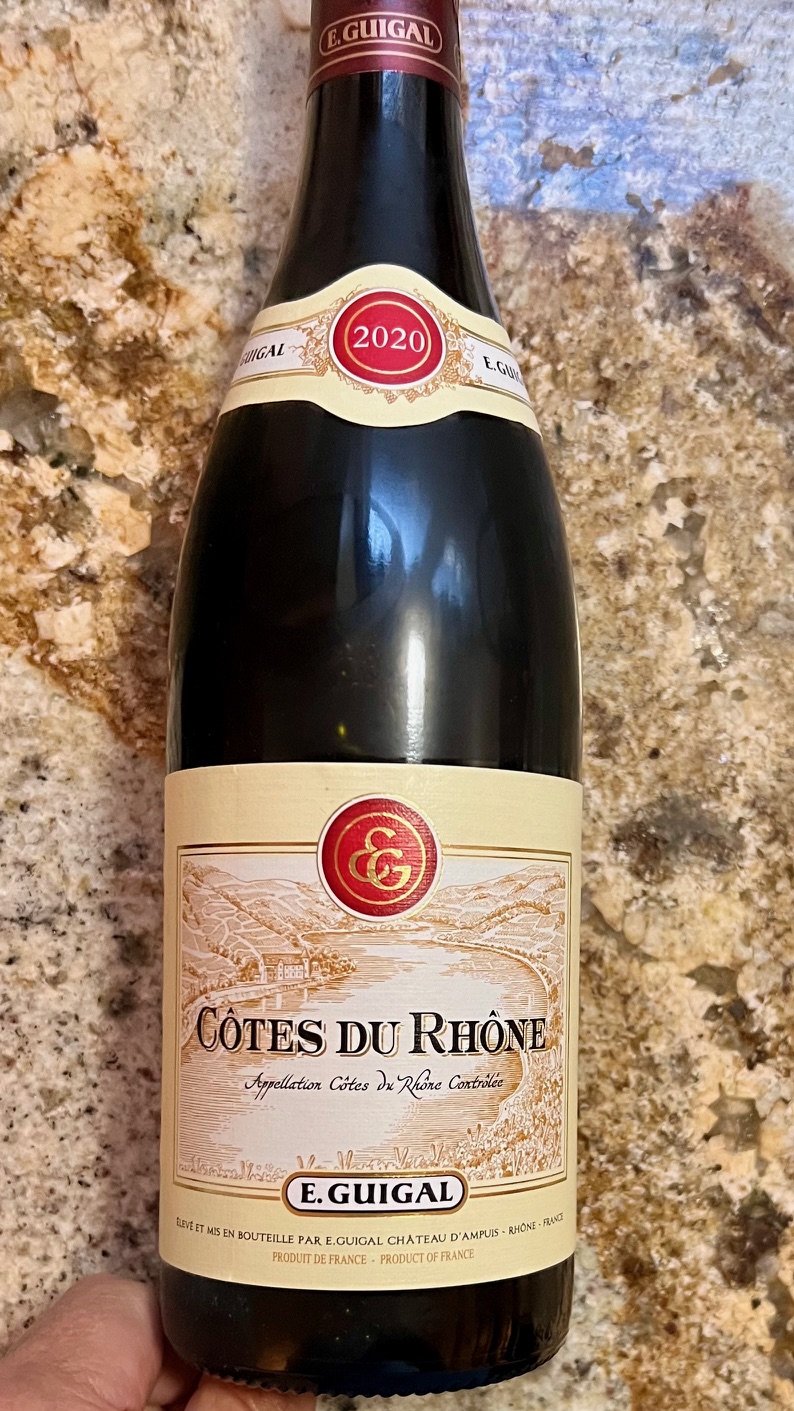
Review: E. Guigal Côte du Rhône Rouge 2020

This wine reminds me of a lyric from the Jimmy Buffett song “He went to Paris.” It goes “ But warm summer breezes. The French wines and cheeses. Put his ambitions at bay.” He Went To Paris (YouTube)

It is easy to imagine sitting in a bistro in the south of France savoring delicate French cheese and sipping E. Guigal Côte du Rhône Rouge 2020 while watching the world pass by. 

Even though, E. Guigal is known for making high-end offerings; they continue to produce this very well-made mass-market example of a Rhône GSM blend (Grenache, Syrah, Mourvèdre). 

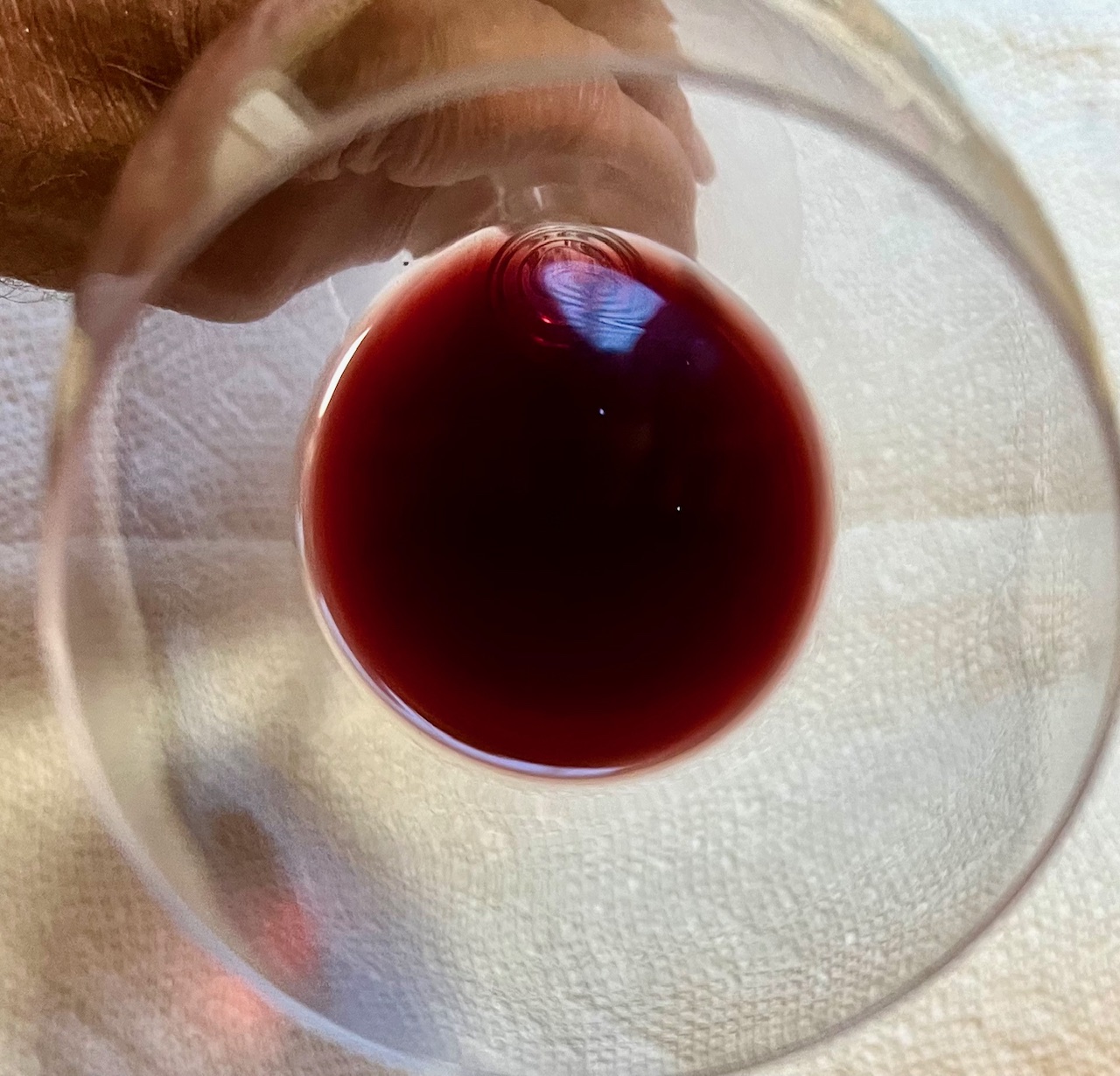
This is a well-balanced wine with supple tannins and subdued but pleasant acidity. Blueberry and blackberry flavors are accented with a hint of cherry from the Grenache. It is all carried on a medium body that leads to a lush finish making this wine a great introduction to the wines of the southern Rhône Valley of France. It is a bargain at less than $20 a bottle for a wine of this quality.

Dancing In The Dark

If you ever have the opportunity to get out into the vineyard and pick wine grapes during harvest I urge you to participate. My wife and I did just that several years ago and it is an experience we will never forget. We picked on a beautiful sunny morning but in reality, most wine grapes are harvested at night to take advantage of the cooler air lowering the temperature of the grapes. Most of the well-known wine-producing regions of the world are located in areas that not only have a climate favorable to viticulture but a phenomenon known as diurnal shifts. Diurnal shifts are when there is a significant change in the ambient air temperature between the day and night. A good example of this would be if you have been outside all day wearing only shorts and a tee shirt but need to wear a sweatshirt and long pants after dark, then you have experienced a diurnal shift. 

Sunshine allows a grape to increase its sugar content until harvest but in contrast, a grape’s acidity level decreases as it nears harvest. It can be argued that when grapes are cooled nightly sugar and acid levels are kept in balance creating a more complex wine. The diurnal shift phenomenon can be the result of different factors. In Napa Valley, it is the Pacific Ocean, the Rhone Valley has the mistral winds, and Duncan Savage proudly told me that his Cape Town, South Africa vineyards are “clapped” by winds off the Atlantic Ocean. 

Now that we know how grapes arrive at their peak to be harvested the obvious question is “What are the advantages of picking them in the cool of the night?” 

The first and foremost reason winemakers pick at night is to capitalize on the lower temperatures that are advantageous to producing superior wine by preserving the quality of the grapes that will be processed immediately after being taken to the winery. Grapes that have been cooled by the night air have more stable sugar levels, firmer texture, and less oxidation. This is very important when making white, Rosé, and sparkling wine but is also desirable when making red wine. Picking at night also enhances the grape’s fruit flavors and aromatics while giving the winemaker better control of the fermentation. The grapes are cooler when they come into the winery and don’t need to be cooled down before starting the winemaking process. 

I have included these two links on YouTube that give us a glimpse of what harvesting wine grapes at night looks like. One video is of grapes being picked by hand and the other with a mechanical method.

https://youtu.be/ujn8N6iBRng?feature=shared Hand harvesting

https://youtu.be/we5XNeuvn1c?feature=shared Machine harvesting

 You can find more videos on YouTube by searching “harvesting wine grapes at night.”

Since it is late summer and harvest is upon us, now is the time to call your local vineyards and ask if they could use help picking their grapes. For a wine lover, it is an experience you will not soon forget. 

Burgundy Basics

With all eyes on France, as it hosts the Paris 2024 Olympics, one can’t help but think of all the great wines made in that country. France has seven main wine-producing regions: Alsace, Bordeaux, Burgundy, Loire, Provence, and the Rhone Valley. These regions produce outstanding wine and are fascinating to explore. 

We will start by looking at the Burgundy Region and its signature grapes. The Burgundy Region is located in eastern France, just southeast of Paris. When you hear someone talking about Red Burgundy wine, they refer to Pinot Noir. Red Burgundy is Pinot Noir. When you hear someone talking about White Burgundy wine, they refer to Chardonnay. White Burgundy is Chardonnay. As a rule of thumb, Burgundian wine can be ranked from Best/most expensive to the most produced/moderately priced Regional Wines that are simply labeled as Bourgogne and represent 50% of all wines made in the Burgundy Region. The rankings go from Grand Cru, Premier Cru, Villages Wines, and Regional Wines. You can find some excellent wines at a good price in the last group. 

If you are interested in learning more about French wine I suggest visiting the website of Level 3 sommelier Alison Morris Roslyn franceynotfancy.com. For those looking to delve more deeply into the wines of Burgundy, I highly recommend the website of French wine scholar with Bourgogne Masters Level Certification, Dave DeSimone https://daveswinecellar.com 

Wine Review: Chateau Ste Michelle Gewürztraminer Columbia Valley 2022

My posts featuring reviews of mass-produced and widely distributed wines have been very popular. The wines I taste for these articles can be easily found in your area. They are made to provide customers with a consistently reliable product in every bottle. 

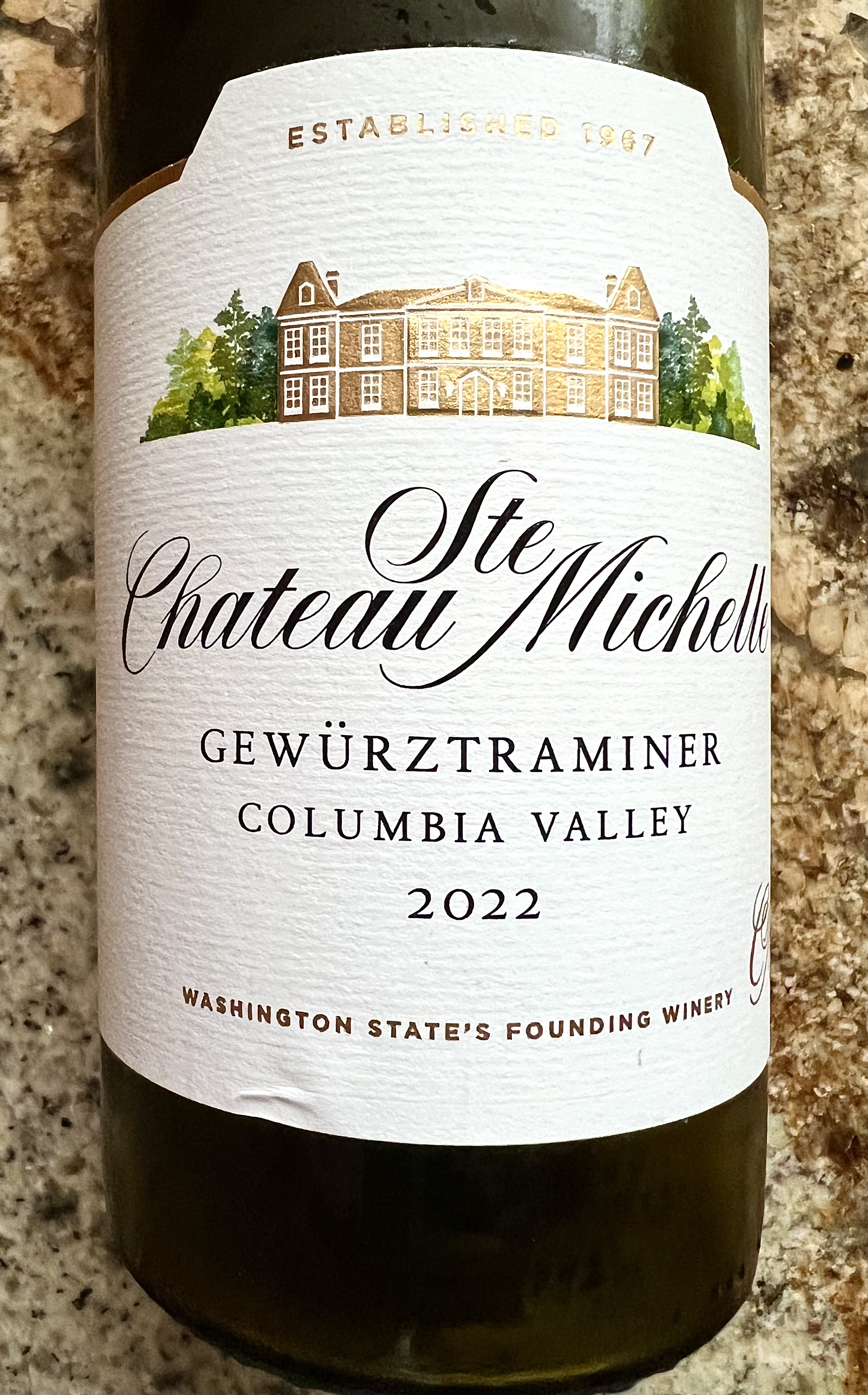
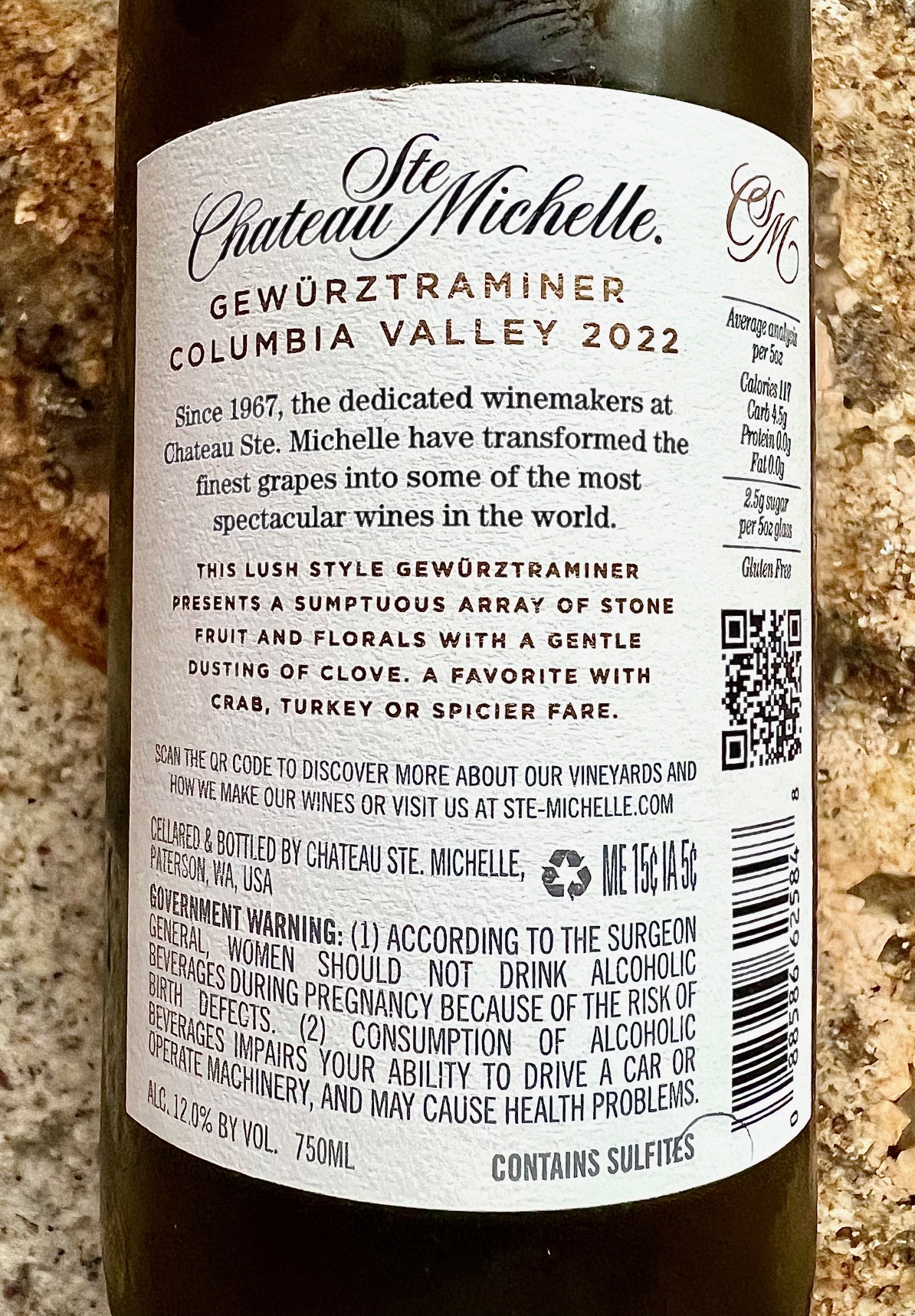
Today’s wine is Chateau Ste Michelle Gewürztraminer Columbia Valley 2022. Chateau Ste Michelle is a mega-winery with an extensive portfolio of wines produced under several labels. Chateau Ste Michelle is again an independent entity after being a subsidiary of tobacco companies for almost forty years.

Chateau Ste Michelle Gewürztraminer Columbia Valley 2022 blends 98% Gewürztraminer and 2% Muscat Canelli. Wine Spectator gave it a rating of 88 points. It has a lush mouthfeel with a sweetness just below semi-sweet. Flavors of stone fruit dominate throughout, especially the flavors of apricots and cloves. I found it benefited from aeration. It is a perfect match for spicy Thai cuisine or similar dishes. It is a suitable companion for enjoying a quiet evening under the stars. A 750 ml bottle is usually priced at or below $13 but can be found under $10, making it a solid value choice for a weeknight wine.

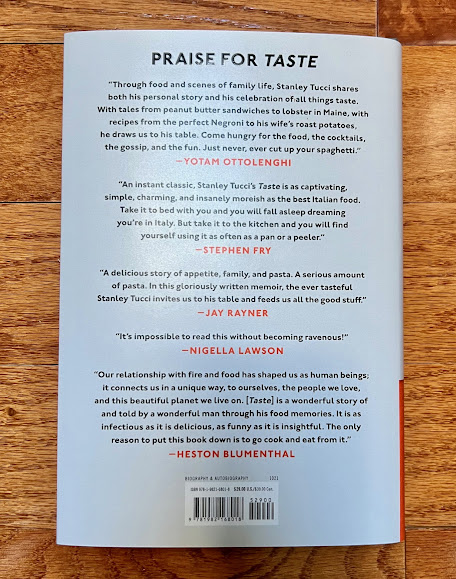
Book Review: Taste My Life Through Food by Stanley Tucci

If you are as big a fan of Stanley Tucci as I am, you will love this book. Stanley takes us on his lifelong odyssey with food and family. He begins with anecdotes about his childhood in the peaceful New York town of Katonah. He is the oldest of three children in a middle-class Italian-American family where the day’s activities culminate around the dining room table and what is for supper. You can hear that distinctive wry wit and humor that he is known for hilariously shining in his recollections of family events, all of which centered around food. These interactions would ultimately shape his entire life going forward. Tucci marks the milestones of his life involving people, places, and events not with dates on a calendar but with specific meals or other food-centric references. Just as he savors his life through culinary pursuits you will savor each chapter wishing you can linger a bit longer at the table with your host. The last chapter recounts his battle with oral cancer in vivid detail. He shares his candid memories, private thoughts, and emotions as his ordeal stretched endlessly over months that turned into years before his victorious complete recovery. I highly recommend this book to anyone who loves and understands the impact that food and family play in how you experience your journey through life. 

One final note for fans of Stanley Tucci: Searching for Italy. Stanley Tucci is returning to television. National Geographic has confirmed it plans to film a new show starring Stanley Tucci in Italy. It will be a ten-part unscripted docuseries exploring ten regions of Italy. The project will be called “Tucci-The Heart of Italy”. It will be produced by Tucci’s Salt Productions and BBC Studios’ Factual Productions. 

Addio per ora 🇮🇹

Biltmore Estate Sangiovese Limited Release 2020

On a visit to Asheville, North Carolina we toured the Biltmore Estate. Biltmore was the home of the Industrialist, George Vanderbilt. I highly recommend experiencing this remarkable piece of American history and learning about how it was on the cutting edge of many things we take for granted today. With the price of admission to the mansion and grounds you also receive a complimentary wine tasting at the winery. The winery at the Biltmore Estate is the most visited winery in North America. We enjoyed our tasting and purchased several bottles. Their wines are well made, good quality, and fairly priced. 

One of the bottles we bought was their Biltmore Estate Sangiovese Limited Release 2020. It is a ruby-colored wine with a medium body displaying more than ample acidity to pair with food while not overpowering its fruit flavors. Biltmore Estate Sangiovese Limited Release 2020 pairs perfectly with pasta in a hearty red sauce or grilled meat.