Interview: Alfredo “Alfie” Alcantara, dear native grapes Winery & Vineyard

The last time I checked in with Alfredo “Alfie” Alcántara was in July, just before he and co-owner Deanna Urciuoli celebrated the grand opening of their vineyard and winery in Walton, New York. Situated in the Catskill Mountains, dear native grapes is dedicated to reviving American heritage grape varieties that have been largely overlooked by the modern wine industry after being a mainstay of winemaking during the pre-prohibition era. To say the least, dear native grapes has been a resounding success, so I decided to see what “Alfie” has been up to and what’s next for these fearless wine romantics. 

The following is my interview with Alfredo Alcántara verbatim and unedited for length.

Rich wpawinepirate:

First, I would like to congratulate you and Deanna on the successful launch of your groundbreaking vineyard and winery, dear native grapes. I appreciate you taking the time to talk with me because I know you have also been busy with the premiere of your latest documentary, “The Age of Water.” 

Can you share some of your experiences and candid thoughts, both personal and professional, about the events of the last few months and your plans for dear native grapes?

Alfredo “Alfie” Alcántara:

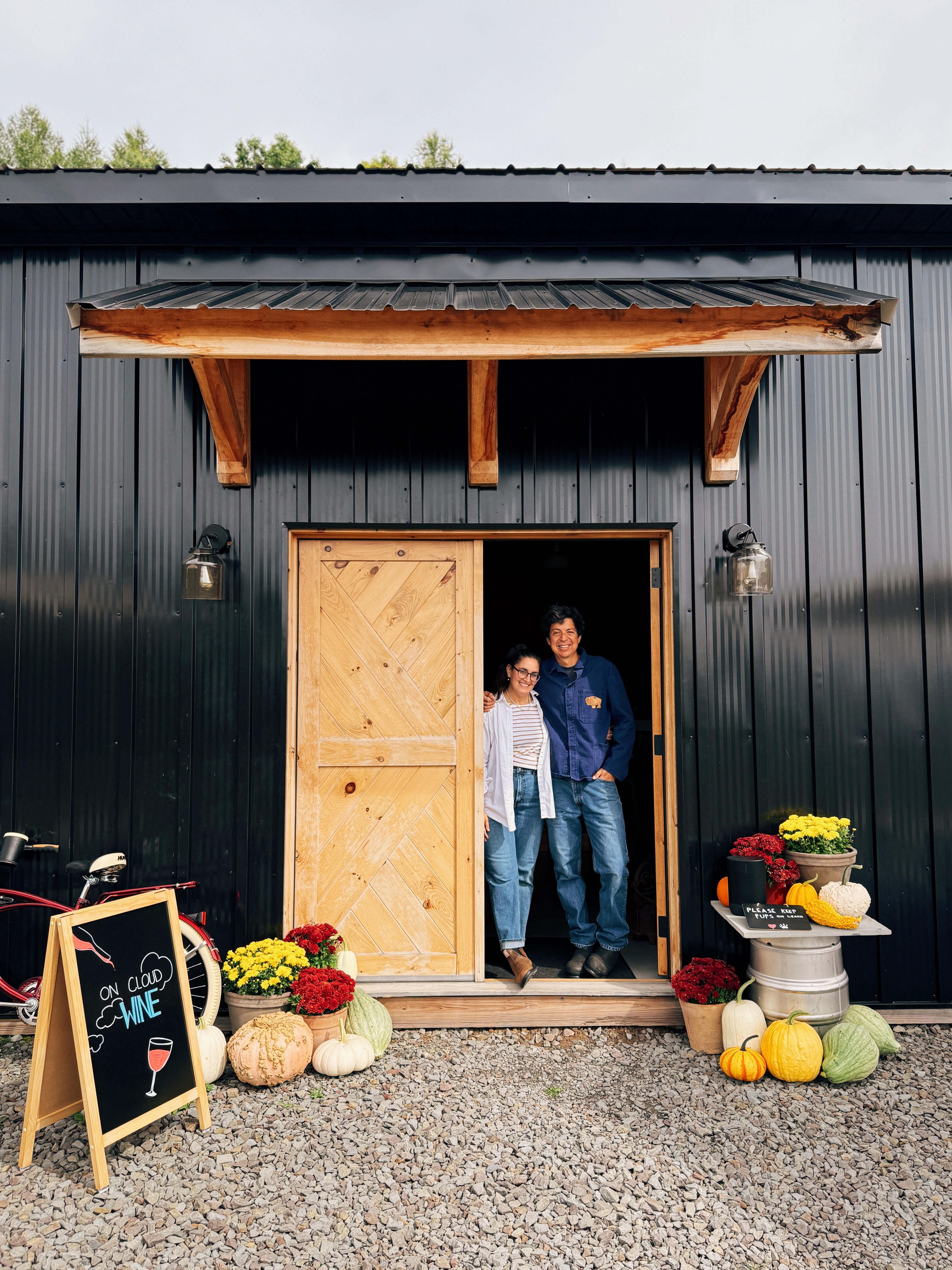
Thank you, Rich! We feel so fortunate to have reached this milestone and finally share it with others. We opened our winery doors to the public in July, and we feel like time has flown by. Opening day was an absolute party. It almost felt like our own wedding, with so many friends and family, as well as visitors from all over, gathering to celebrate. Everyone was so excited to see and experience this project, taste the wines, and learn about the history of American grapes. We got lucky with the weather that day; the sun was shining, our friend was spinning records, a local Mexican restaurant was making delicious tacos on site, and everyone had a great time. Of course, Deanna and I were running around trying to make sure everyone had a glass of wine and keeping up with dirty dishes and glassware…that we barely got to sit and chat with folks! We’ve been open every Saturday since then, and every weekend has brought a new set of rich and enlightening experiences. 

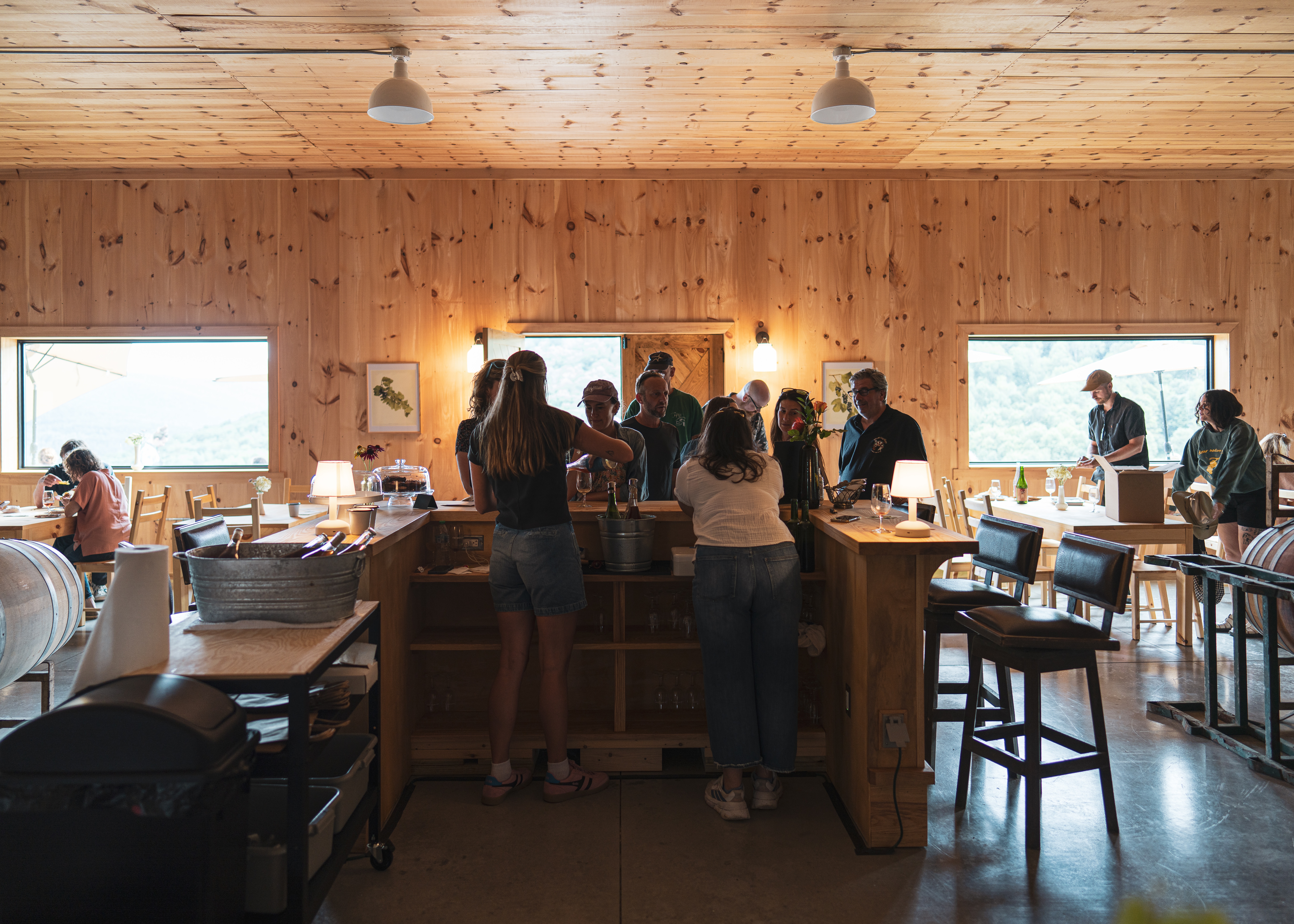
One of the coolest things we’ve seen is how the space has evolved from being a dream that only Deanna and I had into a shared community space that now belongs to many. We love it when guests arrive, they order their wine, and sometimes they sit with their book and blanket somewhere out in our fields, or they bring their families and set up a picnic for the day. The winery is situated at the top of our vineyard and is surrounded by the beautiful Catskill mountains, so many folks see it as a place to commune with nature and relax. Every Saturday, we’ve hosted a local food pop-up or food vendor. Initially, our goal was to increase our offerings, but we’ve also noticed how each food vendor has elevated the winery space by sharing their heritage and cooking background. Folks now look forward to trying different cuisines and we are blessed to have so much culinary diversity in our Catskills region. 

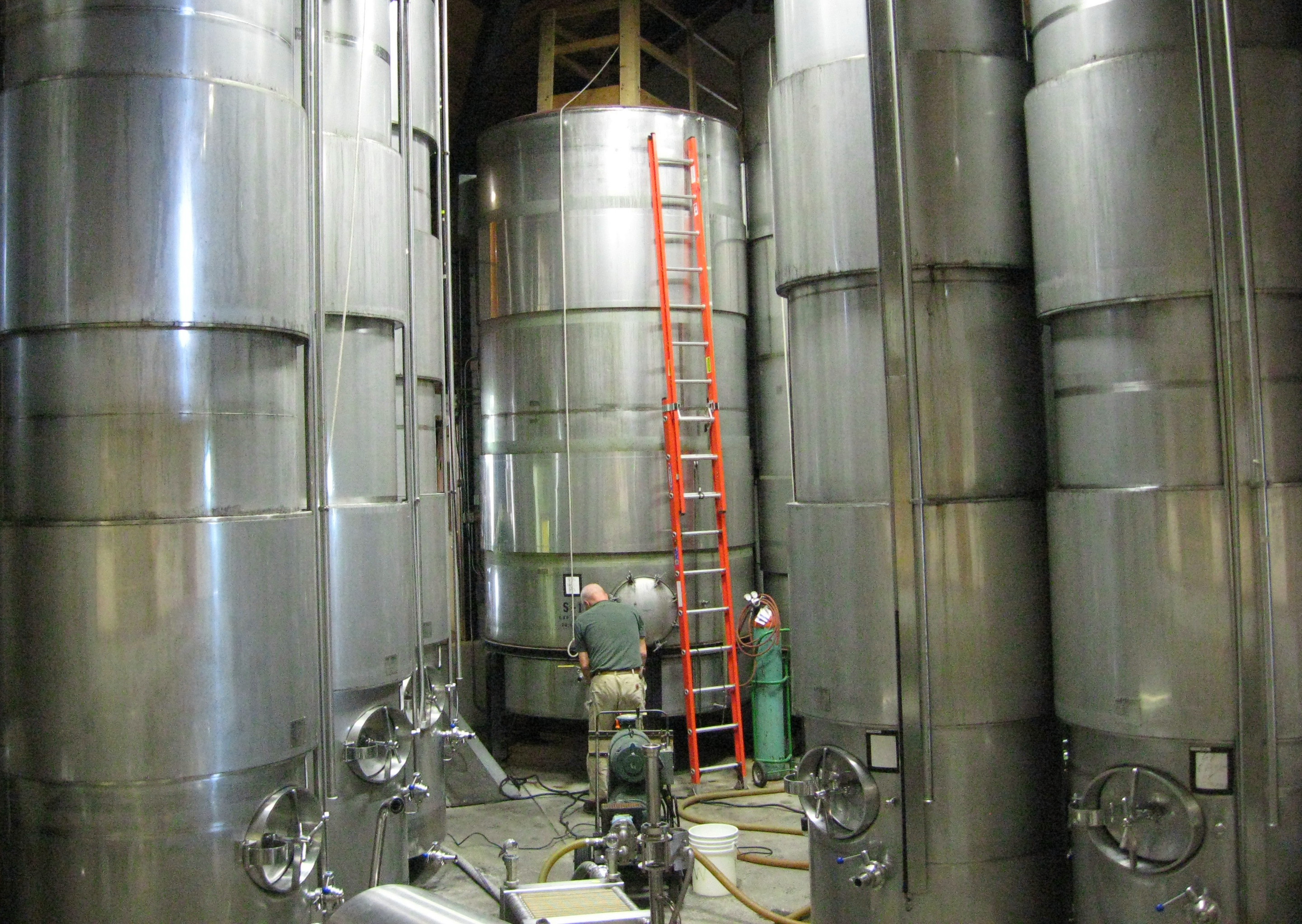
We’ve also hosted a basket-weaving workshop, a live music event, and a special Friday evening dinner party. All this to say that we feel so excited to see the space come to life, and at the same time so exhausted. Even though we only open on Saturdays, both Deanna and I still hold our day jobs during the week, and the management of the winery and the prep before each weekend has been rigorous. We’ve also struggled to manage and maintain both the winery and the vineyard, since it’s just the two of us at the moment. We’ve gotten really good at making to-do lists at the beginning of each week. I can’t say we’ve ever been able to cross everything off, but it definitely helps! The winery tasting room is also our production space, and as you can imagine, wine production can at times be very messy and unsightly, so we’ve had to be even more aware of our organization and cleanliness. However, many guests have told us they really like to see the production area. They feel closer to the wine and where it comes from. 

The main takeaway from these past few months is the realization that we’re now making wine for our community, and that’s a really cool feeling. And more and more, our guests are casually enjoying wine made from little-known American varieties without hesitation. It’s becoming totally normal for them to drink wine made from Delaware, Steuben, or Catawba grapes. That’s literally the goal of the project, and it’s been amazing to see in action. We’ll be taking a small hiatus in January to recharge, dream up future events, and oh yeah..make more wine! 

If your readers are interested in visiting us, the winery is located at 17 Crawford Rd, Walton, NY 13856. We keep our website updated with upcoming events, so feel free to check that out too! dearnativegrapes.com

Thank you again, Alfie, for sharing your unique perspective and candid insights about your wine journey. Wishing you all the best and continued success!

Photo Credit: Jason Martin Photo Credit: Katie Gregoire
Wine Review: Bogle Petite Sirah 2021

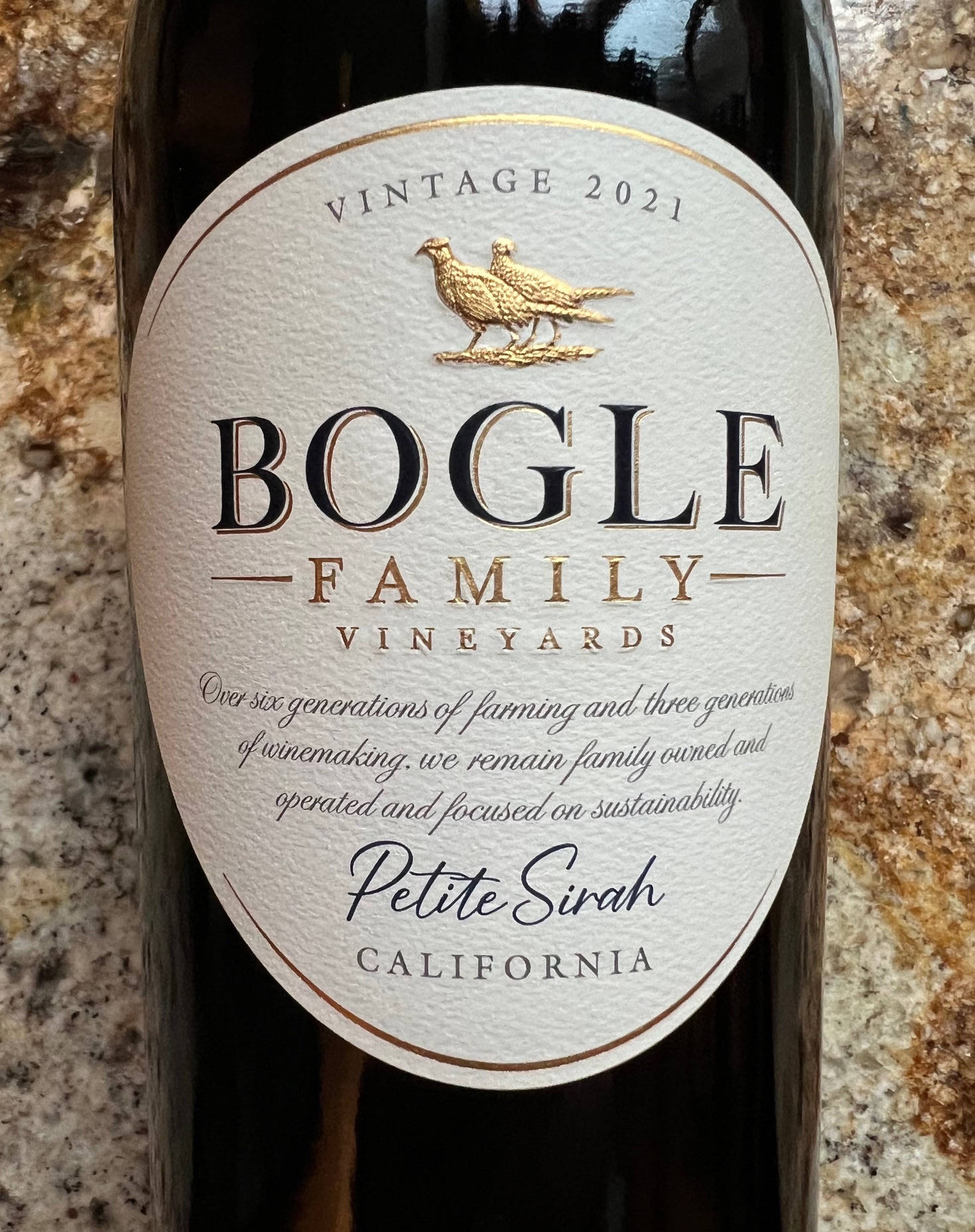
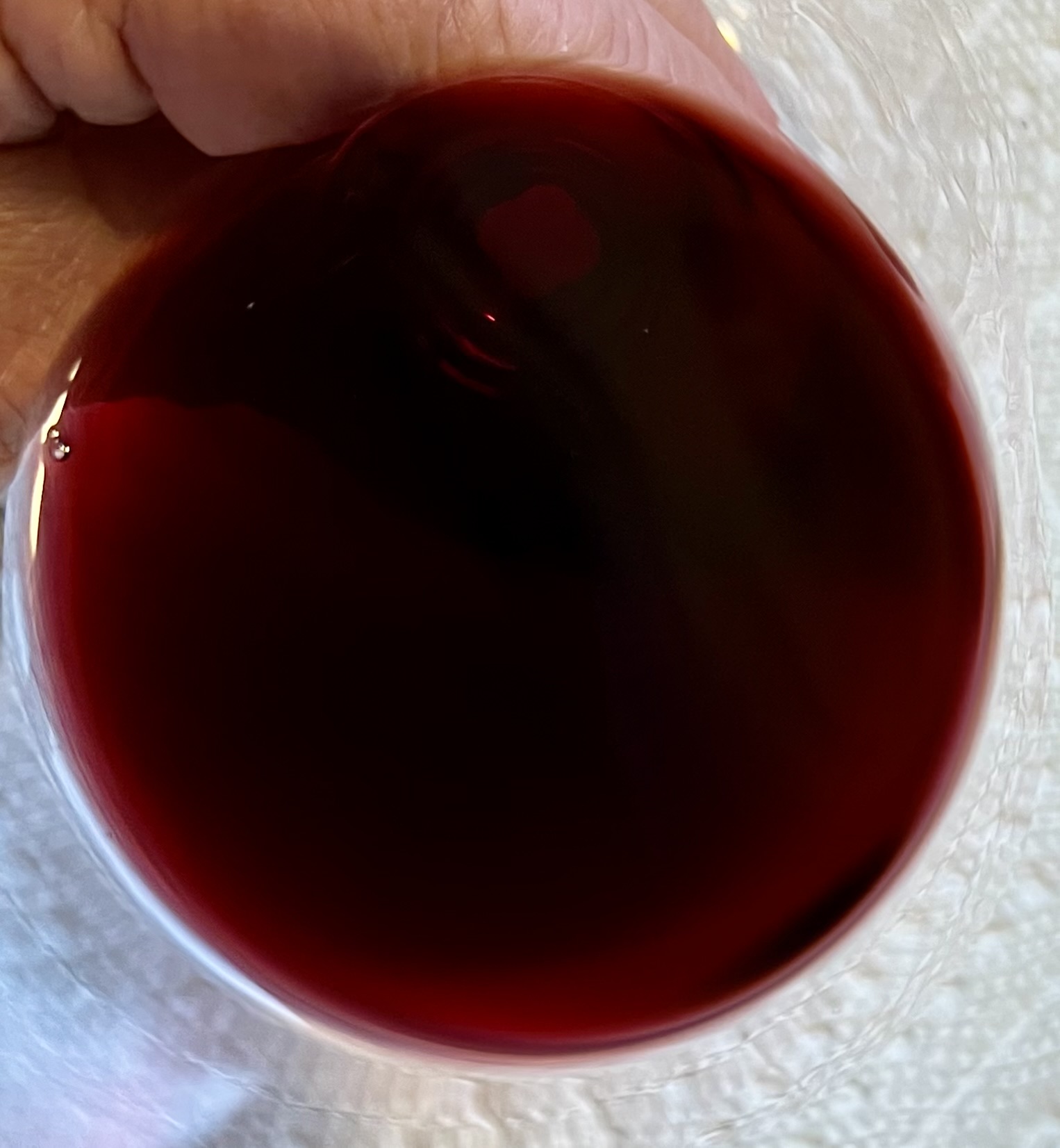
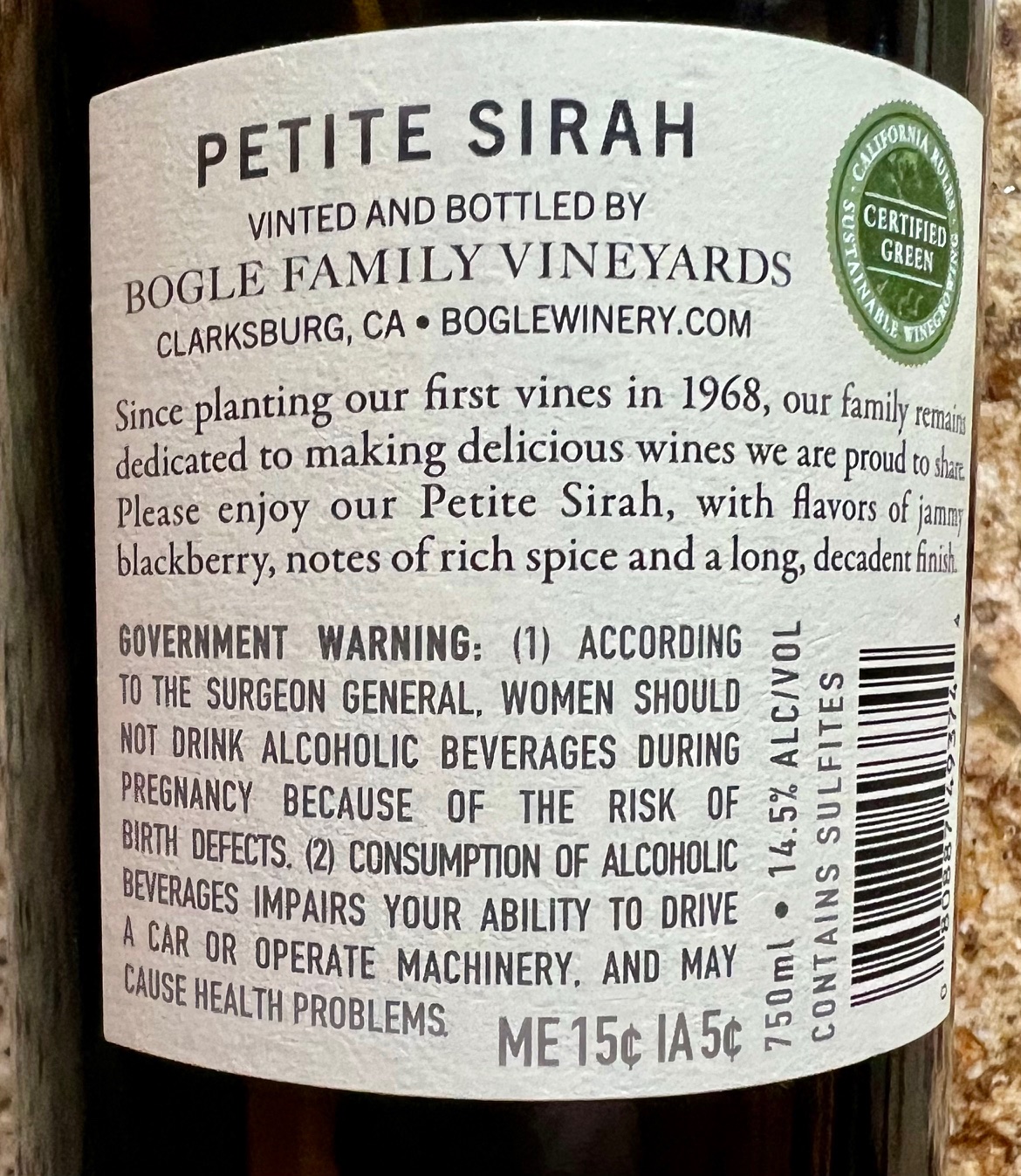
Bogle Petite Sirah 2021 is a good choice for anyone looking for a dark, full-bodied California red wine that is approachable and not as “big” as many of the California Cabernet Sauvignons are. Notes of dark berries lead to flavors of dark berries, think blackberry and blueberry. It has a long finish featuring balanced tannins and acidity with a hint of oak. Best paired with hearty fare like grilled red meat, lamb, burgers, or pasta in red sauce. Always a bargain at less than $15 a bottle. 

Travel Guide: Finger Lakes Wine Country of New York

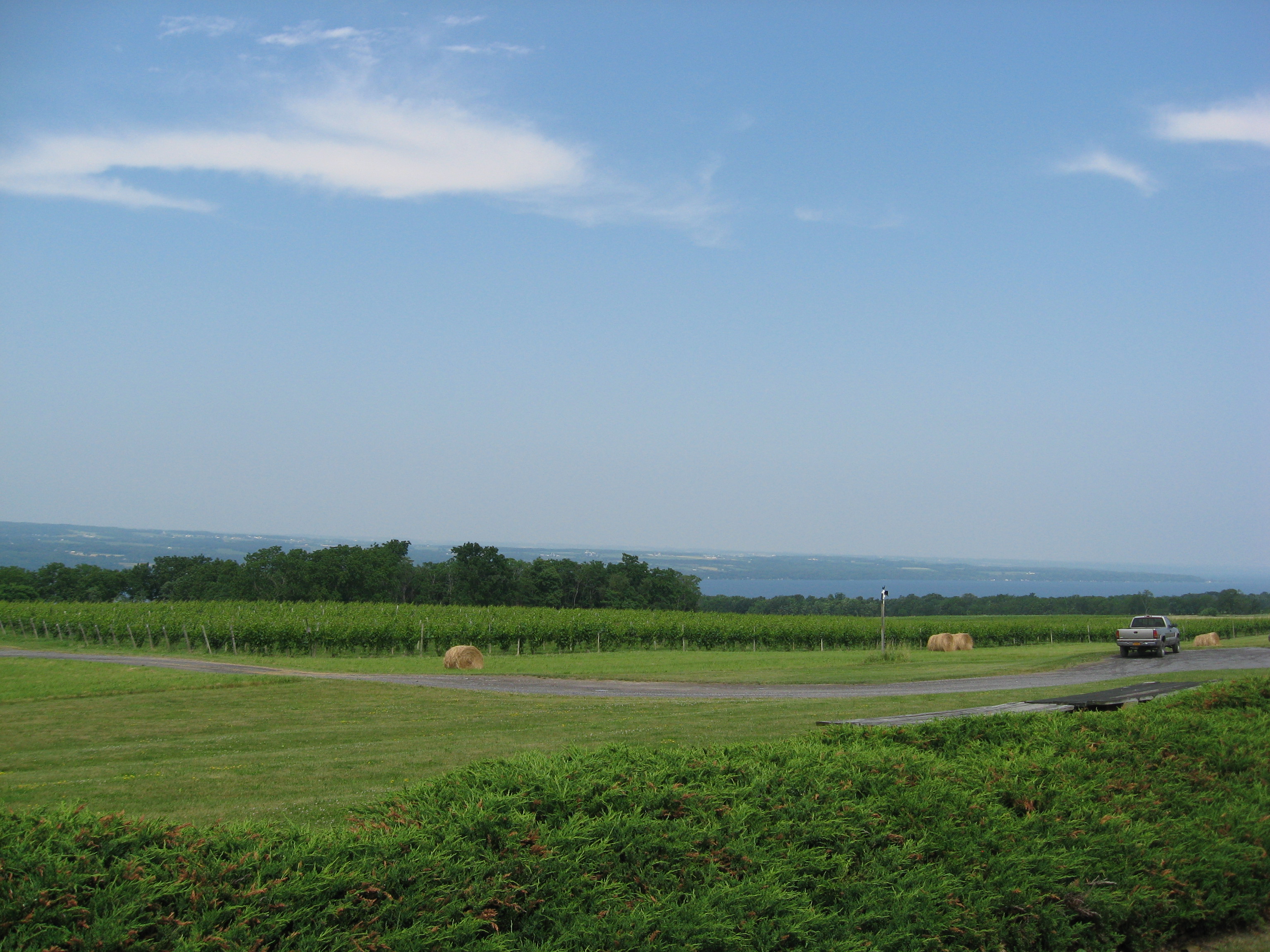
In the upstate region of New York, encircling the beautiful deep glacial lakes, the Finger Lakes Wine Country (FLX) has been the epicenter of New York winemaking for nearly two centuries. The vineyards and wineries around the eleven narrow (finger) but deep lakes benefit from them acting as heat sinks and as a result moderating the temperature close to their shores, most notably the eastern shores due to the prevailing westerly winds. 

Seneca is the largest and deepest lake and has the most wineries around it. Keuka is west of Seneca, and Cayuga is to the east. Both are short drives and shouldn’t be overlooked when visiting, as they both feature outstanding wineries that will enhance your wine-tasting and scenic FLX experience. You can’t see all of Finger Lakes Wine Country in one visit, and even if you could, you would be cheating yourself out of many exciting and entertaining return visits. I recommend planning to spend two full days on your first visit to acquaint yourself with the area and learn how to efficiently navigate around the lakes. There are no bridges to cross the lakes, so you must drive around them to reach the other side. A good starting point for your adventure through this enchanting area is to stay in Watkins Glen at the southern tip of Seneca Lake or in Geneva at the northern tip to make your itinerary planning easier. A GPS or navigation app, like WAZE, is your best bet when traveling between points of interest in this rural area. They can provide valuable information about the availability of food, fuel, and other necessities. It is important to have a plan mapped out with the activities you want to do in the order you will arrive at them, while following your plotted travel path to avoid needless driving. Finger Lakes Wine Country is a wine lover’s paradise, but safety must come first when driving and wine tasting. Having a designated driver or hiring a wine tour company are your best options, but if that’s not possible, please use your common sense to keep everyone safe. 

Here are a few suggestions for your consideration. 

Seneca Lake (western shore):

In my opinion, Herman J. Wiemer Vineyards is the best Riesling producer in North America, and doing a tasting there is a master class in terroir. 

Belhurst Estate Winery has three hotels, two restaurants, craft beer, a spa, and a castle. 

Anthony Road Wine Company is a landmark winery in the FLX. 

Seneca Lake (eastern shore):

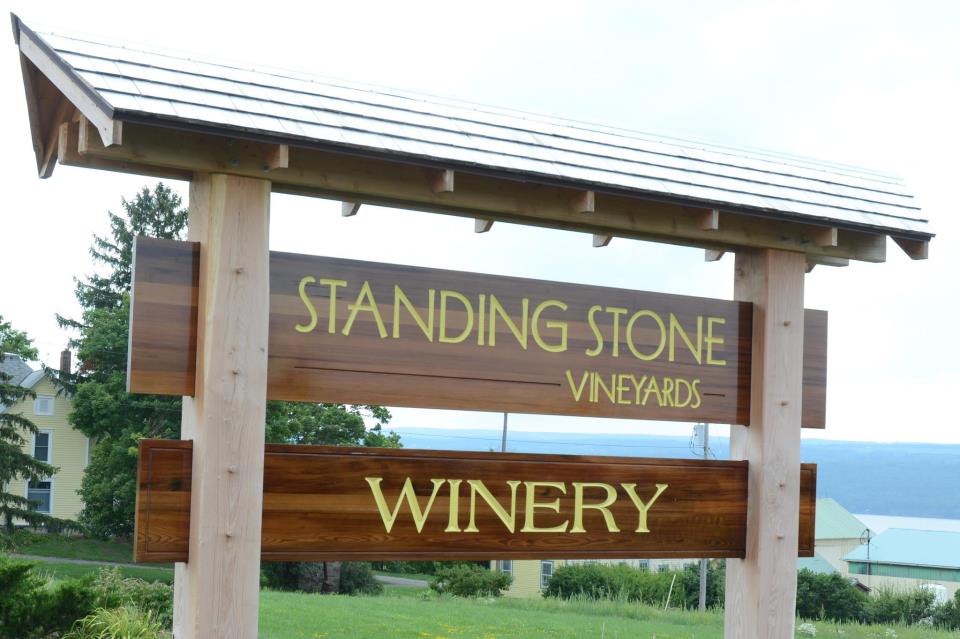
The Standing Stone Vineyards story begins as a Gold Seal property with the famous wine visionaries Charles Fournier and Guy DeVaux planting Riesling and Chardonnay there in 1972 and 1974. Standing Stone continues to make excellent wines today as the sister winery to Herman J. Wiemer Vineyards.

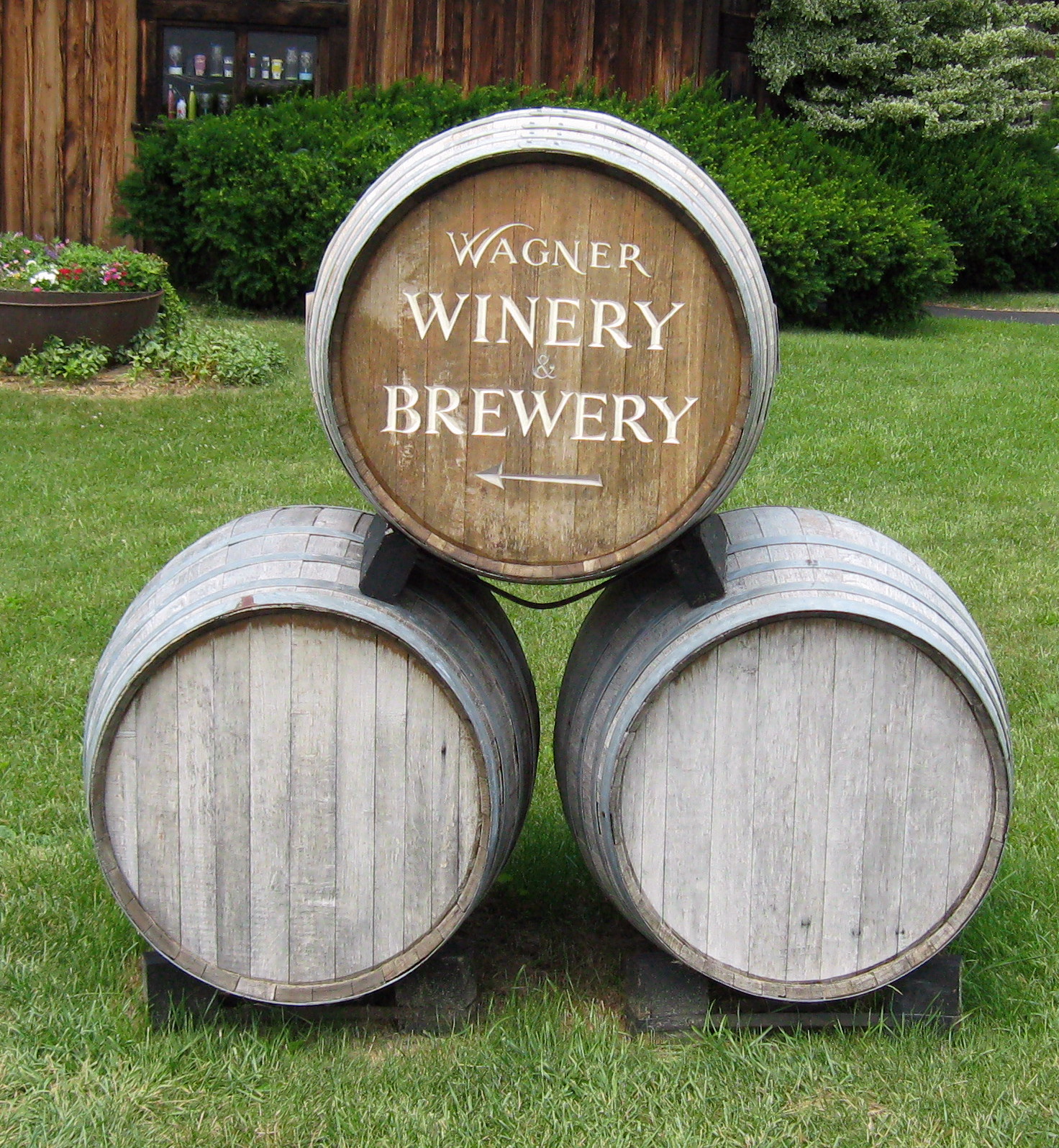
Wagner Vineyards Estate Winery is a decades-old Seneca Lake tradition featuring a winery, gift shop, cafe, and craft brewery. 

Keuka Lake:

Dr. Konstantin Frank Winery is the former home of the legendary Dr. Konstantin Frank, whose pioneering work growing vinifera wine grapes in the region transformed winemaking in the eastern United States into what it is today. This is an absolute must-visit winery. 

Domaine LeSeurre Winery is a French winery in the FLX, enough said. 

Cayuga Lake:

Hosmer Winery offers a relaxed setting with a casual tasting room. 

Sheldrake Point Winery has its vineyards and tasting room on the water’s edge of Cayuga Lake. 

These are only a few of the many wonderful vineyards and wineries that you will find in Finger Lakes Wine Country. I have written several articles about our trips to the area, which can be found on this blog by searching “Finger Lakes”. I hope this post has piqued your interest in the Finger Lakes because there is so much to see and do there, especially for wine lovers. Happy hunting!

Wine Review: Kendall-Jackson Vintner’s Reserve Chardonnay 2022

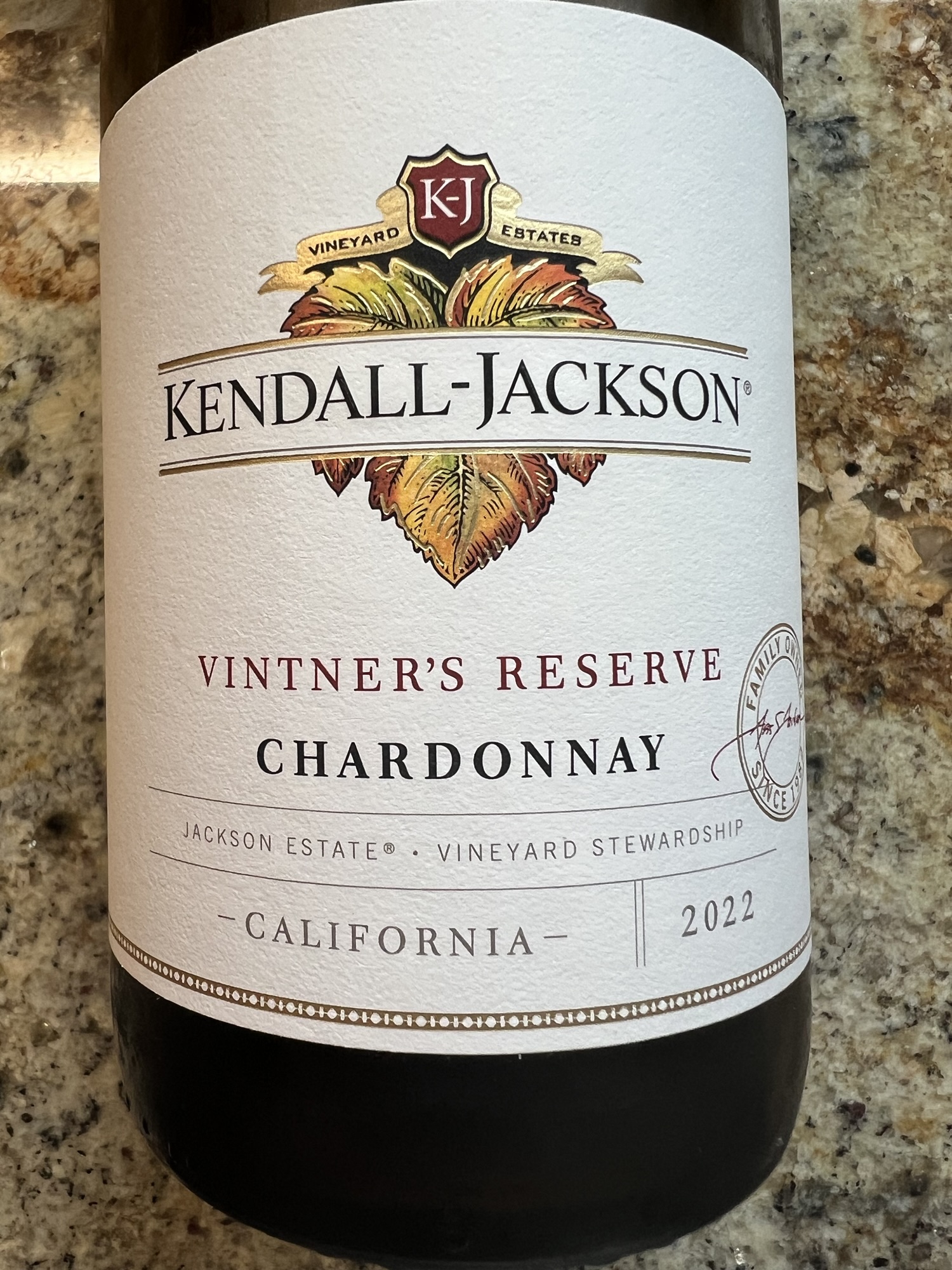
Next up in my series of wines in wide distribution is Kendall-Jackson Vintner’s Reserve 2022. The Kendall-Jackson Vintner’s Reserve Chardonnays have been America’s best-selling Chardonnay for 30+ years for good reason. Their 2022 is no exception because it adheres to their successful approach of producing a crowd-pleasing Chardonnay that is not too dry, too sweet, too acidic, or too much oak but is also food-friendly, easily available, and all for the value price of around $15. If you are looking for a Chardonnay that will pair nicely with your Thanksgiving turkey and will be a hit with your guests, consider this time-tested cool coastal region California Chardonnay. P.S. It even has a screw cap to make your hosting duties easier. 

Wine Review: The Federalist Zinfandel Lodi 2019

The latest entry in my ongoing series of reviews featuring enjoyable and affordable wines that are widely available highlights a Lodi, California Zinfandel. The Federalist Zinfandel Lodi is not the Zinfandels of folklore that were rendered from zinfandel grapes shipped from the Cucamonga Valley of California in crates adorned with colorful labels depicting the cultural heritage of the region. Those wines were big, bold, “over the top” wines with high alcohol content. What made those wines unforgettable wasn’t their high quality but the physical link they provided to the immigrant communities, which made them feel connected to their homelands and the cherished memories of people and places they left behind in search of a better life in America.

The Federalist Zinfandel Lodi 2019 is a good example of a Zinfandel from Lodi, California. It displays a bold but restrained body with flavors of dark fruit and cherries that complement its tannins, leading to a surprisingly smooth finish. It can be easily found for less than $20 a bottle and at that price point represents a good “QPR” (Quality-Price Ratio) value buy.

Wine Review: E. Guigal Côte du Rhône Rosé

I have always advocated for drinking Rosé year-round, but I must admit that I enjoy it more during the warmer months, when it pairs well with the lighter fare of the season. Rosé is a flavorful choice to enjoy with grilled fresh fish, pork, or chicken, along with locally sourced “farm to table” produce/products. I am hearing that some sommeliers are even pairing it with steak. Well, that’s interesting. What do you think? Rosé from southern France is synonymous with the daydream of spending a leisurely afternoon relaxing at a sun-drenched seaside bistro while basking in the sights, sounds, tastes, and aromas of the region’s idyllic lifestyle. 

We can’t all just jet off to the French Riviera on a whim, but we can certainly get a taste of the good life by enjoying a nice bottle of rosé. 

E. Guigal is a dependable producer of quality wine from the Southern Rhône Valley. E. Guigal Côte du Rhône Rosé is a classic expression of a well-balanced southern Rhône rosé with delicate notes of citrus and raspberry leading to a medley of red fruit flavors. The beauty of this wine isn’t limited to its color in your glass, but to its budget-friendly price of less than $20, and that you can easily find it almost anywhere.

Photo Credit: E. Guigal

Interview: Alfredo “Alfie” Alcantara, Winemaker, Vigneron, Emmy Award-Winning Producer, Director & Cinematographer

In the town of Walton, nestled in the Catskill Mountains of New York, reside a couple of forward-thinking winemakers and vineyard owners who are looking to the past to chart a possible path forward that could help the wine industry survive in a world facing the uncertainty of climate change and other challenges. 

Alfredo “Alfie” Alcántara and Deanna Urciuoli, co-owners of Dear Native Grapes, are members of a small but growing vanguard of winemakers who are reviving forgotten and seldom-used native grapes to produce natural wines. These resurrected wines not only display distinctive flavors but also serve as a vehicle to expand the diversity of the vines that are being planted in vineyards.

Alfie is an Emmy award-winning documentary producer, director, and cinematographer whose latest critically acclaimed film, “The Age of Water,” delves into the human toll that Mexico’s water crisis is exacting on its people. The “Age of Water” will air on September 28th, 2025, on PBS. I was able to catch up with Alfie and ask him about the grand opening of dear native grapes tasting room and what else he has been up to. The following is my unedited and verbatim interview with Alfredo Alcántara.

1. Congratulations on the grand opening of your tasting room. What can your guests look forward to when they visit ‘dear native grapes’ on opening day and in the future?

“Thank you! We are beyond excited to finally open our doors and welcome visitors.

It’s been five years since we started ‘dear native grapes’ in the garage of our home. In that time, Deanna and I got used to navigating a tight maze of fermenters, barrels, and packaging material that we stuffed into our small space, and somehow we were able to launch our little winery. Producing wine in the garage was a romantic idea, but we knew we had to scale up to grow our business. 

In 2023, we pooled our savings to pay for the construction of a pole barn that would one day house our production area as well as a small tasting room to host visitors to the farm. Since then, we’ve been hard at work getting the space ready. 

We’ve always felt passionate about sharing the story of America’s wine grapes, and we believe folks might feel equally inspired to see these grapes actually growing and thriving at our site. It’ll be even more exciting to have visitors taste the unique and expressive wines that these grapes can produce. We hope that experience will inspire more ideas and conversations around the potential of American grape varieties. 

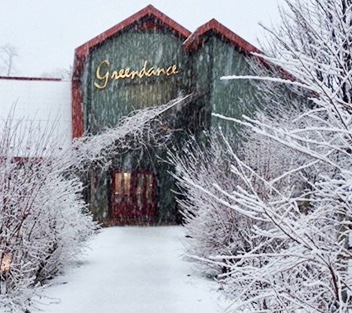
The winery is situated at the top of our vineyard and is surrounded by the beautiful Catskill Mountains. We hope it serves as a space for community building, inspiration, and relaxation in nature. We’ll also be featuring local food vendors and food pop-ups that showcase the culinary diversity of our region. 

Our opening day is July 19th, 2025, and we’ll be open every Saturday from 12pm to 7pm.”

2. You have chosen to grow and craft your wines from non-traditional native and hybrid grape varieties. What is your vision for dear native grapes?

“At its core, dear native grapes is an educational project designed to shed light on valuable grape varieties that could pave the way for more diverse, climate-resilient winemaking, energizing local economies in the process.

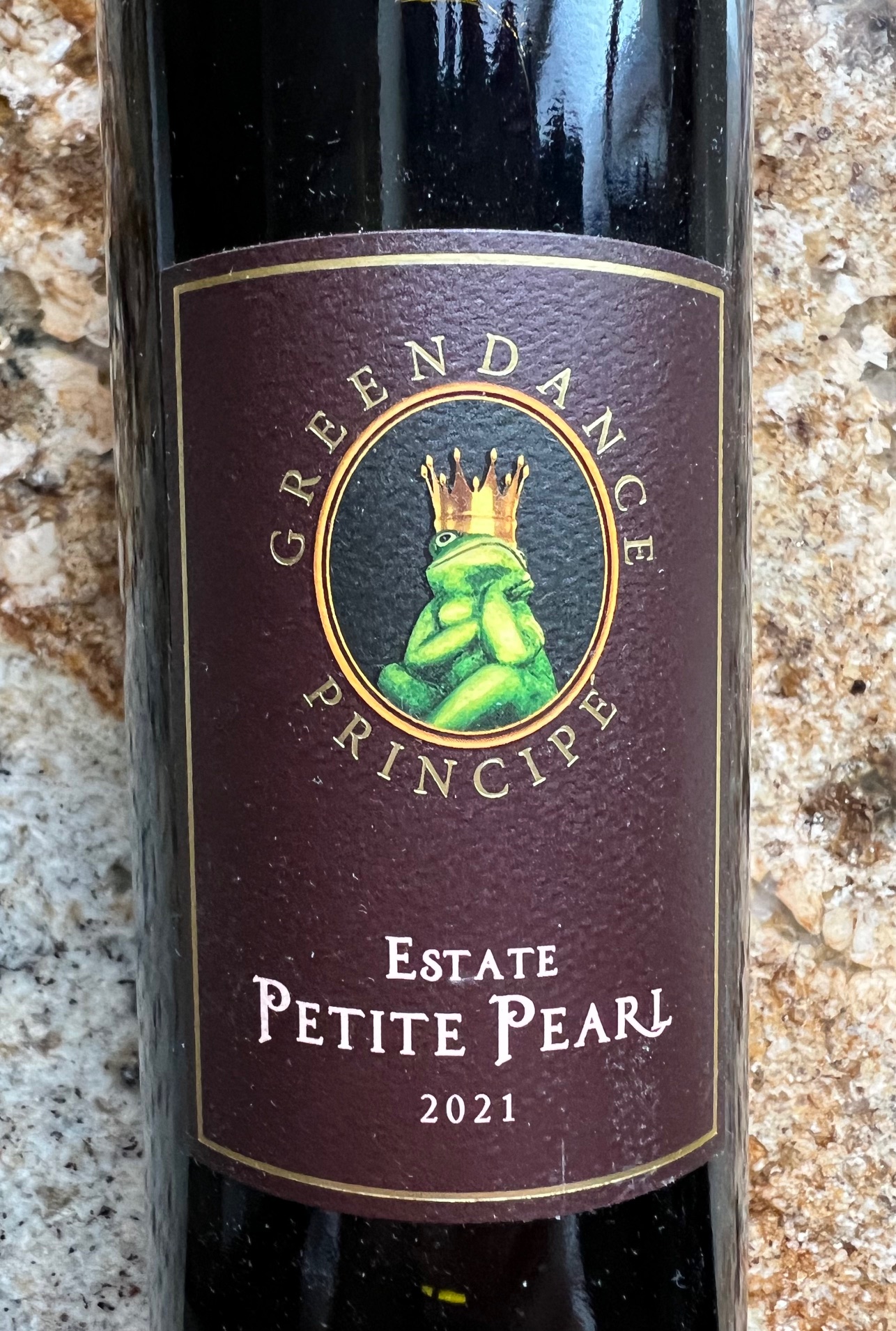
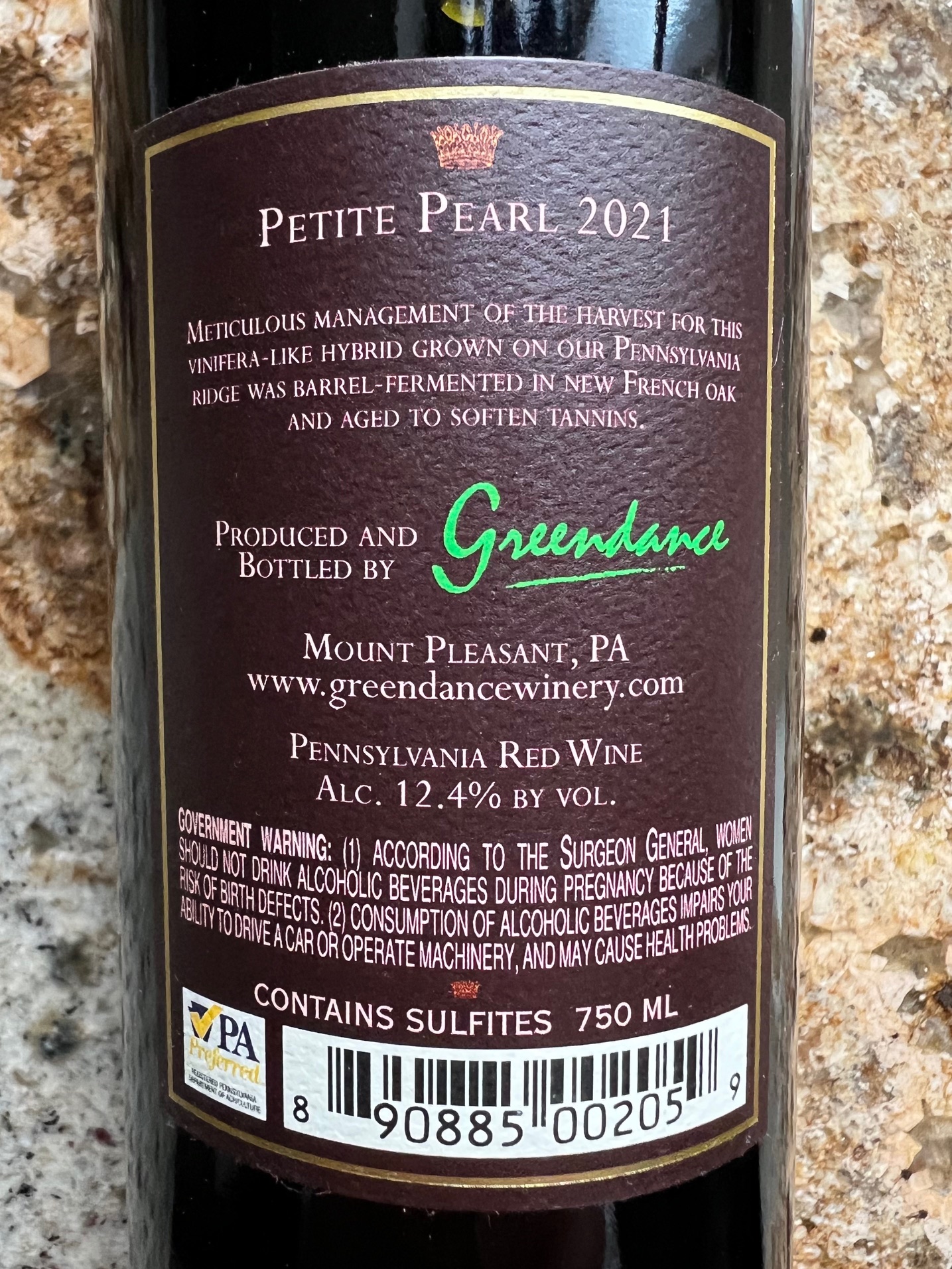
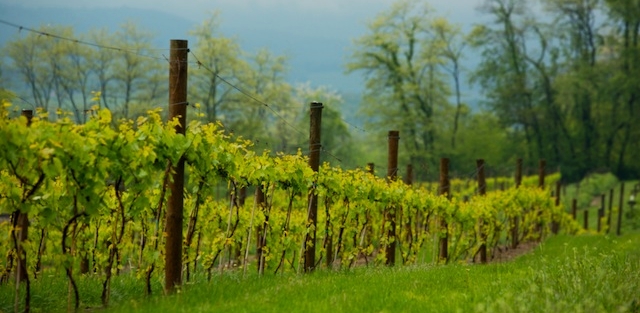
Our vineyard is an experimental plot meant to test the resilience of several dozen varieties. Since planting in 2020, we’ve already begun to see some really exciting results. A handful of varieties–both heritage and newer cultivars– have stood out as promising for our region. Our site is on a windy ridge top that gets pummelled with all sorts of weather throughout the year. The growing season is short, the winter is very cold, and there’s a danger of frost at each end of the season. So being able to successfully get these grapes through harvest is really encouraging. Among the heritage and heirloom varieties that have performed well are Delaware, Wine King, and Empire State. Among the newer varieties, Petite Pearl and Brianna are becoming the clear winners in terms of growth, disease resistance, and overall resilience.” 

3. Tell us about your wine journey, how it brought you to where you are today, and your plans for the future. 

“I think I may have some weird past-life connection to winegrowing. Since I was a kid, I dreamed of growing grapes. For some reason, it has always resonated with me. I met Deanna in college, and we lived in Brooklyn for ten years. During that time, we fell in love with natural wine. We got to taste wines that felt alive and vibrant. Many were made from indigenous grapes grown in regions we had never heard of. We were truly inspired each time we experienced a different bottle. And so that really got our gears turning. 

During that time, we stumbled upon the history of America’s native grapes and how we had lost so many varieties during Prohibition. We learned about the rich history of New York winegrowing and its steep decline during that time period. How could such an important face of American viticulture fade away into obscurity? We were instantly hooked. I would talk to Deanna non-stop about the possibility of pursuing this as a serious business: we could bring some of these grapes back into production, and help restore value back into long forgotten varieties. 

Deanna pushed me to volunteer at farms and wineries, and we took business planning courses. She’s a great financial planner, and so she put us on an aggressive savings plan for a few years. In 2019, we had saved enough money for a down payment on some farmland, and we decided to make the jump. We bought our place that same year, and in 2020, with the invaluable help of friends and family, we planted our 5-acre vineyard. In 2021, we had the opportunity to make wine from old vines grown at Buzzard Crest Vineyard on Keuka Lake, and we released our first vintage in 2023. That same year, we had the opportunity to work with Stephen Casscles, author and grape historian, who has cultivated a vineyard of rare and nearly-extinct heritage varieties. Steve has become one of our wine mentors, and we’ve made wine from his grapes for the past two years. This year, we hope our home vineyard yields a significant harvest. 

We feel like the past five years have flown by… We’ve been on the steepest learning curve we’ve ever experienced, constantly challenged by the realities of rural living and farming, and constantly humbled by Mother Nature. However, we feel so grateful each day to have the opportunity to pursue this project. It’s brought so much richness to our lives in terms of the community we’ve been able to foster around us. As we gear up to open the winery to visitors, we feel like another chapter is about to begin: one where we can finally start sharing the story of American grape varieties with a wider community. That’s our ultimate goal!”

Make plans to attend the grand opening on Saturday, July 29th 2025, from noon to 7pm, or visit any following Saturday, noon to 7pm

Thank you, Alfie, for taking time from your busy schedule to give us a heartfelt glimpse into Deanna and your quest to make dear native grapes a reality. dear native grapes is truly an example of a “Labor of Love”

dear native grapes

17 Crawford Rd

Walton, New York 13856

alfie@dearnativegrapes.com

dearnativegrapes.com

Photo Credit: dear native grapes

It’s Sauvignon Blanc Season!

Warm weather has arrived, and with it the tradition of drinking lighter wines, like Sauvignon Blanc and Rosé. The reason this long-standing annual tradition continues is that it is enjoyable and satisfying on so many levels. 

For many, the mere mention of Sauvignon Blanc brings images of New Zealand and France to mind. While it is hard to go wrong when selecting a Sauvignon Blanc from either the North or South Island of New Zealand or the Loire Valley and Bordeaux in France, there are also outstanding examples of this wine being produced in other regions. California, Chile, Argentina, and Australia also make great Sauvignon Blanc. 

Sauvignon Blanc offers a diverse variety of taste profiles that vary widely from mouth-watering fruit-driven wines laden with citrus aromas to ones exhibiting a savory character filled with vegetal undertones that drift in the direction of green bell peppers and freshly mown grass. 

Depending on your personal preferences, you can find a Sauvignon Blanc that is made in a style and at a price point that meets your tastes and budget. 

It is no coincidence that SB shows up on dining tables as the seasons change. This versatile white wine boasts citrus notes that enliven seasonal fare while its bright acidity cuts through creamy sauces and buttery dishes. The perfect complement to seafood, shellfish, and any lightly prepared fish. Sauvignon Blanc really shines when paired with charcuterie boards. 

Consider these four well-made Sauvignon Blancs from California, New Zealand, and France. All are moderately priced, at around $30, and widely available. 

Rutherford Hill AJT Sauvignon Blanc 2022 (USA) Wine Spectator 94 pts James Suckling 91 pts Jeb Dunnuck 90 pts

Saracina Sauvignon Blanc Mendocino County 2023 (USA) Wine Enthusiast 95 pts

Cloudy Bay Sauvignon Blanc  Marlborough 2023 (New Zealand) Wine Spectator 93 pts

Domaine Philippe Raimbault Les Fossiles Sancerre Blanc 2023   (Loire Valley, France)
Photo Credit: finewineandgoodspirits.com

Albarino From Galicia, Spain

The Spanish region of Galicia is located on the northwestern corner of the Iberian Peninsula, north of Portugal. It is a verdant territory bordered by the Atlantic Ocean to the west and mountains to the east. The capital Santiago de Compostela is home to the cathedral where the remains of the apostle Saint James are believed to be buried. 

The rugged coastline and cold waters of the Atlantic are the source of the region’s bountiful seafood while the diverse inland areas provide unmatched agricultural products. Galicia is a rising star among food lovers and boasts thirty seven Michelin-starred restaurants. 

The wine producing district within Galicia is Rías Baixas. Rías Baixas is a Spanish Denominación de Origen (D.O.) wine region. It has a cool maritime climate with granite soils that contribute to its crisp dry aromatic white wine having high acidity, notes of citrus, and subtle salty character. Galician Albariño has long been the preferred white wine to pair with any of the seafood harvested from its abundance offshore waters and dramatic coastlines. 

If you are interested in trying a well-made Rías Baixas Albariño in the $20 range I recommend La Val Albariño 2022. It is bright with lively acidity, tangy citrus flavors, a lingering finish, and Albariño’s signature salinity. James Suckling rated this wine 91 pts. 

To learn more about this region you can watch two excellent food and travel hosts that have visited it recently. Award-winning travel show V is for Vino founder and host Vince Anter explores the wines and winemakers of Rías Baixas in Season 4 Episode 2. This episode and all his shows are available to view free on YouTube, as well as, other outlets. CNN presents Eva Longoria: Searching for Spain. She journeyed to Galicia in Season 1 Episode 5. Eva focuses more on the Michelin-starred restaurants of Galicia and local culture. 

Galicia is a fascinating part of Spain, totally unlike the traditional preconceptions of Spain we have grown accustomed to. The world is rediscovering what “Green Spain”, as Galicia, Asturias, Cantabria, and the Basque Country are often called, has to offer in terms of food, wine, beautiful landscapes, and lifestyle. 

Photo Credit: Google, finewineandgoodspirits.com, V is for Vino, CNN

Stanley Tucci’s “Tucci in Italy” has Premiered

If you loved Stanley Tucci’s food and travel show “Searching for Italy,” which became a phenomenon during the pandemic, you will be happy to hear that Stanley’s new show “Tucci in Italy” has just premiered. The five-part series began airing Sunday, May 18, 2025, on the National Geographic Channel and can also be viewed streaming on Disney+ and Hulu the next day. It may have taken a while, but we can once again traipse around five different regions of Italy with Stanley, enjoying their food and culture without leaving home. “Ciao di nuovo” Stanley!