The Finger Lakes Wine Region of New York: The Inns of Aurora Getaway

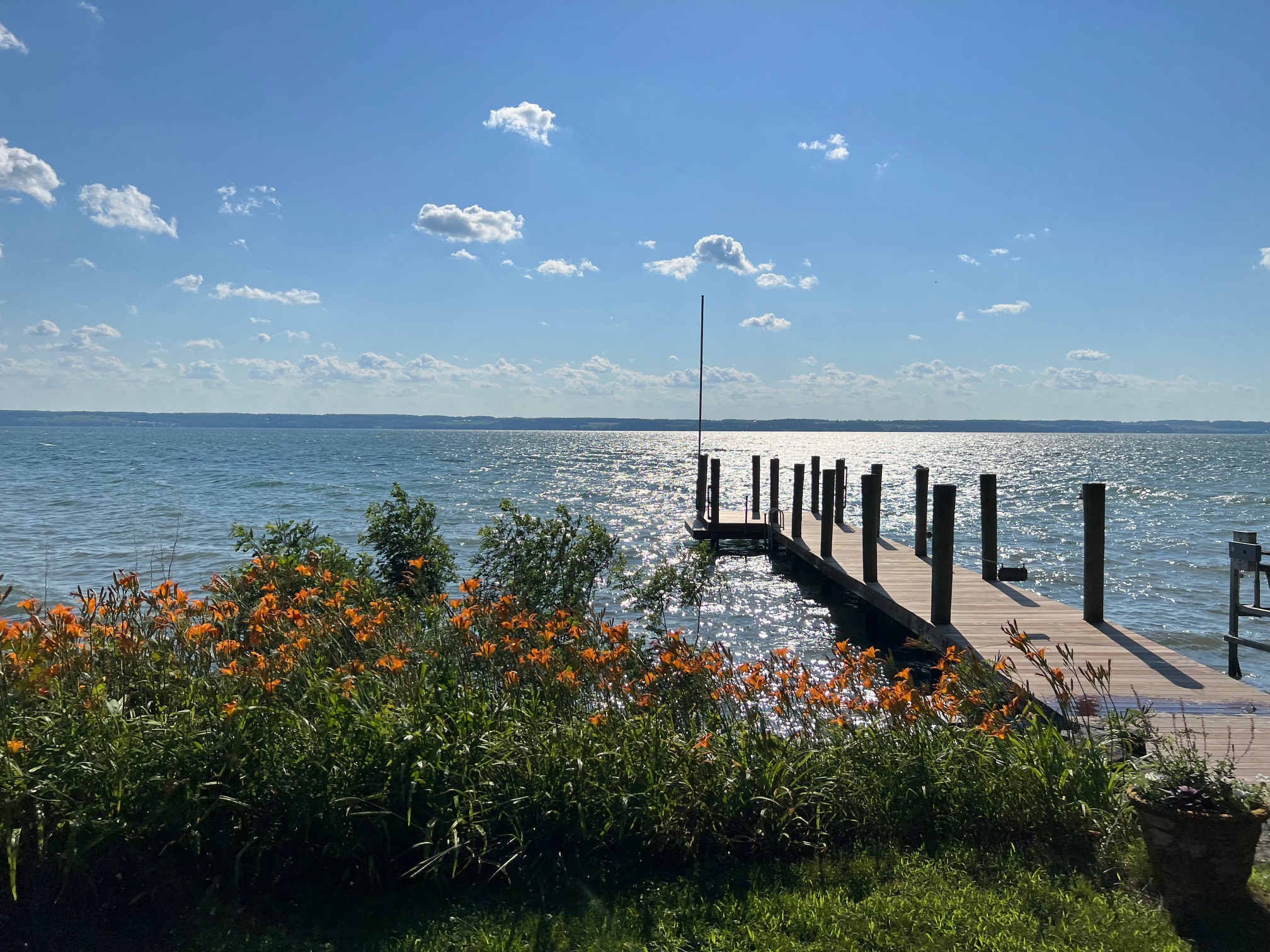
Recently my wife and I visited one of our favorite wine destinations, The Finger Lakes Wine Region of New York. We decided to stay in and explore an area new to us. Aurora, New York is on the shore of Cayuga Lake, about halfway up the lake on the eastern side. This idyllic small town is home to the now-closed Wells College and MacKenzie-Childs studio. When I am asked to describe Aurora I tell people to imagine a real-life “Hallmark Movie Channel” town. 

We stayed at the Zabriskie House. It is one of the Inns of Aurora’s (http://innsofaurora.com) spectacularly restored mansions and is located in the center of town across Main Street from the lake. The eastern shore of Cayuga Lake has only a few wineries with the majority of the Cayuga Lake Wine Trail member wineries dotting the entire length of the western side of the lake. On this trip, I used the Waze app through my car’s Apple CarPlay to navigate flawlessly to and from the region. While there, we relied on it to travel between wineries and find gas, points of interest, and dining options. You can find casual tavern food in Aurora at the Fargo Bar & Grill on Main Street or go just across the street for more upscale fare at the award-winning 1833 Kitchen & Bar at the Aurora Inn. When around Ithaca, home to Cornell University, and looking for a quick breakfast or light lunch then you should consider the Ithaca Bakery (http://ithacabakery.com) at their 400 N. Meadow location. We also enjoyed a relaxing lunch while overlooking the vineyards and Seneca Lake from the deck of the Ginny Lee Cafe at Wagner Vineyards. 

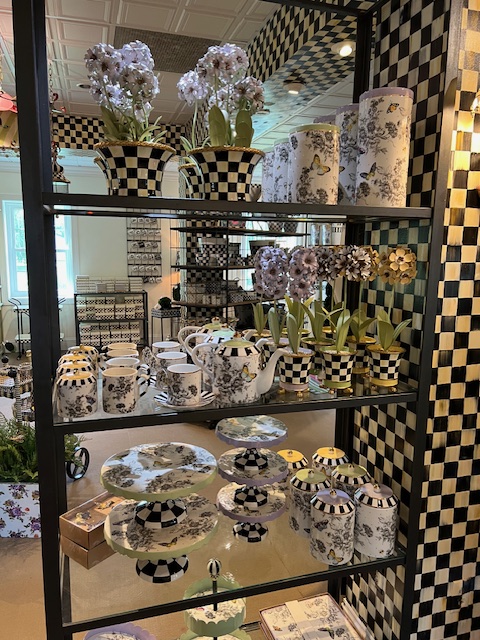
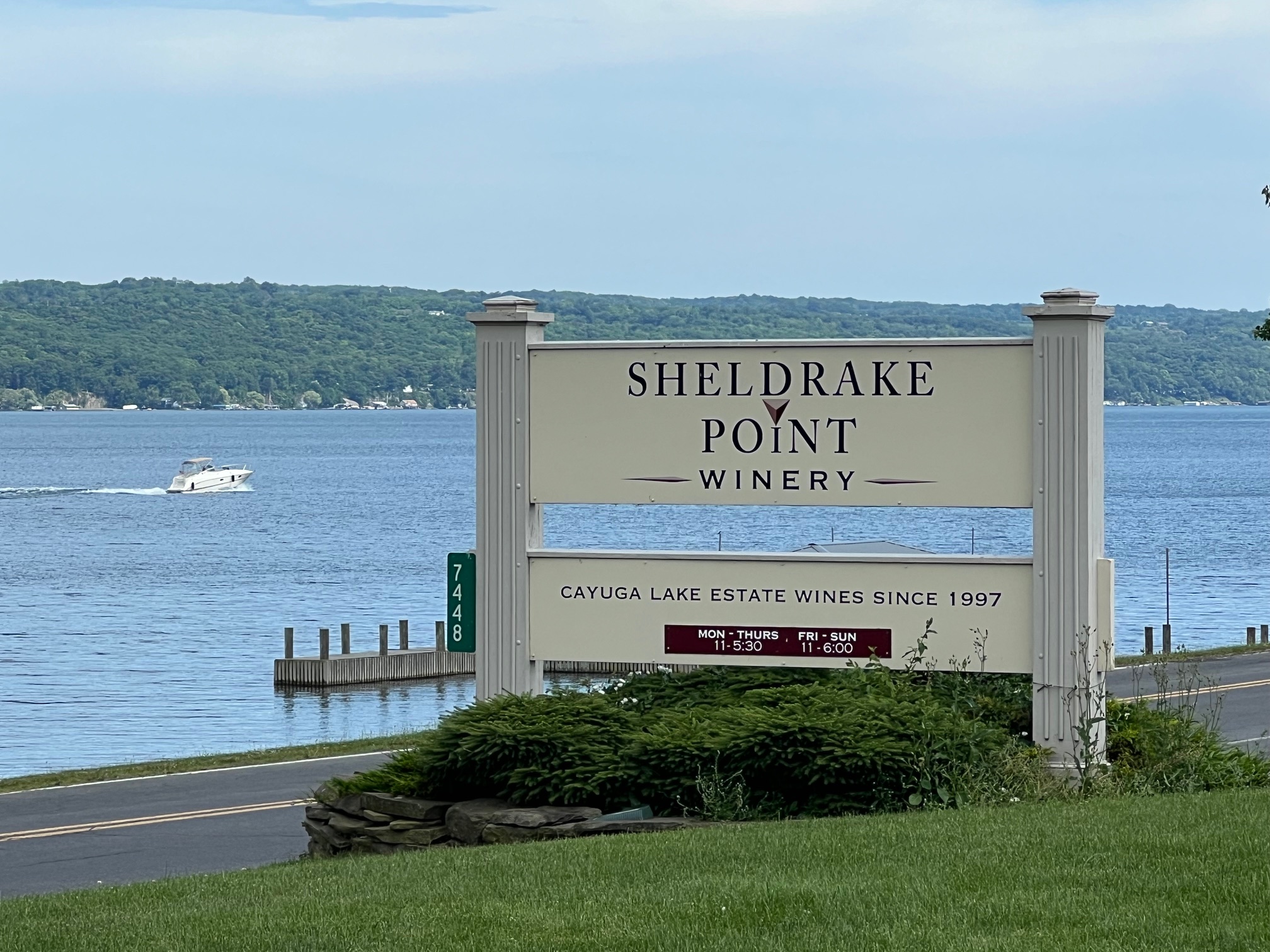
A stop at the studios and shop of world-famous designer MacKenzie-Childs is certain to be an unforgettable experience. During our three-night stay in the Finger Lakes, we stopped at several wineries that included Montezuma, Swedish Hill, Hosmer, Knapp, Buttonwood, Sheldrake Point, Standing Stone, Wagner, and Hermann J. Wiemer. 

Since we were there during the week we didn’t need to reserve a tasting time. Still, I would strongly recommend going to the website of the wineries you intend to taste at to see their protocol and make plans by booking your tasting itinerary first. This is an excellent idea on busy weekends, holidays, and during events.  

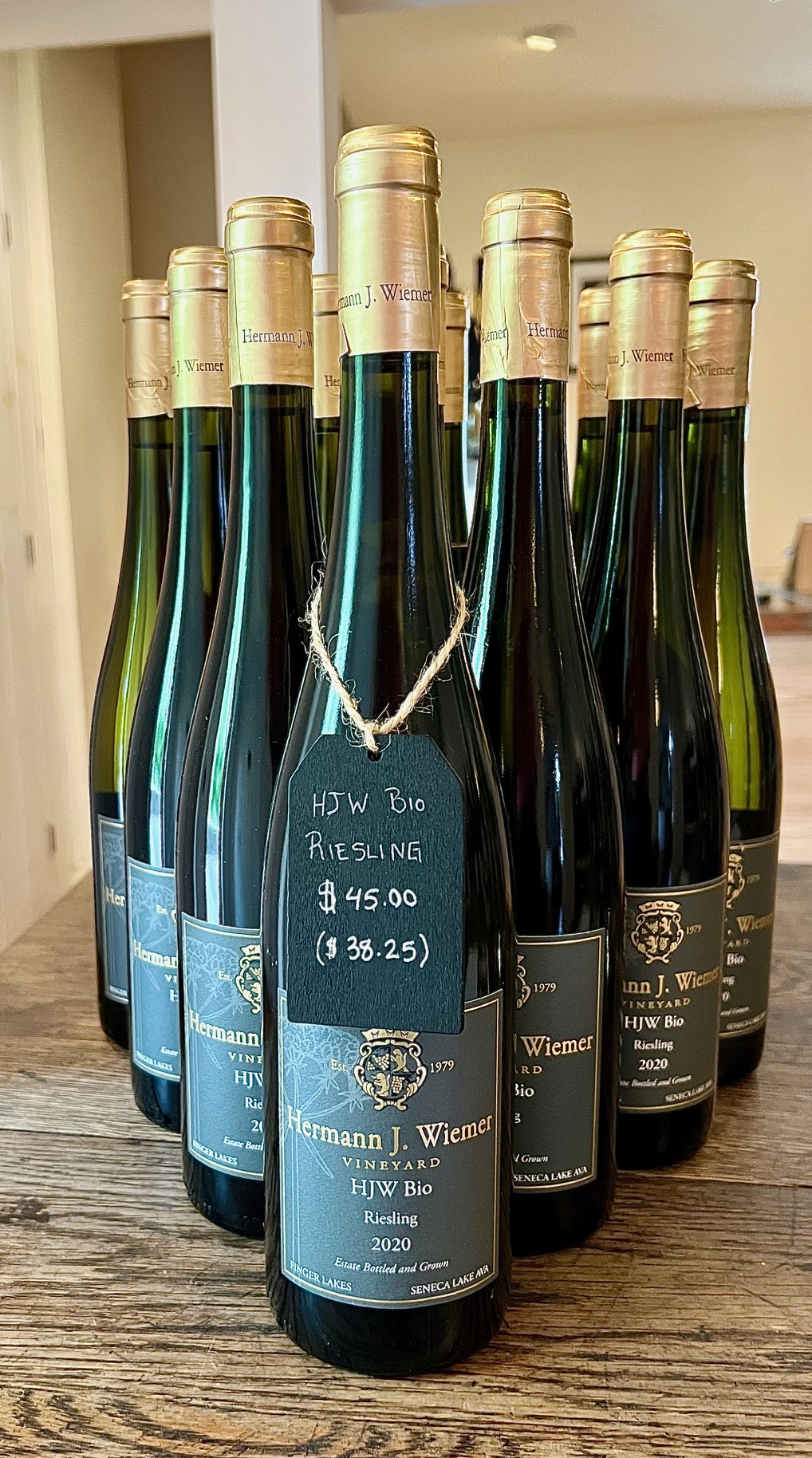
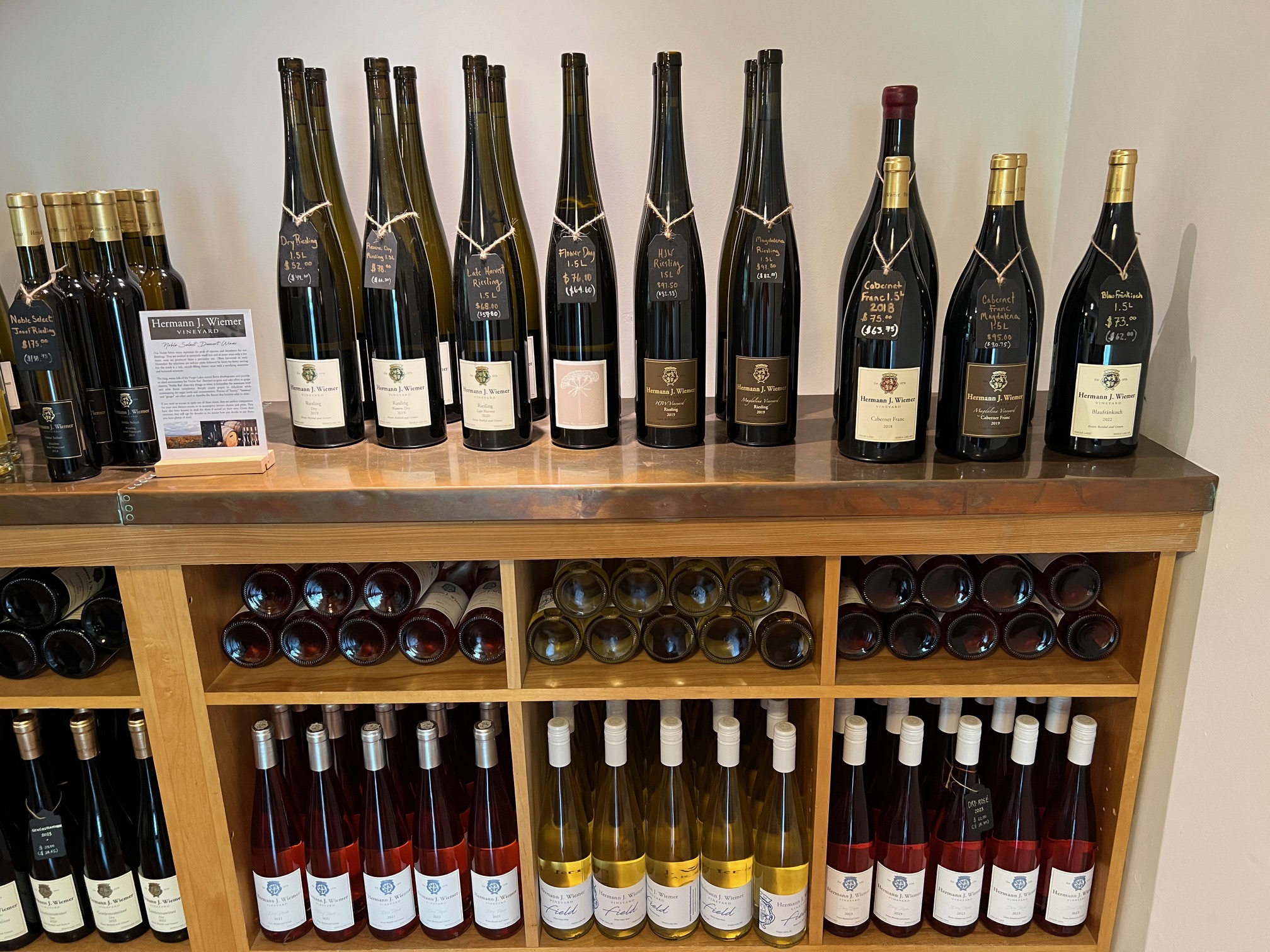
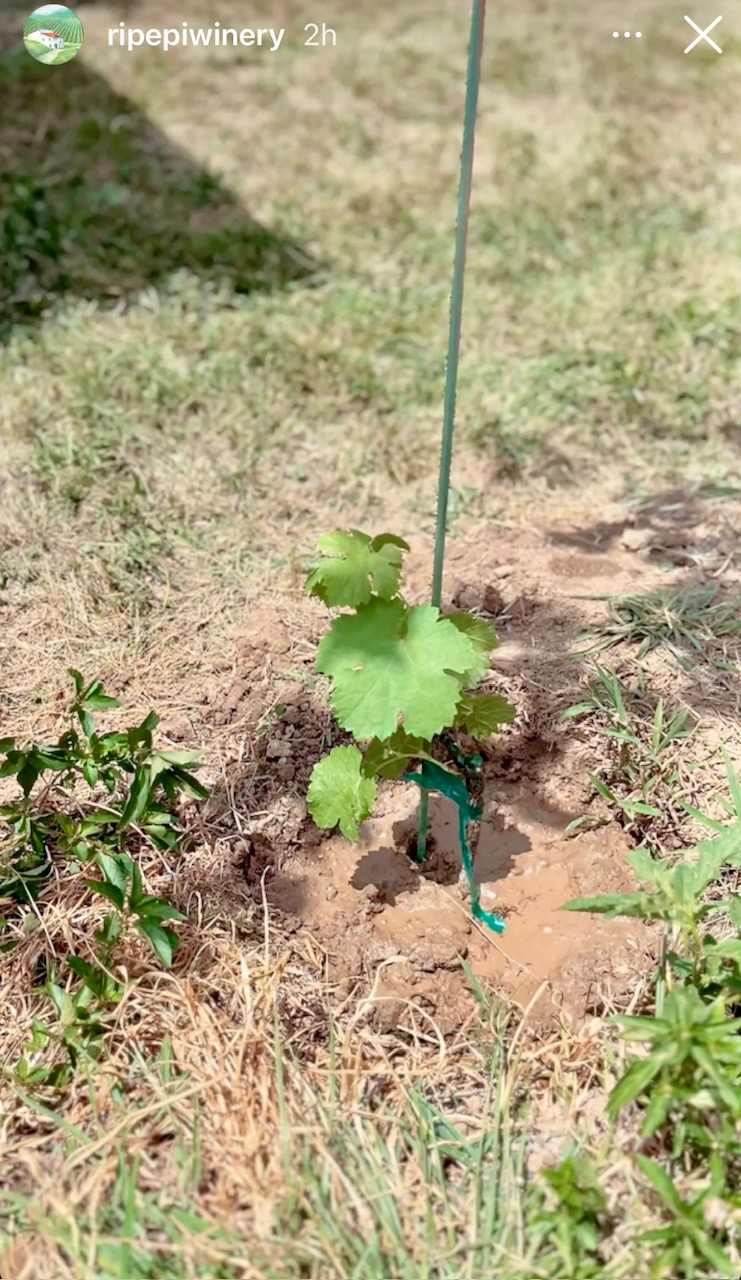
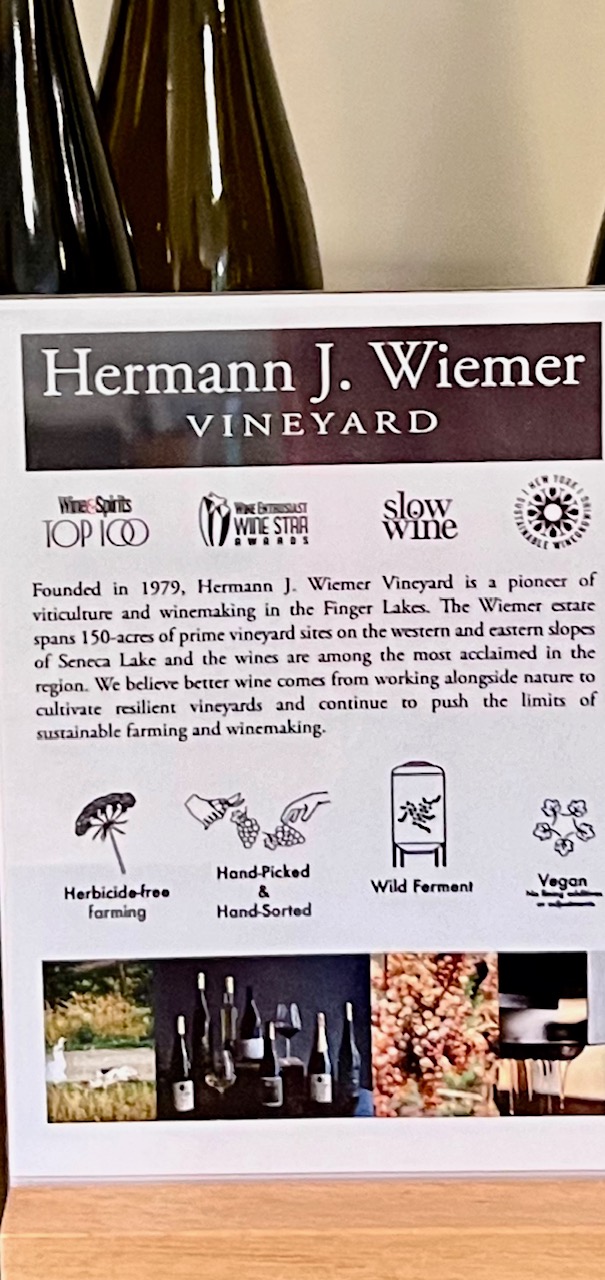
We enjoyed our tasting at Hermann J. Wiemer Vineyard. They have a well-deserved reputation for being a producer of world-class Riesling but their other wines are also very good. The tastings are à la carte and are served in small carafes that are enough for two. You choose the wines you want from a menu with each sample priced accordingly. You are seated at your own table, not standing at a tasting bar. Each table is assigned a knowledgeable attendant to provide guidance if needed and answer any questions you may have. We are big fans of Riesling and concentrated on those wines but we did sample a very well-made Blaufrankisch. Outside their tasting room, Wiemer offers their own nursery-grown grape vines for sale. As a gift for our winemaker friend, Rich Ripepi, we brought back a Riesling vine (clone 110(9) rootstock 3309) that has now found a new home in his vineyard at Ripepi Winery & Vineyard Monongahela, Pennsylvania. 

We had a wonderful time on our trip. The glacial lakes are spectacularly beautiful, the rural landscape is serene, and the residents are welcoming. If you want to take a short getaway that will leave you rested and refreshed, consider visiting The Finger Lakes Wine Region of New York. Photo Credit: wpawinepirate.com, Ripepi Winery & Vineyard, and Hermann J.Wiemer Vineyard

Co-Fermented Beverages: What Are They & Are They For You?

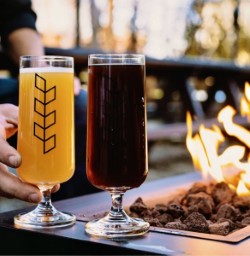
There is an old adage “What was old is new again”. This saying has never rung more true than it does today for the alcoholic beverage industry. As total wine sales revenue and volume continue to decline, producers are searching for trendy new taste profiles and production methods to entice new customers and lure back old ones. Co-fermenting grapes, grape skins, and wine with beer become a beverage the French call “Vière”. Vière is steadily gaining popularity in the Northeastern part of the United States and across the country. Our region has an abundance of high-quality fruit and talented beverage makers, making it an ideal environment for developing a thriving Co-fermenting community. An increase in demand for high-quality fruit enhances the opportunity for the expansion of vineyards, orchards, and fruit farms in our region. The economic implications of a sizable jump in agricultural production would provide more support for our local economies throughout the Northeast and beyond. An upsurge in vineyard acreage could lend itself to the planting of more Heritage grape varieties that are especially suitable to the production of Vière, such as Anne Noir, Bacchus, Delaware, Jefferson, Isabella, Marion, and others. These varieties have the added benefit of adapting to changing weather patterns and climatic conditions.

The process of Co-fermenting is when winemakers, brewers, or cider-makers merge and intermingle different production methods to make wine, beer, or cider that can display fun and unique flavor profiles. If you have tasted any of these beverages that have fruit added to them during their fermentation, you have experienced co-fermentation. The lines that define what constitutes wine, beer, and/or cider have become increasingly blurred. Those lines do not get any clearer when you factor in a producer’s willingness to readily accept the effects of wild yeasts, Brettanomyces, volatile acids, and certain bacteria that until recently would have been viewed as an imperfection. 

The question I kept asking myself was “Who is embracing this movement toward Co-fermented beverages with unusual tastes that also includes Pet-Nat, organic, low intervention, and Piquette wines?” Is it a younger consumer demographic searching for its identity to experience something different? 

For some insight into this new trend, I went to a trusted and knowledgeable source, who also happens to be a friend of mine, J. Stephen Casscles, Esq. Steve is a well-known authority on Heritage Grapes, and author of the new 2nd edition of “Grapes of the Hudson Valley and Other Cool Climate Regions of the U.S. and Canada”, which includes two new chapters on Heritage grape varieties bred in New England ( https://www.flintminepress.com/product/grapes-of-the-hudson-valley/ ) and, who has received the 2023 Atlantic Seaboard Wine Association’s prestigious Birchenall Award. 

I asked Steve — “As consumers, what should we know about and expect from the growing Co-ferment movement?” Steve’s comments were as follows:

The North American co-fermentation movement has gained a loyal following that continues to grow and broaden in its appeal to a diverse segment of the adult beverage market. Co-fermented products provide growers and producers a shorter turnaround on their investment because these offerings can be made and sold quickly. The makers of these various co-ferments will continue to evolve their skills and techniques. They will have their successes and even more failures but the reality is that they are business people and they must be profitable to keep their operations viable in the long run. It will be not only interesting but educational to watch as this sector of the industry matures. 

Thank you Steve Casscles for your invaluable contribution to this article, without it this story would not have been possible. 

Photo Courtesy: Return Brewing and Subversive Brewing

My Latest AWS Wine Journal Article

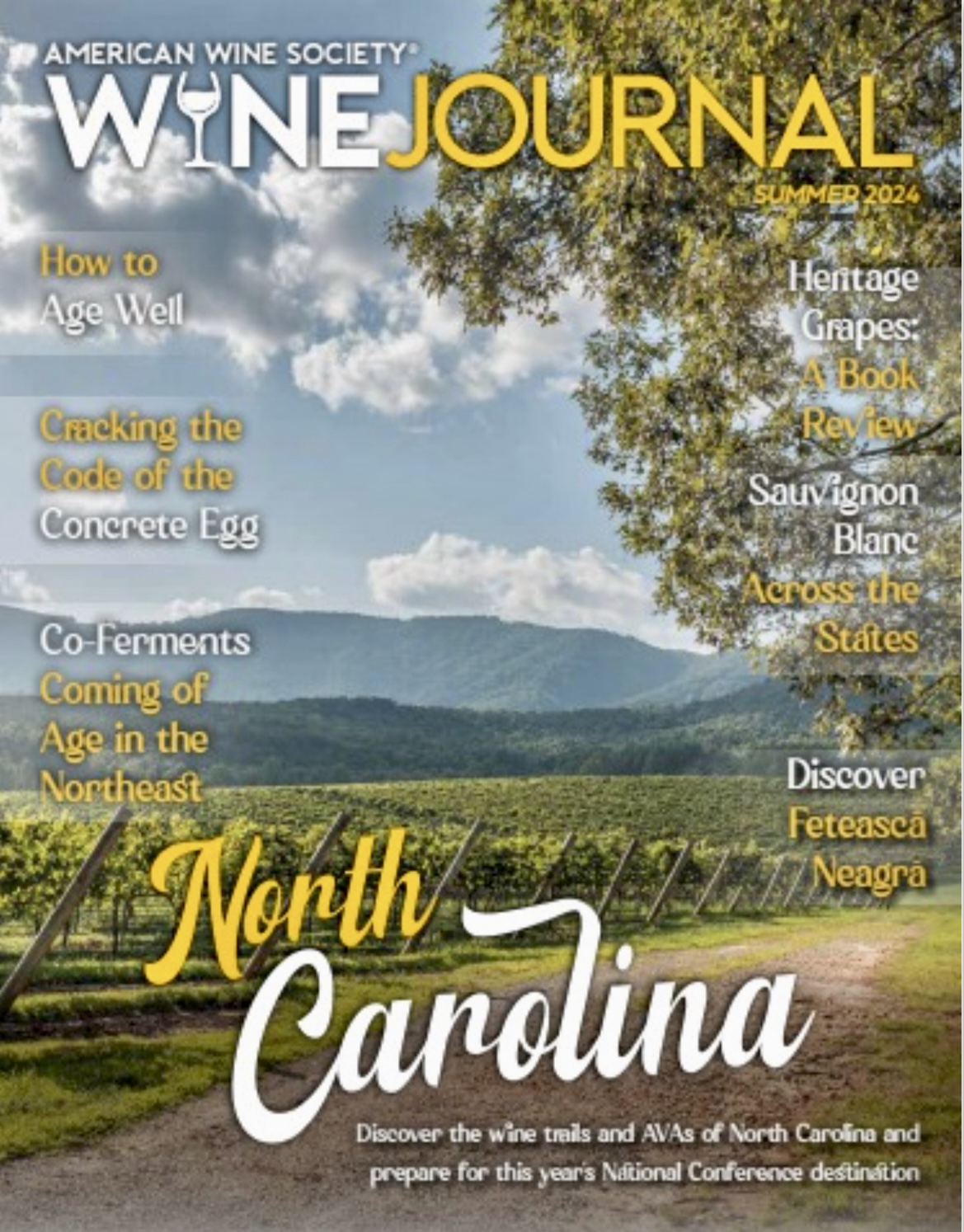
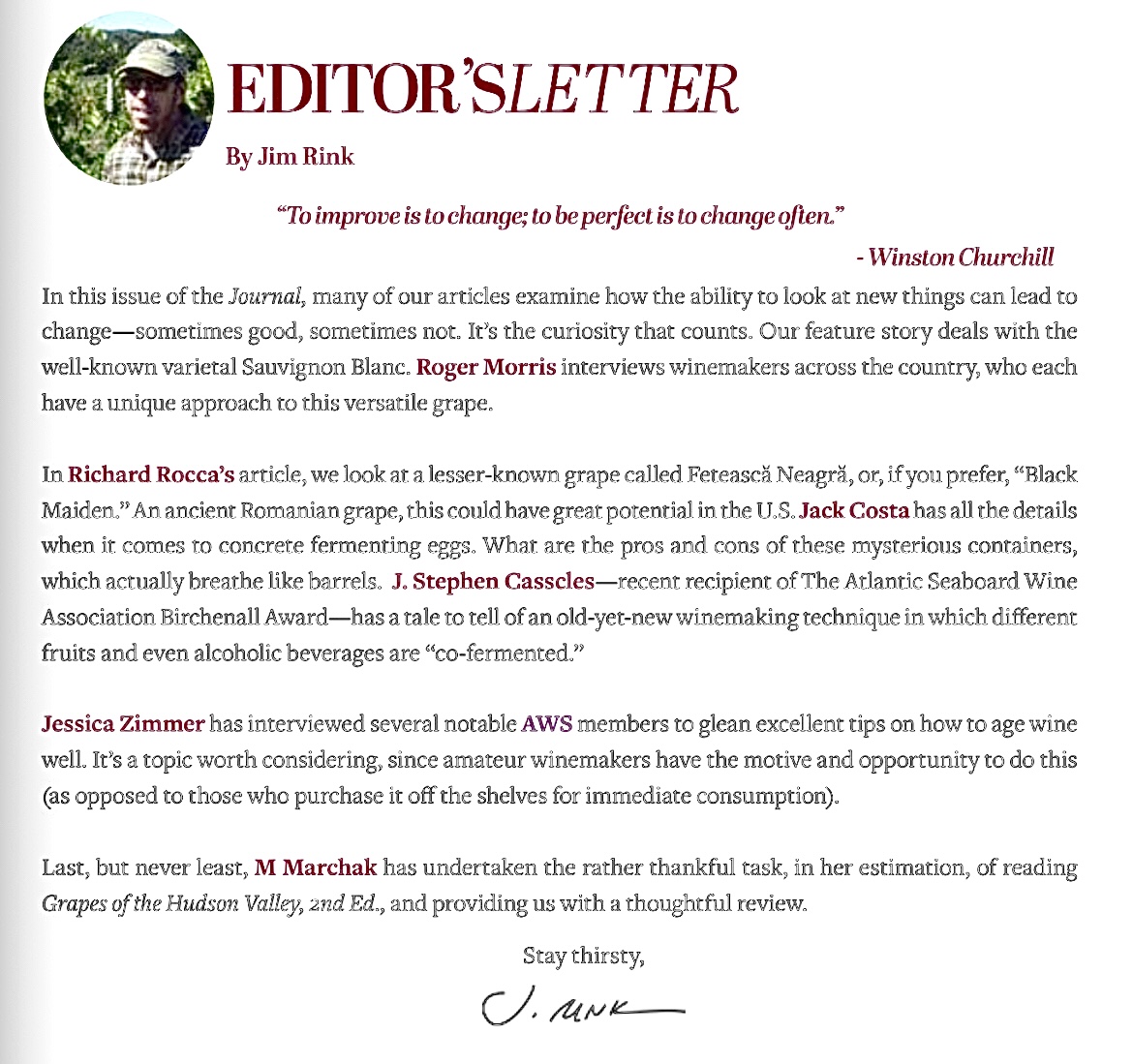
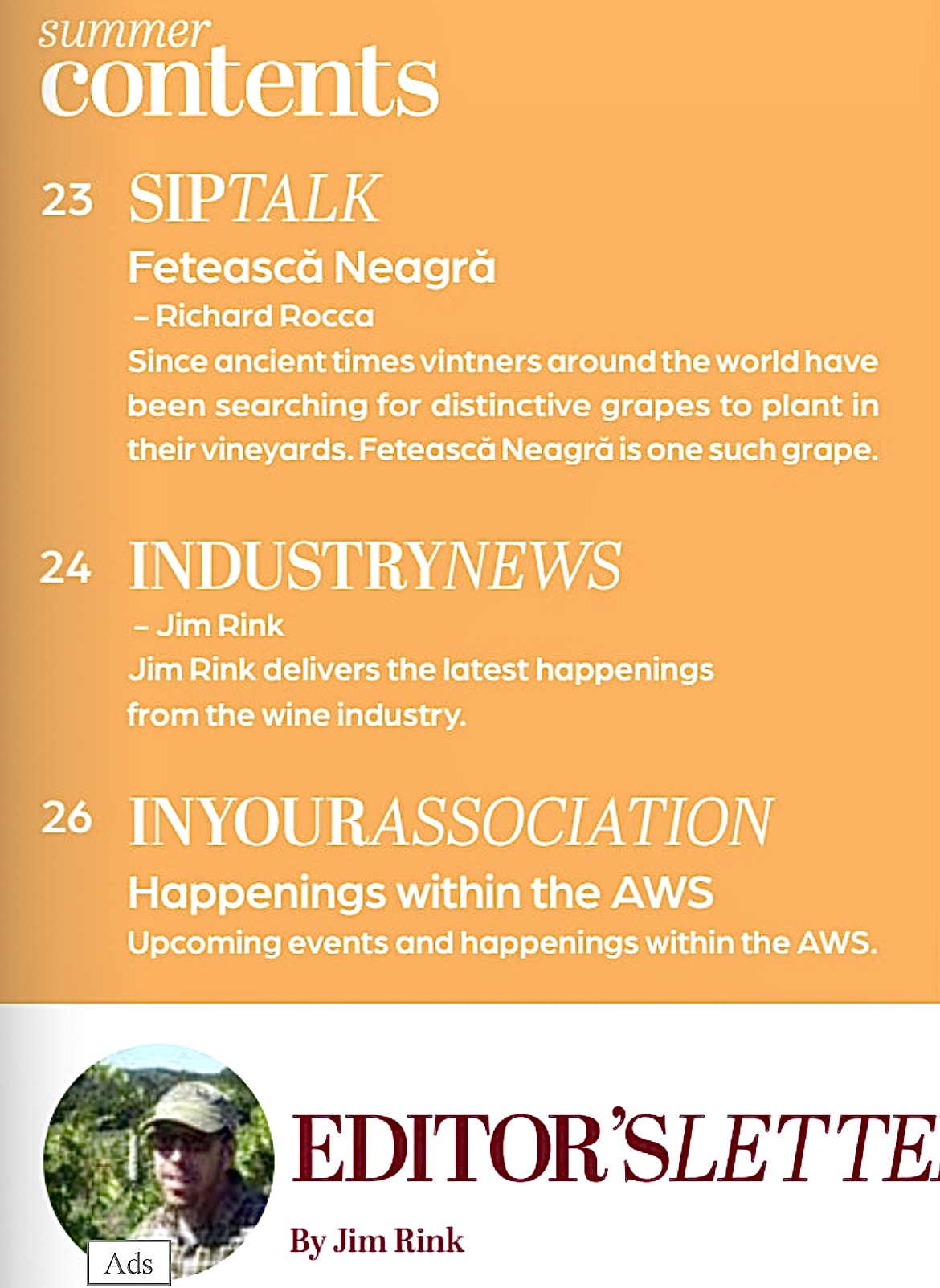
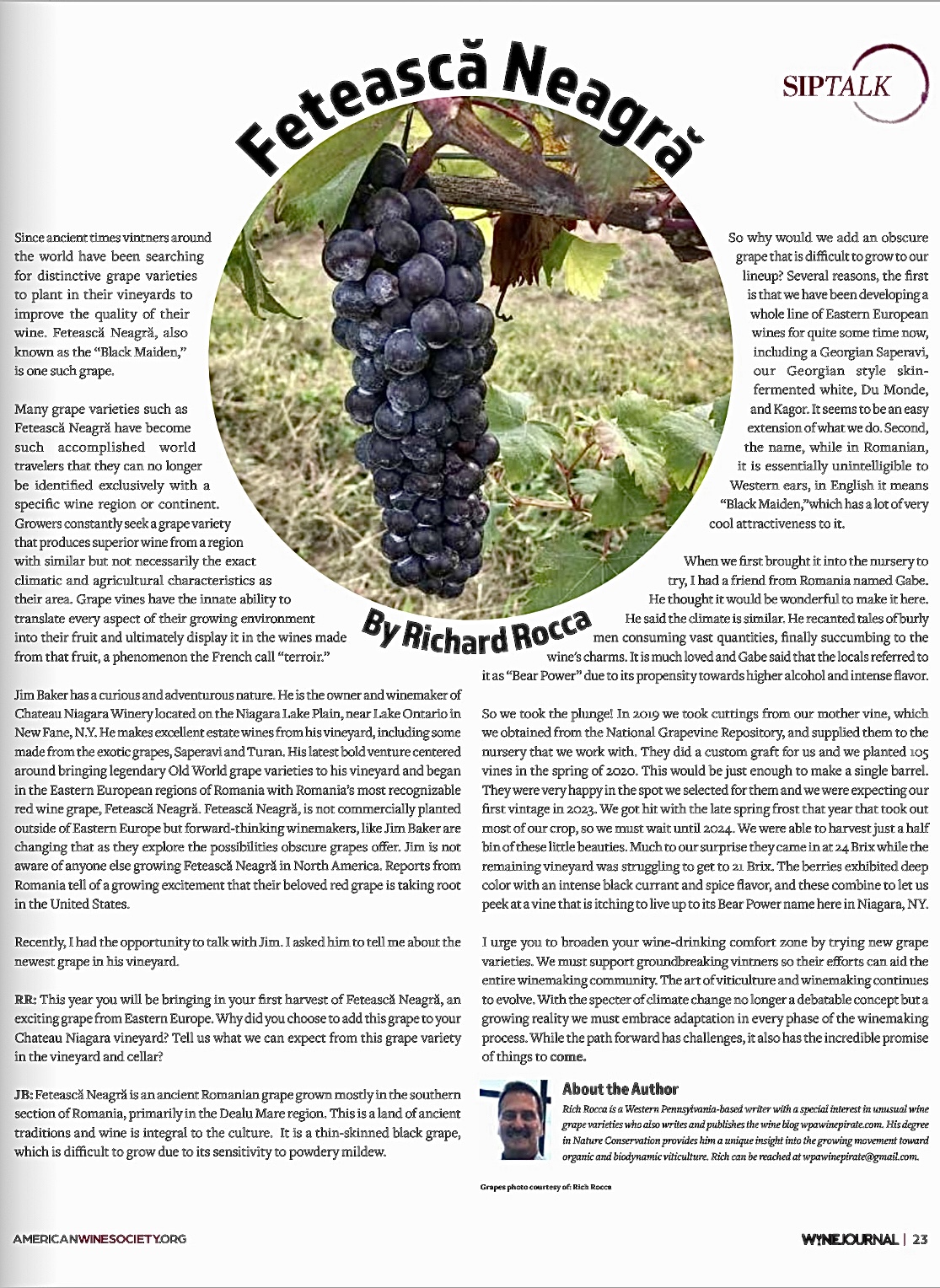
I am happy to announce my latest article to be published in the American Wine Society Wine Journal is now available to be viewed on the emagazine website https://anyflip.com/wnfp/urfm/as a flip page publication free of charge. Simply go to https://anyflip.com/wnfp/urfm/, tap on the cover of the Summer edition, and swipe left to turn the pages like a print magazine. It is easier to read using an iPad, tablet, or laptop. My article appears on page 23 and is about the only vintner in North America growing the Romanian wine grape Fetească Neagră or “Black Maiden ” as it is commonly referred to in Romania. There are a lot of interesting stories in this edition. The cover story is part 2 of a three-part series by Simone FM Spinner, in which the AVAs and wine trails of North Carolina are discussed. M. Marshal reviews the J. Stephen Casscles book “Grapes of the Hudson Valley and Other Cool Climate Regions of the United States and Canada” 2nd Edition. J. Stephen Casscles provides an in-depth look at the ancient but increasingly popular process of co-fermenting in the Northeast. These are just a few of the entertaining and informative articles that can be found in this edition. You can find all the back issues including my Saperavi story in the 2020 Spring edition by clicking on the AWS logo to the left of the https://anyflip.com/wnfp/urfm/ homepage. Enjoy!

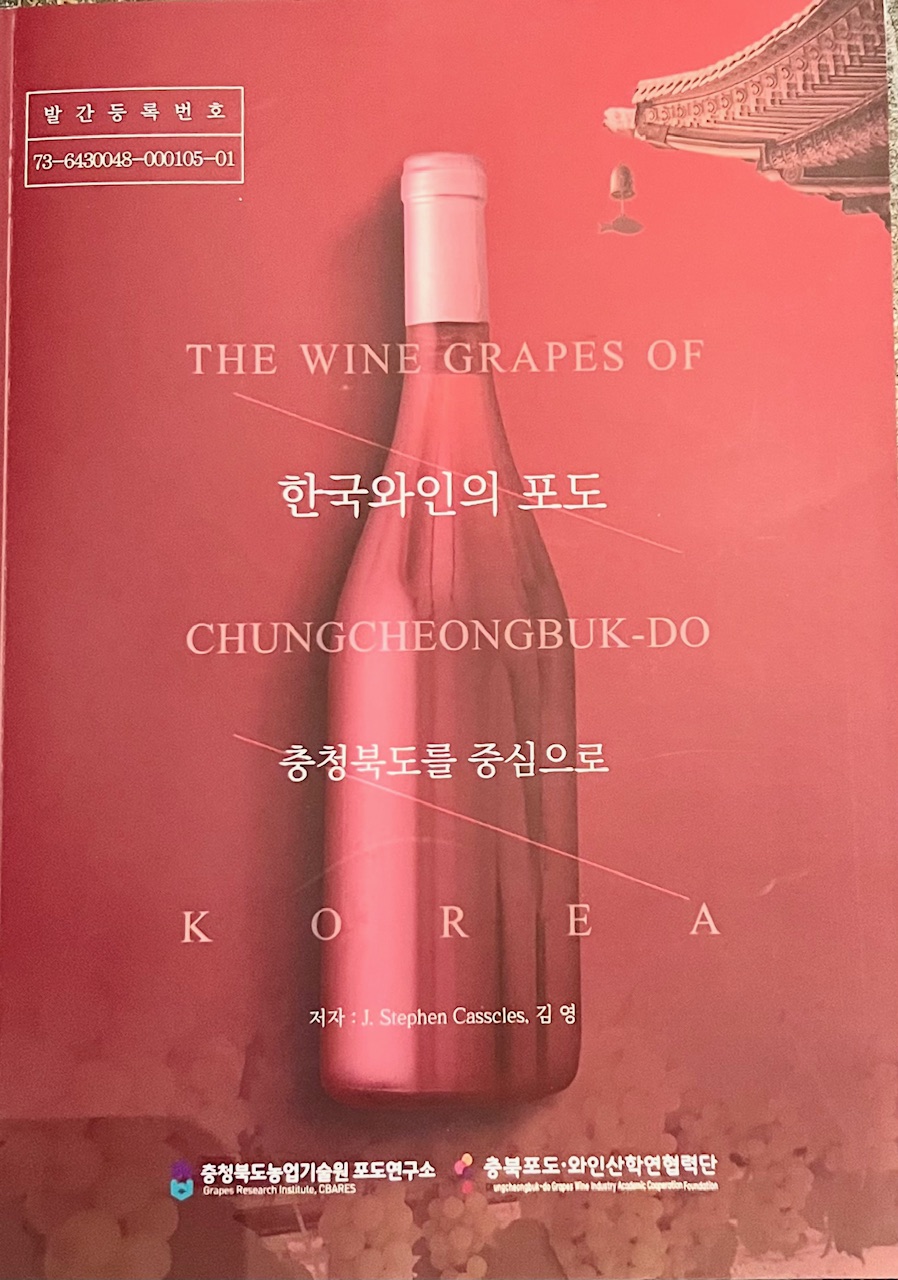
New Book Release: The Wine Grapes Of Chungcheongbuk-Do, Korea

A groundbreaking new book on Korean and North American Cool Climate grape varieties is now out! It is the first winemaking grape book devoted to Korean and American Native grape varieties published in Korea. What is truly unique and unexpected is that the book is printed with one half in Korean and the identical other half in English. 

J. Stephen Casscles Esq. and his coauthor Young Kim have just released an authoritative first-of-its-kind winemaking grape book focused on Korean and North American Native grape varieties to be published in Korea. This text will be an influential source in the selection of grape varieties for Korean winemakers and vintners seeking guidance with their decisions on which grapes are the most compatible with their terroir and the wines they can successfully craft from them. I asked Steve to tell us about his latest book  The Wine Grapes of Chungcheongbuk-Do, Korea.

​ “I have been working, for the past two years, with my very talented co-author Young Kim of Sanmac Winery in Yeongdong, Korea, to write and publish our book: The Wine Grapes of Chungcheongbuk-do, Korea. The Korean province of Chungcheongbuk-do is a centrally located area in the Republic of Korea that specializes in fruit growing and wine production. While this book concentrates on the grape and wine industry of Korea, it has many applications for cool-climate grape growers and winemakers in North America. This is because the weather in our cool climate regions of North America is very similar to the climate and growing conditions in South Korea. Hence, these quality Korean hybrids can thrive in North America as well. Many of these Korean inter-specific hybrids are dual-purpose grapes that are not only seedless table grapes, but are very fungus disease resistant, monsoon season resistant, hardy, productive, and make quality wine.

Two years ago, I was truly blessed to have spent over two weeks in Yeongdong-gun and Seoul, Korea. Here, I met many talented grape growers and winemakers (including our book’s co-author Kim Young), visited cultural sites, and tasted wonderful Korean wines. In Korea, in addition to enjoying a wide variety of Korean cuisine, I had many fine French meals as there is an affinity for French cooking and wine in Korea. For example, in the smallish city of Yeongdong, it boasts not just one, but two quality French bakeries. The purpose of writing our book, The Wine Grapes of Chungcheongbuk-do, Korea was to put in print, for the first time, a book on Korean-developed interspecific hybrids and those grapes, many of which are grown in North America, that are currently being grown in Korea. Our book was published by the Chungbuk Grape Institute and the Wine Research Institute under the umbrella of the Chungbuk Agricultural Research and Extension Services, and the government of Yeongdong-gun, Korea, with support from the Rural Development Administration and the Ministry of Agriculture, Food and Rural Affairs.

What especially attracted me to these Korean-developed hybrid grapes (that were developed by the Korean National government starting in 1963 to the present) was that many of these hybrids had “parents” that were my favorite cool climate grapes that are grown on the East Coast; grapes such as Delaware, Verdelet, Campbell Early, Himrod Seedless, and a few others. Korean grape hybrids to watch for include Cheongsoo, Cheongporang, Cheonghyang (whites) Chung Rang, and Saemaru for the reds. In addition to the Korean hybrid grapes, the book covers all of the other grape varieties used by the Korean wine industry, which are primarily American Native hybrid grape varieties such as Campbell Early, Delaware, Frontenac Gris, the NYS Geneva Experimental Station grape varieties Seneca and Sheridan, and the French-American hybrid Verdelet. In addition, the Korean industry grows several Japanese-developed hybrids, such as Kyoho, Muscat Bailey A, and Shine Muscat, which also have a preponderance of American genetic material in them, such as Campbell Early, Centennial, Eumelan, and Steuben.

If you have not been to the grape/wine regions of Korea, you should put this destination on your travel list. If you do so, I would be happy to point you in the right direction on where to go and what to see. Korea is a beautiful country with beautiful and welcoming people.

​It is our hope that this book will help Korean grape growers and winemakers understand the genetic makeup, growing characteristics, and winemaking ability of the grape varieties that are currently being grown in Korea, especially in Chungcheongbuk-do. Kim Young and I hope that our collective research and knowledge gleaned from my visit to Korea and research on these grape varieties will translate into advances not only for the Korean wine industry but also for our East Coast growers of cool climate inter-specific grape hybrids. These Korean hybrids are great in the field because they are fungus disease resistant, cold/heat tolerant, monsoon rain resistant, productive, can be grown sustainably AND they make beautiful wines, especially the whites. 

​The book is in both the Korean and English languages. Most of these books will remain in Korea to help grape growers and winemakers there. To increase access to the North American cool climate grape/wine industry, I have been distributing our books to opinion leaders in the United States, including wine writers, university and private grape breeders, agricultural colleges, university libraries, grape growers, and winemakers. The point of publicizing and distributing this book in the United States is to tell our growers and winemakers of the existence of these wonderful cool climate grape varieties that were bred in Korea. Hopefully, we will soon be able to bring these hybrid cultivars to North America after they have gone through the importation quarantine process. This book should increase the readers’ devotion to cool-climate grape hybrids because they are productive, can be grown sustainably, and make beautiful wines. Further, it sparks more interest in cool-climate grape varieties in general, be they from Korea, the United States, or Europe.

The Wine Grapes of Chungcheongbuk-do, Korea was highlighted by the Chungbuk Grape Institute and the Wine Research Institute at the Institute’s recent tenth anniversary meeting. The book was the basis of this year’s growers’ and winemakers’ seminar. It was announced at this seminar that the book was the first winemaking grape book devoted to Korean and American Native grape varieties to be published in Korea. Because of its high demand, our book is now almost sold out, hence, we plan to go to a second printing for the United States and Canadian market. Further, this book will become available as an e-book to increase its circulation for the benefit of our cool-climate grape growers in the United States and Canada, in addition to those in Korea, Japan, and Taiwan.​

​Both Kim Young and I hope that this book will increase the reader’s devotion to cool climate grape hybrids, wherever they are grown because they can be grown sustainably and make beautiful wines. Or that it sparks an interest in cool climate inter-specific grape hybrids be they from Korea, the United States, or Europe. We will announce when the e-book is to be made available in the next few months. In addition, there is now an effort to import these sustainably grown Korean wines into the United States so that they can be enjoyed by all.” 

J. Stephen Casscles, Esq. (cassclesjs@yahoo.com) has been a grape grower for over 45 years in the Hudson Valley and worked at leading wineries on the East Coast. Currently, he is a winemaker at Dear Native Grapes Winery in Walton, New York http://dearnativegrapes.com. Stephen wrote Grapes of the Hudson Valley and Other Cool Climate Regions of the United States and Canada: 2nd Ed. Revised and Updated to Include New England Grapes (2023), which details how to make wine, establish & maintain a vineyard, and the growing and winemaking characteristics of over 200 cool climate grape varieties. See https://www.flintminepress.com. His latest book is The Wine Grapes of Chungcheongbuk-do Korea. (2024). At his farm Cedar Cliff Vineyards & Nursery, in Athens, NY, he grows 88 rare French-American hybrids and 19th Century heritage grape varieties from the Hudson Valley & Massachusetts which he evaluates, makes wine from, and lectures about. He also lectures on wine, grape cultivation, 19th-century American horticulture, and landscape architecture at botanical gardens and historical societies throughout the Northeast. He is working on a new book, Grown in Queens: The Prince Nurseries of Flushing, NY, and the Birth of American Horticulture and Viticulture.

Kim Young is the owner of Sanmac Winery in Yeongdong, Korea. sanmacwinery.com She, along with her husband Youn Young-June, grows the grapes, makes and sells the wine, and is active in the Yeongdong wine industry community. She is an educator of the history of Korean wine and a certified WSET 3 Advanced Sommelier.

Thank you Steve and Kim Young for your tireless work on this book. It will be a valuable resource for winemakers everywhere.

Photo Credit: J. Stephen Casscles Esq. and wpawinepirate.com
Wine Review: Chateau Ste Michelle Gewürztraminer Columbia Valley 2022

My posts featuring reviews of mass-produced and widely distributed wines have been very popular. The wines I taste for these articles can be easily found in your area. They are made to provide customers with a consistently reliable product in every bottle. 

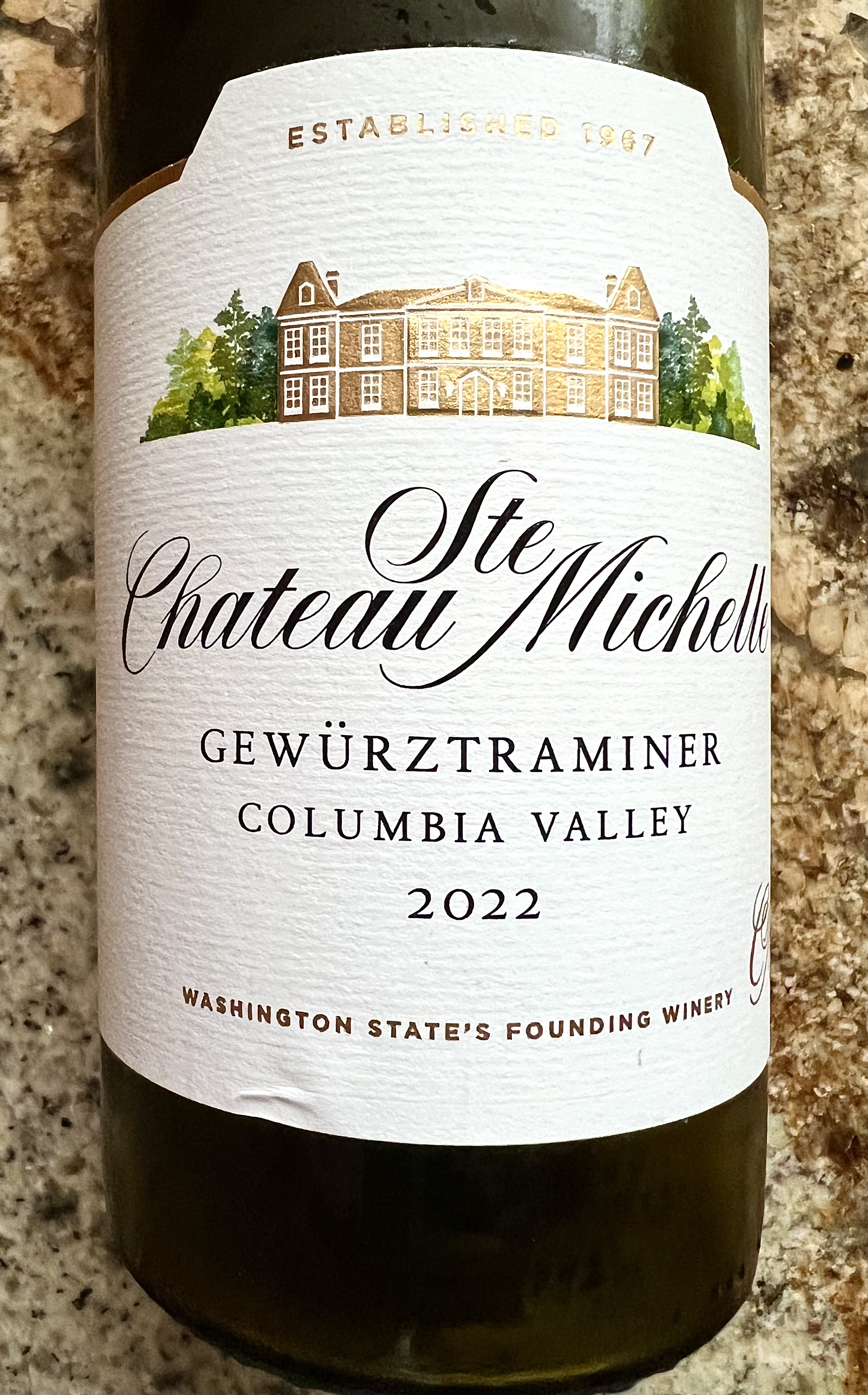
Today’s wine is Chateau Ste Michelle Gewürztraminer Columbia Valley 2022. Chateau Ste Michelle is a mega-winery with an extensive portfolio of wines produced under several labels. Chateau Ste Michelle is again an independent entity after being a subsidiary of tobacco companies for almost forty years.

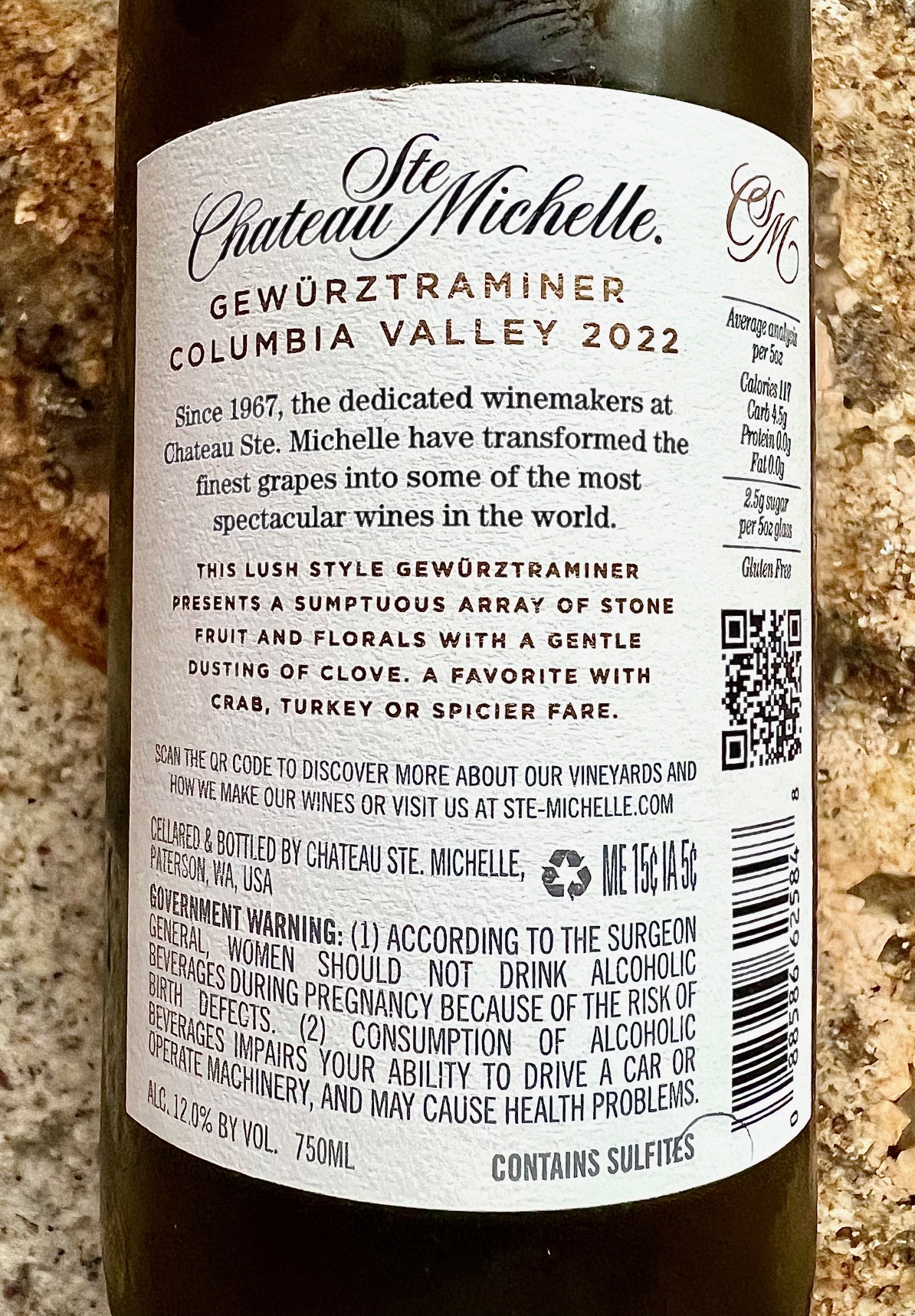
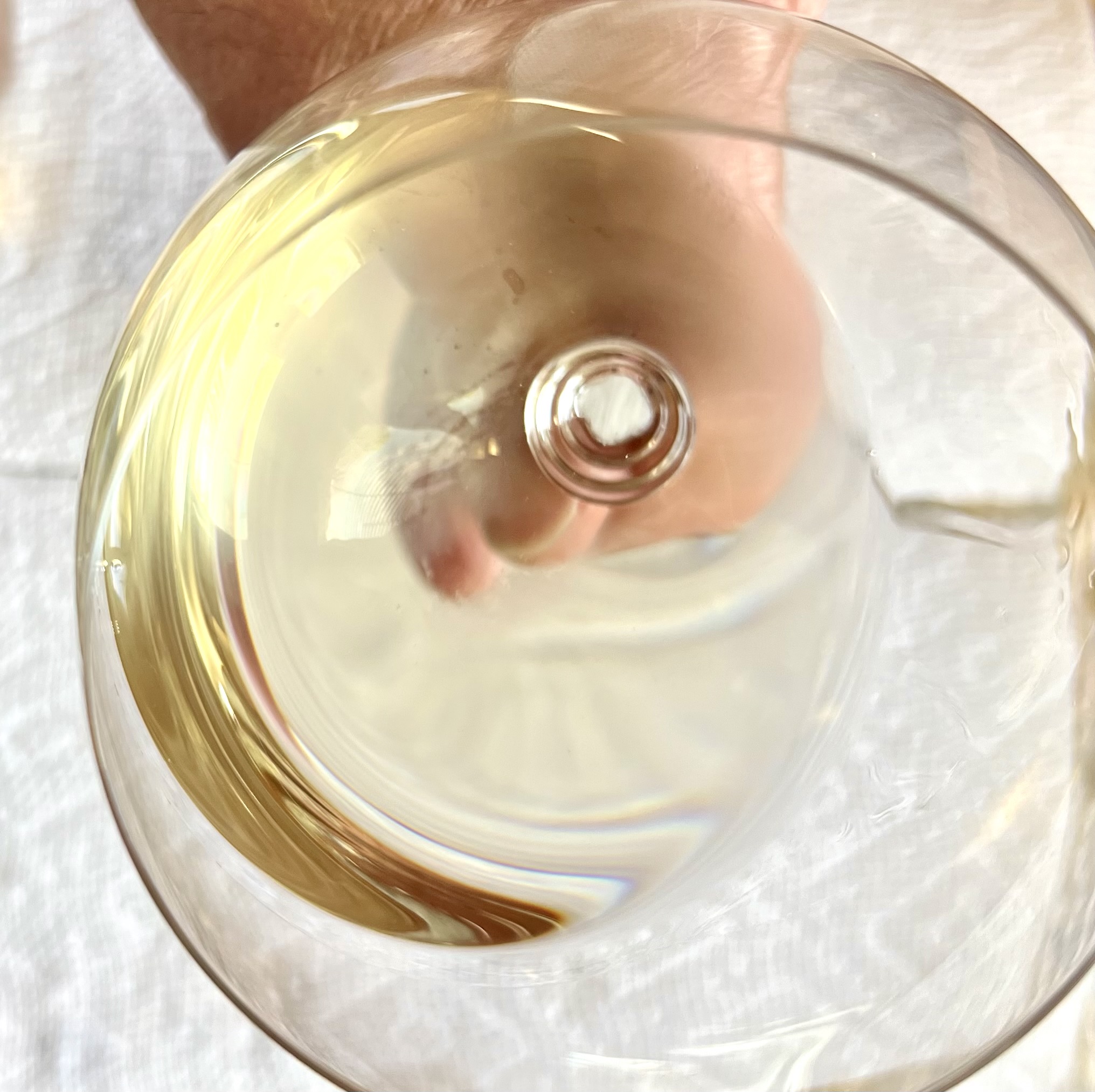
Chateau Ste Michelle Gewürztraminer Columbia Valley 2022 blends 98% Gewürztraminer and 2% Muscat Canelli. Wine Spectator gave it a rating of 88 points. It has a lush mouthfeel with a sweetness just below semi-sweet. Flavors of stone fruit dominate throughout, especially the flavors of apricots and cloves. I found it benefited from aeration. It is a perfect match for spicy Thai cuisine or similar dishes. It is a suitable companion for enjoying a quiet evening under the stars. A 750 ml bottle is usually priced at or below $13 but can be found under $10, making it a solid value choice for a weeknight wine.

Book Review: Taste My Life Through Food by Stanley Tucci

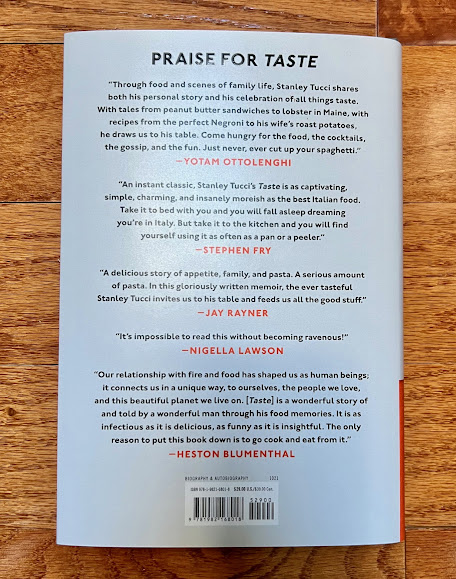
If you are as big a fan of Stanley Tucci as I am, you will love this book. Stanley takes us on his lifelong odyssey with food and family. He begins with anecdotes about his childhood in the peaceful New York town of Katonah. He is the oldest of three children in a middle-class Italian-American family where the day’s activities culminate around the dining room table and what is for supper. You can hear that distinctive wry wit and humor that he is known for hilariously shining in his recollections of family events, all of which centered around food. These interactions would ultimately shape his entire life going forward. Tucci marks the milestones of his life involving people, places, and events not with dates on a calendar but with specific meals or other food-centric references. Just as he savors his life through culinary pursuits you will savor each chapter wishing you can linger a bit longer at the table with your host. The last chapter recounts his battle with oral cancer in vivid detail. He shares his candid memories, private thoughts, and emotions as his ordeal stretched endlessly over months that turned into years before his victorious complete recovery. I highly recommend this book to anyone who loves and understands the impact that food and family play in how you experience your journey through life. 

One final note for fans of Stanley Tucci: Searching for Italy. Stanley Tucci is returning to television. National Geographic has confirmed it plans to film a new show starring Stanley Tucci in Italy. It will be a ten-part unscripted docuseries exploring ten regions of Italy. The project will be called “Tucci-The Heart of Italy”. It will be produced by Tucci’s Salt Productions and BBC Studios’ Factual Productions. 

Addio per ora 🇮🇹

Biltmore Estate Sangiovese Limited Release 2020

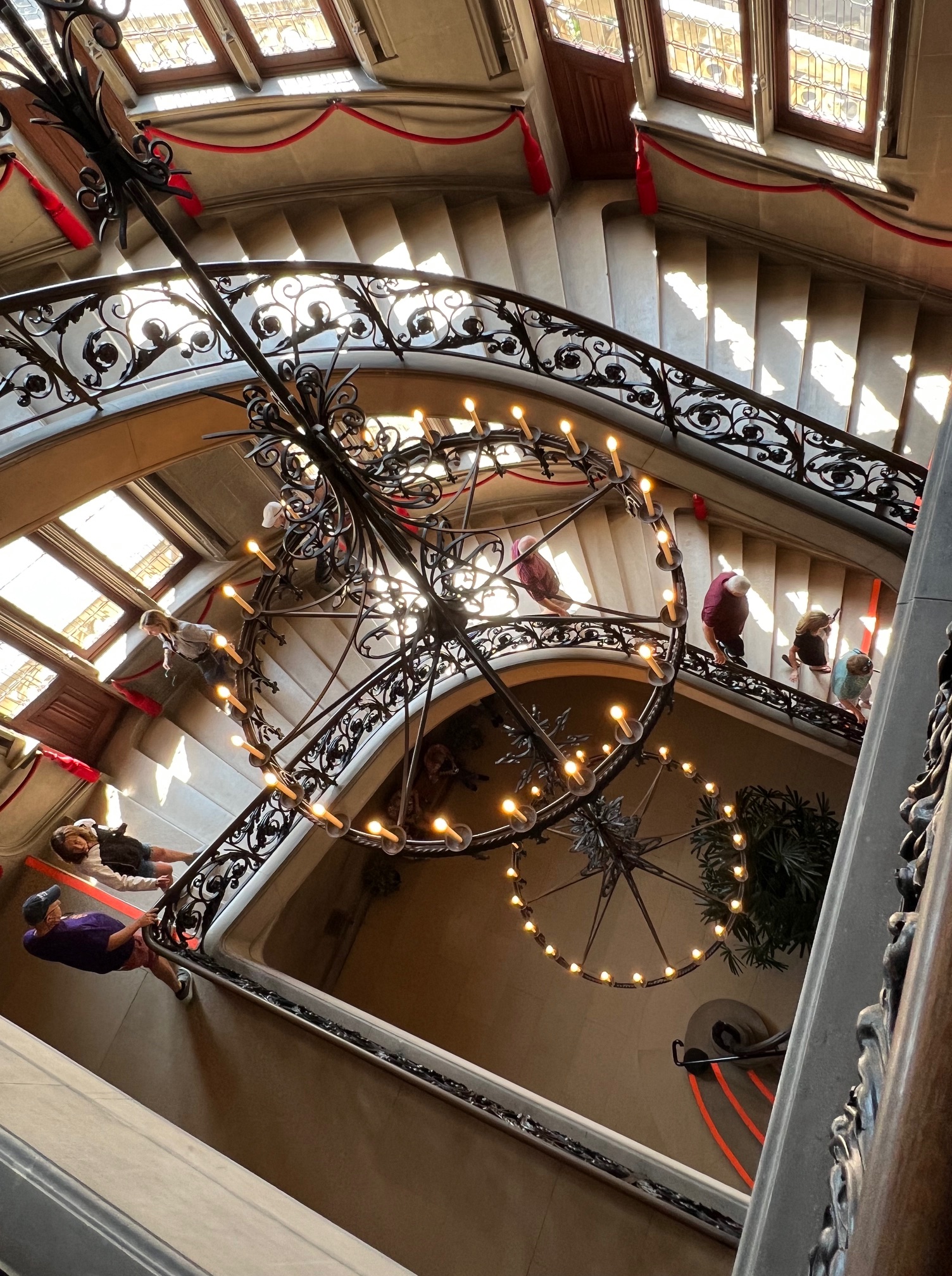
On a visit to Asheville, North Carolina we toured the Biltmore Estate. Biltmore was the home of the Industrialist, George Vanderbilt. I highly recommend experiencing this remarkable piece of American history and learning about how it was on the cutting edge of many things we take for granted today. With the price of admission to the mansion and grounds you also receive a complimentary wine tasting at the winery. The winery at the Biltmore Estate is the most visited winery in North America. We enjoyed our tasting and purchased several bottles. Their wines are well made, good quality, and fairly priced. 

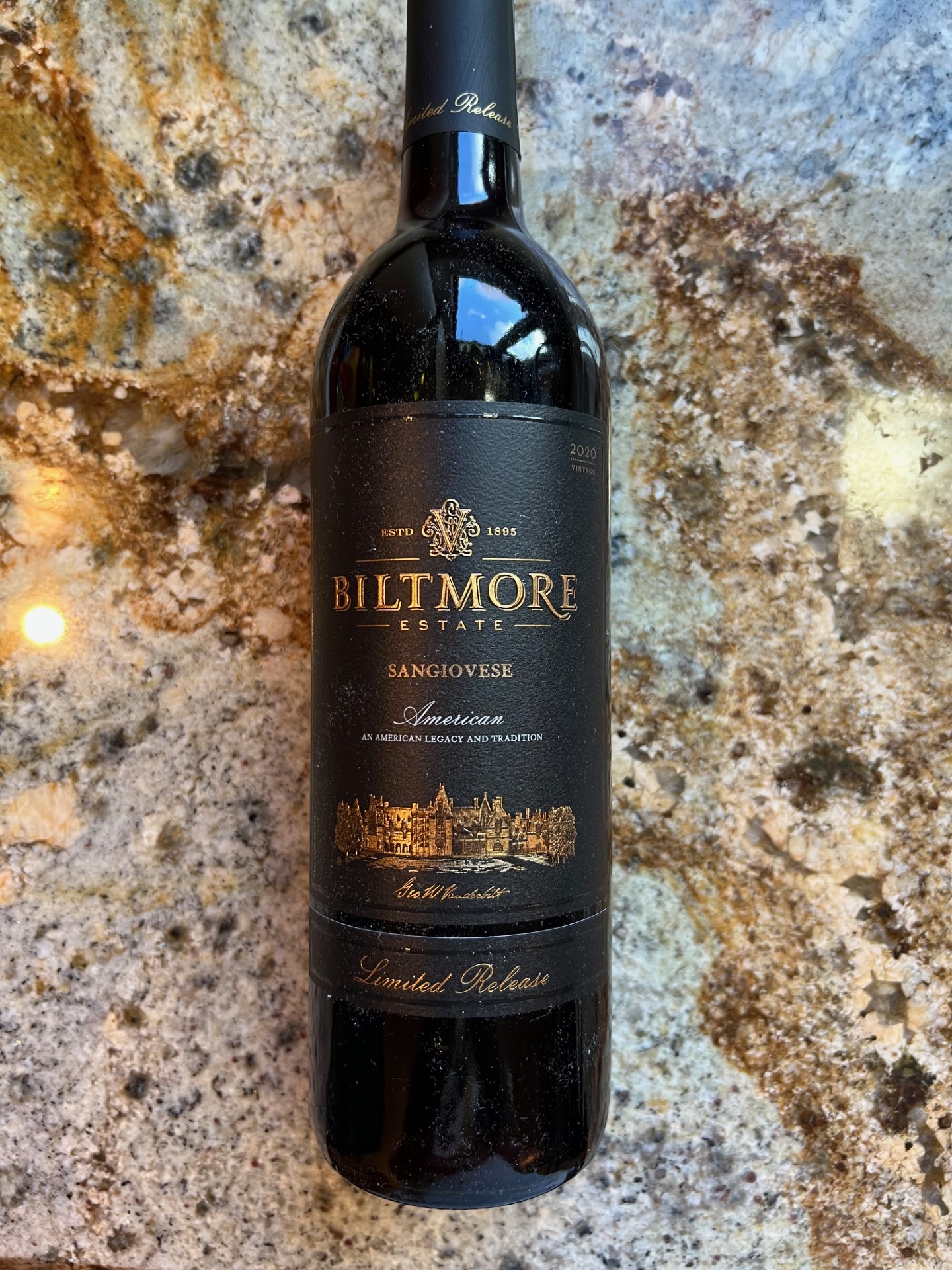
One of the bottles we bought was their Biltmore Estate Sangiovese Limited Release 2020. It is a ruby-colored wine with a medium body displaying more than ample acidity to pair with food while not overpowering its fruit flavors. Biltmore Estate Sangiovese Limited Release 2020 pairs perfectly with pasta in a hearty red sauce or grilled meat.

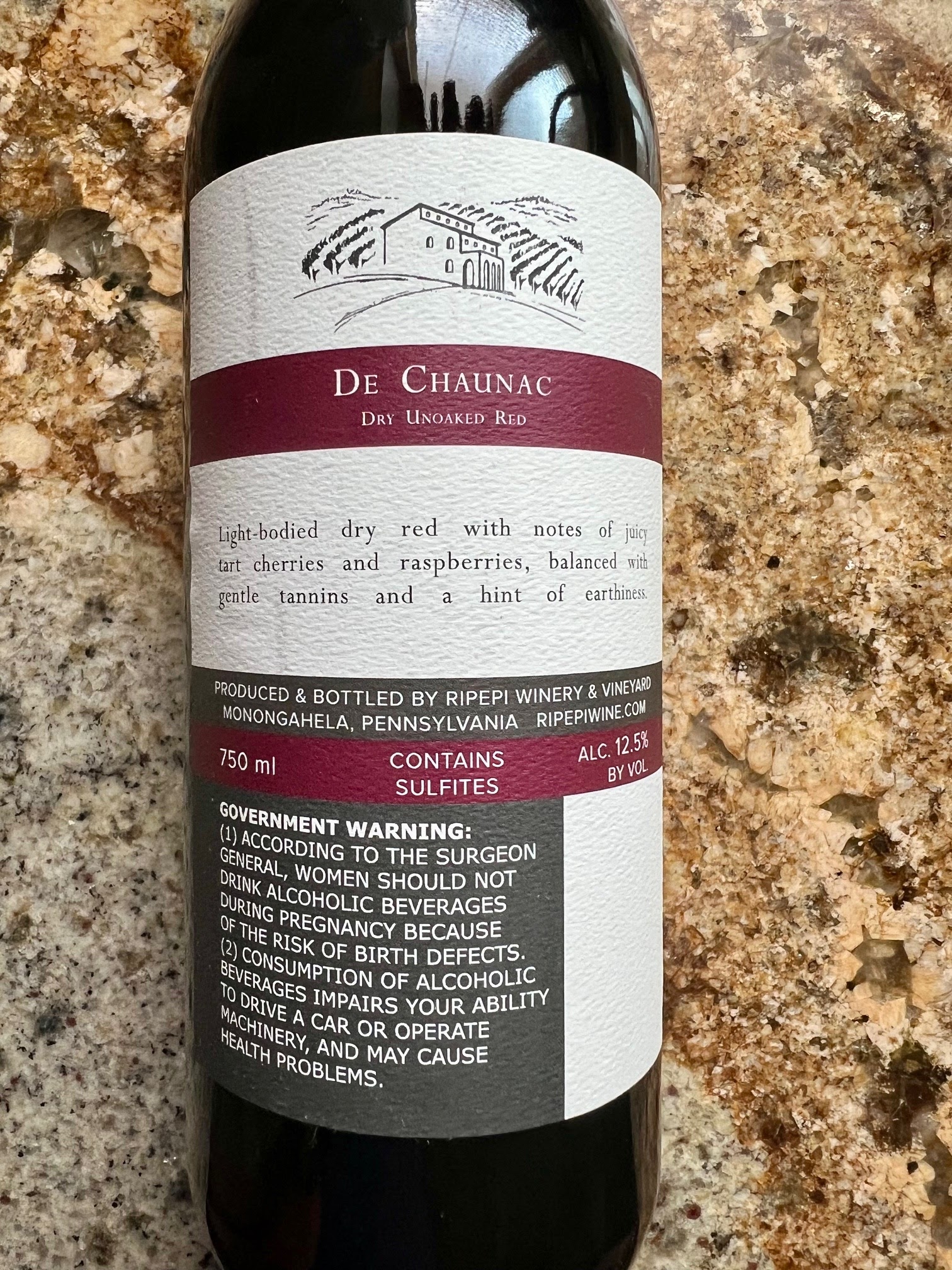
Ripepi De Chaunac Nouveau-Style

Ripepi Winery and Vineyard is a 10-acre estate vineyard and boutique winery in the southwestern Pennsylvania town of Monongahela founded by Rich Ripepi in 1987. It has produced handcrafted artisanal wines for over 30 years. 

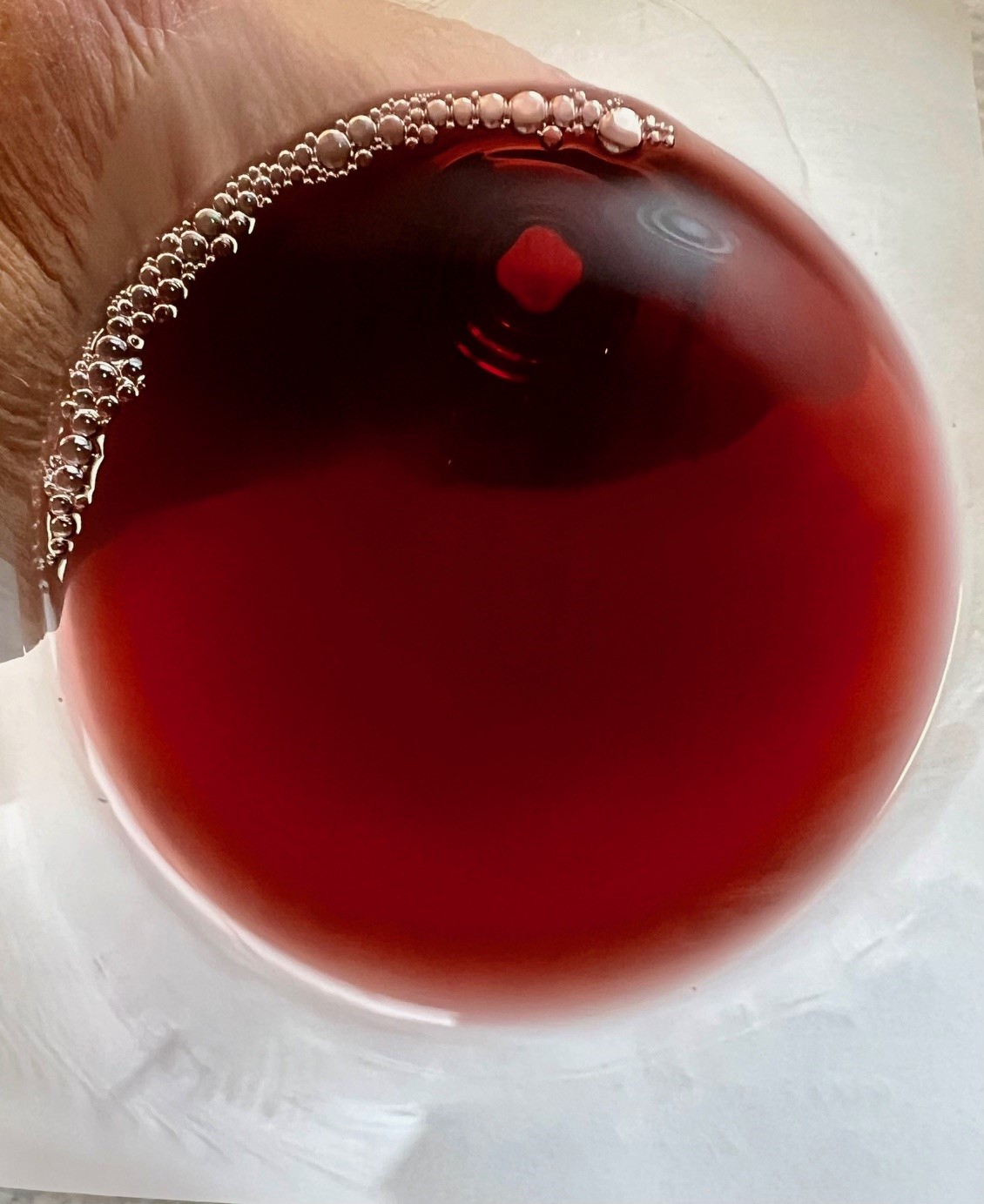
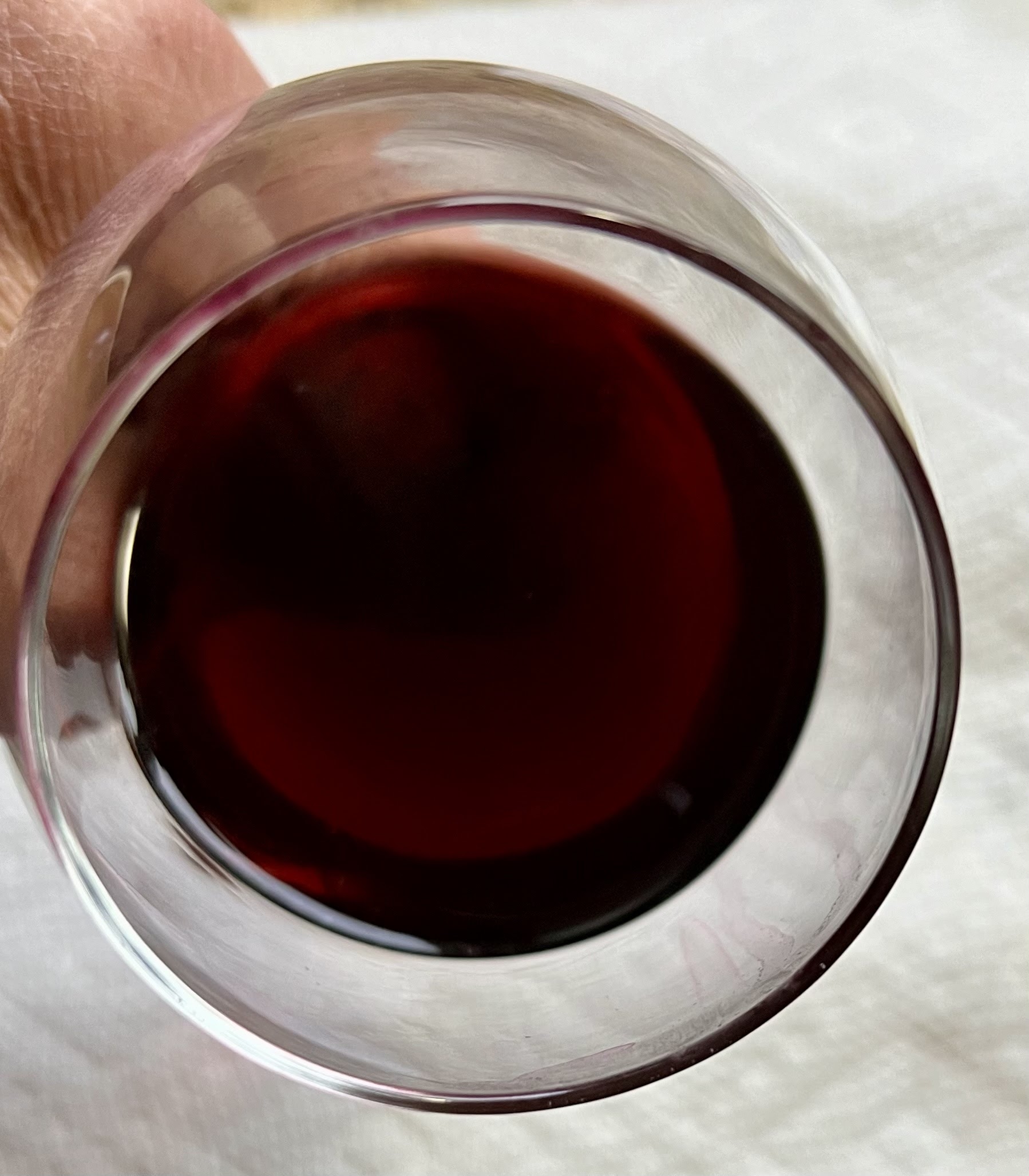
Ripepi De Chaunac Nouveau-Style is a light-bodied, garnet-colored, unoaked dry red wine displaying distinctive cranberry, raspberry, and slightly earthy with a tart finish.

http://ripepiwine.com  724-292-8351 call for hours. 
Book Review: Reflections of a Vintner by Tor Kenward

Reflections of a Vintner Stories and Seasonal Wisdom From a Lifetime in Napa Valley by Tor Kenward, Forewords by Robert M. Parker and Thomas Keller. Imagine relaxing in Adirondack chairs overlooking a lovely Napa Valley vineyard on a perfect summer evening with Tor Kenward while enjoying a glass of his award-winning wine as he recalls the people, places, and events that shaped, not only his wine journey but his life. If this sounds like an intriguing opportunity to hear the candid memories of a vintner who witnessed history, as well as making it, as an aspiring winemaker during the formative years of the current Napa Valley wine culture then this book is for you. The book is chaptered as months of the calendar year and touches upon what a vintner is thinking as each month unfolds but is predominantly the story of Tor Kenward’s life as a winemaker told in his own words.

How To Propagate Grapevines From Cuttings. Now Is The Time To Start!

The following article is a collaborative effort between myself and Stephen Casscles, a leading authority on the propagation and cultivation of cool climate and heritage grapevines. It is a detailed account of the procedures for propagating new grapevines from the cuttings of an existing vine. Thank you Steve for being so generous with your time and knowledge. All photos in this article are courtesy of Stephen Casscles. If you need more information about how to propagate vines, consult older books written by Philip Wagner, which are still available, or contact your local cooperative extension agent who can direct you to excellent brochures that have been produced by your local agricultural state university.

    If you have or can obtain clippings from a grapevine that produces excellent fruit, it is easy to reproduce as many vines/clones of that vine as you want. Starting new vines from the clippings of a mother vine ensures you will grow an exact copy of the vine and it will crop the same quality grapes as the original vine. Be sure that the mother vine that you select for your cuttings is strong, and exhibits no indications of viruses or diseases. Some vines, that have curled leaves, odd-looking clusters, or off-leaf colors have been contaminated with a virus. Do not use these vines as you are simply propagating diseased and virus-laden vines and not the strong virus-free vines that you want.

    The next step is up to the propagator, but Steve said he was taught to nip off a straight cut one inch above the top bud and make an angled cut at the bottom of the cane just below the bud node. Making your angled cut at the bottom of the stem easily shows where the top of the cutting is from the bottom which makes it easier when setting out your nursery cuttings, it also allows the cutting to be easily planted in the soil. No matter how you cut your ends, make sure you are consistent so that you will always plant your cuttings correctly, bottom side down in the soil. Dipping the bottom end of the stem into rooting hormones helps promote root growth, but is not necessary. You can find rooting hormones at your local garden center or nursery. If you are only rooting a few cuttings, fill a potting container with your local soil, if it is good well-drained loam soil, if it isn’t mix it with potting soil to improve its drainage.  Make sure your container is deep enough to accommodate your clippings, but if you are propagating a lot of material consider digging a shallow trench and reserving enough loose soil to fill in around your stems.

    These trenches can easily be located in your vegetable garden, since this soil has been worked up for many years, and often has a fence around it to keep out the wildlife that may like to browse on your newly installed cuttings. When planting your cuttings, bury them vertically three to four nodes deep with the bottom side down into the ground, leaving the remaining nodes exposed above the soil level. Remember to plant the bottom of the stem down with the straight-cut end above the ground.

    Keep the soil well watered, but not soggy throughout the first year when your cuttings are establishing themselves. For those in potted containers, the cuttings should be placed in a frost-free location with bright indirect sunlight. If you have more than one row of nursery cuttings in your nursery, it is recommended to mulch the cuttings with straw (not hay) to keep down the weeds and retain soil moisture.

    Steve explained the difference between taking cuttings from your vine and propagating them as a single project and cloning in which you separate individual canes that have a certain desirable mutation to create an entirely new variety of the original grapevine. Steve gave me an excellent example that was easy to understand. “My understanding is that cloning would be finding an abnormal sport of a vine that is different and you cut that unique cane off to propagate it. For example, Frontenac Gris is only a regular Frontenac when it was noticed that a separate cane had bronze-colored grapes and not red.  So cloning would be separating and propagating that “clone”, but if you are propagating wood, you just collect your wood and go at it.”

    You must plant more cuttings than you need to compensate for some not surviving. As a dear departed friend of Steve’s, Joel Fry of the Bartrams Garden in Philadelphia used to say, “Plant two of everything, and one will die”.  How many to plant is the question. Steve offered his advice based on years of experience in this area of viticulture. “I find that different varieties propagate at different rates. For example, Baco Noir, which is a part Riparia variety tends to have a higher success rate because it is a Riparia. Even with Riparia, I would plan for a 20% non-success rate for varieties such as Delaware, which is a part Bourquinian species hybrid, do not take as readily, so I would expect a 40% death rate.”  I would recommend propagating as many cuttings as possible using only the strongest ones to satisfy your needs and giving the extras away. Vines can also be rooted in water, but you will need to change the water regularly to prevent disease. Once you see the stems/cuttings rooting, you must transplant them into the soil.

    Whether you set out a nursery in your home garden or place them in pots in the spring, you need to wait an entire year to ensure that your cuttings have sufficient roots before they are set out in the field the following spring. After your cuttings have developed a strong root system they can be transplanted to their permanent location. 

    You probably have heard vintners say the clone number for a specific variety of grapes planted in their vineyard. An example of this would be the Pinot Noir Dijon clones 114, 115, 667, and 777 which are the most widely planted Pinot Noir clones because of their reliability and productivity. When you drink any mass-produced Pinot Noir you are likely drinking wine made from these clones. It is easy to go down a “rabbit hole” when looking for clones of just about any grape variety when researching which clones to plant in your vineyard. Don’t let the sheer number of options overwhelm you. The answer to this question is a simple one, treat a clone like a different variety. Pick a clone you like and propagate that clone.

    Growing your own vines from cuttings is a rewarding venture both financially and from the sense of personal accomplishment you will feel when you harvest your first grapes. With the adverse effects of climate change being documented in vineyards around the world and the increased number of adverse weather events plaguing vintners, the answer to a  consistent and economically sustainable fruit crop may lay in the past with heritage grape varieties, older cool climate hybrids, and new hybrids that are being developed. Growing heritage and cool climate hybrid grape vines that have adapted to survive many weather-related challenges over time could be a critical puzzle piece in the future viability of our vineyards, for both hobby and commercial grape growers. In addition, these varieties tend to be more productive and can be grown more sustainably with fewer pesticide/fungicide applications. They are direct producers that do not need to be planted on a rootstock. This means that if we witness a very cold winter or late spring frost, which kills that part of the vine above the ground, canes will come up from the ground to produce a crop in the same growing season.

    With that objective in mind, Stephen Casscles continues to labor on his long-term project, the Cedar Cliff Vineyards Heritage Grape\Wine Project, aimed at preserving heritage and lesser-known cool climate grape varieties in Northern America. If you have any questions about his work at Cedar Cliff Vineyards please contact Stephen Casscles cassclesjs@yahoo.com  To further his work, Stephen has established a set of three cooperating nurseries in Marlboro, NY, Fonda, NY, and Ipswich, MA where you can purchase already rooted vines and/or grape cuttings. If you are interested in obtaining cuttings of these unique vines, please feel free to contact Stephen Casscles cassclesjs@yahoo.com.  Sadly, most of these cuttings or vines are not available at commercial nurseries, hence we need to propagate them on our own to increase the availability of these unique virus-free/ disease-free grape varieties. For additional information on these heritage and cool climate grape hybrids, the 2nd edition of Steve’s book “Grapes of the Hudson Valley and Other Cool Climate Regions of the US and Canada”  is available at http://www.flintminepress.com .