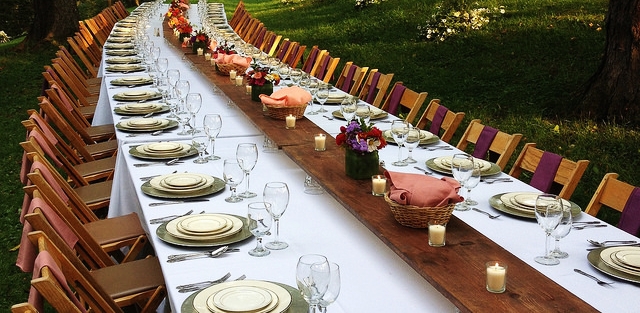
Interview: Alfredo “Alfie” Alcantara, Winemaker, Vigneron, Emmy Award-Winning Producer, Director & Cinematographer

In the town of Walton, nestled in the Catskill Mountains of New York, reside a couple of forward-thinking winemakers and vineyard owners who are looking to the past to chart a possible path forward that could help the wine industry survive in a world facing the uncertainty of climate change and other challenges. 

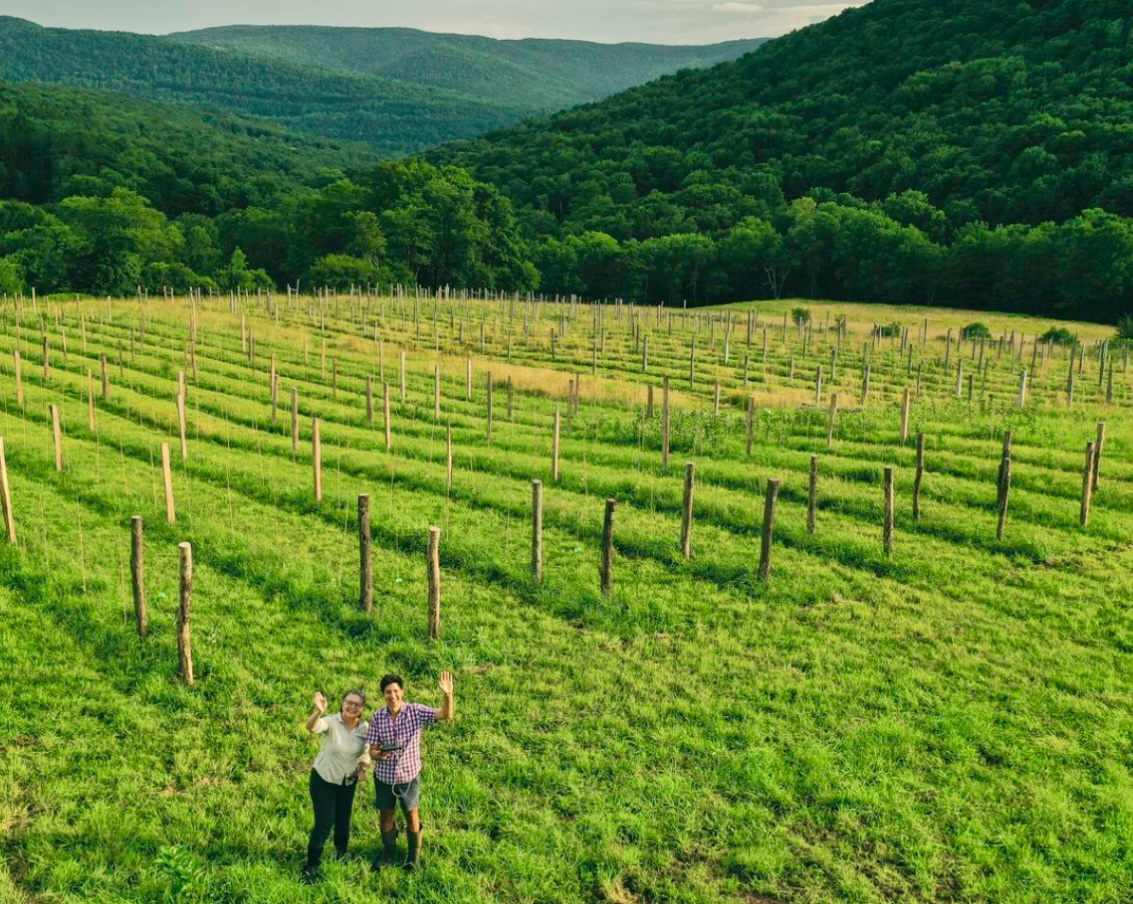
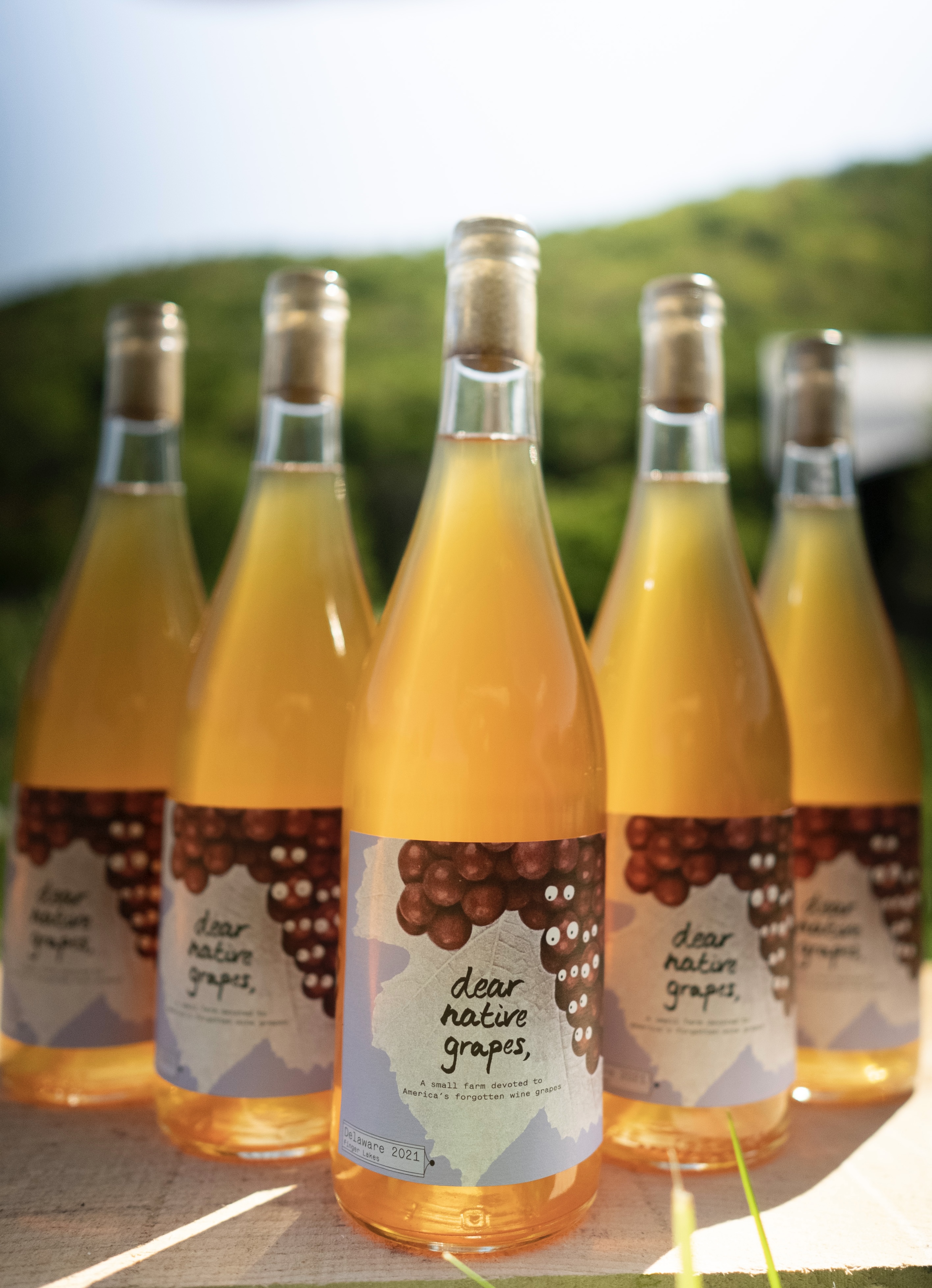
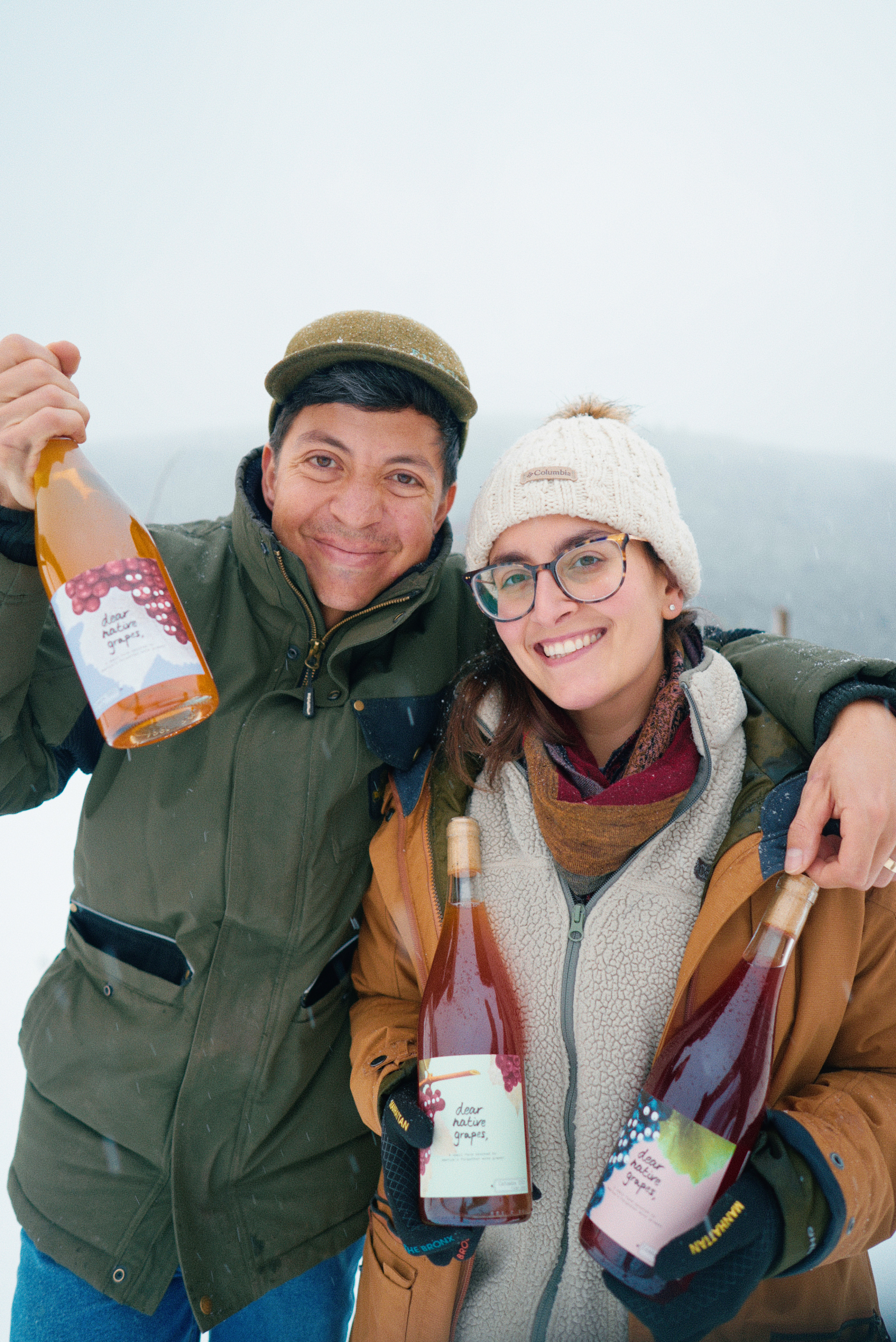
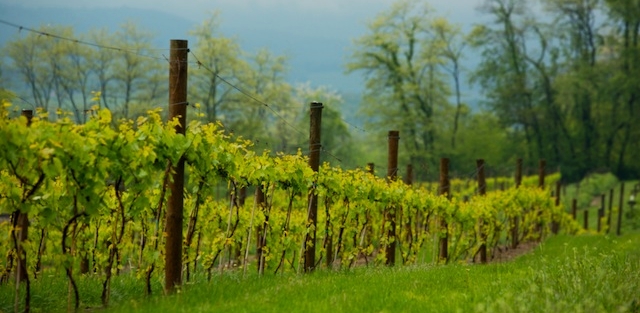
Alfredo “Alfie” Alcántara and Deanna Urciuoli, co-owners of Dear Native Grapes, are members of a small but growing vanguard of winemakers who are reviving forgotten and seldom-used native grapes to produce natural wines. These resurrected wines not only display distinctive flavors but also serve as a vehicle to expand the diversity of the vines that are being planted in vineyards.

Alfie is an Emmy award-winning documentary producer, director, and cinematographer whose latest critically acclaimed film, “The Age of Water,” delves into the human toll that Mexico’s water crisis is exacting on its people. The “Age of Water” will air on September 28th, 2025, on PBS. I was able to catch up with Alfie and ask him about the grand opening of dear native grapes tasting room and what else he has been up to. The following is my unedited and verbatim interview with Alfredo Alcántara.

1. Congratulations on the grand opening of your tasting room. What can your guests look forward to when they visit ‘dear native grapes’ on opening day and in the future?

“Thank you! We are beyond excited to finally open our doors and welcome visitors.

It’s been five years since we started ‘dear native grapes’ in the garage of our home. In that time, Deanna and I got used to navigating a tight maze of fermenters, barrels, and packaging material that we stuffed into our small space, and somehow we were able to launch our little winery. Producing wine in the garage was a romantic idea, but we knew we had to scale up to grow our business. 

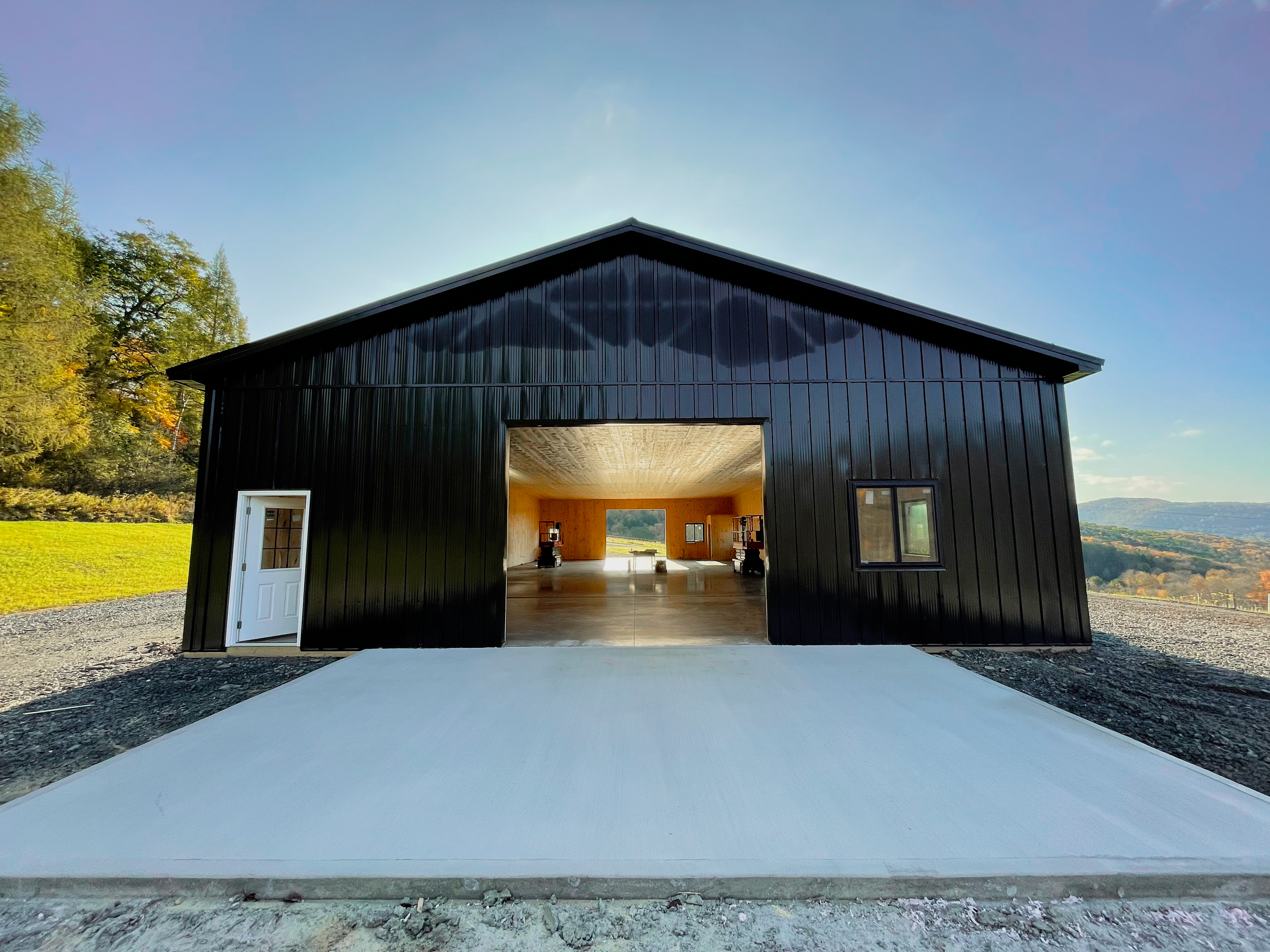
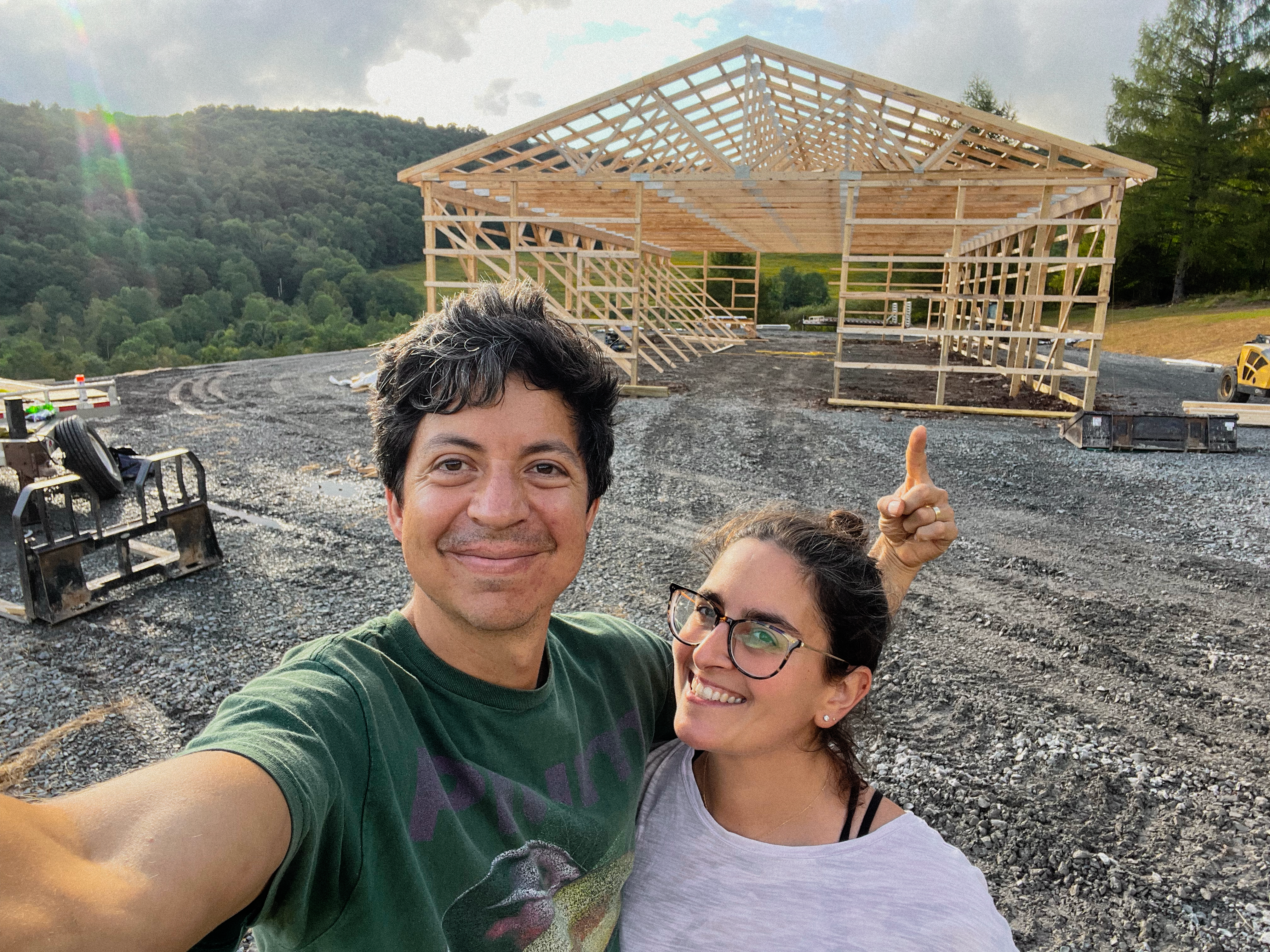
In 2023, we pooled our savings to pay for the construction of a pole barn that would one day house our production area as well as a small tasting room to host visitors to the farm. Since then, we’ve been hard at work getting the space ready. 

We’ve always felt passionate about sharing the story of America’s wine grapes, and we believe folks might feel equally inspired to see these grapes actually growing and thriving at our site. It’ll be even more exciting to have visitors taste the unique and expressive wines that these grapes can produce. We hope that experience will inspire more ideas and conversations around the potential of American grape varieties. 

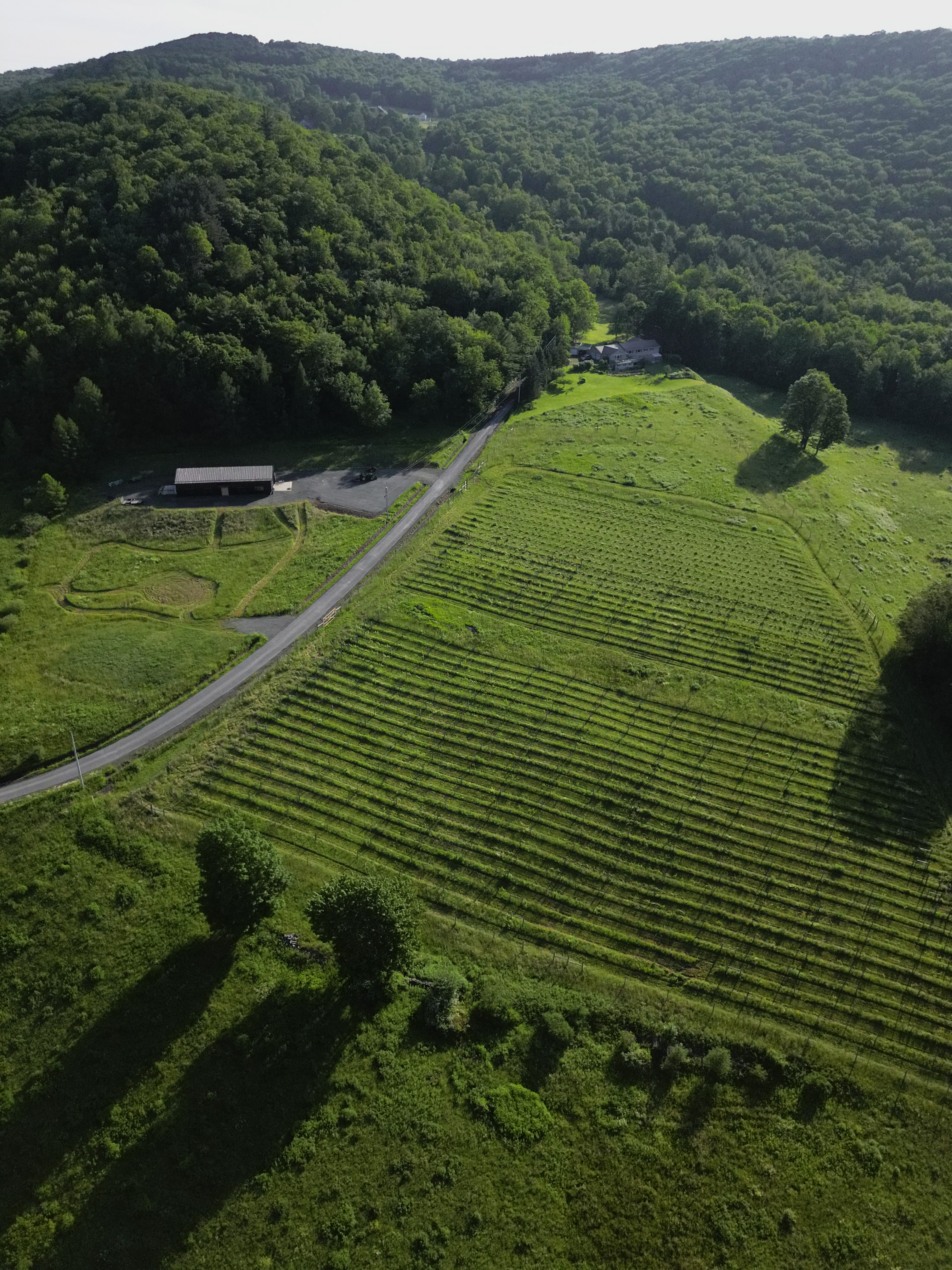
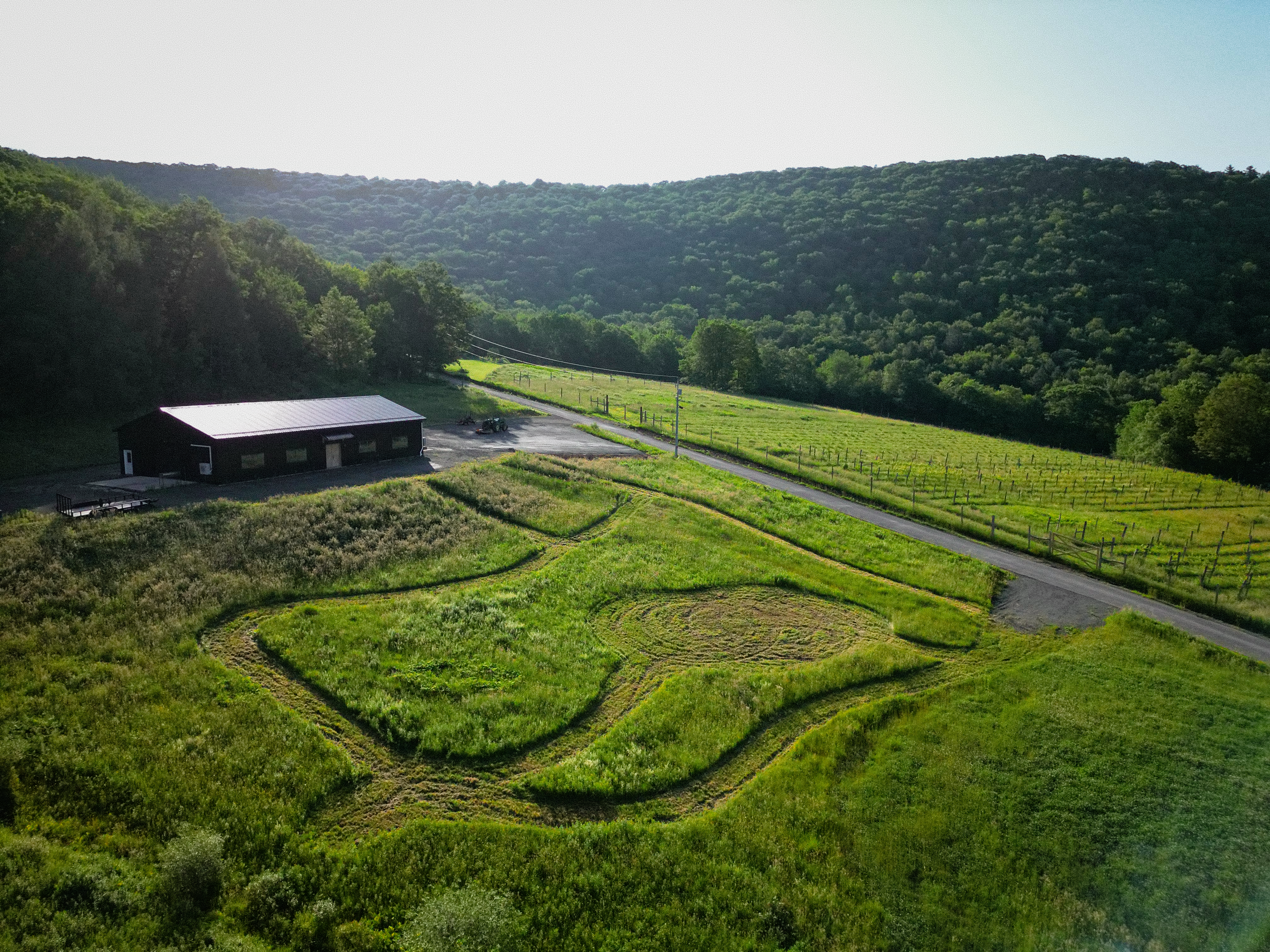
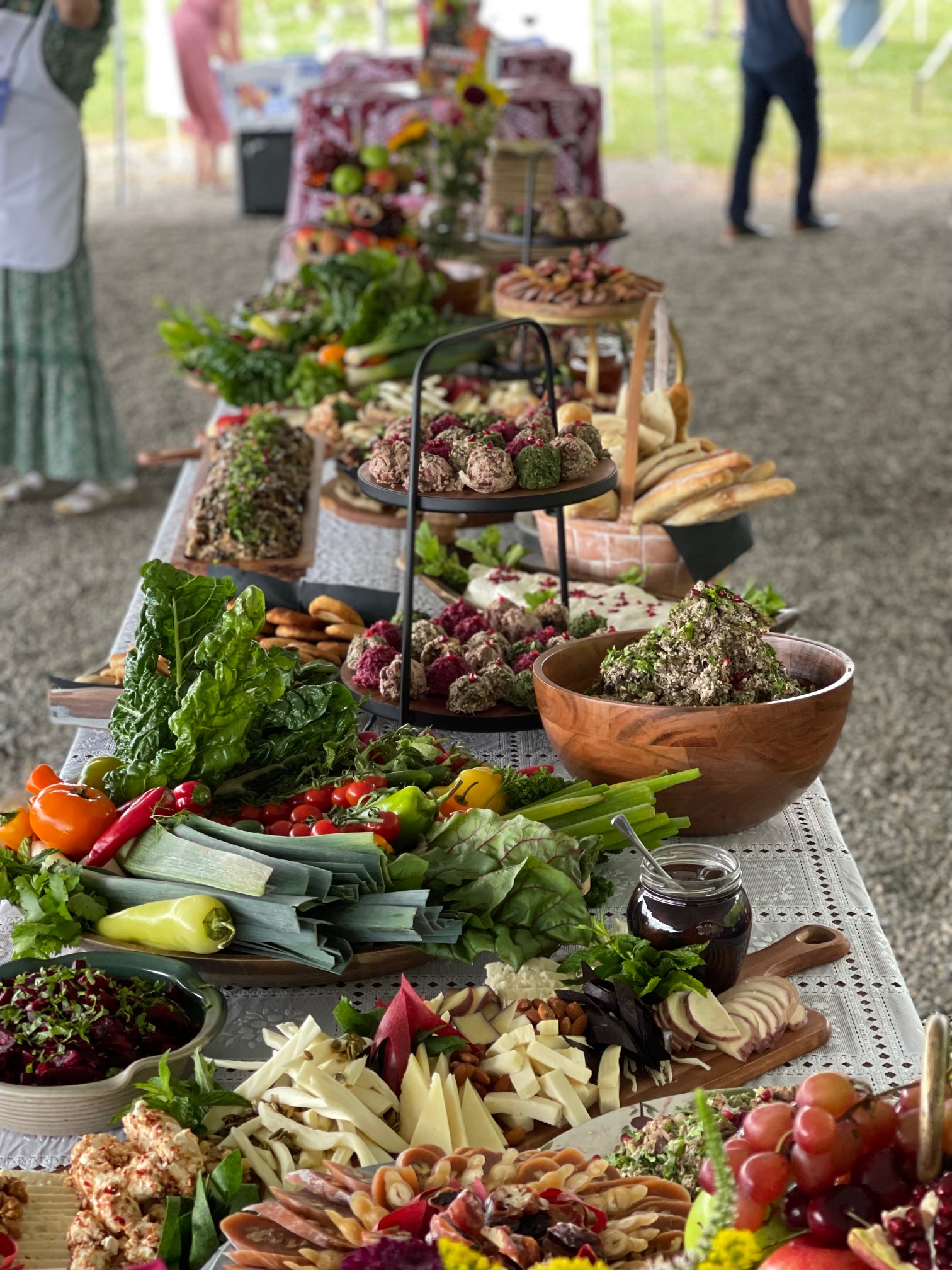
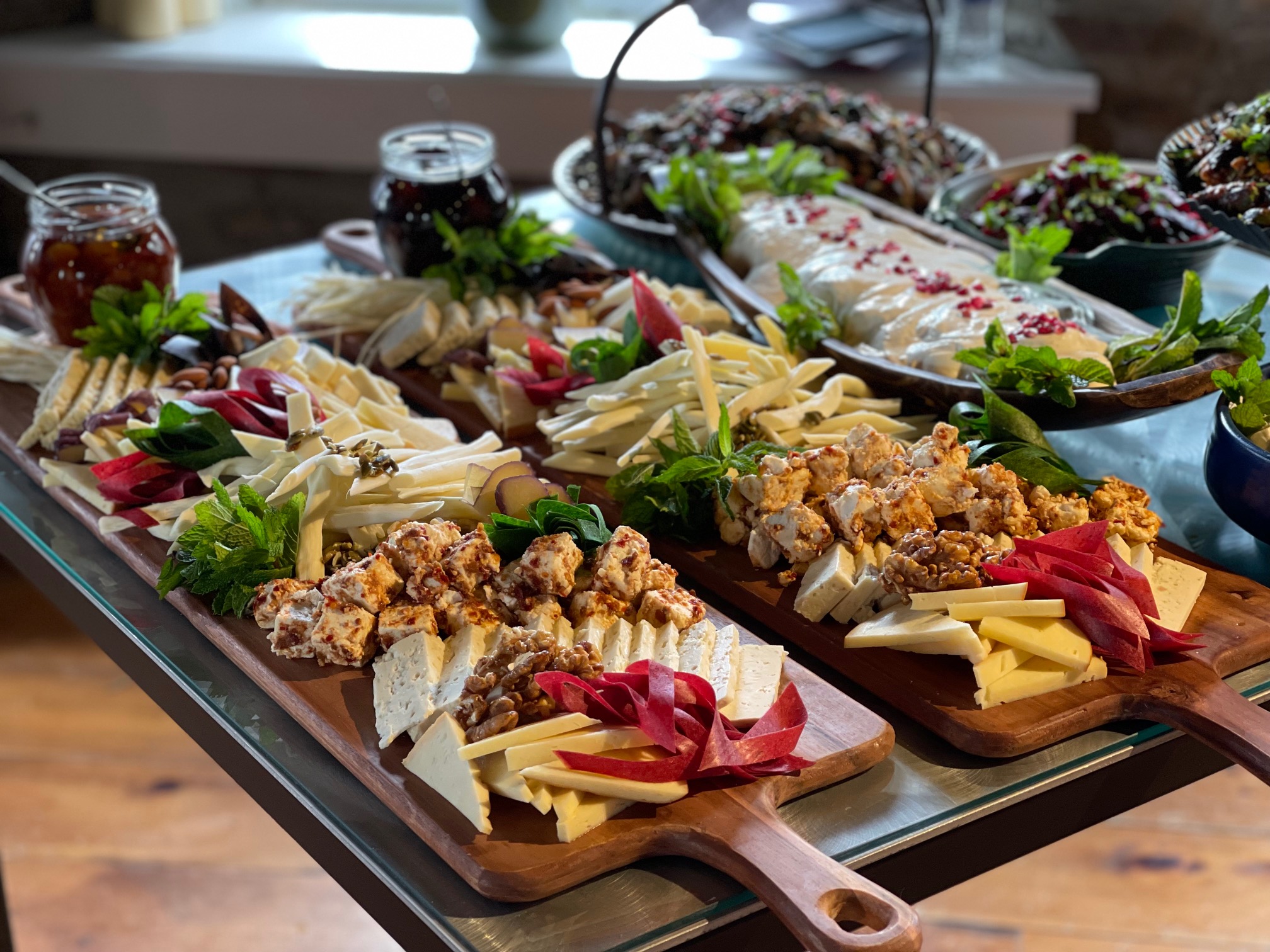
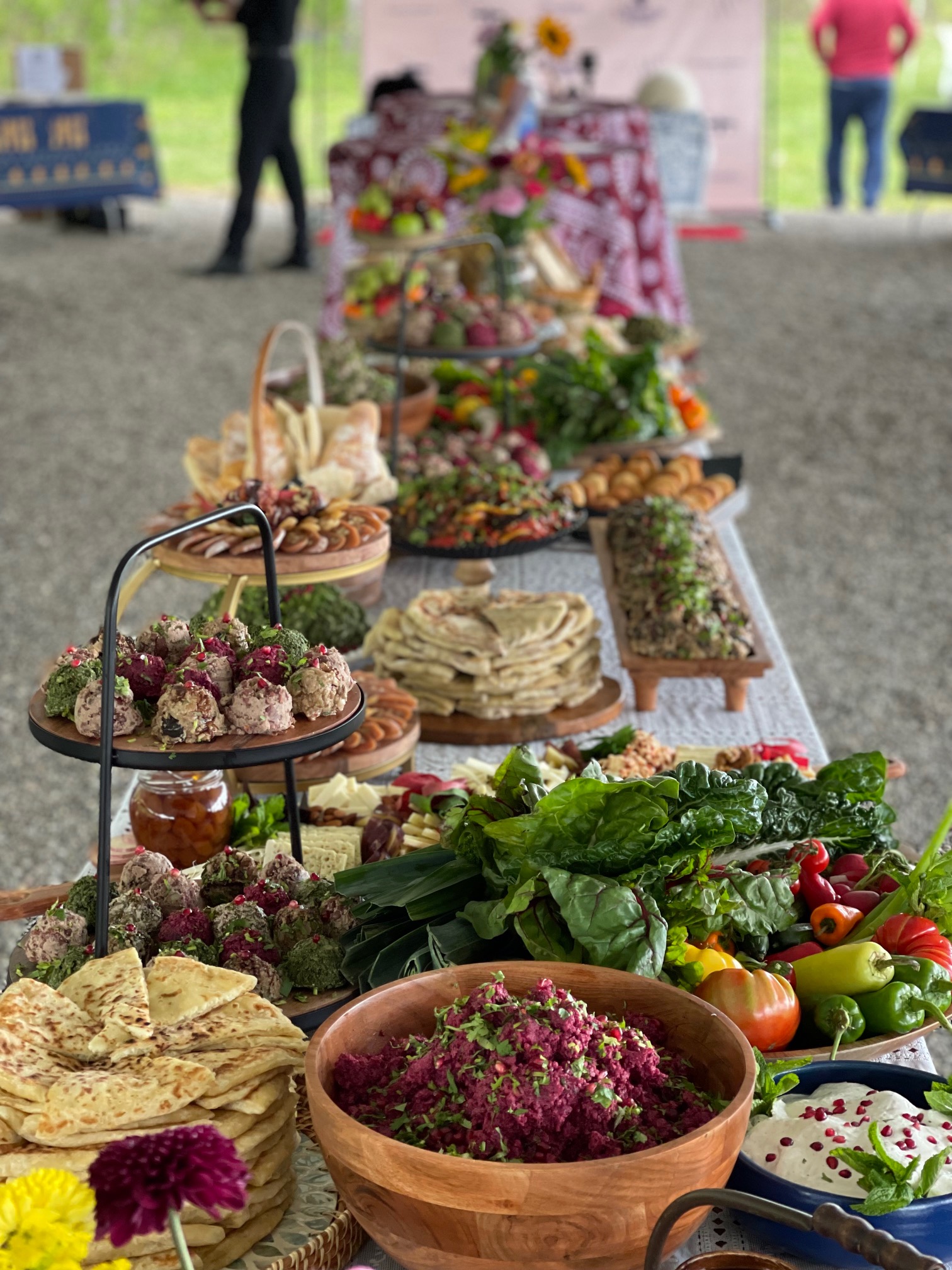
The winery is situated at the top of our vineyard and is surrounded by the beautiful Catskill Mountains. We hope it serves as a space for community building, inspiration, and relaxation in nature. We’ll also be featuring local food vendors and food pop-ups that showcase the culinary diversity of our region. 

Our opening day is July 19th, 2025, and we’ll be open every Saturday from 12pm to 7pm.”

2. You have chosen to grow and craft your wines from non-traditional native and hybrid grape varieties. What is your vision for dear native grapes?

“At its core, dear native grapes is an educational project designed to shed light on valuable grape varieties that could pave the way for more diverse, climate-resilient winemaking, energizing local economies in the process.

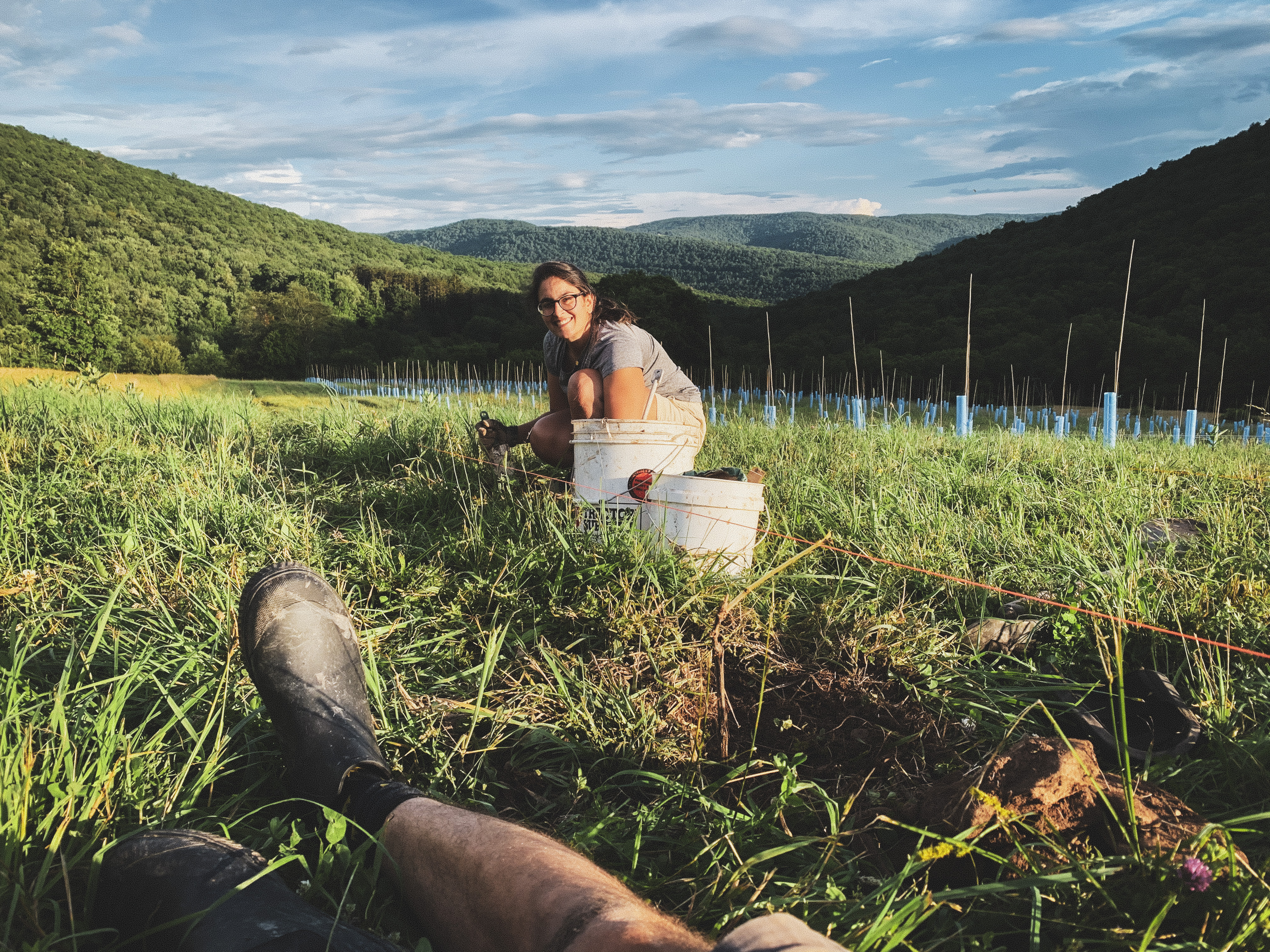
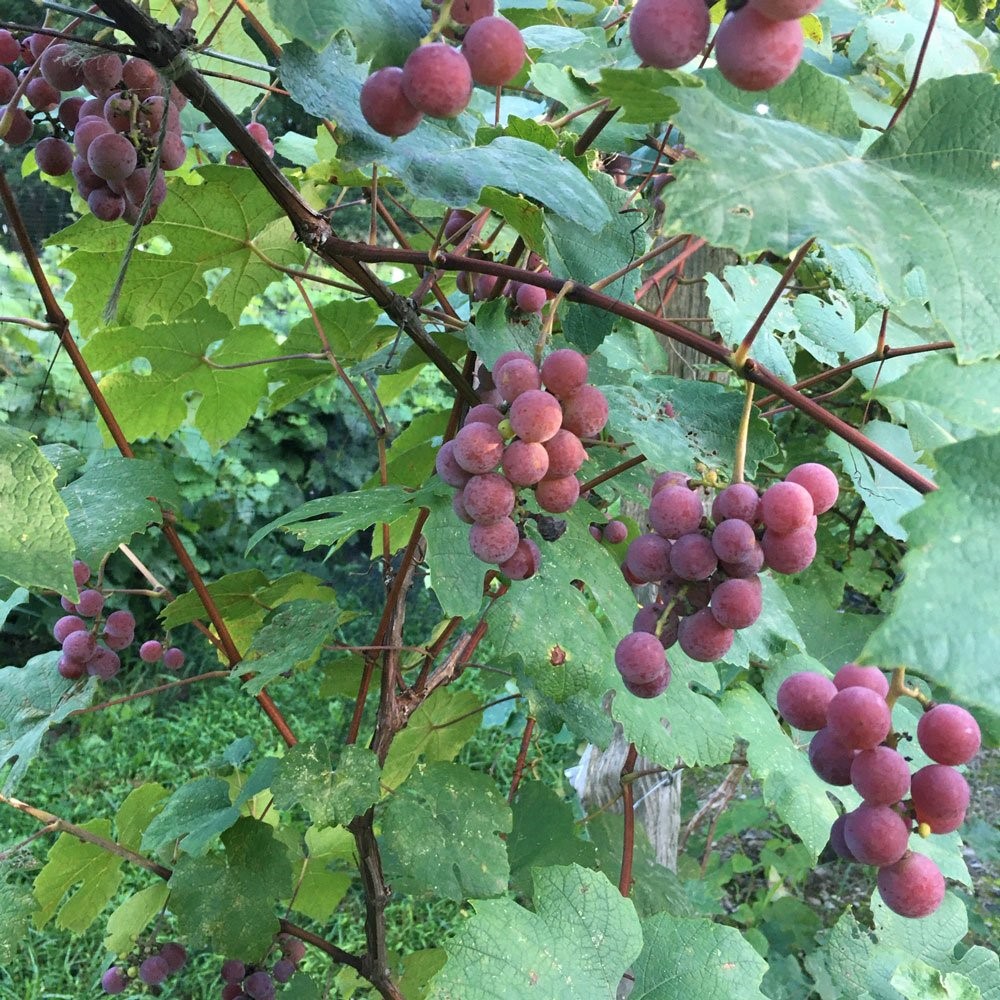
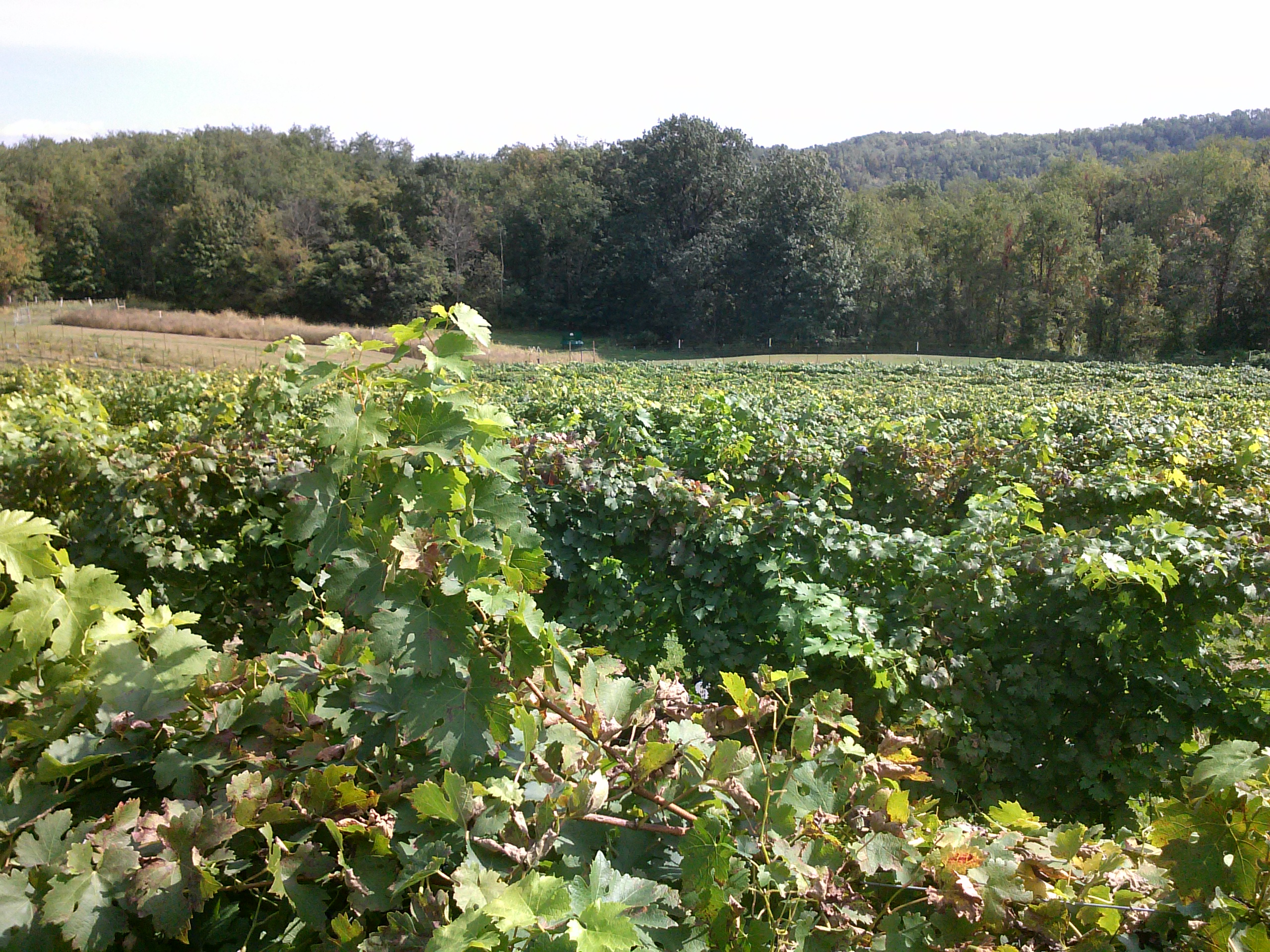
Our vineyard is an experimental plot meant to test the resilience of several dozen varieties. Since planting in 2020, we’ve already begun to see some really exciting results. A handful of varieties–both heritage and newer cultivars– have stood out as promising for our region. Our site is on a windy ridge top that gets pummelled with all sorts of weather throughout the year. The growing season is short, the winter is very cold, and there’s a danger of frost at each end of the season. So being able to successfully get these grapes through harvest is really encouraging. Among the heritage and heirloom varieties that have performed well are Delaware, Wine King, and Empire State. Among the newer varieties, Petite Pearl and Brianna are becoming the clear winners in terms of growth, disease resistance, and overall resilience.” 

3. Tell us about your wine journey, how it brought you to where you are today, and your plans for the future. 

“I think I may have some weird past-life connection to winegrowing. Since I was a kid, I dreamed of growing grapes. For some reason, it has always resonated with me. I met Deanna in college, and we lived in Brooklyn for ten years. During that time, we fell in love with natural wine. We got to taste wines that felt alive and vibrant. Many were made from indigenous grapes grown in regions we had never heard of. We were truly inspired each time we experienced a different bottle. And so that really got our gears turning. 

During that time, we stumbled upon the history of America’s native grapes and how we had lost so many varieties during Prohibition. We learned about the rich history of New York winegrowing and its steep decline during that time period. How could such an important face of American viticulture fade away into obscurity? We were instantly hooked. I would talk to Deanna non-stop about the possibility of pursuing this as a serious business: we could bring some of these grapes back into production, and help restore value back into long forgotten varieties. 

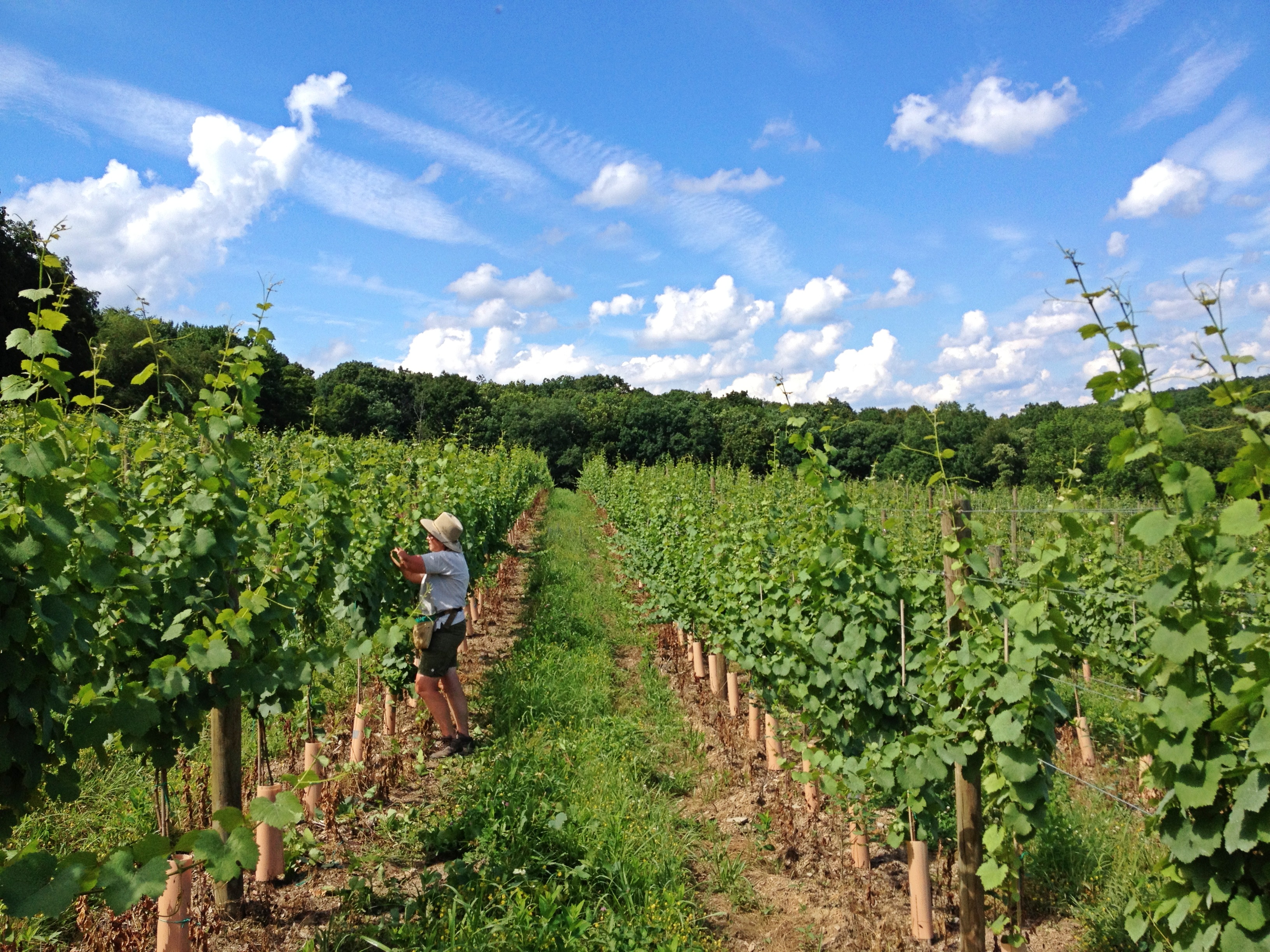
Deanna pushed me to volunteer at farms and wineries, and we took business planning courses. She’s a great financial planner, and so she put us on an aggressive savings plan for a few years. In 2019, we had saved enough money for a down payment on some farmland, and we decided to make the jump. We bought our place that same year, and in 2020, with the invaluable help of friends and family, we planted our 5-acre vineyard. In 2021, we had the opportunity to make wine from old vines grown at Buzzard Crest Vineyard on Keuka Lake, and we released our first vintage in 2023. That same year, we had the opportunity to work with Stephen Casscles, author and grape historian, who has cultivated a vineyard of rare and nearly-extinct heritage varieties. Steve has become one of our wine mentors, and we’ve made wine from his grapes for the past two years. This year, we hope our home vineyard yields a significant harvest. 

We feel like the past five years have flown by… We’ve been on the steepest learning curve we’ve ever experienced, constantly challenged by the realities of rural living and farming, and constantly humbled by Mother Nature. However, we feel so grateful each day to have the opportunity to pursue this project. It’s brought so much richness to our lives in terms of the community we’ve been able to foster around us. As we gear up to open the winery to visitors, we feel like another chapter is about to begin: one where we can finally start sharing the story of American grape varieties with a wider community. That’s our ultimate goal!”

Make plans to attend the grand opening on Saturday, July 29th 2025, from noon to 7pm, or visit any following Saturday, noon to 7pm

Thank you, Alfie, for taking time from your busy schedule to give us a heartfelt glimpse into Deanna and your quest to make dear native grapes a reality. dear native grapes is truly an example of a “Labor of Love”

dear native grapes

17 Crawford Rd

Walton, New York 13856

alfie@dearnativegrapes.com

dearnativegrapes.com

Photo Credit: dear native grapes

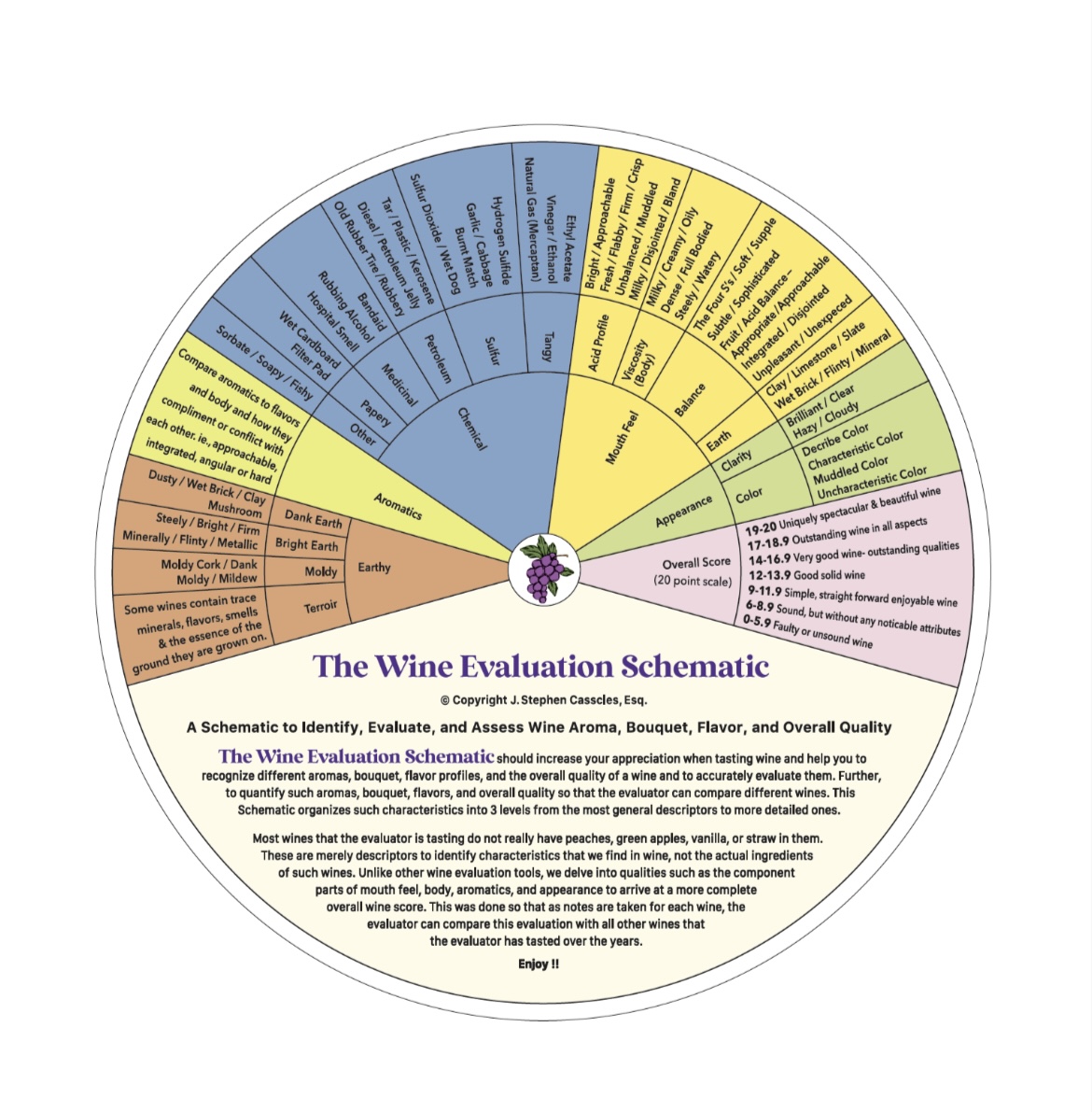
J. Stephen Casscles Releases Revolutionary “Wine Evaluation Schematic”

Internationally renowned Heritage grape authority, Steve Casscles, has released an innovative wine evaluation schematic. He has envisioned all the information you need to analyze characteristics of a wide range of wine grape varieties. The how and why Steve created this tool and how to best use it are fascinating. I asked Steve to share the story behind his creation. The following is my verbatim and unedited interview with J. Stephen Casscles. 

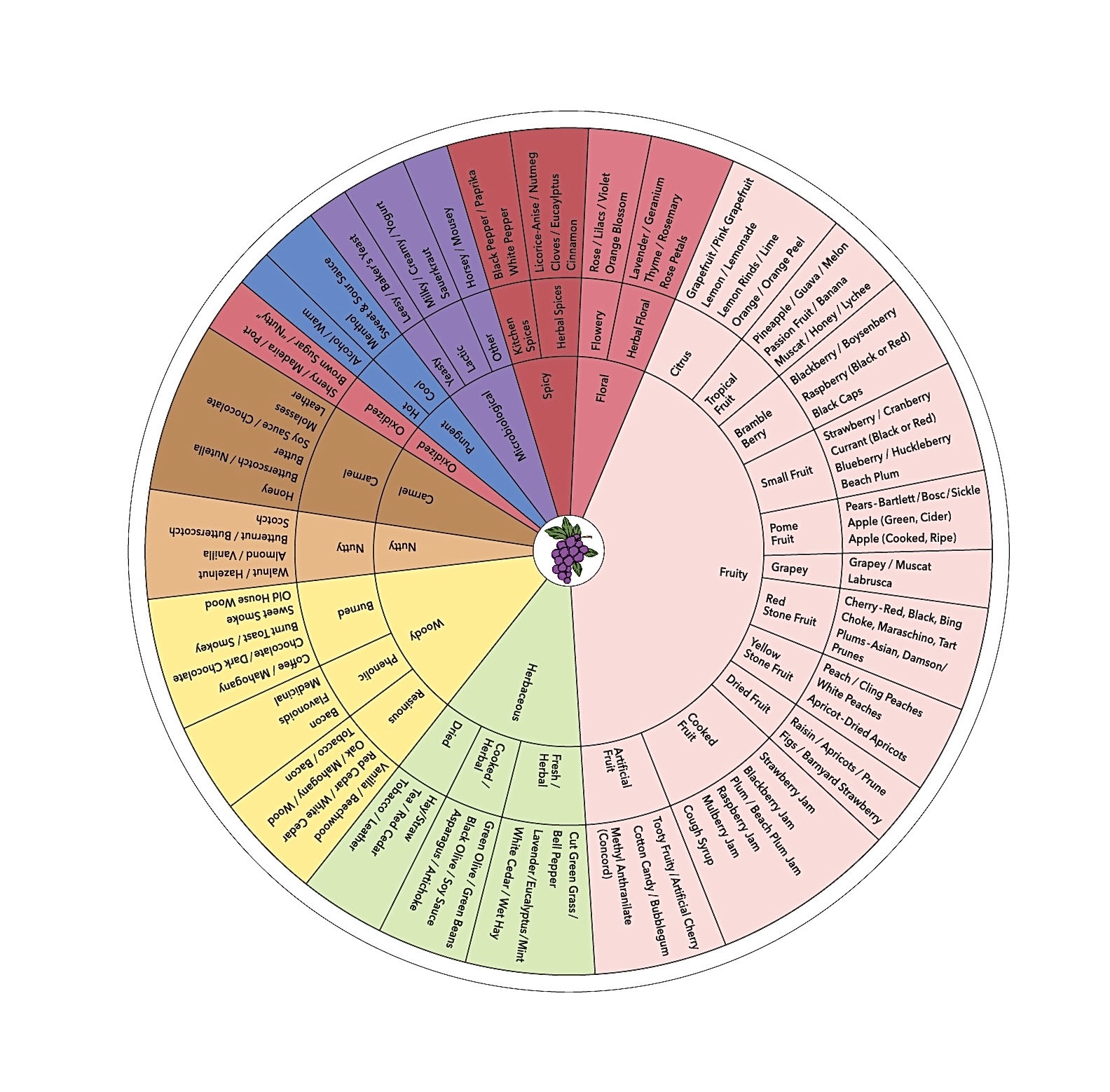
“About 20 years ago, when I started to seriously evaluate wines to implement my idea for writing a Cool Climate/Heritage grape book, I was searching for a methodology to accurately evaluate wine and include descriptors that readers could use to understand these wines. There were several charts or aroma wheels that were a model for a good first step to evaluating wines.  However, while good in that they set up a framework for me to evaluate and write down wine descriptors, I found that they were somewhat deficient in the descriptors to be used for wine. Further, they were not organized by the kinds of fruits that were being cited as being in the wine. So I greatly expanded the fruit descriptors. More importantly, most evaluators put too much concentration on aromas/flavors, and not enough on wine texture, and energy on the palate. This Wine Evaluation Schematic brings in considerations such as texture, body, mouth feel, appearance, body, finesse, and how the wine is integrated into one unified taste experience. Also, most charts did not give guidelines to give a wine an “overall score”, so that the evaluator could go back years later to rate that wine with other wines that the evaluator has scored.”   

“It is my goal in releasing this Wine Evaluation Schematic that this Wine Evaluation Schematic is a starting point for each evaluator.  Modify it as you like to fit your needs, and please add your own terms and descriptors. This Wine Evaluation Schematic can be used by individuals who want to appreciate wine, wine educators who want to convey a methodology or a conceptual framework to approach teaching their students about the concepts of how to approach this subject, and wine writers that want to more accurately convey to their readers the wines that they are writing about, and wine judges that evaluate wines for their wine competitions.”    

“Right now, I have approached my wine colleagues in Korea, some of whom own wineries or wine schools, to translate this into the Korean language. Many of the grape varieties grown in New York State are also grown in Korea, so the flavor profiles of our wines are similar in many ways, especially regarding body, mouthfeel, and texture.”

Heritage Wine Update Interviews: J. Stephen Casscles and Alfredo “Alfie” Alcántara

Vignerons and winemakers are adapting to the changing climate conditions in vineyards and wineries around the world. As documented in my interviews with winemakers, vineyard/winery managers, and other wine industry professionals, wine grape harvests globally occur earlier than ever before. This phenomenon is the new normal instead of the recurrent fluctuations expected over a chronicled time frame. Change in the wine world moves slowly but a small group of visionaries is leading a vanguard of growers and winemakers who are addressing the issues, not by exploring uncharted waters but by looking to the past to find answers for the future. These modern-day pioneers are resurrecting nearly forgotten grape varieties that were popular a century or more ago. They are creating exciting new wines from Heritage and Cool Climate hybrid grapes by employing unconventional winemaking methods and techniques. These strategies draw out the most favorable characteristics these grapes have to offer. 

To better understand the benefits and potential that Heritage and Cool Climate grape hybrids provide, I asked J. Stephen Casscles, the leading authority in the field, for his opinions. Steve has authored extensive research on this subject, including two books, numerous articles, and scientific papers. He is also a well-known lecturer, winemaker, and owner of Cedar Cliff Vineyard, a Heritage grape vineyard in Athens, New York. 

I also enlisted the help of Alfredo “Alfie” Alcántara, winemaker, Heritage grape vineyard owner, and cinematographer. Alfie is a Mexico City-raised, NYU Tisch School of the Arts grad, award-winning New York-based documentary producer, and cinematographer whose resume includes having his work screened at the Sundance Film Festival, Tribeca Film Festival, Mountainfilm in Telluride, SXSW, and CNN, just to name a few. Alfie is working closely with Steve Casscles growing and producing Heritage grape wine and co-ferments from his Dear Native Grapes Winery and Vineyard in the Catskill  Mountains of New York.

The following are my interviews verbatim and in their entirety with J. Stephen Casscles and Alfredo Alcántara.

Wpawinepirate: Please share your thoughts on how growing and making wine from Heritage and interspecific grape varieties is similar to traditional procedures used with vinifera grapes, but elaborate on the differences that make your forward-looking techniques so valuable to winemaking now and especially in the future.

Casscles’s Response:  “I think that growing Heritage and interspecific cool climate grape varieties are grown with the same considerations as growing vinifera.  The very large difference is that while Heritage and Cool Climate hybrids are pretty forgiving when growing them in the field, that is not the case with vinifera.  I find that hybrids are more productive than vinifera, are more hardy, cold-resistant, fungus disease-resistant, and are direct producers (they do not grow on root stock). 

Being “direct producers”, not grown on rootstock, means that when we get our more commonly occurring late spring frosts (due to the influences of Climate Change) that inflicts heavy frost damage on the vine.  The hybrids do much better. That is because since they are direct producers (not grafted) they can send shoots up from the ground THAT season and produce a crop.  Also, many hybrids were bred to have a secondary crop, to have at least 1/2 a normal crop if hit by a late spring frost. With vinifera, after an especially hard late frost, there is NO secondary crop so there is no fruit crop at all AND with an esp. hard frost, the scion (top part of the vine) can be killed completely, so that all that remains is the rootstock which cannot provide any grapes. Further, Heritage and Cool Climate hybrids roll with the punches better than vinifera with what “Mother Nature” gives us …. as we have more variable growing conditions due to climate change which is bringing with it more violent weather patterns with more rain, droughts, heat, and variable hot cold temperatures, hybrids do better.

The higher resistance of hybrids to fungus and insect damage is also reflected in MUCH lower material and labor costs to grow these varieties. Vinifera grapes require much “hotter”, i.e., poisonous spray material to protect the crop than hybrids require. Also, the number of times that you need to spray vinifera with these “hot” chemicals is two to three times as many applications as the number of times needed for hybrids AND the spray materials to be used are much cheaper than that used for hybrids. This means spraying vinifera grapes 12 times a year as opposed to the 4 times needed for hybrid grapes.  There is growing interest in growing grapes and other fruits either organically, semi-organically, and very much in a sustainable manner. It is nearly HOPELESS to grow vinifera organically and it has a much higher carbon footprint to grow than hybrids.

There are so many more hybrid and cool climate heritage grape varieties available to select from when setting out a vineyard. With vinifera, the “choices” are between the top 5 varieties, (In the Northeast, Chardonnay, Cabernet Sauvignon, Pinot Noir, Cabernet Franc, and Riesling), while with hybrids, there are scores of varieties that the grower can choose from to produce a sound and varied crop. This adds to diversity in the field, so that when the violent weather pattern hits the vineyard, if the grower has 10 different hybrid varieties (not just 1 or 2), the grower has a much higher probability of having a crop that produces a profit for the grower because maybe 5 of his/her varieties will still do fine with the adverse weather conditions that we are facing.

Possessing a diversity of grape varieties in each vineyard does add to the biodiversity of the plant material in the field. That means that the fungus and insect pests that can hit a vineyard can be muted because each variety has a different vulnerability to insects and various fungus diseases. However, if the grower has only 1 or 2 varieties, if a fungus or insect pest gets into the vineyard, it can wipe out the entire crop. Diversification is a strength. 

That was the first part of your question. The second is what are the benefits of making wine from these Heritage and Cool Climate hybrid grape varieties? Short answer — many many benefits. The exciting thing about making wines with Heritage and other Cool Climate varieties is the large variability in flavors, body, textures, and colors that a winemaker or co-ferment brewer has available to them to make their beverages.  Varieties such as Baco Noir, Verdelet, Chelois, Bacchus, Seyval Blanc, Agawam, Empire State, Jefferson, Lindley, Leon Millot, Chambourcin, Massasoit, Burdin Noir, Le Colonel, Marion, and so many more, have a broad spectrum of flavors, aromas, colors and textures which makes it very easy to make very fun wines and co-ferments. These many different grape varieties can be used in so many different ways to make very different fun wines and co-ferments.  Also, these wines tend to be fresher high acid wines that are more appealing to a new generation of consumers, with less alcohol, which is a plus for consumers both young and old.

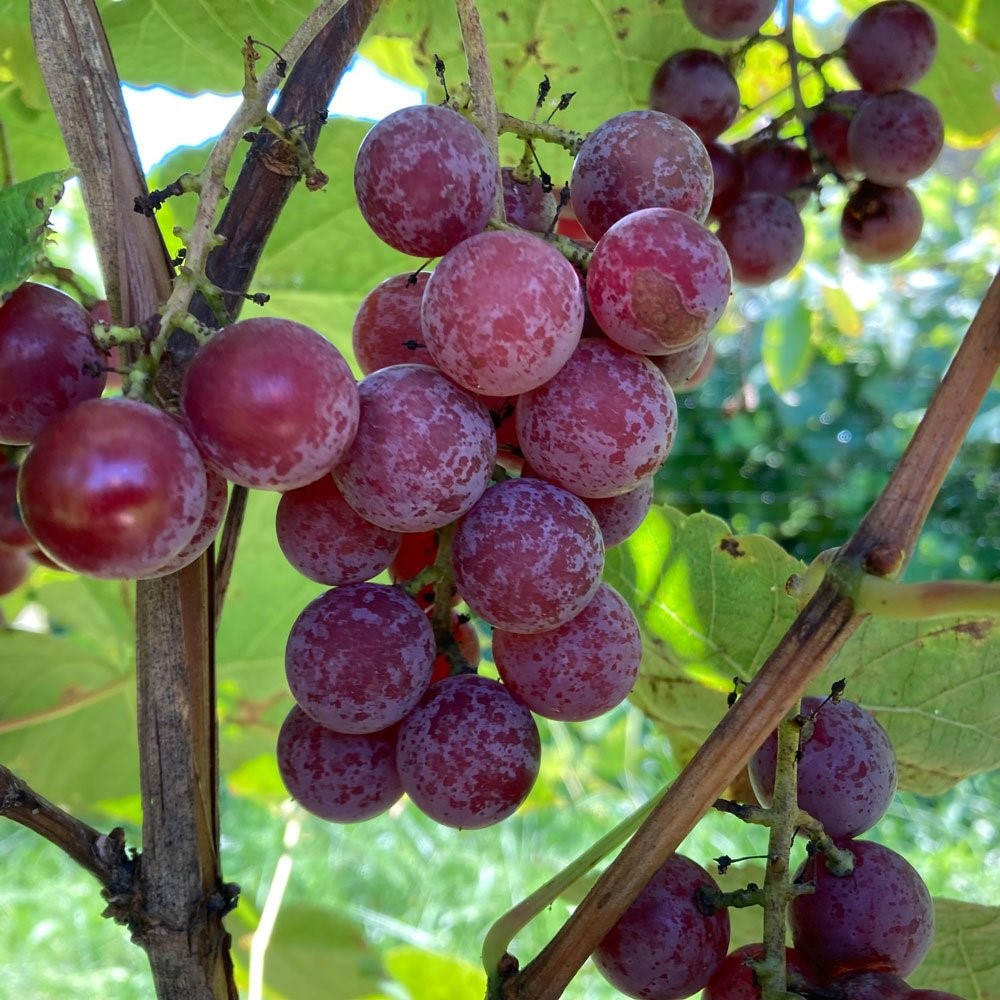
Today’s consumers want very fruity fun wines and the Heritage and Cool Climate provide those in flavors and colors that are exciting.  Some of our Rogers hybrids developed in Salem, MA in the 1850s, have colors like electric blue, hot pink, deep purple, and other fun colors. 

Back to the economics and high productivity of growing Heritage and other Cool Climate grape varieties. Since they are more productive than vinifera AND can be grown with much fewer cost inputs of labor, chemicals, and other production costs, the cost of these varieties is MUCH less expensive than vinifera grapes …. which means that the cost to produce these fun and innovative wines is probably HALF of the cost of making a vinifera wine.  This means that these innovative products can be provided to the consumer at a much lower cost. 

It is an honor to work with both Alfie and Deanna at Dear Native Grapes to make fun wines, be it table wines, natural wines, or Pet Nats. I would rather have them speak for themselves, but I believe that we have a deep commitment to producing grapes and wines in a sustainable manner that uses far fewer pesticides and has a far lower carbon footprint. They are experimenting with making wine in many different styles for fun and for the enjoyment of our customers. I will let Alfie and Deanna talk about the grape varieties they have planted at their farm in Walton, NY, and the wines and wine styles they are striving to use to make a quality and fun product.”

Alfie’s Response: “It’s an honor to work with you, Steve! You have been our invaluable mentor throughout our journey. 

“Deanna and I started ‘Dear Native Grapes’ with the goal of renewing an appreciation for America’s forgotten wine grapes. Both of us came into this with very little knowledge of winemaking or farming. But we were instantly hooked by the story of Prohibition in the 1920s and how much we lost in both the diversity of grape varieties and knowledge in wine growing. We were really driven by the thought that we could help reinvigorate something that was once valuable and productive. 

While doing research for this project, we were inspired by the work of TerraVox winery in Missouri which has been diligently working with native varieties suited to the midwest, as well as Steve Casscles’ written works, especially his book ‘Grapes of the Hudson Valley And Other Cool Climate Regions of the United States and Canada’. Actually, one of the first wines we ever tasted from native varieties was made by Steve. He made it from a Hudson Valley heirloom variety called ‘Empire State’. It was so graceful and floral. We still remember its flavors and aromas. Our eyes were opened to the fact that we could create a sustainable farm and winery business in the Northeast by using the right grape varieties that could thrive in this region.  

So after several years of saving up, taking business planning courses online, and volunteering at local wineries, we were finally able to afford a down payment on some farmland. We ended up in Walton, NY, in the western area of the Catskills, which is not really known for its grape growing due to the harsh climate. So our whole idea really hinged on choosing the right grape varieties that could withstand the extremes of the region.

In the spring of 2020, we planted 5 acres of grapes among three different categories: 

  1. Contemporary cold-hardy, disease-resistant varieties like Petite Pearl, Crimson Pearl, Marquette, Frontenac, Brianna, and Itasca.
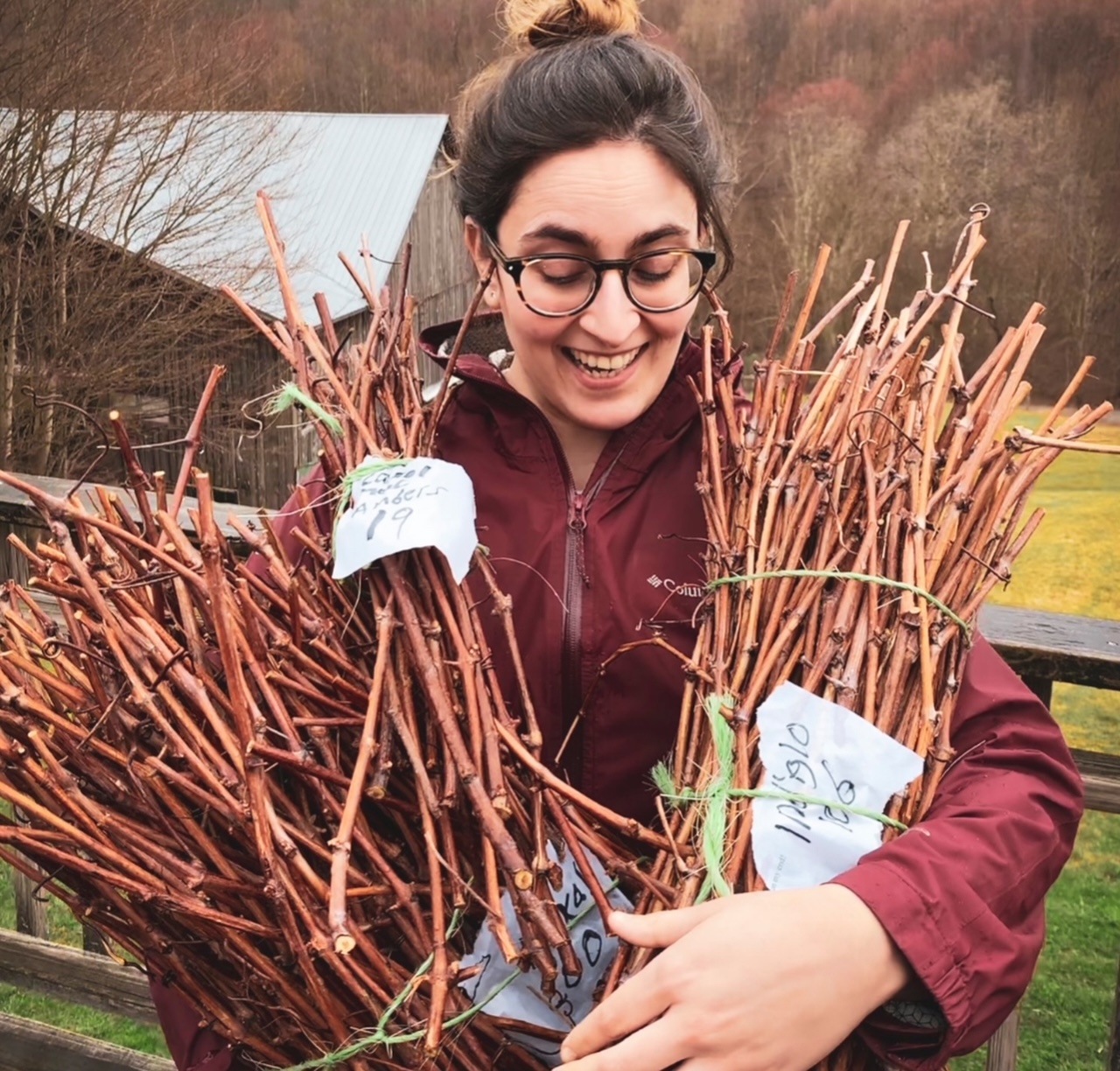
  2. Heirloom American varieties like Delaware, Empire State, Wine King. Some of these we propagated from cuttings from Steve’s vineyard. 
  3. Experimental crosses are not yet available to the public. These came from modern-day grape breeders who are working to identify little-known native species that hold promise in the Northeast. Some include crosses from grape species like Vitis aestivalis, Vitis acerifolia and Vitis bicolor. 

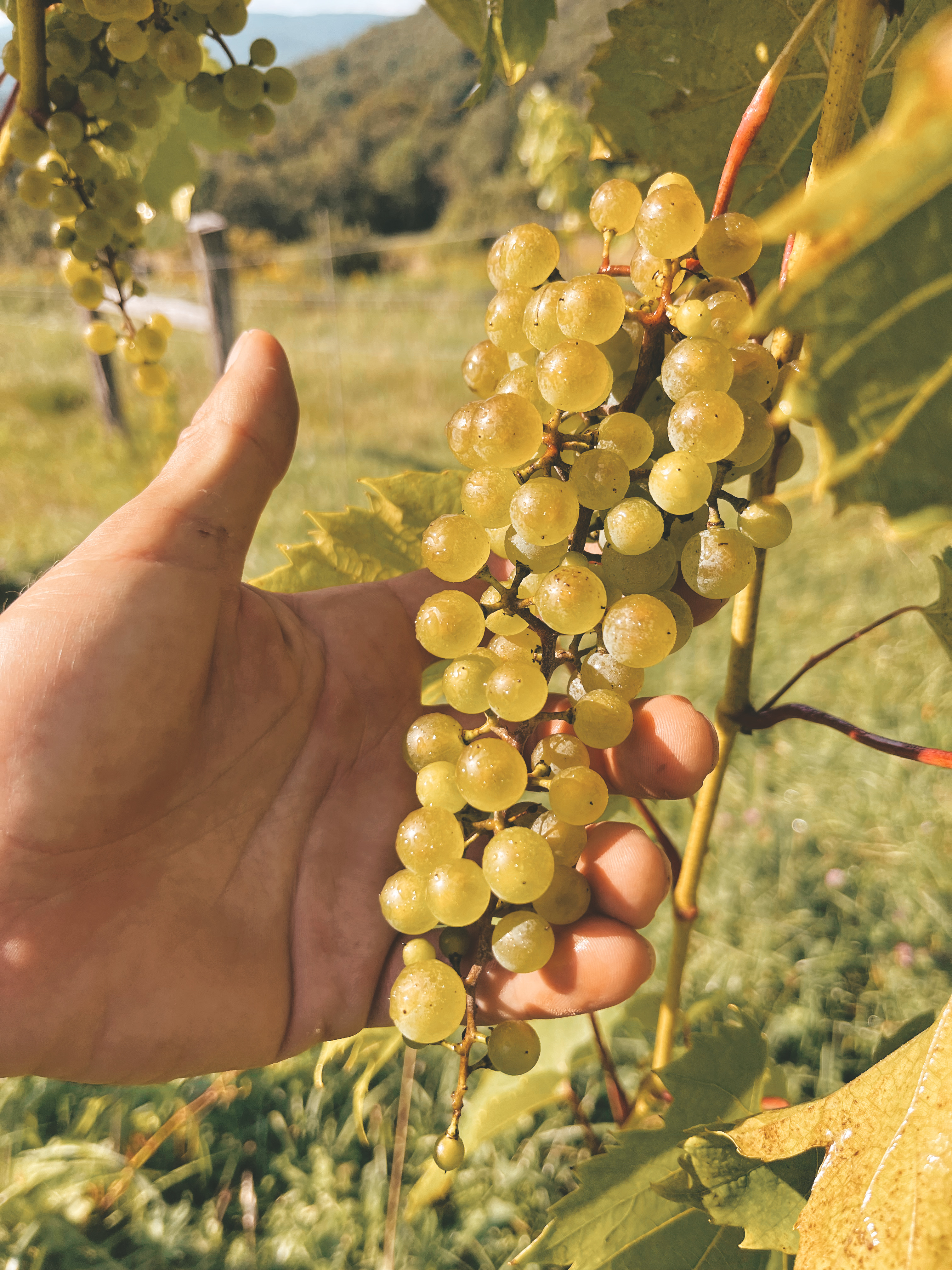
We are now four years into this project, in what seems to be a never-ending (and very sharp!) learning curve. But we’re excited to see our vines grow and we’ve already begun to identify grape varieties that have withstood the many climactic and environmental challenges we’ve experienced in the short timeline of our vineyard. An interesting variety for us has been Petite Pearl. Bred and selected in Minnesota by grape-grower Tom Plocher, this variety seems unbothered by disease pressure on our site, it’s extremely cold hardy, and most importantly, its late bud-break has managed to escape the dangerous spring frosts we’ve been having in New York. Last year we were able to produce a few gallons of wine from it, and its flavors and aromas are earthy and reminiscent of darker fruit. However, its clusters are very small, which means we’d need a much larger volume to produce a significant amount of juice. 

We’ve also been surprised by the qualities of Delaware, which is not nearly as vigorous as some of the Minnesota varieties, but once it becomes established, it’s easy to prune and manage, and it produces beautiful clusters of red fruit. It’s so exciting to see some of these heirloom varieties express themselves on our site.”

Wpawinepirate: Tell us about your wine journey and vision for growing and making wine from Heritage/Cool Climate hybrid grapes. 

Casscles’s Response: “How I got into grape growing is that I grew up in Marlboro, NY in the Hudson Valley, an area that has many orchards, vineyards, and berry patches.  I had the fortune of living near Benmarl Vineyards and worked in the early years of Benmarl when it was established by the Miller family (Mark, Dene, Eric, and Kim). I have kept in touch with the Miller Family and my friends the Spaccarelli Family who now own Benmarl. I learned so much from working with Eric and Kim Miller about winemaking and life. I have been truly blessed and the many people who worked at Benmarl, are and continue to be family friends. From Benmarl, I learned about many of the French-American hybrids that I continue to use today.  My favorites are Baco Noir, Chelois, Foch, Leon Millot (reds) Seyval Blanc, Vidal Blanc, Verdelet, and Vignoles (whites). 

My vision was then and continues to be to give growers the tools and grape varieties that can be grown at a profit so they can remain in farming. Further, that will be of sufficient quality and productivity so that local wineries can make quality wines at affordable prices so that everyone at the end of a long hard day can have a glass of a quality local wine at affordable prices. Doing this can help to keep more farms in operation and quality farmland in farming and not chewed up in more housing developments. Working with, studying, identifying either Heritage grape varieties or other Cool Climate grapes, and developing methods to grow these grapes more economically is part of this effort to keep farmland in farming and to preserve those who either are in farming or wish to enter into it. It is so great to work with Alfie and Deanna because they have similar goals and work ethic to make this happen. 

To advance this mission, in addition to studying such varieties, I have written, and thankfully have published, many articles to help guide those growers who want to grow hardy grape varieties that can be grown “sustainably”. In addition to Alfie and Deanna, I am so proud to work with other local grows such as Shawn Henry and his daughters Abbie and Emily of the Quimby Farm in Marlboro, NY,  Jed & Jaime Radliff of Fonda, NY, Marvin Baum of the new High Tor Vineyards in Rockland County, NY, and Doug and Mirada Russell of Russell Orchards of Ipswich, MA. Together, along with Alfie and Deanna, we are forging a pathway to plant more vineyards of these Heritage varieties, propagate them to establish even more vineyards, make wine and co-ferments from these varieties, and attract new and old customers to purchase these fun beverages that can be grown sustainably and so that family farms can remain in business.

Alfie’s Response: “We believeDear Native Grapes’ has the potential to reimagine American wine. By expanding the varieties of grapes grown and offered to consumers, we can broaden people’s imagination. Our small winery hopes to show others what American wine could be – beautifully diverse, unabashedly unique, and wonderfully approachable. 

If you think of a grape like Pinot Noir, it’s had over 600 years of human cultivation. Through slow observation and selection, the first people who farmed it started the process of shaping it to be what it is today. With American wine grapes, that process was largely halted due to historical events like Prohibition, followed by the Great Depression and WWII, and it’s just now barely restarting. We think it’s important to look at the past for answers that our ancestors have already solved and then build upon them. The Hudson Valley region in New York used to be a hotspot for horticultural innovation in the 1800s. It’s cool to think that the process of experimentation is once again alive in many other regions across the country. We might not find our American equivalent to Pinot Noir in our lifetime, but we can certainly begin to identify the great qualities in our own varieties.

We recently came across an article in the Smithsonian Magazine about Dagia Rangione, an Italian scientist who has dedicated her life to identifying and hunting down ancient varieties of fruit depicted in Renaissance paintings. Most of these heirloom varieties have long disappeared from the Italian countryside, as agriculture became industrialized over the past 200 years. The piece resonates greatly with us when she states how many of the older fruit varieties hold the keys to resilience and genetic diversity. We feel the same way about  American grapes. In the article, Rangione closes with a poignant sentiment: ‘We need these old varieties to answer for the problems of the future. Without them, without roots, we are just leaves in the wind.’

At its core, Dear Native Grapes is an educational project designed to shed light on valuable grape varieties that could pave the way for more diverse, climate-resilient winemaking, energizing local economies in the process. Every year, we host visitors to share our farming methods, which are largely based on holistic management. We’re able to farm this way because our varieties actually like to grow here and have the inherent genetics to thrive in our climate. This exchange of knowledge is key to our mission, as we try to save these varieties for future generations. Our mission is not simply to make wine from these varieties, but to offer others a viable path for doing the same.”

When growing a vineyard of wine grapes, as with any of life’s endeavors, the ready availability of options always enhances the probability of success. In the agricultural community, the ability to foresee potential problems is a skill set only honed to a fine edge with experience. Planting a crop that can survive and prosper under many adverse conditions is essential to any project’s long-term sustainability. Diversifying the varieties of grape vines planted in a vineyard has proven beneficial and has justified the old adage “Diversity is a Strength”.  

I sincerely appreciate Steve Casscles and Alfie Alcántara for taking time from their busy schedules to share this invaluable information and their unique perspectives on this timely subject. If you have any questions feel free to contact them  

(Steve) cassclesjs@yahoo.com

 (Alfie) alfie.alcantara@gmail.com

http://dearnativegrapes.com 

Photo Credit: J. Stephen Casscles, Alfredo “Alfie” Alcantara, and Dear Native Grapes
How To Propagate New Grapevines From Cuttings

If you want to propagate new grapevines from cuttings of existing vines, now is the time to start planning. 

The following article is a collaborative effort between myself and Stephen Casscles, a leading authority on the propagation and cultivation of cool climate and heritage grapevines. It is a detailed account of the procedures for propagating new grapevines from the cuttings of an existing vine. Thank you Steve for being so generous with your time and knowledge. All photos in this article are courtesy of Stephen Casscles. If you need more information about how to propagate vines, consult older books written by Philip Wagner, which are still available, or contact your local cooperative extension agent who can direct you to excellent brochures produced by your local agricultural state university.

If you have or can obtain clippings from a grapevine that produces excellent fruit, it is easy to reproduce as many vines/clones of that vine as you want. Starting new vines from the clippings of a mother vine ensures you will grow an exact copy of the vine and it will crop the same quality grapes as the original vine. Be sure that the mother vine that you select for your cuttings is a strong vine, that exhibits no indications of viruses or diseases. Vines that have curled leaves, odd-looking clusters, or off-leaf colors could have been contaminated with a virus. Do not use these vines as you are simply propagating diseased and virus-laden vines and not the strong virus-free vines that you want.

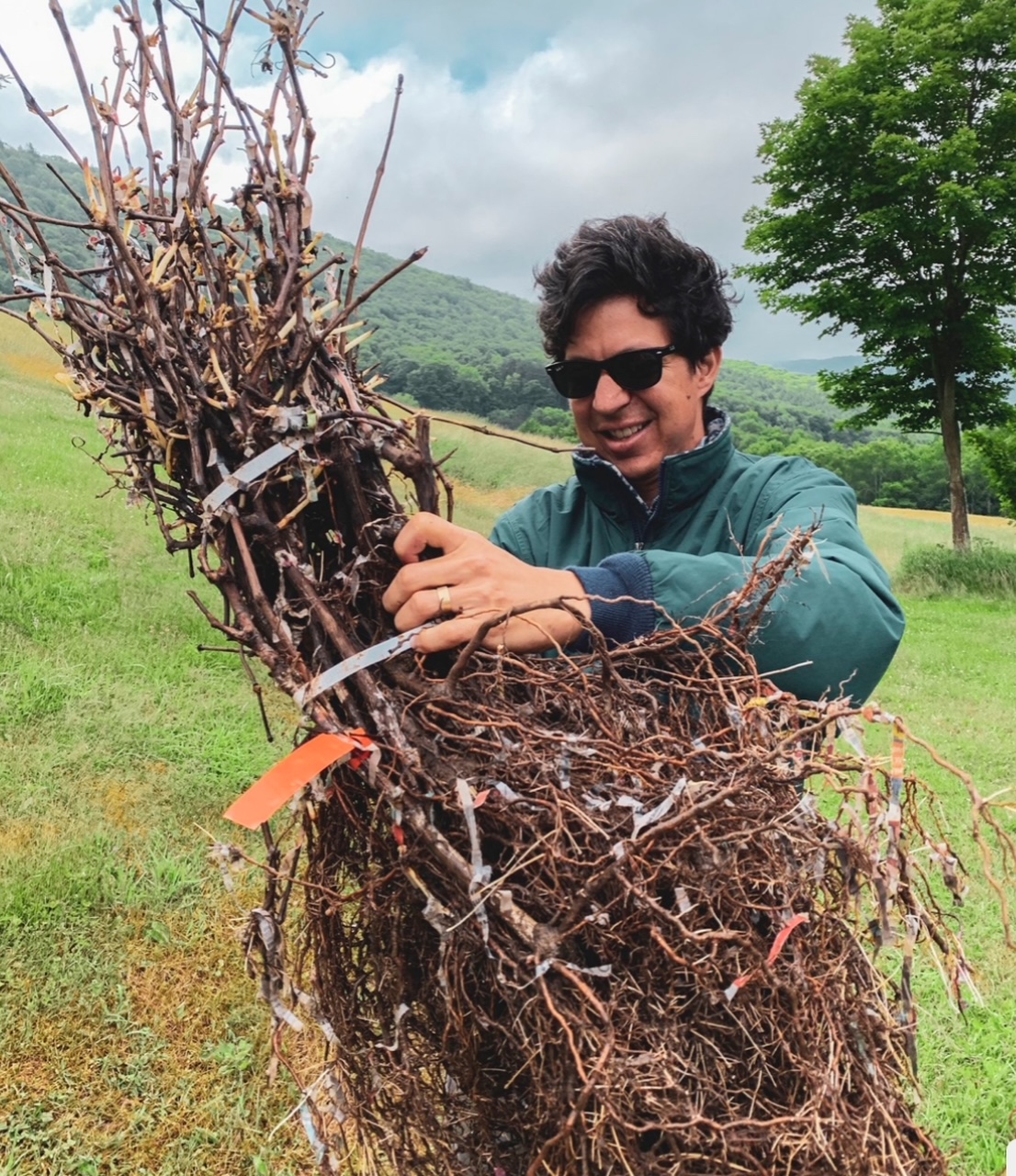
Propagating new grapevines from cuttings is an easy project. First, you must gather your propagating wood in early Spring while the vines remain dormant. Cut 12-18 inch sections from one-year-old wood that is about the thickness of a pencil and has a minimum of at least four leaf bud nodes on it. Ideally, having five or six bud nodes per cutting offers the best chance of success. A leaf bud node will look like a small bump on the stem.

The next step is up to the propagator, but Steve said he was taught to nip off a straight cut one inch above the top bud and make an angled cut at the bottom of the cane just below the bud node. Making your angled cut at the bottom of the stem easily shows where the top of the cutting is from the bottom which makes it easier when setting out your nursery cuttings, it also allows the cutting to be easily planted in the soil. No matter how you cut your ends, make sure you are consistent so that you will always plant your cuttings correctly, bottom side down in the soil. Dipping the bottom end of the stem into rooting hormones is helpful in promoting root growth, but is not necessary. You can find rooting hormones at your local garden center or nursery. If you are only rooting a few cuttings, fill a potting container with your local soil, if it is good well-drained loam soil, if it isn’t mix it with potting soil to improve its drainage.  Make sure your container is deep enough to accommodate your clippings, but if you are propagating a lot of material consider digging a shallow trench and reserving enough loose soil to fill in around your stems.

  These trenches can be located in your vegetable garden, since this soil has been worked up for many years, and often has a fence around it to keep out the wildlife that may like to browse on your newly installed cuttings. When planting your cuttings, bury them vertically three to four nodes deep with the bottom side down into the ground, leaving the remaining nodes exposed above the soil level. Remember to plant the bottom of the stem down with the straight-cut end above the ground.

    Keep the soil well watered, but not soggy throughout the first year when your cuttings are establishing themselves. For those in potted containers, the cuttings should be placed in a frost-free location with bright indirect sunlight. If you have more than one row of nursery cuttings in your nursery, it is recommended to mulch the cuttings with straw (not hay) to keep down the weeds and retain soil moisture.

Steve explained the difference between taking cuttings from your vine and propagating them as a single project and cloning in which you separate individual canes that have a certain desirable mutation to create an entirely new variety of the original grapevine. Steve gave me an excellent example that was easy to understand. “My understanding is that cloning would be finding an abnormal sport of a vine that is different and you cut that unique cane off to propagate it. For example, Frontenac Gris is only a regular Frontenac when it was noticed that a separate cane had bronze-colored grapes and not red.  So cloning would be separating and propagating that “clone”, but if you are propagating wood, you just collect your wood and go at it.”

    It is essential that you plant more cuttings than you need to compensate for some not surviving. As a dear departed friend of Steve’s, Joel Fry of the Bartrams Garden in Philadelphia used to say, “Plant two of everything, and one will die”.  How many to plant is the question? Steve offered his advice based on years of experience in this area of viticulture. “I find that different varieties propagate at different rates. For example, Baco Noir, which is a part Riparia variety tends to have a higher success rate because it is a Riparia. Even with Riparia, I would plan for a 20% non-success rate for varieties such as Delaware, which is a part Bourquinian species hybrid, do not take as readily, so I would expect a 40% death rate.”  I would recommend propagating as many cuttings as possible using only the strongest ones to satisfy your needs and giving the extras away. Vines can also be rooted in water, but you will need to change the water regularly to prevent disease. Once you see the stems/cuttings rooting, you must transplant them into the soil.

    Whether you set out a nursery in your home garden or place them in pots in the spring, you need to wait an entire year to ensure that your cuttings have sufficient roots before they are set out in the field the following spring. After your cuttings have developed a strong root system they can be transplanted to their permanent location. 

    You probably have heard vintners say the clone number for a specific variety of grapes planted in their vineyard. An example of this would be the Pinot Noir Dijon clones 114, 115, 667, and 777 which are the most widely planted Pinot Noir clones because of their reliability and productivity. When you drink any mass-produced Pinot Noir you are likely drinking wine made from these clones. It is easy to go down a “rabbit hole” when looking for clones of just about any grape variety when researching which clones to plant in your vineyard. Don’t let the sheer number of options overwhelm you. The answer to this question is a simple one, treat a clone like a different variety. Pick a clone you like and propagate that clone.

    Growing your own vines from cuttings is a rewarding venture both financially and from the sense of personal accomplishment you will feel when you harvest your first grapes. With the adverse effects of climate change being documented in vineyards around the world and the increased number of adverse weather events plaguing vintners, the answer to a consistent and economically sustainable fruit crop may lie in the past with heritage grape varieties, older cool climate hybrids, and new hybrids that are being developed. Growing heritage and cool climate hybrid grape vines that have adapted to survive many weather-related challenges over time could be a critical puzzle piece in the future viability of our vineyards, for both hobby and commercial grape growers. In addition, these varieties tend to be more productive and can be grown more sustainably with fewer pesticide/fungicide applications. They are direct producers that do not need to be planted on a rootstock. This means that if we witness a very cold winter or late spring frost, which kills that part of the vine above the ground, canes will come up from the ground to produce a crop in the same growing season.

    With that objective in mind, Stephen Casscles continues to labor on his long-term project, the Cedar Cliff Vineyards Heritage Grape\Wine Project, aimed at preserving heritage and lesser-known cool climate grape varieties in Northern America. If you have any questions about his work at Cedar Cliff Vineyards please contact Stephen Casscles cassclesjs@yahoo.com  To further his work, Stephen has established a set of three cooperating nurseries in Marlboro, NY, Fonda, NY, and Ipswich, MA where you can purchase already rooted vines and/or grape cuttings. If you are interested in obtaining vines or cuttings of these unique varieties, please feel free to contact Stephen Casscles cassclesjs@yahoo.com.  Sadly, most of these cuttings or vines are not available at commercial nurseries, hence we need to propagate them on our own to increase the availability of these unique virus-free/ disease-free grape varieties. For additional information on these heritage and cool climate grape hybrids, the 2nd edition of Steve’s book “Grapes of the Hudson Valley and Other Cool Climate Regions of the US and Canada”  is available at http://www.flintminepress.com

Alluring Alsace

The Alsace wine region of France is situated along the French border east of Paris. The region’s wine production is almost entirely devoted to white wine, positioning it uniquely among wine-producing regions worldwide. The white wines in Alsace are rarely made in other parts of France. Alsace is French but has been part of Germany several times. The Vosges mountains and picturesque quaint villages make it more reminiscent of images from German folk tales than the wine provinces of southern France. It is easy to see why Riesling, Gewürztraminer, Pinot Gris, and Muscat dominate its winemaking identity. Pinot Noir is the only red grape of note there but is grown in limited quantities. Alsace differs in how it labels its wine from the rest of France by using the grape variety instead of the location where the grapes were grown.  
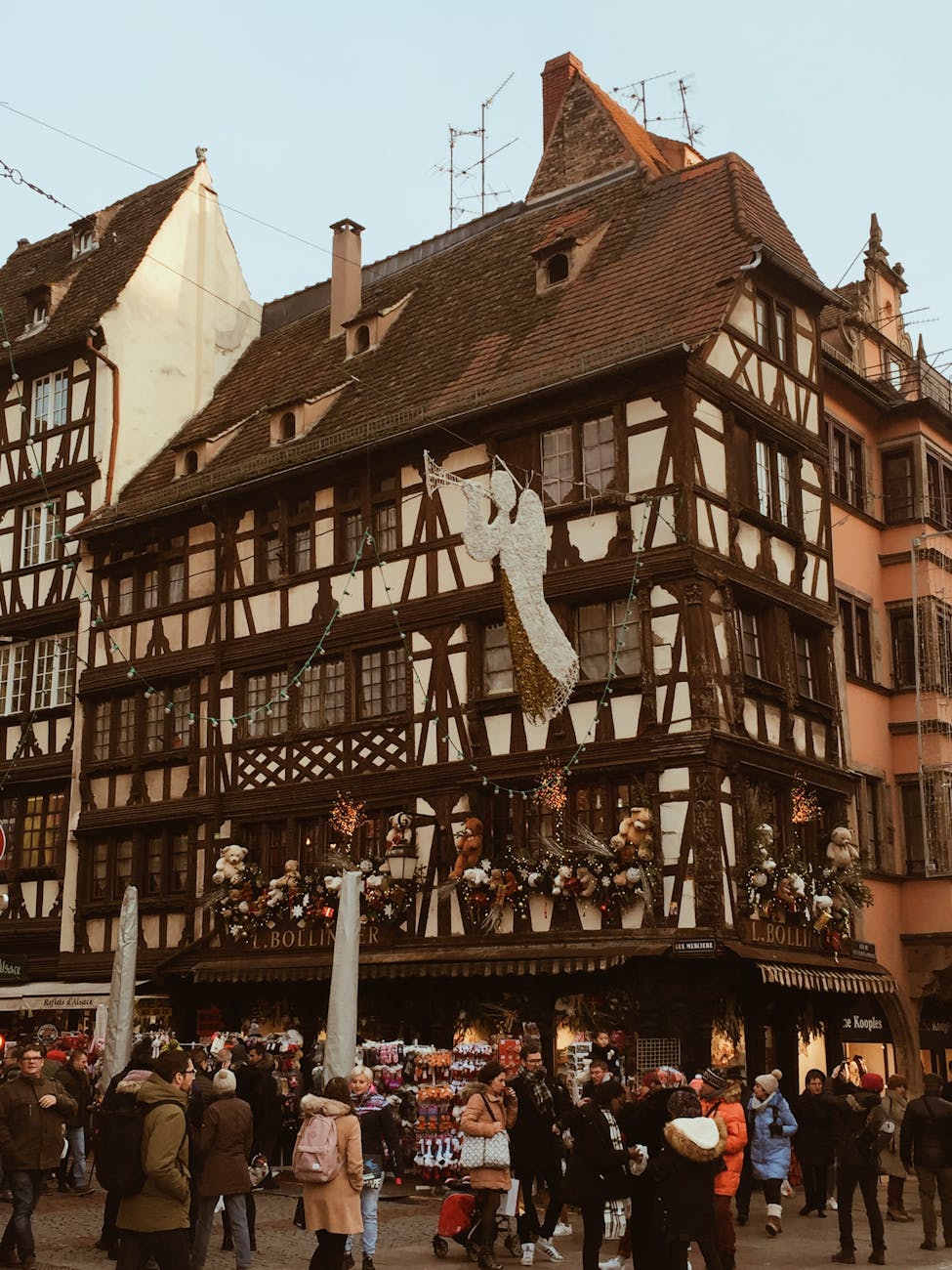
Don’t be misled into thinking the white wines of Alsace are sweet and mild. On the contrary, they have bold character and are almost always dry. The winemakers of this region believe in showcasing the attributes of the grape and not crafting a wine to conform to a predetermined taste profile. Because this conviction is so ingrained in their wine culture, blending is seldom, if ever, an option. 

Sparkling wine is also made in Alsace. It is all designated Crémant ď  Alsace and is made the same way as

Champagne. You might be wondering if they make Crémant ď Alsace in Alsace and use Chardonnay grapes why isn’t Chardonnay one of their signature white wines? The reason is that by law Chardonnay can only be used in Crémant ď Alsace and can not be used to make still wine. Crémant ď Alsace is a high-quality alternative to Champagne at a very affordable price. 
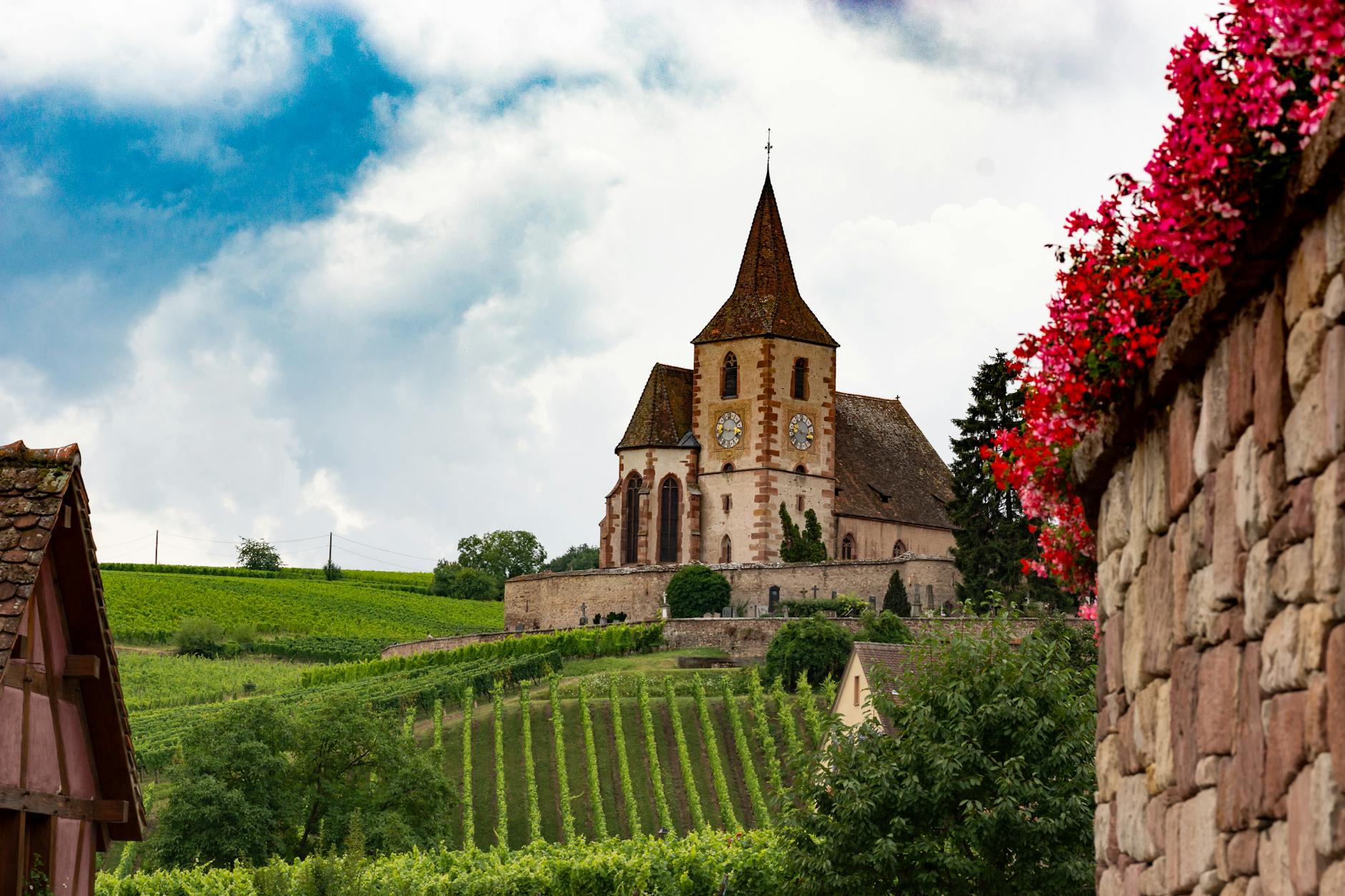
Alsatian Riesling is angular in structure and very dry with good minerality. German Rieslings are well balanced with bright acidity, low alcohol, and prominent fruit flavors. 

Alsace is said to rival Paris in the number of great restaurants, whether pretentious or grand. 

It is easy to have an excellent wine experience in Alsace because the quality of wine is exceedingly well-made and the pricing spread guarantees you will find bottles you will love at a price you can appreciate. 

The Long and Winding Road

Wine has become one of the most popular beverages in the world, and the wine industry continues to grow in complexity and diversity. As a result, there is an increasing demand for knowledgeable professionals in the field of winemaking. Earning a degree in winemaking can open up a multitude of opportunities for individuals looking to pursue a career path in this dynamic industry.

There are several educational opportunities available for individuals interested in earning a degree in winemaking.

Everyone has a different motivation for wanting to expand their knowledge of winemaking and there are plenty of options to achieve your goal, no matter what it is. Depending on what your goals are you may find that informal education through conventions, conferences, and online forums will provide the information and expertise you need. But sometimes, pursuing a formal education will provide the necessary resources to advance your ambitions in the wine industry. 

An online program is a good, low-cost alternative to starting your wine education at a college or university. A good starting point might be considering the entry-level VESTA (Viticulture Enology Science and Technology Alliance) program administered by the National Science Foundation http://vesta-USA.org You can earn a certificate that can help you move to the next level of your education, whether that is college or elsewhere. 

Those looking for a career outside of the production side may want to consider exploring the possibilities in the hospitality industry. The Wine & Spirit Educational Trust is a leader in the field of online courses and certifications. WSET certifications can be earned in relation to your increasing level of competency and ability. Someone seeking to acquire an in-depth understanding of wine and seeking job opportunities where they can share their passion for wine should seriously consider this option. 

Crafting a long and prosperous life in the wine industry involves as much hands-on experience and formal education as you can obtain. Enrolling in a college or university wine education program can provide you with the skills and guidance you will need to succeed by exposing you to the appropriate course work, as well as hands-on internships with industry professionals. I have listed a few links below to the better-known institutions in different regions of the United States. There are many more viable options out there that you should research and compare. 

Before you decide on a path to pursue your dreams make sure you have done your research as to all the ways to get there and don’t be afraid to reconsider your plans if other opportunities arise along the way. Earning a degree in winemaking can lead to a variety of career paths, such as winemaker, vineyard manager, wine marketer, or wine educator. Depending on your professional aspirations and interests, you can pursue advanced degrees or enroll in specialized programs such as wine tourism, wine retail, and wine journalism. I have never talked with a winemaker that said they traveled a straight line to get where they are today. Be open to change and embrace the journey.

Cornell University Ithaca, NY http://grapesandwine.cals.cornell.edu/undergraduate

The University of California Davis Davis, CA http://cpe.ucdavis.edu/winemakingcert

Michigan State University East Lansing, MI https://canr.msu.edu/iat/viticulture

Washington State University Pullman, WA http://wine.wsu.edu/education

Virginia Tech Blacksburg, VA http://www.vtwines.info/

Interview: Ulrike Platter, Director Castel Sallegg (Alto Adige, Italy)

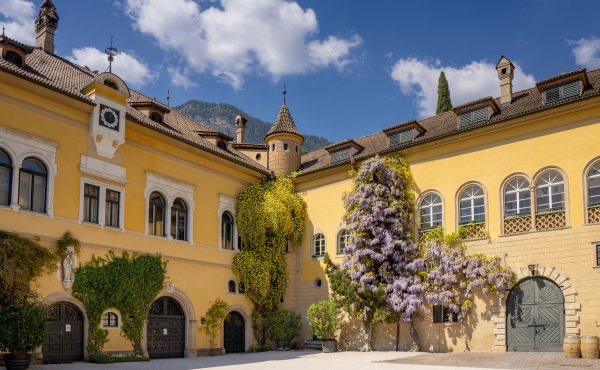
Castel Sallegg is a family-run firm of winegrowers located in Caldaro, Alto Adige (Italy) that is dedicated to maintaining and preserving the winemaking culture of the region. With a storied history and a tradition of commitment to excellence, the von Kuenburg family has ensured the production of quality wines from Castel Sallegg for over a century. While the winemaking team has great pride in its past they are focused on the future and the challenges that must be navigated to maintain its high standards in all phases of the operation. 

For answers about how they are addressing these problems and what we should know about Castel Sallegg, I asked its Director Ulrike Platter to share her thoughts with my readers and me.

1. The wines of Alto Adige are famous for being able to express their terroir. What methods and technologies does Castel Sallegg employ to ensure this “Sense of place” is preserved in your wines?

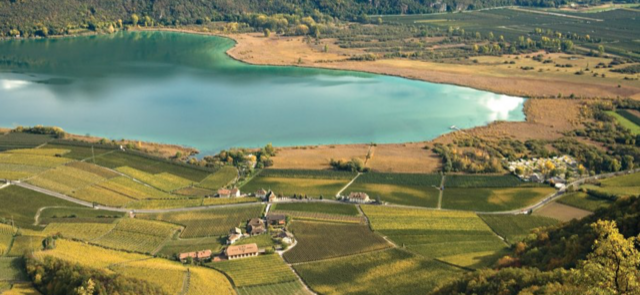
“Oltradige, the epitome of the wine-growing tradition in Alto Adige, lies at the foot of the Mendola Mountains in the hills of the western Adige Valley between Bolzano and Termeno. Vines have found ideal conditions in this delightful landscape for thousands of years. The winegrowing region of Alto Adige is one of the oldest in Central Europe and the entire German-speaking world.”Oltradige, the epitome of the wine-growing tradition in Alto Adige, lies at the foot of the Mendola Mountains in the hills of the western Adige Valley between Bolzano and Termeno. Vines have found ideal conditions in this delightful landscape for thousands of years. The winegrowing region of Alto Adige is one of the oldest in Central Europe and the entire German-speaking world.

The Alps form a protective barrier against cold winds from the north, while the southerly Ora wind from Lake Garda has a mild Mediterranean influence. Our wines benefit from the cool downslope winds coming off the Mendola Mountains. The vines flourish here thanks to an average of 1,800 hours of sunshine per year and average temperatures of almost 17 degrees Celsius during the vegetation period.

The family-owned vineyards are located in 3 historical vineyards in Caldaro:

✓ Preyhof / vineyard Prey: 550 m above sea level and situated in the Caldaro district of Paese di Mezzo.

✓ Leisenhof / vineyard Leisenpuiten: 500 m above sea level. Central location in the village of Caldaro.

✓ Seehof/vineyard VIGNA Bischofsleiten, vineyard Nussleiten: 230 – 280 m above sea level. San Giuseppe al Lago, Caldaro.

Due to the vineyards, which range from 230-550 m above sea level, Castel Sallegg identifies the best conditions for each grape variety and tries to make optimum use of this diversity.

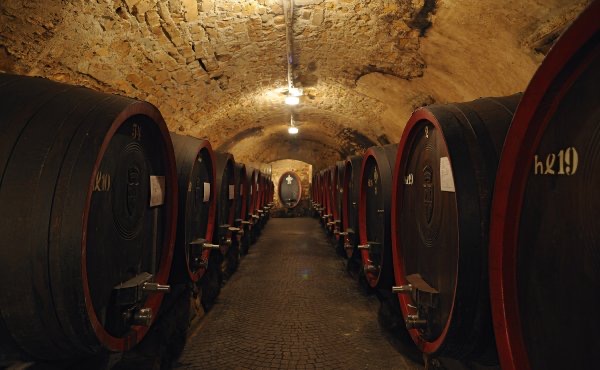
Best practice: Our VIGNA Bischofsleiten Lago di Caldaro scelto classico superiore DOC: VIGNA (What is a Grand Cru for the French is a VIGNA for the Italians and for us South Tyroleans.) guarantees our customers that the grapes for this wine come 100% from this vineyard. In order to preserve these 50-year-old vines, the vines that fall out due to age, illness, etc., will be replanted with our own clones.
The goal is to produce top-quality wines in harmony with the terroir we have.”

2. With Alto Adige containing so many different microclimates and growing conditions in its vineyards, have the vineyard managers noticed any changes as a result of climate change? If they have, what can you tell us about them and how are you planning for your future vineyard management? 

“Our vineyard manager noticed the changes, especially this year, which was hot and dry. Since Castel Sallegg is more of a red wine winery (we produce 58% of red wines) and we often had difficulties in the past years, with the red grapes, such as Lagrein, Merlot, and Cabernet Sauvignon fully ripening, so 2022 was a great year for us.

In addition, 80% of our vines are 30-50 years old, which means that the roots are growing very deep to get enough water for themselves even in a very hot season. These vines are stable.

Problems can be seen in younger plants or new plants.

For this purpose, we invested in a project for the next few years, which will digitize needs-based irrigation. This means that the humidity of the soil is measured by soil sensors and the vines in different places were partially watered by a targeted system.

Since we have some vineyards on a slope and the vines get less water at the top by draining and the vines at the foot get more water we can irrigate more targeted and water-saving.

We have also noticed increased hail in recent years. For this reason, we will place our most important vineyards under hail nets in the next 2-3 years.”

Thank you to Ulrike for sharing her time and down-to-earth expertise in the mindset and operations at Castel Sallegg.

My review of the 2019 Castel Sallegg Lagrein will be posted soon.

All Images Photo Credit: Castel Sallegg

Review: Saperica 1st Annual Saperavi Festival Finger Lakes

On May 14, 2022, an event took place in the Finger Lakes Wine Region of New York that was a landmark moment in the history of Saperavi, not only for the future direction of Saperavi in the northeastern U.S. but for all of North America. While Saperavi has been on a steadily ascending arc for several years this gathering of Saperavi winemakers, growers, and enthusiasts will prove to be the catalyst that fuels Saperavi’s meteoric rise into the conscience of the American wine lovers.

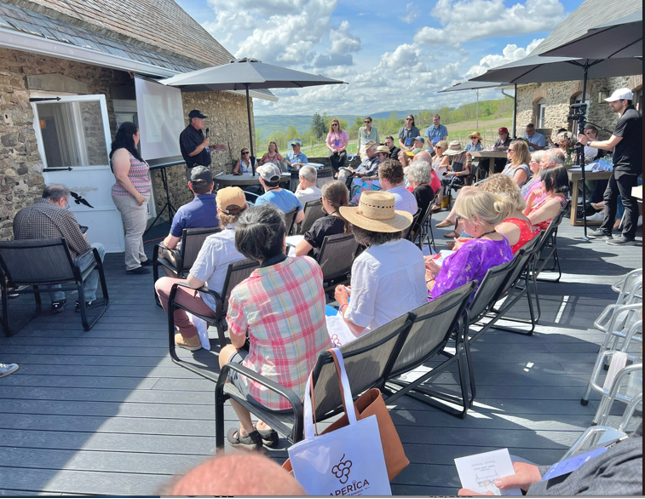
Saperica http://saperica.org, the nonprofit founded by Lasha Tsatava and Erika Frey, held its inaugural Saperavi Festival at the iconic Dr. Konstantin Frank Winery overlooking Keuka Lake in Hammondsport, New York. The one-day event was a sellout with more than three hundred guests enjoying winetastings and delicious traditional Georgian cuisine prepared by Chama Mama, a Georgian-themed restaurant from New York City. The trade and media portion of the festival drew over fifty participants that were greeted with opening remarks from Fred Frank and Saperica co-founder Erika Frey. Keynote speaker Lado Uzunashvili delivered a live virtual presentation on the importance of Saperavi that was followed by guest speaker Darra Goldstein (Flavors of Georgia). Both presentations can be viewed on Saperica’s YouTube channel https://www.youtube.com/watch?v=MUb_6pPRupQ Closing remarks were presented by Saperica co-founder Lasha Tsatava with a special thank you to Meaghan Frank for her tireless efforts to make the Festival a resounding success.

I ask some of the contributors to share thoughts and impressions about the festivities and their vision for Saperavi in North America.

Lasha Tsatava, Director @ Boston Sommelier Society and co-founder of Saperica Inc.

When we first started to tell the story of Saperavi and its connection to Georgian culture and the history of wine, we saw how people’s eyes lit up and we wanted to grow that feeling in FLX and beyond. At the Saperavi Festival’s Trade & Media event, I made it clear in the closing remarks, that our organization’s goals are, as a minimum, to make Saperavi a premier red grape variety in the Finger Lakes region and the ultimate goal is to build a Georgian Cultural Center with Marani (Georgian traditional cellar with qvevris) in Finger Lakes, NY. The 1st annual Saperavi Festival has reconfirmed the sensibility of these goals.

Fred Frank, President, and CEO of Dr. Frank’s Vinifera Wine Cellars, grandson of wine legend Dr. Konstantin Frank & Meaghan Frank’s father

We were honored to host this first Saperavi Festival at our historic winery. I am sure Konstantin was looking down from the heavens with pride to see all the attention and acceptance that his beloved Saperavi was receiving from the hundreds in attendance. Konstantin was the first to plant Saperavi in the United States in the late 1950s in his vineyard above Keuka Lake. He was a big fan of this variety for its historic pedigree originating in Georgia and believed it would have a great future in the Eastern United States. Saperavi vines are cold hardy and the wines are of high quality with deep color. We look forward to the next Saperavi Festival and continued acceptance of this historic grape variety.  

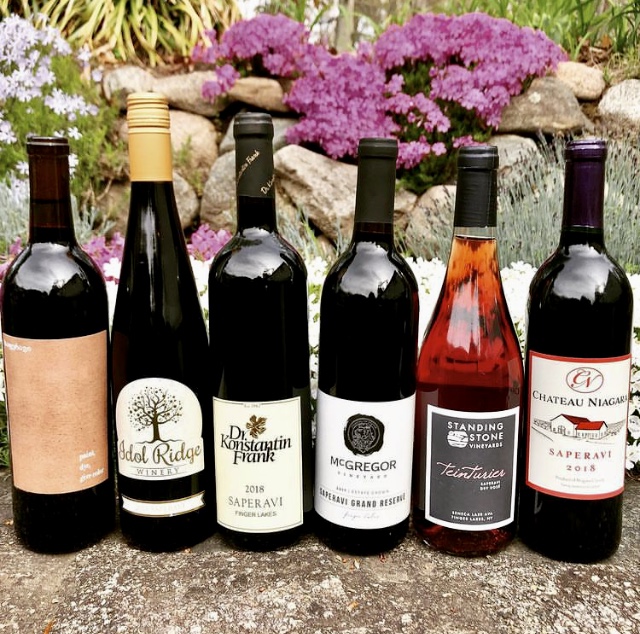
Jim Baker, owner/winemaker of Chateau Niagara Winery, located on the Niagara Lake Plain, Newfane New York

My thoughts on the festival are quite positive. The media section contained two presentations featuring my good friend Lado Uzunashvili, and Darra Goldstein. Lado is an old friend and did a great overview of Saperavi in Georgia and the world, including history and all sorts of technical information on the grape in several world locations. He did a comparison of our winery and a Georgian location. Darra Goldstein presented a history of Georgian food and culture. Food was served up from Chamma Mama, a Georgian restaurant in NYC. It was truly a Georgian feast. We got to taste wines from a number of American and Georgian producers. It was surprising how well we held our own against some stunning Georgian producers. The afternoon consisted of more Georgian feasting and public tastings of wine. All in all a great celebration of Saperavi and Georgian culture.

Phil Plummer, Head winemaker at all three Martin Family Wineries in the Finger Lakes.

I attended the festival, but mostly on the technical/trade end of the schedule. I can’t speak to marketing impact and the like, but the viticultural and enological information shared in the trade sessions was really compelling. Saperavi is a very exciting grape variety for us in the Finger Lakes, but I think winemakers should be excited about this one on a global level, too. Saperavi exists at the intersection of past, present, and future winemaking. As one of the earliest-cultivated grape varieties, working with Saperavi gives winemakers an opportunity to connect to the past–walking in the footsteps of the countless generations of winemakers who came before us. At present, Saperavi’s unique versatility allows winemakers to experiment, making wines in a widening array of styles. Looking forward, Saperavi’s resilience and versatility position it as a grape variety to embrace in the wake of a changing climate. As a blending component or varietal, Saperavi rarely disappoints. From a culinary standpoint, its rich phenolic profile, bright acid, and unmistakable aromatics present exciting opportunities for wine and food pairing, particularly with the Georgian cuisine available at the festival.

Erika Frye, co-founder of Saperica Inc., CS, CWE & Diploma WSET

When I started discovering Saperavi in the Finger Lakes several years ago, I could feel that there was something special about this grape variety in this region.  There is a buzz that surrounds Saperavi which started off whisper-like but has now grown into a conversation that cannot be ignored.  The 1st annual Saperavi Festival came at just the right time to give this grape variety a clear voice to tell the story of its past, present, and future.  It comes at a time when Saperavi plantings are increasing in the Finger Lakes region.  We hope that these new producers will be able to use the Saperica organization and the Saperavi Festival as resources to find information about the Saperavi grape variety, learn about its Georgian heritage and connect with other Saperavi producers.

The most exciting thing about the festival for me was the ability to build connections.  We had a great partnership between the three festival hosts – Saperica, Dr. Konstantin Frank, and Chama Mama.  An impressive group of wine producers and wine importers were present from both the USA and Georgia.  Two experts in their fields shared their knowledge of Saperavi winemaking and Georgian cuisine.  Most importantly, there were about 250 festival attendees who were connecting with the wines, the food, the environment, and the people.  When I was able to stop for a moment and survey the amazing crowd of people who had come together to celebrate Saperavi, that is what made me feel truly proud – proud of the community that we are starting to build and what we will all be able to accomplish together in the future.

John McGregor, Vice President of McGregor Vineyard

The Saperavi Festival was a great introduction to Saperavi for many.  Its Georgian roots were presented wonderfully!  McGregor Vineyard was the sole producer of Saperavi in the United States for decades. Now the Finger Lakes is home to numerous Saperavi producers, and more are sure to come in the near future. This festival really felt like a validation of my late father, Bob McGregor’s steadfast belief that Saperavi was perfectly suited to grow in the Finger Lakes and could make some of the region’s finest and most respected wines.

Bryanna Cramer, Assistant Winemaker Standing Stone Vineyards

I felt like the event was a huge success for the region, seeing as it was the first annual and it sold out and had additional tickets added on. It felt like the overall vibe was excitement about the variety as well as a general curiosity about its potential here in the FLX. It was really beneficial to have vendors pouring various Saperavi from Georgia to have as a reference, as well as Georgians giving their genuine feedback on the wines being made here in the Finger Lakes. I think they were pleasantly surprised by the quality and authenticity that can be achieved. From the customer perspective, I think the majority are still discovering the variety, its characteristics, and its history but I see that as an opportunity to continue educating not only at events like this but also on-site at Standing Stone and the other wineries working with Saperavi. 

This event and those all involved proved that Saperavi has progressed from being viewed as a grape variety with the potential to make outstanding varietal wine here in North America to being acknowledged as a proven producer of high-quality wine in various styles. Saperavi will continue to evolve as new winemakers add their interpretations of how it can be made and the newly planted Saperavi vineyards come into production expressing the terroir of their increasingly diverse geographic locations.

Congratulations to everyone involved in Saperica’s Saperavi Festival in the Finger Lakes on its successful endeavor to gather Saperavi lovers and promote this ancient grape. A special thank you to Lasha, Erika, Fred, Phil, John, Bryanna, and Jim for taking the time to share their thoughts and insights about Saperavi.

Photos Courtesy: Saperica Inc.

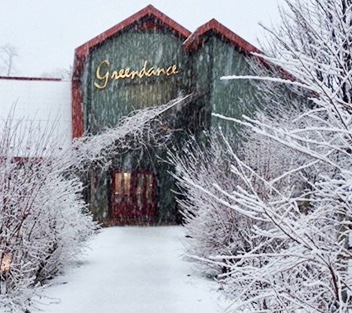
Greendance The Winery at Sand Hill Harvest Update

I recently checked in with Dr. Rick Lynn at Greendance The Winery at Sand Hill in Mount Pleasant Pennsylvania to see what was happening at his winery and vineyards. 

Greendance is home to one of the three young Saperavi plantings in Western Pa. and I was eager to hear how his young vines were progressing. Rick told me: 

“We had some early to mid-season powdery mildew on only the Saperavi and on none of others that included Kerner, Riesling, and Cab Franc, I personally used the same spray program on all and they were all in the same location.   This reduced the Saperavi crop but the plants recovered and ended the year appearing healthy. There was not a large enough quantity to make a reasonable sized batch. We had about 40# of Cab Franc with good ripening stats as were the Kerner numbers.”

I am patiently awaiting next year’s Saperavi harvest that will hopefully provide ample fruit to produce Greendance’s first vintage of Saperavi. I am also curious how Rick will be able to integrate Saperavi’s signature acidity and dark color into his wine making style to yield new and completely unique blends. 

Unlike the humans that tend to them, grape vines can’t contract Covid19 they only respond to the influences of their environment. I asked Rick to share his thoughts on this year’s harvest:

“Our overall hybrid harvest this year, as for everyone else, was exceptional and in the range of 15T. We had 2T+ of Petite Pearl and 3T+ of Frontenac Gris/Frontenac Blanc. Our farm red blend is Frontenac and Chambourcin and there were plenty of them.  Our wine for American grape lovers is Niagara softened with Louise Swensen and Aldamiina.

I addressed the recent stretch of sub-zero temperatures that had overspread the region and he had this assessment:

“Concerning of course but only for the trial vinifera planting and not the hybrids. This is a better test year for their graft and bud survival. The advantage this year is a gradual but full opportunity for deep dormancy and then steady cold to keep them there up to this point and probably at least for the next 2 weeks.” 

Every year has its own challenges and 2021 was no different but winemakers always find a way to meet those challenges and craft wines that express the very best each year has to offer. I look forward to tasting the 2021 releases from Rick and his team at Greendance Winery. For more information about Greendance The Winery at Sand Hill  please visit http://www.greendancewinery.com Photos Courtesy: Greendance The Winery at Sand Hill

Far From The Shallow Interview: Karoline Walch

Let’s play a game. Close your eyes and imagine your favorite Italian winemaking region. Next, conjure up images of its beautiful landscapes, vineyards, and signature architecture. Finally, remember how wonderfully the wine reflects its terroir and expresses the true characteristics of the land. Now, open your eyes and tell me was it Alto Adige? No, then let me tell you about this spectacularly grand alpine province which includes parts of the Dolomites and is also known as South Tyrol. This enchanting Italian wine region is nestled between Switzerland to the west, Germany to the north, and Austria to the east.

 Alto Adige is home to Elena Walch wine estate. The Elena Walch wine estate is among the elite of Italian

IMG_3840_Original

wine producers and has been the standard-bearer for quality and innovation under the guidance of Elena Walch and now her daughters Julia and Karoline. The estate’s philosophy toward winemaking has always been defined by its dedication to the land and terroir. Elena Walch wines are a direct expression of their soil, climate, and care in the vineyard. The disciplines of sustainability and care for the land are strictly adhered to and passed down to future generations. Julia and Karoline Walch have steadily advanced and evolved the viewpoint of their mother since taking over as General Managers of the estate in 2015. 

I recently had the opportunity to ask Karoline Walch about how they are carrying on that commitment to excellence and how you can taste it in their wines.

Elena Walch wines have always been faithful to the ideology of respecting the land and the environment so your wines are a direct reflection of the terroir. How do you see your commitment to that principle manifest itself in your wines?

Since the beginning, my mother wanted to produce wines that are a true reflection of a single site. Our two most important single vineyards are the Vigna Castel Ringberg and the Vigna Kastelaz, both very distinct and unique sites. With a combination of limestone soils and its microclimate given the lake influence, the vineyard Vigna Castel Ringberg is farmed sustainably to best adapt to the characteristics of the site. It is finally the salinity and depth that distinguishes it from many other wines within that category. The Vigna Kastelaz, on the other hand, is one of the very few vineyards facing completely South, and hence, benefitting from very sunny and dry growing conditions. Not only, it is extremely steep and due to its proximity to the Mendola mountain ridge, the temperature fluctuations are huge. This allows us to develop the primary aromas to the full spectrum, yet retaining the acidity. Not surprisingly, this is our icon site for Gewürztraminer. Finally, to further highlight the importance of those two vineyards, since 2014 our wines that grow on those two sites, carry the prestigious denomination of Vigna –  It is an additional mention of a smaller geographical origin and designs the smallest historical/geographical unit of a vineyard. Every single Vigna must be officially admitted and registered within the regional government. It expresses the ultimate thought of terroir philosophy with the idea of a parcel wine from an exact plot and hence having a historical or traditional name.

How does your state-of-the-art fermentation cellar help you in accentuating all the unique terroirs of your diverse vineyard sites?

Our estate’s philosophy is inherently connected to terroir – the idea that the wines are an individual expression of the vineyard’s soil, climate, and cultivation. We start with quality in the vineyard, but the way the grapes are handled at the winery is an important step in how the finished wine expresses its sense of place. Our new, high-tech cellar allows us to be flexible and adjust to the requirements of both single vineyards and individual varieties. 

With the new cellar, there are three important changes: the option between whole-berry or whole-bunch fermentation; the strict use of gravity to process the grapes as gently as possible; and four different points of quality control before the grapes reach the fermentation tanks. The aim is to create wines that have more structure, more fruit, and soft, supple tannins with great aging potential while being more elegant and refined at the same time. KW

Elena Walch set sail into uncharted waters when she built her winery on the idea of producing the highest quality wines that are terroir-driven and sustainably grown. Her daughters, Julia and Karoline, are continuing the journey she started but are always adding their own contemporary interpretation to their winemaking.

We can talk about how Elena Walch wines express their terroir and how producing wine sustainably can be tasted and experienced in a tangible way but it is impossible to truly understand what Elena Walch wines are like without tasting them for yourself. I feel quite confident that after reading Karoline Walch’s perspective on how she approaches making wine that you have a desire to taste her wine just to see for yourself why it is so special. The only question that remains is which one to try first. Luckily for us, Elena Walch wines are superior wines so you can’t make a mistake. Since Alto Adige is the northernmost region in Italy the Germanic grape varieties tend to be prevalent but that is to be expected since it is so close to Germany that 70% of its population speak German while only 25% speak Italian. Elena Walch is known for its white wine, which includes their popular Gewürztraminer and “Beyond The Clouds” but their reds are also top-notch.

When I explore a wine region I am always curious about the wine made from its indigenous grape IMG_3843_Originalvarieties. When I looked at Alto Adige, Schiava caught my eye. Schiava is an indigenous grape varietal often associated with the region. Schiava typically produces an aromatic light but acidic red wine that is highly versatile when it comes to food pairings. Elena Walch Schiava is a solid choice because it ranks high in quality and taste for this varietal. Elena Walch Schiava 2019 has a cranberry color, mild tannins, and bright acidity with flavors of red fruit and Schiava’s signature tinge of bitter almond on the finish. It is best when served between 60-65ͦ F/16-18ͦ C. This wine pairs well with Mediterranean fare and pasta. 

Elena Walch wine estate is only one of the extraordinary wineries in the Alto Adige region of Italy that are

eager to share their enchanting culture and remarkable wines with you.  

Photo Credit: Elena Walch