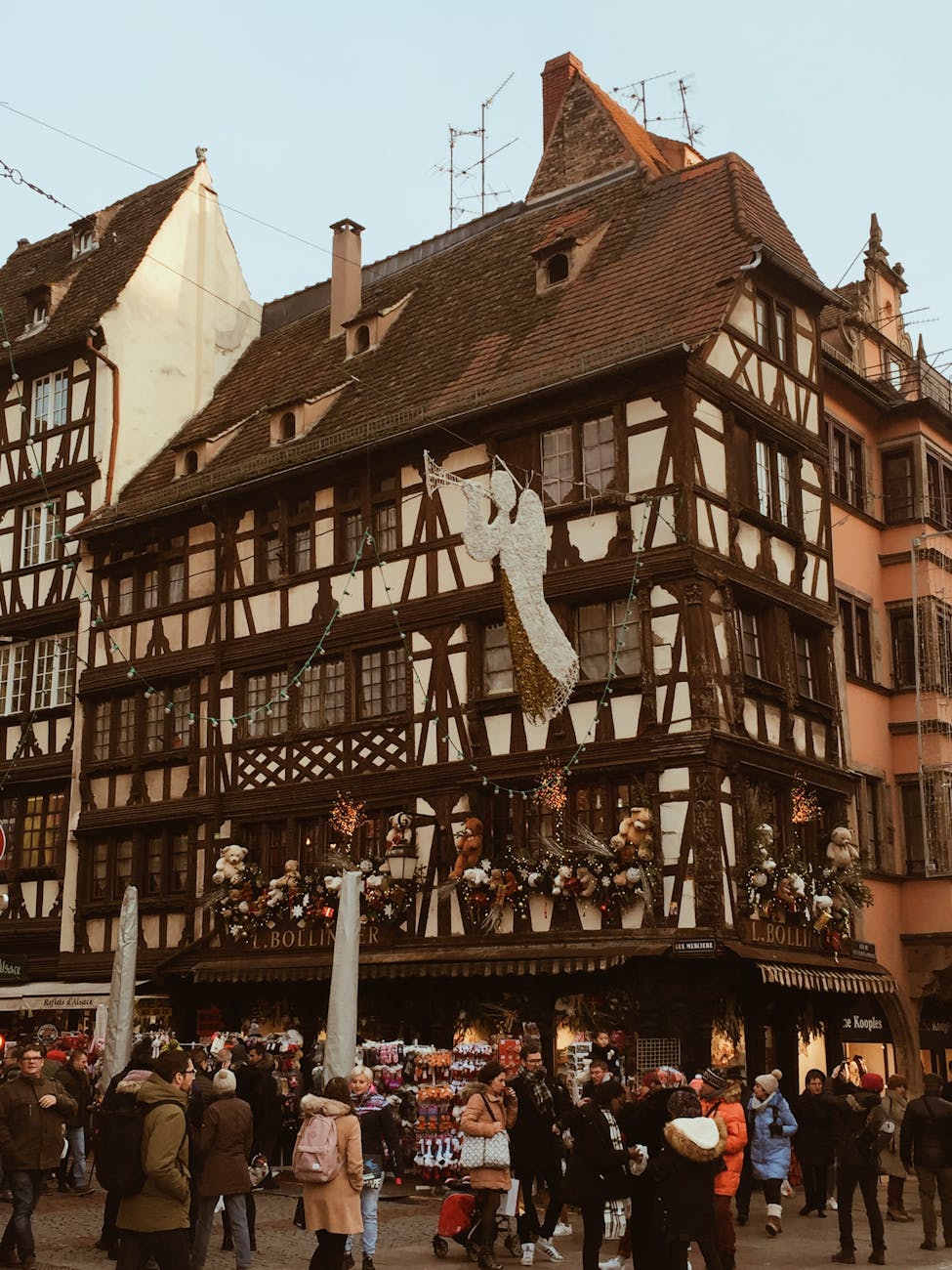
Alluring Alsace

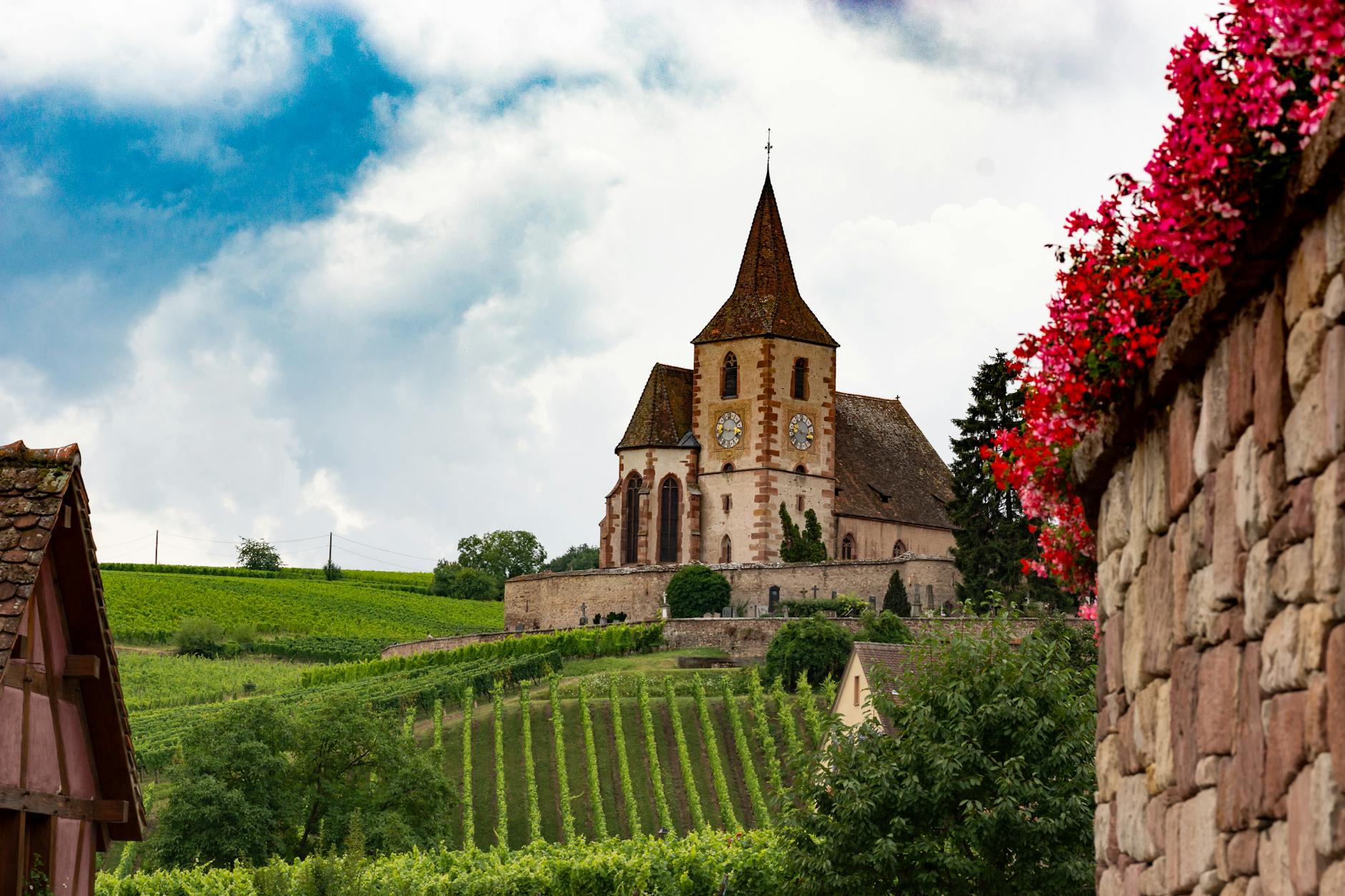
The Alsace wine region of France is situated along the French border east of Paris. The region’s wine production is almost entirely devoted to white wine, positioning it uniquely among wine-producing regions worldwide. The white wines in Alsace are rarely made in other parts of France. Alsace is French but has been part of Germany several times. The Vosges mountains and picturesque quaint villages make it more reminiscent of images from German folk tales than the wine provinces of southern France. It is easy to see why Riesling, Gewürztraminer, Pinot Gris, and Muscat dominate its winemaking identity. Pinot Noir is the only red grape of note there but is grown in limited quantities. Alsace differs in how it labels its wine from the rest of France by using the grape variety instead of the location where the grapes were grown.  

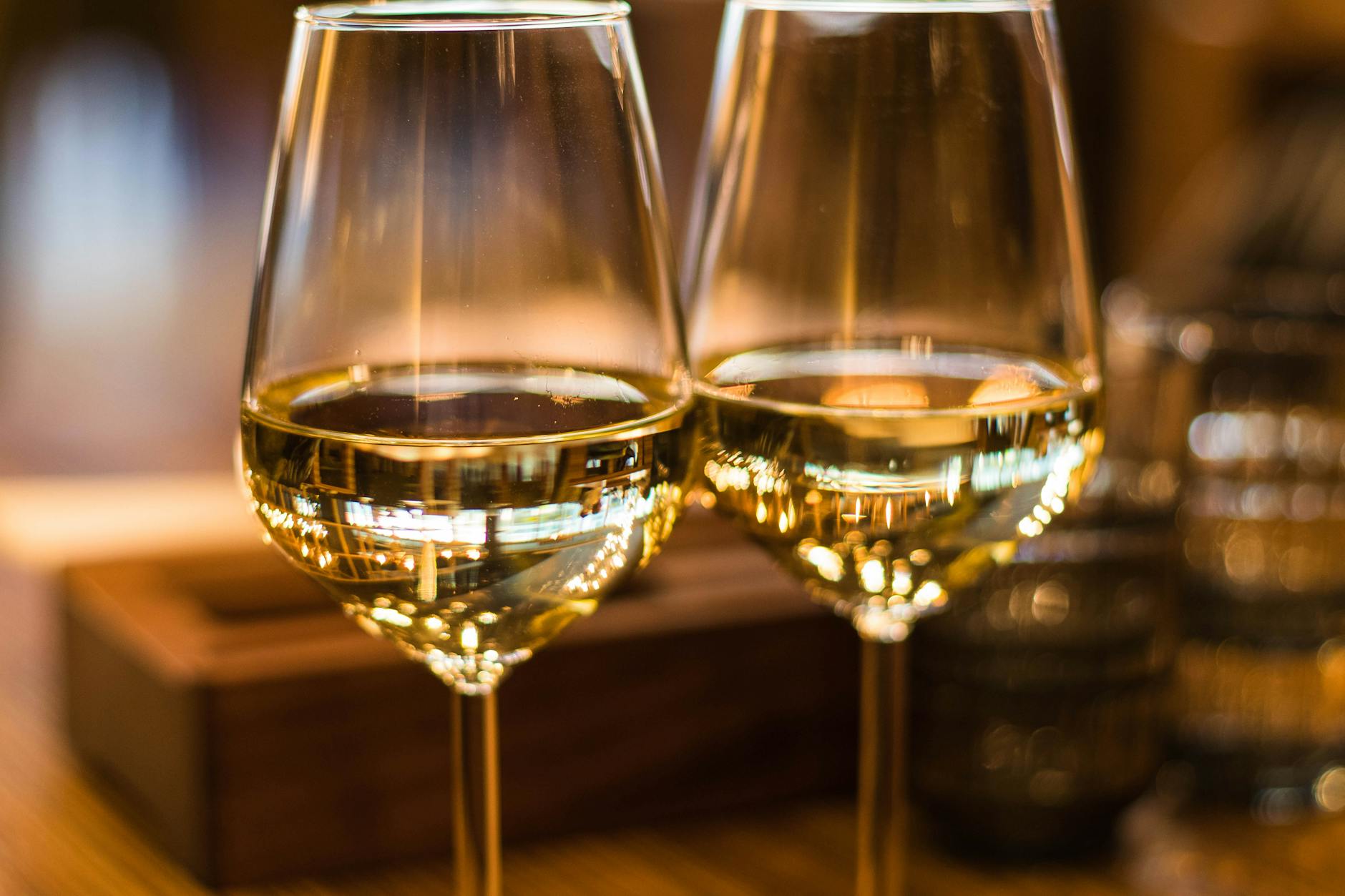
Don’t be misled into thinking the white wines of Alsace are sweet and mild. On the contrary, they have bold character and are almost always dry. The winemakers of this region believe in showcasing the attributes of the grape and not crafting a wine to conform to a predetermined taste profile. Because this conviction is so ingrained in their wine culture, blending is seldom, if ever, an option. 

Sparkling wine is also made in Alsace. It is all designated Crémant ď  Alsace and is made the same way as

Champagne. You might be wondering if they make Crémant ď Alsace in Alsace and use Chardonnay grapes why isn’t Chardonnay one of their signature white wines? The reason is that by law Chardonnay can only be used in Crémant ď Alsace and can not be used to make still wine. Crémant ď Alsace is a high-quality alternative to Champagne at a very affordable price. 

Alsatian Riesling is angular in structure and very dry with good minerality. German Rieslings are well balanced with bright acidity, low alcohol, and prominent fruit flavors. 

Alsace is said to rival Paris in the number of great restaurants, whether pretentious or grand. 

It is easy to have an excellent wine experience in Alsace because the quality of wine is exceedingly well-made and the pricing spread guarantees you will find bottles you will love at a price you can appreciate. 

Burgundy Basics

With all eyes on France, as it hosts the Paris 2024 Olympics, one can’t help but think of all the great wines made in that country. France has seven main wine-producing regions: Alsace, Bordeaux, Burgundy, Loire, Provence, and the Rhone Valley. These regions produce outstanding wine and are fascinating to explore. 

We will start by looking at the Burgundy Region and its signature grapes. The Burgundy Region is located in eastern France, just southeast of Paris. When you hear someone talking about Red Burgundy wine, they refer to Pinot Noir. Red Burgundy is Pinot Noir. When you hear someone talking about White Burgundy wine, they refer to Chardonnay. White Burgundy is Chardonnay. As a rule of thumb, Burgundian wine can be ranked from Best/most expensive to the most produced/moderately priced Regional Wines that are simply labeled as Bourgogne and represent 50% of all wines made in the Burgundy Region. The rankings go from Grand Cru, Premier Cru, Villages Wines, and Regional Wines. You can find some excellent wines at a good price in the last group. 

If you are interested in learning more about French wine I suggest visiting the website of Level 3 sommelier Alison Morris Roslyn franceynotfancy.com. For those looking to delve more deeply into the wines of Burgundy, I highly recommend the website of French wine scholar with Bourgogne Masters Level Certification, Dave DeSimone https://daveswinecellar.com 
Whispering Angel Rose

I have always been fascinated by the public’s changing taste in wine and what drives it. In

Chateau D’ Esclans Whispering Angel Rose

the 80’s it was Sutter Home’s White Zinfandel that was the biggest seller in the U.S. Then in the 90’s it was any California Chardonnay followed by the Pinot Noir revolution. I believe that changing tastes of

this scale are primarily driven by clever marketing and herd mentality. Today it is Rosé that has been on a roll for several years. Ten years ago no one , especially the members of the “Trendy Set” drank Rosé. The reason wasn’t only that it was poorly made but because it was unfashionable to be seen with a glass of Rosé in your hand at any social gathering. Then Brad Pitt released his Miraval Rosé and the immense star power he commanded caused people to take another look at Rosé and they found it to be a very enjoyable wine when it is well-made. Pitt and his Miraval Rosé opened the door and Chateau D’ Esclan Whispering Angel Rosé burst through it to make a meteoric rise and become the default Rosé for the savvy influencers on the party circuit and social media scene.

     Whispering Angel Rosé represents the best value for a quality Rosé to be found on the Chateau D’ Esclans Rosé list. Whispering Angel Rosé possesses all the traits that you would expect from a French Rosé from Cotes de Provence. It has a delicate pink color and wonderful bouquet with a crisp taste of light fruit and minerality followed by a clean finish. It shows itself better when enjoyed with lighter fare such as Summer salads, seafood and mild cheeses. This Rosé can best be described as balanced, light and dry. Drink it on ice if you really want to go totally “0210” while flaunting your thrifty side with a bottle of French Rosé for less than $20 USD. Now smile for you Instagram pix

A Lighter Shade of Pale

     I have noticed that the latest trend is to go directly from Halloween into Christmas and by doing so minimizing Thanksgiving as a holiday. I find this trend to be particularly disturbing because I like Thanksgiving and the traditional family gatherings that revolve around it. We had the pleasure of celebrating our Thanksgiving with my wife’s family, several of which we haven’t seen lately. Our god-daughter Liz was among the family members we got to spend time with on that day. Liz had recently taken a job closer to home after working for a major wine importer and distributor. Luckily for us she had maintained her contacts in the industry and brought some outstanding bottles with her.

The bottle that caught my eye and my curiosity was a Cuvée Rosé Grand Cru Champagne from R.H. Coutier, a producer from Ambonnay. This French sparkler is a delicate Rosé made from 55% Chardonnay and 45% Pinot Noir which explains its enchanting salmon pink color. It’s a well-balanced Champagne that opens with cream notes on the nose leading to red berries, prominently strawberries with an ever so slight hint of mint on the finish. R.H.Coutier received a 90 point rating from Wine Spectator and 92 points from Wine Advocate for this offering making it a great value ($45-$50) for a French Champagne of this quality. 

The Pennsylvania Winery Association

Photo Courtesy: Pennsylvania Winery Association

Photo Courtesy: Pennsylvania Winery Association

      The Pennsylvania Winery Association has a very useful and informative website and you can get access to it by going to http://www.pennsylvaniawine.com..  Starting on the homepage you can explore many interesting features including an extensive list of winery events for the upcoming year plus trip planning info coupled with downloadable winery maps available under the Trip Planner tab.  Pennsylvania is divided into seven wine growing regions with my favorite designation being the “Groundhog Region”.  Let France have Bordeaux and Italy have Tuscany, give me that Groundhog A.V.A..  Pennsylvania is home to eleven wine trails and P.W.A. reports that there are one hundred twenty-three wineries in the Commonwealth.  While you are visiting the site take the opportunity to add your e-mail address to their e-mail list or consider following them on Twitter.  The Pennsylvania Winery Association has done an excellent job with their website and it will certainly offer anyone researching it with an insight into the state’s wineries that isn’t available anywhere else.  http://www.pennsylvaniawine.com   

Paris of Appalachia

Photo courtesy: Bridge Ten Brasserie

Photo courtesy: Bridge Ten Brasserie

     I have often heard people refer to Pittsburgh using this “Left Handed” compliment and I can’t understand why there should be any negative connotation attached to it.  Being compared to the “City of Light” can only be viewed as a ringing endorsement for the cultural achievements of the city.  Dave DeSimone has brought his love of France to life at 20 S. 10th St. in the South Side of Pittsburgh through his restaurant Bridge Ten Brasserie.  Bridge Ten Brasserie has captured the feeling of a French brasserie with its menu of hearty yet simply elegant selections that are sure to please any French food lovers palate.  The wine list is exemplary and reflects Dave’s encyclopedic knowledge of French wine and their proper food pairings. The choices from the Parisian themed cocktail menu can easily spark vivid memories of an evening spent on The Champs-Élyées.  If you would like more information on Bridge Ten Brasserie it can be found at www.bridgeten.com or by calling 412-586-5033 

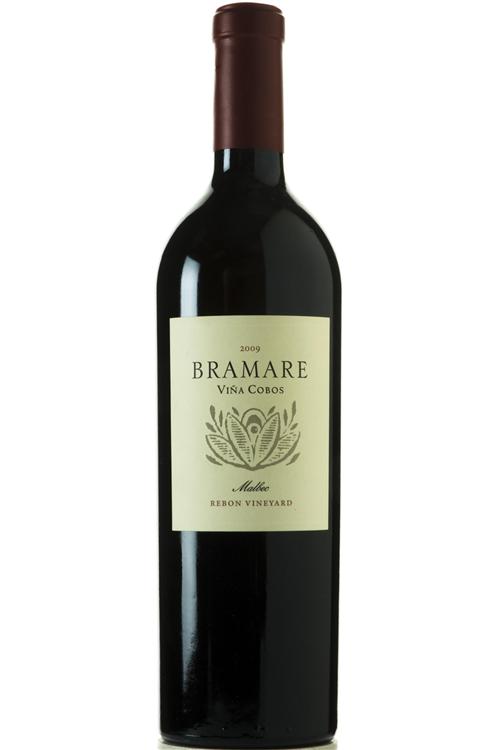
Vina Cobos Bramare Malbec La Consulta Rebon 2009

Vina Cobos Bramare Malbec La Consulta Rebon 2009

Vina Cobos Bramare Malbec La Consulta Rebon 2009

     I usually do not buy a wine with this many words in its name especially when I can not pronounce most of them but I was intrigued by the back story and origins of this Malbec.  The Malbec grape is not native to Argentina but was introduced into the region from its homeland of France about 150 years ago, the vines quickly found their new home a perfect match and the rest is history that is still being made today.  This Malbec is more complex than the Appellation Malbec with its aroma of exotic spices and floral notes.  Dark violet tones treat the eye as the muscular palate of plum, raspberry and black licorice fill your mouth letting you know that this is a seriously complex wine.  The finish can only be described as complex and long with rich pliant tannins.  The grapes are the key here and are sourced from the Marchiori Vineyard and other properties within Mendoza.  The word complex comes up often when describing this Malbec because so many factors come into play during its production not the least being that it is aged 18 months in 100% new Taransaud French oak and then bottled unfined and unfiltered.  Wine Advocate gave this 2009 vintage a 94 point rating and commented that it needed to unwind 2-3 years making its cellar life 2014-2024.  I am sure it will age wonderfully but I don’t like to wait so I aerated it and it opened up nicely with plenty of aroma.  The P.L.C.B. has this wine in limited availability and is most easily purchased through their website www.finewineandgoodspirits.com.  The product code is 39329 and the price is more than the normal price of the wines I review at $54.99.