Wine Review: E. Guigal Côte du Rhône Rosé

I have always advocated for drinking Rosé year-round, but I must admit that I enjoy it more during the warmer months, when it pairs well with the lighter fare of the season. Rosé is a flavorful choice to enjoy with grilled fresh fish, pork, or chicken, along with locally sourced “farm to table” produce/products. I am hearing that some sommeliers are even pairing it with steak. Well, that’s interesting. What do you think? Rosé from southern France is synonymous with the daydream of spending a leisurely afternoon relaxing at a sun-drenched seaside bistro while basking in the sights, sounds, tastes, and aromas of the region’s idyllic lifestyle. 

We can’t all just jet off to the French Riviera on a whim, but we can certainly get a taste of the good life by enjoying a nice bottle of rosé. 

E. Guigal is a dependable producer of quality wine from the Southern Rhône Valley. E. Guigal Côte du Rhône Rosé is a classic expression of a well-balanced southern Rhône rosé with delicate notes of citrus and raspberry leading to a medley of red fruit flavors. The beauty of this wine isn’t limited to its color in your glass, but to its budget-friendly price of less than $20, and that you can easily find it almost anywhere.

Photo Credit: E. Guigal

It’s Sauvignon Blanc Season!

Warm weather has arrived, and with it the tradition of drinking lighter wines, like Sauvignon Blanc and Rosé. The reason this long-standing annual tradition continues is that it is enjoyable and satisfying on so many levels. 

For many, the mere mention of Sauvignon Blanc brings images of New Zealand and France to mind. While it is hard to go wrong when selecting a Sauvignon Blanc from either the North or South Island of New Zealand or the Loire Valley and Bordeaux in France, there are also outstanding examples of this wine being produced in other regions. California, Chile, Argentina, and Australia also make great Sauvignon Blanc. 

Sauvignon Blanc offers a diverse variety of taste profiles that vary widely from mouth-watering fruit-driven wines laden with citrus aromas to ones exhibiting a savory character filled with vegetal undertones that drift in the direction of green bell peppers and freshly mown grass. 

Depending on your personal preferences, you can find a Sauvignon Blanc that is made in a style and at a price point that meets your tastes and budget. 

It is no coincidence that SB shows up on dining tables as the seasons change. This versatile white wine boasts citrus notes that enliven seasonal fare while its bright acidity cuts through creamy sauces and buttery dishes. The perfect complement to seafood, shellfish, and any lightly prepared fish. Sauvignon Blanc really shines when paired with charcuterie boards. 

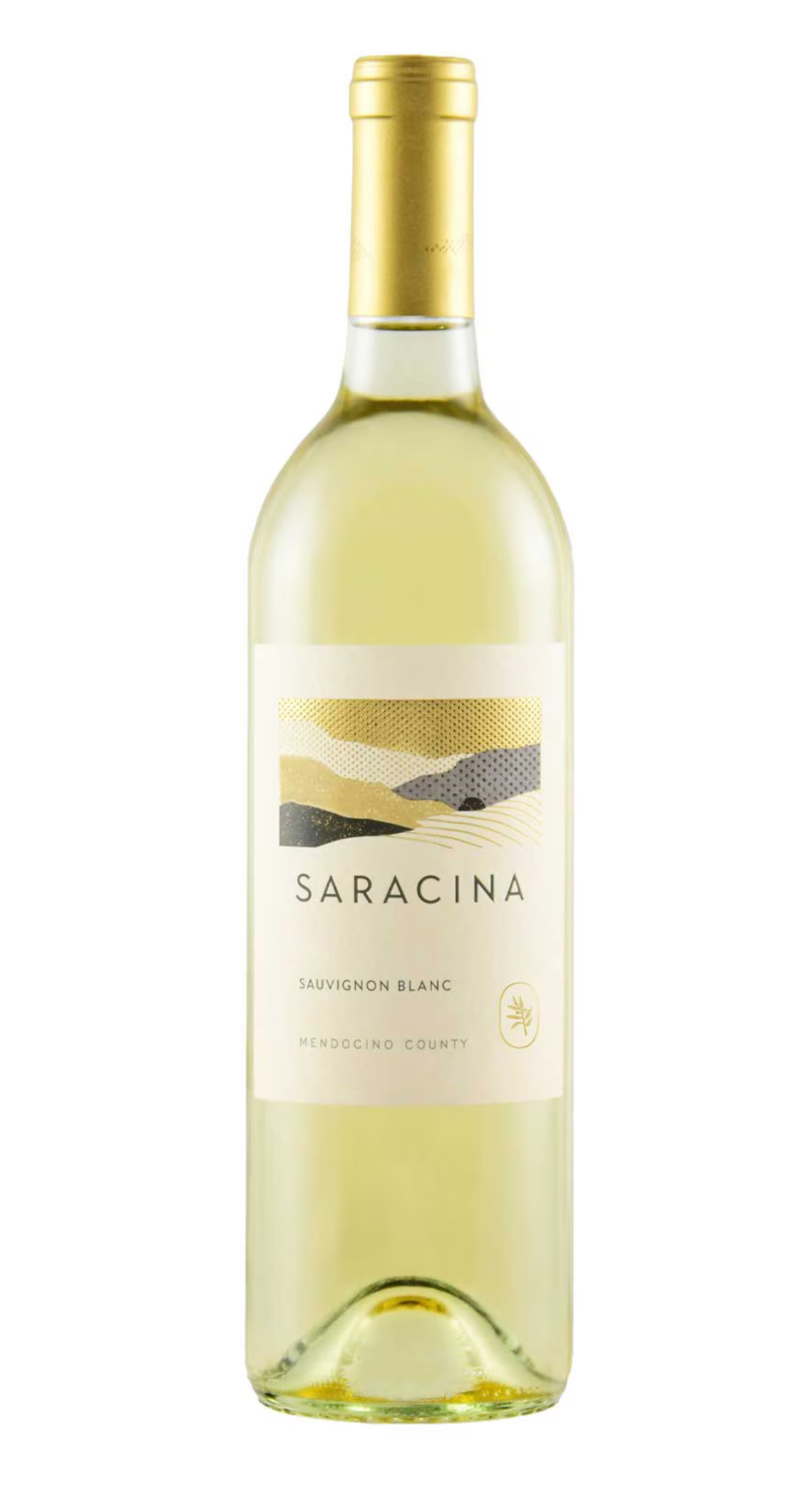
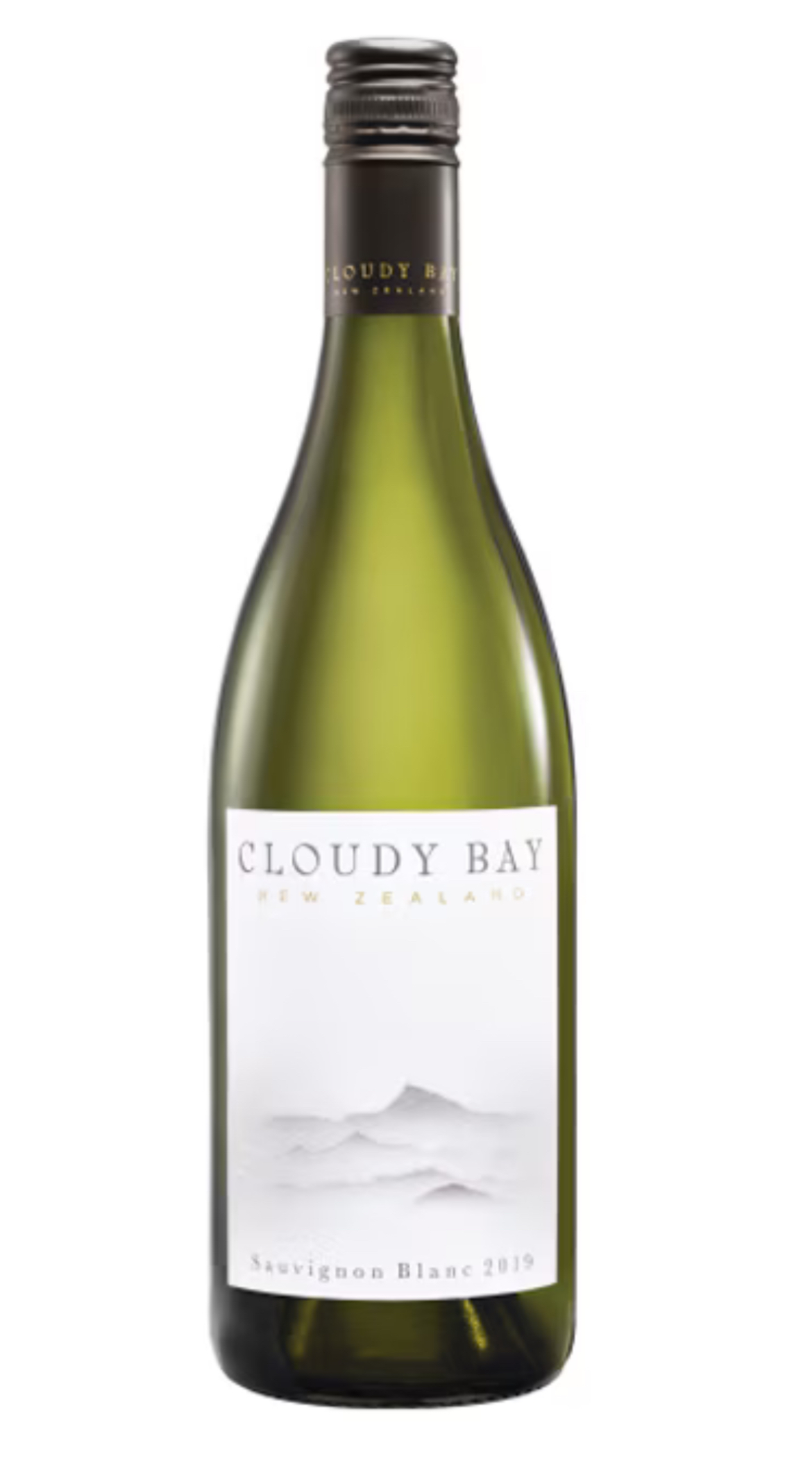
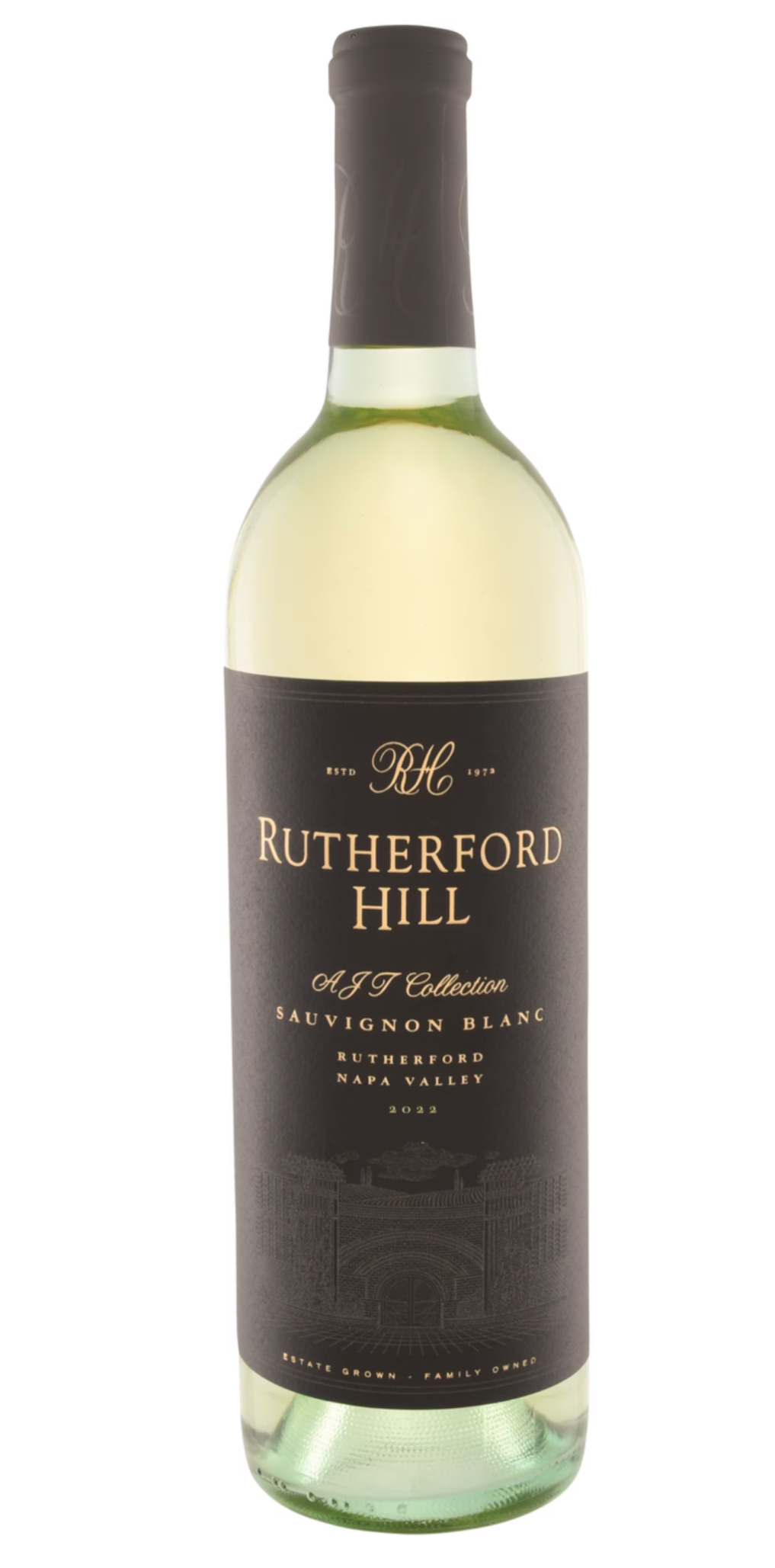
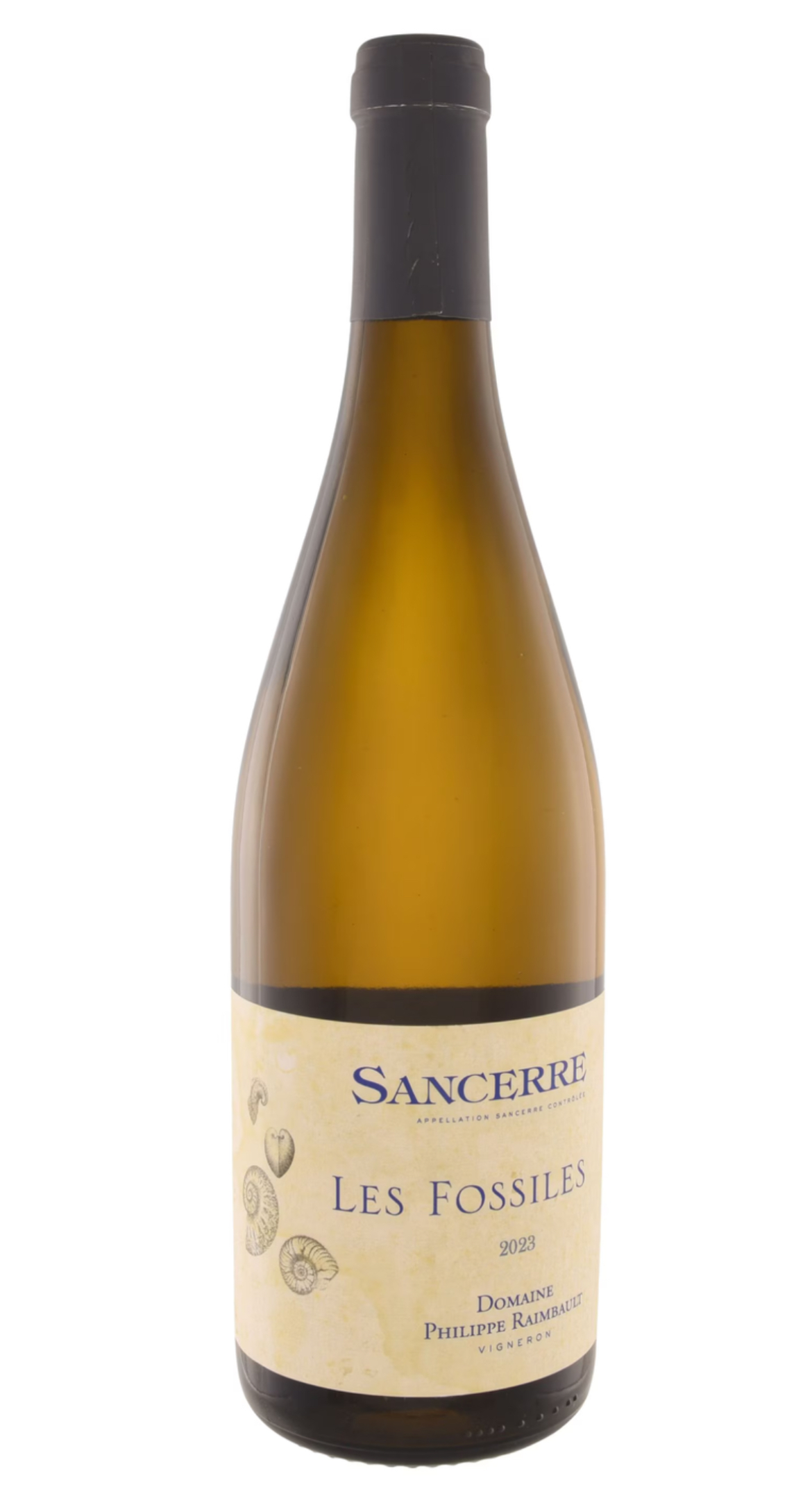
Consider these four well-made Sauvignon Blancs from California, New Zealand, and France. All are moderately priced, at around $30, and widely available. 

Rutherford Hill AJT Sauvignon Blanc 2022 (USA) Wine Spectator 94 pts James Suckling 91 pts Jeb Dunnuck 90 pts

Saracina Sauvignon Blanc Mendocino County 2023 (USA) Wine Enthusiast 95 pts

Cloudy Bay Sauvignon Blanc  Marlborough 2023 (New Zealand) Wine Spectator 93 pts

Domaine Philippe Raimbault Les Fossiles Sancerre Blanc 2023   (Loire Valley, France)

Photo Credit: finewineandgoodspirits.com

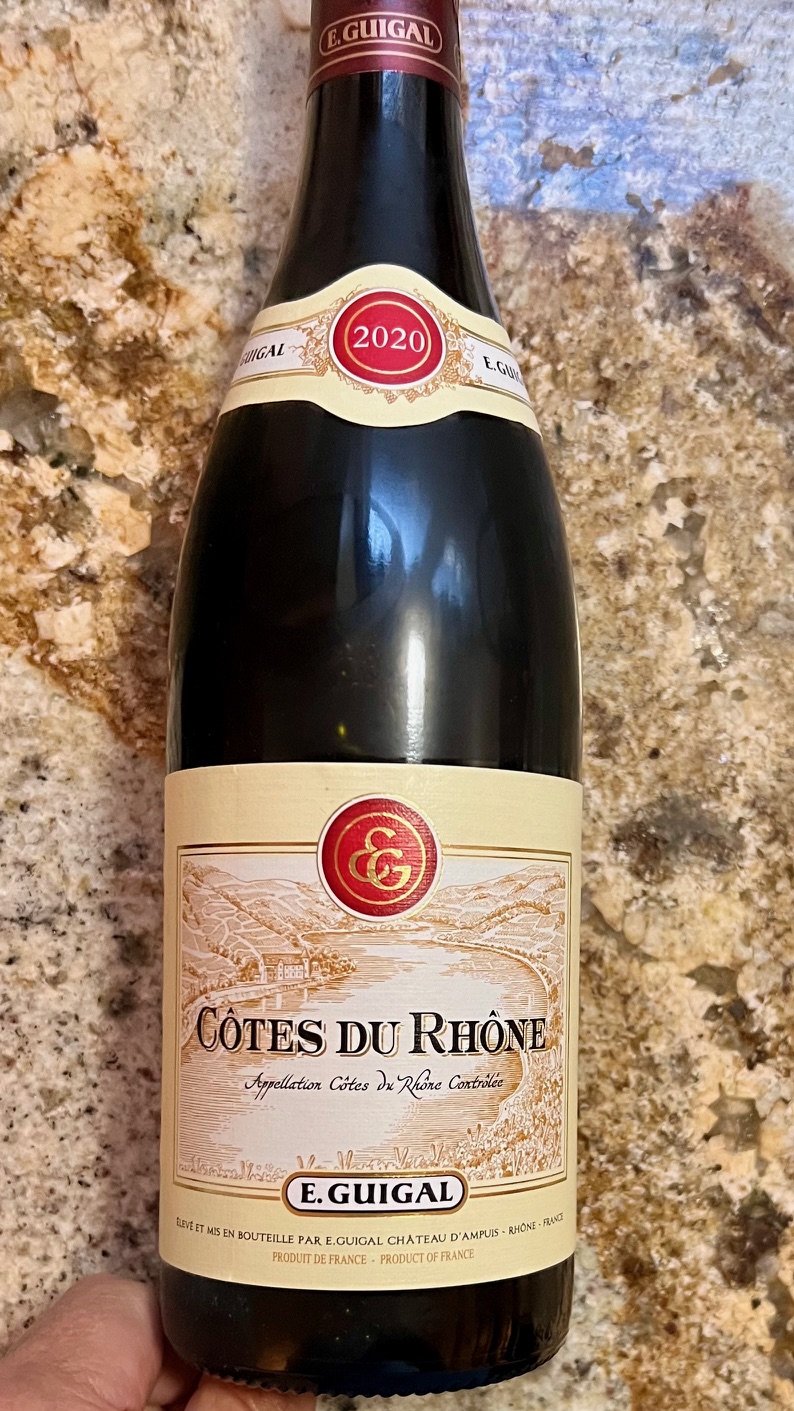
Review: E. Guigal Côte du Rhône Rouge 2020

This wine reminds me of a lyric from the Jimmy Buffett song “He went to Paris.” It goes “ But warm summer breezes. The French wines and cheeses. Put his ambitions at bay.” He Went To Paris (YouTube)

It is easy to imagine sitting in a bistro in the south of France savoring delicate French cheese and sipping E. Guigal Côte du Rhône Rouge 2020 while watching the world pass by. 

Even though, E. Guigal is known for making high-end offerings; they continue to produce this very well-made mass-market example of a Rhône GSM blend (Grenache, Syrah, Mourvèdre). 

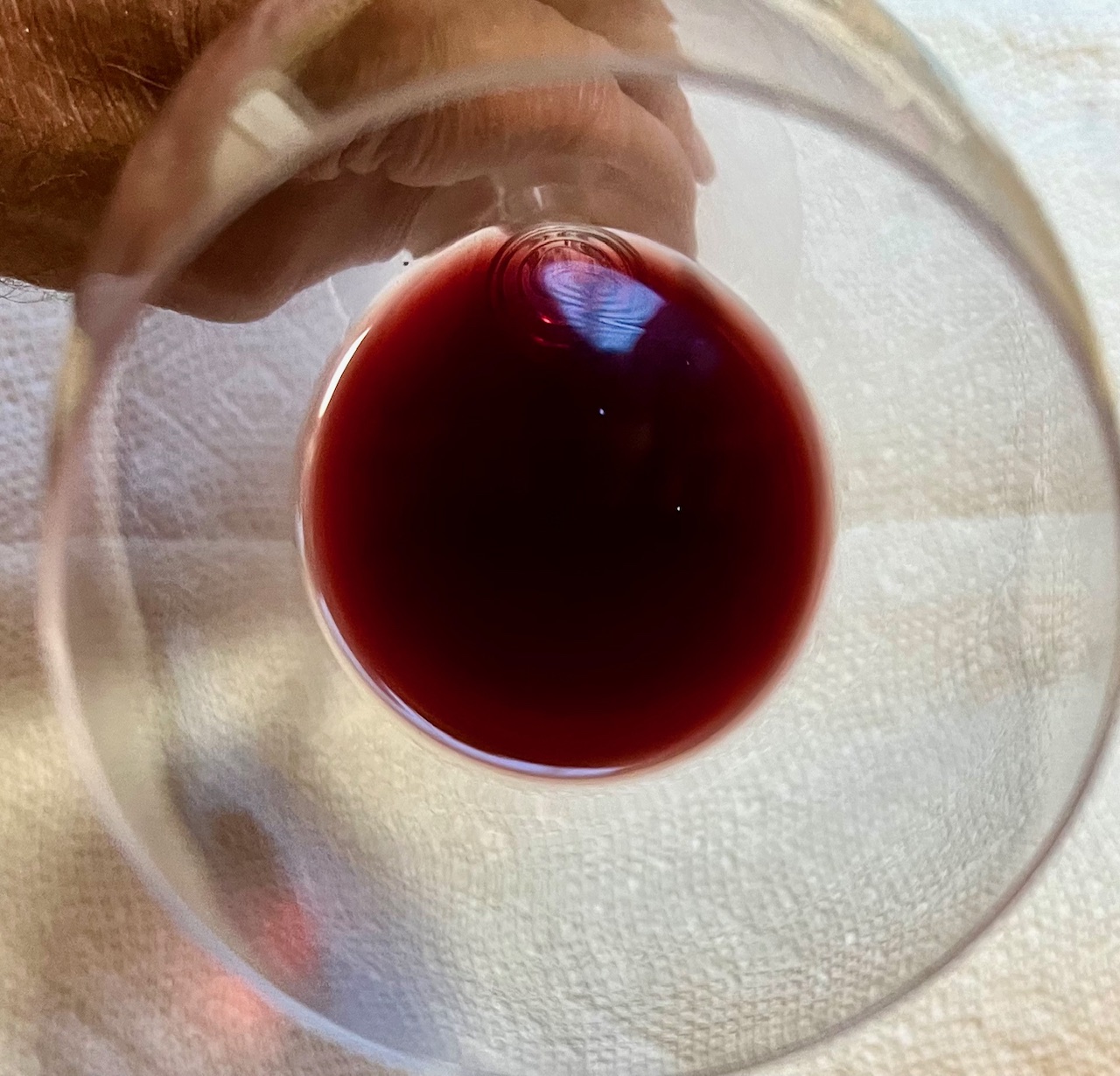
This is a well-balanced wine with supple tannins and subdued but pleasant acidity. Blueberry and blackberry flavors are accented with a hint of cherry from the Grenache. It is all carried on a medium body that leads to a lush finish making this wine a great introduction to the wines of the southern Rhône Valley of France. It is a bargain at less than $20 a bottle for a wine of this quality.

Alluring Alsace

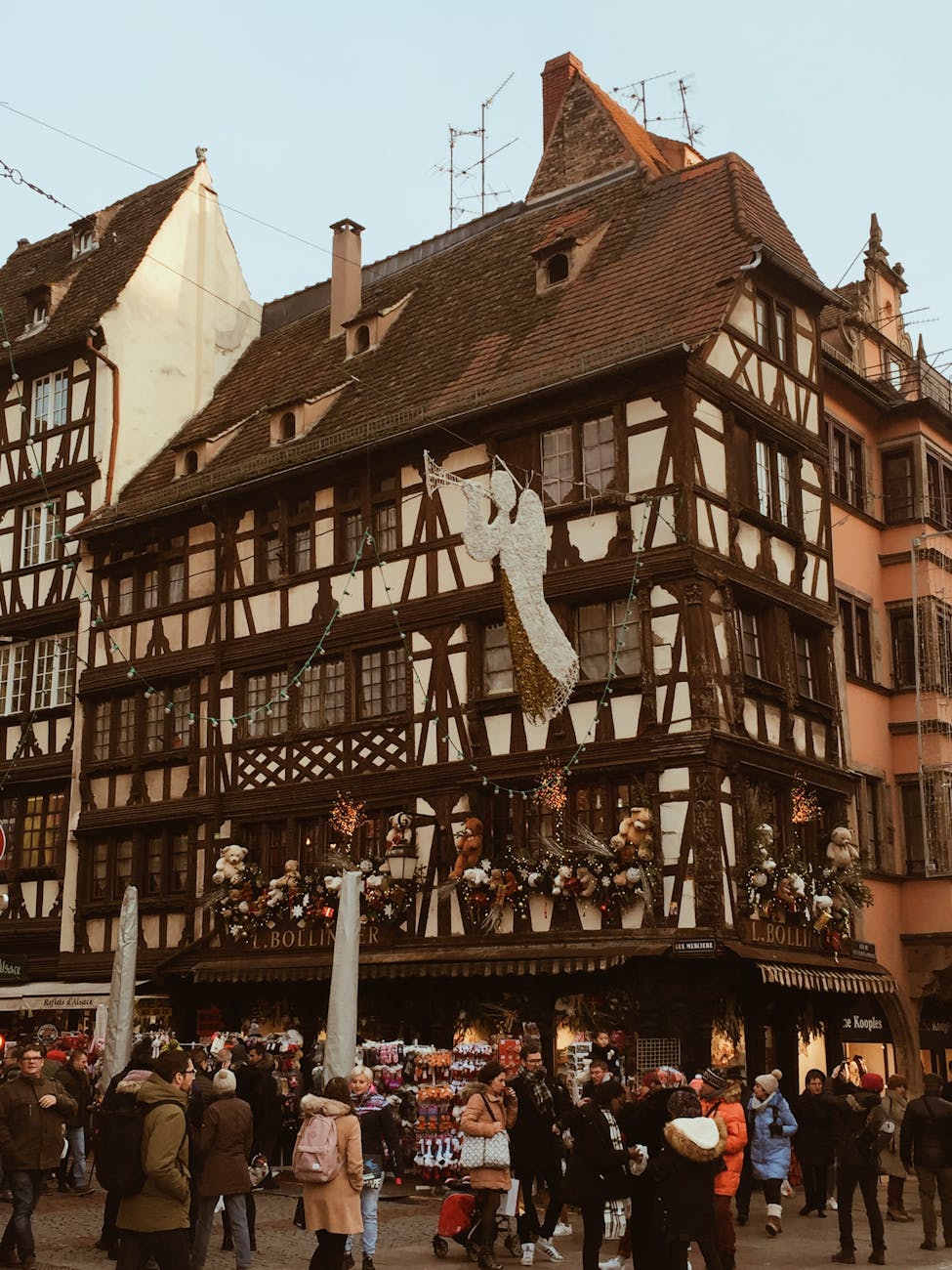
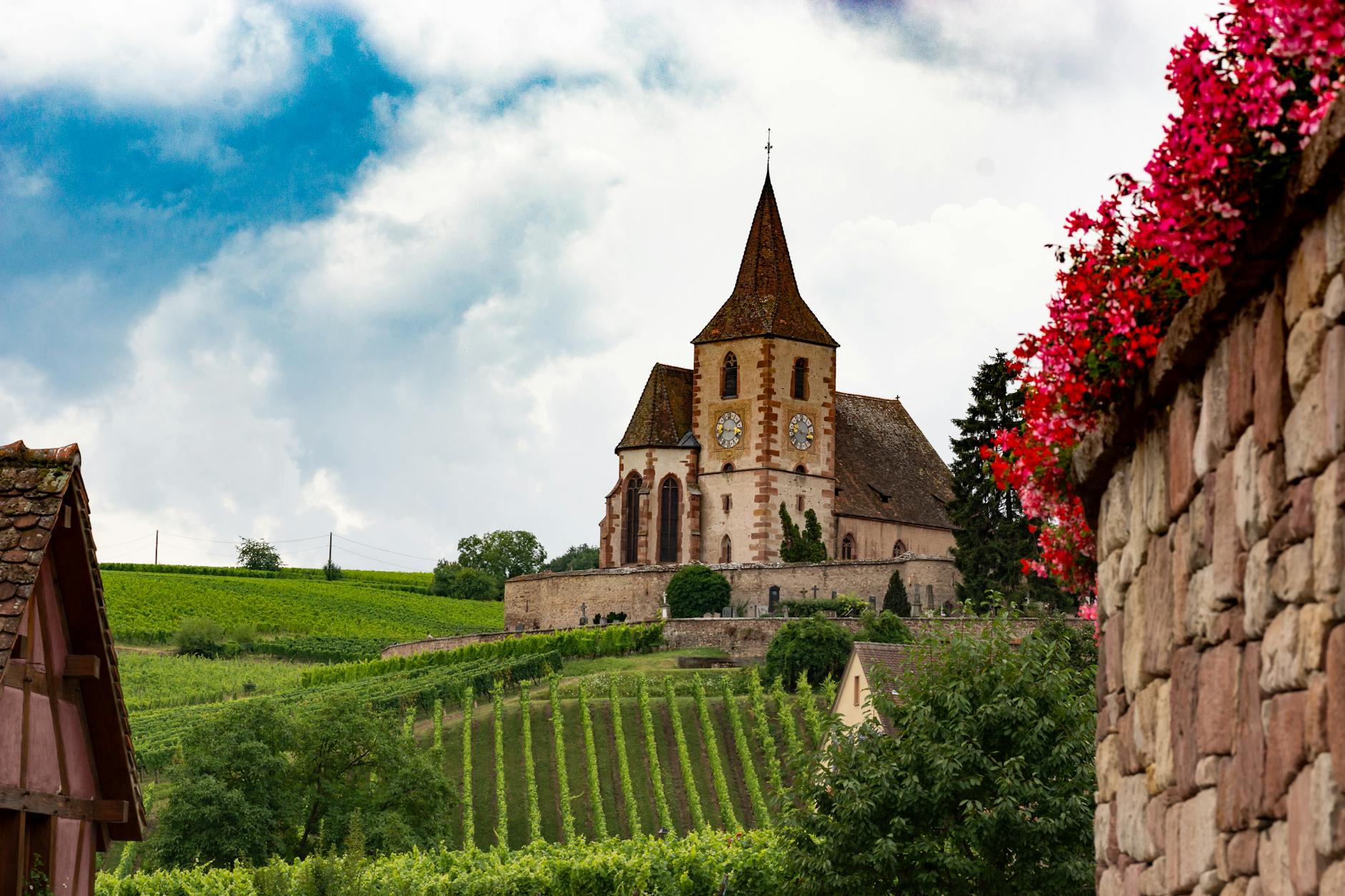
The Alsace wine region of France is situated along the French border east of Paris. The region’s wine production is almost entirely devoted to white wine, positioning it uniquely among wine-producing regions worldwide. The white wines in Alsace are rarely made in other parts of France. Alsace is French but has been part of Germany several times. The Vosges mountains and picturesque quaint villages make it more reminiscent of images from German folk tales than the wine provinces of southern France. It is easy to see why Riesling, Gewürztraminer, Pinot Gris, and Muscat dominate its winemaking identity. Pinot Noir is the only red grape of note there but is grown in limited quantities. Alsace differs in how it labels its wine from the rest of France by using the grape variety instead of the location where the grapes were grown.  

Don’t be misled into thinking the white wines of Alsace are sweet and mild. On the contrary, they have bold character and are almost always dry. The winemakers of this region believe in showcasing the attributes of the grape and not crafting a wine to conform to a predetermined taste profile. Because this conviction is so ingrained in their wine culture, blending is seldom, if ever, an option. 

Sparkling wine is also made in Alsace. It is all designated Crémant ď  Alsace and is made the same way as

Champagne. You might be wondering if they make Crémant ď Alsace in Alsace and use Chardonnay grapes why isn’t Chardonnay one of their signature white wines? The reason is that by law Chardonnay can only be used in Crémant ď Alsace and can not be used to make still wine. Crémant ď Alsace is a high-quality alternative to Champagne at a very affordable price. 

Alsatian Riesling is angular in structure and very dry with good minerality. German Rieslings are well balanced with bright acidity, low alcohol, and prominent fruit flavors. 

Alsace is said to rival Paris in the number of great restaurants, whether pretentious or grand. 

It is easy to have an excellent wine experience in Alsace because the quality of wine is exceedingly well-made and the pricing spread guarantees you will find bottles you will love at a price you can appreciate. 

Burgundy Basics

With all eyes on France, as it hosts the Paris 2024 Olympics, one can’t help but think of all the great wines made in that country. France has seven main wine-producing regions: Alsace, Bordeaux, Burgundy, Loire, Provence, and the Rhone Valley. These regions produce outstanding wine and are fascinating to explore. 

We will start by looking at the Burgundy Region and its signature grapes. The Burgundy Region is located in eastern France, just southeast of Paris. When you hear someone talking about Red Burgundy wine, they refer to Pinot Noir. Red Burgundy is Pinot Noir. When you hear someone talking about White Burgundy wine, they refer to Chardonnay. White Burgundy is Chardonnay. As a rule of thumb, Burgundian wine can be ranked from Best/most expensive to the most produced/moderately priced Regional Wines that are simply labeled as Bourgogne and represent 50% of all wines made in the Burgundy Region. The rankings go from Grand Cru, Premier Cru, Villages Wines, and Regional Wines. You can find some excellent wines at a good price in the last group. 

If you are interested in learning more about French wine I suggest visiting the website of Level 3 sommelier Alison Morris Roslyn franceynotfancy.com. For those looking to delve more deeply into the wines of Burgundy, I highly recommend the website of French wine scholar with Bourgogne Masters Level Certification, Dave DeSimone https://daveswinecellar.com 

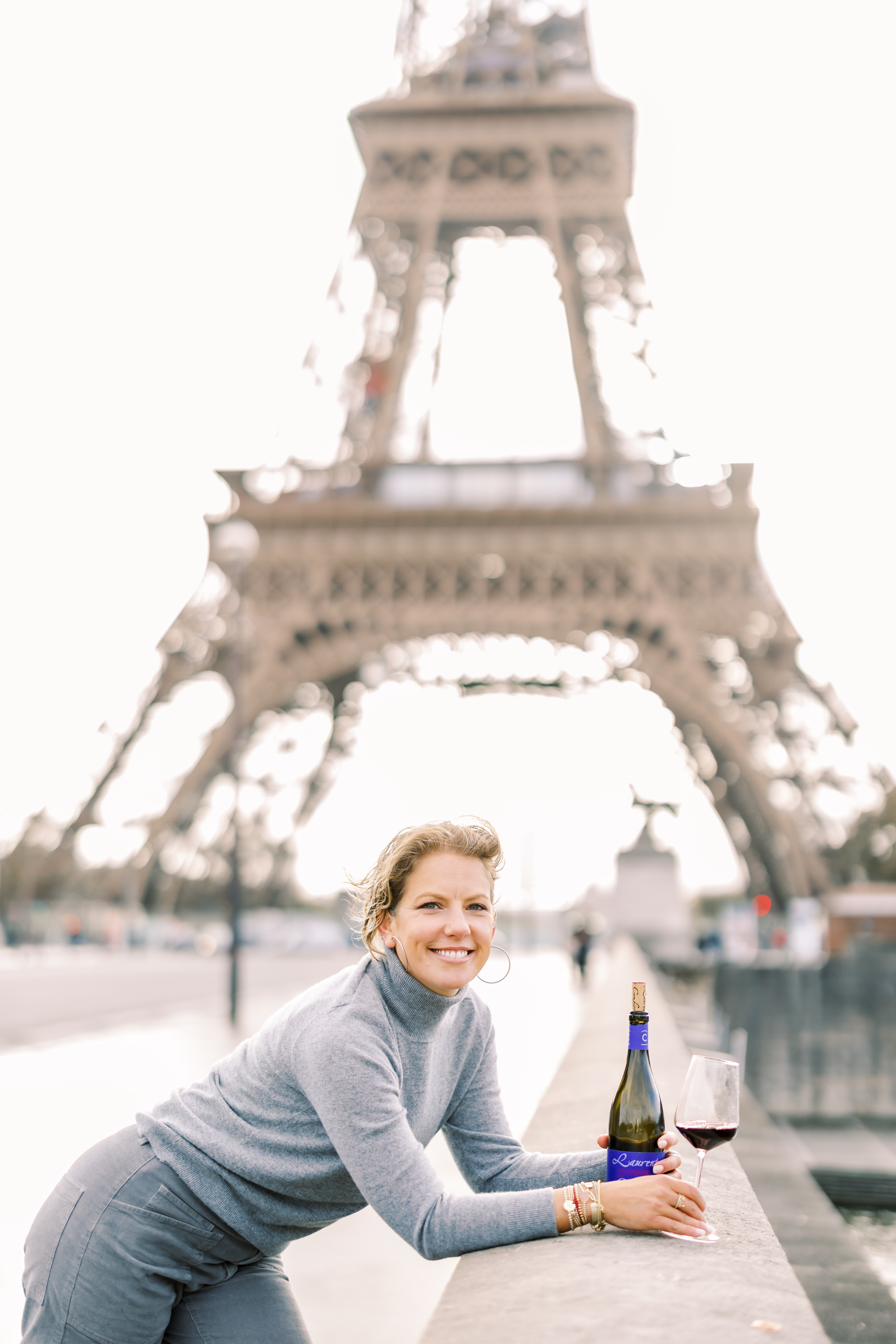
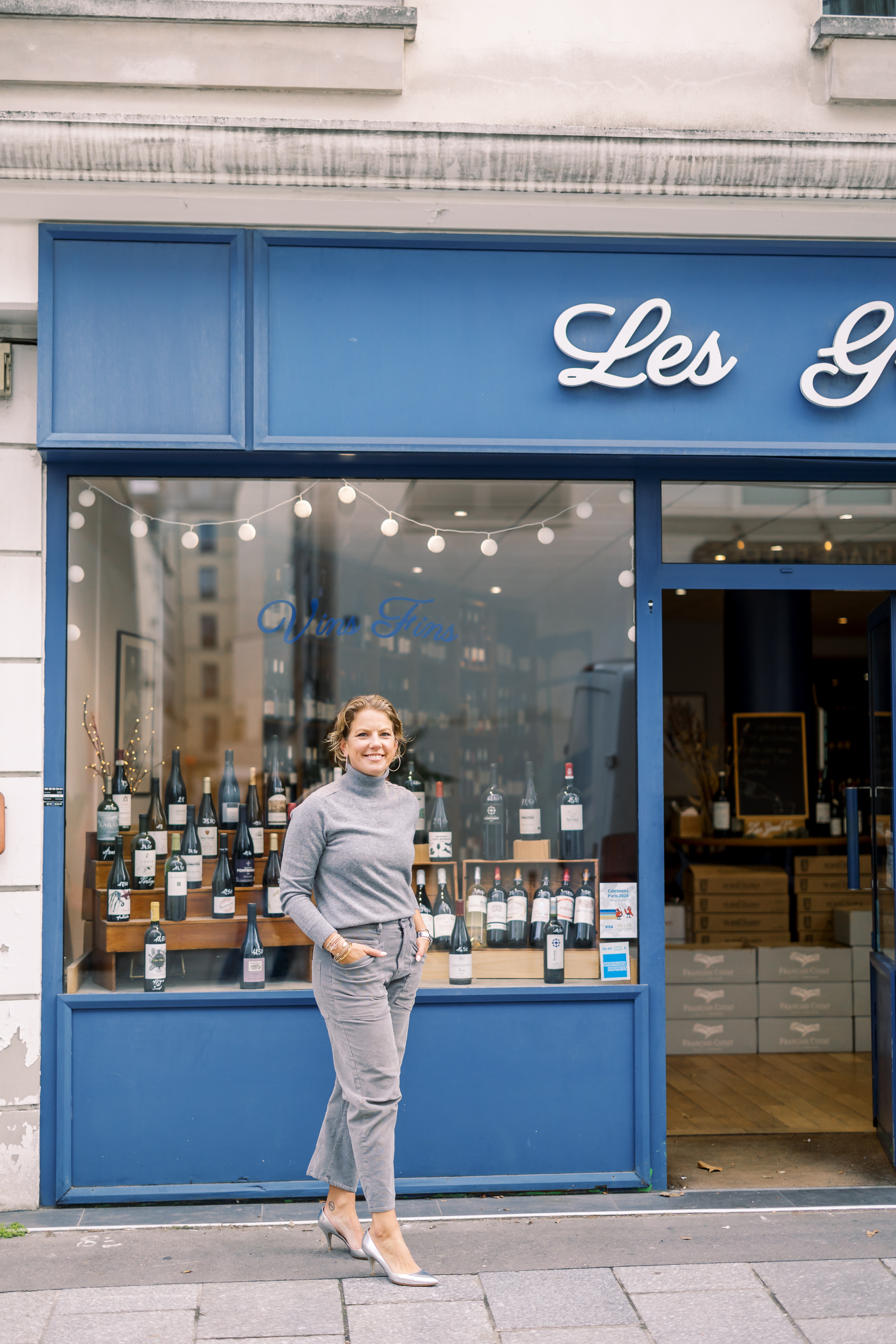
Interview: Alison Morris Roslyn Francey Not Fancy wine consultancy

It may seem trite to say that Alison Morris Roslyn starting her wine consulting business Francey Not Fancy was her destiny, but trite or not, it is the truth. Alison was born into a family with a heritage of wine appreciation. It would also be true to say wine is ingrained in her DNA because a pair of her grandparents are from France. Alison has always believed that wine is meant to be shared with friends and family. The lasting memories and personal connections made while sharing life’s most cherished moments with loved ones never require an in-depth knowledge of wine or an expensive wine in your glass, all you need is to be drinking a wine you like. 

She didn’t take a direct path to being a wine professional but was coaxed from her successful career by the gravitational pull of the “wine life” into her current career. At first glance, her two professions appear to be polar opposites but upon closer examination, they share similar characteristics. 

No one can tell the story of Alison Morris Roslyn’s wine journey better than Alison herself. She graciously accepted my invitation to share her candid thoughts and observations with me. The following is a complete verbatim and unedited account of our interview. Thank you Alison for your honest and sincere responses. 

1. Tell us about yourself and your wine journey. 

“I’m a journalist who used to enjoy wine after work, now wine is my work. 

I grew up in a family of wine drinkers, who enjoyed mostly reds and mostly Napa Cabernets. My uncle introduced our family to Silver Oak when it wasn’t nearly as popular or expensive as it is today. That was probably our first favorite fine wine.

When I graduated from college in 2001, I moved to Paris, where I met my dear friend, Georges Nony, whose family owned a château in Bordeaux, Château Caronne Ste Gemme (they sold it to Bernard Magrez in 2022). Georges taught me so much about French wines and fine wines, even though I was too young to truly appreciate it at first.

For the next few decades, wine was a hobby for me. I enjoyed keeping a small collection in a few wine refrigerators in our apartment and then our home.

My interest and collection grew pretty steadily, and for my 42nd birthday, my husband gave me a wine cellar (we converted the trash and recycling room in our basement)!

As my love of wine grew, my passion for the news was starting to fade. Two decades of hard work and Covid-19 did me in, and I decided it was time to make a change. I quit TV news and went back to school, got wine certificates from Cornell and Le Cordon Bleu, and got my Level 3 Sommelier Certification from the National Wine School. Now wine is my day job.”

2. How did your philosophy about wine lead to you starting your wine consulting business Francey Not Fancy?

“I spent 20 years in journalism before getting into wine, and while they seem like really different businesses, they have a lot in common. I was a reporter, covering mostly business, in both print (The Wall Street Journal, The Hartford Courant) and on TV (CNBC, KDKA, FoxCT, Fox 5 NY, NBC News) and one of the things that always bothered me about the business world was how exclusive it could feel. I would constantly hear from people that they didn’t understand business, finance, or taxes because it was all too complicated. Business isn’t necessarily complicated if someone is willing to explain it to you in basic terms. There just aren’t enough people doing that.

The wine world is very similar. People think you need to know a lot about wine to talk about wine or that you need to spend a lot on wine for it to be good wine. Neither of those things is true. But here’s the problem: the more people learn about wine, the less they’re able to talk about it like a regular person. Wine critics describe wines with words the average person would never use. They often give really high ratings to wines most people can’t afford and they often don’t even review the wines that most people have access to. A regular person doesn’t want to hear about mouthfeel and the flavor of mirabelles. They want to know what might taste good with that meatloaf they’re making on a Friday night or the BBQ they’re having next Sunday afternoon. (I’d go with a Syrah from the Northern Rhône in France in both situations, by the way.)

I got into news and wines for the same reason: to make them more accessible. I like connecting with people and finding common ground. Wine just happens to be a much more fun ground to connect on.

So at Francey Not Fancy we talk about wines without being snobby or taking ourselves too seriously. I call it a “welcoming wine consultancy” because I want everyone to feel welcome to pull up a glass at our table and talk about wine, whatever your level of knowledge. I hope we can help people learn more about wines, discover wines they love, and figure out how to buy and order wines they love to drink.

I love wine at all different price points. My favorite Pinot Noir that we drink nonstop in my house is Au Bon Climat’s Santa Barbara County Pinot Noir, and you can get it online for $21. Sure, it’s nice to splurge on special bottles, but you don’t need to spend a fortune to drink something delicious.”

3. Your business Francey Not Fancy takes a unique approach to wine consulting, can you give us an idea of what services you offer your customers?

“For starters, we have a website with a ton of great write-ups on wine. They’re all free, so check out the site: franceynotfancy.com and learn some more about grapes and wines you might want to try. We also send out a free newsletter every Wednesday that takes less than a minute to read and will teach you something new about wine every week. You can sign up for that on the website too. And we have a ton of great wine content on our Instagram: @franceynotfancy. So please give that a follow.”

As for our client services, we offer wine classes and tastings (both in-person- in the NYC area- and on Zoom).

We consult people to help them find wines they like, whether that’s a case for a special occasion or several cases to start their own collection or to fill out their wine cellar.

We do corporate events for groups of all sizes, whether that’s a wine tasting, a wine education class, or wine training for a professional sales team that needs to know more about wine to entertain clients.

We can also help with travel itineraries and wine visits, particularly in France!”

4. What are some of your favorite wine regions, grape varieties, and winemaking styles?

“If the name Francey Not Fancy didn’t already give it away, I’m a big French wine fan. My mom’s side of the family is French and the wines and regions there are top of my list.

My grandfather was from Corsica, so let’s start there. Corsican wines are tough to find in the US; I will drink any Corsican wine I can find stateside, red or white. The whites have this fabulous salty quality from the sea, and the reds have this dry earthiness from the mountains. You can really taste the flavor of the island in your glass.

I’m also a huge Champagne drinker. I prefer Champagne-method or traditional-method sparkling wine (which means the second fermentation happens in the bottle not in a big vat), so I absolutely love bubbly from Champagne, especially Chardonnay-dominant blends or blanc de blancs (100% Chardonnay Champagne). If we’re venturing outside of France, I like Franciacorta sparkling wines from Italy and Cava from Spain—both are traditional-method sparkling wines.

For reds, I love Syrah from the Northern Rhône in France, especially the region of Saint-Joseph. They’re fabulous and more affordable than Côte Rôtie or Hermitage.

I’ve also recently gotten into red wines from Sancerre, which are made from Pinot Noir. Most people think of Sancerre as the home of Sauvignon Blanc, but they are making some fantastic reds there that can rival Burgundies but at much better prices.

For white wines, I love love love Saint Aubin. It’s in Burgundy and is home to beautiful Chardonnays that are rich, but also precise. I love those contrasting qualities and that you can find better bargains here than in neighboring Meursault or Puligny-Montrachet.

And if we’re talking rosé, it absolutely has to be French, preferably from Provence. 

I could keep going, but I think you get the idea.” 

If you are considering retaining the services of a wine consultant I would highly recommend contacting Francey Not Fancy and discussing your needs with Alison. Scroll down for contact information. 

Website: http://franceynotfancy.com

email: bonjour@franceynotfancy.com

Instagram: @franceynotfancy

LinkedIn: https://www.linkedin.com/in/alison-morris-roslyn-453081a

See Alison’s interview on KDKA TV from Paris http://www.cbsnews.com/pittsburgh/video/catching-up-with-former-kdka-tv-reporter-alison-morris/?intcid=CNM-00-10abd1h

You can also get a message to Alison via this website’s (http://wpawinepirate.com) email wpawinepirate@gmail.com 
Star-Crossed Wine Lovers


Twelve bottles of Bordeaux and hundreds of Merlot and Cabernet Sauvignon canes made it back to Earth Wednesday night 1/13/2021 when they splash-downed in the Gulf of Mexico off the coast of Florida near Tampa. The wine was sent to the International Space Station by the Luxembourg startup Space Cargo Unlimited. The object of the experiment was to determine how aging in space would affect the wine. The wine will first be taste-tested by a panel of experts then subjected to chemical analysis to verify if any alterations in it’s aging occurred.

The vine clippings arrived at the space station aboard a different SpaceX mission in March 2020. The focus of the vine experiment was to observe how they respond to the stresses of weightlessness and use that information to develop hardier and more adaptable plants for use on earth and on future space missions.

As interesting as the experiments are what I find amazing is the restraint those astronauts showed being stuck in space with a case of Bordeaux for more than a year and not opening a single bottle! WOW! I salute their will power! LOL

SpaceX splashdown Photo Credit: NASA

Whispering Angel Rose

I have always been fascinated by the public’s changing taste in wine and what drives it. In

Chateau D’ Esclans Whispering Angel Rose

the 80’s it was Sutter Home’s White Zinfandel that was the biggest seller in the U.S. Then in the 90’s it was any California Chardonnay followed by the Pinot Noir revolution. I believe that changing tastes of

this scale are primarily driven by clever marketing and herd mentality. Today it is Rosé that has been on a roll for several years. Ten years ago no one , especially the members of the “Trendy Set” drank Rosé. The reason wasn’t only that it was poorly made but because it was unfashionable to be seen with a glass of Rosé in your hand at any social gathering. Then Brad Pitt released his Miraval Rosé and the immense star power he commanded caused people to take another look at Rosé and they found it to be a very enjoyable wine when it is well-made. Pitt and his Miraval Rosé opened the door and Chateau D’ Esclan Whispering Angel Rosé burst through it to make a meteoric rise and become the default Rosé for the savvy influencers on the party circuit and social media scene.

     Whispering Angel Rosé represents the best value for a quality Rosé to be found on the Chateau D’ Esclans Rosé list. Whispering Angel Rosé possesses all the traits that you would expect from a French Rosé from Cotes de Provence. It has a delicate pink color and wonderful bouquet with a crisp taste of light fruit and minerality followed by a clean finish. It shows itself better when enjoyed with lighter fare such as Summer salads, seafood and mild cheeses. This Rosé can best be described as balanced, light and dry. Drink it on ice if you really want to go totally “0210” while flaunting your thrifty side with a bottle of French Rosé for less than $20 USD. Now smile for you Instagram pix

Paris of Appalachia

Photo courtesy: Bridge Ten Brasserie

Photo courtesy: Bridge Ten Brasserie

     I have often heard people refer to Pittsburgh using this “Left Handed” compliment and I can’t understand why there should be any negative connotation attached to it.  Being compared to the “City of Light” can only be viewed as a ringing endorsement for the cultural achievements of the city.  Dave DeSimone has brought his love of France to life at 20 S. 10th St. in the South Side of Pittsburgh through his restaurant Bridge Ten Brasserie.  Bridge Ten Brasserie has captured the feeling of a French brasserie with its menu of hearty yet simply elegant selections that are sure to please any French food lovers palate.  The wine list is exemplary and reflects Dave’s encyclopedic knowledge of French wine and their proper food pairings. The choices from the Parisian themed cocktail menu can easily spark vivid memories of an evening spent on The Champs-Élyées.  If you would like more information on Bridge Ten Brasserie it can be found at www.bridgeten.com or by calling 412-586-5033