Wine Review: Bogle Petite Sirah 2021

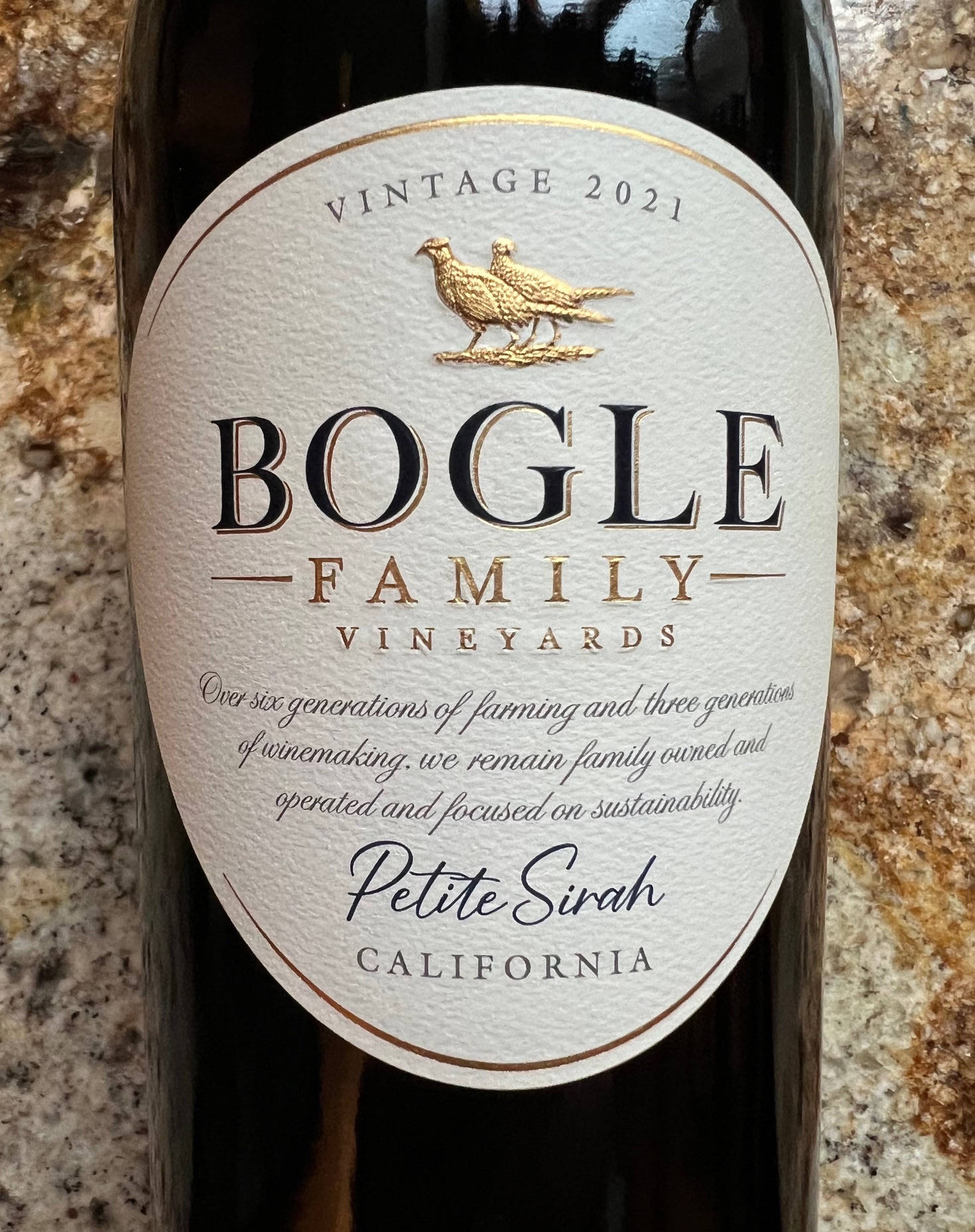
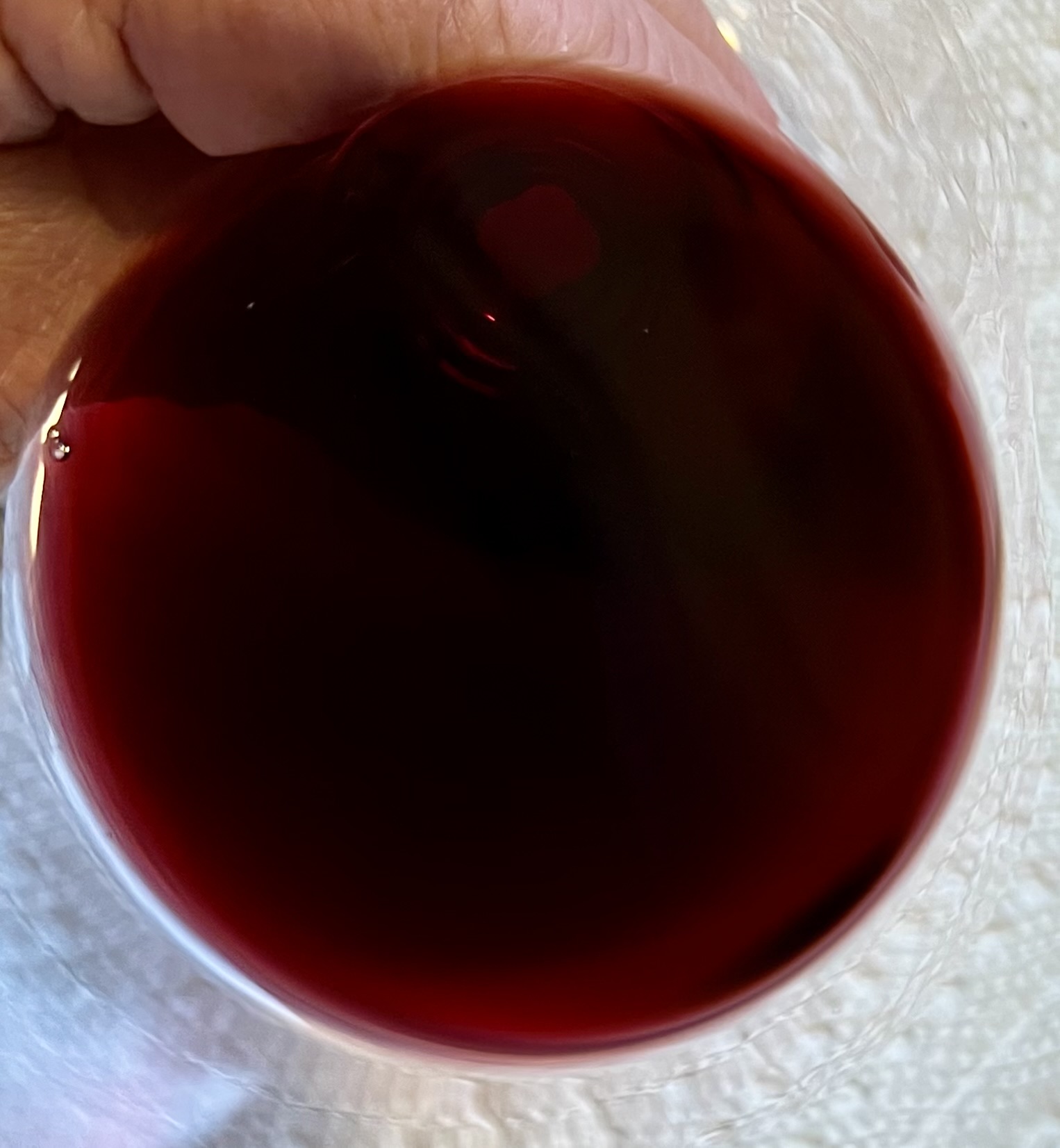
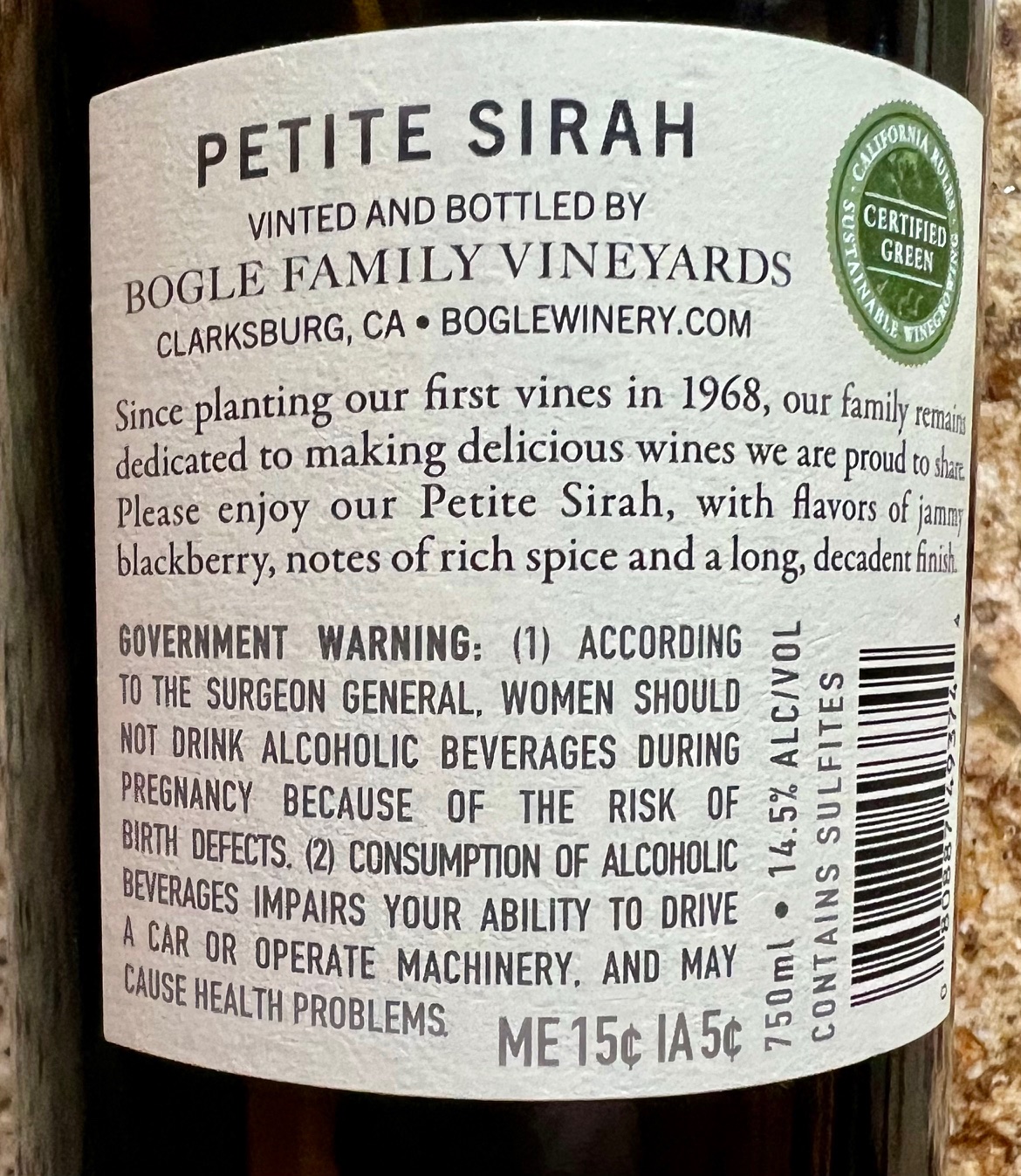
Bogle Petite Sirah 2021 is a good choice for anyone looking for a dark, full-bodied California red wine that is approachable and not as “big” as many of the California Cabernet Sauvignons are. Notes of dark berries lead to flavors of dark berries, think blackberry and blueberry. It has a long finish featuring balanced tannins and acidity with a hint of oak. Best paired with hearty fare like grilled red meat, lamb, burgers, or pasta in red sauce. Always a bargain at less than $15 a bottle. 

Wine Review: The Federalist Zinfandel Lodi 2019

The latest entry in my ongoing series of reviews featuring enjoyable and affordable wines that are widely available highlights a Lodi, California Zinfandel. The Federalist Zinfandel Lodi is not the Zinfandels of folklore that were rendered from zinfandel grapes shipped from the Cucamonga Valley of California in crates adorned with colorful labels depicting the cultural heritage of the region. Those wines were big, bold, “over the top” wines with high alcohol content. What made those wines unforgettable wasn’t their high quality but the physical link they provided to the immigrant communities, which made them feel connected to their homelands and the cherished memories of people and places they left behind in search of a better life in America.
The Federalist Zinfandel Lodi 2019 is a good example of a Zinfandel from Lodi, California. It displays a bold but restrained body with flavors of dark fruit and cherries that complement its tannins, leading to a surprisingly smooth finish. It can be easily found for less than $20 a bottle and at that price point represents a good “QPR” (Quality-Price Ratio) value buy.

Wine Review: E. Guigal Côte du Rhône Rosé

I have always advocated for drinking Rosé year-round, but I must admit that I enjoy it more during the warmer months, when it pairs well with the lighter fare of the season. Rosé is a flavorful choice to enjoy with grilled fresh fish, pork, or chicken, along with locally sourced “farm to table” produce/products. I am hearing that some sommeliers are even pairing it with steak. Well, that’s interesting. What do you think? Rosé from southern France is synonymous with the daydream of spending a leisurely afternoon relaxing at a sun-drenched seaside bistro while basking in the sights, sounds, tastes, and aromas of the region’s idyllic lifestyle. 

We can’t all just jet off to the French Riviera on a whim, but we can certainly get a taste of the good life by enjoying a nice bottle of rosé. 

E. Guigal is a dependable producer of quality wine from the Southern Rhône Valley. E. Guigal Côte du Rhône Rosé is a classic expression of a well-balanced southern Rhône rosé with delicate notes of citrus and raspberry leading to a medley of red fruit flavors. The beauty of this wine isn’t limited to its color in your glass, but to its budget-friendly price of less than $20, and that you can easily find it almost anywhere.

Photo Credit: E. Guigal

Review: J. Lohr Seven Oaks Cabernet Sauvignon Paso Robles 2022

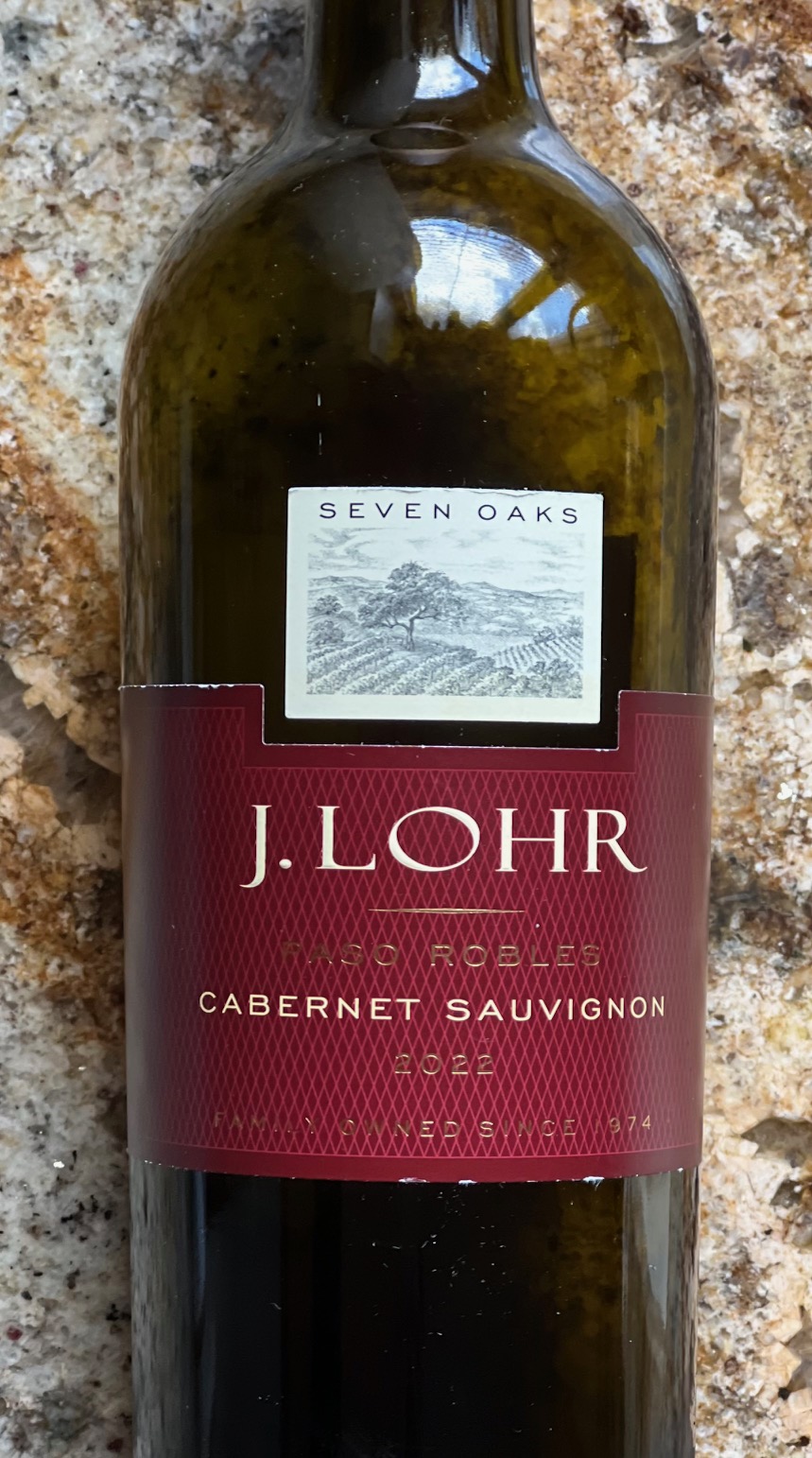
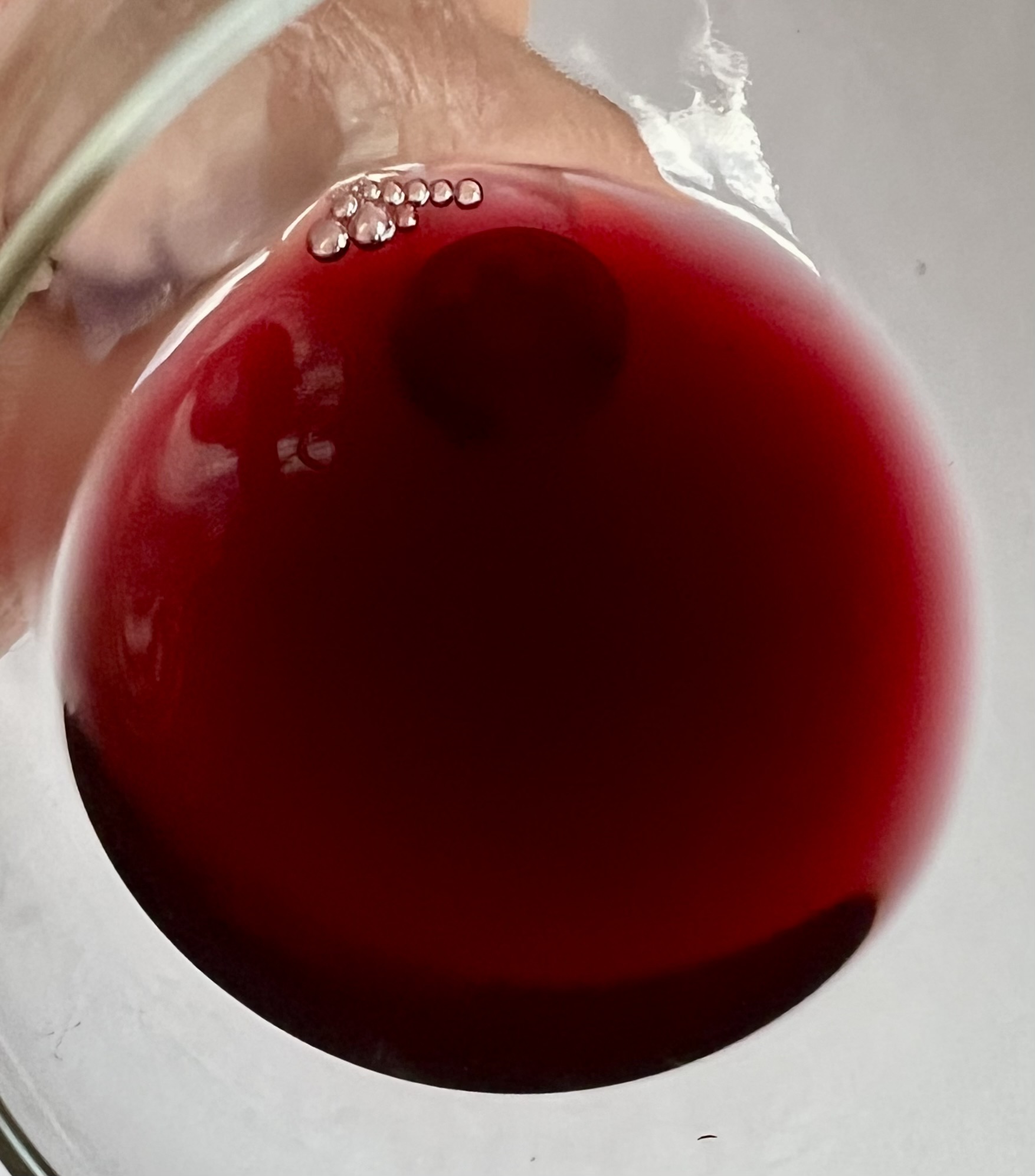
Next in my series highlighting widely distributed wines is a bottle we were gifted. The iconic Paso Robles Cab  J. Lohr Seven Oaks Cabernet Sauvignon 2022. It is the quintessential example of how mass-produced California Cabs are blended to achieve a consistent taste profile every year. 78% Cabernet Sauvignon, 13% Petite Sirah , 5%Merlot, 8% Petit Verdot, and 1% Cab Franc. A Wine Enthusiast 90 pt “Best Buy” January 2025. Vanilla notes from oak barrel aging with big juicy red fruit flavors and soft tannins. It’s a solid choice when selecting a Cab for dinner guests because pairing it with grilled or roasted red meat, think steak and lamb, or even pasta with a hearty red sauce is sure to please.

Review: Zaccardi Q Cabernet Franc Valle De Uco-Mendoza 2021

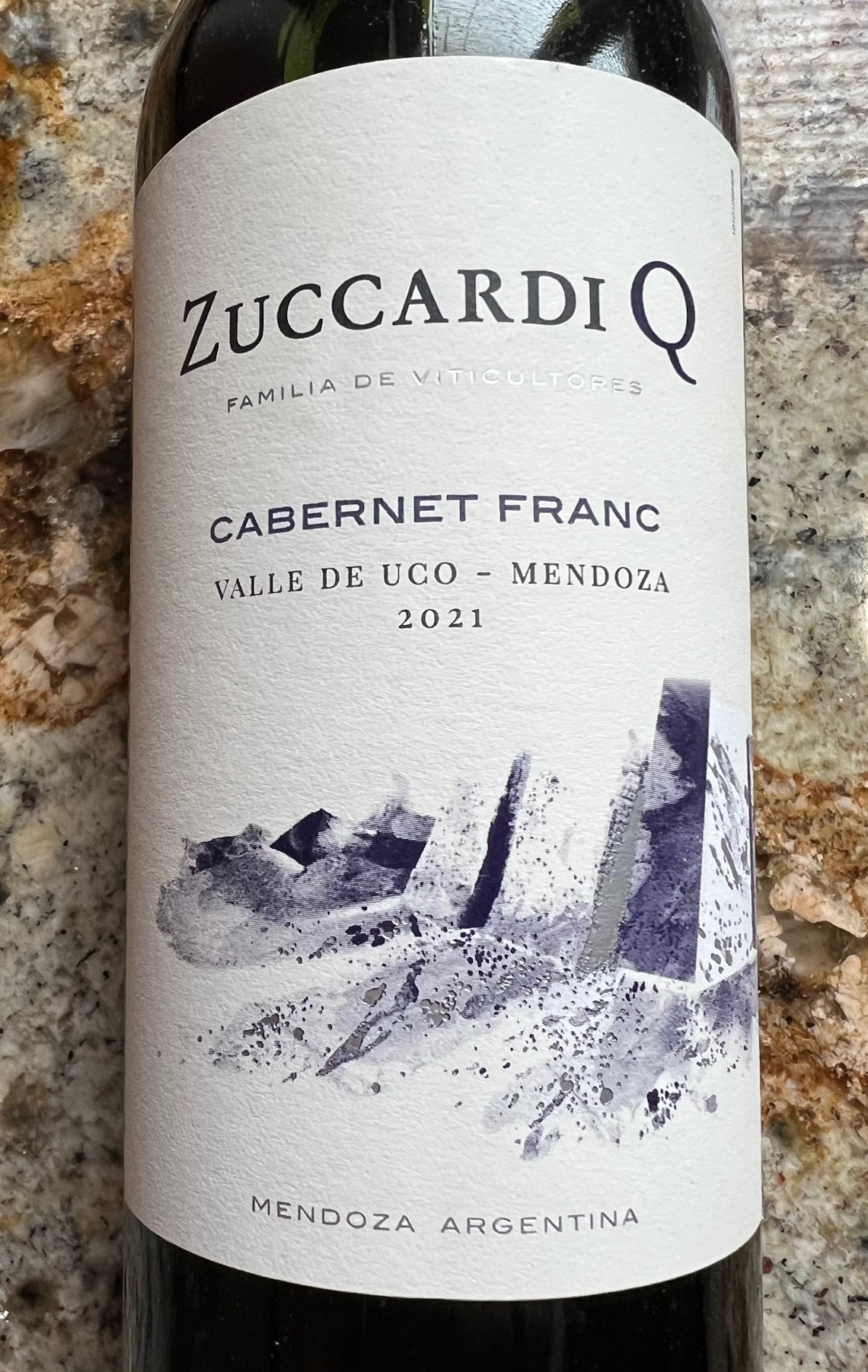
Zuccardi Q Cabernet Franc Valle De Uco – Mendoza 2021 

Zuccardi is my go-to Argentina winery for dependable high-quality wines at a fair price. They are a multi-generational producer located in the Mendoza Region. This was the first time I tried a Zuccardi Q Cabernet Franc but it won’t be the last. I plan on having a few bottles on hand for when I want a solid food-friendly weeknight wine. 

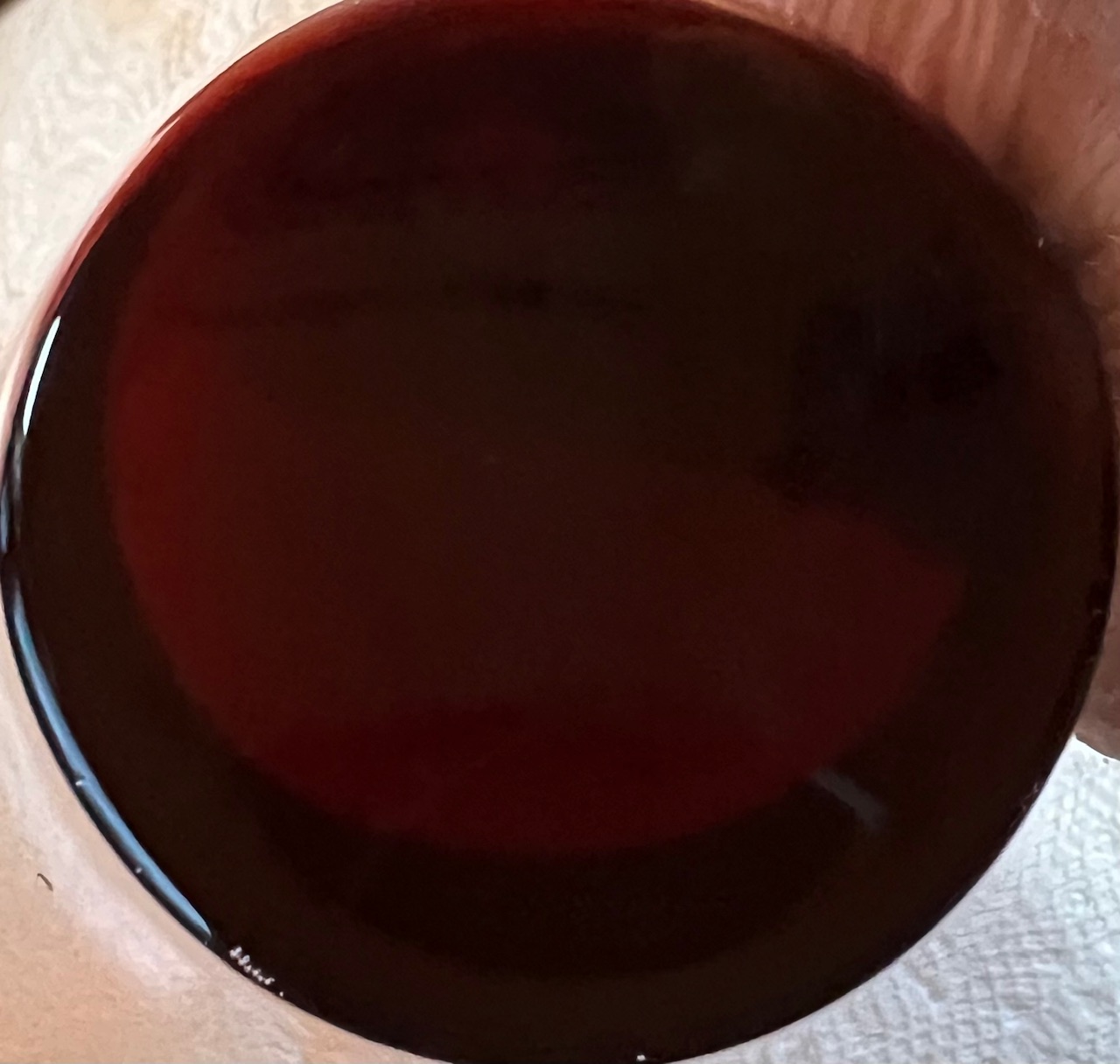
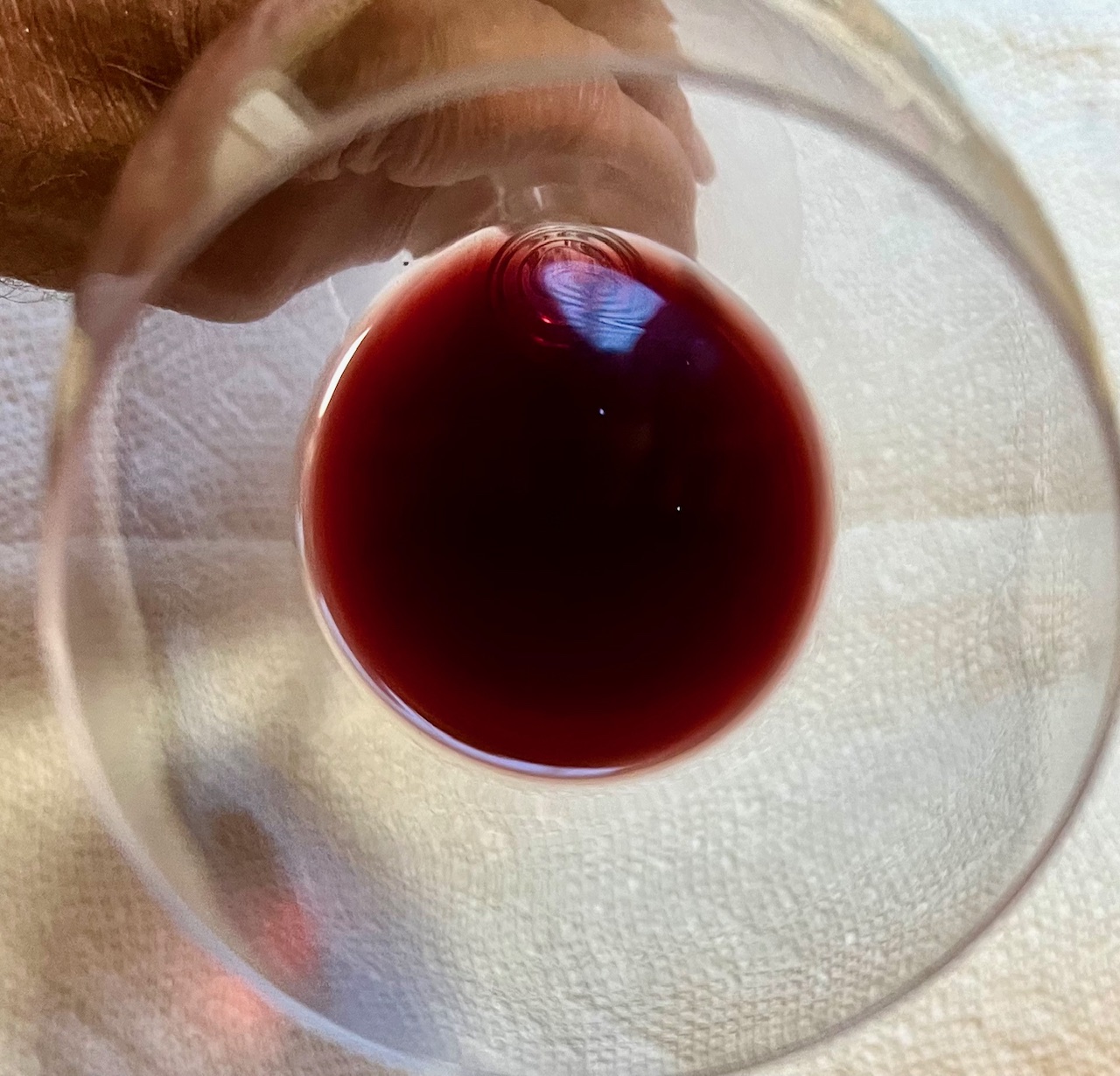
Everything about this wine is in balance, from its understated acidity, smooth tannins, and restrained red fruit flavors that are carried on a medium dry body and then showcased in a dark purple/red colored wine in your glass. 

Grapes for this Cab Franc were harvested from two unique vineyards in the Andes Uco Valley. The Paraje Altamira vineyard is 3600 feet above sea level (F.A.S.L.), and the San Pablo vineyard is 4500 F.A.S.L. I purchased my bottle at a Pennsylvania Fine Wine & Good Spirits store as a “Chairman’s Selection” offering for the bargain price of $12.99, but it can be readily found in the $20 range. 

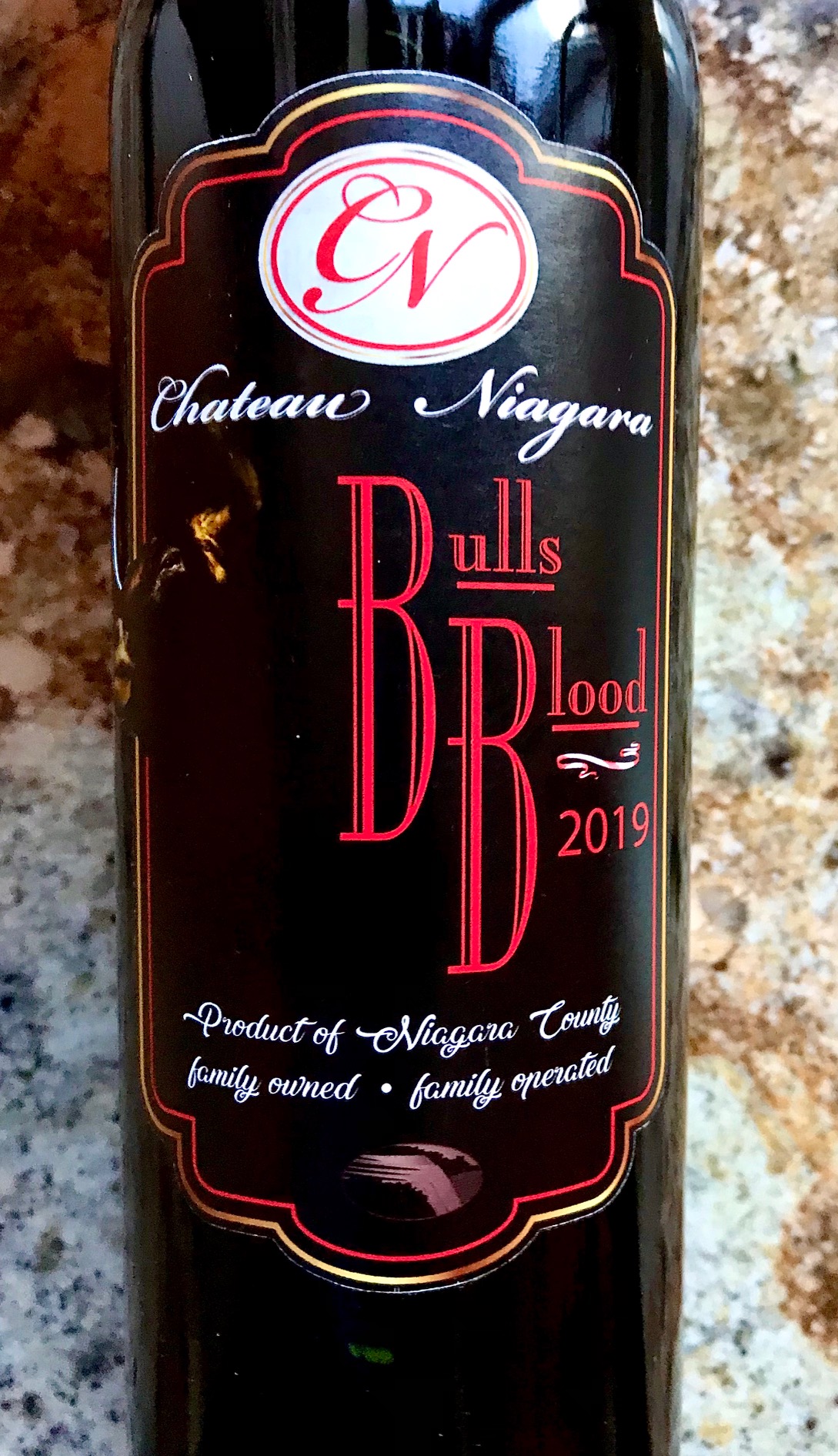
I recently reviewed two Cab Francs from Chateau Niagara in New York. Although this Zaccardi Q wasn’t as big or as complex as the Chateau Niagara Cabernet Franc Reserve Review: Chateau Niagara Cabernet Franc Reserve 2022 or Cabernet Franc Appassimento Review: Chateau Niagara Cabernet Franc Appassimento 2023 it certainly deserves a place on your dinner table.

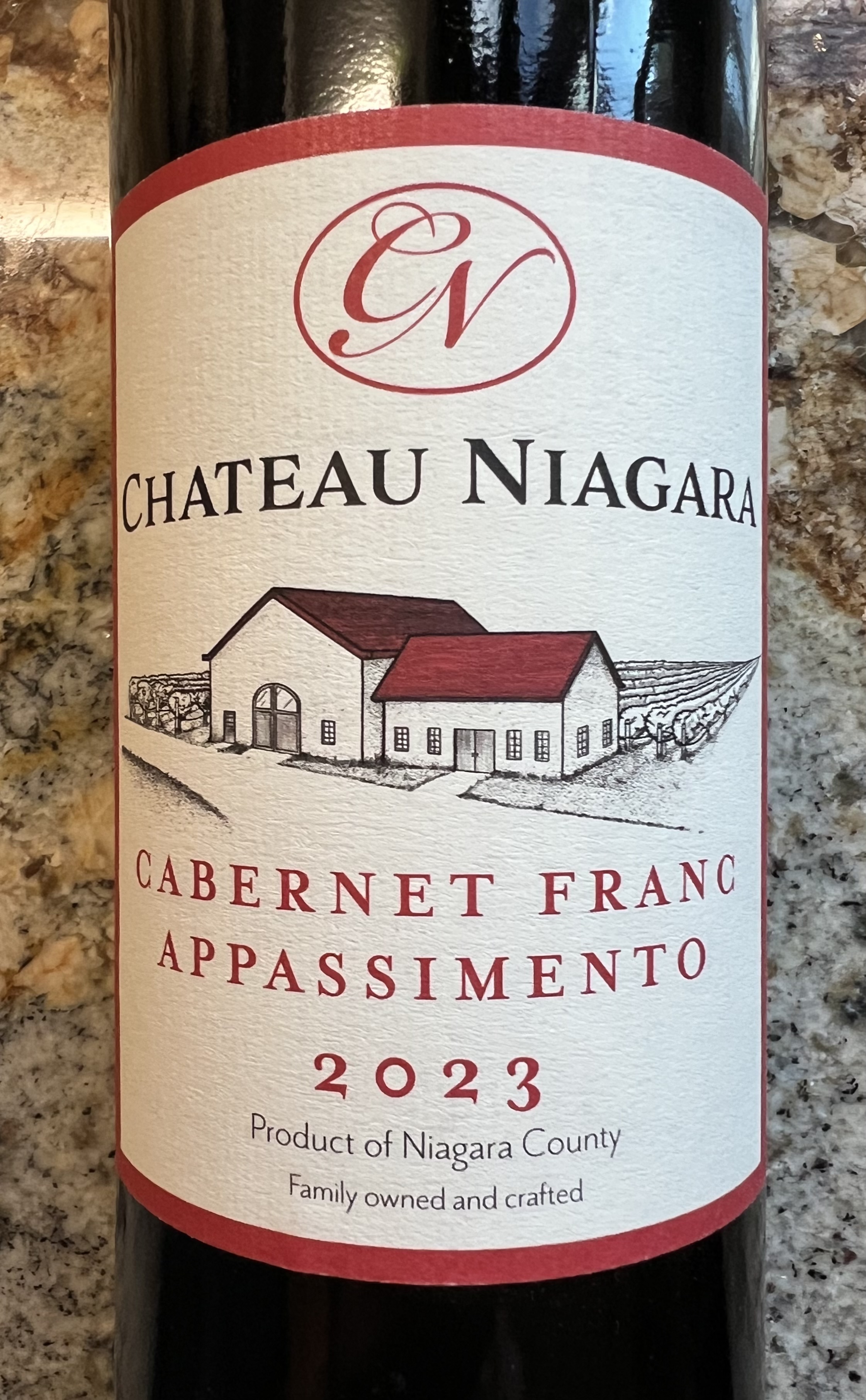
Review: Chateau Niagara Cabernet Franc Appassimento 2023

The following two posts will be my reviews of Chateau Niagara Cabernet Franc Appassimento 2023 and Chateau Niagara Cabernet Franc Reserve 2022. Jim Baker owner, winemaker, and vigneron of Chateau Niagara Winery Newfane, New York http://chateauniagarawinery.com told me “These are some of the best wines I have made.”

Chateau Niagara Cabernet Franc Appassimento 2023

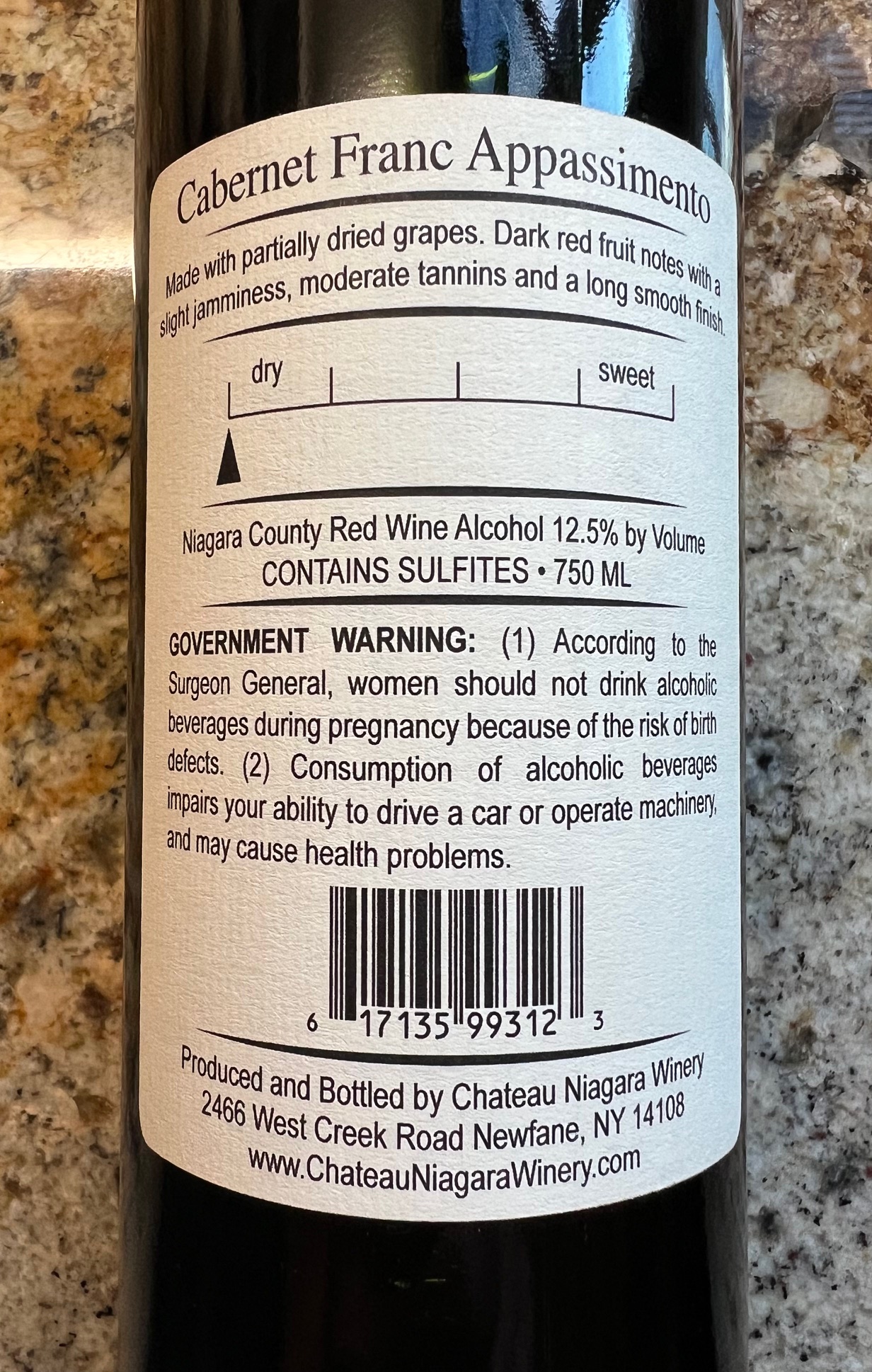
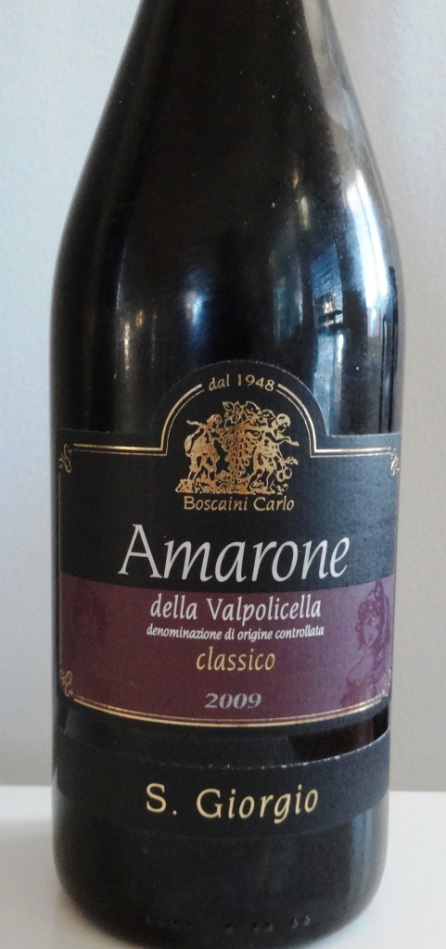
A wine made in the Appassimento style is created by using partially dehydrated grapes. It is a technique used by Italian winemakers to give Amarone di Valpolicella its signature depth and complexity. Jim applied this process to his Cabernet Franc grapes to produce his outstanding Chateau Niagara Cabernet Franc Appassimento 2023. 

Beginning with a bewitching dark ruby red color in your glass this Cab Franc quickly opens with aromas of blueberries leading into flavors of cherry, dark berries, and plum. Supple tannins and balanced acidity carry through a long lingering finish. Consider purchasing several bottles with the intent of drinking some now and leaving some to age in your cellar. 

“Old World” or “New World” Why Not Both?

Wine is often divided into ones made in the “Old World” versus ones made in the “New World” but what does that mean? They are segregated along geographic lines. Old World wines are categorized as being made in Europe and the Middle East. New World wines are made anywhere else e.g. Australia, the Americas, Southern Africa, Asia, etc. The Old World relies mainly on traditional wine grape varieties (Vitis vinifera), time-honored wine-making methods, and labeling that emphasizes the location where the wine was made and, prioritizes a wine’s terroir. Old World wine regions tend to have cooler climates that yield wines with restrained tannins and are not as fruitful with less sugar. The lower sugar levels contribute to their lower alcohol content (ABV). 

New World wines also use traditional grape varieties but are heavily invested in non-traditional grape varieties and readily embrace modern wine-making techniques, ideas, and technology. Its wine bottles are labeled identifying the grape variety used to make the wine. The climates of New World wine regions tend to be warmer and that variable favors the production of wine with fuller fruit flavors, rounder tannins, and higher alcohol content. Lastly, New World wines display more oak which is achieved by using newer barrels that extract greater fruit flavors and tannins. 

It doesn’t matter whether a wine is an “Old World” or “New World” offering, the only thing that matters is that you enjoy drinking it. Snap a pic of the label just in case you can’t remember what to buy the next time you are wine shopping.

Changing Chile

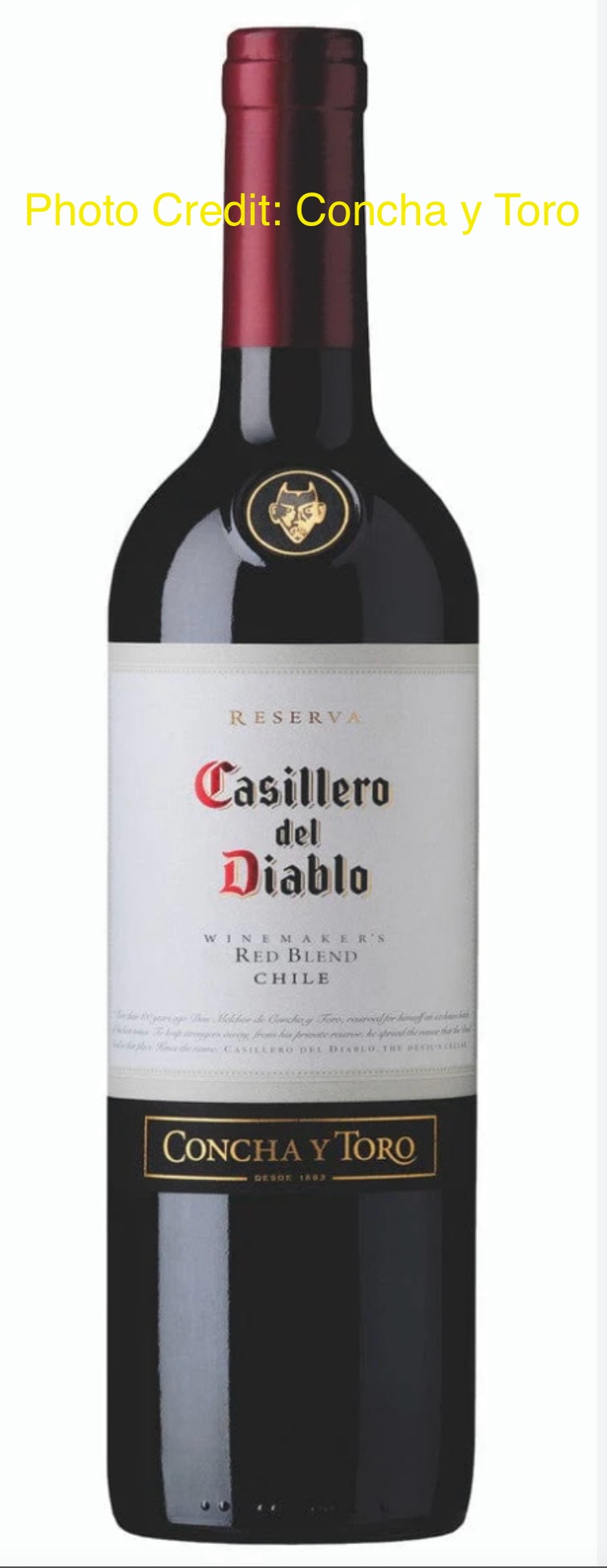
When you hear wine lovers discussing wines from Chile your first thought might be of the value-priced bottles offered by a large discount retailer that piqued your curiosity. How wouldn’t anyone be intrigued by bottles of Chilean Cabernet Sauvignon selling for less than $10 and not be tempted to buy one? This type of mass-produced wine is easy to find because 90% of Chile’s wine production is still focused on that segment of the world wine market. In the last ten years, Chile has made great strides in producing higher quality wines from a growing number of small wineries offering a diverse selection of wines. These wines are made from an increasing number of newly cultivated wine grape varieties. The explosive rise in the number of small producers has generated a keen interest in Chilean boutique wineries. 

The expansion of vineyards and wineries is possible because there is a wide range of growing conditions, vineyard sites, compatible grape varieties, topography, and soil profiles just to mention a few of the factors involved. Another little-known but important variable in Chile’s success is that it has never been infected by Phylloxera, even with its close proximity to Argentina which has been.  

The country of Chile on a map appears as a long thin strip of land on the western edge of South America from 17 degrees south latitude to 56 degrees south latitude with the Andes Mountains running down its eastern side. Chile’s weather is influenced by the Pacific Ocean’s cold currents (Humboldt) the Chilean Coast Range and the Andes Mountains. As a result of all of these variables, it is no surprise the styles of wine made there are varied and evolving with every vintage. 

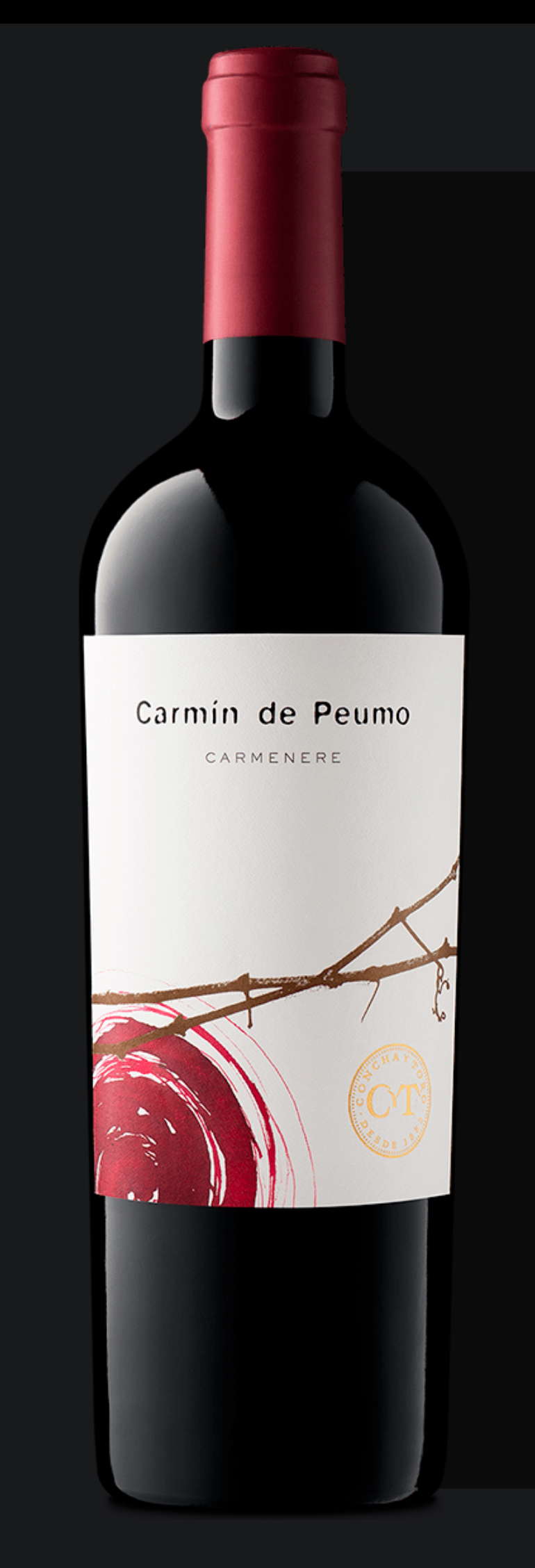
The wine grapes grown in Chile are dominated by five varieties: Cabernet Sauvignon, Chardonnay, Merlot, Sauvignon Blanc, and Carmemère with Cabernet Sauvignon being the most widely planted. Carmenère has an interesting story of how it was mistaken for Merlot for a long time, resulting in it being harvested too early and made as if it was Merlot. After DNA testing revealed its true identity Carmenère was left to ripen fully before harvesting and made using the proper methods for that grape. These changes resulted in an immense improvement in the quality of Chilean Carmenère wine. 

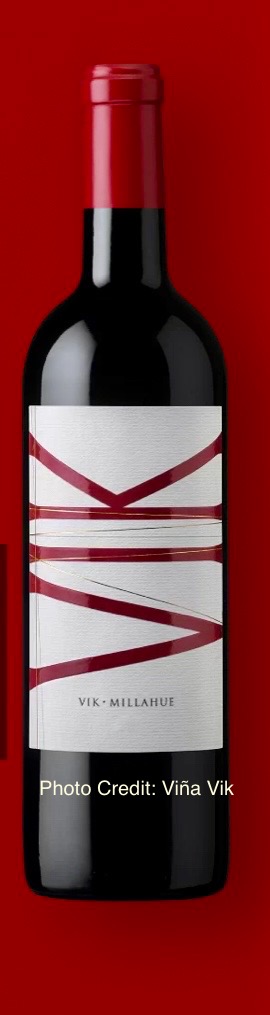
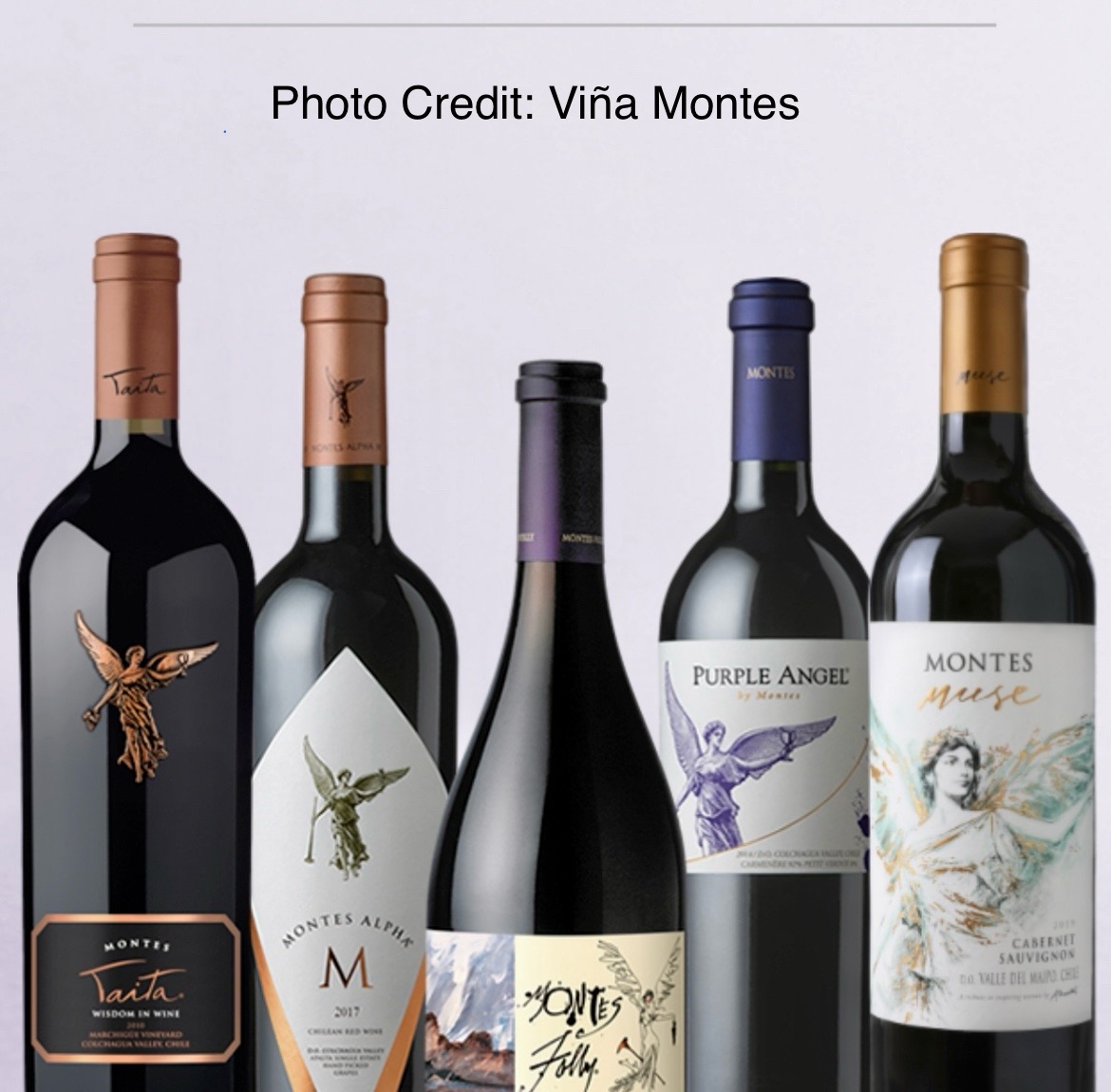
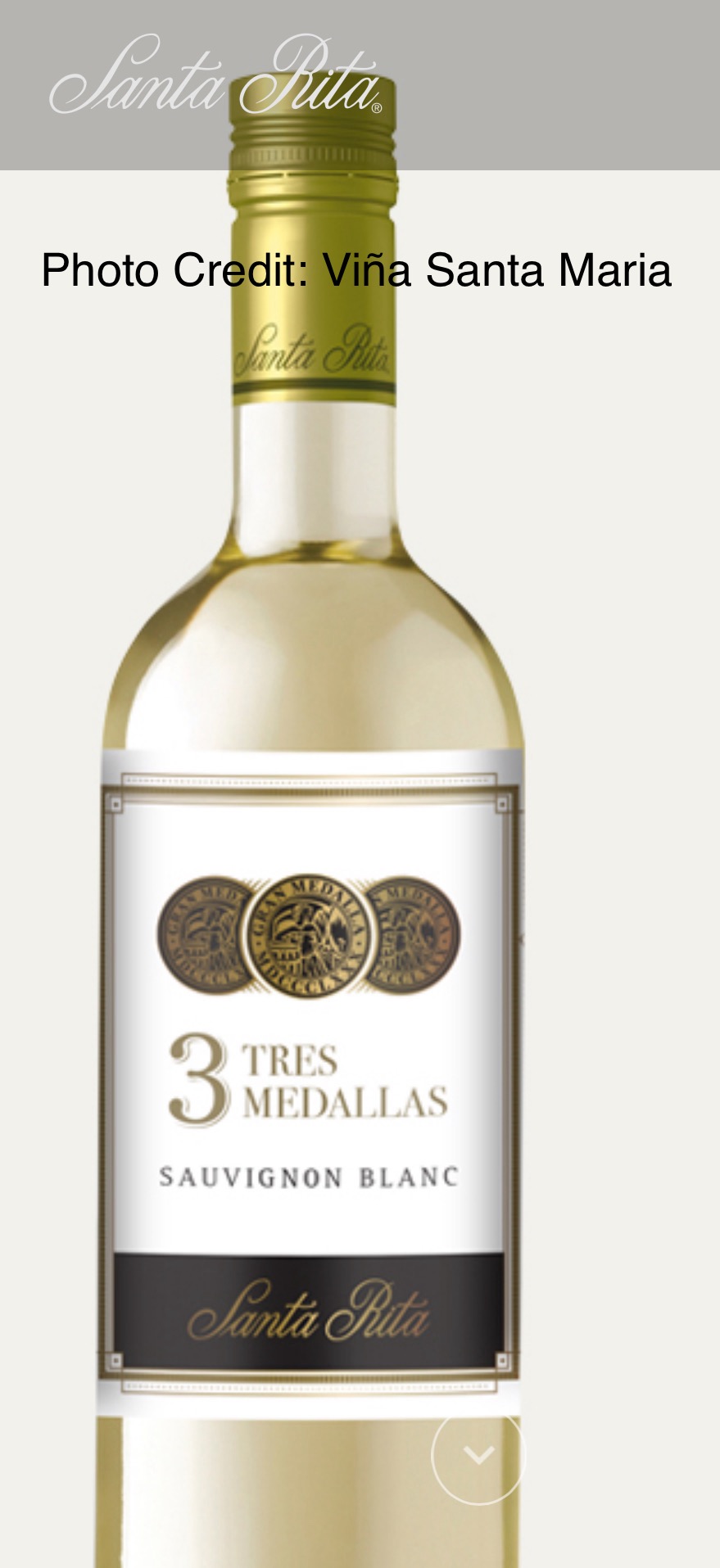
Discovering Chilean wines is a fascinating and personally satisfying venture. I recommend starting your exploration with Cabernet Sauvignon but don’t ignore the other varieties you will come across, especially that country’s signature grape Carmenère. Chile’s most recognizable wine region is the expansive Valle Central or “Central Valley” where many premiere appellations are located, most notably the Maipo Valley and Colchagua Valley. Here are a few suggestions to begin your winery search: Concha y Toro, Santa Rita, Viña Vik, and Viña Montes. 

Vince Anter does an excellent job explaining and showcasing the wine and wineries of Chile in an episode of his award-winning wine, food, and travel show V is for Vino http://visforvino.com You can view it and all of his shows for free on his website or YouTube. Here’s a link to his Chile episode https://www.youtube.com/watch?v=BfHBZM7tsIQ

Visiting Chile may not be very practical or economical but buying good wine made there is. What makes Chilean wine a sensible choice when purchasing wine is that it offers you the option to take home an enjoyable bottle at a bargain price or choose one of a higher quality for just a little more money. 

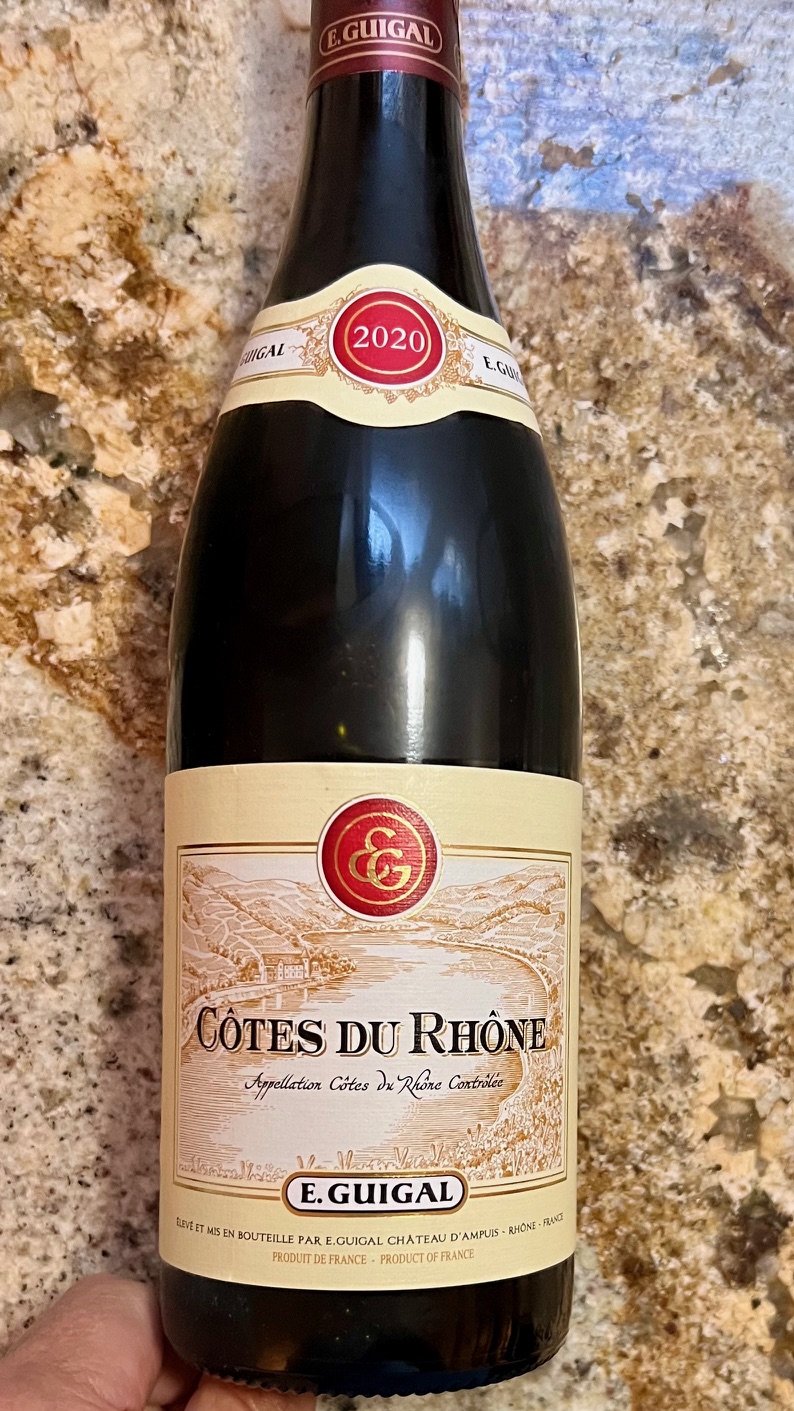
Review: E. Guigal Côte du Rhône Rouge 2020

This wine reminds me of a lyric from the Jimmy Buffett song “He went to Paris.” It goes “ But warm summer breezes. The French wines and cheeses. Put his ambitions at bay.” He Went To Paris (YouTube)

It is easy to imagine sitting in a bistro in the south of France savoring delicate French cheese and sipping E. Guigal Côte du Rhône Rouge 2020 while watching the world pass by. 

Even though, E. Guigal is known for making high-end offerings; they continue to produce this very well-made mass-market example of a Rhône GSM blend (Grenache, Syrah, Mourvèdre). 

This is a well-balanced wine with supple tannins and subdued but pleasant acidity. Blueberry and blackberry flavors are accented with a hint of cherry from the Grenache. It is all carried on a medium body that leads to a lush finish making this wine a great introduction to the wines of the southern Rhône Valley of France. It is a bargain at less than $20 a bottle for a wine of this quality.

My Latest AWS Wine Journal Article

I am happy to announce my latest article to be published in the American Wine Society Wine Journal is now available to be viewed on the emagazine website https://anyflip.com/wnfp/urfm/as a flip page publication free of charge. Simply go to https://anyflip.com/wnfp/urfm/, tap on the cover of the Summer edition, and swipe left to turn the pages like a print magazine. It is easier to read using an iPad, tablet, or laptop. My article appears on page 23 and is about the only vintner in North America growing the Romanian wine grape Fetească Neagră or “Black Maiden ” as it is commonly referred to in Romania. There are a lot of interesting stories in this edition. The cover story is part 2 of a three-part series by Simone FM Spinner, in which the AVAs and wine trails of North Carolina are discussed. M. Marshal reviews the J. Stephen Casscles book “Grapes of the Hudson Valley and Other Cool Climate Regions of the United States and Canada” 2nd Edition. J. Stephen Casscles provides an in-depth look at the ancient but increasingly popular process of co-fermenting in the Northeast. These are just a few of the entertaining and informative articles that can be found in this edition. You can find all the back issues including my Saperavi story in the 2020 Spring edition by clicking on the AWS logo to the left of the https://anyflip.com/wnfp/urfm/ homepage. Enjoy!