Review: J. Lohr Seven Oaks Cabernet Sauvignon Paso Robles 2022

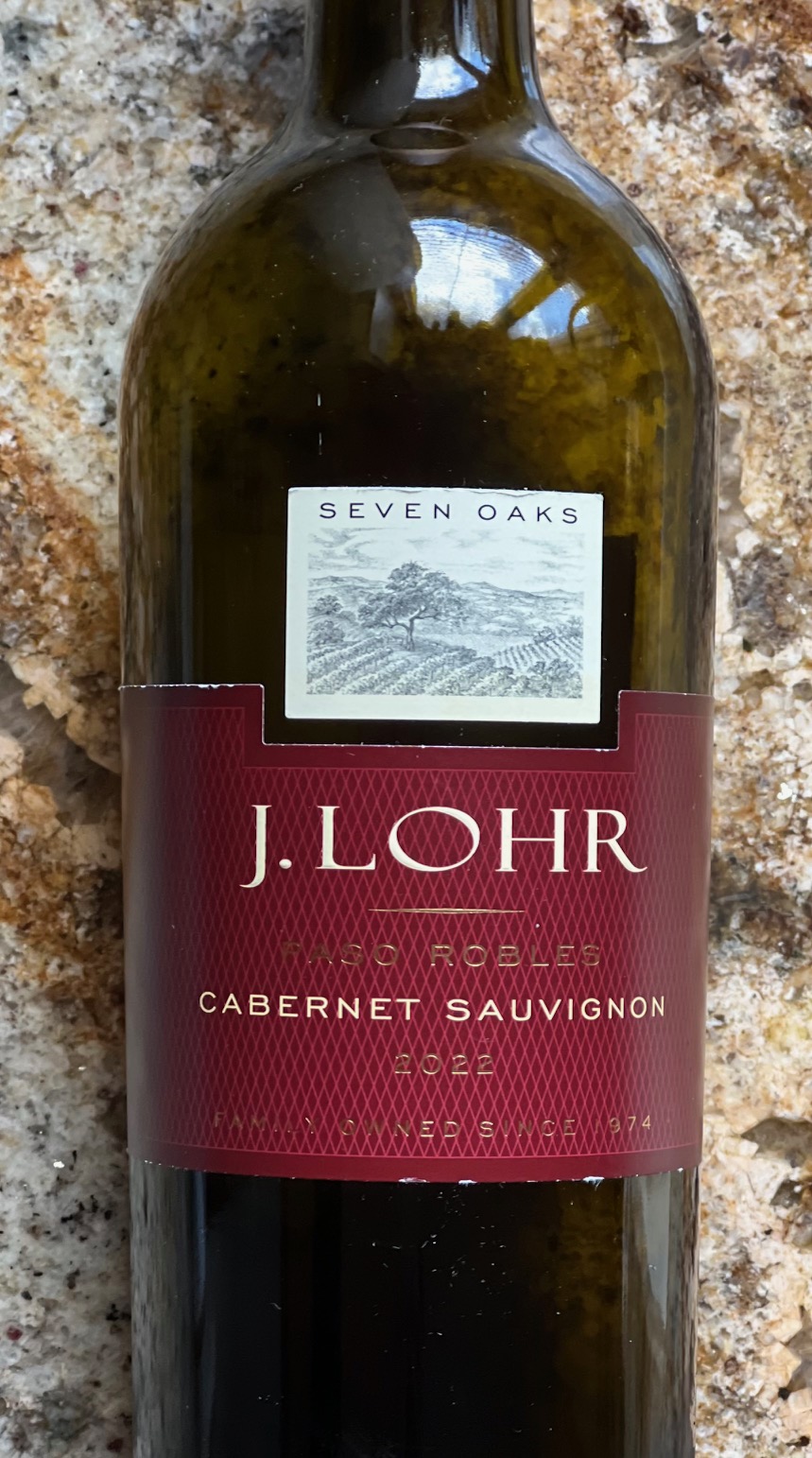
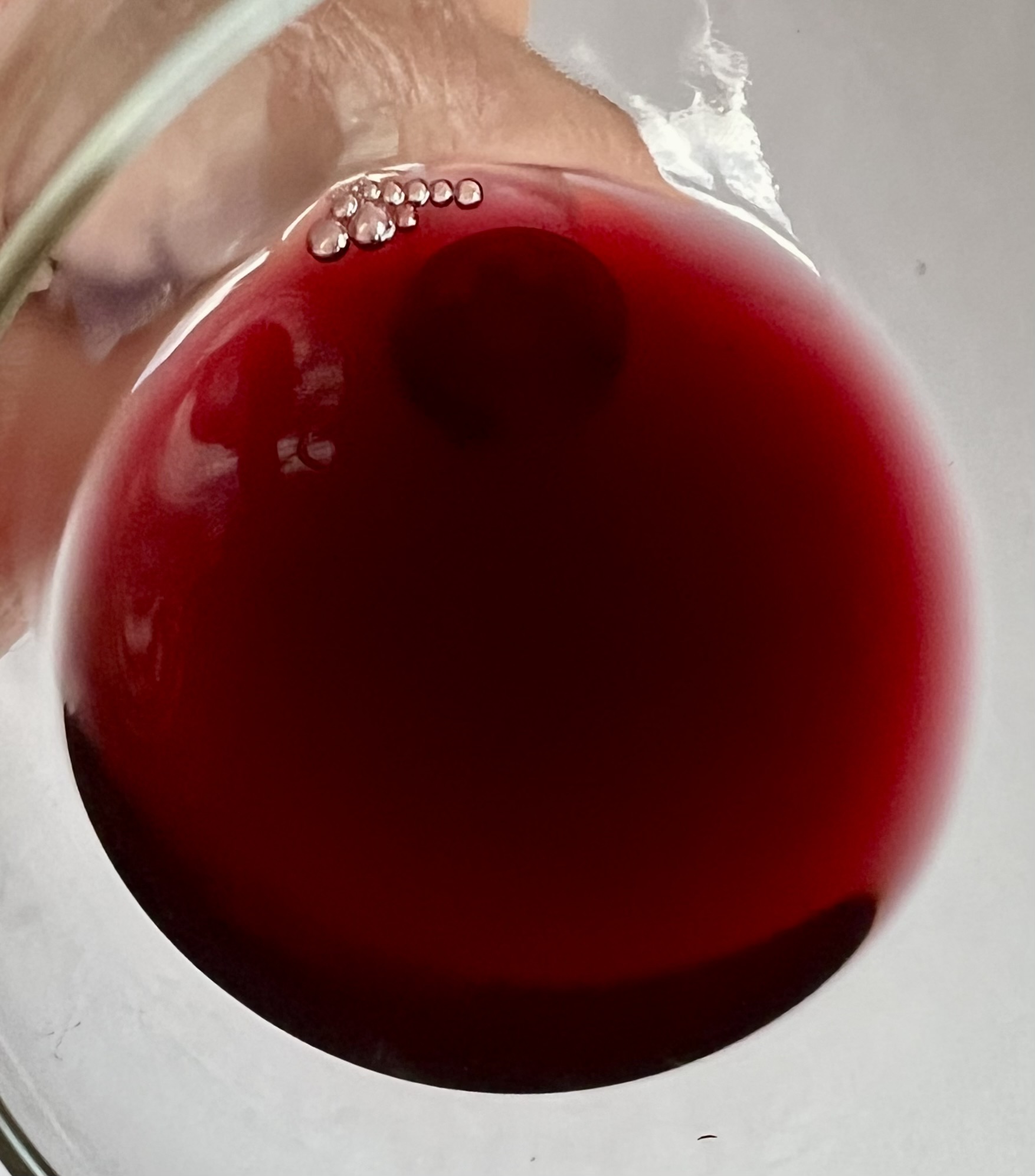
Next in my series highlighting widely distributed wines is a bottle we were gifted. The iconic Paso Robles Cab  J. Lohr Seven Oaks Cabernet Sauvignon 2022. It is the quintessential example of how mass-produced California Cabs are blended to achieve a consistent taste profile every year. 78% Cabernet Sauvignon, 13% Petite Sirah , 5%Merlot, 8% Petit Verdot, and 1% Cab Franc. A Wine Enthusiast 90 pt “Best Buy” January 2025. Vanilla notes from oak barrel aging with big juicy red fruit flavors and soft tannins. It’s a solid choice when selecting a Cab for dinner guests because pairing it with grilled or roasted red meat, think steak and lamb, or even pasta with a hearty red sauce is sure to please.

A Winelovers Guide to Lake Erie Wine Country

Along the southern shore of Lake Erie where it borders Pennsylvania you will find the vibrant and always evolving wineries of Lake Erie Wine Country. The Lake Erie AVA is the largest grape-growing region east of the Rockies and a treasure trove of activities but for this post, I’ll highlight six wineries that will provide visitors an itinerary upon which they can build as they become more familiar with the area. 

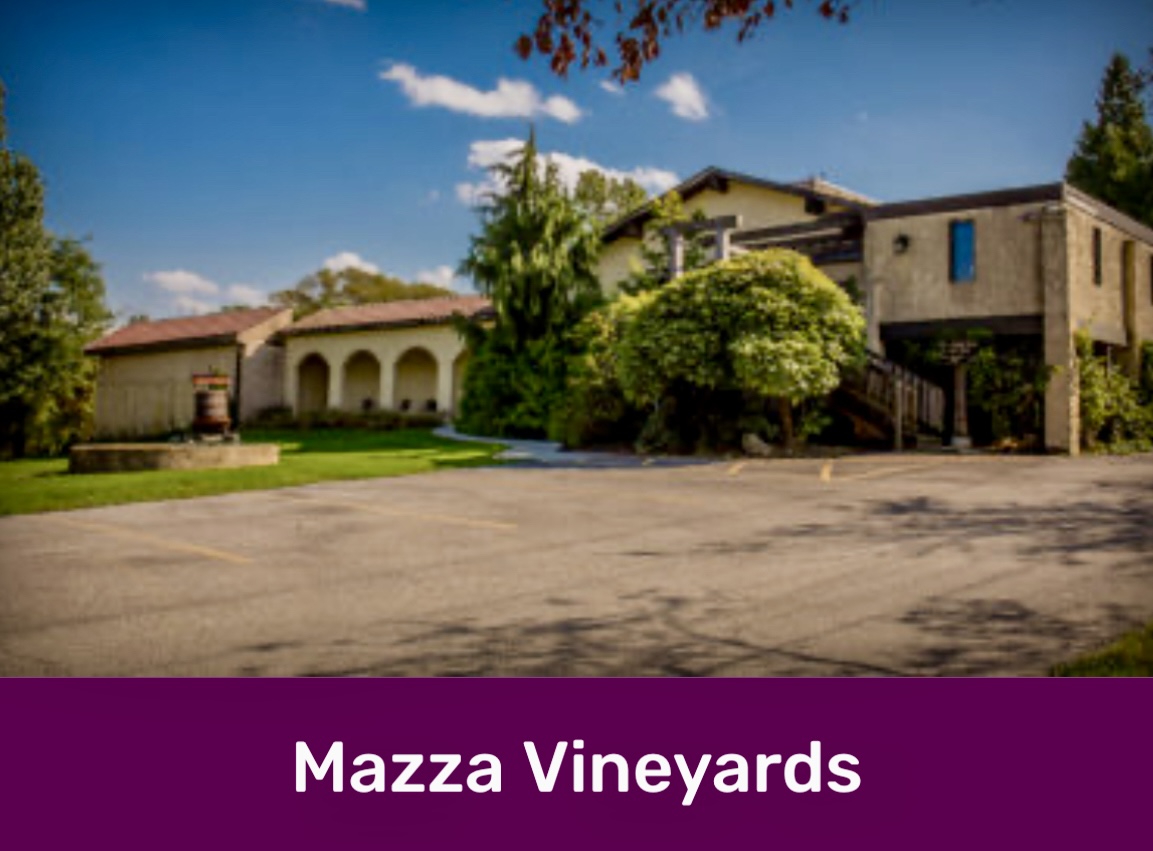
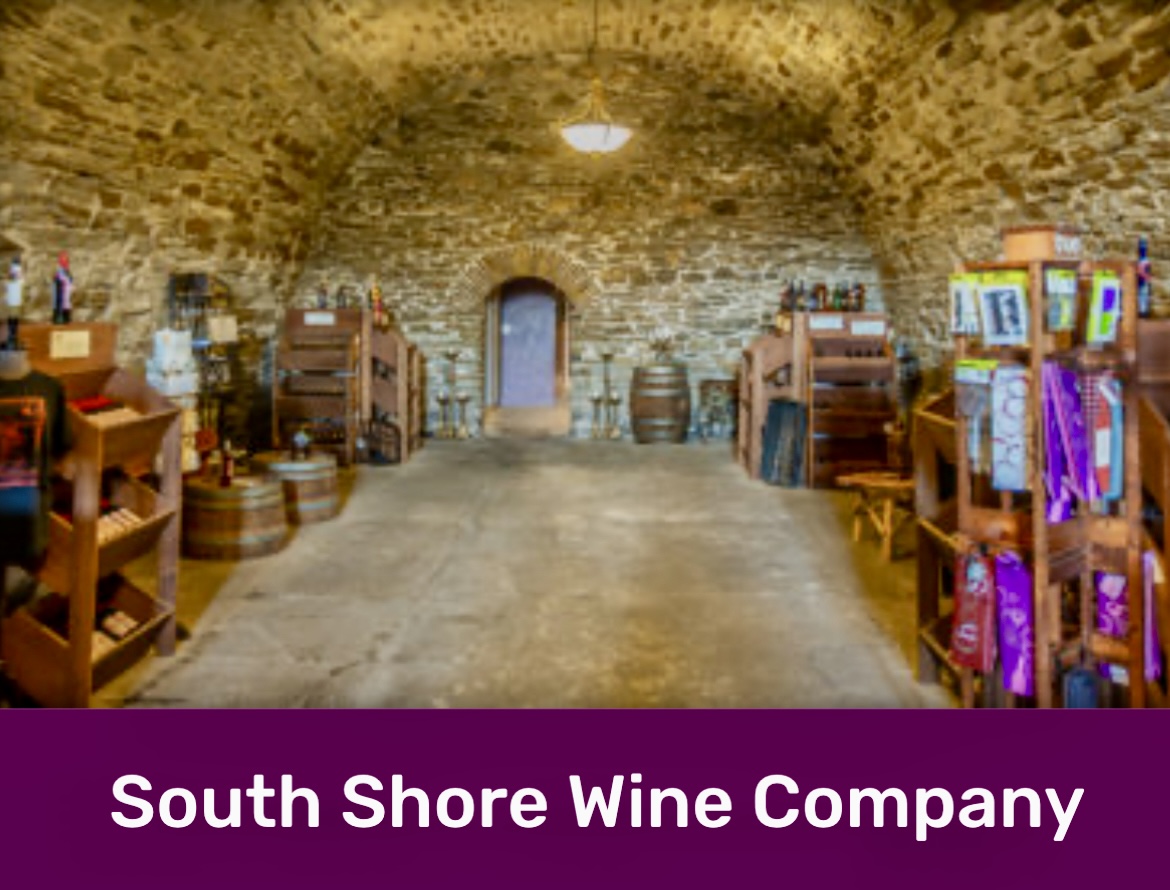
I’ll start with the winery I consider to have the most name recognition of the region’s producers. Mazza Vineyards and South Shore Wine Company are two destination wineries for first-time visitors or seasonal travelers. Both are a good starting point to explore the wines that these legacy wine companies offer. Mazza Vineyards 11815 E. Lake Rd (Rt5) North East 814-725-8695  South Shore Wine Company 1120 Freeport Rd (Rt89) North East 814-725-1585 http://enjoymazza.com

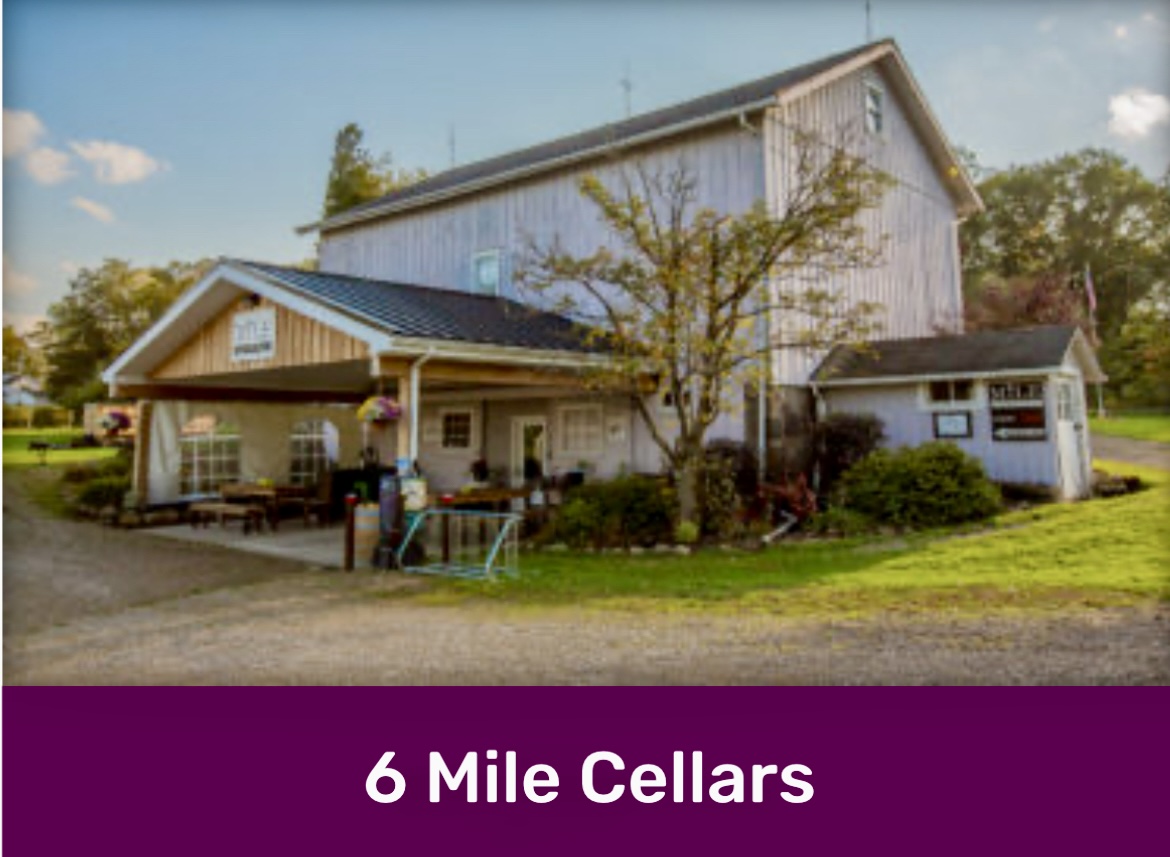
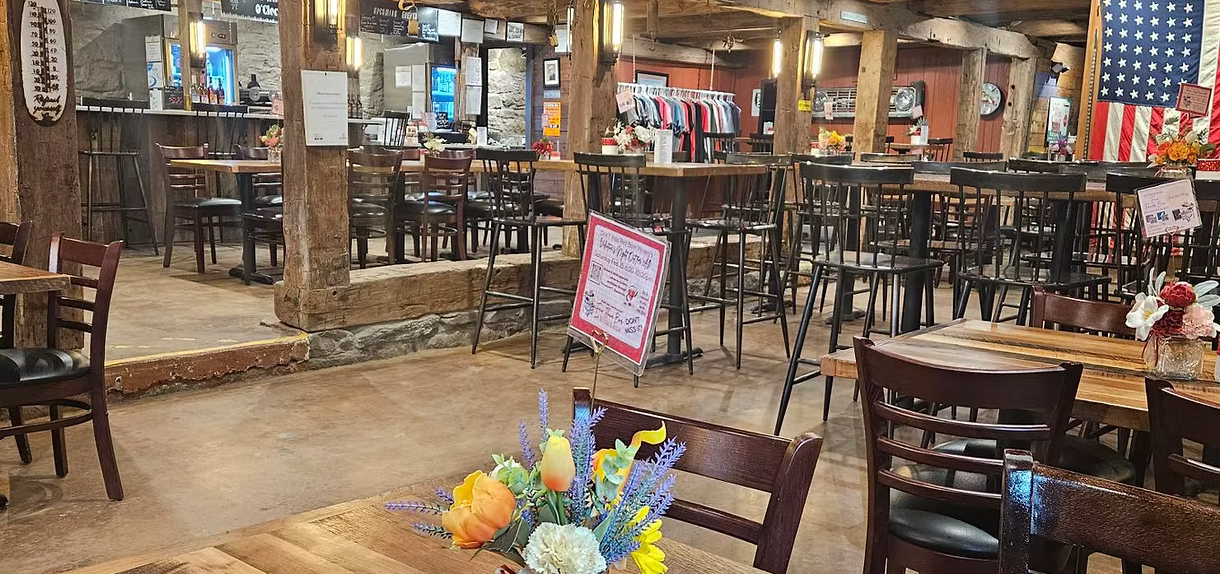
Our next stop is 6 Mile Cellars and as its name suggests it is located on 6 Mile Creek in Harborcreek. This is the closest winery to downtown Erie making it a convenient stop for visitors. This boutique winery’s tasting room is in a one hundred-year-old horse barn that has been repurposed into an inviting space to enjoy their diverse selection of wines. 5727 Firman Rd Erie 814-580-8375 http://6milecellars.com

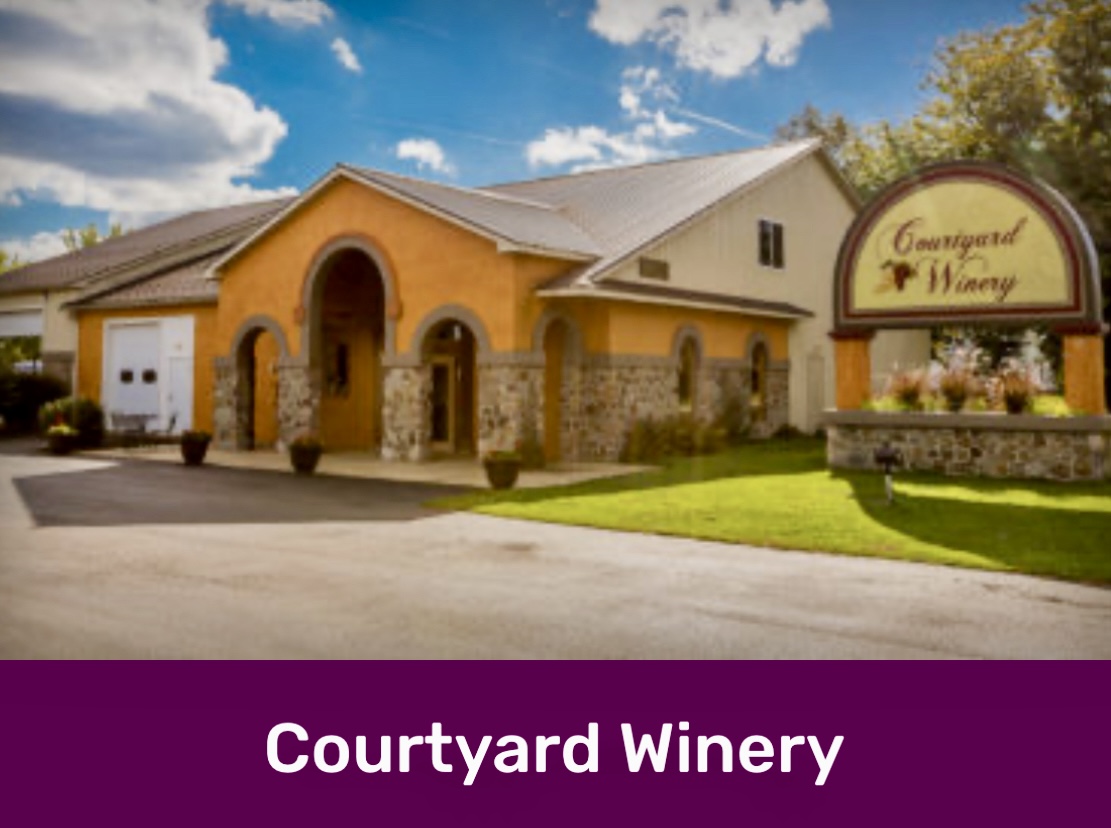
Route 20 provides easy access to the popular Courtyard Winery in North East. No tasting at Courtyard’s beautiful tasting room is complete without trying their Chambourcin.  10021 West Main Rd North East 814-725-0236  http://courtyardwinery.com

Continuing on Route 20 we arrive at Arundel Cellars & Brewing Company 11727 East Main Rd North East. This winery is a landmark in the area and is well-known to travelers on Route 20. 814-725-1079 http://arundelcellars.com

If you want to try something different but still taste distinctive wines, consider Burch Farms Country Market & Winery. You can shop at their country market for farm fresh produce, and assorted baked goods from their bakery, and taste their wines. Located at 9210 Sidehill Rd North East

http://burchfarmscountrymarketandwinery.com 

Erie, Pennsylvania offers something for everyone and is an easy drive for many in Pennsylvania, New York, and Ohio. If you haven’t given this region much thought as a day trip or getaway option please take a minute to see if it’s right for you. 

Photo credit: http://lakeeriewinecountry.org

A Winelovers Guide to Western Pennsylvania Wineries Part 3

This is Part 3 and the final installment in my series featuring Western Pennsylvania wineries. All the wineries from previous posts will be included for reference or if you are new to my blog. I invite everyone to subscribe for free to this blog using the subscription box at the top of this page. You will receive an email when I publish a new article. Thanks. 

Pennsylvania is home to more than four hundred wineries and over fourteen thousand acres of vineyards. Some of the very best are located on the western side of the state. The wineries are as unique as the wines they make. The following suggestions are just a starting point. The real fun comes in exploring all this region has to see and do.

Driving twenty-three miles south of Pittsburgh will bring you to Silver Mark Cellars. It is an urban-style winery in the charming town of Canonsburg. They offer an award-winning wine list complemented with food, beer, and liquor. All of their wines are handcrafted in-house from start to finish. http://silvermarkcellars.com 724-416-7447

Nestled in the picturesque rolling hills of Westmoreland County near Acme we find Stone Villa Wine Cellars. Guests can relax on the manicured lawn surrounding a tranquil lake while listening to live music. Stone Villa Wine Cellars offers a portfolio of wines ranging from classic to unique blends that are sure to satisfy everyone’s tastes. As always, the tasting bar is free. http://stonevilla.com 724-423-5604

Situated on the remaining three acres of the old “Martz Family Farm” in Delmont stands a barn originally built in the 1860s that now serves as the home of Red Barn Winery. Red Barn Winery makes sweet and dry wines from grapes sourced from several regions. It also offers Pennsylvania beers and spirits, food, entertainment, and special events. http://redbarnwinerypa.com 724-461-4331

Thistlewaite Vineyards only use the French hybrid grapes they grow in their five-acre vineyard to produce their wines. They age their wine in Pennsylvania White Oak barrels or stainless steel tanks. When you are in Jefferson stop by the tasting room for a complimentary wine tasting. http://thistlegrape.com 724-883-3372

Edgewood Winery and Event Center in Spring Church is a one-stop shop for all your entertainment needs. They sell their wines by bottle or glass, have a food menu sure to please everyone, an event calendar full of live music, and plenty of options for your special event. http://edgewoodwinery.com 724-478-4373

I hope you enjoyed reading these articles as much as I enjoyed researching and writing them. Please use these suggestions to start your journey to discover the constantly evolving community of wineries in Western Pennsylvania. Cheers!

Photo Credit: L to R Silver Mark Cellars, Red Barn Winery, Thistlewaite Vineyards

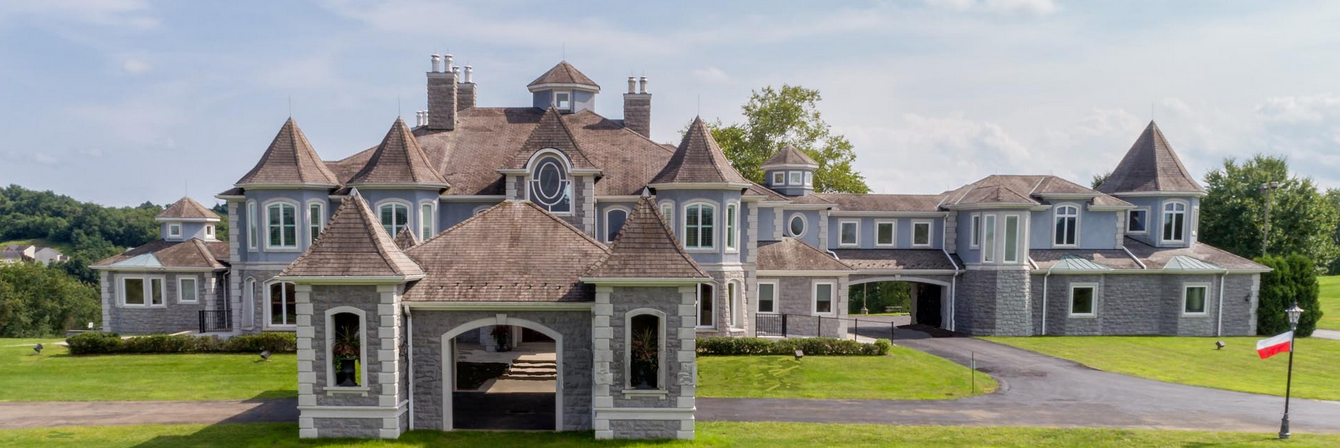
We’re off to see “The Castle”. The Vinoski Winery is located in the magnificent Rostraver mansion Jay and Sherry Lustig built. Jay was the long-time manager of The Rolling Stones, financial advisor to Prince Rupert Loewenstein, and later became a minority owner of the Pittsburgh Pirates. Walt and Roxanne Vinoski bought the sprawling property in 2017 and turned it into the breathtaking home of the Vinoski Winery. They offer two wine tasting options: $10 for 5 sweet wines or a Premium tasting for $20 that includes their dry California wines. Check their website for the event calendar which is always full of concerts and events. http://vinoskiwinery.com 724-872-3333

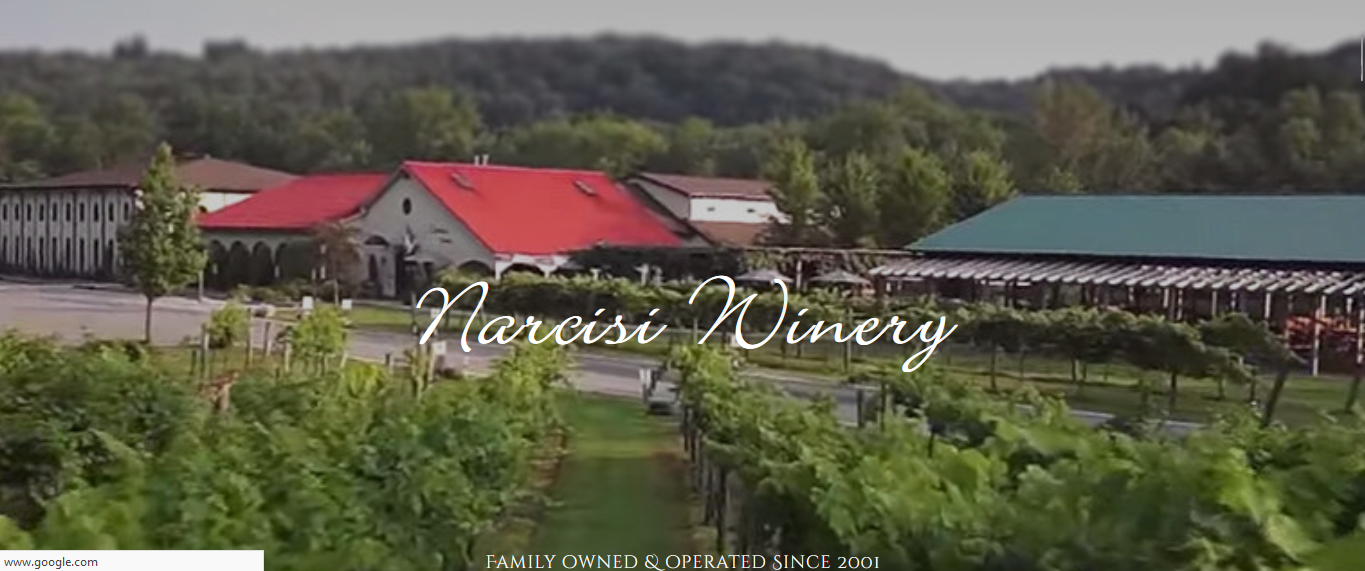
Let’s not forget about our friends north of Pittsburgh. The next stop is the picturesque Tuscan-inspired winery and restaurant of Narcisi Winery. A short ten-mile drive north of the city will bring you to Narcisi Winery in Gibsonia. Set on an enchanting property, this Italian-themed winery and restaurant will satisfy anyone’s longing to spend a “Bella Giornata” (Beautiful Day) in Tuscany.  http://narcisiwinery.com  724-444-4744

Any time of year is a good time to take a leisurely drive to Glades Pike Winery near Somerset on Pa State Rte 31. It will take you past several notable attractions for the outdoor enthusiast.  The Seven Springs and Hidden Valley ski resorts plus Laurel Hill and Kooser state parks are easily accessible from Glades Pike Winery. Glade Pike Winery makes a diverse selection of wines that will intrigue any wine aficionado. Malbec, Baco Noir, and Tempranillo are some of the unusual wines offered that are not readily found at other local wineries. http://gladespikewinery.com 814-445-3753 

The Original Pittsburgh Winery is an urban winery and as such it can make its wines year-round because they source their grapes from vineyards in California and Chile. Swing by the winery on Liberty Avenue in Pittsburgh’s Strip District to taste their wines, grab a bite to eat, and enjoy live music in an intimate setting. http://pittsburghwinery.com  412-566-1000

Guests at Ripepi Winery & Vineyard in Monongahela can enjoy a tranquil ten-acre vineyard from the Tuscan-inspired winery as you savor a glass of their estate-made wine.  Owner/winemaker Rich Ripepi founded his landmark winery in 1987. Today it is a family legacy he shares with his winemaker/sommelier daughter Janelle Ripepi D’Eramo and winemaker son Dr. Daniel Ripepi. They host a fun “Happy Hour” event every second Friday of the month. http://ripepiwine.com 724-292-8351

Traveling to Mount Pleasant you will find Greendance The Winery at Sand Hill. Greendance Winery is part of the Sand Hill Berries, a small family-owned business that specializes in different types of berries, especially raspberries. You might recognize them from their raspberry specialty desserts booth at festivals. The winery and its grounds are set in the idyllic Laurel Highlands countryside. Stop by anytime to enjoy the rural ambiance but if you visit on a summer weekend you will be treated to live music as you unwind with a bottle of their wine. http://greendancewinery.com 724-547-6500

Up we go into the Allegheny Mountains to Chalk Hill where we arrive at Christian K. Klay Winery. A visit to Christian K. Klay Winery and its adjacent Ridge Runner Distillery is sure to include wine, spirits, and beautiful vistas. http://christianklaywinery.com 724-439-3424

Bella Terra Vineyards in Hunker is easily accessible and has ample parking plus plenty of inside and outside areas making it a favorite meeting place for friends and family. Check their website for the many special events on the calendar. http://bellaterravineyards.com 724-635-3658

If you are looking for a twist on your usual night out then the City Winery is the place for you. Unlike the other wineries mentioned, City Winery is on Smallman St in Pittsburgh’s “Strip District”. It is a winery, restaurant, and event center that promotes live music, comedy shows, and wine events. http://citywinery.com/pittsburgh 412-246-1000

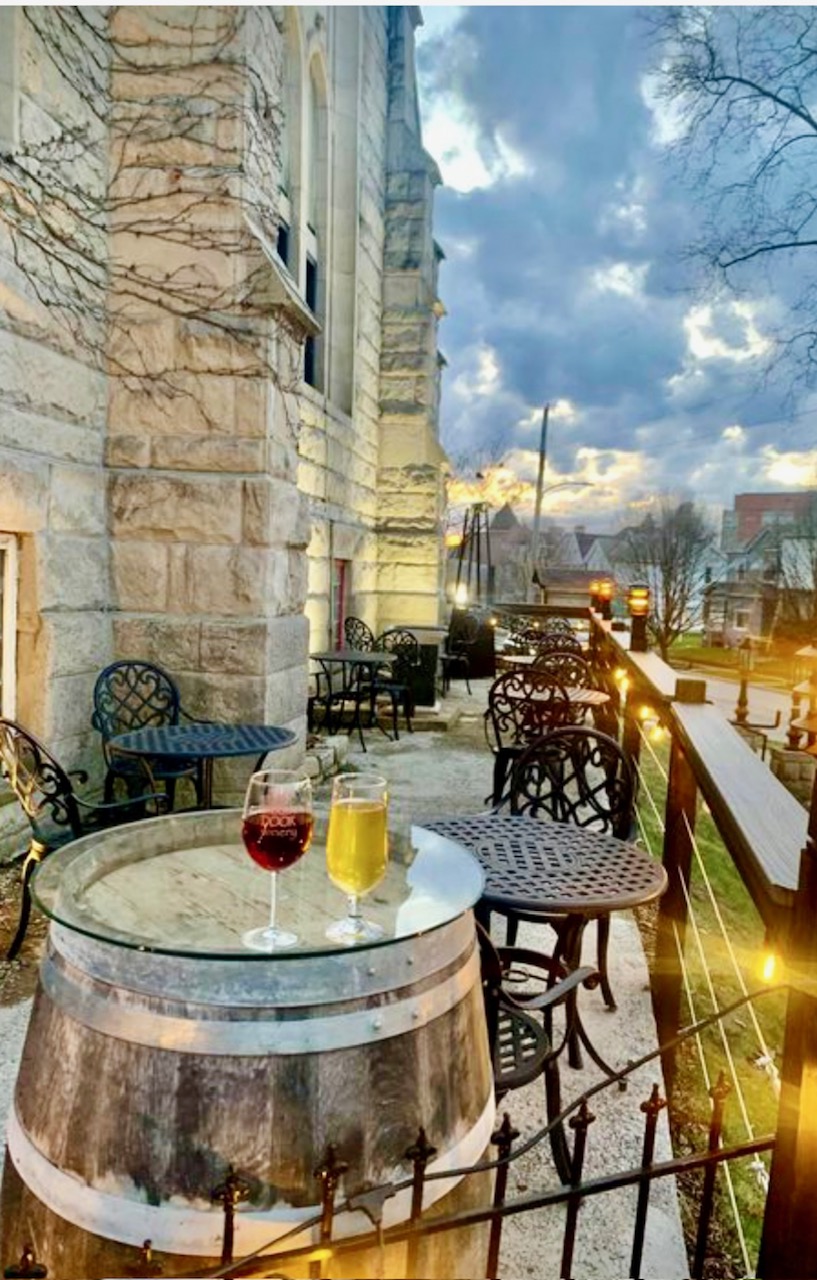
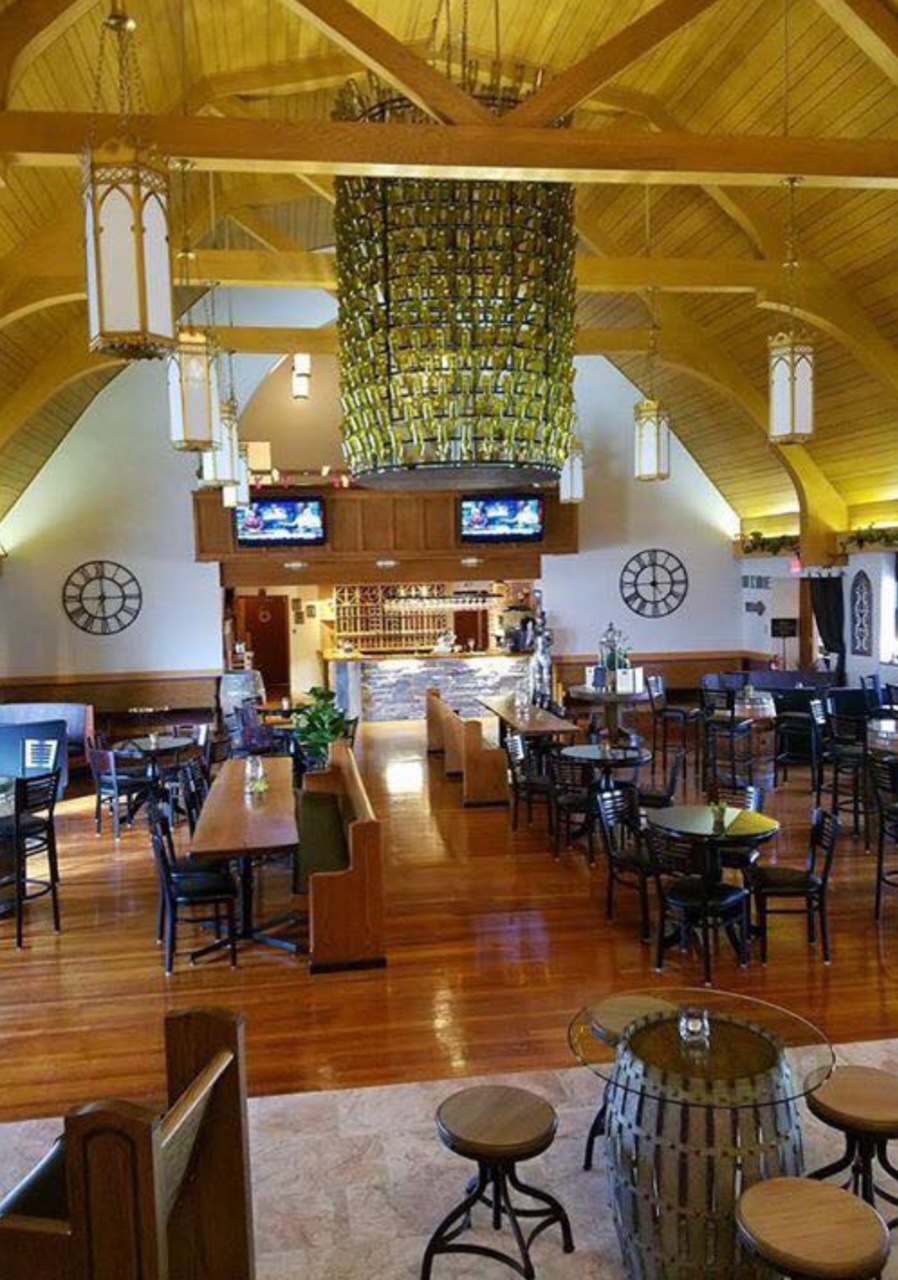
Wooden Door Winery is located in a painstakingly renovated 1896 church in Vandergrift. Explore their diverse lineup of wines while sampling a menu of appetizers and lighter fare in the spacious tasting room or the al fresco seating during the warmer weather. http://woodendoorwinery.com 724-889-7244

A Winelovers Guide to Western Pennsylvania Wineries Part 2

This is Part 2 in my series featuring Western Pennsylvania wineries. All the wineries from previous posts will be included for reference at the end of each post. If you are new to my blog, Welcome and I invite you and everyone to subscribe to this blog for free using the subscription box at the top of this page. You will receive an email when I publish a new article. Thanks. 

Pennsylvania is home to over four hundred wineries and over fourteen thousand acres of vineyards. Some of the very best are located on the western side of the state. The wineries are as unique as the wines they make. The following suggestions are just a starting point. The real fun comes in exploring all this region has to see and do. 

We’re off to see “The Castle”. The Vinoski Winery is located in the magnificent Rostraver mansion built by Jay and Sherry Lustig. Jay was the long-time manager of The Rolling Stones, financial advisor to Prince Rupert Loewenstein, and later became a minority owner of the Pittsburgh Pirates. Walt and Roxanne Vinoski bought the sprawling property in 2017 and turned it into the breathtaking home of the Vinoski Winery. They offer two wine tasting options: $10 for 5 sweet wines or a Premium tasting for $20 that includes their dry California wines. Check their website for the event calendar which is always full of concerts and events. http://vinoskiwinery.com 724-872-3333

Let’s not forget about our friends north of Pittsburgh. The next stop is the picturesque Tuscan-inspired winery and restaurant of Narcisi Winery. A short ten-mile drive north of the city will bring you to Narcisi Winery in Gibsonia. Set on an enchanting property, this Italian-themed winery and restaurant will satisfy anyone’s longing to spend a “Bella Giornata” (Beautiful Day) in Tuscany.  http://narcisiwinery.com  724-444-4744

Any time of year is a good time to take a leisurely drive to Glades Pike Winery near Somerset on Pa State Rte 31. It will take you past several notable attractions for the outdoor enthusiast.  The Seven Springs and Hidden Valley ski resorts plus Laurel Hill and Kooser state parks are easily accessible from Glades Pike Winery. Glade Pike Winery makes a diverse selection of wines that will intrigue any wine aficionado. Malbec, Baco Noir, and Tempranillo are some of the unusual wines offered that are not readily found at other local wineries. http://gladespikewinery.com 814-445-3753 

The Original Pittsburgh Winery is an urban winery and as such it can make its wines year-round because they source their grapes from vineyards in California and Chile. Swing by the winery on Liberty Avenue in Pittsburgh’s Strip District to taste their wines, grab a bite to eat, and enjoy live music in an intimate setting. http://pittsburghwinery.com  412-566-1000

Wooden Door Winery is located in a painstakingly renovated 1896 church in Vandergrift. Explore their diverse lineup of wines while sampling a menu of appetizers and lighter fare in the spacious tasting room or the al fresco seating during the warmer weather. http://woodendoorwinery.com 724-889-7244

Photo Credit: Vinoski Winery, Narcici Winery, and Wooden Door Winery 

Scroll down after photos for wineries listed in Part 1

Guests at Ripepi Winery & Vineyard in Monongahela can enjoy a tranquil ten-acre vineyard from the Tuscan-inspired winery as you savor a glass of their estate-made wine.  Owner/winemaker Rich Ripepi founded his landmark winery in 1987. Today, it is a family legacy he shares with his winemaker/sommelier daughter Janelle Ripepi D’Eramo, and winemaker son Dr. Daniel Ripepi. They host a fun “Happy Hour” event every second Friday of the month. http://ripepiwine.com 724-292-8351

Traveling to Mount Pleasant you will find Greendance The Winery at Sand Hill. Greendance Winery is part of Sand Hill Berries, a small family-owned business specializing in different types of berries, especially raspberries. You might recognize them from their raspberry specialty desserts booth at festivals. The winery and its grounds are set in the idyllic Laurel Highlands countryside. Stop by anytime to enjoy the rural ambiance but if you visit on a summer weekend you will be treated to live music as you unwind with a bottle of their wine. http://greendancewinery.com 724-547-6500

Into the Allegheny Mountains, we go to Chalk Hill where we arrive at Christian K. Klay Winery. A visit to Christian K. Klay Winery and its adjacent Ridge Runner Distillery is guaranteed to include wine, spirits, and beautiful vistas. http://christianklaywinery.com 724-439-3424

Bella Terra Vineyards in Hunker is easily accessible and has ample parking plus plenty of inside and outside areas making it a favorite meeting place for friends and family. Check their website for the many special events on the calendar. http://bellaterravineyards.com 724-635-3658

If you are looking for a twist on your usual night out then the City Winery is the place for you. Unlike the other wineries mentioned, City Winery is on Smallman St in the “Strip District” of Pittsburgh. It is a winery, restaurant, and event center that promotes live music, comedy shows, and wine events. http://citywinery.com/pittsburgh 412-246-1000

These are only a few suggestions to pique your interest. I will add new wineries for you to try in future posts. I urge you to do a little research on the Internet and I’m sure you will be surprised by the number of interesting options that you will discover in your area. Have fun and always drink responsibly. Cheers!

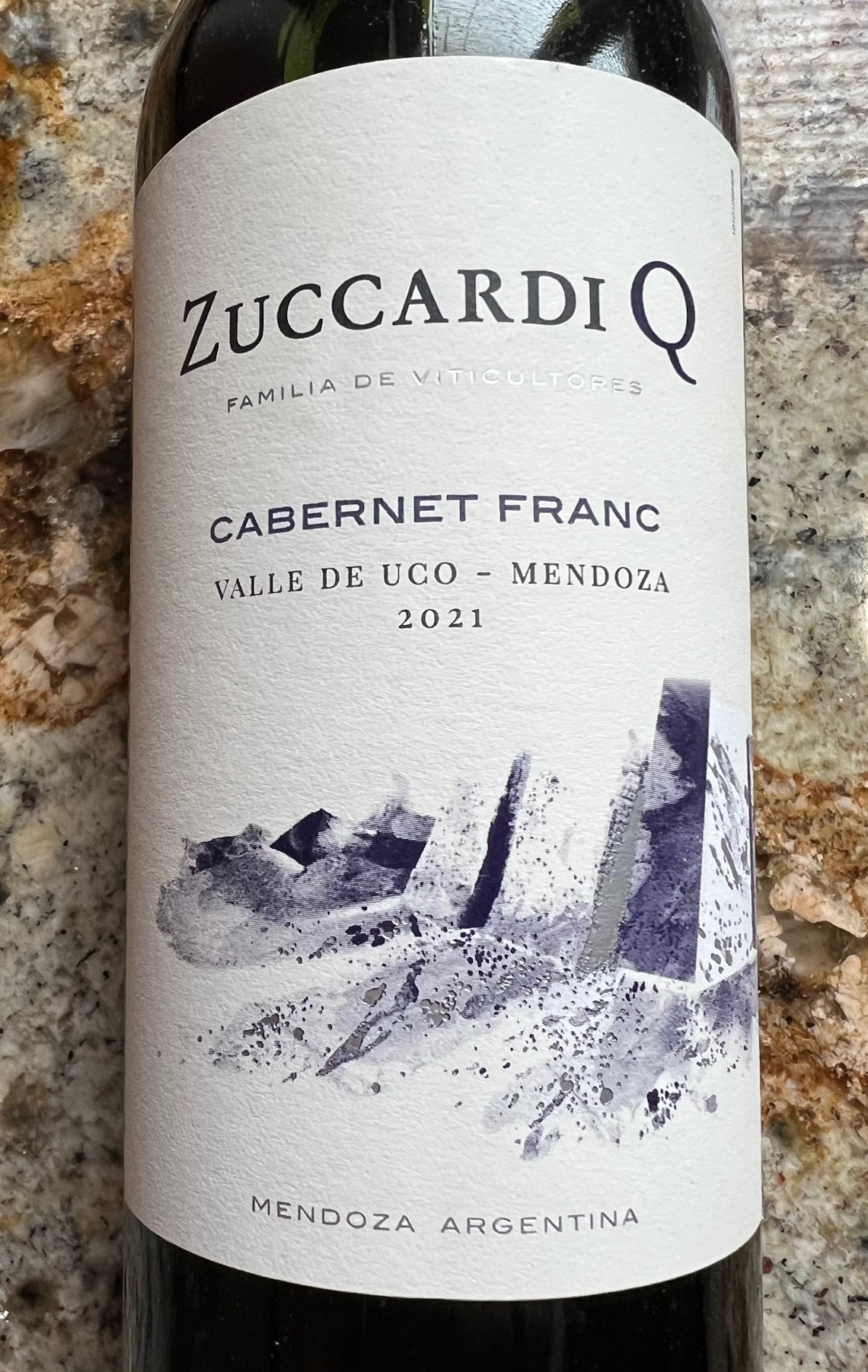
Review: Zaccardi Q Cabernet Franc Valle De Uco-Mendoza 2021

Zuccardi Q Cabernet Franc Valle De Uco – Mendoza 2021 

Zuccardi is my go-to Argentina winery for dependable high-quality wines at a fair price. They are a multi-generational producer located in the Mendoza Region. This was the first time I tried a Zuccardi Q Cabernet Franc but it won’t be the last. I plan on having a few bottles on hand for when I want a solid food-friendly weeknight wine. 

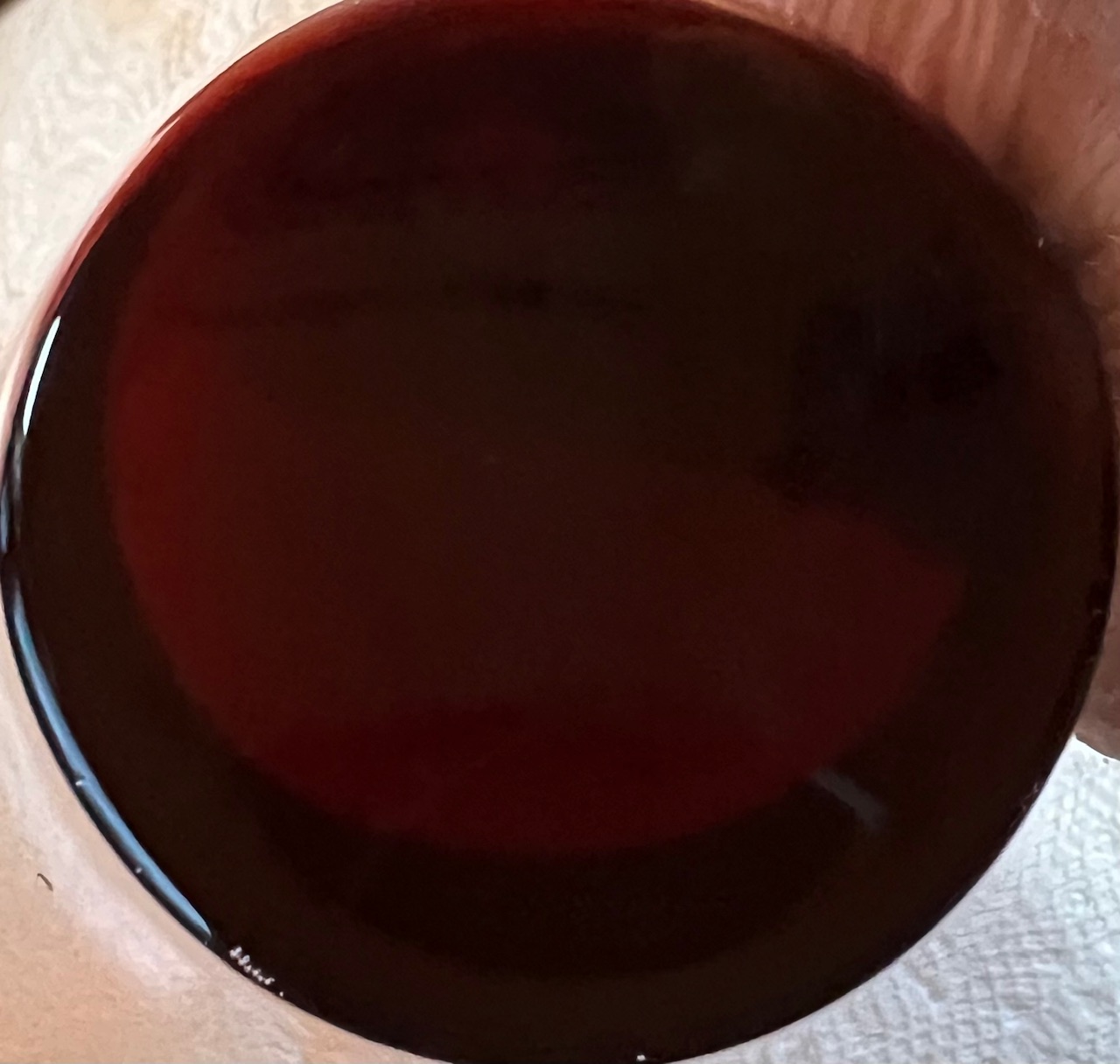
Everything about this wine is in balance, from its understated acidity, smooth tannins, and restrained red fruit flavors that are carried on a medium dry body and then showcased in a dark purple/red colored wine in your glass. 

Grapes for this Cab Franc were harvested from two unique vineyards in the Andes Uco Valley. The Paraje Altamira vineyard is 3600 feet above sea level (F.A.S.L.), and the San Pablo vineyard is 4500 F.A.S.L. I purchased my bottle at a Pennsylvania Fine Wine & Good Spirits store as a “Chairman’s Selection” offering for the bargain price of $12.99, but it can be readily found in the $20 range. 

I recently reviewed two Cab Francs from Chateau Niagara in New York. Although this Zaccardi Q wasn’t as big or as complex as the Chateau Niagara Cabernet Franc Reserve Review: Chateau Niagara Cabernet Franc Reserve 2022 or Cabernet Franc Appassimento Review: Chateau Niagara Cabernet Franc Appassimento 2023 it certainly deserves a place on your dinner table.

Heritage Wine Update Interviews: J. Stephen Casscles and Alfredo “Alfie” Alcántara

Vignerons and winemakers are adapting to the changing climate conditions in vineyards and wineries around the world. As documented in my interviews with winemakers, vineyard/winery managers, and other wine industry professionals, wine grape harvests globally occur earlier than ever before. This phenomenon is the new normal instead of the recurrent fluctuations expected over a chronicled time frame. Change in the wine world moves slowly but a small group of visionaries is leading a vanguard of growers and winemakers who are addressing the issues, not by exploring uncharted waters but by looking to the past to find answers for the future. These modern-day pioneers are resurrecting nearly forgotten grape varieties that were popular a century or more ago. They are creating exciting new wines from Heritage and Cool Climate hybrid grapes by employing unconventional winemaking methods and techniques. These strategies draw out the most favorable characteristics these grapes have to offer. 

To better understand the benefits and potential that Heritage and Cool Climate grape hybrids provide, I asked J. Stephen Casscles, the leading authority in the field, for his opinions. Steve has authored extensive research on this subject, including two books, numerous articles, and scientific papers. He is also a well-known lecturer, winemaker, and owner of Cedar Cliff Vineyard, a Heritage grape vineyard in Athens, New York. 

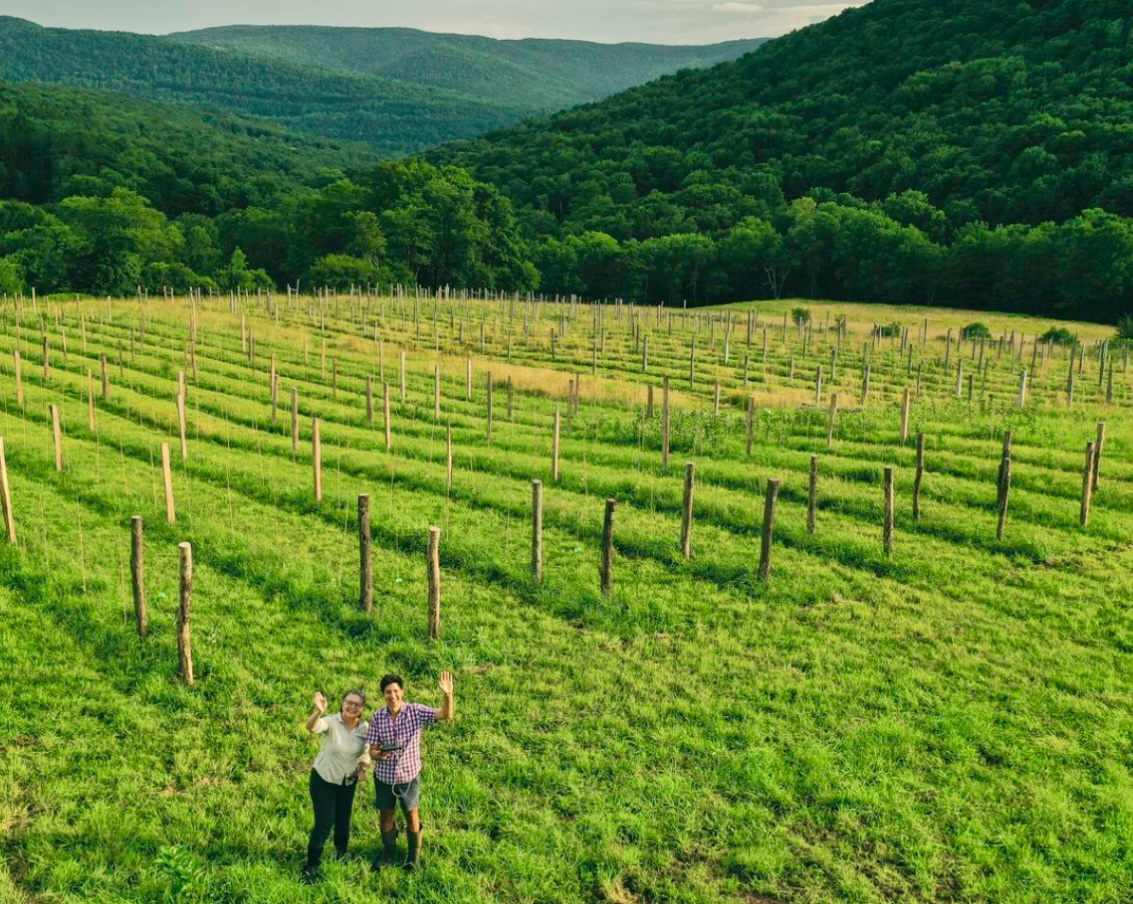
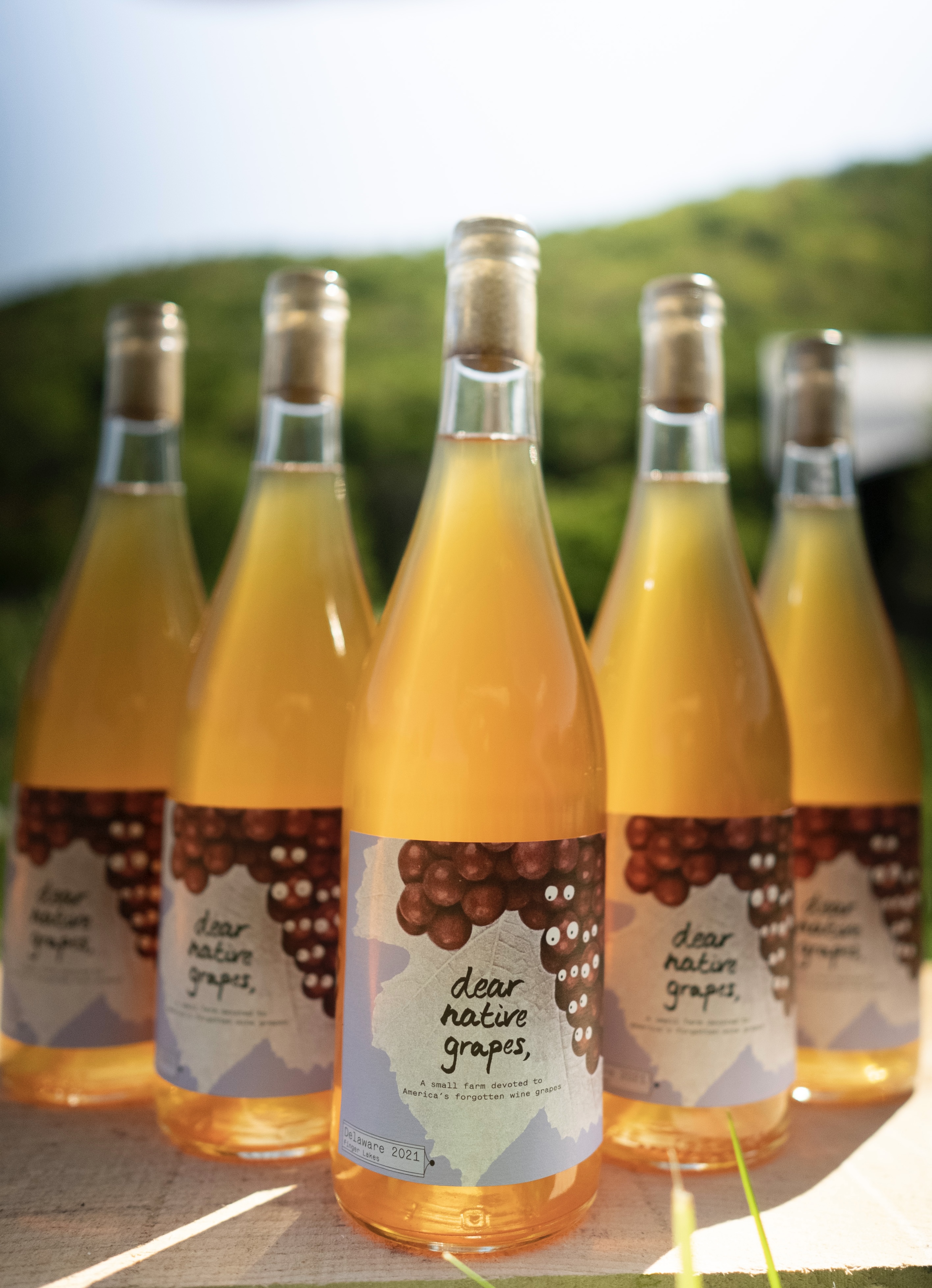
I also enlisted the help of Alfredo “Alfie” Alcántara, winemaker, Heritage grape vineyard owner, and cinematographer. Alfie is a Mexico City-raised, NYU Tisch School of the Arts grad, award-winning New York-based documentary producer, and cinematographer whose resume includes having his work screened at the Sundance Film Festival, Tribeca Film Festival, Mountainfilm in Telluride, SXSW, and CNN, just to name a few. Alfie is working closely with Steve Casscles growing and producing Heritage grape wine and co-ferments from his Dear Native Grapes Winery and Vineyard in the Catskill  Mountains of New York.

The following are my interviews verbatim and in their entirety with J. Stephen Casscles and Alfredo Alcántara.

Wpawinepirate: Please share your thoughts on how growing and making wine from Heritage and interspecific grape varieties is similar to traditional procedures used with vinifera grapes, but elaborate on the differences that make your forward-looking techniques so valuable to winemaking now and especially in the future.

Casscles’s Response:  “I think that growing Heritage and interspecific cool climate grape varieties are grown with the same considerations as growing vinifera.  The very large difference is that while Heritage and Cool Climate hybrids are pretty forgiving when growing them in the field, that is not the case with vinifera.  I find that hybrids are more productive than vinifera, are more hardy, cold-resistant, fungus disease-resistant, and are direct producers (they do not grow on root stock). 

Being “direct producers”, not grown on rootstock, means that when we get our more commonly occurring late spring frosts (due to the influences of Climate Change) that inflicts heavy frost damage on the vine.  The hybrids do much better. That is because since they are direct producers (not grafted) they can send shoots up from the ground THAT season and produce a crop.  Also, many hybrids were bred to have a secondary crop, to have at least 1/2 a normal crop if hit by a late spring frost. With vinifera, after an especially hard late frost, there is NO secondary crop so there is no fruit crop at all AND with an esp. hard frost, the scion (top part of the vine) can be killed completely, so that all that remains is the rootstock which cannot provide any grapes. Further, Heritage and Cool Climate hybrids roll with the punches better than vinifera with what “Mother Nature” gives us …. as we have more variable growing conditions due to climate change which is bringing with it more violent weather patterns with more rain, droughts, heat, and variable hot cold temperatures, hybrids do better.

The higher resistance of hybrids to fungus and insect damage is also reflected in MUCH lower material and labor costs to grow these varieties. Vinifera grapes require much “hotter”, i.e., poisonous spray material to protect the crop than hybrids require. Also, the number of times that you need to spray vinifera with these “hot” chemicals is two to three times as many applications as the number of times needed for hybrids AND the spray materials to be used are much cheaper than that used for hybrids. This means spraying vinifera grapes 12 times a year as opposed to the 4 times needed for hybrid grapes.  There is growing interest in growing grapes and other fruits either organically, semi-organically, and very much in a sustainable manner. It is nearly HOPELESS to grow vinifera organically and it has a much higher carbon footprint to grow than hybrids.
There are so many more hybrid and cool climate heritage grape varieties available to select from when setting out a vineyard. With vinifera, the “choices” are between the top 5 varieties, (In the Northeast, Chardonnay, Cabernet Sauvignon, Pinot Noir, Cabernet Franc, and Riesling), while with hybrids, there are scores of varieties that the grower can choose from to produce a sound and varied crop. This adds to diversity in the field, so that when the violent weather pattern hits the vineyard, if the grower has 10 different hybrid varieties (not just 1 or 2), the grower has a much higher probability of having a crop that produces a profit for the grower because maybe 5 of his/her varieties will still do fine with the adverse weather conditions that we are facing.

Possessing a diversity of grape varieties in each vineyard does add to the biodiversity of the plant material in the field. That means that the fungus and insect pests that can hit a vineyard can be muted because each variety has a different vulnerability to insects and various fungus diseases. However, if the grower has only 1 or 2 varieties, if a fungus or insect pest gets into the vineyard, it can wipe out the entire crop. Diversification is a strength. 

That was the first part of your question. The second is what are the benefits of making wine from these Heritage and Cool Climate hybrid grape varieties? Short answer — many many benefits. The exciting thing about making wines with Heritage and other Cool Climate varieties is the large variability in flavors, body, textures, and colors that a winemaker or co-ferment brewer has available to them to make their beverages.  Varieties such as Baco Noir, Verdelet, Chelois, Bacchus, Seyval Blanc, Agawam, Empire State, Jefferson, Lindley, Leon Millot, Chambourcin, Massasoit, Burdin Noir, Le Colonel, Marion, and so many more, have a broad spectrum of flavors, aromas, colors and textures which makes it very easy to make very fun wines and co-ferments. These many different grape varieties can be used in so many different ways to make very different fun wines and co-ferments.  Also, these wines tend to be fresher high acid wines that are more appealing to a new generation of consumers, with less alcohol, which is a plus for consumers both young and old.

Today’s consumers want very fruity fun wines and the Heritage and Cool Climate provide those in flavors and colors that are exciting.  Some of our Rogers hybrids developed in Salem, MA in the 1850s, have colors like electric blue, hot pink, deep purple, and other fun colors. 

Back to the economics and high productivity of growing Heritage and other Cool Climate grape varieties. Since they are more productive than vinifera AND can be grown with much fewer cost inputs of labor, chemicals, and other production costs, the cost of these varieties is MUCH less expensive than vinifera grapes …. which means that the cost to produce these fun and innovative wines is probably HALF of the cost of making a vinifera wine.  This means that these innovative products can be provided to the consumer at a much lower cost. 

It is an honor to work with both Alfie and Deanna at Dear Native Grapes to make fun wines, be it table wines, natural wines, or Pet Nats. I would rather have them speak for themselves, but I believe that we have a deep commitment to producing grapes and wines in a sustainable manner that uses far fewer pesticides and has a far lower carbon footprint. They are experimenting with making wine in many different styles for fun and for the enjoyment of our customers. I will let Alfie and Deanna talk about the grape varieties they have planted at their farm in Walton, NY, and the wines and wine styles they are striving to use to make a quality and fun product.”
Alfie’s Response: “It’s an honor to work with you, Steve! You have been our invaluable mentor throughout our journey. 

“Deanna and I started ‘Dear Native Grapes’ with the goal of renewing an appreciation for America’s forgotten wine grapes. Both of us came into this with very little knowledge of winemaking or farming. But we were instantly hooked by the story of Prohibition in the 1920s and how much we lost in both the diversity of grape varieties and knowledge in wine growing. We were really driven by the thought that we could help reinvigorate something that was once valuable and productive. 

While doing research for this project, we were inspired by the work of TerraVox winery in Missouri which has been diligently working with native varieties suited to the midwest, as well as Steve Casscles’ written works, especially his book ‘Grapes of the Hudson Valley And Other Cool Climate Regions of the United States and Canada’. Actually, one of the first wines we ever tasted from native varieties was made by Steve. He made it from a Hudson Valley heirloom variety called ‘Empire State’. It was so graceful and floral. We still remember its flavors and aromas. Our eyes were opened to the fact that we could create a sustainable farm and winery business in the Northeast by using the right grape varieties that could thrive in this region.  

So after several years of saving up, taking business planning courses online, and volunteering at local wineries, we were finally able to afford a down payment on some farmland. We ended up in Walton, NY, in the western area of the Catskills, which is not really known for its grape growing due to the harsh climate. So our whole idea really hinged on choosing the right grape varieties that could withstand the extremes of the region.

In the spring of 2020, we planted 5 acres of grapes among three different categories: 

  1. Contemporary cold-hardy, disease-resistant varieties like Petite Pearl, Crimson Pearl, Marquette, Frontenac, Brianna, and Itasca.
  2. Heirloom American varieties like Delaware, Empire State, Wine King. Some of these we propagated from cuttings from Steve’s vineyard. 
  3. Experimental crosses are not yet available to the public. These came from modern-day grape breeders who are working to identify little-known native species that hold promise in the Northeast. Some include crosses from grape species like Vitis aestivalis, Vitis acerifolia and Vitis bicolor. 

We are now four years into this project, in what seems to be a never-ending (and very sharp!) learning curve. But we’re excited to see our vines grow and we’ve already begun to identify grape varieties that have withstood the many climactic and environmental challenges we’ve experienced in the short timeline of our vineyard. An interesting variety for us has been Petite Pearl. Bred and selected in Minnesota by grape-grower Tom Plocher, this variety seems unbothered by disease pressure on our site, it’s extremely cold hardy, and most importantly, its late bud-break has managed to escape the dangerous spring frosts we’ve been having in New York. Last year we were able to produce a few gallons of wine from it, and its flavors and aromas are earthy and reminiscent of darker fruit. However, its clusters are very small, which means we’d need a much larger volume to produce a significant amount of juice. 

We’ve also been surprised by the qualities of Delaware, which is not nearly as vigorous as some of the Minnesota varieties, but once it becomes established, it’s easy to prune and manage, and it produces beautiful clusters of red fruit. It’s so exciting to see some of these heirloom varieties express themselves on our site.”

Wpawinepirate: Tell us about your wine journey and vision for growing and making wine from Heritage/Cool Climate hybrid grapes. 

Casscles’s Response: “How I got into grape growing is that I grew up in Marlboro, NY in the Hudson Valley, an area that has many orchards, vineyards, and berry patches.  I had the fortune of living near Benmarl Vineyards and worked in the early years of Benmarl when it was established by the Miller family (Mark, Dene, Eric, and Kim). I have kept in touch with the Miller Family and my friends the Spaccarelli Family who now own Benmarl. I learned so much from working with Eric and Kim Miller about winemaking and life. I have been truly blessed and the many people who worked at Benmarl, are and continue to be family friends. From Benmarl, I learned about many of the French-American hybrids that I continue to use today.  My favorites are Baco Noir, Chelois, Foch, Leon Millot (reds) Seyval Blanc, Vidal Blanc, Verdelet, and Vignoles (whites). 

My vision was then and continues to be to give growers the tools and grape varieties that can be grown at a profit so they can remain in farming. Further, that will be of sufficient quality and productivity so that local wineries can make quality wines at affordable prices so that everyone at the end of a long hard day can have a glass of a quality local wine at affordable prices. Doing this can help to keep more farms in operation and quality farmland in farming and not chewed up in more housing developments. Working with, studying, identifying either Heritage grape varieties or other Cool Climate grapes, and developing methods to grow these grapes more economically is part of this effort to keep farmland in farming and to preserve those who either are in farming or wish to enter into it. It is so great to work with Alfie and Deanna because they have similar goals and work ethic to make this happen. 

To advance this mission, in addition to studying such varieties, I have written, and thankfully have published, many articles to help guide those growers who want to grow hardy grape varieties that can be grown “sustainably”. In addition to Alfie and Deanna, I am so proud to work with other local grows such as Shawn Henry and his daughters Abbie and Emily of the Quimby Farm in Marlboro, NY,  Jed & Jaime Radliff of Fonda, NY, Marvin Baum of the new High Tor Vineyards in Rockland County, NY, and Doug and Mirada Russell of Russell Orchards of Ipswich, MA. Together, along with Alfie and Deanna, we are forging a pathway to plant more vineyards of these Heritage varieties, propagate them to establish even more vineyards, make wine and co-ferments from these varieties, and attract new and old customers to purchase these fun beverages that can be grown sustainably and so that family farms can remain in business.

Alfie’s Response: “We believeDear Native Grapes’ has the potential to reimagine American wine. By expanding the varieties of grapes grown and offered to consumers, we can broaden people’s imagination. Our small winery hopes to show others what American wine could be – beautifully diverse, unabashedly unique, and wonderfully approachable. 

If you think of a grape like Pinot Noir, it’s had over 600 years of human cultivation. Through slow observation and selection, the first people who farmed it started the process of shaping it to be what it is today. With American wine grapes, that process was largely halted due to historical events like Prohibition, followed by the Great Depression and WWII, and it’s just now barely restarting. We think it’s important to look at the past for answers that our ancestors have already solved and then build upon them. The Hudson Valley region in New York used to be a hotspot for horticultural innovation in the 1800s. It’s cool to think that the process of experimentation is once again alive in many other regions across the country. We might not find our American equivalent to Pinot Noir in our lifetime, but we can certainly begin to identify the great qualities in our own varieties.

We recently came across an article in the Smithsonian Magazine about Dagia Rangione, an Italian scientist who has dedicated her life to identifying and hunting down ancient varieties of fruit depicted in Renaissance paintings. Most of these heirloom varieties have long disappeared from the Italian countryside, as agriculture became industrialized over the past 200 years. The piece resonates greatly with us when she states how many of the older fruit varieties hold the keys to resilience and genetic diversity. We feel the same way about  American grapes. In the article, Rangione closes with a poignant sentiment: ‘We need these old varieties to answer for the problems of the future. Without them, without roots, we are just leaves in the wind.’

At its core, Dear Native Grapes is an educational project designed to shed light on valuable grape varieties that could pave the way for more diverse, climate-resilient winemaking, energizing local economies in the process. Every year, we host visitors to share our farming methods, which are largely based on holistic management. We’re able to farm this way because our varieties actually like to grow here and have the inherent genetics to thrive in our climate. This exchange of knowledge is key to our mission, as we try to save these varieties for future generations. Our mission is not simply to make wine from these varieties, but to offer others a viable path for doing the same.”

When growing a vineyard of wine grapes, as with any of life’s endeavors, the ready availability of options always enhances the probability of success. In the agricultural community, the ability to foresee potential problems is a skill set only honed to a fine edge with experience. Planting a crop that can survive and prosper under many adverse conditions is essential to any project’s long-term sustainability. Diversifying the varieties of grape vines planted in a vineyard has proven beneficial and has justified the old adage “Diversity is a Strength”.  

I sincerely appreciate Steve Casscles and Alfie Alcántara for taking time from their busy schedules to share this invaluable information and their unique perspectives on this timely subject. If you have any questions feel free to contact them  

(Steve) cassclesjs@yahoo.com

 (Alfie) alfie.alcantara@gmail.com

http://dearnativegrapes.com 

Photo Credit: J. Stephen Casscles, Alfredo “Alfie” Alcantara, and Dear Native Grapes

How To Propagate New Grapevines From Cuttings

If you want to propagate new grapevines from cuttings of existing vines, now is the time to start planning. 

The following article is a collaborative effort between myself and Stephen Casscles, a leading authority on the propagation and cultivation of cool climate and heritage grapevines. It is a detailed account of the procedures for propagating new grapevines from the cuttings of an existing vine. Thank you Steve for being so generous with your time and knowledge. All photos in this article are courtesy of Stephen Casscles. If you need more information about how to propagate vines, consult older books written by Philip Wagner, which are still available, or contact your local cooperative extension agent who can direct you to excellent brochures produced by your local agricultural state university.

If you have or can obtain clippings from a grapevine that produces excellent fruit, it is easy to reproduce as many vines/clones of that vine as you want. Starting new vines from the clippings of a mother vine ensures you will grow an exact copy of the vine and it will crop the same quality grapes as the original vine. Be sure that the mother vine that you select for your cuttings is a strong vine, that exhibits no indications of viruses or diseases. Vines that have curled leaves, odd-looking clusters, or off-leaf colors could have been contaminated with a virus. Do not use these vines as you are simply propagating diseased and virus-laden vines and not the strong virus-free vines that you want.

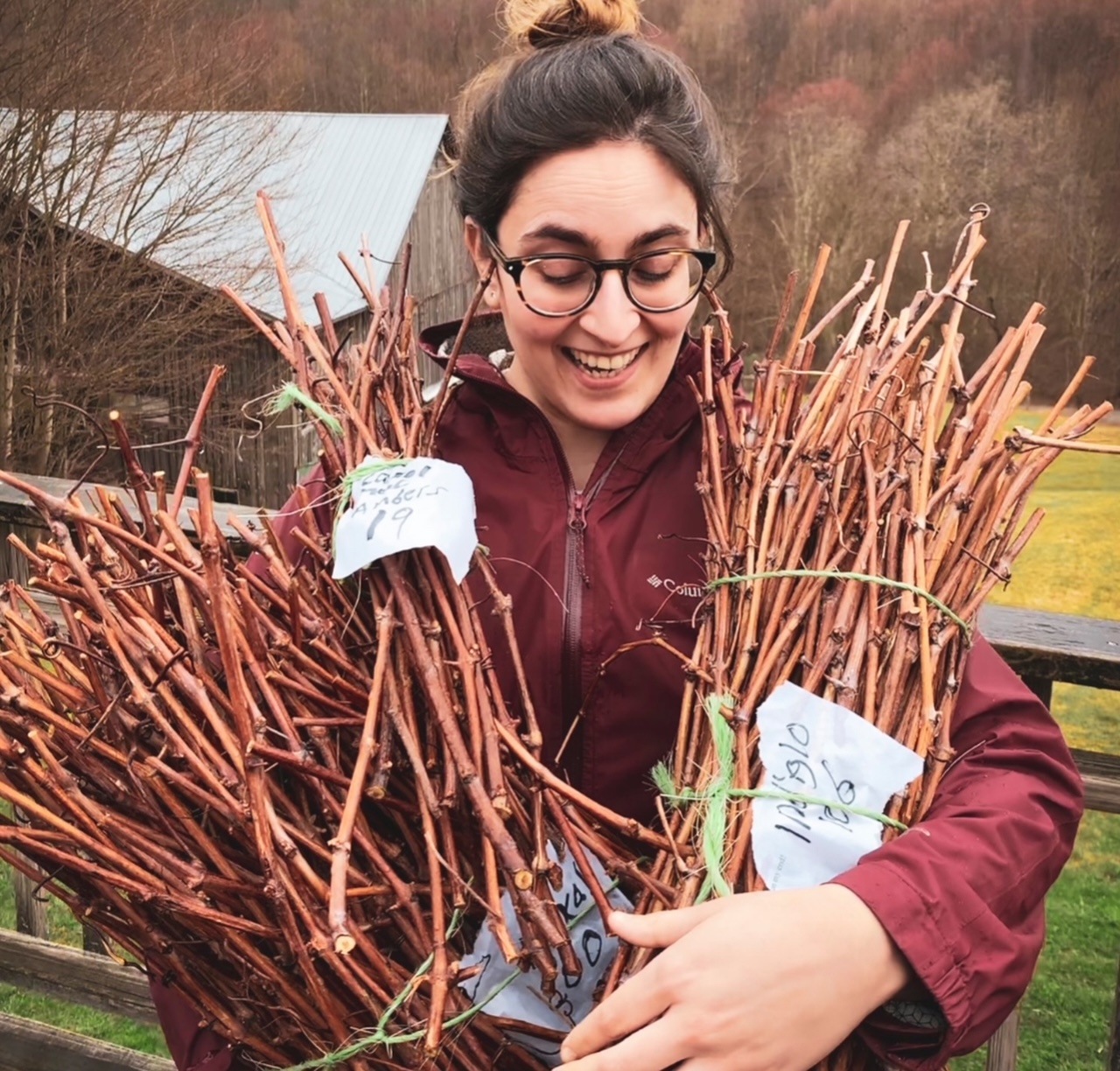
Propagating new grapevines from cuttings is an easy project. First, you must gather your propagating wood in early Spring while the vines remain dormant. Cut 12-18 inch sections from one-year-old wood that is about the thickness of a pencil and has a minimum of at least four leaf bud nodes on it. Ideally, having five or six bud nodes per cutting offers the best chance of success. A leaf bud node will look like a small bump on the stem.

The next step is up to the propagator, but Steve said he was taught to nip off a straight cut one inch above the top bud and make an angled cut at the bottom of the cane just below the bud node. Making your angled cut at the bottom of the stem easily shows where the top of the cutting is from the bottom which makes it easier when setting out your nursery cuttings, it also allows the cutting to be easily planted in the soil. No matter how you cut your ends, make sure you are consistent so that you will always plant your cuttings correctly, bottom side down in the soil. Dipping the bottom end of the stem into rooting hormones is helpful in promoting root growth, but is not necessary. You can find rooting hormones at your local garden center or nursery. If you are only rooting a few cuttings, fill a potting container with your local soil, if it is good well-drained loam soil, if it isn’t mix it with potting soil to improve its drainage.  Make sure your container is deep enough to accommodate your clippings, but if you are propagating a lot of material consider digging a shallow trench and reserving enough loose soil to fill in around your stems.

  These trenches can be located in your vegetable garden, since this soil has been worked up for many years, and often has a fence around it to keep out the wildlife that may like to browse on your newly installed cuttings. When planting your cuttings, bury them vertically three to four nodes deep with the bottom side down into the ground, leaving the remaining nodes exposed above the soil level. Remember to plant the bottom of the stem down with the straight-cut end above the ground.

    Keep the soil well watered, but not soggy throughout the first year when your cuttings are establishing themselves. For those in potted containers, the cuttings should be placed in a frost-free location with bright indirect sunlight. If you have more than one row of nursery cuttings in your nursery, it is recommended to mulch the cuttings with straw (not hay) to keep down the weeds and retain soil moisture.

Steve explained the difference between taking cuttings from your vine and propagating them as a single project and cloning in which you separate individual canes that have a certain desirable mutation to create an entirely new variety of the original grapevine. Steve gave me an excellent example that was easy to understand. “My understanding is that cloning would be finding an abnormal sport of a vine that is different and you cut that unique cane off to propagate it. For example, Frontenac Gris is only a regular Frontenac when it was noticed that a separate cane had bronze-colored grapes and not red.  So cloning would be separating and propagating that “clone”, but if you are propagating wood, you just collect your wood and go at it.”

    It is essential that you plant more cuttings than you need to compensate for some not surviving. As a dear departed friend of Steve’s, Joel Fry of the Bartrams Garden in Philadelphia used to say, “Plant two of everything, and one will die”.  How many to plant is the question? Steve offered his advice based on years of experience in this area of viticulture. “I find that different varieties propagate at different rates. For example, Baco Noir, which is a part Riparia variety tends to have a higher success rate because it is a Riparia. Even with Riparia, I would plan for a 20% non-success rate for varieties such as Delaware, which is a part Bourquinian species hybrid, do not take as readily, so I would expect a 40% death rate.”  I would recommend propagating as many cuttings as possible using only the strongest ones to satisfy your needs and giving the extras away. Vines can also be rooted in water, but you will need to change the water regularly to prevent disease. Once you see the stems/cuttings rooting, you must transplant them into the soil.

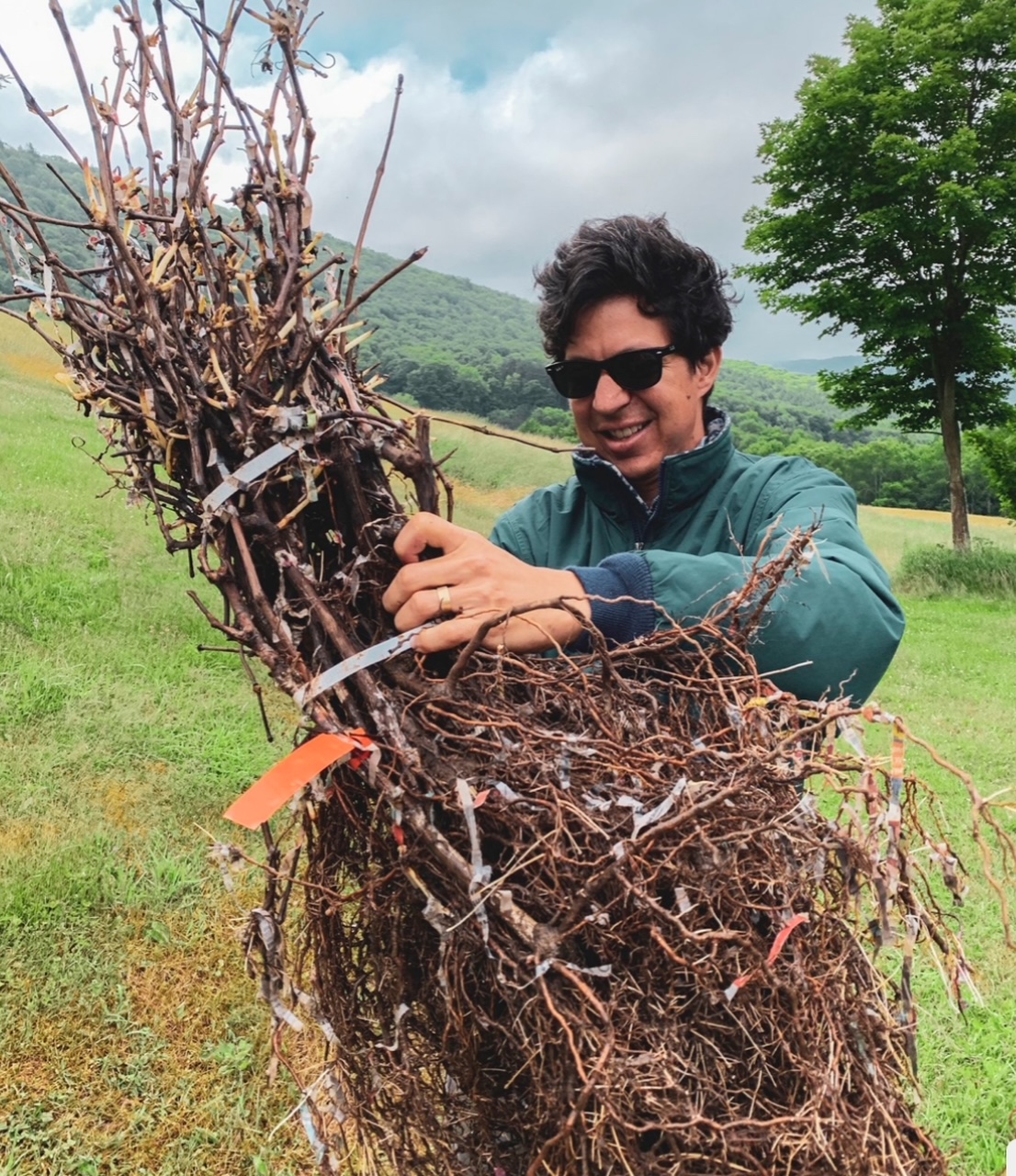
    Whether you set out a nursery in your home garden or place them in pots in the spring, you need to wait an entire year to ensure that your cuttings have sufficient roots before they are set out in the field the following spring. After your cuttings have developed a strong root system they can be transplanted to their permanent location. 

    You probably have heard vintners say the clone number for a specific variety of grapes planted in their vineyard. An example of this would be the Pinot Noir Dijon clones 114, 115, 667, and 777 which are the most widely planted Pinot Noir clones because of their reliability and productivity. When you drink any mass-produced Pinot Noir you are likely drinking wine made from these clones. It is easy to go down a “rabbit hole” when looking for clones of just about any grape variety when researching which clones to plant in your vineyard. Don’t let the sheer number of options overwhelm you. The answer to this question is a simple one, treat a clone like a different variety. Pick a clone you like and propagate that clone.

    Growing your own vines from cuttings is a rewarding venture both financially and from the sense of personal accomplishment you will feel when you harvest your first grapes. With the adverse effects of climate change being documented in vineyards around the world and the increased number of adverse weather events plaguing vintners, the answer to a consistent and economically sustainable fruit crop may lie in the past with heritage grape varieties, older cool climate hybrids, and new hybrids that are being developed. Growing heritage and cool climate hybrid grape vines that have adapted to survive many weather-related challenges over time could be a critical puzzle piece in the future viability of our vineyards, for both hobby and commercial grape growers. In addition, these varieties tend to be more productive and can be grown more sustainably with fewer pesticide/fungicide applications. They are direct producers that do not need to be planted on a rootstock. This means that if we witness a very cold winter or late spring frost, which kills that part of the vine above the ground, canes will come up from the ground to produce a crop in the same growing season.

    With that objective in mind, Stephen Casscles continues to labor on his long-term project, the Cedar Cliff Vineyards Heritage Grape\Wine Project, aimed at preserving heritage and lesser-known cool climate grape varieties in Northern America. If you have any questions about his work at Cedar Cliff Vineyards please contact Stephen Casscles cassclesjs@yahoo.com  To further his work, Stephen has established a set of three cooperating nurseries in Marlboro, NY, Fonda, NY, and Ipswich, MA where you can purchase already rooted vines and/or grape cuttings. If you are interested in obtaining vines or cuttings of these unique varieties, please feel free to contact Stephen Casscles cassclesjs@yahoo.com.  Sadly, most of these cuttings or vines are not available at commercial nurseries, hence we need to propagate them on our own to increase the availability of these unique virus-free/ disease-free grape varieties. For additional information on these heritage and cool climate grape hybrids, the 2nd edition of Steve’s book “Grapes of the Hudson Valley and Other Cool Climate Regions of the US and Canada”  is available at http://www.flintminepress.com

Review: Chateau Niagara Cabernet Franc Reserve 2022

Jim Baker, owner, winemaker, and vigneron of Chateau Niagara Winery Newfane, New York http://chateauniagarawinery.com has a special touch when making high-quality Cabernet Franc. His Chateau Niagara Cabernet Franc Reserve 2020 is no exception. He uses Cabernet Franc grapes grown in his vineyard and a nearby vineyard to produce his award-winning Cab Franc year after year. Jim told me “These are some of the best wines I have made.”

Chateau Niagara Cabernet Franc Reserve 2022 is a plump and juicy full-bodied dry wine that dazzles with a medium ruby red color in your glass. Bright acidity, tart red cherry, and raspberry flavors are front and center with subtle pepper background notes. Smooth tannins carry through a long finish. This Cab Franc drinks well now and should age nicely. 

Harvest Report: Chateau Niagara Winery

I checked in recently with my friend Jim Baker, owner, winemaker, and vigneron of Chateau Niagara Winery Newfane, New York. http://chateauniagarawinery.com Jim’s avant-garde approach toward winemaking and the grapes in his vineyard can only be described as fascinating. Here are his candid insights into the year that was 2024 at his award-winning Chateau Niagara Winery.

“In classic cool climate viticulture, the only constant is change. We never know what the year will bring us and it creates a kind of resiliency in the vineyard managers and winemakers from these regions. It also creates some fantastic wines with incredible diversity. This year is no different. We escaped the late spring frost which hurt our neighbors in the Lake Erie region and our hearts went out to them as we got hit last year with that late frost and we lost two-thirds of our crop. We also did not have the wildfires from Quebec this year to contend with. It was a very early bud break with a wet spring and summer. This resulted in heavy downy and powdery mildew pressure. The latter half of the growing season heading to harvest was warm and dry, absolutely perfect for high-quality wine grapes. Longer hang time and good growing season with about 2800  growing degree days, which is measured by the temperatures degrees above 50 F. (A 70-degree day would therefore accumulate 70-50 or 20 growing-degree days.)  This is a measure of the total heat accumulation for the season. Harvest levels were a little under prediction and the berries were small and compact. This results in more intense aromas in whites and deeper colors and flavors in reds. We are very excited about the potential for the vintage!

In the fall we harvested our first crop of Fetească neagrǎ. We had hoped for barrels worth of wine, but the raccoons, deer, and turkey got to it first. We did harvest what we could and will likely do a very small bottling of about four cases. The grape showed me just a peek at what it can do this year. My initial tasting indicates that it falls between a Blaufrankisch and a Saperavi, with cherry, spice, black pepper, and smoke.”

Thank you, Jim, for taking the time out of your busy schedule to share your thoughts and observations about the intricate factors that influenced your vineyard and winemaking this year. We all look forward to enjoying the fruits of your labor. 

“Old World” or “New World” Why Not Both?

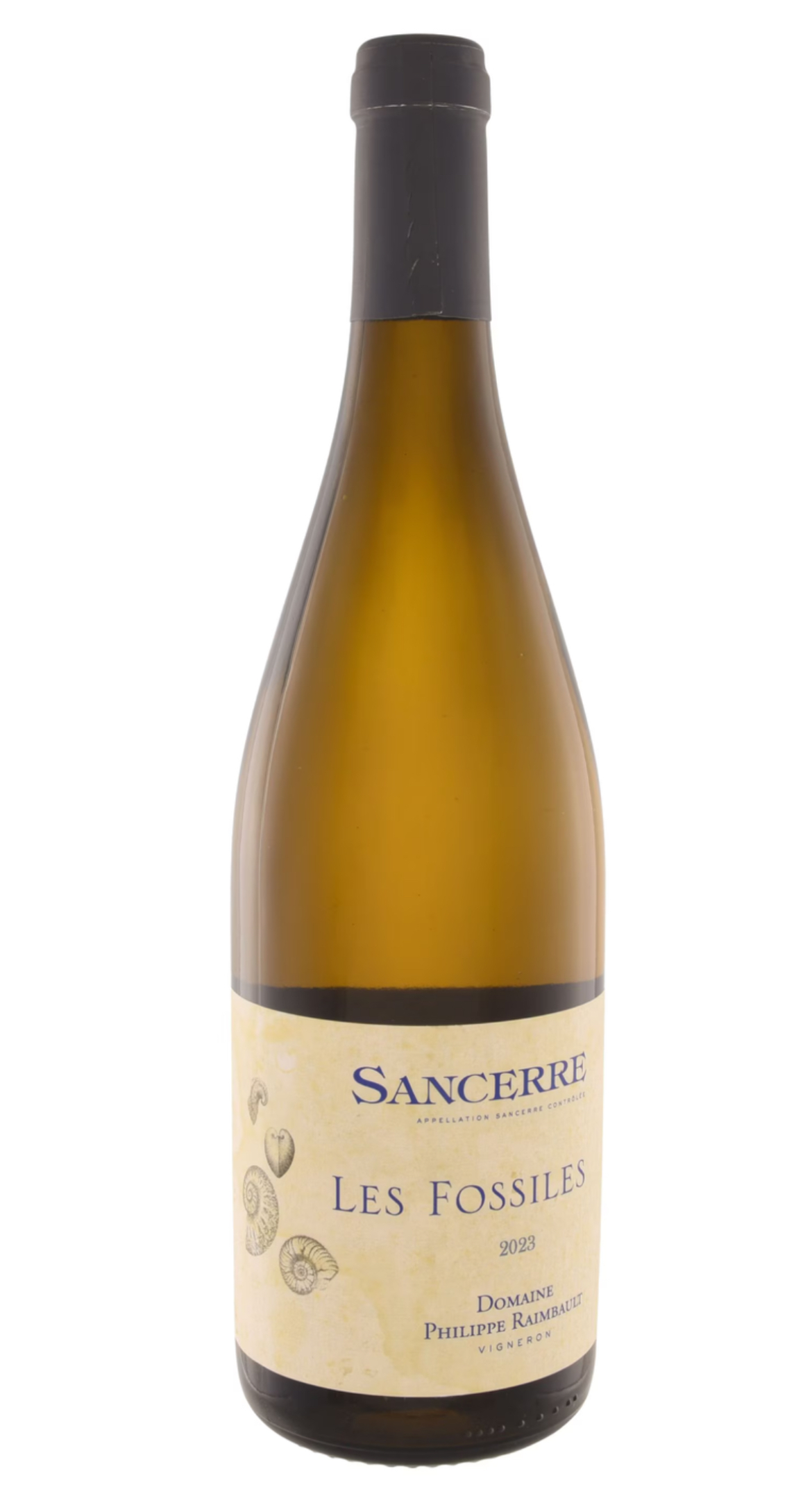
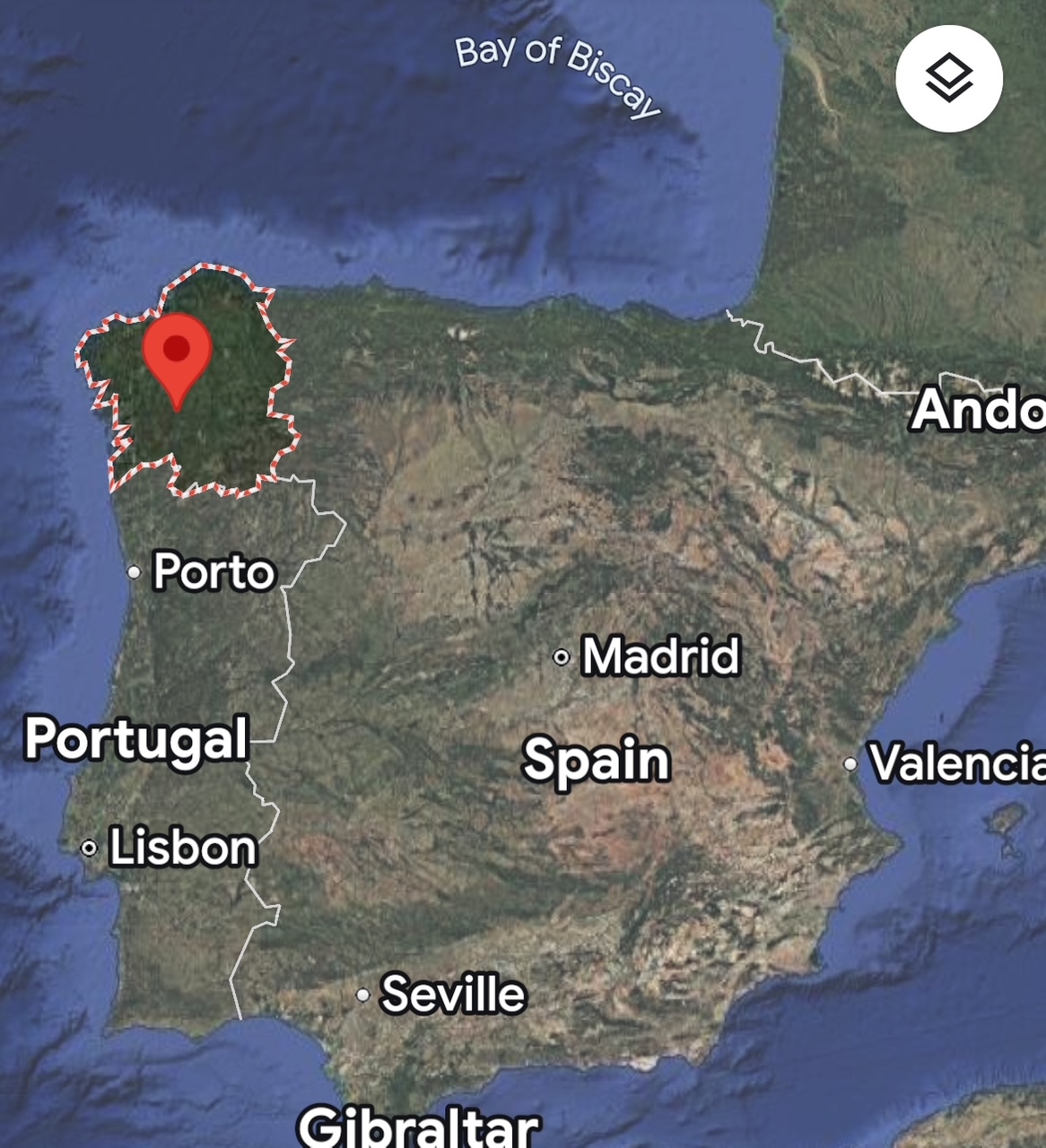
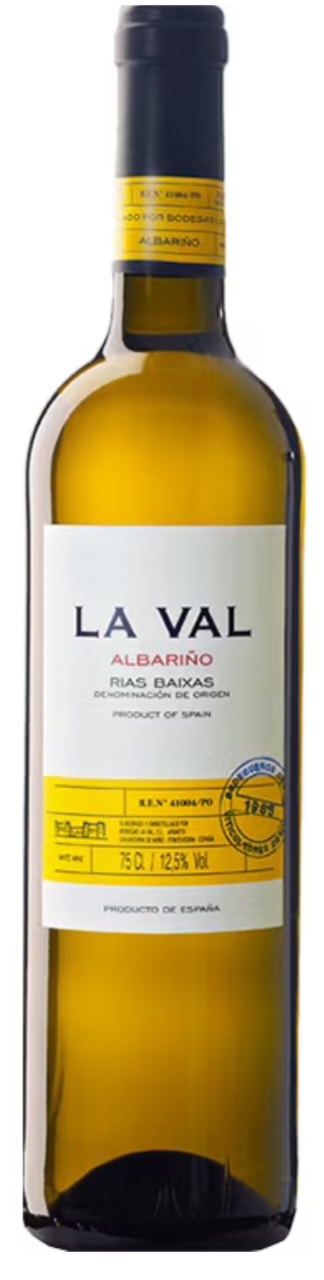
Wine is often divided into ones made in the “Old World” versus ones made in the “New World” but what does that mean? They are segregated along geographic lines. Old World wines are categorized as being made in Europe and the Middle East. New World wines are made anywhere else e.g. Australia, the Americas, Southern Africa, Asia, etc. The Old World relies mainly on traditional wine grape varieties (Vitis vinifera), time-honored wine-making methods, and labeling that emphasizes the location where the wine was made and, prioritizes a wine’s terroir. Old World wine regions tend to have cooler climates that yield wines with restrained tannins and are not as fruitful with less sugar. The lower sugar levels contribute to their lower alcohol content (ABV). 

New World wines also use traditional grape varieties but are heavily invested in non-traditional grape varieties and readily embrace modern wine-making techniques, ideas, and technology. Its wine bottles are labeled identifying the grape variety used to make the wine. The climates of New World wine regions tend to be warmer and that variable favors the production of wine with fuller fruit flavors, rounder tannins, and higher alcohol content. Lastly, New World wines display more oak which is achieved by using newer barrels that extract greater fruit flavors and tannins. 

It doesn’t matter whether a wine is an “Old World” or “New World” offering, the only thing that matters is that you enjoy drinking it. Snap a pic of the label just in case you can’t remember what to buy the next time you are wine shopping.