Standing Stone Vineyards Releases 2012 Saperavi


Photo Courtesy: Standing Stone Winery

Photo Courtesy: Standing Stone Winery

Standing Stone Vineyards “Officially” releases 2012 Saperavi.  Standing Stone becomes the first winery in the U.S. to bottle and release the newly classified Saperavi grape under its newly recognized and rightful name.  In conjunction with the iconic Dr. Konstantin Frank Cellars, Standing Stone Winery filed a petition with the Federal Alcohol and Tobacco Tax and Trade Bureau in late December 2013 to have the Saperavi grape recognized as an approved wine grape variety.  The Saperavi grape is a cold weather grape that originated in Georgia, Russia.  Owner and winemaker Marti Macinski has always had a fondness for this grape said “We’ve been growing Saperavi for 20 years and we’ve been using it in blends and bottling it under different names.  But now that Saperavi is again an officially recognized grape, we are thrilled to be able to put it on our label.  And I’ve got to tell you this 2012 vintage is unbelievable.  The vines have really grown to maturity and we have 20 years experience of working with the grape and understanding how to bring out its characteristic in the bottle”.  This grape has grown well in the Finger Lakes “Banana Belt” and is believed to be able to grow anywhere Riesling thrives.  Saperavi grapes produce a deep red wine with good structure and texture that is rich but not overly tannic.  This could be the grape that elevates the reds of the Finger Lakes to a level that would provide a nice complement to the world-class whites of this region.  

Glenora Egg Update


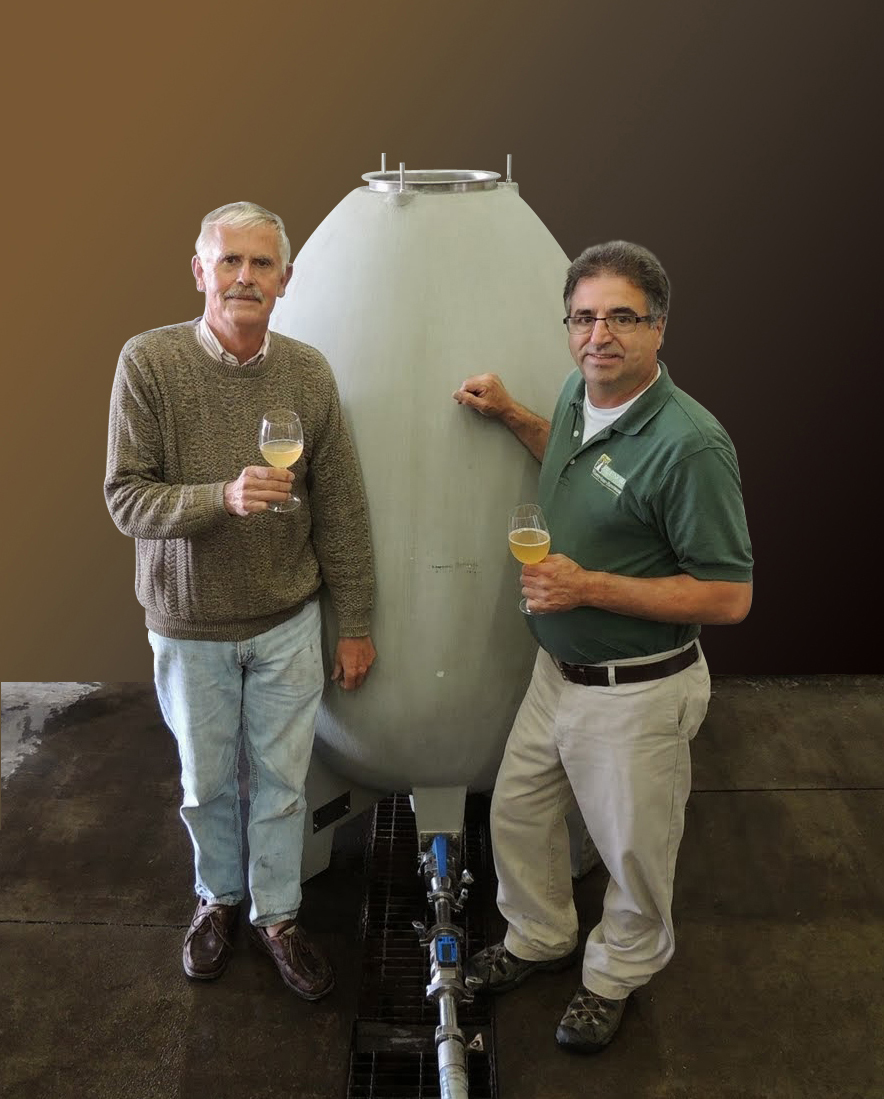
Gene Pierce & Steve DiFrancesco with "The Egg" Courtesy: G.W.

Gene Pierce & Steve DiFrancesco with “The Egg” Courtesy: G.W.

     A little while ago I reblogged a post from Glenora Winery on Seneca Lake in the Finger Lakes that dealt with their newest acquisition, a concrete fermentation tank A.K.A. “The Egg”.  I was curious how things were going with their venture into this rediscovered method of winemaking that has long been used in Europe but is now catching on here.  One reason that it took so long for the idea to take hold here was that the only producers of these vessels were in Europe and it was cost prohibitive to ship.  Now that there are manufacturers on this side of the pond the idea has more appeal to winemakers because of the more manageable prices making them comparable to oak.  Wine Spectator published a short article on concrete fermenters in last months edition or visit my original reblog of January, 2014 “Great Egg-spectations” if you would like to read more about them.  I would attempt to summarize what the winemakers at Glenora Winery told me but I wanted to be totally accurate on their experience so I am posting their response as follows verbatim “The project is still in progress, but we anticipate an early July release of the three Pinot Blancs.  During fermentation, the wine began to take on personalities of their own.  The micro-oxygenation that occurred using the egg and barrels helped to open up and develop flavors from both the fruit as well as the yeast interaction during fermentation. However, the concrete egg contributed no additional flavors to the wine the way the oak did.  The stainless steel is very inert, contributing little to the wine.  However, dead corners in the stainless steel tank slowed down aging and development of the fruit derived flavors.”  

     Thank You to the winemaking team at Glenora Winery for your help and I will continue to post updates about the “Egg Wine”.

Greenhouse Winery

     My wife and I made our first visit to the Greenhouse Winery a few days ago.  As the name would suggest the tasting room and winery are located next to the impressive Hazuza greenhouse that is filled to overflowing with an amazing selection of flowers and vegetables.  I talked with Gregg Hazuza, owner and winemaker of Greenhouse Winery, about the progress of his planned expansion. Gregg explained the project has been stalled due to problems getting all the permits approved by several different agencies.  He said his contractor is ready to start construction as soon as all the permits are approved.  He is planning to add ten jobs when the project is complete and is really happy about the prospect of having more space for the very popular weekly concerts that are now being restricted by the limited parking available at the current site.  All the grapes used for winemaking at the Greenhouse Winery are sourced from Pennsylvania vineyards.  When asked Gregg confirmed what winemaker Paul Vezzetti of The Vineyard at Hershey had told me earlier this spring about the need to have an established relationship with a grower to ensure access to wine grapes this year.  Gregg said he has a good relationship with his supplier and that should guarantee that he will be able to get the grapes he needs for his winemaking operation.  His producer also told him that the shortage of grapes will likely extend for two or three years because there was damage to the vines.  Gregg will eventually complete his expansion and the grape crop will eventually recover to normal levels because in the wine business patience is a virtue and all good things come to those who are patient enough to wait. Greenhouse Winery 10828 Guffy-Rillton Rd Rillton, PA   724-446-9750  greenhousewinery.com

Winter Damage


Much of my childhood was spent growing up on my mother’s family farm just across the road from our house. Many of my relatives live nearby in houses built on land that was carved out of the original tract of land that my Grandfather began farming in the very early 1900’s.  The number one lesson I learned about the agriculture business was that no
Winter in The Vineyard

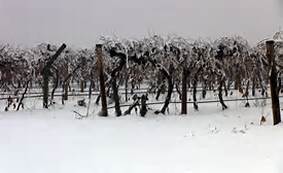
Winter in The Vineyard

matter how well prepared and thought out your plans were you are always at the mercy of Mother Nature.  Whether it is corn, wheat or grapes you will always have to be able to cope with constant change and overwhelming problems or you will not succeed.  The vintners in Southwestern and Northwestern Pennsylvania along with their counterparts in the Finger Lakes Region of New York are dealing with the effects of one of the coldest winters in recent memory.  The real damage in Pennsylvania occurred in the Northwest , especially the area around Lake Erie, while the Southwest corner of the state received above average but manageable damage.  I have talked with several winemakers about how this winter effected their vineyards and the following is a summary of what they told me. 

Rich Ripepi of Ripepi Winery in Monongahela, Pa said that they were leaving on extra buds when they pruned to be safe but should have gotten through in “relatively” good shape.   Ray Matthews, the vineyard manager at Christian W. Klay Winery in Chalk Hill, Pa is still accessing his vines but signs are good that the damage isn’t too severe.  Ray told me of a study that he read that noted statistically a vineyard in the Northeast will be devastated on average once every ten years but he has been lucky to have been spared so far.  Tod Manspeaker of Briar Valley Vineyard & Winery in Bedford, Pa grows only vinifera vines in his vineyard.  Tod has observed that certain varieties have suffered more than others with the average bud loss in the 50% range.  To compensate for the loss Tod is leaving secondary and tertiary buds by pruning less and leaving four canes instead of two.  This makes more work this year and much more work next year to clean up but by doing this Tod is expecting a normal crop.  Paul Vezzetti from The Vineyard at Hershey in Middletown, Pa tells me that South Central Pennsylvania was on the border of the coldest weather this winter.  He attributes the many cultural practices implemented before their initial planting in 2009 for mitigating much of this years temperature issues.  By postponing pruning until after the worst winter weather had passed Paul was able to adjust his pruning plan to compensate for any winter damage found in the vineyard.  Paul also predicts that anyone that hasn’t been as fortunate as he was to experience only small losses can expect to face a substantial rise in cost when they have to buy grapes from another vineyard with whom they don’t already have an established relationship. 

Marti Macinski of Standing Stone Winery & Vineyard in Hector, NY tells me the Finger Lakes Region was hit very hard with many vineyards losing 100% of this years crop.  She is fortunate that her vineyard is on the southeastern shore of Seneca Lake and benefits from a temperature moderating effect that has led to the area being nicknamed the “Banana Belt”.  The Standing Stone Vineyard has received some damage but the damage can be offset by leaving extra buds to produce a nearly normal crop.  Marti has to wait until the growing season gets underway before she can tell if there is any vine damage. 

     Marti and all winemakers know that maintaining a vineyard can be a brutal and unforgiving undertaking but one that does come with great satisfaction and sense of accomplishment when everything goes right.  I wish all the producers my very best and want them to know that I have the utmost respect for their perseverance and passion with which they pursue their craft.  


Paper Boy Winery & Paper Wine Bottles

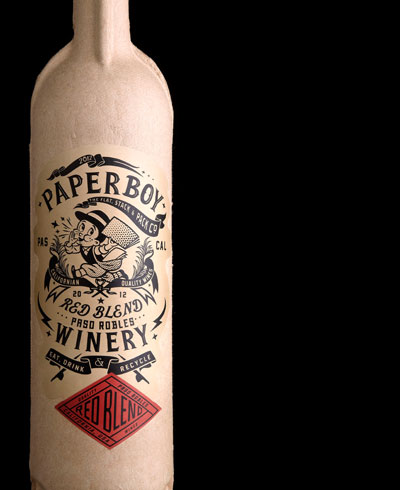
Photo Courtsey: Paper Boy Winery

Photo Courtsey: Paper Boy Winery

     I read an interesting article in Wine Spectator about an alternative to iconic wine bottle.  Truett-Hurst of Healdsburg, California in partnership with Greenbottle, a United Kingdom-based company, has developed and introduced a bottle made from recycled cardboard.  The “Bottle” has a screw top and a plastic liner.  The packaging can be recycled by breaking the shell open and separating the individual components.  The paper bottle provides better insulation than glass and can withstand the cold water of an ice bucket for about one hour.  The paper bottle is 85% lighter than glass which equates to lower shipping costs that in turn reduces the carbon footprint of the entire operation. I have included a link to a Wine Spectator video about the Paper Boy Winery and their innovative paper wine bottle.  www.winespectator.com/video/paperbottle

L.C.B. Discontinues Tableleaf Wines

     The Liquor Control Board of Pennsylvania announced Wednesday, February 19, 2014 that Tableleaf, their in-house brand of wine, will be discontinued.  The remaining stock will be sold at discounts of $2 to $3 per bottle.  Vinestone, another in-house brand was discontinued last year.  The L.C.B. developed seven other in-house brands but the fate of those labels has yet to be determined.

Martha Macinski: Winemaker, Standing Stone Winery

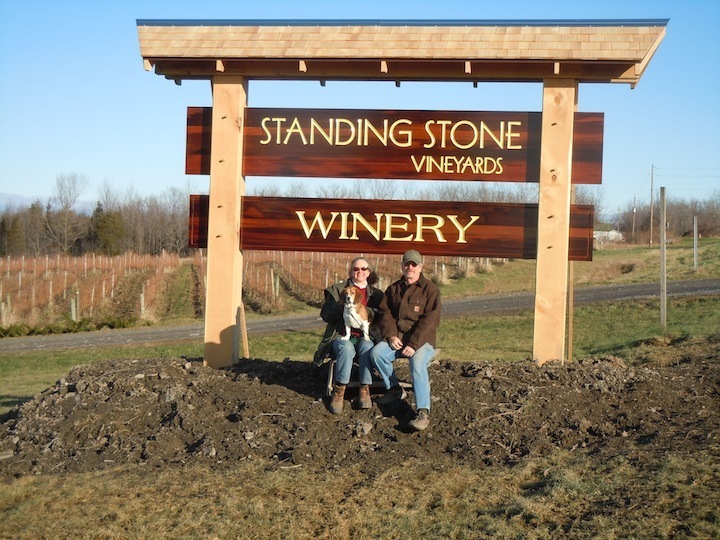
Tom and Marti Macinski   Photo Courtesy: Standing Stone Vineyards

Tom and Marti Macinski Photo Courtesy: Standing Stone Vineyards

     I would like to congratulate the entire Standing Stone Winery family for being chosen to have their 2012 Riesling served at the 2014 Super Bowl Media Party.  Standing Stone Winery was also mentioned by James Molesworth in Wine Spectator Magazine this month as a Finger Lakes winery that should be sought out for their excellent Riesling.  Martha (Marti) Macinski has again provided me with a candid glimpse inside the winery from her unique perspective as both owner and winemaker.

     The winery is relatively calm this time of year but some structural work is being done in the vineyards on the posts and wires so there will be no delay when the time comes to prune and tie the vines.  Jess, the assistant winemaker, is planning the upcoming bottling runs along with monitoring the fermentation of the dessert wines.  The pressing of the frozen grapes is close to completion with only a small amount left unfinished.  Marti is excited about the 2013 vintage calling it “Truly spectacular with lovely ripe and rich flavors, near perfect fruit chemistry to make the winemaking work go smoothly.”  Her only problem was figuring out where to put this very abundant crop.  Assessment of the vines will be made next week when they will prune as needed to balance out any damage caused by the severe weather.  She isn’t expecting to find much of an issue because when the temperature dropped below zero the wind blew hard off the unfrozen lake circulating the “warm” air around the vineyards buffering them from the extreme cold. 

     I would like to thank Marti for taking the time and effort to keep me informed of the activities at Standing Stone Winery.  When you are in the Finger Lakes Region plan a stop at Standing Stone to taste their superb wines and say “Hello” to Marti.  www.standingstonewines.com

Greenhouse Winery Expansion Planned

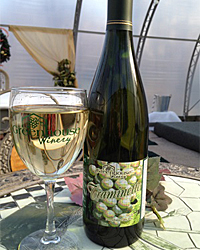
Best of Show-Hybrid 2014 PA Farm Show Photo Courtesy:GWLLC

Best of Show-Hybrid 2014 PA Farm Show Photo Courtesy:GWLLC

Greenhouse Winery L.L.C. of Rillton, Pennsylvania has announced plans for a $1 million expansion project.  At the heart of the plan is the construction of a 72’x76′ building that will house a tasting room along with retail space for their wines.  The structure will also house a 30’x72′ banquet facility for hosting weddings and other gatherings.  The winemaking operations will occupy the remaining 3200 sq.ft. and will allow production to rise to 14,000 gallons this year from the current level of 11,000 gallons in 2013.  Greenhouse Winery uses 15 varieties of grapes sourced from a vineyard in North East, Pa to make the 35 wines they sell.  The plan calls for construction to start in April 2014 and be completed by August of the same year.  www.greenhousewinery.com 

Pittsburgh Penguins Wine Gala

IMG_2129     The Pittsburgh Penguins Foundation Third Annual Wine Tasting Gala will be held on Thursday, January 16, 2014 at the Consol Energy Center Pittsburgh, Pa.  Enjoy wines that have earned 90+ratings from around the world while sampling hor d’ oeuvres, mingling with Pittsburgh personalities and bidding on exclusive auction items.  The $250 event ticket also includes a Penguins-ectched sampling glass and a special parting gift. For more information and to purchase tickets call 412-255-1952 or visit http://www.Pittsburghpenguinsfoundation.org/shop/?wpsc-product=wine-testing-gala-tickets 

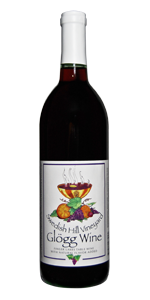
Swedish Hill Glogg

Swedish Hill Glogg

Swedish Hill Glogg

      Winter has arrived in Western Pennsylvania and if its “Opening Act” is any indication of what is to come we can expect a long, cold and snowy season.  When I think of a summer wine I naturally think of Rosé and when I think of a winter wine my attention turns to Glögg.  Swedish Hill Winery, in the heart of the Finger Lakes Wine Region, makes an outstanding spicy and aromatic Glögg ($10.99) flavored with extracts of cinnamon, cloves, cardamom and ginger imported from Sweden.  Glögg is served warm and for a traditional Swedish touch Swedish Hill Winery provides this recipe on their website: 1 bottle of Glögg, 1/2 cup raisins, 1/4 cup maraschino cherries, 1/4 cup slivered almonds and 1 sliced orange.  Heat-do not boil-do not use aluminum pot-can use crockpot on low setting to heat wine. If you want to make your Glögg from scratch there are lots of recipes available online.