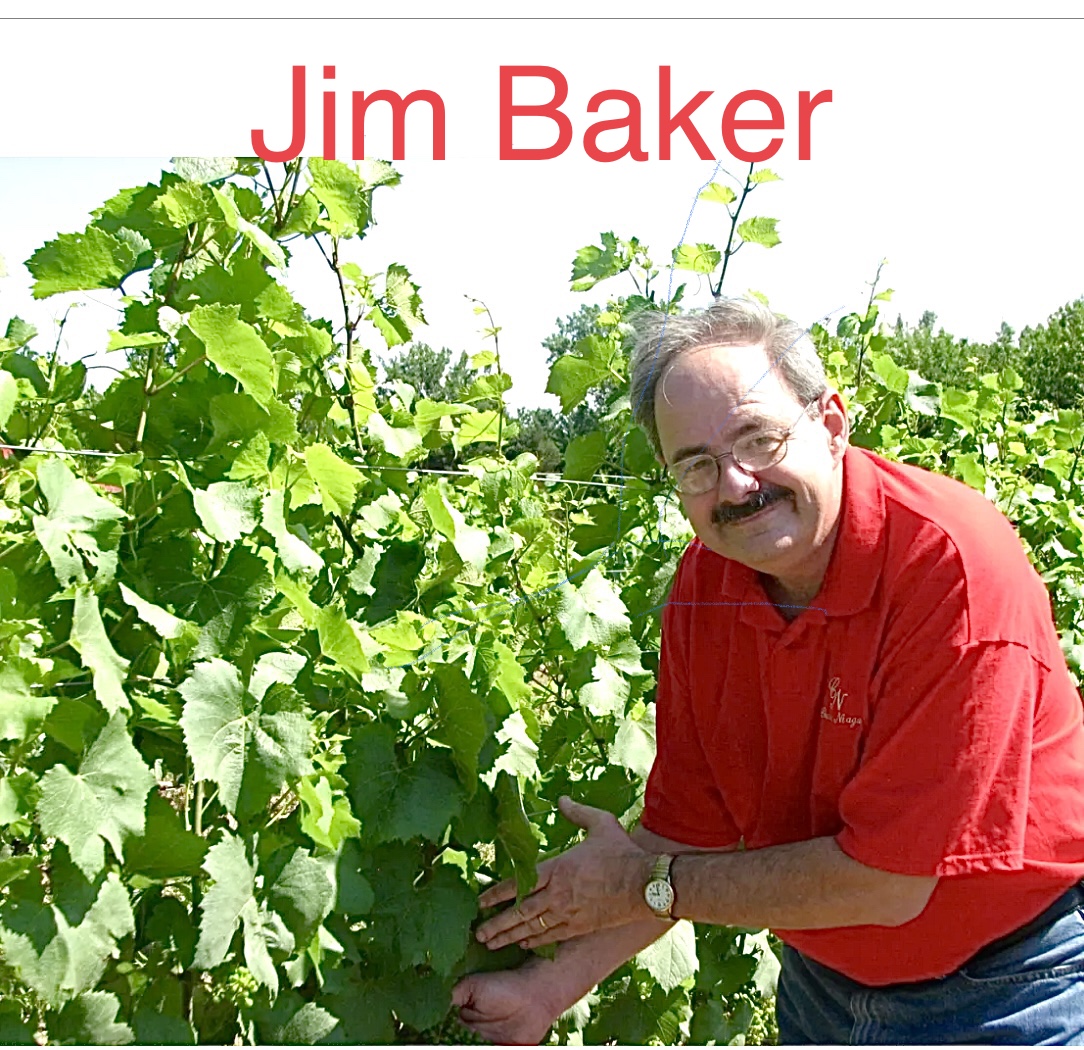
I recently checked in with Jim Baker, owner, winemaker, and vintner of Chateau Niagara Winery on the Niagara Lake Plain in Newfane, New York, to find out what’s new.
Wpawinepirate:
Hi Jim, I know that there is never a dull moment at Chateau Niagara. On that note, can you bring us up to date on what has been happening since we last talked? I also understand that you have embarked on a new nonprofit project, the “Bio-Regenerative Agricultural Institute,” and the Smart System (Systemic Management for Agricultural Regenerative Therapy), which is such an integral component of the Institution’s current research focus. Can you tell us about it and its mission?
The following is the complete, in-depth response Jim Baker gave me on exactly what the Bio-Regenerative Agricultural Institute is, the reason for its formation, its mission, and the tools and practices it is developing to achieve its goals.
Jim Baker:
Rebuilding Agriculture from the Soil Up
The Regenerative Vision of Chateau Niagara and the Bio-Regenerative Agricultural Institute
In February 2026, the Bio-Regenerative Agricultural Institute was formally incorporated in Western New York with a mission that is both ambitious and urgently needed: to help rebuild agricultural systems that work with biology instead of against it.
The Institute emerged from years of practical experimentation at Chateau Niagara Winery, where regenerative viticulture practices have been quietly evolving into a broader ecological framework for agriculture. What began as an effort to improve vineyard resilience has expanded into a research and demonstration initiative focused on soil biology, biodiversity, reduced chemical dependency, and the restoration of natural ecosystem function.
At the heart of this effort is a simple belief: healthy agriculture begins beneath our feet.
For decades, modern farming systems have largely treated soil as an inert growing medium requiring continual chemical intervention. Yet healthy soil is not dead matter. It is a living biological economy composed of fungi, bacteria, insects, roots, organic matter, and mineral cycles interacting continuously. A single teaspoon of healthy soil contains billions of microorganisms forming one of the most complex living systems on Earth.
The challenge facing agriculture today is that many of these biological systems have been degraded through repeated tillage, synthetic chemical dependency, erosion, and the simplification of agricultural landscapes. The result has been declining resilience, increased disease pressure, rising input costs, water pollution, and reduced ecosystem stability.
The Bio-Regenerative Agricultural Institute was created to pursue another path.
Rather than focusing solely on yield maximization through chemical inputs, the Institute seeks to develop farming systems that mimic natural ecological processes. These systems are intended to become increasingly self-sustaining over time — reducing dependence on synthetic inputs while improving soil health, biodiversity, water retention, and long-term agricultural resilience.
The organization combines practical field trials with open-source educational outreach. Its goal is not only to conduct research, but also to make regenerative systems accessible and economically realistic for growers.
Chateau Niagara: A Living Demonstration Site
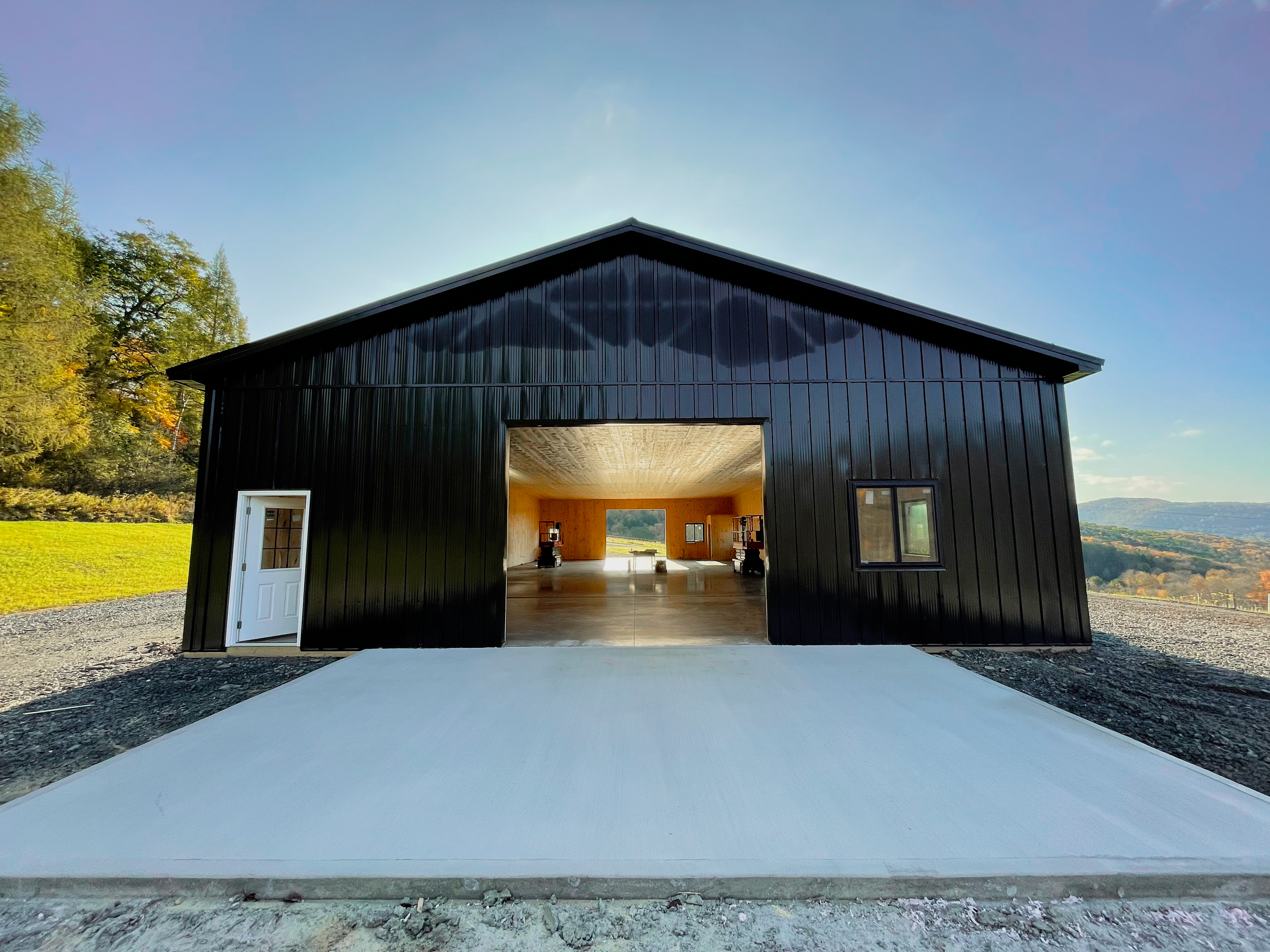
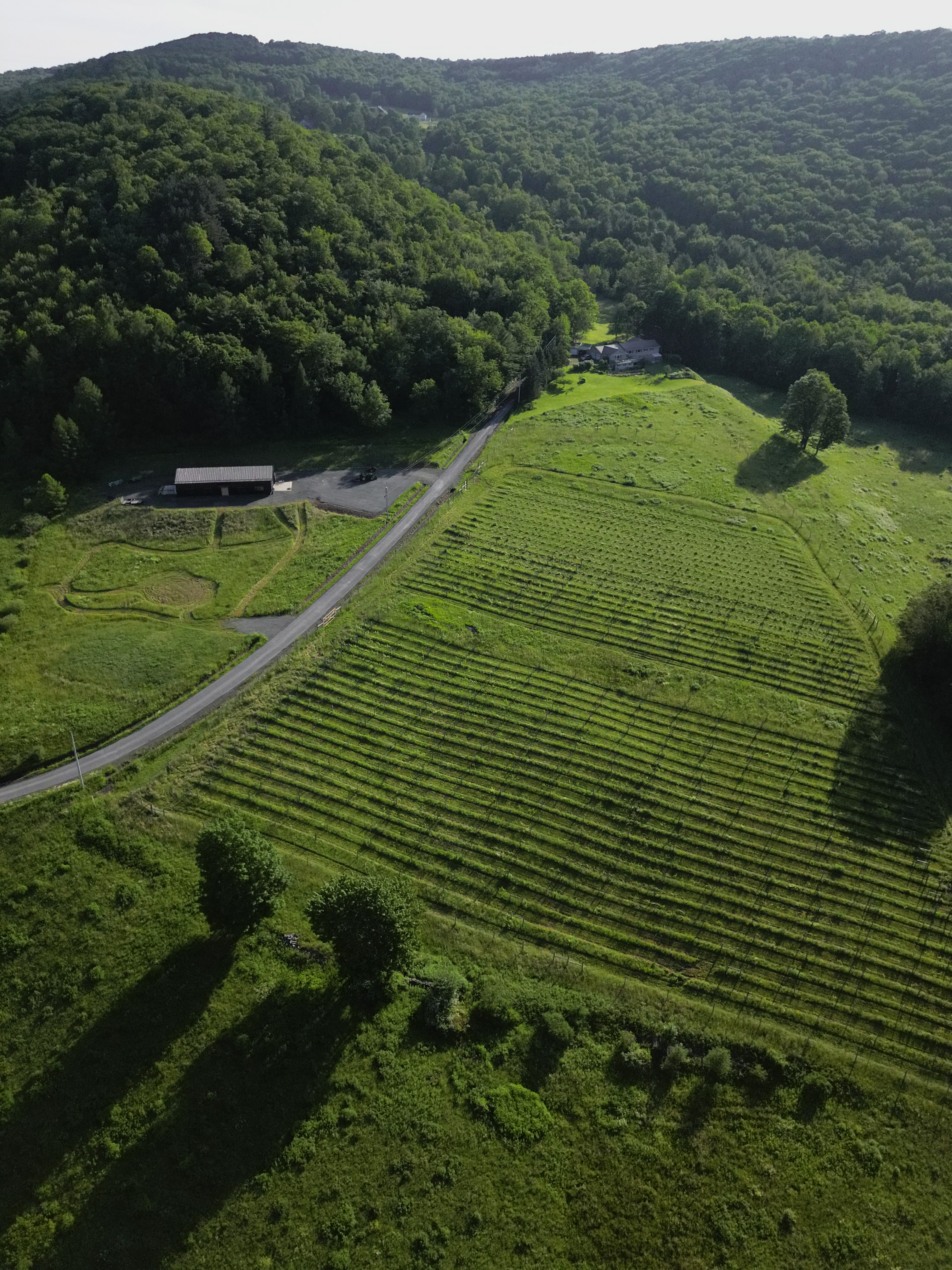
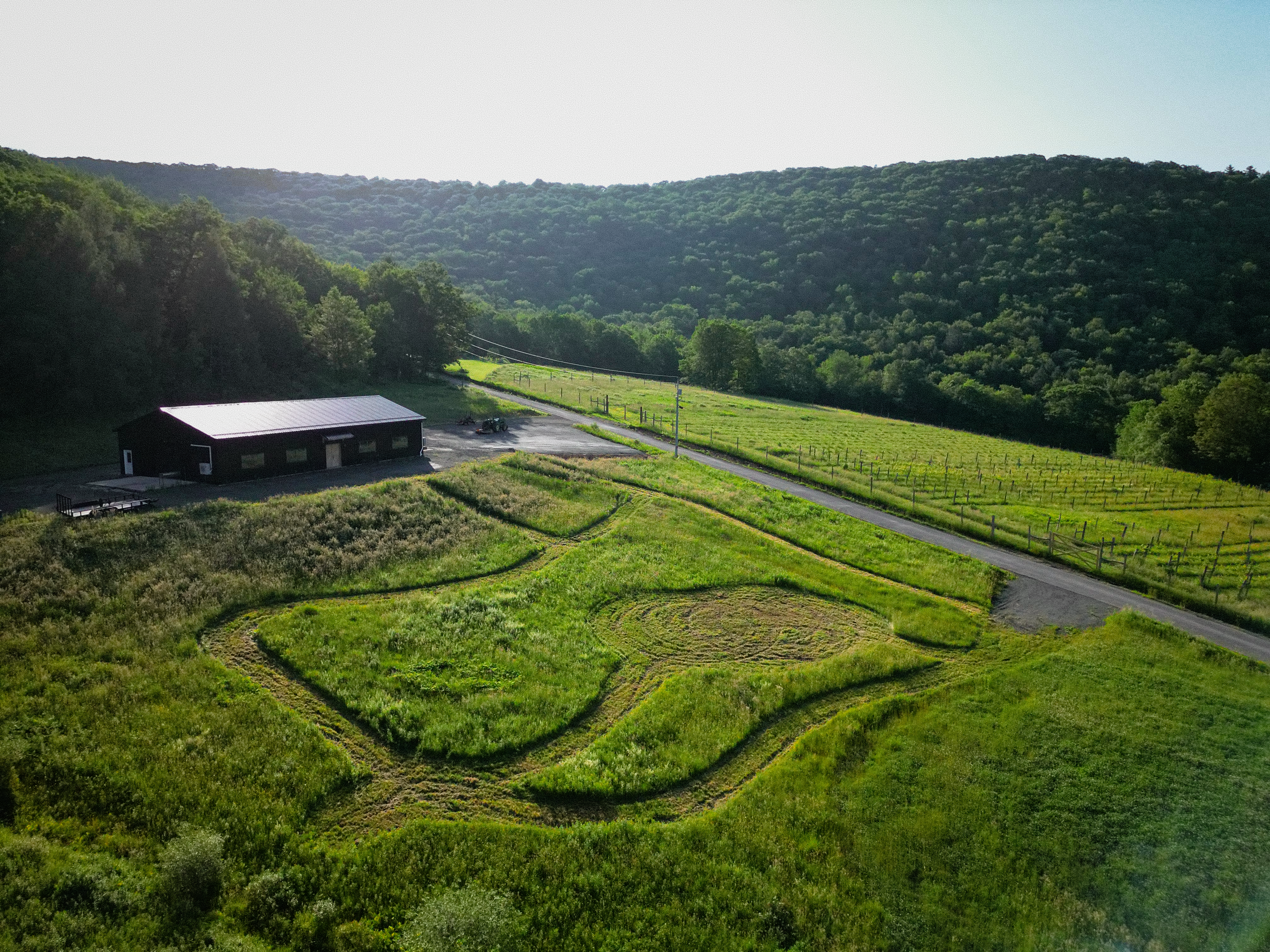
The primary demonstration site for the Institute is Chateau Niagara Winery in Niagara County, New York.
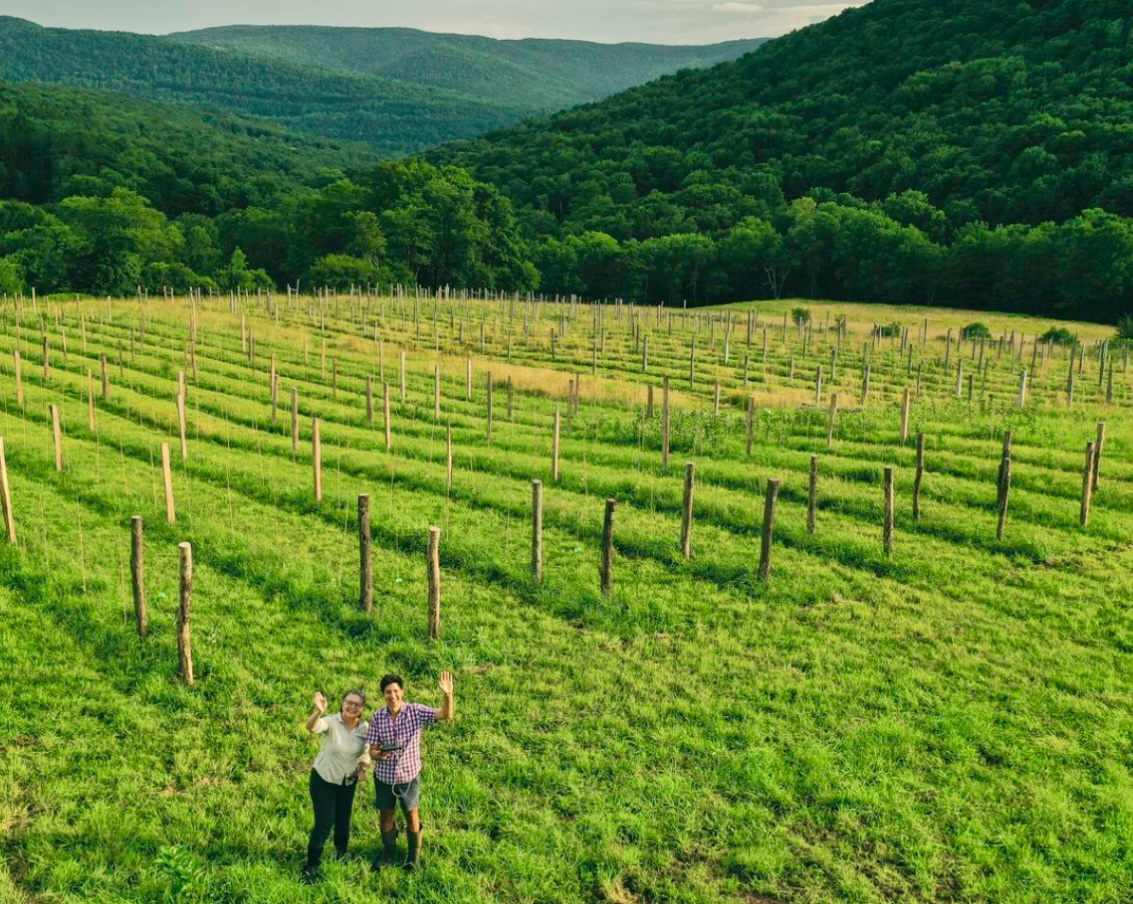
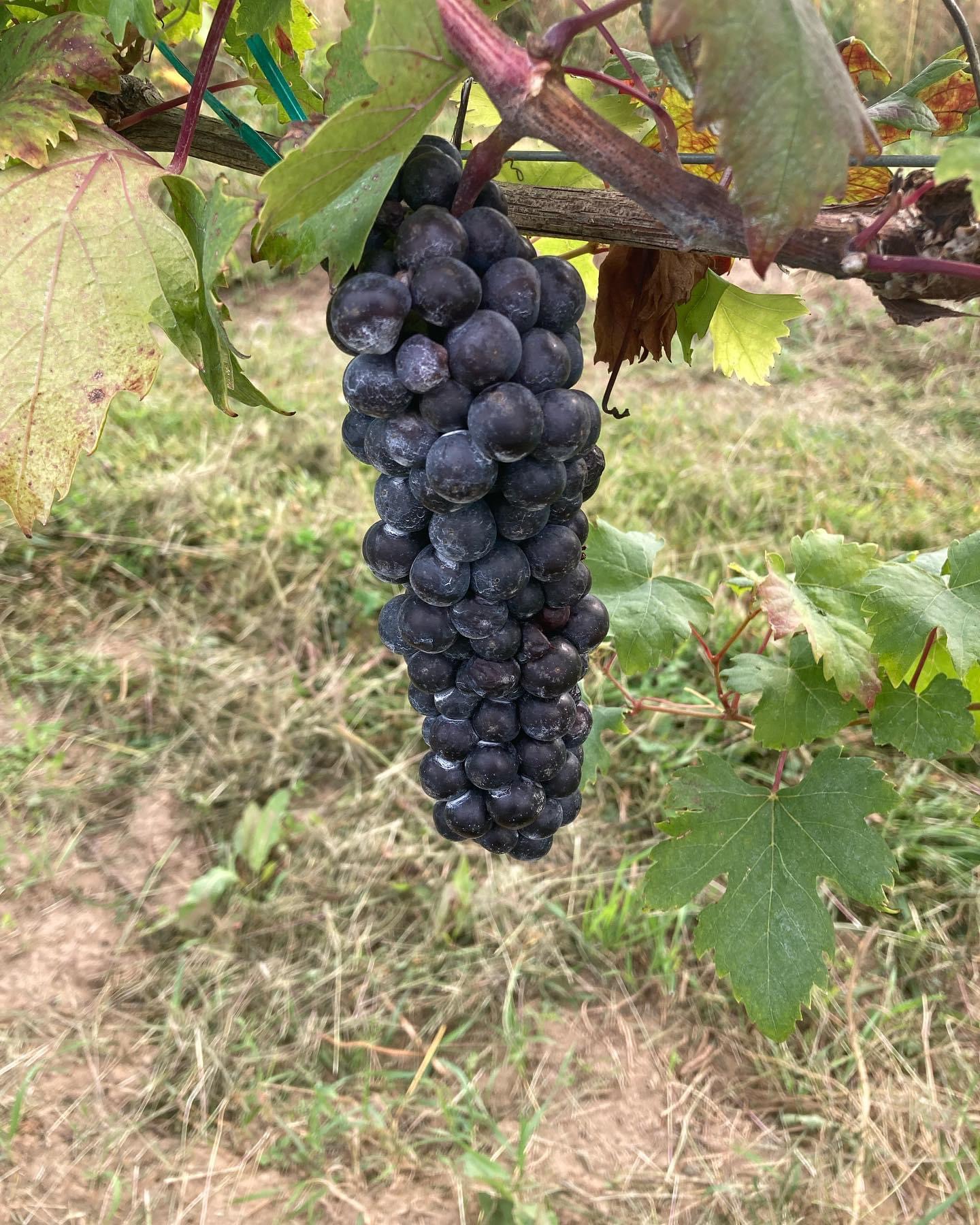
The vineyard itself has become an experimental landscape where regenerative principles are tested under real-world commercial conditions. Unlike many research plots that exist only in controlled environments, Chateau Niagara operates as a functioning agricultural business. This allows regenerative methods to be evaluated not merely by theory, but by practical outcomes involving labor, economics, disease management, ecosystem stability, and crop quality.
Over recent years, the vineyard has transitioned toward practices designed to restore biological function within the soil ecosystem. Cover crops, perennial understory systems, compost integration, reduced herbicide dependency, fungal-supportive practices, and biodiversity enhancement have all become central elements of the evolving management philosophy.
One of the guiding concepts behind this work is that perennial crops such as grapevines and fruit trees evolved within highly biological forest-edge ecosystems. Their natural environment was never sterile; bare soil was maintained through repeated chemical suppression. Instead, these plants coexisted with fungal networks, decomposing organic matter, pollinators, insects, and diverse understory vegetation.
Modern agriculture often strips away these supporting ecological relationships. The Institute’s work seeks to restore them.
This restoration is not simply philosophical. It has practical implications for soil structure, nutrient cycling, water retention, disease resistance, and long-term sustainability.
The SMART System
A major component of the Institute’s current research involves what has become known as the SMART system, Systematic Management for Agricultural Regenerative Therapy.
The SMART approach combines biologically informed spray strategies with biologically active mulch systems designed to support soil ecology rather than disrupt it.
The SMART spray component is intended to reduce reliance on conventional high-impact agricultural chemistry by using targeted biological and mineral-based approaches that work with natural plant and microbial processes. The system incorporates ecological timing models, biological stimulants, and materials selected to minimize disruption of beneficial organisms while still addressing disease pressure.
At the same time, the SMART mulch system focuses on rebuilding the soil environment itself.
Traditional orchard systems frequently maintain bare ground beneath trees through repeated herbicide applications or cultivation. While effective for weed suppression, these approaches also eliminate much of the living biological interface that naturally supports perennial plants.
The SMART mulch concept attempts to recreate something closer to the forest floor environment in which apple trees originally evolved.
In a forest ecosystem, the soil surface is protected by layers of decomposing organic matter rich in fungi, microbial life, minerals, and carbon compounds. This living layer moderates temperature fluctuations, conserves moisture, feeds microbial communities, and continuously cycles nutrients back into the ecosystem.
The Institute believes that restoring these conditions beneath orchard systems may significantly improve long-term tree health and resilience.
The Honeycrisp Demonstration Orchard
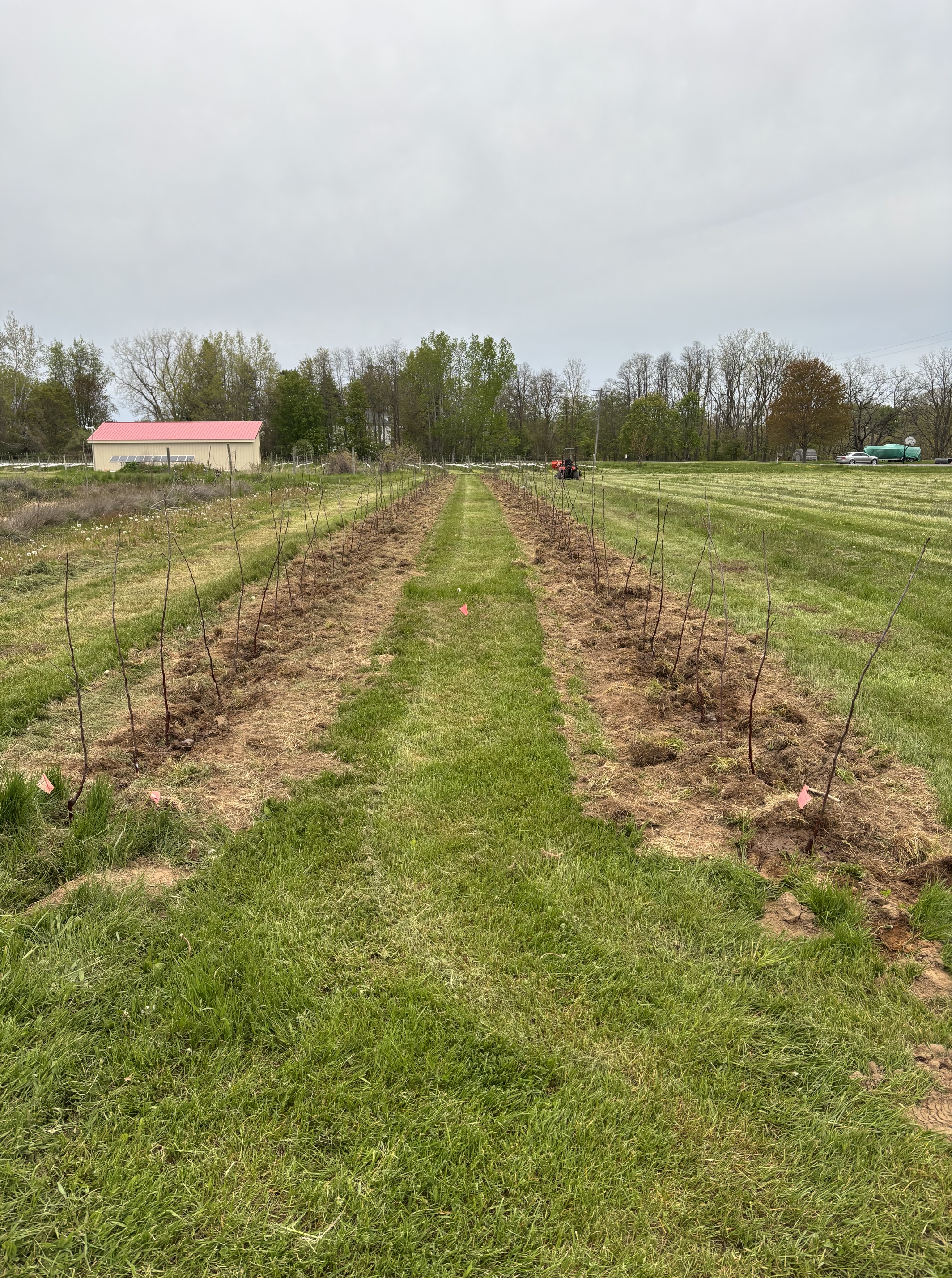
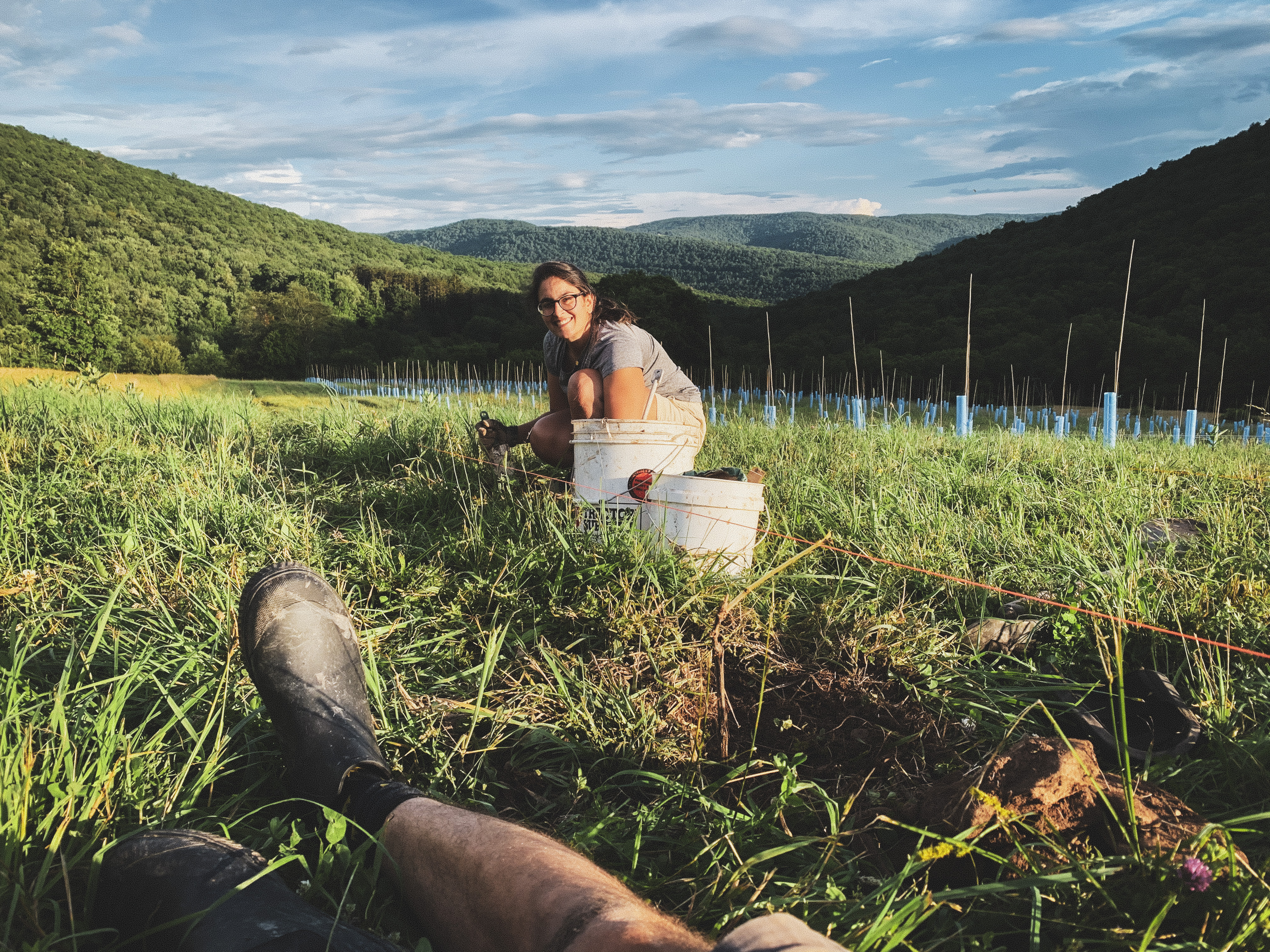
This year marks the beginning of the Institute’s first major orchard demonstration project: the planting of 238 Honeycrisp apple trees managed under the SMART spray and SMART mulch system.
Honeycrisp was selected intentionally.
Although one of the most commercially successful apple varieties in North America, Honeycrisp is also known to be highly sensitive to nutritional imbalance, stress, and physiological disorders such as bitter pit. These challenges make the variety an excellent test platform for regenerative orchard management systems.
The demonstration orchard is designed not simply as a production block, but as a long-term ecological experiment. The goal is to observe how biologically active soil systems influence tree establishment, nutrient balance, disease resistance, vigor regulation, water dynamics, and ultimately fruit quality.
Particular attention is being given to fungal ecology.
Research increasingly suggests that perennial crops may benefit substantially from fungal-dominant soil systems, especially in comparison to annual agricultural crops that often favor bacterial-dominant soils. Forest ecosystems naturally contain extensive fungal networks that facilitate nutrient exchange, carbon cycling, and communication between plants and microorganisms.
The Institute’s working hypothesis is that restoring fungal biological function beneath orchard systems may improve overall resilience while reducing external inputs over time.
Compost integration, organic surface residues, reduced soil disturbance, and biologically compatible management practices are all being used to encourage this transition.
The project also serves another important purpose: education.
Growers throughout the Northeast are facing increasing economic and environmental pressures. Input costs continue to rise while weather variability, disease pressure, and soil degradation create additional uncertainty. Many farmers are interested in regenerative methods but remain understandably cautious about adopting systems that appear risky or unproven.
The demonstration orchard is intended to provide a transparent, practical example of what regenerative perennial agriculture may look like under commercial conditions in Western New York.
Agriculture as Ecosystem Restoration
The Institute’s broader philosophy extends beyond individual crops.
Regenerative agriculture is increasingly being viewed not simply as a farming technique, but as a form of ecosystem restoration. Healthy agricultural systems have the potential to rebuild soil carbon, improve water quality, support pollinators, increase biodiversity, and strengthen rural resilience.
This is particularly important in perennial systems such as vineyards and orchards, where permanent root structures allow long-term biological relationships to develop within the soil.
The Institute views farms not as isolated industrial production units, but as living ecosystems connected to surrounding landscapes, watersheds, pollinator populations, and communities.
This perspective is influencing everything from cover crop selection to biodiversity planning and long-term soil management strategies.
The organization also places strong emphasis on accessibility and open-source knowledge sharing. Rather than treating regenerative methods as proprietary systems available only to large operations, the Institute hopes to make its findings widely available so that growers of varying scales can adapt and refine them within their own regions.
Looking Forward
The Bio-Regenerative Agricultural Institute is still in its infancy. Yet the urgency behind its mission continues to grow.
Agriculture stands at a crossroads. Rising environmental pressures, climate instability, declining soil health, and increasing input dependency are challenging the long-term sustainability of conventional systems. At the same time, farmers are searching for practical pathways that allow them to remain economically viable while restoring the ecological foundations upon which agriculture ultimately depends.
The work underway at Chateau Niagara represents one small but determined effort to explore those pathways.
The newly planted Honeycrisp orchard will require years of observation before definitive conclusions can be drawn. Regenerative systems operate on biological timeframes, not quarterly reporting cycles. Soil ecosystems develop gradually. Fungal networks mature slowly. Ecological resilience is built season by season.
But there is growing optimism that agriculture can move beyond extractive models toward systems that regenerate rather than deplete.
The Institute’s vision is not to return agriculture to the past, but to combine modern scientific understanding with ecological principles that nature has refined over millions of years.
In doing so, the Bio-Regenerative Agricultural Institute hopes to demonstrate that productive agriculture and ecosystem restoration do not have to be opposing goals.
They can become the same thing.
Bio Regenerative. Feel free to contact us at 716-778-7888.
Thank you, Jim, for providing us with this valuable information. Please feel free to distribute this information (post/article) to anyone or any group you think would benefit from this groundbreaking project.