Reflections of a Vintner Stories and Seasonal Wisdom From a Lifetime in Napa Valley by Tor Kenward, Forewords by Robert M. Parker and Thomas Keller. Imagine relaxing in Adirondack chairs overlooking a lovely Napa Valley vineyard on a perfect summer evening with Tor Kenward while enjoying a glass of his award-winning wine as he recalls the people, places, and events that shaped, not only his wine journey but his life. If this sounds like an intriguing opportunity to hear the candid memories of a vintner who witnessed history, as well as making it, as an aspiring winemaker during the formative years of the current Napa Valley wine culture then this book is for you. The book is chaptered as months of the calendar year and touches upon what a vintner is thinking as each month unfolds but is predominantly the story of Tor Kenward’s life as a winemaker told in his own words.
The following review in my series of widely distributed wines is one with a storied lineage and a place in a controversial 2019 New York Times article. Meiomi Pinot Noir rode a wave of changing public perception and tastes as they shifted from Merlot to Pinot Noir. Started in 2006 by Joe Wagner, the son of Chuck Wagner, the proprietor of the famous Napa Valley winery Caymus Vineyards. Meiomi means “coast” in the language of the local Wappo and Yuki tribes and is a nod to the coast of California where the grapes for the wine are sourced. Meiomi was sold to Constellation Brands in 2015 and production was ramped up to meet increasing demand.
Meiomi remains a good choice when purchasing a quality crowd-pleasing Pinot Noir for under $25. Just remember, Meiomi Pinot Noir is more of a semi-dry wine than a typically dry Pinot Noir. Colors of ruby/garnet give way to scarlet around the rim. It opens with notes of black cherry leading into jammy flavors of dark fruit and blackberry on a medium body. There are no sharp edges to this wine, from its acidity, tannins, or finish they are all rounded off by its above-average residual sugar (R.S.) content.
The controversial New York Times article I referred to earlier was written by the world-famous wine critic Eric Asimov and in it he found Meiomi Pinot Noir the only “supermarket” wine mentioned he thought was worth drinking. As baseball legend Reggie Jackson once said “Opinions are like noses, everybody has one” and that would include you and me. When it comes to deciding whether you like a wine or not your opinion should be the only one that matters to you.
Wine has become one of the most popular beverages in the world, and the wine industry continues to grow in complexity and diversity. As a result, there is an increasing demand for knowledgeable professionals in the field of winemaking. Earning a degree in winemaking can open up a multitude of opportunities for individuals looking to pursue a career path in this dynamic industry.
There are several educational opportunities available for individuals interested in earning a degree in winemaking.
Everyone has a different motivation for wanting to expand their knowledge of winemaking and there are plenty of options to achieve your goal, no matter what it is. Depending on what your goals are you may find that informal education through conventions, conferences, and online forums will provide the information and expertise you need. But sometimes, pursuing a formal education will provide the necessary resources to advance your ambitions in the wine industry.
An online program is a good, low-cost alternative to starting your wine education at a college or university. A good starting point might be considering the entry-level VESTA (Viticulture Enology Science and Technology Alliance) program administered by the National Science Foundation http://vesta-USA.org You can earn a certificate that can help you move to the next level of your education, whether that is college or elsewhere.
Those looking for a career outside of the production side may want to consider exploring the possibilities in the hospitality industry. The Wine & Spirit Educational Trust is a leader in the field of online courses and certifications. WSET certifications can be earned in relation to your increasing level of competency and ability. Someone seeking to acquire an in-depth understanding of wine and seeking job opportunities where they can share their passion for wine should seriously consider this option.
Crafting a long and prosperous life in the wine industry involves as much hands-on experience and formal education as you can obtain. Enrolling in a college or university wine education program can provide you with the skills and guidance you will need to succeed by exposing you to the appropriate course work, as well as hands-on internships with industry professionals. I have listed a few links below to the better-known institutions in different regions of the United States. There are many more viable options out there that you should research and compare.
Before you decide on a path to pursue your dreams make sure you have done your research as to all the ways to get there and don’t be afraid to reconsider your plans if other opportunities arise along the way. Earning a degree in winemaking can lead to a variety of career paths, such as winemaker, vineyard manager, wine marketer, or wine educator. Depending on your professional aspirations and interests, you can pursue advanced degrees or enroll in specialized programs such as wine tourism, wine retail, and wine journalism. I have never talked with a winemaker that said they traveled a straight line to get where they are today. Be open to change and embrace the journey.
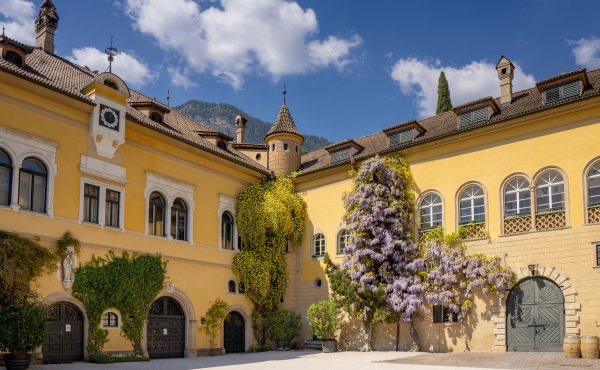
Castel Sallegg is a family-run firm of winegrowers located in Caldaro, Alto Adige (Italy) that is dedicated to maintaining and preserving the winemaking culture of the region. With a storied history and a tradition of commitment to excellence, the von Kuenburg family has ensured the production of quality wines from Castel Sallegg for over a century. While the winemaking team has great pride in its past they are focused on the future and the challenges that must be navigated to maintain its high standards in all phases of the operation.
For answers about how they are addressing these problems and what we should know about Castel Sallegg, I asked its Director Ulrike Platter to share her thoughts with my readers and me.
1. The wines of Alto Adige are famous for being able to express their terroir. What methods and technologies does Castel Sallegg employ to ensure this “Sense of place” is preserved in your wines?
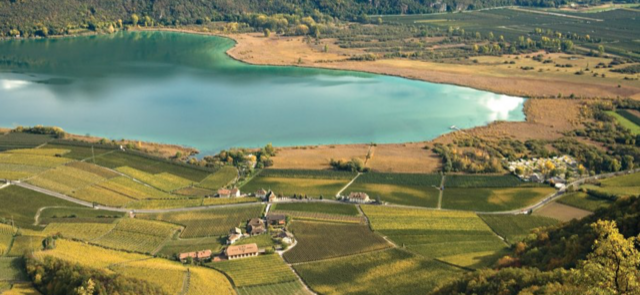
“Oltradige, the epitome of the wine-growing tradition in Alto Adige, lies at the foot of the Mendola Mountains in the hills of the western Adige Valley between Bolzano and Termeno. Vines have found ideal conditions in this delightful landscape for thousands of years. The winegrowing region of Alto Adige is one of the oldest in Central Europe and the entire German-speaking world.”Oltradige, the epitome of the wine-growing tradition in Alto Adige, lies at the foot of the Mendola Mountains in the hills of the western Adige Valley between Bolzano and Termeno. Vines have found ideal conditions in this delightful landscape for thousands of years. The winegrowing region of Alto Adige is one of the oldest in Central Europe and the entire German-speaking world.
The Alps form a protective barrier against cold winds from the north, while the southerly Ora wind from Lake Garda has a mild Mediterranean influence. Our wines benefit from the cool downslope winds coming off the Mendola Mountains. The vines flourish here thanks to an average of 1,800 hours of sunshine per year and average temperatures of almost 17 degrees Celsius during the vegetation period.
The family-owned vineyards are located in 3 historical vineyards in Caldaro:
✓ Preyhof / vineyard Prey: 550 m above sea level and situated in the Caldaro district of Paese di Mezzo.
✓ Leisenhof / vineyard Leisenpuiten: 500 m above sea level. Central location in the village of Caldaro.
✓ Seehof/vineyard VIGNA Bischofsleiten, vineyard Nussleiten: 230 – 280 m above sea level. San Giuseppe al Lago, Caldaro.
Due to the vineyards, which range from 230-550 m above sea level, Castel Sallegg identifies the best conditions for each grape variety and tries to make optimum use of this diversity.
Best practice: Our VIGNA Bischofsleiten Lago di Caldaro scelto classico superiore DOC: VIGNA (What is a Grand Cru for the French is a VIGNA for the Italians and for us South Tyroleans.) guarantees our customers that the grapes for this wine come 100% from this vineyard. In order to preserve these 50-year-old vines, the vines that fall out due to age, illness, etc., will be replanted with our own clones.
The goal is to produce top-quality wines in harmony with the terroir we have.”
2. With Alto Adige containing so many different microclimates and growing conditions in its vineyards, have the vineyard managers noticed any changes as a result of climate change? If they have, what can you tell us about them and how are you planning for your future vineyard management?
“Our vineyard manager noticed the changes, especially this year, which was hot and dry. Since Castel Sallegg is more of a red wine winery (we produce 58% of red wines) and we often had difficulties in the past years, with the red grapes, such as Lagrein, Merlot, and Cabernet Sauvignon fully ripening, so 2022 was a great year for us.
In addition, 80% of our vines are 30-50 years old, which means that the roots are growing very deep to get enough water for themselves even in a very hot season. These vines are stable.
Problems can be seen in younger plants or new plants.
For this purpose, we invested in a project for the next few years, which will digitize needs-based irrigation. This means that the humidity of the soil is measured by soil sensors and the vines in different places were partially watered by a targeted system.
Since we have some vineyards on a slope and the vines get less water at the top by draining and the vines at the foot get more water we can irrigate more targeted and water-saving.
We have also noticed increased hail in recent years. For this reason, we will place our most important vineyards under hail nets in the next 2-3 years.”
Thank you to Ulrike for sharing her time and down-to-earth expertise in the mindset and operations at Castel Sallegg.
My review of the 2019 Castel Sallegg Lagrein will be posted soon.
I invite you to read my latest article “Field of Dreams” which was just published by michiganuncorked.com. It is about starting a vineyard and winery from scratch. It can be viewed by going to their website and clicking the “Read all about it” link under the “Winter Collaboration” heading. It will take you to their flip-page magazine https://issuu.com/userg123/docs/mu_-_winter_2022. It begins on page 8 or scroll down the page below the viewer window and it is also featured as an individual story just click on it. I hope you enjoy it.
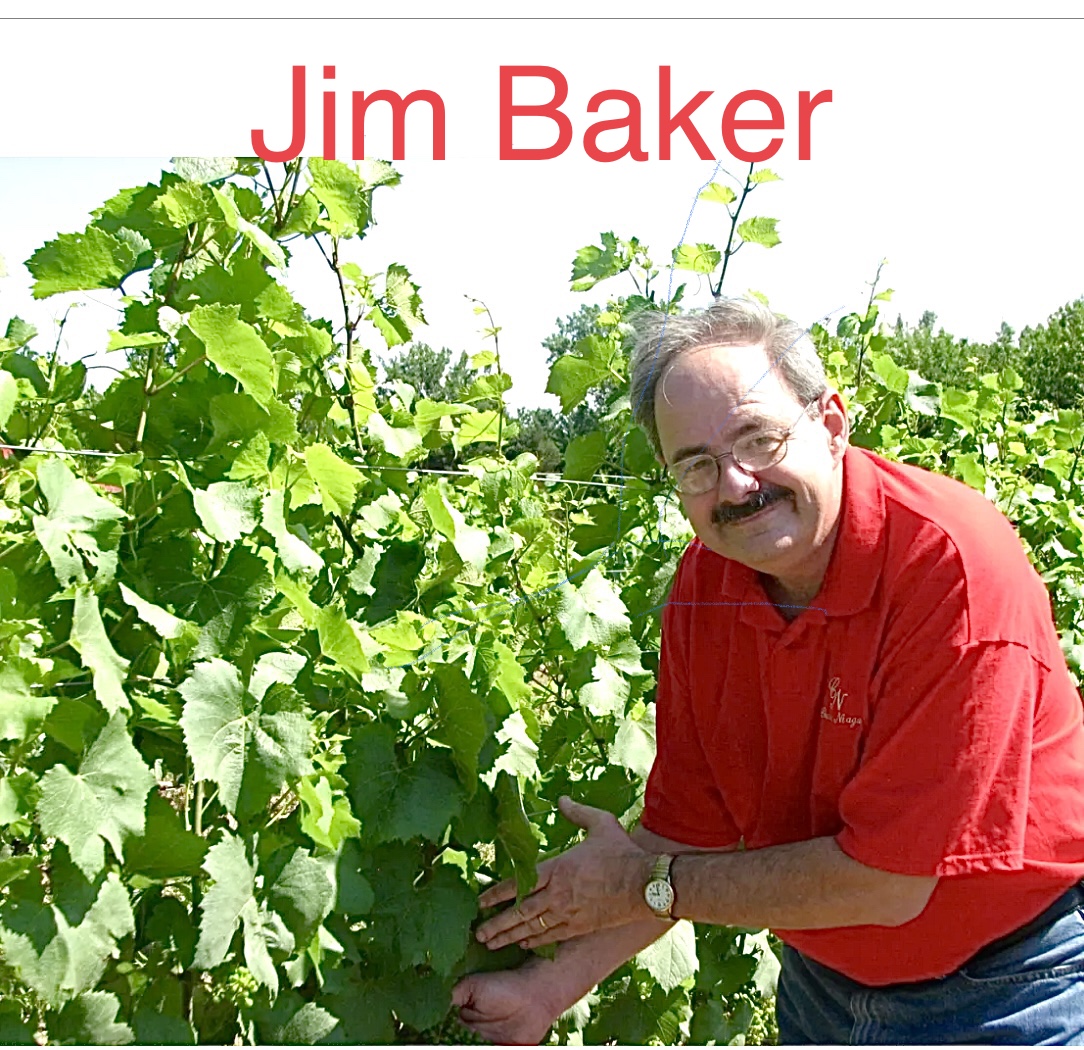
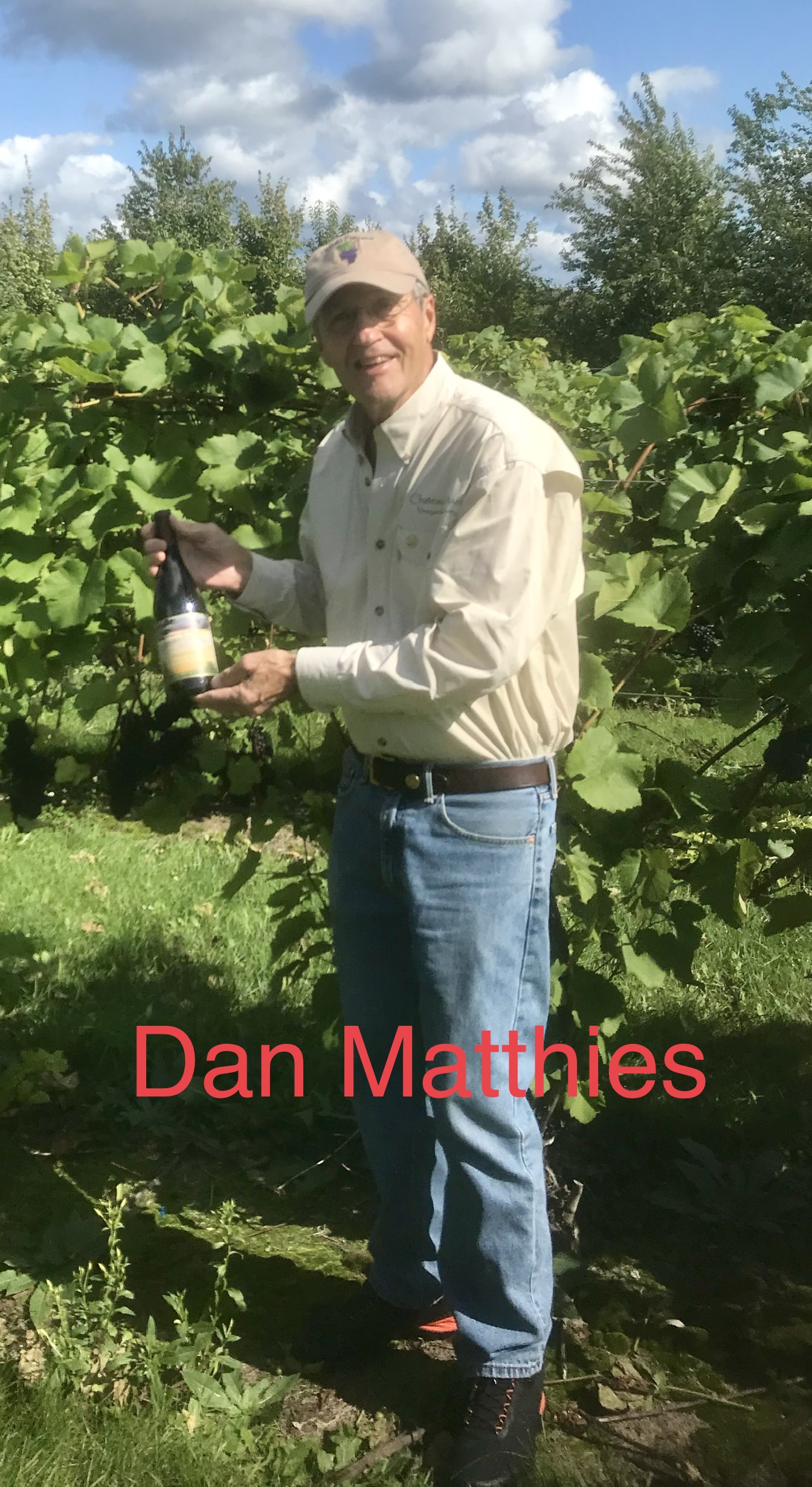
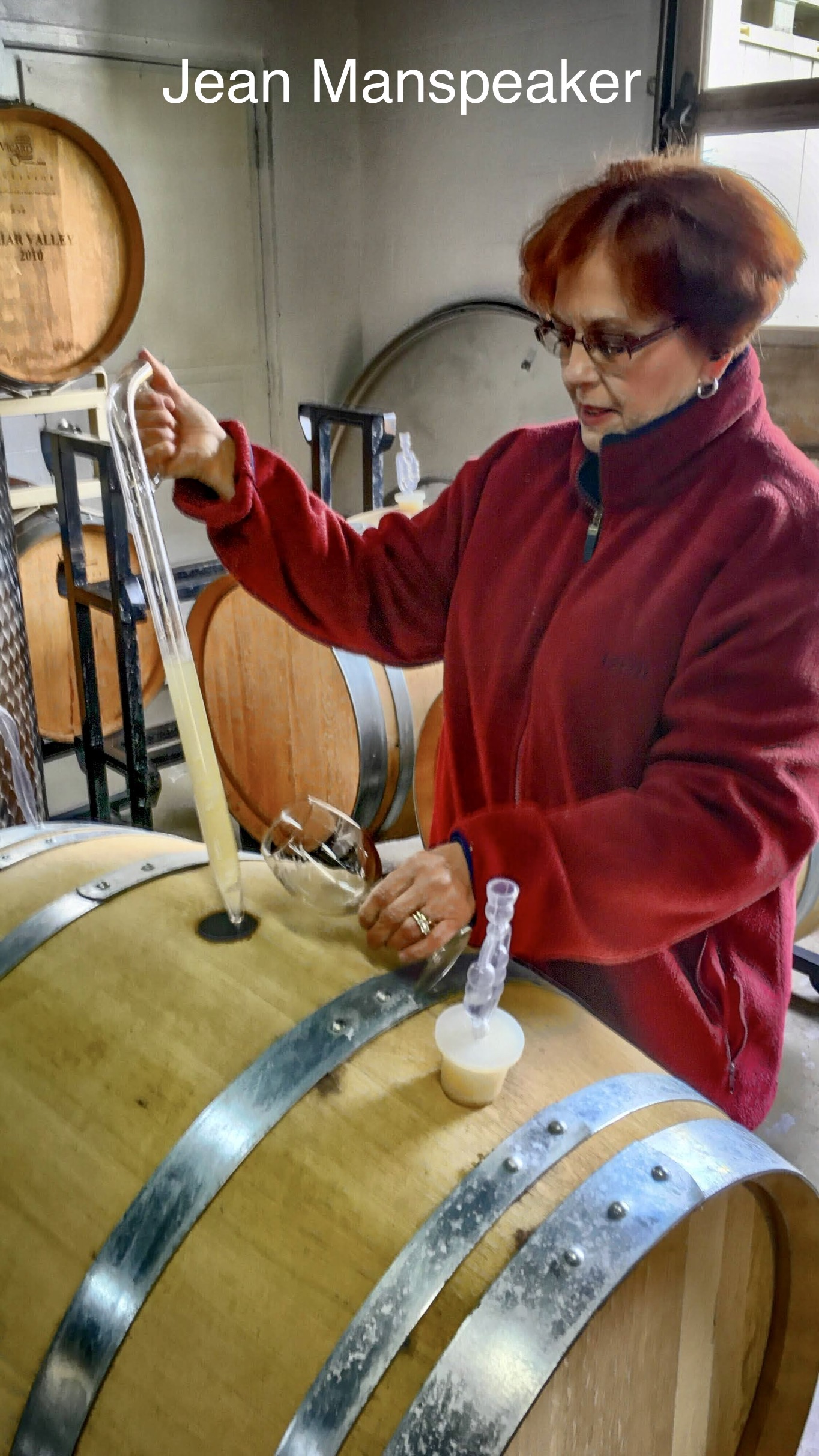
I wouldn’t have been able to write this story without the help of three successful winemakers that somehow found time to share their priceless advice on this subject. To Jim Baker Chateau Niagara, Jean Manspeaker, former owner of Briar Valley Vineyards & Winery, and Dan Matthies Chateau Fontaíne, I am truly grateful for your kindness and generosity.
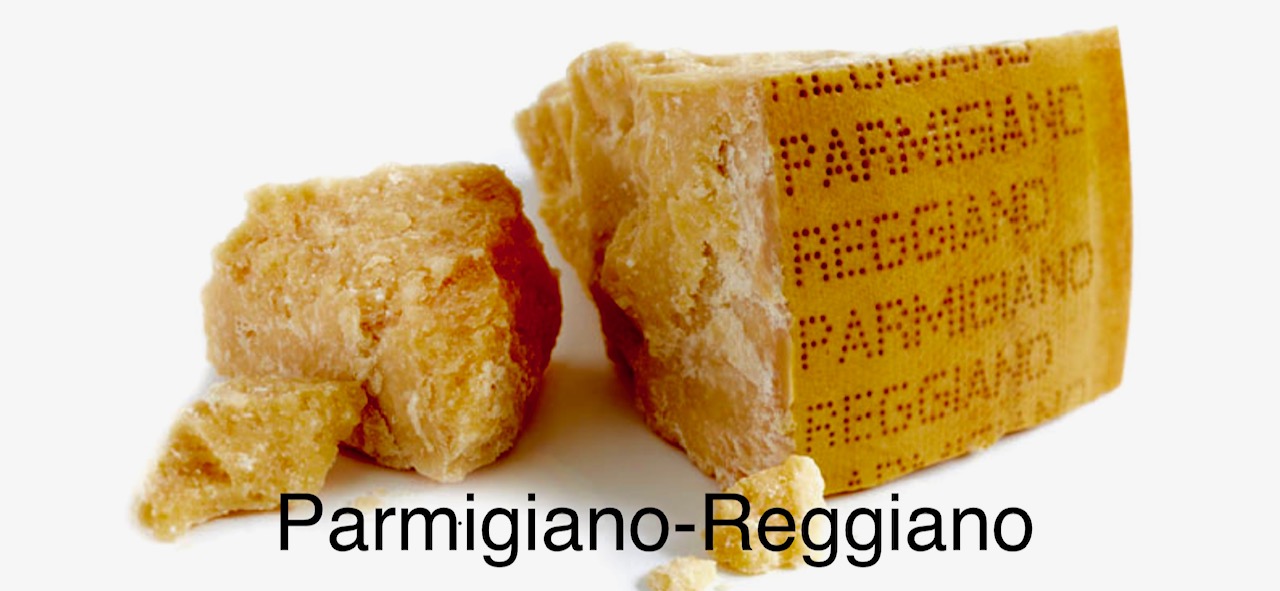
Parmigiano-Reggiano is called by some “The finest cheese in the world.” Parmigiano-Reggiano is made in Italy from raw cow milk under strict adherence to a prescribed procedure. To harden the young cheese’s rind, it is left in brine for three weeks or more before being allowed to age from twelve months to three years. A wheel of Parmigiano-Reggiano weighs eighty-five pounds and goes from an ivory paste color when young to an amber gold when mature. Don’t cut this cheese, use a blunt knife that will break it into chunks thus preserving its signature texture. You will need a medium to full-bodied red to pair with this cheese. Brunello di Montalcino, Cabernet Sauvignon, or Zinfandel would be a great pairing.
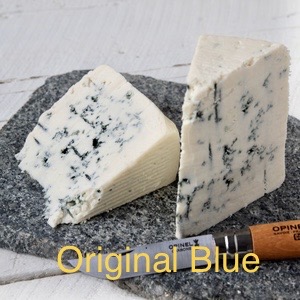
Original Blue is a raw cow milk aged blue cheese made by the Point Reyes Farmstead Cheese Company and is the only blue cheese made in California. The morning milk is taken directly from the milking parlor to the cheesemaker where it is cultured, coagulated with rennet, and inoculated with Penicillium roqueforti. As the cheese ages, it develops the characteristic blue-gray veins that give blue cheese its name and distinctive taste. Pair a French Pinot Gris or dry Riesling from the Finger Lakes of New York. I have also found Champagne is an excellent pairing because it cleanses your palate.
Manchego is Spain’s most famous cheese. It is made from raw or pasteurized sheep milk but most of Manchego today is made on an industrial scale using pasteurized sheep milk. You can find year-old Manchego at cheese shops in the U.S. This aged version of Manchego has a firm dry interior that is ivory to light yellow in color. It is best served with something sweet to contrast its tangy salty bite. Quince paste is usually served as the sweet accompaniment. Manchego pairs well with a Rioja from its homeland of Spain. Think tapas on a beautiful evening in Barcelona when selecting a wine.
I hope you enjoyed my posts on pairing wine and cheese as much as I enjoyed writing them. Cheers!
Photo Credit: Gourmetfoodstore.com, PointReyesCheese.com, and almagourmet.com
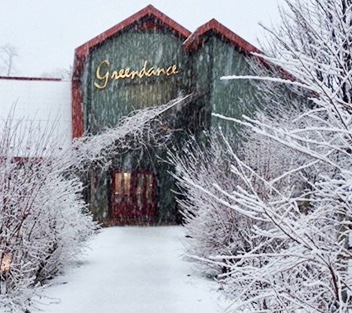
I recently checked in with Dr. Rick Lynn at Greendance The Winery at Sand Hill in Mount Pleasant Pennsylvania to see what was happening at his winery and vineyards.
Greendance is home to one of the three young Saperavi plantings in Western Pa. and I was eager to hear how his young vines were progressing. Rick told me:
“We had some early to mid-season powdery mildew on only the Saperavi and on none of others that included Kerner, Riesling, and Cab Franc, I personally used the same spray program on all and they were all in the same location. This reduced the Saperavi crop but the plants recovered and ended the year appearing healthy. There was not a large enough quantity to make a reasonable sized batch. We had about 40# of Cab Franc with good ripening stats as were the Kerner numbers.”
I am patiently awaiting next year’s Saperavi harvest that will hopefully provide ample fruit to produce Greendance’s first vintage of Saperavi. I am also curious how Rick will be able to integrate Saperavi’s signature acidity and dark color into his wine making style to yield new and completely unique blends.
Unlike the humans that tend to them, grape vines can’t contract Covid19 they only respond to the influences of their environment. I asked Rick to share his thoughts on this year’s harvest:
“Our overall hybrid harvest this year, as for everyone else, was exceptional and in the range of 15T. We had 2T+ of Petite Pearl and 3T+ of Frontenac Gris/Frontenac Blanc. Our farm red blend is Frontenac and Chambourcin and there were plenty of them. Our wine for American grape lovers is Niagara softened with Louise Swensen and Aldamiina.
I addressed the recent stretch of sub-zero temperatures that had overspread the region and he had this assessment:
“Concerning of course but only for the trial vinifera planting and not the hybrids. This is a better test year for their graft and bud survival. The advantage this year is a gradual but full opportunity for deep dormancy and then steady cold to keep them there up to this point and probably at least for the next 2 weeks.”
Every year has its own challenges and 2021 was no different but winemakers always find a way to meet those challenges and craft wines that express the very best each year has to offer. I look forward to tasting the 2021 releases from Rick and his team at Greendance Winery. For more information about Greendance The Winery at Sand Hill please visit http://www.greendancewinery.com Photos Courtesy: Greendance The Winery at Sand Hill
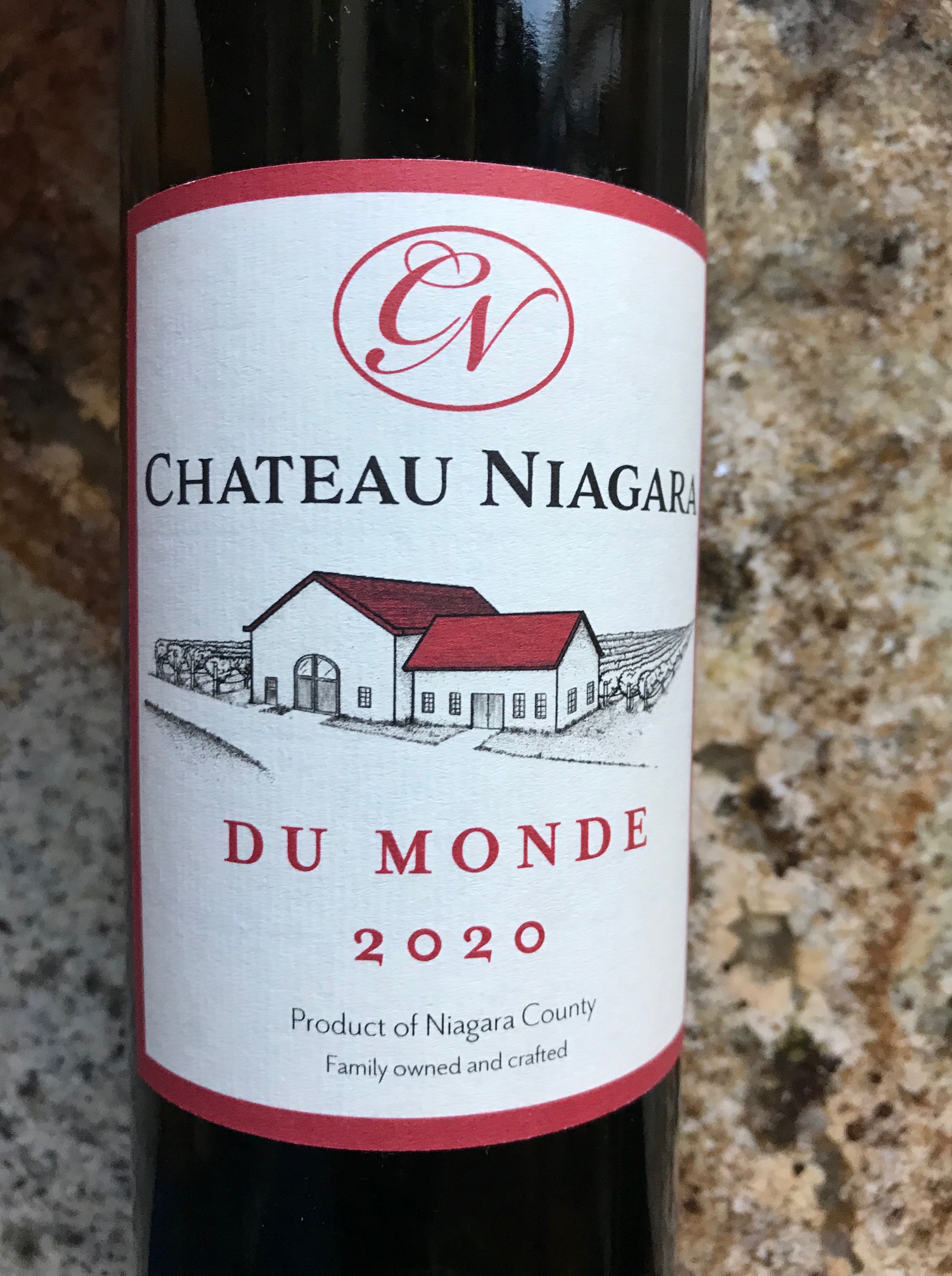
Jim Baker is a visionary when it comes to the wine he makes at his Chateau Niagara Winery located on the Niagara Plain near Lake Ontario in Newfane New York. Jim isn’t afraid to think outside the box or even outside of North America when it comes to the grapes he grows, styles of wine he makes or even the techniques he uses in the cellar. Chateau Niagara Du Monde 2020 is a perfect example of a blend of two well-known white grape varieties that yield a surprising unique wine when they are made using centuries-old methods from the fabled cradle of wine making.
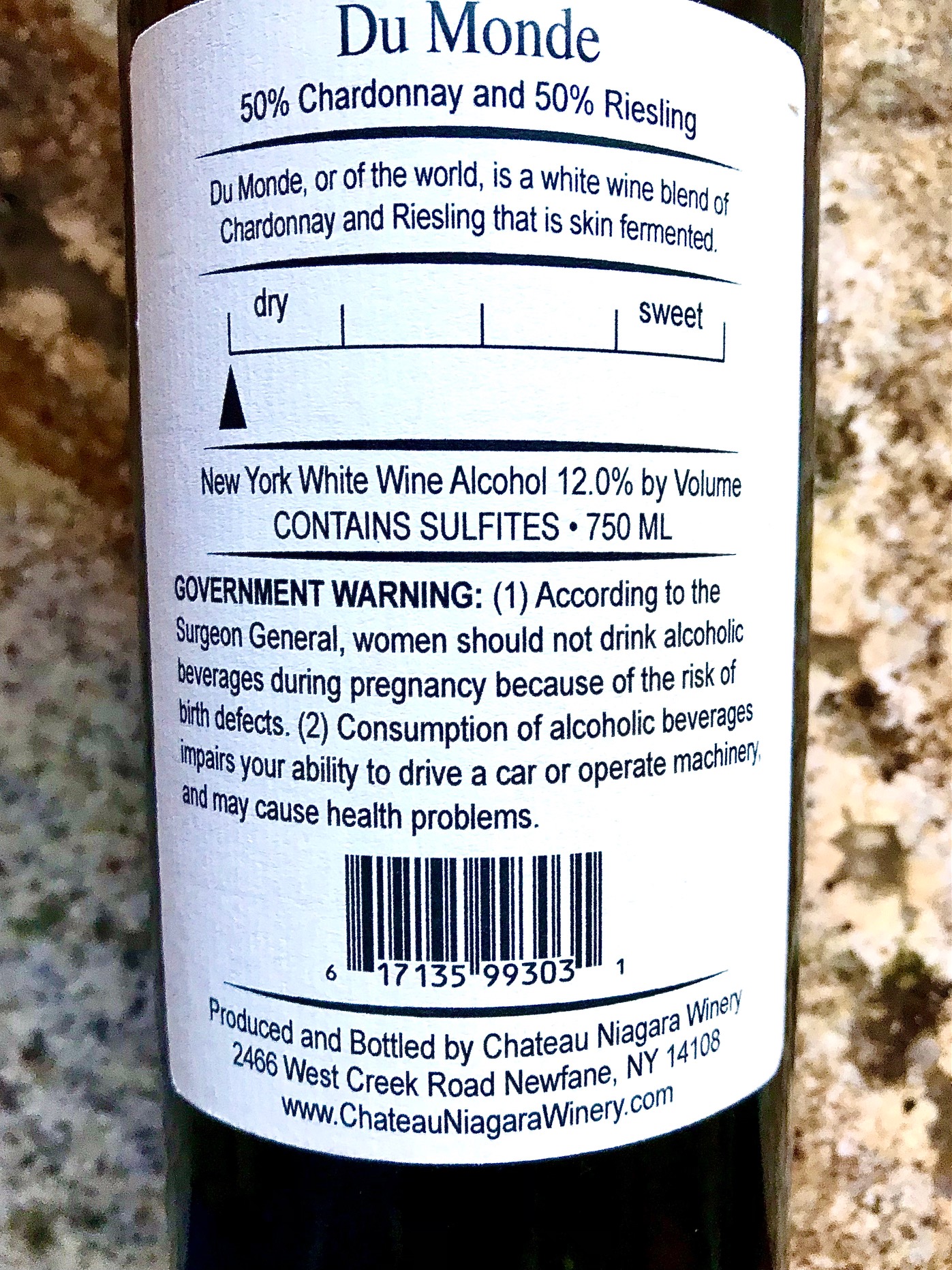
Chateau Niagara Du Monde 2020 is a blend of 50% Chardonnay and 50% Riesling with a R.S. of nominally 0 and an A.B.V. of 12%. Everything from how this wine is made, to the fascinating character these two highly stylized grapes yield when blended together using a process almost exclusively reserved for red grapes is far from the common place. Du Monde 2020 must be tasted to be understood but don’t wait because only twenty three cases were made. I asked Jim to explain how he makes Du Monde so we can appreciate the nuances of his wine.
“Du Monde is a wine made as a Georgian style white. These wines are traditionally skin fermented in clay amphora called qvervi for long periods of time. We did not use a qvervi, but we did a long skin maceration of eight weeks. This is similar to red wine making technique and results in a wine with many red wine characteristics such as deep color of amber rather than red. The skin tannins and phenols that give a sense of drinking a red wine, with a white wine finish. Our Du Monde is a 50/50 blend of Riesling and Chardonnay making a unique and promising blend. The combination yields a certain spiciness that is not apparent in either grape variety. This results in Du Monde pairing fantastic with all sorts of Mexican food.”
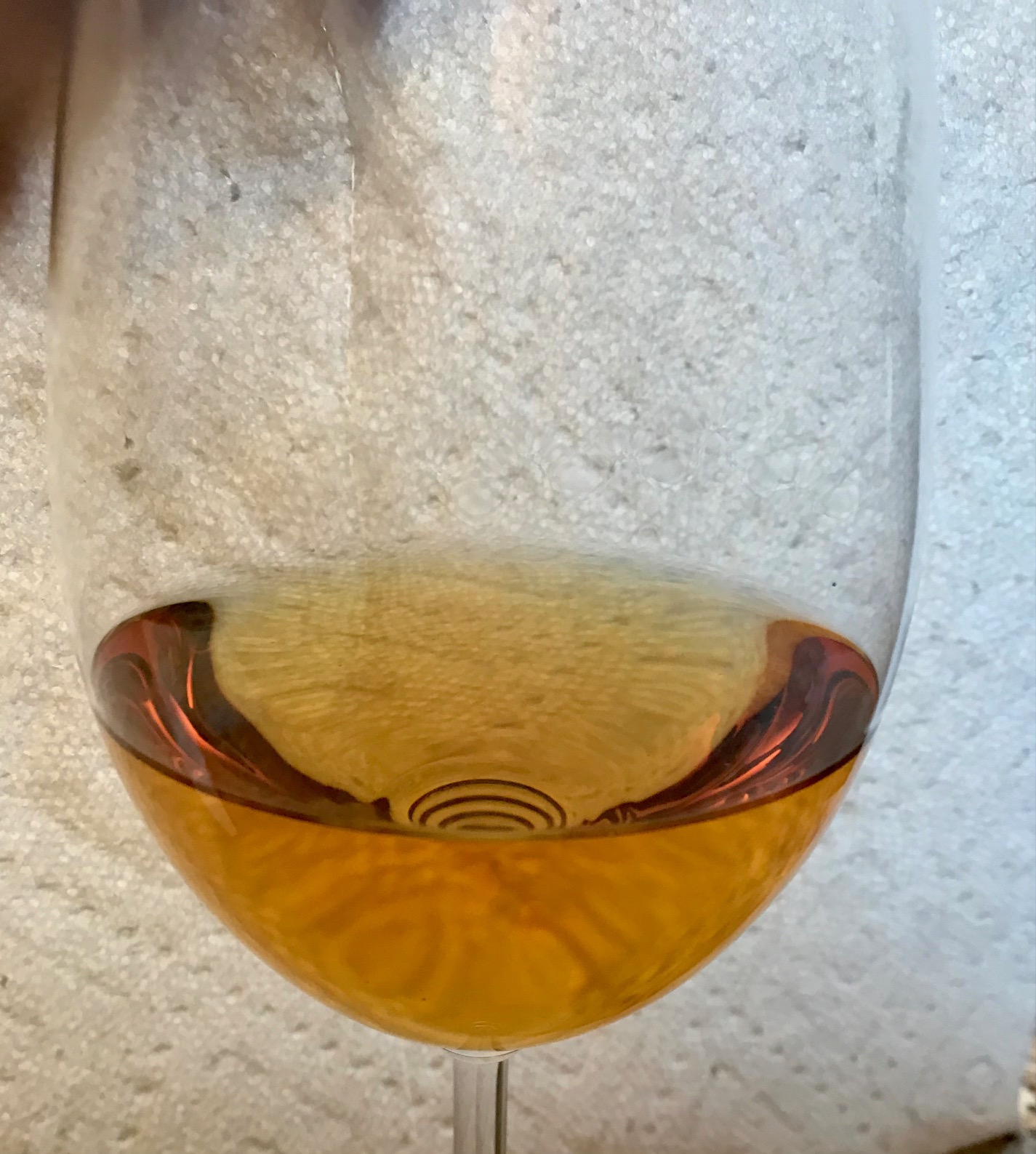
It would be correct to say this wine is a simple 50/50 blend of Chardonnay and Riesling but that is a much too simple description. It would be better to use the analogy of two perfectly matched dance partners where neither one outshines the other so you can enjoy their performance in its entirety. Chateau Niagara Du Monde 2020 opens with notes of candied fruit leading into flavors of melon and tropical fruit followed by a medium finish with a tinge of lemon peel. This wine is perfectly balanced and displays a deep amber color in the glass.
All of Jim Baker’s wines can be purchased online at http://chateauniagarawinery.com and by visiting or calling the winery at 2466 West Creek Road Newfane NY 716-778-7888
V is for Vino host Vince Anter enjoys a toast to the wine of Ensenada. Photo Credit: V is for Vino
Ensenada is often called the Napa Valley of Mexico for good reason. This region has been growing grapes and producing wine for hundreds of years. The renaissance of the area began in the late 1970’s and early 1980’s when the commercial production of wine began to expand so quickly that it now boasts over one hundred wineries. When we talk about Ensenada, Mexico we are including the City of Ensenada, the major winery/vineyard area of Valle De Guadalupe, and several grape growing areas just to the south. Ensenada is less than a two hour drive from San Diego in the Mexican State of Baja California. I would strongly suggest you take the advice of the travel show V is for Vino host Vince Anter and use a tour company, local tour guide or go with someone familiar with the area until you feel comfortable enough to visit by yourself.
Ensenada wineries offer you the opportunity to experience a wide selection of wine that is not available anywhere else in the world. The vintners are still trying to identify which grapes are the best match for their terrior. In the vineyards around Ensenada you can find the white wine grapes: Chenin Blanc, Sauvignon Blanc, Chardonnay and the red wine grapes: Cabernet Sauvignon, Grenache, Syrah, Merlot, Tempranillo, Sangiovese, Malbec, and Zinfandel. These red grapes all make big red wines because of the warm dry climate. Surprisingly, the one grape that is emerging as the region’s signature grape is Nebbbiolo. Yes, the Italian wine grape from Tuscany, Italy. The Nebbiolo that is made in Mexico is a completely different wine than is made from the same Nebbiolo grape in Italy. Since there are no commissions or governing bodies restricting winemakers there they are free to experiment with different production methods and make unusual blends that are exclusive to the region. Blends of Cabernet Sauvignon/Syrah, Cabernet Sauvignon/Tempranillo/Sangiovese, and Tempranillo/Syrah are common.
If you are interested in learning more about the food and wine culture of the Ensenada region I invite you to watch the wine and travel show V is for Vino Episode 2 Season 3 Ensenada Valle De Guadalupe Mexico. You can view all of the episodes from the first three seasons for free at http://visforvino.com, Amazon Prime, Roku, YouTube, Facebook Watch or Instagram. Here’s a link to the V is for Vino Ensenada episode. http://visforvino.com/ensenada-mexico Host/Producer Vince Anter gives you an insider’s look into the How. What, and Where when planning a trip to Mexico’s premier wine region. Salud!
Have you seen the wine and travel show V is for Vino? If you haven’t, I strongly recommend that you add it to your must see list. This show isn’t just about the wine and winemakers of a region but is an immersive experience into how the food, wine, and culture of a region are all intertwined. V is for Vino delivers it’s viewers several options to interact with the show. It offers the wines featured in each episode for sale so you can be drinking them along with the host as you watch. You can also become a member of the VINO VIP CLUB for exclusive perks, like early access to new episodes, virtual tastings with the host, and discounts on wine plus much more. V is for Vino has plenty of entertaining and informative content making it perfect for both the novice and seasoned wine lover.
I recently had the opportunity to ask the show’s host/creator Vince Anter to tell my readers about his wine journey and the story of V is for Vino. I want to thank Vince for taking the time from his busy schedule to work with me on this project.
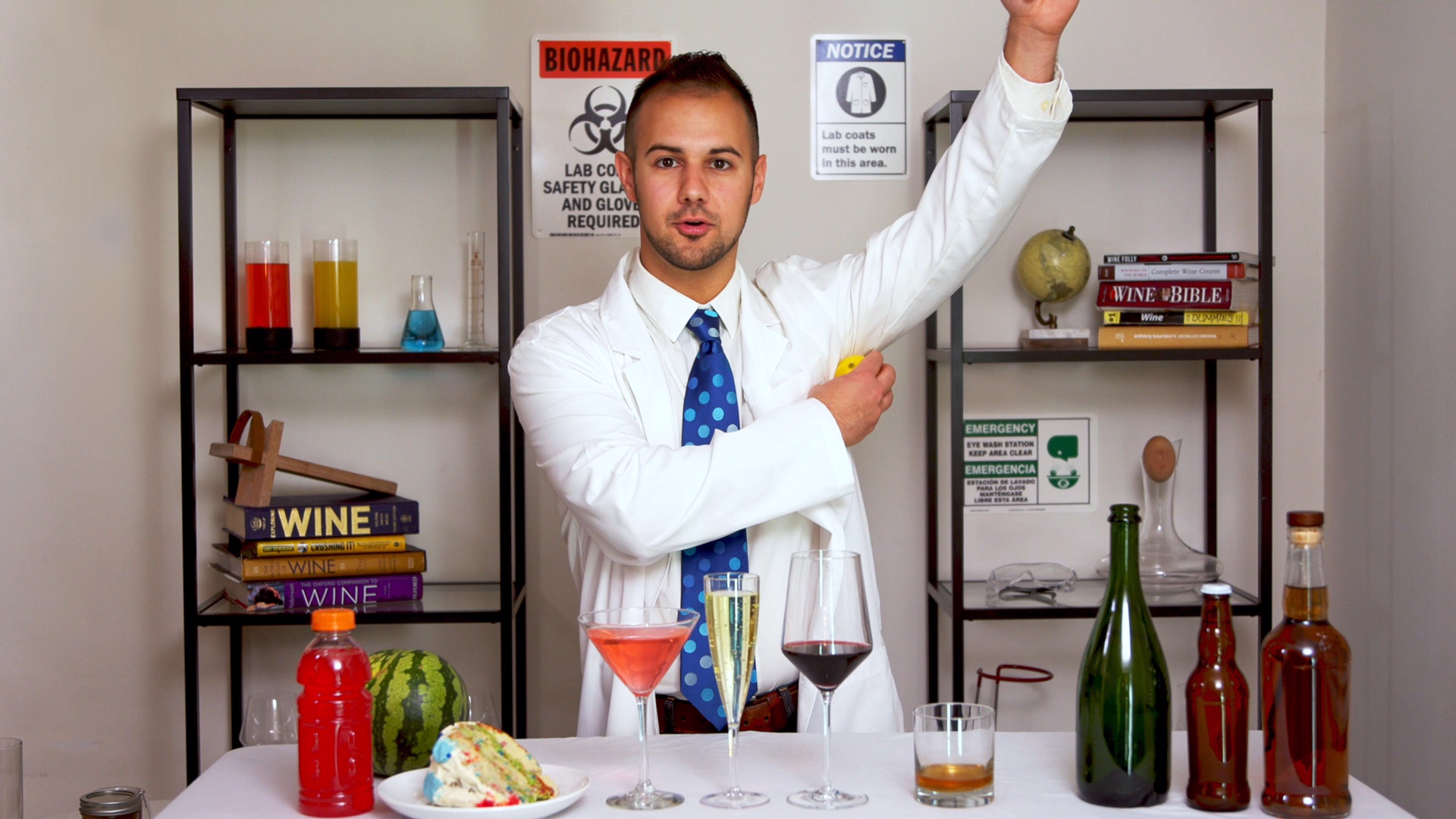
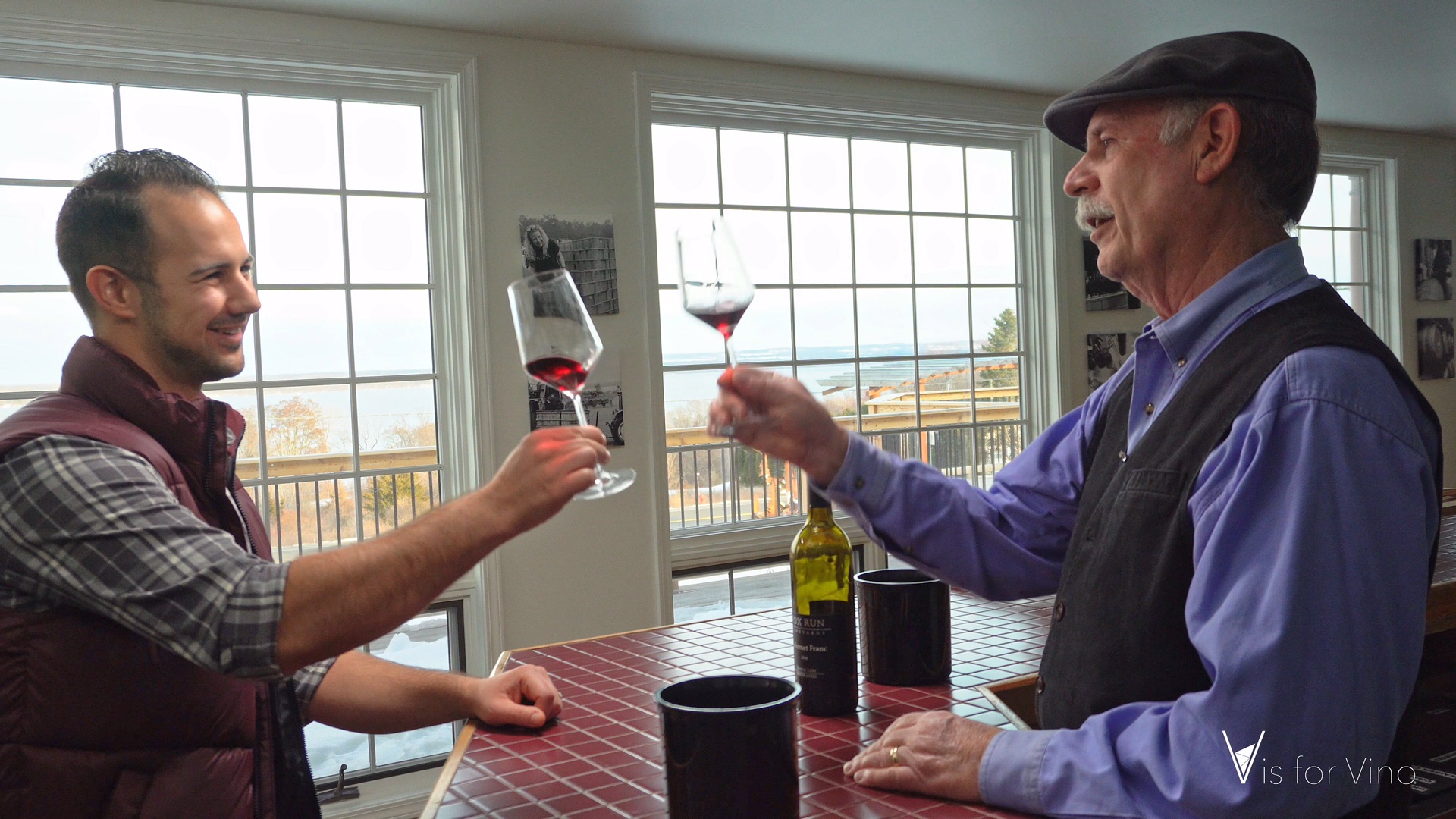
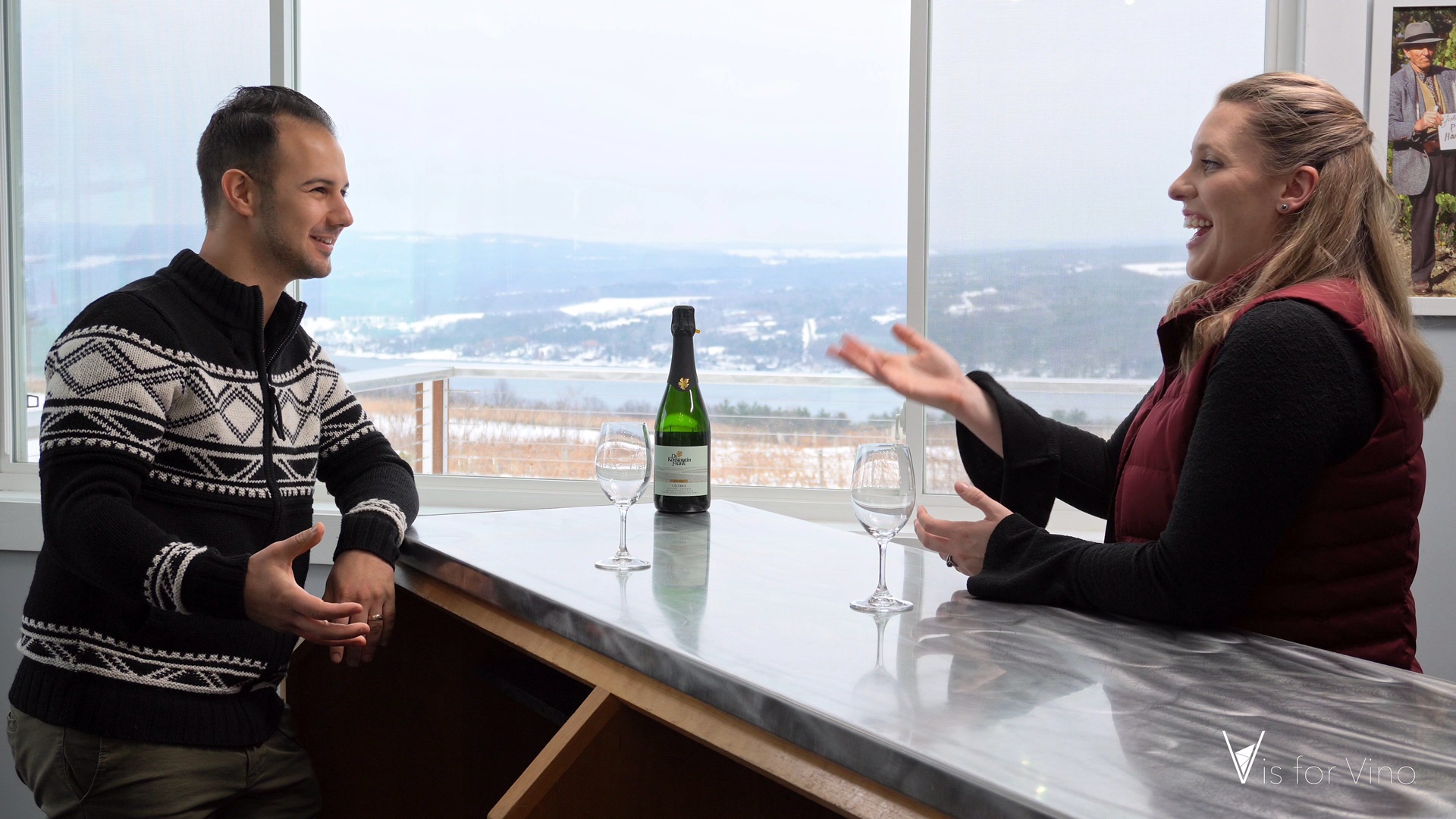
My name is Vince and I’m a certified sommelier and the producer and host of the wine and travel show V is for Vino. Each episode, I host the show in a new wine region, so wine lovers can really be transported to where their wine is made! You learn about the place, the grapes, meet a local winemaker, and learn how to cook dishes from a local chef that pair perfectly with the wine featured in the episode. We also always try to explore as much of the local culture as we can, and meet people who can really tell the story of the places we visit. For instance, in the Finger Lakes we went ice fishing , and in Mexico we went to the local seafood market in downtown Ensenada. Wine is as much about the place and people around it as it is the beverage itself, and the goal of the show was always to capture that. Then, you can actually buy the wine from the episode on our website. I tell people it’s like the Anthony Bourdain of wine: and you can actually drink the wine along with us!
I started the show in 2016. I had come out to LA in 2010 to be a rock star, but as it turns out, a lot of other people had the same idea. During the 5 years spent pursuing music, I paid my way through gigs with bar and restaurant jobs and discovered a love for wine. I spent a year becoming a certified sommelier, which was one of the most challenging things I’d ever done; it involved many textbooks and flashcards. I decided I wanted to find a way for people to learn and understand more about the wine in their glass without having to pick up a book. And thus, V is for Vino was born. Video content is everywhere now, and I knew the timing was right for a video-based wine company. I’ve always been a fan of Alton Brown, Anthony Bourdain and Dinner’s, Drive-ins and Dives, so I decided to model my own show as a hybrid of the three. I knew I could host the show myself, as I was used to being in the spotlight from my days with my band, and I learned how to interact with all walks of life from my time bartending. Plus, I’ve always loved teaching, so this whole idea came very naturally to me.
So many people put their heart and soul into their wine and cooking, and it’s so awesome to be able to tell their stories. I think we’re unique in the sense that no one is getting as in-depth into the stories behind the wine as we are. And, we’re even turning non-wine lovers into fans: I try to break down topics plain and simple so that everyone can enjoy wine! Wine isn’t this mystical beverage that only snobs can understand and I think, I’m helping contribute to busting those perceptions! People often say that show helped them learn more about wine than years tasting in tasting rooms, and that’s always one of the best compliments I can receive; I want wine to be as accessible as any other beverage out there!
We’re currently filming season 4 of the show, and most of our upcoming episodes are in Europe, which has been a blast. It should come out by May 2022. The best way to see the first 3 seasons is on https://visforvino.com/ for free! They can also be seen on Amazon Prime (paid), Roku, and YouTube. One of the best parts of the show is you can purchase the wines from the episodes at https://visforvino.com/buy-wine so you can order before you watch, and drink with us as we taste the wines on the show! We also have a virtual VINO VIP CLUB that has a TON of benefits, including behind the scenes content, full length interviews, raffles and giveaways, virtual tastings and events, and discounts on wine! It’s only $5 and really helps you get more out of the show; we work hard to over-deliver on value for our VIP members! https://visforvino.com/vino-vip-club/ Cheers, and I hope you enjoy the show! -Vince














 wpawinepirate